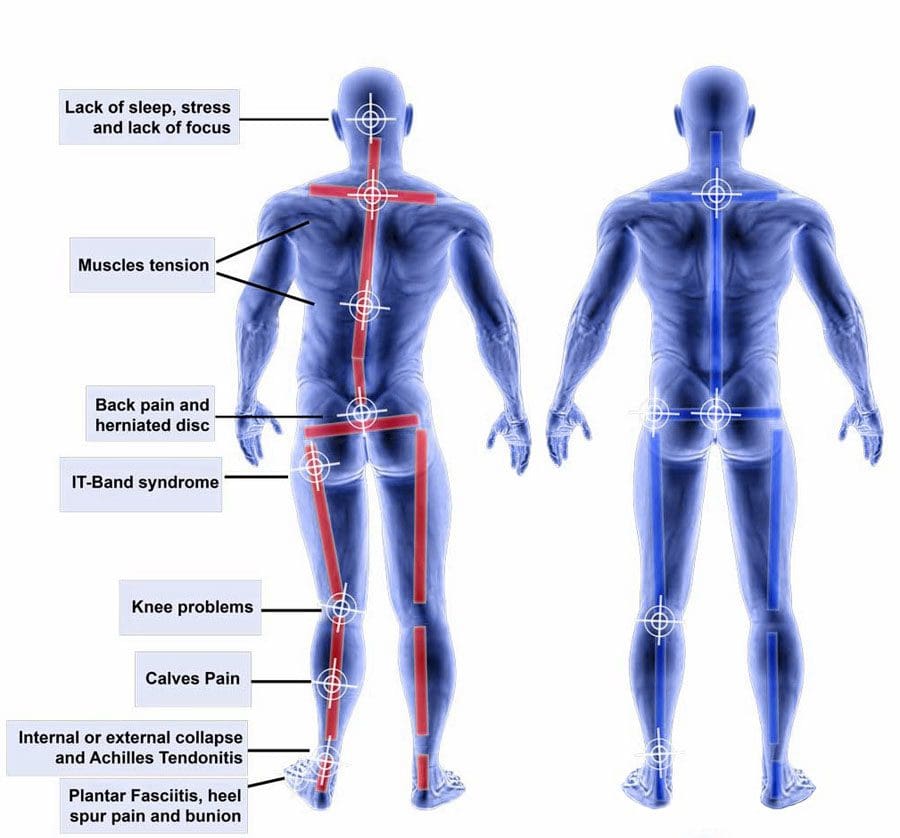
Healthy hips are necessary for standing, sitting, walking, running, bending, twisting, lifting, etc. Hip problems can seriously interfere with everyday activities. Out of alignment hips don’t just cause pain and soreness in the hip area but can radiate to other body areas. When the hip joint is out of alignment, the rest of the body has to start compensating for the misalignment, which can cause chronic pain in the back and/or legs.
Out of Alignment Hips
Discomfort and soreness begin as occasional but can quickly become regular. Individuals may also begin to limp when they walk, have a reduced range of motion in the hips, and pain that escalates with physical activity and improves with immobility/rest. Out of alignment hips can be caused by:
Lifting incorrectly
Repetitively carrying heavy loads on one side of the body places uneven pressure on the pelvis, causing an imbalance.
Performing repetitive motions that begin to stress the joint
If the legs are different lengths, this can cause the hips to go out of alignment. Using a foot wedge/foot orthotic in the shoe can remedy the situation.
Functional Leg Length Discrepancy
Functional leg length discrepancy is a common cause of hip misalignment, meaning that leg length is equal, but the individual is doing something to cause the hips to go out of alignment. It usually involves posture, standing, walking, sitting, lifting, and carrying improperly or awkwardly and repetitively could create functional leg length discrepancy.
Scoliosis
Scoliosis is only one cause of hip misalignment. It is not likely that an individual has scoliosis if they are an adult and have not previously been diagnosed with the condition. If a child has what looks like a misaligned hip, it is recommended to take them to get tested for scoliosis. Most children with the disorder will outgrow it, but they need to be monitored by a medical professional.
One of the most prominent signs that it is a hip problem is the presence of groin pain. Groin pain can radiate downward toward the buttocks, front of the thighs, and knees. The hip joint is located behind the groin; pain usually means the hip is the root cause.
Chiropractic Decompression
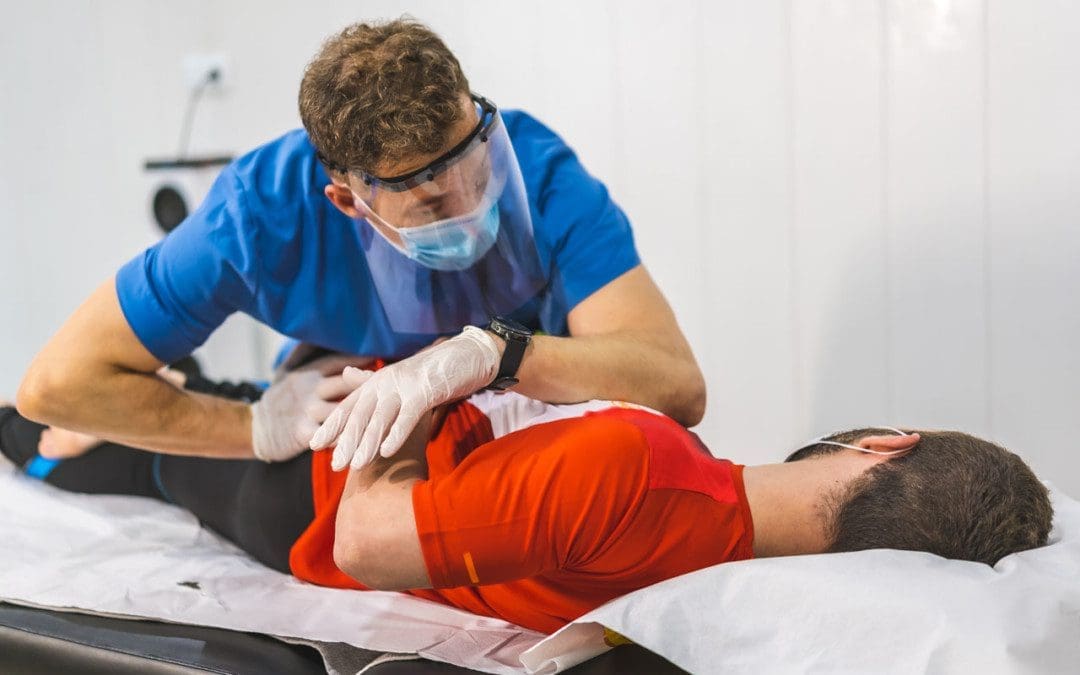
A chiropractic examination can identify uneven hips. Chiropractic and motorized spinal decompression can reset the hips to their proper position. A chiropractor will be able to rebalance the hips and help avoid invasive surgical treatments and long-term rehabilitation.
DRX9000 90 Seconds Spinal Decompression
References
Battaglia, Patrick J et al. “Posterior, Lateral, and Anterior Hip Pain Due to Musculoskeletal Origin: A Narrative Literature Review of History, Physical Examination, and Diagnostic Imaging.” Journal of chiropractic medicine vol. 15,4 (2016): 281-293. doi:10.1016/j.jcm.2016.08.004
Jones HR, Burns TM, Aminoff MJ, Pomeroy SL. Pain. Chapter: Diagnosis of Low Back, Buttock, and Hip Pain. Netter Collection of Medical Illustrations: Spinal Cord and Peripheral Motor and Sensory Systems, Section 8, 201-224.
Khamis, Sam, and Eli Carmeli. “A new concept for measuring leg length discrepancy.” Journal of orthopedics vol. 14,2 276-280. 27 Mar. 2017, doi:10.1016/j.jor.2017.03.008
Miyagi, Masayuki, et al. “Hip-spine syndrome: cross-sectional-study of spinal alignment in patients with coxalgia.” Hip international: the journal of clinical and experimental research on hip pathology and therapy vol. 29,1 (2019): 21-25. doi:10.1177/1120700018803236
Nunes, Guilherme S et al. “Acute Effects of Hip Mobilization With Movement Technique on Pain and Biomechanics in Females With Patellofemoral Pain: A Randomized, Placebo-Controlled Trial.” Journal of sport rehabilitation vol. 29,6 707-715. 18 Oct. 2019, doi:10.1123/jsr.2018-0497
Walking is the most natural form of physical activity for optimal body health. It is low impact and can provide health and longevity benefits. Walking is second nature, but sometimes individuals can forget how to walk correctly and begin to present with musculoskeletal discomfort and injuries. The proper walking technique increases breathing function, reduces stress on the body and mind, and is a recommended form of self-care for aches and pains, injuries, and conditions. Proper walking techniques rely on the simple form, proper body mechanics, and active adjustments. Walking technique improvement can be achieved through chiropractic musculoskeletal rehabilitation and retraining to keep the body balanced and in top health.
Walking Problems
Forgetting proper walking technique is like forgetting healthy posture, which can lead to problems that include:
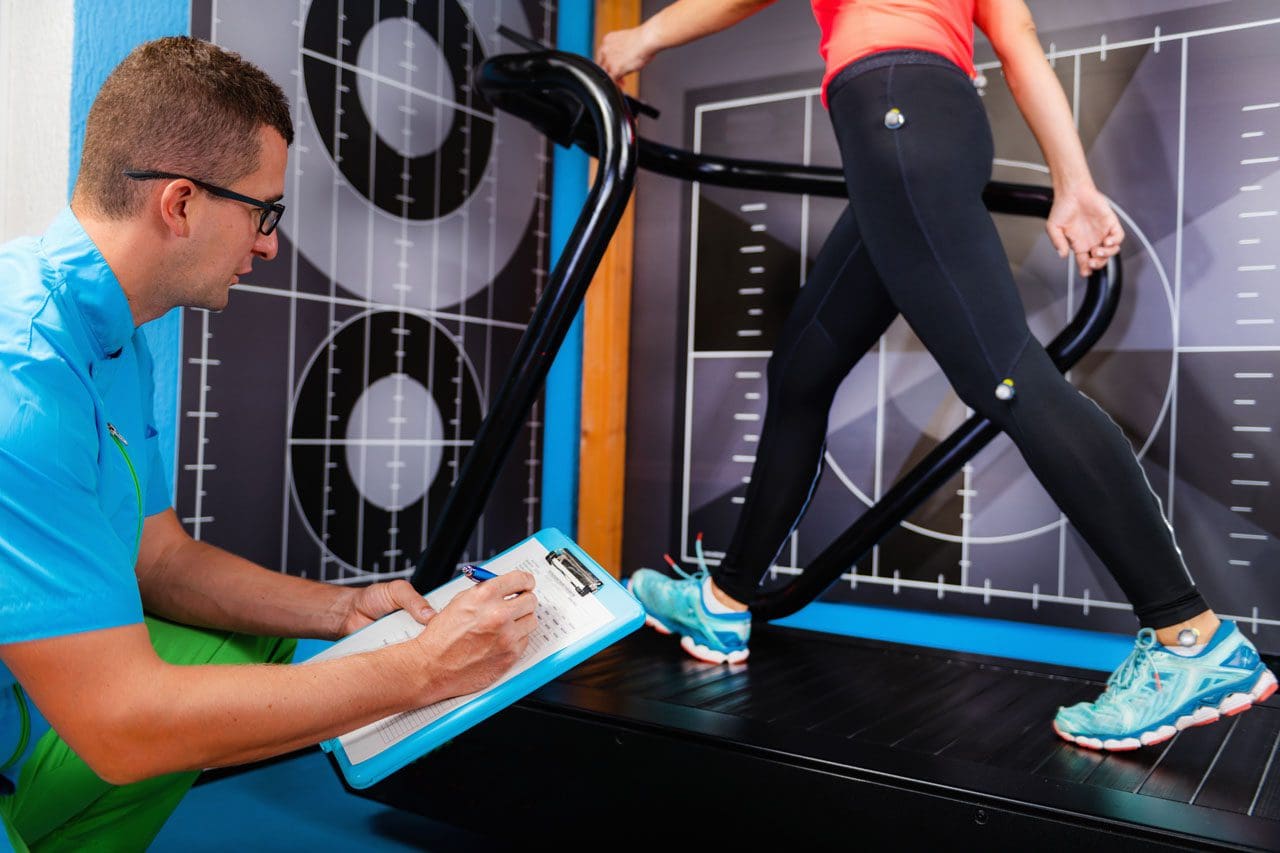
Gait is the manner or way an individual walks. The average gait could be described as placing one foot in front of the other in a continuous motion from the heel to the ball of the foot. Walking problems are often brought on by poor posture, injury, or physical condition. Typical gait abnormalities:
Propulsive gait
This gait is a stooped, stiff posture with the head and neck bent forward.
Scissors gait
This gait is when the legs flex slightly at the hips and knees like a crouch, with the knees and thighs hitting or crossing in a scissors-like movement.
Spastic gait
This gait is a stiff, foot-dragging walk caused by a prolonged muscle contraction on one side.
Steppage gait
This gait causes foot drop where the foot hangs with the toes pointing down, causing the toes to scrape while walking, requiring the individual to lift the leg higher.
Waddling gait
This gait is a duck-like walk that can show up in childhood or later in life.
Walking Problem Causes
Different diseases and conditions can affect gait and lead to walking issues. They include:
Foot problems, including corns, calluses, and sores
Injuries, such as fractures/broken bones, sprains, and tendinitis
Arthritis of the spine, hips, knees, ankles, or feet
Neurologic diseases – multiple sclerosis and peripheral nerve disorders
Cerebellar disorders of the brain that control coordination and balance
Movement disorders like Parkinson’s disease
Infections
Abnormal development of the muscles or bones of the spine, legs, or feet
Vision problems
Walking Technique Improvement
Body posture continually needs to be assessed and adjusted. When an individual least realizes it they start to forget healthy walking techniques, posture, and their shoulders begin to bow forward or become rounded or their feet start turning out when they shouldn’t. Poor walking posture leads to body aches and pains. Walking technique improvement consists of:
Standing up straight like a string is attached to the head maintaining a plumb line with the sky.
Keeping the chin parallel to the ground.
Shoulders are back and relaxed to relieve tension.
Focusing on around 15-20 feet in front, so the head follows where the eyes are looking.
The body relies on muscle/form memory. Chiropractic adjustments make it possible to keep the body in alignment, allowing mobility and flexibility without pain. Walking with proper form will strengthen the muscles that support the spine, eliminate stress on the body, and relieve aches and pains. Circulation will improve, bringing vitamins and minerals to the muscles and tissues.
DRX9000 Patient Testimonials Spinal Decompression
References
Buldt, Andrew K et al. “The relationship between foot posture and plantar pressure during walking in adults: A systematic review.” Gait & posture vol. 62 (2018): 56-67. doi:10.1016/j.gaitpost.2018.02.026
Chambers, April J et al. “The Effect of Prolonged Walking With Intermittent Standing on Erector Spinae and Soleus Muscle Oxygenation and Discomfort.” Journal of sports science & medicine vol. 18,2 337-343. 1 Jun. 2019
Hackford, Jessie, et al. “The effects of walking posture on affective and physiological states during stress.” Journal of behavior therapy and experimental psychiatry vol. 62 (2019): 80-87. doi:10.1016/j.jbtep.2018.09.004
Russell, Brent S et al. “Walking Gait Before and After Chiropractic Care Following Fifth Metatarsal Fractures: A Single Case Kinetic and Kinematic Study.” Journal of chiropractic medicine vol. 17,2 (2018): 106-116. doi:10.1016/j.jcm.2018.02.002
Body Flexibleness: The body loses a small amount of flexibility during normal aging. Decreased body flexibility can negatively impact everyday life by preventing normal function. If the muscles are not taken through their full range of motion to maintain length, strength is lost, and decreased flexibility increases. This can happen from:
Water loss in the tissues and spine.
Increased stiffness in the joints.
Loss of elasticity throughout the muscle tendons and surrounding tissues.
Body Flexibleness
Individuals of all ages struggle with flexibility, but there is a difference in age stiffness. However, a sedentary lifestyle can make everyday activities feel more strenuous than before. Less flexibleness can also cause pain. For example, if the muscles in the front of the legs become tight, it can limit movement in the pelvis and hips, leading to low back pain.
Several problems can result from decreased flexibility, including:
Shorter steps while walking.
Slower walking speed.
Back pain.
Increased risk of falls.
Flexibleness improves overall movement and helps prevent simple strains and injuries, including:
Back injury.
Muscle strains.
Shoulder injury.
Hip injury.
Leg injury.
A stretching program for the hip muscles can improve walking speed and step length. This will result in improved walking function with improved and increased control, decreasing the risk of injury. Step length is also critical in preventing injuries. More distance while walking and longer steps mean better balance, making it essential to maintain flexibility in the leg muscles.
Chiropractic Decompression
Routine chiropractic adjustments and spinal decompression can slow the progression of joint degeneration, improve movement, and decrease the risk of injury. When the vertebrae are properly aligned, the entire body operates at its optimal level. There is proper lubrication of joints and muscles, improving mobility and function and removing stress on the nerves, muscles, ligaments, and tendons. Chiropractic treats the joints, bones, and muscles to improve body flexibleness through manual and motorized decompression, adjustments, and massage, combined with health coaching, nutrition, stretching, and exercises to do at home.
DRX Spinal Decompression
References
“American College of Sports Medicine Position Stand. The recommended quantity and quality of exercise for developing and maintaining cardiorespiratory and muscular fitness, and flexibility in healthy adults.” Medicine and science in sports and exercise vol. 30,6 (1998): 975-91. doi:10.1097/00005768-199806000-00032
Choi, Jioun, et al. “Influences of spinal decompression therapy and general traction therapy on the pain, disability, and straight leg raising of patients with intervertebral disc herniation.” Journal of physical therapy science vol. 27,2 (2015): 481-3. doi:10.1589/jpts.27.481
Tseng, Shiuan-Yu, et al. “Effect of Two Frequencies of Whole-Body Vibration Training on Balance and Flexibility of the Elderly: A Randomized Controlled Trial.” American journal of physical medicine & rehabilitation vol. 95,10 (2016): 730-7. doi:10.1097/PHM.0000000000000477
Posture is the positioning of the body. There are two types of posture. Dynamic posture is how individuals position themselves when moving, like walking, running, or bending to lift an object. And static posture is how individuals position themselves when not in motion, like standing, sitting, or sleeping. Minimal stress is applied to the muscles and joints when practicing healthy posture. High-stress work and school combined with unhealthy body positions can cause health consequences to the spine, extremities, and musculoskeletal imbalances.
Health Consequences
Poor postures do not always present with spine or extremity pain right away. This is because individuals will feel discomfort and have the strength and mobility to correct unhealthy/awkward positions and minimize stress. However, eventually, the pain will begin to present as the muscles and joints can only take so much that the ability to correct poor positioning does not matter as there is a developing injury taking place, causing inflammation, letting the body know there is something not right. This often leads to chronic stress and the unnecessary wearing down of the joints to compensate for the unhealthy positions.
Early Signs
Early signs of postural problems can include:
Inability to sit or stand for a long time.
Stiffness when rising from a chair.
Feeling of added physical exhaustion.
Leaving the condition untreated often leads to:
Muscle imbalances.
Loss of normal flexibility.
Discomfort and pain present for no apparent reason.
Unhealthy Posture Symptoms
Symptoms can include:
Slouching
Rounded shoulders.
Potbelly.
Bent knees when standing or walking.
Muscle fatigue.
Aches and pains.
Back pain.
Headache.
Postural Structure
Poor posture interferes and disrupts several of the body’s posture structures. These include:
The static slow-twitch muscle fibers help maintain posture without exerting too much energy and contribute to balance by sensing the body’s position.
Static muscle fibers burn energy slowly and can work for a long time without tiring.
The fast-twitch or phasic muscle fibers are used for movement and activity. These fibers quickly use up their energy.
Because the phasic fibers have to work overtime instead of the static fibers to maintain the body’s position, muscle fatigue, weakness, and pain begin to set in.
Health
Health consequences can include:
Misaligned musculoskeletal system.
The advanced wearing of the spine making it fragile and prone to injury.
Chronic pain.
Decreased flexibility.
Joint mobility is affected.
Balance issues.
Increased risk of falling.
Difficulty digesting food.
Difficulty breathing.
Chiropractic and Physical Therapy
Chiropractors and physical therapists specialize in evaluating and treating musculoskeletal dysfunctions and disorders, identifying and screening for postural dysfunction. Chiropractic adjustments can be highly effective combined with other treatment modalities like massaging the soft tissues to improve circulation, reduce swelling inflammation, and promote healing. Spinal decompression therapy can help stretch and realign the spine to relieve back and/or leg pain. A customized exercise program will stretch and strengthen the body to maintain a healthy posture. Health coaching combined with dietary management can help with pain and inflammation and strengthen muscles and bones.
DRX9000 Spinal Decompression
References
American Chiropractic Association. Maintaining good posture. https://acatoday.org/content/posture-power-how-to-correct-your-body-alignment. Accessed Jan. 28, 2019.
American Academy of Orthopaedic Surgeons. Spine basics. https://orthoinfo.aaos.org/en/diseases–conditions/spine-basics/. Accessed Jan. 30, 2019.
Bauer BA. Chiropractic or osteopathic manipulation. In: Mayo Clinic Guide to Integrative Medicine. Rochester, Minn.: Mayo Foundation for Medical Education and Research; 2017.
Muscolino JE. Posture and the gait cycle. In: Kinesiology: The Skeletal System and Muscle Function. 3rd ed. Elsevier; 2017.
Wang G. Powered traction devices for intervertebral decompression: Health technology assessment update. Washington Department of Labor and Industries, June 14, 2004.
Waters, Thomas R, and Robert B Dick. “Evidence of health risks associated with prolonged standing at work and intervention effectiveness.” Rehabilitation nursing: the official journal of the Association of Rehabilitation Nurses vol. 40,3 (2015): 148-65. doi:10.1002/rnj.166
Individuals with chronic back and/or leg pain are encouraged to try spinal decompression. Non-surgical spinal decompression is a treatment option therapy that has been proven to be safe, gentle, and successful. This therapy is motorized traction that takes the pressure off the spinal discs and stretches out the spine to its correct position. It is highly effective, comfortable, affordable, and a safe alternative to surgery. At Injury Medical Chiropractic and Functional Medicine Clinic, our spinal decompression team/tables effectively treat:
Neck pain
Chronic back pain
Sciatica
Bulging discs
Herniated discs
Degenerated discs
Whiplash
Try Spinal Decompression
The vertebral bones protect the spinal cord. Everyday wear-and-tear, improper posture and injury can cause parts of the vertebrae to compress the spinal cord’s nerves, leading to pain, numbness, or tingling. Non-surgical spinal decompression therapy is also known as NSSD or SDT/Spinal Decompression Therapy. The goal of the treatment is to restore optimal health to the spine. Pain-causing conditions can be reversed or healed, and discs can be normalized through the decompression process as it encourages spinal repositioning to promote optimal healing.
Decompression Table
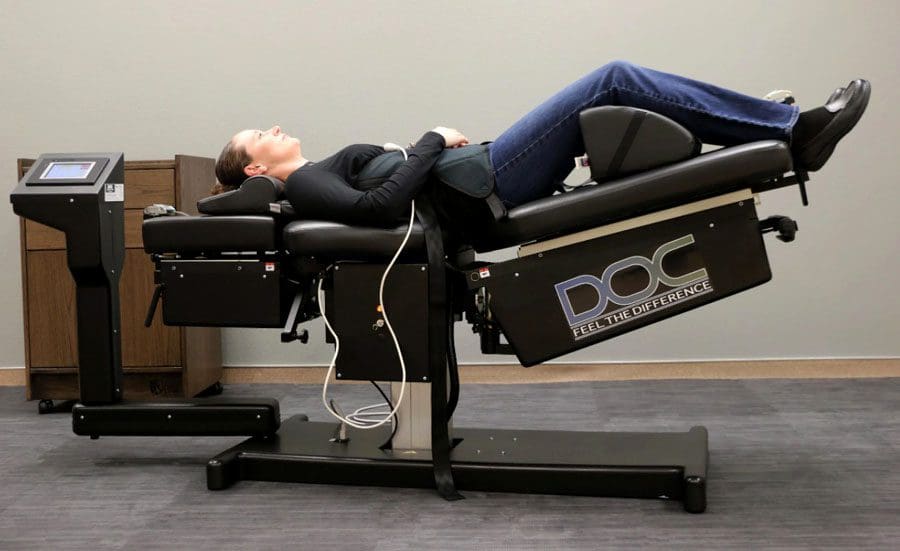
The spinal decompression table may consist of a manually operated cable and pulley system or a computerized table segmented by the upper and lower body.
The angle and pressure applied depend on the type of injury and the individual’s needs.
Each procedure is carefully calculated to reposition the spinal discs and disc material to alleviate pain.
How It Works
Spinal decompression is a mechanized version of a chiropractic adjustment. By gently stretching and moving the spine, the vertebrae have proper alignment restored, restoring range of motion, decreasing or eliminating pain, and improving mobility and function.
The individual is strapped to the machine with a harness that helps position the back for optimal decompression.
Depending on the condition and severity, the therapist will choose from a list of decompression programs.
Slowly, the spine is stretched and lengthened, relieving pressure.
The spine’s stretching and repositioning are different from standard physical therapy and manual manipulation treatment.
It is a gradual process to prevent the body from muscle guarding as the natural response to avoid injury.
Treatment Benefits
An examination is required to see if an individual meets the criteria. Non-surgical spinal decompression therapy has been shown to:
Reduce or eliminate pain.
Rehydrate spinal discs.
Reduce disc bulging/herniation.
Improve functional abilities.
Decrease the need for surgery.
DRX9000
References
Apfel, Christian C et al. “Restoration of disk height through non-surgical spinal decompression is associated with decreased discogenic low back pain: a retrospective cohort study.” BMC musculoskeletal disorders vol. 11 155. 8 Jul. 2010, doi:10.1186/1471-2474-11-155
Koçak, Fatmanur Aybala et al. “Comparison of the short-term effects of the conventional motorized traction with non-surgical spinal decompression performed with a DRX9000 device on pain, functionality, depression, and quality of life in patients with low back pain associated with lumbar disc herniation: A single-blind randomized controlled trial.” Turkish Journal of physical medicine and rehabilitation vol. 64,1 17-27. 16 Feb. 2017, doi:10.5606/tftrd.2017.154
Macario, Alex, and Joseph V Pergolizzi. “Systematic literature review of spinal decompression via motorized traction for chronic discogenic low back pain.” Pain practice: the Official Journal of World Institute of Pain vol. 6,3 (2006): 171-8. doi:10.1111/j.1533-2500.2006.00082.x
As the body gets older, slouching, little to no physical activity, and regular stretching cause muscle fatigue, weakness, tension, leading to poor posture complications. The complications include:
Posture can be improved along with overall spinal health and a better quality of life through chiropractic treatment. Chiropractic will improve posture through adjustments, postural exercise training and stretching, education on ergonomics, and nutrition to strengthen the body.
Complications Poor Posture
Symptoms
Symptoms vary as they depend on the severity of the case and condition.
Skeletal muscle comprises two types of muscle fiber. They are static or slow-twitch muscles and phasic or fast-twitch muscles. Static muscle fibers are found in the deeper muscle layers. Static fibers burn energy slowly and keep working without tiring. They help the body maintain posture without effort and contribute to balance by sensing the body’s position and transmitting the information to the brain. Phasic muscle fibers are used for movement and activity but can quickly run out of energy. Poor posture causes muscle fatigue because the phasic fibers are used rather than the static fibers to maintain the body’s proper position.
Muscle Strength and Length
Over time, the body constantly needs support from the phasic muscle fibers. This causes the deeper supporting muscles to waste away because they are not being used. Weak, unused muscles begin to tighten, causing a shortening of muscle length that can compact the spine’s bones and cause back complications.
Nervous System Feedback
The deeper layers of muscle sense the body’s position in space and relay this information to the brain. The brain does not receive complete transmission if the phasic muscle fibers take over this function. The brain assumes that the body needs to be propped up/corrected to counteract the poor posture effects, triggering further muscle contraction, adding to the fatigue and pain.
Listening To The Body
The objective is to form a habit of regularly listening to what the body is saying. Make minor adjustments while standing and sitting throughout the day/night. Often what happens is individuals become so immersed in their work, school tasks that they ignore any physical discomfort and push through and forget to change positions/move around to get the muscles moving and the blood pumping. If there is muscle tension or fatigue, don’t just work through the pain; move into another healthy position.
Posture Improvement
Suggestions include:
Try to avoid sitting in soft chairs.
Switch to ergonomic chairs for any activity that requires sitting for long periods.
Use a lumbar roll to support the lower back when sitting in regular chairs or driving.
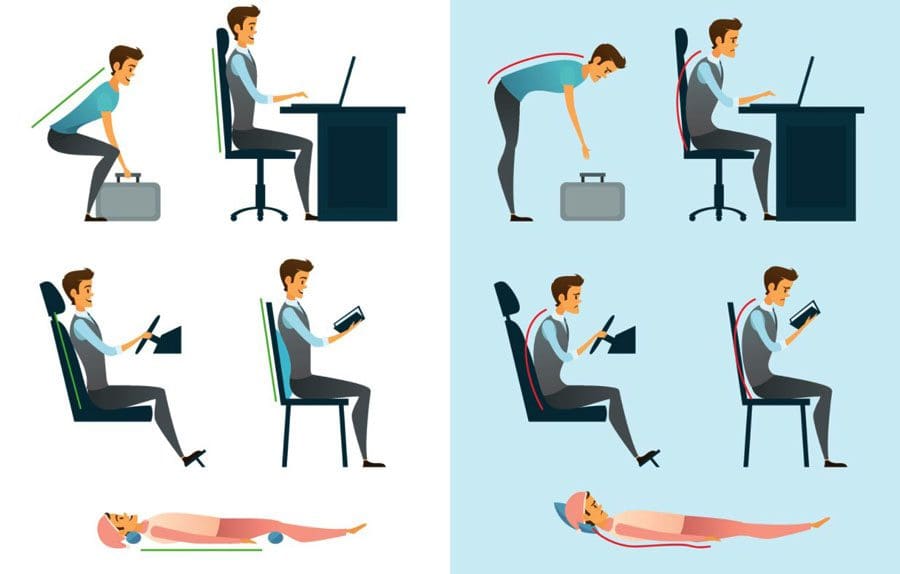
Remember to reverse the curve; an example could be if leaning over a desk/workstation, stretch the back in the other direction.
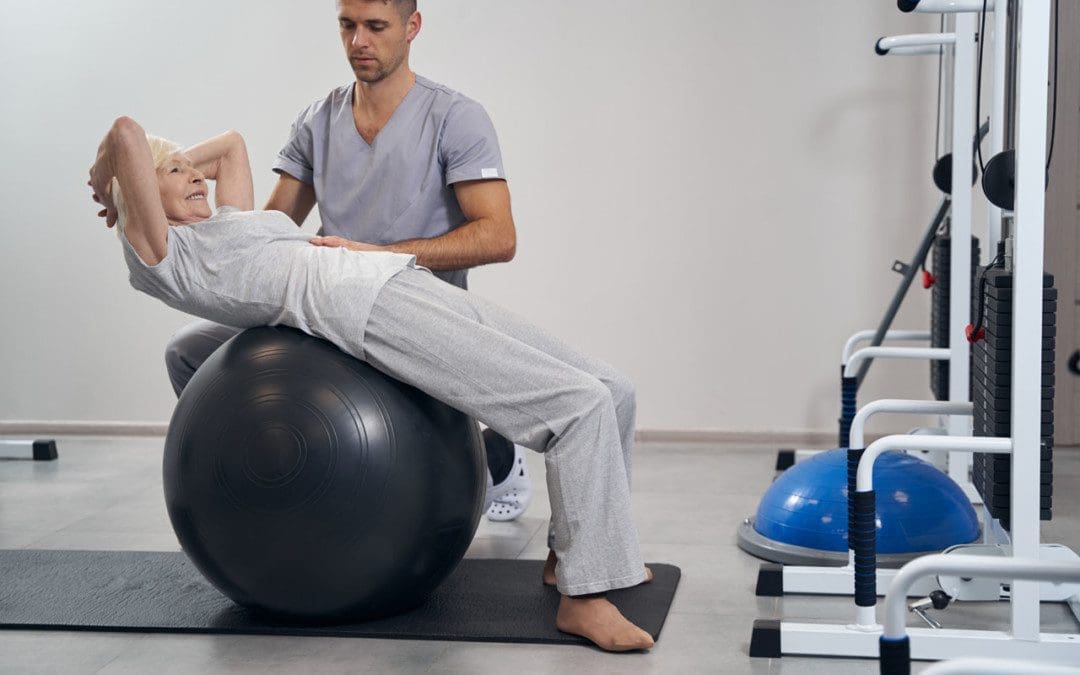
As the body ages, it loses muscle mass, known as sarcopenia. Between the ages of 30 and 80, both men and women can lose 30-50 percent of their muscle strength. Decreasing strength can make it a challenge to lead an active lifestyle or have energy levels to complete the daily errands. Individuals can be reluctant to improve fitness levels through resistance workouts believing there is nothing left after years of inactivity. This is not true as anybody can strength train. With the right mindset, and health coaching team, goals can be set to:
Improve body composition
Improve energy levels
Maintain an active lifestyle
References
Creze, Maud et al. “Posture-related stiffness mapping of paraspinal muscles.” Journal of anatomy vol. 234,6 (2019): 787-799. doi:10.1111/joa.12978
Deliagina, Tatiana G et al. “Physiological and circuit mechanisms of postural control.” Current opinion in neurobiology vol. 22,4 (2012): 646-52. doi:10.1016/j.conb.2012.03.002
Korakakis, Vasileios et al. “Physiotherapist perceptions of optimal sitting and standing posture.” Musculoskeletal Science & practice vol. 39 (2019): 24-31. doi:10.1016/j.msksp.2018.11.004
Pollock, A S et al. “What is balance?.” Clinical rehabilitation vol. 14,4 (2000): 402-6. doi:10.1191/0269215500cr342oa
Waters, Thomas R, and Robert B Dick. “Evidence of health risks associated with prolonged standing at work and intervention effectiveness.” Rehabilitation nursing: the official journal of the Association of Rehabilitation Nurses vol. 40,3 (2015): 148-65. doi:10.1002/rnj.166
Everybody is different in how the body reacts to a chiropractic adjustment. Body misalignment often leads to spinal misalignment or vice versa. Misalignments occur over time; individuals do not notice until soreness and pain begin presenting. Depending on the injury and/or condition, getting the full potential from a chiropractic adjustment means knowing the dos and don’ts following treatment. This involves maintaining a healthy posture, staying hydrated, getting proper rest, and staying active.
Adjustments
Adjustments are highly effective for the body. Benefits include:
Pain relief.
Restored full range of motion.
Increased strength.
Increased energy.
Improved sleep.
Lowered blood pressure in individuals with hypertension.
It is not recommended to take on intense workouts after an adjustment but to remain active to keep the muscles, tendons, ligaments flexible and strengthen the body during healing.
Activities should be done in moderation and include:
Walking
Jogging
Biking
Swimming
Proper Rest
Getting the proper amount of sleep is essential for the body to heal to the optimal level.
The body getting used to the adjustment can be an exhausting process.
Maintain Healthy Posture
Proper posture is essential to keep the body in healthy alignment and prevent further/new injuries.
A chiropractor and physical therapist will educate and train individuals on maintaining healthy, active postures.
Stretching
Stretching is prescribed as part of the treatment to maintain flexibility and strength.
A chiropractor will recommend and show how to perform specific stretches and exercises between adjustments.
What to Avoid
Recommendations on what to avoid after a chiropractic adjustment.
Explosive Movements
Stay active but limit any explosive movements for a few days after the adjustment.
Avoid Sitting Too Much
Too much sitting, even with a lumbar support chair, can cause the muscles to tighten pulling on the spine.
When sitting, get up and move around every 20 minutes.
Paying attention to the recommended do’s and don’ts will help expedite the healing and create new healthy habits.
Body Composition
Dairy Products
Conventional vs. Organic and Grass-fed Dairy
Studies have found that dairy cows consuming a diet of grass and hay significantly improved nutrient profiles of produced milk.
Milk from grass-fed cows has a higher omega-3 content when compared to organic and conventional grain-fed cows.
Bourrie, Benjamin C T et al. “The Microbiota and Health Promoting Characteristics of the Fermented Beverage Kefir.” Frontiers in microbiology vol. 7 647. 4 May. 2016, doi:10.3389/fmicb.2016.00647
Licciardone, John C et al. “Recovery From Chronic Low Back Pain After Osteopathic Manipulative Treatment: A Randomized Controlled Trial.” The Journal of the American Osteopathic Association vol. 116,3 (2016): 144-55. doi:10.7556/jaoa.2016.031
Maher, C G. “Effective physical treatment for chronic low back pain.” The Orthopedic clinics of North America vol. 35,1 (2004): 57-64. doi:10.1016/S0030-5898(03)00088-9
Will, Joshua Scott et al. “Mechanical Low Back Pain.” American family physician vol. 98,7 (2018): 421-428.
IFM's Find A Practitioner tool is the largest referral network in Functional Medicine, created to help patients locate Functional Medicine practitioners anywhere in the world. IFM Certified Practitioners are listed first in the search results, given their extensive education in Functional Medicine