Can individuals with jaw pain find relief in acupuncture therapy to reduce pain and improve jaw mobility in the upper body portions?
Introduction
The head is part of the upper musculoskeletal body quadrant supported by the neck area, which consists of the skull, various muscles, and vital organs that provide stability, mobility, and functionality. Around the head, the different facial features include the mouth, nose, eyes, and jaw to allow the host to eat, speak, smell, and see. While the head provides sensory and motor function, the neck includes motor stability to ensure no injuries or trauma affect the head. Located below the eyes is the jaw, which allows motor function with various muscles and joints to hyperextend without pain or discomfort. However, multiple factors can affect the jaw muscles and joints to invoke pain and discomfort, which can cause radiating referred pain down to the neck muscles. Today’s article looks at how jaw pain can affect the upper body, how non-surgical treatments can help with jaw pain, and how treatments like acupuncture can help restore jaw mobility. We talk with certified medical providers who consolidate our patients’ information to provide treatments to reduce jaw pain affecting their jaw and neck area. We also inform and guide patients on how acupuncture and non-surgical treatments can benefit many individuals with pain correlating with the jaw. We encourage our patients to ask their associated medical providers intricate and important questions about how their pain affects their quality of life and reduces jaw pain. Dr. Jimenez, D.C., includes this information as an academic service. Disclaimer.
Jaw Pain Affecting The Upper Body
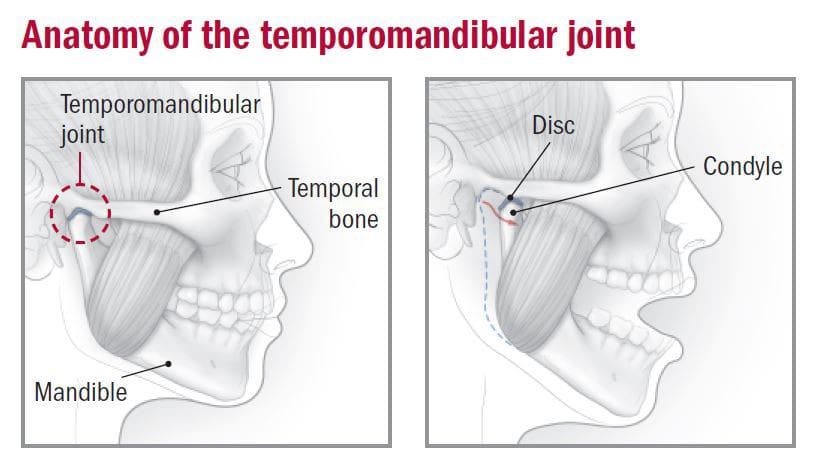
Do you feel muscle soreness in your jaw and neck muscles throughout the day? Have you constantly rubbed or massaged your jaw muscles to reduce tension? Or have you been dealing with headaches or neck pain continually that affects your daily routine? Many individuals experiencing these pain-like symptoms are dealing with jaw pain or TMJ (temporomandibular joint syndrome). The jaw consists of mastication muscles on each side that help provide various functions like chewing, swallowing, or talking. When multiple traumatic or ordinary factors start to affect the jaw, it can disrupt the sensory-motor function of the upper body. For individuals, jaw pain is common worldwide, and with TMJ, it can become an issue as the pain seems to affect the jaw’s motor control while being accompanied by restricted mouth opening and impaired max bite force. (Al Sayegh et al., 2019) Additionally, TMJ affects not only the mastication muscles but also the temporomandibular joint, the joint that connects the jaw to the skull, which becomes inflamed and causes more issues.
So, how would TMJ affect the upper body? Well, when TMJ affects the mastication muscles and the temporomandibular joint, many individuals will experience various symptoms like:
Difficulty moving mouth when chewing
Popping/cracking sensation when opening or closing the jaw
Headaches/Migraines
Ear pain
Tooth pain
Neck and shoulder pain
This causes myofascial and intraarticular disorders that affect the muscles and joints of the jaw, which are linked to the skull. (Maini & Dua, 2024) To that point, many individuals will be experiencing referred pain, thinking they are dealing with a toothache when it is due to trigger points in the mastication muscles. This is when TMJ is accompanied by muscle-joint pain in the neck or upper back or if teeth issues accompany TMJ, but it depends on the individual and situation they are under. However, numerous treatments can reduce jaw pain and its associated symptoms that affect the jaw and the neck.
The Non-Surgical Approach To Wellness- Video
Non-Surgical Treatments For Jaw Pain
When reducing jaw pain, many individuals seek treatment to minimize the pain-like effects and regain mobility back to their jaws. It can be challenging and complex when people are dealing with jaw pain. It is a multifactorial issue that can affect the neck and back areas. So, when people speak with their primary doctors about their jaw pain, they will get an evaluation of where their pain is located and if they have any complaints correlating with the jaw pain. Afterward, many doctors will refer to musculoskeletal specialists to relieve the jaws’ pain. Treatments and techniques used by chiropractors, massage therapists, and physiotherapists can help ease the inflamed and tense mastication muscles. Techniques like soft tissue mobilization can help relax the masticatory muscles by lengthening them to the extent of releasing the trigger points in the muscles. (Kuc et al., 2020) At the same time, physiotherapy can help the jaw muscle through various relaxing techniques to increase the range of motion while strengthening the jaw to reduce pain and stress. (Byra et al., 2020) Many of these treatments are non-surgical, which means they are non-invasive and effective for the person’s pain while affordable.
Acupuncture To Restore Jaw Mobility
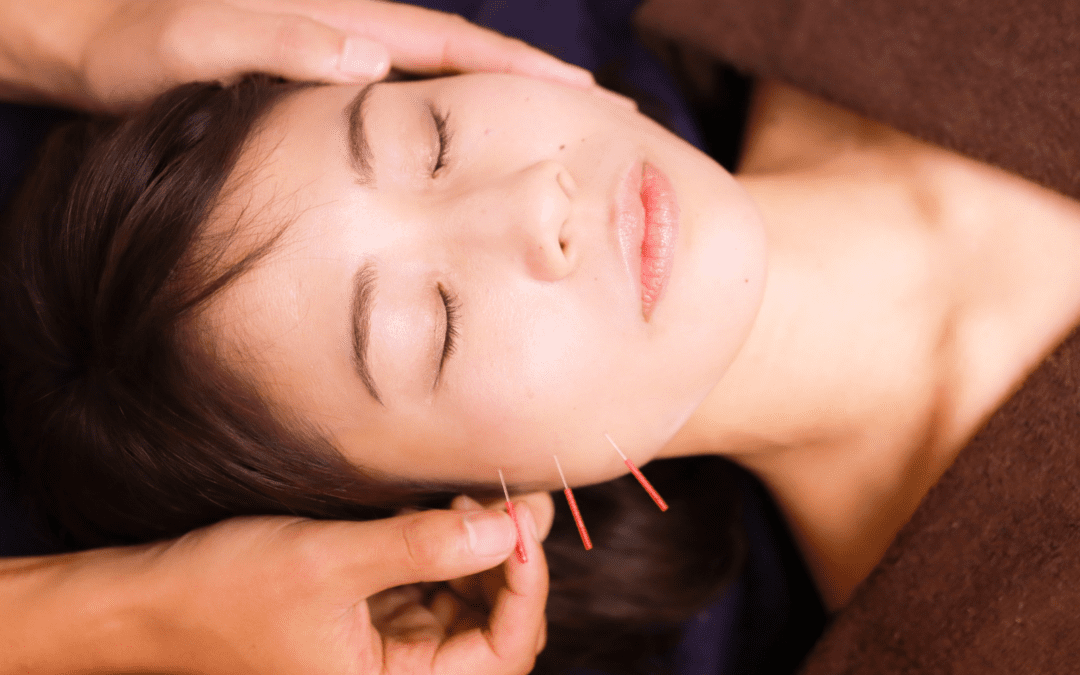
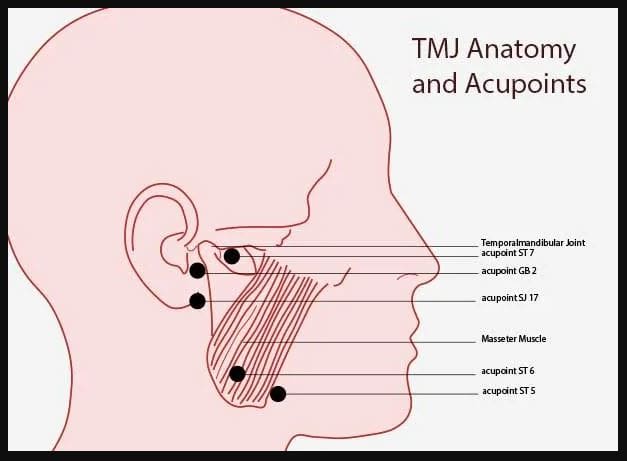
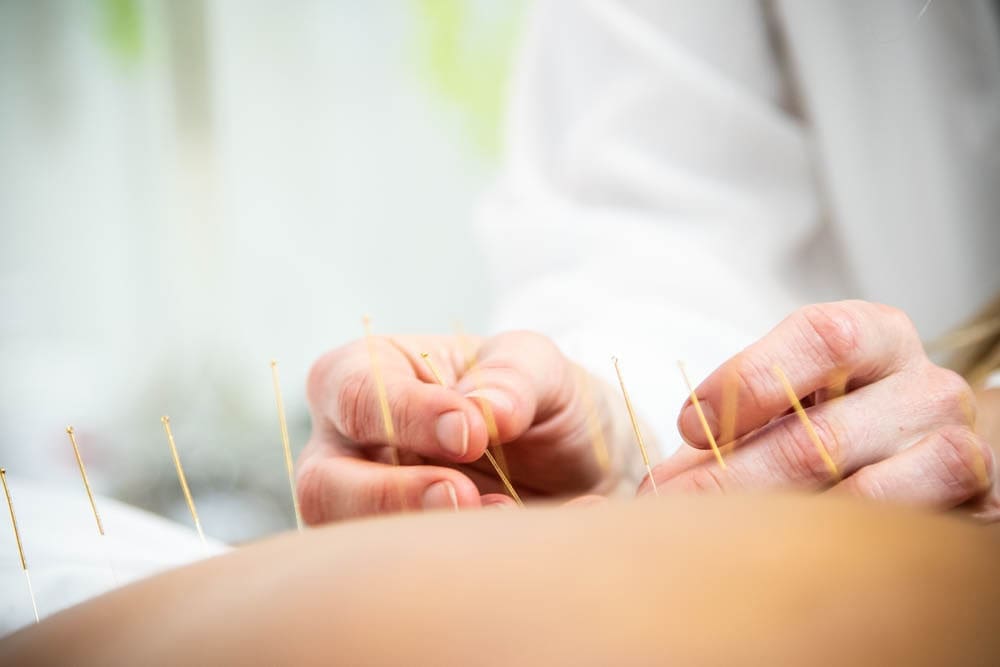
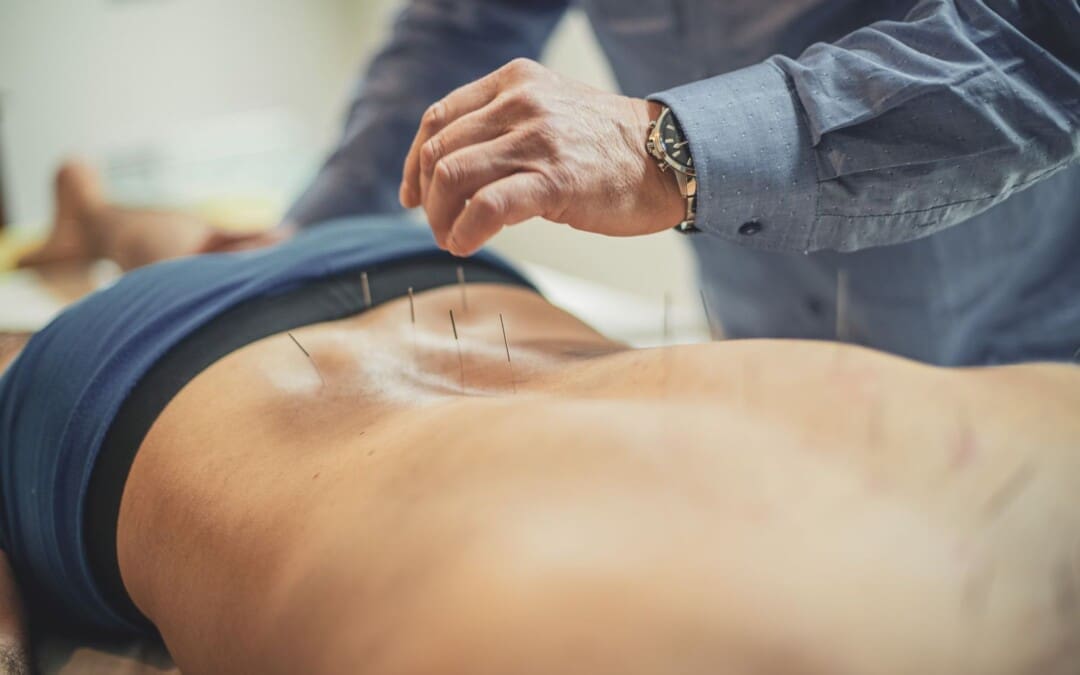
When it comes to non-surgical treatments, one of the oldest forms is acupuncture, which can help reduce the pain-like effects of jaw pain and restore mobility. Acupuncture originates from China, and highly trained medical professionals use thin, solid needles to be placed in acupoints on the body to disrupt the pain signal and provide relief. For jaw pain, acupuncturists will put needles on the acupoints of the jaw or the surrounding muscles to reduce mechanical hypersensitivity of the nerve cells that are causing pain while improving the sensory-motor function with a positive response. (Teja & Nareswari, 2021) Additionally, when dealing with ear pain associated with TMJ affecting the neck muscles, acupuncture can help enhance the neck’s range of motion by placing the needles on the trigger points of the cervical muscles. (Sajadi et al., 2019) When acupuncture treatment helps many individuals with jaw pain affecting their necks and heads, they can provide beneficial, positive results through consecutive treatment and improve jaw mobility function.
References
Al Sayegh, S., Borgwardt, A., Svensson, K. G., Kumar, A., Grigoriadis, A., & Christidis, N. (2019). Effects of Chronic and Experimental Acute Masseter Pain on Precision Biting Behavior in Humans. Front Physiol, 10, 1369. https://doi.org/10.3389/fphys.2019.01369
Byra, J., Kulesa-Mrowiecka, M., & Pihut, M. (2020). Physiotherapy in hypomobility of temporomandibular joints. Folia Med Cracov, 60(2), 123-134. https://www.ncbi.nlm.nih.gov/pubmed/33252600
Kuc, J., Szarejko, K. D., & Golebiewska, M. (2020). Evaluation of Soft Tissue Mobilization in Patients with Temporomandibular Disorder-Myofascial Pain with Referral. Int J Environ Res Public Health, 17(24). https://doi.org/10.3390/ijerph17249576
Sajadi, S., Forogh, B., & ZoghAli, M. (2019). Cervical Trigger Point Acupuncture for Treatment of Somatic Tinnitus. J Acupunct Meridian Stud, 12(6), 197-200. https://doi.org/10.1016/j.jams.2019.07.004
Teja, Y., & Nareswari, I. (2021). Acupuncture Therapies for Addressing Post Odontectomy Neuropathy. Med Acupunct, 33(5), 358-363. https://doi.org/10.1089/acu.2020.1472
Can individuals dealing with headaches find the relief they are looking for from acupuncture to reduce pain-like symptoms?
Introduction
As part of the musculoskeletal system, the neck is part of the upper body portions and allows the head to be mobile through full rotations without pain and discomfort. The surrounding muscles, ligaments, and tendons help protect the cervical spinal region and have a fantastic relationship with the shoulders. However, the neck area can succumb to injuries, leading to pain-like symptoms that can cause pain and discomfort in the upper regions. One of the pain-like symptoms that correlates with neck pain is headaches. Headaches can vary in acute to chronic stages as they affect many individuals and the various factors that correlate with them. When headaches start to form, many individuals will look at multiple treatments to reduce the pain-like symptoms that correlate with headaches and have the relief they deserve. Today’s article looks at the various factors that correlate with headaches, how headaches cause overlapping risk profiles with neck pain, and how treatments like acupuncture can reduce headaches. We talk with certified medical providers who consolidate our patients’ information to provide treatments like acupuncture to minimize headaches. We also inform and guide patients on how acupuncture can benefit many individuals dealing with neck pain associated with headaches. We encourage our patients to ask their associated medical providers intricated and important questions about their pain-like symptoms that correlate with headaches and neck pain. Dr. Jimenez, D.C., includes this information as an academic service. Disclaimer.
The Various Factors Correlating Headaches
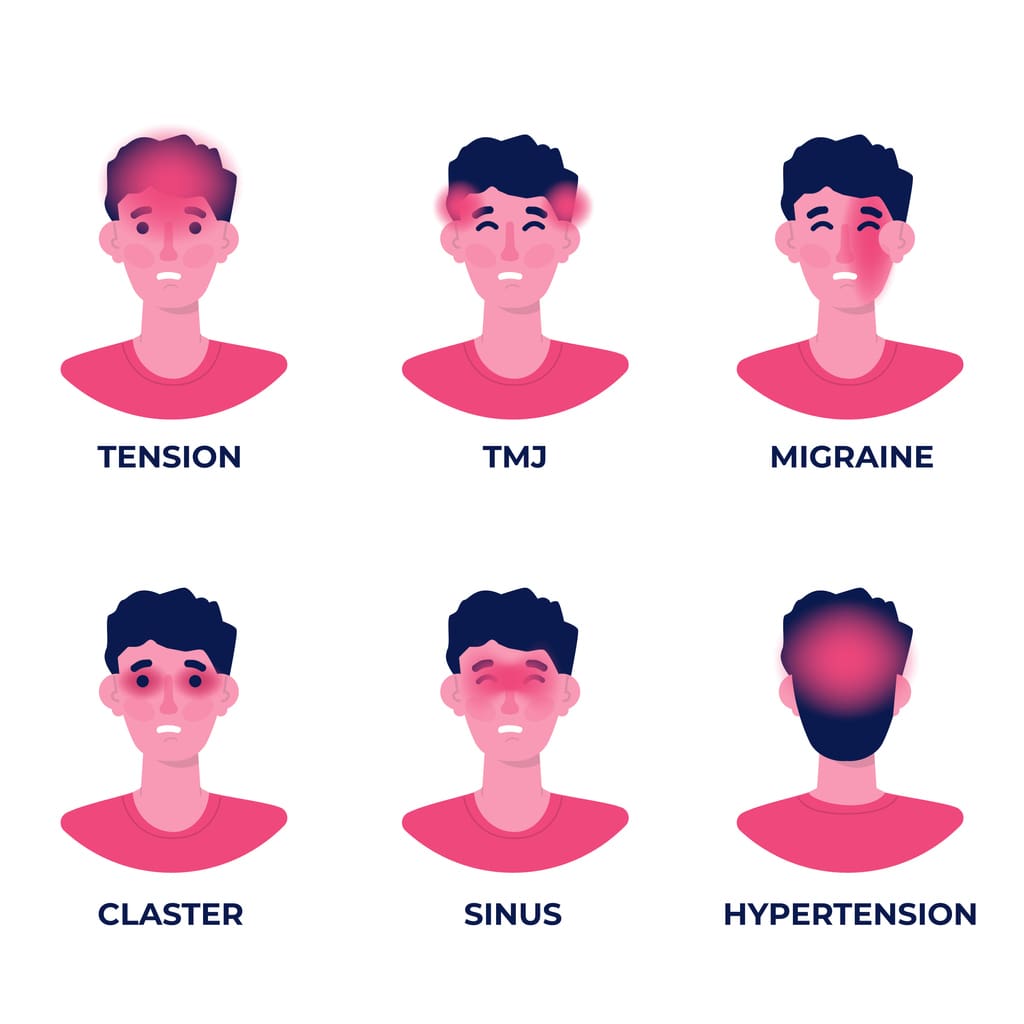
Have you been experiencing tension around the back of your neck after a long day? Do you feel a dull ache after staring at the computer or phone screen? Or do you feel a pounding sensation that you must lie down for a few minutes? Many of these pain-like scenarios are associated with headaches that affect many individuals from time to time. Headaches are correlated with various biochemical and metabolic risk profiles or changes that cause central sensitization and neuronal dysfunction. (Walling, 2020) This causes many individuals to develop acute or chronic pain-like symptoms that affect their heads and various locations around the face and the neck area. Some of the multiple factors that can lead to the development of headaches include:
Stress
Allergies
Tension
Inability to sleep
Lack of water and food
Traumatic injuries
Bright strobing lights
Additionally, other factors like obesity can become a strong risk factor for secondary headaches like migraines to have symptoms of intracranial hypertension impact the body. (Fortini & Felsenfeld Junior, 2022) This could lead to the development of neck pain caused by headaches.
Headaches & Neck Pain
When it comes to headaches associated with neck pain, many individuals will experience tension and pain in the surrounding muscles and the ongoing symptoms. Neck pain can cause overlapping risk profiles to muscles, ligaments, facet joints, and visceral structures of the neck that can trigger the development of a headache or become a symptom that co-exists with a neck disorder. (Vicente et al., 2023) Additionally, neck pain and headaches are strongly associated as muscular pain plays a role in headache development as they provide negative consequences within their social lives. Headaches can hinder a person’s ability to concentrate, while neck pain causes limited mobility and stiffness. (Rodriguez-Almagro et al., 2020)
Tension Headaches Overview- Video
Acupuncture Reducing Headaches
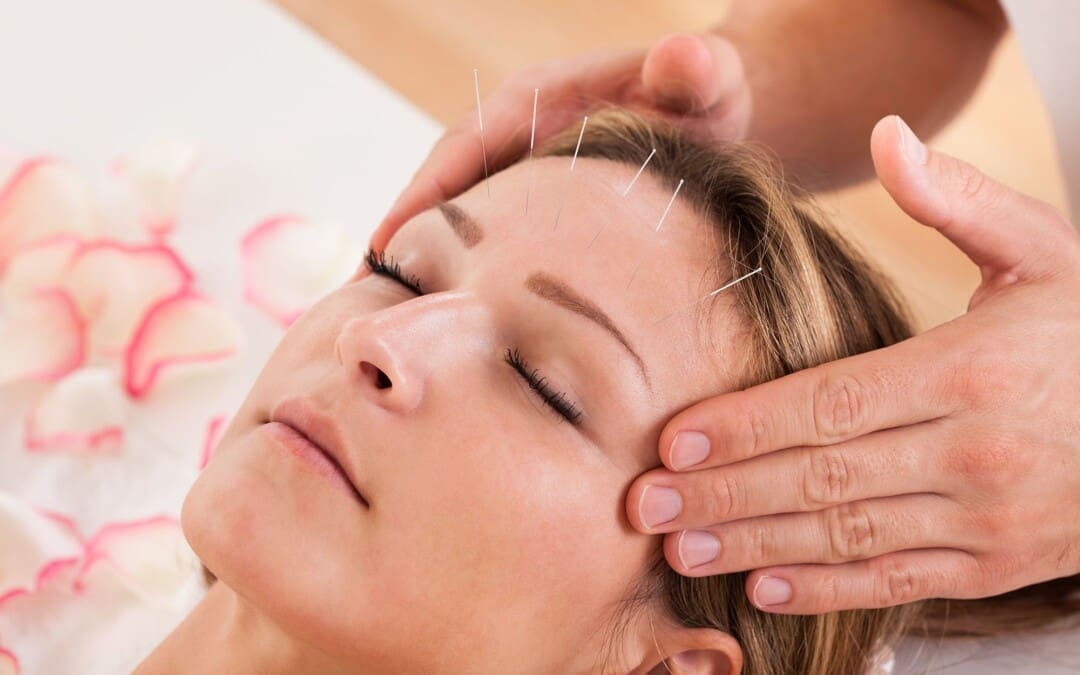
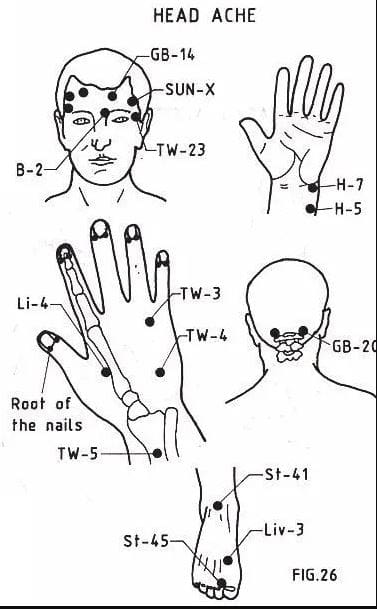
When individuals are dealing with headaches, many will incorporate home remedies to reduce the tension they are experiencing from the various factors. This can provide temporary relief to mitigate the effects of the pain-like symptoms associated with headaches. However, when the pain from headaches becomes unbearable with neck pain in the mix, that is where non-surgical treatments could be the answer. Non-surgical treatments are effective on pain caused by headaches and customized to the person’s pain. For example, acupuncture could help with headaches and neck pain. Acupuncture is one of the oldest forms of non-surgical treatments; highly trained professionals use solid thin needles to be placed in various acupoints in the body to restore energy flow and reducing pain associated with headaches. (Turkistani et al., 2021)
Acupuncture can even help reduce the frequency and duration of headaches while disrupting the pain signals and help provide insight into the positive effects of pain reduction. (Li et al., 2020) When people start incorporating acupuncture as part of their health and wellness treatment plan, they will feel their headaches reduced and their neck mobility back to normal. Through consecutive treatment, they will feel much better and become more aware of the various factors pertaining to headache production while making small changes to reduce their chances of returning.
Li, Y. X., Xiao, X. L., Zhong, D. L., Luo, L. J., Yang, H., Zhou, J., He, M. X., Shi, L. H., Li, J., Zheng, H., & Jin, R. J. (2020). Effectiveness and Safety of Acupuncture for Migraine: An Overview of Systematic Reviews. Pain Res Manag, 2020, 3825617. https://doi.org/10.1155/2020/3825617
Rodriguez-Almagro, D., Achalandabaso-Ochoa, A., Molina-Ortega, F. J., Obrero-Gaitan, E., Ibanez-Vera, A. J., & Lomas-Vega, R. (2020). Neck Pain- and Unsteadiness-Inducing Activities and their Relationship to the Presence, Intensity, Frequency, and Disability of Headaches. Brain Sci, 10(7). https://doi.org/10.3390/brainsci10070425
Turkistani, A., Shah, A., Jose, A. M., Melo, J. P., Luenam, K., Ananias, P., Yaqub, S., & Mohammed, L. (2021). Effectiveness of Manual Therapy and Acupuncture in Tension-Type Headache: A Systematic Review. Cureus, 13(8), e17601. https://doi.org/10.7759/cureus.17601
Vicente, B. N., Oliveira, R., Martins, I. P., & Gil-Gouveia, R. (2023). Cranial Autonomic Symptoms and Neck Pain in Differential Diagnosis of Migraine. Diagnostics (Basel), 13(4). https://doi.org/10.3390/diagnostics13040590
Can nonsurgical therapeutic options help individuals with chronic low back pain find the relief they are looking for to restore body function?
Introduction
Between the upper, middle, and lower back portions of the musculoskeletal system, many individuals have succumbed to traumatic injuries, repetitive motions, and overlapping environmental risk profiles that cause pain and disability, thus affecting their everyday routine. As one of the most common work conditions, back pain can cause individuals to deal with socio-economic burdens and can range from acute to chronic, depending on the injuries and factors that correlate with this issue. As part of the musculoskeletal system, the back has various muscles in the three quadrants that support the upper and lower extremities and have an outstanding relationship with the spine as each muscle group surrounds the spine and protects the spinal cord. When environmental factors and traumatic injuries start to cause pain-like symptoms in the back, it can put a person in excruciating pain, hence why many seek non-surgical treatments to reduce the pain-like effects of back pain and find the relief they are seeking. Today’s article looks at the impact of chronic low back pain and how non-surgical treatments can positively affect individuals dealing with chronic low back pain. We talk with certified medical providers who consolidate our patients’ information to provide numerous non-surgical treatment options to minimize chronic lower back pain affecting their extremities. We also inform and guide patients on how various non-surgical treatments can benefit their health and wellness as they can help reduce musculoskeletal conditions like chronic back pain. We encourage our patients to ask their associated medical providers intricated and important questions about their chronic low back pain and what small changes they can incorporate to reduce its pain-like symptoms. Dr. Jimenez, D.C., includes this information as an academic service. Disclaimer.
The Impact Of Chronic Low Back Pain
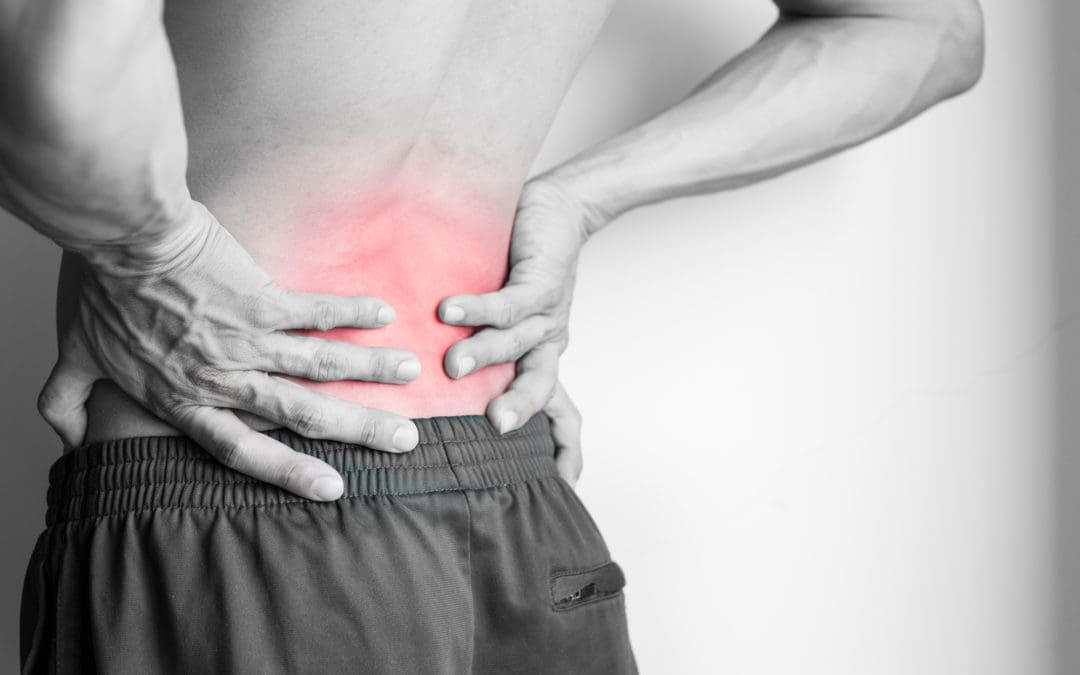
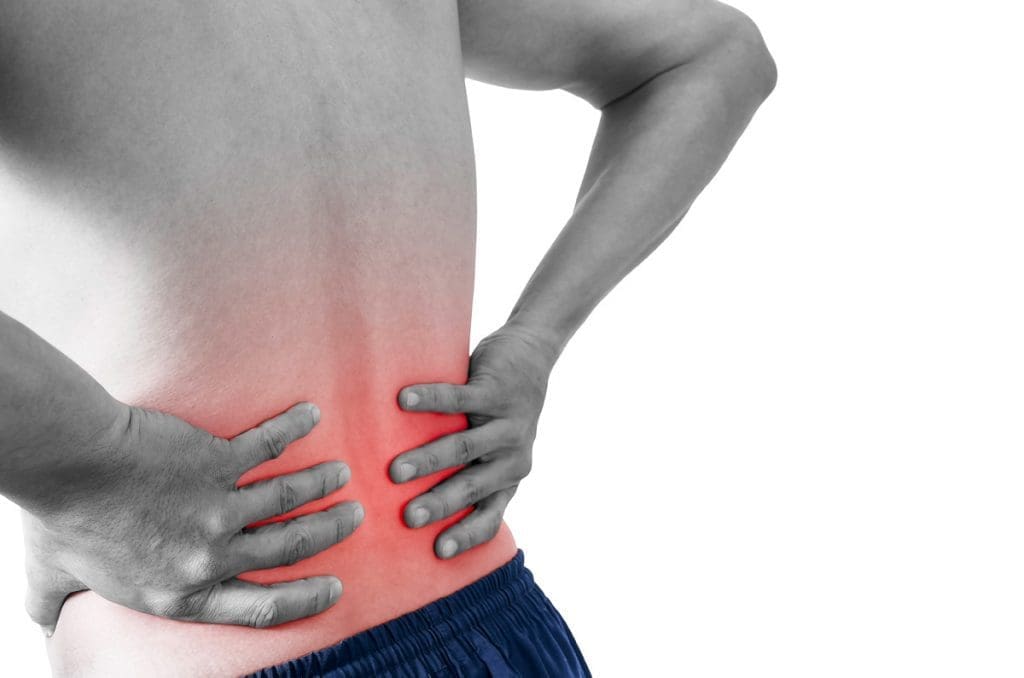
Do you constantly feel severe muscle aches or pains in your back after an excruciating long workday? Do you experience muscle tiredness from your back to your legs after carrying a heavy object? Or have you noticed that twisting or turning motions temporarily relieve your lower back, only to worsen after a while? Often, many of these pain-like scenarios are correlated with chronic low back pain, and it can be due to the various factors that correlate with this common musculoskeletal condition. When it comes to musculoskeletal conditions associated with chronic low back pain, they are prevalent while their impact is pervasive. To that point, they affect many individuals as they are the number one most common cause of severe long-term pain and physical disability. (Woolf & Pfleger, 2003) Since back pain can be either acute or chronic, it can become multifactorial as many other pain symptoms tend to cause overlapping risk profiles in the body. The impact of chronic low back pain has underlying pathological causes that are not well-defined but can be related to psychosocial dysfunction. (Andersson, 1999)
Additionally, degenerative changes within the spine can also cause an impact on the development of chronic lower back pain. The risk factors that cause overlapping risk profiles can range from smoking and obesity to various occupations that require excessive motions. (Atkinson, 2004) When that happens, it causes people to have unnecessary stress that impacts their lives and causes them to be miserable. This is where many individuals start seeking treatment to reduce the effects of chronic lower back pain and reduce the chances of seeking surgical intervention.
The Role Of Chiropractic Care On Improving Your Health- Video
Non-Surgical Treatments For Chronic Back Pain
When people deal with chronic lower back pain, many often don’t realize that various motions, ages, and pathologies can modify the spine, causing the spinal discs to go through degenerative changes that correspond to the development of chronic lower back pain. (Benoist, 2003) When degenerative changes start to cause pain-like symptoms in the back, many will begin looking for affordable and effective treatments. Hence, this is why non-surgical treatments can help reduce the pain-like symptoms of chronic lower back pain and help restore body mobility. Non-surgical treatments are personalized to the person’s pain and range from acupuncture to massage therapy and spinal decompression. Non-surgical treatments are also affordable and help reduce the overlapping risk profiles of chronic low back pain while reducing its associated conditions.
Spinal Decompression Effects On Chronic Low Back Pain
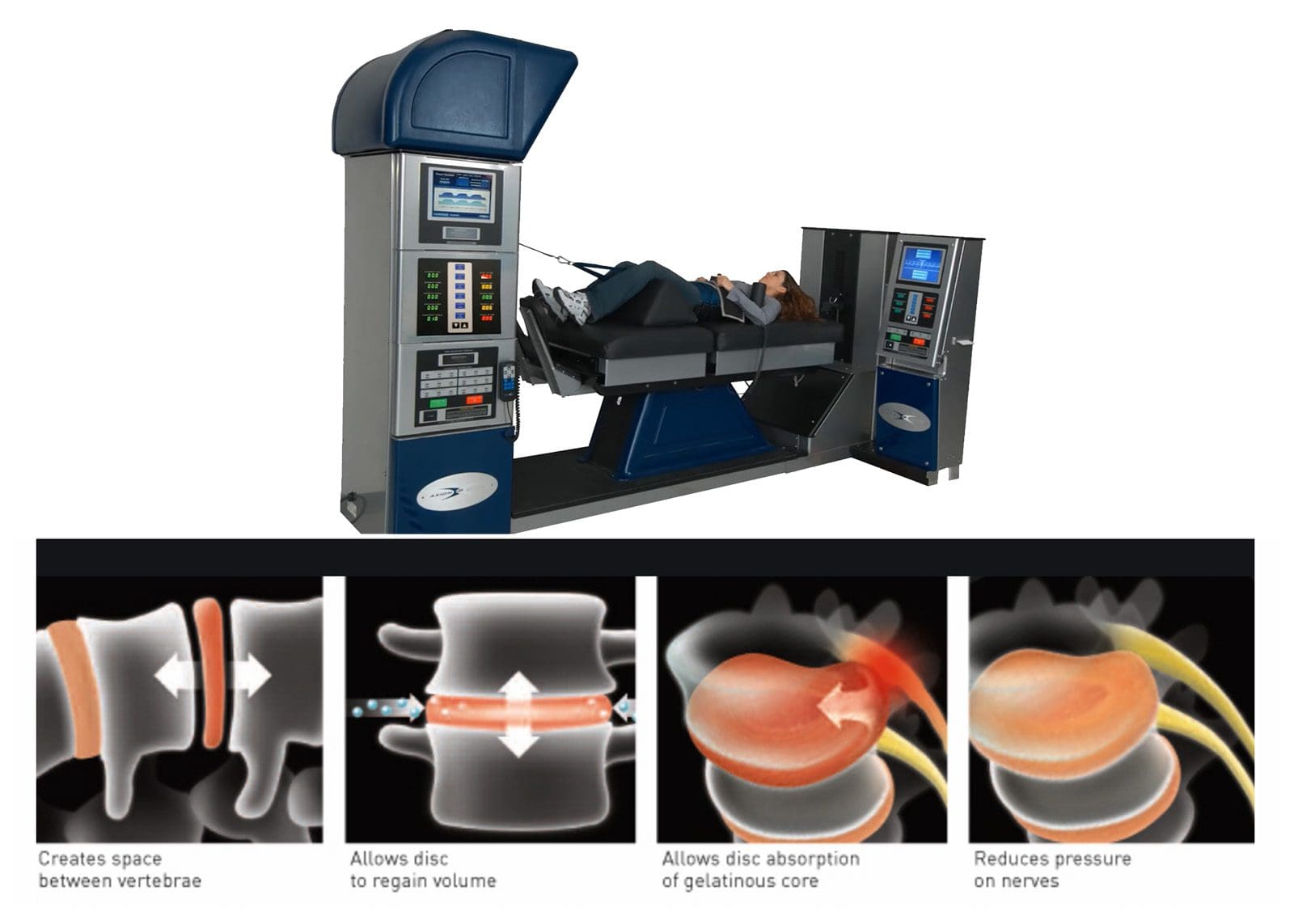
Spinal decompression, as stated before, is a form of non-surgical treatment that incorporates mechanical gentle traction on the spine to alleviate chronic low back pain and can reduce the pain-like symptoms associated with it. Spinal decompression helps reduce the friction of the lumbar muscles, affecting the lumbar spine but also provides pain relief and body function. (Choi et al., 2022) Spinal decompression is safe while being gentle on the spine, combined with stabilization exercises to enhance intra-abdominal pressure and spinal ability to the lumbar. (Hlaing et al., 2021) When a person incorporates spinal decompression as part of their health and wellness journey, their pain and disability will lower over time while strengthening weakened muscles that were affected by chronic lower back pain. Incorporating these non-surgical treatments can help a person be more mindful of the environmental impact they are inflicting on their backs and live a better and healthier life.
Choi, E., Gil, H. Y., Ju, J., Han, W. K., Nahm, F. S., & Lee, P. B. (2022). Effect of Nonsurgical Spinal Decompression on Intensity of Pain and Herniated Disc Volume in Subacute Lumbar Herniated Disc. International Journal of Clinical Practice, 2022, 6343837. https://doi.org/10.1155/2022/6343837
Hlaing, S. S., Puntumetakul, R., Khine, E. E., & Boucaut, R. (2021). Effects of core stabilization exercise and strengthening exercise on proprioception, balance, muscle thickness and pain related outcomes in patients with subacute nonspecific low back pain: a randomized controlled trial. BMC Musculoskelet Disord, 22(1), 998. https://doi.org/10.1186/s12891-021-04858-6
Can individuals with piriformis syndrome incorporate acupuncture with various therapies to reduce sciatic nerve pain and other symptoms?
Introduction
As many individuals move around from one location to another thanks to the lower body extremities, the surrounding muscles, ligaments, nerve roots, and tissues help contribute to the sensory-motor function of the hips, legs, buttocks, and feet. All these muscle groups factor in to ensure they can be mobile without the effects of pain or discomfort. However, many factors and issues can cause the surrounding muscles to develop musculoskeletal problems over time, affecting a person’s mobility. One of the muscles that helps share the responsibility for mobility to hips and buttocks is the piriformis muscle, which is often overlooked when various injuries or repetitive motions start to affect a person’s ability to walk. Today’s article examines how piriformis syndrome affects mobility, how sciatic pain correlates with piriformis syndrome, and how therapies like acupuncture can help reduce piriformis syndrome. We talk with certified medical providers who consolidate our patients’ information to provide numerous treatments to minimize piriformis syndrome affecting a person’s mobility. We also inform and guide patients on how treatments like acupuncture can help reduce sciatic nerve pain associated with piriformis syndrome. We encourage our patients to ask their associated medical providers intricated and important questions about the referred pain-like symptoms they are experiencing from piriformis syndrome that is affecting their ability to walk. Dr. Jimenez, D.C., incorporates this information as an academic service. Disclaimer.
Piriformis Syndrome Affecting Mobility
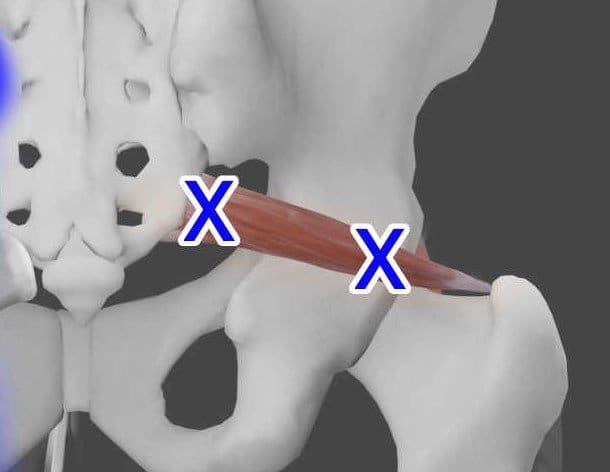
Have you been experiencing muscle tightness in your hips or buttock region, affecting your walking ability? Do you feel sensations of numbness, tingling, or burning pain traveling down to your knees and feet? Or, after a long day of work, do you feel pain when you are sitting down? Most of these symptoms are often correlated with piriformis syndrome. The six surrounding muscles surrounding the gluteal region of the thighs and hips all work together to provide lower body movement while stabilizing the hips and rotating the thighs. The piriformis muscle is a small, flat, pear-shaped muscle that runs on top of the sciatic nerve. Piriformis syndrome is a clinical musculoskeletal condition that causes sciatic nerve entrapment that causes many individuals to report shooting and burning pain down to their buttock region. (Hicks et al., 2024) This causes many people to think they are dealing with low back pain associated with sciatica. When a person is dealing with piriformis syndrome, they will experience limited mobility in their hips, which, over time, if not treated, will affect the thighs and legs.
How Does Sciatic Nerve Pain correlate with Piriformis Syndrome?
Additionally, since piriformis syndrome is correlated with sciatic nerve pain, some clinical findings causing overlapping risk profiles include restricted external hip rotation and muscle tightness of the lumbosacral muscles. Other clinical findings range from palpatory pain over the greater sciatic notch to aggravated pain in a seated position. (Sharma et al., 2023) Since sciatic nerve entrapment is correlated with piriformis syndrome, it is still regarded as the non-discogenic cause of sciatica. (Son & Lee, 2022) When that sciatic nerve gets trapped within the piriformis muscle, many people will experience numbness, tingling sensations, and similar pain patterns in the legs, just like sciatica; however, when individuals are looking for treatments to reduce the sciatic nerve pain and improve the piriformis muscle.
Acupuncture Therapy Reduces Piriformis Syndrome
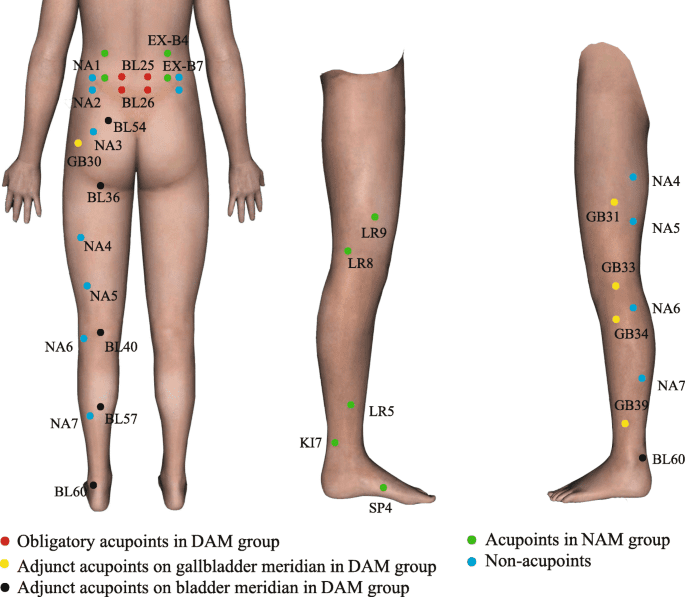
When people are looking for treatments to reduce their sciatic nerve pain correlated with piriformis syndrome, they are seeking treatments that are affordable and can reduce the pain through consecutive sessions. Acupuncture therapy can help reduce the effects of piriformis syndrome. Acupuncture is a complementary and alternative therapy from China that uses solid, thin needles to be placed on the acupoints in the body. Additionally, highly trained professionals can incorporate various acupuncture methods to treat and reduce the effects of piriformis syndrome. (He et al., 2023) At the same time, when a person is being treated for piriformis syndrome, an acupuncturist uses ultrasound-guided techniques to allow accurate needle placement within the deep muscles to provide an effective treatment response. (Fusco et al., 2018) This allows the affected surrounding muscles to relax and reduce sciatic nerve pain.
Acupuncture Reducing Sciatic Nerve Pain
Since sciatic nerve pain and piriformis syndrome have overlapping risk profiles, they can also be associated with other musculoskeletal pain conditions that can affect a person’s mobility. Acupuncture can help mitigate the pain signals causing motor or sensory disturbances within the pelvic and hip regions. (Kvorning et al., 2004) Acupuncture is one of the oldest forms of non-surgical therapy that can be combined with other various therapies to help remobilize the hips and decompress the pain affecting the sciatic nerve while providing relief. (Vij et al., 2021) By incorporating acupuncture as part of a person’s health and wellness treatment plan, they will begin to gradually manage the associated symptoms and reduce the chances of piriformis syndrome from returning to cause sciatic nerve pain in the lower extremities. This allows people to be more mindful and help restore the body’s natural healing process over time.
Reclaim Your Mobility- Video
References
Fusco, P., Di Carlo, S., Scimia, P., Degan, G., Petrucci, E., & Marinangeli, F. (2018). Ultrasound-guided Dry Needling Treatment of Myofascial Trigger Points for Piriformis Syndrome Management: A Case Series. J Chiropr Med, 17(3), 198-200. https://doi.org/10.1016/j.jcm.2018.04.002
He, Y., Miao, F., Fan, Y., Zhang, F., Yang, P., Zhao, X., Wang, M., He, C., & He, J. (2023). Acupuncture Methods for Piriformis Syndrome: A Protocol for Systematic Review and Network Meta-Analysis. J Pain Res, 16, 2357-2364. https://doi.org/10.2147/JPR.S417211
Kvorning, N., Holmberg, C., Grennert, L., Aberg, A., & Akeson, J. (2004). Acupuncture relieves pelvic and low-back pain in late pregnancy. Acta Obstet Gynecol Scand, 83(3), 246-250. https://doi.org/10.1111/j.0001-6349.2004.0215.x
Sharma, S., Kaur, H., Verma, N., & Adhya, B. (2023). Looking beyond Piriformis Syndrome: Is It Really the Piriformis? Hip Pelvis, 35(1), 1-5. https://doi.org/10.5371/hp.2023.35.1.1
Son, B. C., & Lee, C. (2022). Piriformis Syndrome (Sciatic Nerve Entrapment) Associated With Type C Sciatic Nerve Variation: A Report of Two Cases and Literature Review. Korean J Neurotrauma, 18(2), 434-443. https://doi.org/10.13004/kjnt.2022.18.e29
Vij, N., Kiernan, H., Bisht, R., Singleton, I., Cornett, E. M., Kaye, A. D., Imani, F., Varrassi, G., Pourbahri, M., Viswanath, O., & Urits, I. (2021). Surgical and Non-surgical Treatment Options for Piriformis Syndrome: A Literature Review. Anesth Pain Med, 11(1), e112825. https://doi.org/10.5812/aapm.112825
Can individuals dealing with low back pain find the relief they are looking for by incorporating acupuncture to reduce muscle spasms?
Introduction
Around the world, many individuals, young and old, have dealt with low back pain, which has an impact on their lives and affects their routines. Since low back pain is a multifactorial musculoskeletal issue, it can range from acute to chronic, depending on the severity and environmental factors that are in play. The lower back or the lumbar spinal region has thicker joints and helps stabilize the upper body portion’s weight. However, it is more susceptible to injury, and it causes the surrounding ligaments, soft tissues, and muscles to be overstretched, tight, and weak. When a person is in excruciating pain from the effects of low back pain, it can impact their day and cause them to be miserable. Today’s article focuses on how lower back pain is associated with pain-like symptoms like muscle spasms and how treatments like acupuncture can help reduce muscle spasms associated with lower back pain. We talk with certified medical providers who consolidate our patients’ information to provide numerous treatments to relieve low back pain correlated with muscle spasms. We also inform and guide patients on how treatments like acupuncture can help minimize the pain in their lower back. We encourage our patients to ask their associated medical providers intricated and important questions about the referred pain-like symptoms they are experiencing from low back pain that is affecting their daily routine. Dr. Jimenez, D.C., incorporates this information as an academic service. Disclaimer.
Low Back Pain Associated With Muscle Spasms
Do you feel radiating or localized pain in your lower back after a long workday? Do you feel stiffness in your lower back region after stretching in the morning? Or have you noticed you are more tense in the different areas of your back and looking for relief? While it is a common problem that many people experience, low back pain can occur to many individuals worldwide and can significantly impact a person. As a major public health concern, low back pain globally transcends through ages, occupations, and socio-economic backgrounds, causing pain-like symptoms to develop over time. (Emorinken et al., 2023) Numerous factors can lead to low back pain and the symptoms that can occur in the lumbar region. Since low back pain can affect many individuals worldwide, this musculoskeletal condition can cause activity limitations in people. It can progressively increase spine degeneration, affecting the joints, bones, and discs. (Hauser et al., 2022) Some of the symptoms that correlate with low back pain include:
Stiffness
Gait instability
Numbing or tingling sensations in the extremities
Myofascial referred pain
Muscle spasms
The painful effects of low back pain can cause muscle spasms in the lumbar region as many people continuously make repetitive motions that cause the surrounding muscles to become overworked and develop trigger points to cause muscle spasms. When a person goes to a doctor to treat their lower back pain, they undergo a physical examination to evaluate their lower extremities’ strength, sensation, and reflexes. These examinations help doctors determine the proper protocol for low back pain through inspection, palpation, and range of motion of the lumbosacral musculature to identify point tenderness, restriction, and muscle spasms. (Will et al., 2018) These identity markers allow doctors to devise a personalized plan to reduce the effects of low back pain and help individuals regain their health.
Exploring Integrative Medicine- Video
Acupuncture Effects On Low Back Pain
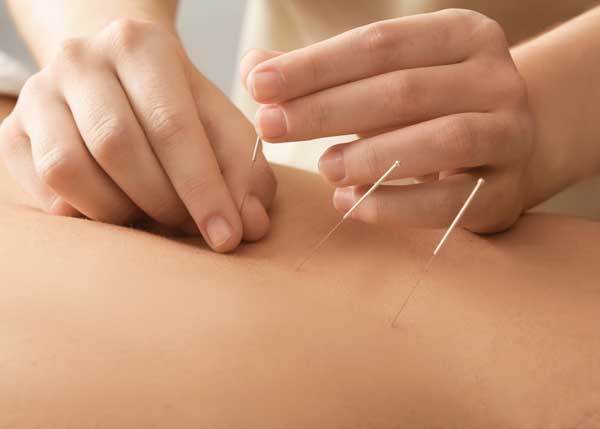
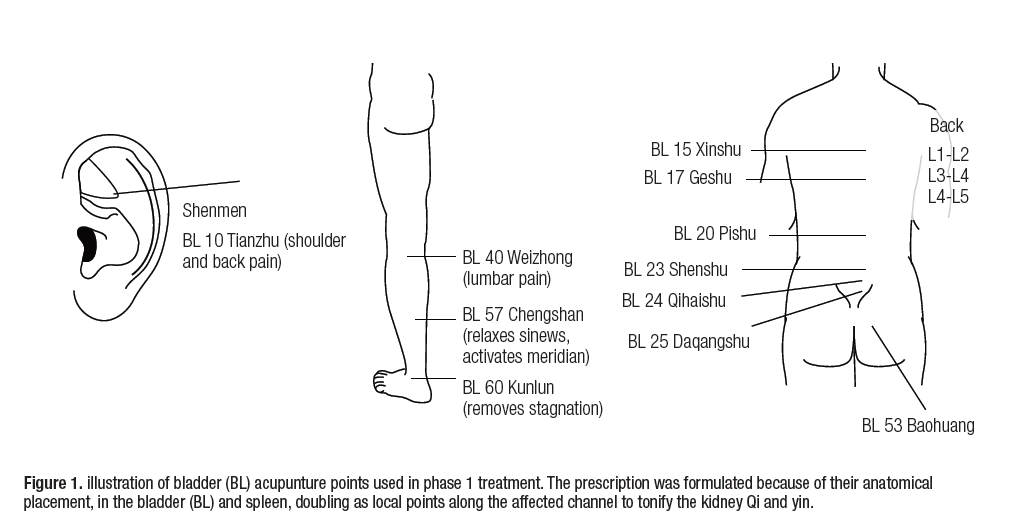
When people with back pain are looking for treatment, they are looking for something affordable and can work with their busy schedule. Hence, non-surgical treatments could be the answer to reducing low back pain. Numerous non-surgical treatments can help individuals with specific pain-like symptoms that correlate with various factors. Each treatment, from chiropractic care to traction therapy, is personalized for the individual. Now, one of the oldest forms of non-surgical treatment is acupuncture. Originating from China, acupuncture incorporates solid thin needles at specific body points to balance the energy flow in the body that highly trained professionals perform. The effects of acupuncture can help stimulate the release of adenosine at the sight of needle stimulation while increasing local blood flow to the affected area to promote natural healing. (Mu et al., 2020) So, how does acupuncture help individuals reduce low back pain?
Since low back pain can cause a socio-economic burden many people are affected by, acupuncture can help reduce pain and disability in the affected muscle areas while improving the person’s quality of life. (Baroncini et al., 2022) Acupuncture for low back pain benefits individuals by releasing endorphins and other neurohumoral factors that change brain and spinal cord processing. At the same time, acupuncture can also increase microcirculation and reduce the inflammatory effects of low back pain. (Sudhakaran, 2021) Acupuncture can also be part of a person’s personalized treatment plan, as physical and massage therapy can help strengthen the affected muscles caused by low back pain. When people dealing with low back pain are finally getting the relief they need, they can get their quality of life back through small changes to better themselves. This allows them to be more mindful of the various factors that can cause their bodies pain and prevent them from returning over time.
References
Baroncini, A., Maffulli, N., Eschweiler, J., Molsberger, F., Klimuch, A., & Migliorini, F. (2022). Acupuncture in chronic aspecific low back pain: a Bayesian network meta-analysis. J Orthop Surg Res, 17(1), 319. https://doi.org/10.1186/s13018-022-03212-3
Emorinken, A., Erameh, C. O., Akpasubi, B. O., Dic-Ijiewere, M. O., & Ugheoke, A. J. (2023). Epidemiology of low back pain: frequency, risk factors, and patterns in South-South Nigeria. Reumatologia, 61(5), 360-367. https://doi.org/10.5114/reum/173377
Hauser, R. A., Matias, D., Woznica, D., Rawlings, B., & Woldin, B. A. (2022). Lumbar instability as an etiology of low back pain and its treatment by prolotherapy: A review. J Back Musculoskelet Rehabil, 35(4), 701-712. https://doi.org/10.3233/BMR-210097
Mu, J., Furlan, A. D., Lam, W. Y., Hsu, M. Y., Ning, Z., & Lao, L. (2020). Acupuncture for chronic nonspecific low back pain. Cochrane Database Syst Rev, 12(12), CD013814. https://doi.org/10.1002/14651858.CD013814
Can working individuals dealing with degenerative pain syndrome incorporate decompression to provide body relief and mobility?
Introduction
As part of the musculoskeletal system, the spine allows the body to stand vertically and helps protect the spinal cord from injuries. Since the central nervous system provides neuron signals from the brain to the nerve roots, the human body can be mobile without pain or discomfort. This is due to the spinal discs between the facet joints, which can be compressed, absorb the vertical axial pressure, and help distribute the weight to the lower and upper extremity muscles. However, as many people realize, repetitive movements and wear and tear on the spinal structure can lead to overlapping risk profiles that can cause the spinal disc to degenerate and invoke pain in the musculoskeletal system. To that point, it can cause the individual to be in extreme pain and discomfort over time. Today’s article looks at how degenerative pain syndrome affects the spine, the symptoms it’s associated with, and how decompression can reduce degenerative pain syndrome. We talk with certified medical providers who consolidate our patients’ information to provide numerous treatments to relieve degenerative pain syndrome that is causing mobility issues on the spine. We also inform and guide patients on how decompression can help reduce the pain-like symptoms correlating with degenerative pain syndrome. We encourage our patients to ask their associated medical providers intricated and important questions about the referred pain-like symptoms they are experiencing from degenerative pain that is affecting their quality of life. Dr. Jimenez, D.C., incorporates this information as an academic service. Disclaimer.
Degenerative Pain Syndrome On The Spine
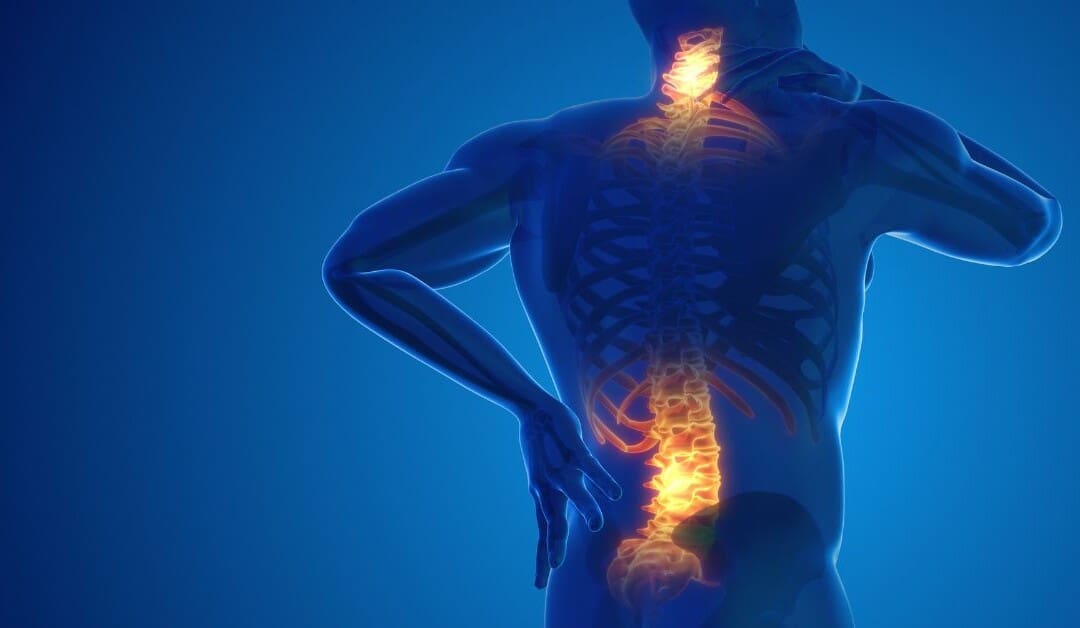
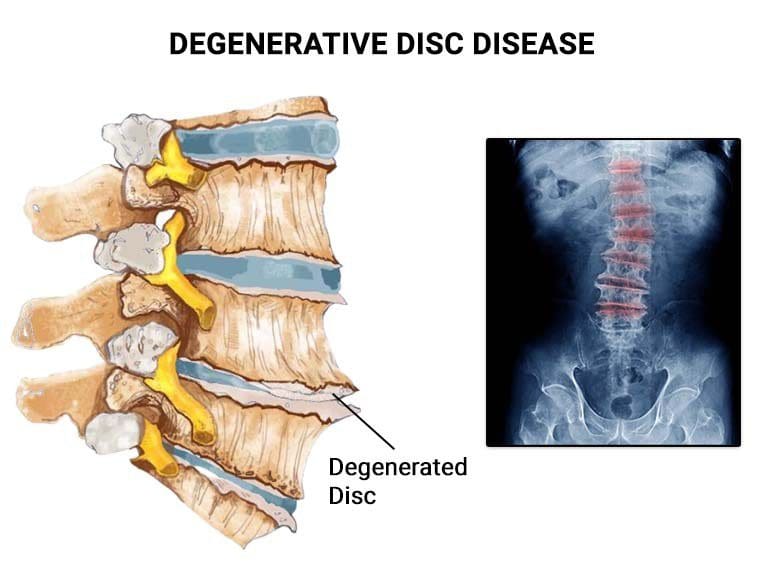
Do you feel muscle aches or pains in your back after an extended period of lying down, sitting, or standing? Do you feel constant pain after carrying a heavy object from one location to another? Or does twisting or turning your torso provide temporary relief? Many people often don’t realize that many of these pain-like issues are associated with degenerative pain syndrome that affects the spine. Since the body ages naturally, the spine does as well through degeneration. When the spinal discs start to degenerate, it can cause the vertical axial pressure to flatten and squeeze the disc, disrupting its ability to keep hydrated and causing it to protrude out of its original position. At the same time, the height of the spinal disc will gradually fall, and the consequence is a change in dynamics in the affected spine segments. (Kos et al., 2019) Degeneration can cascade down to the surrounding ligaments, muscles, and joints when degeneration starts to affect the spine.
The Symptoms Associated With Degenerative Pain
When the surrounding joints, muscles, and ligaments are affected by degenerative disc pain, it can be due to multiple factors contributing to the pain-like symptoms. Inflammation is one of the symptoms that are associated with degenerative pain syndrome, as disturbances can affect the circadian rhythm and disrupt homeostasis, which then leads to increased stress on the spinal disc, which then contributes to the degenerative process. (Chao-Yang et al., 2021) Inflammation can cause the affected muscles to be inflamed and cause more overlapping risk profiles, as it can affect the upper and lower extremities. Additionally, mechanical loading may affect disc degeneration in various ways at the different vertebral levels. (Salo et al., 2022) This can lead to pain-like symptoms like:
Arm and leg tenderness
Nerve pain
Loss of sensory functions on the upper and lower extremities
Tingling sensations
Muscle pain
However, numerous treatments can help restore spinal mobility and lessen the painful effects of the degenerative pain syndrome of the spine.
The Non-Surgical Approach To Wellness- Video
When it comes to seeking treatment for degenerative pain syndrome, many individuals will do research on which treatment is affordable for their pain, hence why many people opt for non-surgical treatment to alleviate their pain. Non-surgical treatments are customized to the individual’s pain. They can help kickstart the person’s wellness journey, which can include a combination of exercise, manual therapy, and lifestyle modifications. (Brogger et al., 2018) The video above shows how a non-surgical approach can benefit someone with degenerative pain syndrome affecting their spine.
Decompression Reducing Degenerative Pain Syndrome
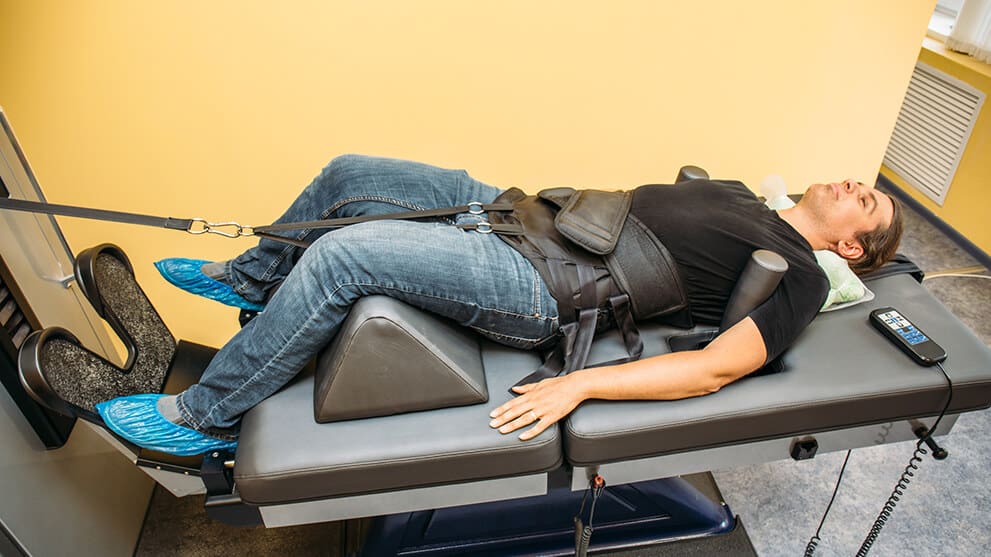
With many available treatments to reduce pain-like symptoms affecting the spine, non-surgical treatments can be an option. Ranging from chiropractic care to acupuncture, non-surgical treatments can be combined to minimize the pain-like effects. Decompression, as part of the non-surgical treatment options, is an excellent way to reduce the degenerative pain process in the spine. Decompression allows the spinal column to be gently pulled through a traction machine to relieve the spinal disc. When a traction machine decomposes the spine, the pain intensity is significantly reduced in all body parts. (Ljunggren et al., 1984) This is due to negative pressure being reinstated back to the spine to increase disc height and restore the nutrients back to the affected disc and rehydrate them. (Choi et al., 2022) When people start incorporating decompression through consecutive treatment, their pain intensity is reduced, and their spine is mobile again while slowing down the degenerative process on the spine. This allows them to take better care of their bodies by making small changes in their health and wellness.
References
Brogger, H. A., Maribo, T., Christensen, R., & Schiottz-Christensen, B. (2018). Comparative effectiveness and prognostic factors for outcome of surgical and non-surgical management of lumbar spinal stenosis in an elderly population: protocol for an observational study. BMJ Open, 8(12), e024949. https://doi.org/10.1136/bmjopen-2018-024949
Chao-Yang, G., Peng, C., & Hai-Hong, Z. (2021). Roles of NLRP3 inflammasome in intervertebral disc degeneration. Osteoarthritis Cartilage, 29(6), 793-801. https://doi.org/10.1016/j.joca.2021.02.204
Choi, E., Gil, H. Y., Ju, J., Han, W. K., Nahm, F. S., & Lee, P.-B. (2022). Effect of Nonsurgical Spinal Decompression on Intensity of Pain and Herniated Disc Volume in Subacute Lumbar Herniated Disc. International Journal of Clinical Practice, 2022, 1-9. https://doi.org/10.1155/2022/6343837
Ljunggren, A. E., Weber, H., & Larsen, S. (1984). Autotraction versus manual traction in patients with prolapsed lumbar intervertebral discs. Scand J Rehabil Med, 16(3), 117-124. https://www.ncbi.nlm.nih.gov/pubmed/6494835
Salo, S., Hurri, H., Rikkonen, T., Sund, R., Kroger, H., & Sirola, J. (2022). Association between severe lumbar disc degeneration and self-reported occupational physical loading. J Occup Health, 64(1), e12316. https://doi.org/10.1002/1348-9585.12316
Can individuals dealing with sciatica pain find the relief they need from acupuncture to restore low back mobility?
Introduction
The body’s lower extremities provide stability and movement to the individual as they are moving from one location to another without pain or discomfort. The lower extremities consist of the hips, lower back, legs, thighs, pelvis, knees, and feet; each has various muscles, nerve roots, and ligaments with a specific job to each muscle quadrant. The spinal column in the musculoskeletal system helps provide proper posture while protecting the spinal cord from injuries. However, more often than not, the lower extremities can succumb to injuries as many individuals incorporate repetitive motions that can compress the nerve roots that are spread out to the lower extremities, which can invoke pain. The most common pain that seems to affect the lower back and legs is sciatica, and when not treated, it can cause overlapping risk profiles to the lower extremities. Today’s article examines how sciatica is correlated with the lower back and how non-surgical treatments can help reduce the effects of sciatic pain. We talk with certified medical providers who consolidate our patients’ information to provide numerous treatments to relieve sciatica pain affecting their lower extremities. We also inform and guide patients on how non-surgical treatments can help reduce sciatica pain from the lower musculoskeletal extremities. We encourage our patients to ask their associated medical providers intricated and important questions about the pain-like symptoms they are experiencing from sciatica that are causing them pain. Dr. Jimenez, D.C., incorporates this information as an academic service. Disclaimer.
How Does Sciatica Correlate With The Lower Back?
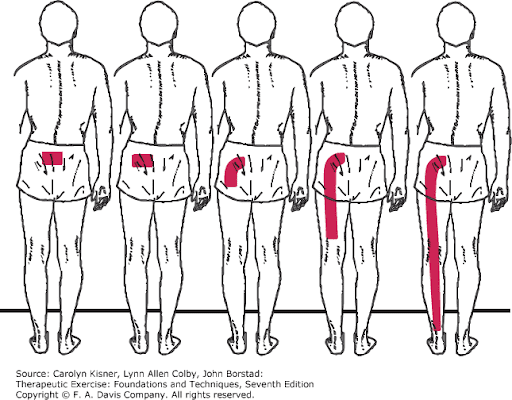
Do you often experience numb or tingling sensations running down your leg that cause your leg or foot to lose sensation briefly? Do you feel shooting pain in your lower back after excessive sitting at your desk? Or do you find that stretching your legs or back temporarily relieves the pain, only for it to come back? Many individual who are experiencing shooting pain running down their legs are dealing with sciatica. When it comes to the lower extremities in the musculoskeletal system, many individuals make repetitive motions on their spine that can cause the spinal discs to become compressed and herniated under pressure. When the spinal disc is herniated in the lumbar spine, that disc will start to press on the surrounding nerve roots, thus sending radiating pain down the legs. Sciatica is defined as when individuals are experiencing pain coming from the lumbosacral nerve root and causing either a burning, heaviness, or tightness sensation. (Aguilar-Shea et al., 2022) Sciatica can range from mild to severe, forcing many individuals to think their foot is asleep. However, the sciatic nerve root is compressed, trapped, stuck, or pinched, which causes muscle spasms within the lower back, buttock, or legs. Hence, many individuals will explain that they are experiencing low back or leg pain when it is sciatica.
Since the sciatic nerve is a long, thick nerve in the human body, it travels from the lumbar region down to the knee and connects to other nerves to reach the foot. Sciatica pain can be two conditions with the same pain-like symptom effects known as true or sciatica-like conditions. True sciatica is where an injury is directly affecting the sciatic nerve. This can relate to a slipped disc caused by environmental factors like lifting a heavy object, aggravating the sciatic nerve root, and causing pain that worsens. (Siddiq et al., 2020) For sciatica-like conditions, this is where other musculoskeletal conditions are causing sciatic pain-like symptoms on the lower extremities. Musculoskeletal conditions like piriformis syndrome can cause sciatica pain-like symptoms where the piriformis muscle is irritated or inflamed, pressing on the sciatic nerve, which causes many people to report pain along the gluteal region that may shoot a burning, aching sensations down the back of the legs. (Hicks et al., 2024) However, there are ways to treat sciatica and reduce the pain-like effects causing mobility issues.
Sciatica, Causes, Symptoms and Tips- Video
Non-surgical Treatments For Sciatica
When it comes to reducing sciatica pain, many individuals will seek out treatment that is cost-effective and customized to the person’s pain. Some treatments, like neural mobilization, can apply mechanical forces to the nerve roots to restore healthy movement to the legs and lower extremities. (Peacock et al., 2023) Other treatments, like spinal decompression, use gentle traction on the spinal disc to lay off the pressure on the sciatic nerve to provide relief. Non-surgical treatments are favorable to many people due to how affordable it is and personalized to the person’s pain as they help reduce pain and disability. (Liu et al., 2023) Luckily, a form of non-surgical treatment can help relieve sciatica and its associated pain-like symptoms.
Acupuncture Relieving Sciatic Pain
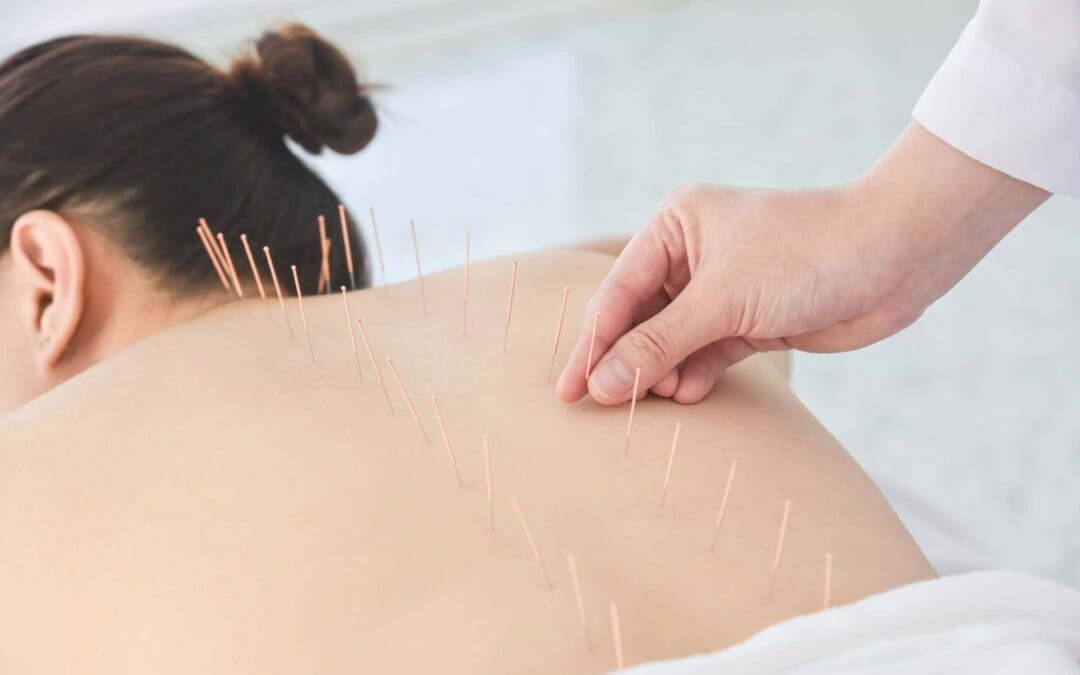
Acupuncture is one of the oldest forms of non-surgical treatments in which trained professionals use thin, solid needles to be inserted and placed on the affected area, causing pain. Acupuncture can help reduce the distortion of the affected nerve roots, and local inflammatory cytokines correlated with sciatica. (Yu et al., 2021) What this does is that it normalizes the neuron signals to a default mode from aggravating the surrounding muscle fibers and descending the pain. Additionally, acupuncture can help restore the body’s qi or energy by reducing the pain by placing the needles on the acupoint of the vital organs that share a relationship with the sciatic nerve. (Yu et al., 2022) This is known as somato-visceral, where the vital organs could be the affected area, causing overlapping muscle and nerve risk profiles. Acupuncture is an excellent form of non-surgical treatment that can be combined with other various therapies to help restore the body’s natural healing factor and allow people to be more mindful of how to take care of their bodies easily to prevent sciatica pain-like symptoms from arising.
References
Aguilar-Shea, A. L., Gallardo-Mayo, C., Sanz-Gonzalez, R., & Paredes, I. (2022). Sciatica. Management for family physicians. J Family Med Prim Care, 11(8), 4174-4179. https://doi.org/10.4103/jfmpc.jfmpc_1061_21
Liu, C., Ferreira, G. E., Abdel Shaheed, C., Chen, Q., Harris, I. A., Bailey, C. S., Peul, W. C., Koes, B., & Lin, C. C. (2023). Surgical versus non-surgical treatment for sciatica: systematic review and meta-analysis of randomised controlled trials. BMJ, 381, e070730. https://doi.org/10.1136/bmj-2022-070730
Peacock, M., Douglas, S., & Nair, P. (2023). Neural mobilization in low back and radicular pain: a systematic review. J Man Manip Ther, 31(1), 4-12. https://doi.org/10.1080/10669817.2022.2065599
Siddiq, M. A. B., Clegg, D., Hasan, S. A., & Rasker, J. J. (2020). Extra-spinal sciatica and sciatica mimics: a scoping review. Korean J Pain, 33(4), 305-317. https://doi.org/10.3344/kjp.2020.33.4.305
Yu, F. T., Liu, C. Z., Ni, G. X., Cai, G. W., Liu, Z. S., Zhou, X. Q., Ma, C. Y., Meng, X. L., Tu, J. F., Li, H. W., Yang, J. W., Yan, S. Y., Fu, H. Y., Xu, W. T., Li, J., Xiang, H. C., Sun, T. H., Zhang, B., Li, M. H., . . . Wang, L. Q. (2022). Acupuncture for chronic sciatica: protocol for a multicenter randomised controlled trial. BMJ Open, 12(5), e054566. https://doi.org/10.1136/bmjopen-2021-054566
Yu, F. T., Ni, G. X., Cai, G. W., Wan, W. J., Zhou, X. Q., Meng, X. L., Li, J. L., Tu, J. F., Wang, L. Q., Yang, J. W., Fu, H. Y., Zhang, X. C., Li, J., Wang, Y. F., Zhang, B., Zhang, X. H., Zhang, H. L., Shi, G. X., & Liu, C. Z. (2021). Efficacy of acupuncture for sciatica: study protocol for a randomized controlled pilot trial. Trials, 22(1), 34. https://doi.org/10.1186/s13063-020-04961-4
IFM's Find A Practitioner tool is the largest referral network in Functional Medicine, created to help patients locate Functional Medicine practitioners anywhere in the world. IFM Certified Practitioners are listed first in the search results, given their extensive education in Functional Medicine