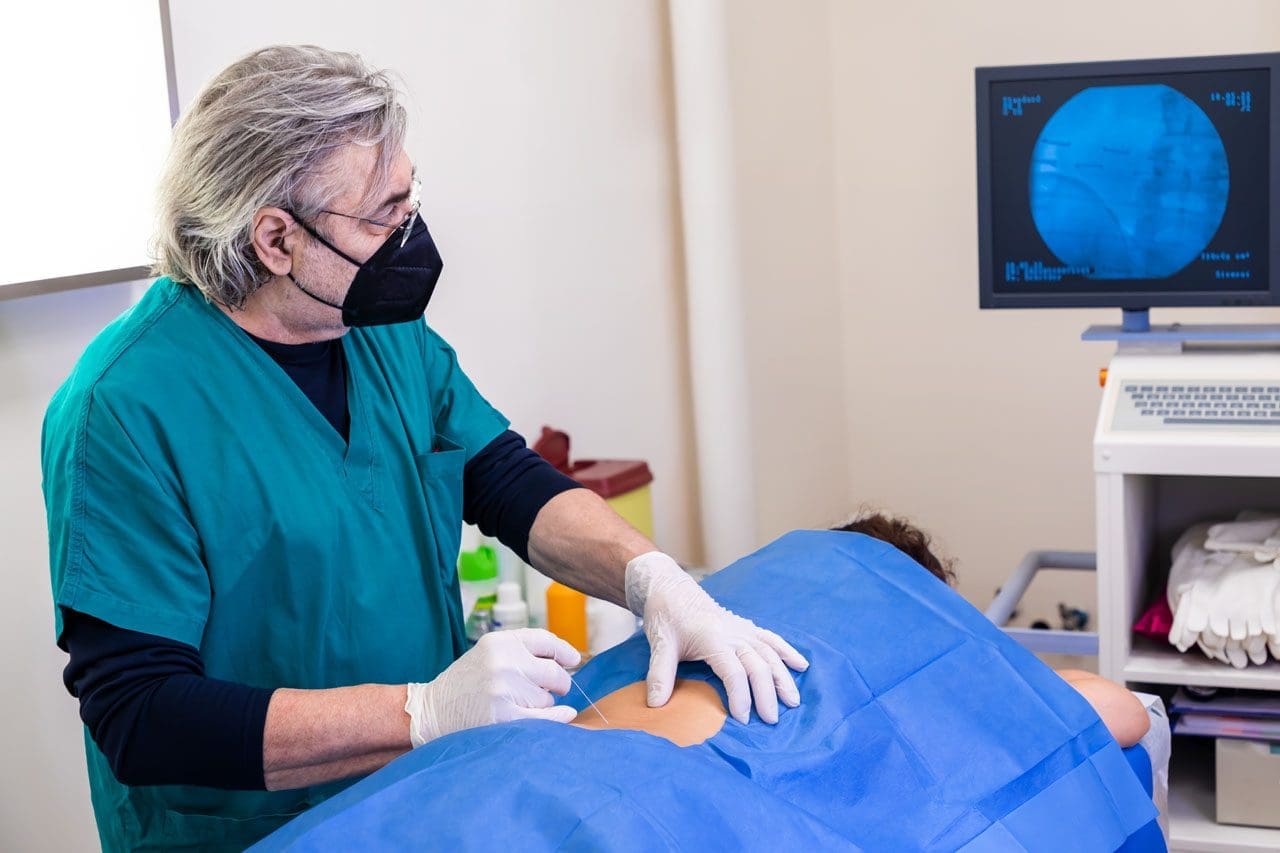
Functional Orthopedics for Spine and Joint Health: The Unit Approach to Integrative Care
Abstract
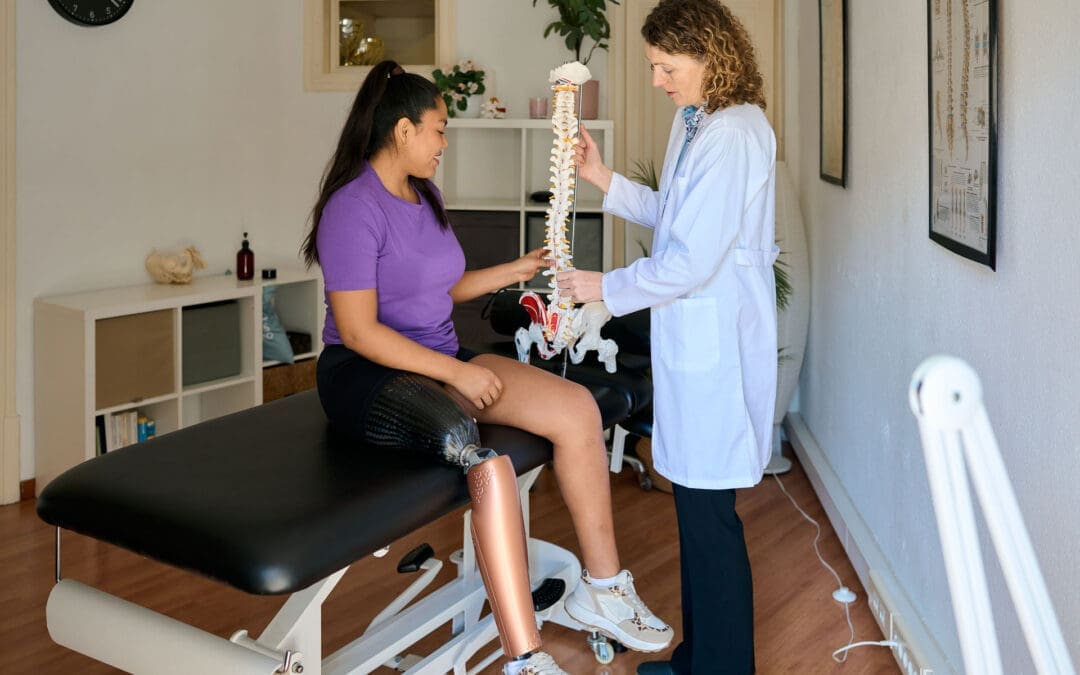
Hello, I’m Dr. Alex Jimenez. In this educational post, we will journey beyond traditional pain management to explore a comprehensive, patient-centered model for treating musculoskeletal conditions. I will introduce the concept of Interventional and Functional Orthopedics, a philosophy that goes beyond simply treating a “pain generator” to address the body’s entire functional unit. We will delve into the latest evidence-based research from leading experts, examining how treating intra-articular (inside the joint), extra-articular (outside the joint), and even intraosseous (inside the bone) structures can lead to superior, long-term outcomes. This discussion will highlight the critical interplay between structure and function, from the microscopic level of cellular health in the subchondral bone to the macroscopic mechanics of how your hip and ankle affect your knee. I’ll also explain how our unique, multidisciplinary practice at Injury Medical Clinic PA integrates cutting-edge chiropractic care, advanced rehabilitation, and medical oversight to restore not just comfort, but true, lasting function.
Our Integrated Approach: A Collaboration for Your Health
At Injury Medical Clinic PA, we believe that the future of healthcare lies in collaboration. That’s why I am proud to announce a significant development for our practice and our community here in El Paso, Texas. I, Dr. Alex Jimenez, am thrilled to be working alongside Dr. Maria Guadalupe Cardenas, MD, who has joined our team as the Medical Director and Collaborative Physician.
Dr. Cardenas is a highly respected internist, Board Certified in Internal Medicine, with an impressive career spanning over 40 years (NPI #1164426749, Texas MD License #J2933). Her extensive experience and deep understanding of internal medicine provide an invaluable layer of medical oversight and diagnostic expertise to our practice.
This multidisciplinary setup allows us to offer a truly integrative model of care. Here’s how our team works together for you:
Medical Direction (Dr. Cardenas): Provides comprehensive medical evaluations, oversees patient care plans, and manages any underlying medical conditions that could be contributing to musculoskeletal pain. While our focus remains on non-surgical solutions, her expertise ensures that all aspects of your health are considered.
Chiropractic & Functional Neurology (Dr. Jimenez): I focus on the body’s biomechanical and neurological integrity. Through precise chiropractic adjustments, spinal decompression, and advanced soft tissue therapies, we correct structural misalignments that are often the root cause of pain and dysfunction.
Functional Medicine & Rehabilitation: We dive deep to understand the “why” behind your condition. This includes advanced diagnostics, nutritional counseling, and personalized rehabilitation programs designed to strengthen weaknesses, improve mobility, and restore proper movement patterns.
Personal Injury Care: Our integrated team is uniquely equipped to manage the complex needs of patients injured in accidents, providing comprehensive documentation and a coordinated treatment plan that addresses everything from acute spinal injury to long-term rehabilitation.
By combining the structural focus of chiropractic care with the medical oversight of an experienced internist, we ensure a safe, effective, and holistic journey back to health. Our focus at elpasobackclinic.com remains centered on chiropractic and physical rehabilitation, but this collaboration allows us to address the whole person in a way that sets a new standard for patient care.
Beyond the Pain Point: Understanding Interventional Orthopedics
For years, the standard approach to joint pain was to identify the single “thing” causing the pain and treat it. This might mean an injection into a knee joint or therapy focused solely on a sore shoulder. But I ask, is that enough? What if the pain is just a symptom of a much larger, more complex issue?
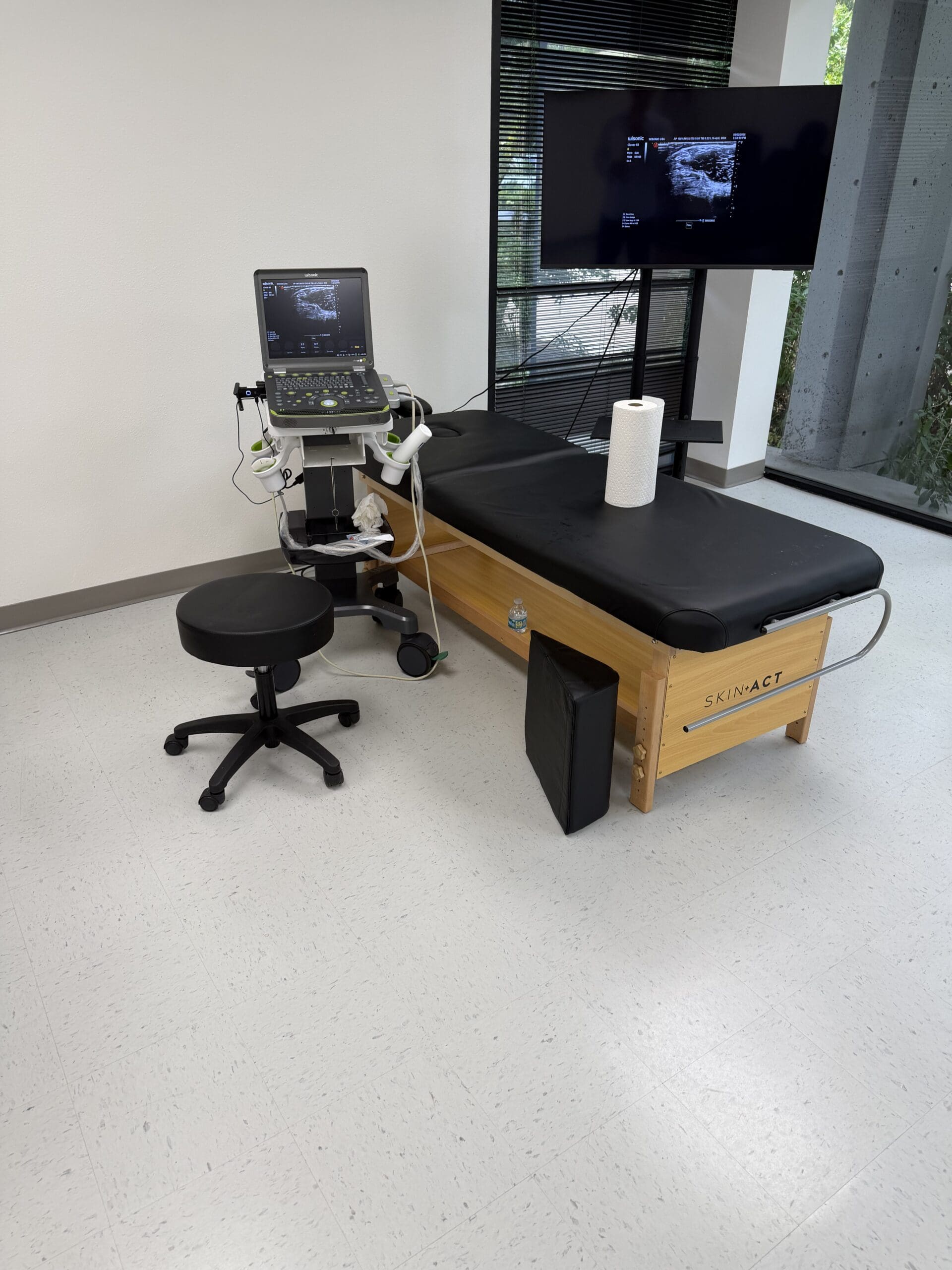
This is where the concept of Interventional Orthopedics comes in. It’s a philosophy that shifts our focus from just treating the pain to understanding and treating the entire system. It means we’re not just “chasing the pain.” Instead, we use advanced imaging guidance, such as musculoskeletal ultrasound and fluoroscopy, to precisely target and treat the specific anatomical structures involved in a person’s unique condition. We look at the whole picture.
But how do we know what to target? How do we build a treatment plan that goes beyond the obvious? This brings us to a philosophy I’ve developed based on my background and clinical experience: Functional Orthopedics.
Functional Orthopedics: The “Why” Behind the “What”
You likely haven’t heard the term Functional Orthopedics before, because it’s a concept I’ve coined to describe my approach. However, the principles behind it are timeless and deeply rooted in well-established medical philosophies. It draws heavily from my training as an osteopathic physician and my background in Physical Medicine and Rehabilitation (PM&R).
The core tenets are:
The Body is a Unit: No part of the body works in isolation. The foot is connected to the knee, the knee to the hip, the hip to the spine. A problem in one area will inevitably affect others.
Structure and Function are Interrelated: The way your body is built (structure) dictates how it moves (function), and vice versa. Poor movement patterns can lead to structural damage, and structural problems will compromise function.
The Body Has Self-Healing Mechanisms: Our bodies possess an incredible, innate ability to heal. Our role as clinicians is to identify and remove the barriers to this process and provide the necessary support to facilitate it.
Rational Treatment is Based on These Principles: A truly effective treatment plan must honor these truths.
Functional Orthopedics applies these principles by looking for the root causes of a condition. Imagine a tree. The leaves and branches might be the symptoms—the knee pain, the back ache—but the real problem may lie in the roots and the soil. We need to examine all factors that may be involved in optimizing the patient’s biological environment for healing. A crucial part of this is the Functional Unit Approach.
The Functional Unit Approach: Treating the System, Not Just the Joint
The idea of a “functional unit” originated in the surgical literature, specifically in the context of the functional spinal unit. Surgeons recognized that when dealing with the spine, you couldn’t just look at a single vertebra or disc. You had to consider the adjacent vertebrae, the disc between them, the ligaments holding them together, the facet joints that guide their movement, and the muscles that power them. All these components work together as a single unit.
We are now applying this powerful concept to the world of orthopedics and regenerative medicine. Recent research is validating this comprehensive approach.
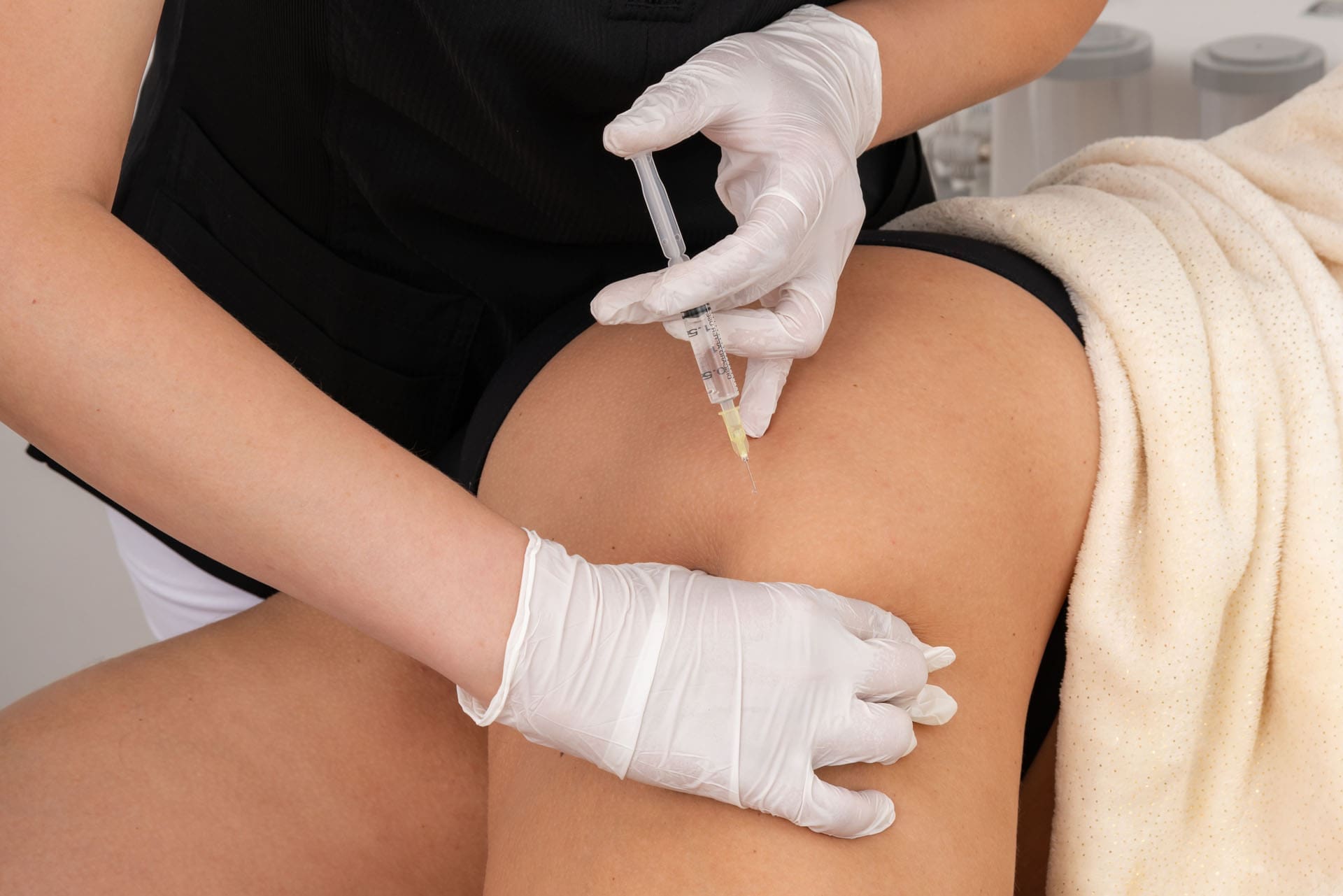
Studies on the Spine: Pioneering research has investigated the use of orthobiologics such as Platelet-Rich Plasma (PRP) and Bone Marrow Aspirate Concentrate (BMAC) in the spine. Instead of just injecting one area, researchers treated the entire functional unit: the epidural space, facet joints, stabilizing ligaments, and paraspinal muscles. The results showed more significant and longer-lasting benefits compared to single-target treatments.
Expanding to the Knee: This principle isn’t limited to the spine. A landmark study looked at patients with knee osteoarthritis. One group received a standard intra-articular (inside the joint) injection. The other group received injections both intra-articularly and into the extra-articular structures—the surrounding ligaments and tendons that stabilize and support the knee. While both groups improved, the group that received the comprehensive treatment reported significantly better outcomes.
This marks a major paradigm shift. For conditions like knee osteoarthritis, we should not just be injecting the joint space. We must also assess and treat the supporting cast of characters—the ligaments, tendons, and muscles that make up the knee’s functional unit. But does it stop there?
The Critical Role of Subchondral Bone: Digging Deeper
For decades, we were taught—and we taught our patients—that osteoarthritis is a disease of cartilage. You’ve likely heard someone say, “My cartilage is gone,” as if that’s the end of the story. While cartilage loss is a feature of osteoarthritis, we now recognize that it does not always equate to pain. The plot thickens when the damage goes deeper.
When cartilage wears away, the underlying bone, known as the subchondral bone, becomes exposed to abnormal stress. This bone is not a dead, inert scaffold; it is a living, dynamic tissue rich with blood vessels, nerves, and even a reservoir of stem cells (pericytes) crucial for healing.
Dr. Philippe Hernigou, a true pioneer in regenerative medicine, conducted groundbreaking research comparing the stem cell populations in bone marrow. He found that as knee osteoarthritis worsens with age, the concentration of healing cells in the subchondral bone of the knee declines dramatically, whereas the concentration at a distant site, such as the pelvis (PSIS), remains relatively stable. This tells us that the local healing environment within the arthritic joint becomes depleted. The bone itself is sick.
This has led to a revolutionary treatment strategy: intraosseous injections, or injections directly into the subchondral bone.
Evidence for Intraosseous PRP: A recent meta-analysis and a consensus statement we just published for the American Academy of Physical Medicine and Rehabilitation (AAPM&R) have recognized the significant merit of injecting PRP directly into the bone for knee osteoarthritis, particularly in more advanced cases.
Compelling Data on Bone Marrow: The most robust data, in my opinion, comes from two sister studies on intraosseous bone marrow aspirate concentrate (BMAC).
In the first study, patients had one knee that had already been replaced and a second knee with severe osteoarthritis. The arthritic knee was treated with an intraosseous BMAC injection. With an average follow-up of 15 years, an astounding 80% of these patients avoided a knee replacement on the treated side. Furthermore, they overwhelmingly preferred their “bone marrow knee” to their artificial one.
The second study involved patients with severe osteoarthritis in both knees who wanted to avoid surgery. One knee received an intra-articular BMAC injection, while the other received an intraosseous BMAC injection. While both knees improved, the knees treated with the intraosseous injection had a significantly lower rate of eventually needing a knee replacement.
The message is clear: for moderate-to-severe osteoarthritis, the most effective approach must address the entire functional unit—the intra-articular space, the extra-articular soft tissues, and the underlying subchondral bone.
The Art of Diagnosis: How We Decide What to Treat
So, how do we put this all together in the clinic? How do we analyze the complex interplay of forces and decide which structures to treat? This is where a thorough physical examination and a deep understanding of biomechanics become indispensable. It is not just a matter of “poking to see where it hurts.”
Let’s use the knee as an example:
Varus Stress (Bow-Legged): If a patient presents with a bow-legged posture, the medial (inner) part of their knee is under compressive stress. This might lead to medial knee osteoarthritis or a medial meniscus tear. In addition to treating these compressed structures, we must ask: what is happening on the other side? The lateral collateral ligament (LCL) on the outside of the knee is likely being chronically stretched and weakened. To restore stability to the entire functional unit, we must also address this laxity in the LCL.
Valgus Stress (Knock-Knees): Conversely, in a patient with knock-knees, the lateral (outer) part of the joint is compressed. But we also need to examine the medial structures, such as the medial collateral ligament (MCL), which may be overstretched and require support.
Patellofemoral Maltracking: If the kneecap (patella) is being pulled laterally (to the outside), causing pain and cartilage wear, it’s not enough to just treat the cartilage. We must investigate why it’s maltracking. Often, the medial patellofemoral ligament (MPFL), which acts as a tether to prevent lateral movement, becomes lax. Treating and tightening this ligament is key to correcting the underlying mechanical problem.
Looking Proximal and Distal: The Buck Doesn’t Stop at the Knee
Here is the final piece of the puzzle, and it’s one I implore every patient and clinician to consider. If someone develops knee pain, like a meniscus tear or patellofemoral pain, without a specific traumatic injury, does the problem really originate in the knee?
Or should we be looking elsewhere?
The Hip and Glutes: The gluteal muscles, particularly the gluteus medius, are critical for pelvic and knee stability. Weakness in these muscles is a very common driver of knee pain and faulty movement patterns. As a clinician, I always strength-test these muscles.
The Ankle and Foot: How a person’s foot strikes the ground reverberates up the entire kinetic chain. Poor foot mechanics, such as overpronation, can cause the tibia to rotate internally, placing abnormal stress on the knee.
The Lumbar Spine: Is there a subclinical radiculopathy? A subtle nerve irritation in the lower back could be causing weakness in the muscles that control the leg, leading to instability and pain downstream at the knee. We must test for this.
True, long-term success comes not from just treating the joint itself but from identifying and correcting these dysfunctions throughout the kinetic chain. This is what it means to look at the patient as a whole. This is the essence of integrative chiropractic care and functional rehabilitation. By correcting spinal and pelvic alignment, restoring proper nerve function, and strengthening weak links in the chain, we don’t just put a bandage on the problem—we rebuild the foundation for lasting health.
This journey back to our roots in physical diagnosis, combined with the exciting advancements in orthobiologics, allows us to provide truly transformative care. It’s about creating not just a “pain generator” treatment plan, but a “health and function generator” plan for life.
The Power of Precision: Platelet-Rich Plasma for Spine and Injury Recovery
Abstract
Welcome to our educational journey into the world of regenerative medicine, with a focus on Platelet-Rich Plasma (PRP) therapy. As a clinician dedicated to integrative and evidence-based care, I am thrilled to share insights from the forefront of musculoskeletal treatment. This post will demystify PRP, exploring what it is, how it’s prepared, and, most importantly, the critical role of dosage in achieving successful clinical outcomes. We will examine groundbreaking research revealing how the precise concentration and number of platelets can dramatically influence healing, particularly in conditions such as osteoarthritis and tendon injuries. We’ll also discuss the importance of ultrasound guidance for accurate delivery and how integrative chiropractic care and structured rehabilitation are essential partners to PRP therapy, creating a comprehensive strategy that not only alleviates pain but also fosters true, lasting tissue regeneration. Join me as we uncover how this powerful biologic treatment is changing the landscape of healing.
What Exactly Is Platelet-Rich Plasma (PRP)?
Many of us may have a distant memory from our early science education about platelets. We often think of them simply as the components in our blood that help form clots when we get a cut. While that is true, it’s only a small part of their incredible story.
Platelets are small, anucleated (meaning they don’t have a nucleus) cell fragments that are absolute powerhouses of healing. Each one is packed with hundreds of proteins called growth factors and cytokines. These are signaling molecules that act as the body’s own project managers for tissue repair. When an injury occurs, platelets rush to the scene not just to plug the leak but to orchestrate a complex, coordinated healing cascade. They call in other cells, direct the removal of damaged tissue, and stimulate the growth of new, healthy cells.
Given their central role in healing, it’s logical to ask: what if we could concentrate these powerful healing factors and deliver them directly to the site of chronic injury, such as a worn-out knee joint or a nagging tendon tear? That is the fundamental concept behind Platelet-Rich Plasma (PRP) therapy.
From Your Blood to a Healing Solution
The process of creating PRP is elegant in its simplicity.
Blood Draw: It all begins with a simple blood draw from your arm, much like a standard lab test. The amount of blood drawn can vary depending on the specific system used and the therapeutic dose we are aiming to achieve—a concept we will explore in detail.
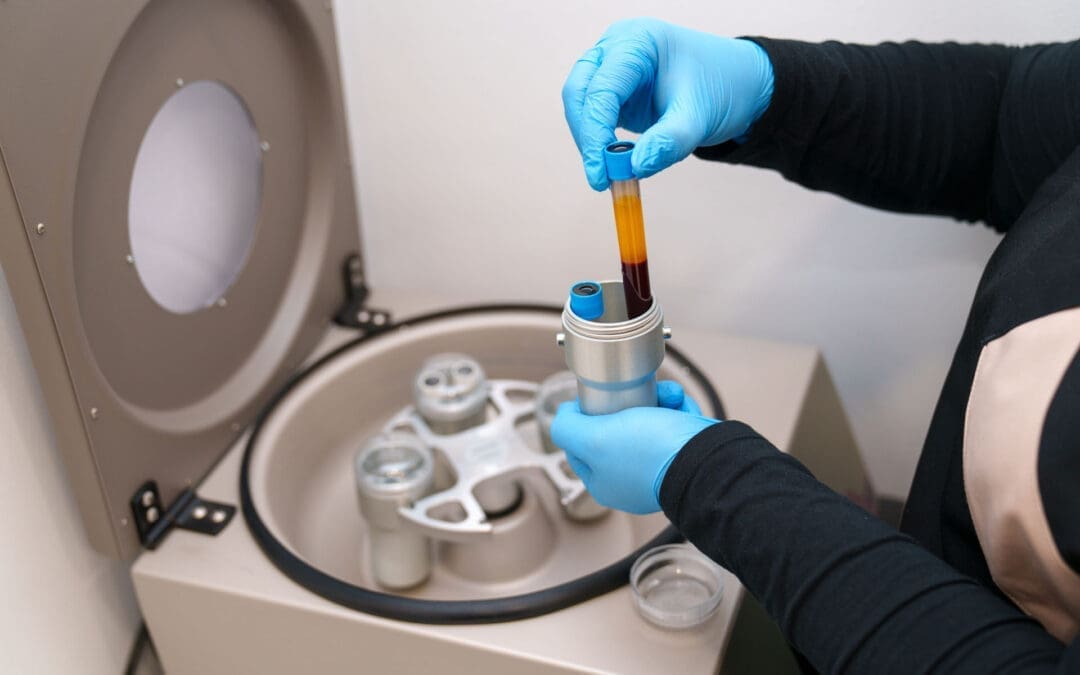
Centrifugation: This blood is then placed in a sterile, closed-system kit and spun in a specialized centrifuge. The spinning process uses centrifugal force to separate the blood into its different components based on their density.
Separation and Concentration: The heavier red blood cells sink to the bottom. The lighter, platelet-poor plasma rises to the top. In the middle, a thin, precious layer forms known as the “buffy coat.” This layer, along with a portion of the adjacent plasma, is where the vast majority of platelets and a population of white blood cells are concentrated. This is the Platelet-Rich Plasma.
This final product is a small volume of plasma containing a significantly higher concentration of platelets—and their associated growth factors—than in your normal circulating blood.
Not All PRP Is Created Equal: The Critical Importance of Dose
One of the most significant advancements in the field of regenerative medicine has been the realization that PRP is not a one-size-fits-all treatment. To think of it effectively, we must approach it as a biologic drug. As with any medication, there is a therapeutic dose—the specific amount needed to produce the desired clinical effect. An amount below this threshold will be sub-therapeutic and likely ineffective, while an excessive amount could potentially hinder the healing process.
The Problem of Variability
For years, the results of PRP studies were inconsistent, leaving both clinicians and patients confused. Why did it work so well in some cases and not in others? Pioneering researchers like James Clayton, D. Patrick, and their team in Australia began to uncover the answer. They analyzed five different commercial PRP preparation systems and found staggering variability in the final product. The platelet count, white blood cell count, and final volume were all over the map.
Imagine seeing the PRP prepared from the same patient’s blood using four different systems. You would see four different “products” of varying colors and cellular compositions. This lack of standardization was a major hurdle. Early studies often failed to report the specific platelet dose injected, making it impossible to compare results or understand what truly worked.
Thanks to the meticulous work of researchers like Peter Everts and Scott Rodeo, we are now beginning to decode the dose-response relationship for specific conditions. A landmark 2018 study analyzed numerous PRP studies for soft tissue applications. When they plotted the results based on the total number of platelets injected, a clear pattern emerged.
Studies using a low dose of PRP, typically under 3 billion platelets, were overwhelmingly negative. They showed little to no benefit over a placebo.
Studies using a higher dose, generally above 3.5 billion platelets, were overwhelmingly positive.
This suggests a distinct therapeutic threshold for soft tissue and tendon healing. For instance, in my clinical observations at El Paso Back Clinic, treating conditions like tennis elbow (lateral epicondylitis) or plantar fasciitis with an insufficient platelet dose often yields disappointing results. However, when we ensure the delivered dose is within that therapeutic range of 3.5 to 5 billion platelets or higher, we see a much more robust and consistent healing response. The body needs a sufficient signal to switch from chronic degeneration to active regeneration, and the dose provides that signal. We also know that a patient’s age can impact the required dose, with older patients often benefiting from a higher starting concentration to achieve the same therapeutic effect.
Perhaps the most compelling evidence for PRP dosing comes from the treatment of knee osteoarthritis (OA). Knee OA is a condition I see daily, and it can be profoundly debilitating for patients. For years, the primary non-surgical options were limited.
The famous RESTORE trial, published in JAMA, initially concluded that PRP was ineffective for knee OA. However, a deeper dive into their methodology reveals a critical flaw: they used a low-dose PRP system that delivered only 1.6 billion platelets per injection. Based on what we now know about the dose-response curve, this was a sub-therapeutic dose, destined to fail. While the study was beautifully executed, we learned a valuable lesson from its negative result—it helped define the lower boundary of what doesn’t work.
In stark contrast, a study by van der Weegen used a high-dose PRP preparation that delivered approximately 10 billion platelets in a single injection. The results were remarkable. Patients not only experienced significant improvements in pain and function compared to hyaluronic acid or saline injections, but MRI scans also suggested a disease-modifying effect. The progression of cartilage loss actually slowed down in the PRP group. This was a groundbreaking finding, suggesting that with the right dose, PRP might do more than just manage symptoms—it could potentially alter the course of the disease.
Based on the current body of evidence, the therapeutic target for treating knee OA appears to be 5 to 10 billion platelets per injection. Calculating and delivering this precise dose is paramount to achieving the kind of outcomes our patients deserve.
The Role of Chiropractic Care and Guided Injections in Maximizing PRP Success
Achieving a successful outcome with PRP involves more than just getting the dose right. It requires a holistic, integrative approach that addresses the entire patient and the mechanics of their injury. This is where chiropractic care, physical therapy, and advanced injection techniques become indispensable partners.
Precision Matters: The Necessity of Ultrasound Guidance
Growth factors in PRP work by forming a bioactive scaffold that stimulates local cells. For this to happen, the PRP must be delivered with pinpoint accuracy directly into the site of injury—be it a tear within a tendon, the space within a joint, or an area of damaged cartilage. If the injection is off by even a few millimeters, the therapeutic benefit can be lost entirely.
This is why ultrasound guidance is not a luxury; it is the standard of care for regenerative injections. Using real-time ultrasound imaging, I can visualize the needle’s path and confirm its placement directly in the target tissue. This ensures that the powerful biologic product we’ve carefully prepared is delivered precisely where it’s needed most, maximizing the potential for a successful healing response. Injecting “blind” is simply not an acceptable approach when the goal is true tissue regeneration.
The Foundational Role of Integrative Chiropractic and Rehabilitation
At El Paso Back Clinic, we view PRP not as a standalone “magic bullet” but as a catalyst within a comprehensive treatment plan. A chronically injured joint or tendon doesn’t exist in a vacuum. It is almost always accompanied by biomechanical dysfunction, muscle imbalances, poor movement patterns, and joint restrictions. Injecting PRP into a dysfunctional environment without addressing these underlying root causes is like planting a seed in barren soil.
This is the crucial role of integrative chiropractic care.
Restoring Biomechanics: Before and after a PRP procedure, we focus on correcting biomechanical faults. Through specific chiropractic adjustments, we restore proper joint mobility, particularly in the spine, pelvis, and extremity joints related to the injury. This ensures that forces are distributed evenly across the kinetic chain, taking undue stress off the healing tissue.
Addressing the Kinetic Chain: An arthritic knee, for instance, is often linked to problems in the hip, ankle, or even the lower back. Our comprehensive assessment identifies these related dysfunctions. By treating the entire kinetic chain, we create a stable and supportive environment for the PRP to work effectively.
Targeted Rehabilitation: A structured physical therapy and rehabilitation program is essential. The initial goal post-injection is to protect the healing tissue. This is followed by a progressive program designed to:
Improve Flexibility and Range of Motion.
Strengthen Supporting Musculature.
Retrain Neuromuscular Control and Proprioception (your body’s sense of its position in space).
This rehabilitation phase translates the biological healing initiated by PRP into functional, long-lasting improvement. It teaches the body to use the newly repaired tissue properly and helps prevent reinjury. The healing process stimulated by PRP takes time—often three to six months or more to see the full benefit. A patient, supportive, and well-structured rehabilitation plan is the bridge to that successful long-term outcome.
By combining a precisely dosed and accurately delivered PRP injection with expert chiropractic care and targeted physical therapy, we create a powerful synergy. We are not just chasing symptoms; we are correcting dysfunction, stimulating a biological repair process, and rebuilding a foundation for durable health and function.
PRP Therapy in El Paso for Back Pain Relief and Joint Healing
Abstract
As a clinician dedicated to integrative and evidence-based care, I am constantly exploring the latest advancements that can help my patients heal more effectively. This post explores the science behind Platelet-Rich Plasma (PRP), a powerful regenerative therapy. We will journey into the microscopic world of platelets, exploring their crucial role in orchestrating the body’s natural healing processes. You will learn about the specific growth factors and signaling molecules released by platelets, how they reduce inflammation, and how we can concentrate this healing potential to treat various musculoskeletal conditions. We will also discuss how PRP, as a cornerstone of orthobiologic therapy, integrates seamlessly with chiropractic care and physical rehabilitation to create a comprehensive, synergistic treatment plan that accelerates your return to a pain-free, active life.
Hello, I’m Dr. Alexander Jimenez. With my extensive background in both chiropractic and advanced practice nursing, coupled with certifications in functional and integrative medicine, my primary mission has always been to offer my patients the most effective, evidence-based pathways to wellness. At our El Paso clinic, we are passionate about harnessing the body’s innate ability to heal itself. One of the most exciting fields that allows us to do this is orthobiologics, and a cornerstone of this approach is Platelet-Rich Plasma, or PRP.
Today, I want to take you on a journey—not into a complex scientific lecture, but into an easy-to-understand exploration of your body’s remarkable healing capabilities. We’re going to look at the latest findings from leading researchers and see how this science translates into real-world results for conditions such as chronic back pain, joint injuries, and soft-tissue damage.
The Orchestra Within: Understanding the Power of Platelets
When you think of platelets, you probably think of blood clotting. If you get a cut, platelets rush to the scene to form a plug and stop the bleeding. While this is a critical function, it’s only the beginning of their story. Platelets are not just simple plugs; they are sophisticated, mobile storage units packed with powerful biological instructions.
Think of your platelets as the first-response commanders at an injury site. Once they arrive, they don’t just patch the hole; they release a cascade of potent signaling molecules—growth factors, cytokines, and chemokines—that direct a complex healing orchestra. It’s this biological symphony that truly drives tissue repair and regeneration.
PRP therapy is based on a simple yet profound concept: what if we could concentrate these healing commanders and deliver them directly to an area of chronic injury or degeneration? By doing so, we can amplify the body’s natural healing signals, telling it to repair tissue that it may have otherwise “given up” on.
Inside the Platelet: The Granules That Drive Healing
To truly appreciate PRP, we need to look inside the platelet itself. A single platelet contains several types of tiny packets, or granules, each with a specific job.
Alpha Granules: These are the most important for regenerative medicine. Each platelet contains about 50 to 80 alpha granules, which house hundreds of different proteins, including the essential growth factors that orchestrate tissue repair. When platelets are activated at an injury site, they undergo a process called degranulation, releasing the contents of these alpha granules into the surrounding environment. This is the moment the healing cascade truly begins.
Dense Granules: These granules release smaller molecules that are crucial for amplifying the initial response. They help recruit more platelets (platelet aggregation), signal blood vessels to constrict to limit bleeding, and modulate the initial immune response.
Lysosomes: These act as the cleanup crew. They release enzymes that help break down damaged tissue, clear cellular debris, and exert antimicrobial effects, essentially preparing the site for new, healthy tissue to form.
In our clinical practice, we’ve observed that the effectiveness of PRP is directly tied to the concentration and quality of these platelets. Newer research highlights the importance of reticulated platelets—younger, denser platelets recently released from the bone marrow. These platelets are richer in alpha granules and, therefore, contain a higher payload of growth factors. Our advanced processing techniques are designed to capture these highly potent platelets, ensuring that the PRP we administer has the maximum regenerative potential. This concentration is key; by increasing platelet count, we dramatically increase the number of biological signals delivered to the injured area.
The Key Players: Growth Factors and Their Roles
When the alpha granules release their contents, a variety of growth factors become active. While it’s a complex interaction among hundreds of proteins, let’s focus on a few of the star players and their specific roles in healing.
Platelet-Derived Growth Factor (PDGF)
As its name suggests, PDGF was one of the first growth factors discovered in platelets. Think of PDGF as the “beacon.” Its primary role is to attract other healing cells to the injury site. It sends out a powerful chemical signal that recruits mesenchymal stem cells (MSCs)—the body’s master repair cells—as well as other cells necessary for tissue repair.
A Crucial Note on Stem Cells: PRP itself does not contain stem cells. However, it is a powerful signaling therapy. PDGF effectively awakens and recruits the local stem cells that are already present but dormant in your tissues, directing them to the site of injury, where they can begin their work of repair and regeneration.
The Power of PDGF-BB: Researchers have identified PDGF-BB as the most biologically active and important isoform. It is a potent stimulator of cell replication and is vital for initiating the entire repair process.
Transforming Growth Factor-Beta (TGF-β)
TGF-β is the master architect of tissue reconstruction. Once cells have been recruited to the area, TGF-β provides them with their building instructions.
Collagen Synthesis: It strongly promotes the synthesis of type I collagen, which is the primary structural protein in tendons, ligaments, and cartilage. This is crucial for restoring the strength and integrity of injured tissues.
Angiogenesis: In coordination with other growth factors, TGF-β stimulates angiogenesis, the formation of new blood vessels. This is a critical step because new blood vessels bring a fresh supply of oxygen and nutrients to the healing area, fueling the repair process and removing waste products.
Vascular Endothelial Growth Factor (VEGF)
VEGF works hand in hand with TGF-β to build this new blood supply. It specifically enhances endothelial cell proliferation (the cells that line blood vessels), promotes the sprouting of new capillaries, and is essential for neovascularization. Research has shown that platelet concentration is a significant factor in this effect. Studies suggest that a PRP concentration of approximately 1.5 billion platelets per milliliter is optimal for robust angiogenesis, a key target in our preparation protocols.
Fibroblast Growth Factor (FGF)
FGF is a powerful “mitogen,” meaning it stimulates cell division and proliferation. It acts on a wide variety of cells, including MSCs recruited by PDGF, as well as fibroblasts (which produce collagen) and osteoblasts (which build bone). FGF helps to ensure that a sufficient number of builder cells are available to carry out the repairs directed by the other growth factors.
Beyond Building: The Anti-Inflammatory Power of PRP
Chronic pain is often driven by chronic inflammation. An injury that never fully heals can get stuck in a persistent inflammatory state, causing ongoing pain and tissue degradation. One of the most profound benefits of PRP therapy is its ability to break this cycle.
While the initial response to an injury involves inflammation (a necessary step to clear damage), PRP helps guide the process toward resolution and healing. It does this in several ways:
Modulating Macrophages: PRP influences the behavior of immune cells called macrophages. These cells can exist in an inflammatory state (M1) or an anti-inflammatory, pro-healing state (M2). PRP promotes a shift from the M1 to the M2 phenotype, effectively flipping the switch from “inflammation” to “repair.”
Leukocyte Interaction: Platelets in PRP can interact with white blood cells (leukocytes) at the injury site, prompting them to release anti-inflammatory cytokines. This helps to quiet the inflammatory storm.
Preventing Cell Death: The chemokines released by platelets also act as survival factors for monocytes (which become macrophages), preventing their premature death and allowing them to complete their transition to the healing M2 state.
From my clinical observations, this powerful anti-inflammatory effect is often the first thing patients notice. Many report a significant reduction in pain and swelling within weeks of treatment as the chronic inflammatory environment begins to normalize, paving the way for long-term tissue repair.
The Synergy of Integrative Care: PRP, Chiropractic, and Physical Therapy
At the El Paso Back Clinic, we firmly believe that no single therapy is a magic bullet. True healing comes from a comprehensive, integrative approach. This is where PRP, chiropractic care, and physical therapy come together to create a powerful synergy.
Imagine a patient with chronic low back pain due to a degenerated disc and facet joint arthritis. The underlying problem is both biochemical (inflammation, tissue decay) and biomechanical (spinal misalignment, muscle imbalance, faulty movement patterns).
PRP Injections to Reboot Healing: We first use ultrasound guidance to precisely inject PRP into the degenerated disc space and the arthritic facet joints. This delivers a high concentration of growth factors directly to the source of pain, reducing inflammation and initiating biological repair of damaged cartilage and connective tissue. The PRP effectively “reboots” the local healing environment.
Chiropractic Care to Restore Function: While PRP works at the cellular level, a dysfunctional joint will remain dysfunctional unless its mechanics are addressed. This is the crucial role of chiropractic adjustments. Through specific, gentle manipulations, we restore proper motion to the spinal segments. This not only alleviates pain by decompressing nerves but also improves the flow of nutrients to healing tissues and ensures that the new collagen formed by PRP is laid down in an organized, functional way. Correcting the biomechanics prevents the joint from being repeatedly re-injured, allowing the PRP-stimulated healing to take hold.
Physical Therapy to Rebuild and Stabilize: Once the pain is reduced and joint mechanics are improved, physical therapy and rehabilitation become essential. Our customized exercise programs focus on strengthening the deep core and spinal stabilizing muscles. This creates a “muscular corset” that supports the spine, offloads the healing joints, and corrects the poor movement patterns that contributed to the injury in the first place. This phase ensures that PRP and chiropractic care achieve results that are not just temporary but are sustained for the long term.
This three-pronged approach addresses the injury from every angle: PRP promotes biochemical repair, chiropractic care corrects structural and biomechanical dysfunction, and physical therapy provides functional stabilization for lasting recovery. Each therapy enhances the effects of the others, leading to faster, more complete, and more durable healing than any single approach could achieve on its own.
Summary: A New Era in Healing
PRP therapy represents a paradigm shift in how we treat musculoskeletal injuries. Instead of just masking symptoms with medications or resorting to invasive surgery, we can now harness the body’s sophisticated biological toolkit to promote true healing and regeneration.
The main takeaway is that PRP provides a powerful, short-term biological “dose” of instructions. It doesn’t do all the work itself; rather, it acts as the director of the orchestra, calling in the body’s own repair cells and guiding them to reduce inflammation, rebuild damaged tissue, and restore function. When combined with an integrative framework of expert chiropractic care and targeted physical therapy, PRP becomes a transformative tool that can help our patients break free from chronic pain and get back to living their lives to the fullest.
References
The following resources provide a deeper look into the science of platelet-rich plasma and its applications.
Learn about the role of functional wellness in addressing autoimmune conditions and supporting overall health.
Understanding Autoimmune Conditions: How Functional Wellness Can Transform Your Health
Living with an autoimmune condition can feel overwhelming, but emerging research shows that functional wellness approaches offer powerful tools for managing symptoms and improving quality of life. This comprehensive guide explores how the immune system works, what happens when it malfunctions, and how nonsurgical treatments like chiropractic care and acupuncture, combined with holistic approaches, can help you reclaim your health and vitality.
Understanding Your Immune System: Your Body’s Defense Network
The immune system serves as your body’s primary defense mechanism, constantly working to protect you from harmful invaders such as bacteria, viruses, fungi, and parasites (Better Health Victoria, 1999; Medical News Today, 2025). This complex network consists of specialized cells, organs, proteins, and tissues that work together to keep you healthy and functioning optimally.
The Components of Your Immune System
Your immune system includes several key components that work together seamlessly. White blood cells, also called leukocytes, are key players in immune defense (Better Health Victoria, 1999). These cells move through blood and tissue throughout your body, constantly searching for foreign invaders. When they detect threats, they launch an immune attack to protect your health.
The bone marrow produces red blood cells that carry oxygen, white blood cells that fight infection, and platelets that help blood clot (Better Health Victoria, 1999). The thymus filters and monitors blood content while producing specialized white blood cells called T-lymphocytes (Better Health Victoria, 1999). The lymphatic system, a network of delicate tubes throughout the body, manages fluid levels, responds to bacteria, removes cancer cells, and absorbs fats from the intestine (Better Health Victoria, 1999).
How the Immune System Works
The immune system operates through two subsystems: the innate and adaptive immune systems (NCBI, 2023). The innate immune system provides general defense against harmful germs and substances using immune cells such as natural killer cells and phagocytes. The adaptive immune system creates specific responses to particular invaders, helping the body remember and recognize previous threats.
B lymphocytes produce antibodies and help alert T lymphocytes (Medical News Today, 2025). These antibodies are special proteins that lock onto specific antigens, marking them for destruction. T lymphocytes destroy compromised cells in the body and help alert other leukocytes (Medical News Today, 2025). Helper T cells coordinate the immune response by communicating with other cells, while killer T cells attack infected cells directly.
When functioning properly, the immune system can distinguish healthy tissue from unwanted substances (Medical News Today, 2025). If it detects an undesirable substance, it mounts an immune response—a complex attack to protect the body from invaders. This remarkable system enables your body to defend itself while maintaining normal function.
The Critical Role of Inflammation in Health and Disease
Inflammation represents the body’s natural response to injury, infection, or harmful stimuli. While acute inflammation serves as a protective mechanism, chronic inflammation can contribute to numerous health problems, including autoimmune conditions (Frontiers in Immunology, 2023).
Understanding the Inflammatory Process
When your body experiences external adverse stimuli, it triggers innate immunity and inflammation, followed by adaptive immunity (Frontiers in Immunology, 2023). This process involves the release of inflammatory mediators, including cytokines and inflammasomes, which play important roles in mediating immune responses through innate cells such as macrophages and adaptive cells such as T and B cells (Frontiers in Immunology, 2023).
Pro-inflammatory cytokines such as TNF-α, IL-1β, and IL-6 promote inflammation, while anti-inflammatory cytokines work to resolve it. The balance between these opposing forces determines whether inflammation helps or harms the body. In autoimmune diseases, this balance becomes disrupted, leading to persistent inflammation that damages healthy tissues.
Inflammation and Immune System Dysfunction
The relationship between inflammation and the immune system is bidirectional and complex. IL-1β, a key inflammatory cytokine, affects both innate and adaptive immunity (Frontiers in Immunology, 2023; PMC, 2023). As an inflammatory driver, IL-1β can lead to innate immune abnormalities, resulting in autoinflammation. It can also increase T and B cell proliferation, potentially leading to autoimmune diseases when this process becomes excessive (Frontiers in Immunology, 2023).
Long-term stimulation of innate inflammation contributes to abnormal activation and infiltration of T and B cells, disrupting immune tolerance and leading to autoantibody production (PMC, 2023). This results in autoimmunity that aggravates tissue damage and inflammation. The microenvironment balance of pro-inflammatory and anti-inflammatory cytokines is closely associated with autoimmune diseases, particularly rheumatoid arthritis, inflammatory bowel disease, and systemic lupus erythematosus (Frontiers in Immunology, 2023).
What Are Autoimmune Conditions?
Autoimmune conditions occur when your immune system mistakenly attacks your own healthy cells and tissues, viewing them as foreign invaders (Healthdirect, 2025; Carey, n.d.). This immune system dysregulation can lead to a wide range of symptoms and health complications affecting various organs and systems throughout the body.
The Scope of Autoimmune Diseases
More than 80 autoimmune diseases have been identified, affecting an estimated 50 million people in the United States (Rupa Health, 2025; Performance Health and Wellness, 2025). An additional 8 million people have autoantibodies, indicating an increased risk of developing autoimmune conditions (Rupa Health, 2025).
Women are disproportionately impacted by autoimmune conditions, with estimates suggesting that approximately 75% of those affected are female (Carey, n.d.). This gender disparity highlights the complex interplay between hormones, genetics, and immune function in autoimmune disease development.
Common Types of Autoimmune Disorders
Rheumatoid arthritis ranks among the most prevalent autoimmune disorders affecting women, characterized by joint inflammation (Carey, n.d.). This condition leads to joint pain and stiffness, along with fatigue and general malaise. The inflammatory process can damage cartilage and bone, potentially causing permanent joint deformity if left untreated.
Lupus is a multifaceted autoimmune condition that can affect organs such as the skin, kidneys, and heart (Carey, n.d.). Women with lupus often experience flare-ups triggered by stress, sun exposure, or infections. The disease can cause a characteristic butterfly-shaped rash across the face, along with fatigue, fever, joint pain, and organ damage (Mayo Clinic, 2022).
Multiple sclerosis (MS) predominantly affects women, leading to neurological symptoms as the immune system attacks the protective covering of nerves (Carey, n.d.). Women with MS may experience fatigue, weakness, and cognitive changes. The disease progresses differently in each person, with some experiencing relapsing-remitting patterns while others face progressive decline.
Hashimoto’s thyroiditis affects the thyroid gland, leading to hypothyroidism (Carey, n.d.). Symptoms include fatigue, weight gain, depression, and cold sensitivity (Medical News Today, 2023). This autoimmune condition can significantly impact energy levels, metabolism, and overall quality of life.
Other common autoimmune conditions include Crohn’s disease, ulcerative colitis, celiac disease, psoriasis, and type 1 diabetes. Each condition presents unique challenges, but they share common underlying mechanisms of immune dysfunction and inflammation.
Causes and Risk Factors
The exact cause of autoimmune conditions remains largely unknown, though research points to a combination of genetic, environmental, and hormonal factors (Carey, n.d.). For women, hormonal fluctuations throughout life—during menstruation, pregnancy, and menopause—can influence the onset and exacerbation of symptoms.
Environmental factors such as stress, diet, chemical exposure, and infections may trigger or worsen autoimmune conditions (Carey, n.d.). The gut microbiome also plays a crucial role, with dysbiosis linked to numerous autoimmune diseases (Oxford Academic, 2024; Frontiers in Microbiomes, 2025). Understanding these contributing factors empowers individuals to take proactive steps in managing their health through lifestyle choices and therapies that promote balance and wellness.
Symptoms and Effects of Autoimmune Conditions on the Body
Autoimmune conditions can cause a wide range of symptoms that vary significantly between individuals and conditions. The effects can be mild or severe, intermittent or constant, and can profoundly affect quality of life.
Common Systemic Symptoms
Fatigue stands as one of the most common and debilitating symptoms across autoimmune conditions (Healthdirect, 2025; Global Autoimmune Institute, 2025). This overwhelming tiredness doesn’t improve with rest and can interfere with daily activities, work, and relationships. The chronic nature of autoimmune-related fatigue stems from the ongoing inflammatory process and the energy demands placed on the immune system.
Fever and low-grade elevations in body temperature frequently accompany autoimmune conditions, reflecting the body’s inflammatory state (Healthdirect, 2025; Global Autoimmune Institute, 2025). These temperature fluctuations can occur during disease flares or persist chronically, contributing to overall malaise.
Many people with autoimmune diseases experience swollen glands, indicating immune system activation (Healthdirect, 2025; Global Autoimmune Institute, 2025). Lymph nodes may become enlarged and tender as they work to filter inflammatory substances and immune cells.
Musculoskeletal Manifestations
Joint pain, stiffness, and swelling are common features of many autoimmune conditions, particularly rheumatoid arthritis and lupus (Healthdirect, 2025; Medical News Today, 2023). Morning stiffness lasting more than 30 minutes is characteristic of inflammatory arthritis and distinguishes it from osteoarthritis. The inflammatory process can damage joints over time, leading to deformity and disability if left unmanaged.
Muscle aches, pain, and weakness are frequently associated with autoimmune diseases (Global Autoimmune Institute, 2025). This myalgia can be widespread or localized, and its intensity can fluctuate. Some conditions, such as polymyositis and dermatomyositis, specifically target muscle tissue, leading to progressive weakness.
Bone pain and inflammation may occur in conditions like ankylosing spondylitis, which primarily affects the spine and sacroiliac joints (Global Autoimmune Institute, 2025). Over time, this can lead to fusion of vertebrae and reduced spinal mobility.
Neurological Symptoms
Brain fog and cognitive difficulties represent common complaints among people with autoimmune diseases (Global Autoimmune Institute, 2025). This mental cloudiness affects concentration, memory, and mental clarity, significantly impacting work performance and daily functioning. The neuroinflammation associated with autoimmune conditions contributes to these cognitive symptoms. Numbness and tingling in the arms and legs, particularly in multiple sclerosis, result from nerve damage (Tri-State Arthritis, 2025; Global Autoimmune Institute, 2025). These sensory disturbances can range from mild tingling to complete numbness, affecting mobility and safety.
Headaches and migraines occur more frequently in many autoimmune conditions (Global Autoimmune Institute, 2025). The inflammatory processes and vascular changes associated with these diseases can trigger severe headaches that resist conventional pain management. Dizziness, balance difficulties, and vision changes affect some patients with autoimmune conditions, particularly those with MS or lupus (Global Autoimmune Institute, 2025; Mayo Clinic, 2022). These symptoms can increase fall risk and limit independence.
Digestive Manifestations
Abdominal pain, bloating, and digestive issues commonly affect people with autoimmune conditions, especially those involving the gastrointestinal tract, like Crohn’s disease and ulcerative colitis (Global Autoimmune Institute, 2025). Symptoms may include diarrhea, constipation, blood in stool, nausea, and vomiting. Food sensitivities and intolerances frequently develop in autoimmune conditions (Global Autoimmune Institute, 2025). Gut inflammation and increased intestinal permeability can trigger reactions to foods previously well tolerated, necessitating dietary modifications.
Malabsorption and nutrient deficiencies can result from chronic gut inflammation (Global Autoimmune Institute, 2025). This can lead to anemia, vitamin deficiencies, and unintended weight loss, further complicating health management.
Skin and Other Symptoms
Rashes and skin lesions are characteristic of many autoimmune conditions (Global Autoimmune Institute, 2025; Mayo Clinic, 2022). Lupus causes the characteristic butterfly rash across the cheeks and nose, while psoriasis produces scaly, inflamed patches. These visible symptoms can significantly impact self-esteem and quality of life.
Temperature sensitivity, whether to heat or cold, affects many autoimmune patients (Global Autoimmune Institute, 2025). Raynaud’s phenomenon, common in lupus and scleroderma, causes fingers and toes to change color and become painful in response to cold or stress.
Shortness of breath and chest pain may indicate autoimmune involvement of the lungs or heart (Global Autoimmune Institute, 2025; Mayo Clinic, 2022). These serious symptoms require immediate medical attention to prevent complications.
The wide-ranging effects of autoimmune conditions underscore the need for comprehensive, holistic management approaches that address multiple body systems and symptoms simultaneously.
Eating Right to Feel Better- Video
The Functional Wellness Approach to Autoimmune Management
Traditional medical management of autoimmune diseases typically relies on immunosuppressants, corticosteroids, or biologic medications (Performance Health and Wellness, 2025). While these interventions can help manage flare-ups, they don’t address the underlying cause of the immune system’s overactivity. Functional wellness offers a different paradigm—one that seeks to identify and address root causes rather than simply suppressing symptoms.
The Functional Medicine Philosophy
Functional medicine approaches autoimmune conditions by investigating why the immune system is misfiring (Performance Health and Wellness, 2025). This comprehensive approach integrates nutrition and lifestyle medicine, advanced lab testing, gut microbiome analysis, personalized supplementation, and environmental toxin evaluation (Performance Health and Wellness, 2025).
The goal extends beyond symptom relief to achieving long-term immune regulation and remission (Performance Health and Wellness, 2025). Functional medicine doesn’t view the body as broken but as imbalanced, aiming to restore balance at the source through personalized interventions based on individual health profiles, genetics, lifestyle, lab data, environment, stress history, and microbiome status (Performance Health and Wellness, 2025; Integrative Medicine AZ, 2022).
Key Focus Areas in Functional Wellness
Gut Health Restoration: The gut plays a central role in immune system regulation, with 70-80% of immune cells residing in gut-associated lymphoid tissue (Frontiers in Microbiomes, 2025; PMC, 2019). Gut dysbiosis—an imbalance in the gut microbiome—is consistently associated with autoimmune conditions, including rheumatoid arthritis, multiple sclerosis, and type 1 diabetes (Frontiers in Microbiomes, 2025; Oxford Academic, 2024).
Functional medicine practitioners use the “4R” approach to restore gut health: Remove inflammatory foods and hidden infections; Replace digestive enzymes and stomach acid; Reinoculate with probiotics and prebiotics; and Repair the intestinal lining with nutrients like L-glutamine, zinc, and collagen (Performance Health and Wellness, 2025). Studies have found that correcting gut permeability reduces symptoms in autoimmune patients, including those with Crohn’s disease and Hashimoto’s thyroiditis (Performance Health and Wellness, 2025).
Inflammation Reduction: Chronic inflammation serves as the engine of autoimmune disease (Performance Health and Wellness, 2025). Anti-inflammatory strategies include removing reactive foods like gluten, dairy, and refined sugar; balancing omega-3 to omega-6 fatty acid ratios; supporting detoxification pathways; addressing sleep and stress; and adding targeted anti-inflammatory nutrients like turmeric, omega-3s, quercetin, and resveratrol (Performance Health and Wellness, 2025).
Clinical trials demonstrate that anti-inflammatory diets can significantly reduce disease activity in patients with rheumatoid arthritis and lupus (Performance Health and Wellness, 2025; PMC, 2024). The Mediterranean diet, characterized by high consumption of fruits, vegetables, whole grains, legumes, fatty fish, nuts, olive oil, and phytochemicals, has shown particular promise in modulating immune responses (PMC, 2024).
Personalized Nutrition: Functional medicine recognizes that individual responses to foods vary significantly. Customized nutrition plans eliminate potential inflammatory foods while increasing intake of anti-inflammatory foods rich in omega-3 fatty acids, antioxidants, and phytonutrients (Flourish Counseling MD, 2025). Functional stool testing and food sensitivity analysis help guide this process for each patient (Performance Health and Wellness, 2025).
Stress Management: Chronic stress exacerbates autoimmune conditions by increasing inflammation and disrupting immune function (Flourish Counseling MD, 2025; MGI Clinic, 2025). Stress management techniques like mindfulness meditation, yoga, and biofeedback help reduce stress and its impact on the body (Flourish Counseling MD, 2025).
Lifestyle Modifications: Simple changes in daily routines can profoundly affect the management of autoimmune diseases (Flourish Counseling, MD, 2025). This includes optimizing sleep patterns, engaging in regular physical activity, and adopting habits that promote overall well-being (Flourish Counseling MD, 2025).
Chiropractic Care: Aligning Your Body for Optimal Health
Chiropractic care offers a supportive role in managing autoimmune conditions by promoting nervous system balance and reducing inflammation (Chiro CT, 2025). While not a cure, these treatments may alleviate pain, fatigue, and joint stiffness, improving overall quality of life (Chiro CT, 2025; Atlas Chiropractic, 2024).
How Chiropractic Care Supports Autoimmune Management
Improves Nervous System Function: Chiropractic care primarily focuses on optimizing the nervous system, which is closely connected to the immune system (Atlas Chiropractic, 2024). Proper spinal alignment can enhance nerve function, improving communication between the immune system and the rest of the body, thereby supporting more balanced immune responses (Atlas Chiropractic, 2024; Anchor to Health, 2023). By manipulating the spine, chiropractors can improve communication between the central nervous system and the immune system (Anchor to Health, 2023). This enhanced communication may lead to improved healing, reduced symptoms, and reduced pain throughout the day.
Reduces Inflammation: Autoimmune conditions often involve chronic inflammation, which can lead to pain and tissue damage (Atlas Chiropractic, 2024). Chiropractic adjustments and therapies can help reduce inflammation by promoting better circulation and facilitating the body’s natural healing processes (Atlas Chiropractic, 2024). This provides relief from discomfort and may reduce the severity of autoimmune flare-ups.
Improves Mobility and Joint Function: Joint stiffness and pain are common in individuals with autoimmune conditions, leading to decreased mobility and quality of life (Atlas Chiropractic, 2024). Chiropractic care can improve joint function and increase range of motion through gentle manipulations and targeted exercises, helping patients maintain flexibility and independence (Atlas Chiropractic, 2024; Anchor to Health, 2023).
Chiropractic manipulations often improve the range of motion throughout many joints of the body (Anchor to Health, 2023). As a result, patients who receive these treatments regularly can usually move more fluidly than before. Because many autoimmune disorders directly or indirectly cause movement dysfunction, this represents a huge benefit.
Reduces Stress: The impact of stress on autoimmune conditions cannot be overstated; it can exacerbate symptoms and trigger flare-ups (Atlas Chiropractic, 2024). Chiropractic treatments, including spinal adjustments and massage therapy, can have a calming effect on the nervous system, reducing stress levels and potentially mitigating the impact of stress on autoimmune conditions (Atlas Chiropractic, 2024).
Improves Sleep Quality: Sleep disturbances are common among individuals with autoimmune conditions, often due to pain or discomfort (Atlas Chiropractic, 2024). By addressing spinal misalignments and reducing pain and tension in the body, chiropractic care can help improve sleep quality, which is crucial for the body’s healing processes and overall health (Atlas Chiropractic, 2024).
Enhances Overall Quality of Life: By addressing various symptoms associated with autoimmune conditions, such as pain, inflammation, and stress, chiropractic care can significantly improve patients’ quality of life (Atlas Chiropractic, 2024). This allows them to engage more fully in daily activities and enjoy a greater sense of well-being.
Chiropractic BioPhysics® for Autoimmune Conditions
Chiropractic BioPhysics® (CBP) represents an evidence-based corrective care technique particularly helpful for people living with autoimmune disorders (IdealSpine, 2023). CBP focuses on restoring alignment to the spine using mirror-image® adjustments and spinal traction, designed to realign the spine to reduce pain and inflammation caused by autoimmune diseases (IdealSpine, 2023). Studies show that CBP is effective at reducing inflammation and easing muscle tension, which are often associated with autoimmune diseases (IdealSpine, 2023). In addition to relieving physical discomfort, CBP has been found to reduce psychological stress related to chronic illness, further helping people cope better with their condition and improving overall quality of life (IdealSpine, 2023).
CBP addresses the entire neuromusculoskeletal system, treating three systems simultaneously: the nervous, muscular, and skeletal systems (IdealSpine, 2023). By treating these three major body systems, CBP can significantly reduce inflammation, pain, and other symptoms associated with autoimmune disorders.
Dr. Alexander Jimenez’s Integrative Approach to Autoimmune Care
Dr. Alexander Jimenez, DC, APRN, FNP-BC, brings a unique dual perspective to the management of autoimmune diseases at his El Paso practice. As both a licensed chiropractor and board-certified Family Practice Nurse Practitioner, Dr. Jimenez offers comprehensive treatment protocols that bridge physical medicine, functional medicine, and advanced diagnostics (A4M, 2016; Dr. Alex Jimenez, 2025).
Dr. Jimenez’s Credentials and Philosophy
With over 25 years of expertise, Dr. Jimenez has been consistently voted El Paso’s top chiropractor from 2015 through 2024 (LinkedIn, 2024; Dr. Alex Jimenez, 2025). His dual licensure as both a chiropractor and nurse practitioner provides unique insights into the etiologies, pathogenesis, and treatment of complex clinical conditions (A4M, 2016).
As an IFMCP (Institute for Functional Medicine Certified Practitioner) and CFMP, Dr. Jimenez evaluates health comprehensively, addressing physical, nutritional, and emotional factors (Dr. Alex Jimenez, 2025). His practice stands out for integrating the biomechanical focus of chiropractic care with a nurse practitioner’s diagnostic and therapeutic scope (A4M, 2016).
The Injury Medical & Chiropractic Clinic Approach
Dr. Jimenez’s Injury Medical & Chiropractic Clinic serves as El Paso’s largest mobility, flexibility, and agility center (A4M, 2016). The clinic’s multidisciplinary team includes chiropractors, nurse practitioners, registered nurses, nutritionists, and physical performance trainers who collaborate to deliver personalized care (A4M, 2016).
As a chiropractor, Dr. Jimenez specializes in restoring musculoskeletal function, particularly after trauma, neck, back, and spine injuries, and soft-tissue injuries (A4M, 2016). His chiropractic interventions emphasize non-invasive techniques such as spinal decompression, manual adjustments, and functional rehabilitation to alleviate pain and enhance mobility (A4M, 2016).
As a board-certified nurse practitioner, Dr. Jimenez employs evidence-based medicine to address systemic and metabolic dysfunctions (A4M, 2016). His expertise extends to managing chronic degenerative disorders, hormonal imbalances, weight management, and pain syndromes. This dual perspective allows him to identify underlying disease causes—from biomechanical misalignments to physiological imbalances—and design treatment regimens that address both symptoms and root causes (A4M, 2016).
Clinical Correlations: Integrative Medicine in Practice
Dr. Jimenez’s clinical observations demonstrate the power of combining chiropractic care with integrative medicine for patients with autoimmune conditions. His approach recognizes that autoimmune conditions often stem from multiple contributing factors requiring multifaceted solutions.
The synergy of chiropractic and functional medicine roles enables Dr. Jimenez to offer a holistic approach, particularly effective for complex conditions such as chronic pain, fibromyalgia, and inflammatory disorders (A4M, 2016). His integrative protocols combine functional medicine assessments, lifestyle interventions, and advanced diagnostics to achieve homeostasis and physiological balance (A4M, 2016).
Dr. Jimenez emphasizes addressing the root causes of injury and illness rather than merely treating symptoms. By identifying biomechanical dysfunctions, nutritional deficiencies, inflammatory triggers, and lifestyle factors, he helps patients achieve lasting improvements in health (A4M, 2016; Dr. Alex Jimenez, 2025).
Enhancing Health Through Targeted Interventions
Dr. Jimenez’s clinical correlation extends to understanding how different therapeutic modalities work synergistically. He integrates targeted exercise programs designed to strengthen vulnerable areas, improve mobility, and prevent long-term problems (A4M, 2016). These exercise prescriptions are tailored to each patient’s specific condition, fitness level, and functional goals.
Massage therapy forms another key component of Dr. Jimenez’s integrative approach. He recognizes that therapeutic massage can reduce muscle tension, improve circulation, reduce inflammation, and promote relaxation—all of which are crucial for managing autoimmune-related pain and stiffness (A4M, 2016).
Acupuncture represents yet another tool in Dr. Jimenez’s comprehensive treatment arsenal. By incorporating this ancient healing practice, he helps patients modulate immune function, reduce inflammation, and alleviate pain through mechanisms distinct from but complementary to chiropractic adjustments (A4M, 2016).
Patient-Centered Care and Education
Dr. Jimenez’s commitment to patient education sets his practice apart. His comprehensive website, dralexjimenez.com, offers evidence-based information on health conditions, treatment options, and wellness strategies (A4M, 2016). By fostering health literacy, Dr. Jimenez enables patients to make informed decisions and take charge of their well-being.
The practice accepts major insurances, including Aetna, Blue Cross Blue Shield, Cigna, and First Health, making integrative care accessible to a broad patient base (A4M, 2016). Patients can visit in person at 11860 Vista Del Sol, Suite 128, El Paso, TX 79936, or engage through telehealth consultations (A4M, 2016).
Dr. Jimenez’s functional medicine series educates patients on holistic health principles, covering topics such as spinal health and metabolic optimization (A4M, 2016). This educational focus empowers patients to become active participants in their healing journey rather than passive recipients of care.
Through his dual expertise and integrative philosophy, Dr. Jimenez demonstrates how combining chiropractic care, functional medicine, targeted exercise, massage therapy, and acupuncture can address the complex needs of patients with autoimmune conditions, promoting natural healing and preventing long-term complications.
Acupuncture: Ancient Wisdom for Modern Autoimmune Challenges
Acupuncture, a traditional Chinese medicine practice with over 2,000 years of history, has gained recognition for its potential benefits in managing autoimmune disorders (Carey, n.d.; PubMed, 2025). This ancient healing modality offers a unique approach to restoring balance and supporting immune health.
The Mechanisms Behind Acupuncture’s Effectiveness
The fundamental principle of acupuncture centers on Qi (pronounced “chee”), the vital life force that flows through the body along specific pathways known as meridians (Carey, n.d.). When this flow becomes disrupted, it can lead to imbalances and health issues. By inserting thin needles into strategic points along these meridians, acupuncture aims to restore Qi balance, promoting overall health and wellness.
Research supports acupuncture’s efficacy in modulating the immune system, particularly relevant for those dealing with autoimmune disorders (Carey, n.d.; PubMed, 2025). Acupuncture can activate the vagal-adrenal axis, resulting in decreased systemic inflammation (QJM, 2024; PubMed, 2025). Studies indicate that acupuncture may help reduce inflammation and regulate immune responses, potentially leading to fewer flare-ups and improved quality of life (Carey, n.d.).
Evidence-Based Benefits for Autoimmune Conditions
A comprehensive narrative review of experimental and clinical evidence for acupuncture in autoimmune diseases, based on randomized controlled studies, systematic reviews, and meta-analyses from 2000 to 2023, revealed significant findings (PubMed, 2025). Acupuncture in experimental models of rheumatoid arthritis, multiple sclerosis, psoriasis, and ulcerative colitis downregulated inflammatory cytokine expression, increased IL-10 expression, improved regulatory T-cell differentiation, and modulated macrophage polarization (PubMed, 2025).
The anti-inflammatory effect of acupuncture in autoimmune disorders has been demonstrated to involve vagal-adrenal and cholinergic anti-inflammatory pathways (PubMed, 2025). The analgesic effect involves both peripheral and central anti-nociceptive mechanisms (PubMed, 2025).
Randomized controlled studies support the use of acupuncture in rheumatoid arthritis, fibromyalgia, Crohn’s disease, and Sjögren’s syndrome (PubMed, 2025). Evidence indicates that acupuncture may benefit as a symptomatic treatment for multiple sclerosis, myasthenia gravis, psoriasis, and ankylosing spondylitis (PubMed, 2025).
Immune Modulation and Regulation
One of the primary benefits of acupuncture involves its ability to modulate the immune system (Carey, n.d.). Autoimmune diseases often result from an overactive immune response where the body mistakenly attacks its own tissues. Acupuncture helps restore balance by stimulating the production of regulatory T cells, which play a crucial role in controlling immune responses (Carey, n.d.).
This regulation can reduce symptom severity and flare-ups associated with conditions such as rheumatoid arthritis, lupus, and multiple sclerosis (Carey, n.d.). Studies have shown that acupuncture can reduce antibody levels and decrease cytokine production—chemical messengers that can worsen autoimmune symptoms (Dr. Guan PTAP, 2023).
Acupuncture has the potential to regulate inhibition in the management of certain hyperimmune diseases by modulating Th1, Th2, and Th17 immunity and regulatory T-cell homeostasis, thereby restoring immune homeostasis (QJM, 2024). Research found that needling at acupoint ST36 can activate corticotropin-releasing hormone neurons in experimental models and significantly reduce signs of disease and demyelination while restoring the balance of Th1/Th2/Th17/Treg cellular responses (QJM, 2024).
Reducing Inflammation
In addition to immune modulation, acupuncture has been shown to reduce inflammation, a common feature of autoimmune conditions (Carey, n.d.; PubMed, 2025). Inflammation contributes to pain, fatigue, and other debilitating symptoms. Research has shown that acupuncture can reduce pro-inflammatory cytokines and promote the release of anti-inflammatory substances (Carey, n.d.).
Studies have shown that acupuncture primarily modulates the polarization of M1/M2 macrophages by altering cytokine production and recruitment to inflammatory injury sites, thereby enhancing anti-inflammatory effects to reduce inflammatory pain and promote tissue repair (Frontiers in Immunology, 2023; PMC, 2021).
This dual effect of reducing inflammation while enhancing pain relief makes acupuncture an appealing option in a comprehensive management plan (Carey, n.d.). Animal studies show that acupuncture reduced inflammation and pain in affected joints and changed the levels of inflammatory cytokines (Global Autoimmune Institute, 2025). Another study showed that acupuncture had anti-inflammatory and pain-reducing effects, possibly by preventing macrophages from turning into pro-inflammatory cells in inflamed joints (Global Autoimmune Institute, 2025).
Mental and Emotional Well-Being
Acupuncture can significantly impact mental well-being, which is often compromised in those with autoimmune conditions (Carey, n.d.). The stress and anxiety associated with managing chronic illness can exacerbate symptoms and create a cycle of discomfort. Acupuncture has been shown to stimulate the release of endorphins and other neurotransmitters, promoting relaxation and reducing stress (Carey, n.d.).
By addressing both physical and emotional aspects of illness, acupuncture fosters a sense of harmony, making it easier for individuals to cope with their conditions and maintain a positive mindset (Carey, n.d.). Regular acupuncture sessions not only help with physical symptoms but also contribute to a more positive outlook, essential when navigating the challenges of autoimmune disorders.
Improving Circulation and Overall Function
One of the main ways acupuncture helps with autoimmune diseases is by increasing circulation throughout the body (Dr. Guan PTAP, 2023). By stimulating acupuncture points, the treatment increases blood and oxygen flow, which helps regulate the immune system and relieves inflammation associated with autoimmune disorders (Dr. Guan PTAP, 2023).
Studies have found that patients with rheumatoid arthritis experienced reduced pain and improved mobility with regular acupuncture treatments (Dr. Guan PTAP, 2023). Another study observed that patients with multiple sclerosis who received acupuncture experienced improvements in cognitive functioning and speech (Dr. Guan PTAP, 2023).
Integration with Other Therapies
Integrating acupuncture with other lifestyle practices such as nutrition, sleep, and supplements can create a synergistic effect in managing autoimmune conditions (Carey, n.d.). Nutrition plays a critical role in supporting the immune system, while adequate sleep is essential for recovery and overall health. Mindset cultivation also proves pivotal; a positive outlook and resilience can enhance the effectiveness of all healing modalities (Carey, n.d.).
By embracing acupuncture as part of a multifaceted approach, individuals can empower themselves to take control of their health and improve their quality of life while managing autoimmune conditions (Carey, n.d.).
Massage Therapy: Healing Through Touch
Massage therapy offers another powerful tool in the comprehensive management of autoimmune conditions. By addressing muscle tension, improving circulation, and promoting relaxation, therapeutic massage provides both physical and emotional benefits for those living with chronic inflammatory conditions.
How Massage Helps Chronic Pain and Inflammation
Chronic pain often stems from muscle tension, nerve compression, or inflammation, and massage therapy directly targets these underlying causes (Renton Chiropractic Care, 2025). When muscles are tight and overworked from autoimmune-related inflammation, they can lead to discomfort, restricted movement, and pain. Massage therapy works by gently stretching and loosening muscles, relieving tightness and improving flexibility (Physician Partners of America, n.d.; Renton Chiropractic Care, 2025).
Increased blood flow is crucial for the healing process, as it delivers oxygen and nutrients to damaged tissues and helps flush out metabolic waste products such as lactic acid (Renton Chiropractic Care, 2025). Massage therapy stimulates circulation, ensuring that blood and lymph fluid can flow more freely through the body. This enhanced circulation not only promotes healing but also helps reduce swelling and inflammation in affected areas (Renton Chiropractic Care, 2025; Mayo Clinic Health System, 2022).
Breaking the Pain-Inflammation Cycle
Chronic pain and muscle tension can lead to painful bundles of tissue and the buildup of inflammatory toxins (Physician Partners of America, n.d.). If left untreated, these issues can worsen pain and reduce flexibility and mobility in the area. Regular massage therapy can break up these trigger points and promote nutrient-rich blood flow to the area, helping break up toxins (Physician Partners of America, n.d.).
When muscles or tissues press on nearby nerves, they can cause pain, numbness, or tingling (Renton Chiropractic Care, 2025). Therapeutic massage can help reduce pressure on nerves, providing relief from these symptoms and promoting better nerve function, particularly beneficial for conditions like sciatica and nerve-related autoimmune complications (Renton Chiropractic Care, 2025).
Natural Pain Relief and Stress Reduction
Massage therapy encourages the release of endorphins, the body’s natural painkillers (Renton Chiropractic Care, 2025; Texas Health School, 2024). These “feel-good” hormones help block pain signals and provide a natural, drug-free way to alleviate discomfort. Regular massage therapy can help reduce the frequency and intensity of chronic pain by boosting the body’s natural pain management (Renton Chiropractic Care, 2025).
Chronic pain is often exacerbated by stress, anxiety, and emotional tension (Renton Chiropractic Care, 2025). Massage therapy has a profound effect on the nervous system, promoting relaxation and reducing stress levels. By calming the nervous system, massage therapy can help break the cycle of pain and tension, allowing the body to heal more efficiently (Renton Chiropractic Care, 2025).
In addition to physical benefits, massage therapy offers relief from mental stress and anxiety around pain (Physician Partners of America, n.d.). The emotional and mental health aspects of pain can be just as significant as physical symptoms. The relaxation response from massage can soothe the mind, helping people more effectively manage their pain (Physician Partners of America, n.d.).
Physical Benefits for Autoimmune Conditions
For most patients, massage therapy serves as an important part of specific medical treatment plans to help them return to daily activities (Mayo Clinic Health System, 2022). Physical benefits of massage include improved circulation, reduced muscle stiffness, reduced joint inflammation, better sleep quality, quicker recovery between activities, improved flexibility, reduced pain and soreness, and a strengthened immune response (Mayo Clinic Health System, 2022).
Research has shown specific benefits for autoimmune conditions. In a study conducted at the University of Miami, a 15-minute moderate-pressure massage daily led to reduced pain and anxiety and improved grip strength in 22 adults diagnosed with hand or wrist arthritis (Arthritis Foundation, 2021). The participants received four weekly massages from a therapist and were taught to massage their sore joints daily at home. Results showed that massage combinations could reduce hand pain by up to 57% (Arthritis Foundation, 2021).
A study found that people receiving 10 weekly sessions of either relaxation massage or structural massage had less pain and were better able to perform daily activities than those receiving usual care (Arthritis Foundation, 2021). A separate 2014 study found that deep tissue massage alone relieved back pain equally as well as the combination of massage and nonsteroidal anti-inflammatory drugs (Arthritis Foundation, 2021).
Types of Therapeutic Massage
Swedish Massage: This gentle and relaxing technique uses long, smooth strokes, kneading, and circular movements to improve circulation and relieve muscle tension (Renton Chiropractic Care, 2025). It’s ideal for people with mild to moderate chronic pain and is often used to promote relaxation and stress relief.
Deep Tissue Massage: This technique targets the deeper layers of muscle and connective tissue, making it an excellent choice for individuals dealing with chronic tension, muscle stiffness, or injuries (Renton Chiropractic Care, 2025). By applying firm pressure and slower strokes, this technique helps break up scar tissue, reduce muscle knots, and relieve pain associated with chronic conditions like fibromyalgia and chronic back pain.
Trigger Point Therapy: This approach focuses on specific areas of muscle tension, known as “trigger points” or “muscle knots” (Renton Chiropractic Care, 2025). These points can refer pain to other areas of the body, leading to discomfort in seemingly unrelated regions. By applying direct pressure to these trigger points, massage therapists can release tension and alleviate pain, often providing significant relief.
Integration into Holistic Care
For many people, therapeutic massage represents an effective part of a holistic interventional pain management program (Physician Partners of America, n.d.). Treatments can also include physical therapy, lifestyle changes such as posture improvement and nutritional counseling, therapeutic injections when necessary, and other integrative approaches.
By incorporating massage therapy into a comprehensive autoimmune management plan alongside chiropractic care, acupuncture, targeted exercise, proper nutrition, and stress management, individuals can experience synergistic benefits that address both physical symptoms and overall well-being.
Targeted Exercise and Rehabilitation: Building Strength and Resilience
Exercise and rehabilitation programs specifically designed for autoimmune conditions offer powerful tools for managing symptoms, preventing complications, and improving quality of life. When properly tailored to individual needs and limitations, targeted exercise can reduce inflammation, strengthen vulnerable areas, and enhance overall function.
The Foundation of Injury Prevention
Injury prevention hinges on proactively identifying and addressing deficits in strength, mobility, balance, and movement control (South Island Physio, 2025). Strength training, in particular, is among the most evidence-based strategies to reduce injury risk across all age groups and activity levels. Studies show that strengthening exercises can reduce sports-related injuries by up to 50% (South Island Physio, 2025; Ozark PT Specialists, 2024).
For individuals with autoimmune conditions who may already experience joint instability, muscle weakness, and increased inflammation, preventing additional injuries becomes crucial. A well-rounded exercise program should include specific exercises targeting common weak points such as hips, core, and rotator cuff; balance exercises to enhance neuromuscular control; stretching exercises and dynamic stretches to improve flexibility and range of motion; and gradually increasing training loads to build resilience and avoid overuse (South Island Physio, 2025).
Benefits of Targeted Exercise for Autoimmune Conditions
Strengthening Vulnerable Areas: Targeted exercises reduce the risk of common injuries such as sprains, strains, and tears by strengthening muscles, stabilizing joints, and improving biomechanics (Ozark PT Specialists, 2024). For those with autoimmune conditions affecting joints and connective tissue, this strengthening provides crucial support and protection.
Promoting Recovery: Exercise aids recovery by increasing blood flow, reducing inflammation, and promoting tissue repair (Ozark PT Specialists, 2024). This helps individuals bounce back quicker from disease flares or intense activity sessions. As the body transitions from the inflammatory to the repair phase, targeted exercises become critical for restoring a full range of motion, rebuilding strength in and around affected areas, preventing stiffness and muscle weakness, and improving joint stability and mobility (South Island Physio, 2025).
Enhancing Mental Focus: Targeted exercises promote mental focus and concentration, helping individuals stay present and engaged (Ozark PT Specialists, 2024). For those dealing with brain fog and cognitive difficulties common in autoimmune conditions, this mental benefit proves particularly valuable.
Reducing Inflammation: Regular physical activity has been shown to reduce systemic inflammation when performed at appropriate intensity and duration (Ozark PT Specialists, 2024). This anti-inflammatory effect complements other interventions and helps manage autoimmune symptoms.
Essential Exercise Components
Dynamic Warm-Up: Beginning workouts with dynamic movements such as leg swings, arm circles, and hip rotations increases blood flow, warms up muscles, and improves joint mobility (Ozark PT Specialists, 2024). This preparation reduces injury risk and enhances exercise effectiveness.
Strength Training: Incorporating exercises that target major muscle groups—including squats, lunges, deadlifts, push-ups, and rows—builds strength, stability, and muscular endurance (Ozark PT Specialists, 2024). For patients with autoimmune conditions, modifications may be necessary based on joint involvement and current symptom levels.
Flexibility Exercises: Performing stretches for key muscle groups involved in daily activities, focusing on areas prone to tightness and imbalances such as hamstrings, quadriceps, hip flexors, calves, shoulders, and chest, maintains and improves range of motion (Ozark PT Specialists, 2024). Gentle stretching proves particularly beneficial for those with rheumatoid arthritis and other joint-affecting conditions.
Core Stability: Strengthening core muscles with exercises like planks, bridges, Russian twists, and bicycle crunches improves posture, balance, and overall stability, reducing the risk of lower back and hip injuries (Ozark PT Specialists, 2024). Core stability training is effective in reducing injury rates (PMC, 2012).
Personalized Exercise Programs
Therapists implement targeted exercises that strengthen muscles and improve joint stability, effectively preventing common ailments and minimizing the likelihood of disease-related setbacks (Simply PT, 2025). By conducting comprehensive assessments, physical therapists identify potential vulnerabilities and provide personalized recommendations to address specific needs (Simply PT, 2025).
Customized exercise plans often include strengthening and flexibility routines that target key areas, enhancing overall performance and reducing injury risk (Simply PT, 2025). This personalized approach ensures each individual receives the specific interventions necessary to maintain optimal health and function.
Rehabilitation Strategies
Engaging in Customized Routines: Exercise routines help strengthen specific muscles and improve joint flexibility (Harter Physical Therapy, 2024). These exercises focus on strengthening weakened areas and gradually restoring strength and function.
Joint Mobilizations: Therapists use precise movements to improve joint mobility, reduce stiffness, and alleviate pain (Harter Physical Therapy, 2024). This approach proves particularly valuable for autoimmune conditions involving joint inflammation.
Corrective Exercises: These exercises address muscle imbalances and faulty movement patterns, reducing the risk of injuries (Simply PT, 2025). By targeting specific weaknesses, they ensure individuals perform activities safely and efficiently.
Functional Training: This enhances the ability to execute daily movements, aiding in effective pain management without excessive reliance on medication (Simply PT, 2025). Tailored programs empower individuals to maintain function and recover swiftly from exertion.
Integration with Professional Guidance
Assessment of movement patterns is vital in reducing injury risk, as it identifies issues and weaknesses (Simply PT, 2025). Physical therapists develop customized exercise regimens targeting specific needs to enhance coordination between the brain and muscles. Routine follow-ups and adjustments ensure ongoing effectiveness and adapt to progress, fostering sustained improvement (Simply PT, 2025).
Neglecting exercise therapy during rehabilitation can lead to persistent deficits and a higher chance of symptom recurrence (South Island Physio, 2025). By incorporating targeted exercise into comprehensive autoimmune management plans alongside chiropractic care, acupuncture, massage therapy, proper nutrition, and stress management, individuals can achieve optimal outcomes and long-term health.
Nutrition and Dietary Approaches for Autoimmune Wellness
Nutrition plays a pivotal role in managing autoimmune conditions by supporting immune function, reducing inflammation, and promoting overall health. The foods we consume can either fuel inflammation or help calm the immune response, making dietary choices a powerful tool in managing autoimmune conditions.
The Anti-Inflammatory Diet Foundation
Anti-inflammatory diets have garnered attention as a lifestyle approach to modulating unregulated immune responses (PMC, 2024). They are characterized by high consumption of fruits, vegetables, whole grains, legumes, fatty fish, nuts, olive oil, and phytochemicals, while limiting intake of foods with potentially pro-inflammatory properties such as red meat, refined carbohydrates, and alcohol (PMC, 2024).
The rationale for anti-inflammatory diets lies in their capacity to decrease levels of pro-inflammatory biomarkers and positively influence pathways involved in the inflammatory cascade (PMC, 2024). Foods rich in omega-3 fatty acids, antioxidants, and polyphenols have been shown to reduce the expression of pro-inflammatory genes and decrease circulating levels of inflammatory biomarkers (PMC, 2024).
Anti-inflammatory food plans include the Mediterranean diet, vegetarian and vegan diets, ketogenic diets, and foods rich in omega-3 fatty acids and fiber (Global Autoimmune Institute, 2025). Popular anti-inflammatory dietary patterns include the Mediterranean diet, DASH diet, and vegetarian diets (Harvard Nutrition Source, 2025).
Key Anti-Inflammatory Foods
Omega-3 Fatty Acids: Present in fatty fish like salmon, mackerel, sardines, as well as flaxseeds and walnuts, these fats help reduce inflammation (Dr. Farheen, n.d.; Harvard Nutrition Source, 2025). Studies show that consuming foods rich in omega-3 PUFAs is associated with lower levels of pro-inflammatory biomarkers (PMC, 2024).
Fruits and Vegetables: Rich in antioxidants and phytonutrients, colorful fruits and vegetables help combat oxidative stress and inflammation (Carey, n.d.; Dr. Farheen, n.d.). Berries, leafy greens like spinach, kale, and Swiss chard, and colorful vegetables are particularly beneficial due to their high levels of vitamins A, C, and K, as well as magnesium and iron (Carey, n.d.).
Whole Grains: Foods like brown rice, quinoa, and whole oats provide essential nutrients and fiber, promoting digestive health and reducing inflammation (Dr. Farheen, n.d.; Global Autoimmune Institute, 2025).
Nuts and Seeds: Almonds, chia seeds, walnuts, and sunflower seeds offer healthy fats and antioxidants that support joint health (Carey, n.d.; Dr. Farheen, n.d.).
Healthy Fats: Olive oil and avocados are excellent sources of monounsaturated fats, which can help reduce inflammation (Carey, n.d.; Dr. Farheen, n.d.; Harvard Nutrition Source, 2025).
Herbs and Spices: Turmeric and ginger contain natural anti-inflammatory compounds that can aid in pain relief and inflammation reduction (Dr. Farheen, n.d.; Harvard Nutrition Source, 2025). Components found in rosemary, basil, garlic, anise, red pepper, onions, and cloves exhibit efficacy against chronic diseases by inhibiting inflammatory pathways and reducing inflammatory cytokines (PMC, 2024).
Fermented Foods: Including yogurt, kefir, sauerkraut, and kimchi, these foods support gut health by providing probiotics (Carey, n.d.). A healthy gut microbiome is increasingly recognized for its role in immune regulation, making these foods valuable for autoimmune management.
The Autoimmune Protocol (AIP) Diet
The Autoimmune Protocol diet is an elimination diet that aims to reduce inflammation and symptoms associated with autoimmune disorders (Healthline, 2020; Cleveland Clinic, 2023). The AIP diet eliminates all possible food-based triggers for inflammation and slowly reintroduces them until individual triggers are identified (Cleveland Clinic, 2023).
Research shows promising results for the AIP diet. In an 11-week study of 15 people with inflammatory bowel disease on an AIP diet, participants reported significantly fewer IBD-related symptoms by the end of the survey (Healthline, 2020). Another study had 16 women with Hashimoto’s thyroiditis follow the AIP diet for 10 weeks. By the end, inflammation and disease-related symptoms decreased by 29% and 68%, respectively (Healthline, 2020).
Foods to Avoid
Processed Foods: These often contain additives, preservatives, and artificial ingredients that can disrupt gut health and trigger inflammation (Carey, n.d.). Common examples include packaged snacks, sugary cereals, and frozen meals. High levels of refined sugars and unhealthy fats in processed foods can lead to insulin resistance and increased inflammation (Carey, n.d.).
Gluten: A protein found in wheat, barley, and rye, gluten can provoke immune responses in individuals with celiac disease or non-celiac gluten sensitivity (Carey, n.d.). Even in those without diagnosed sensitivities, gluten can contribute to gut permeability and inflammation, making it beneficial to eliminate gluten-containing foods and explore gluten-free alternatives (Carey, n.d.).
Dairy Products: While dairy can be a good source of calcium and vitamin D, it can trigger inflammation and digestive issues in some individuals (Carey, n.d.). Many report experiencing symptoms such as bloating, gas, or fatigue after consuming dairy. Plant-based alternatives such as almond or coconut milk can serve as substitutes while still providing essential nutrients (Carey, n.d.).
High-Sugar Foods and Beverages: Excessive sugar intake can increase inflammation and raise the risk of chronic diseases (Carey, n.d.). Sugary drinks, desserts, and snacks can spike blood sugar levels, leading to energy crashes and mood swings. Focusing on natural sources of sweetness, such as fruits, and incorporating healthy fats and proteins can provide more stable energy (Carey, n.d.).
The Gut-Immune Connection
The gut microbiome plays a crucial role in immune system regulation, with research highlighting strong links between autoimmune diseases and gut microbiota (Oxford Academic, 2024). Analysis revealed that autoimmune disease had the strongest association with variations in gut microbiota compared to other diseases (Oxford Academic, 2024).
Gut dysbiosis, characterized by altered diversity and function, is consistently associated with autoimmune conditions such as rheumatoid arthritis, multiple sclerosis, and type 1 diabetes (Frontiers in Microbiomes, 2025). The microbiota exerts a protective influence on autoimmunity by promoting immune regulation, although it can also trigger pro-inflammatory immune responses when disrupted (Frontiers in Microbiomes, 2025).
A disruption to the gut microbiome or an impaired mucosal barrier can allow antigens to enter and interact with the mucosal immune system in a pro-inflammatory manner (Frontiers in Microbiomes, 2025). Over time, this dysfunction can trigger a systemic immune response, driving pathogenic immune cells and the development of autoimmune disease.
Restoring gut health through the use of probiotics, prebiotics, and dietary changes can significantly improve immune function and reduce autoimmune symptoms (Flourish Counseling, MD, 2025). By prioritizing gut health through appropriate nutrition, individuals can create a foundation for better immune regulation and reduced inflammation.
Sleep: The Underestimated Pillar of Autoimmune Health
Sleep represents a fundamental aspect of overall health, particularly for those managing autoimmune conditions. Quality sleep enables vital restorative processes, including tissue repair, muscle growth, and hormone regulation (Carey, n.d.). Disrupted sleep can exacerbate symptoms of autoimmune diseases, leading to increased fatigue, pain, and inflammation.
The Sleep-Immune Connection
Sleep exerts an immune-supportive function, promoting host defense against infection and inflammatory insults (Nature, 2021). Sleep deprivation has been associated with alterations of innate and adaptive immune parameters, leading to a chronic inflammatory state and increased risk for infectious and inflammatory pathologies, including cardiometabolic, neoplastic, autoimmune, and neurodegenerative diseases (Nature, 2021).
Research has shown a strong connection between sleep disturbances and the exacerbation of autoimmune symptoms (Carey, n.d.). Conditions such as rheumatoid arthritis, lupus, and multiple sclerosis often see a worsening of symptoms with poor sleep quality. Sleep deprivation can lead to hormonal imbalances, increased stress levels, and a weakened immune response, all of which can further complicate autoimmune disease management (Carey, n.d.).
Sleep’s Impact on Immune Function
The sleep cycle consists of several stages, including light sleep, deep sleep, and REM sleep (Carey, n.d.). Each stage plays a crucial role in physical and mental health. Deep sleep is particularly important for physical recovery and immune function, while REM sleep supports cognitive processes like memory consolidation and emotional regulation (Carey, n.d.).
Quality sleep helps regulate the immune response, promoting the production of cytokines—proteins involved in inflammation and immune responses (Carey, n.d.). Insufficient sleep can lead to an imbalance, causing the immune system to become overactive or underactive. For those with autoimmune conditions, this can mean heightened symptoms and flare-ups (Carey, n.d.).
Seven days after experimental sleep deprivation, levels of IL-17A and TNF-α remained elevated (PMC, 2022). These results suggest that some inflammatory effects of sleep deprivation may be long-lasting and possibly not easily reversible, thus impacting the risk of autoimmune diseases (PMC, 2022). A meta-analysis of more than 50,000 patients found a significant increase in CRP and IL-6 levels in subjects with sleep disturbances (PMC, 2022).
Sleep Deficiency and Autoimmune Risk
Studies demonstrate that disturbed sleep may be a trigger or risk factor for autoimmune diseases (PMC, 2015). Regulatory T cells (Treg) are key players in suppressing inappropriate immune responses and maintaining self-tolerance (PMC, 2015). Breakdown of self-tolerance is central to the pathogenesis of most autoimmune diseases. In experimentally sleep-deprived healthy persons, the suppressive activity of Treg is reduced, providing a link between sleep disorders and autoimmune diseases (PMC, 2015).
Non-apnea sleep disorders can increase the risk of developing autoimmune diseases such as rheumatoid arthritis, ankylosing spondylitis, systemic lupus erythematosus, and systemic sclerosis by disrupting immunologic self-tolerance and increasing the production of several pro-inflammatory cytokines (Nufactor, 2023). Even temporary sleep deprivation may lead to suppression of Treg cells and excessive immune response (Nufactor, 2023).
It is theorized that sleep deprivation may directly increase susceptibility to immune system diseases by elevating circulating leukocyte levels, increasing circulating pro-inflammatory markers, and reducing natural killer cell activity (Nufactor, 2023). Gene expression changes related to immune and inflammatory processes and oxidative stress were also specifically observed in those with deprived sleep (Nufactor, 2023).
Strategies for Improving Sleep Quality
Establish Consistent Sleep Schedule: Going to bed and waking up at the same time each day helps regulate the body’s internal clock (Carey, n.d.). This consistency makes it easier to fall asleep and wake up refreshed, particularly beneficial for those experiencing fatigue as a symptom of autoimmune conditions.
Create Optimal Sleep Environment: A comfortable, dark, and quiet bedroom facilitates better sleep (Carey, n.d.). Consider investing in blackout curtains to block light, using earplugs or a white noise machine to minimize noise disruptions, and keeping the room cool. Ensure the mattress and pillows provide adequate support and comfort (Carey, n.d.).
Develop Bedtime Routine: Creating a calming bedtime routine signals the body that it’s time to wind down (Carey, n.d.). This might include relaxing activities such as reading, gentle stretching, or meditation. Limiting screen time before bed is essential, as blue light from devices can interfere with melatonin production.
Practice Relaxation Techniques: Mindfulness, meditation, or deep-breathing exercises can help calm the mind and prepare it for sleep (Carey, n.d.). Journaling before bed can also be beneficial, allowing expression of thoughts and feelings, which may reduce anxiety and promote peace.
Address Nutrition: Certain foods can promote sleep, such as those rich in magnesium, tryptophan, and melatonin (Carey, n.d.). Incorporating a balanced diet that emphasizes whole foods, healthy fats, and lean proteins can support better sleep and overall health. Limiting caffeine and sugar intake, especially in the hours before bedtime, can help prevent sleep disturbances (Carey, n.d.).
Consider Sleep Supplements: Melatonin, an essential hormone for regulating sleep-wake cycles, can be particularly beneficial for those struggling with insomnia (Carey, n.d.). Magnesium supplements can also promote relaxation and improve sleep quality. Before starting any new supplements, consult a healthcare provider to ensure safety and effectiveness, especially when used in conjunction with existing treatment plans (Carey, n.d.).
Poor sleep can increase inflammation and weaken the immune system (Flourish Counseling, MD, 2025). Prioritizing quality sleep is essential for managing autoimmune conditions. By implementing these strategies and recognizing sleep as a crucial component of health, individuals can significantly improve their outcomes in managing autoimmune conditions.
Stress Management and Mindset: The Mind-Body Connection
The mind-body connection represents a profound concept that recognizes the intricate relationship between mental, emotional, and physical health (Carey, n.d.). For those managing autoimmune conditions, understanding this connection proves particularly empowering, as stress, anxiety, and emotional turmoil can exacerbate physical symptoms and lead to flare-ups.
Understanding Stress’s Impact on Autoimmune Health
Chronic stress can worsen autoimmune conditions by increasing inflammation and disrupting immune function (Flourish Counseling MD, 2025; MGI Clinic, 2025). Stress management techniques like mindfulness meditation, yoga, and biofeedback help reduce stress and its impact on the body (Flourish Counseling MD, 2025).
Stress is a common trigger for autoimmune flare-ups (Tolpa Holistic Health, 2025). Elevated cortisol over long periods creates imbalances that worsen symptoms. Holistic care emphasizes practices that calm the nervous system and restore balance, including yoga or tai chi for gentle movements that reduce tension; meditation and breathwork as tools that lower cortisol and improve focus; and journaling or nature walks as outlets for emotional release and clarity (Tolpa Holistic Health, 2025).
These practices improve more than symptoms—they strengthen resilience, enhance mood, and support better sleep (Tolpa Holistic Health, 2025). Stress management is considered a cornerstone of long-term autoimmune wellness.
The Power of Meditation for Autoimmune Healing
Meditation offers transformative healing for autoimmune disease, with science-backed symptom relief (PowersBeing, 2025). Research shows that meditation was among the most critical components in achieving remission in autoimmune diseases such as lupus and Hashimoto’s (PowersBeing, 2025).
Physically, meditation has been shown to strengthen immune function, reduce chronic pain, improve sleep, lower risk of cardiovascular disease, lower resting heart rate, and lower blood pressure (PowersBeing, 2025). Research continues to suggest meditation helps in the management of a series of conditions, including autoimmune diseases.
Meditation helps improve cognitive function, enhance stress management, lower anxiety, increase mindfulness, foster self-awareness, reduce negative emotions, increase feelings of patience, tolerance, and compassion, and improve focus (PowersBeing, 2025). With brain fog experienced with autoimmune diseases, cognitive health, and focus are compelling reasons to develop a meditation practice.
A specific type of Heart Coherence Meditation has helped individuals heal from the effects of chronic inflammation associated with autoimmune conditions (Dr. Daniel Lewis, 2021). This meditation allows the heart and brain to synchronize, creating a coherent rhythm between the organs that establishes a new baseline and leads to sustained improvements in health over time (Dr. Daniel Lewis, 2021).
Cultivating a Positive Mindset
Building a positive mindset is essential for navigating the challenges of autoimmune conditions (Carey, n.d.). A positive outlook can significantly influence not only emotional well-being but also physical health. Research shows that a positive mindset can lead to improved immune function, reduced stress levels, and greater ability to cope with symptoms of chronic illness (Carey, n.d.).
Mindfulness and Meditation Practices: These techniques encourage individuals to focus on the present moment, thereby reducing anxiety and negative thought patterns (Carey, n.d.). Simple mindfulness exercises such as deep-breathing techniques or guided meditations can be incorporated into daily routines. By dedicating just a few minutes each day to these practices, individuals can begin to rewire their brains, promoting a sense of calm and resilience (Carey, n.d.).
Supportive Community: Surrounding oneself with a supportive community can play a vital role in building a positive mindset (Carey, n.d.). Engaging with others who understand the struggles of autoimmune conditions can provide a sense of belonging and validation. Support groups, both in-person and online, offer safe spaces for sharing experiences, learning from one another, and celebrating progress (Carey, n.d.).
Gratitude Practice: Cultivating gratitude can serve as a powerful tool for building a positive mindset (Carey, n.d.). Regularly reflecting on and acknowledging things one is thankful for can shift focus from challenges to positive aspects of life. Keeping a gratitude journal, in which individuals jot down daily reflections, can reinforce this practice and offer an opportunity to celebrate small victories (Carey, n.d.).
Mind-Body Techniques for Stress Reduction
Stress management techniques are crucial for those managing autoimmune conditions (Carey, n.d.). Various approaches can be employed to create a more balanced and harmonious life:
Mindfulness Meditation: This practice encourages individuals to focus on the present moment, reducing anxiety and promoting calm (Carey, n.d.). Regular mindfulness sessions, whether through guided apps or local classes, can empower individuals to regain control over their mental well-being.
Cognitive Behavioral Strategies: These techniques help shift negative thought patterns and focus on gratitude and acceptance (Carey, n.d.). By reframing negative thoughts, individuals can move their experience of living with an autoimmune condition, thereby increasing motivation to engage in healthy behaviors.
Biofeedback: This technique helps individuals learn to control physiological functions by receiving real-time feedback about body processes (Flourish Counseling, MD, 2025). It can be particularly helpful for managing stress responses.
Creative Expression: Engaging in creative activities—whether through art, music, or writing—provides an outlet for stress relief (MGI Clinic, 2025). Creative expression has been shown to lower stress and provide emotional release, which can improve immune system regulation.
Addressing Unmet Needs
Ignoring unmet needs and allowing stress to persist can severely hinder the body’s ability to heal (MGI Clinic, 2025). Unmet needs commonly linked to autoimmune inflammation include time in nature, rest and sleep, intimacy, physical activity, creative expression, and access to healthy food (MGI Clinic, 2025).
In many cases, individuals dealing with autoimmune inflammation have multiple unmet needs that go unnoticed or unaddressed (MGI Clinic, 2025). When individuals fail to prioritize these needs due to work, family, or social obligations, the immune system continues to struggle, unable to return to a state of balance.
By taking a holistic approach that addresses the root causes of stress and unmet needs, individuals can start to manage inflammation more effectively (MGI Clinic, 2025). Autoimmune inflammation management is about more than treating symptoms; it’s about nurturing overall well-being through intentional changes that help reduce inflammation, improve immune function, and restore balance to the body.
Nutritional Supplements for Autoimmune Support
Supplementation can play a vital role in managing autoimmune conditions by addressing nutrient deficiencies, reducing inflammation, and supporting immune balance (Performance Health and Wellness, 2025). When combined with lifestyle changes and integrative care, targeted supplements can enhance healing and resilience.
Vitamin D: The Immune Regulator
Vitamin D is crucial for immune regulation, with research indicating a significant correlation between low vitamin D levels and the severity of various autoimmune diseases (Carey, n.d.). This vitamin plays a critical role in immune regulation and may help mitigate the risk of flare-ups. Women should consider getting their vitamin D levels tested and consult with a healthcare provider about appropriate supplementation, particularly during winter months or in regions with limited sunlight (Carey, n.d.).
Vitamin D supplementation for five years, with or without omega-3 fatty acids, reduced autoimmune disease by 22% (BMJ, 2022; Cooper Complete, 2024). In a large study of more than 25,000 older adults, vitamin D supplementation at 2000 IU/day for approximately 5 years was associated with a lower incidence of confirmed autoimmune disease than placebo (BMJ, 2022).
When only the last three years of the intervention were considered, the vitamin D group had 39% fewer participants with confirmed autoimmune disease than the placebo group (BMJ, 2022). Vitamin D regulates a wide array of genes involved in inflammation and immunity and has been inconsistently associated with reduced risk of several autoimmune diseases in previous observational studies (BMJ, 2022).
Omega-3 Fatty Acids: Natural Anti-Inflammatories
Omega-3 fatty acids are among the most researched supplements for autoimmune support (Carey, n.d.). Found in fish oil or algae-based sources, these fatty acids possess anti-inflammatory properties that can help alleviate symptoms of conditions such as rheumatoid arthritis and lupus. Regular intake of omega-3s may reduce joint pain and stiffness and support heart health, which is often a concern for those with autoimmune diseases (Carey, n.d.).
Omega-3 fatty acid supplementation, with or without vitamin D, reduced the rate of autoimmune disease by 15% (BMJ, 2022). Several past trials have proven the beneficial effects of omega-3 fatty acid supplementation on systemic inflammation and tender and swollen joints (PMC, 2024). Dietary marine-derived long-chain omega-3 fatty acids decrease systemic inflammation and ameliorate symptoms in some autoimmune diseases (BMJ, 2022).
A study of more than 20,000 participants showed that, two years after a randomized five-year trial, the benefits of vitamin D in preventing autoimmune diseases had waned. At the same time, those of omega-3 remained strong (Medical News Today, 2024). There were 234 confirmed autoimmune disease cases among people who received omega-3 supplements compared with 280 among those who received a placebo—a statistically significant hazard ratio of 0.83 (Medical News Today, 2024; Rheumatology Advisor, 2024).
In the two-year follow-up period after the initial trial, the protective effect of vitamin D alone diminished compared with placebo arms, whereas the effect of omega-3 fatty acids was sustained (Rheumatology Advisor, 2024; Lupus News, 2022).
Probiotics: Supporting Gut Health
Probiotics hold immense potential for managing autoimmune conditions (Carey, n.d.). These beneficial bacteria can enhance gut health, a cornerstone of immune function, increasingly recognized as such. A balanced gut microbiome can influence levels of inflammation and the overall immune response.
Choosing a high-quality probiotic supplement can promote digestive health and may help reduce the frequency and severity of autoimmune flare-ups (Carey, n.d.). Fermented foods such as yogurt and kimchi can further support this effort by providing a diverse array of beneficial bacteria.
Antioxidants: Combating Oxidative Stress
Antioxidants like vitamins C and E, as well as selenium, can provide essential support for those facing autoimmune challenges (Carey, n.d.). These nutrients help combat oxidative stress, which is often elevated in individuals with autoimmune diseases. Incorporating a range of colorful fruits and vegetables into the diet can significantly boost antioxidant intake.
Additionally, considering a comprehensive multivitamin may ensure adequate levels of these vital nutrients, contributing to a more balanced and resilient immune system (Carey, n.d.).
Targeted Supplementation
The role of supplements in managing autoimmune diseases extends beyond basic nutrition (Flourish Counseling, MD, 2025). In addition to traditional medical treatments, integrative therapies combined with targeted supplementation can significantly enhance outcomes.
It’s important to consult healthcare professionals, such as registered dietitians or naturopathic doctors specializing in autoimmune conditions, for personalized recommendations (Carey, n.d.). They can provide guidance based on unique health needs and dietary requirements. This step is particularly important because certain supplements can interact with medications or exacerbate specific symptoms (Carey, n.d.).
When choosing supplements, research the brand and its reputation (Carey, n.d.). Look for companies that prioritize transparency about sourcing, manufacturing processes, and ingredient quality. Check for third-party testing and certifications from reputable organizations to ensure supplements are free from contaminants and accurately labeled.
Creating Your Personalized Autoimmune Wellness Plan
Managing autoimmune conditions requires a comprehensive approach that addresses not just symptoms but underlying causes. By integrating the various modalities discussed—chiropractic care, acupuncture, massage therapy, targeted exercise, nutrition, sleep optimization, stress management, and appropriate supplementation—individuals can create personalized plans that support healing and enhance quality of life.
The Integrative Approach
Integrating acupuncture, nutrition, sleep, mindset, and supplements creates a holistic approach to managing autoimmune conditions (Carey, n.d.). Each of these elements plays a crucial role in overall health and well-being, influencing the body’s ability to heal and maintain balance. When these practices are combined, they can enhance each other’s effects, leading to improved symptom management and better quality of life (Carey, n.d.).
By adopting a holistic approach that integrates multiple modalities, individuals can take charge of their health and navigate the complexities of autoimmune conditions more effectively (Carey, n.d.). This comprehensive strategy addresses the whole person—physical, emotional, and mental—rather than isolated symptoms.
Assessing Your Unique Needs
Assessing unique needs is a critical first step in managing autoimmune conditions effectively (Carey, n.d.). Every person’s experience with autoimmune disorders is distinct, shaped by individual symptoms, lifestyle choices, and personal circumstances. Understanding these unique factors allows for tailoring a management plan that resonates with the body and mind.
Begin by keeping a detailed journal of symptoms, dietary habits, sleep patterns, and emotional responses (Carey, n.d.). This practice helps recognize triggers and guides more effective communication with healthcare providers. Different individuals may react differently to various interventions, making it essential to identify which approaches provide relief and which exacerbate symptoms.
Working with Healthcare Professionals
Consulting with healthcare professionals is crucial in managing autoimmune conditions (Carey, n.d.). Expert guidance can provide clarity on symptoms, treatment options, and lifestyle adjustments that significantly impact overall well-being. When seeking assistance, engage a range of professionals, including primary care physicians, specialists, nutritionists, and alternative medicine practitioners, to create a comprehensive, personalized management plan.
Open communication is essential; sharing experiences and any changes in condition helps physicians tailor their approach to individual needs (Carey, n.d.). Incorporating nutrition guidance from registered dietitians or nutritionists who specialize in autoimmune conditions offers valuable insights into dietary choices that may reduce inflammation and support immune function.
Alternative therapies such as acupuncture can be beneficial when coordinated with the healthcare team (Carey, n.d.). Discussing these options ensures a coordinated approach that considers all aspects of health. Maintaining consistent dialogue with healthcare professionals about mental health and mindset is also essential, as chronic health conditions can lead to feelings of anxiety or depression that may exacerbate physical symptoms (Carey, n.d.).
Tracking Progress and Adjustments
Tracking progress when managing autoimmune conditions is crucial for understanding what strategies are effective and what may need adjustment (Carey, n.d.). Keeping a journal documenting daily symptoms, diet, sleep patterns, and emotional states helps identify trends and triggers that impact health. This information provides valuable data for discussing with healthcare providers, enabling more personalized and effective treatment plans.
Incorporating various therapies into a wellness routine can lead to significant improvements, but progress may vary (Carey, n.d.). Noting changes in symptoms after interventions helps identify which approaches yield better results. If symptoms persist despite adjustments, it may be necessary to consult specialists to refine strategies.
Regularly assessing mental well-being through self-reflection or mindfulness practices helps track emotional fluctuations (Carey, n.d.). If negative emotions persist, consider engaging in therapy or support groups. Monitoring progress in these areas not only enhances resilience but also empowers individuals to take an active role in health management.
Celebrating Achievements
Celebrating achievements, no matter how small, is an essential part of managing autoimmune conditions (Carey, n.d.). Recognizing and celebrating progress can help shift mindset, reinforce positive behaviors, and motivate continued effort on the healing journey. Whether it’s a successful treatment session, improved habits, better sleep patterns, or a positive change in mindset, acknowledging these milestones can significantly enhance well-being.
Keeping a journal dedicated to the health journey can serve as a reflection of progress (Carey, n.d.). Writing down accomplishments allows tracking of growth over time and provides a tangible reminder of how far one has come. Sharing achievements with a support network—friends, family, or a community of others who understand the unique challenges—can foster connection and encouragement.
By cultivating self-compassion and recognizing that progress is not always linear, individuals can remain grounded and realistic about their journey (Carey, n.d.). Celebrating achievements includes recognizing the effort put into managing health, regardless of outcomes. By nurturing a supportive inner dialogue, individuals can propel themselves forward, celebrating victories today while looking forward to future possibilities.
Conclusion: Embracing a New Path to Wellness
Autoimmune conditions present complex challenges that affect millions of people, particularly women, impacting virtually every aspect of life. However, as research and clinical experience demonstrate, these conditions need not define or limit one’s quality of life. Through functional wellness approaches that address root causes rather than merely suppressing symptoms, individuals can achieve significant improvements in health and well-being. The comprehensive management of autoimmune conditions requires understanding the intricate workings of the immune system, recognizing how inflammation drives disease processes, and appreciating the multifaceted nature of these disorders. By addressing the whole person—body, mind, and spirit—through integrative approaches, individuals can restore balance and promote natural healing.
Chiropractic care, as exemplified by Dr. Alexander Jimenez’s integrative practice in El Paso, offers powerful tools to improve nervous system function, reduce inflammation, enhance mobility, and support overall health. When combined with acupuncture’s immune-modulating effects, massage therapy’s ability to reduce pain and promote relaxation, targeted exercise programs that strengthen vulnerable areas, anti-inflammatory nutrition that supports gut health, restorative sleep practices, stress management techniques, and appropriate supplementation, a synergistic healing effect emerges. The clinical correlations observed by practitioners like Dr. Jimenez—who bridges the worlds of chiropractic medicine and functional medicine through his dual training—demonstrate that addressing injury causes and enhancing health through targeted, nonsurgical interventions can produce remarkable results. By combining spinal adjustments, acupuncture, massage therapy, and rehabilitative exercises, practitioners can help reduce overlapping pain symptoms, improve function, and enhance quality of life while addressing the underlying imbalances contributing to autoimmune dysfunction.
Perhaps most importantly, the functional wellness approach empowers individuals to become active participants in their healing journey. Rather than feeling helpless in the face of chronic illness, people can make informed choices about nutrition, exercise, stress management, and other lifestyle factors that profoundly influence autoimmune disease progression. This sense of agency and control, combined with comprehensive professional support, creates an optimal environment for healing and long-term wellness. As we continue to deepen our understanding of autoimmune diseases and refine integrative treatment approaches, the future holds promise for even more effective management strategies. For now, those living with autoimmune conditions can take heart knowing that multiple safe, effective, and natural interventions exist to support their health, reduce symptoms, and enhance their quality of life.
The journey toward wellness may be gradual and require patience, but with the right combination of professional guidance, lifestyle modifications, and holistic therapies, individuals can experience profound improvements. By embracing functional wellness and working with knowledgeable practitioners who understand the interconnected nature of body systems, those with autoimmune conditions can move beyond mere survival to truly thrive.
Embrace functional wellness to enhance your quality of life. Find valuable insights to help you feel your best during menopause.
Flourishing Through Menopause: A Comprehensive Guide to Functional Wellness, Chiropractic Care, and Integrative Therapies for Symptom Relief
Introduction: Understanding Functional Wellness During Menopause
Menopause represents one of the most significant transitions in a woman’s life, marking the end of reproductive years while ushering in a new chapter of health and wellness. For millions of women worldwide, this natural biological process brings with it a constellation of symptoms that can significantly impact quality of life, from hot flashes and mood changes to joint pain and musculoskeletal discomfort. The clinical rationale for functional wellness becomes particularly important during menopause, as this approach addresses the root causes of symptoms rather than simply masking them with medications. nourishhousecalls+1
Functional wellness emphasizes a holistic, patient-centered approach that considers the interconnected nature of body systems, lifestyle factors, and environmental influences. During the menopausal transition, when hormonal fluctuations can trigger cascading effects throughout the body, this integrative perspective offers women comprehensive strategies to manage symptoms while optimizing overall health. Rather than viewing menopause as a disease requiring treatment, functional wellness recognizes it as a natural process that can be supported through targeted nutrition, physical therapies, stress management, and lifestyle modifications. clevelandclinic+2
The musculoskeletal system deserves special attention during menopause, as declining estrogen levels directly impact joint health, bone density, muscle mass, and connective tissue integrity. Research indicates that approximately 71% of perimenopausal women experience musculoskeletal pain, making it one of the most common yet often overlooked symptoms of this life transition. Joint stiffness, muscle aches, and widespread body pain can significantly diminish quality of life and limit physical activity precisely when exercise becomes most crucial for maintaining health. orthopedicsri+2
Nonsurgical treatments such as chiropractic care, acupuncture, and massage therapy offer evidence-based options for addressing menopausal symptoms without the potential side effects associated with pharmaceutical interventions. These therapies can be combined with nutritional strategies, exercise programs, and lifestyle modifications to create personalized care plans that address each woman’s unique needs and health goals. dutchessbraincore+2
What is Menopause?
Menopause is a natural biological process that marks the permanent end of menstrual cycles and fertility. It is clinically defined as occurring after 12 consecutive months of amenorrhea (absence of menstruation) not linked to a pathological cause. While menopause itself is a single point in time—the moment when a full year has passed without a menstrual period—the transition encompasses several years of hormonal changes that can produce symptoms affecting virtually every system in the body. pmc.ncbi.nlm.nih+1
The average age of menopause for women in the United States is 51 years old, though this can vary significantly between individuals. Some women experience menopause in their early 40s, while others may not reach this milestone until their late 50s. The timing is influenced by genetics, lifestyle factors, and overall health status. myobgynvegas
The Biological Mechanism of Menopause
Menopause results from the natural depletion of ovarian follicles over a woman’s reproductive lifespan. Each woman is born with a finite number of eggs, and as these are gradually used during monthly ovulation or naturally degenerate, the ovaries’ capacity to produce hormones diminishes. The pathophysiology involves a rapid decline in the number of primary ovarian follicles, resulting in an inadequate number to respond to follicle-stimulating hormone (FSH). ncbi.nlm.nih+1
When the ovaries can no longer respond adequately to FSH signals from the pituitary gland, several hormonal changes occur: pmc.ncbi.nlm.nih+1
Estrogen production declines significantly, though small amounts may still be produced through conversion from testosterone released by the adrenal glands.
Progesterone production decreases and eventually stabilizes at very low levels.
FSH and luteinizing hormone (LH) levels remain elevated for years after menopause onset due to the lack of negative feedback from ovarian hormones
Testosterone levels do not change as dramatically early in menopause, leading to a relative increase in the testosterone-to-estrogen ratio (ncbi.nlm).nih
This hormonal shift affects virtually every organ system in the body, as estrogen receptors are present throughout tissues, including the brain, heart, bones, joints, skin, and reproductive tract. arthritis+1
The menopausal transition unfolds over three distinct phases, each characterized by different hormonal patterns and symptom experiences.columbusobgyn+3
Perimenopause: The Transitional Phase
Perimenopause represents the years leading up to menopause when the body begins its transition away from reproductive function. This phase typically begins 8 to 10 years before menopause, often starting in a woman’s mid-40s, though it can begin earlier. During perimenopause, hormone levels fluctuate unpredictably, creating a rollercoaster of symptoms that can be challenging to manage. mcpress.mayoclinic+2
The early perimenopause stage is characterized by:columbusobgyn
Shortened follicular phase leading to more frequent menstrual cycles
Occasional hot flashes lasting from seconds to minutes
Mild changes in skin elasticity and breast tenderness
Subtle mood variations and increased stress sensitivity
As perimenopause progresses into the middle and late transition stages, women typically experience: columbusobgyn
Menstrual cycles that vary by seven or more days from normal patterns
More frequent and potentially more severe hot flashes
Increased vaginal dryness and sleep disruption
Daily hot flashes and night sweats that may feel more intense and last longer
Heightened anxiety or mood fluctuations
Menopause: The Defining Moment
Menopause itself is not a phase but rather a single point in time—the day when a woman has gone 12 consecutive months without a menstrual period. At menopause, the body’s production of estrogen, progesterone, and testosterone is significantly reduced, while FSH and LH levels are elevated. samitivejhospitals+2
Postmenopause: The Years Beyond
Postmenopause begins immediately after menopause is confirmed and continues for the remainder of a woman’s life. Most menopausal symptoms gradually decrease in intensity during postmenopause, with some women experiencing significant relief within the first few years. However, certain changes require ongoing attention: joinmidi+1
Bone density continues to decline due to reduced estrogen’s effects on bone remodeling.
Cardiovascular health becomes more vulnerable as estrogen’s protective effects diminish.
Genitourinary changes may persist or develop, including vaginal atrophy and urinary symptoms joinmidi
Common Symptoms of Menopause
Menopause produces a wide spectrum of symptoms that vary dramatically between individuals. myobgynvegas+2
Vasomotor Symptoms
Hot flashes and night sweats are among the most recognizable menopausal symptoms, affecting approximately 75% to 80% of women with varying severity. Hot flashes typically begin as a sudden sensation of warmth spreading through the upper body and face, often accompanied by flushing, sweating, and heart palpitations.templehealth+2
Mood and Cognitive Changes
Hormonal fluctuations during menopause significantly impact brain function and emotional regulation: endocrine
Mood swings ranging from irritability to sadness
Anxiety and increased stress sensitivity
Brain fog is characterized by difficulty concentrating and memory lapses
Depression or persistent low mood
These symptoms result from estrogen’s relationship with serotonin and other neurotransmitters that regulate mood. endocrine
As estrogen declines, significant changes occur in the vulva, vagina, and urinary tract: ncbi.nlm.nih+1
Vaginal dryness and thinning of vaginal tissue
Increased urinary tract infections
Urinary urgency and incontinence
Musculoskeletal Symptoms
Nearly half of menopausal patients experience musculoskeletal symptoms like joint pain: tandfonline+1
Joint pain and stiffness
Muscle aches and loss of grip strength
Frozen shoulder
Loss of lean muscle mass
How Menopause Affects Hormones in the Body
Understanding the hormonal changes that occur during menopause provides crucial insight into why symptoms develop.samitivejhospitals+1
Estrogen: The Primary Change
Estrogen is the primary female hormone with receptors distributed throughout the body. During menopause, estrogen levels drop dramatically—often to less than 10 pg/mL—creating widespread effects. aarp+2
Brain: Impacts mood regulation, memory, and cognitive function
Bones: Accelerates bone resorption, increasing osteoporosis risk
Heart: Removes protective effects on blood vessels
Joints: Reduces cartilage protection and synovial fluid production
Progesterone and Testosterone
Progesterone production decreases during perimenopause as ovulation becomes irregular, then stabilizes at low levels after menopause. Testosterone levels do not decrease as dramatically during early menopause, creating a relative increase in the testosterone-to-estrogen ratio. samitivejhospitals+1
FSH, LH, and Cortisol
FSH and LH levels increase significantly as the pituitary attempts to stimulate unresponsive ovaries. Cortisol levels may be elevated during menopause, contributing to sleep disturbances, weight gain, and mood changes. ncoa+2
How Fluctuating Hormones Affect the Musculoskeletal System
The musculoskeletal system is profoundly affected by the hormonal changes of menopause, yet these effects are often overlooked or misattributed to normal aging. Research has established what experts now term the “musculoskeletal syndrome of menopause.” dralisongrimaldi+2
The Role of Estrogen in Joint and Bone Health
Estrogen plays a vital role in maintaining musculoskeletal health through multiple mechanisms:jointrehab+2
Cartilage Protection: Estrogen helps keep cartilage flexible and supports the production of synovial fluid, which lubricates joints. As estrogen levels decline, cartilage may degrade more rapidly. orthopedicsri
Anti-Inflammatory Effects: Estrogen exhibits anti-inflammatory properties by inhibiting the release of inflammatory cytokines, such as TNF-α and IL-1β. When estrogen declines, inflammation increases throughout the body. pmc.ncbi.nlm.nih+2
Bone Remodeling: Estrogen deficiency leads to accelerated osteoclast activity and increased bone resorption, resulting in bone loss of up to 20% during the menopausal transition. puregym+1
Prevalence of Musculoskeletal Pain
The overall prevalence of musculoskeletal pain in perimenopausal women is approximately 71%. A study including more than 40,000 women found that osteoarthritis was more common among women who had undergone menopause at least one year prior, compared with those who had a recent menstrual period (31% vs. 24%). rheumatologyadvisor+2
Specific Musculoskeletal Effects
Joint Pain and Osteoarthritis: The decline in estrogen accelerates the progression of osteoarthritis, particularly in weight-bearing joints. pmc.ncbi.nlm.nih+1
Muscle Loss (Sarcopenia): Research indicates that compared to women in early perimenopause, those with menopause have 10% less muscle mass in their arms and legs. puregym
Bone Density Loss: Weakened bones are more prone to fractures, increasing the risk of injury in the spine, hips, and wrists. orthopedicsri+1
Weight Gain Impact: Many women experience weight gain during menopause, which can add extra stress to joints. Visceral fat increases from 5-8% to 10-15% of total body weight. puregym
Chiropractic Care for Menopausal Symptoms
Chiropractic care offers a safe, effective, and natural approach to managing menopausal symptoms, particularly those affecting the musculoskeletal system. accidentcarechiropractic+2
How Chiropractic Care Supports Menopausal Women
Hormone Regulation Through Nervous System Support: The spine houses the nerves that control the endocrine system. The hypothalamus plays a significant role in hormone production, and misalignments in the spine can interfere with its functioning. By correcting subluxations, chiropractic care can help regulate hormone production and improve menopausal symptoms. raleighchiropractic+3
Reduced Nervous System Stress: Chiropractic adjustments relieve pressure on the spine and restore proper nervous system function, supporting the body’s ability to regulate hormones more efficiently.familychiropracticcolumbus+1
Improved Circulation: Chiropractic adjustments improve circulation by freeing up restrictions in the spine, helping reduce hot flashes and night sweats. dutchessbraincore+1
Stress Management and Better Sleep: Chiropractic care promotes relaxation, stimulates the parasympathetic nervous system, and improves sleep quality in menopausal women. integratedchiropracticofboca+2
Evidence for Chiropractic Care
Studies published in the Journal of Vertebral Subluxation Research found that chiropractic care was effective in reducing hot flashes, night sweats, and mood swings in menopausal women. The Journal of Manipulative and Physiological Therapeutics reported improved sleep quality in menopausal women receiving chiropractic treatment. dutchessbraincore
Acupuncture Benefits for Menopause
Acupuncture, rooted in Traditional Chinese Medicine, involves inserting thin needles into specific points to stimulate energy flow and restore balance. pmc.ncbi.nlm.nih+1
Research on Acupuncture and Menopause
A study of Japanese women in menopause found that menopausal symptoms were significantly reduced with individualized acupuncture treatments, exclusively due to improvement of musculoskeletal symptoms. Participants experienced relief from fatigue, chronic neck pain, and low back pain. pmc.ncbi.nlm.nih
How Acupuncture Works
Acupuncture provides benefits through several mechanisms: pmc.ncbi.nlm.nih+1
Pain Modulation: Stimulates the release of natural painkillers (endorphins)
Hormonal Effects: May help regulate cortisol and melatonin
Nervous System Regulation: Activates the parasympathetic nervous system
The number of menopausal women is expected to increase from 467 million in 1990 to 1.2 billion in 2030, suggesting acupuncture’s role as an integrative therapy will continue to grow. pmc.ncbi.nlm.nih
Massage Therapy for Menopausal Relief
Massage therapy provides valuable benefits for both physical and emotional well-being during menopause. pubmed.ncbi.nlm.nih+2
Evidence for Massage Therapy
A randomized controlled trial found that both massage and aromatherapy were effective in reducing menopausal symptoms. Research demonstrates that therapeutic massage: pubmed.ncbi.nlm.nih
Decreases the severity of sleep disturbance related to menopause
Reduces insomnia and anxiety-depressive symptoms pmc.ncbi.nlm.nih
Improves overall mood through endorphin release and cortisol reduction westernregionhealth
Benefits of Massage During Menopause
Stress Reduction: Massage reduces stress and anxiety by promoting endorphin release and reducing cortisol levels. westernregionhealth
Muscle Pain Relief: Massage targets muscle knots and tension, providing relief from discomforts common during menopause. westernregionhealth
Physical Therapy and Exercise for Menopausal Health
Physical therapy and exercise represent cornerstones of managing menopausal musculoskeletal symptoms.resilienceorthopedics+2
The Importance of Exercise
Exercise is one of the best treatments for menopause and joint pain:resilienceorthopedics
Joint Health: Strengthens supporting muscles and promotes synovial fluid circulation.
Bone Density: Weight-bearing exercises stimulate bone building uclahealth+1
Muscle Preservation: Resistance training counters sarcopenia puregym
Types of Exercise for Menopausal Women
Resistance Training: The most recommended exercise for menopausal joint pain. Women over 60 with osteoporosis who participated in strength training showed significant improvements in bone density. uchealth+1
Weight-Bearing Exercise: Walking, dancing, and stair climbing promote bone strength. Specialists recommend at least 150 minutes per week of moderate cardiovascular activity. nyulangone
Mind-Body Exercise: Yoga, tai chi, and Pilates significantly improve bone mineral density, sleep quality, anxiety, depression, and fatigue in perimenopausal and postmenopausal women. pmc.ncbi.nlm.nih+1
Aligned & Empowered: Chiropractic Conversations on Women’s Health-Video
Nutrition and Diet for Menopausal Wellness
Nutrition plays a crucial role in managing symptoms and supporting long-term health. pmc.ncbi.nlm.nih+2
The Mediterranean diet has shown particular benefits for menopausal women, associated with better bone mineral density and improved symptoms. rebellehealth+1
Key Nutrients
Calcium: Recommendations of 1200-1300 mg daily for postmenopausal women. pubmed.ncbi.nlm.nih+1
Vitamin D: Intake between 800-900 IU daily, combined with calcium, increases bone mineral density and reduces fracture risk. frontiersin+1
Omega-3 Fatty Acids: Possess anti-inflammatory properties that reduce joint pain. Women who consumed more omega-3 fatty acids had fewer menopausal symptoms. goodrx+1
Protein: Higher intake (approximately 1.2 g/kg body weight) is associated with a 32% lower risk of frailty. pmc.ncbi.nlm.nih
Sleep Hygiene for Menopausal Women
Sleep disturbances affect more than half of menopausal women.swanstudy+1
Evidence-Based Sleep Strategies
Research emphasizes addressing sleep issues early during the menopausal transition. Recommended strategies include: swanstudy
Establish a Regular Sleep Schedule: Go to bed and wake up at the same time each day. womens-health-concern+1
Create an Optimal Sleep Environment: Keep the bedroom cool, dark, and quiet; use cooling sheets; consider a fan. healthline+2
Develop a Relaxing Routine: Allow time to unwind; avoid screens for at least one hour before bed. ncoa+1
Mind Dietary Habits: Avoid caffeine after lunchtime; limit alcohol; avoid spicy foods close to bedtime. swanstudy+1
Cognitive Behavioral Therapy for Insomnia (CBT-I): The most effective treatment for chronic insomnia during menopause. womens-health-concern
Lifestyle Changes for Managing Symptoms
Beyond specific therapies, broader lifestyle changes significantly impact the menopausal experience. whsobgyn+2
Mindfulness meditation: Significantly reduces anxiety, depression, and menopausal symptoms
Yoga: Improves psychological symptoms, sleep, and musculoskeletal pain
Deep breathing exercises: Helps manage hot flashes
Smoking Cessation and Alcohol Moderation
Women who smoke experience more frequent and severe hot flashes. Alcohol can trigger hot flashes and disrupt sleep; limiting intake to no more than one serving per day is recommended. nyulangone
Weight Management
Maintaining a healthy weight reduces joint stress, helps manage hot flashes, and supports cardiovascular health. medlineplus+1
Dr. Alexander Jimenez’s Clinical Observations on Integrative Menopause Care
Dr. Alexander Jimenez, DC, APRN, FNP-BC, CFMP, IFMCP, based in El Paso, Texas, brings over 25 years of expertise in integrative medicine to menopausal care. His dual licensure as a Family Practice Nurse Practitioner and Chiropractor enables patient-centered care, bridging physical medicine, functional medicine, and advanced diagnostics. a4m+1
The Functional Medicine Approach
Dr. Jimenez’s practice emphasizes functional medicine principles, viewing the body as one integrated system. Key elements include: dralexjimenez+1
Comprehensive health assessments evaluating genetics, lifestyle, and environmental factors
Personalized treatment plans tailored to individual health profiles
Integration of conventional and complementary therapies
Patient empowerment through education and active participation
Integrative Treatment Protocols
Dr. Jimenez’s protocols integrate multiple modalities: a4m+1
Chiropractic adjustments for spinal alignment and nerve function
Acupuncture and electro-acupuncture for pain and hormonal balance
Targeted exercise programs focusing on flexibility, mobility, and strength
Massage therapy for muscle tension and stress management
Nutritional counseling supporting hormonal balance and bone health
As Dr. Jimenez emphasizes in his clinical practice, addressing root causes rather than simply treating symptoms produces lasting improvement. His team at Injury Medical & Chiropractic Clinic in El Paso collaborates to deliver personalized treatment plans, ensuring each patient receives care tailored to their unique needs. dralexjimenez+1
Conclusion: Embracing Functional Wellness Through the Menopausal Transition
Menopause represents a significant life transition that, with the right support, can be navigated successfully. The clinical rationale for functional wellness is particularly compelling during this time, as hormonal changes create interconnected effects throughout the body that benefit from integrative, whole-person care. nourishhousecalls+1
The musculoskeletal syndrome of menopause, affecting up to 71% of perimenopausal women, responds well to integrative approaches, including: tandfonline+1
Chiropractic care for spinal alignment and nervous system support
Acupuncture for pain relief and hormonal balance
Massage therapy for muscle tension and stress reduction
Physical therapy and exercise for strength, flexibility, and bone health
Anti-inflammatory nutrition to reduce systemic inflammation
Sleep hygiene to support recovery and hormonal regulation
Stress management through mind-body practices
By embracing functional wellness principles and utilizing evidence-based integrative therapies, women can not only manage menopausal symptoms but truly flourish through this natural life transition. The goal is not merely symptom relief but optimal health, vitality, and quality of life for the years ahead.
Alameda Acupuncture. (2025, March 23). The synergy of acupuncture and chiropractic care: A path to holistic healing. https://alamedaacupuncture.com/?p=5010
Hirota, J., Takayama, M., Nasu, M., Schlaeger, J. M., Yajima, H., & Takakura, N. (2023). Exploration of Japanese women seeking acupuncture for menopausal symptoms: A preliminary study. International Journal of Complementary and Alternative Medicine, 16(6), 344–346. https://doi.org/10.15406/ijcam.2023.16.00674
Hwang, L., & Kolasinski, S. L. (2012). Aromatherapy massage effects on menopausal symptoms: A randomized placebo-controlled study. Menopause, 19(9), 995–999. https://pubmed.ncbi.nlm.nih.gov/22549173/
Innes, K. E., Selfe, T. K., & Vishnu, A. (2010). Mind-body therapies for menopausal symptoms: A systematic review. Maturitas, 66(2), 135–149. https://doi.org/10.1016/j.maturitas.2010.01.016
Oliveira, D., Hachul, H., Tufik, S., & Bittencourt, L. (2011). Effect of massage in postmenopausal women with insomnia – A pilot study. Clinics (São Paulo), 66(2), 343–346. https://doi.org/10.1590/S1807-59322011000200026
Silva, T. R., Oppermann, K., Reis, F. M., & Spritzer, P. M. (2021). Nutrition in menopausal women: A narrative review. Nutrients, 13(7), 2149. https://doi.org/10.3390/nu13072149
Vickers, A. J., Vertosick, E. A., Lewith, G., MacPherson, H., Foster, N. E., Sherman, K. J., … & Acupuncture Trialists’ Collaboration. (2018). Acupuncture for chronic pain: Update of an individual patient data meta-analysis. Journal of Pain, 19(5), 455–474. https://doi.org/10.1016/j.jpain.2017.11.005
Yang, J. L., Hodara, E., Sriprasert, I., Shoupe, D., & Stanczyk, F. Z. (2024). Estrogen deficiency in the menopause and the role of hormone therapy: Integrating the findings of basic science research with clinical trials. Menopause, 31(10), 926–939. https://doi.org/10.1097/GME.0000000000002407
Zhang, J., & Wang, C. (2024). The mechanism by which estrogen level affects knee osteoarthritis: A systematic review. Arthritis Research & Therapy, 27(1), 70. https://pmc.ncbi.nlm.nih.gov/articles/PMC11942494/
Discover the fundamentals of functional brain health for enhanced cognitive abilities and a more balanced lifestyle.
Introduction
The human brain serves as the master control center for every function in the body, directing an intricate network of communication between organs, muscles, joints, and nerves. This remarkable organ, which weighs approximately three pounds, contains billions of neurons constantly at work to regulate everything from heartbeat and breathing to movement, thought, and emotion (Cleveland Clinic, 2025). Understanding how the brain communicates with the rest of the body provides valuable insight into maintaining health and addressing neurological challenges through natural, non-surgical approaches.
The nervous system acts as the body’s information superhighway, with the brain sending and receiving millions of signals every second (Cancer Canada, 2020). When this communication flows smoothly, people experience optimal health, clear thinking, coordinated movement, and balanced emotions. However, when interference disrupts these pathways, various symptoms can emerge, affecting quality of life and overall well-being. This article examines the brain’s fundamental functions, its connections to bodily systems, the impact of environmental factors on neurological health, and evidence-based natural treatments that support the nervous system’s ability to heal and function optimally.
The Brain’s Essential Functions for the Body
Central Command and Control
The brain serves as the central command center for all bodily functions, integrating information from the senses and initiating appropriate responses (American Association of Neurological Surgeons, 2024). The central nervous system, comprising the brain and spinal cord, functions continuously to regulate vital processes, including breathing, heart rate, blood pressure, and digestion. The brainstem, situated at the base of the brain, regulates automatic functions such as breathing, heart rate, and blood vessel diameter (National Institutes of Health, 2022). Without these essential controls, human survival would be impossible.
The hypothalamus represents a critical intersection point between the nervous system and the endocrine system (National Institutes of Health, 2022). This small but powerful brain region detects changes in the body and responds by stimulating the release of hormones from glands and organs. The hypothalamus controls emotions, regulates body temperature, and manages functions like eating and sleeping (Mayo Clinic, 2024). Through these mechanisms, the brain maintains homeostasis, keeping the body’s internal environment stable despite external changes.
Processing and Integration
Beyond basic survival functions, the brain processes sensory information from the environment and translates it into meaningful experiences (Cleveland Clinic, 2025). The thalamus acts as a gatekeeper, routing messages between the spinal cord and the cerebrum. Meanwhile, the hippocampus is responsible for memory formation and retrieval, sending information to be stored in various regions of the cerebrum. This constant processing allows humans to learn, remember, and adapt to their surroundings.
The brain’s ability to coordinate complex movements demonstrates its remarkable capacity for integration and coordination. The motor cortex, located at the back of the frontal lobe, plans, controls, and executes voluntary movements (TutorChase, 2023). It sends signals down the spinal cord to muscles, instructing them to contract or relax in precise patterns. The cerebellum, located at the back of the brain, coordinates these movements, maintaining posture and balance, and ensuring smooth and precise actions. Together, these regions enable humans to perform a wide range of activities, from simple gestures to complex athletic movements.
The brain controls muscle coordination and movement through an intricate network that connects the central nervous system to every muscle in the body (TutorChase, 2023). Motor neurons serve as the primary communication pathway, transmitting electrical signals from the brain through the spinal cord to the muscle fibers. This process begins in the motor cortex, where neurons send signals down the corticospinal tract to lower motor neurons in the brainstem and spinal cord. From there, acetylcholine is released at the neuromuscular junction, triggering muscle contraction (Wikipedia, 2003).
This neuromuscular coordination involves both voluntary and involuntary movements (Orlando Health, 2021). While skeletal muscles respond to conscious commands for movements such as walking or reaching, smooth muscles in organs like the heart, lungs, and intestines function automatically. The nervous system coordinates both types, ensuring that breathing continues during sleep and the heart beats steadily without conscious effort. When neuromuscular communication functions properly, movements flow smoothly, muscles respond appropriately to signals, and the body maintains balance and coordination.
Joint Mechanics and Proprioception
Joints represent critical points where bones meet, providing the body with a wide range of motion (Orlando Health, 2021). The brain continuously monitors joint position and movement through specialized sensory receptors called mechanoreceptors. These receptors send constant feedback to the brain about the body’s position in space, a sense known as proprioception. This information allows the brain to coordinate movements precisely, maintain balance, and adjust posture automatically.
The relationship between the spine and nervous system deserves special attention. The spinal column protects the delicate spinal cord while providing structural support and allowing movement (True Wellness Chiropractic, 2025). When vertebrae maintain proper alignment, nerve signals travel freely between the brain and body. However, misalignments can create pressure on nerves, disrupting communication and potentially causing pain, dysfunction, or altered sensation. This connection explains why spinal health plays such a crucial role in overall nervous system function.
Neural Pathways and Signal Transmission
The nervous system relies on neural pathways to carry information throughout the body (Wikipedia, 2004). Ascending sensory pathways transmit information from the periphery to the brain, while descending motor pathways carry commands from the brain to muscles and organs. These pathways use both electrical signals within neurons and chemical messengers called neurotransmitters at synapses, the tiny gaps between neurons.
The efficiency of signal transmission affects every aspect of health and function (Paris Brain Institute, 2025). Nerve impulses travel along axons, triggering the release of neurotransmitters at synaptic knobs. These chemical messengers cross the synapse and either activate or inhibit the next neuron in the pathway. The frequency of these signals determines the intensity of the response. When pathways function optimally, the brain receives accurate sensory information and delivers precise motor commands. Disruptions in these pathways can lead to sensory changes, motor difficulties, or impaired coordination.
Brain Communication with Vital Organs
The Vagus Nerve: The Body’s Information Superhighway
The vagus nerve represents one of the most important communication pathways between the brain and body (Yale Medicine, 2022). This massive, meandering network contains more than 100,000 nerve fibers that travel from nearly every internal organ to the base of the brain and back again. The vagus nerve plays a crucial role in the parasympathetic nervous system, promoting the “rest and digest” response that enables the body to relax, recover, and maintain balance after stress.
Communication through the vagus nerve occurs bidirectionally (Yale Medicine, 2022). Signals from organs travel up to the brain, informing it about heart rate, blood pressure, digestive activity, and other vital functions. Simultaneously, the brain sends signals down through the vagus nerve to regulate these same functions. This constant feedback loop allows the brain to maintain homeostasis by adjusting organ function in response to changing conditions. High vagal tone, which indicates strong vagus nerve function, associates with better stress recovery, improved emotional regulation, and enhanced overall health (Mass General Hospital, 2024).
Cardiovascular Regulation
The brain exerts continuous control over cardiovascular function through multiple pathways (Science, 2021). The medulla oblongata, located in the brainstem, regulates heart rhythms and blood pressure automatically. Meanwhile, the hypothalamus coordinates responses to stress or exercise by activating the sympathetic nervous system, which increases heart rate and redirects blood flow to muscles. This dual control system enables the body to respond rapidly to changing demands while maintaining stable function during periods of rest.
The brain-heart connection extends beyond simple regulation of heartbeat (Wikipedia, 2024). Brain-heart interactions link cardiac physiology to activity in the central and peripheral nervous system, potentially explaining how cardiovascular arousal influences decision-making and emotional regulation. Research indicates that the brain continuously monitors cardiac signals, utilizing this information to adjust autonomic nervous system activity and maintain cardiovascular health.
Respiratory Control and Metabolism
Breathing represents another vital function under constant brain control (American Association of Neurological Surgeons, 2024). The medulla oblongata contains specialized centers that monitor carbon dioxide levels in the blood and automatically adjust breathing rate and depth. This regulation occurs without conscious thought, yet people can also voluntarily control breathing, demonstrating the integration of automatic and voluntary nervous system functions.
The brain’s regulation extends to metabolic processes throughout the body. Through the endocrine system, the hypothalamus regulates thyroid function, which in turn controls metabolic rate (National Institutes of Health, 2022). It also regulates hunger, thirst, and body temperature. The pituitary gland, often referred to as the “master gland,” releases hormones that regulate growth, metabolism, and reproductive function under the direction of the hypothalamus. This complex hormonal control system works in conjunction with neural pathways to maintain the body’s internal balance.
Environmental Factors Affecting Brain Activity and Body Function
Air Pollution and Neurological Impact
Environmental factors significantly influence brain health and function, with air pollution emerging as a major concern (Nature, 2022). Fine particulate matter (PM2.5) can travel deep into body tissues after inhalation due to its small size. These particles cause inflammation and damage to organ systems, including the lungs, heart, and brain. Research indicates that increased exposure to PM2.5 is linked to changes in brain structure in older adults, including brain atrophy, which often precedes the onset of dementia symptoms (UC Davis, 2025).
Air pollution affects brain function through multiple mechanisms (Lone Star Neurology, 2024). These particles trigger oxidative stress, which damages cells by producing harmful free radicals. Oxidative damage impairs memory and cognitive functions, leading to decreased mental clarity and impaired performance. Nitrogen dioxide and carbon monoxide also contribute to brain dysfunction, causing mood disorders, persistent depression, and poor cognitive function. The connection between air pollution and brain health highlights the importance of environmental quality for neurological wellbeing.
Stress and Neurological Function
Chronic stress has a profound impact on brain structure and function (Northwestern Medicine, 2022). When the body experiences stress, it releases hormones like cortisol and adrenaline, triggering the “fight or flight” response. While this response is helpful in acute situations, chronic activation can lead to lasting changes in the brain. Stress impacts areas responsible for memory, emotion regulation, and decision-making, including the hippocampus, amygdala, and prefrontal cortex (Neurology Center NJ, 2025).
The neurological impact of stress manifests in various ways (Foothills Neurology, n.d.). Chronic stress can cause difficulty concentrating, impaired memory, heightened emotional sensitivity, and increased risk of neurological disorders. Research identifies chronic stress as a potential risk factor for developing Alzheimer’s disease and other neurodegenerative conditions (Northwestern Medicine, 2022). The stress-inflammation connection also plays a role, as elevated stress increases inflammatory markers throughout the body, including the brain, potentially contributing to cognitive decline and mood disorders.
Nutrition and Brain Health
Dietary factors have a significant impact on brain function and cognitive abilities (NCBI, 2017). Multiple nutrients have been identified as having direct effects on cognitive processes and emotions by regulating neurotransmitter pathways, synaptic transmission, and membrane fluidity. Omega-3 fatty acids, particularly docosahexaenoic acid (DHA), represent essential components of neuronal membranes and play crucial roles in brain plasticity and cognition (NCBI, 1998). Dietary deficiency of omega-3 fatty acids has been associated with increased risk of attention-deficit disorder, dyslexia, dementia, depression, bipolar disorder, and schizophrenia.
Other nutrients contribute to cognitive health through various mechanisms (Harvard Health, 2024). Leafy greens, such as kale, spinach, and broccoli, contain brain-healthy nutrients, including vitamin K, lutein, folate, and beta-carotene, which may help slow cognitive decline. B vitamins, including B6, B12, and folate, support mood regulation and memory while promoting overall brain health. Antioxidant-rich foods, such as berries, dark chocolate, and green tea, protect brain cells from oxidative damage. The connection between nutrition and brain function highlights the importance of making informed dietary choices to support neurological health throughout life.
Sleep Quality and Brain Restoration
Sleep plays a critical role in brain health and function (Professional Heart Association, 2024). During sleep, particularly deep sleep, the brain performs essential maintenance and repair processes. The glymphatic system, which becomes highly active during sleep, clears harmful waste products and toxins that accumulate during waking hours (UC Davis Medicine, 2023). This cleansing process helps remove proteins associated with neurodegenerative diseases, thereby maintaining healthy brain function.
Sleep quality affects multiple aspects of brain health (NCBI, 2023). Memory consolidation occurs primarily during sleep, as the brain strengthens and integrates newly acquired information into long-term memory. Sleep also supports neuroplasticity, the brain’s ability to form new neural connections and reorganize existing ones. Poor sleep quality or insufficient sleep duration associates with increased risk of cognitive decline, mood disorders, and neurodegenerative diseases (UCSF, 2024). Sleep disorders, such as obstructive sleep apnea, can cause a disrupted oxygen supply to the brain, leading to oxidative stress and impaired brain function during sleep periods.
Neurological Disorders and Overlapping Risk Profiles
Understanding Neurological Disorders
Neurological disorders represent conditions that affect how the nervous system functions, targeting the brain, spinal cord, and nerves throughout the body (Cleveland Clinic, 2024). These conditions can cause physical, cognitive, emotional, and behavioral symptoms that significantly impact quality of life. Hundreds of different neurological disorders exist, ranging from common conditions like migraines and epilepsy to neurodegenerative diseases like Parkinson’s disease and Alzheimer’s disease.
The causes of neurological disorders vary widely (Cleveland Clinic, 2024). Some results stem from genetic factors, while others arise from infections, injuries, autoimmune responses, or degenerative processes. Environmental toxins, including heavy metals, pesticides, and industrial chemicals, can impair brain function and contribute to the development of neurological diseases (NCBI, 2023). Many neurological conditions involve inflammation in the brain or nervous system, leading to progressive damage and functional decline. Understanding these diverse causes helps guide prevention strategies and treatment approaches.
Overlapping Symptoms and Risk Profiles
Many neurological and psychiatric disorders exhibit overlapping symptoms and shared brain mechanisms (NCBI, 2020). Research demonstrates that functional overlaps exist between conditions like mild cognitive impairment, Alzheimer’s disease, and major depressive disorder, as well as between epilepsy, attention deficit hyperactivity disorder, and schizophrenia. This overlap occurs because different disorders can affect similar brain regions and neural pathways, producing comparable symptoms despite distinct underlying causes.
The complexity of overlapping symptoms presents diagnostic challenges (Practical Neurology, 2025). Self-reported symptoms can result from multiple conditions, making it difficult to distinguish between different neurological or psychiatric disorders. For example, depression can contribute to diagnoses of major depressive disorder, adjustment disorder, and borderline personality disorder. Similarly, cognitive dysfunction may result from neuroinflammation, sleep disorders, hormonal imbalances, or neurodegenerative processes. Recognizing these overlaps helps healthcare providers develop more comprehensive and personalized treatment approaches.
Inflammation and Neurological Dysfunction
Neuroinflammation represents a common factor in many neurological conditions (Frontiers, 2024). Peripheral inflammation can trigger central nervous system inflammatory responses, contributing to cognitive dysfunction. The mechanisms involve the infiltration of peripheral immune cells into the central nervous system and the activation of microglia and astrocytes, the brain’s resident immune cells. This inflammatory cascade can damage neurons, impair neurotransmission, and disrupt normal brain function.
The relationship between inflammation and cognitive function appears bidirectional (Neurology, 2022). Chronic low-grade inflammation in midlife associates with poorer cognitive performance later in life, even when measured before obvious symptoms appear. Inflammatory markers, such as interleukin-6 (IL-6), tumor necrosis factor-alpha (TNF-α), and C-reactive protein (CRP), predict cognitive decline in the general population. Conversely, cognitive and emotional stress can increase inflammatory markers, creating a cycle that potentially accelerates neurological dysfunction.
Common Neurological Symptoms
Headaches and Migraines
Headaches represent one of the most common neurological symptoms, ranging from mild tension headaches to severe migraines (NINDS, 2023). Primary headache disorders, including migraines, tension-type headaches, and cluster headaches, occur without another underlying condition. Secondary headaches result from other health issues that affect the brain, such as blood vessel disorders, infections, or structural abnormalities.
Migraines represent a neurological condition that extends beyond simple headaches (Yale Medicine, 2023). They often include a constellation of symptoms, including nausea, vomiting, sensitivity to light and sound, and visual or sensory disturbances called auras. Genetics account for about half of all migraines, while changes in brainstem interactions with the trigeminal nerve and imbalances in brain chemicals like serotonin contribute to migraine development (Mayo Clinic, 2025). Understanding migraines as a neurological disorder rather than just a headache helps guide more effective treatment approaches.
Inflammation and Pain
Neuroinflammation contributes to various pain syndromes and neurological symptoms (Harvard Magazine, 2025). Scientists have linked neuroinflammation with cognitive decline, higher risks for age-related cognitive impairment, and neurodegenerative diseases. Inflammation in the nervous system can cause pain through multiple mechanisms, including direct nerve irritation, increased sensitivity of pain receptors, and alterations in pain processing pathways in the brain and spinal cord.
Chronic pain often involves neurological changes that persist beyond the initial injury or illness (NCBI, 2019). Chiropractic care has been shown to impact the “pain matrix” in the brain, potentially providing pain relief through effects on central nervous system processing. This demonstrates how addressing nervous system function can influence pain perception and inflammatory responses throughout the body.
Fatigue and Energy Dysfunction
Fatigue represents a complex neurological symptom influenced by multiple factors (Frontiers, 2017). Neuroinflammation plays a significant role in the development of fatigue, particularly through its effects on basal ganglia function and dopamine pathways. Inflammatory cytokines influence dopamine function, resulting in reduced motivation and altered reward processing in the brain. This explains why fatigue often accompanies inflammatory conditions, even when physical demands remain minimal.
The connection between brain inflammation and muscle fatigue highlights the brain-body relationship (Washington University, 2016). Neuroinflammation can cause muscle weakness and fatigue by disrupting communication between the brain and muscles. This mechanism helps explain the severe fatigue experienced in conditions like chronic fatigue syndrome, fibromyalgia, and post-viral syndromes. Addressing neuroinflammation through natural approaches may help reduce fatigue and restore energy levels.
Cognitive Issues and Brain Fog
Cognitive dysfunction manifests in various ways, including memory problems, difficulty concentrating, slower processing speed, and reduced mental clarity, often called “brain fog” (Interactive Health Clinic, 2024). These symptoms can result from neuroinflammation, poor sleep, hormonal imbalances, nutritional deficiencies, or chronic stress. The multifactorial nature of cognitive dysfunction requires comprehensive assessment and treatment approaches.
Inflammation particularly impacts cognitive function through effects on brain areas involved in learning and memory (NCBI, 2010). Neuroinflammation leads to a significant reduction in genes involved in learning and memory processes. Additionally, inflammatory processes can affect neurotransmitter balance, blood flow to the brain, and neuronal energy metabolism. Peripheral inflammation, even when originating outside the brain, can trigger central nervous system inflammatory responses that impair cognitive abilities.
Sleep Disturbances
Sleep disorders frequently accompany neurological conditions and can themselves cause neurological symptoms (Professional Heart Association, 2024). Sleep-disordered breathing, insomnia, circadian rhythm disorders, and extreme sleep duration are all associated with adverse brain health outcomes. These sleep problems can contribute to stroke risk, subclinical cerebrovascular disease, and increased likelihood of developing Alzheimer’s disease and related dementias.
The relationship between sleep and brain function operates bidirectionally (Neurology Center NJ, 2025). Neurological conditions can disrupt sleep through effects on sleep-wake regulation, while poor sleep impairs brain function and may accelerate neurological decline. Symptoms indicating neurological causes of sleep problems include chronic fatigue despite adequate sleep time, frequent nighttime awakenings, unexplained daytime drowsiness, brain fog, and headaches or memory problems associated with poor sleep quality.
Muscle Instability and Weakness
Neuromuscular disorders affect the communication between nerves and muscles, resulting in muscle weakness, fatigue, and instability (University of Michigan Health, 2004). These conditions can involve motor neurons in the spinal cord, peripheral nerves, the neuromuscular junction, or the muscles themselves. Common neuromuscular disorders include myasthenia gravis, where antibodies disrupt nerve-muscle communication, and various forms of neuropathy that affect peripheral nerves.
Muscle weakness and instability can significantly impair function and quality of life (NINDS, 2025). The symptoms may include difficulty walking, problems with balance and coordination, muscle cramps or spasms, and progressive weakness over time. Because these symptoms can result from multiple different neurological conditions, comprehensive evaluation by healthcare providers helps identify the underlying cause and guide appropriate treatment strategies.
The Power Of Chiropractic Care in Injury Rehabilitation- Video
Non-Surgical Treatments to Boost Neurological Health
Chiropractic Care and Nervous System Function
Chiropractic care focuses on optimizing nervous system function through spinal adjustments and other manual therapies (El Paso Injury Medical Clinic, 2025). According to Dr. Alexander Jimenez, DC, APRN, FNP-BC, a board-certified family practice nurse practitioner and chiropractor in El Paso, Texas, chiropractic care benefits the central nervous system by reducing interference to nerve impulses traveling between the brain and body (EIHMD, 2022). This is accomplished by correcting vertebral subluxations, misalignments of the vertebrae that can put pressure on nerves and cause them to malfunction. Research demonstrates that chiropractic adjustments can alter brain function and processing (NCBI, 2019). A study has shown that chiropractic spinal manipulation alters pain perception and neural activity during pain experiences. The adjustments impact both the biomechanical movement patterns of the spine and proprioceptive processing while directly affecting the pain matrix in the brain. This multi-level effect explains how chiropractic care can provide relief for various conditions beyond simple back pain.
Dr. Jimenez’s clinical approach integrates chiropractic care with functional medicine principles (dralexjimenez.com, 2025). His practice emphasizes evidence-based treatment protocols that focus on restoring health naturally rather than relying on invasive procedures or addictive medications. By combining advanced medical expertise with chiropractic techniques, Dr. Jimenez addresses a wide range of conditions, including chronic pain, migraines, fibromyalgia, and neurological dysfunction. His holistic approach recognizes that optimal nervous system function requires addressing multiple factors, including spinal alignment, nutrition, stress management, and lifestyle behaviors.
Restoring Communication Between Brain and Body
Chiropractic adjustments enhance brain-body communication by improving the function of neural pathways (Camarata Chiropractic, 2023). When vertebrae shift out of proper alignment, they can compress or irritate nerves, disrupting signal transmission between the brain and body. Adjustments relieve this pressure, allowing clearer communication and optimizing the pathways nerves use to send motor commands and sensory feedback. This improved communication enhances coordination, reflexes, and overall nervous system efficiency. The neurological effects of chiropractic care extend beyond local spinal effects (Pure Well Chiropractic, 2025). Adjustments stimulate mechanoreceptors, specialized sensory receptors in the joints and muscles of the spine. This mechanoreceptor activity sends signals to the brain, providing valuable information about body position and movement. By improving mechanoreceptor activity, chiropractic care enhances proprioception and overall body awareness while reducing nociceptive input associated with pain.
Chiropractic care may influence neuroplasticity, the brain’s ability to form new neural connections and adapt its function (IINN, 2023). When neuroplasticity is impaired, it can lead to symptoms such as brain fog, memory issues, difficulty with sensory processing, and impaired motor coordination. Chiropractic adjustments to the spine can positively influence neuroplasticity, potentially supporting the brain’s adaptive capacity and resilience. This influence on brain plasticity may explain some of the cognitive and emotional benefits patients report from chiropractic care.
Functional Wellness and Integrative Medicine
Functional medicine represents a patient-focused approach that treats the whole person, rather than focusing on isolated symptoms (NCBI, 2021). Dr. Jimenez incorporates functional medicine principles into his practice, conducting detailed health assessments that evaluate genetics, lifestyle, environmental exposures, and psychological factors (dralexjimenez.com, 2025). This comprehensive evaluation helps identify root causes of chronic conditions rather than simply managing symptoms. The functional medicine approach to neurological health addresses multiple physiological systems (Interactive Health Clinic, 2024). Rather than viewing brain-related symptoms in isolation, functional medicine practitioners consider factors like nutrition, gut health, hormone balance, and toxin exposure that can impact cognitive function. This holistic perspective recognizes that imbalances in one area can create ripple effects throughout the body, including the brain. Addressing these interconnected systems supports natural healing and optimal function.
According to Dr. Jimenez’s clinical observations, functional medicine assessments often reveal underlying factors contributing to neurological symptoms (dralexjimenez.com, 2025). These may include nutrient deficiencies affecting brain function, inflammatory processes triggered by food sensitivities, hormonal imbalances that disrupt cognitive performance, or toxic exposures that damage nervous tissue. By identifying and addressing these root causes through personalized treatment plans, functional medicine helps restore neurological health naturally and sustainably.
Acupuncture and Autonomic Nervous System Regulation
Acupuncture effectively regulates autonomic nervous system function through effects on central brain regions (Frontiers, 2022). Research demonstrates that acupuncture alleviates physical stress by regulating autonomic nervous system activity, with distinct effects observed across different acupuncture points. The practice increases overall activity of the vagus and autonomic nerves in real-time, with sustained effects continuing after treatment sessions. This regulation helps balance the activity of the sympathetic and parasympathetic nervous systems, promoting better stress management and overall health maintenance. The mechanisms through which acupuncture affects the brain involve activation of specific neural centers (NCBI, 2013). Acupuncture stimulates hypothalamic and midbrain nuclei associated with vagus nerve regulation, thereby influencing cardiovascular function, pain processing, and stress responses. This stimulation also activates centers that inhibit sympathetic nervous system overactivity, helping reduce excessive cardiovascular excitation and promoting relaxation. The neurobiological effects of acupuncture provide a foundation for its clinical efficacy in treating various conditions.
Clinical applications of acupuncture encompass a wide range of neurological and autonomic dysfunction-associated conditions (NCBI, 2022). Research shows acupuncture effectively alleviates symptoms in conditions including migraines, depression, insomnia, functional dyspepsia, and functional constipation. Dr. Jimenez incorporates acupuncture and electro-acupuncture into comprehensive treatment plans, recognizing these techniques as valuable tools for regulating nervous system function and supporting natural healing processes (dralexjimenez.com, 2025).
Physical Therapy and Neurological Rehabilitation
Physical therapy plays a crucial role in neurological rehabilitation by addressing movement, function, and independence following neurological injuries or conditions (UF Health Jacksonville, 2023). Neurologic physical therapy represents a specialty within physical therapy focused on the rehabilitation of the nervous system and the correlated musculoskeletal system. This specialty achieves rehabilitation through creating physiological changes that improve mobility, activities of daily living, balance, endurance, and cognition. Treatment approaches in neurological physical therapy target multiple functional areas (APT Clinics, 2023). These include restoring range of motion, improving functional movement and strength, gait training, postural realignment, improving safety of transfers and mobility, balance retraining to decrease fall risk, core stabilization, activities of daily living performance, visual perceptual skill retraining, cardiovascular endurance, improving motor planning and motor control, decreasing spasticity or tone, and prosthesis or orthosis training when needed.
Physical therapy interventions leverage neuroplasticity to promote recovery and functional improvement (NCBI, 2023). The brain’s ability to reorganize and form new connections allows physical therapy to facilitate recovery even after significant neurological injuries. Through repetitive, task-specific training, physical therapy helps the brain create new neural pathways that compensate for damaged areas or restore lost functions. This plasticity-based approach has shown remarkable success in helping patients regain abilities after stroke, traumatic brain injury, and other neurological conditions.
Massage Therapy and Nervous System Benefits
Massage therapy has a significant impact on nervous system function by activating the parasympathetic nervous system (Elements Massage, 2023). This activation promotes the “rest and digest” response, counteracting the “fight or flight” mode triggered by stress. Through gentle, rhythmic movements, massage therapy encourages the body to shift into a relaxed state, lowering the heart rate, decreasing blood pressure, and promoting deep, rhythmic breathing. These physiological changes support nervous system balance and overall well-being. The neurological effects of massage extend beyond simple relaxation (Kinetic PT, 2025). Massage therapy helps reduce cortisol levels while boosting feel-good chemicals, such as serotonin and dopamine. This creates a calming effect that can reduce symptoms of anxiety both immediately and over time. By stimulating nerve endings in the skin and muscles, massage sends signals through the nervous system that can interrupt pain cycles, reduce muscle tension, and promote healing. Regular massage sessions may improve sleep quality, a crucial factor for brain health and nervous system function.
Research demonstrates measurable effects of massage on autonomic nervous system regulation (NCBI, 2011). Studies show that heat and massage applications increase heart rate variability indices, indicating improved autonomic activity and balance. These changes suggest that massage therapy helps upregulate both sympathetic and parasympathetic branches of the autonomic nervous system, promoting more flexible and adaptive nervous system responses to stress and environmental demands.
Improving Central Nervous System Function
Non-surgical treatments work synergistically to enhance central nervous system function through multiple mechanisms. Chiropractic adjustments reduce nerve interference, allowing signals to travel more freely between the brain and body (True Wellness Chiropractic, 2025). This improved signal transmission supports natural healing by enhancing communication between the brain and body systems. When the nervous system operates without interference, the body can better coordinate responses to internal and external stimuli. According to Dr. Jimenez’s clinical experience, combining multiple modalities often produces superior results compared to single-treatment approaches (dralexjimenez.com, 2025). His practice integrates chiropractic care, functional medicine, acupuncture, physical therapy, and massage therapy into comprehensive, personalized care plans that cater to each individual’s unique needs. This multimodal approach addresses nervous system function from multiple angles, supporting the body’s innate healing capacity while optimizing communication between the brain and all body systems.
Research supports the effectiveness of integrated treatment approaches for neurological conditions (NCBI, 2024). Multidisciplinary lifestyle interventions that incorporate physical activity, cognitive training, dietary modifications, and stress reduction techniques demonstrate clear benefits in slowing the progression of neurological disorders. These interventions can alleviate the impact of symptoms on quality of life, produce positive effects on behavioral, cognitive, and psychological symptoms, and potentially slow cognitive decline in pre-dementia stages.
Restoring Vagal Tone
Vagal tone refers to the activity level and function of the vagus nerve, which plays a central role in parasympathetic nervous system regulation (Mass General Hospital, 2024). High vagal tone associates with greater ability to recover from stress, better emotional regulation, and improved overall health. Various non-invasive techniques can enhance vagal tone, including specific breathing exercises, cold exposure, meditation, physical activity, and manual therapies. Auricular stimulation represents one approach to vagal tone enhancement (Herald Open Access, 2024). Gentle massage or pressure applied to specific points on the outer ear can activate vagal nerve fibers. When combined with diaphragmatic breathing exercises focusing on slow, deep breaths, this technique synergistically enhances vagal tone and reduces inflammation. The non-invasive nature of these approaches makes them accessible options for supporting nervous system health.
Dr. Jimenez’s functional medicine approach recognizes the importance of vagal tone for overall health and well-being (dralexjimenez.com, 2025). His clinical protocols often include interventions designed to support vagal nerve function, understanding that improved vagal tone can benefit multiple body systems simultaneously. By enhancing vagal tone, patients may experience improvements in stress resilience, digestive function, immune regulation, cardiovascular health, and emotional well-being.
Improving Somatic and Autonomic Systems
The somatic nervous system controls voluntary movements and processes sensory input, while the autonomic nervous system regulates involuntary functions (Simply Psychology, 2025). Both systems require optimal function for complete health and well-being. Natural therapies support both systems through different but complementary mechanisms. Chiropractic care directly impacts the somatic nervous system by improving spinal alignment and proprioceptive function (Active Family Health, 2025). Adjustments enhance motor control, coordination, and sensory processing. Simultaneously, chiropractic care influences the autonomic nervous system by reducing sympathetic hyperactivity and supporting parasympathetic function. This dual effect helps restore balance between the voluntary and involuntary aspects of nervous system function.
Manual therapies, including massage and specific forms of acupuncture, can shift autonomic nervous system balance toward parasympathetic dominance (Integrate Wellness Center, 2022). This shift enables the body to transition from a state of chronic stress activation to a calm, regenerative state, allowing for healing to occur. To achieve healthier nervous system regulation, the body requires time in a parasympathetic-dominant state, where repair and restoration processes can function optimally.
Exercise and Brain Health
Regular physical activity has a profound impact on brain health and function (American Psychological Association, 2020). Exercise triggers the release of brain-derived neurotrophic factor (BDNF), increases cerebral blood flow, enhances synaptic plasticity, and reduces inflammation—all processes that support brain health. Aerobic exercise appears particularly beneficial, with research indicating that it can enhance the size of the hippocampus, the brain region responsible for verbal memory and learning (Harvard Health, 2014). The neuroprotective effects of exercise extend throughout the lifespan (NCBI, 2018). Exercise promotes trophic support to the brain vasculature, supports neurotransmission and neuronal survival, and enhances neurogenesis in the hippocampus. These effects contribute to improved cognitive function, better mood regulation, reduced anxiety and depression, and potentially lower risk of neurodegenerative diseases. Dr. Jimenez emphasizes the importance of physical activity in his comprehensive care plans, recognizing exercise as a powerful tool for supporting neurological health (dralexjimenez.com, 2025).
The benefits of exercise for brain function include both immediate and long-term effects (Cleveland Clinic, 2025). Acute exercise sessions have been shown to improve attention, executive function, and processing speed. Over time, regular physical activity supports memory consolidation, enhances learning capacity, and may protect against cognitive decline. Exercise also improves sleep quality, which further benefits brain health through enhanced restoration and waste clearance during sleep periods.
Nutrition and Cognitive Support
Dietary interventions represent a fundamental component of neurological health support (NCBI, 2023). A functional medicine approach to nutrition considers individual needs, food sensitivities, nutrient deficiencies, and dietary patterns that support or impair brain function. Dr. Jimenez incorporates detailed nutritional assessments and personalized dietary recommendations into his treatment protocols, recognizing that proper nutrition forms the foundation for optimal nervous system function (dralexjimenez.com, 2025). Specific dietary patterns show particular promise for brain health (UC Davis Health, 2025). The MIND diet, which combines elements of the Mediterranean diet with the DASH diet’s salt restrictions, has been associated with slower cognitive decline and reduced Alzheimer’s disease risk. This dietary pattern emphasizes green leafy vegetables, berries, nuts, whole grains, fish, and olive oil while limiting red meat, butter, cheese, pastries, and fried foods. These food choices provide antioxidants, healthy fats, and essential nutrients that support brain function and protect against neurodegeneration.
Nutritional supplementation may address specific deficiencies that impair neurological function (Oregon State University, n.d.). Omega-3 fatty acids, B vitamins, vitamin D, antioxidants, and other nutrients play crucial roles in brain health. However, supplementation should be guided by a comprehensive assessment of individual needs rather than generic recommendations. Dr. Jimenez’s functional medicine approach includes targeted nutritional testing to identify deficiencies and guide personalized supplementation strategies.
Stress Management and Mental Wellness
Chronic stress has a significant impact on neurological health, making stress management a crucial component of brain health protocols (Michigan Neurology, 2025). Effective stress reduction techniques include regular exercise to boost endorphins and reduce cortisol, a nutrient-rich diet with omega-3s and antioxidants, mindfulness and meditation practices to encourage present-moment awareness, and cognitive behavioral therapy when stress feels unmanageable or interferes with daily life. Mind-body therapies offer powerful tools for stress reduction and nervous system regulation (Ohio State Medical Center, n.d.). Techniques including meditation, yoga, tai chi, progressive muscle relaxation, and breathing exercises all demonstrate benefits for mental well-being and stress resilience. These practices work by activating the parasympathetic nervous system, reducing inflammatory responses, improving emotional regulation, and enhancing the brain’s ability to adapt. Dr. Jimenez’s holistic approach often incorporates stress management techniques as essential elements of comprehensive treatment plans (dralexjimenez.com, 2025).
The neurobiological effects of stress reduction practices include measurable changes in brain structure and function (NCBI, 2024). Mindfulness-Based Stress Reduction (MBSR) enhances brain regions related to emotional processing and sensory perception while improving psychological outcomes like anxiety and depression. Regular meditation practice can reduce the size of the amygdala, the brain’s fear and stress center, while increasing activity in areas associated with attention and emotional regulation. These changes support better stress resilience and improved mental health outcomes.
Sleep Optimization
Sleep quality represents a critical but often overlooked factor in neurological health (Medicine, Utah, 2023). During sleep, the brain performs essential restoration and repair functions, clears metabolic waste through the glymphatic system, consolidates memories, and supports neuroplasticity. Healthcare providers should assess sleep quality as part of comprehensive neurological care and provide guidance for sleep optimization when problems are identified. Strategies for improving sleep quality include maintaining consistent sleep-wake schedules, creating a sleep-conducive environment (dark, cool, quiet), limiting screen time before bed, engaging in regular physical activity earlier in the day, managing stress through relaxation techniques, avoiding large meals and caffeine close to bedtime, and addressing underlying sleep disorders when present (Mayo Clinic Health System, 2022). Dr. Jimenez’s integrated approach recognizes that sleep problems often reflect underlying nervous system dysfunction and addresses both symptoms and root causes through comprehensive treatment protocols.
The relationship between sleep and neurological health operates in a bidirectional manner (Cereneo, 2024). Poor sleep can impair brain function and potentially accelerate neurological decline, while neurological conditions can also disrupt sleep quality. Addressing sleep problems may improve neurological symptoms, while treatments that enhance nervous system function often lead to better sleep. This bidirectional relationship highlights the importance of incorporating sleep optimization into comprehensive neurological health protocols.
Clinical Observations from Dr. Alexander Jimenez
Integrative Approach to Neurological Health
Dr. Alexander Jimenez’s clinical practice in El Paso, Texas, demonstrates the effectiveness of combining conventional medical knowledge with natural, non-invasive therapeutic approaches (dralexjimenez.com, 2025). As both a board-certified family practice nurse practitioner and a doctor of chiropractic, Dr. Jimenez brings a unique perspective that bridges traditional and integrative medicine. His dual training allows him to evaluate patients comprehensively, addressing both conventional medical concerns and underlying functional imbalances that may contribute to neurological symptoms. Dr. Jimenez’s approach emphasizes evidence-based treatment protocols inspired by principles of integrative medicine (dralexjimenez.com, 2025). Rather than relying solely on medications or surgical interventions, his practice focuses on restoring health naturally through addressing the root causes of dysfunction. This philosophy recognizes that the body possesses an innate healing capacity when provided with proper support through nutrition, structural alignment, stress management, and lifestyle optimization.
The multimodal treatment plans developed by Dr. Jimenez often combine chiropractic adjustments, functional medicine assessments, acupuncture, nutritional interventions, and physical rehabilitation (dralexjimenez.com, 2025). This integrated approach addresses nervous system health from multiple angles, supporting the body’s natural healing processes while optimizing communication between the brain and all body systems. Patients benefit from personalized care plans developed through detailed evaluation of their unique health history, current symptoms, and functional medicine assessments.
Patient-Centered Care Philosophy
Dr. Jimenez’s practice embodies a patient-centered philosophy that recognizes each individual as unique (dralexjimenez.com, 2025). Rather than applying one-size-fits-all treatment protocols, his approach involves thorough assessment to understand each patient’s specific needs, challenges, and goals. This N-of-1 perspective aligns with core functional medicine principles that emphasize individualized care based on each person’s unique genetic, environmental, and lifestyle factors. The commitment to personalized care extends to collaborative decision-making about treatment approaches (dralexjimenez.com, 2025). Dr. Jimenez educates patients about their conditions and treatment options, empowering them to participate actively in their health journey. When appropriate, he collaborates with other specialists, including surgeons, medical researchers, and rehabilitation experts, to ensure patients receive the best possible care tailored to their specific needs. This collaborative approach demonstrates the value of integrating different healthcare perspectives to achieve optimal outcomes.
Accessibility represents another key aspect of Dr. Jimenez’s practice philosophy (dralexjimenez.com, 2025). Understanding that routine healthcare should be convenient and affordable for all, the practice offers multiple care plans without the hassles of insurance billing complexities when preferred. This commitment to accessibility ensures that more people can access the integrative care they need to address neurological symptoms and optimize nervous system function.
Clinical Success Through Comprehensive Care
Dr. Jimenez’s clinical experience demonstrates that addressing neurological health requires looking beyond isolated symptoms to underlying systemic imbalances (dralexjimenez.com, 2025). Many patients present with complex, chronic conditions that have not responded adequately to conventional treatment approaches. Through comprehensive functional medicine assessments that evaluate nutrition, environmental exposures, stress factors, and lifestyle behaviors, Dr. Jimenez often identifies root causes that previous evaluations missed. The success of this comprehensive approach reflects the interconnected nature of body systems (dralexjimenez.com, 2025). Neurological symptoms often result from multiple contributing factors, including spinal misalignments that affect nerve function, nutritional deficiencies that impair neurotransmitter production, inflammatory processes triggered by food sensitivities or environmental toxins, hormonal imbalances that impact brain chemistry, chronic stress that dysregulates autonomic nervous system function, and sleep disturbances that prevent adequate brain restoration. Addressing these factors simultaneously often produces better results than targeting any single element alone.
Dr. Jimenez’s practice has treated thousands of patients in the El Paso community over more than two decades, refining treatment protocols based on clinical outcomes and ongoing research (dralexjimenez.com, 2025). This extensive clinical experience, combined with a commitment to evidence-based practice and integration of multiple therapeutic modalities, has established Dr. Jimenez as a trusted resource for people seeking natural approaches to neurological health. His work demonstrates that non-surgical, integrative treatments can effectively address even complex neurological conditions when applied comprehensively and personalized to individual needs.
Conclusion
The brain serves as the master control center for all bodily functions, maintaining constant communication with muscles, joints, nerves, and vital organs through an intricate network of nerves. This communication system operates continuously, coordinating everything from basic survival functions like breathing and heartbeat to complex activities like learning, memory, and emotional regulation. Understanding how the brain connects with and controls the body provides essential insight into maintaining health and addressing neurological challenges. Environmental factors, including air pollution, chronic stress, nutritional deficiencies, and poor sleep quality, have a significant impact on brain activity and nervous system function. These influences can contribute to various neurological symptoms, including headaches, inflammation, fatigue, cognitive dysfunction, sleep disturbances, and muscle instability. Many neurological disorders exhibit overlapping symptoms and share similar risk profiles, reflecting the complex and interconnected nature of nervous system function and dysfunction. Natural, non-surgical treatments offer powerful approaches for supporting neurological health and optimizing nervous system function. Chiropractic care, as practiced by Dr. Alexander Jimenez and other integrative practitioners, reduces nerve interference and improves brain-body communication by correcting spinal misalignments. Functional wellness approaches address underlying imbalances in nutrition, hormones, and metabolic function that may contribute to neurological symptoms. Acupuncture regulates autonomic nervous system activity, helping restore balance between sympathetic and parasympathetic functions. Physical therapy and massage therapy support nervous system health through effects on movement, pain processing, and stress responses.
These therapeutic approaches work through multiple mechanisms to enhance central nervous system function, restore vagal tone, and improve both somatic and autonomic system regulation. By addressing the root causes of nervous system dysfunction rather than merely suppressing symptoms, integrative treatments support the body’s innate healing capacity. The clinical observations of Dr. Jimenez and other functional medicine practitioners demonstrate that comprehensive, personalized treatment plans combining multiple modalities often produce superior results compared to single-intervention approaches. The emerging understanding of neuroplasticity—the brain’s ability to reorganize and form new neural connections throughout life—provides hope for recovery even after significant neurological injuries or chronic conditions. Natural therapies that enhance neuroplasticity, reduce inflammation, support optimal nutrition, manage stress, and promote quality sleep create conditions that allow the brain to heal and adapt. This neuroplasticity-based approach recognizes that the nervous system possesses remarkable resilience and regenerative capacity when provided with appropriate support. Moving forward, integrating natural therapies with conventional medical care offers the most comprehensive approach to neurological health. This integration recognizes the value of both conventional medical assessment and diagnosis alongside functional medicine’s focus on root causes and natural healing. Patients benefit from having access to the full spectrum of therapeutic options, allowing treatment plans to be tailored to individual needs, preferences, and circumstances. The field of neurological health continues to evolve as research reveals new insights into brain function, nervous system communication, and the mechanisms through which various therapies exert their effects. Staying current with emerging research while maintaining focus on fundamental principles of nervous system health—proper spinal alignment, optimal nutrition, stress management, quality sleep, regular physical activity, and social connection—provides the foundation for preventing and addressing neurological conditions naturally. Through this comprehensive, integrative approach, people can support their brain health, optimize nervous system function, and enhance their overall quality of life at any age.
Explore CPT2 deficiency and learn how to improve functional wellness and lifestyle for affected individuals.
Understanding CPT2 Deficiency: A Complete Guide to Symptoms, Causes, and Holistic Treatment Options
Introduction
The human body is like a well-designed machine, with numerous systems working together to maintain our health and keep us moving. One important part of this machine is how our bodies turn food into energy. This process is particularly important when we need more energy, such as when we haven’t eaten in a while or when we’re working out. Carnitine palmitoyltransferase 2, or CPT2 for short, is an important enzyme that helps make energy. If this enzyme doesn’t function properly, it can cause a condition called CPT2 deficiency, which can affect muscles, bones, and overall health (MedlinePlus Genetics, 2008).
This article discusses CPT2, its function in the body, and the consequences of insufficient levels. We will also examine how the environment can exacerbate symptoms and discuss non-surgical treatments, including chiropractic care, acupuncture, nutrition, supplements, and targeted exercises. This article will include the clinical observations of Dr. Alexander Jimenez, DC, APRN, FNP-BC, a board-certified chiropractor and family practice nurse practitioner from El Paso, Texas, who specializes in functional medicine and holistic approaches to treating musculoskeletal and metabolic conditions (Jimenez, n.d.).
What Is CPT2 and How Does It Function in the Body?
The Basics of CPT2
CPT2 stands for carnitine palmitoyltransferase 2, an enzyme that plays a crucial role in enabling the body to utilize fat as an energy source (MedlinePlus Genetics, 2008). Enzymes are special proteins that speed up chemical reactions in the body, and CPT2 is one of the most important enzymes involved in a process called fatty acid oxidation.
Understanding Fatty Acid Oxidation
Fatty acid oxidation is the body’s way of breaking down fats to create energy. Think of it like burning wood to create heat—the body “burns” fats to create the energy it needs to function. This process is especially important during certain times (MedlinePlus Genetics, 2008):
During periods of fasting (when you haven’t eaten for several hours)
During long periods of exercise
When the body is stressed by illness or infection
During times when blood sugar levels are low
Fatty acids are a major source of energy for the heart and muscles. When we eat food, some of it gets stored as fat. Later, when the body needs extra energy, it can break down these stored fats to fuel important activities (MedlinePlus Genetics, 2008).
The Role of Mitochondria
Inside almost every cell in the body are tiny structures called mitochondria. These are often referred to as the “powerhouses” of cells because they produce most of the energy the body requires. For the body to use fats for energy, those fats must enter the mitochondria, where they can be broken down (MedlinePlus Genetics, 2008).
However, there’s a problem: long-chain fatty acids (the most common type of fat stored in the body) cannot enter mitochondria by themselves. This is where CPT2 becomes important.
The Carnitine Shuttle System
The body utilizes a specialized transport system called the carnitine shuttle to transport long-chain fatty acids into mitochondria. This system involves three main proteins (DiMauro & DiMauro, 2003):
Carnitine Palmitoyltransferase 1 (CPT1): Located on the outer mitochondrial membrane, this enzyme attaches fatty acids to a special molecule called carnitine. This allows the fatty acids to cross the first barrier.
Carnitine-Acylcarnitine Translocase (CACT): This protein acts like a shuttle, carrying the fatty acid-carnitine combination across the inner mitochondrial membrane.
Carnitine Palmitoyltransferase 2 (CPT2): Located on the inner mitochondrial membrane, this enzyme removes the carnitine from the fatty acids and adds a substance called coenzyme A. This final step prepares the fatty acids for breakdown into energy.
Think of this system like a relay race. CPT1 is the first runner who picks up the baton (attaches carnitine to the fatty acid). CACT is the second runner who carries the baton across the track (moves it through the membrane). CPT2 is the final runner who takes the baton to the finish line (removes carnitine and prepares the fatty acid for energy production) (DiMauro & DiMauro, 2003).
Why CPT2 Is So Important
Without CPT2 working properly, the final step in this relay race cannot happen. The fatty acids get stuck—they can make it into the mitochondria, but they cannot be converted into a form that can be used for energy. This backup can lead to several problems (MedlinePlus Genetics, 2008):
The body cannot use stored fats for energy efficiently
Long-chain fatty acids and their carnitine attachments build up in cells
This buildup can damage muscles, the heart, and the liver
The body has to rely more heavily on glucose (sugar) for energy
During times when glucose runs low, the body struggles to produce enough energy
What Is CPT2 Deficiency?
Defining the Condition
CPT2 deficiency is a genetic disorder that occurs when the CPT2 enzyme either doesn’t work properly or isn’t produced in sufficient amounts. This condition prevents the body from utilizing certain fats for energy, which can lead to serious health issues, particularly during periods when the body requires additional energy (MedlinePlus Genetics, 2008).
CPT2 deficiency is an autosomal recessive disorder, which means a person must inherit two copies of the faulty gene (one from each parent) to have the condition. People who inherit only one faulty gene are called carriers and usually don’t have symptoms (Baby Detect, 2022).
There are three main forms of CPT2 deficiency, each with different levels of severity (Baby Detect, 2022):
1. Lethal Neonatal Form
This is the most severe form and appears within the first few days after birth. Babies with this form may have (Baby Detect, 2022):
Severe liver failure
Heart problems (cardiomyopathy)
Seizures
Very low blood sugar (hypoglycemia)
Kidney problems
Brain development issues
Unfortunately, this form is often fatal within the first month of life
2. Severe Infantile Hepatocardiomuscular Form
This form usually appears within the first year of life and includes (Baby Detect, 2022):
Liver problems
Heart muscle disease
Seizures
Low blood sugar
Muscle weakness
Attacks triggered by fasting or illness
3. Myopathic Form (Muscle Form)
This is the most common form and is usually milder than the other two types. It typically appears anywhere from childhood to adulthood and is characterized by (Vladutiu, 1999):
Episodes of muscle pain (myalgia)
Muscle stiffness and weakness
Breakdown of muscle tissue (rhabdomyolysis)
Dark, rust-colored urine (myoglobinuria) caused by muscle proteins released into the bloodstream
Symptoms triggered by prolonged exercise, fasting, cold exposure, or stress
Normal health between episodes
The myopathic form is the most common disorder of fat metabolism affecting skeletal muscle and is the most frequent cause of inherited myoglobinuria. Men are more likely to be affected than women, though scientists aren’t entirely sure why (Baby Detect, 2022).
The Most Common Genetic Variant
About 60 percent of people with the myopathic form of CPT2 deficiency have a specific genetic change called S113L (or Ser113Leu). This variant reduces the activity of the CPT2 enzyme but doesn’t eliminate it completely, which is why this form tends to be less severe than the neonatal or infantile forms (MedlinePlus Genetics, 2008).
How CPT2 Deficiency Affects the Body and Musculoskeletal System
Energy Crisis in Muscles
Muscles are highly active tissues that require a lot of energy to function properly. Normally, muscles can switch between using glucose and fatty acids for fuel depending on what’s available. However, people with CPT2 deficiency cannot efficiently use fatty acids, which creates several problems (Rare Disease Advisor, 2021):
Limited Fuel Options: During prolonged exercise or fasting, when glucose stores are depleted, the muscles of individuals with CPT2 deficiency cannot tap into fat stores for energy. This leads to an energy crisis in the muscle cells.
Muscle Pain and Weakness: Without adequate energy, muscles cannot contract properly. This leads to muscle pain (myalgia), stiffness, and weakness during or after physical activity.
Rhabdomyolysis: When the energy shortage becomes severe, muscle cells begin to break down. This process, called rhabdomyolysis, releases muscle proteins (especially myoglobin) into the bloodstream. Myoglobin can damage the kidneys and cause the urine to turn dark brown or rust-colored (Adult-Onset CPT II Deficiency, 2023).
Effects on Different Body Systems
The Musculoskeletal System
The musculoskeletal system, which includes all the bones, muscles, tendons, and ligaments, is significantly affected by CPT2 deficiency. According to Dr. Alexander Jimenez’s clinical observations, patients with metabolic conditions affecting muscle function often experience (Jimenez, n.d.):
Muscle Fatigue: Muscles tire more easily during physical activity
Exercise Intolerance: Difficulty performing activities that require sustained muscle use
Muscle Stiffness: Particularly after periods of rest following exercise
Joint Pain: While CPT2 deficiency primarily affects muscles, the resulting muscle weakness can alter how a person moves, leading to compensatory patterns that stress joints
Postural Changes: Chronic muscle weakness may lead to poor posture, which can cause additional strain on the spine and other structures
The Cardiovascular System
Although the myopathic form of CPT2 deficiency primarily affects skeletal muscles (the muscles we control voluntarily), the heart muscle can also be affected in severe cases. The heart requires constant energy to pump blood throughout the body, and when fat metabolism is impaired, cardiac function may be compromised (Baby Detect, 2022).
The Liver and Metabolism
The liver plays a central role in regulating energy metabolism. In CPT2 deficiency, the inability to properly break down fatty acids can lead to fat accumulation in the liver and impaired production of ketones—molecules that can serve as an alternative energy source when glucose is low. This contributes to hypoketotic hypoglycemia (low blood sugar with low ketone levels), which can cause weakness, confusion, and other symptoms (MedlinePlus Genetics, 2008).
The Kidneys
During episodes of rhabdomyolysis, large amounts of myoglobin are released into the bloodstream. The kidneys must filter this protein, but too much myoglobin can clog the tiny filtering units in the kidneys, potentially leading to acute kidney injury or even kidney failure if not treated promptly (Adult-Onset CPT II Deficiency, 2023).
Biochemical Consequences
At the cellular level, CPT2 deficiency causes several biochemical problems (MedlinePlus Genetics, 2008):
Accumulation of Long-Chain Acylcarnitines: These are fatty acids still attached to carnitine. They build up because CPT2 cannot remove the carnitine. High levels of these substances can be toxic to cells.
Low Ketone Production: Normally, when fats are broken down, they produce ketones that can be used as fuel by the brain and other organs. When fat breakdown is blocked, ketone levels remain low (hypoketosis).
Hypoglycemia: With reduced ability to use fats and produce ketones, the body becomes more dependent on glucose. During fasting or prolonged exercise, blood sugar levels can drop dangerously low.
Oxidative Stress: The accumulation of unprocessed fatty acids and reduced energy production can lead to oxidative stress, which damages cells and tissues.
Environmental Factors That Can Cause and Show Signs of CPT2 Deficiency
One of the most important things to understand about the myopathic form of CPT2 deficiency is that symptoms usually don’t appear all the time. Instead, they are triggered by certain environmental and physiological factors that increase the body’s need for energy from fat metabolism. Understanding these triggers is crucial for preventing attacks and effectively managing the condition.
Prolonged Exercise
Exercise is one of the most common triggers of symptoms in people with CPT2 deficiency. However, not all types of exercise are equally likely to cause problems (MedLink Neurology, 2025):
Why Exercise Triggers Symptoms:
During exercise, muscles use large amounts of energy
After the first 15-30 minutes of sustained exercise, the body shifts from using primarily glucose to using more fatty acids for fuel
People with CPT2 deficiency cannot make this shift efficiently
As glucose stores deplete, an energy crisis develops in the muscles
This can lead to muscle pain, stiffness, weakness, and rhabdomyolysis
Types of Exercise Most Likely to Trigger Symptoms:
Endurance activities (running, cycling, swimming long distances)
Activities lasting more than 30-60 minutes
Exercise performed without adequate pre-fueling with carbohydrates
Activities that engage large muscle groups
Exercise Characteristics:
According to research, the duration of exercise required to trigger an attack varies among individuals. In one study, exercise lasting 15-60 minutes was sufficient for attacks in 9 out of 13 patients, while 3 patients required 1-4 hours, and 1 patient needed more than 4 hours (Phenotype of CPT II Deficiency, 2018).
Dr. Jimenez emphasizes the importance of understanding each patient’s exercise tolerance and developing individualized activity plans that build strength and endurance without triggering metabolic crises (Jimenez, n.d.).
Fasting and Prolonged Periods Without Food
Fasting or going too long without eating is another major trigger for CPT2 deficiency symptoms (MedLink Neurology, 2025).
Why Fasting Is Problematic:
After several hours without food, blood glucose levels begin to drop
The body normally responds by breaking down stored fats to provide energy
People with CPT2 deficiency cannot efficiently use these fats
As glucose stores deplete without fat oxidation to compensate, energy levels plummet
This can lead to hypoglycemia, muscle weakness, and other symptoms
Fasting Scenarios That May Trigger Symptoms:
Skipping meals, especially breakfast
Sleeping late and delaying breakfast
Prolonged illness that reduces appetite
Medical procedures requiring fasting
Intentional fasting or very low-calorie diets
Dr. Jimenez’s Clinical Insight:
Dr. Jimenez notes that in his functional medicine practice, understanding a patient’s eating patterns and timing is crucial for managing metabolic conditions. He often recommends frequent, small meals rich in complex carbohydrates to maintain stable blood sugar levels and prevent metabolic stress (Jimenez, 2022).
Cold Exposure
Exposure to cold temperatures is another environmental trigger for symptoms of CPT2 deficiency (MedLink Neurology, 2025; Nutrition and Exercise in CPT Deficiency, 2021).
Why Cold Triggers Symptoms:
When exposed to cold, the body must generate heat to maintain its core temperature
Heat production requires significant energy
The body increases fat metabolism to fuel this thermogenic response
People with CPT2 deficiency cannot efficiently increase fat oxidation
This creates an energy deficit that can trigger muscle breakdown
Cold Exposure Scenarios:
Winter sports and activities
Swimming in cold water
Working in cold environments
Inadequate clothing in cold weather
Sudden temperature changes
Infections and Illness
Infections and illnesses are particularly dangerous triggers for people with CPT2 deficiency because they can rapidly lead to severe complications (Battling Recurrent Rhabdomyolysis, 2024).
Why Infections Trigger Symptoms:
Infections increase the body’s metabolic demands
Fever further increases energy requirements
Illness often reduces appetite, leading to inadequate carbohydrate intake
The combination of increased energy needs and decreased food intake creates a metabolic crisis
Infections trigger inflammatory responses that can worsen muscle damage
Types of Infections That May Trigger Symptoms:
Respiratory infections (colds, flu, pneumonia)
Gastrointestinal infections
Urinary tract infections
Any infection causing fever
Clinical Importance:
Research has shown that prompt identification and treatment of infections are crucial for minimizing muscle breakdown in individuals with CPT2 deficiency. Early intervention with appropriate antibiotics and supportive care can prevent severe complications (Battling Recurrent Rhabdomyolysis, 2024).
Emotional and Physical Stress
Both psychological and physical stress can trigger symptoms in susceptible individuals (MedLink Neurology, 2025; Nutrition and Exercise in CPT Deficiency, 2021).
How Stress Affects the Body:
Stress triggers the release of hormones like cortisol and adrenaline
These hormones mobilize energy stores, including fats
Dr. Jimenez incorporates stress management into his holistic treatment protocols, recognizing that the mind-body connection plays a significant role in managing metabolic and musculoskeletal conditions (Jimenez, n.d.).
Certain Medications
Some medications can trigger or worsen symptoms in people with CPT2 deficiency by interfering with energy metabolism or increasing muscle breakdown (MedLink Neurology, 2025).
Medications That May Trigger Symptoms:
Valproate (an anti-seizure medication)
High doses of diazepam (a sedative)
Ibuprofen and other NSAIDs
Certain anesthesia drugs
Statins (cholesterol-lowering drugs)
Why These Medications Are Problematic:
Some interfere with mitochondrial function
Others increase the breakdown of muscle tissue
Some may affect enzyme activity or energy metabolism pathways
Menstruation
Women with CPT2 deficiency may experience worsening of symptoms during menstruation (Carnitine Palmityl Transferase Deficiency, 2024).
Why Menstruation May Trigger Symptoms:
Hormonal changes affect metabolism
Increased energy demands during this time
Possible effects of hormones on enzyme regulation
Some women report increased muscle pain and weakness during their menstrual periods
Dehydration and Low Fluid Intake
Inadequate hydration can contribute to muscle problems in people with CPT2 deficiency (Nutrition and Exercise in CPT Deficiency, 2021).
How Dehydration Affects the Body:
Reduces blood flow to muscles
Decreases the body’s ability to remove metabolic waste products
Can impair kidney function, especially during rhabdomyolysis episodes
May worsen muscle cramping and pain
Combined Triggers
It’s important to note that many severe episodes of rhabdomyolysis occur when multiple triggers are present at the same time. For example (MedLink Neurology, 2025):
Exercising in cold weather without adequate food intake
Prolonged skiing while fasting
Working out while fighting off an infection
Strenuous activity combined with stress and inadequate sleep
Understanding and avoiding these environmental triggers is a cornerstone of managing CPT2 deficiency. Dr. Jimenez emphasizes patient education about trigger identification and avoidance as part of his comprehensive treatment approach (Jimenez, n.d.).
Thermal Instability of the S113L Variant
Recent research has provided important insights into why environmental factors, such as fever and prolonged exercise, trigger attacks in individuals with the most common genetic variant (S113L) of CPT2 deficiency.
Studies have shown that the S113L variant of the CPT2 enzyme is thermally unstable—meaning it loses its function more rapidly at higher temperatures compared to the normal enzyme. At body temperature (37°C/98.6°F), the mutated enzyme works reasonably well. However, at 40-45°C (104-113°F), which can occur during fever or intense exercise, the enzyme breaks down much more quickly (Stabilization of S113L Variant, 2016).
This thermal instability helps explain why fever and prolonged exercise are such potent triggers of symptoms. The combination of increased energy demands and decreased enzyme function creates the perfect storm for a metabolic crisis.
Unlocking Vitality: Chiropractic Wisdom and the Science of Functional Healing-Video
How Nonsurgical Treatments Like Chiropractic Care and Acupuncture Can Help Reduce CPT2 Deficiency Symptoms
While there is currently no cure for CPT2 deficiency, various nonsurgical treatments can help manage symptoms, improve quality of life, and reduce the frequency and severity of attacks. Dr. Alexander Jimenez’s clinical approach demonstrates how integrating chiropractic care, acupuncture, and other complementary therapies with conventional medical management can provide comprehensive support for people with metabolic myopathies like CPT2 deficiency.
Understanding the Role of Complementary Therapies
Before exploring specific treatments, it’s important to understand that CPT2 deficiency is a metabolic disorder that requires medical management. However, the symptoms of CPT2 deficiency—particularly muscle pain, weakness, stiffness, and decreased mobility—can be significantly improved with therapies that address musculoskeletal function, pain management, and overall wellness (Jimenez, n.d.).
Dr. Jimenez’s practice philosophy emphasizes treating the whole person, not just the underlying metabolic defect. His approach recognizes that people with CPT2 deficiency experience (Jimenez, n.d.):
Chronic muscle pain and stiffness
Reduced physical function and mobility
Poor posture due to muscle weakness
Joint problems from altered movement patterns
Anxiety and stress related to managing a chronic condition
Nutritional challenges
Difficulty maintaining physical fitness
Chiropractic Care for CPT2 Deficiency
Chiropractic care focuses on the diagnosis and treatment of musculoskeletal disorders, particularly those affecting the spine and nervous system. For people with CPT2 deficiency, chiropractic care can address several important issues.
How Chiropractic Care Helps
1. Spinal Alignment and Nervous System Function
The nervous system controls every function in the body, including muscle contraction, energy metabolism, and pain perception. When the spine is misaligned, it can interfere with nerve signals and contribute to muscle dysfunction, pain, and reduced mobility (Chiropractic BioPhysics, 2024).
Dr. Jimenez explains that proper spinal alignment is foundational to optimal body function. Through gentle chiropractic adjustments, misalignments (subluxations) can be corrected, which (Jimenez, n.d.):
Reduces pressure on nerves
Improves communication between the brain and muscles
Enhances overall body function
Reduces pain
Improves mobility
For people with CPT2 deficiency, optimizing nervous system function is particularly important because their muscles are already compromised by metabolic dysfunction. Any additional stress on the neuromuscular system can worsen symptoms.
2. Muscle Pain and Tension Relief
People with CPT2 deficiency often experience chronic muscle pain, tension, and spasms, particularly after exercise or during metabolic stress. Chiropractic adjustments can help by (Understanding Soft Tissue Injuries, 2024):
Reducing muscle tension
Improving blood flow to muscles
Decreasing inflammation
Releasing trapped nerves that may contribute to pain
Studies have shown that chiropractic care can significantly reduce pain in people with musculoskeletal conditions. One study found that pain scores dropped from 55.3 to 24.5 following chiropractic treatment (Understanding Soft Tissue Injuries, 2024).
3. Improved Mobility and Function
Muscle weakness and pain in CPT2 deficiency can lead to reduced mobility and compensatory movement patterns that stress joints and other structures. Chiropractic care helps by (Chiropractors Treat Musculoskeletal Pain, 2025):
Restoring proper joint mobility
Correcting postural imbalances
Improving overall movement patterns
Enhancing functional capacity
Dr. Jimenez emphasizes that improved mobility allows patients to maintain appropriate levels of physical activity, which is important for overall health, muscle function, and metabolic control (Jimenez, n.d.).
4. Reducing Medication Dependence
Many people with chronic musculoskeletal pain rely on pain medications, which can have side effects and may interfere with metabolic function. Research shows that chiropractic care can help reduce the use of pain medications, including opioids and over-the-counter analgesics (Chiropractic Care and Medication Use, 2025).
For people with CPT2 deficiency, this is particularly important because some pain medications (like ibuprofen) can actually worsen symptoms or trigger rhabdomyolysis episodes (MedLink Neurology, 2025).
Dr. Jimenez’s Chiropractic Approach
Based on his clinical observations and integrative medicine training, Dr. Jimenez uses several chiropractic techniques in his practice (Jimenez, n.d.):
Specific Spinal Adjustments: Gentle, precise adjustments to correct misalignments and restore proper spinal function
Postural Assessment and Correction: Detailed analysis of posture and customized protocols to address imbalances
Functional Movement Assessment: Evaluation of how patients move and identification of dysfunctional patterns that may contribute to symptoms
Patient Education: Teaching patients about proper body mechanics, posture, and movement to prevent injury and optimize function
Soft Tissue Therapies
In addition to spinal adjustments, soft tissue therapies are a crucial component of chiropractic care for individuals with CPT2 deficiency.
Types of Soft Tissue Therapy
1. Myofascial Release
This technique involves applying sustained pressure to tight or restricted areas in muscles and fascia (the connective tissue surrounding muscles). Benefits include (Soft Tissue Manipulation in Chiropractic, 2022):
Reduced muscle tension
Improved circulation
Release of trigger points (tight knots in muscles)
Enhanced flexibility and range of motion
2. Trigger Point Therapy
Trigger points are hyper-irritable spots in muscles that can cause local and referred pain. Trigger point therapy targets these areas (10 Chiropractic Techniques, 2025):
Release muscle tension
Reduce pain
Improve muscle function
Prevent the formation of new trigger points
For people with CPT2 deficiency who experience frequent muscle pain and spasms, trigger point therapy can provide significant relief.
3. Muscle Energy Techniques
These techniques involve the patient actively using their muscles in specific directions against resistance provided by the practitioner. This helps to (Soft Tissue Therapy and Muscle Release, 2024):
Lengthen shortened muscles
Strengthen weak muscles
Improve joint mobility
Restore proper muscle balance
4. Instrument-Assisted Soft Tissue Mobilization
This technique uses specialized instruments to detect and treat areas of soft tissue restriction. Benefits include (Soft Tissue Therapy and Muscle Release, 2024):
Breaking up scar tissue
Reducing fascial restrictions
Improving blood flow
Enhancing tissue healing
Clinical Application for CPT2 Deficiency
Dr. Jimenez notes that soft tissue therapies must be carefully applied in people with metabolic myopathies. Because their muscles are more vulnerable to damage, techniques must be gentle and progressive. His approach includes (Jimenez, n.d.):
Starting with very gentle techniques and gradually increasing intensity as tolerated
Avoiding aggressive deep tissue work that could trigger rhabdomyolysis
Combining soft tissue therapy with appropriate nutrition to support muscle recovery
Monitoring for signs of excessive muscle breakdown
Acupuncture for CPT2 Deficiency
Acupuncture is an ancient healing practice that involves inserting very thin needles into specific points on the body to promote healing and reduce pain. Modern research has validated many of acupuncture’s benefits for musculoskeletal conditions and pain management.
How Acupuncture Helps
1. Pain Relief
Acupuncture is well-established as an effective treatment for various types of pain. Research shows it can (Acupuncture Promotes ATP Metabolism, 2025):
Activate the body’s natural pain-relieving systems
For people with CPT2 deficiency who experience chronic muscle pain, acupuncture can provide relief without the side effects of medications.
2. Improved Muscle Function
Studies have shown that acupuncture can improve muscle function through several mechanisms (Acupuncture Plus Low-Frequency Stimulation, 2016):
Increasing blood flow to muscles
Enhancing oxygen delivery to muscle tissue
Stimulating muscle regeneration
Preventing muscle atrophy (wasting)
Research has demonstrated that acupuncture combined with low-frequency electrical stimulation can counteract muscle atrophy and enhance muscle regeneration, making it potentially beneficial for individuals with muscle weakness resulting from metabolic conditions (Acupuncture Plus Low-Frequency Stimulation, 2016).
3. Enhanced Metabolism and Energy Production
Recent research has revealed that acupuncture can influence cellular metabolism and energy production. Studies show that acupuncture (Acupuncture Promotes ATP Metabolism, 2025):
Activates specific signaling pathways involved in energy metabolism
Promotes mitochondrial function
Increases ATP (energy) production in muscle cells
Enhances the body’s ability to use available fuel sources
This is particularly relevant for people with CPT2 deficiency, whose primary problem is impaired energy metabolism in muscles.
4. Stress Reduction and Nervous System Balance
Acupuncture has well-documented effects on the nervous system and stress response. It can (Evaluation of Acupuncture for Sepsis Myopathy, 2020):
Reduce cortisol and other stress hormones
Balance the autonomic nervous system
Improve sleep quality
Reduce anxiety
Enhance overall sense of well-being
Since stress is a known trigger for CPT2 deficiency symptoms, acupuncture’s stress-reducing effects may help prevent attacks.
5. Support for Muscle Recovery
Research has shown that acupuncture can (Effect of Acupuncture on Carnitine, 2012):
Reduce exercise-induced muscle soreness
Speed recovery after muscle injury
Reduce inflammation in muscle tissue
Support the body’s natural healing processes
Dr. Jimenez’s Integrated Approach with Acupuncture
Dr. Jimenez incorporates both traditional acupuncture and electro-acupuncture (which adds mild electrical stimulation) into his treatment protocols. His clinical observations suggest that acupuncture can be particularly helpful for patients with CPT2 deficiency (Jimenez, n.d.):
Providing safe, non-pharmaceutical pain relief
Supporting muscle function without triggering metabolic stress
Enhancing overall energy levels
Reducing the frequency of symptom flare-ups
Improving quality of life
Safety Considerations for Complementary Therapies
While chiropractic care and acupuncture can be beneficial for people with CPT2 deficiency, safety must always be the priority. Dr. Jimenez emphasizes several important considerations (Jimenez, n.d.):
Gentle Approach: All manual therapies should start gently and progress slowly. Aggressive treatment could potentially trigger rhabdomyolysis.
Communication: Patients should inform their practitioners about their CPT2 deficiency and any symptoms they experience during or after treatment.
Monitoring: Watch for signs of excessive muscle breakdown, such as severe muscle pain, weakness, or dark urine following treatment.
Integrated Care: These complementary therapies should be used in conjunction with, not as an alternative to, conventional medical management.
Individualization: Treatment plans should be tailored to each person’s specific symptoms, the severity of their deficiency, and overall health status.
Timing: Avoid intensive manual therapies during acute attacks or periods of metabolic stress.
A Holistic Treatment Plan Incorporating Multiple Modalities
Dr. Jimenez’s clinical approach to CPT2 deficiency demonstrates the power of integrating multiple treatment modalities into a comprehensive, holistic plan. His functional medicine perspective recognizes that optimal management requires addressing multiple aspects of health simultaneously.
The Foundation: Conventional Medical Management
Any holistic treatment plan for CPT2 deficiency must be built on a foundation of appropriate conventional medical management, including (Myopathic CPT II Deficiency, 2023):
Proper diagnosis through genetic testing and metabolic studies
Regular monitoring by healthcare providers
Dietary modifications (discussed in detail below)
Emergency protocols for acute attacks
Avoidance of known triggers
Component 1: Spinal Adjustments and Postural Correction
As previously discussed, maintaining optimal spinal alignment is essential for the proper functioning of the nervous system and overall musculoskeletal health.
Dr. Jimenez’s Approach Includes:
Regular chiropractic adjustments to maintain spinal alignment
Postural assessments and corrections
Home exercises to support proper posture
Ergonomic recommendations for work and daily activities
Education about body mechanics
Frequency and Progression:
The frequency of adjustments is tailored to each patient’s individual needs. Some people may initially benefit from weekly adjustments, then transition to monthly maintenance care. Others may need more or less frequent visits depending on their symptoms and response to treatment (Jimenez, n.d.).
Component 2: Soft-Tissue Therapies
Soft tissue work addresses the muscles, fascia, and other connective tissues that are directly affected by CPT2 deficiency.
Integrated Soft-Tissue Protocol:
Gentle myofascial release techniques
Trigger point therapy as needed
Muscle energy techniques to restore balance
Gradual progression in intensity as tolerated
Use of heat or cold therapy to support healing
Dr. Jimenez’s Clinical Insight:
In his practice, Dr. Jimenez has observed that patients with metabolic myopathies respond best to gentle, consistent soft tissue work rather than aggressive, infrequent treatments. He emphasizes the importance of “working with the body, not against it” (Jimenez, n.d.).
Component 3: Acupuncture and Electro-Acupuncture
Acupuncture is integrated into the treatment plan to address pain, support muscle function, reduce stress, and enhance overall energy metabolism.
Typical Acupuncture Protocol:
Initial assessment to identify specific patterns of imbalance
Selection of acupuncture points based on symptoms and traditional Chinese medicine principles
Treatment sessions typically last 20-30 minutes
Frequency usually ranges from once weekly to once monthly, depending on individual needs
May include electro-acupuncture for enhanced effects on muscle function
Point Selection for CPT2 Deficiency:
While specific point selection varies by individual, commonly used points for muscle weakness, pain, and metabolic support include points along the Spleen, Kidney, Liver, and Bladder meridians, which are associated with muscle function, energy metabolism, and overall vitality in traditional Chinese medicine (Jimenez, n.d.).
Component 4: Nutrition and Dietary Management
Nutrition is arguably the most important component of managing CPT2 deficiency. The right dietary approach can significantly reduce the frequency and severity of attacks while supporting overall health.
Fundamental Nutritional Principles
1. High Carbohydrate Intake
People with CPT2 deficiency should consume a diet rich in carbohydrates to provide readily available glucose for energy (CPT2 Fact Sheet, n.d.).
Recommendations:
Carbohydrates should make up 65-70% of total daily calories
Focus on complex carbohydrates that provide sustained energy
Since people with CPT2 deficiency cannot efficiently use long-chain fatty acids, dietary fat should be limited, typically to no more than 20-30% of total calories (Carnitine Palmitoyltransferase Deficiencies, 1999).
Important Considerations:
Avoid very low-fat diets, as some fat is essential for health
Include essential fatty acids (omega-3 and omega-6)
Focus on easily metabolized fats
3. Medium-Chain Triglyceride (MCT) Oil
MCT oil is a special type of fat that can be more easily metabolized by people with CPT2 deficiency. Medium-chain fatty acids (typically 6-12 carbons long) can enter mitochondria without requiring the CPT system (North Dakota CPT-2 Fact Sheet, 2008).
MCT Oil Benefits:
Provides an alternative fat source that doesn’t require CPT2
Can help meet essential fat needs
May provide sustained energy
Generally well-tolerated in moderate amounts
How to Use MCT Oil:
Start with small amounts (1 teaspoon) and increase gradually
Can be added to foods like oatmeal, smoothies, or used in cooking
Should be introduced under medical supervision
Too much can cause digestive upset
Important Note: Some research suggests that while MCTs can be beneficial, care should be taken as the body’s capacity to metabolize medium-chain fatty acids through CPT-independent pathways may still be limited (Characterisation of CPT, 1997).
4. Frequent, Regular Meals
To prevent hypoglycemia and maintain stable energy levels, individuals with CPT2 deficiency should eat regularly and on a consistent schedule (CPT2 Deficiency Treatment, 2023).
Meal Timing Recommendations:
Eat every 3-4 hours during the day
Never skip breakfast
Include a bedtime snack to prevent overnight fasting
May need to wake during the night for a snack in severe cases
Plan ahead for situations that might delay meals
5. Adequate Protein
Protein is important for maintaining muscle mass and supporting overall health. People with CPT2 deficiency should consume adequate protein from lean sources (North Dakota CPT-2 Fact Sheet, 2008).
Protein Recommendations:
Include lean protein sources at each meal
Good choices include chicken, turkey, fish, lean beef, eggs, low-fat dairy, and legumes
Protein should make up about 15-20% of total calories
Dr. Jimenez’s Nutritional Philosophy
Dr. Jimenez’s approach to nutrition in metabolic conditions emphasizes personalization and the principles of functional medicine. He notes that while general dietary guidelines are important, each person’s nutritional needs may vary based on (Jimenez, 2022):
Severity of their enzyme deficiency
Activity level
Other health conditions
Food preferences and cultural considerations
Metabolic testing results
His nutritional counseling includes:
Detailed dietary assessment
Personalized meal planning
Education about reading food labels
Strategies for dining out and social situations
Regular monitoring and adjustments
Component 5: Vitamins and Supplements
Specific vitamins and supplements can support metabolic function, muscle health, and overall well-being in people with CPT2 deficiency.
Evidence-Based Supplements for Metabolic and Musculoskeletal Support
1. L-Carnitine
L-carnitine is the compound that CPT enzymes use to shuttle fatty acids into mitochondria. Supplementation with L-carnitine is sometimes recommended for people with CPT2 deficiency, though its benefits remain somewhat controversial (Carnitine Palmitoyltransferase Deficiencies, 1999).
Potential Benefits:
May help maintain normal carnitine levels
Could support the remaining functional enzyme activity
May help with overall energy metabolism
Considerations:
Should only be used under medical supervision
Dosing varies but typically ranges from 1-3 grams per day
Not all studies show clear benefits
May not be helpful for all forms of CPT2 deficiency
2. Coenzyme Q10 (CoQ10)
CoQ10 is a compound that plays a crucial role in the production of energy within mitochondria. It acts as an antioxidant and supports the electron transport chain (the final step in energy production) (Dietary Supplements for Mitochondrial Disorders, 2025).
Potential Benefits:
Supports mitochondrial function
Provides antioxidant protection
May improve energy production
It could help reduce muscle fatigue
Typical Dosing:
100-300 mg daily
Should be taken with fat-containing meals for better absorption
Ubiquinol form may be better absorbed than ubiquinone
3. B-Complex Vitamins
B vitamins play essential roles in energy metabolism and are particularly important for people with metabolic disorders (Folate, Vitamin B6, and Vitamin B12, 2023).
Vitamin B2 (Riboflavin): Involved in energy production and fatty acid metabolism
Vitamin B3 (Niacin): Supports energy metabolism
Vitamin B6 (Pyridoxine): Important for amino acid and carbohydrate metabolism
Vitamin B12 (Cobalamin): Essential for energy production and nervous system function
Folate: Works with B12 in various metabolic processes
Benefits for CPT2 Deficiency:
Support optimal metabolism of carbohydrates (the primary fuel source)
Help the body efficiently use available energy sources
Support nervous system health
May reduce homocysteine levels
Support muscle function
4. Vitamin D
Vitamin D is essential for maintaining muscle function, promoting bone health, and supporting the immune system (Natural Products for Metabolic Syndrome, 2024).
Benefits:
Supports muscle strength and function
Important for bone health (especially important if activity is limited)
Modulates inflammation
Supports immune function
Typical Dosing:
Based on blood level testing
Often 1,000-4,000 IU daily for maintenance
Higher doses may be needed if deficient
5. Magnesium
Magnesium is involved in more than 300 enzymatic reactions in the body, including many related to energy metabolism and muscle function (The 5 Best Vitamins to Boost Metabolism, 2024).
Benefits:
Supports muscle relaxation and reduces cramping
Important for energy production
Supports nervous system function
May help reduce muscle pain
Typical Dosing:
200-400 mg daily
Different forms have different absorption rates (magnesium glycinate is often well-tolerated)
6. Alpha-Lipoic Acid
This antioxidant supports mitochondrial function and glucose metabolism (Dietary Supplements for Mitochondrial Disorders, 2025).
Benefits:
Supports mitochondrial function
Provides antioxidant protection
May improve glucose metabolism
Supports nerve health
Typical Dosing:
200-600 mg daily
7. Vitamin E
As a fat-soluble antioxidant, vitamin E can help protect cell membranes from oxidative damage (Natural Products for Metabolic Syndrome, 2024).
Benefits:
Antioxidant protection
Supports muscle health
May reduce oxidative stress
8. Omega-3 Fatty Acids (DHA and EPA)
While overall fat intake should be limited in CPT2 deficiency, essential fatty acids, such as omega-3s, are important for health (Natural Products for Metabolic Syndrome, 2024).
Benefits:
Reduce inflammation
Support cardiovascular health
Support brain function
May help with muscle recovery
Important Note: Omega-3 supplements should be used cautiously and in consultation with a healthcare provider, as they are long-chain fatty acids. However, in small amounts, their anti-inflammatory and other health benefits may outweigh concerns.
9. Vitamin C
This water-soluble antioxidant supports immune function, collagen synthesis, and may help with muscle recovery (Natural Products for Metabolic Syndrome, 2024).
Benefits:
Antioxidant protection
Supports immune function
Important for connective tissue health
May help with muscle recovery
Dr. Jimenez’s Supplement Protocol
Based on his clinical experience and functional medicine training, Dr. Jimenez typically recommends (Recommended Chiropractic Supplements, 2022; Jimenez, n.d.):
Foundation Supplements:
High-quality multivitamin-multimineral complex to cover basic nutritional needs
B-complex vitamins to support energy metabolism
Vitamin D (dose based on blood levels)
Magnesium for muscle and metabolic support
Targeted Supplements (based on individual needs):
CoQ10 for mitochondrial support
L-carnitine (if recommended by physician)
Alpha-lipoic acid for antioxidant and metabolic support
Omega-3 fatty acids in appropriate amounts
Vitamin E for antioxidant protection
Important Considerations:
All supplements should be pharmaceutical-grade and third-party tested for quality
Dosing should be individualized based on blood testing and individual needs
Regular monitoring is important to assess effectiveness and adjust as needed
Supplements should never replace a healthy diet
Always inform all healthcare providers about supplements being taken
Component 6: Targeted Exercise and Physical Therapy
While exercise can trigger symptoms in CPT2 deficiency, engaging in appropriate physical activity is essential for maintaining muscle strength, cardiovascular health, and overall well-being. The key is finding the right type, intensity, and duration of exercise.
Principles of Exercise for CPT2 Deficiency
1. Focus on Short-Duration, High-Intensity Activities
Research has shown that exercise relying primarily on anaerobic metabolism (which doesn’t require fat oxidation) is safer for people with CPT2 deficiency (Nutrition and Exercise in CPT Deficiency, 2021).
Why This Works:
During the first few minutes of intense exercise, muscles use stored ATP and phosphocreatine
Glycolysis (breaking down glucose) provides energy for roughly 5-30 seconds to 2-3 minutes of intense activity
These energy systems don’t require fat oxidation
After about 30 minutes of continuous moderate exercise, the body shifts toward greater fat utilization, which is problematic for people with CPT2 deficiency
Safe Exercise Types:
Resistance training (weight lifting with appropriate rest between sets)
High-intensity interval training (HIIT) with short work periods (30 seconds to 2 minutes) and adequate rest
Sprint intervals
Power-based activities
Activities that can be performed in short bursts with rest
2. Avoid Prolonged Endurance Exercise
Activities that require sustained effort for more than 30 minutes are more likely to trigger symptoms because they increasingly rely on fat metabolism (Nutrition and Exercise in CPT Deficiency, 2021).
Activities to Approach with Caution:
Long-distance running
Cycling for extended periods
Swimming long distances
Extended aerobic exercise classes
3. Ensure Adequate Carbohydrate Fueling
Never exercise on an empty stomach or in a fasted state. Pre-exercise nutrition is crucial (Home-Based Aerobic Training in Metabolic Myopathies, 2016).
Pre-Exercise Nutrition:
Eat a carbohydrate-rich snack or meal 1-2 hours before exercise
Good choices include oatmeal, bananas, whole-grain toast, and energy bars
Stay well-hydrated
During Exercise:
For activities lasting more than 30 minutes, consider consuming fast-acting carbohydrates during exercise
Sports drinks, gels, or easily digestible carbohydrate snacks can help
Post-Exercise Nutrition:
Consume carbohydrates and protein within 30-60 minutes after exercise
This supports muscle recovery and replenishes energy stores
4. Start Slowly and Progress Gradually
For individuals who have been sedentary or are just starting an exercise program, it’s essential to begin slowly and increase intensity and duration gradually (Home-Based Aerobic Training in Metabolic Myopathies, 2016).
Progression Guidelines:
Begin with very short-duration activities (5-10 minutes)
Gradually increase duration by no more than 10% per week
Monitor symptoms carefully
If symptoms occur, reduce intensity and duration
5. Monitor for Warning Signs
Stop exercise immediately if any of the following occur:
Excessive muscle pain or cramping
Unusual muscle weakness
Dark or rust-colored urine
Extreme fatigue
Dizziness or confusion
Research-Supported Exercise Protocols
Several studies have demonstrated that appropriately designed exercise programs can be safe and beneficial for people with metabolic myopathies, including CPT2 deficiency.
Case Study: Interval and Resistance Training
A 14-year-old patient with CPT2 deficiency underwent a 6-month supervised exercise program consisting of (Nutrition and Exercise in CPT Deficiency, 2021):
Interval training: 1 minute running alternating with 5 minutes walking, gradually progressed from 15 to 30 minutes total
Resistance training: Upper and lower body exercises, 3 sets of 8 repetitions with 2 minutes rest between sets
Frequency: 3 days per week
Heart rate maintained above 70% maximum
Proper dietary support with adequate carbohydrates
Results:
Resting metabolic rate increased by 8.1%
Respiratory quotient improved to the normal range
Peak oxygen uptake increased by 8.3%
Aerobic performance improved
No muscle pain or rhabdomyolysis occurred
Blood creatine kinase levels remained normal
This study demonstrates that when exercise is properly designed and combined with appropriate nutrition, people with CPT2 deficiency can safely improve their fitness and metabolic function.
Study: Home-Based Aerobic Training
A study of patients with various metabolic myopathies showed that 12 weeks of home-based moderate-intensity aerobic training (cycle ergometer, 4 days/week, 65-70% maximum heart rate) resulted in (Home-Based Aerobic Training in Metabolic Myopathies, 2016):
Improved peak oxygen uptake
Enhanced skeletal muscle oxygen extraction
Faster oxygen uptake kinetics
Reduced the oxygen cost of exercise
Improved exercise tolerance
No adverse events
Dr. Jimenez’s Exercise Prescription
Based on his clinical experience and review of the research, Dr. Jimenez recommends an individualized exercise approach for patients with CPT2 deficiency (Jimenez, n.d.):
Initial Assessment:
Comprehensive evaluation of current fitness level
Review of past experiences with exercise
Identification of any exercise-related symptoms or attacks
Assessment of movement patterns and any compensatory issues
Baseline strength and flexibility testing
Exercise Program Components:
Resistance Training (Primary Focus):
2-3 days per week
Focus on major muscle groups
8-12 repetitions per set
2-3 sets per exercise
2-3 minutes rest between sets
Progressive overload applied carefully
Emphasis on proper form and controlled movements
Interval Training (As Tolerated):
1-2 days per week
Short work intervals (30 seconds to 2 minutes)
Active recovery periods (3-5 minutes)
Total session duration: 15-30 minutes
Heart rate monitored to ensure appropriate intensity
Flexibility and Mobility Work:
Daily gentle stretching
Yoga or tai chi (modified as needed)
Focus on maintaining joint mobility
Helps reduce muscle tension and improve movement quality
Balance and Coordination:
Important for preventing falls and injuries
Can be incorporated into other workouts
Particularly important if any neuropathy is present
Progression and Monitoring:
Start conservatively with very manageable loads and durations
Increase demands by no more than 10% per week
Regular check-ins to assess response
Blood work (creatine kinase levels) as needed
Adjust the program based on the individual response
Safety Protocols:
Always exercise with proper carbohydrate fueling
Stay well-hydrated
Avoid exercise during illness or metabolic stress
Stop immediately if warning signs appear
Have a plan for managing potential attacks
Component 7: Stress Management and Mind-Body Therapies
Since stress is a known trigger for CPT2 deficiency symptoms, stress management is an important component of a comprehensive treatment plan.
Stress and Metabolic Function
Stress affects the body in multiple ways that can worsen CPT2 deficiency (Jimenez, 2022):
Increases metabolic demands
Triggers release of stress hormones that mobilize fat stores
Support groups for people with metabolic conditions
Health coaching
Dr. Jimenez’s Integrative Approach
Dr. Jimenez emphasizes that managing CPT2 deficiency requires addressing not just the physical aspects but also the emotional and psychological dimensions. His practice incorporates (Jimenez, n.d.):
Education about the stress-symptom connection
Teaching practical stress management techniques
Encouraging patients to prioritize self-care
Providing ongoing support and encouragement
Helping patients develop realistic expectations and goals
Component 8: Patient Education and Empowerment
A critical component of any treatment plan is educating patients about their condition and empowering them to take an active role in their care.
Key Educational Topics
Understanding CPT2 Deficiency:
Basic genetics and inheritance
How the enzyme deficiency affects the body
Why symptoms occur
Prognosis and long-term outlook
Trigger Identification and Avoidance:
Recognizing personal triggers
Strategies for avoiding triggers
Planning ahead for situations that might be challenging
Dietary Management:
Understanding nutritional needs
Meal planning and preparation
Reading food labels
Dining out strategies
Special situations (travel, social events)
Exercise Guidelines:
Safe exercise principles
How to monitor intensity
Warning signs to stop
Progressive training principles
Emergency Management:
Recognizing signs of an acute attack
When to seek medical care
What to tell emergency personnel
Emergency contacts and medical information cards
Empowerment Through Knowledge
Dr. Jimenez believes that educated patients achieve better outcomes. His practice includes (Jimenez, n.d.):
Detailed explanations of all aspects of the condition
Written materials that patients can reference at home
Access to reliable online resources
Encouragement to ask questions
Collaborative decision-making about treatment plans
Regular follow-up to reinforce education and address new questions
Clinical Observations from Dr. Alexander Jimenez, DC, APRN, FNP-BC
Dr. Alexander Jimenez brings a unique perspective to the management of CPT2 deficiency and other metabolic conditions through his dual credentials as both a Doctor of Chiropractic and a board-certified Family Practice Nurse Practitioner. His practice in El Paso, Texas, specializes in functional medicine and integrative approaches to complex chronic conditions.
Dr. Jimenez’s Philosophy of Care
Dr. Jimenez’s approach is grounded in several core principles (Jimenez, n.d.; A4M Profile, 2016):
1. Treat the Whole Person, Not Just the Disease
He recognizes that people with CPT2 deficiency are more than their diagnosis. His assessments include evaluation of:
Physical symptoms and functional limitations
Nutritional status and dietary patterns
Emotional and psychological well-being
Social support and life circumstances
Environmental factors
Genetic predispositions
Lifestyle factors
2. Address Root Causes
While CPT2 deficiency itself is caused by a genetic mutation that cannot currently be cured, Dr. Jimenez focuses on addressing all the factors that contribute to symptom expression and overall health. This includes (Jimenez, 2022):
Optimizing nutrition to compensate for metabolic limitations
Correcting musculoskeletal imbalances that may worsen symptoms
Reducing inflammation throughout the body
Supporting optimal mitochondrial function with targeted nutrients
Balancing the nervous system
Addressing any concurrent health issues
3. Use Natural, Non-Invasive Therapies First
Consistent with both chiropractic and functional medicine principles, Dr. Jimenez prioritizes natural approaches that support the body’s innate healing abilities. This means (Jimenez, n.d.):
Using spinal adjustments to optimize nervous system function
Employing dietary modifications before resorting to medications when possible
Teaching lifestyle modifications that support long-term health
Using supplements to address nutritional deficiencies and support metabolic function
Incorporating mind-body therapies for stress management
However, he also recognizes when conventional medical interventions are necessary and works collaboratively with other healthcare providers to ensure comprehensive care.
4. Empower Patients
Dr. Jimenez believes that patients who understand their condition and actively participate in their care achieve the best outcomes. He invests a significant amount of time in education and works to establish strong therapeutic relationships with his patients (Jimenez, n.d.).
Key Clinical Observations
Based on his years of clinical experience treating patients with metabolic and musculoskeletal conditions, Dr. Jimenez has made several important observations about CPT2 deficiency and similar conditions:
1. The Importance of Individualization
No two patients with CPT2 deficiency are exactly alike. Even people with the same genetic mutation may have very different symptom patterns, triggers, and responses to treatment. Dr. Jimenez emphasizes that treatment plans must be highly individualized (Jimenez, n.d.).
2. Nutrition Is the Foundation
Of all the interventions available, appropriate nutrition has the most profound impact on symptoms and quality of life for people with CPT2 deficiency. Dr. Jimenez notes that patients who strictly adhere to dietary recommendations, particularly maintaining adequate carbohydrate intake and avoiding prolonged fasting, experience far fewer attacks and better overall function (Jimenez, 2022; Nutrition Drives Health Recovery, 2025).
3. Spinal Health Affects Overall Function
Dr. Jimenez has observed that patients with CPT2 deficiency often develop secondary musculoskeletal problems due to muscle weakness, altered movement patterns, and reduced activity levels. Maintaining optimal spinal alignment and nervous system function through chiropractic care can help minimize these secondary issues and optimize the function of an already compromised musculoskeletal system (Jimenez, n.d.).
4. Chronic Inflammation Is Common
Many patients with metabolic conditions, including CPT2 deficiency, show signs of chronic low-grade inflammation. This inflammation can worsen symptoms and contribute to other health problems. Dr. Jimenez’s treatment protocols often include anti-inflammatory strategies such as (Treating Inflammation Naturally, 2020; Jimenez, 2022):
An anti-inflammatory diet emphasizing whole foods, colorful vegetables, and omega-3 fatty acids
Supplements with anti-inflammatory properties (omega-3s, curcumin, antioxidants)
Stress reduction
Adequate sleep
Regular gentle movement
5. The Mind-Body Connection Matters
Dr. Jimenez emphasizes that there is a strong connection between psychological stress and physical symptoms in metabolic conditions. Patients who effectively manage stress through various techniques tend to experience fewer symptom flare-ups and achieve better overall outcomes (Jimenez, n.d.).
6. Early Intervention Is Key
When patients are diagnosed early and begin appropriate management strategies before significant complications develop, their outcomes are significantly improved. Dr. Jimenez advocates for newborn screening and early intervention when CPT2 deficiency is suspected (Jimenez, n.d.).
7. Patient Support and Education Improve Adherence
Managing CPT2 deficiency requires significant lifestyle modifications that can be challenging to maintain. Dr. Jimenez has found that patients who receive ongoing support, education, and encouragement are more likely to adhere to treatment recommendations in the long term (Jimenez, n.d.).
Dr. Jimenez’s Metabolic Syndrome Research
Dr. Jimenez has also studied metabolic syndrome extensively, which shares some features with CPT2 deficiency in terms of metabolic dysfunction. His research has emphasized (Jimenez Presents: Effects of Metabolic Syndrome, 2022):
The importance of looking at metabolic health comprehensively
How inflammation, insulin resistance, and metabolic dysfunction interconnect
The value of functional medicine approaches in addressing root causes
How dietary modifications can significantly impact metabolic health
The role of exercise in improving metabolic function
These insights inform his approach to all metabolic conditions, including CPT2 deficiency.
Integrative Medicine Framework
Dr. Jimenez utilizes the Institute for Functional Medicine’s clinical approach, which involves (Jimenez, n.d.; A4M Profile, 2016):
Detailed Assessment:
Comprehensive health history
Timeline of symptoms and health events
Assessment of all body systems
Evaluation of lifestyle factors
Review of environmental exposures
Genetic information, when available
Advanced laboratory testing, including:
Comprehensive metabolic panels
Inflammatory markers
Nutritional status
Hormone levels
Mitochondrial function markers
Personalized Treatment Plans:
Based on the comprehensive assessment, Dr. Jimenez develops individualized treatment plans that address multiple aspects of health simultaneously, typically including:
Dietary modifications
Targeted supplementation
Chiropractic care and manual therapies
Exercise recommendations
Stress management strategies
Sleep optimization
Environmental modifications as needed
Ongoing Monitoring and Adjustment:
Regular follow-up visits
Repeat laboratory testing to track progress
Adjustment of treatment plans based on response
Patient education and support throughout the process
Collaboration and Referral
Dr. Jimenez emphasizes that managing complex conditions like CPT2 deficiency requires a team approach. He collaborates with (Jimenez, n.d.):
Primary care physicians
Metabolic specialists and geneticists
Nutritionists and dietitians
Physical therapists
Mental health professionals
Other specialists as needed
When a patient’s needs exceed his scope of practice or would be better served by another specialist, he promptly provides referrals while continuing to provide supportive care in his areas of expertise.
Emergency Management and When to Seek Medical Care
While the focus of this article is on nonsurgical management and prevention, it’s crucial that people with CPT2 deficiency and their families understand how to recognize and respond to acute attacks.
Recognizing an Acute Attack
Seek immediate medical attention if any of the following occur (Battling Recurrent Rhabdomyolysis, 2024; Myopathic CPT II Deficiency, 2023):
Symptoms of Rhabdomyolysis:
Severe muscle pain and weakness
Muscle swelling
Dark brown or rust-colored urine (myoglobinuria)
Reduced urine output
Extreme fatigue
Confusion or altered mental status
Fever
Rapid heartbeat
Nausea and vomiting
Symptoms of Hypoglycemia:
Shakiness
Sweating
Confusion
Dizziness
Weakness
Rapid heartbeat
Irritability
Blurred vision
Emergency Treatment
If rhabdomyolysis is suspected, immediate medical treatment is essential to prevent kidney damage and other complications. Emergency treatment typically includes (Battling Recurrent Rhabdomyolysis, 2024; Myopathic CPT II Deficiency, 2023):
1. Intravenous Glucose
Rapid administration of IV glucose to stop lipolysis (fat breakdown)
Typically 10% dextrose solution
Started immediately, even if blood sugar appears normal
Prevents further muscle breakdown
2. Aggressive Fluid Resuscitation
Large volumes of IV fluids to flush myoglobin through the kidneys
Helps prevent kidney damage
Maintains adequate urine output
3. Monitoring
Creatine kinase (CK) levels to assess the severity of muscle breakdown
Kidney function tests
Electrolyte levels (especially potassium, which can rise to dangerous levels)
Urine output
Cardiac monitoring
4. Treatment of Complications
Correction of electrolyte imbalances
Management of acute kidney injury if present
Treatment of any infections or other triggers
Possible dialysis if kidney failure develops
5. Discontinuation of Triggering Medications
Stop any drugs that may have contributed to the attack
Medical Alert Information
People with CPT2 deficiency should (CPT2-CACT Emergency Protocol, n.d.):
Wear a medical alert bracelet or necklace
Carry a medical information card
Inform all healthcare providers about their condition
Have an emergency action plan
Educate family members about recognizing symptoms and seeking help
Living Well with CPT2 Deficiency: Practical Tips
While CPT2 deficiency requires careful management, many individuals with the condition lead full and active lives. Here are practical tips for daily living:
Meal Planning
Plan meals and snacks in advance
Prep carbohydrate-rich snacks to have readily available
Never leave home without portable snacks (granola bars, fruit, crackers)
Set phone alarms as reminders to eat regularly
Keep emergency snacks in your car, office, and bag
Exercise and Physical Activity
Start any new exercise program gradually
Always eat before exercising
Carry fast-acting carbohydrates during longer activities
Exercise with a buddy who knows about your condition
Stop immediately if you experience warning symptoms
Keep an exercise log to identify your personal tolerance
Travel
Pack plenty of appropriate snacks
Plan for regular meal times even when traveling
Carry a letter from your doctor explaining your condition
Research restaurants and food options at your destination
Bring a cooler for perishable snacks on long trips
Social Situations
Don’t be embarrassed to eat when you need to
Educate close friends and family about your needs
Offer to bring a dish to potlucks to ensure appropriate options
Check menus ahead of time when going out
Speak up about your dietary needs
Work and School
Educate supervisors, teachers, or coaches about your condition
Have snacks available in your workspace or locker
Take regular breaks to eat
Adjust physical education or work demands as needed
Have an emergency plan in place
Managing Stress
Practice regular stress management techniques
Get adequate sleep
Maintain work-life balance
Seek support when needed
Prioritize self-care
Conclusion
CPT2 deficiency is a genetic metabolic disorder that impairs the body’s ability to utilize long-chain fatty acids as a source of energy. This can cause muscle pain, weakness, and possibly dangerous episodes of rhabdomyolysis, especially after long periods of activity, fasting, being cold, being sick, or being stressed. CPT2 deficiency primarily impacts the musculoskeletal system; however, it may also affect the heart, liver, and kidneys. The key to treating CPT2 insufficiency is to support the body through various types of therapy while being aware of and avoiding factors that exacerbate it. A complete treatment plan must include:
Regular check-ups by doctors, the right diagnostic tests, and traditional medical treatments as needed are all part of good medical care.
Nutritional optimization is a diet that is high in carbs and low to moderate in fat, which people often follow to maintain their energy levels and prevent hypoglycemia. Medium-chain triglyceride oil could be another source of fat.
Chiropractors adjust the spine to enhance the nervous system’s function, align the musculoskeletal system more effectively, reduce pain, and improve overall function. You can use soft tissue therapy to treat trigger points and relax tight muscles.
Acupuncture, whether traditional or electroacupuncture, may aid in pain management, improve muscular function, reduce stress levels, and potentially enhance cellular metabolism.
Targeted supplementation: CoQ10, magnesium, vitamin D, B-complex vitamins, L-carnitine (with medical supervision), and antioxidants are all essential vitamins and supplements that can help maintain healthy muscles and support the body’s optimal metabolism.
Anaerobic metabolism-based, short-duration, high-intensity exercises are often safer than long-duration endurance exercises. When done correctly and with sufficient carbohydrates, resistance and interval training may help maintain strength and fitness without triggering attacks.
Mind-body therapies, getting enough sleep, and other practical strategies can help prevent symptoms of stress from worsening.
Patient education: Patients who are informed about their disease, recognize triggers, know when to consult a doctor, and are involved in decisions about their treatment tend to achieve better results.
Dr. Alexander Jimenez’s clinical approach demonstrates how combining traditional medical care with functional medicine, chiropractic adjustments, acupuncture, a balanced diet, and lifestyle changes can be effective. His experience as a family nurse practitioner and chiropractor equips him with the skills to treat both the physical symptoms of CPT2 deficiency and the underlying metabolic issues that cause them. Holistic therapy approaches can significantly improve quality of life, reduce the frequency and severity of episodes, and empower individuals with CPT2 deficiency to lead active and fulfilling lives by addressing the body as an interconnected system rather than focusing solely on the enzyme deficiency. Even though the myopathic type of CPT2 deficiency is very difficult, most people with it can stay healthy and do most of their daily activities with the right care, education, and support. It’s essential to work closely with skilled medical professionals, understand your own triggers and limits, maintain a balanced diet, and take charge of your health.
Characterisation of carnitine palmitoyltransferases in patients with a carnitine palmitoyltransferase deficiency. (1997). Journal of Neurology, Neurosurgery & Psychiatry, 62(2), 169-176. https://jnnp.bmj.com/content/62/2/169
DiMauro, S., & DiMauro, P. M. (2003). Carnitine palmitoyltransferase II deficiency: A clinical, biochemical, and molecular review. Journal of Inherited Metabolic Disease, 26(2-3), 123-142. https://www.nature.com/articles/3780745
Stabilization of the thermolabile variant S113L of carnitine palmitoyltransferase II. (2016). Neurology: Neuroimmunology & Neuroinflammation, 3(2), e210. https://pmc.ncbi.nlm.nih.gov/articles/PMC4830186/
Vladutiu, G. D. (1999). Biochemical and molecular correlations in carnitine palmitoyltransferase II deficiency. Muscle & Nerve, 22(7), 949-951. https://pubmed.ncbi.nlm.nih.gov/10398218/
IFM's Find A Practitioner tool is the largest referral network in Functional Medicine, created to help patients locate Functional Medicine practitioners anywhere in the world. IFM Certified Practitioners are listed first in the search results, given their extensive education in Functional Medicine