Evidence-Based Men’s Health: Erectile Dysfunction, Vascular Markers, Shockwave Therapy, PRP, and Integrative Chiropractic Care in El Paso
Abstract
In this educational post, I share a practical, evidence-based roadmap for men’s health focused on erectile dysfunction (ED) as a vascular, neurologic, hormonal, and psychogenic condition. I explain why ED can be an early marker of cardiovascular disease, outline modern restorative therapies such as extracorporeal shockwave therapy (ESWT) and platelet-rich plasma (PRP), and discuss how to evaluate and optimize hormonal status—especially testosterone—while keeping medications and hormone therapy considerations in the background for this website’s focus on chiropractic and physical rehabilitation. I walk through the physiology of nitric oxide and endothelial function, the role of neuropathy and pelvic surgery, and how lifestyle, biomechanics, and integrative chiropractic care can support vascular health, pelvic floor function, and neurovascular signaling. I also demonstrate how our multidisciplinary team—under the medical direction of Dr. Maria Guadalupe Cardenas, MD (Internal Medicine), working collaboratively with me, Alex Jimenez, DC—coordinates diagnostics, personal injury care, and functional rehabilitation at Injury Medical Clinic PA (Mission Plaza Injury Medical Clinic) in El Paso, Texas. You will learn when and why we use shockwave therapy and PRP, how we monitor safety, and how we tailor care to each patient’s cardiovascular risk, musculoskeletal status, and functional goals.
Introduction: A Straightforward Path Through Men’s Health
I am Dr. Alex Jimenez, DC, APRN, FNP-BC, CFMP, IFMCP, ATN, CCST. In my clinical practice, I focus on musculoskeletal and functional rehabilitation and integrate modern, evidence-based approaches to men’s health. When a man says, “Doc, I’ve got ED—what can you do other than the blue pill?” I start by explaining that erectile dysfunction is not just a symptom; it can be a window into overall vascular health. If we take away one essential message, it’s this: evaluate for cardiovascular disease when ED is present. The latest research consistently associates ED with endothelial dysfunction, impaired nitric oxide signaling, and microvascular disease—mechanisms that precede overt cardiac events. By coupling chiropractic and physical therapy-based rehabilitation with restorative modalities like shockwave therapy and PRP, we aim to improve vascular dynamics, neuromuscular coordination, and pelvic biomechanics in a cohesive care plan.
Our Multidisciplinary Team in El Paso: Medical Oversight and Integrative Chiropractic
Medical Director and Collaborative Physician: Dr. Maria Guadalupe Cardenas, MD, Board Certified in Internal Medicine (NPI #1164426749, Texas MD License #J2933). With over 40 years of experience as an internist, Dr. Cardenas leads medical oversight in our clinic.
Chiropractic Care and Functional Rehabilitation: I, Dr. Alex Jimenez, DC, integrate spinal and pelvic alignment strategies, movement-based therapy, and targeted neuromuscular interventions.
Clinic: Injury Medical Clinic PA (Mission Plaza Injury Medical Clinic), El Paso, Texas.
How We Integrate Care
Medical Direction: Cardiovascular risk stratification, laboratory oversight (lipids, HbA1c, inflammatory markers), and guidance on when medication or specialty referral is necessary.
Chiropractic and Physical Therapy: Correction of pelvic misalignments, soft tissue interventions, and pelvic floor coordination to support neurovascular pathways critical for erection.
Functional Medicine: Lifestyle, sleep, stress, and metabolic support to optimize nitric oxide biology and endothelial health.
Personal Injury and Rehabilitation: Addressing lumbopelvic biomechanics, nerve entrapments, and scar tissue from prior surgeries or injuries that impair neurovascular signaling.
Restorative Modalities: Non-invasive extracorporeal shockwave therapy (ESWT) and platelet-rich plasma (PRP), coordinated with medical monitoring and functional rehab.
Why Erectile Dysfunction Is a Vascular and Neurofunctional Condition
ED is the inability to attain or maintain an erection sufficient for sexual performance. Clinically, it often reflects reduced arterial inflow, venous leak, impaired nitric oxide bioavailability, and autonomic or peripheral neuropathy. The endothelial lining of penile arteries—like coronary vessels—relies on nitric oxide (NO) generated by endothelial nitric oxide synthase (eNOS). Oxidative stress, atherosclerosis, and metabolic syndrome reduce NO, stiffen vessels, and limit smooth muscle relaxation in the corpus cavernosum. The result is compromised tumescence and maintenance of erection.
Key mechanisms:
Vascular Endothelium: Atherosclerosis narrows penile arteries, which are smaller-caliber vessels and may show dysfunction earlier than coronary arteries. Endothelial dysfunction reduces NO and cyclic GMP signaling in cavernosal smooth muscle, limiting vasodilation.
Hormonal Modulation: While low testosterone does not directly “cause” ED, it reduces libido and can diminish responsiveness to PDE5 inhibitors by affecting NO synthase expression and cavernosal smooth muscle integrity.
Psychogenic Components: Depression and anxiety suppress libido and sympathetic-parasympathetic balance, often heightening performance anxiety and decreasing erectile consistency.
Drug-Induced Effects: Antihypertensives, SSRIs, antipsychotics, and opioids may impair erectile function through vascular and neurochemical pathways.
Clinical Reasoning:
Because penile arteries manifest endothelial injury early, ED acts as a cardiovascular sentinel. Assess lipids, blood pressure, glycemic status, and inflammatory markers; consider calcium scoring or cardiology referral when risk is high.
Address biomechanics and neuromuscular integration. Pelvic tilt, sacroiliac dysfunction, and lumbar nerve irritation can degrade autonomic balance and perineal blood flow.
Chiropractic and Physical Therapy Foundations for Men’s Health
In our El Paso clinic, chiropractic care supports ED treatment by optimizing pelvic alignment, reducing neurogenic irritation, and enhancing blood flow dynamics.
What we focus on:
Pelvic Alignment and Sacroiliac Mechanics: Correcting anterior/posterior tilt and rotational dysfunction reduces strain on the pelvic floor and improves lumbosacral nerve signaling to the perineum.
Lumbar Spine Health: Addressing L4-S2 segments with manual therapy, mobilization, and stability exercises helps improve autonomic and somatic contributions to erectile reflexes.
Soft Tissue and Fascial Planes: Myofascial release of adductors, pelvic floor, and gluteal complexes improves venous return and arterial inflow by reducing fascial tension that restricts vascular dynamics.
Pelvic Floor Coordination: Biofeedback-informed exercises (relax-contract cycles) can reduce hypertonic guarding, improving arterial filling and reducing venous leak.
Breathing and Diaphragmatic Mechanics: Diaphragmatic breathing reduces sympathetic overdrive, supports NO production via improved endothelial shear stress during cardiovascular exercise, and enhances pelvic floor synergy.
Why These Techniques Help:
Neurovascular Integration: Better spinal mechanics decrease nociceptive input and sympathetic dominance while supporting parasympathetic pathways critical to erection.
Endothelial Shear and NO: Moderate aerobic exercise increases laminar shear stress, upregulating eNOS and NO, improving penile blood flow.
Venous Occlusion Mechanics: Coordinated pelvic floor activity enhances the veno-occlusive mechanism to maintain erection.
Extracorporeal Shockwave Therapy: Restoring Microvascular Health
Shockwave therapy (ESWT) uses low-intensity acoustic waves to create controlled microtrauma that stimulates repair biology.
Mechanisms:
Neovascularization: ESWT upregulates vascular endothelial growth factor (VEGF), fibroblast growth factor (FGF), and stromal cell-derived factors, driving angiogenesis and capillary density in penile tissue.
Endothelial Function: Microtrauma activates eNOS and enhances NO bioavailability, improving vasodilation and cavernosal smooth muscle relaxation.
Tissue Remodeling: ESWT promotes extracellular matrix turnover and reduces fibrosis that can impair tunica albuginea flexibility and veno-occlusive function.
Clinical Use:
Non-invasive and in-office, ESWT is scheduled over several sessions to progressively build vascular response.
Home-based handheld devices can extend benefits between sessions with proper medical guidance.
Why We Use ESWT:
It addresses root causes—poor microcirculation and endothelial dysfunction—rather than masking symptoms.
It pairs well with chiropractic-led movement and pelvic floor training that augment vascular and neuromuscular gains.
Platelet-Rich Plasma: Growth Factor-Driven Repair
PRP concentrates autologous platelets to deliver growth factors in penile tissue.
Mechanisms:
Angiogenesis: PDGF, VEGF, and TGF-β stimulate new vessel formation and improve perfusion.
Neurotrophic Effects: NGF and BDNF support nerve repair, particularly relevant in diabetic neuropathy or post-prostatectomy nerve injury.
Under sterile technique, PRP is injected into targeted penile structures by trained medical professionals. Post-procedure discomfort is typically minor.
Why We Use PRP:
It is minimally invasive and restorative, complementing ESWT to synergistically enhance vascular and neural repair.
It is particularly considered for men with diabetes or post-prostatectomy changes where neurovascular damage is profound.
ED as a Cardiovascular Marker: Practical Evaluation Steps
Lifestyle and Activity: Sedentary behavior worsens endothelial function; structured exercise improves NO signaling.
Sleep and Stress: Sleep apnea reduces nocturnal erections and worsens cardiometabolic risk; stress elevates sympathetic tone and impairs erection.
What We Do:
Coordinate with Dr. Cardenas for cardiovascular risk management and diagnostic workup.
Implement chiropractic-guided exercise prescriptions: brisk walking, cycling, and resistance training to upregulate eNOS and improve vascular compliance.
Provide pelvic floor rehabilitation and breathing protocols to recalibrate autonomic balance.
Hormone Considerations
In our clinic’s context, we emphasize musculoskeletal and rehabilitative strategies while acknowledging hormonal evaluation as part of comprehensive care.
Key points:
Low testosterone reduces libido and can blunt response to PDE5 inhibitors, but is not the primary cause of ED.
Evaluate morning total testosterone, consider free testosterone and sex hormone-binding globulin (SHBG) in obesity because low SHBG can mask free testosterone abnormalities.
Monitor clinical symptoms rather than treating numbers alone; labs must align with patient-reported issues.
Safety:
If testosterone therapy is considered under medical supervision, monitor hematocrit, PSA, and sleep apnea risk. Coordinate with cardiology for recent cardiac events.
Drug-Induced ED: What Patients Need to Know
Common culprits: antihypertensives, SSRIs, antipsychotics, and opioids.
Approach: Review the medication list, discuss alternatives with prescribing physicians when appropriate, and prioritize non-pharmacologic strategies like exercise and pelvic rehab that enhance NO signaling and autonomic balance.
Post-Prostatectomy and Radiation: Who Is a Candidate for Restorative Care?
After cancer treatment completion and appropriate medical clearance, ESWT and PRP can be considered to promote angiogenesis and nerve recovery.
Functional rehabilitation: pelvic floor and lumbopelvic mechanics are vital to reestablish neurovascular function and reduce scar-related restrictions.
Clinical Rationale:
Nerve-sparing surgeries still risk microvascular and neural disruption; restorative therapies aim to rebuild pathways rather than rely solely on symptomatic relief.
How We Structure Care: Step-by-Step
Intake and Assessment
Comprehensive history including cardiovascular risk, medications, sleep, activity, and psychosocial factors.
Physical examination focusing on lumbopelvic alignment, pelvic floor tone, fascial restrictions, and peripheral neuropathy screening.
Labs coordinated by Dr. Cardenas when indicated: lipids, HbA1c, inflammatory markers, and hormonal panel where appropriate.
Foundational Plan
Chiropractic adjustments for pelvic and lumbar segments to reduce neurogenic irritation and improve autonomic balance.
Targeted physical therapy: pelvic floor coordination, gluteal and adductor mobility work, and graded aerobic training.
Lifestyle coaching: nutrition for endothelial health (nitrate-rich vegetables), sleep hygiene, and stress management.
Restorative Modalities
ESWT cycle to drive neovascularization and endothelial repair.
PRP injections when indicated to enhance angiogenesis and nerve healing.
Monitoring and Progress
Functional endpoints: improved erectile quality, decreased reliance on PDE5 inhibitors, improved endurance and pelvic floor coordination.
Safety checks and adjustments: symptom tracking, cardiovascular monitoring, and careful pacing of exercise and ESWT sessions.
Clinical Observations from Our Practice
Many men improve erectile quality when lumbopelvic dysfunction is corrected and aerobic capacity increases—consistent with NO-mediated vasodilation and reduced sympathetic tone.
Pelvic floor hypertonicity is common; biofeedback-based relaxation before contraction training helps restore veno-occlusive competence and reduce performance anxiety.
Combining ESWT with structured rehab creates compounding gains: angiogenesis from shockwave meets improved hemodynamics from exercise and alignment.
Patients who reduce sedentary time and practice diaphragmatic breathing often report improved nocturnal erections and daytime vitality—reflecting autonomic recalibration.
Patient-Friendly Tools: Lowering Barriers to Care
Confidential questionnaires in the clinic help men communicate symptoms such as decreased libido, weaker erections, fatigue, and mood changes.
Clear explanations of physiology empower patients to engage in exercise, breathing work, and pelvic coordination with purpose.
Home-based shockwave devices can maintain momentum between sessions, with guidance to ensure safe and consistent usage.
Why We Prefer a Root-Cause Strategy
Symptomatic approaches alone may create tachyphylaxis and diminishing returns. Restorative care—ESWT, PRP, rehabilitation, and lifestyle—is built to improve microvascular perfusion, endothelial resilience, and neurovascular signaling.
Chiropractic and physical therapy interventions address the structural and functional systems that support penile hemodynamics and autonomic regulation.
Safety and Contraindications
ESWT and PRP: Generally well-tolerated; transient discomfort or bruising may occur.
Cardiovascular clearance: Essential for men with active or recent significant cardiac disease.
Professional oversight: Close coordination with Dr. Cardenas ensures appropriate screening and safeguards when additional medical factors are present.
The Takeaway: ED Is an Opportunity to Improve Whole-Body Health
Evaluate cardiovascular risk; ED can be a sentinel event.
Use chiropractic and physical therapy to correct pelvic mechanics and enhance neurovascular pathways.
Apply ESWT and PRP to build lasting microvascular and neural improvements.
Monitor progress, prioritize safety, and personalize care.
Conclusions: A Practical, Restorative Path Forward
Men’s health benefits from an integrative approach that starts with careful screening and proceeds to rehabilitative strategies designed to improve physiology, not just mask symptoms. By aligning chiropractic care, physical therapy, ESWT, and PRP under strong internal medicine oversight, we help men achieve durable improvements in erectile function and overall vitality. The combination of endothelial repair, neurovascular coordination, and optimized biomechanics creates a foundation for better performance and well-being.
MLS Laser and Chiropractic Care for Back and Joint Pain
Abstract
In this educational post, I walk you through how we integrate modern photobiomodulation (MLS laser therapy) with chiropractic care, manual therapy, and active rehabilitation for spinal and joint pain. You will learn how we set up treatment for low back facet pain, why patient comfort and precise dosing matter, and how we target both the painful site and the connective tissue network to drive better outcomes. I explain energy density (joules per cm²), the Arndt–Schulz dose-response principle, tissue optics, and how pulsed dual-wavelength lasers engage mitochondrial and neuroimmune pathways to reduce pain and enhance recovery. We will also explore how robotic and handheld delivery complement each other, how we schedule acute and chronic care plans, how we combine laser with shockwave, PRP, and movement therapy, and when this approach can delay surgery by improving pain and function. Throughout, I share clinical observations from our El Paso Back Clinic and highlight evidence from leading researchers using rigorous, evidence-based methods. The emphasis is on integrative chiropractic and physical therapy, with medications and hormones kept in the background.
At El Paso Back Clinic, our mission is to merge hands-on chiropractic care, targeted physical therapy, and precision technologies that safely accelerate healing. One modality we employ is MLS laser therapy, a form of photobiomodulation that uses synchronized near-infrared wavelengths to influence cellular energy, microcirculation, and neuroinflammatory signaling. In this post, I reframe a recent procedural walkthrough from my perspective and expand on the physiology, clinical reasoning, and practical protocols we use every day with patients presenting with low back pain, knee osteoarthritis, plantar fasciitis, and other musculoskeletal conditions. The star is not the device; it is the integrated plan that places your spine and movement at the center of care.
Optimizing patient comfort and precision: Why setup matters
Key concepts:
Patient positioning
Direct-to-skin contact when appropriate
Targeting by symptoms and anatomy
Stability during unattended robotic delivery
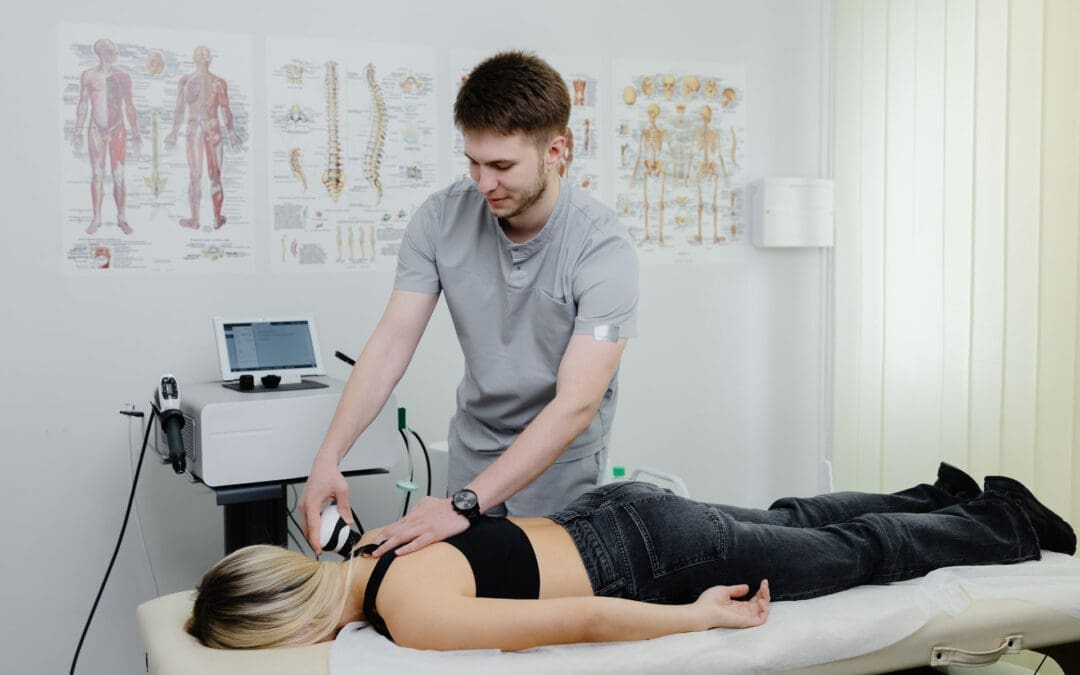
When I set up laser therapy—especially with a robotic head—my first priority is patient comfort and stability. If a patient shifts during an unattended cycle, the beam may drift from the intended target. For lumbar facet-mediated pain at L4–L5, I position the patient comfortably prone, ensure the treatment field is exposed with direct skin access when using a contact handpiece, and confirm the exact region of maximal tenderness and referral (e.g., right-sided zygapophyseal joint pain with proximal radiation).
To minimize error, I zero the device’s X and Y axes, center the beam over the primary pain generator, then expand the field to include adjacent connective tissue tracks. This is our clinical multimodal approach: treat the source, the site, and the surrounding soft tissue network. By caring for the paraspinal fascia, intermuscular septa, and periarticular tissues, we respect that pain is rarely a single-point phenomenon. Fascia transmits load and communicates mechanosensory signals; addressing it improves regional glide and reduces nociceptive drive.
Why direct skin contact? Tissue optics favor minimal reflection and refraction losses. Air-skin interfaces reflect more energy, especially at certain angles. When we must avoid contact—such as at post-surgical sites or in cases of allodynia—we employ a non-contact, collimated robotic head positioned at an optimal focal distance, measured with a calibrated ruler.
Robotic plus handheld delivery: Complementary tools
Robotic head:
Non-contact, collimated beam; ideal for broad areas, post-surgical sensitivity
Software auto-recalculates dose time when X-Y field size changes
Handheld contact piece:
Tactile feedback for focal trigger points and joint spaces
Allows dynamic, movement-based application during active care
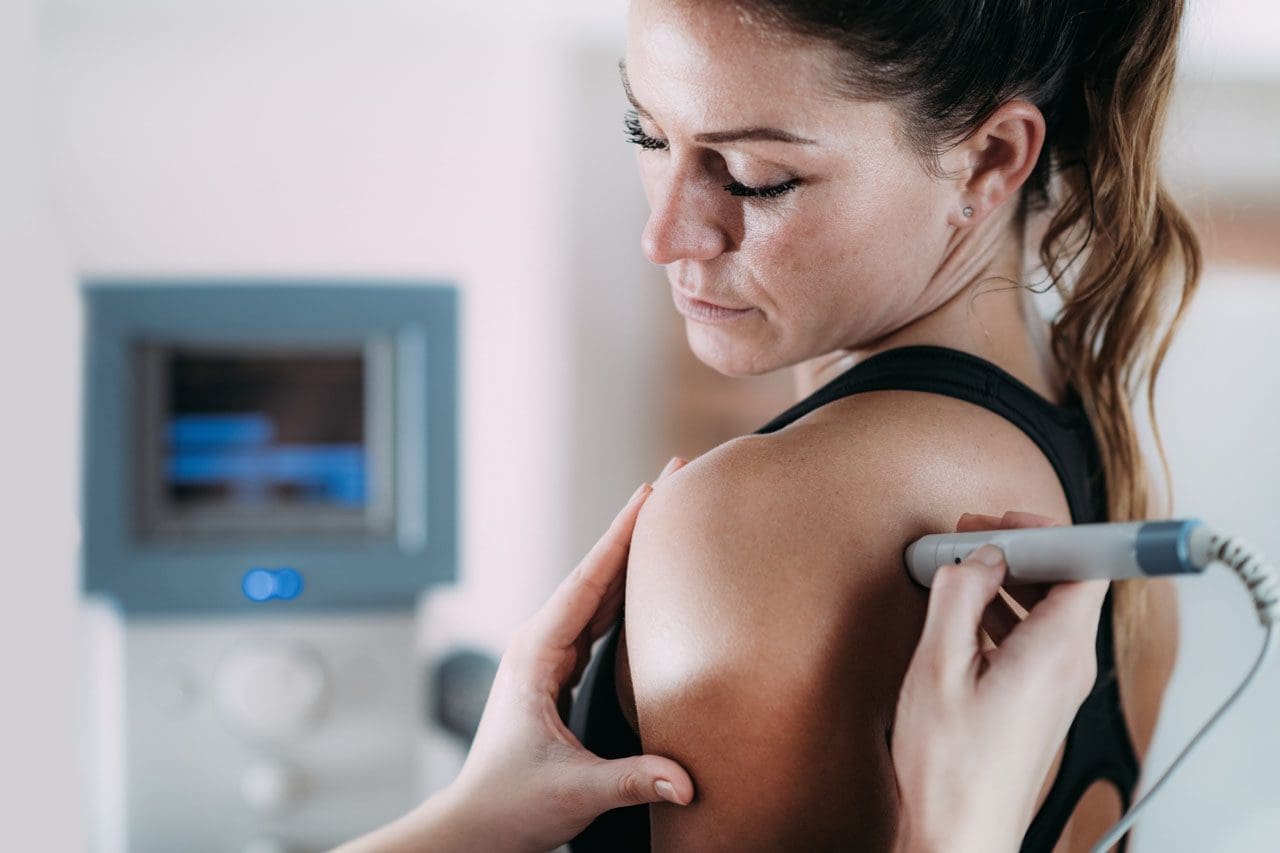
In practice, I often run both channels simultaneously. The robot delivers a uniform, programmable energy density across a defined area while I probe and treat focal trigger points or facet capsules with the handheld. This mirrors how we layer manual therapy with exercise: a global reset paired with local precision.
Dosing by energy density: The language of photobiomodulation
Target dose: typically 4–10 joules/cm², depending on condition and depth
Why density matters more than total joules: tissue dose equals energy per unit area
Auto-time calibration: changing the field size while maintaining the same J/cm² adjusts the total joules and time automatically
We dose by energy density, not just total energy. For example, a lumbar facet region might be set to 6 J/cm². On a larger field, total joules increase, but the cellular dose per square centimeter remains constant, aligning with literature-supported ranges that optimize photobiomodulation responses without tipping into bioinhibition. This reflects the Arndt–Schulz principle: too little energy yields no change, optimal energy stimulates, and excessive energy can dampen biological activity.
The physiology behind pain relief and tissue recovery
Mitochondrial activation:
Photons at near-infrared wavelengths interact with cytochrome c oxidase, improving electron transport and boosting ATP production
Enhanced ATP supports ion pump function, cytoskeletal remodeling, and protein synthesis required for tissue repair
Nitric oxide and microcirculation:
Photo-dissociation of nitric oxide from cytochrome c oxidase and endothelial effects promotes vasodilation and microvascular perfusion, aiding oxygen delivery and metabolite clearance
Neuroinflammatory modulation:
Downregulation of pro-inflammatory cytokines and modulation of glial activity reduce peripheral and central sensitization
Neural effects and immediate analgesia:
Modulation of small-diameter nociceptive fibers and gate-control mechanisms can provide early symptom relief
Collagen and connective tissue remodeling:
Changes in fibroblast activity and collagen organization may improve tendon/ligament structure over time when paired with load-specific rehab
In our clinic, patients sometimes report warmth or a faint tingling, but with synchronized pulsed delivery and short pulse durations, surface heat remains low while energy is effectively absorbed at depth. When tissue temperature stays stable over time, we know we are within the desired window: enough photons to trigger biochemical cascades without superficial overheating.
Why pulsed, dual-wavelength delivery matters
Wavelength pairing:
808 nm: deeper penetration for mitochondrial and vascular effects
905 nm: high peak power in short pulses adds neuromodulatory and analgesic benefits while protecting against thermal buildup
Synchronized pulse trains:
High peak, short duration pulses deliver energy in “packets,” allowing absorption periods between bursts and reducing superficial heat accumulation
These engineering choices align with clinical goals: delivering energy to deeper targets, such as facet capsules or the posterior knee compartment, while preserving patient comfort.
Chiropractic integration: Adjustments, motor control, and fascia
Spinal adjustments:
Restoring joint play at hypomobile segments reduces aberrant mechanoreceptor input and reflex muscle guarding
Fascial glide and soft-tissue work:
Instrument-assisted or hands-on release improves shear planes; laser primes fibroblasts and microcirculation for better tissue response
We pair laser sessions with graded movement to convert biochemical gains into functional patterns
Laser does not replace chiropractic care; it helps us reach the dose of movement sooner by lowering pain and stiffness that otherwise block progress. For example, after an MLS session over L4–L5 facets and paraspinals, we cue diaphragmatic breathing and segmental stabilization to capitalize on reduced nociception and improved circulation.
Case walk-through: Low back facet pain (L4–L5)
Assessment:
Right-sided facet loading pain with limited extension and paraspinal tenderness
No red flags; neurological exam stable
Laser setup:
Patient prone, area exposed; robot field centered over right L4–L5 facet region
Density: 6 J/cm², field expanded to capture paraspinal fascia and myofascial referral zones
Handheld: contact sweeps over identified trigger points
Session length:
Robot 6–10 minutes, depending on field size; handheld 20–30 seconds per trigger point
Immediate follow-up:
Prone press-ups to reassess extension tolerance
Gentle lumbar stabilization exercises to lock in gains
Home plan:
Extension-biased mobility as tolerated, core endurance drills, ergonomic cues
What my patients often notice is not just pain relief within hours but improved ease of movement—the kind of change that allows us to progress from passive care to active loading.
Knee osteoarthritis: Accessing the joint intelligently
Beam access matters:
Anterior patella reflects substantial energy; flexing the knee opens the joint space and reduces reflection
Posterior and medial/lateral approaches improve delivery to synovium and periarticular tissues
Dosing strategy:
Target 4–8 J/cm² per compartment; treat multiple compartments in the same session by apportioning field time
Integration with PT:
Laser to modulate pain and effusion
Progressive quadriceps and hip strengthening, gait retraining, and balance work
Manual therapy for capsular mobility as indicated
While no laser regrows cartilage in advanced bone-on-bone disease, many of our patients experience reduced pain and swelling and better function, which can delay the need for surgery. The goal is to expand the movement envelope required for strength and neuromuscular control.
Acute vs. chronic protocols: Cumulative effects and scheduling
Acute conditions:
Six treatments delivered as close to daily as feasible (e.g., Monday–Wednesday–Friday pattern), aiming for rapid symptom control
Chronic conditions:
Twelve treatments, ideally within four weeks, to build cumulative neuroimmune and mitochondrial effects
Why packages:
Effects are additive; stopping after early relief risks relapse before tissue remodeling and motor reeducation are complete
Reassessment points:
After 3–4 sessions: evaluate pain and function
After 6–12 sessions: progress exercise intensity, reduce passive modalities
Our patients often report noticeable changes 4–6 hours after a session; we encourage them to “test” function later the same day (for example, stair climbing or walk tolerance) to anchor improvements to real-life tasks.
Combining laser with orthobiologics and shockwave
With PRP:
Two to three pre-injection laser sessions to improve local perfusion and tissue readiness
Day-of-injection: protocol tailored to avoid blunting intended inflammatory signaling while supporting analgesia
Six post-injection sessions to enhance microcirculation and cellular energy during proliferative phases
With shockwave:
Laser can reduce pain and prime tissues for mechanical signaling from shockwave
Sequence depends on goals; we often laser first for analgesia, then apply focused shockwave for mechanotransduction, followed by graded loading
Rationale:
Photobiomodulation and mechanotherapy act on complementary pathways—bioenergetics and microcirculation (laser) plus tenocyte activation and neovascular remodeling (shockwave)
Hormonal or medication considerations remain in the background for us; when appropriate, we coordinate with the patient’s prescribing providers to avoid interventions (e.g., routine NSAIDs immediately after PRP) that might dampen desired signaling. Our primary emphasis remains movement-based rehabilitation supported by laser and manual care.
Bone and postoperative considerations
Bone healing:
The evidence base for photobiomodulation in fracture healing exists but varies by device and parameters; in clinical experience, early application within 7–10 days post-fracture may support the inflammatory and early reparative phases. This is commonly considered off-label for certain devices and requires case-by-case judgment and collaboration with the treating orthopedic team
Post-surgical care:
Non-contact robotic delivery allows dosing without skin contact when sensitivity is high
Goals include edema control, pain reduction, and earlier initiation of therapeutic exercise
Dose ceilings and the bioinhibition paradox
Arndt–Schulz law:
Insufficient dose yields no effect; optimal dose stimulates; excessive dose may inhibit
Practical application:
If more time is desired, we distribute energy across multiple approaches (e.g., anterior-posterior or medial-lateral fields) instead of stacking excessive dose on one spot
Patients frequently report a “melting” of stiffness within the same day after an MLS session paired with extension-bias exercise; repeated sessions lower baseline pain and improve extension tolerance, allowing us to progress to anti-rotation and hip hinge training
Knee osteoarthritis:
Combining posterior-compartment laser dosing with patellar mobilization and quadriceps strengthening reduces pain during sit-to-stand and stair negotiation within two to three weeks; gains consolidate when patients adhere to home-based strength and balance work
Plantar fasciitis:
Laser applied to the medial calcaneal region and along the plantar fascia with calf mobility and foot intrinsics training shortens the “first-step” pain window and speeds return to walking programs
Post-injection care:
In patients receiving PRP from collaborative providers, pre- and post-injection laser often reduces pain spikes and supports earlier initiation of controlled loading, which in turn improves functional outcomes at 6–12 weeks
Safety, reliability, and patient communication
Safety profile:
Proper eyewear, attention to reflective surfaces, and adherence to dosing ranges keep risk low
Device reliability:
Modern systems include field service support; routine calibration and training ensure consistent delivery
Expectations:
We counsel that pain did not develop in ten minutes and will not vanish in ten; however, many feel better within hours, see consistent improvement after three sessions, and sustain gains with a full plan of care
Putting it all together: A typical plan
Evaluation:
History, movement assessment, palpation, neurological screen, and imaging if indicated
Plan creation:
Define primary pain generators and movement deficits
Choose laser parameters (wavelengths, pulsing, J/cm²) and field geometry
Integrate manual therapy and exercise blocks within each visit
Visit flow:
Laser (robotic field + handheld focal points)
Manual therapy for joint and soft tissue restrictions
Targeted exercises (mobility, motor control, strength)
Education and home program
Progression:
Increase exercise intensity as pain decreases
Taper passive modalities
Reassess goals every 3–4 sessions
Why these techniques work, in plain terms
Pain is both chemical and mechanical. Laser modifies the chemical environment (reduces inflammatory signaling, increases ATP, improves microcirculation). Chiropractic and rehab address the mechanical side (joint motion, tissue glide, strength, coordination). Combining them tackles the problem from both angles
The nervous system adapts to pain by inhibiting movement. Rapid analgesia from laser helps unlock motor patterns so we can retrain stability and strength sooner
Tissues heal under the right load. Once pain is controlled and circulation improved, progressive loading guides collagen alignment and muscle conditioning for durable outcomes
Evidence-based grounding
Photobiomodulation has a growing body of research demonstrating analgesic, anti-inflammatory, and pro-recovery effects in musculoskeletal conditions. Rigorous, modern methodologies—randomized controlled trials, dose–response investigations, and consensus guidelines—support dosing in the 4–10 J/cm² range for many superficial-to-moderate-depth targets and highlight the importance of wavelength, pulse structure, and treatment frequency. Clinical effectiveness is maximized when photobiomodulation is embedded within active rehabilitation rather than used in isolation.
If you are considering care at El Paso Back Clinic, our team will assess your unique presentation and craft an integrative plan that prioritizes spinal mechanics, movement, and function—leveraging laser therapy where it adds value and always keeping the emphasis on your long-term resilience.
IFM's Find A Practitioner tool is the largest referral network in Functional Medicine, created to help patients locate Functional Medicine practitioners anywhere in the world. IFM Certified Practitioners are listed first in the search results, given their extensive education in Functional Medicine