Can individuals dealing with various musculoskeletal pain incorporate the positive benefits of electroacupuncture to restore function?
Introduction
As the world changes and more people try to make small changes to their health and well-being, they won’t experience pain or discomfort. Numerous treatments help many people dealing with various musculoskeletal pain that are associated with environmental factors. The human body has multiple muscle groups in the upper and lower body portions that protect the spinal structure and vital organs. When environmental factors correlate with pain and discomfort, it can significantly impact a person’s daily routine. At the same time, musculoskeletal pain can lead to referred pain-like symptoms that many individuals are experiencing pain in two different body locations. However, when the pain becomes unbearable, many will seek various treatment options to not only reduce the pain but also restore body functionality. Today’s article looks at the multiple factors of musculoskeletal pain, treatments like electroacupuncture that reduce musculoskeletal pain, and the benefits of electroacupuncture. We talk with certified medical providers who consolidate our patients’ information to assess how various factors can contribute to musculoskeletal pain in the body. We also inform and guide patients on how electroacupuncture therapy can help reduce the pain effects of musculoskeletal pain and help improve body functionality. We encourage our patients to ask their associated medical providers intricate and important questions about how to reduce the impact of musculoskeletal pain. Dr. Jimenez, D.C., includes this information as an academic service. Disclaimer.
The Various Factors That Correlate With Musculoskeletal Pain
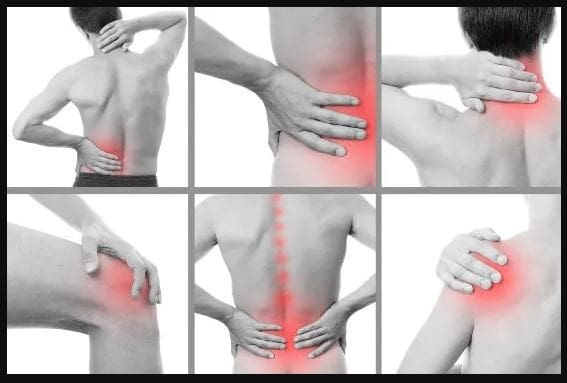
Have you been dealing with areas of complaints within your neck, shoulders, or back after a long day? Do you feel numb or tingling in your upper and lower extremities? Or have you experienced muscle and joint pain that makes it difficult to do your daily routine? When it comes to many individuals experiencing musculoskeletal pain in their bodies can dampen their day due to how much pain they are in. Musculoskeletal pain is a multifactorial condition involving various environmental factors that many people in society have experienced. (Caneiro et al., 2021) Musculoskeletal pain can be chronic or acute depending on the ecological factors or traumatic injuries that the body occurs from and can affect not only the muscles but also the bones, ligaments, tendons, and nerve roots that provide sensory-motor functions that make the body mobile.
Some environmental factors that contribute to the development of musculoskeletal pain include:
Excessive sitting/standing
Fractures
Poor posture
Joint dislocation
Stress
Obesity
Repetitive movements
Additionally, many individuals dealing with musculoskeletal pain can be problematic when pain and chronic diseases could be predisposed, causing many people to deal with comorbidities, thus increasing their chances of being an issue. (Dzakpasu et al., 2021) Plus, when people are dealing with musculoskeletal pain, it can vary from person to person and can have a huge negative effect on their mental health. (Welsh et al., 2020) This is because many people are dealing with referred pain and their associated pain-like symptoms that they will try home remedies to reduce the musculoskeletal pain temporarily before making the repetitive motions again and being in more pain. To that point, many individuals will often seek various treatments to relieve musculoskeletal pain and restore their body function.
Optimize Your Wellness- Video
The Benefits of Electroacupuncture
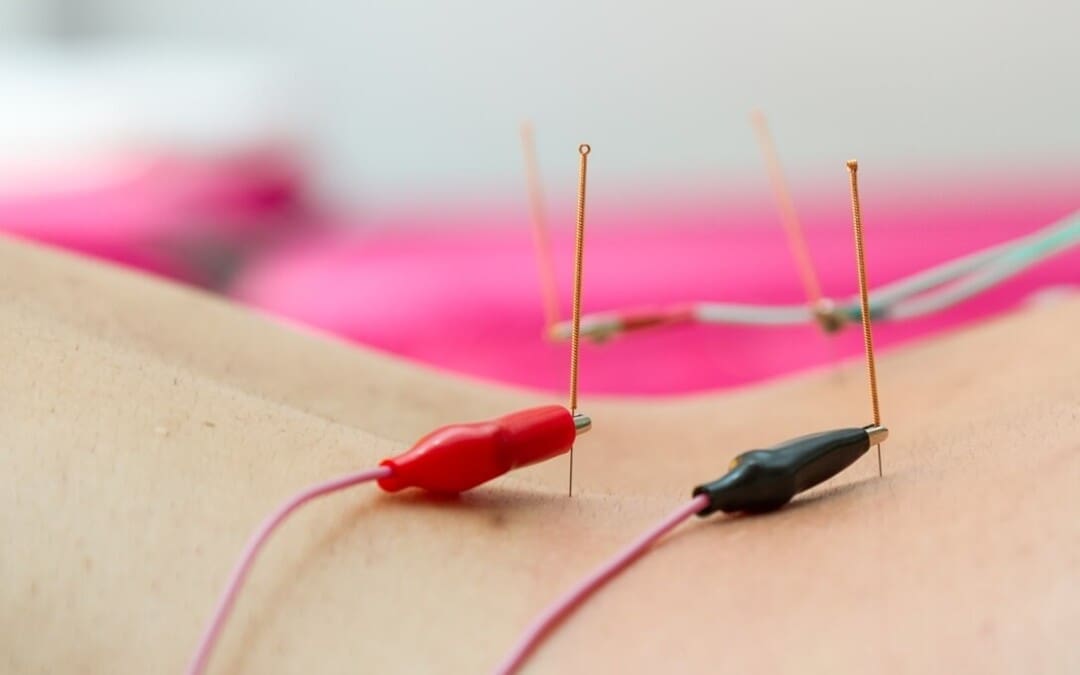
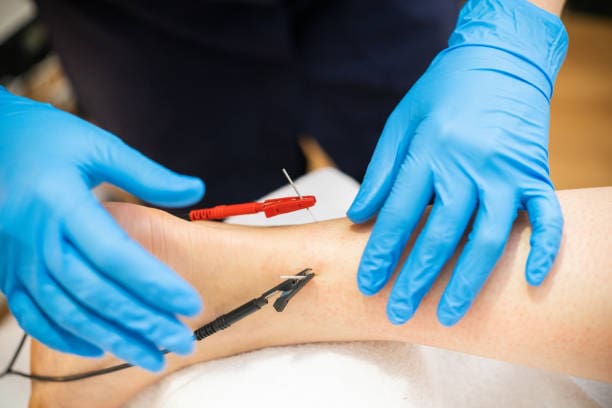
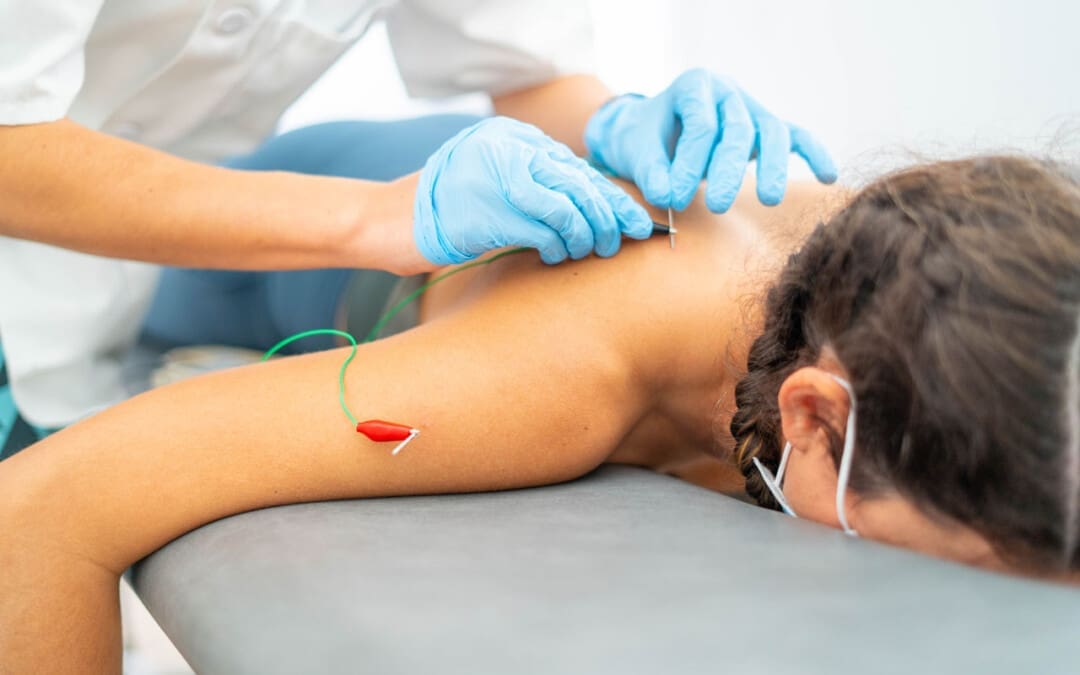
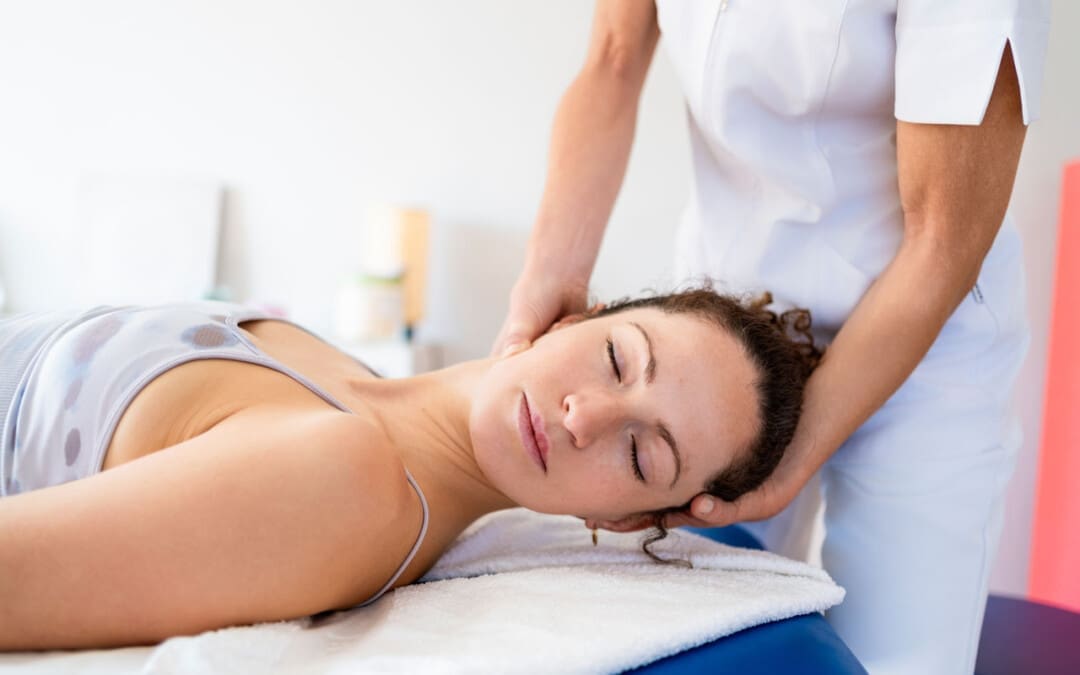
When it comes to reducing and treating musculoskeletal pain, many individuals seek out non-surgical treatments to relieve the pain-like symptoms. Non-surgical treatments are excellent for musculoskeletal pain as they can be personalized to the person’s pain and can be cost-effective. Non-surgical treatments range from chiropractic care to acupuncture. One of the various forms of non-surgical treatments is electroacupuncture therapy. Electroacupuncture therapy incorporates the application of electric and acupuncture stimulation to relieve acute or chronic musculoskeletal pain. (Lee et al., 2020) This therapy can activate the bioactive chemicals and block the pain signals from affecting the body.
Additionally, electroacupuncture can be effective and benefit the body by reducing neuropathic pain associated with musculoskeletal. Electroacupuncture provides additional benefits by stimulating the neurotransmitters from the central nervous system to minimize nociceptive pain caused by musculoskeletal pain. (Xue et al., 2020)
So, regarding musculoskeletal pain, electroacupuncture could be the answer to reducing its comorbidities. When a person is experiencing musculoskeletal pain, the affected areas where the pain is located can be inflamed. So when highly trained acupuncturists find the acupoints of the body and utilize electroacupuncture, the stimulation intensity varies from person to person. High-intensity stimulation activates the sympathetic nervous system, while low-intensity stimulation activates the parasympathetic nervous system. (Ulloa, 2021) Electroacupuncture can even help improve muscle function in the musculoskeletal extremities by relieving pain and adjusting the biomechanical properties to improve abnormal joint loading. (Shi et al., 2020) When people think about their health, they can consider electroacupuncture as part of their health and wellness routine to improve body functionality and live pain-free lives.
References
Caneiro, J. P., Bunzli, S., & O’Sullivan, P. (2021). Beliefs about the body and pain: the critical role in musculoskeletal pain management. Braz J Phys Ther, 25(1), 17-29. https://doi.org/10.1016/j.bjpt.2020.06.003
Dzakpasu, F. Q. S., Carver, A., Brakenridge, C. J., Cicuttini, F., Urquhart, D. M., Owen, N., & Dunstan, D. W. (2021). Musculoskeletal pain and sedentary behaviour in occupational and non-occupational settings: a systematic review with meta-analysis. Int J Behav Nutr Phys Act, 18(1), 159. https://doi.org/10.1186/s12966-021-01191-y
Lee, Y. J., Han, C. H., Jeon, J. H., Kim, E., Kim, J. Y., Park, K. H., Kim, A. R., Lee, E. J., & Kim, Y. I. (2020). Effectiveness and safety of polydioxanone thread-embedding acupuncture (TEA) and electroacupuncture (EA) treatment for knee osteoarthritis (KOA) patients with postoperative pain: An assessor-blinded, randomized, controlled pilot trial. Medicine (Baltimore), 99(30), e21184. https://doi.org/10.1097/MD.0000000000021184
Shi, X., Yu, W., Wang, T., Battulga, O., Wang, C., Shu, Q., Yang, X., Liu, C., & Guo, C. (2020). Electroacupuncture alleviates cartilage degradation: Improvement in cartilage biomechanics via pain relief and potentiation of muscle function in a rabbit model of knee osteoarthritis. Biomed Pharmacother, 123, 109724. https://doi.org/10.1016/j.biopha.2019.109724
Welsh, T. P., Yang, A. E., & Makris, U. E. (2020). Musculoskeletal Pain in Older Adults: A Clinical Review. Med Clin North Am, 104(5), 855-872. https://doi.org/10.1016/j.mcna.2020.05.002
Xue, M., Sun, Y. L., Xia, Y. Y., Huang, Z. H., Huang, C., & Xing, G. G. (2020). Electroacupuncture Modulates Spinal BDNF/TrkappaB Signaling Pathway and Ameliorates the Sensitization of Dorsal Horn WDR Neurons in Spared Nerve Injury Rats. Int J Mol Sci, 21(18). https://doi.org/10.3390/ijms21186524
For fitness and sports enthusiasts, weekend warriors, and athletes looking to improve physical performance, can incorporating acupuncture for sports performance be effective?
Acupuncture For Sports Performance
Acupuncture for sports performance follows the same needle insertion for specific points to treat pain symptoms, alleviate inflammation and fatigue, and enhance blood circulation to improve physical and athletic performance. Acupuncture is based on traditional Chinese medicine principles that focus on restoring the balance of the nervous system and body to activate natural healing and increase energy circulation. (Johns Hopkins Medicine. 2024).
Acupuncture has become a popular alternative treatment for sports injuries as it has shown positive outcomes and recovery from injuries. (George G. A. Pujalte et al., 2023)
The body’s blood and energy pathways, known as meridians, become blocked by inflammation because of illness, injury, or overuse, resulting in pain, stress, and various symptoms. The acupuncture needles stimulate the pathways to clear the blockages, allowing optimal circulation of energy and blood to reduce inflammation and restore balance. (Jiajie Zhu et al., 2021)
Sports acupuncture works by maintaining optimal circulation of blood and energy through meridians through the arteries, tendons, muscles, and organs for enhanced productivity and ability. (Liang Kang et al., 2021)
Electroacupuncture involves connecting electrical stimulation from a tens machine to specific points over an area to enhance the needle treatment. (Keitaro Kubo et al., 2020)
Acupuncture Can Help
Ways that acupuncture can help include:
Increase Range of Motion
Acupuncture can help loosen tight muscles, tendons, and ligaments overused during training or games.(Chi-Tsai Tang, 2023)
This allows athletes to perform at peak levels without risking worsening or causing further injury.
Increase Flexibility
Acupuncture helps increase elasticity in joints by releasing adhesions within connective tissue for increased mobility.
Improve Reflexes
Targeting key points stimulates nerve activity, which can improve quicker reflexes and improve coordination.(Chi-Tsai Tang, Bo Song. 2022)
Increase Circulation
Acupuncture increases blood circulation to areas lacking oxygen.
Acupuncture releases endorphins, which reduce pain and also provide an overall sense of calmness and relaxation.
This enables athletes to stay focused and motivated throughout training and games. (Chi-Tsai Tang, 2023)
Reduce Fatigue
Regular acupuncture for sports performance can help maintain energy levels to help prevent burnout and maintain optimal performance during practice and games. (George G. A. Pujalte et al., 2023)
Relieve Muscle Tension
Acupuncture treatment can help relax tense muscles caused by repetitive use as well as from stress tension that could be caused by anxiety before a game or tournament.
For individuals who want to improve their physical performance, sports acupuncture can provide a natural, non-invasive alternative that can help improve athletic performance mentally and physically.
Lumbar Spine Injuries in Sports: Chiropractic Healing
Zhu, J., Li, J., Yang, L., & Liu, S. (2021). Acupuncture, from the ancient to the current. Anatomical record (Hoboken, N.J. : 2007), 304(11), 2365–2371. https://doi.org/10.1002/ar.24625
Kang, L., Liu, P., Peng, A., Sun, B., He, Y., Huang, Z., Wang, M., Hu, Y., & He, B. (2021). Application of traditional Chinese therapy in sports medicine. Sports medicine and health science, 3(1), 11–20. https://doi.org/10.1016/j.smhs.2021.02.006
Tang, C. T., & Song, B. (2022). Acupuncture and Dry Needling for Sports Performance and Recovery. Current sports medicine reports, 21(6), 213–218. https://doi.org/10.1249/JSR.0000000000000968
Kubo, K., Iizuka, Y., Yajima, H., Takayama, M., & Takakura, N. (2020). Changes in Blood Circulation of the Tendons and Heart Rate Variability During and After Acupuncture. Medical acupuncture, 32(2), 99–107. https://doi.org/10.1089/acu.2019.1397
Tang C. T. (2023). Practicing Outside the Lines: Using Acupuncture in the Athletic Training Room and on the Field. Medical acupuncture, 35(5), 266–269. https://doi.org/10.1089/acu.2023.0043
Individuals that engage in heavy exercise can develop heat cramps from overexertion. Can knowing the causes and symptoms help prevent future episodes from happening?
Heat Cramps
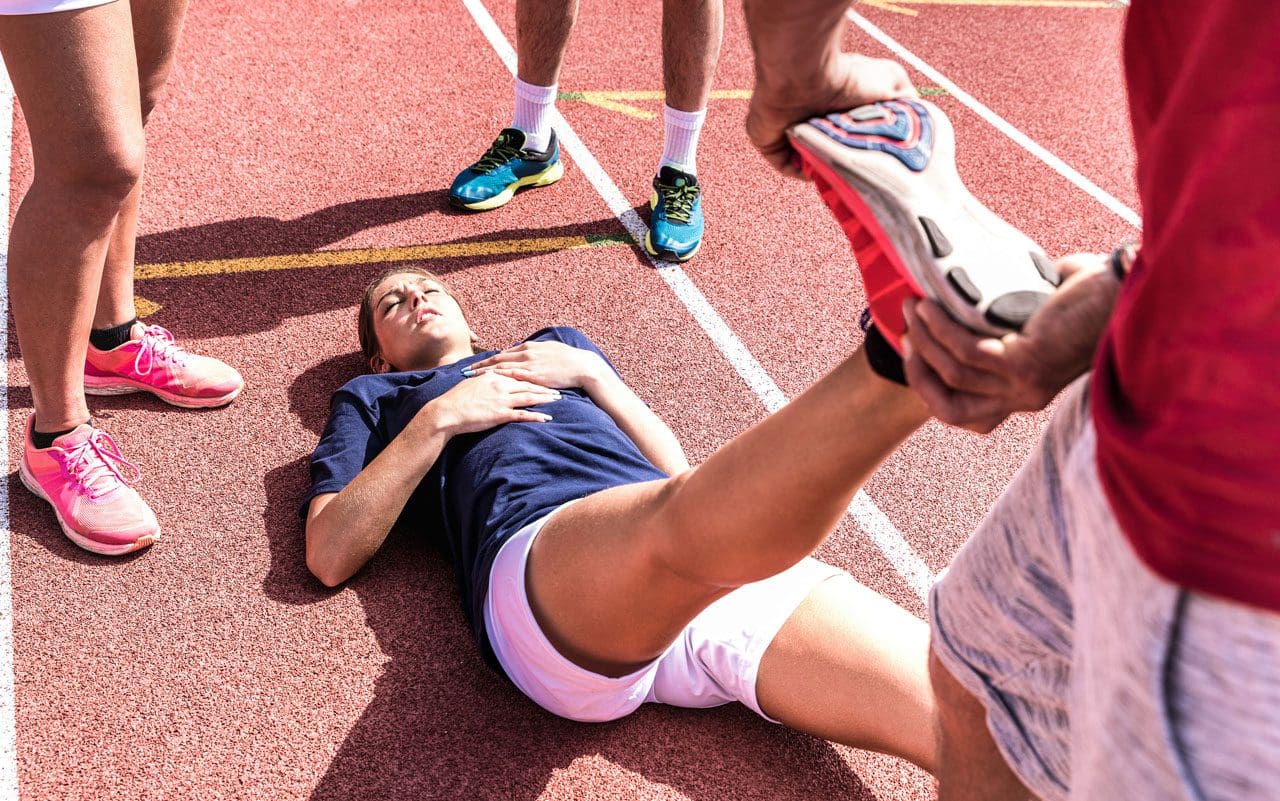
Heat cramps can develop during exercise from overexertion or prolonged exposure to high temperatures. The muscle cramps, spasms, and pain can range from mild to severe.
Electrolytes like sodium, calcium, and magnesium are important for properly functioning muscles, including the heart. The primary role of sweating is to regulate the body’s temperature. (MedlinePlus. 2015) Sweat is mostly water, electrolytes, and sodium. Excessive sweating from physical activity and exertion or a hot environment can cause electrolyte imbalances that lead to cramps, spasms, and other symptoms.
Causes and Activities
Heat cramps most commonly affect individuals who sweat excessively during strenuous activity or are exposed to hot temperatures for prolonged periods. The body and organs need to cool down, which causes sweat production. However, too much sweating can lead to dehydration and electrolyte depletion. (Centers for Disease Control and Prevention. 2022)
Age – Children and adults 65 years and older have the highest risk.
Excessive sweating.
Low sodium diet.
Preexisting Medical Conditions – heart disease, diabetes mellitus, and obesity are conditions that can increase the risk of muscle cramping.
Medications – blood pressure, diuretics, and antidepressants can affect electrolyte balance and hydration.
Alcohol consumption.
Self-Care
If heat cramps begin, immediately stop the activity and look for a cool environment. Rehydrate the body to replenish the fluid loss. Staying hydrated and drinking fluids regularly during intense activity or in a hot environment can help prevent the body from cramping. examples of beverages that increase electrolytes include:
Gently applying pressure and massaging affected muscles can help reduce pain and spasms. As symptoms resolve, it is recommended to not return to strenuous activity too soon because additional exertion can progressively lead to heatstroke or heat exhaustion. (Centers for Disease Control and Prevention. 2021) Heatstroke and heat exhaustion are two heat-related illnesses. (Centers for Disease Control and Prevention. 2022)
Heatstroke is when the body loses the ability to regulate temperature and can cause dangerously high temperatures.
Heat exhaustion is the body’s response to excessive fluid and electrolyte loss.
The majority of heat cramps develop during activities because of the exertion and sweating, causing more electrolytes to be lost and the body to become more dehydrated.
Symptoms can also develop minutes to hours after activity has ceased.
Duration
Most heat-related muscle cramps will resolve with rest and hydration within 30–60 minutes.
If muscle cramping or spasms do not subside within one hour, seek professional medical attention.
For individuals with heart conditions or on a low-sodium diet who develop heat cramps, regardless of duration, medical help is necessary to ensure there are no complications.
Drink plenty of fluids before and during physical activities.
Avoid alcohol and caffeinated beverages.
Avoid exercising or exposure to extreme heat during peak sunlight hours.
Avoid tight and dark-colored clothing.
Assessing Patients In A Chiropractic Setting
References
Gauer, R., & Meyers, B. K. (2019). Heat-Related Illnesses. American family physician, 99(8), 482–489.
Centers for Disease Control and Prevention. (2022). Heat stress — heat related illness. The National Institute for Occupational Safety and Health (NIOSH) Retrieved from https://www.cdc.gov/niosh/topics/heatstress/heatrelillness.html#cramps
MedlinePlus. (2015). Sweat. Retrieved from https://medlineplus.gov/sweat.html#cat_47
FoodData Central. (2019). Nuts, coconut water (liquid from coconuts). Retrieved from https://fdc.nal.usda.gov/fdc-app.html#/food-details/170174/nutrients
FoodData Central. (2019). Milk, nonfat, fluid, with added vitamin A and vitamin D (fat free or skim). Retrieved from https://fdc.nal.usda.gov/fdc-app.html#/food-details/746776/nutrients
Centers for Disease Control and Prevention. (2012). Frequently asked questions (FAQ) about extreme heat. Retrieved from https://www.cdc.gov/disasters/extremeheat/faq.html
Can individuals dealing with neck pain incorporate acupuncture as part of their health and wellness treatment to relieve headaches?
Introduction
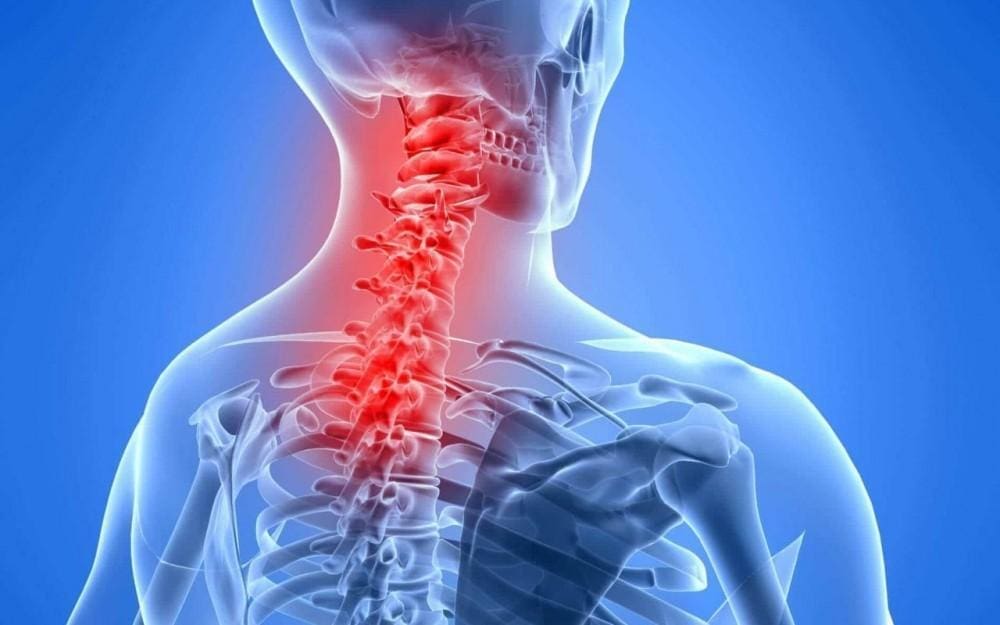
As part of the musculoskeletal system, the neck allows the head to go into full rotation without feeling discomfort or pain. The neck is part of the cervical spine region and is surrounded by numerous ligaments, muscles, and tissues that help protect the spinal cord and the spinal column. However, the neck is also the most susceptible to injury neck to back pain as it is one the top three complaints many individuals suffer from at some point in their lives. When people experience neck pain, numerous causes can contribute to developing neck pain, while pain-like symptoms like headaches contribute to the body. This causes many individuals to seek treatment and find the relief they are looking for to reduce neck pain while continuing their daily routine. Today’s article looks at how neck pain is associated with headaches and how treatments like acupuncture can help with neck pain and reduce the painful effects of headaches. We talk with certified medical providers who utilize our patients’ information to provide acupuncture treatments to lessen the impact of headaches caused by neck pain. We also inform patients how multiple non-surgical treatments can help reduce headaches and pain-like symptoms associated with neck pain. We encourage our patients to ask their associated medical providers intricated and important questions about the pain-like symptoms they are experiencing from neck pain. Dr. Jimenez, D.C., incorporates this information as an academic service. Disclaimer.
Neck Pain & Headaches
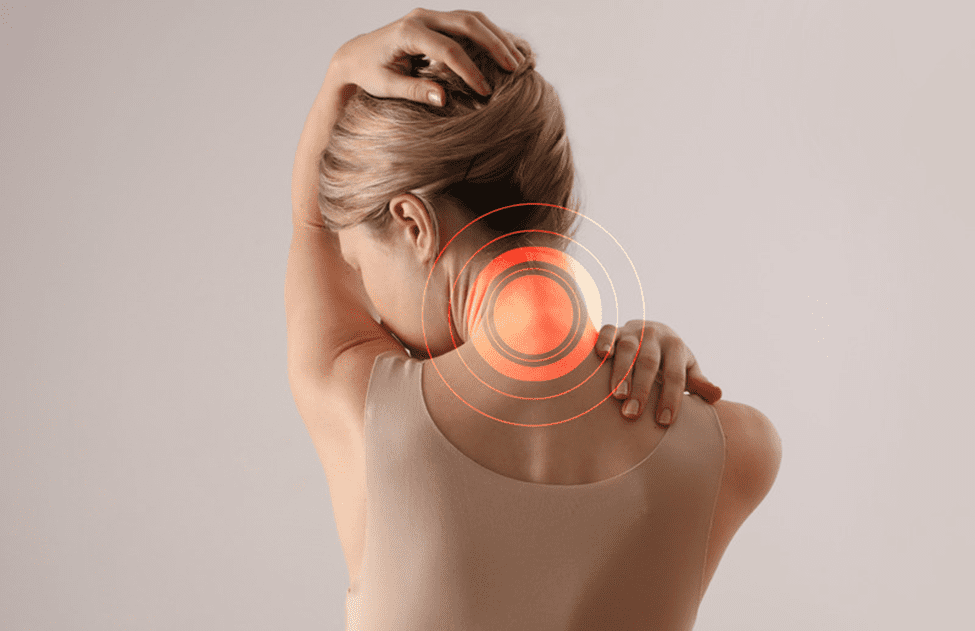
Have you been experiencing unexplained stiffness along the sides of your neck? Do you feel a dull ache at the base of your neck or skull after looking down at your phone for an extended period? Or do you experience frequent headaches that are constant throughout the day? Many people dealing with these pain-like issues are associated with neck pain that is affecting their quality of life. Neck pain is amongst the top three complaints many people have experienced at some point. Neck pain has common presenting symptoms that are diagnosed, and the prevalence is much higher in older adults due to degenerative spinal changes in the facet joints and spinal discs. (Childress & Stuek, 2020) Many individuals experience common musculoskeletal pain conditions like muscle strains and stiffness when this happens. At the same time, neck pain can also be associated with neurological conditions that cause overlapping risk profiles, forcing many individuals to miss out on important events. Neck pain is a multifactorial musculoskeletal condition affecting many individuals as it induces them to miss work. This is because various modifiable and non-modifiable risk factors contribute to developing neck pain. (Kazeminasab et al., 2022) These risk factors can range from physical inactivity to poor posture, causing overlapping risk profiles that can trigger neck pain to advance over time.
So, how are headaches associated with neck pain? When a person is experiencing a headache, many would often think that the headaches are caused by not eating enough food or drinking enough water. Those are some of the factors that contribute to headaches, but they can also be due to the stress and comorbidities that are associated with neck pain. This is due to the risk factors many individuals don’t realize contribute to neck pain. Factors like the forward head position from smartphone usage cause tension on the cervical structures, generating potential degeneration and tearing of the neck structures. (Maayah et al., 2023) As repetitive motions affect the neck structure more over time, the nerve roots that surround the spine and spread through the upper extremities can become aggravated, and cause referred pain to different areas of the body, leading to headaches. When dealing with headaches associated with neck pain, they will feel stress, affecting their productivity. The headaches can range from acute to chronic, depending on the severity. Fortunately, many individuals dealing with headaches associated with neck pain will seek treatment to reduce the pain-like symptoms and feel the relief to return to their daily routine.
Healing After Trauma- Video
Many individuals who are dealing with neck pain often deal with headaches as a sign that risk factors are in play, like poor posture, slouching, or traumatic injuries that can affect their ability to work or participate in activities. This can cause many people to feel miserable and decrease their quality of life, thus causing them to seek out treatment for their pain, hence why many individuals opt for non-surgical treatments due to them being affordable and personalized. Non-surgical treatments range from chiropractic care to acupuncture, depending on the severity and location of where the pain is in the body. The video above shows how non-surgical treatments can help many individuals positively influence healing after a traumatic injury and restore a person’s well-being.
Acupuncture For Neck Pain
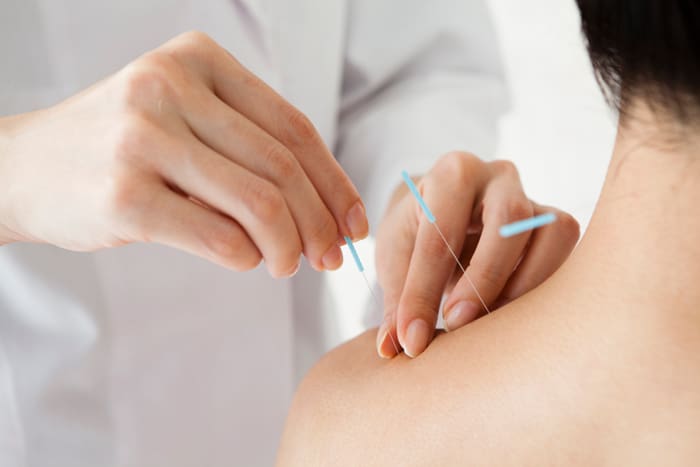
Non-surgical treatments are excellent for individuals trying to find the relief they seek in their neck pain. As stated earlier, non-surgical treatments are cost-effective and tailored to the person’s pain. Acupuncture is a form of non-surgical treatment that can help reduce the comorbidities associated with neck pain. Acupuncture is a medical practice in which highly trained, licensed, and certified professionals use solid, super-thin needles to be placed at specific points to treat the body. What this does is that when the needles are penetrating the points, it will begin to open any blockage or excess energy to flow correctly, restore balance to the body, and relieve the individual’s symptoms. (Berger et al., 2021) Some of the beneficial results that acupuncture can provide individuals with neck pain is a reduction of pain and disability to the neck while treating referred pain that is causing overlapping risk profiles to induce headaches. (Peron et al., 2022)
Acupuncture Relieving Headaches
Since headaches are associated with neck pain, acupuncture can help relieve the headaches from progressing further and enable many individuals to get back to their routine. Some overlapping risk profiles contributing to headaches include trigger points on the neck muscles that can cause non-dermatomal referral pain and discomfort. (Pourahmadi et al., 2019) When an acupuncturist is treating individuals for their headaches, many individuals will begin to feel the relief after a few consecutive sessions, and, combined with physical therapy to strengthen neck and shoulder muscles, will notice that the pain has been reduced significantly. Acupuncture is a safe, helpful, and available alternative treatment that is beneficial for many individuals dealing with headaches associated with neck pain. (Urits et al., 2020) By incorporating acupuncture as part of a person’s treatment plan, they can begin to feel the relief they deserve while also being more mindful of how they are treating their bodies to prevent pain-like symptoms from returning.
References
Berger, A. A., Liu, Y., Mosel, L., Champagne, K. A., Ruoff, M. T., Cornett, E. M., Kaye, A. D., Imani, F., Shakeri, A., Varrassi, G., Viswanath, O., & Urits, I. (2021). Efficacy of Dry Needling and Acupuncture in the Treatment of Neck Pain. Anesth Pain Med, 11(2), e113627. https://doi.org/10.5812/aapm.113627
Kazeminasab, S., Nejadghaderi, S. A., Amiri, P., Pourfathi, H., Araj-Khodaei, M., Sullman, M. J. M., Kolahi, A. A., & Safiri, S. (2022). Neck pain: global epidemiology, trends and risk factors. BMC Musculoskelet Disord, 23(1), 26. https://doi.org/10.1186/s12891-021-04957-4
Maayah, M. F., Nawasreh, Z. H., Gaowgzeh, R. A. M., Neamatallah, Z., Alfawaz, S. S., & Alabasi, U. M. (2023). Neck pain associated with smartphone usage among university students. PLOS ONE, 18(6), e0285451. https://doi.org/10.1371/journal.pone.0285451
Peron, R., Rampazo, E. P., & Liebano, R. E. (2022). Traditional acupuncture and laser acupuncture in chronic nonspecific neck pain: study protocol for a randomized controlled trial. Trials, 23(1), 408. https://doi.org/10.1186/s13063-022-06349-y
Pourahmadi, M., Mohseni-Bandpei, M. A., Keshtkar, A., Koes, B. W., Fernandez-de-Las-Penas, C., Dommerholt, J., & Bahramian, M. (2019). Effectiveness of dry needling for improving pain and disability in adults with tension-type, cervicogenic, or migraine headaches: protocol for a systematic review. Chiropr Man Therap, 27, 43. https://doi.org/10.1186/s12998-019-0266-7
Urits, I., Patel, M., Putz, M. E., Monteferrante, N. R., Nguyen, D., An, D., Cornett, E. M., Hasoon, J., Kaye, A. D., & Viswanath, O. (2020). Acupuncture and Its Role in the Treatment of Migraine Headaches. Neurol Ther, 9(2), 375-394. https://doi.org/10.1007/s40120-020-00216-1
For individuals dealing with neck or arm pain and migraine headache symptoms it could be a splenius capitis muscle injury. Can knowing the causes and symptoms help healthcare providers develop an effective treatment plan?
Splenius Capitis Muscles
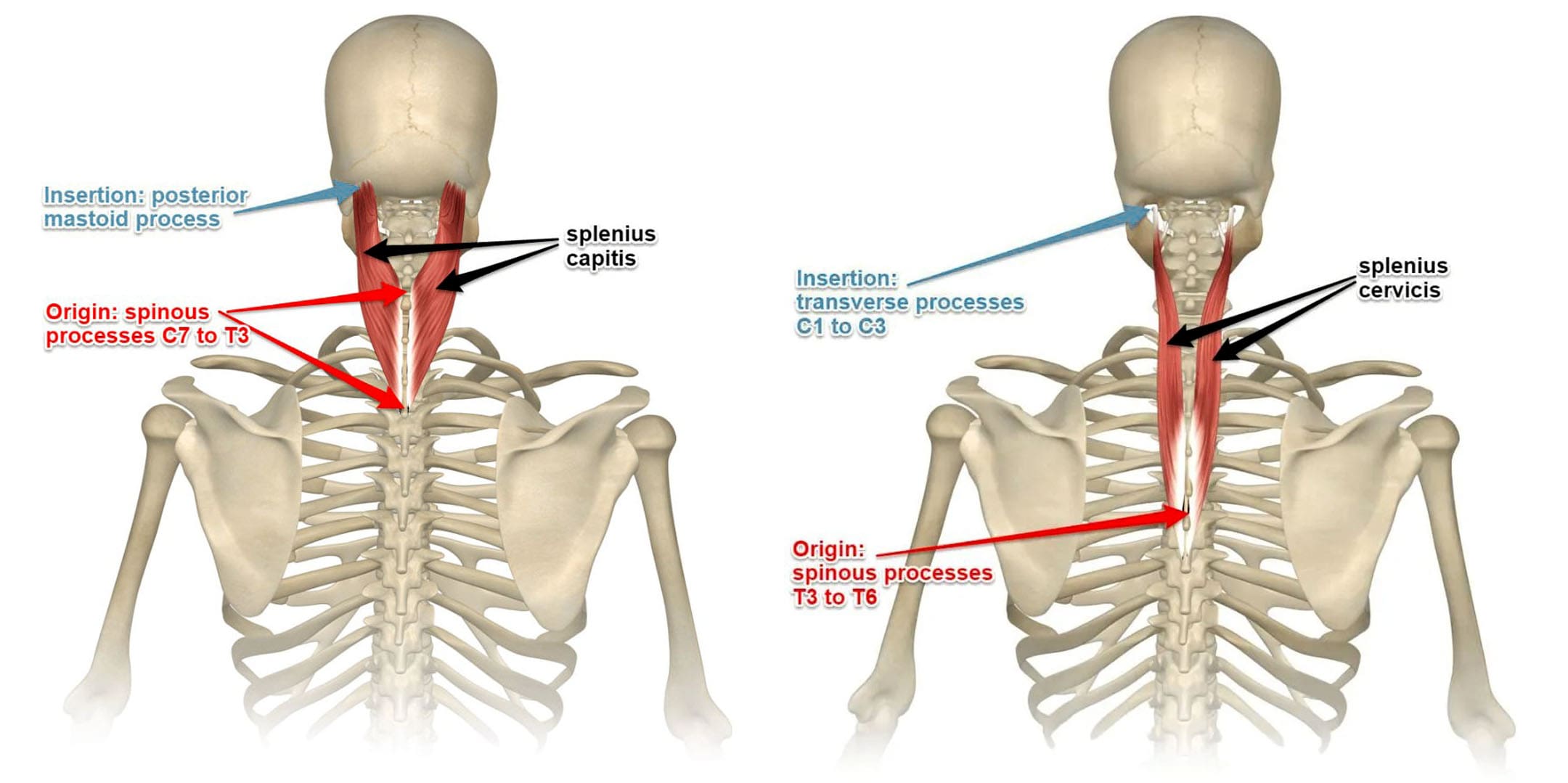
The splenius capitis is a deep muscle located on the upper back. Along with the splenius cervicis, it comprises the superficial layer – one of the three – of intrinsic back muscles. The splenius capitis works with the splenius cervicis, a smaller muscle located below it, to help rotate the neck and lower the chin to the chest, known as flexing. Maintaining a healthy posture is important because it helps keep the head in a neutral position.
Starting at the midline of the spine at C3 to T3, the splenius capitis spans the levels between the 7th cervical vertebra to the 3rd or 4th thoracic vertebrae, which varies for different individuals.
The muscle inserts at the nuchal ligament, which is a strong ligament of the neck.
The splenius capitis muscle angles up and out, attaching to the skull.
The splenius capitis and cervicis cover the vertical paraspinals, which are deeper and comprise the intermediate layer of the intrinsic back muscles.
The splenius muscles look like a bandage for the paraspinals and the vertical muscles that comprise the deepest layer.
The splenius muscles hold these deeper layers in the correct position.
These muscles start at the center of the spine and together form a V shape.
The sides of the V are thick, and the central indentation is shallow.
Pain
It’s common for individuals to experience pain associated with injury to the splenius capitis. This type of pain is known as splenius capitis syndrome. (Ernest E, Ernest M. 2011)
Symptoms
A headache stemming from injury often mimics a migraine headache. Symptoms of splenius capitis syndrome include: (Ernest E, Ernest M. 2011)
It’s recommended to contact a healthcare provider if experiencing symptoms that interfere with daily activities or quality of life. A healthcare provider will:
For individuals trying to maintain a healthy spine, can understanding the causes and prevention of rotated vertebrae help protect the spine from harmful rotation of vertebrae?
Spinal Rotation
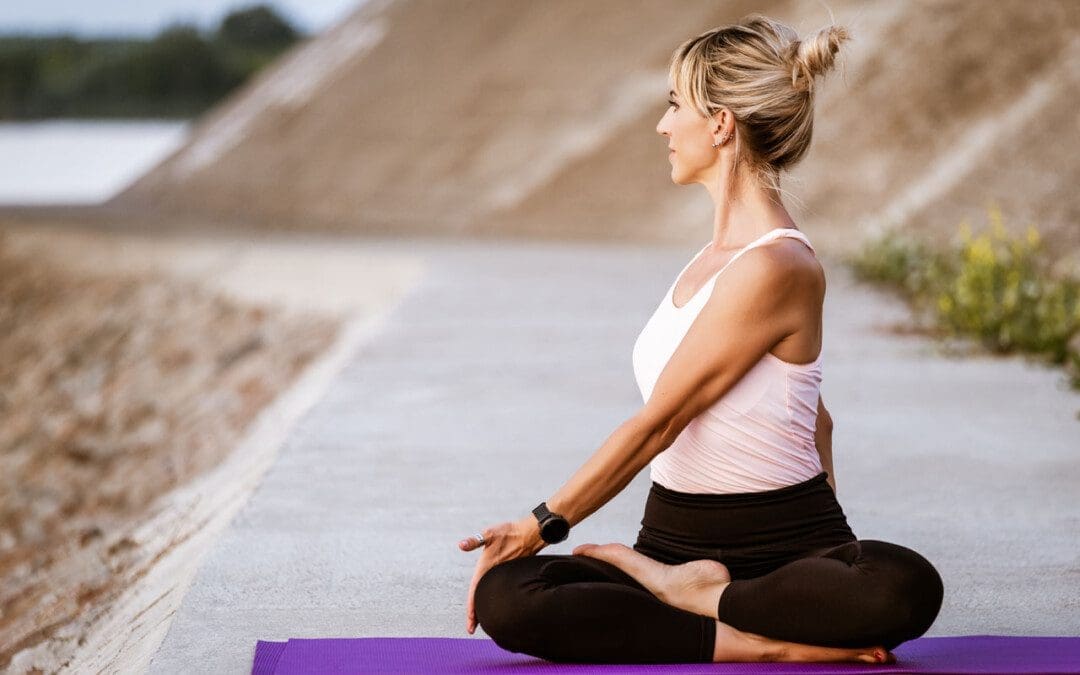
Healthy spine rotation is an important aspect of injury prevention, and rotated vertebrae or a twisted spine can result from spine, nerve, or muscle disease or certain movements.
Normal Spine Twisting Capability
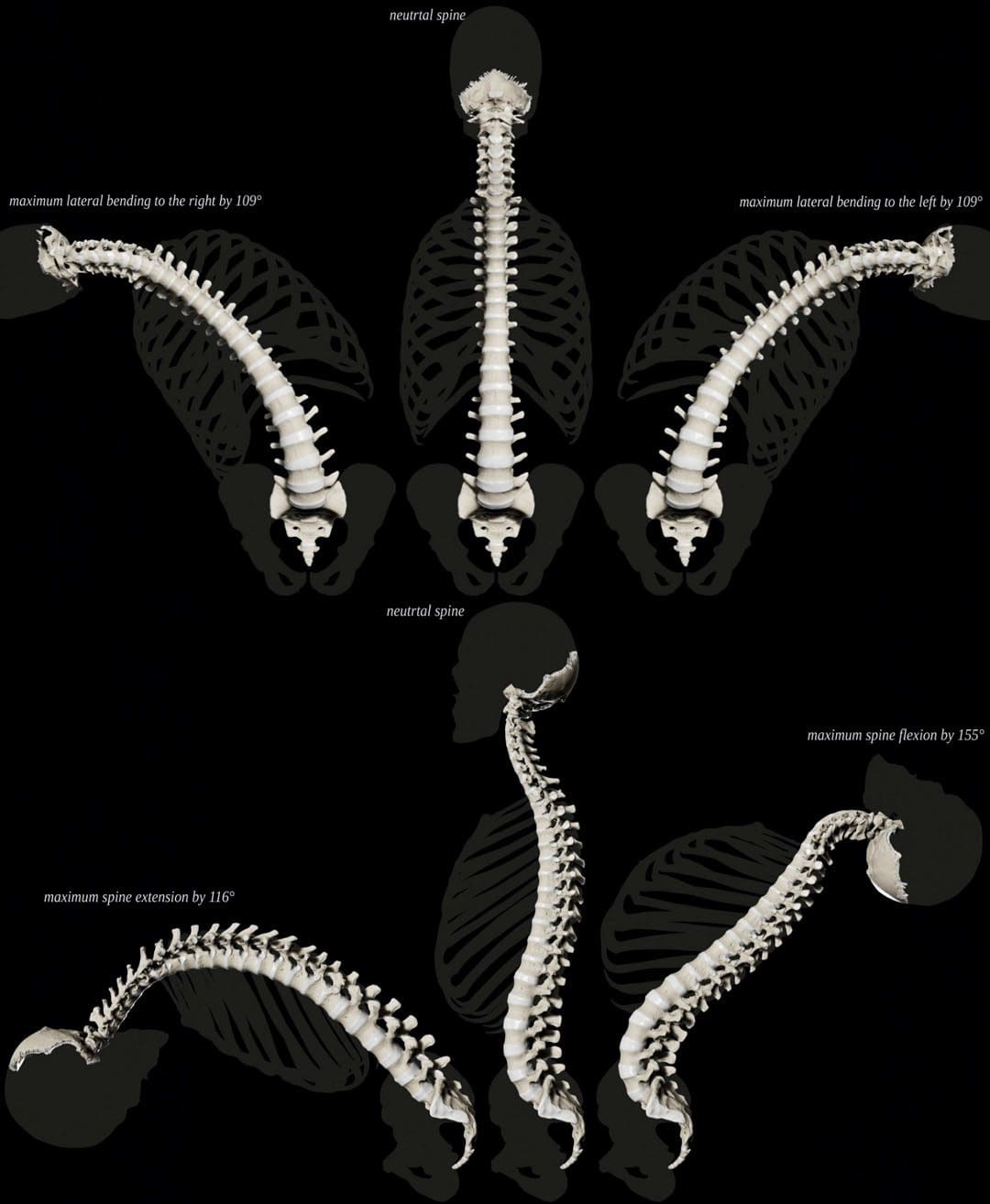
The spine can move in several ways. Spine movements include:
Bending – Rounding forward
Extending – Arching backward
Tilting sideways is powered by muscles that aid in twisting.
Although the spine can move in many directions, there are limits to how far it can and should go. (Xinhai Shan et al., 2013). This is especially true with twisting. The spinal column is made of 26 interconnected bones called vertebrae. When moving, each vertebrae bone moves accordingly. Rotated or twisted vertebrae, especially when bending forward like lifting heavy objects, are associated with a risk of back injuries like strain and herniated discs.
How Rotation Works
Rotation is a basic movement in which individuals can turn their spinal column. When twisting, the spine also bends to the side. The muscles involved in spine rotation include:
The internal oblique abdominals and the external oblique abdominals don’t directly attach to the spine but are the primary muscles responsible for powering spinal rotation in the lower back.
Intrinsic muscles, including the multifidus and longissimus, contribute to twisting movement as well.
The multifidus helps the spine twist when one side is contracted/activated and extends the lumbar spine when both sides contract.
The multifidus helps control the movement, and the longissimus provides the movement with some extension.
Age and The Spine
As individuals age, the body accumulates tension and/or weakness in the oblique abdominal and other trunk muscles. Sedentary habits primarily bring on these changes. (Pooriput Waongenngarm et al., 2016)
Chronically tight back and abdominal muscles impair the range of motion of the trunk, as well as twisting ability.
Muscle weakness and tightness affect spinal movements.
Weakened muscles can decrease support for spinal movement and decrease overall trunk stability.
Spinal Rotation and Scoliosis
Scoliosis is a common condition that causes a lateral curve of the spine. Some of the vertebrae become displaced to the side. Often, abnormal vertebral rotation underlies this displacement. Treatment often focuses on controlling vertebral rotation with medical guidance and physical therapy. (John P. Horne et al., 2014)
Over-Rotating The Spine
Many individuals over-rotate their spines with manual work, which can increase the risk of back injuries. (National Institutes of Health. 2020). Over-rotation can happen with activities like digging or shoveling.
Exercise For A Healthy Spine
A recommended way to achieve optimal rotation of the spine is with daily back exercises. (National Spine Health Foundation. 2015). An effective back exercise program will consist of movements in every direction.
Yoga is recommended because it places emphasis on developing flexibility and strength in all directions.
Pilates does the same.
An injury prevention exercise program will work the hip and pelvic muscles as well.
Individuals with a spine condition should consult their healthcare provider or physical therapist about how to exercise the spine safely, as rotation exercises could worsen back problems like bulging or herniated discs.
Core Strength For A Pain-Free Back
References
Shan, X., Ning, X., Chen, Z., Ding, M., Shi, W., & Yang, S. (2013). Low back pain development response to sustained trunk axial twisting. European spine journal : official publication of the European Spine Society, the European Spinal Deformity Society, and the European Section of the Cervical Spine Research Society, 22(9), 1972–1978. https://doi.org/10.1007/s00586-013-2784-7
Waongenngarm, P., Rajaratnam, B. S., & Janwantanakul, P. (2016). Internal Oblique and Transversus Abdominis Muscle Fatigue Induced by Slumped Sitting Posture after 1 Hour of Sitting in Office Workers. Safety and health at work, 7(1), 49–54. https://doi.org/10.1016/j.shaw.2015.08.001
For individuals experiencing tightness in the lower back and hamstrings, can utilizing the sit and reach test help determine an individual’s risk for future pain and injury?
Sit and Reach Test
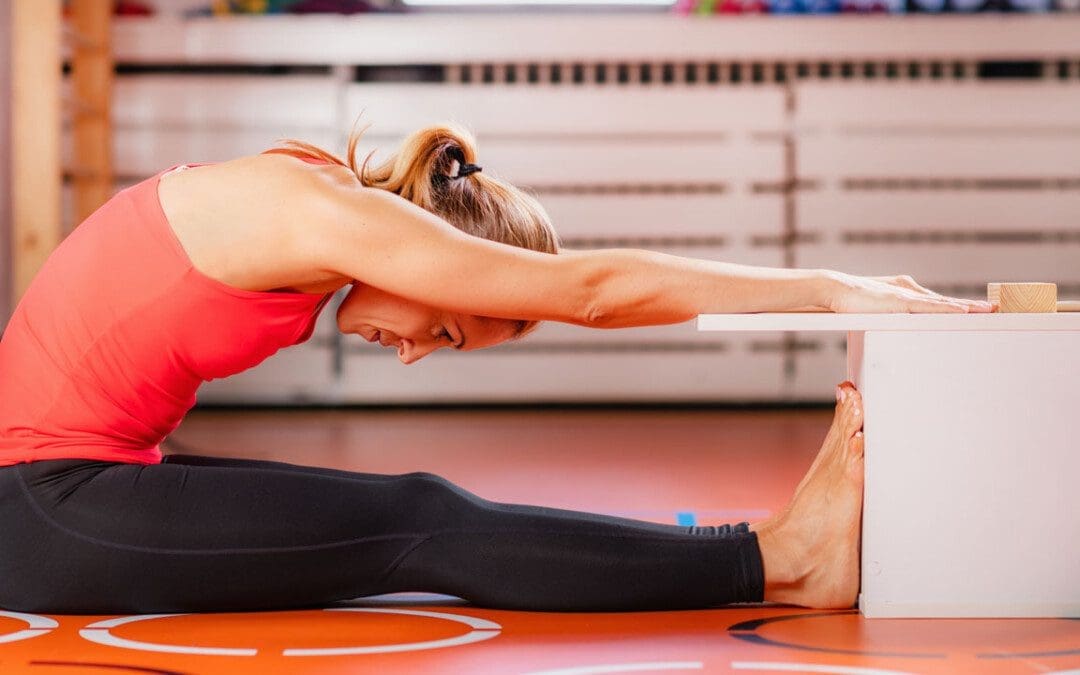
Lower back and hamstring tightness and pain symptoms are usually brought on by muscle stiffness. The sit-and-reach test is one of the most common ways to measure lower back and hamstring flexibility. Exercise physiologists, physical therapists, chiropractors, and fitness trainers use the sit-and-reach test to measure lower back and hamstring flexibility to assess baseline flexibility. The test has been around since 1952 (Katharine F. Wells & Evelyn K. Dillon 2013) and has an extensive database of results across all age groups and genders.
Individuals can use the sit-and-reach test to compare flexibility to the average result for individuals of the same gender and age.
For healthcare providers, the test may be repeated after several weeks to determine flexibility progress.
Measurement
The test can be a valuable measurement of functional flexibility to sit with the legs straight in front and reach the toes. Jobs, sports, and everyday tasks regularly require bending over, reaching, and lifting objects. These are real-life examples of how having a healthy back and hamstring flexibility is vital in preventing pain symptoms and injuries. New flexibility assessments are currently being developed, and many trainers and therapists use their own versions with patients and clients. But even with more advanced specialized flexibility tests, the sit and reach test can be a functional testing tool for tracking general flexibility changes over time. (Daniel Mayorga-Vega et al., 2014)
Performing The Test
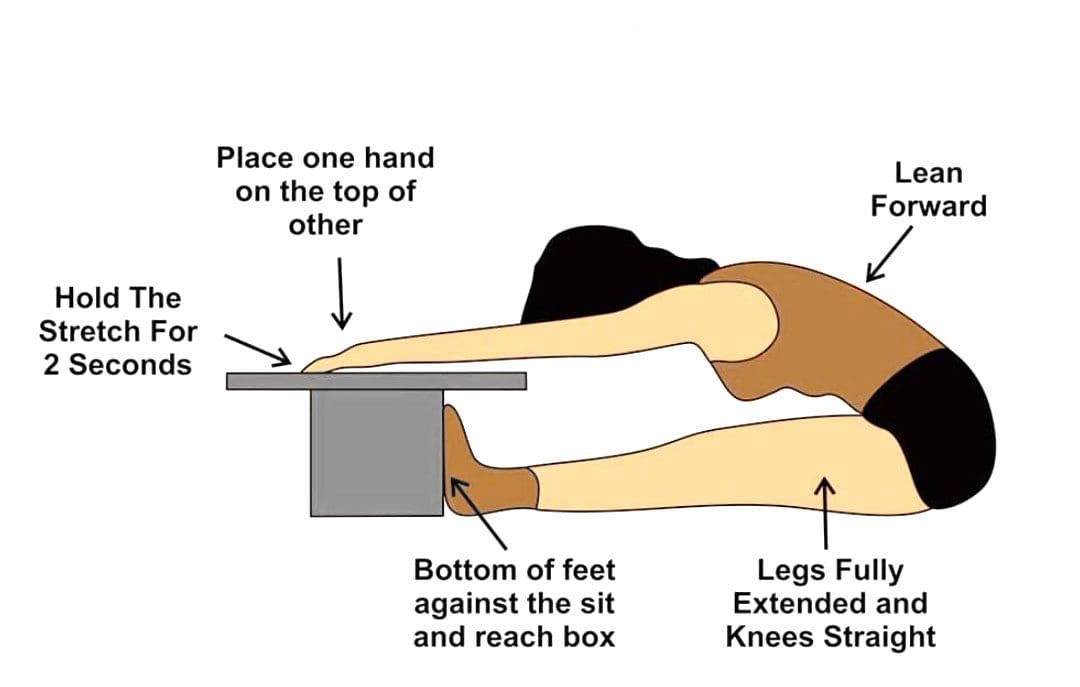
A special sit-and-reach testing box is used; however, individuals can make their own testing box by finding a heavy-duty box around 30cm or 11.811 inches tall. Set a measurement ruler/stick on top of the box so that 26 cm or 10.2362 inches of the ruler extends over the front edge toward the individual being tested. The 26cm mark should be at the edge of the box.
Get into position – Remove shoes and sit on the floor with legs stretched out in front with the knees straight and feet flat against the front end of the test box.
Start the movement – In a slow, steady motion, lean forward, keeping the knees straight, and slide the hands up the ruler as far as possible.
Stretch and repeat – Extend as far as possible, record the results, rest, and repeat three times.
Calculate the results – Average the results.
Results
Results compare flexibility over time to norms, or averages, for gender and age. Adequate flexibility is reaching the toes – the 26-cm mark on the ruler while keeping the legs straight.
Adult Women
37cm or 14.5669 inches or above: Excellent
33 to 36cm or 12.9921 inches: Above average
29 to 32cm or 11.4173 inches: Average
23 to 28cm or 9.05512 inches: Below average
Below 23cm or 8.66142 inches: Poor
Adult Men
34cm or 13.3858 inches or above: Excellent
28 to 33cm or 11.0236 inches: Above average
23 to 27cm or 9.05512 inches: Average
16 to 22cm or 6.29921 inches: Below average
Below 16cm or 5.90551 inches: Poor
Alternatives
Individuals can test their own hamstring and lower back flexibility with some easy at-home tests. Use these methods while working on flexibility, and keep a record to see improvements. (Brittany L. Hansberger et al., 2019) One alternative is the V-sit reach test.
To perform this, make a line on the floor with tape, then place a measuring tape perpendicular to the tape, making a cross.
Sit with the feet in a V shape, touching the tape, feet about a foot apart, with the measuring tape between the legs; the 0 end starts where the legs part.
Overlap hands with arms outstretched in front.
Repeat three times, leaning forward and reaching with hands out.
Then, repeat and take note of how far the hands could reach.
Individuals will need someone to measure the distance between their fingertips and the floor.
Warm up with a few practice stretches of standing and bending toward the floor.
Then, measure how far from the floor the fingertips are.
The ability to touch the floor is a good sign.
Improving Flexibility
Individuals with less than adequate flexibility are recommended to work on stretching the major muscle groups in both the upper and lower body on a regular basis to improve and maintain body flexibility.
Individuals can incorporate dynamic stretching, which consists of active movements utilizing a full range of motion as part of warming up for workouts, sports, or other activities.
Static stretching is recommended when cooling down after the muscles are warmed up and joints are lubricated.
The American College of Sports Medicine recommends 2 to 3 sessions a week of flexibility training and learning to stretch daily.
Stretches should be held for 15 to 30 seconds, then released and repeated 2 to 4 times. (Phil Page 2012)
This will take time and dedication, but with the help of trained specialists, regaining flexibility and full range of motion can be accomplished.
Benefits of Stretching
References
Katharine F. Wells & Evelyn K. Dillon (1952) The Sit and Reach—A Test of Back and Leg Flexibility, Research Quarterly. American Association for Health, Physical Education and Recreation, 23:1, 115-118, DOI: 10.1080/10671188.1952.10761965
Mayorga-Vega, D., Merino-Marban, R., & Viciana, J. (2014). Criterion-Related Validity of Sit-and-Reach Tests for Estimating Hamstring and Lumbar Extensibility: a Meta-Analysis. Journal of sports science & medicine, 13(1), 1–14.
Hansberger, B. L., Loutsch, R., Hancock, C., Bonser, R., Zeigel, A., & Baker, R. T. (2019). EVALUATING THE RELATIONSHIP BETWEEN CLINICAL ASSESSMENTS OF APPARENT HAMSTRING TIGHTNESS: A CORRELATIONAL ANALYSIS. International journal of sports physical therapy, 14(2), 253–263.
Page P. (2012). Current concepts in muscle stretching for exercise and rehabilitation. International journal of sports physical therapy, 7(1), 109–119.
IFM's Find A Practitioner tool is the largest referral network in Functional Medicine, created to help patients locate Functional Medicine practitioners anywhere in the world. IFM Certified Practitioners are listed first in the search results, given their extensive education in Functional Medicine