Individuals dealing with pain in the buttocks can make life difficult to sit, walk, or perform simple, everyday tasks. Can understanding the anatomy, location, and function of the gluteus maximus muscle help in muscle rehabilitation and avoid potential injuries?
Gluteus Maximus
The gluteus maximus is the largest human body muscle responsible for hip extension, external rotation, adduction, and abduction, as well as the ability to stand upright. The primary muscle extends laterally and keeps the body upright by supporting the bony pelvis and trunk. (Neto W. K. et al., 2020) When the gluteus maximus is strained, injured, or weak, it can lead to pain and inflammation.
Common symptoms can include:
Stiffness in the buttock
Discomfort while sitting
Difficulty standing up from sitting
Difficulty bending over
Pain when walking, especially upstairs or on a hill
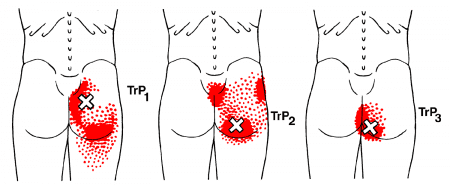
Pain in the lower back and/or tailbone
Anatomy and Structure
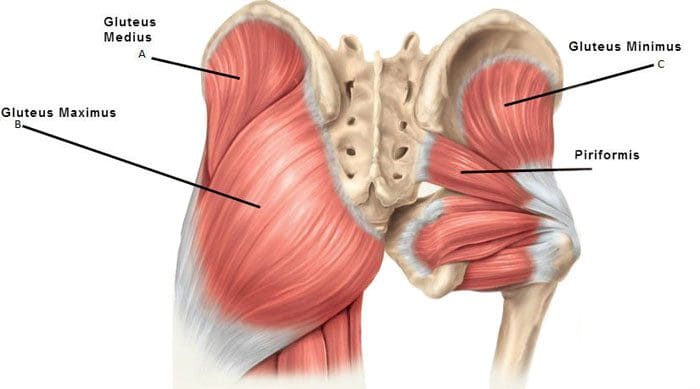
The muscles that comprise the glutes are the gluteus maximus, gluteus medius, and gluteus minimus. The gluteus medius runs underneath the gluteus maximus, and the gluteus minimus is underneath the gluteus medius.
The gluteus maximus is one of the strongest muscles. Fibers from the muscle connect to different body parts, including the femur/thighbone and the iliotibial band, which comprises connective tissue that runs up the thigh. The superior gluteal artery transports blood from the heart to the glutes.
Nerve Supply
The inferior gluteal nerve, part of the sacral plexus branch, innervates the maximus muscle. The sacral plexus nerves support motor and sensory function in the thighs, lower legs, feet, and pelvis. The sciatic nerve runs under the gluteus maximus, from the lower back down to the leg, and is often the cause of nerve pain in and around the area. (Carro L. P. et al., 2016) The main nerve of the perineum is the pudendal nerve, which runs under the gluteus maximus muscle.
Location
The gluteus maximus muscle defines the buttocks. It can be called a superficial muscle, sometimes referred to muscles that help provide shape. The origin of the gluteus maximus connects to the sacrum, the ilium, or the large upper part of the hip bone, the thoracolumbar fascia tissue, and the sacrotuberous ligaments attached to the posterior superior iliac spine. The gluteus maximus has a 45-degree angle from the pelvis to the buttocks and then inserts at the gluteal tuberosity of the femur and the iliotibial tract.
Variations
Sometimes, a duplicate muscle may originate from the gluteus maximus muscle in rare cases. However, it is more common that the gluteus maximus muscle fibers may be inserted into different body parts than where they are typically inserted. (Taylor, V. G., Geoffrey & Reeves, Rustin. 2015) This can cause a condition called greater trochanteric pain syndrome or GTPS. Inflammation of the gluteus medius, minimum tendons, and bursa inflammation can also cause GTPS. Individuals with GTPS will have tenderness or a pulsing feeling on the outer side of the hip and thigh when lying on the side, along with other symptoms.
Function
The gluteus maximus extends and externally rotates the hip joint, stabilizing the body. It is highly engaged during running and hiking activities. Regular walking does not typically target gluteus maximus strength training. However, the gluteus maximus promotes balance when walking and other activities by helping keep the pelvis and posture upright.
Conditions
The most common condition associated with the gluteus maximus is muscle strain, and deep gluteus maximus syndrome is another condition that can cause pain and involves the muscles.
Muscle Strain
A muscle strain can result from stretching and working the muscle too much that it becomes overstretched or tears. (Falótico G. G. et al., 2015) This can happen from not warming up or cooling down properly, repetitive use injury, and over-exercising. Alternatively, not exercising and not utilizing your gluteus maximus can weaken it, leading to lower back pain, hip pain, and stability and posture issues. (Jeong U. C. et al., 2015)
Deep Gluteus Maximus Syndrome
This syndrome causes pain in the buttocks when the sciatic nerve becomes entrapped. (Martin, H. D. et al., 2015) The location of the pain can help healthcare providers determine where the nerve is trapped. Those with deep gluteus maximus syndrome may experience various types of discomfort, including (Martin, H. D. et al., 2015)
Numbness and tingling in the leg
Pain when sitting
Pain when walking
Pain that radiates down the back and hips and into the thigh
To diagnose the condition, a healthcare provider may perform a physical examination and various tests to rule out other conditions that can cause similar symptoms.
Treatment and Rehabilitation
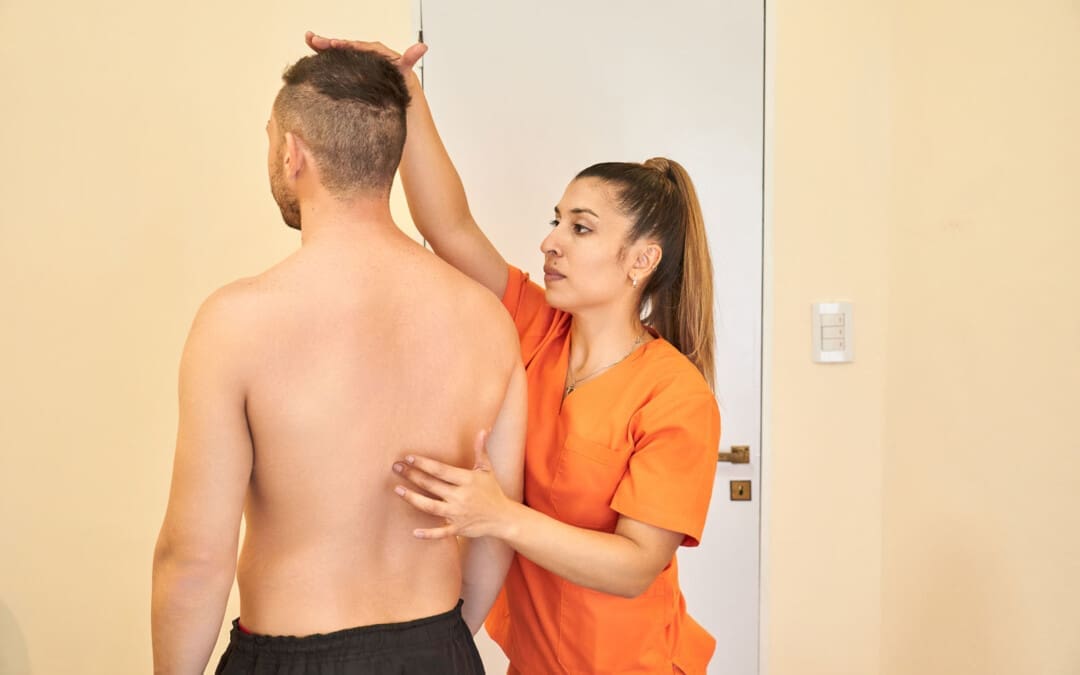
If there is pain in the buttocks and/or lower extremities, it’s important to consult a primary doctor, chiropractor, or physical therapist. They will evaluate the strength of the gluteus muscles to diagnose any strain or weakness. From there, they will develop a personalized treatment plan to help heal the injury, strengthen the muscles, and restore function. Treatment will include stretches once the strain is rested and improves.
Recommendations can include taking a few days off to rest the muscle or, at the very least, stop performing the work or activity that caused the strain.
Ice and over-the-counter medication like ibuprofen can help reduce inflammation.
For weak gluteus maximus, a physical therapist will strengthen and retrain the muscle with a tailored program of exercises. (Jeong U. C. et al., 2015)
Treatment for deep gluteus maximus syndrome may include conservative treatment, such as chiropractic decompression and realignment, physical therapy, medications for pain and inflammation, and injections.
If conservative treatments do not relieve the pain, a primary healthcare provider may recommend surgery. (Martin, H. D. et al., 2015)
Working with a chiropractic physical therapy team can help individuals return to normal function and expedite healing. Injury Medical Chiropractic and Functional Medicine Clinic works with primary healthcare providers and specialists to develop a customized treatment program through an integrated approach to treating injuries and chronic pain syndromes, improving flexibility, mobility, and agility to relieve pain and help individuals return to normal activities. If other treatments are needed, Dr. Jimenez has teamed up with top surgeons, clinical specialists, medical researchers, and rehabilitation providers to provide the most effective treatments.
The Science of Motion and Chiropractic Care
References
Neto, W. K., Soares, E. G., Vieira, T. L., Aguiar, R., Chola, T. A., Sampaio, V. L., & Gama, E. F. (2020). Gluteus Maximus Activation during Common Strength and Hypertrophy Exercises: A Systematic Review. Journal of sports science & medicine, 19(1), 195–203.
Carro, L. P., Hernando, M. F., Cerezal, L., Navarro, I. S., Fernandez, A. A., & Castillo, A. O. (2016). Deep gluteal space problems: piriformis syndrome, ischiofemoral impingement and sciatic nerve release. Muscles, ligaments and tendons journal, 6(3), 384–396. https://doi.org/10.11138/mltj/2016.6.3.384
Taylor, Victor & Guttmann, Geoffrey & Reeves, Rustin. (2015). A variant accessory muscle of the gluteus maximus. International Journal of Anatomical Variations. 8. 10-11.
Falótico, G. G., Torquato, D. F., Roim, T. C., Takata, E. T., de Castro Pochini, A., & Ejnisman, B. (2015). Gluteal pain in athletes: how should it be investigated and treated?. Revista brasileira de ortopedia, 50(4), 462–468. https://doi.org/10.1016/j.rboe.2015.07.002
Jeong, U. C., Sim, J. H., Kim, C. Y., Hwang-Bo, G., & Nam, C. W. (2015). The effects of gluteus muscle strengthening exercise and lumbar stabilization exercise on lumbar muscle strength and balance in chronic low back pain patients. Journal of physical therapy science, 27(12), 3813–3816. https://doi.org/10.1589/jpts.27.3813
Martin, H. D., Reddy, M., & Gómez-Hoyos, J. (2015). Deep gluteal syndrome. Journal of hip preservation surgery, 2(2), 99–107. https://doi.org/10.1093/jhps/hnv029
When muscle pains and aches present from health conditions, work, exercise, housework, etc., many individuals turn to topical sprays, creams, ointments, and gels to bring relief. Can magnesium spray be beneficial in the fight against neuromusculoskeletal pain?
Magnesium Spray
Magnesium spray is a liquid form of magnesium applied externally to the skin that has been marketed to promote muscle relaxation, improve sleep, and manage migraines. However, studies of its effectiveness have had mixed results. Some studies have shown that topical use can:
Improve chronic muscle and joint pain. Example: fibromyalgia.
Decrease the frequency and severity of nerve pain symptoms. Example: peripheral neuropathy.
Reduce the incidence and severity of an intubation-related sore throat after surgery.
Further studies of various groups are necessary to clarify the optimal dose for each condition and to determine how topical magnesium affects magnesium blood levels.
What is It?
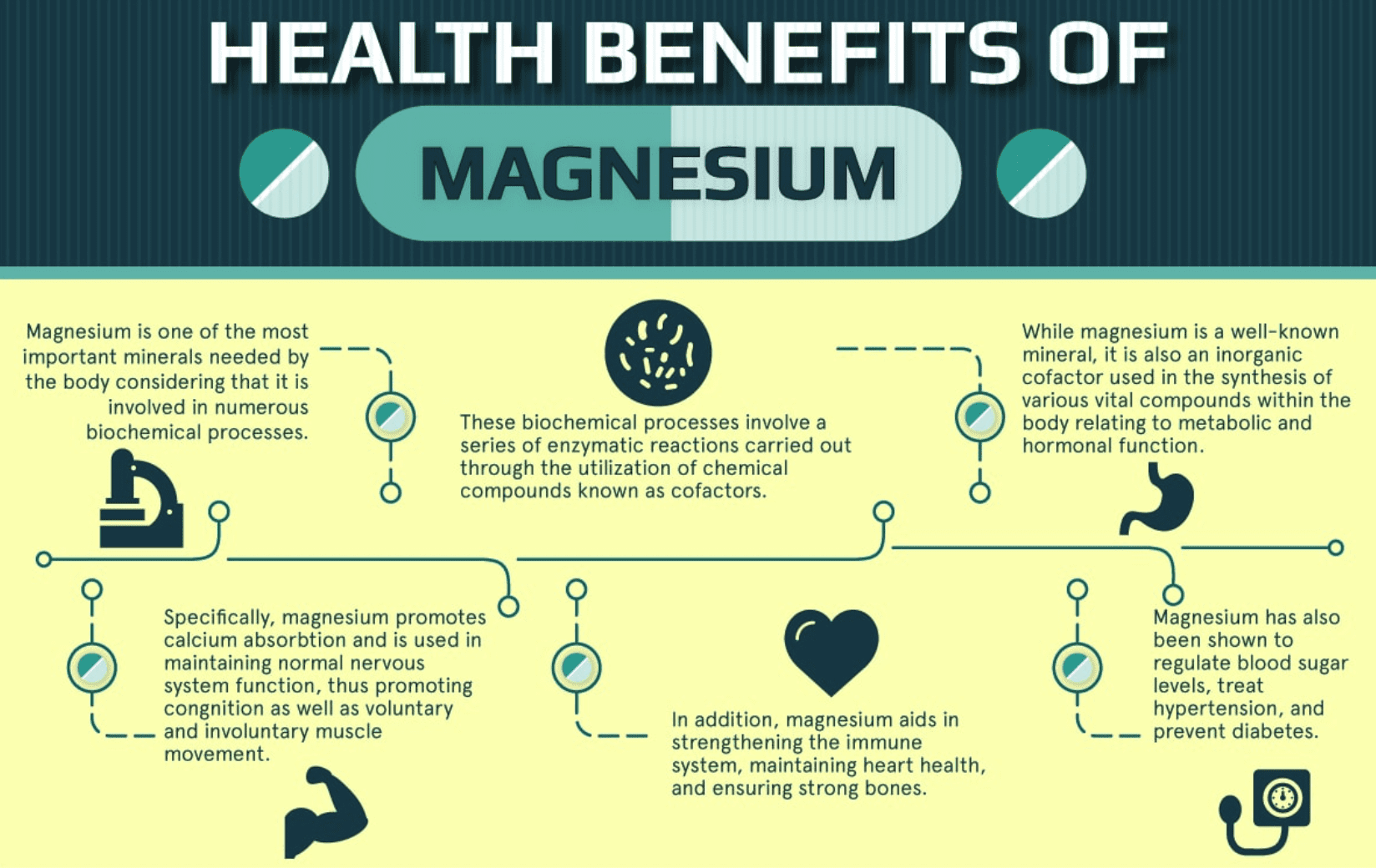
Magnesium is a mineral that has an important role in many of the body’s processes and is essential for the following (Gröber U. et al., 2017)
Nerve transmission
Muscle contraction
Blood pressure regulation
Blood sugar regulation
Protein production
DNA and RNA production
Currently, there is no recommended dosage for topical magnesium use. However, some major health institutions have established a recommended daily amount taken by mouth. Listed are the recommended daily magnesium intake based on age and other factors. (National Institutes of Health Office of Dietary Supplements, 2022)
14 to 18 years old: 410 mg for males, 360 mg for females and when lactating, and 400 mg when pregnant.
19 to 30 years old: 400 mg for males, 310 mg for females and when lactating, and 350 mg when pregnant.
31 to 50 years old: 420 mg for males, 320 mg for females and when lactating, and 360 mg when pregnant.
51 years old and above: 420 mg for males and 320 mg for females.
Although self-care is appropriate for minor injuries or exercise, individuals are encouraged to see their healthcare provider for severe musculoskeletal pain symptoms.
Benefits
Though taking oral magnesium supplements is common, there is limited research on using magnesium on the skin to improve magnesium levels. Studies comparing the absorption of magnesium taken by mouth with the spray applied to the skin require further research. However, some studies look at the localized effect of magnesium spray on improving a sore throat after surgery and nerve, muscle, and joint pain.
Intubation-Related Sore Throat
Topical magnesium reduced the severity of sore throat after surgery in individuals undergoing tracheal intubation compared to a placebo. (Kuriyama, A. et al., 2019) However, further studies are necessary to clarify the optimal dose.
Nerve Pain
Peripheral neuropathy is nerve damage that causes a tingling and numbing sensation in the arms or legs. In a study of individuals with chronic kidney disease, the daily application of magnesium sprays to limbs affected by peripheral neuropathy for twelve weeks decreased the frequency and severity of nerve pain symptoms. However, one limitation was that it was performed mostly in females. (Athavale, A. et al., 2023)
Chronic Muscle and Joint Pain
A small study assessed whether applying magnesium to the skin could improve the quality of life of female participants with fibromyalgia – a chronic condition that causes muscle and joint pain, fatigue, and other symptoms. The study found that four sprays of magnesium chloride applied twice daily to the upper and lower limbs for four weeks could benefit those with fibromyalgia. However, further research with larger studies is needed to confirm the results. (Engen D. J. et al., 2015)
Does The Spray Increase Overall Magnesium Levels?
Magnesium is transported into cells through magnesium transporters. The outer layer of the skin does not contain these transporters, so absorption occurs in the small areas of the sweat glands and hair follicles. (Gröber U. et al., 2017) One study suggested that applying magnesium to the skin can help with magnesium deficiency within four to six weeks, compared to four to 12 months in the case of oral magnesium supplementation. However, there is minimal research on topical magnesium and its impact on magnesium levels. Another study suggested that 56 mg of magnesium cream applied daily on the skin for 14 days had no statistically significant effect on magnesium blood levels. Although the results were statistically insignificant, a clinically relevant increase in magnesium blood levels was observed. (Kass, L. et al., 2017) Because it remains unclear if magnesium absorption via the skin is more effective than by mouth, further studies are necessary to confirm the amount of magnesium absorbed into the skin.
Using The Spray
In one study, a magnesium chloride solution was poured into a spray bottle and applied as follows (Engen D. J. et al., 2015)
The solution was sprayed into the palm and applied evenly on the affected area.
There is a four-hour wait time between spray dose applications.
Individuals should wait at least one hour after application before showering or washing the product off.
Leave the product on the skin throughout the day and wash it off before bed.
Rinse the solution off with water if the skin becomes irritated.
Avoid applying to open wounds.
Precautions
Avoid magnesium chloride sprays if you are allergic to them or their components. If you have a severe allergic reaction, such as itching, hives, or shortness of breath, seek immediate medical attention. Topically applied magnesium solution has no known side effects other than skin irritation. (Engen D. J. et al., 2015)
Injury Medical Chiropractic and Functional Medicine Clinic works with primary healthcare providers and specialists to develop a personalized treatment plan through an integrated approach to treating injuries and chronic pain syndromes, improving flexibility, mobility, and agility programs to relieve pain and help individuals return to optimal function. If other treatments are needed, Dr. Jimenez has teamed up with top surgeons, clinical specialists, medical researchers, and rehabilitation providers to provide the most effective treatments.
Why Choose Chiropractic?
References
Gröber, U., Werner, T., Vormann, J., & Kisters, K. (2017). Myth or Reality-Transdermal Magnesium?. Nutrients, 9(8), 813. https://doi.org/10.3390/nu9080813
National Institutes of Health Office of Dietary Supplements. (2022). Magnesium. Retrieved from https://ods.od.nih.gov/factsheets/Magnesium-HealthProfessional/#h2
Kuriyama, A., Maeda, H., & Sun, R. (2019). Topical application of magnesium to prevent intubation-related sore throat in adult surgical patients: a systematic review and meta-analysis. Application topique de magnésium pour prévenir les maux de gorge liés à l’intubation chez les patients chirurgicaux adultes: revue systématique et méta-analyse. Canadian journal of anaesthesia = Journal canadien d’anesthesie, 66(9), 1082–1094. https://doi.org/10.1007/s12630-019-01396-7
Athavale, A., Miles, N., Pais, R., Snelling, P., & Chadban, S. J. (2023). Transdermal Magnesium for the Treatment of Peripheral Neuropathy in Chronic Kidney Disease: A Single-Arm, Open-Label Pilot Study. Journal of palliative medicine, 26(12), 1654–1661. https://doi.org/10.1089/jpm.2023.0229
Engen, D. J., McAllister, S. J., Whipple, M. O., Cha, S. S., Dion, L. J., Vincent, A., Bauer, B. A., & Wahner-Roedler, D. L. (2015). Effects of transdermal magnesium chloride on quality of life for patients with fibromyalgia: a feasibility study. Journal of integrative medicine, 13(5), 306–313. https://doi.org/10.1016/S2095-4964(15)60195-9
Kass, L., Rosanoff, A., Tanner, A., Sullivan, K., McAuley, W., & Plesset, M. (2017). Effect of transdermal magnesium cream on serum and urinary magnesium levels in humans: A pilot study. PloS one, 12(4), e0174817. https://doi.org/10.1371/journal.pone.0174817
Can chiropractic treatment alleviate pain and correct swayback posture, a postural deformity that can cause lower back pain and mobility issues, for individuals experiencing it?
Swayback Posture
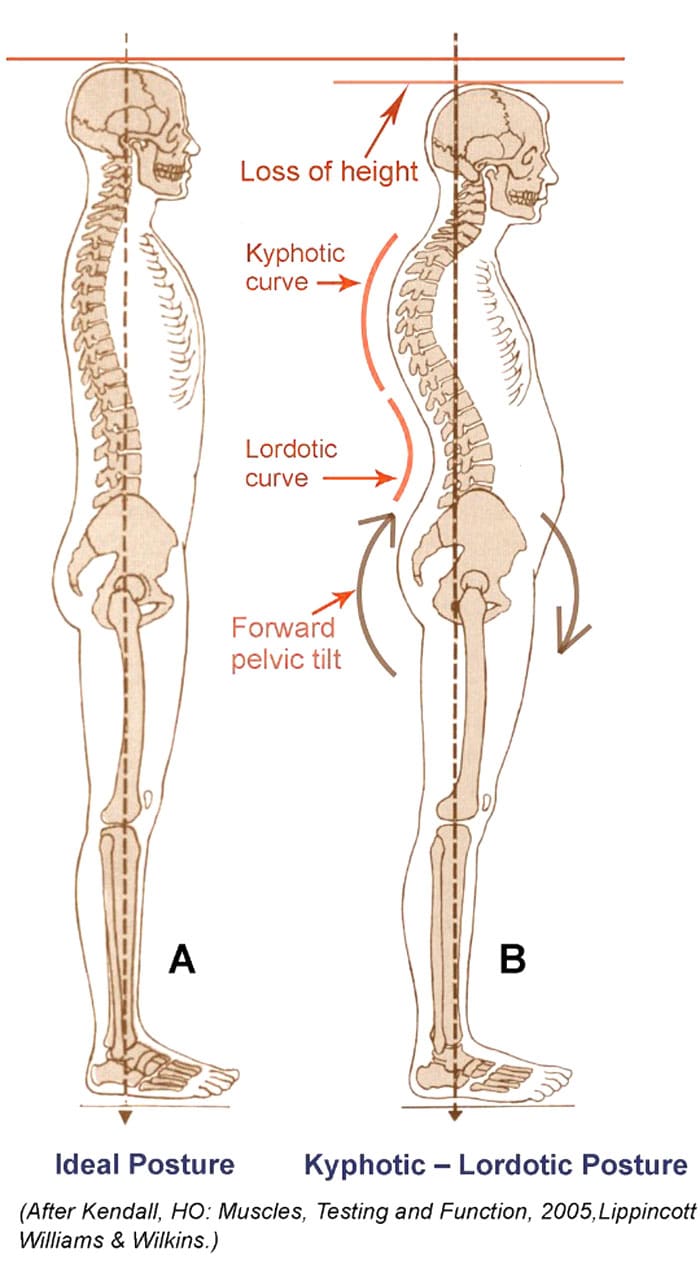
Swayback posture is a common dysfunction involving the pelvis and hip joints tilted forward in front. This causes the pelvis to shift forward, which exaggerates the curves in the lower and upper back, known as lordosis and kyphosis. The pelvis may tilt backward relative to the upper half, causing the buttocks to tuck under. The pelvis coordinates the movements of the head, shoulders, and trunk with those of the feet, legs, and thighs. A neutral pelvis, the ideal position, generally supports a mild curve/normal lordosis in the lower back. The small arch helps the body balance the skeletal parts as they work together to support and move the body’s weight. When a postural deformity occurs, one or more bones may shift from their ideal position to compensate for any pain or loss of balance caused by the original deviation. This deviation can lead to muscle strain, ligament sprain, and/or pain. (Czaprowski, D. et al., 2018)
Postural Deviations
Swayback posture causes the thoracic spine to move backward and round over into kyphosis. At the same time, the pelvis is tilted forward, resulting in an exaggeration of the normal lumbar lordosis. (Czaprowski, D. et al., 2018)
Healthcare providers, chiropractors, and physical therapists use exact measurements to define and treat postural deformities.
A neutral pelvis is a position of balance the entire body uses to help it stay upright, move, and be pain-free.
The ideal or neutral pelvic tilt is a 30-degree angle between the vertical and the plane that passes through the top of the sacrum and the axis of the hip joint socket in the front.
Swayback posture causes the pelvis to tilt forward another 10 degrees.
As a result, the spine compensates, exaggerating the curves in the lower back/lordotic curve and in the mid and upper back/kyphotic curve.
When viewed from the side, individuals can see a backward movement of the thoracic spine.
In front, the chest tends to sink in.
Muscle Group Imbalances
Healthcare providers look at different contributors or causes of postural deviations. Swayback can sometimes be associated with strength imbalances between muscle groups that move the hips, spine, and pelvis and hold the body upright. This includes:
Weakened hip flexors and overly strong or tense hip extensors/the hamstrings.
Tight upper abdominals, weak lower abdominals, and weak mid-back muscles may also contribute.
A corrective exercise program after seeing a physical therapist will help address some or all underlying muscle imbalances.
Risk Factors
Because weight in the abdominal region pulls the pelvis forward, pregnant women and obese individuals can have an increased risk of developing a swayback posture. (Vismara, L. et al., 2010)
Symptoms
The symptoms of swayback posture often include:
Severe lower back pain
Difficulty sitting or standing for long periods
Difficulty performing certain physical activities.
Tightness in the hamstrings and hip flexors
Tightness in the upper back muscles
Headaches or migraines
Chiropractic Treatment
Chiropractic adjustments are a common treatment used to correct swayback posture and can be corrected through various treatments. These include:
Spinal adjustments: The doctor applies pressure to specific spine areas to realign them and help restore proper spinal function.
Non-surgical decompression
Massage therapies
Muscle Energy Technique, or MET, improves muscle strength, flexibility, and function.
Acupuncture
Exercises to strengthen and stabilize the core muscles
Lifestyle adjustments to help reduce stress on the spine
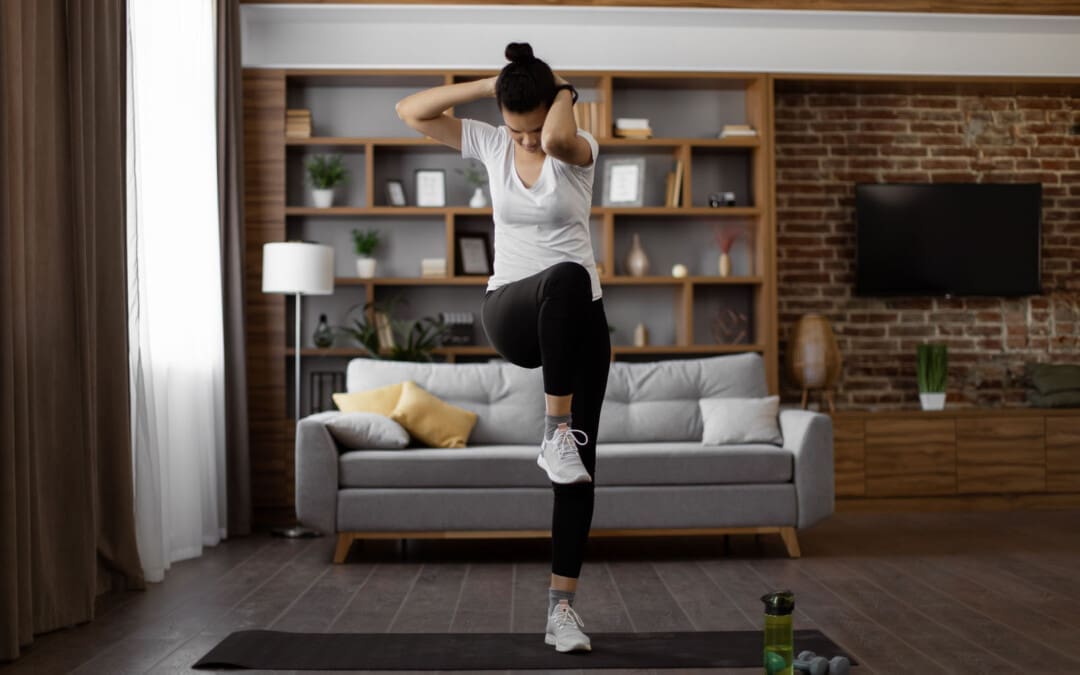
Posture exercises
Biomechanics training
Injury Medical Chiropractic and Functional Medicine Clinic works with primary healthcare providers and specialists to develop a personalized care plan for each patient through an integrated approach to treating injuries and chronic pain syndromes, improving flexibility, mobility, and agility programs to relieve pain and help individuals return to optimal function. If other treatments are needed, Dr. Jimenez has teamed up with top surgeons, clinical specialists, medical researchers, and rehabilitation providers to provide the most effective treatments.
How I Gained My Mobility Back With Chiropractic Care
References
Czaprowski, D., Stoliński, Ł., Tyrakowski, M., Kozinoga, M., & Kotwicki, T. (2018). Non-structural misalignments of body posture in the sagittal plane. Scoliosis and spinal disorders, 13, 6. https://doi.org/10.1186/s13013-018-0151-5
Vismara, L., Menegoni, F., Zaina, F., Galli, M., Negrini, S., & Capodaglio, P. (2010). Effect of obesity and low back pain on spinal mobility: a cross sectional study in women. Journal of neuroengineering and rehabilitation, 7, 3. https://doi.org/10.1186/1743-0003-7-3
Can fruit help with a sweet craving for individuals trying to limit sugar?
Fruits Low In Sugar
Fruits and their natural sugars: Whether following a low-carbohydrate diet or having diabetes and watching your A1C, many have heard that fruit is either bad or okay because of its natural sugars. Sugars in fruit are natural. How they affect blood sugar depends on various factors, like which foods they’re paired with and if diabetes is a factor. Counting carbs or noting the glycemic index or glycemic load of foods being eaten, understanding low-sugar fruits can help make choices that best fit your dietary needs. Certain fruits are considered lower in sugar because they contain fewer carbohydrates and sugar, allowing you to consume a larger portion.
One serving of fruit has about 15 grams of carbohydrates.
A serving is one small apple, half a medium-sized banana, or a cup of berries.
Fruits like berries can be eaten in more significant portions for the same amount of carbohydrates but less sugar.
Fruits
Low-sugar fruits include:
Lemons and Limes
Rhubarb
Apricots
Cranberries
Guava
Raspberries
Blackberries
Kiwi
Figs
Tangerines
Grapefruit
Natural Sugar
How much fruit an individual eats may differ if they follow a specific low-carb meal plan or are counting or modifying their carbohydrate intake because of diabetes. Adults should consume two cups of fruit or juice or a half-cup of dried fruit daily. (U.S. Department of Health and Human Services and U.S. Department of Agriculture, 2015) Most fruits have a low glycemic index/GI because of the amount of fiber they contain and because the sugar is mostly fructose. However, dried fruits like raisins, dates, sweetened cranberries, melons, and pineapples have a medium glycemic index. Sweetened dried fruits have an even higher glycemic index.
Fruits from Lowest to Highest Content
Fruits are a healthy way to satisfy a sweet craving. The fruits listed are ranked from lowest to highest sugar content, providing a quick way to assess sugar content. The fruits lowest in sugar have some of the highest nutritional values, plus antioxidants and other phytonutrients.
Limes and Lemons
Limes contain:
1.1 grams of sugar
7 grams of carbs
1.9 grams of fiber per fruit
Lemons contain:
1.5 grams of sugar
5.4 grams of carbs
1.6 grams of fiber per fruit
Rhubarb
Rhubarb contains:
1.3 grams of sugar
5.5 grams of carbs
2.2 grams of fiber per cup
Apricots
Apricots contain:
3.2 grams of sugar
3.8 grams of carbs
0.7 grams of fiber per small apricot
Apricots are available fresh in spring and early summer. They can be eaten whole, skin and all. However, watch portions of dried apricots as they shrink when dried.
Cranberries
Cranberries contain:
3.8 grams of sugar
12 grams of carbs
3.6 grams of fiber per cup when fresh.
While they’re low in sugar, be aware that they are usually sweetened when dried or used in a recipe.
Guavas
Guava contains:
4.9 grams of sugar
7.9 grams of carbs
3 grams of fiber per fruit
They can be sliced or dipped in salty sauce, including the rind.
Berries
These fruits generally have the lowest sugar content and are among the highest in fiber, antioxidants, and other nutrients. Berries, lemon, and lime can be added to flavor water.
Raspberries
Raspberries contain:
5.4 grams of sugar
14.7 grams of carbs
8 grams of fiber per cup
Eat a handful, or use them as a topping or ingredient. Fresh in summer or frozen year-round.
Blackberries
Blackberries contain:
7 grams of sugar
13.8 grams of carbs
7.6 grams of fiber per cup
Strawberries contain:
7.4 grams of sugar
11.7 grams of carbs
3 grams of fiber per cup
Berries are excellent choices for a snack, a fruit salad, or an ingredient in a smoothie, sauce, or dessert.
Blueberries
Blueberries contain:
15 grams of sugar
21 grams of carbs
3.6 grams of fiber per cup
While blueberries are higher in sugar than other berries, they’re packed with powerful antioxidants.
Kiwis
Kiwis contain:
6.2 grams of sugar
10.1 grams of carbs
2.1 grams of fiber per kiwi
Kiwis have a mild flavor, and the seeds and skin can be eaten.
Figs
Figs contain:
6.5 grams of sugar
7.7 grams of carbs
1.2 grams of fiber per small fig
These figures are for fresh figs, and it may be harder to estimate for dried figs of different varieties, which can have 5 to 12 grams of sugar per fig.
Tangerines
Tangerines contain:
8 grams of sugar
10.1 grams of carbs
1.3 grams of fiber per medium fruit
These low-sugar citrus fruits have less sugar than oranges and are great for salads. They are also portable, making them healthy additions to packed lunches and snacks.
Grapefruit
Grapefruit contains:
8.5 grams of sugar
13 grams of carbs
2 grams of fiber per half fresh grapefruit
Individuals can enjoy fresh grapefruit in a fruit salad or by itself, adjusting the amount of sugar or sweetener.
Low-Carb Diets
Individuals following a low-carb eating plan should remember that while some popular diet plans factor in the glycemic index or glycemic load of foods, others only factor in the number of carbohydrates.
20 Grams of Carbohydrates or Less
Individuals will likely not consume fruit or rarely substitute it for other food items with less than 20 grams of carbohydrates daily.
Nutrients are obtained from vegetables.
Some diets don’t even allow low-sugar fruits in the first phase.
20-50 Grams of Carbohydrates
These eating plans allow 20 to 50 grams of carbs daily, allowing room for one daily fruit serving.
50-100 Grams of Carbohydrates
If the eating plan allows 50 to 100 grams of carbs per day, individuals may be able to follow the FDA guidelines for two fruit servings a day, as long as other resources of carbohydrates are limited.
Other popular plans, like the Paleo diet and Whole30, don’t place a limit on fruit.
Although not necessarily a low-carb diet, Weight Watchers also allows fruit.
In general, individuals following a low-carb diet are recommended to try to eat fruits low in sugar.
Diabetes
Fruit choices when managing diabetes will depend on the type of diet being followed. For example, when counting carbohydrates, individuals should know that 1/2 cup of frozen or canned fruit has about 15 grams of carbohydrates.
Enjoy 3/4 to 1 cup of fresh berries, melon, or 17 grapes for the same carbs.
If using the plate method, add a small piece of whole fruit or 1/2 cup of fruit salad to the plate.
When using the glycemic index to guide food choices, remember that most fruits have a low GI and are encouraged.
Melons, pineapples, and dried fruits have medium GI index values, so watch portion size.
Individuals with diabetes may want to consult their primary doctor or a registered dietitian to help design an eating plan that incorporates fruit appropriately.
Body In Balance: Chiropractic, Fitness, and Nutrition
References
U.S. Department of Health and Human Services and U.S. Department of Agriculture. 2015–2020 Dietary Guidelines for Americans. 8th Edition. December 2015. Available at http://health.gov/dietaryguidelines/2015/guidelines/
For individuals who don’t have time for a full workout, could incorporating sprint exercise training be an option to improve their cardiovascular and overall health?
Sprint Exercise Training
Most think of running when they hear the word sprinting. However, sprinting can be performed in any aerobic activity, whether swimming, cycling, rollerblading, or exercising on an elliptical machine. Sprint exercise training means varying the intensity levels of the activity. It is also known as sprint interval training or speed drills. It targets cardiovascular endurance and is suitable for all fitness levels, from beginners to advanced. This type of training is demanding and requires high motivation, but it can lead to significant improvements and help achieve fitness goals faster.
Sprint workouts are a time saver. Many exercise guidelines recommend up to 60 minutes of moderate exercise 3 times a week; however, many people don’t have the time. Studies have shown that short, high-intensity sprint exercise training improves aerobic capacity and endurance in half the time of traditional endurance exercise. Sprint exercise training burns calories, improves cardiovascular health, builds muscle, and increases speed and power. Sprint workouts are great for individuals who lack time for traditional steady endurance exercise but want to improve cardiovascular health. (Vollaard, N. B. J., and Metcalfe, R. S. 2017) Adding them to a workout routine can take training to a new level.
Training
The key to sprint training is performing an activity at a certain percentage of all-out effort to increase heart rate. Sprint exercise training is recommended three times a week, with at least one to two days of rest or other easy exercises between sprint workouts. How to do.
Warm-up
Warm up with easy exercise for five to 10 minutes.
Slowly perform the exercise that will be done for the sprints to prepare the body for the intense sprint.
Do the First Sprint
Perform the first sprint at around 60% intensity.
Slow down and continue warming up if there is muscle tightness or joint pain.
Rest
Recover for four minutes by slowing to a comfortable pace, but continue moving.
Do the Second Sprint
Perform the next sprint at 80% max intensity.
Rest
Rest for four minutes.
Do the Third Sprint
Perform the remainder of the sprints at 100% intensity or all-out efforts for 30 seconds.
Push to the maximum for each exercise.
Rest
Recover for four minutes after each sprint to slow down breathing and heart rate, and can hold a conversation without gasping.
Repeat
Repeat the sprint/recovery routine four to eight times, depending on fitness level and ability.
For the first workout, stop at four sprints.
Gradually build up to eight.
Benefits
Sprint exercise training enhances endurance performance and can be effectively used by athletes, fitness enthusiasts, and individuals who want to improve their fitness and health. (Litleskare, S. et al., 2020) In one study, participants who completed eight weeks of sprint training saw improvements in maximal oxygen uptake or VO2 max. The test is one way to measure cardiovascular fitness. (Litleskare, S. et al., 2020) These short bursts of intense exercise improve muscle health and performance comparable to several weeks of traditional training. (Gunnarsson, T. P. et al., 2013) Other studies have found that short, high-intensity exercise burns more calories than the same amount of moderate-level cardiovascular exercise. (Vollaard, N. B. J., and Metcalfe, R. S. 2017)
Variations
There are different ways to structure a sprinting routine, and different fitness goals will determine the intensity, duration, and number of sprints that should be performed.
Beginners
Those new to sprinting should start slow, as overdoing it can lead to injury. Work on building up a base level of fitness before introducing sprinting into an exercise routine. Start with one set of four sprint/rest cycles when trying sprints. As fitness goals are achieved, add more sprints to each set or different sprints.
Intermediate
Once a sprinting exercise routine is begun, it may only be a few weeks before one is ready to advance to an intermediate level. Try increasing the number of sprints at different intensity levels. However, avoid sprint exercises too often weekly as the body needs adequate rest.
Advanced
Advanced athletes can intensify the routine by increasing intensity and adding reps. One way is by adding resistance. For example, for those running or cycling, try sprinting hills, or if rollerblading, try wearing wrist and ankle weights to increase the load. Swimmers can use strength-building techniques to focus on specific body areas or add resistance. The intensity of any sprinting activity can be intensified by wearing a weighted vest.
Beginner Errors
A few common starting mistakes include going too hard, advancing too quickly, and doing too many for too long. Sprints are not meant to replace moderate-intensity exercise. The goal is to modulate the intensity of aerobic activities. A study showed that not getting enough rest between sprints led to an inability to perform as well during sprinting. (Selmi, M. A. et al., 2016)
Safety
Sprint workouts can be done with running, swimming, cycling, or other aerobic cardiovascular exercises. The following precautions should be considered before adding sprint training to a workout schedule:
Safety
Because sprinting is a high-intensity exercise, it is recommended that individuals consult with a healthcare professional and review the physical activity readiness questionnaire (PAR-Q) before beginning a sprint training workout.
Base Fitness
A strong fitness base in the sprint activity is also important.
To build a fitness base, follow the 10% rule and gradually increase training volume.
Frequency
Because of the intensity, sprint workouts should not be done more than three times a week.
Muscle Soreness
Launching into a sprint program can cause delayed-onset muscle soreness.
Experts recommend having about three to four weeks of base fitness before beginning.
Injuries are more likely if the body isn’t properly prepared.
The goal is to do a sprint workout six times in two weeks, then only perform 2 times a week for maintenance for six to eight weeks before changing the workout. On the days following a sprint workout, aim for 20–30 minutes of the same aerobic activity at an easier pace to help recover but maintain results. If pleased with the results, continue with the routine longer, but it is recommended to vary the workouts every few months and throughout the year. Modify the routine to find what works best.
Military Training and Chiropractic Care: Maximizing Performance
References
Vollaard, N. B. J., & Metcalfe, R. S. (2017). Research into the Health Benefits of Sprint Interval Training Should Focus on Protocols with Fewer and Shorter Sprints. Sports medicine (Auckland, N.Z.), 47(12), 2443–2451. https://doi.org/10.1007/s40279-017-0727-x
Litleskare, S., Enoksen, E., Sandvei, M., Støen, L., Stensrud, T., Johansen, E., & Jensen, J. (2020). Sprint Interval Running and Continuous Running Produce Training Specific Adaptations, Despite a Similar Improvement of Aerobic Endurance Capacity-A Randomized Trial of Healthy Adults. International journal of environmental research and public health, 17(11), 3865. https://doi.org/10.3390/ijerph17113865
Gunnarsson, T. P., Christensen, P. M., Thomassen, M., Nielsen, L. R., & Bangsbo, J. (2013). Effect of intensified training on muscle ion kinetics, fatigue development, and repeated short-term performance in endurance-trained cyclists. American journal of physiology. Regulatory, integrative and comparative physiology, 305(7), R811–R821. https://doi.org/10.1152/ajpregu.00467.2012
Selmi, M. A., Haj, S. R., Haj, Y. M., Moalla, W., & Elloumi, M. (2016). Effect of between-set recovery durations on repeated sprint ability in young soccer players. Biology of sport, 33(2), 165–172. https://doi.org/10.5604/20831862.1198636
High temperatures can disrupt the body’s sleep cycles, leading to health problems. Can knowing strategies and remedies help manage sleep quality?
Hot Weather Sleep
Sleep is important for refreshing the mind and body and being productive in school, work, relationships, and overall health. With record-breaking temperatures becoming the norm, consistently sleeping healthy is becoming difficult as forecasters predict another scorching summer with above-average temperatures. 2023 was the hottest year ever recorded. (National Oceanic and Atmospheric Administration. 2024) Studies show that high temperatures make it hard to fall asleep and stay asleep, which can negatively affect the immune system, cardiovascular system, cognitive performance, and mood. (Zheng, G., Li, K., and Wang, Y. 2019) (Obradovich, N. et al., 2017) Throughout the night, the body cycles through different sleep stages. (National Heart, Lung, and Blood Institute, 2022)
Because the body’s temperature regulation is less effective during certain stages, a hot environment can cause waking so the body can thermoregulate. The right temperature is imperative for a healthy night’s sleep. For optimal sleep, it is recommended that the bedroom temperature be between 65 and 69 degrees Fahrenheit. However, this isn’t always possible without air conditioning, which increases electricity bills. Here are other strategies to help keep the body cool for better sleep in hot weather.
Cooler Sleeping Environment
Thinking creatively about sleeping arrangements can help. Try to find the place that is the coolest and has the most airflow. Shutters or curtains during the day can help keep the room dark and cooler, and opening the windows can increase airflow. (Fergus Nicol, 2019) Using a fan can help improve air circulation, and putting ice behind the fan can blow cooler air for improved sleep.
Cooling Pillows and Breathable Pajamas
Pajamas and bedding made from breathable fabrics can help keep the body cool, and cooling mattress toppers or pillows can also help. Cooling pillows have gel overlays that absorb body heat and cool the head and neck. Keep an ice pack on the bedside table and a towel and ice to keep the body cool.
Take a Slightly Warm Shower
Taking a cold shower can cool the body down quickly, but studies have shown that showering in warm water before bed can make it easier to fall asleep. (Tai, Y. et al., 2021) The warm shower signals the body into cooling mode, which can help promote sleep as the body temperature falls at night. However, the water shouldn’t be too warm, which could exacerbate sweating.
Sleep Hygiene
It can be difficult to create the perfect sleep environment in hot weather. A healthy going-to-bed routine is essential in the summer, as stress and anxiety can significantly affect sleep quality. Avoid eating close to bedtime, avoid alcohol, and add some time to relax and unwind before going to bed. Sleep experts suggest general sleep hygiene habits like keeping a consistent bedtime and turning off screens an hour before bed can help improve sleep, even in hot weather. (Baranwal, N., Yu, P. K., and Siegel, N. S. 2023)
Chiropractic Treatment
Chiropractic care, massage, and decompression therapy can help improve sleep. Treatment retrains the body to relax; stretching and pulling the muscles increases blood circulation and advanced and improved brain signals telling the body to relax. A chiropractor will evaluate the individual’s sleeping patterns and recommend various strategies. Benefits include:
Muscle tension relief.
Stimulates nerve and blood circulation.
Relaxes the whole body.
Enhances central nervous system function.
Relieves pain and discomfort.
A chiropractor will also provide:
Sleeping position recommendations.
Postural stretches and exercises.
Recommendations on supportive mattresses.
Ergonomics for work, home, and bed.
Injury Medical Chiropractic and Functional Medicine Clinic works with primary healthcare providers and specialists to develop an optimal health and wellness solution through an integrated approach to treating injuries and chronic pain syndromes, improving flexibility, mobility, and agility programs to relieve pain and help individuals return to normal. Our providers create personalized plans for each patient. If other treatments are needed, Dr. Jimenez has teamed up with top surgeons, clinical specialists, medical researchers, and rehabilitation providers to provide the most effective treatments.
Beyond Adjustments: Chiropractic and Integrative Healthcare
References
National Oceanic and Atmospheric Administration. (2024). April 2024 was Earth’s warmest on record. Retrieved from https://www.noaa.gov/news/april-2024-was-earths-warmest-on-record
Zheng, G., Li, K., & Wang, Y. (2019). The Effects of High-Temperature Weather on Human Sleep Quality and Appetite. International journal of environmental research and public health, 16(2), 270. https://doi.org/10.3390/ijerph16020270
Obradovich, N., Migliorini, R., Mednick, S. C., & Fowler, J. H. (2017). Nighttime temperature and human sleep loss in a changing climate. Science advances, 3(5), e1601555. https://doi.org/10.1126/sciadv.1601555
National Heart, Lung, and Blood Institute. (2022). Sleep phases and stages. Retrieved from https://www.nhlbi.nih.gov/health/sleep/stages-of-sleep
Nicol F. (2019). Temperature and sleep. Energy and Buildings, 204. https://doi.org/https://doi.org/10.1016/j.enbuild.2019.109516.
Tai, Y., Obayashi, K., Yamagami, Y., Yoshimoto, K., Kurumatani, N., Nishio, K., & Saeki, K. (2021). Hot-water bathing before bedtime and shorter sleep onset latency are accompanied by a higher distal-proximal skin temperature gradient in older adults. Journal of clinical sleep medicine : JCSM : official publication of the American Academy of Sleep Medicine, 17(6), 1257–1266. https://doi.org/10.5664/jcsm.9180
Baranwal, N., Yu, P. K., & Siegel, N. S. (2023). Sleep physiology, pathophysiology, and sleep hygiene. Progress in cardiovascular diseases, 77, 59–69. https://doi.org/10.1016/j.pcad.2023.02.005
Emotional challenges like anxiety and depression or digestive disorders can cause individuals to experience a nervous stomach. Can knowing common symptoms, what causes them, and when to see a healthcare provider help manage the disorder?
Nervous Stomach
A nervous stomach is usually nothing to worry about, but it can happen occasionally as a reaction to a new environment, groups of people, foods, stress, and anxiety. Symptoms include indigestion, fluttering stomach/butterflies, or a gut-wrenching feeling. (Anxiety and Depression Association of America. 2023) Causes include underlying psychological and physical health conditions, certain medications, and lifestyle factors. Individuals experiencing chronic or ongoing symptoms should speak with a healthcare provider about their full range of symptoms. Treatments include medication, therapy, and lifestyle changes.
Symptoms
Nervous stomach symptoms can vary. Stress and anxiety can lead to physical symptoms, and physical symptoms may also lead to stress and anxiety. This is because the brain and gut connection communicates which hormones and neurotransmitters will be released and when. Common symptoms include: (Anxiety and Depression Association of America. 2023)
Loss of appetite
Butterflies or fluttering feeling in the stomach
Upset stomach
Indigestion
Bloating
Flatulence
Gut-wrenching feeling
Cramping
Nausea, dry heaving
Increased need to urinate or have bowel movements
Constipation
Diarrhea
Out-of-sync hunger cues
Causes
In most cases, a nervous stomach will come and go. However, it can also be caused by disorders such as anxiety disorder, depression, or gastrointestinal and digestive disorders. Brain health contributes to gut health, and vice versa. The brain is always communicating with the digestive system, and the digestive system is always sending information back to the brain. (Foster, J. A., and McVey Neufeld, K. A. 2013) (University of Chicago Medical Center, 2024) Common causes of a nervous stomach include: (Anxiety and Depression Association of America. 2023)
Over-the-counter and prescription medications can cause a nervous stomach as a side effect. This can happen when taking a single medication or more than one simultaneously. It can also occur in those with food sensitivities or other medical conditions. (Johns Hopkins Medicine, 2024) This is why consulting and updating a healthcare provider on the current list of prescribed and over-the-counter medications is important. Some meds can irritate the stomach, while others can cause constipation or diarrhea, leading to discomfort and nervous stomach symptoms. Common medications that may cause stomach side effect symptoms include: (Johns Hopkins Medicine, 2024)
NSAIDs – non-steroidal anti-inflammatory drugs such as ibuprofen can weaken the stomach lining.
Iron, antacids, and pain meds can cause constipation.
Antibiotics can cause diarrhea.
Home Treatment
Treatment depends on the severity and cause/s. An infrequently nervous stomach may benefit from over-the-counter therapies to calm it and/or lifestyle changes to reduce stress. Tips for reducing stress and anxiety include (Anxiety and Depression Association of America. 2023)
More frequent short breaks during the day
Practicing slow and deep breathing
Listening to guided meditations for stress-relief
Adding exercise to the daily routine
Realizing that stomach problems are part of anxiety and worrying about symptoms may make them worse.
Medical Treatment
Individuals may benefit from additional support treatment options with a healthcare provider (Johns Hopkins Medicine, 2024)
Antidepressant treatment for nervous stomach and/or irritable bowel syndrome.
Cognitive behavioral therapy for stress relief and learning how to manage anxiety.
Medical hypnotherapy
If symptoms are a side effect of medication or certain foods, a healthcare provider can develop an effective treatment plan that includes using another medication that is easier on the stomach or seeing a dietician.
Complications
Left untreated, a nervous stomach can contribute to further symptoms and other health problems. One study looked at the relationship between irritable bowel syndrome and certain psychiatric disorders. (Fadgyas-Stanculete, M. et al., 2014) This does not mean that a psychiatric disorder causes a nervous stomach or that a nervous stomach causes a psychiatric disorder. It is more likely that a combination of chemicals released when stressed can hurt gut health. This creates imbalances known to be risk factors for digestive disorders and conditions. (Anxiety and Depression Association of America. 2023)
Seeing a Healthcare Provider
Most nervous stomach symptoms resolve on their own. However, certain signs and symptoms can indicate that it is time to see a healthcare provider. Discuss symptoms with a healthcare provider who will order lab tests to check for underlying causes like anemia. See a healthcare provider immediately if you notice the following (University of Chicago Medical Center, 2024)
Symptoms are making work and/or normal life challenging.
Chronic or unresolved gastrointestinal issues like heartburn.
Unexplained weight reduction – losing weight without exercising or diet changes.
Blood in stool or blackish, tarry stools.
Vomiting
If there is a medical history of digestive disorders or cancers such as stomach cancer or colon cancer, this will help a healthcare provider. Depending on overall symptoms and family medical history, individuals may be referred to a gastroenterologist and/or a mental healthcare provider, like a counselor or psychiatrist. At Injury Medical Chiropractic and Functional Medicine Clinic, we treat injuries and chronic pain syndromes by developing personalized treatment plans and specialized clinical services focused on injuries and the complete recovery process. We work with primary healthcare providers and specialists to develop an optimal health and wellness solution through an integrated approach to treating injuries and chronic pain syndromes, improving flexibility, mobility, and agility programs to relieve pain and help individuals return to optimal health. If other treatments are needed, Dr. Jimenez has teamed up with top surgeons, clinical specialists, medical researchers, and rehabilitation providers to provide the most effective treatments.
Root Causes of Gut Dysfunction Part 3
References
Anxiety and Depression Association of America. (2023). How to calm an anxious stomach: The brain-gut connection. Anxiety and Depression Association of America.
Triumphing Through Science, Treatment, and Education. https://adaa.org/learn-from-us/from-the-experts/blog-posts/consumer/how-calm-anxious-stomach-brain-gut-connection
Foster, J. A., & McVey Neufeld, K. A. (2013). Gut-brain axis: how the microbiome influences anxiety and depression. Trends in neurosciences, 36(5), 305–312. https://doi.org/10.1016/j.tins.2013.01.005
University of Chicago Medical Center. (2024). Stress and stomach pain: When should you see a specialist? Forefront. https://www.uchicagomedicine.org/forefront/gastrointestinal-articles/2024/january/stress-stomach-pain-when-to-see-a-doctor
Fadgyas-Stanculete, M., Buga, A. M., Popa-Wagner, A., & Dumitrascu, D. L. (2014). The relationship between irritable bowel syndrome and psychiatric disorders: from molecular changes to clinical manifestations. Journal of molecular psychiatry, 2(1), 4. https://doi.org/10.1186/2049-9256-2-4
Ness-Jensen, E., & Lagergren, J. (2017). Tobacco smoking, alcohol consumption and gastro-oesophageal reflux disease. Best practice & research. Clinical gastroenterology, 31(5), 501–508. https://doi.org/10.1016/j.bpg.2017.09.004
Johns Hopkins Medicine. (2024). Medicines and the digestive system. Health. https://www.hopkinsmedicine.org/health/conditions-and-diseases/medicines-and-the-digestive-system
IFM's Find A Practitioner tool is the largest referral network in Functional Medicine, created to help patients locate Functional Medicine practitioners anywhere in the world. IFM Certified Practitioners are listed first in the search results, given their extensive education in Functional Medicine