Individuals with the autoimmune disease lupus may be more sensitive to sun exposure. Are there ways to help protect the skin?
Lupus Sun Exposure
Lupus is an autoimmune disease in which the body mistakenly attacks the joints, muscles, and skin. Around 5 million individuals worldwide, and 1.5 million in the United States, have been diagnosed with lupus. The disease is most common in early to mid-adulthood, and 90% develop in women. (Lupus Foundation of America, 2021) For some, the symptoms manifest as joint swelling or muscle soreness. Skin rashes, mottling or red or purple marbled skin, and sun sensitivity are common lupus symptoms. (Medline Plus, 2024) While exposure to UV radiation from natural and artificial light can be damaging to everyone, minimal exposures can cause a flare-up for those with chronic lupus.
Certain medications can impact individual sensitivity to the sun and UV radiation.
Sun Exposure
Lupus can increase photosensitivity or immune system reaction to the sun’s rays. This symptom affects 40% and 70% of individuals with lupus. (Lupus Foundation of America, 2021) UV radiation damages cells and alters DNA. However, the damage can be more severe in those with lupus because their cells are more sensitive, and damaged cells are removed from the body more slowly, which can cause an attack on the immune system. (Lupus Foundation of America, 2021)
Symptoms
UV light and certain artificial light sources can trigger reactions in those with lupus. These reactions can happen immediately or develop weeks later and include: (Lupus Foundation of America, 2013)
Rashes or skin lesions that appear after sun exposure can come and go within hours or days, or they can last for months. (Lupus Foundation of America, 2013) UV light can also cause a lupus flare-up of symptoms, including fatigue, joint pain, tingling, and numbness. (Lupus Foundation of America, 2021)
Protection
Protecting the skin from UV radiation is recommended for everyone, but it is especially important for individuals with photosensitivity from lupus. Some strategies to protect the skin include.
Sunscreen
Applying sunscreen to the skin provides a chemical or physical barrier to UV radiation. (MD Anderson, 2024) Most commercial sunscreens offer a combination of protection:
Physical Barriers
These include minerals like titanium dioxide or zinc oxide.
The finely ground minerals lay on top of the skin’s surface and reflect UV rays away.
Chemical Absorbers
These offer a thin, protective film that absorbs UV rays before they can penetrate the skin.
Proper sunscreen application is crucial, regardless of which type is chosen. The recommended application is to apply a palmful of sunscreen every two hours or more often if it gets wet or sweaty. Look for sunscreens that offer broad-spectrum protection against:
Ultraviolet A (UVA) rays
Ultraviolet B (UVB) rays
A sun protection factor (SPF) of at least 30 is recommended.
Most clothing offers protection against UV radiation.
Individuals can purchase clothing or hats with UV-blocking properties or washing products for their clothes to increase their level of UV protection. (American Cancer Society, 2024)
Sunglasses are also important against UV radiation, eye damage, and other problems.
Utilize Shade Areas
In the summer, the sun is strongest in most locations between 10 a.m. and 4 p.m. UV rays can pass through windows, and the body is exposed to UV radiation on cloudy days (American Cancer Society, 2024). Avoiding sunlight or other strong sources of UV radiation will help protect the skin. Staying indoors or in shaded areas is the best choice during these hours.
Seeing a Healthcare Provider
Lupus treatment varies and changes over time. Individuals with lupus schedule regular appointments with their healthcare provider to review treatment and symptoms, especially after sun exposure. Avoiding sun exposure by seeking shade and wearing sunscreen and protective clothing can help reduce the chances of experiencing a flare-up. Some cases of photosensitivity are mild, while others can require more intense treatments to avoid larger flare-ups.
Injury Medical Chiropractic and Functional Medicine Clinic works with primary healthcare providers and specialists to develop a personalized care plan for each patient through an integrated approach to treating injuries and chronic pain syndromes, improving flexibility, mobility, and agility programs to relieve pain and help return to normal and optimal function. If other treatments are needed, Dr. Jimenez has teamed up with top surgeons, clinical specialists, medical researchers, and rehabilitation providers to provide the most effective treatments.
Unlocking Pain Relief
References
Medline Plus. (2024). Lupus. Retrieved from https://medlineplus.gov/lupus.html
Lupus Foundation of America. (2021). Lupus facts and statistics. https://www.lupus.org/resources/lupus-facts-and-statistics
U.S. Environmental Protection Agency. (2024). Health effects of UV radiation. Retrieved from https://www.epa.gov/sunsafety/health-effects-uv-radiation
Centers for Disease Control and Prevention. (2024). UV radiation. Retrieved from https://www.cdc.gov/radiation-health/features/uv-radiation.html?CDC_AAref_Val=https://www.cdc.gov/nceh/features/uv-radiation-safety/index.html
Lupus Foundation of America. (2021). UV exposure: What you need to know. https://www.lupus.org/resources/uv-exposure-what-you-need-to-know
Lupus Foundation of America. (2013). Research on photosensitivity among people with lupus. https://www.lupus.org/resources/research-on-photosensitivity-among-people-with-lupus
MD Anderson Center. (2024). How does sunscreen work? https://www.mdanderson.org/cancerwise/how-does-sunscreen-work.h00-159698334.html
Skin Cancer Foundation. (2020). Ask the expert: Does sunscreen stay effective after its expiration date? https://www.skincancer.org/blog/ask-the-expert-does-a-sunscreen-stay-effective-after-its-expiration-date/
American Cancer Society. (2024). How do I protect myself from ultraviolet (UV) rays? https://www.cancer.org/cancer/risk-prevention/sun-and-uv/uv-protection.html
Can incorporating walking help accomplish health goals for individuals trying to burn fat?
Walking To Burn Calories and Fat
Walking has many wonderful benefits that include:
Improving fitness
Strengthening bones
Easing joint pain
Improving mental health
What to know
Taking it easy at first and steadily working on the basics can help individuals reach their health goals. Two keys to burning more fat when walking are:
Walk with enough speed and intensity to burn fat for energy.
The longer you walk, the more stored fat is burned instead of the sugars for quick bursts of exercise.
While any exercise can burn calories, brisk walking and other aerobic exercises are especially recommended for burning internal abdominal visceral fat. This fat contributes to the waistline and increases the risk of diabetes and heart disease. (Bairapareddy, K. C. et al., 2018)
Fat-Burning Zone
The American Heart Association categorizes brisk walking at a pace of 2.5 miles per hour as a moderate-intensity aerobic activity. (American Heart Association, 2024) The target heart rate for exercising at this level of intensity should be 50% to 70% of an individual’s maximum heart rate. For more vigorous activities, the heart rate should be about 70% to 85% of an individual’s maximum heart rate. (American Heart Association, 2021) Working out at a low to moderate intensity can help burn fat because the body uses stored fat as fuel compared with workouts of higher intensity that depend on carbohydrates. (Carey D. G. 2009)
The heart rate range for this zone varies by age. An age heart rate zone chart can help individuals find the right numbers. While exercising, take your pulse to check your heart rate. Heart rate apps and pulse monitors have been built into activity monitors and smartwatches. While exercising in this zone, breathing is heavier, and there is a feeling of increased exertion and sweating, but individuals should be able to carry on a conversation. (Centers for Disease Control and Prevention, 2022)
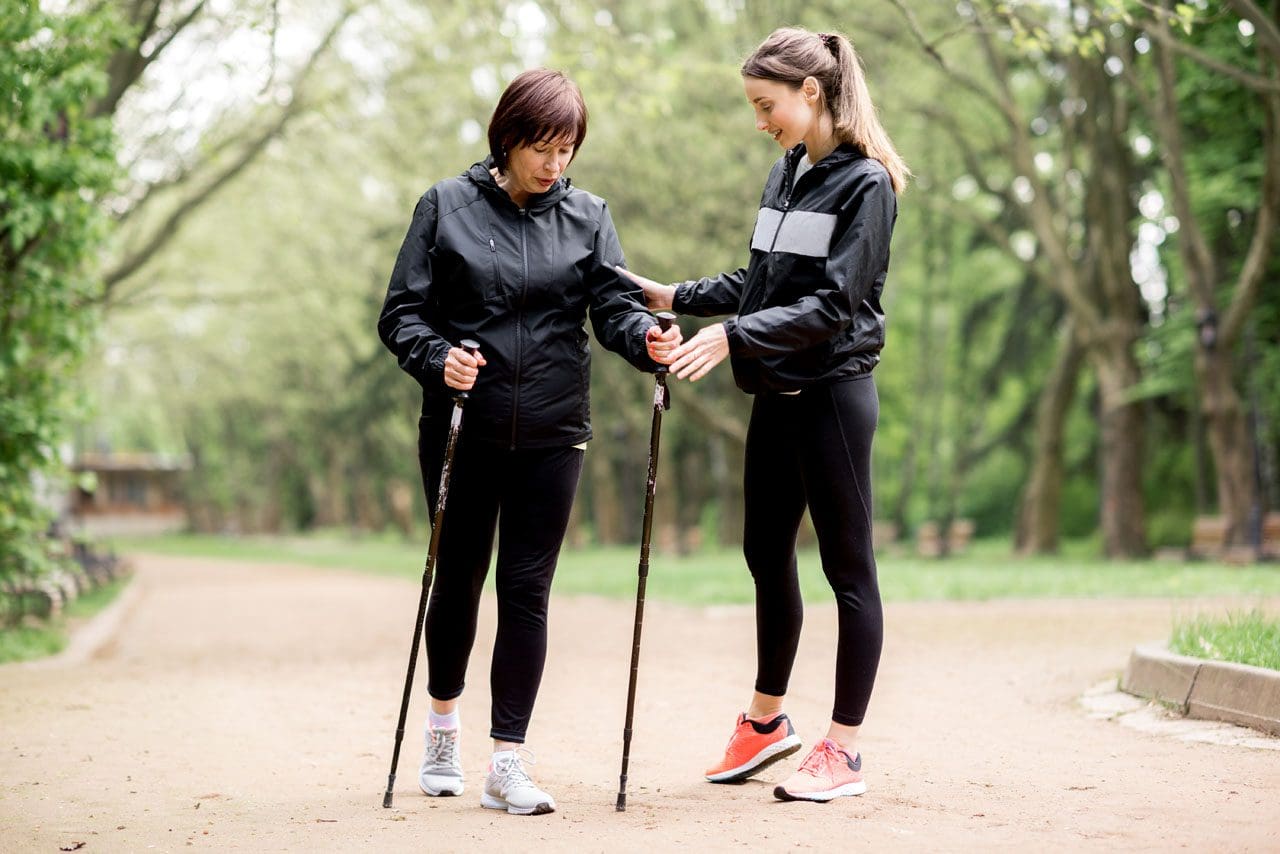
Beginners should gradually build up walking time and speed.
A beginner’s walking plan starts with 15 minutes daily, five days a week, and continued improvement in walking technique.
Increase walking time by 5 minutes per session each week.
Increasing Walking Intensity
If the heart rate is still below 60% of the maximum heart rate, individuals need to intensify the workout to burn fat. Ways to do this include:
Adding Distance and Time
Make the walk longer to keep the body working harder and maintain a brisk pace. Adding additional minutes will burn additional stored fat. However, since not everyone has the time there are other options.
Picking Up The Pace
Even for a short walk, make a goal to perform faster than normal, walking faster using correct posture, arm motion, and a powerful stride. It can help to time the walking route and challenge yourself to complete it faster each time. One study looked at individuals walking 3.6 miles per hour, 4.1 mph, and 4.6 mph. Accelerating to 4.6 mph burned more than 50% more calories than going from 3.6 mph to 4.1 mph. (Schwarz, M. et al., 2006)
Adding Intervals
Intervals add intensity and also help increase the overall pace. The aforementioned strategies to walk faster incorporate intervals, where individuals increase their speed for a set distance or time, alternating with a slower pace. Research on individuals with diabetes found that those who did interval walking for four months lost six times as much weight as those who walked steadily. (Karstoft K. et al., 2013)
Adding Hills and/or Stairs
Incorporating hills or stair-climbing into some walking sessions helps you stay challenged and makes workouts more intense. If there is no access to outdoor hills or stairs, use a treadmill – start with a slight incline and work up to a steeper one, or get on a stair-stepping machine at the gym. There is no need to walk briskly on hills, as one study showed that walking slowly on an incline was an effective workout that didn’t cause knee joint stress, especially for obese individuals. (Haight, D. J. et al., 2014)
Switch Up Workouts
Mix up different walking workouts like intervals, short and fast walks, and long and moderate walks. Meditative, mindful walks also have stress-reducing benefits that help lower cortisol, which can contribute to weight gain. Individuals who can’t spend 45 continuous minutes walking make the most of the available time. Try and fit in two to four 15-minute walks at a brisk pace. It’s also recommended to include other types of moderate-intensity exercise and activities that include:
Bicycle riding on level terrain
Water aerobics
Using an elliptical trainer
Ballroom dancing
Gardening
Doubles tennis or pickleball
Challenge the body in new ways to burn fat, build muscle, and raise basal metabolic rate. With a boosted metabolism, the body burns more calories all day.
Sample Walking Workout
You can use a treadmill or walk outside. Make sure you have athletic shoes that are flat and flexible and have the proper support and cushioning for a long walk. Wear breathable clothing, which allows freedom of movement and wicks away sweat.
Warmup
Start with 5 to 10 minutes of easy walking, increasing speed gradually.
The warmup is important to burn stored blood sugar and deplete the ready energy stored in the muscles.
This signals the body that a longer exercise session is underway.
As a result, the body prepares to burn stored fat.
Pick Up The Speed
To burn fat, the body needs to be in the fitness zone, with a heart rate of 60% to 70% of the maximum heart rate.
Check heart rate every 10 minutes to stay in the zone.
Stay In The Fitness Zone
For 30 to 50 minutes or more.
If your heart rate dips, pick up the speed.
Cool Down
End with 5 to 10 minutes at an easier pace to cool down.
Injury Medical Chiropractic and Functional Medicine Clinic
Using an integrated approach to treat and prevent injuries and chronic pain syndromes, improve flexibility, mobility, and agility, and help individuals return to normal activities, Injury Medical Chiropractic and Functional Medicine Clinic works with primary healthcare providers, trainers, and specialists to develop a personalized fitness program. Each case is different and requires reviewing individual medical history and physical examination to determine the proper training plan. Dr. Jimenez has partnered with top trainers, clinical specialists, medical researchers, and rehabilitation providers to provide the most effective treatments and fitness training plans.
Weight Loss Techniques
References
Bairapareddy, K. C., Maiya, A. G., Kumar, P., Nayak, K., Guddattu, V., & Nayak, V. (2018). Effect of aerobic exercise on echocardiographic epicardial adipose tissue thickness in overweight individuals. Diabetes, metabolic syndrome and obesity : targets and therapy, 11, 303–312. https://doi.org/10.2147/DMSO.S145862
American Heart Association. (2024). American Heart Association Recommendations for Physical Activity in Adults and Kids. https://www.heart.org/en/healthy-living/fitness/fitness-basics/aha-recs-for-physical-activity-in-adults
American Heart Association. (2021). Target Heart Rates Chart. https://www.heart.org/en/healthy-living/fitness/fitness-basics/target-heart-rates
Carey D. G. (2009). Quantifying differences in the “fat burning” zone and the aerobic zone: implications for training. Journal of strength and conditioning research, 23(7), 2090–2095. https://doi.org/10.1519/JSC.0b013e3181bac5c5
Centers for Disease Control and Prevention. (2022). Measuring Physical Activity Intensity. Retrieved from https://www.cdc.gov/physicalactivity/basics/measuring/index.html
Schwarz, M., Urhausen, A., Schwarz, L., Meyer, T., & Kindermann, W. (2006). Cardiocirculatory and metabolic responses at different walking intensities. British journal of sports medicine, 40(1), 64–67. https://doi.org/10.1136/bjsm.2005.020198
Karstoft, K., Winding, K., Knudsen, S. H., Nielsen, J. S., Thomsen, C., Pedersen, B. K., & Solomon, T. P. (2013). The effects of free-living interval-walking training on glycemic control, body composition, and physical fitness in type 2 diabetic patients: a randomized, controlled trial. Diabetes care, 36(2), 228–236. https://doi.org/10.2337/dc12-0658
Haight, D. J., Lerner, Z. F., Board, W. J., & Browning, R. C. (2014). A comparison of slow, uphill and fast, level walking on lower extremity biomechanics and tibiofemoral joint loading in obese and nonobese adults. Journal of orthopaedic research : official publication of the Orthopaedic Research Society, 32(2), 324–330. https://doi.org/10.1002/jor.22497
For individuals who are feeling back pain, neck pain, or shoulder pain, can using postural techniques help decrease pain and develop strategies to maintain correct posture?
Maintaining Correct Posture
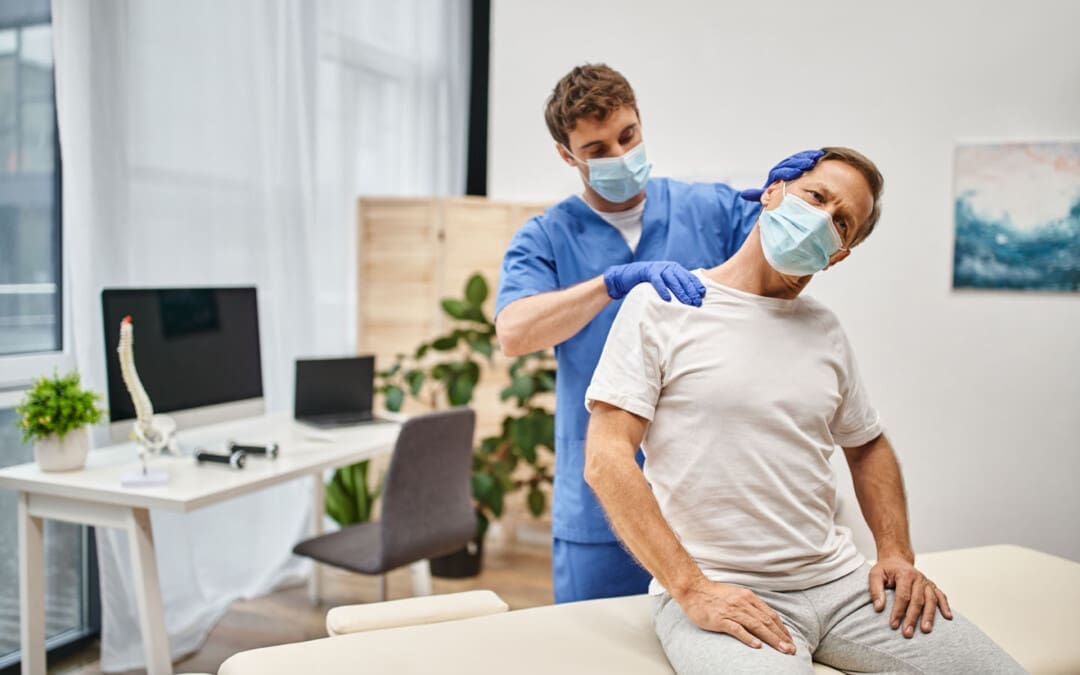
Exercise and postural correction are two of the most important strategies to manage pain. (Robin McKenzie, the great spine guru PT, (May S. and Donelson R. 2008) However, it is not easy to maintain correct posture as the day progresses. While working or driving, most of us forget to be mindful of our posture; we slip back into unhealthy habits of sitting slouched, to the side, forward, etc, which often leads to continued pain and movement limitations. Studies on postural correction and its effect on overall back or neck pain levels are limited. (Lederman E. 2011) However, some studies show that a forward-head posture increases stress and load on the neck. (Hansraj K. K. 2014) If an individual has pain that improves with sitting upright, perhaps checking posture as the day progresses could be beneficial. There are ways to start changing posture and maintain the change. First, visit a physical therapist, spine specialist, or chiropractor to learn how to sit or stand to manage posture problems. They can teach individuals how to attain healthy posture and manage their condition. These strategies can then be used to maintain correct posture.
Lumbar Support
A lumbar roll/support is one of the simplest ways to attain and maintain a healthy sitting posture. These specialized pillows can help maintain the forward curve in the lower back. Maintaining the lumbar lordosis curve is essential for keeping stress off the back muscles, joints, and discs. Lumbar support pillows can be found in various stores, office supply stores, or purchased online. A physical therapist PT can help train individuals to use a lumbar roll properly.
Utilize the Slouch Overcorrect Exercise
The slouch overcorrect exercise is a simple maneuver for training the body to find and maintain its neutral position. It involves slowly shifting from a slouched position to an overcorrected postural position. Once posture is overcorrected, a slight relaxation from a fully erect posture will return to sitting properly. Practicing this exercise daily can help train the body to feel the muscles, listen to the body, and maintain proper posture. The muscles have memory, and the more often the body is placed in optimal posture, the muscles memorize their healthy, pain-free positioning.
Kinesiology Tape
Kinesiology tape is a flexible cotton adhesive that facilitates muscle contractions and inhibits muscle spasms and pain. (Han J. T. et al., 2015) Using the tape is a simple way to help facilitate the postural support muscles. The tape can be applied to the middle trapezius and rhomboid muscles to help support the shoulder blades and spine. Kinesiology tape for postural control also gently pulls on the muscles when slouching to remind the individual to sit up or stand straight.
Scapular Stabilization Exercises
A physical therapist or chiropractor can help improve posture through targeted exercises. Strengthening the muscles attached to the shoulder blades can help individuals better control their posture. (Shiravi S. et al., 2019) Exercises like the prone T, I, or Y can help improve the muscles’ neuromuscular recruitment to maintain correct posture.
Use an Alarm
Setting an alarm while working can help train the body to maintain correct posture. Most of us sit at a computer, desk, or workstation with proper posture, but depending on what we’re working on, we eventually slouch, lean to the side, or have a forward head posture. Pretty much all computers and phones have an alarm setting or app. Use the alarm or timer to go off every 20 to 30 minutes. When the alarm rings, look at your posture to recognize what you’re doing, get up and move around to stretch the body, sit and readjust, reset the alarm, and continue working. As you get better at maintaining appropriate posture, you won’t need the alarm anymore, and readjusting will become automatic.
Chiropractic Team
Sitting and standing with unhealthy posture can significantly cause back, neck, and shoulder pain. By visiting a chiropractic and physical therapy team and learning to attain and maintain correct posture, you can quickly relieve pain, resolve musculoskeletal issues, and prevent future pain symptoms. Injury Medical Chiropractic and Functional Medicine Clinic works with primary healthcare providers and specialists to develop a personalized care plan for each patient through an integrated approach to treating injuries and chronic pain syndromes, improving flexibility, mobility, and agility programs to relieve pain and help return to normal and optimal function. If other treatments are needed, Dr. Jimenez has teamed up with top surgeons, clinical specialists, medical researchers, and rehabilitation providers to provide the most effective treatments.
Scapular Winging In-Depth
References
May, S., & Donelson, R. (2008). Evidence-informed management of chronic low back pain with the McKenzie method. The spine journal : official journal of the North American Spine Society, 8(1), 134–141. https://doi.org/10.1016/j.spinee.2007.10.017
Lederman E. (2011). The fall of the postural-structural-biomechanical model in manual and physical therapies: exemplified by lower back pain. Journal of bodywork and movement therapies, 15(2), 131–138. https://doi.org/10.1016/j.jbmt.2011.01.011
Hansraj K. K. (2014). Assessment of stresses in the cervical spine caused by posture and position of the head. Surgical technology international, 25, 277–279.
Han, J. T., Lee, J. H., & Yoon, C. H. (2015). The mechanical effect of kinesiology tape on rounded shoulder posture in seated male workers: a single-blinded randomized controlled pilot study. Physiotherapy theory and practice, 31(2), 120–125. https://doi.org/10.3109/09593985.2014.960054
Shiravi, S., Letafatkar, A., Bertozzi, L., Pillastrini, P., & Khaleghi Tazji, M. (2019). Efficacy of Abdominal Control Feedback and Scapula Stabilization Exercises in Participants With Forward Head, Round Shoulder Postures and Neck Movement Impairment. Sports health, 11(3), 272–279. https://doi.org/10.1177/1941738119835223
For individuals dealing with headaches, can utilizing self-care techniques help ease symptoms?
Headaches Self Care
There are different self-pain-relieving approaches to ease headache-related pain that use non-medication options. While headache self-care pain-relieving techniques can help temporarily, they are recommended to help ease headache symptoms until professional treatment is available. Individuals are encouraged to try multiple strategies to find the right treatment regimen that works for them, which is usually a process of trial and error. Self-care headache relief maneuvers can include temple massages, breathing exercises, exercise, or applying a cold pack to the head.
Self-Care Relief
Commonly used for tension headaches or migraine, a few examples of self-care techniques include (Espí-López G. V. et al., 2016)
Massaging the temples, neck, or scalp with the hand, fingers, or a massage tool.
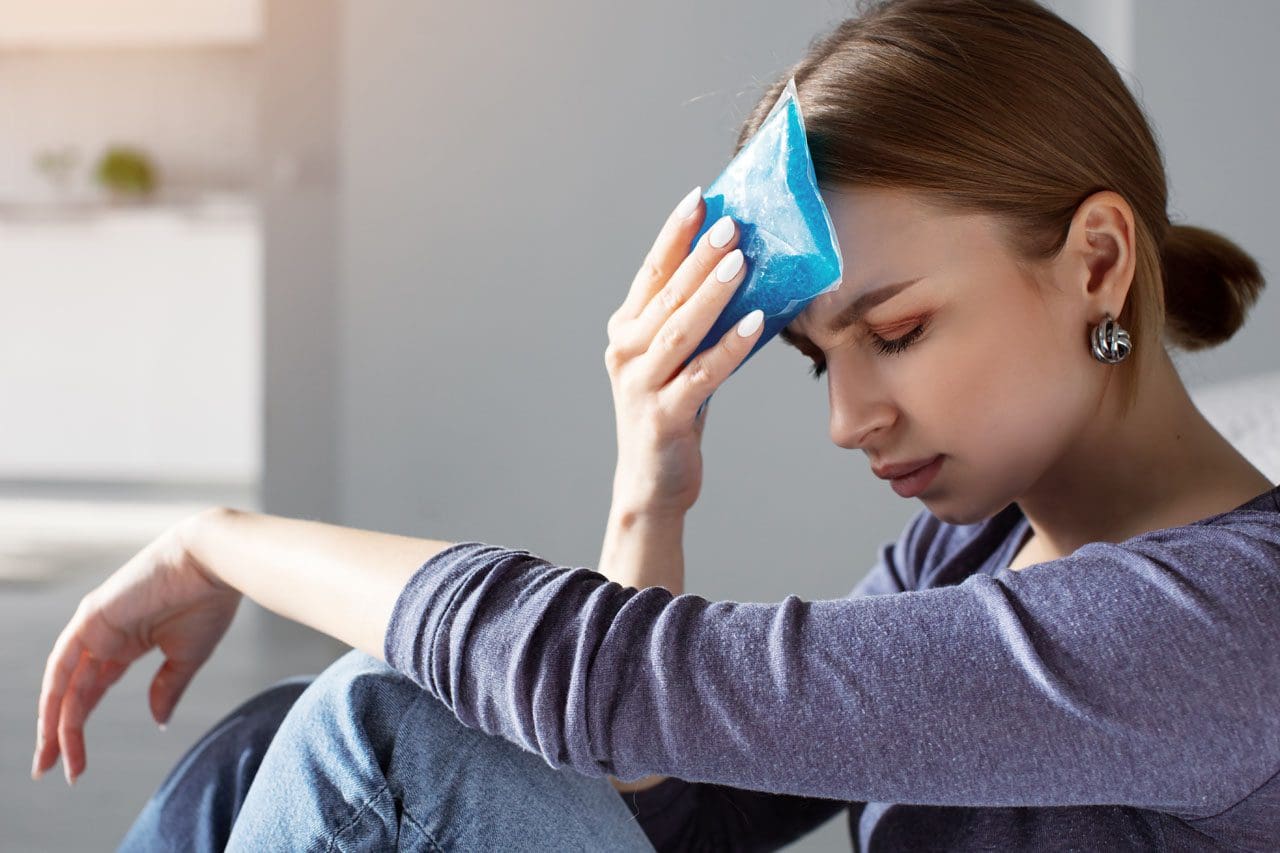
Applying a cold pack to the affected area.
Heat can be used on the affected area, like a headband or a hot shower.
Compression such as a handkerchief or belt wrapped tightly around the head or pressing firmly on the painful area.
Compression is more commonly utilized in migraineurs versus scalp massage in people with tension headaches. This is often due to the throbbing sensation caused by a migraine versus a tension headache, which feels like a tight grip or band around the head.
Individuals with cluster headaches are more likely to utilize unique approaches, such as covering one ear, rotating the head, shallow breathing, moving around, or closing the nostril on the same side as the head pain.
Various scientific studies support the potential benefit of these complementary therapies. However, individuals should talk with a healthcare provider to choose the best strategy for their headache type and their unique needs/goals. Working with a chiropractic team can help expedite healing. Injury Medical Chiropractic and Functional Medicine Clinic works with primary healthcare providers and specialists to develop a customized treatment plan through an integrated approach to treating injuries and chronic pain syndromes, improving flexibility, mobility, and agility, relieving pain, and helping individuals return to normal activities. If other treatments are needed, Dr. Jimenez has teamed up with top surgeons, clinical specialists, medical researchers, and rehabilitation providers to provide the most effective treatments.
Tension Headaches and Chiropractic Care
References
Espí-López, G. V., Zurriaga-Llorens, R., Monzani, L., & Falla, D. (2016). The effect of manipulation plus massage therapy versus massage therapy alone in people with tension-type headache. A randomized controlled clinical trial. European journal of physical and rehabilitation medicine, 52(5), 606–617.
Millstine, D., Chen, C. Y., & Bauer, B. (2017). Complementary and integrative medicine in the management of headache. BMJ (Clinical research ed.), 357, j1805. https://doi.org/10.1136/bmj.j1805
Competitive swimmers, recreational, and swimming enthusiasts who experience pinching and sharp shoulder pain while swimming may suffer from shoulder impingement. Can understanding symptoms can help healthcare providers develop an effective treatment program?
Swimmer’s Shoulder
Swimmer’s shoulder, medically known as rotator cuff impingement syndrome, is a common injury among swimmers. It can limit swimming ability and normal arm use for functional tasks. It is caused by persistent and abnormal rubbing and pinching of the structures in the shoulder, causing pain and irritation of the shoulder’s rotator cuff tendons and the bursa. The injury affects 40% to 90% of swimmers at some point. (Wanivenhaus F. et al., 2012) Self-care treatment involves rest, anti-inflammatory medication, and exercise to restore normal shoulder mobility. Most cases resolve within a few months, but physical therapy may be needed along with continued exercises and stretches to maintain pain relief.
Anatomy
The shoulder is a complex joint with extreme mobility. It is comprised of three bones:
The scapula or shoulder blade.
The clavicle or collar bone.
The humerus or upper arm bone.
These three bones combine at various places to make up the joint. Several muscles attach to and move the joint. (Kadi R. et al., 2017) The rotator cuff is one group of four muscles deep in the shoulder surrounding the joint. When lifting the arm, these muscles contract to hold the ball in the joint’s socket, allowing the arm to be raised in a fluid and smooth motion. Several ligaments hold the shoulder joint together and connect the various bones of the shoulder, giving the joint stability when moving. (Kadi R. et al., 2017)
Shoulder pain when bearing weight through the arm.
Symptoms tend to be worse during or immediately after swimming.
This is due to the position of the arms and upper extremities while swimming. (Wanivenhaus F. et al., 2012) Reaching overhead and turning the hand inward can cause the rotator cuff tendons or shoulder bursa to become pinched underneath the acromion process of the shoulder blade, similar to the motion that occurs during the crawl or freestyle stroke. When pinching/impingement occurs, the tendons or bursa can become inflamed, leading to pain and difficulty with normal arm use. (Struyf F. et al., 2017) The condition may also occur due to the laxity of the shoulder ligaments. (Wanivenhaus F. et al., 2012) It is theorized that the ligaments in swimmers become stretched and lax, leading to shoulder joint instability. This can cause the shoulder joint to become loose and compress the shoulder structures.
Diagnosis
A clinical examination can diagnose cases of swimmer’s shoulder. (Wanivenhaus F. et al., 2012) The exam can include:
Palpation
Strength test
Specialized tests
One shoulder test that is often used is called Neer’s test. A physician elevates the arm overhead to the maximum degree during this examination. If this results in pain, the rotator cuff tendons may be compressed, and the test is positive. Individuals may begin treatment after the examination, but a doctor may also refer them for diagnostic testing. An X-ray may be taken to examine the bone structures, and an MRI may be used to examine the soft tissue structures, such as the rotator cuff tendons and the bursa.
Treatment
Appropriate treatment of swimmer’s shoulder involves managing pain and inflammation in your shoulder and improving the way your shoulder moves so you avoid pinching structures inside the joint. (Wanivenhaus F. et al., 2012) There are various treatments available and can include:
Rest
Physical therapy
Acupuncture
Non-surgical decompression
Targeted exercises and stretches
Medications
Injections
Surgery for serious cases
Physical Therapy
A physical therapist can treat shoulder impingement. They can assess the condition and prescribe treatments and exercises to improve mobility and strength. (Cleveland Clinic, 2023) They may use various treatment modalities to decrease pain and improve circulation to facilitate and expedite healing. Physical therapy treatments can include:
Ice
Heat
Trigger point release
Joint mobilizations
Stabilization
Stretching
Exercise
Electrical stimulation
Ultrasound
Taping
Medication
Medication may include over-the-counter anti-inflammatory medicine to help decrease pain and inflammation. A physician may prescribe stronger medication to manage inflammation if the condition is severe. While taking medication, the shoulder will need rest, so avoiding swimming or other shoulder movements for a week or two may be necessary.
Injections
Cortisone is a powerful anti-inflammatory medicine. Individuals may benefit from cortisone injections into their shoulders. (Wanivenhaus F. et al., 2012) When injected, cortisone decreases pain, reduces swelling in the rotator cuff and bursa, and improves shoulder mobility.
Surgery
If symptoms are persistent and fail to be alleviated with conservative treatments, surgery may be recommended. An arthroscopic procedure called subacromial decompression may be performed. (Cleveland Clinic, 2023) This type of surgery is done with small incisions, inserting a camera, and tiny tools. During this procedure, inflamed tissue and bone spurs are removed from the underside of the acromion process of the shoulder blade, allowing more space to the shoulder joint. Post-surgery, individuals can gradually return to swimming and all other activities in about eight weeks.
Recovery
Most episodes last about eight to ten weeks, and severe cases last up to three months. (Struyf F. et al., 2017) Often, the symptoms slowly resolve with rest and gentle stretching. As symptoms improve, individuals can slowly return to normal activity and swimming. However, performing prescribed exercises two to three times a week may be necessary to maintain shoulder strength and mobility and help prevent future episodes of shoulder impingement. Individuals experiencing any of these symptoms should visit their physician for an accurate diagnosis of their condition to begin proper treatment. Discuss goals with a healthcare professional and physical therapist.
Sports Injuries Rehabilitation
References
Wanivenhaus, F., Fox, A. J., Chaudhury, S., & Rodeo, S. A. (2012). Epidemiology of injuries and prevention strategies in competitive swimmers. Sports health, 4(3), 246–251. https://doi.org/10.1177/1941738112442132
Kadi, R., Milants, A., & Shahabpour, M. (2017). Shoulder Anatomy and Normal Variants. Journal of the Belgian Society of Radiology, 101(Suppl 2), 3. https://doi.org/10.5334/jbr-btr.1467
Struyf, F., Tate, A., Kuppens, K., Feijen, S., & Michener, L. A. (2017). Musculoskeletal dysfunctions associated with swimmers’ shoulder. British journal of sports medicine, 51(10), 775–780. https://doi.org/10.1136/bjsports-2016-096847
Can incorporating stretches and exercises help relieve pain and provide more support for individuals with knee pain?
Knee Strengthening
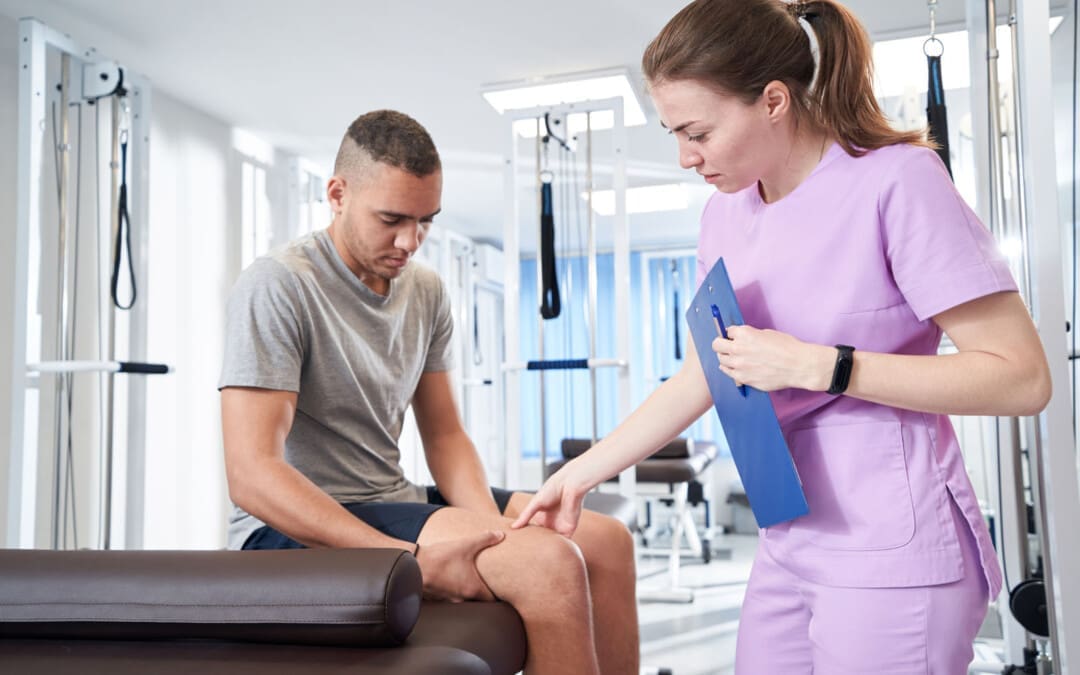
The knee is the largest joint connecting the shin and thigh bones. Its cartilage, muscles, ligaments, and nerves all play a role in maintaining the joint’s health and movement. Individuals of all ages can experience knee pain, but it is more common in those with labor-intensive jobs, arthritis, and athletes. A healthcare provider will prescribe targeted stretches and exercises for individuals with pain, inflammation, or a health disorder that affects the strength of their knees to relieve knee pain while strengthening the muscles around the joint. Knee stretches and exercises are great for those with sore knees and knee pain or stiffness, but they can also be used as preventative medicine.
Exercise Benefits
Doing knee-strengthening exercises can significantly improve joint health. The benefits associated with exercises include (Zeng C. Y. et al., 2021)
Avoid curving the spine to get closer to the thigh during the stretch. The key is not how far you can bend down but getting a deep stretch. Individuals not yet flexible enough to go all the way down should bend until comfortable but can still feel the stretch in their hamstrings. With practice and time, flexibility will improve. This stretch should be felt in the hamstrings.
Step Exercises
Step exercises, or step-ups, involve using a platform at least 6 inches high. To perform the exercise:
Put one foot onto the platform and use that leg to lift the other foot off the floor.
Hold the position with the foot hanging loosely for 3 to 5 seconds, then place the foot back on the floor.
Avoid locking the knees when stepping up on the platform. Locking the knees switches off the muscles that need strengthening (American Academy of Orthopaedic Surgeons, 2009). Step exercises work out various areas of the leg. Individuals should feel this exercise in the thigh, hip, and buttocks.
Post-Exercise Stretching
Post-exercise stretching is vital in physical rehabilitation and strengthening. Stretching after exercise, individuals can (Afonso J. Clemente. et al., 2021)
Relieve and reduce soreness.
Expedite recovery times.
Increase range of motion.
Strengthen the knees more quickly and effectively.
Post-exercise stretches for knee pain and weakness can include:
Quadricep Stretch
This stretch targets the quad muscles located in the thighs. To perform this stretch:
Stand with the feet planted flat on the floor, spaced the same width as the shoulders.
Bending the left knee, grab the foot with the left hand and pull the heel toward the buttocks.
Hold for 5 to 10 seconds.
Repeat on both sides.
What to Avoid
There is no need to pull the heel too far into the buttocks. The goal is to feel a deep stretch. Pushing it too far can lead to injury. (Lee J. H. et al., 2021)
Toe Touches
Toe touches will help stretch calve muscles and hamstrings. To perform this stretch:
Sit on the floor with the legs straight out in front.
Bend the body over the legs at the hips, reaching for the toes in front while maintaining a straight back.
Relax the shoulders and keep them away from the ears.
Once touching the toes, hold the stretch for 15 seconds.
What To Avoid
Individuals who cannot yet touch their toes should perform the same steps and reach only as far as is comfortably possible. Over time, flexibility will improve. (Lee J. H. et al., 2021)
Injury Medical Chiropractic Clinic
These are examples of exercises and stretches that a physical therapy and chiropractic team may prescribe. Each case is different and requires reviewing individual medical history and physical examination to determine the proper treatment program. Injury Medical Chiropractic and Functional Medicine Clinic works with primary healthcare providers and specialists to develop a personalized treatment program through an integrated approach to treating injuries and chronic pain syndromes, improving flexibility, mobility, and agility to relieve pain and help individuals return to normal activities. If other treatments are needed, Dr. Jimenez has teamed up with top surgeons, clinical specialists, medical researchers, and rehabilitation providers to provide the most effective treatments.
Knee Pain Rehabilitation
References
Zeng, C. Y., Zhang, Z. R., Tang, Z. M., & Hua, F. Z. (2021). Benefits and Mechanisms of Exercise Training for Knee Osteoarthritis. Frontiers in physiology, 12, 794062. https://doi.org/10.3389/fphys.2021.794062
American Academy of Orthopaedic Surgeons. OrthoInfo. (2009). Knee exercises. https://orthoinfo.aaos.org/en/staying-healthy/knee-exercises/
Kothawale S. and Rao K. (2018). Effectiveness of positional release technique versus active release technique on hamstrings tightness. Int J Physiother Res., 6(1), 2619-2622. https://doi.org/https://dx.doi.org/10.16965/ijpr.2017.265
Wang, H., Ji, Z., Jiang, G., Liu, W., & Jiao, X. (2016). Correlation among proprioception, muscle strength, and balance. Journal of physical therapy science, 28(12), 3468–3472. https://doi.org/10.1589/jpts.28.3468
Afonso, J., Clemente, F. M., Nakamura, F. Y., Morouço, P., Sarmento, H., Inman, R. A., & Ramirez-Campillo, R. (2021). The Effectiveness of Post-exercise Stretching in Short-Term and Delayed Recovery of Strength, Range of Motion and Delayed Onset Muscle Soreness: A Systematic Review and Meta-Analysis of Randomized Controlled Trials. Frontiers in physiology, 12, 677581. https://doi.org/10.3389/fphys.2021.677581
Lee, J. H., Jang, K. M., Kim, E., Rhim, H. C., & Kim, H. D. (2021). Effects of Static and Dynamic Stretching With Strengthening Exercises in Patients With Patellofemoral Pain Who Have Inflexible Hamstrings: A Randomized Controlled Trial. Sports health, 13(1), 49–56. https://doi.org/10.1177/1941738120932911
Can understanding the causes and symptoms of potential hip tendonitis help healthcare providers diagnose and treat the condition for individuals experiencing pain in the front of the hip with restricted hip flexibility that worsens during movement?
Hip Tendonitis
Hip tendonitis is inflammation of the iliopsoas tendon. It is most commonly caused by overuse of the hip flexors without adequate rest for recovery. The condition can occur when the hip muscles overpower the tendons attached to the hip bone, causing inflammation and irritation. This can lead to pain, tenderness, and mild swelling near the hip joint. Hip tendonitis can be diagnosed with a physical examination, and treatment can include:
Rest
Ice
NSAIDs
Stretching
Physical therapy
Chronic cases may require a cortisone injection into the iliopsoas tendon to decrease inflammation.
Surgical release of the iliopsoas tendon may be recommended to decrease tightness and pain.
There is a high prognosis for a full recovery.
Tendonitis
Inflammation in a muscle’s tendon leads to pain and tenderness that worsens the more the muscle is used. An overuse injury means the tendon becomes repeatedly stressed through repetitive muscle contractions, causing muscle and tendon fibers to micro-tear. If not enough rest is allowed for the micro-tears to heal, a chronic cycle of pain and inflammation develops within the affected tendon. Other tendons that are prone to developing the condition include:
The tendon of the wrist extensors/tennis elbow.
The tendon of the wrist flexors/golfer’s elbow.
The Achilles’ tendon/Achilles tendonitis.
The patellar tendon/jumper’s knee.
The tendons of the thumb/De Quervain’s tenosynovitis.
Bursitis
Bursae are small fluid-filled sacs that help cushion and decrease friction around joints.
Because the iliopsoas tendon overlays bursae, inflammation of the tendon can also cause bursitis or inflammation of the bursae surrounding the tendon.
Tendonitis and bursitis can and often occur together due to overlapping symptoms.
Causes
The iliopsoas originates in the pelvis and vertebrae of the lower spine and attaches to the top of the femur or thigh bone. It allows the hip joint movement that brings the leg closer to the front of the body, like lifting the leg to step up or jump. It also helps keep the torso stable when standing with one or both feet on the ground and rising from a lying position. Hip tendonitis most often results from physical activities that require repeated leg lifting when stepping, running, kicking, or jumping. This can include:
Running
Dancing
Gymnastics
Martial arts
Cycling
Playing soccer
Iliopsoas tendonitis can also occur after hip arthroscopy, a minimally invasive surgical procedure to repair structures inside the hip joint because of altered joint movement and muscle activation patterns after surgery. (Adib F. et al., 2018)
Symptoms
The primary symptoms of hip tendonitis include a soreness or deep ache in the front of the hip that worsens after physical activity and limits the range of motion because of the pain. Other symptoms include:
Tenderness to touch in the front of the hip.
The pain can feel like a dull ache.
Stiffness may also be present.
Hip flexor tightness.
Altered posture, with the pelvis rotated forward and an exaggerated curve in the lower back.
Lower back pain.
Discomfort after prolonged sitting.
Altered walking pattern characterized by shortened steps.
Diagnosis
Hip tendonitis is diagnosed through a physical examination and medical history reviews of individual symptoms.
Individuals may also have an X-ray of their hip performed to examine the joint alignment and determine if a fracture or arthritis is present.
Treatment
Initial treatment involves rest from physical activities, applying ice, and gentle stretching.
Nonsteroidal anti-inflammatory drugs/NSAIDs can ease pain and swelling, decrease inflammation, and reduce muscle spasms.
If chronic pain persists, individuals may receive a cortisone injection into their iliopsoas tendon. (Zhu Z. et al., 2020)
A personalized physical therapy program focusing on hip flexor stretching and strengthening, as well as strengthening the glutes and core, will help expedite an optimal recovery.
Surgery
For cases that do not improve after three months of treatment, surgery to lengthen the iliopsoas tendon, a procedure known as a tenotomy, may be performed. It involves making a small cut into a portion of the tendon, allowing the tendon to increase in length while decreasing tension as it heals back together. A tenotomy temporarily reduces the strength of the iliopsoas; however, this weakness usually resolves within three to six months after surgery. (Anderson C. N. 2016)
Chiropractic Care
Chiropractic care can be an effective treatment because it can help restore proper alignment and motion in the hip, reduce inflammation, and improve muscle and joint function. Treatments may include:
Spinal adjustments to realign the spine and other joints, reducing pressure on nerves and inflammation.
Non-surgical decompression
Manual therapy – massage, trigger point therapy, or spinal manipulation.
Acupuncture
Graston technique
Rehabilitative exercises like stretching, strengthening, and range of motion exercises.
Tendonitis generally has an excellent prognosis for full recovery as long as thorough rest from activities is taken to allow the inflamed tendon to heal. The postsurgical prognosis is positive for chronic and severe cases of iliopsoas tendonitis that require surgery.
Injury Medical Chiropractic and Functional Medicine Clinic works with primary healthcare providers and specialists to develop a customized treatment program through an integrated approach to treating injuries and chronic pain syndromes, improving flexibility, mobility, and agility to relieve pain and help individuals return to normal activities. If other treatments are needed, Dr. Jimenez has teamed up with top surgeons, clinical specialists, medical researchers, and rehabilitation providers to provide the most effective treatments.
Inflammation and Integrative Medicine
References
Adib, F., Johnson, A. J., Hennrikus, W. L., Nasreddine, A., Kocher, M., & Yen, Y. M. (2018). Iliopsoas tendonitis after hip arthroscopy: prevalence, risk factors and treatment algorithm. Journal of hip preservation surgery, 5(4), 362–369. https://doi.org/10.1093/jhps/hny049
Zhu, Z., Zhang, J., Sheng, J., Zhang, C., & Xie, Z. (2020). Low Back Pain Caused by Iliopsoas Tendinopathy Treated with Ultrasound-Guided Local Injection of Anesthetic and Steroid: A Retrospective Study. Journal of pain research, 13, 3023–3029. https://doi.org/10.2147/JPR.S281880
Anderson C. N. (2016). Iliopsoas: Pathology, Diagnosis, and Treatment. Clinics in sports medicine, 35(3), 419–433. https://doi.org/10.1016/j.csm.2016.02.009
IFM's Find A Practitioner tool is the largest referral network in Functional Medicine, created to help patients locate Functional Medicine practitioners anywhere in the world. IFM Certified Practitioners are listed first in the search results, given their extensive education in Functional Medicine