Can knowing about the health benefits of hot yoga help individuals decide if it is right for them?
Hot Yoga
The body has a system for ridding itself of what it can’t use or doesn’t need, called toxins. Individuals may have heard that they can sweat out toxins by doing various hot yoga styles. Hot yoga, practiced in a heated room, has become popular. The standard room temperature is around 105 degrees Fahrenheit with 40% humidity. (Mayo Clinic 2020) Because of the temperatures, hot yoga is not for everyone, and those with heart problems or dizziness are recommended to stick with regular classes. However, the detoxification medical benefits may not be there, or there is still insufficient research to confirm.
Body Detoxification
Broken down by the liver, the toxins in the blood or bile are filtered in the kidneys or intestines and removed in urine or stool. (Boyer J. L. 2013) Sweat is not part of the removal equation. The function of sweat is to cool the body down when it becomes overheated. This can happen during strenuous activity, when overdressed, or in summer. Sweat comprises primarily water with trace amounts of urea, lactic acid, and minerals. (Baker L. B. 2019) Except for water, none of the products in sweat are excreted in large enough quantities to alter or improve metabolic function. The sodium excreted in sweat is quickly re-absorbed through the skin’s epithelial sodium channels, which does little to alter the sodium levels in the blood. (Hanukoglu I. et al., 2017)
Environmental Toxins
The body is exposed to all sorts of toxins daily, including pollution and pesticides in the air, preservatives in our foods, and detergents and cosmetics on our skin. (Hunt P. 2011) Sweat-based exercise to remove these toxins is still unfounded.
Sweating In Hot Yoga
Many think that sweating in a hot yoga class will cleanse the alcohol or unhealthy foods. Yoga won’t help sweat these things out, but the practice still provides benefits that help burn some fat from the calories consumed. Exercising helps burn fat regardless of the temperature of the surroundings. (Swift, D. L. et al., 2014) The benefits include:
Increased circulation to deliver more oxygenated blood to the muscles.
Improved muscle tone and flexibility.
Stress relief.
Instead of sweating out the toxins, minimize exposure by eating a healthy, balanced diet, using natural products, and reading the labels of products placed on or in the body.
Injury Medical Chiropractic and Functional Medicine Clinic works with primary healthcare providers and specialists to develop an optimal health and wellness program that fully benefits the individual to get back to normal. Using an integrated approach to treat injuries and chronic pain syndromes, the ability to relieve pain is improved through flexibility, mobility, and agility programs. Our providers create personalized care plans for each patient, including Functional Medicine, Acupuncture, Electro-Acupuncture, and Sports Medicine. If other treatment is needed, Dr. Jimenez has teamed up with top surgeons, clinical specialists, medical researchers, and rehabilitation providers to provide the most effective treatments.
Body Signals Decoded
References
Mayo Clinic. (2020). What is hot yoga? Mayo Clinic Orthopedics and Sports Medicine. https://sportsmedicine.mayoclinic.org/news/what-is-hot-yoga/
Boyer J. L. (2013). Bile formation and secretion. Comprehensive Physiology, 3(3), 1035–1078. https://doi.org/10.1002/cphy.c120027
Baker L. B. (2019). Physiology of sweat gland function: The roles of sweating and sweat composition in human health. Temperature (Austin, Tex.), 6(3), 211–259. https://doi.org/10.1080/23328940.2019.1632145
Hanukoglu, I., Boggula, V. R., Vaknine, H., Sharma, S., Kleyman, T., & Hanukoglu, A. (2017). Expression of epithelial sodium channel (ENaC) and CFTR in the human epidermis and epidermal appendages. Histochemistry and cell biology, 147(6), 733–748. https://doi.org/10.1007/s00418-016-1535-3
Hunt P. (2011). Toxins all around us. Exposure to the chemicals in everyday objects poses a hidden health threat. Scientific American, 305(4), 14.
Swift, D. L., Johannsen, N. M., Lavie, C. J., Earnest, C. P., & Church, T. S. (2014). The role of exercise and physical activity in weight loss and maintenance. Progress in cardiovascular diseases, 56(4), 441–447. https://doi.org/10.1016/j.pcad.2013.09.012
Can incorporating tonic water benefit individuals who want to drink more water?
Tonic Water
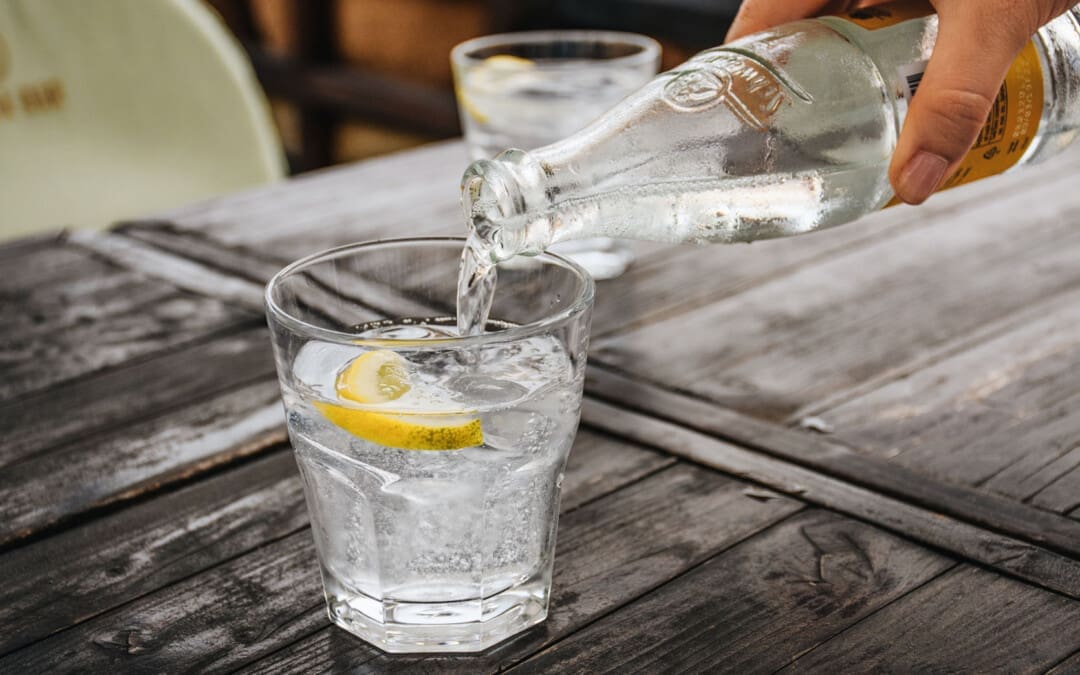
Tonic water is more than just water. Its bitter taste comes from quinine, a natural substance found in the bark of the Peruvian cinchona tree. Most store-bought tonic water contains quinine, with natural or artificial flavors from fruits or herbs to temper the bitterness, varying from brand to brand.
Tonic water calories can be high. Some brands can have up to 114 calories per bottle. The reason is they use a sweetener. Some brands have a diet version with zero calories and no sugar but may contain more sodium.
Fats and Protein
There is no fat or protein in tonic water.
Sugar
Some brands use high fructose syrup, while others use cane sugar or sugar from the other ingredients. For example, adding an alcoholic ingredient to make a tonic cocktail can significantly increase the calorie count.
Sodium
Depending on the variety and the amount drunk, tonic water can be a source of sodium. However, sodium intake should be 1500 milligrams per day.
Carbohydrates
There are 33 grams of carbohydrates per serving with the estimated glycemic load or the numerical value that estimates how much a food will raise an individual’s blood sugar to around four.
Micronutrients
There are no significant vitamins or minerals but a small amount of sodium, zinc, and copper.
Health
Quinine is FDA-approved in specific doses to treat malaria. However, the quinine in tonic water is less than prescribed for medicinal purposes. (Achan, J. et al., 2011) Some individuals have tried to use quinine for leg cramps. However, the FDA has warned that this is not recommended and can cause harm. (U.S. Food and Drug Administration. 2017)
Other Water Beverages
There are other water alternatives to reduce calories, sodium, and added sugar.
Seltzer
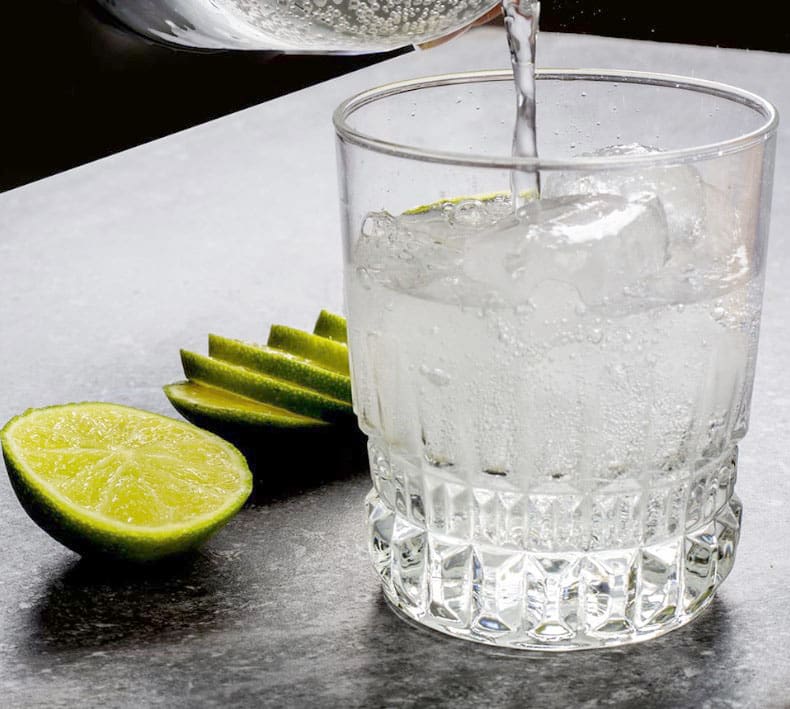
Seltzer is carbonated water, similar to club soda, with no calories or added sweeteners.
Add lemon or other fruit for flavor.
Mineral water
Mineral water tastes like seltzer, but the carbonation is usually natural.
Flavored water
Flavored water provides some nutrients and antioxidants from the vegetables and fruits.
It is a great alternative if the other options don’t work.
Allergies
It is possible to have an allergy to quinine that could cause a reaction when drinking tonic water. (Winter F. D., Jr. 2015) In these cases, the research suggests, the allergy may cause:
Individuals can make tonic water with online recipes using different herbs and flavors. Tonic water made at home may or may not be lower in calories than store-bought brands, but the ingredients can be controlled to create beverages that cater to personal tastes. Using tonic or sparkling water, keep the bottled water tightly capped and chilled to maintain carbonation and ready to serve.
Injury Medical Chiropractic and Functional Medicine Clinic focuses on and treats injuries and chronic pain syndromes through personalized care plans to restore health and function to the body through Nutrition and Wellness, Functional Medicine, Acupuncture, Electro-Acupuncture, and Sports Medicine protocols. If the individual needs other treatment, they will be referred to a clinic or specialist best suited for them, as Dr. Jimenez has teamed up with the top surgeons, clinical specialists, medical researchers, nutritionists, and health coaches to provide the most effective clinical treatments.
Learning About Food Substitutions
References
U.S. Department of Agriculture. FoodData Central. (2018). Beverages, carbonated, tonic water. Retrieved from https://fdc.nal.usda.gov/fdc-app.html#/food-details/171869/nutrients
Achan, J., Talisuna, A. O., Erhart, A., Yeka, A., Tibenderana, J. K., Baliraine, F. N., Rosenthal, P. J., & D’Alessandro, U. (2011). Quinine, an old anti-malarial drug in a modern world: role in the treatment of malaria. Malaria journal, 10, 144. https://doi.org/10.1186/1475-2875-10-144
U.S. Food and Drug Administration. (2017). FDA drug safety communication: New risk management plan and patient medication guide for Qualaquin (quinine sulfate). Retrieved from https://www.fda.gov/drugs/postmarket-drug-safety-information-patients-and-providers/fda-drug-safety-communication-new-risk-management-plan-and-patient-medication-guide-qualaquin
Howard, M. A., Hibbard, A. B., Terrell, D. R., Medina, P. J., Vesely, S. K., & George, J. N. (2003). Quinine allergy causing acute severe systemic illness: report of 4 patients manifesting multiple hematologic, renal, and hepatic abnormalities. Proceedings (Baylor University. Medical Center), 16(1), 21–26. https://doi.org/10.1080/08998280.2003.11927884
Winter F. D., Jr (2015). Immune thrombocytopenia associated with consumption of tonic water. Proceedings (Baylor University. Medical Center), 28(2), 213–216. https://doi.org/10.1080/08998280.2015.11929233
For wrestling athletes or those thinking about getting into the sport, can knowing about common injuries help in rehabilitation and prevention?
Wrestling Injuries
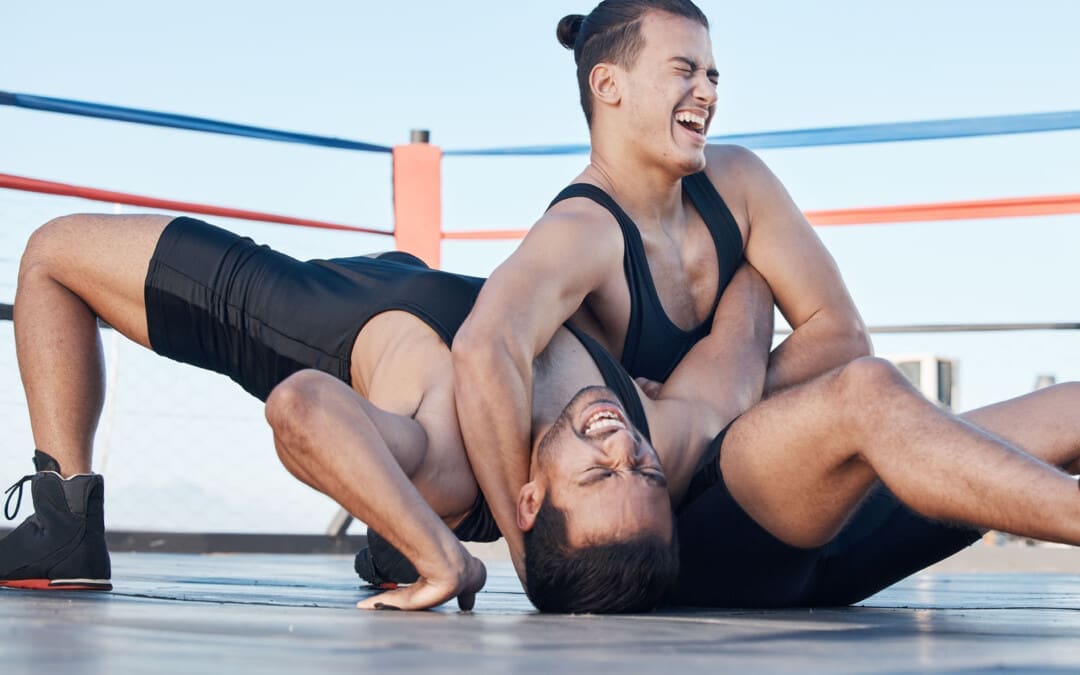
Wrestling is an intense and demanding sport. Studies have found that football and wrestling are the two high school sports with the highest risk of serious injury to athletes (Center for Injury Research and Policy, 2009). The injury rate for college wrestlers is 9 injuries per 1,000 athlete exposures. (Kroshus, E. et al., 2018) While most wrestling injuries include strains and sprains, there can also be serious traumatic and unusual injuries. Using proper safety gear and learning correct techniques can significantly reduce the risk of injuries. The majority occur during competition.
Common
The most common wrestling injuries are similar to those in other sports and include:
Muscle Soreness
Muscle soreness that is experienced 12 to 48 hours after an intense workout or competition.
Resting is often all that is needed to recover.
Bruises and Contusions
Sparring, take-downs, and hard landings can result in various bruises and contusions.
Sprains and Strains
Rest, ice, compression, and elevation are recommended to treat sprains and strains immediately.
Ankle Sprains
Ankle sprains occur when surrounding ligaments stretch and tear around the joint.
Wrist Sprains
Typically, it occurs when stretching or tearing the ligaments.
Falling or landing on the hands is a common cause.
Overtraining Syndrome
Frequently occurs in athletes who train beyond the body’s ability to recover.
Dehydration
When trying to make weight, dehydration can be a serious health problem that many wrestlers experience.
Other Injuries
Other injuries common in wrestling:
Wrist tendinitis
Finger fractures
Iliotibial band syndrome
Meniscus tears
Groin pull
Hamstring pull or tear
Pulled calf muscle
Achilles tendonitis
Achilles tendon rupture
Clavicle/Collarbone fracture
Concussion
Serious
The forcing of a joint beyond its normal range of motion is the most common cause of serious injuries. The most serious wrestling injuries affect the neck, shoulder, elbow, and knee and include:
Neck
The cervical vertebrae are often forced into vulnerable positions during various techniques and movements, which can result in a neck injury. Common types include:
Neck Strain
Whiplash
Cervical Fracture
Shoulder
A combination of leverage and twisting causes most upper body and shoulder injuries during competition. Types of shoulder injuries include:
Rotator cuff injury
Shoulder separation
Shoulder dislocation
Elbow Dislocation
Elbows are under tremendous strain when maneuvering.
Dislocations of the radial head are often related to the athlete bracing for a fall on an outstretched arm during take-downs.
Knee
Most knee injuries occur to the ligaments of the knee joint.
These include anterior and posterior cruciate ligament or ACL/PCL injuries.
Safety
Wrestling requires flexibility, strength, and proper technique to prevent injury, combined with thorough instruction and coaching and following basic safety precautions. Some tips include.
Safety Gear
Wear appropriate headgear and mouthguards during practices, meets, and tournaments.
Improving Joint Flexibility
Wrestlers with a high degree of shoulder flexibility have fewer injuries.
The flexibility of the lower back, hamstrings, elbows, and cervical spine should also be worked on.
Gain or Lose Weight Safely
Avoid dramatic weight loss and weight-gaining strategies by maintaining healthy nutrition and hydration during the season.
Avoiding Dangerous Holds and Slam Moves
Safe wrestling techniques need to be followed as these can generate severe injuries.
Regardless of how common or seemingly not serious an injury or medical condition is, it’s important to rest and recover and tell a coach and health care professional, as some injuries and conditions can become serious if left untreated. Injury Medical Chiropractic and Functional Medicine Clinic focuses on and treats injuries and chronic pain syndromes through personalized care plans that improve ability through flexibility, mobility, and agility programs to relieve pain. Our providers use an integrated approach to create personalized care plans for each patient, including Functional Medicine, Acupuncture, Electro-Acupuncture, and Sports Medicine principles. Our goal is to relieve pain naturally by restoring health and function to the body. If other treatment is needed, Dr. Jimenez has teamed up with top surgeons, clinical specialists, medical researchers, and rehabilitation providers to provide the most effective treatments.
Perseverance and Power
References
Nationwide Children’s Hospital. (2024). Center for Injury Research and Policy. https://www.nationwidechildrens.org/research/areas-of-research/center-for-injury-research-and-policy
Kroshus, E., Utter, A. C., Pierpoint, L. A., Currie, D. W., Knowles, S. B., Wasserman, E. B., Dompier, T. P., Marshall, S. W., Comstock, R. D., & Kerr, Z. Y. (2018). The First Decade of Web-Based Sports Injury Surveillance: Descriptive Epidemiology of Injuries in US High School Boys’ Wrestling (2005-2006 Through 2013-2014) and National Collegiate Athletic Association Men’s Wrestling (2004-2005 Through 2013-2014). Journal of athletic training, 53(12), 1143–1155. https://doi.org/10.4085/1062-6050-154-17
Can physical therapies help treat a high steppage gait from injury or medical conditions and restore normal gait patterns for individuals who have or are developing one?
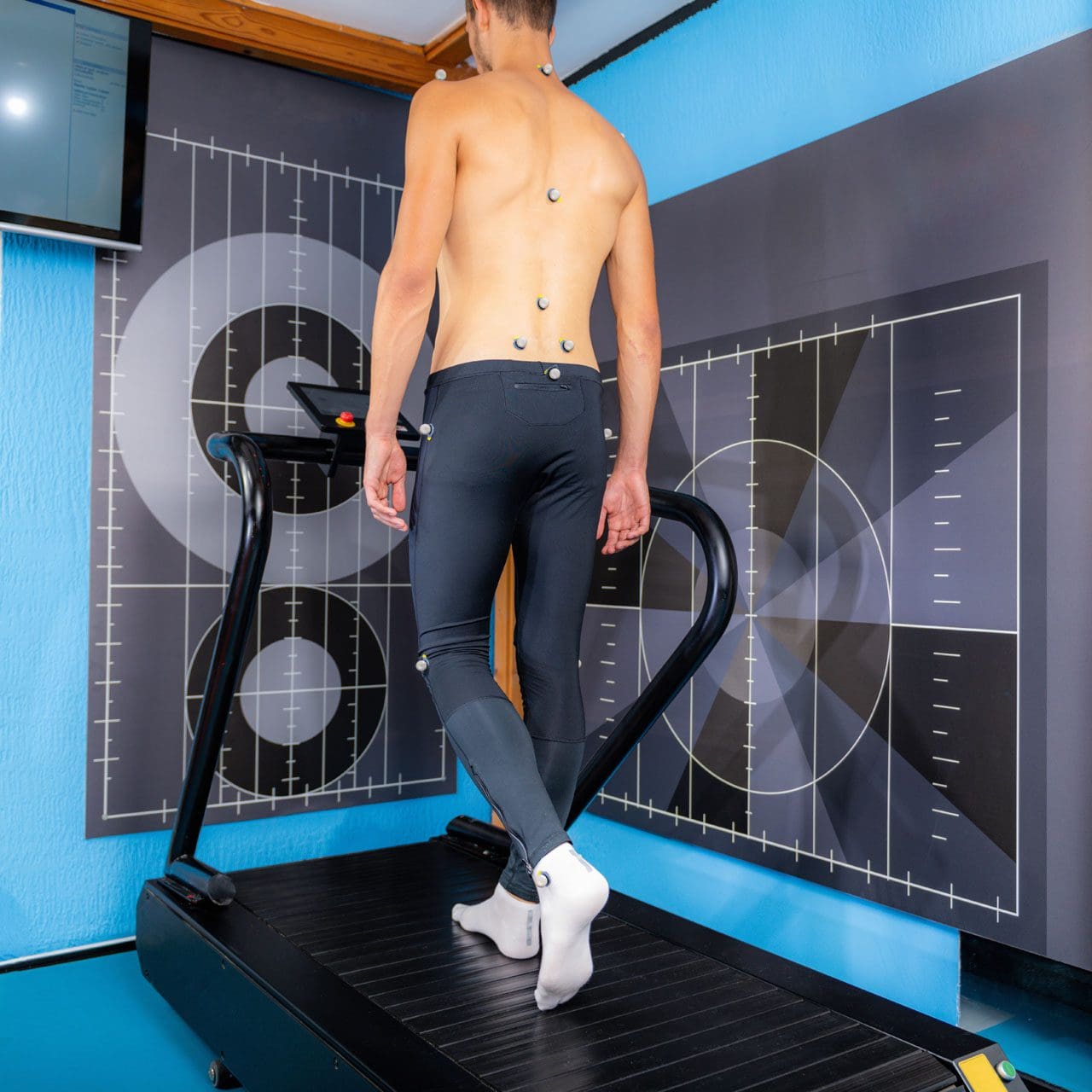
Walking or gait anthropometric analysis on a treadmill
Neuropathic Gait
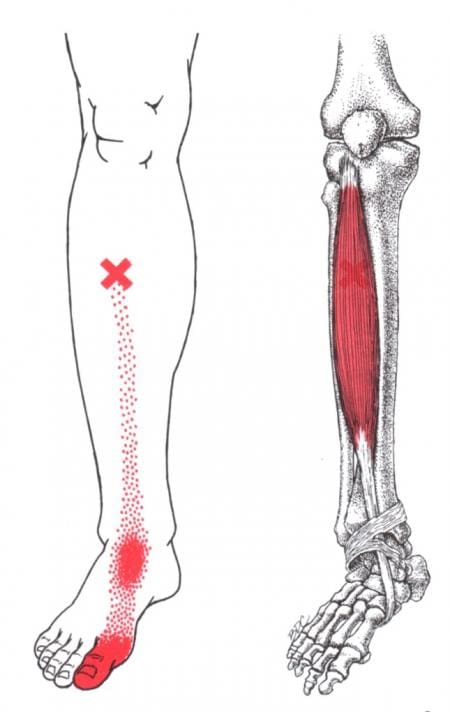
Neuropathic gait, aka equine or high steppage gait, is a type of walking abnormality that causes individuals to raise their hips to lift their legs higher than normal. It occurs when individuals have a foot drop or ankle equinus due to loss of dorsiflexion. As a result, the foot hangs with the toes pointing down, causing the toes to drag while walking. The foot may appear floppy when it drops. Foot drop is caused by weakness or paralysis of the anterior tibialis muscle in front of the shin bone. The anterior tibialis muscle contracts to help flex the foot and ankle while walking, ensuring the foot clears the floor and doesn’t drag. Individuals with anterior tibialis weakness or paralysis may have a neuropathic gait and excessively bend the hip and knee while stepping forward, lifting their leg high off the floor to clear the foot to avoid tripping. A physical therapy team can help with a high steppage gait pattern after illness or injury.
Causes
Conditions that can cause anterior tibialis weakness or paralysis and a high steppage gait pattern include:
Sciatica
Pain caused by compression or irritation of the sciatic nerve starts in the lower back and travels down the back of the leg. (McCabe, F. J., McCabe, J. P. 2016)
Peroneal Nerve Injury
Damage to the peroneal nerve branches from the sciatic nerve that help move the lower leg and foot. (Johns Hopkins Medicine. 2024)
Multiple Sclerosis
An autoimmune disease that damages nerve cells in the brain and spinal cord. (Taylor, P. N. et al., 2016)
Balance exercises will help improve overall proprioception, or the sense of the body’s position and movement.
Neuromuscular electrical stimulation, or NMES, can help improve the function of the muscle. (Hollis, S., McClure, P. 2017)
The electrical stimulation artificially contracts the muscle to restore proper function.
For anterior tibialis weakness caused by sciatica, back decompression exercises may be prescribed to relieve pressure off the sciatic nerve.
The exercises release the nerve to restore normal signal transmission up and down the nerve in the lower back.
Neuromuscular electrical stimulation may also be used to help improve muscle function.
Assistive Walking Devices
A therapist may suggest using an assistive device to help the patient walk properly. This could include a wheeled walker or a quad cane. A temporary solution to anterior tibialis weakness is to elevate the foot while walking with an elastic band. Tie a band around the leg below the knee and secure it around the ball of the foot. When swinging the leg forward, the band pulls the foot up. Using it as a temporary solution may help maintain safe mobility. Sometimes, paralysis of the anterior tibialis muscle can become permanent. In this case, individuals may benefit from a special brace called an ankle-foot orthosis. The brace helps to lift the foot and toes off the ground.
For individuals concerned about losing their balance and falling, there are ways to improve walking patterns to stay safe. A healthcare provider may recommend physical therapy to correct gait, strengthen the anterior tibialis muscle, improve balance, and educate on injury prevention. Individuals should discuss symptoms and conditions with a primary physician, healthcare provider, or specialist to guide them in the right direction and determine the best treatment.
Injury Medical Chiropractic and Functional Medicine Clinic uses an integrated approach personalized to the individual that focuses on what works for them and treats injuries and chronic pain syndromes through personalized care plans that improve ability through flexibility, mobility, and agility programs to relieve pain. If other treatment is needed, Dr. Jimenez has teamed up with top surgeons, clinical specialists, medical researchers, and rehabilitation providers to provide the most effective treatments.
Control Foot Motion and Posture
References
McCabe, F. J., & McCabe, J. P. (2016). An Unusual Presentation of Right-Sided Sciatica with Foot Drop. Case reports in orthopedics, 2016, 9024368. https://doi.org/10.1155/2016/9024368
Kaykisiz, E. K., & Unluer, E. E. (2017). An Unexpected Reason for Isolated Foot Drop: Acute Stroke. Pakistan journal of medical sciences, 33(5), 1288–1290. https://doi.org/10.12669/pjms.335.13593
Taylor, P. N., Wilkinson Hart, I. A., Khan, M. S., & Slade-Sharman, D. E. (2016). Correction of Footdrop Due to Multiple Sclerosis Using the STIMuSTEP Implanted Dropped Foot Stimulator. International journal of MS care, 18(5), 239–247. https://doi.org/10.7224/1537-2073.2015-038
Hollis, S., & McClure, P. (2017). Intramuscular Electrical Stimulation for Muscle Activation of the Tibialis Anterior After Surgical Repair: A Case Report. The Journal of orthopaedic and sports physical therapy, 47(12), 965–969. https://doi.org/10.2519/jospt.2017.7368
Can understanding night cravings help individuals who constantly eat at night plan meals that satisfy and choose nutritious snacks?
Eating At Night
Snacking after dinner and eating at night is common and not bad; however, snacking mindfully can help one truly enjoy and savor snacks. Consider some of the reasons why you might be hungry or not completely satisfied after dinner. Improving the nutritional value of nighttime snacks can make late-night hunger work toward meeting nutritional needs. Common reasons include:
Not meeting the right macronutrient balance during dinner.
Not being completely satisfied with dinner.
Dehydration.
Macronutrient Profile
Getting the right amount of carbohydrates, fat, and protein during dinner is integral to feeling satisfied. Adults need 130g of carbohydrates, 56g of protein, and 3.7L of water daily. The amount of fat required varies, but monounsaturated and polyunsaturated fats are the most healthy fats to consume, helping the body feel satisfied. Several studies show that eating protein during a meal reduces hunger and decreases cravings. (Kohanmoo, A. et al., 2020)
Unsatisfying Dinner
Another reason individuals eat at night is that they are unsatisfied with dinner. Eating satiating foods can help the mind and body feel full throughout the evening.
Satiety is the sense of satisfaction from food.
Foods high in fiber and healthy fats are known to help produce satisfaction.
When the body is full and satisfied, it produces hormones that signal to the brain there is no need to continue eating.
Try to plan healthy meals that are genuinely exciting to eat.
Create time to cook and make and eat meals you can genuinely enjoy.
Dehydration
Sometimes, when the body is dehydrated, it can have difficulty distinguishing thirst from hunger. As a result, some may eat in reaction to dehydration. This isn’t always bad, as some foods, specifically water-rich foods like melon and other fruits, can provide hydration. But sometimes, individuals don’t realize they are misreading their body’s thirst for hunger, and they reach for any food. They are still dehydrated, so they keep eating. If hunger persists after dinner, drink a glass of water and wait 20 minutes to see if that impacts hunger.
Maximize Nutrition
Snacking at night is not bad, but it is wise to plan to ensure the body gets the right balance of nutrients.
Satisfy Cravings
Many crave something sweet after dinner or later on. Eating healthy foods that satisfy cravings will help trigger hormones that tell the body it is done eating. Keep your favorite fruits and vegetables for a quick bite to get some sweetness and fiber. Vegetables like red bell peppers and carrots provide sweetness and crunchiness and can be satisfying. One small red pepper provides 100% of the daily recommended Vitamin C in 20 calories. (U.S. Department of Agriculture. Agricultural Research Service. 2018)
Foods that Promote Sleep
The foods chosen can affect sleep. Whole grains, walnuts, cherries, and kiwi increase serotonin and decrease the stress hormone cortisol. Complex carbohydrates contain melatonin, a hormone responsible for feeling sleepy. A whole-grain snack is a healthy choice before going to bed. (Nisar, M. et al., 2019) Some research shows that dark chocolate is rich in magnesium and can help promote deep sleep. However, it also contains caffeine, which can inhibit sleep. If dark chocolate is a favorite, make sure to eat it early enough in the evening.
Alternative Nighttime Routine
Some people eat out of boredom at night. To curb this, individuals in this category should change their routines. Here are a few tips to help adjust nighttime habits.
Healthy After-Dinner Activities
Go for a quick walk after dinner. 10 to 20 minutes can help, as physical activity signals the shift from dinner to other evening activities.
It also gives the body a chance to feel the fullness sensation.
Hobbies and other light meditative activities can help take the mind off eating.
Watch TV Mindfully
Many individuals eat more at night because snacking can go on and on in front of the television.
Use smart and healthy snacking strategies like portion control.
Remember to take a drink of water in between snacking.
Stay active – simple chores or activities while watching TV can help avoid overeating.
Rest and Sleep
Not getting enough sleep has been linked with increased appetite. (Hibi, M. et al., 2017)
Engage in activities to encourage rest.
Meditation can help calm down the mind and body.
Consider going to bed earlier.
Using an integrated approach, Dr. Jimenez’s Functional Medicine Team aims to restore health and function to the body through Nutrition and Wellness, Functional Medicine, Acupuncture, Electro-Acupuncture, and Sports Medicine protocols. We focus on what works for the individual through researched methods and total wellness programs.
Eating Right to Feel Better
References
Kohanmoo, A., Faghih, S., & Akhlaghi, M. (2020). Effect of short- and long-term protein consumption on appetite and appetite-regulating gastrointestinal hormones, a systematic review and meta-analysis of randomized controlled trials. Physiology & behavior, 226, 113123. https://doi.org/10.1016/j.physbeh.2020.113123
U.S. Department of Agriculture. Agricultural Research Service. FoodData Central. (2018). Peppers, sweet, red, raw. Retrieved from https://fdc.nal.usda.gov/fdc-app.html#/food-details/170108/nutrients
Nisar, M., Mohammad, R. M., Arshad, A., Hashmi, I., Yousuf, S. M., & Baig, S. (2019). Influence of Dietary Intake on Sleeping Patterns of Medical Students. Cureus, 11(2), e4106. https://doi.org/10.7759/cureus.4106
Hibi, M., Kubota, C., Mizuno, T., Aritake, S., Mitsui, Y., Katashima, M., & Uchida, S. (2017). Effect of shortened sleep on energy expenditure, core body temperature, and appetite: a human randomised crossover trial. Scientific reports, 7, 39640. https://doi.org/10.1038/srep39640
Individuals suffering from a jammed finger: Can knowing the signs and symptoms of a finger that is not broken or dislocated allow for at-home treatment and when to see a healthcare provider?
Jammed Finger Injury
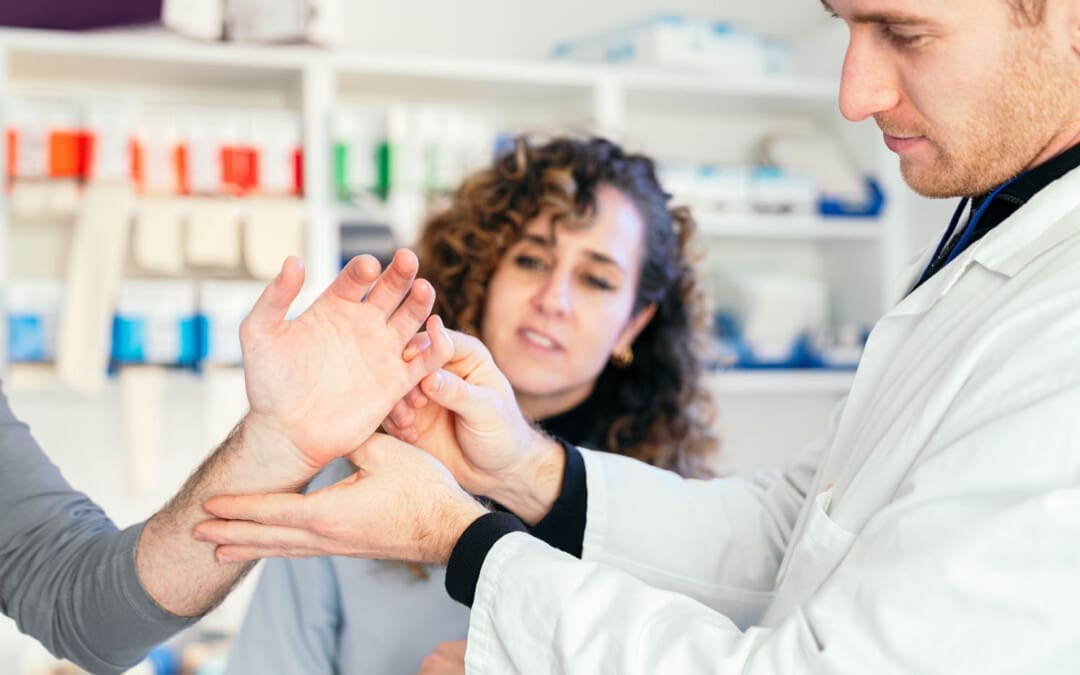
A jammed finger, also known as a sprained finger, is a common injury when the tip of a finger is forcefully pushed toward the hand, causing the joint to become compressed. This can cause pain and swelling in one or more fingers or finger joints and cause ligaments to stretch, sprain, or tear. (American Society for Surgery of the Hand. 2015) A jammed finger can often heal with icing, resting, and taping. This is often enough to allow it to heal in a week or two if no fractures or dislocations are present. (Carruthers, K. H. et al., 2016) While painful, it should be able to move. However, if the finger cannot wiggle, it may be broken or dislocated and require X-rays, as a broken finger or joint dislocation can take months to heal.
Treatment
Treatment consists of icing, testing, taping, resting, seeing a chiropractor or osteopath, and progressive regular use to regain strength and ability.
Ice
The first step is icing the injury and keeping it elevated.
Use an ice pack or a bag of frozen vegetables wrapped in a towel.
Ice the finger in 15-minute intervals.
Take the ice off and wait until the finger returns to its normal temperature before re-icing.
Do not ice a jammed finger for over three 15-minute intervals in one hour.
Try To Move The Affected Finger
If the jammed finger does not move easily or the pain gets worse when trying to move it, you need to see a healthcare provider and have an X-ray to check for a bone fracture or dislocation. (American Society for Surgery of the Hand. 2015)
Try to move the finger slightly after swelling, and the pain subsides.
If the injury is mild, the finger should move with little discomfort for a short time.
Tape and Rest
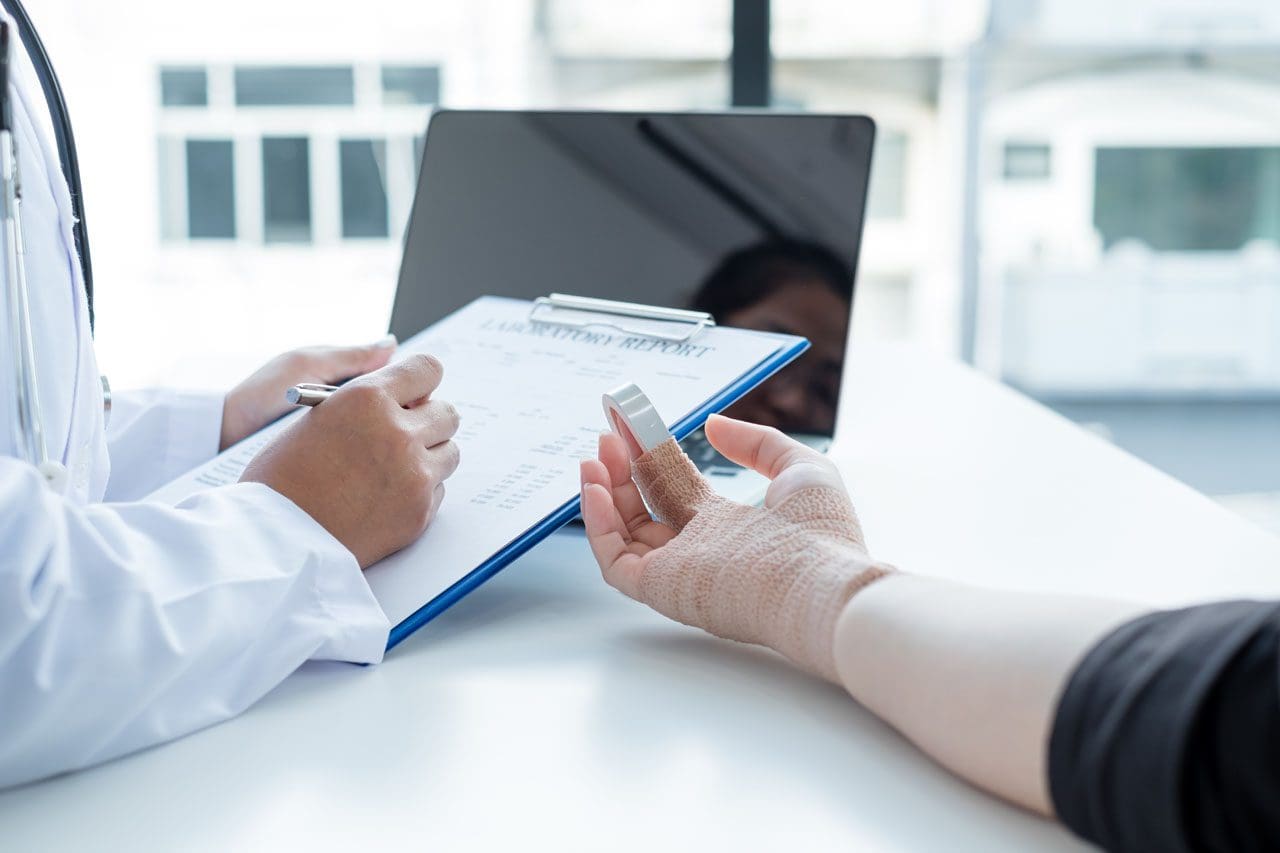
If the jammed finger is not broken or dislocated, it can be taped to the finger next to it to keep it from moving, known as buddy taping. (Won S. H. et al., 2014)
Medical-grade tape and gauze between the fingers should be used to prevent blisters and moisture while healing.
A healthcare provider may suggest a finger splint to keep the jammed finger lined up with the other fingers.
A splint can also help prevent a jammed finger from re-injury.
Resting and Healing
A jammed finger must be kept still to heal at first, but eventually, it needs to move and flex to build strength and flexibility.
Targeted physical therapy exercises can be helpful for recovery.
A primary care provider might be able to refer a physical therapist to ensure the finger has a healthy range of motion and circulation as it heals.
A chiropractor or osteopath can also provide recommendations for helping rehabilitate the finger, hand, and arm to normal function.
Easing The Finger Back to Normal
Depending on the extent of the injury, the finger and hand can be sore and swollen for a few days or weeks.
It can take some time to start feeling normal.
Once the healing process begins, individuals will want to return to using it normally.
Avoiding using a jammed finger will cause it to lose strength, which can, over time, further weaken it and increase the risk of re-injury.
If the pain and swelling persist, see a healthcare provider to get it checked for a possible fracture, dislocation, or other complication as soon as possible, as these injuries are harder to treat if the individual waits too long. (University of Utah Health, 2021)
At Injury Medical Chiropractic and Functional Medicine Clinic, we passionately focus on treating patients’ injuries and chronic pain syndromes and improving ability through flexibility, mobility, and agility programs tailored to the individual. Our providers use an integrated approach to create personalized care plans that include Functional Medicine, Acupuncture, Electro-Acupuncture, and Sports Medicine protocols. Our goal is to relieve pain naturally by restoring health and function to the body. If the individual needs other treatment, they will be referred to a clinic or physician best suited for them. Dr. Jimenez has teamed up with the top surgeons, clinical specialists, medical researchers, and premier rehabilitation providers to provide the most effective clinical treatments.
Treatment for Carpal Tunnel Syndrome
References
American Society for Surgery of the Hand. (2015). Jammed finger. https://www.assh.org/handcare/condition/jammed-finger
Carruthers, K. H., Skie, M., & Jain, M. (2016). Jam Injuries of the Finger: Diagnosis and Management of Injuries to the Interphalangeal Joints Across Multiple Sports and Levels of Experience. Sports health, 8(5), 469–478. https://doi.org/10.1177/1941738116658643
Won, S. H., Lee, S., Chung, C. Y., Lee, K. M., Sung, K. H., Kim, T. G., Choi, Y., Lee, S. H., Kwon, D. G., Ha, J. H., Lee, S. Y., & Park, M. S. (2014). Buddy taping: is it a safe method for treatment of finger and toe injuries?. Clinics in orthopedic surgery, 6(1), 26–31. https://doi.org/10.4055/cios.2014.6.1.26
University of Utah Health. (2021). University of Utah Health. Should I worry about a jammed finger? University of Utah Health. https://healthcare.utah.edu/the-scope/all/2021/03/should-i-worry-about-jammed-finger
Can understanding the body’s hinge joints and how they operate help with mobility and flexibility problems and manage conditions for individuals with difficulty fully bending or extending their fingers, toes, elbows, ankles, or knees?
Hinge Joints
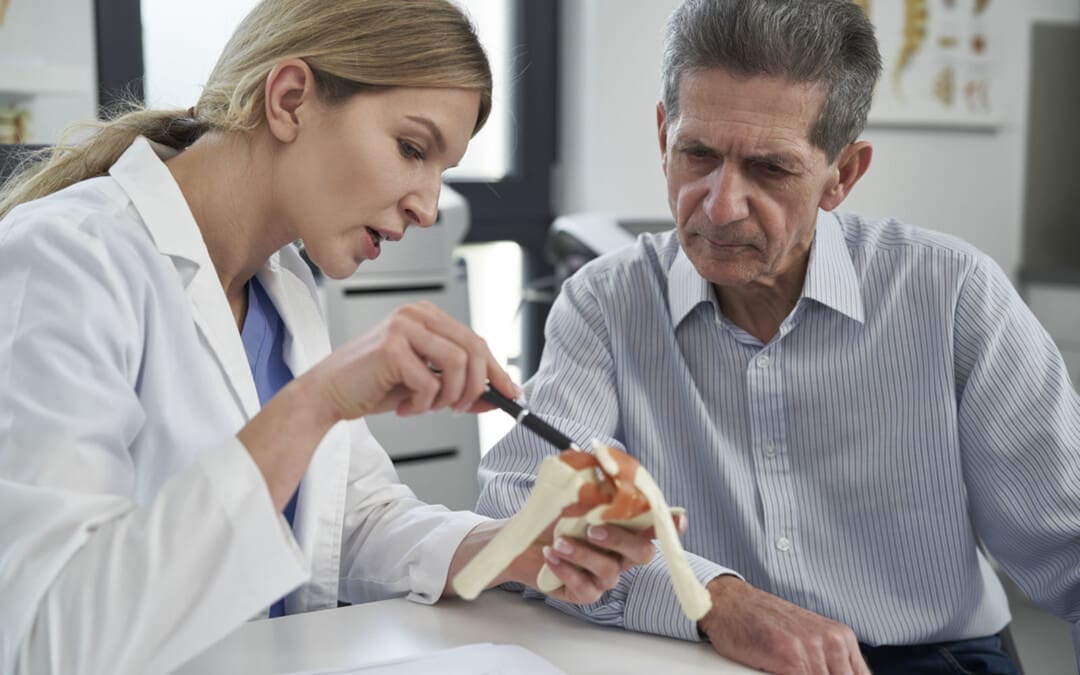
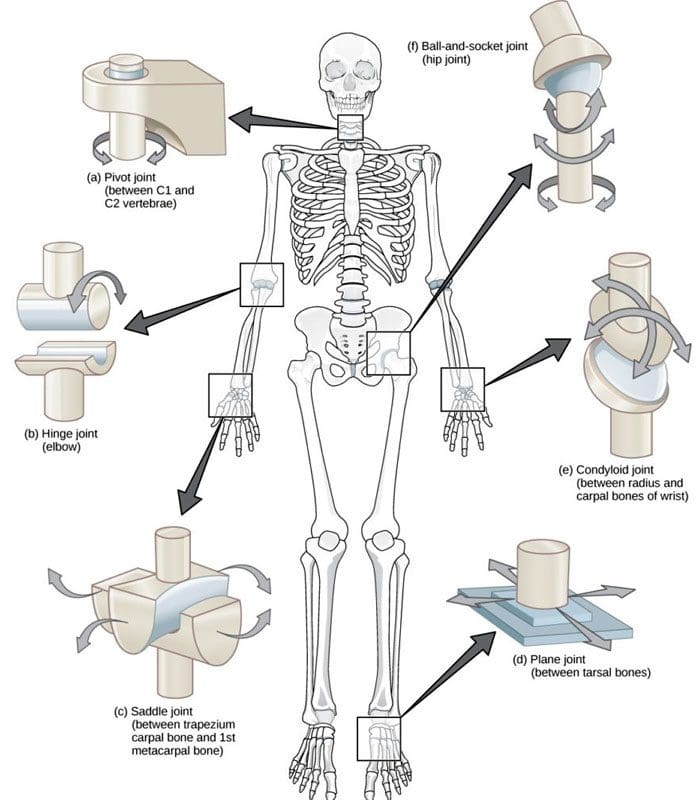
A joint forms where one bone connects to another, allowing motion. Different types of joints differ in structure and movement depending on their location. These include hinge, ball and socket, planar, pivot, saddle, and ellipsoid joints. (Boundless. General Biology, N.D.) Hinge joints are synovial joints that move through one plane of motion: flexion and extension. Hinge joints are found in the fingers, elbows, knees, ankles, and toes and control movement for various functions. Injuries, osteoarthritis, and autoimmune conditions can affect hinge joints. Rest, medication, ice, and physical therapy can help alleviate pain, improve strength and range of motion, and help manage conditions.
Anatomy
A joint is formed by the joining of two or more bones. The human body has three main classifications of joints, categorized by the degree to which they can move. These include: (Boundless. General Biology, N.D.)
Synarthroses
These are fixed, immovable joints.
Formed by two or more bones.
Amphiarthroses
Also known as cartilaginous joints.
A fibrocartilage disc separates the bones that form the joints.
These movable joints allow for a slight degree of movement.
Diarthroses
Also known as synovial joints.
These are the most common freely mobile joints that allow movement in multiple directions.
The bones that form the joints are lined with articular cartilage and enclosed in a joint capsule filled with synovial fluid that allows for smooth motion.
Synovial joints are classified into different types depending on differences in structure and the number of motion planes they allow. A hinge joint is a synovial joint that allows movement in one plane of motion, similar to a door hinge that moves forward and backward. Within the joint, the end of one bone is typically convex/pointed outward, with the other concave/rounded inward to allow the ends to fit smoothly. Because hinge joints only move through one plane of movement, they tend to be more stable than other synovial joints. (Boundless. General Biology, N.D.) Hinge joints include:
The finger and toe joints – allow the fingers and toes to bend and extend.
The elbow joint – allows the elbow to bend and extend.
The knee joint – allows the knee to bend and extend.
The talocrural joint of the ankle – allows the ankle to move up/dorsiflexion and down/plantarflexion.
Hinge joints allow the limbs, fingers, and toes to extend away and bend toward the body. This movement is essential for activities of daily living, such as showering, getting dressed, eating, walking, standing up, and sitting down.
Conditions
Osteoarthritis and inflammatory forms of arthritis can affect any joint (Arthritis Foundation. N.D.) Autoimmune inflammatory forms of arthritis, including rheumatoid and psoriatic arthritis, can cause the body to attack its own joints. These commonly affect the knees and fingers, resulting in swelling, stiffness, and pain. (Kamata, M., Tada, Y. 2020) Gout is an inflammatory form of arthritis that develops from elevated levels of uric acid in the blood and most commonly affects the hinge joint of the big toe. Other conditions that affect hinge joints include:
Injuries to the cartilage within the joints or ligaments that stabilize the outside of the joints.
Ligament sprains or tears can result from jammed fingers or toes, rolled ankles, twisting injuries, and direct impact on the knee.
These injuries can also affect the meniscus, the tough cartilage within the knee joint that helps cushion and absorb shock.
Rehabilitation
Conditions that affect hinge joints often cause inflammation and swelling, resulting in pain and limited mobility.
After an injury or during an inflammatory condition flare-up, limiting active movement and resting the affected joint can reduce increased stress and pain.
Applying ice can decrease inflammation and swelling.
Once the pain and swelling start to subside, physical and/or occupational therapy can help rehabilitate the affected areas.
A therapist will provide stretches and exercises to help improve the joint range of motion and strengthen the supporting muscles.
For individuals experiencing hinge joint pain from an autoimmune condition, biologic medications to decrease the body’s autoimmune activity are administered through infusions delivered every several weeks or months. (Kamata, M., Tada, Y. 2020)
Cortisone injections may also be used to decrease inflammation.
At Injury Medical Chiropractic and Functional Medicine Clinic, we passionately focus on treating patients’ injuries and chronic pain syndromes and improving ability through flexibility, mobility, and agility programs tailored to the individual. Our providers use an integrated approach to create personalized care plans that include Functional Medicine, Acupuncture, Electro-Acupuncture, and Sports Medicine protocols. Our goal is to relieve pain naturally by restoring health and function to the body. If the individual needs other treatment, they will be referred to a clinic or physician best suited for them. Dr. Jimenez has teamed up with the top surgeons, clinical specialists, medical researchers, and premier rehabilitation providers to provide the most effective clinical treatments.
Chiropractic Solutions
References
Boundless. General Biology. (N.D.). 38.12: Joints and Skeletal Movement – Types of Synovial Joints. In. LibreTexts Biology. https://bio.libretexts.org/Bookshelves/Introductory_and_General_Biology/Book%3A_General_Biology_%28Boundless%29/38%3A_The_Musculoskeletal_System/38.12%3A_Joints_and_Skeletal_Movement_-_Types_of_Synovial_Joints
Kamata, M., & Tada, Y. (2020). Efficacy and Safety of Biologics for Psoriasis and Psoriatic Arthritis and Their Impact on Comorbidities: A Literature Review. International journal of molecular sciences, 21(5), 1690. https://doi.org/10.3390/ijms21051690
IFM's Find A Practitioner tool is the largest referral network in Functional Medicine, created to help patients locate Functional Medicine practitioners anywhere in the world. IFM Certified Practitioners are listed first in the search results, given their extensive education in Functional Medicine





 Causes