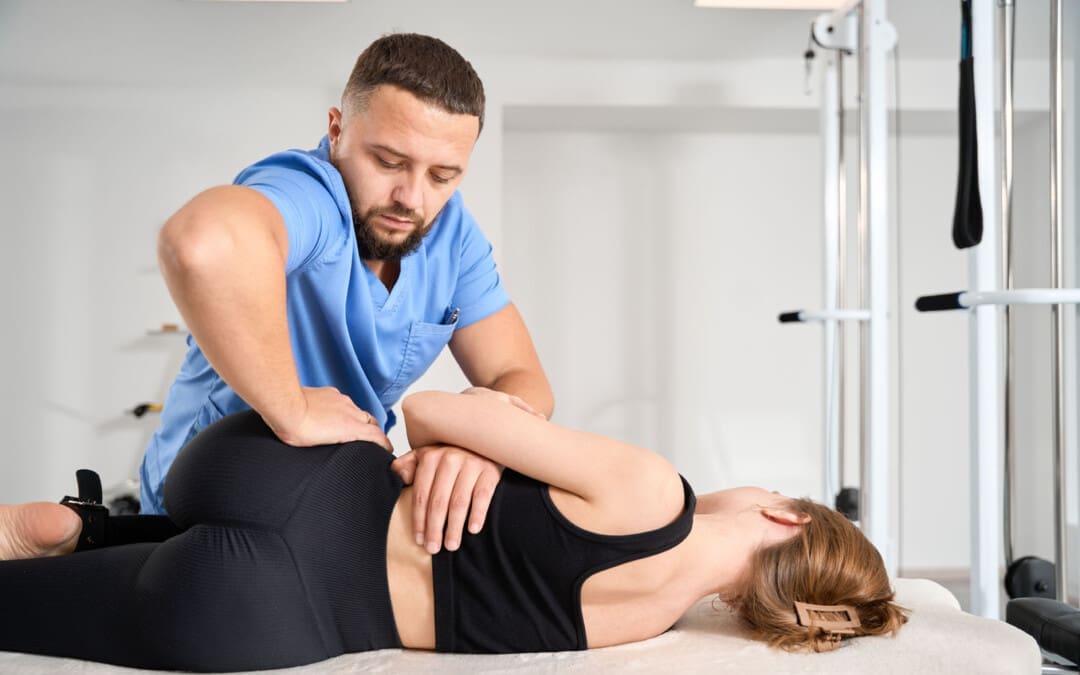
Individuals walking with a limp that results in pain could have an antalgic gait, an abnormal walking pattern commonly seen in emergency clinics and primary care offices. Can recognizing the symptoms help healthcare providers develop an effective treatment for the underlying cause?
Antalgic Gait
Limping and having an antalgic gait usually indicate a larger issue within the leg or lower back. It is the most common type of abnormal gait. There are various causes of antalgic gait, including acute injuries and gradually progressing medical conditions. The most common causes include osteoarthritis in one of the leg’s joints, lumbar radiculopathy, or an injury to a ligament or tendon. Paying attention to when the limping occurs, and any accompanying symptoms can help determine its origins.
Walking
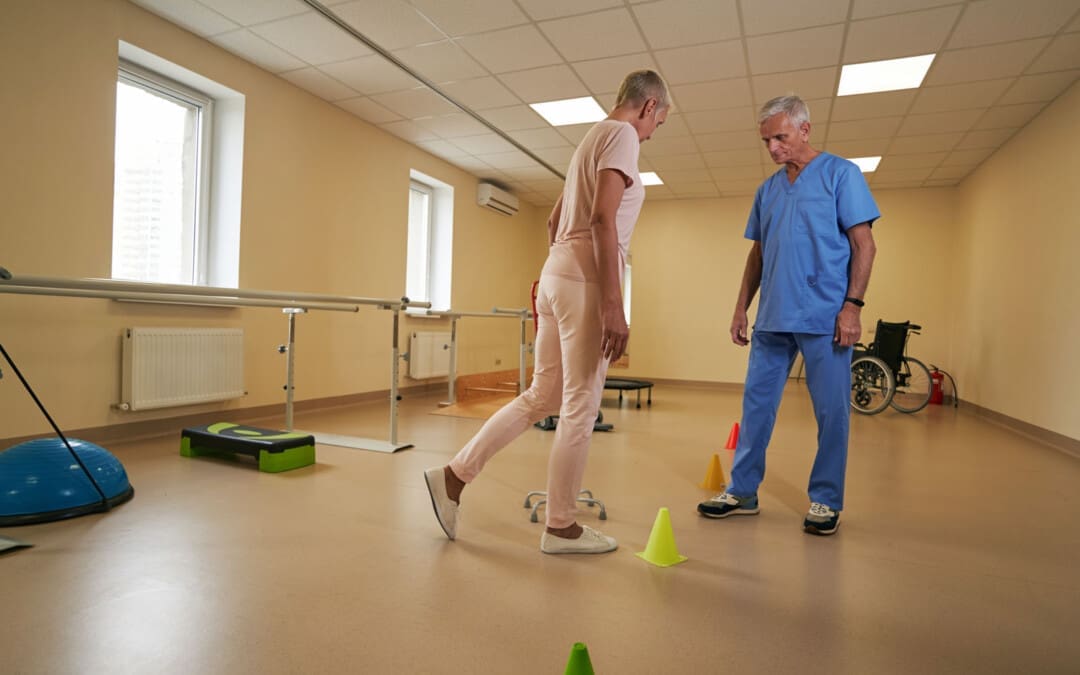
When limping, the stance phase during walking is shorter than the swing phase. Individuals may widen their legs apart to provide a support base to compensate for the imbalance. In severe cases, an individual may swing their leg irregularly or take several side steps.
Causes and Symptoms
Antalgic gait can be caused by pain in any part of the lower extremity. Limping when walking may be a primary concern but is rarely the only complaint. Other associated symptoms may also be present, depending on the cause. These include:
Limited range of motion
Joint stiffness
Muscular weakness
Numbness and tingling
Pain
Swelling
Leg instability or buckling
Clicking or popping
Common Causes include:
Hip, knee, and/or Foot problems
When the hip, knee, ankle, or foot joints are injured or have some issue, walking can be painful and lead to a limp.
Sprains, Strains, or Soft-tissue Injuries
Sprains, strains, and soft-tissue injuries can result from acute injury or chronic, repetitive activities over time. (Pirker W. and Katzenschlager R. 2017) Sprains affect the body’s ligaments, while strains impact muscle tendons. However, sprains and strains occur when the impacted structure is overstretched or partially torn. The damage can lead to pain and antalgic gait. An injury to several other soft-tissue structures, including a bursa or fluid-filled sacs that reduce friction, meniscus, or fat pad, can also lead to limping. Symptoms typically include swelling, pain, and limited range of motion. More severe injuries can also make the leg feel unstable and cause it to give way when walking. Sometimes, bruising can also occur in the area of the injury. (American Academy of Orthopaedic Surgeons, 2020)
Osteoarthritis
Osteoarthritis occurs when the smooth, articular cartilage that lines the ends of bones begins to thin and deteriorate. This can alter the normal movement of a joint and lead to pain. Osteoarthritis symptoms gradually progress, affect individuals over 50, and worsen after periods of sedentary activity (Arthritis Foundation, Osteoarthritis, N.D.) Typically, it results in pain, stiffness, clicking, and occasionally swelling in the affected joint. These symptoms are usually worse in the morning and at the end of a long activity day. Moving around and warming the joint improves osteoarthritis symptoms. (Arthritis Foundation, Osteoarthritis, N.D.)
Lower Back Radiculopathy
Lumbar radiculopathy is when the nerve roots branching off the spine’s lower region become compressed or inflamed. This can occur because of disc issues like bulging, degeneration, herniation, bone spurring, or, rarely, a growth or tumor. (Johns Hopkins Medicine, 2024) Because these nerves control movement, sensation, and strength in the legs and feet, irritation in one can lead to limping. (Yokogawa N. et al., 2015) The antalgic gait from this condition frequently comes on suddenly and is commonly accompanied by back pain symptoms. This can include shooting pain and paresthesia in the leg. Depending on which nerve is involved, individuals may also experience muscular weakness in certain areas of the lower extremity. Sometimes, the affected leg feels like it will buckle while standing or walking. (Johns Hopkins Medicine, 2024)
Other causes include:
Broken bones
Tumors
Infections
Blood clots
Vascular issues
Treatment
Treatment for antalgic gait depends on the underlying cause but can include:
Rest, ice, and elevation are important for injuries. Individuals can control their initial symptoms by icing, elevating the leg, and resting from irritating activities.
Activity modifications
Antibiotics for infections
Pain relievers
Anti-inflammatories
Physical therapy is also frequently initiated to strengthen the core and alleviate walking symptoms.
A spinal injection or surgery can reduce the pressure on the nerve root if conservative interventions fail to improve antalgic gait patterns. (Johns Hopkins Medicine, 2024)
Crutches, canes, walkers, or assistive devices can reduce pressure traveling through an affected joint and improve overall walking quality. A study found that using a cane for two months helped reduce pain and improve function in individuals with knee osteoarthritis. (Fang M. A. et al., 2015)
Injury Medical Chiropractic and Functional Medicine Clinic
Though it can be tempting to ignore the limp and push through it, discussing the condition with a healthcare provider is important. A thorough medical exam and diagnostic tests, such as X-ray, MRI, or EMG, can help determine the underlying causes of a limp, help discover the cause of the problem, and help improve the quality of walking. Injury Medical Chiropractic and Functional Medicine Clinic works with primary healthcare providers and specialists to develop personalized treatment programs. Using an integrated approach to treating injuries and chronic pain syndromes to improve flexibility, mobility, and agility and help individuals return to normal activities. Dr. Jimenez has teamed up with top surgeons, clinical specialists, medical researchers, and rehabilitation providers if other treatments are needed.
Chiropractic and Integrative Healthcare
References
Pirker, W., & Katzenschlager, R. (2017). Gait disorders in adults and the elderly : A clinical guide. Wiener klinische Wochenschrift, 129(3-4), 81–95. https://doi.org/10.1007/s00508-016-1096-4
American Academy of Orthopaedic Surgeons. (2020). Sprains, strains, and other soft-tissue injuries. https://orthoinfo.aaos.org/en/diseases–conditions/sprains-strains-and-other-soft-tissue-injuries/
Yokogawa, N., Toribatake, Y., Murakami, H., Hayashi, H., Yoneyama, T., Watanabe, T., & Tsuchiya, H. (2015). Differences in Gait Characteristics of Patients with Lumbar Spinal Canal Stenosis (L4 Radiculopathy) and Those with Osteoarthritis of the Hip. PloS one, 10(4), e0124745. https://doi.org/10.1371/journal.pone.0124745
Fang, M. A., Heiney, C., Yentes, J. M., Harada, N. D., Masih, S., & Perell-Gerson, K. L. (2015). Effects of contralateral versus ipsilateral cane use on gait in people with knee osteoarthritis. PM & R : the journal of injury, function, and rehabilitation, 7(4), 400–406. https://doi.org/10.1016/j.pmrj.2014.09.018
Can eating white rice as a primary carbohydrate source provide quick energy and glycogen replenishment for athletes and bodybuilders who require high volumes of carbohydrates for fuel and muscle recovery?
Sports Nutrition White Rice
Athletes and bodybuilders often eat white rice to restore mass amounts of glycogen after an intense workout, race, or game. Brown rice is nutritious and recommended for overall health, but athletes and bodybuilders incorporate further nutritional guidelines for added fuel and performance. White rice is a starchy grain used by more than half the world’s population because of its versatility, availability, and ability to adapt to various flavors and seasonings. Its chewiness and soft texture add substance to and complement many meals.
Bodybuilders
Athletes and bodybuilders need macronutrients to fuel extreme training and replenish depleted glycogen stores. Carbohydrate-rich foods like white rice are high on the glycemic index (a score for how foods affect blood sugar and insulin levels) and provide a readily available source of carbohydrates for muscle glycogen synthesis. (Thomas, D. E. et al., 1991) White rice is considered excellent sports nutrition for athletes. (Melin, A. et al., 2016) Although white rice is considered less nutritious than brown rice, athletes and weightlifters consume it as part of their specifically developed nutrition plans. One of the most popular meals is a bowl of white rice combined with grilled chicken breast, providing lean protein. Endurance runners often load up on carbohydrates like white rice before marathons. Strenuous workouts deplete sugar/glycogen in the muscles. Eating the right carbohydrates is important to replenish those stores. Knowing how to improve carbohydrate availability during prolonged exercise is essential for athletes. (Burke, L. M. et al., 2011)
Fuel and Muscle Recovery
The high glycemic value of white rice provides quick fuel for hard workouts and expedites muscle recovery. It does not have the negative effects of potential gastrointestinal issues, allergy symptoms, or blocking the ability to absorb micronutrients. Brown rice contains phytic acid(located in the grain’s bran), an antinutrient that binds to essential minerals like iron, zinc, calcium, and magnesium and prevents the body from absorbing them. The milling process to change brown rice to white removes the phytate. Research is ongoing on degrading phytic acid in brown rice and whole grains, and some studies have found antioxidant benefits in phytate. This could increase the amount of carbohydrates that are safe for athletes. (Liang, J. et al., 2008)
Safe Carbohydrate
Athletes and bodybuilders with food sensitivity may have issues eating whole grains, as brown rice has more fiber. Extreme exercise requires a surplus of carbohydrates. For prolonged exercise lasting more than two hours, athletes should consume 60 grams per hour of carbohydrates. White rice is considered safe to consume before exercise as it is easy on the stomach and has been shown to meet sports nutrition recommendations.
Workouts
Rice contains more carbohydrates than potatoes for the same serving size. Parboiled, converted, and instant white rice can be eaten pre- and post-workout meals, ensuring the body is thoroughly fueled for training, competition, and recovery. However, white rice may not be the best option for sedentary individuals.
Brown Rice
Brown rice is healthier for bodybuilders who train less than four days per week or have a metabolic disease.
Brown rice is a nutrient-dense food recommended for everyday active individuals who can tolerate whole grains and is a rich source of fiber and nutrients essential for a well-balanced healthy diet.
Injury Medical Chiropractic and Functional Medicine Clinic
Injury Medical Chiropractic and Functional Medicine Clinic works with primary healthcare providers and specialists to develop personalized programs. We focus on what works for you to enhance fitness and improve the body through research methods and total wellness programs. These programs strive to achieve improvement goals, and athletes can condition themselves to excel through proper fitness and nutrition. Our providers use Functional Medicine, Acupuncture, Electro-Acupuncture, and Sports Medicine principles. An integrated approach improves flexibility, mobility, and agility. If further training or treatments are needed, Dr. Jimenez has teamed up with top surgeons, clinical specialists, trainers, medical researchers, and rehabilitation providers.
Sports Nutrition and Dietitian
References
Thomas, D. E., Brotherhood, J. R., & Brand, J. C. (1991). Carbohydrate feeding before exercise: effect of glycemic index. International journal of sports medicine, 12(2), 180–186. https://doi.org/10.1055/s-2007-1024664
Melin, A., Tornberg, Å. B., Skouby, S., Møller, S. S., Faber, J., Sundgot-Borgen, J., & Sjödin, A. (2016). Low-energy density and high fiber intake are dietary concerns in female endurance athletes. Scandinavian journal of medicine & science in sports, 26(9), 1060–1071. https://doi.org/10.1111/sms.12516
Burke, L. M., Hawley, J. A., Wong, S. H., & Jeukendrup, A. E. (2011). Carbohydrates for training and competition. Journal of sports sciences, 29 Suppl 1, S17–S27. https://doi.org/10.1080/02640414.2011.585473
Liang, J., Han, B. Z., Nout, M. J., & Hamer, R. J. (2008). Effects of soaking, germination and fermentation on phytic acid, total and in vitro soluble zinc in brown rice. Food chemistry, 110(4), 821–828. https://doi.org/10.1016/j.foodchem.2008.02.064
Individuals who sit in an office chair for a long period naturally tend to slouch over or slouch down into the chair. This posture can overstretch the spinal ligaments, strain the discs and surrounding structures in the spine, and contribute to or worsen back pain. Can the right office chair settings help relieve and prevent future injuries?
Work Office Chair
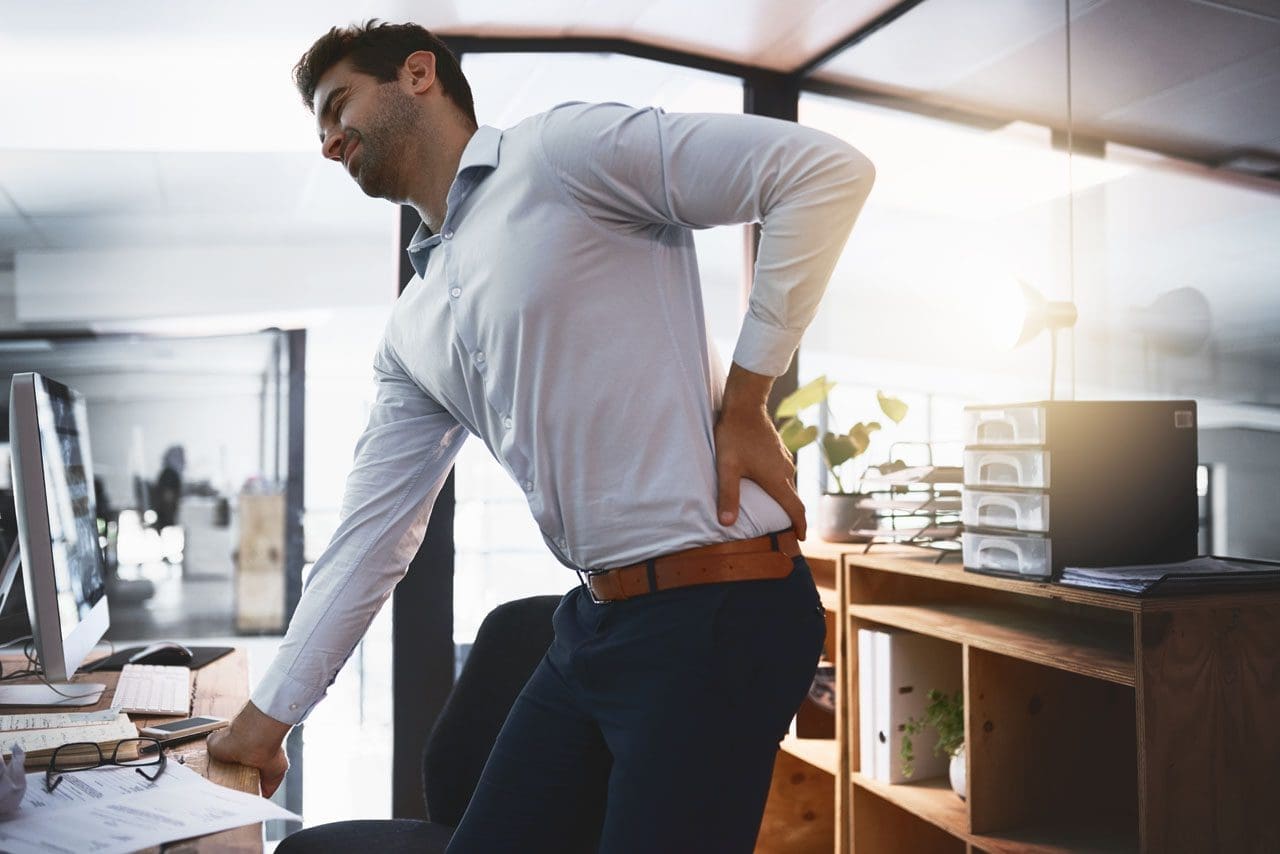
Sitting in an office chair for prolonged periods can cause lower back pain or worsen an existing back problem. The main reason behind this is that sitting is a static posture that increases stress in the back, shoulders, arms, and legs, putting pressure on the back muscles and spinal discs. Over time, incorrect sitting posture can damage the spinal structures. Most office chair customers base their decisions on availability, color, style, and price. However, it’s recommended that individuals learn about fitting seating equipment to their height, frame, or any condition, such as back or hip pain. The controls on or under the armrests and at the bottom of the chair seat, including the levers, paddles, and knobs, are there for a reason. Here are some recommendations for adjusting their work office chair to decrease back and hip pain.
Height Adjustment
The chair’s height affects the quadriceps, psoas, and hamstring muscles, which are important in posture-related back pain. Height adjustment is the primary way to change the angle of the hip joint while sitting. This angle affects the position of the pelvis and the degree of curve in the lower back, which can alter the spine’s normal alignment. (De Carvalho D. et al., 2017) Adjusting the chair’s height can provide a reference for other chair and workstation adjustments.
Back Angle
The hip angle is how close (increased hip flexion) or how far away (less hip flexion) the trunk is to the top of the thigh when sitting. Adjusting chair height can control the angle of the hip joint. When adjusting the height, adjust the degree of flexion at the hip joint to ensure ideal alignment for the individual body frame. A recent study measured the load that sitting has on simulated spinal discs. Researchers concluded that pressure on the spine can be relieved with a more open angle between the trunk and the thigh, that is, the hip joint angle. (Rohlmann A. et al., 2011) The backrest, seat tilt, and lumbar support features help maintain a pain-free back and relieve pressure and tension in the lower back and should be utilized.
Seat Depth
A kitchen chair, for example, may have no back supports or armrests to assist with posture and angle. (Holzgreve F. et al., 2022) When sitting, the individual’s back should be against the back of the work office chair for the best support and a healthy posture. Individuals will want to check and see how concave the seat surface is. If there is a prominent curve, this will cause the back to be rounded when sitting, which can become uncomfortable and lead to back pain. A chair with built-in support or a pillow can help adjust the depth. This means that chair size matters, as different people will need seats of varying depths to match their musculoskeletal structure.
Seat Height
Another way to understand the hip joint angle is to compare the height of the knees to the height of the hips. This is usually the easiest way to assess whether the chair height is right while adjusting. When the seat is right, the feet will be flat on the floor. The feet should reach the floor without causing pressure on the back of the thighs. Individuals with dangling feet, which may be because of their height, should place a footrest or thick book under them. The knees should be approximately level with or lower than the hips. In this case, the level is a 90-degree angle between the hip and trunk, which is stress-free on the hips and back.
Risks
Chair Too High
For individuals who can’t reach their feet to the floor, the chair is probably too high. The Occupational Safety and Health Administration (OSHA) says this is potentially hazardous because it can lead to scooting forward and forgoing the backrest’s support (United States Department of Labor, N.D.) Sitting like this is considered an awkward posture and a risk factor for work-related musculoskeletal disorders (MSD). Musculoskeletal disorders and symptoms caused by awkward sitting posture include muscle fatigue, swelling, pain, numbness, or decreased circulation. (Ng, P. K., Jee, K. S. and Lim, S. Y. 2016)
Chair Too Low
If the knees are higher than the hips, the chair is probably too low, causing extreme flexion in the hip joints. Most individuals’ backs can’t handle this well because their hip muscles are not flexible enough. If sitting with knees higher than hips, the position can cause lower back pain.
Taking Breaks
No matter how comfortable a work office chair is, prolonged static posture is unhealthy for the spine and is a common contributor to back problems and muscle strain. Remember to stand, stretch, and walk for at least a minute or two every half hour to prevent the back from staying in one position for a long period. A quick stretch or minimal movement, like a quick walk, will help. A longer walk will help even more, promoting blood circulation to supply nutrients to all the spinal structures.
Moving and stretching regularly throughout the day will help keep the joints, ligaments, muscles, and tendons loose and promote comfort, relaxation, and the ability to focus productively.
Injury Medical Chiropractic and Functional Medicine Clinic works with primary healthcare providers and specialists to develop personalized treatment programs. An integrated approach to treating injuries and chronic pain syndromes improves flexibility, mobility, and agility, relieving pain and helping individuals return to normal activities. If other treatments are needed, Dr. Jimenez has teamed up with top surgeons, clinical specialists, medical researchers, and rehabilitation providers.
Low Back Pain: Impact and Chiropractic Solutions
References
De Carvalho, D., Grondin, D., & Callaghan, J. (2017). The impact of office chair features on lumbar lordosis, intervertebral joint and sacral tilt angles: a radiographic assessment. Ergonomics, 60(10), 1393–1404. https://doi.org/10.1080/00140139.2016.1265670
Rohlmann, A., Zander, T., Graichen, F., Dreischarf, M., & Bergmann, G. (2011). Measured loads on a vertebral body replacement during sitting. The spine journal : official journal of the North American Spine Society, 11(9), 870–875. https://doi.org/10.1016/j.spinee.2011.06.017
Holzgreve, F., Maurer-Grubinger, C., Fraeulin, L., Bausch, J., Groneberg, D. A., & Ohlendorf, D. (2022). Home office versus ergonomic workstation – is the ergonomic risk increased when working at the dining table? An inertial motion capture based pilot study. BMC musculoskeletal disorders, 23(1), 745. https://doi.org/10.1186/s12891-022-05704-z
United States Department of Labor. (N.D.). Computer workstations eTool. Retrieved from https://www.osha.gov/etools/computer-workstations
Ng, P. K., Jee, K. S. & Lim, S. Y. (2016). Development of Ergonomics Guidelines for Improved Sitting Postures in the Classroom among Malaysian University Students. American Journal of Applied Sciences, 13(8), 907-912. https://doi.org/10.3844/ajassp.2016.907.912
Individuals with inflammation, pain, and swelling on the tops of their feet or hands could be experiencing extensor tendonitis. What treatment options are available?
Extensor Tendonitis
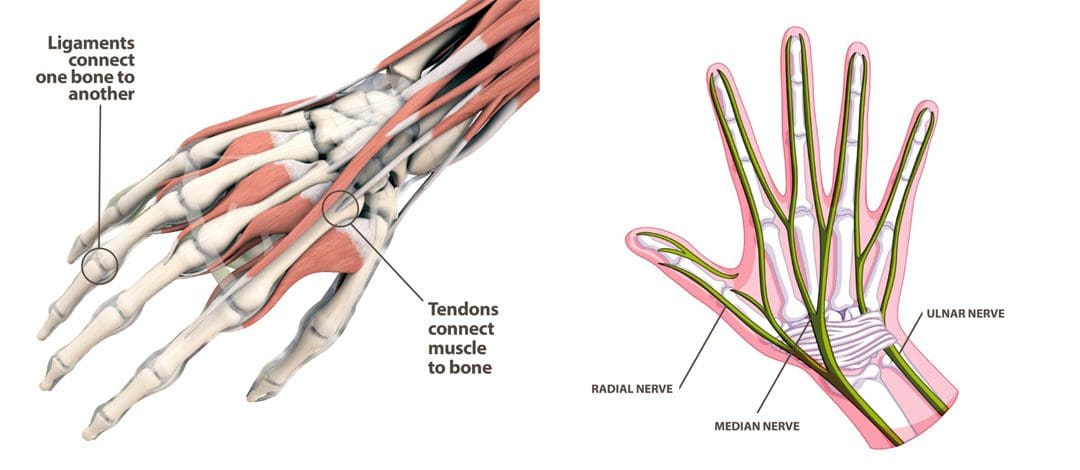
These tendons attach to muscles that straighten the fingers and lift the toes and the top of the foot. Extensor tendonitis is a condition characterized by inflammation of the tendons on the tops of the hands and feet. It often results from overuse of the muscles and from wearing tight shoes. Symptoms tend to worsen with activity and improve with rest. The condition does not usually require surgery; treatments include medications, home remedies/activity modification, and physical therapy.
Types
Tendonitis can develop in any tendon of the extensor muscles. These tendons are long, thin bands of tissue that can be felt on the tops of the hands and feet. The structures attach to muscles on one end and bones of the fingers and toes on the other. The extensor tendons in the hands include: (American Society for Surgery of the Hand, 2024)
The extensor digitorum communis straightens the index, middle, ring, and small fingers.
The extensor digiti minimi straightens the small finger.
The extensor indicis proprius straightens the index finger.
The extensor pollicis longus and extensor pollicis brevis muscles move the thumb into the thumb-up position.
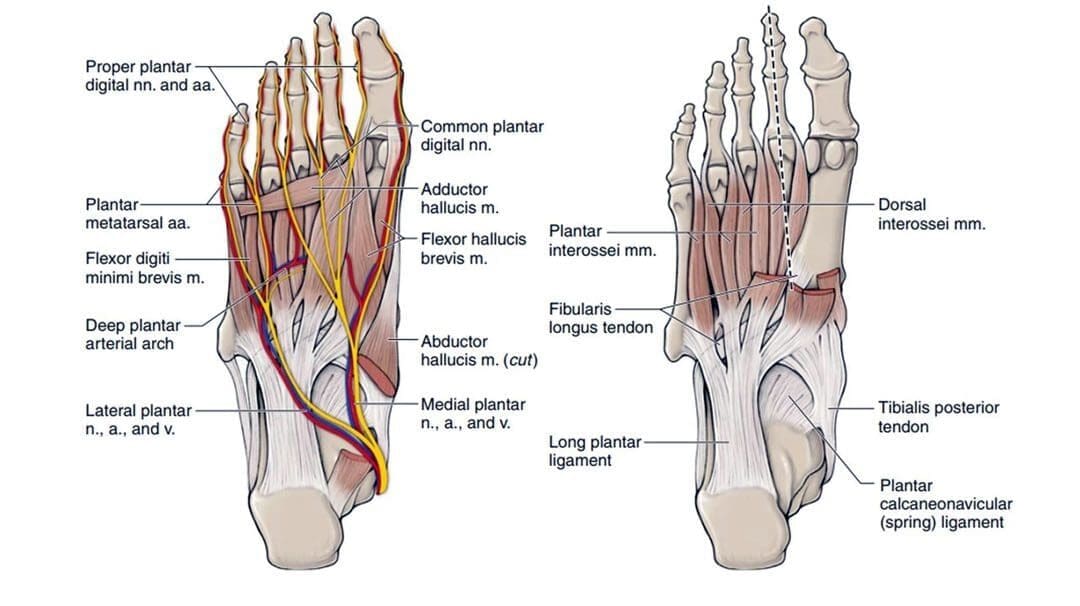
The extensor digitorum longus and extensor digitorum brevis muscles lift the second, third, fourth, and fifth toes.
The extensor hallucis longus lifts the big toe.
Tendonitis vs Tendinopathy
Chronic tendon pain can lead to a condition known as tendinopathy.
Tendonitis results from inflammation.
Tendinopathy is the degeneration/micro-tearing of a tendon that occurs with long-term overuse.
Knowing which condition you are dealing with is important because it requires different treatments.
Symptoms
The primary symptom is pain in the affected tendon/s. Individuals may also experience swelling, and the skin can become red or warm to the touch. Extensor tendonitis can cause pain when using the affected muscles, moving the hand or foot in the opposite direction, and stretching the tendons. Usually, the pain worsens when using the affected muscles and improves with rest.
Causes
Extensor tendonitis in the hands usually results from overuse, which causes inflammation. However, it can also result from trauma, such as falling on the hand or an injury during physical or sports activities. Common activities include: (Hanson Z. C., and Lourie G. M. 2022)
Manual labor work
Typing
Computer mouse use
Weightlifting
Gymnastics
Playing a musical instrument
Extensor tendonitis in the foot can also result from overuse activities like running, especially uphill. However, it can also occur from wearing overly tight or tightly laced shoes for physical activities like running or dancing. Less common causes include: (Arthritis Foundation, N.D.)
Medical conditions like diabetes or arthritis
Medication side effects
Infection
Joint deformities
Treatment
Extensor tendonitis usually improves with conservative treatment, which includes self-care, activity modification, physical therapy, and medication.
Medications
Individuals can treat inflammation with non-steroidal anti-inflammatory drugs NSAIDs like:
Ibuprofen
Naproxen
Aspirin
Acetaminophen can help reduce pain.
In some cases, individuals may need prescription anti-inflammatory medications like corticosteroids or pain relievers for short-term use.
Self-Care and Activity Adjustments
Self-care includes:
Rest and avoid any activities that increase pain symptoms. If you can’t avoid them completely, take frequent breaks to allow the muscles to relax.
Apply ice to the hand or foot several times daily for up to 20 minutes.
Compression wraps should be applied on the foot or hand using an elastic bandage or soft splint to help support the injured tendons and reduce swelling.
Elevate the hand or foot if swollen above the heart level when resting.
Activity Adjustments
Modifying activities can help address the underlying cause/s.
Hand extensor tendonitis can develop from poor positioning.
Setting up an ergonomic workstation can help.
Consult a coach or trainer if the tendonitis is related to sports or exercise.
Individuals might need to adjust their technique or training schedule to decrease pressure on the tendons.
Physical Therapy
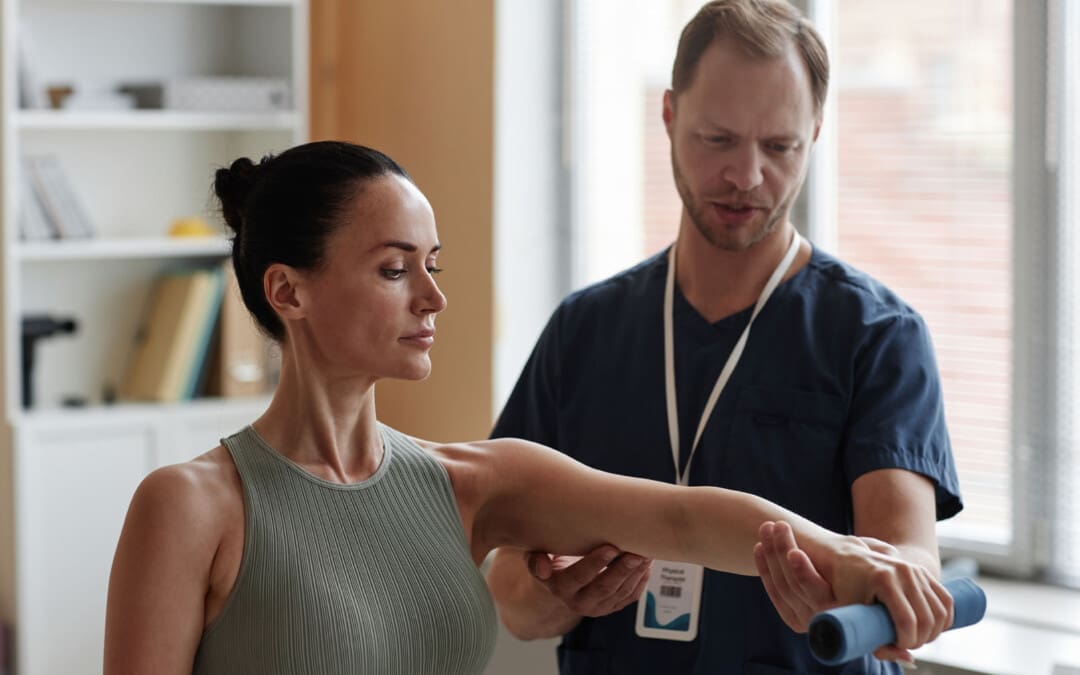
Physical therapy is an effective treatment. A therapy team can help determine the condition’s underlying cause and provide a personalized treatment program. Interventions can include:
Pain-reducing treatments like ultrasound, electrical stimulation, electroacupuncture, and laser therapy.
Extensor tendonitis can take weeks or even months to fully heal. Early diagnosis and determining the condition’s underlying cause rather than just treating symptoms are recommended for a faster and optimal recovery. Injury Medical Chiropractic and Functional Medicine Clinic works with primary healthcare providers and specialists to develop personalized treatment programs through an integrated approach to treating injuries and chronic pain syndromes, improving flexibility, mobility, and agility, relieving pain, and helping individuals return to normal activities. Dr. Jimenez has teamed up with top surgeons, clinical specialists, medical researchers, and rehabilitation providers if other treatments are needed.
Move Better, Live Better, with Chiropractic
References
American Society for Surgery of the Hand. (2024). Tendons. https://www.assh.org/handcare/safety/tendons#Finger%20Extensor
Hanson, Z. C., & Lourie, G. M. (2022). Middorsal Wrist Pain in the High-Level Athlete: Causes, Treatment, and Early Return to Play. Orthopaedic journal of sports medicine, 10(4), 23259671221088610. https://doi.org/10.1177/23259671221088610
Arthritis Foundation. Foundation, A. (N.D.). Tendinitis. https://www.arthritis.org/diseases/tendinitis
Bronner, S., Ojofeitimi, S., & Rose, D. (2008). Repair and rehabilitation of extensor hallucis longus and brevis tendon lacerations in a professional dancer. The Journal of orthopaedic and sports physical therapy, 38(6), 362–370. https://doi.org/10.2519/jospt.2008.2749
American Society for Surgery of the Hand. (2014). Extensor tendon injury. https://www.assh.org/handcare/condition/extensor-tendon-injury#:~:text=The%20tendon%20may%20take%20eight%20to%20twelve%20weeks,may%20include%20stitches%20%28for%20cuts%20in%20the%20tendon%29.
For individuals experiencing piriformis syndrome. Can knowing the causes and what it feels like help in diagnosis and treatment?
Managing Piriformis Syndrome
Piriformis syndrome is where spasms occur in the piriformis muscle located in the buttocks. These muscle spasms can cause pain and numbness in the buttocks and the back of the leg. (Cedars Sinai, 2022)
What Is It?
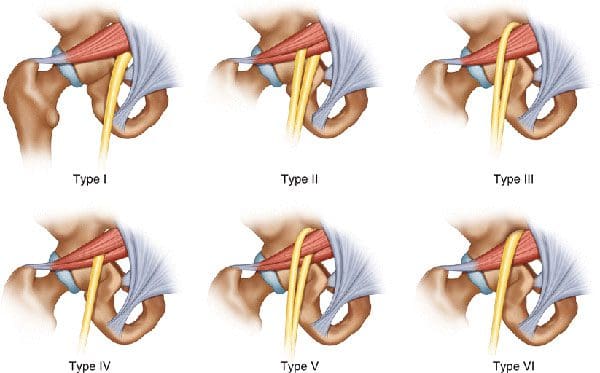
Piriformis syndrome is an irritation of the sciatic nerve from the piriformis muscle. Although the piriformis muscle is small compared to other muscles around the hip and thigh, it supports the hip joint’s external rotation or turning out. The sciatic nerve supplies the lower extremities with motor and sensory functions. The piriformis tendon and sciatic nerve cross each other behind the hip joint in the deep buttock. Both are about one centimeter in diameter. The piriformis muscle spasms can irritate the sciatic nerve, causing sciatica symptoms. (Cedars Sinai, 2022)
Triggers
A piriformis syndrome diagnosis means the piriformis tendon binds or spasms around the sciatic nerve, causing irritation and symptoms. Many doctors and specialists support the theory that when the piriformis muscle and its tendon tighten, this can cause compression and pinch the nerve. This can decrease blood circulation and irritate the nerve due to pressure. (Cass S. P. 2015) Many doctors also believe that piriformis syndrome occurs from anatomic variation of the muscle and tendon. It is thought this muscle-tendon variation irritates the nerve in some, leading to sciatica symptoms.
How It Feels
Common signs and symptoms experienced include (Cass S. P. 2015)
Pain in the buttocks.
Pain behind the hip.
Electric shock pains traveling down the back of the lower extremity.
Numbness in the lower extremity.
Tenderness with pressure that often causes pain when sitting.
Some develop symptoms abruptly, while others gradually increase in symptoms in the back of their thighs.
Most who are diagnosed with piriformis syndrome are generally active individuals who experience increasing difficulty with certain types of physical activity.
Testing
There are no specific tests that accurately diagnose piriformis syndrome. Doctors will order tests, including MRI and nerve conduction studies. Because it can be difficult to diagnose, there are likely many misdiagnosis cases. This means that some with the condition don’t have a piriformis diagnosis. In addition, some with vague hip pain may receive this diagnosis even if they don’t have the condition. (Cass S. P. 2015) An injection is often administered into the piriformis muscle when the diagnosis is uncertain. (Jankovic D. et al., 2013) Performing an injection can help determine the specific location of the discomfort. When an injection is given into the piriformis muscle or tendon, it is administered by ultrasound guidance to ensure the needle delivers medication to the correct location. (Bardowski E. A., and Byrd J. W. T. 2019)
Differential Diagnosis
Some other conditions with buttock pain can have similar symptoms. Other causes can include:
Radiculopathy/Sciatica
Herniated discs
Hip bursitis
Spinal stenosis
The diagnosis of piriformis syndrome is given when these diagnoses are eliminated as possible causes of pain.
Treatment
Managing piriformis syndrome is quite general, and it is often difficult to recover from. Common treatment and management suggestions include the following. (Jankovic D. et al., 2013)
Rest
Avoiding activities that cause symptoms for at least a few weeks.
Physical Therapy
Focuses on stretching and strengthening the hip rotator muscles.
Anti-inflammatory Medication
To decrease inflammation around the tendon.
Deep Massage
Used to relax the piriformis muscle and help release the compressed nerve.
Cortisone Injections
It can help decrease inflammation and swelling.
Botulinum Toxin Injection
It can paralyze the piriformis muscle to reduce pain and discomfort.
In severe cases, surgery can be performed to loosen the piriformis tendon, known as a piriformis release (Cass S. P. 2015). This surgical procedure is recommended when conservative treatments have been tried for at least six months and other causes of pain have been evaluated and ruled out. Recovery takes several months.
The goal of managing piriformis syndrome is to improve the range of motion and flexibility around the hip and diminish inflammation around the sciatic nerve. Working with a professional chiropractic team can help relieve pain, return individuals to normal function, and expedite healing. Injury Medical Chiropractic and Functional Medicine Clinic works with primary healthcare providers and specialists to develop a customized treatment program through an integrated approach to treating injuries and chronic pain syndromes, improving flexibility, mobility, and agility. If other treatments are needed, Dr. Jimenez has teamed up with top surgeons, clinical specialists, medical researchers, and rehabilitation providers to provide the most effective treatments.
Piriformis Syndrome Treatment Chiropractor
References
Cedars Sinai. Sinai, C. (2022). Piriformis syndrome. https://www.cedars-sinai.org/health-library/diseases-and-conditions/p/piriformis-syndrome.html
Cass S. P. (2015). Piriformis syndrome: a cause of nondiscogenic sciatica. Current sports medicine reports, 14(1), 41–44. https://doi.org/10.1249/JSR.0000000000000110
Jankovic, D., Peng, P., & van Zundert, A. (2013). Brief review: piriformis syndrome: etiology, diagnosis, and management. Canadian journal of anaesthesia = Journal canadien d’anesthesie, 60(10), 1003–1012. https://doi.org/10.1007/s12630-013-0009-5
Bardowski, E. A., & Byrd, J. W. T. (2019). Piriformis Injection: An Ultrasound-Guided Technique. Arthroscopy techniques, 8(12), e1457–e1461. https://doi.org/10.1016/j.eats.2019.07.033
Can incorporating lemongrass into a diet help individuals manage anxiety, colds, fever, inflammation, and insomnia?
Lemongrass
Lemongrass, or lemongrass or citronella, is a tall grass-like herb commonly used in Southeast Asian cooking. The lower stalks and bulbs of the plant have a fresh, clean, lemony scent that is sometimes added to marinades, teas, curries, and broths. In addition to its flavoring use, lemongrass’s essential oils are used for medicinal purposes, supported by scientific evidence.
Benefits
Lemongrass has been shown to help with common ailments, such as anxiety, colds, fever, inflammation, and insomnia. It can be eaten, rubbed on the skin, or inhaled as an aromatherapy treatment. When taken orally, it is often used to calm stomach discomfort and other gastrointestinal issues, including cramps and vomiting. (DeFilipps, R. A. et al., 2018) When used as a tea, it protects the stomach lining by treating stomach ailments, indigestion, and gastric ulcers. (Khan, Nida. 2020) Lemongrass or oil is applied to the skin to treat headaches and musculoskeletal pain. As an aromatherapy treatment, the oil extract may be inhaled to treat muscle pain, infections, colds, and flu symptoms. Consumed it can help treat:
Musculoskeletal pain
Sleeplessness
Rheumatism
Cough
Common cold
Fever
Anxiety
Hypertension
Diabetes
Epilepsy
Cancer prevention
However, a few studies support certain lemongrass benefits. Research has suggested that lemongrass oil added to a hair tonic may reduce dandruff. However, more studies are needed to confirm. (Chaisripipat, W. et al., 2015)
Essential Oil
Lemongrass essential oil has been studied and has been found to contain significant bioactive compounds that include:
Citral
Isoneral
Isogeranial
Geraniol
Geranyl acetate
Citronellal
Citronellol
Germacrene-D
Elemol
These compounds contain antifungal, antibacterial, antiviral, anticancer, and antioxidant properties. (Mukarram, M. et al., 2021) Research also shows that essential oils can be therapeutic agents for treating inflammatory skin conditions and help reduce dandruff because of their antimicrobial and anti-inflammatory properties. They can also inhibit the growth of the fungi associated with causing dandruff. (Khan, Nida. 2020)
Nutrition
One tablespoon of fresh lemongrass provides around five calories, most from carbohydrates/fiber and protein. (U.S. Department of Agriculture, 2018) It is a source of fiber, carbohydrates, and vitamins A, B, and C, strengthening the body’s immune system, repairing tissue damage, and promoting cell division. It also contains:
Magnesium – Necessary for protein synthesis, glycolysis, and muscle activity,
Selenium – Necessary for cognitive function and fertility.
Phosphorus – Necessary for DNA/RNA and cell membrane synthesis.
Zinc for wound healing, growth, and development. (Khan, Nida. 2020)
Minerals include:
Calcium – 3 milligrams
Potassium – 34 milligrams
Manganese – 0.2 milligrams
Magnesium – 2.9 milligrams
Iron – 0.4 milligrams
It also provides small amounts of vitamins, including A and C, folate, and niacin. However, lemongrass-flavored oil contains significantly more calories because it usually combines cooking oil with lemongrass extract.
Preparation and Storage
Lemongrass is becoming easier to find in stores. When choosing lemongrass, look for firm green stalks with healthy-looking bulbs attached. Some stores may sell the stalks with a good portion of the top removed. This is fine, as many recipes require using the bottom of the stalk or the bulb. To use lemongrass in teas, soups, broth, or other liquids, crush the stalks’ bottom area to release the aromatic oil. Then, immerse the pieces in the liquid to release the oils. Remove the stalks before eating or drinking the beverage. In other recipes, chopping or mincing the bulb or lower area of the stalks may be necessary before adding to a curry, salad, marinade, or stir-fry. Lemongrass can be wrapped in plastic and refrigerated for two to three weeks or frozen for up to 6 months.
Potential Side Effects
Lemongrass is safe for most when consumed in typical amounts in food. However, some concerns may arise when using it for medicinal purposes.
Used topically, lemongrass may cause skin irritation.
Additionally, consuming high amounts of lemongrass may cause dizziness, drowsiness, dry mouth, excess urination, and increased appetite. (Memorial Sloan Kettering Cancer Center, 2022)
High amounts of essential oil can damage liver and stomach mucous membranes, and excessive tea intake may also affect kidney function. (Memorial Sloan Kettering Cancer Center, 2022)
It is recommended that pregnant women should avoid lemongrass.
Additionally, individuals undergoing chemotherapy should avoid lemongrass because it may interfere with the actions of some chemotherapeutic agents.
Injury Medical Chiropractic and Functional Medicine Clinic works with primary healthcare providers and specialists to develop a personalized treatment plan through an integrated approach to treating injuries and chronic pain syndromes, improving flexibility, mobility, and agility programs to relieve pain and help individuals return to optimal function. Our providers use an integrated approach to create customized care programs for each patient and restore health and function to the body through nutrition and wellness, functional medicine, acupuncture, Electroacupuncture, and sports medicine protocols. If the individual needs other treatment, they will be referred to a clinic or physician best suited for them. Dr. Jimenez has teamed up with top surgeons, clinical specialists, medical researchers, nutritionists, and health coaches to provide the most effective clinical treatments.
Fighting Inflammation
References
DeFilipps, R. A., & Krupnick, G. A. (2018). The medicinal plants of Myanmar. PhytoKeys, (102), 1–341. https://doi.org/10.3897/phytokeys.102.24380
Khan, Nida. (2020). Therapeutic benefits of lemongrass and tea tree. Annals of Civil and Environmental Engineering. 4. 027-29. 10.29328/journal.acee.1001022.
Mukarram, M., Choudhary, S., Khan, M. A., Poltronieri, P., Khan, M. M. A., Ali, J., Kurjak, D., & Shahid, M. (2021). Lemongrass Essential Oil Components with Antimicrobial and Anticancer Activities. Antioxidants (Basel, Switzerland), 11(1), 20. https://doi.org/10.3390/antiox11010020
U.S. Department of Agriculture. (2018). Lemon grass (citronella), raw. Retrieved from https://fdc.nal.usda.gov/fdc-app.html#/food-details/168573/nutrients
Memorial Sloan Kettering Cancer Center. (2022). Lemongrass Purported Benefits, Side Effects & More. https://www.mskcc.org/cancer-care/integrative-medicine/herbs/lemongrass
Can neurological physical therapy help individuals diagnosed with a recently acquired or chronic neurological condition gain strength and functioning?
Neurological Physical Therapy
Neurological physical therapy can be extremely beneficial. It aims to restore functional mobility, strength, balance, and coordination in those with neurological conditions that affect their quality of life and ability to move around. It also helps recover from neurological injuries or prevent the progression and worsening of chronic neurological conditions. Depending on the severity of the condition, individuals may receive this therapy as an inpatient or outpatient. Exercise can help improve mobility, increase independence, and decrease the need for assistance, all of which can improve one’s quality of life.
Process
Neurological physical therapy is geared toward treating individuals with conditions affecting the brain and spinal cord, such as stroke, spinal cord injury, and Parkinson’s disease, to help restore mobility and function. The therapy is performed in hospitals, private practice physical therapy clinics, doctors’ offices, rehabilitation facilities, or at a patient’s home. Whether an individual needs inpatient or outpatient physical therapy will depend on the severity of the neurological condition.
Newly acquired neurological conditions such as strokes or traumas like spinal cord injuries and traumatic brain injuries or TBIs often require inpatient rehabilitation.
Once the patient gains enough strength, coordination, and independence with movements like standing and walking, they can progress to outpatient physical therapy.
The patient will undergo a physical exam after a physical therapist has gathered enough information about medical history during the initial evaluation.
The therapist will check muscle strength, coordination, range of motion, reflexes, and the muscle tone of the arms and legs. They may also perform neurological tests to examine coordination, such as following moving objects with the eyes, touching the finger to the nose, and rapidly alternating movements.
The individual general level of attention, cognition, and sensation will also be assessed to determine if these areas have been affected by the neurological condition. (Cleveland Clinic, 2022)
The therapist will then assess the patient’s ability to perform movements called transfers, which are transitions to and from positions such as lying down to sitting up or standing up to sitting.
They will note if the patient can perform these movements independently or if they need assistance.
The initial evaluation will also include an assessment of balance, quality of gait, and whether the therapist needs to assist.
Depending on the severity of the neurological condition, the therapist may provide the patient with or recommend purchasing an assistive device to help walk.
Treatment Sessions
During therapy sessions, patients may receive the following interventions:
Gait Training
To improve walking ability, proper instruction on using assistive devices such as canes, walkers, and crutches.
Balance Training
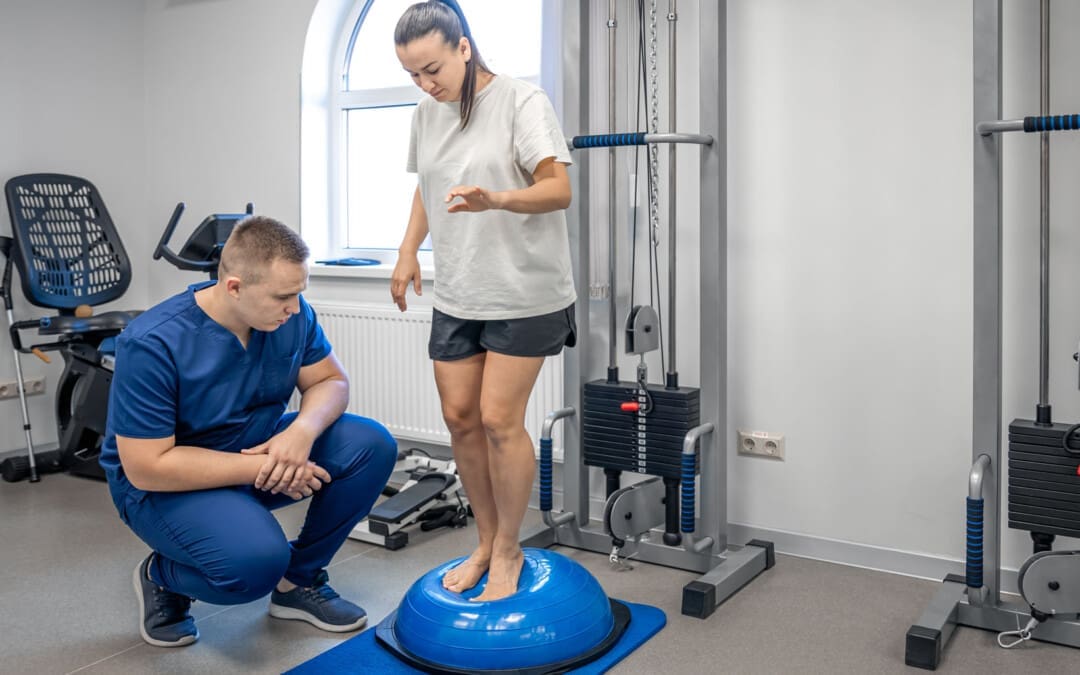
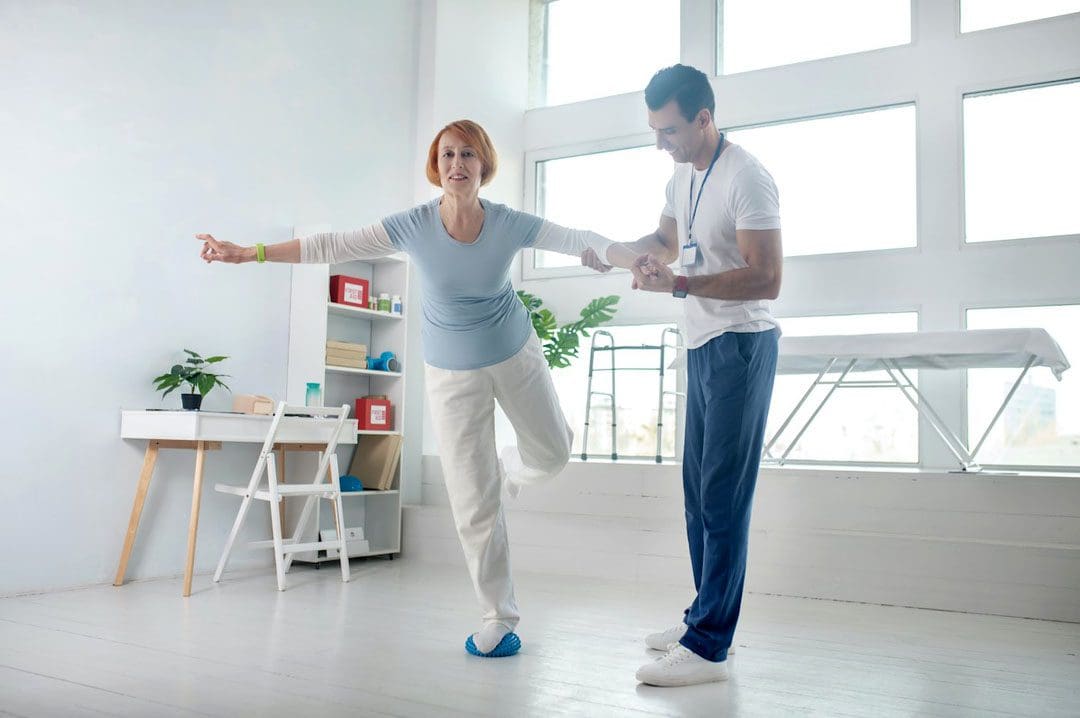
To improve static/stationary and dynamic/while moving balance, both sitting unsupported to improve core control and standing upright with or without handheld support.
Therapeutic Activities
To improve independence with bed mobility skills like rolling and sitting up from lying down and transfers on and off beds, chairs, and toilets.
Therapeutic exercises for stretching and strengthening muscles and improving coordination and motor control.
Endurance Training
This can be done with cardiovascular equipment like treadmills, stationary bicycles, and ellipticals.
Vestibular Therapy Interventions
Balance exercises with head movements and exercises to treat a common cause of dizziness are used to improve eye movement control.
Examples are the Dix-Hallpike and Epley maneuvers.
Conditions
Neurological physical therapy can treat various conditions. Some neurological conditions are progressive, worsening over time, and require regular physical therapy and at-home exercises to maintain optimal health and wellness. Neurological conditions that can be treated with physical therapy include: (Cleveland Clinic, 2022)
Strokes – loss of blood supply to the brain.
Spinal cord injuries – damage to part of the central nervous system resulting in loss of movement and control.
Polyneuropathies – damage to the peripheral nerves.
Traumatic brain injuries – for example, concussions.
Cerebral palsy – a group of disorders affecting movement, balance, and posture.
Multiple sclerosis – a disabling disease of the brain and spinal cord.
Parkinson’s disease – a progressive nervous system disorder.
Guillain-Barre syndrome – an autoimmune disease attacking the nerves.
Amyotrophic lateral sclerosis/ALS, also known as Lou Gehrig’s disease.
Vertigo, including benign paroxysmal positional vertigo or BPPV.
Neurological conditions, like an automobile collision, can occur suddenly or be progressive, such as Parkinson’s. Physical therapy helps those individuals by increasing their use of weakened muscles, improving their motor control, coordination, and balance, and facilitating their independence with daily tasks and movements. Always seek immediate medical attention for any sudden, unexplained muscle weakness. Individuals who experience skeletal muscle weakness should discuss the type and duration of symptoms with their doctor, specialist, physical therapist, or chiropractor, as this might be a sign of a medical condition such as a neuromuscular disorder. Injury Medical Chiropractic and Functional Medicine Clinic works with primary healthcare providers and specialists to develop a personalized treatment program through an integrated approach to treat injuries and chronic pain syndromes, improving flexibility, mobility, and agility, relieving pain, and helping individuals return to normal activities. If other treatments are needed, Dr. Jimenez has teamed up with top surgeons, clinical specialists, medical researchers, and rehabilitation providers to provide the most effective treatments.
IFM's Find A Practitioner tool is the largest referral network in Functional Medicine, created to help patients locate Functional Medicine practitioners anywhere in the world. IFM Certified Practitioners are listed first in the search results, given their extensive education in Functional Medicine




 Extensor Tendonitis