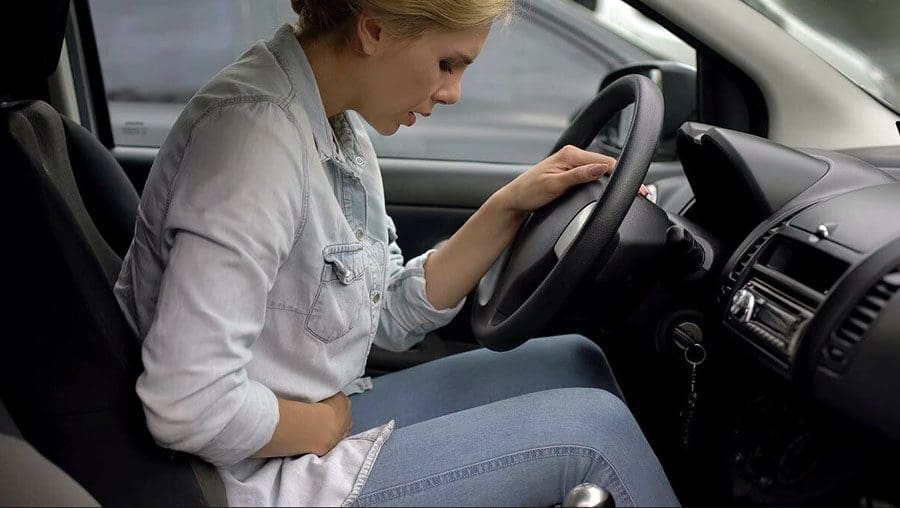
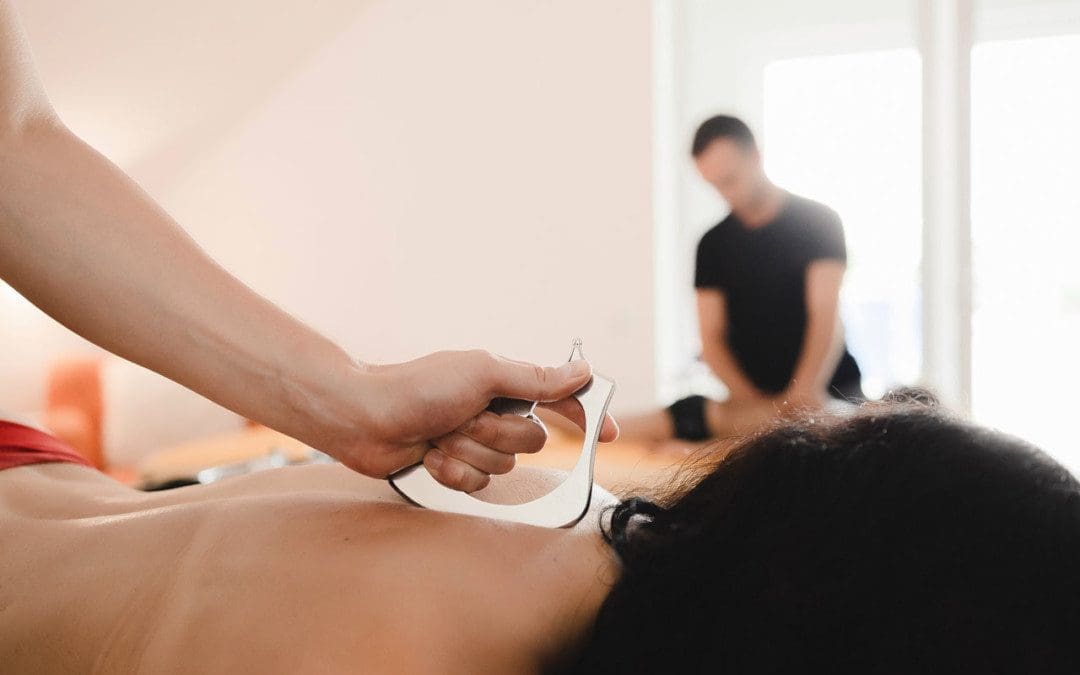
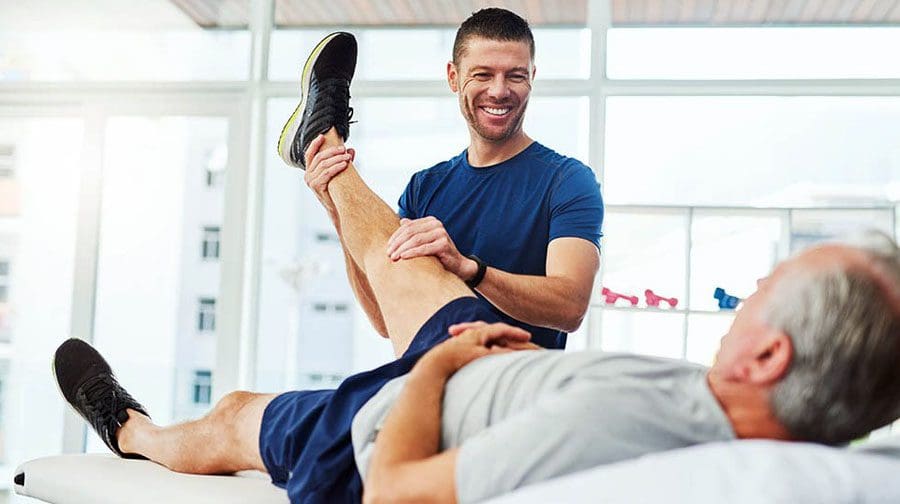
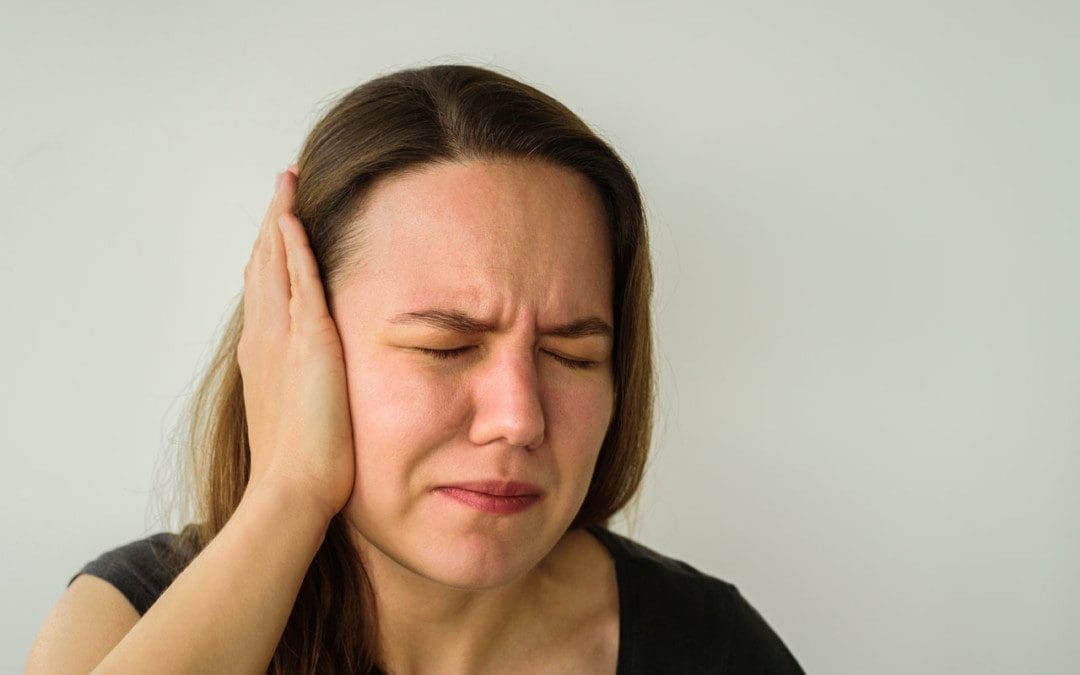
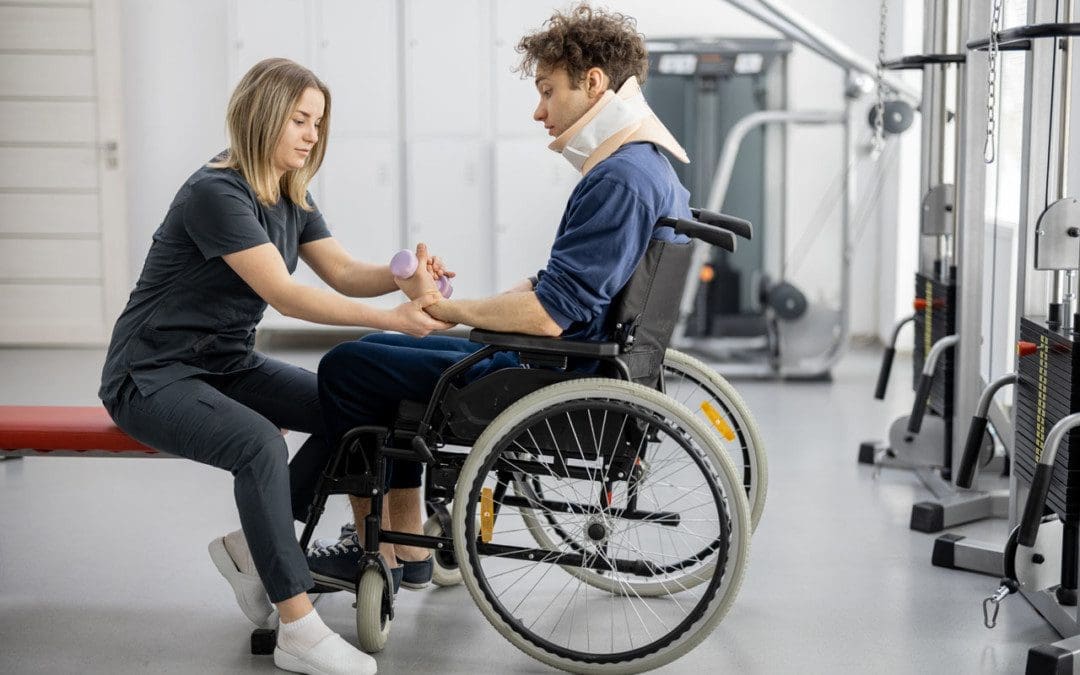
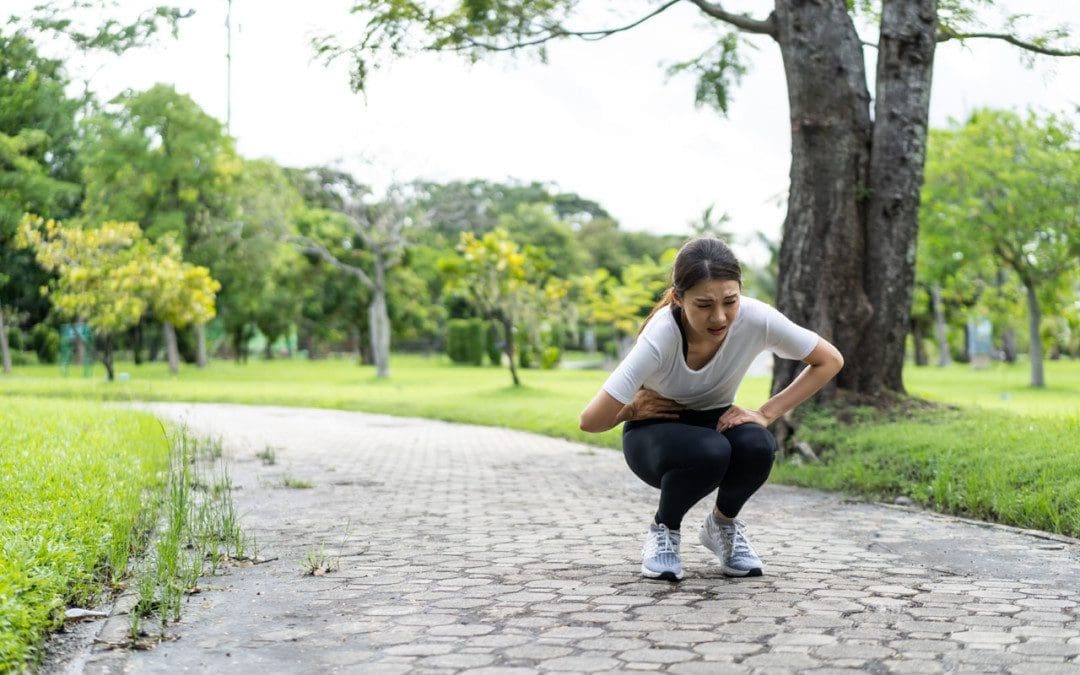
Motor vehicle crashes and accidents cause significant trauma in a few seconds changing an individual’s life completely. Severe injuries include traumatic brain injury, spinal cord damage, fractures, and amputations. Many individuals experience post-traumatic stress disorder – PTSD after a vehicle collision; even a minor accident can cause emotional trauma symptoms. PTSD commonly presents with other symptoms that range from depression to heart disease, and the most frequent symptom is physical pain. Chiropractic decompression, physical therapy, and therapeutic massage can help alleviate physical pain.
PTSD Physical Pain
Physical trauma can cause immediate physical effects and injury, as well as physical symptoms that present later on.
Trying not to talk or think about the crash or accident with friends, family, places, or anything associated with the trauma.
Avoiding activities.
Emotional numbness.
Detachment.
All can generate physical muscle tension and chronic stress, leading to headaches, migraines, back pain, stomach pain, and body aches. Long-term physical pain symptoms can turn chronic pain and medication dependency into a vicious cycle.
Chiropractic Therapy
Chiropractic care diagnoses and treats disorders of the musculoskeletal system. Chiropractic treatment is recommended to help alleviate the physical symptoms of PTSD. Trauma causes individuals to store intense emotions in their bodies. Chiropractic manipulation and decompression release the tension in the muscles caused by the trauma and the emotional stress. Adjustments restore the body’s alignment and open the nervous system circulation, allowing signals to flow freely, leading to a healthier mind-body connection.
Non-Surgical Spinal Decompression Therapy
References
Beck, J Gayle, and Scott F Coffey. “Assessment and treatment of PTSD after a motor vehicle collision: Empirical findings and clinical observations.” Professional psychology, research, and practice vol. 38,6 (2007): 629-639. doi:10.1037/0735-7028.38.6.629
Elder, Charles et al. “Comparative Effectiveness of Usual Care With or Without Chiropractic Care in Patients with Recurrent Musculoskeletal Back and Neck Pain.” Journal of general internal medicine vol. 33,9 (2018): 1469-1477. doi:10.1007/s11606-018-4539-y
Hu, JunMei, et al. “Chronic widespread pain after motor vehicle collision typically occurs through immediate development and nonrecovery: results of an emergency department-based cohort study.” Pain vol. 157,2 (2016): 438-444. doi:10.1097/j.pain.0000000000000388
After traveling, body/musculoskeletal aches and pains can present from continual standing in line, sitting, staying in the same position, carrying a heavy bag or pulling a suitcase, and sleeping in an unfamiliar bed with different pillows, on a plane or car can cause body imbalances, jerking the spine out of alignment, straining the neck, shoulders, and back causing headaches, soreness, stiffness, back pain, and compression. Chiropractic massage and decompression will relieve travel pains, loosen stiff and sore joints, soothe aching muscles, realign the spine, and restore body health and comfort.
Musculoskeletal Health
The musculoskeletal system is comprised of:
Muscles
Tendons
Ligaments
Bones
Joints
Tissues that move the body and help maintain structure and form.
The health of the musculoskeletal system is defined as the absence of injury, disease, or illness within the system. Keeping this system healthy is crucial for the health of the other body systems.
Common Muskuloskeletal Conditions
Musculoskeletal injuries – work-related, personal, automobile, sports, or physical activity
Musculoskeletal health is enhanced by increased circulation that increases oxygen flow that relaxes the mind and body. Overworked sore, tired muscles after traveling can keep the body tense which could lead to chronic stress symptoms. Chiropractic massage therapy effectively reduces stress and anxiety by manipulating the body tissues like the muscles, tendons, connective tissues, and ligaments, increasing blood circulation and improving flexibility.
Jet-Lag
The body is weak after traveling into different time zones, which can cause jet lag, stress, and relaxation problems.
Jet lag can cause sleep problems, leading to extreme fatigue, headaches, and nausea.
Chiropractic can alleviate jet lag effects quickly by working/massaging/stretching out the muscles, increasing blood flow, flushing out toxins, and calming the body.
Travel Stress
The stress starts right before the trip when preparing, packing, and setting up the house while away.
The body tenses up when traveling to maintain focus, stay alert, and be ready for surprises.
When on vacation, having fun and doing all kinds of activities can make individuals forget to relax.
Waking up early and going to bed late can contribute to travel stress.
Chiropractic therapy will relieve all the strain and return the body to a relaxed state.
Relieve Back Pressure
Sitting for hours can increase pressure on the spine.
The muscles become stiff from the immobility accumulating pressure on the body and the mind, increasing the risk for other pains.
Chiropractic therapy will help lower heart rate and blood pressure relieving discomfort and stiffness.
Relax and Sleep
The internal body clock can get thrown off when traveling, resulting in little to no sleep and irritability.
Driving or flying will drain the body and mind, which can cause fatigue and anxiety.
Chiropractic will restore body and mind functions resulting in sleep and relaxation.
Spinal Decompression Texas
References
Crofford, Leslie J. “Chronic Pain: Where the Body Meets the Brain.” Transactions of the American Clinical and Climatological Association vol. 126 (2015): 167-83.
Nichols B, Nova P, Jacobs, K. Ergonomic Strategies for Using a Suitcase. The American Occupational Therapy Association. https://www.aota.org/About-Occupational-Therapy/Patients-Clients/Adults/Ergonomic-Strategies-Suitcase.aspx. August 2018. Accessed May 2019.
Sadler, Sean G et al. “Restriction in lateral bending range of motion, lumbar lordosis, and hamstring flexibility predicts the development of low back pain: a systematic review of prospective cohort studies.” BMC musculoskeletal disorders vol. 18,1 179. 5 May. 2017, doi:10.1186/s12891-017-1534-0
Waterhouse, J et al. “The stress of travel.” Journal of sports sciences vol. 22,10 (2004): 946-65; discussion 965-6. doi:10.1080/02640410400000264
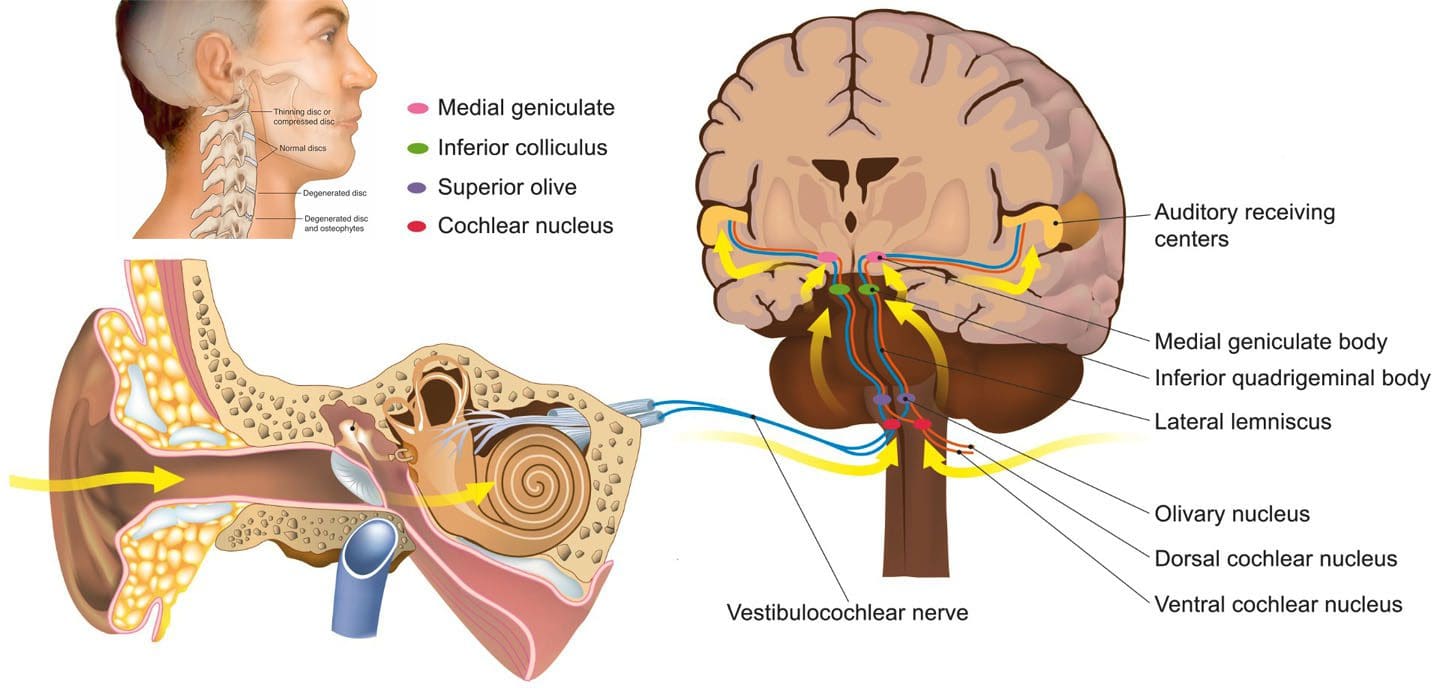
Ear problems like blockages or congestion can cause irritation and pain, as well as symptoms such as dizziness, ear discomfort, headaches, and sinus pain that can lead to infection. This condition can happen to anyone but is prevalent in children, individuals that live in high altitudes, and individuals who suffer from allergies. Spinal misalignments can cause interference to the nervous system that can create problems elsewhere in the body, like the ears.
If there is neck misalignment along with pinched, tangled nerve/s signal transmissions can misfire or cut off messages disrupting the process of draining the Eustachian tube. This creates a buildup of bacteria and fluid, which can cause pain and pressure. Chiropractic decompression treatment uses gentle manipulation of the cervical spine to release the pressure affecting the ear.
Ear Problems
Bacteria or viruses cause ear infections in the middle ear. Infection often results from another illness like cold, sore throat, flu, respiratory disease, or allergies that causes congestion and swelling of the nasal passages, throat, and eustachian tubes.
Eustachian Tubes
The tubes functions include:
Regulating air pressure in the middle ear
Resupply fresh air in the ear
Drain the middle ear
The eustachian tubes are two canals that connect the middle ear to the throat and nasal cavity, known as the nasopharynx. (The eustachian tubes are more narrow in children, which makes them difficult to drain and more likely to get clogged.)When the lining of these canals comes under stress, they can become inflamed/swollen, blocking or filling with fluid causing excessive pressure and pain. This fluid can become infected and cause ear infection symptoms.
If the ear problem is connected to a misalignment of the cervical spine, the following symptoms may be experienced:
Fluid/effusion stays in the middle ear for an extended time.
It can build up over and over, despite no infection.
It can also affect hearing.
Misalignment in the upper cervical spine can cause muscles to flex awkwardly/irregularly, disrupting the opening and closing of the eustachian tubes and their positioning. This often causes inflammation along the eustachian canal, upper throat, and nasal cavity. If left untreated, the inflammation can develop into an infection, causing swelling and/or fluid buildup in the inner and middle ear. Common symptoms of middle ear infections in adults include:
Pain in one or both ears
Hearing is muffled
Sore throat
Fluid drainage from the ear
Chiropractic Realignment
Treatments are helpful for individuals who want to reduce taking antibiotics, which can minimize immunity by destroying the healthy bacteria in the gut. Chiropractic is a simple and effective way to treat ear problems. Realigning the vertebrae relieves tissue inflammation/swelling around the Eustachian tube to allow drainage, relieve pressure, and restore health.
Spinal Decompression Chiropractor
References
Collins, Rachael, et al. “Paralysis from an ear infection: a severe case of otitis externa leading to acute complete cervical cord syndrome.” BMJ case reports vol. 14,12 e245594. 1 Dec. 2021, doi:10.1136/bcr-2021-245594
Harmes, Kathryn M et al. “Otitis media: diagnosis and treatment.” American family physician vol. 88,7 (2013): 435-40.
Laulajainen Hongisto, Anu et al. “Severe Acute Otitis Media and Acute Mastoiditis in Adults.” The journal of international advanced otology vol. 12,3 (2016): 224-230. doi:10.5152/iao.2016.2620
Murphy, D R. “Chiropractic rehabilitation of the cervical spine.” Journal of manipulative and physiological therapeutics vol. 23,6 (2000): 404-8. doi:10.1067/mmt.2000.108143
Polkinghorn, B S. “Treatment of cervical disc protrusions via instrumental chiropractic adjustment.” Journal of manipulative and physiological therapeutics vol. 21,2 (1998): 114-21.
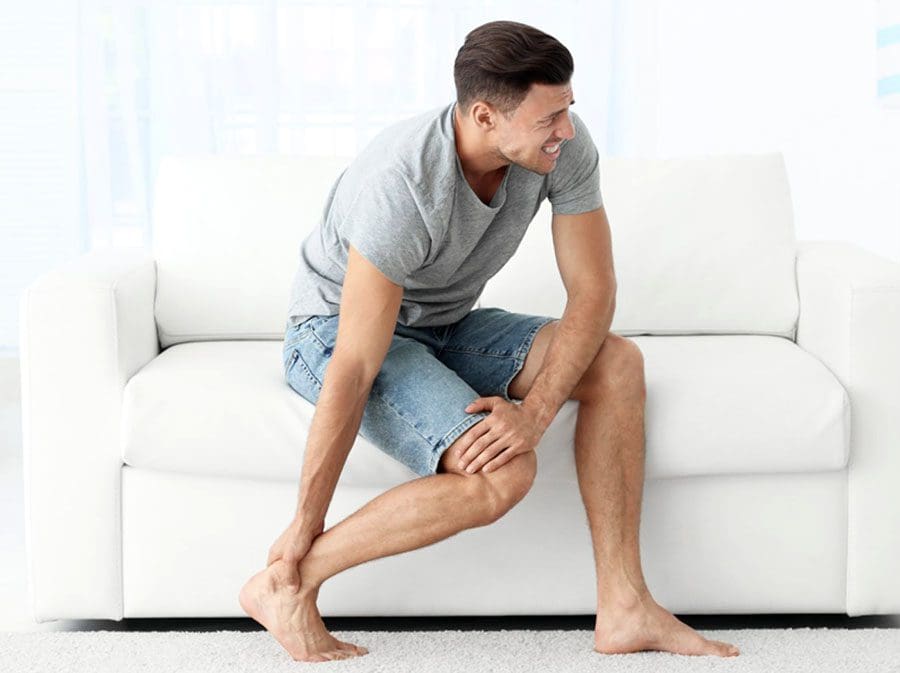
Reflex pain is a complex condition that involves the body’s pain withdrawal reflexfailing to turn off after the event that triggered the pain, so the pain sensations continue. This is a neurological condition known as the withdrawal reflex. It occurs when the body and brain undergo a chain of reactions to remove an affected body part from dangerous situations/stimuli. A typical example is a vehicle crash or accident. During the process, the body’s reflex muscle\s in the injured area tighten to protect the specific body part/s from further damage.
The reflex can feel like a muscle spasm that goes away over time. However, in the case of reflex pain, the signals keep firing. Reflex pain can occur all over the body as the muscles overcompensate to handle the prolonged pain; secondary injuries often develop. An example could be reflex pain in the ankle caused by injury or problems in the hips and back, where the individual tries to avoid moving the ankle in a specific way to prevent and avoid the pain symptoms. Individuals with reflex pain also experience headaches and referred spine and extremity pain. Reflex pain can become a cycle of symptoms that include:
Unusual tightness
Stiffness
Pain
Contracture – hardening or shortening of the affected muscles, tendons, or other tissues.
Decreased functional abilities.
Somatic Pain
Somatic pain causes receptors in tissues including the skin, muscles, connective tissues, joints, and skeleton to be activated. Stimuli like force trauma, vibration, extreme temperature, or inflammation/swelling activate these receptors. The pain is often described as:
Aching
Gnawing
Cramping
Sharp
Somatic pain is often localized to a particular area that is constant and stimulated by movement. There are two types.
Superficial painoccurs when everyday injuries activate pain receptors in the skin and mucous membranes.
Deep somatic pain occurs when stimuli activate pain receptors deeper in the body, including the tendons, joints, bones, and muscles. Deep body pain usually feels more like aching.
Pain can be confined to a local area or radiate to other areas of the body, depending on the extent of the injury.
Somatic pain can come from a variety of different potential causes that include:
Injury to joints or bones.
Trauma.
Fall or collision that damages connective tissues.
Sometimes these reflexes can stay in the on position and keep the body from achieving full relaxation.
In the nervous system, a body part is stimulated, and the message travels through the spinal cord and into the brain. The information is processed, then sent back through the spinal cord to the level that activates the specific body part. The reflexes transmit faster staying at the same spinal level without having to travel to the brain and back again.
During reflex pain, the body’s muscles are unable to relax, which is necessary for motion/movement. This prolonged contraction generates added pain and causes imbalances that can decrease excitabilityin the muscles. This can increase the activation of brain receptors that receive pain signals to respond by telling them to shorten and contract.
Therapy
Body misalignment can cause muscles to spasm, causing the nerves to stretch in an awkward way, compress, and get twisted and tangled around other nerves or other tissues. This disrupts communication resulting in pain, illness, and ailments that can lead to other health problems. Chiropractic care can address reflex pain by realigning the spine and improving joint motion and nerve conduction.
Chiropractic restores the body to its full and proper function by activating the natural healing abilities. Manual and mechanical spinal decompression realigns the vertebrae, reducing swelling, blockages, and nerve stress. A comprehensive examination will identify potential dysfunctional areas of the body using palpitations to identify which muscles are involved. Once identified, chiropractic, massage, and physical therapy options can be prescribed to rebalance the body’s muscles, and restore their ability to contract and relax normally.
Patient education will be provided concerning self-assessment techniques, instruction on how to treat pain, and an anti-inflammatory diet.
An exercise and stretching program will help maintain the adjustments, keep the body flexible, and strengthen the body.
Patients are helped to understand how to take control of their pain.
Spinal Decompression Testimonials
References
Biurrun-Manresa J, Neziry A, Curatolo M, Arendt-Nielson L, Anderson O. Test-retest reliability of the nociceptive withdrawal reflex and electrical pain thresholds after single and repeated stimulation in patients with chronic low back pain. Eur J Appl Physiol. 2011;111:83-92
Derderian C, Tadi P. Physiology, Withdrawal Response. [Updated 2021 Nov 12]. In: StatPearls [Internet]. Treasure Island (FL): StatPearls Publishing; 2022 Jan-. Available from: https://www.ncbi.nlm.nih.gov/books/NBK544292/
Muir, J M, and H Vernon. “Complex regional pain syndrome and chiropractic.” Journal of manipulative and physiological therapeutics vol. 23,7 (2000): 490-7. doi:10.1067/mmt.2000.108816
Neziri A, Haesler S, Steen P, et al. Generalized expansion of nociceptive reflex receptive fields in chronic pain patients. Pain. 2010;151(3):798-805
Szynkowicz, Peter, and Anthony Petrucci 4th. “Chiropractic Care of a Patient With Complex Regional Pain Syndrome Type 1 (CRPS-1): A Case Report.” Journal of chiropractic medicine vol. 19,2 (2020): 145-151. doi:10.1016/j.jcm.2020.05.001
Yezierski R, Vierck C. Reflex and pain behaviors are not equivalent: Lessons from spinal cord injury. Pain. 2010;151(3):569-577
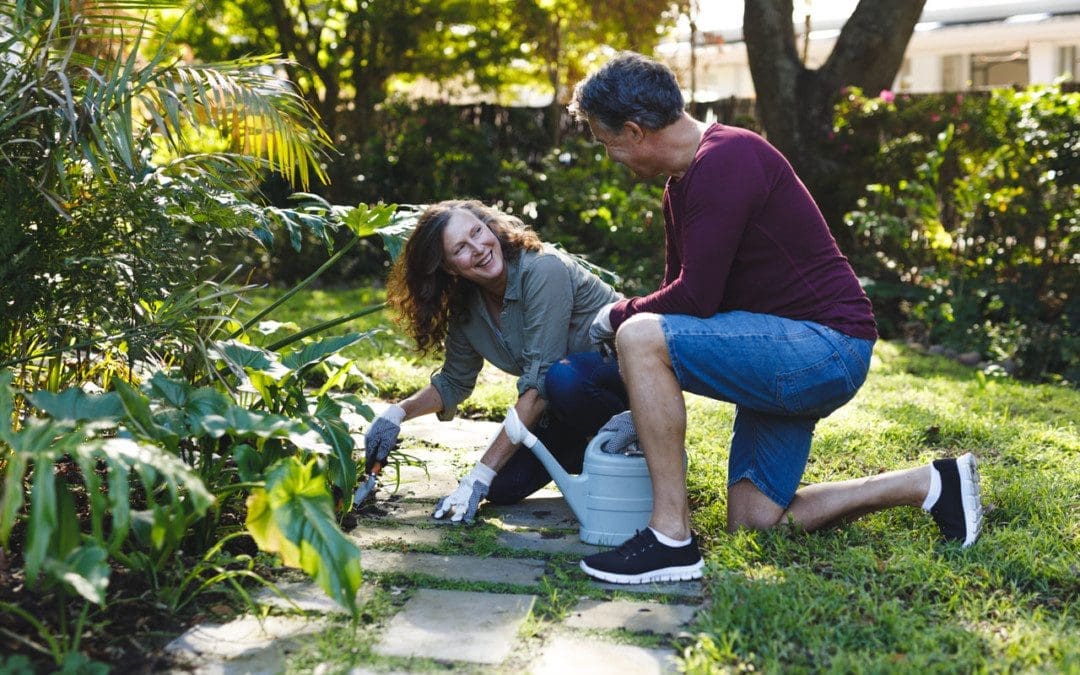
Gardening is healthy for the body and does count as exercise, which works the major muscle groups that include the neck, shoulders, arms, abdomen, back, glutes, and legs. However, gardening can cause stress to the body with unhealthy posture/positioning, not using proper lifting techniques, using the wrong tools, and not taking breaks to stretch out the body, move around, and rehydrate. This can lead to body soreness, pain, and injuries. Here are some recommended gardening tips and stretches for pain prevention.
Gardening Tips and Stretches
A sore back and body can stem from staying in a single posture for too long and repetitive motions/movements. Here are a few tips to help maintain musculoskeletal health while gardening:
Tools
Choosing the right garden tools can spare a lot of pain and money.
Focus on the fundamental tools and purchase the best quality tools that the budget will allow.
Size weight, task level, material, grips, handle length, and attachments are things to consider
This includes using proper arm positioning with a slight bend at the elbow and the mower handle at a comfortable level.
Take Breaks
Do not push through; take a break even if the body feels great.
Every half hour, the body needs to rest.
Try to work in 30-minute increments then break to move around, stretch, relax, and rehydrate.
Squatting, bending, digging, lifting bags, and pushing wheelbarrows is a form of strength training that helps achieve stronger muscles, healthier bones, and joints.
But if there are no breaks, the chances for pain and injuries increase.
Stretches
Simple stretches can reduce the strain and pain of gardening. Stretching before, during, and after the gardening session is recommended.
Cat Stretch
This is a simple yoga pose that helps with back soreness.
On your hands and knees, keep the hands at shoulder distance and the knees at hip distance.
Pull the navel up to the spine and arch/round the back.
Lay down with the legs at a 45-degree angle and the arms out to the sides.
Twist the legs to one side and look in the opposite direction.
Hold the pose until the stretch is felt, and then move back to the starting point.
Repeat on the opposite side.
Chiropractic
Chiropractic medicine can help alleviate aches and pains and rehabilitate, realign, and strengthen the body to optimal health. Individuals are educated on the musculoskeletal system, injury prevention, nutrition, and exercise to maintain wellness and a pain-free lifestyle.
Pain-Free Gardening Tips and Stretches
References
Howarth, Michelle et al. “What is the evidence for the impact of gardens and gardening on health and well-being: a scoping review and evidence-based logic model to guide healthcare strategy decision making on the use of gardening approaches as a social prescription.” BMJ open vol. 10,7 e036923. 19 Jul. 2020, doi:10.1136/bmjopen-2020-036923
Masashi Soga A et al. “Gardening is beneficial for health: A meta-analysis” https://www.ncbi.nlm.nih.gov/pmc/articles/PMC5153451/pdf/main.pdf.
Scott, Theresa L et al.”Positive aging benefits of home and community gardening activities: Older adults report enhanced self-esteem, productive endeavors, social engagement, and exercise” SAGE open medicine vol. 8 2050312120901732. 22 Jan. 2020, doi:10.1177/2050312120901732
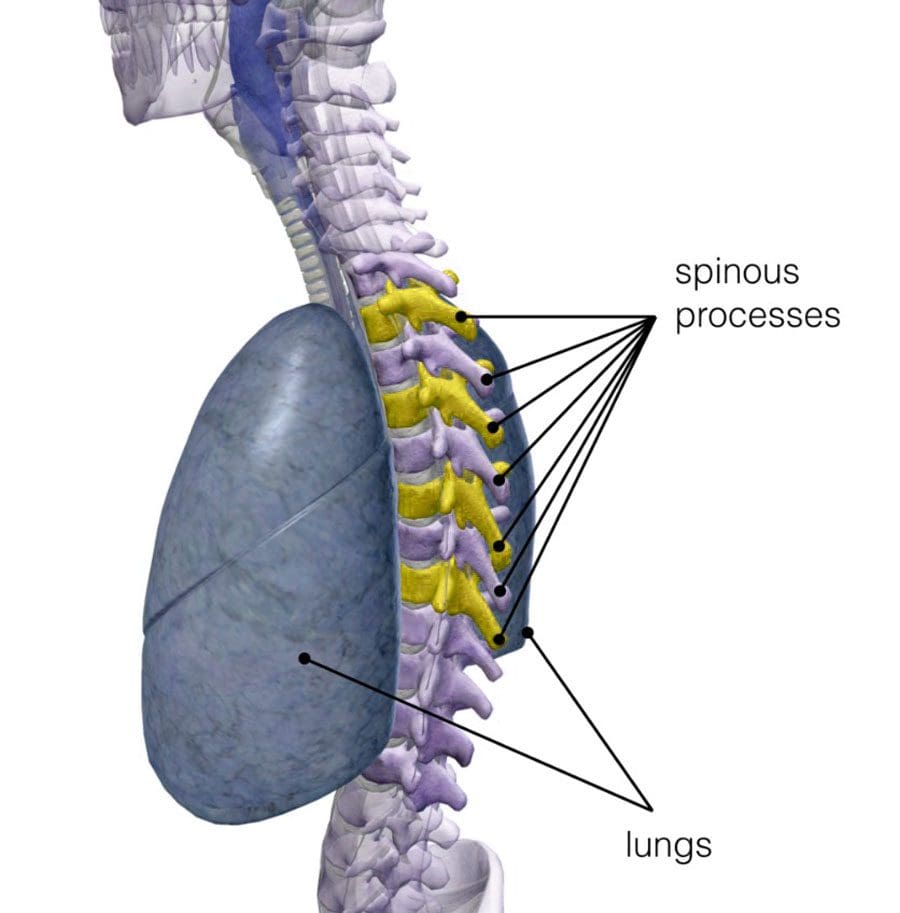
The body is a set of complex systems, including bones, organs, nerves, muscles, and tissue. Breathing disorders are increasing, including chronic bronchitis, asthma, emphysema, and other conditions. Viscerosomatic reflexes include poor breathing quality brought on by allergies, breathing disorders like COPD that can cause intense coughing, sneezing, hunching, arching of the back, and heaving that causes back pain and referred pain.
The brain sends electronic impulses to the different areas of the body through the spine/nervous system. If the nerves get shifted, stretched, compressed, or knocked out of position, the brain could start sending messages of pain and discomfort, which can also cause other body systems to malfunction. If the body is constantly transmitting pain signals, it can disrupt sleep, dietary habits, and overall well-being. Misalignment can disrupt the information delivered by the nervous system, leading to inflammation, irritation, and imbalances in the body.
Regular chiropractic maintains the nervous system to operate the way it was designed. Proper alignment of the spine and body will improve the nervous system’s health and function, encouraging the brain to release endorphins achieving pain relief, and leading to optimal health. When the nervous system performs optimally, the other systems will follow, including better breathing quality.
Poor Breathing
Breathing difficulties are widespread with various causes that include:
Allergies
Environmental pollutants
Viral and bacterial infections that cause inflammation
An overactive immune response can all contribute to poor breathing quality.
Individuals might not notice that their breathing quality is poor but instead notice they are:
Frequent exhaustion
Having to stop constantly in the middle of activities.
Experience brain fog.
Memory issues/forgetfulness.
Physical performance – endurance, flexibility, and muscle is deteriorating.
The breathing quality impacts how well the body’s systems can carry out their essential functions and be prepared for unexpected events. The body adjusts oxygen intake capacity in line with the energy required to perform physical activity. All bodily systems, including the cardiovascular, immune, and muscular systems, depend on the respiratory system to generate energy.
Immune protection against viruses, bacteria, fungi, and other diseases.
Chiropractic
A crucial part of the respiratory system’s function is transporting nutrients and oxygen throughout the body. Chiropractic treatment releases tension by moving muscle fascia and the spine that may have become stuck, compressed, or shifted out of position, causing poor posture and injury. Chiropractic eliminates toxins and cellular waste from tight, knotted areas by breaking up stagnant tissues.
Circulation Improvement
Chiropractic increases circulation, allowing fresh blood, lymphatic fluid, nutrients, and oxygen to enter the deprived tissues. These regions include:
Muscles in the shoulder, neck, back
Bones and joints across the spine
Body tissues
Ligaments
Tendons
Chiropractic treatment can be manual/mechanical traction/decompression, combined with therapeutic tissue massage, exercise, and diet recommendations.
Decompression De La Espalda
References
McCarty, Justin C, and Berrylin J Ferguson. “Identifying asthma triggers.” Otolaryngologic clinics of North America vol. 47,1 (2014): 109-18. doi:10.1016/j.otc.2013.08.012
Purnomo, Ariana Tulus, et al. “Non-Contact Monitoring and Classification of Breathing Pattern for the Supervision of People Infected by COVID-19.” Sensors (Basel, Switzerland) vol. 21,9 3172. 3 May. 2021, doi:10.3390/s21093172
Schend, Jason, et al. “An Osteopathic Modular Approach to Asthma: A Narrative Review.” The Journal of the American Osteopathic Association vol. 120,11 (2020): 774-782. doi:10.7556/jaoa.2020.121
Children, teens, and adults participate in organized and recreational sports activities for fun, exercise, and social benefits. Individuals and parents are used to scrapes, bumps, bruises, sprains, and strains. However, internal abdominal injuries from the body colliding with another player or object are less common but dangerous. Abdominal injuries make up less than 4 percent of sports injuries but can be severe when they occur. These injuries are common in sports like wrestling, gymnastics, soccer, basketball, football, skiing, snowboarding, BMX freestyle, motocross, skateboarding, ice/field hockey, and lacrosse. Early symptoms are not always obvious or apparent and can be mild or seem to go in a different direction away from the abdominal region, which is why it is essential to know what to look for.
Internal Abdominal Injuries Athletes
There are about 3oo 000 abdominal sports-related injuries. Kids and young athletes risk injuring their abdominal organs because their abdominal wall is thinner and still in development. However, internal abdominal injuries to the stomach, small and large intestine, spleen, liver, and kidneys can and do happen in adults.
Injury Types
Sports-related internal abdominal injuries are considered rare, but studies suggest they are increasing. The most common sites include:
Liver
This causes pain in the upper right side of the abdomen.
The right lobe is the one that gets injured more often because it is bigger and presses against the ribcage.
A torn liver can cause severe bleeding.
Shock can develop from the bleeding, causing heart palpitations, rapid breathing, shortness of breath, and a pale, grey, and/or sweaty appearance.
The liver and spleen are the most commonly injured organs in sports. They are filled with blood and can get bruised, or ruptured, and can cause severe bleeding when torn or cut. Bleeding in the abdomen can irritate the diaphragm, which can cause pain in the shoulder. Sometimes shoulder pain is the only symptom making it difficult to diagnose and because bleeding can take time to develop, the symptoms might not present for several hours.
Spleen
This causes pain in the upper left side of the abdomen.
The spleen filters around 10% of the body’s blood supply every minute.
A torn spleen can cause rapid and life-threatening internal bleeding.
Kidneys
The kidneys can be injured by a blow/hit to the back or flank that causes bruising or laceration.
This injury can cause flank/side pain, blood in the urine, nausea, and/or vomiting.
Abdominals
A single organ or multiple organs can be injured.
This can be the pancreas, diaphragm, stomach, gallbladder, bladder, or intestines.
Bruising discoloration or bruising, particularly around the belly and flanks.
This can cause abdominal pain with movement that does not get better that could be accompanied by fever, nausea, or vomiting.
Running into an object, another player, or falling hard can cause bruising, laceration, or create a tear/opening of a bowel wall. Symptoms can be delayed days to weeks after the injury when inflammation or infection develops.
Recognizing Internal Injuries
Signs and symptoms to look for include:
Abdominal pain
Bruising around the abdominal area.
Tenderness over the injured area.
Rigid abdomen.
Left-arm and shoulder pain.
Right-sided abdominal pain and right shoulder pain.
Blood in the urine.
Cold, sweaty skin.
Nausea and vomiting.
Rapid heartbeat.
Low blood pressure.
Loss of consciousness.
Treatment
Chiropractic focuses on whole-body health and can help with abdominal injuries. The nervous and digestive systems are interconnected, meaning that damage could lead to viscerosomatic reflexeseven if not directly injured. If internal damage or bleeding has occurred, individuals will be referred to a specialist, surgeon, or another emergency medical professional. If internal damage is ruled out, a chiropractic treatment plan that includes adjustments, massage therapy, manual and mechanical decompression, exercises, stretches, and health coaching will help with tissue injuries and problems that are causing gastrointestinal distress.
Spinal Non-Surgical Decompression
References
Arumugam, Suresh, et al. “Frequency, causes and pattern of abdominal trauma: A 4-year descriptive analysis.” Journal of emergencies, trauma, and shock vol. 8,4 (2015): 193-8. doi:10.4103/0974-2700.166590
Barrett, Cassie, and Danny Smith. “Recognition and management of abdominal injuries at athletic events.” International journal of sports physical therapy vol. 7,4 (2012): 448-51.
Kucera, K. L., Currie, D. W., Wasserman, E. B., Kerr, Z. Y., Thomas, L. C., Paul, S., & Comstock, R. D. (2019). Incidence of Sport-Related Internal Organ Injuries Due to Direct-Contact Mechanisms Among High School and Collegiate Athletes Across 3 National Surveillance Systems. Journal of athletic training, 54(2), 152–164. https://doi.org/10.4085/1062-6050-271-17
Slentz, Cris A et al. “Effects of aerobic vs. resistance training on visceral and liver fat stores, liver enzymes, and insulin resistance by HOMA in overweight adults from STRRIDE AT/RT.” American journal of physiology. Endocrinology and metabolism vol. 301,5 (2011): E1033-9. doi:10.1152/ajpendo.00291.2011
IFM's Find A Practitioner tool is the largest referral network in Functional Medicine, created to help patients locate Functional Medicine practitioners anywhere in the world. IFM Certified Practitioners are listed first in the search results, given their extensive education in Functional Medicine