The body’s musculoskeletal system consists of bones, cartilage, ligaments, tendons, and connective tissues. These parts get pushed to the extreme with everyday wear and tear, job, school, house chores, and tasks. All the flexing and contracting cause tightness, strain, and soreness that can contribute to negative muscle behavior that holds the muscles in an unhealthy position and in a semi-flexed or tightened state. An example is an unhealthy posture that becomes the norm for an individual. A percussive massage can release tightness, maintain flexibility, relieve discomfort, alleviate stress, and improve circulation.
Percussive Massage Therapy
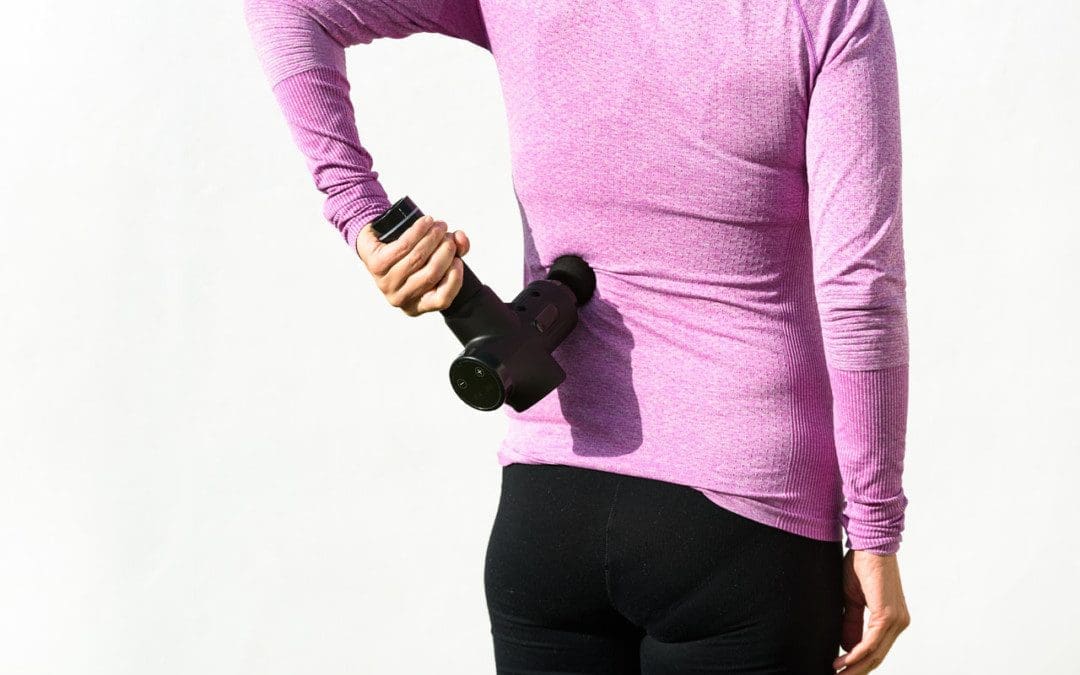
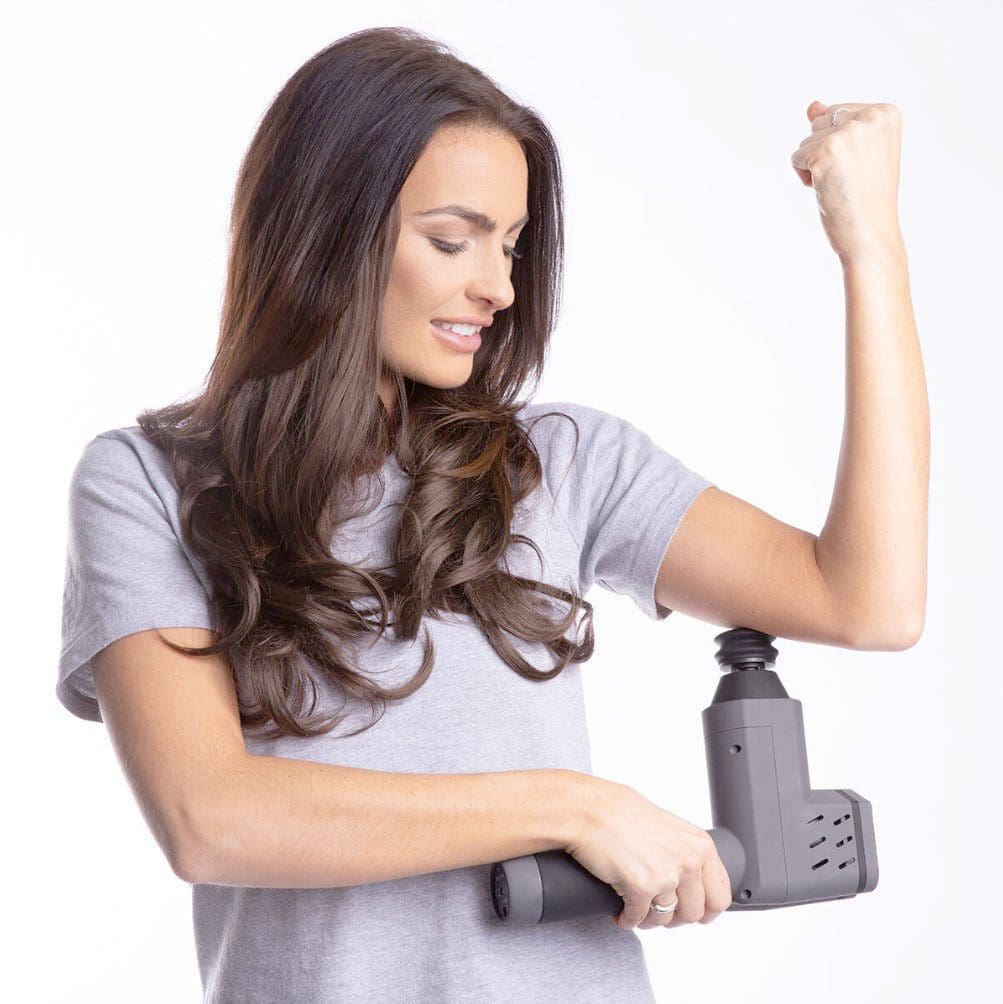
A percussive/percussion massage is a form of physical therapy that utilizes vibration through repeated pressure bursts to massage muscles. Percussive therapy offers more control over targeted muscle groups than foam rollers and other static massagers. The treatment involves using an electric massage device to relieve muscle tension. Different massage heads for various therapeutic purposes move rapidly and forcefully, applying pressure directly to the soft tissues while the vibrations help release and loosen the areas.
How The Massage Works
Fascia, which wraps around the muscles and joints, can become tight and inflamed, causing soreness and pain.
Research shows that tight fascia can limit mobility and proper range of motion.
When a muscle group is stiff and limits the range of motion of a specific part of the body, the rest of the muscles and body will overcompensate. This increases the risk of serious injury.
Percussive therapy loosens the tissues and increases blood circulation.
Once the stiffness and soreness are relieved, continued percussive therapy can prevent tightness from reforming, improve the range of motion, and speed up muscle recovery.
Massage guns can penetrate up to an inch into the soft tissue, stimulating the muscles and helping release tension.
Benefits
Improved mobility
Percussive massage distributes the thickened fascia fluid to relieve pressure and tightness.
Repeated pressure at high speed thins the fluids, making the fascia more workable so the muscles can move easily and efficiently.
Reduced Soreness
Lactic acid builds up in the muscles after working, physical activity, and exercise.
This build-up causes soreness and pain.
The percussion forces muscle fibers to release the lactic acid, reducing the soreness.
Decreased DOMS/Delayed Onset Muscle Soreness
It’s common to experience pain and soreness 24 to 72 hours after unfamiliar physical activity, such as a new job, exercise routine, or rehabilitation after injury or surgery.
This is known as delayed onset muscle soreness or DOMS, which results from tiny muscle fiber tears.
Percussive therapy increases skin temperature, blood flow, and hormonal responses to reduce inflammation and pain.
Increases Relaxation
After work, school, physical activities, and working out, a percussive massage session can help the body wind down and relax.
A percussive massage will help the muscles release and relax when the body is exhausted or overwhelmed.
How To Use A Percussive Massager
Before starting a new medical treatment, including percussion therapy, talk to your doctor, physical therapist, or chiropractor.
Ensure you know the difference between normal muscle soreness and pain from an injury.
Don’t use a massager on an injured muscle or body part, as the aggressive motion could aggravate the injury.
Avoid using the device on bones or joints.
Never use a massage gun directly on the neck; perform the massage on the shoulders and upper back.
Start with the lowest intensity level.
The low and medium settings should provide plenty of power for most users.
As you become more comfortable with the device, you’ll understand how your body reacts then you can try out the higher settings.
A percussive massager should be used in short bursts on small, targeted areas.
It is recommended to perform treatments for only a few minutes.
Seeing the muscles turning reddish during the massage signals that blood is flowing and it’s time to move on to another area.
If the massage gun makes the skin sore or sensitive, make tiny circles instead of holding the massager in one spot.
Combined with chiropractic and professional massage, percussive therapy can help individuals maintain a relaxed musculoskeletal system.
Best Massage Guns
References
Cafarelli, E et al. “Vibratory massage and short-term recovery from muscular fatigue.” International journal of sports medicine vol. 11,6 (1990): 474-8. doi:10.1055/s-2007-1024840
Cerciello, Simone, et al. “Clinical applications of vibration therapy in orthopedic practice.” Muscles, ligaments and tendons journal vol. 6,1 147-56. 19 May. 2016, doi:10.11138/mltj/2016.6.1.147
Cheatham, Scott W et al. “Mechanical Percussion Devices: A Survey of Practice Patterns Among Healthcare Professionals.” International journal of sports physical therapy vol. 16,3 766-777. 2 Jun. 2021, doi:10.26603/001c.23530
García-Sillero, Manuel et al. “Acute Effects of a Percussive Massage Treatment on Movement Velocity during Resistance Training.” International journal of environmental research and public health vol. 18,15 7726. 21 Jul. 2021, doi:10.3390/ijerph18157726
Jack Martin, “A critical evaluation of percussion muscle gun therapy as a rehabilitation tool focusing on lower limb mobility.” A literature review. Department of Health and Wellbeing. The University of Winchester. https://osf.io/preprints/sportrxiv/j9ya8/
Imtiyaz, Shagufta et al. “To Compare the Effect of Vibration Therapy and Massage in Prevention of Delayed Onset Muscle Soreness (DOMS).” Journal of clinical and diagnostic research: JCDR vol. 8,1 (2014): 133-6. doi:10.7860/JCDR/2014/7294.3971
Konrad, Andreas et al. “The Acute Effects of a Percussive Massage Treatment with a Hypervolt Device on Plantar Flexor Muscles’ Range of Motion and Performance.” Journal of sports science & medicine vol. 19,4 690-694. 19 Nov. 2020
All sports differ in the relative importance of various physical skills contributing to the game and individual performance. Baseball is a precision sport with fast, explosive movements and full-body activity. The ability to repeatedly perform near maximum level with little rest is necessary for baseball players. Baseball training involves a multidimensional approach that focuses on speed, agility, and strength in a way that is relative to the motions and requirements of the sport.
Baseball Training
Trainers have to assess the unique needs of the sport and determine the time needed to improve each quality within the athlete. They should focus on the following:
Baseball training workouts are targeted at increasing running speed, bat speed, pitching, and throwing velocity that breaks down the muscle groups for improving performance while decreasing the risk of injury. Training consists of combined conditioning that includes:
Throwing a baseball at high velocity is a full-body movement that requires total body development.
Strong leg, hip, and core muscles are necessary to transfer power from the ground, up through the lower body, to the torso, and then the arm and hand to generate a fast, whipping ball release.
This will improve generating power in the throwing muscles.
The objective is to build power utilizing a heavy and then a light load to build arm speed, and using proper form will improve throwing velocity safely.
Proper trunk rotation during arm cocking and strength and flexibility training should involve trunk rotational exercises to develop the obliques so that maximum arm speed can be generated.
Players have to deal with consistent failure and remain confident.
Hitting Mistakes
References
Ellenbecker, Todd S, and Ryoki Aoki. “Step-by-Step Guide to Understanding the Kinetic Chain Concept in the Overhead Athlete.” Current reviews in musculoskeletal medicine vol. 13,2 (2020): 155-163. doi:10.1007/s12178-020-09615-1
Fleisig, Glenn S et al. “Biomechanical Analysis of Weighted-Ball Exercises for Baseball Pitchers.” Sports health vol. 9,3 (2017): 210-215. doi:10.1177/1941738116679816
Rhea, Matthew R, and Derek Bunker. “Baseball-specific conditioning.” International journal of sports physiology and performance vol. 4,3 (2009): 402-7. doi:10.1123/ijspp.4.3.402
Seroyer, Shane T et al. “The kinetic chain in overhand pitching: its potential role for performance enhancement and injury prevention.” Sports health vol. 2,2 (2010): 135-46. doi:10.1177/1941738110362656
Workout recovery is as important as working out. Pushing muscle past its normal levels creates tiny tears in the muscle tissue. It is the repairing process that generates muscle growth. Muscles that aren’t allowed to recover will not grow or gain muscle mass, and muscle strength could be reduced, making working out a struggle and hindering health goal progress. The body needs time to repair the muscles to reduce the risk of injury. Allowing enough time for recovery reduces overuse-related muscle breakdown and injuries. Muscle recovery supplements can expedite the healing process.
Muscle Recovery Supplements
Reasons for taking supplements include their ability to heal damaged muscles faster, aid in injury recovery, reduce muscle soreness, reduce muscle fatigue, and provide the muscle cells with energy during recovery.
Some studies have found that taking a creatine supplement may aid muscle recovery and greater muscle strength during recovery.
Citrulline Malate
Citrulline is a non-essential amino acid found in watermelon that converts into nitric oxide.
Nitric oxide helps open blood vessels and improve blood circulation.
This allows oxygen and nutrients to reach the muscle faster, speeding the recovery process.
Citrulline also improves the bioavailability of L-arginine, another amino acid that aids protein synthesis.
Magnesium
Magnesium assists with muscle recovery by helping the muscles relax.
When the body doesn’t have enough magnesium, there is a greater chance of muscle cramps.
Magnesium helps support healthy muscle contraction.
Tart Cherry Juice Extract
This extract works by reducing inflammation in the muscle.
Inflammation is normal, but too much can increase muscle soreness and the risk of injury.
One study found that cherry juice helps minimize post-exercise muscle pain.
Supplement Plan
After selecting a supplement plan that is the most beneficial for the individual, the next step is to devise a schedule for taking them.
When using a muscle recovery supplement can either be a pre-workout supplement or a post-workout supplement.
The recommended time to take a specific supplement is based on the type.
Individuals should talk with their doctor and a nutritionist before starting any new supplement regimen.
This helps ensure the supplements are safe and minimize negative side effects given health and medical conditions.
Nutrition In Recovery
References
Cooke, M.B., Rybalka, E., Williams, A.D. et al. Creatine supplementation enhances muscle force recovery after eccentrically-induced muscle damage in healthy individuals. J Int Soc Sports Nutr 6, 13 (2009). https://doi.org/10.1186/1550-2783-6-13
DiNicolantonio, James J et al. “Subclinical magnesium deficiency: a principal driver of cardiovascular disease and a public health crisis.” Open heart vol. 5,1 e000668. 13 Jan. 2018, doi:10.1136/openhrt-2017-000668
Gough, Lewis A et al. “A critical review of citrulline malate supplementation and exercise performance.” European journal of applied physiology vol. 121,12 (2021): 3283-3295. doi:10.1007/s00421-021-04774-6
Kuehl, Kerry S et al. “Efficacy of tart cherry juice in reducing muscle pain during running: a randomized controlled trial.” Journal of the International Society of Sports Nutrition vol. 7 17. 7 May. 2010, doi:10.1186/1550-2783-7-17
Vitale, Kenneth C et al. “Tart Cherry Juice in Athletes: A Literature Review and Commentary.” Current sports medicine reports vol. 16,4 (2017): 230-239. doi:10.1249/JSR.0000000000000385
Weinert, Dan J. “Nutrition and muscle protein synthesis: a descriptive review.” The Journal of the Canadian Chiropractic Association vol. 53,3 (2009): 186-93.
Wolfe, Robert R. “Branched-chain amino acids and muscle protein synthesis in humans: myth or reality?.” Journal of the International Society of Sports Nutrition vol. 14 30. 22 Aug. 2017, doi:10.1186/s12970-017-0184-9
Zhang, Shihai, et al. “Novel metabolic and physiological functions of branched-chain amino acids: a review.” Journal of animal science and biotechnology vol. 8 10. 23 Jan. 2017, doi:10.1186/s40104-016-0139-z
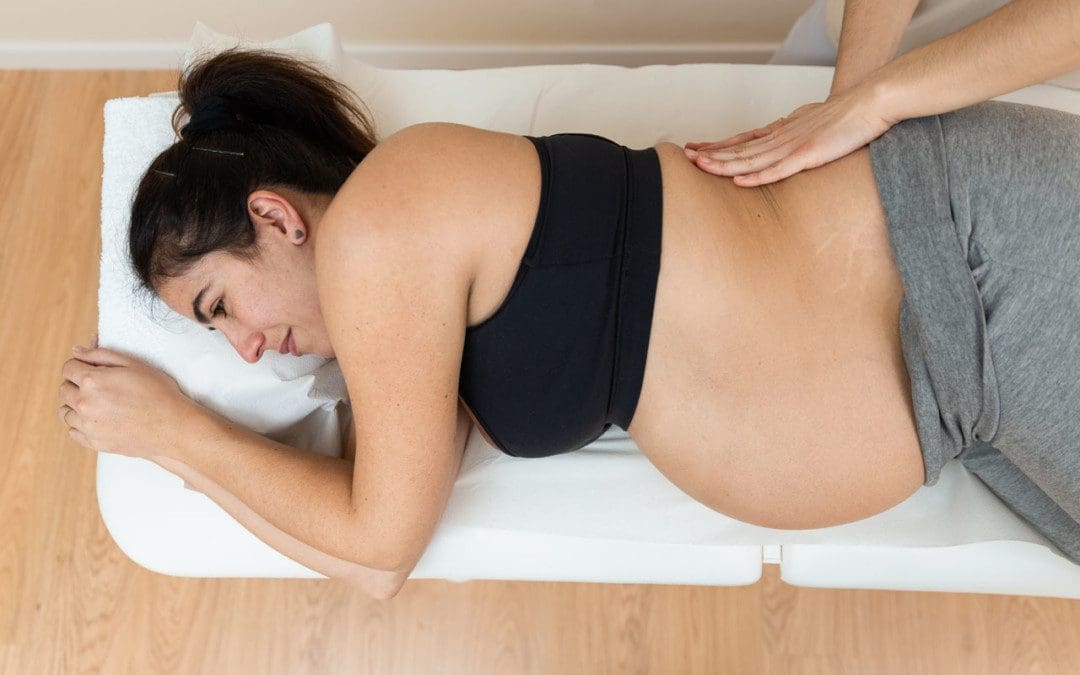
The body experiences physical changes during pregnancy. As the baby grows, the body has to adjust, which can cause unfamiliar aches and pains. A common issue for pregnant women is sciatica symptoms or lumbar radiculopathy, which radiates discomfort sensations that travel down the lower spine, down the back of the thigh, and into the foot. Chiropractic care and massage therapy can realign the spine and hips, therapeutically massage circulation through the body, relieve symptoms, and restore function.
Pregnancy Sciatica
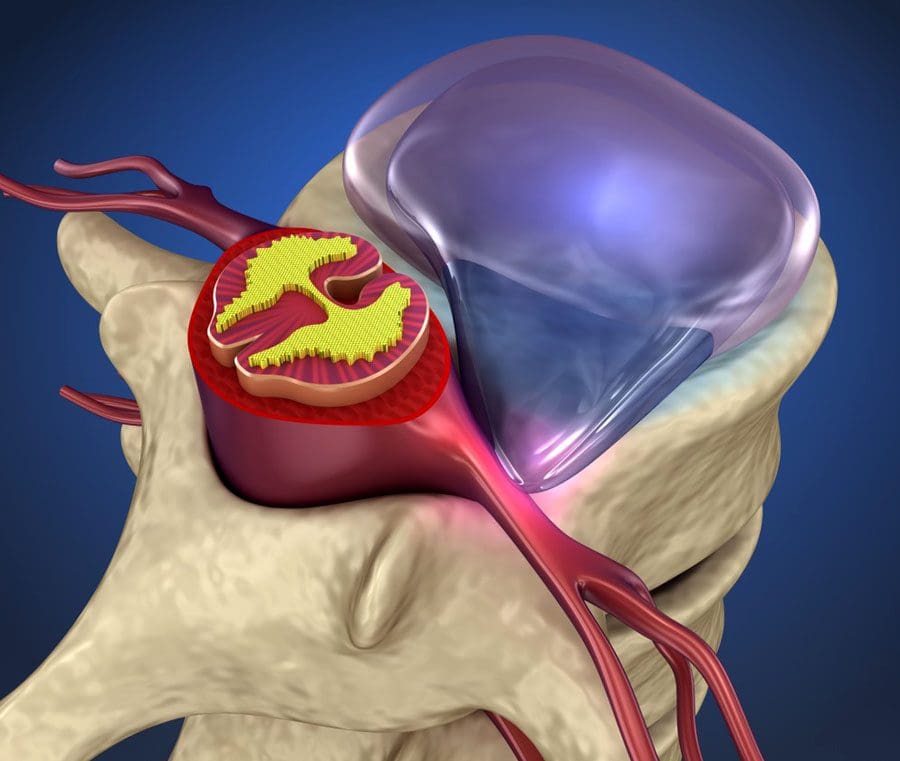
The sciatic nerve is the largest in the body and the main nerve in the legs. In most cases, sciatica happens when this nerve gets compressed by bulging, slipped, or ruptured spinal discs, arthritis, or spinal stenosis.
Symptoms
Aches and pains that result from sciatica range from mild to severe sensations. Symptoms include:
Pain that travels from the pelvis down the back of the leg.
A burning sensation in the low back and buttocks.
Jolting pain that feels like an electric shock.
Numbness, muscle weakness, or tingling in one leg or foot.
Tingling sensation in one part of the body and pain in another.
Pain that worsens when coughing, sneezing or sitting for long periods.
Causes
Sciatica during pregnancy can be caused by:
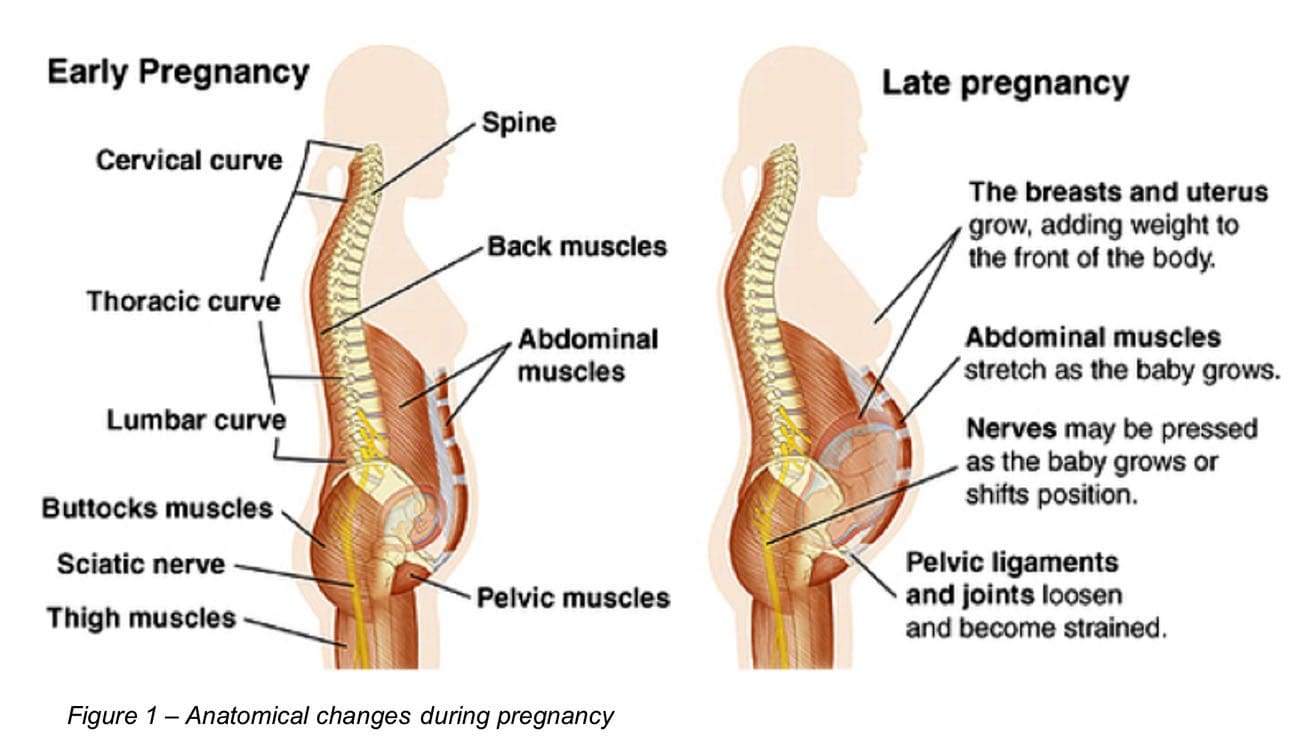
Weight gain is going to pull the spine and muscles down.
Increased fluid retention can place added pressure on the nerve as it passes through the pelvis.
The expanding uterus can press down on the nerve in the lower part of the spine.
The growing belly and breasts shift the center of gravity forward and stretch the lordotic curve causing the muscles in the:
Buttocks and pelvis to tighten up and compress the sciatic nerve.
The baby’s head can rest directly on the nerve when settling into the proper birth position in the third trimester.
A herniated or slipped disc caused by the extra pressure of the growing uterus can be the cause, although this is less common.
Pregnancy also causes the body to release a hormone called relaxin, designed to relax the ligaments and prepare the pelvis for childbirth.
Loose ligaments can cause spinal compression and affect the sciatic nerve.
Sciatica will most likely occur during the third trimester when mother and baby are bulking up, but it can develop earlier, although this is less common. Most women experience symptoms on one side, though it can affect both legs. The condition can be constant or intermittent, depending on the amount of pressure placed on the nerve, and can remain for a few months after giving birth when the excess weight and fluid are gone.
Treatment Techniques
Simple home remedies and treatment to help ease the symptoms. These include:
Sleep on Your Side
Rest on the side of the body that does not present symptoms when lying down.
Prenatal massage can reduce stress, improve blood circulation, and regulate hormones.
Chiropractic and Physical Therapy
Chiropractic is non-invasive and drug-free, making it a safe and gentle option for mom and baby.
A professional chiropractor can evaluate the condition.
Identify and remove interferences in the nervous system from the source.
Realign the bones.
Provide a personalized treatment plan to alleviate symptoms and stretches and strength-building exercises.
Sciatica In Pregnancy
References
American Pregnancy Association: “Prenatal Massage Therapy.
American Pregnancy Association: “Sciatic Nerve Pain During Pregnancy: Causes and Treatment.”
FRIEDMANN, E. “Narrowing of the spinal canal due to thickened lamina a cause of low-back pain and sciatica.” Clinical orthopedics vol. 21 (1961): 190-7.
Goldsmith, Laura T, and Gerson Weiss. “Relaxin in human pregnancy.” Annals of the New York Academy of Sciences vol. 1160 (2009): 130-5. doi:10.1111/j.1749-6632.2008.03800.x
KULOWSKI, J. “Unusual causes of low back pain and sciatica during pregnancy.” American journal of obstetrics and gynecology vol. 84 (1962): 627-30. doi:10.1016/0002-9378(62)90156-4
Trager, Robert J et al. “Ischial osteochondroma as an unusual source of pregnancy-related sciatic pain: a case report.” Chiropractic & manual therapies vol. 30,1 45. 17 Oct. 2022, doi:10.1186/s12998-022-00451-3
Stress and anxiety treatments can include a range of therapies, including talking therapy, meditation techniques, and medication. Chiropractic care, adjustments, and massage are also used as a treatment plan to de-stress. Whether diagnosed with an anxiety disorder or experiencing intense stress, chiropractic functional medicine can address the physical symptoms to rebalance the mind and body.
De-Stress
Physical and mental health are connected. Stress and anxiety can cause tension, fatigue, headaches, and aches and pains. It can make sleeping and/or relaxing difficult, affecting mental and physical health. Signs of stress include:
Blood sugar level changes
Every day or almost every day, tension headaches
Teeth grinding
Backaches
Muscle tension
Digestive problems
Skin irritation
Hair loss
Heart issues
The spine is the conduit for the sympathetic and parasympathetic nervous systems.
The sympathetic nervous system activates when the brain thinks sudden action or important stressful decisions needs to be taken.
The fight or flight response speeds up the heart rate and releases adrenaline.
The parasympathetic system deactivates the fight or flight response, calming the body into a more relaxed state.
Problems arise when the sympathetic nervous system gets activated repeatedly, causing the fight or flight system to remain semi-active. This can come from long commutes, traffic jams, loud music, deadlines, sports practice, rehearsals, etc. The parasympathetic nervous system never gets a chance to activate and settle the mind and body. The result is constantly feeling stressed and agitated.
Chiropractic Care
Chiropractic care to de-stress decreases stress hormones and releases feel-good hormones like oxytocin, dopamine, and serotonin, which allow healing and help the body relax. Chiropractic adjustments let the brain know it’s time to activate the parasympathetic nervous system and ease down. Chiropractic helps by:
Relieving Muscle Tension
When the body is under stress, the muscles tense up, causing discomfort, aches, and pains.
The continued stress can lead to health issues, panic attacks, anxiety disorders, and depression.
Chiropractic relieves tension restoring the body to its natural balance.
Chiropractic can help effectively restore bodily functions.
Adjustments and massage rebalance blood circulation and energy flow, allowing clear nervous system transmission.
Lowering Blood Pressure
Chiropractic care has shown positive results in lowering blood pressure.
Improving Quality Sleep
Chiropractic care improves sleep patterns by correcting spinal misalignments.
Increasing Relaxation
Chiropractic adjustments can release and relax muscle activity, allowing the body to relax and de-stress completely.
Health Voice
References
Jamison, J R. “Stress management: an exploratory study of chiropractic patients.” Journal of manipulative and physiological therapeutics vol. 23,1 (2000): 32-6. doi:10.1016/s0161-4754(00)90111-8
Kültür, Turgut, et al. “Evaluation of the effect of chiropractic manipulative treatment on oxidative stress in sacroiliac joint dysfunction.” Turkish journal of physical medicine and rehabilitation vol. 66,2 176-183. 18 May. 2020, doi:10.5606/tftrd.2020.3301
Mariotti, Agnese. “The effects of chronic stress on health: new insights into the molecular mechanisms of brain-body communication.” Future science OA vol. 1,3 FSO23. 1 Nov. 2015, doi:10.4155/fso.15.21
Stefanaki, Charikleia, et al. “Chronic stress, and body composition disorders: implications for health and disease.” Hormones (Athens, Greece) vol. 17,1 (2018): 33-43. doi:10.1007/s42000-018-0023-7
Yaribeygi, Habib et al. “The impact of stress on body function: A review.” EXCLI journal vol. 16 1057-1072. 21 Jul. 2017, doi:10.17179/excli2017-480
Herniated disc injuries and the time it takes to heal depend on the injury’s cause, the severity, and where it occurred along the spine. Symptoms can last a few days to months. Chiropractic treatment, massage therapy, and decompression realign the spine and return the disc to its correct position. Still, the herniated disc signs it is returning to normal can take time as the rest of the spine and body adjust to the realignment.
Herniated Disc Signs It Is Returning To Normal
Most cases take a few weeks with healing time depending on health conditions, physical activity level, and age. However, in severe cases, a herniated disc can take up to several months to fully heal, but discomfort symptoms usually resolve sooner.
Expectations From a Healing Disc
Resting the spine and taking it easy after the injury is recommended.
Too much rest is not recommended as it can cause muscle stiffness.
While the herniated disc is healing, a primary doctor may prescribe anti-inflammatories or muscle relaxants to help ease discomfort.
A chiropractor and/or physical therapist can teach exercises and stretches to relieve pressure on nerves, loosen tight muscles, and improve circulation.
Signs The Herniated Disc Is Healing
Most herniated discs cause significant pain in the back and neck from the nervous system, causing some of the muscles of the low back or neck to spasm to protect the area from further damage.
Usually, the muscle spasms relax within the first days of the injury.
After spinal decompression, neurological symptoms like the sharp, shooting pain down a nerve in the arm or leg are the first symptoms to go away.
Then muscle weakness along the path of the nerve goes away.
Numbness in the extremities can linger around longer.
Length of Time
The wear and tear of adult spinal discs, combined with unhealthy posture habits, job occupation, previous injuries, etc., decrease blood circulation.
This is why it can take some time to heal completely, as the entire blood supply needs to reset to optimal circulation.
Nerve compression causing aches and pain sensations down the nerves can also take time.
Regular Activity
Returning to regular activities depends on the individual’s case and condition. It is essential not to overdo things that can cause excessive loading of the spine before the disc has fully healed, which increases the risk of re-herniation and other injuries.
Inactivity can slow the healing process and cause inflammation.
Patients are encouraged to return to activities that generate gentle motion to stimulate the stabilizing muscles to function properly and increase blood circulation to the injured area.
Individuals are recommended to:
Learn posture improvement when walking, sitting, standing, and sleeping.
Adjust sleep patterns.
Incorporate anti-inflammatory nutrition during the healing process.
This provides a mechanical and biological environment that eventually becomes a personalized exercise physical therapy program.
DOC Spinal Decompression
References
Díez Ulloa, Máximo Alberto. “Role of Microangiogenensis in Disc Herniation Healing.” Journal of investigative surgery: the official journal of the Academy of Surgical Research vol. 34,6 (2021): 685. doi:10.1080/08941939.2019.1682725
Factors that influence recovery: Mayo Clinic. February 8, 2022. “Herniated disk.” https://www.mayoclinic.org/diseases-conditions/herniated-disk/symptoms-causes/syc-20354095
Factors that influence recovery: NHS. March 22, 2021. “Slipped Disc.” https://www.nhs.uk/conditions/slipped-disc/
How to speed up healing time: American Academy of Orthopaedic Surgeons. January 2022. “Herniated Disk in the Lower Back” https://orthoinfo.aaos.org/en/diseases–conditions/herniated-disk-in-the-lower-back/
Keramat, Keramat Ullah, and Aisling Gaughran. “Safe physiotherapy interventions in large cervical disc herniations.” BMJ case reports vol. 2012 bcr2012006864. 18 Aug. 2012, doi:10.1136/bcr-2012-006864
Stoll, T et al. “Physiotherapie bei lumbaler Diskushernie” [Physiotherapy in lumbar disc herniation ]. Therapeutische Umschau. Revue therapeutique vol. 58,8 (2001): 487-92. doi:10.1024/0040-5930.58.8.487
Swartz, Karin R, and Gregory R Trost. “Recurrent lumbar disc herniation.” Neurosurgical focus vol. 15,3 E10. 15 Sep. 2003, doi:10.3171/foc.2003.15.3.10
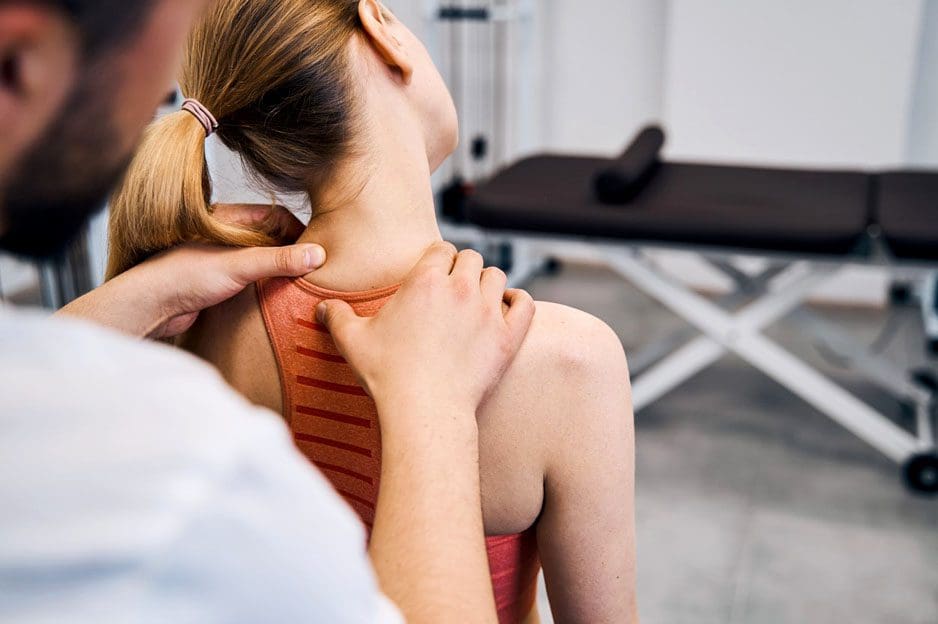
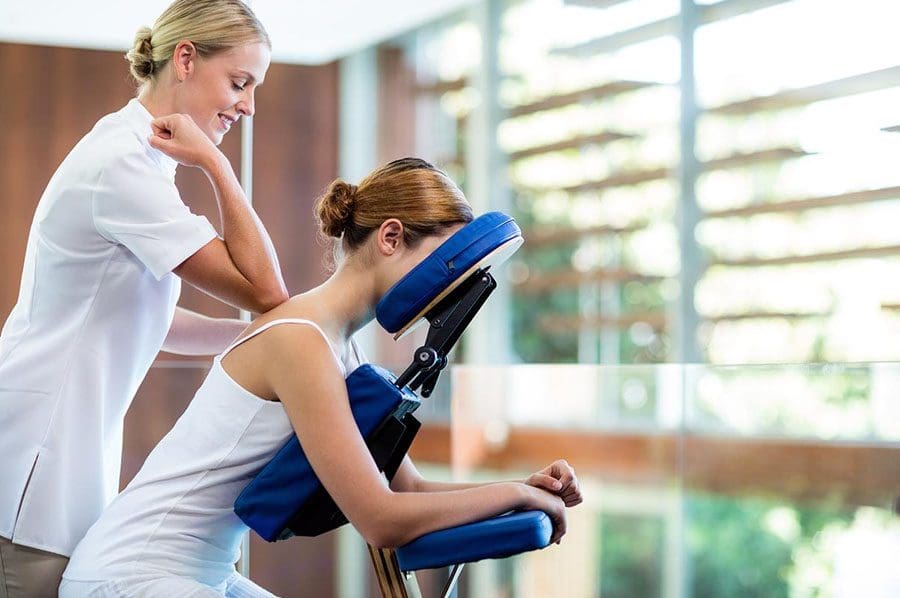
Neuropathy therapeutic massage is a system of structured palpations or movements of the body’s soft tissues. When the nerves don’t get enough oxygen and nutrients from blood circulation, symptoms like tenderness, tingling, numbness, and pain can present. The best way to move the blood is by massaging the circulation in and around the numb and sore areas and throughout the body. Many types of massage therapy are available for various health-related issues. This includes:
Pain alleviation and management
Injury rehabilitation and prevention
Stress alleviation
Anxiety and depression therapy
Immune system restoration
Increasing relaxation
Facilitating overall wellness
Neuropathy Therapeutic Massage
Neuropathy therapeutic massage: The objective is to stimulate blood flow throughout the body. This is because the more muscles move, the better they can maintain blood circulation to nourish the nerves and the body, which is why physical activity/exercise/movement is encouraged. Benefits include:
De-stressing the nerves that are causing tingling, numbness, and burning.
The discomfort eases as the muscles are lengthened and loosened, releasing the tightness and pressure.
Endorphins (natural painkillers) are released, minimizing the pain.
Increase in circulation
Reduced spasms and cramping
Increased joint flexibility
Mobility restoration
Symptom relief
Decreased anxiety
Improved sleep quality
Increased energy levels
Improved concentration
Reduced fatigue
Massage Techniques
Massaging techniques include:
Kneading
Stroking
Gliding
Percussion
Vibration
Friction
Compression
Passive stretching
Active stretching
Effleurage
This can be firm or light soothing, stroking movements without dragging the skin, using the fingertips or the palms.
Petrissage
Lifting or picking up muscles and rolling the skin.
Tapotement
Striking with the side of the hand, usually with slightly flexed fingers, rhythmic finger movements, or short rapid movements with the sides of the hand.
There are different types of massage, those that are for comfort and those for specific conditions or diseases. A few include:
Swedish Massage
Generally regarded as the most common form of massage, this technique involves a combination of five basic strokes and concentrates on the muscles and connective tissues.
Used to improve circulation, relaxation, pain relief, and overall maintenance and well-being.
Sports Massage
Sports massage therapies are used in preventative and therapeutic settings.
Athletes use the technique during warm-ups, training, and competition to treat and/or help in:
Injury prevention
Improved flexibility
Full range of motion
Improved performance
Helps to focus and mental clarity.
Reflexology
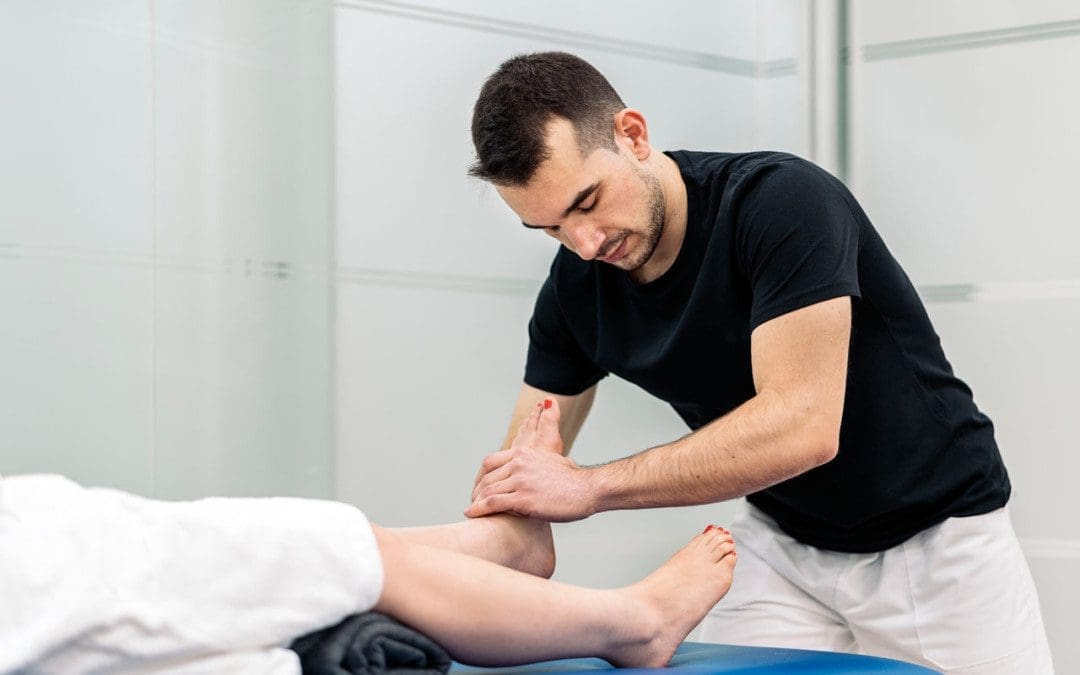
This technique uses a system of points on the hands, feet, and ears that correspond to or reflex other body areas.
Reflexologists apply appropriate pressure to these points to stimulate energy flow, to relieve pain or blockages throughout the body.
Reflexology is also used to ease stress and promote relaxation.
Aromatherapy
Various essential oils derived from plants, herbs, flowers, and roots have therapeutic qualities.
Aromatherapy involves essential oils to produce a certain effect; for example, lavender is used to induce calmness and relaxation.
When combined with body massage, aromatherapy can enrich the experience immensely.
A few drops can be added to massage cream or oil and applied to the skin.
Connective tissue massage is similar to myofascial release in that it involves working with the fascia, or soft tissue, to relieve pain, tightness, and discomfort.
The theory of connective tissue massage is that tight, restricted body areas negatively affect other body areas.
Practitioners/therapists hook their fingers into the connective tissue and use pulling strokes to lengthen the tissues.
This releases tension, improves mobility and reduces stress.
Deep-Tissue Massage
Deep-tissue massage utilizes slow strokes, direct pressure, and/or friction across the grain of the muscles with the fingers, thumbs, and/or elbows.
Its purpose is to reach the fascia beneath the muscles going deep into the muscles and connective tissue to release aches and pains.
Therapists thoroughly understand the human body and have been trained to administer deep-tissue massage.
The technique is used in treating chronic pain, inflammation, and injury.
Geriatric Massage
Geriatric massage involves treating the elderly and addressing specific needs related to age, conditions, and illness.
The sessions are usually shorter and involve gentle techniques to facilitate pain relief, relaxation, and overall wellness.
Lymph Drainage Therapy
This technique involves the application of light, rhythmic strokes to alleviate various conditions related to the body’s lymph system.
The lymph system supports the immune system and is responsible for flushing toxins and draining fluid.
When lymph circulation slows down or stops, fluid can build up and cause physical problems like inflammation, edema, and neuropathies.
Therapists restore lymph flow by using a mapping system to assess problem areas, then apply gentle pressure using the fingers and hands to reactivate circulation.
Neuromuscular Therapy
Neuromuscular therapy is massage applied to specific muscles, often used to increase blood circulation, release muscle tension knots/trigger points, and/or release pain/pressure on nerves.
This therapy is also known as trigger-point therapy in that concentrated finger pressure is applied to specific points to alleviate muscular pain.
HealthCare
Neuropathy therapeutic massage is used in combination to enhance regular medical care. Let a doctor know when trying massage therapies, and follow any standard treatment plans. Some forms of massage can cause soreness the next day but should be combined with a sense of improvement and being healthier. If any part of the massage doesn’t feel right or is painful, let the therapist know immediately. Most serious issues come from too much pressure during the massage or sensitivity or allergy to massage oils. Massage therapy caution includes the following:
Vigorous massage should be avoided by individuals with bleeding disorders or low blood platelet counts and taking blood-thinning medications.
Massage therapy should not be done in areas with blood clots, fractures, healing wounds, skin infections, weakened bones from osteoporosis or cancer, or after recent surgery.
Cancer patients should discuss any concerns about massage therapy with their oncologist.
Pregnant women should consult their healthcare provider before using massage therapy.
Peripheral Neuropathy Recovery
References
American Massage Therapy Association defines massage therapy and basic massage therapy terms. www.amtamassage.org
Complementary and alternative methods: types of bodywork. Available at www.cancer.org
Gok Metin, Zehra, et al. “Aromatherapy Massage for Neuropathic Pain and Quality of Life in Diabetic Patients.” Journal of nursing scholarship: an official publication of Sigma Theta Tau International Honor Society of Nursing vol. 49,4 (2017): 379-388. doi:10.1111/jnu.12300
MassageTherapy.com. www.massagetherapy.com
National Institutes of Health, National Center for Complementary and Alternative Medicine
Samuels, Noah, and Eran Ben-Arye. “Integrative Approaches to Chemotherapy-Induced Peripheral Neuropathy.” Current oncology reports vol. 22,3 23. 11 Feb. 2020, doi:10.1007/s11912-020-0891-2
Sarısoy, Pınar, and Ozlem Ovayolu. “The Effect of Foot Massage on Peripheral Neuropathy-Related Pain and Sleep Quality in Patients With Non-Hodgkin’s Lymphoma.” Holistic nursing practice vol. 34,6 (2020): 345-355. doi:10.1097/HNP.0000000000000412
Thomas, Ewan, et al. “Peripheral Nerve Responses to Muscle Stretching: A Systematic Review.” Journal of sports science & medicine vol. 20,2 258-267. 8 Mar. 2021, doi:10.52082/jssm.2021.258
Zhang, Yong-Hui, et al. “Exercise for Neuropathic Pain: A Systematic Review and Expert Consensus.” Frontiers in medicine vol. 8 756940. 24 Nov. 2021, doi:10.3389/fmed.2021.756940
IFM's Find A Practitioner tool is the largest referral network in Functional Medicine, created to help patients locate Functional Medicine practitioners anywhere in the world. IFM Certified Practitioners are listed first in the search results, given their extensive education in Functional Medicine


 Baseball Training


 Neuropathy Therapeutic Massage






