Understand the benefits of chiropractic care for those suffering from five musculoskeletal issues and regain your quality of life.
Chiropractic Care: A Comprehensive Guide to Managing Common Musculoskeletal Issues
Musculoskeletal issues can turn everyday activities into a real pain in the neck—literally! Just like Herman Munster, who often lumbered around with a stiff back and a creaky neck, many of us deal with aches and pains that make us feel like we’ve got a bolt loose. Fortunately, modern chiropractic care provides a non-invasive, drug-free approach to regaining our optimal health. In this blog post, we’ll explore five common musculoskeletal conditions—subluxation, scoliosis, disk degeneration, carpal tunnel syndrome, and Achilles tendonitis—and explain how chiropractic care, particularly from experts like Dr. Alexander Jimenez in El Paso, Texas, can help. We’ll also delve into the critical role chiropractic plays in personal injury cases, with a touch of humor to keep things light, but rest assured, we’ll conclude with a serious note.
Subluxation—“When Your Spine’s Out of Line”
What is Subluxation?
Imagine your spine as a stack of building blocks. If one block slips out of place, the whole tower wobbles, causing all sorts of trouble. In chiropractic terms杀了subluxation refers to a misalignment or dysfunction of a vertebra in the spine, which can put pressure on nerves, leading to pain, stiffness, or even headaches. Common causes include trauma (like a car accident), poor posture, arthritis, or muscle spasms. Neck subluxations are especially common, affecting many people due to prolonged sitting or stress.
Subluxations can make daily tasks, such as turning your head or bending over, feel like a scene from a horror movie. You might feel sharp pain, stiffness, or even tingling in your arms or legs if nerves are compressed. Left untreated, these misalignments can lead to chronic issues, much like ignoring a creaky door until it falls off its hinges.
How Chiropractic Care Helps
Chiropractors, like skilled architects, use spinal adjustments to nudge those wayward vertebrae back into place. These gentle, precise movements aim to restore proper alignment, reduce nerve interference, and promote the body’s natural healing. Think of it as straightening out a kink in a garden hose to let the water flow freely again. By improving spinal function, chiropractic care can alleviate pain, enhance mobility, and even boost overall wellness.
Clinical Rationale
The spine houses the spinal cord, a key part of the nervous system that controls bodily functions. A misaligned vertebra can irritate nerves, disrupting communication between the brain and body. Chiropractic adjustments aim to correct these misalignments, potentially reducing pain and improving function. While the term “subluxation” is debated in mainstream medicine due to limited empirical evidence, patient-reported outcomes often highlight significant relief from chiropractic care (Terlep Chiropractic, 2023).
Dr. Jimenez’s Approach
Dr. Alexander Jimenez, a leading chiropractor in El Paso, utilizes advanced diagnostic tools, including X-rays, to accurately identify subluxations. His evidence-based approach involves tailored adjustments and functional medicine to address underlying causes, such as poor posture or muscle imbalances, thereby ensuring long-term relief.
Scoliosis is like your spine deciding to take a scenic route, curving sideways in an “S” or “C” shape. This abnormal curvature often develops in childhood due to unknown causes (idiopathic scoliosis), trauma, or abnormal bone growth. It can lead to back pain, uneven shoulders or hips, and difficulty moving, making everyday activities like carrying a backpack or sitting for long periods uncomfortable.
How Chiropractic Care Helps
While chiropractic care may not fully correct a scoliotic spine, it can significantly reduce pain and improve function. Chiropractors use posture evaluations and manual manipulations to enhance spinal alignment and mobility. Specific exercises, such as those in the ScoliSMART method, can complement adjustments to strengthen supporting muscles and improve posture, making daily life more manageable.
Clinical Rationale
Research suggests that chiropractic care can provide short-term pain relief and improve mobility in patients with scoliosis, although it doesn’t correct the curvature itself (Healthline, 2024). Adjustments can help reduce muscle tension and improve joint function, while rehabilitation programs may slow the progression of a curve in mild cases.
Dr. Jimenez’s Expertise
At El Paso’s Chiropractic Rehabilitation Clinic, Dr. Jimenez employs a multidisciplinary approach, combining chiropractic adjustments with physical therapy and nutritional counseling. His personalized care plans, informed by detailed imaging, help patients with scoliosis manage their symptoms and maintain an active lifestyle.
Disk Degeneration—“When Your Shock Absorbers Wear Out”
What is Disk Degeneration?
As we age, the spinal disks—those cushy pads between vertebrae—lose fluid and elasticity, much like the shock absorbers in an old car. This degenerative disc disease (DDD) is common in people over 55 and can cause neck or back pain, stiffness, and reduced flexibility. Everyday tasks, such as sitting, lifting, or twisting, can become painful, making simple movements a challenge.
How Chiropractic Care Helps
Chiropractic care for DDD involves spinal adjustments to improve joint mechanics and reduce nerve compression, thereby enhancing overall spinal health. Techniques like flexion-distraction gently stretch the spine, relieving pressure on affected disks. This can make getting out of bed or sitting at a desk feel less like a wrestling match with your spine.
Clinical Rationale
By improving spinal alignment and reducing inflammation, chiropractic adjustments can alleviate pain and enhance mobility in early-stage DDD (Advantage Spinal Dynamics, 2024). Studies, such as one involving a geriatric patient with DDD, showed significant pain reduction and improved ambulation after chiropractic treatment (Daniels et al., 2012).
Dr. Jimenez’s Approach
Dr. Jimenez uses advanced imaging to assess disk degeneration and tailors treatments to each patient’s needs. His clinic offers spinal decompression and manual therapies to reduce stress on disks, helping patients regain comfort and function.
Carpal Tunnel Syndrome—“A Traffic Jam in Your Wrist”
What is Carpal Tunnel Syndrome?
Carpal tunnel syndrome (CTS) is akin to a traffic jam in your wrist, where the median nerve becomes compressed, resulting in numbness, tingling, and weakness in the hand. Often triggered by repetitive motions like typing or assembly line work, CTS can make gripping a coffee mug or buttoning a shirt feel like a Herculean task.
How Chiropractic Care Helps
Chiropractors use wrist, elbow, and cervical spine adjustments to relieve pressure on the median nerve. Soft tissue therapies and therapeutic exercises can further reduce inflammation and restore hand function. It’s like clearing the traffic to let nerve signals flow smoothly again.
Clinical Rationale
A case study demonstrated that chiropractic manipulations resulted in increased grip strength and normalized nerve function in a patient with CTS (Davis et al., 1994). By addressing misalignments in the spine and wrist, chiropractic care can offer lasting relief without the need for surgery.
Dr. Jimenez’s Expertise
Dr. Jimenez’s sports medicine background enhances his ability to treat CTS, especially in athletes or workers with repetitive strain injuries. His clinic offers targeted therapies, including stretches and adjustments, to improve wrist mobility and reduce symptoms.
Achilles Tendonitis—“When Your Heel’s Got a Grudge”
What is Achilles Tendonitis?
Achilles tendonitis is an overuse injury of the tendon connecting your calf muscles to your heel bone, common among runners and weekend warriors. It causes pain and stiffness in the heel, making walking, running, or even standing a real challenge. If left untreated, it can lead to serious complications, such as tendon rupture.
How Chiropractic Care Helps
Chiropractic care for Achilles tendonitis involves adjustments to the foot, ankle, and spine to correct misalignments that contribute to stress on the tendon. Techniques like Active Release Technique (ART) and Graston reduce scar tissue and inflammation, promoting faster healing. It’s like giving your tendon a much-needed vacation.
Clinical Rationale
Chiropractic adjustments and soft tissue therapies can enhance blood flow and alleviate tension in the Achilles tendon, thereby aiding in recovery (Stamford Spine, 2024). These treatments address biomechanical issues, such as misaligned joints, that exacerbate tendonitis.
Dr. Jimenez’s Approach
Dr. Jimenez’s holistic approach includes functional movement analysis to identify and correct biomechanical errors. His clinic offers manual therapies and rehabilitation exercises to restore function and prevent recurrence, helping patients regain their mobility—literally.
Personal Injury Cases—“Getting Back on Track After an Accident”
The Role of Chiropractic Care
Personal injuries from auto accidents, workplace incidents, or sports can result in musculoskeletal issues like whiplash, back pain, or joint injuries. Chiropractic care is essential for recovery, providing non-invasive treatments that alleviate pain, restore mobility, and prevent chronic issues. In El Paso, where car accidents are a common cause of injury, chiropractors play a vital role in helping victims regain their quality of life.
Dr. Jimenez’s Expertise
Dr. Alexander Jimenez stands out as a leading practitioner for personal injury cases in El Paso. With qualifications as a Doctor of Chiropractic, Advanced Practice Registered Nurse, and Family Nurse Practitioner, he brings a unique blend of expertise to his practice. His clinic, El Paso’s Chiropractic Rehabilitation Clinic & Integrated Medicine Center, utilizes advanced imaging techniques (e.g., X-rays, MRIs) and comprehensive diagnostic evaluations to assess injuries accurately. Dr. Jimenez employs a multidisciplinary approach, combining chiropractic adjustments, spinal decompression, acupuncture, and functional medicine to create personalized treatment plans.
Clinical and Legal Liaison
Dr. Jimenez’s ability to associate patient injuries with detailed medical documentation makes him an invaluable asset in personal injury cases. His comprehensive reports, supported by advanced diagnostics, provide clear evidence for insurance claims and legal proceedings. By bridging medical care and legal documentation, he ensures patients receive both effective treatment and the support needed for fair compensation.
Clinical Rationale
Chiropractic care can accelerate recovery from personal injuries by addressing soft tissue damage, spinal misalignments, and nerve irritation, thereby promoting overall well-being. For example, a study on whiplash injuries showed that chiropractic treatment significantly reduced pain and improved range of motion (Woodward et al., 1996). Dr. Jimenez’s use of dual-scope procedures, which combine chiropractic and functional medicine, enhances outcomes by addressing both structural and systemic issues.
Gluteal Muscle Activation and Low Back Pain: Research indicates that activating the gluteal muscles during walking can reduce low back pain, which may be related to disk degeneration and subluxation treatments (Bullock-Saxton et al., 1993). Chiropractic care often includes exercises to strengthen these muscles, enhancing spinal stability.
Mitochondria and Osteoarthritis: Mitochondrial dysfunction can contribute to osteoarthritis, which may overlap with disk degeneration in the spine (Blanco et al., 2011). Chiropractic care’s focus on reducing inflammation may support joint health.
Brain Plasticity and Spinal Injuries: Studies on brain plasticity suggest that spinal adjustments may influence neurological function, potentially aiding recovery from severe injuries (Haavik & Murphy, 2012).
References
Bullock-Saxton, J. E., Janda, V., & Bullock, M. I. (1993). Reflex activation of gluteal muscles in walking: An approach to restoration of muscle function for patients with low-back pain. Spine, 18(6), 704–708. https://pubmed.ncbi.nlm.nih.gov/8516697/
Blanco, F. J., Rego, I., & Ruiz-Romero, C. (2011). The role of mitochondria in osteoarthritis. Nature Reviews Rheumatology, 7(3), 161–169. https://pubmed.ncbi.nlm.nih.gov/21200395/
Haavik, H., & Murphy, B. (2012). Brain plasticity in patients with spinal cord injuries: A systematic review. Journal of Neurotrauma, 29(10), 1681–1695. https://pubmed.ncbi.nlm.nih.gov/22471998/
Conclusion
Chiropractic care offers a promising, non-invasive approach to managing subluxation, scoliosis, disk degeneration, carpal tunnel syndrome, and Achilles tendonitis. By addressing spinal and joint misalignments, reducing nerve compression, and promoting natural healing, chiropractors like Dr. Alexander Jimenez help patients regain comfort and function. In personal injury cases, Dr. Jimenez’s expertise in diagnostics and documentation ensures comprehensive care and legal support, making him a trusted practitioner in El Paso.
Disclaimer: This blog post is for informational purposes only and is not a substitute for professional medical advice, diagnosis, or treatment. Always consult a qualified healthcare provider for personalized guidance on musculoskeletal conditions or injuries.
Discover how chiropractic care for musculoskeletal inflammation can help alleviate discomfort and improve your overall well-being.
The Comprehensive Guide to Chiropractic Care for Joint and Muscle Pain: A Holistic Approach
Introduction
Imagine waking up with a stiff neck or aching joints, feeling like your body’s playing a prank on you. For millions, joint and muscle pain is a daily reality, often tied to inflammation from injuries, chronic conditions, or even lifestyle choices. Chiropractic care offers a non-invasive, holistic approach to tackle this pain, and it’s more than just “cracking your back.” This comprehensive guide examines how chiropractic care can help manage joint and muscle pain associated with inflammation, exploring clinical evidence, environmental factors, and the expertise of Dr. Alexander Jimenez, a leading chiropractor in El Paso. We’ll also explore related health topics, such as the gut microbiome and nutrition, all written at a high school reading level to ensure clarity and engagement. So, grab a comfy seat (your spine will thank you), and let’s dive in!
Understanding Chiropractic Care
Chiropractic care is a healthcare discipline that focuses on the musculoskeletal system, particularly the spine. Chiropractors use manual techniques, like spinal adjustments, to correct misalignments (subluxations) that may cause pain, stiffness, or reduced mobility. The goal? Restore balance to your body’s structure, much like aligning the wheels of a car to ensure a smooth ride.
For joint and muscle pain, chiropractic care can be a game-changer. It’s not about popping pills or going under the knife—it’s about helping your body heal naturally. Chiropractors also offer soft-tissue therapy, exercises, and lifestyle advice to support recovery and overall well-being. Research suggests that chiropractic adjustments can influence the nervous system, potentially reducing inflammation and pain (Roy et al., 2009). It’s like giving your body a gentle nudge to get back on track.
Why Inflammation Matters
Inflammation is your body’s way of saying, “Hey, something’s wrong!” It’s a natural response to injury or stress, but when it lingers (chronic inflammation), it can cause significant damage to your joints and muscles. Conditions like arthritis, fibromyalgia, or even a bad fall can trigger inflammation, leading to pain and stiffness. Chiropractic care may help by improving joint function and calming the nervous system, which can dial down those inflammatory signals. Additionally, chiropractors often recommend dietary adjustments—such as substituting fries for leafy greens—to help manage inflammation.
Clinical Rationale for Chiropractic Care
Let’s get to the science behind why chiropractic care works for joint and muscle pain. Several studies highlight its effectiveness, particularly for conditions involving inflammation.
Musculoskeletal Disorders and Iron Overload
Did you know that too much iron in your body could mess with your joints? A comment on the American College of Rheumatology guidelines suggests that iron overload, often associated with conditions such as hemochromatosis, can lead to joint pain and musculoskeletal issues (Vasquez, 1996). The prevalence of iron overload is reportedly five times higher in patients with peripheral arthropathy than in the general population, making it worthwhile to check if you have persistent joint pain (Olynyk & Bacon, 1994). Chiropractors, while not directly treating iron overload, can support overall health through adjustments and nutritional advice, potentially easing related symptoms. It’s like giving your body a tune-up to handle the extra load.
Reflex Activation of Gluteal Muscles
Low-back pain is a common complaint, and weak gluteal muscles (your butt muscles!) can make it worse. A study in Spine found that stimulating the proprioceptive system—your body’s sense of position—through “balance shoes” increased gluteal muscle activity in healthy subjects, suggesting a potential way to restore function in individuals with low-back pain (Bullock-Saxton et al., 1993). Chiropractors often employ similar principles, prescribing exercises to strengthen the gluteal muscles and enhance pelvic stability. Picture it like training your glutes to be the superheroes of your lower back, keeping everything stable and pain-free.
Avoiding NSAID Risks
Nonsteroidal anti-inflammatory drugs (NSAIDs) like ibuprofen are go-to solutions for pain, but they come with a catch. A review in The American Journal of Medicine estimates that about 107,000 patients are hospitalized annually for NSAID-related gastrointestinal issues, with at least 16,500 deaths among arthritis patients alone (Singh, 1998). This is known as NSAID gastropathy, and it’s a serious concern for long-term users. Chiropractic care offers a safer alternative by addressing pain through adjustments and lifestyle changes, reducing the need for NSAIDs. It’s like choosing a scenic bike ride over a bumpy car trip—less risk, more reward.
The SPEED Program for Osteoporosis
For older adults, especially women with osteoporosis and kyphosis (a hunched posture), back pain and falls are major concerns. A study published in Mayo Clinic Proceedings showed that the Spinal Proprioceptive Extension Exercise Dynamic (SPEED) program significantly reduced back pain and fall risk in osteoporotic kyphotic women (Sinaki et al., 2005). The program uses exercises and a weighted spinal orthosis to improve balance and strength. Chiropractors often incorporate similar exercises, helping patients stand taller and move with greater confidence. It’s like having a personal trainer for your spine to keep it strong and steady.
Holistic Health and Cost Savings
Chiropractic care isn’t just about pain relief; it’s about keeping you out of the hospital. A study on the Maharishi Vedic Approach to Health found that participants had 59-63% lower medical expenditures compared to norms, thanks to a focus on prevention and holistic care (Orme-Johnson et al., 1997). Chiropractic care shares this philosophy, emphasizing early intervention and lifestyle changes to reduce healthcare costs. By addressing issues before they escalate, chiropractors help you save money and stay healthy—think of it as investing in your body’s future.
Environmental Factors and Chronic Inflammation
Your environment plays a big role in how your body feels. Diet, stress, and exposure to toxins can fuel chronic inflammation, making joint and muscle pain worse. For instance, a diet heavy in processed foods and sugars can spike inflammatory markers, while chronic stress can throw your immune system into overdrive. Even environmental toxins, like air pollution, can contribute to systemic inflammation.
Chiropractic care tackles these issues holistically. Adjustments can improve nervous system function, potentially reducing stress-related inflammation. Chiropractors also guide patients toward anti-inflammatory diets—think berries, nuts, and fish—and stress management techniques like yoga or meditation. A study in Acta Biotheoretica argues that dietary interventions are often more effective than drugs, such as NSAIDs, for managing health conditions, supporting the chiropractic approach (vd Steen & Ho, 2001). It’s like cleaning up your body’s internal environment to make it a happier place for your joints and muscles.
Personal Injury and Dr. Alexander Jimenez
If you’ve been in a car accident or suffered another injury, the road to recovery can feel like a rollercoaster. That’s where chiropractic care shines, especially with experts like Dr. Alexander Jimenez in El Paso. Dr. Jimenez, a Doctor of Chiropractic with advanced credentials (DC, APRN, FNP-BC), is renowned for his work in personal injury cases. His practice, accessible at El Paso Back Clinic and LinkedIn, combines chiropractic adjustments with advanced imaging, diagnostic evaluations, and dual-scope procedures to pinpoint and treat injuries.
Dr. Jimenez serves as a bridge between medical care and legal documentation, ensuring patients receive the necessary treatment while supporting their legal cases. His approach is like a GPS for recovery—guiding you through the healing process with precision and care. Whether it’s whiplash, back pain, or joint issues from an accident, his tailored plans help patients get back on their feet.
Controversies in Chiropractic Care
Chiropractic care isn’t without its critics. In 2006, the Texas Medical Association filed a lawsuit arguing that chiropractors shouldn’t perform certain procedures, like needle electromyography, as they fall under the practice of medicine (Texas Medical Association, 2006). This highlights ongoing debates about the scope of chiropractic practice. However, evidence supports the safety and effectiveness of chiropractic care for conditions like low-back pain when performed by qualified professionals. The key is choosing a licensed chiropractor and discussing your health history to ensure safe treatment.
Unlocking the Secrets of Inflammation- Video
Additional Health Insights
Chiropractic care doesn’t exist in a vacuum—it’s part of a broader approach to health. Here are some related topics that underscore its holistic benefits:
Gut Microbiome and Neurological Health
Your gut is like a second brain, influencing everything from mood to pain perception. Research published in The Lancet Neurology reveals that the gut microbiome can influence neurological disorders, indicating that gut health has a significant impact on overall wellness (Cryan et al., 2020). Chiropractors often emphasize gut-friendly diets, which can reduce systemic inflammation and support musculoskeletal health.
Mitochondria and Osteoarthritis
Mitochondria, the powerhouses of your cells, play a role in osteoarthritis. A study in Nature Reviews Rheumatology links mitochondrial dysfunction to cartilage degradation, suggesting that therapies that improve cellular health could be beneficial (Blanco et al., 2011). While chiropractic care doesn’t directly target mitochondria, it supports overall health, potentially aiding joint function.
Brain Plasticity in Spinal Cord Injuries
Spinal cord injuries can disrupt nervous system function, but the brain’s plasticity offers hope for recovery. A review in Frontiers in Human Neuroscience highlights how rehabilitation, including chiropractic techniques, can enhance recovery by promoting neural adaptations (Nardone et al., 2017). Adjustments may support nervous system health, aiding recovery.
Nutrition and Brain Function
What you eat affects how you feel and think. A study in Nature Reviews Neuroscience examines how nutrients such as omega-3s and antioxidants support brain function, which can indirectly impact pain perception (Gómez-Pinilla, 2008). Chiropractors often provide nutritional guidance, reinforcing the link between diet and musculoskeletal health.
Table: Key Studies Supporting Chiropractic Care
Study Topic
Source
Key Finding
Relevance to Chiropractic Care
Iron Overload and Musculoskeletal Pain
Vasquez (1996)
Iron overload is associated with joint pain, suggesting that screening for patients with musculoskeletal symptoms may be beneficial.
Supports holistic chiropractic approaches, including nutritional advice.
Chiropractic care offers a promising, holistic approach to managing joint and muscle pain associated with inflammation. By addressing structural issues, improving muscle function, and promoting lifestyle changes, chiropractors help patients feel better without relying on risky medications. Dr. Alexander Jimenez’s expertise in personal injury cases exemplifies how chiropractic care can bridge the gap between medical and legal needs, offering hope to those recovering from accidents. While it’s not a magic bullet (sorry, no superhero capes included), chiropractic care can be a powerful tool for a healthier, pain-free life.
Disclaimer: This blog post is for informational purposes only and should not replace professional medical advice, diagnosis, or treatment. Consult a qualified healthcare provider for personalized guidance. Never disregard professional advice or delay seeking it based on this content.
References
Blanco, F. J., Rego, I., & Ruiz-Romero, C. (2011). The role of mitochondria in osteoarthritis. Nature Reviews Rheumatology, 7(3), 161–169. https://pubmed.ncbi.nlm.nih.gov/21173754/
Bullock-Saxton, J. E., Janda, V., & Bullock, M. I. (1993). Reflex activation of gluteal muscles in walking: An approach to restoration of muscle function for patients with low-back pain. Spine, 18(6), 704–708. https://pubmed.ncbi.nlm.nih.gov/8516698/
Cryan, J. F., O’Riordan, K. J., Cowan, C. S. M., Sandhu, K. V., Bastiaanssen, T. F. S., Boehme, M., … & Dinan, T. G. (2020). The gut microbiome in neurological disorders. The Lancet Neurology, 19(2), 179–194. https://pubmed.ncbi.nlm.nih.gov/31753762/
Gómez-Pinilla, F. (2008). Brain foods: The effects of nutrients on brain function. Nature Reviews Neuroscience, 9(7), 568–578. https://pubmed.ncbi.nlm.nih.gov/18568016/
Nardone, R., Höller, Y., Brigo, F., Seidl, M., Christova, M., Golaszewski, S., & Trinka, E. (2017). Brain plasticity in patients with spinal cord injuries: A systematic review. Frontiers in Human Neuroscience, 11, 149. https://pubmed.ncbi.nlm.nih.gov/28420981/
Orme-Johnson, D. W., Herron, R. E., & Schneider, R. H. (1997). An innovative approach to reducing medical care utilization and expenditures. The American Journal of Managed Care, 3(1), 135–144. https://pubmed.ncbi.nlm.nih.gov/10169245/
Roy, R. A., Boucher, J. P., & Comtois, A. S. (2009). Inflammatory response following a short-term course of chiropractic treatment in patients with chronic low back pain. Journal of Manipulative and Physiological Therapeutics, 32(7), 510–517. https://www.jmptonline.org/article/S0161-4754(09)00158-5/fulltext
Sinaki, M., Brey, R. H., Hughes, C. A., Larson, D. R., & Kaufman, K. R. (2005). Significant reduction in risk of falls and back pain in osteoporotic-kyphotic women through a Spinal Proprioceptive Extension Exercise Dynamic (SPEED) program. Mayo Clinic Proceedings, 80(7), 849–855. https://pubmed.ncbi.nlm.nih.gov/16007888/
Singh, G. (1998). Recent considerations in nonsteroidal anti-inflammatory drug gastropathy. The American Journal of Medicine, 105(1B), 31S–38S. https://pubmed.ncbi.nlm.nih.gov/9715832/
Vasquez, A. (1996). Musculoskeletal disorders and iron overload disease: Comment on the American College of Rheumatology guidelines for the initial evaluation of the adult patient with acute musculoskeletal symptoms. Arthritis & Rheumatism, 39(10), 1767–1768. https://pubmed.ncbi.nlm.nih.gov/8843875/
vd Steen, W. J., & Ho, V. K. Y. (2001). Drugs versus diets: Disillusions with Dutch health care. Acta Biotheoretica, 49(2), 125–140. https://pubmed.ncbi.nlm.nih.gov/11450808/
Learn how chiropractic care can alleviate discomfort and enhance your quality of life through joint and biomechanical restoration.
Chiropractic Care for Joint and Biomechanical Restoration: A Comprehensive Guide
Introduction
Picture this: you’re trying to open a stubborn jar, but your wrist won’t cooperate—it’s stiff, achy, and feels like it’s staging a protest. Now imagine your whole body acting like that jar, with joints creaking and muscles grumbling. That’s where chiropractic care comes in, like a skilled mechanic for your body’s framework. Chiropractic care focuses on diagnosing and treating mechanical disorders of the musculoskeletal system, particularly the spine, to restore joint function and improve overall biomechanics. This blog post delves into why chiropractic care can be a game-changer for joint health, explores the role of environmental factors in joint pain, and highlights why Dr. Alexander Jimenez stands out in El Paso for treating personal injury cases. We’ll sprinkle in a bit of humor to keep things light, but rest assured, the science and clinical insights are serious business.
This post draws on the expertise of Dr. Brandon Brock, a chiropractor and educator who teaches advanced techniques for joint restoration, and Dr. Alexander Jimenez, a leading practitioner in El Paso known for his work with accident victims. We’ll also incorporate scientific studies that examine the gut-brain axis and brain plasticity, illustrating how chiropractic care may impact more than just your aching back. By the end, you’ll have a clear picture of how chiropractic care works, why it matters, and when to seek professional help.
Section 1: The Science Behind Chiropractic Care
Chiropractic care is like giving your body a tune-up, focusing on the spine and joints to keep everything running smoothly. The core idea is that misalignments in the spine—called subluxations—can disrupt nerve signals, leading to pain, stiffness, or even problems in other parts of the body. Chiropractors use hands-on techniques, such as spinal manipulations, to correct these misalignments, aiming to restore proper function and alleviate discomfort.
Biomechanics of Spinal Manipulation
Let’s get a bit technical (but not too much—promise!). When a chiropractor performs an adjustment, they apply a quick, controlled force to a specific joint. This can cause a tiny “pop” (the satisfying sound you hear) due to gas bubbles collapsing in the synovial fluid within the joint, a process known as cavitation. Research shows that these adjustments can move vertebral bodies into a “para-physiological” zone, meaning they move just beyond their normal range without causing harm, thereby helping to restore mobility (Peterson & Bergmann, 2012). This movement can also trigger reflex responses in muscles far from the adjustment site, like a domino effect that eases tension throughout the body.
For example, if your lower back feels like a cranky old door hinge, an adjustment might loosen it up, reducing pain and improving your mobility. Studies suggest these changes can enhance joint function and even influence how your nervous system processes signals, potentially improving coordination (Haavik & Murphy, 2011). However, not every adjustment works miracles, and results depend on the patient’s condition and the chiropractor’s skill.
Mitochondria and Joint Health
Here’s where things get a bit sci-fi: your joints rely on tiny powerhouses called mitochondria to keep cells healthy. In conditions like osteoarthritis, where cartilage breaks down, mitochondrial dysfunction can exacerbate the condition by reducing energy production and increasing inflammation. Chiropractic care might help by reducing mechanical stress on joints, which could support mitochondrial health and slow joint degeneration (Blanco et al., 2011). Think of it like giving your joints a break from carrying a heavy backpack all day—less stress, better function.
References
Blanco, F. J., Rego, I., & Ruiz-Romero, C. (2011). The role of mitochondria in osteoarthritis. Nature Reviews Rheumatology, 7(3), 161-169. https://pubmed.ncbi.nlm.nih.gov/21173794/
Haavik, H., & Murphy, B. (2011). The role of spinal manipulation in addressing disordered sensorimotor integration and altered motor control. Journal of Electromyography and Kinesiology, 21(6), 961-976. https://pubmed.ncbi.nlm.nih.gov/20889343/
Peterson, D. H., & Bergmann, T. F. (2012). Chiropractic Technique: Principles and Procedures. Mosby.
Section 2: Environmental Factors and Joint Pain
Ever wonder why your knees complain after a long day at work or why your neck feels like it’s auditioning for a role as a rusty gate? Environmental factors—such as repetitive motions, poor posture, or even an uncomfortable chair—can put significant stress on your joints. Let’s break down how these factors contribute to joint pain and how chiropractic care can help.
Physical Stress and Repetitive Motions
If you’re lifting heavy boxes all day or typing like you’re racing to set a world record, your joints are taking a beating. Repetitive motions can strain muscles, ligaments, and tendons, leading to inflammation and pain. Athletes, construction workers, or even desk jockeys are all at risk. Chiropractic care can step in like a superhero, using adjustments to realign joints and reduce inflammation. For instance, a study found that spinal manipulative therapy can help ease low back pain caused by repetitive stress, improving mobility and reducing discomfort (Globe et al., 2009).
Poor Ergonomics and Lifestyle Factors
Your office chair might be your joints’ worst enemy. Slouching at a desk or craning your neck to stare at a phone can misalign your spine, putting pressure on joints. Add in environmental toxins—like pollutants that might increase inflammation—or a diet lacking key nutrients, and your joints are in for a rough ride. Chiropractors often pair adjustments with advice on ergonomics and nutrition to tackle these issues. Imagine your chiropractor as a coach, guiding you to sit up straight and eat foods that support your joints’ health (Seaman & Cleveland, 1997).
Table: Common Environmental Factors Affecting Joint Health
Factor
Impact on Joints
Chiropractic Solution
Repetitive Motions
Strains muscles and joints, causing inflammation
Adjustments to realign joints, reduce stress
Poor Posture
Misaligns spine, increases joint pressure
Spinal manipulations, posture advice
Environmental Toxins
May increase systemic inflammation
Nutritional counseling, lifestyle changes
Sedentary Lifestyle
Weakens muscles, stiffens joints
Exercise recommendations, mobility therapy
References
Globe, G., Morris, C., Whalen, W., Cashore, C., & Hinrichs, R. (2009). Biomechanical modeling assessment for spinal manipulative therapy: application to treating the low back using a flexion-distraction technique on an instrument-adjusting table. Chiropractic & Osteopathy, 17, 12. https://pubmed.ncbi.nlm.nih.gov/19954569/
Seaman, D. R., & Cleveland, C. (1997). Spinal pain syndromes: nociceptive, neuropathic, and psychologic mechanisms. Journal of Manipulative and Physiological Therapeutics, 20(2), 108-119. https://pubmed.ncbi.nlm.nih.gov/9046451/
Section 3: Personal Injury Cases and Dr. Alexander Jimenez
Car accidents can turn your body into a jigsaw puzzle with pieces scattered everywhere—muscles strained, ligaments sprained, and joints out of whack. In El Paso, Texas, Dr. Alexander Jimenez is like the master puzzle-solver for personal injury cases, helping accident victims put their bodies back together.
Expertise in Personal Injury
Dr. Jimenez, a chiropractor with advanced credentials, specializes in treating injuries from motor vehicle accidents (MVAs). His clinic, El Paso Back Clinic, offers a range of services to address musculoskeletal injuries, from whiplash to rotator cuff damage. He likely uses advanced imaging techniques, such as MRI or CT scans, to obtain a clear picture of the damage, ensuring that treatments are tailored to each patient’s specific needs. His role doesn’t stop at treatment—he also helps patients navigate the legal aspects, providing detailed documentation for insurance claims or court cases (El Paso Back Clinic, n.d.).
Advanced Diagnostics and Dual-Scope Procedures
While specific details on “dual-scope procedures” are scarce, Dr. Jimenez’s approach likely involves combining diagnostic tools—like imaging and physical exams—with chiropractic techniques to create a comprehensive treatment plan. For example, after a car accident, he might use an MRI to spot a herniated disc, then apply spinal adjustments to relieve pressure on nerves. This blend of high-tech diagnostics and hands-on care makes him a standout in El Paso, where personal injury cases are common due to the high volume of traffic on busy roads and highways.
Why El Paso Needs Experts Like Dr. Jimenez
El Paso’s bustling traffic means accidents happen, and injuries like whiplash or spinal misalignments are all too common. Dr. Jimenez’s ability to connect medical care with legal needs is akin to having a translator who speaks both the languages of “doctor” and “lawyer.” His work ensures patients get the care they need while building a strong compensation case, making him a vital resource for the community.
Section 4: The Gut-Brain Axis and Chiropractic Care
Now, let’s take a wild ride into the world of your gut—yes, that squishy, food-processing center might have more to do with your joints than you think! The gut-brain axis is the communication network between your digestive system and your brain, and it’s a hot topic in health research. Let’s explore how it might tie into chiropractic care.
Gut Health and Inflammation
Your gut is home to trillions of microbes that help regulate inflammation throughout your body. If those microbes get out of balance—say, due to a poor diet or stress—it can lead to systemic inflammation, which may cause your joints to feel like they’re in pain. Research suggests that a healthy gut microbiome can reduce inflammation, potentially easing joint pain (Cryan & Dinan, 2012). Chiropractic care might help by improving nervous system function, which could support better gut health through the vagus nerve, a key player in the gut-brain axis.
The Gut-Liver-Brain Connection
There’s also a broader gut-liver-brain axis, where imbalances can contribute to diseases affecting multiple systems. For example, a sluggish liver or an unhealthy gut may increase inflammation, placing additional stress on joints. While chiropractic care isn’t a direct treatment for liver or gut issues, adjustments may improve nerve signaling, potentially supporting overall health (Wang & Wang, 2016). It’s like giving your body’s communication system a better Wi-Fi signal—everything works a bit smoother.
References
Cryan, J. F., & Dinan, T. G. (2012). Mind-altering microorganisms: the impact of the gut microbiota on brain and behaviour. Nature Reviews Neuroscience, 13(10), 701-712. https://pubmed.ncbi.nlm.nih.gov/22968181/
Your brain is like a super-smart Play-Doh, constantly reshaping itself to adapt to new challenges. This ability, known as brain plasticity, is crucial for recovery from injuries, and chiropractic care may play a role in supporting it.
Brain Plasticity in Injury Recovery
When you injure your spine or joints, your brain has to rewire itself to cope with the changes. For example, after a spinal cord injury, the brain may reorganize to restore certain functions, such as movement or sensation. Studies show that therapies, including chiropractic adjustments, can support this process by improving nerve signaling and reducing pain, helping the brain adapt more effectively (Kalron et al., 2015).
Chiropractic’s Role in Neural Communication
Chiropractic adjustments might act like a reset button for your nervous system. By correcting spinal misalignments, they can reduce nerve irritation, potentially improving how your brain communicates with your body. Research suggests that spinal manipulations can activate sensory pathways, enhancing coordination and motor control (Pickar & Bolton, 2012). It’s like clearing static from a phone line so your brain and body can have a clearer conversation.
References
Kalron, A., Baransi, H., Magalashvili, D., & Gabai, A. (2015). Brain Plasticity and Functional Rehabilitation in Multiple Sclerosis. Neural Plasticity, 2015, 312941. https://pubmed.ncbi.nlm.nih.gov/26221186/
Pickar, J. G., & Bolton, P. S. (2012). Spinal manipulative therapy and somatosensory activation. Journal of Electromyography and Kinesiology, 22(5), 785-794. https://pubmed.ncbi.nlm.nih.gov/22483611/
The Role of Chiropractic Care in Improving Your Health- Video
Section 6: Dr. Brandon Brock’s Contributions
Dr. Brandon Brock is like the rock star of chiropractic education, blending his expertise as a chiropractor and nurse practitioner to teach others how to help patients. Based in Dallas, Texas, he holds a Doctorate in Family Nursing Practice from Duke University and a Doctorate in Chiropractic, with additional credentials in functional neurology and nutrition (Brock, n.d.).
Teaching Joint and Biomechanical Restoration
Through his seminars, Dr. Brock shares advanced techniques for examining and treating joint issues. He covers everything from orthopedic testing to soft tissue manipulation and even low-level laser therapy for neurological rehab. His approach is like a master chef’s recipe—combining science, hands-on skills, and a dash of creativity to help patients move better and feel better. His teachings emphasize understanding the “why, where, when, and how” of interventions, ensuring chiropractors can tailor treatments to each patient’s needs (NWHSU Continuing Education, n.d.).
Why His Work Matters
Dr. Brock’s focus on integrating neurology, nutrition, and chiropractic care underscores the holistic approach to joint restoration. By teaching chiropractors to consider the whole body—not just the sore spot—he’s helping to advance the field, making treatments more effective and personalized.
Chiropractic care doesn’t exist in a vacuum—it’s part of a broader health picture. Let’s explore some additional research that sheds light on why it works and how it connects to other aspects of health.
Low-Level Light Therapy
Low-level light therapy (LLLT) is like giving your cells a gentle pep talk with light. It’s been studied for its effects on the brain and eyes, potentially reducing inflammation and supporting healing. Some chiropractors, such as Dr. Brock, use LLLT in conjunction with adjustments to enhance joint and neurological recovery (Hamblin, 2016). It’s not a magic wand, but it might give your joints an extra boost.
Sex Hormones and Brain Function
Your hormones can influence how your brain and joints work together. For example, estrogen and testosterone influence brain function and inflammation, which may play a role in joint pain, particularly in conditions such as arthritis. Chiropractic care, by improving nervous system function, might indirectly help balance these effects, though more research is needed (Craft et al., 2015).
Posture and Neural Substrates
Good posture isn’t just about looking confident—it’s about keeping your brain and body in sync. Research shows that the brain’s neural substrates control posture, and spinal misalignments can disrupt this system. Chiropractic adjustments may help by restoring proper alignment and improving how your brain manages posture and movement (Kawasaki et al., 2017).
References
Craft, R. M., Mogil, J. S., & Aloisi, A. M. (2015). Understanding the broad influence of sex hormones and sex differences in the brain. Journal of Neuroscience Research, 93(1), 1-13. https://pubmed.ncbi.nlm.nih.gov/25257702/
Chiropractic care offers a promising approach to restoring joint function and improving biomechanics, backed by a growing body of research. From the biomechanical effects of spinal manipulations to the potential influence on the gut-brain axis and brain plasticity, chiropractors like Dr. Brandon Brock and Dr. Alexander Jimenez are pushing the boundaries of what this field can achieve. In El Paso, Dr. Jimenez’s expertise in personal injury cases underscores the real-world impact of chiropractic care, enabling accident victims to recover while navigating complex legal processes.
While we’ve added a touch of humor to make this journey through joints and spines more enjoyable, the information here is rooted in serious science and clinical practice. Chiropractic care isn’t a one-size-fits-all solution, and results can vary. Always consult a qualified healthcare professional to determine if it’s right for you.
Disclaimer: This blog post is for informational purposes only and is not a substitute for professional medical advice, diagnosis, or treatment. Always consult a licensed healthcare provider before starting any new therapy.
How can one effectively manage the early signs of bunions?
Bunions
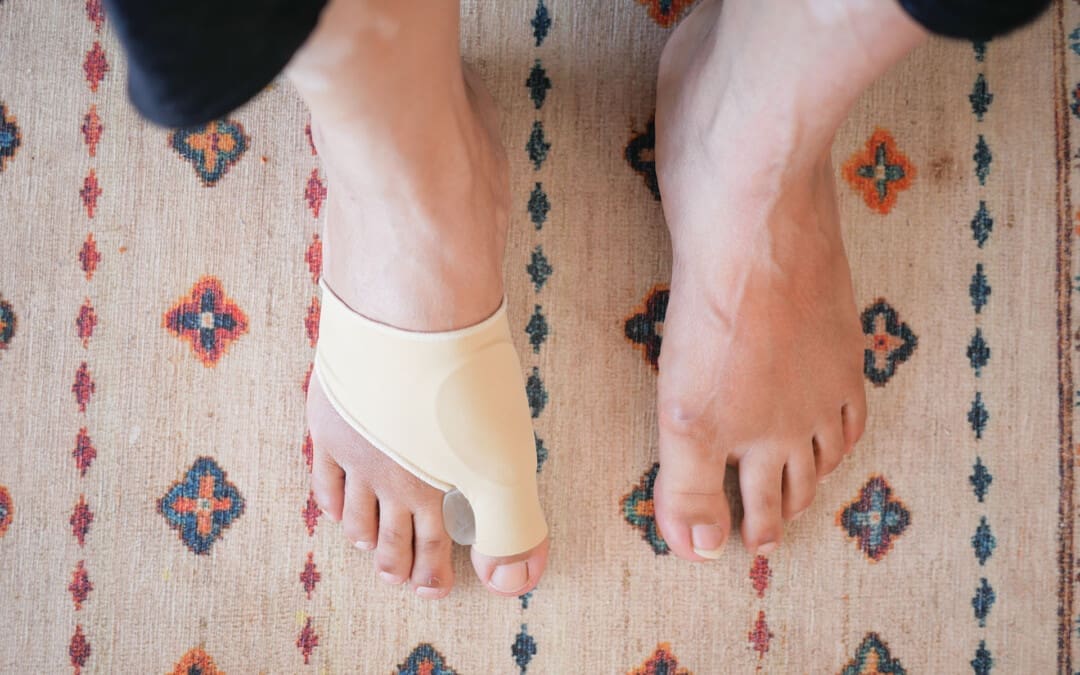
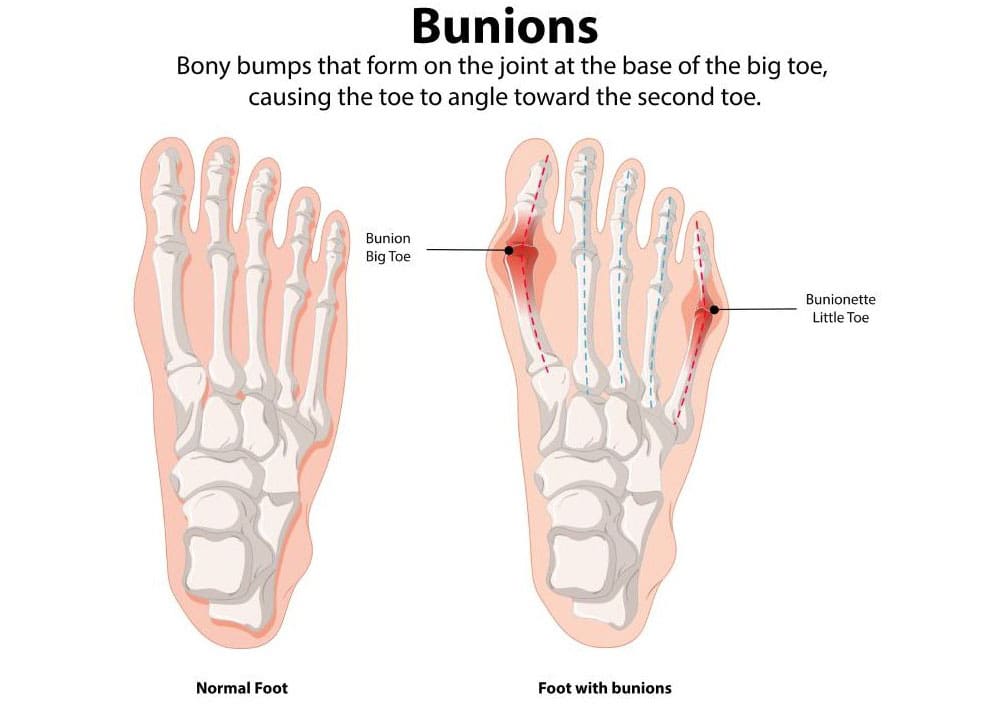
A bunion, also known as hallux valgus, is a bony, often painful protrusion on the side of the big toe. The most common cause of bunions is a misalignment of the big toe. Early symptoms of a bunion include redness, thicker skin, edema, and discomfort around the big toe joint. While you can’t stop a bunion from growing, you can manage the symptoms along the way. Early indicators of bunions include pain management measures and treatment choices. (MedlinePlus, 2024)
Early Visual Signs
Bunions are initially minor and don’t result in many noticeable issues. The following symptoms may be present in the early stages of a bunion around the metatarsophalangeal (MTP) joint, which joins the base of your big toe to the rest of your foot. (American Academy of Orthopaedic Surgeons, 2022)
Redness
Skin that is darker and swollen
Skin that has gotten thicker and harder
There is a bony bump
A bump where the big toe goes toward the second toe or even under it
Corns and calluses
Early Physical Signs
While bunions may not be visible immediately, they can cause discomfort even in the early stages. Here are some early physical indicators of a developing bunion. (MedlinePlus, 2024)
Pain in the foot and big toe
This pain is especially noticeable when walking or wearing tight, narrow-toed shoes.
Decreased movement of the big toe
Tenderness
Inflammation
Swelling
Stiffness
Heat
Stages
Bunions often worsen over time, a condition known as progressive. You could have problems if you don’t do anything to stop your bunions from getting bigger. Bunions in later stages might cause the following symptoms: (American Academy of Orthopaedic Surgeons, 2022)
Long-lasting, intense pain in and around the MTP joint and the sides and bottom of your foot
Bursitis causes a sac full of fluid to form at the bottom of your big toe.
The big toe bends toward and even crosses over the second toe.
Too much bone development on the side of your big toe
Not being able to wear your regular shoes
Hard to walk
Abnormalities known as “hammer toe” occur when your second, third, or fourth toes bend upward in the middle, resembling a hammer or claw.
Hallux rigidus is a form of arthritis affecting the big toe.
Manage the Progression
Bunions tend to remain in place once they start to develop. However, there are several steps you can take to prevent them from worsening or causing additional problems. These are some of them: (American Academy of Orthopaedic Surgeons, 2022)
Place spacers between your toes to prevent friction and chafing.
Use over-the-counter (OTC) pads made of felt, silicone, or foam to cover the bunion.
You should also stretch your calf muscles to improve joint alignment.
Managing Pain
Advil and Motrin (ibuprofen) are two examples of non-steroidal anti-inflammatory medicines (NSAIDs) that can aid with bunion pain. Studies also show that injecting Botox into the muscles in the forefoot can help with pain. (Hurn, S. E., et al., 2022)
Nonsurgical Early Stage Treatment
If your bunions continue to worsen despite using the self-care procedures listed above, you may need to consult a podiatrist (a foot expert) or another healthcare provider. A healthcare provider may recommend.
Orthotics, or foot orthoses
Foot orthoses, also known as orthotics, are customized inserts that help alleviate bunion pain and prevent chafing.
Splints
Bunion splints are orthotic devices that can help straighten out your toes. People typically use them at night. (Aebischer, A. S., & Duff, S. 2020)
Physical Therapy
A physical therapist can help you by giving you exercises that will help your feet and joints line up better. They might also do manual therapy to help with pain. (Hurn, S. E., et al., 2022)
Podiatrist
A podiatrist is a medical doctor (M.D.) who specializes in treating health problems that affect the feet, ankles, and lower legs. If you want help with your bunion issues, ask your doctor for a referral to a podiatrist. (American Podiatric Medical Association, 2025)
Chiropractic Treatment
Chiropractors and nurse practitioners (NPs) have distinct roles in managing bunions, which are bony bumps at the base of the big toe caused by joint misalignment, often resulting in pain, swelling, and restricted movement. Here’s how each can help:
Chiropractors:
Focus: Chiropractors primarily address musculoskeletal issues through manual adjustments and manipulations.
Bunion Support:
Foot Adjustments: They may perform adjustments to improve foot alignment and joint mobility, which can potentially reduce bunion-related discomfort.
Soft Tissue Therapy: Techniques such as massage or myofascial release can help alleviate tension in surrounding muscles and tissues.
Orthotics or Taping: Some chiropractors recommend custom orthotics or use taping to support proper foot mechanics.
Exercise Guidance: They may suggest stretches or exercises to strengthen foot muscles and improve alignment.
Limitations: Chiropractors don’t prescribe medications or perform surgeries, so severe cases requiring these interventions would need referral to a podiatrist or orthopedic specialist.
Evidence: While some patients report relief from chiropractic care for foot issues, evidence specifically for bunions is limited, and results vary.
Nurse Practitioners:
Focus: NPs are advanced practice registered nurses with broad medical training, able to diagnose, treat, and prescribe medications within their scope of practice.
Bunion Support:
Diagnosis and Assessment: NPs can evaluate bunion severity, often using physical examinations or ordering imaging, such as X-rays, to assess joint damage.
Pain Management: They may prescribe anti-inflammatory medications (e.g., ibuprofen) or corticosteroid injections for pain and swelling.
Conservative Treatments: NPs can recommend padding, splints, or orthotic devices to reduce pressure and improve alignment.
Lifestyle Advice: They provide guidance on footwear (such as wide-toed shoes) and weight management to reduce stress on the bunion.
Referrals: For severe cases, NPs can refer patients to podiatrists or orthopedic surgeons for surgical options, such as bunionectomies.
Scope: NPs offer a medical approach, bridging conservative care and coordination with specialists.
Key Differences:
Chiropractors focus on non-invasive, manual techniques and alignment, while NPs can incorporate medications and broader medical management.
NPs are more likely to coordinate with other healthcare providers for comprehensive care, whereas chiropractors tend to work more independently.
General Notes:
Both can assist in managing mild to moderate bunion symptoms, but neither can “cure” bunions, particularly if the structural deformity has progressed.
Consult a podiatrist or an orthopedic specialist for persistent or worsening symptoms, as severe cases may require surgical intervention.
Always verify the provider’s credentials and experience in treating bunions.
Injury Medical Chiropractic and Functional Medicine Clinic
Dr. Jimenez, a nurse practitioner, treats a wide range of conditions using a combination of medical knowledge and chiropractic care. The clinic offers personalized care plans that incorporate functional medicine, acupuncture, electroacupuncture, and sports medicine. The clinic treats chronic pain syndromes and injuries, focusing on strength, agility, and flexibility. Comprehensive care plans, when paired with in-person and virtual health coaching, offer personalized treatment and wellness outcomes for patients of all ages and abilities.
Enhance Your Performance with Functional Foot Orthotics
References
MedlinePlus (2024). Bunions. U.S. Department of Health and Human Services.
American Academy of Orthopaedic Surgeons. (2022). “Bunions.” OrthoInfo. from https://orthoinfo.aaos.org/en/diseases–conditions/bunions/.
Hurn, S. E., Matthews, B. G., Munteanu, S. E., & Menz, H. B. (2022). Effectiveness of Nonsurgical Interventions for Hallux Valgus: A Systematic Review and Meta-Analysis. Arthritis care & research, 74(10), 1676–1688. https://doi.org/10.1002/acr.24603
Aebischer, A. S., & Duff, S. (2020). Bunions: A review of management. Australian Journal of General Practice, 49(11), 720–723. https://doi.org/10.31128/AJGP-07-20-5541
American Podiatric Medical Association. (2025). “What is a podiatrist?” Advancing foot and ankle medicine and surgery. from https://www.apma.org/patients-and-the-public/what-is-a-podiatrist/.
Can older people who exercise regularly lessen their risk of dementia and enhance their overall health?
Exercise and the Prevention of Dementia
Dementia, a term used to cover several conditions that impact memory and cognition, is currently the seventh leading cause of mortality worldwide. (World Health Organization, 2025) More than 10 million new cases of dementia are found around the world each year. (J.H. Yoon et al., 2023) Research investigating the relationship between exercise and insulin in the brain suggests that regular exercise may improve brain function and decrease the prevalence of dementia. Scientists have discovered that variables, such as.
Muscles must be exercised and mobilized. People who do not engage in physical activity have rigid muscles, which impede the effectiveness of insulin. The body’s sensitivity to insulin is improved by the contraction and relaxation of the muscles during movement. Dementia can be prevented by understanding how to decrease the body’s insulin resistance.
Physical Activity and Lower Risk
Over two weeks, researchers examined 21 older adults with prediabetes and found that exercise enhances cognitive performance by aiding the brain in insulin regulation. They conducted twelve supervised training sessions of moderate to extreme intensity. (Malin S. K. et al., 2025)
The results indicated that brain-derived extracellular vesicles containing insulin-related proteins had significantly increased.
These microscopic messengers are essential for brain maintenance and aid in neuronal communication.
Three serine/threonine-specific protein kinases known as AKT (protein kinase B, or PKB) are essential for several cellular functions, such as cell growth, survival, metabolism, and cell cycle control.
The protein affects the development and health of neuronal cells and is thought to play a significant role in insulin signaling.
The notion that exercise might help prevent dementia by potentially enhancing insulin signaling is important since poor insulin response can result in dementia.
Even while further research is needed, these findings prove that physical activity could be a cost-effective and easily accessible way to improve long-term brain health. To better understand how insulin affects brain activity, researchers will use MRIs and an insulin spray in the study’s next phase. To learn more about the effects of the insulin spray, they will compare the blood flow in the brain before and after it is administered.
Insulin and Exercise Are Essential for Brain Health
Insulin is a hormone that the pancreas makes. It controls blood sugar levels. But it’s just as vital for the health of the brain. Insulin binds to many receptors in the brain, which makes synaptic connections stronger and makes it easier for neurons to talk to each other. Both of these things help with memory and learning. (Gray, S. M., Meijer, R. I., & Barrett, E. J. 2014)
Type 2 diabetes, which impairs insulin transmission, increases the risk of cognitive impairment. (Yoon J.H. et al., 2023) Research has demonstrated that insulin resistance exacerbates tau tangles and amyloid-beta plaques, which are two critical characteristics of Alzheimer’s disease. (Hong, S., Han, K., & Park, C. Y. 2021) Increasing insulin sensitivity may slow down or even stop these changes in the brain. Working out, especially aerobic exercise, is good for the brain. According to earlier research, exercise can help people maintain or enhance their memory and brain function. (Rosenberg A. et al., 2020) Other ways to increase brain health include:
Maintaining social interaction
Challenging the mind
Getting a good night’s sleep
Controlling stress
A nutritious diet
Maintaining an active lifestyle
Controlling diabetes
Controlling blood pressure
To achieve the greatest possible effect, dementia prevention in the future will likely involve integrating lifestyle modifications, such as exercise, with medications. In individuals with diabetes or prediabetes, the risk of dementia is significantly reduced, and frequent exercise can assist in the preservation of optimal brain function.
Chiropractic and Functional Medicine Clinic
As a family nurse practitioner, Dr. Jimenez uses the latest medical expertise and chiropractic therapy to address many problems. Our clinic uses functional medicine, acupuncture, electro-acupuncture, and sports medicine to create individualized care plans that improve movement, encourage long-term health, and speed up the body’s natural healing process. We focus on strength, agility, and flexibility to help our patients thrive, regardless of age or health problems. At El Paso’s Chiropractic Rehabilitation Clinic & Integrated Medicine Center, we want to help people with chronic pain syndromes and injuries. We focus on improving flexibility, mobility, and agility through programs suitable for people of all ages and abilities. We ensure that each patient gets personalized care and reaches their health objectives through detailed care plans and health coaching in person and online.
Is Movement Essential to Recovery?
References
World Health Organization. (2025). “Dementia.” World Health Organization. from https://www.who.int/news-room/fact sheets/detail/dementia#:~:text=Alzheimer%20disease%20is%20the%20most,60%E2%80%9370%25%20of%20cases.
Yoon, J. H., Hwang, J., Son, S. U., Choi, J., You, S. W., Park, H., Cha, S. Y., & Maeng, S. (2023). How Can Insulin Resistance Cause Alzheimer’s Disease?. International Journal of Molecular Sciences, 24(4), 3506. https://doi.org/10.3390/ijms24043506
Malin, S. K., Battillo, D. J., Beeri, M. S., Mustapic, M., Delgado-Peraza, F., & Kapogiannis, D. (2025). Two weeks of exercise alters neuronal extracellular vesicle insulin signaling proteins and pro-BDNF in older adults with prediabetes. Aging cell, 24(1), e14369. https://doi.org/10.1111/acel.14369
Gray, S. M., Meijer, R. I., & Barrett, E. J. (2014). Insulin regulates brain function, but how does it get there?. Diabetes, 63(12), 3992–3997. https://doi.org/10.2337/db14-0340
Hong, S., Han, K., & Park, C. Y. (2021). The insulin resistance by triglyceride glucose index and risk for dementia: population-based study. Alzheimer’s research & therapy, 13(1), 9. https://doi.org/10.1186/s13195-020-00758-4
Rosenberg, A., Mangialasche, F., Ngandu, T., Solomon, A., & Kivipelto, M. (2020). Multidomain Interventions to Prevent Cognitive Impairment, Alzheimer’s Disease, and Dementia: From FINGER to World-Wide FINGERS. The Journal of Prevention of Alzheimer’s disease, 7(1), 29–36. https://doi.org/10.14283/jpad.2019.41
Optimizing Recovery from Work-Related Back Injuries: The Interdisciplinary Approach of Dr. Alexander Jimenez, DC, APRN, FNP-BC
Introduction
Back injuries sustained at work are a leading cause of disability and lost productivity, affecting diverse professions such as truck drivers, construction workers, healthcare providers, and office employees. These injuries often result from improper lifting, repetitive motions, or prolonged sitting, leading to conditions like herniated discs, muscle strains, or chronic pain. For those injured, securing workers’ compensation benefits and accessing effective treatment are critical steps toward recovery. Dr. Alexander Jimenez, a dual-licensed chiropractor and nurse practitioner with over three decades of experience, specializes in treating work-related back injuries, particularly those from personal injury cases and auto accidents. His integrative approach, detailed on www.dralexjimenez.com and www.chiromed.com, combines chiropractic care, advanced medical interventions, and collaboration with trusted medical and legal professionals to deliver comprehensive care.
This article outlines the benefits of chiropractic care in managing work-related back injuries, the expanded treatment options enabled by Dr. Jimenez’s nurse practitioner licensure, and the interdisciplinary strategies that optimize recovery. It also highlights how Dr. Jimenez collaborates with legal providers to ensure patients receive the support needed to navigate workers’ compensation claims effectively.
The Burden of Work-Related Back Injuries
Work-related back injuries are prevalent across industries, with the Bureau of Labor Statistics reporting over 900,000 cases of nonfatal occupational injuries involving the back in 2020. High-risk occupations include:
Truck Drivers: Prolonged sitting and unloading heavy cargo increase spinal stress.
Construction Workers: Lifting, twisting, and repetitive motions contribute to injury.
Healthcare Workers: Patient handling and prolonged standing elevate risk.
Manual Laborers: Heavy lifting and improper techniques lead to strains.
Office Workers: Poor posture and sedentary behavior cause chronic pain.
These injuries often result from improper lifting, repetitive turning, twisting while lifting, or holding heavy objects overhead. Symptoms may include acute pain, limited mobility, or chronic conditions requiring long-term management. Workers’ compensation programs exist to cover medical expenses and lost wages, but the process can be complex, necessitating expert medical and legal guidance.
Benefits of Chiropractic Care for Work-Related Back Injuries
Chiropractic care is a cornerstone of non-invasive treatment for back injuries, focusing on restoring spinal alignment, reducing pain, and improving function. Dr. Jimenez leverages evidence-based chiropractic techniques to address work-related injuries, supported by randomized controlled trials (RCTs) and cohort studies.
Pain Reduction and Functional Improvement
Chiropractic adjustments, or spinal manipulations, realign the spine to alleviate pressure on nerves and muscles. A 2018 RCT published in The Spine Journal (Goertz et al.) found that chiropractic care combined with usual medical care significantly reduced pain and disability in patients with low back pain compared to medical care alone. Dr. Jimenez employs manual adjustments, flexion-distraction techniques, and soft tissue therapies to target specific injury sites, promoting natural healing.
Non-Invasive and Drug-Free Approach
Chiropractic care offers a drug-free alternative to pain management, reducing reliance on opioids, which is critical given the opioid crisis. A 2020 cohort study in Pain Medicine (Whedon et al.) demonstrated that patients receiving chiropractic care for low back pain had a lower likelihood of opioid prescriptions compared to those receiving only medical care. Dr. Jimenez integrates therapies like myofascial release and therapeutic exercises to manage pain without pharmacological interventions.
Prevention of Chronic Conditions
Early chiropractic intervention can prevent acute injuries from becoming chronic. A 2019 study in Journal of Manipulative and Physiological Therapeutics (Eklund et al.) showed that maintenance chiropractic care reduced the recurrence of low back pain episodes. Dr. Jimenez designs personalized treatment plans that include corrective exercises and ergonomic counseling to minimize re-injury risk.
Support for Workers’ Compensation Claims
Chiropractors play a vital role in documenting injuries for workers’ compensation claims. Dr. Jimenez provides detailed clinical notes and treatment plans, ensuring compliance with workers’ compensation requirements. His expertise in occupational health allows him to assess whether injuries are work-related, facilitating accurate reporting to employers and insurance carriers.
Expanded Scope of Practice: Nurse Practitioner Expertise
As a board-certified Family Nurse Practitioner (FNP-BC), Dr. Jimenez’s dual licensure enhances his ability to provide comprehensive care, particularly in personal injury and auto accident cases. Nurse practitioners (NPs) have an expanded scope of practice, allowing them to diagnose, treat, and prescribe medications, which complements chiropractic interventions.
Advanced Diagnostics and Treatment
NPs can order and interpret diagnostic imaging, such as X-rays, MRIs, and CT scans, to assess the extent of spinal injuries. A 2021 study in Journal of General Internal Medicine (Mafi et al.) highlighted the accuracy of NPs in managing musculoskeletal conditions through diagnostics and treatment planning. Dr. Jimenez uses these tools to develop precise treatment strategies, ensuring timely interventions for conditions like herniated discs or vertebral fractures.
Medication Management
In cases where pain or inflammation requires pharmacological support, Dr. Jimenez can prescribe medications like non-steroidal anti-inflammatory drugs (NSAIDs) or muscle relaxants. His NP training ensures judicious use of medications, aligning with evidence-based guidelines to avoid over-reliance. This is particularly beneficial in auto accident cases, where soft tissue injuries often require short-term pharmacological support alongside chiropractic care.
Coordination of Multidisciplinary Care
NPs are trained to coordinate care across specialties, making Dr. Jimenez uniquely positioned to oversee interdisciplinary treatment plans. For complex injuries, he collaborates with orthopedic surgeons, neurologists, and physical therapists to ensure holistic care. A 2020 RCT in BMJ Open (Côté et al.) demonstrated improved outcomes when NPs coordinated multidisciplinary care for back pain, reducing recovery time and costs.
Enhanced Patient Education
NPs emphasize patient education, empowering individuals to manage their recovery. Dr. Jimenez provides guidance on posture, lifting techniques, and lifestyle modifications, drawing on his NP training to address comorbidities like obesity or diabetes that may complicate recovery. This integrative approach aligns with the philosophies outlined on www.chiromed.com, emphasizing patient-centered care.
Interdisciplinary Treatment Strategies
Dr. Jimenez’s practices integrate chiropractic and NP services with interdisciplinary treatments tailored to work injury trauma and auto accident cases. These strategies address the physical, emotional, and legal challenges of recovery.
Comprehensive Treatment Modalities
Chiropractic Adjustments: Correct spinal misalignments to reduce pain and restore mobility.
Physical Therapy: Strengthen core muscles and improve flexibility through targeted exercises.
Hydrotherapy: Use water-based therapies to reduce inflammation and enhance circulation.
Spinal Injections: Administer corticosteroid injections for severe inflammation, guided by diagnostic imaging.
Rehabilitation Programs: Design long-term plans to restore function and prevent re-injury.
A 2017 cohort study in Spine (Blanchette et al.) found that multidisciplinary care combining chiropractic, physical therapy, and medical interventions resulted in faster return-to-work rates for back injury patients. Dr. Jimenez’s integrative approach mirrors these findings, ensuring patients receive tailored care.
Focus on Personal Injury and Auto Accidents
Personal injury cases, including auto accidents, often involve whiplash, soft tissue injuries, and spinal trauma. Dr. Jimenez’s dual expertise allows him to address these conditions comprehensively. For example, whiplash may require chiropractic adjustments to restore cervical alignment, physical therapy to strengthen neck muscles, and short-term NSAIDs to manage pain. His ability to order MRIs ensures accurate diagnosis of soft tissue damage, which is critical for workers’ compensation and insurance claims.
Collaboration with Medical Specialists
Dr. Jimenez collaborates with a network of trusted medical providers, including:
Orthopedic Surgeons: For surgical interventions like discectomy or spinal fusion.
Neurologists: To address nerve-related symptoms like radiculopathy.
Pain Management Specialists: For advanced pain relief techniques, such as epidural injections.
This collaborative model ensures seamless care, with Dr. Jimenez overseeing the treatment plan to maintain continuity. His practice websites emphasize this integrative philosophy, highlighting partnerships with specialists who share a commitment to patient outcomes.
Collaboration with Trusted Legal Providers
Navigating workers’ compensation and personal injury claims requires legal expertise, particularly when employers or insurance carriers dispute claims. Dr. Jimenez partners with trusted legal providers specializing in workers’ compensation and personal injury law to support his patients.
Role of Legal Providers
Legal providers assist with:
Claim Filing: Ensuring timely and accurate submission of workers’ compensation claims, adhering to state-specific statutes of limitations (e.g., one year in many states).
Dispute Resolution: Representing patients in disputes over injury causation or benefit denials.
Maximizing Benefits: Advocating for coverage of all necessary treatments, including chiropractic care, diagnostics, and rehabilitation.
Auto Accident Claims: Handling insurance negotiations and litigation for injuries sustained in work-related auto accidents.
Dr. Jimenez refers patients to attorneys who understand the medical complexities of back injuries, ensuring alignment between clinical documentation and legal arguments. This collaboration is critical in gray-area cases, such as injuries sustained at work-related events or while working from home.
Streamlined Communication
Dr. Jimenez maintains active communication with legal providers, sharing clinical notes and treatment plans to substantiate claims. Workers’ compensation is exempt from HIPAA privacy regulations for injury-related records, allowing seamless information exchange. This ensures legal providers have the evidence needed to advocate effectively, reducing delays in treatment or compensation.
Patient Advocacy
By connecting patients with reputable attorneys, Dr. Jimenez empowers them to focus on recovery without the stress of legal battles. His websites, www.dralexjimenez.com and www.chiromed.com, emphasize this patient-centered approach, highlighting resources for legal support alongside medical care.
Workers’ Compensation: Coverage and Process
Workers’ compensation is an employer-funded insurance program that covers medical expenses and lost wages for work-related injuries. Coverage typically includes:
Emergency department visits
Diagnostic testing (e.g., X-rays, MRIs)
Follow-up care with specialists
Surgical interventions
Rehabilitation and physical therapy
Dr. Jimenez ensures patients understand their rights under workers’ compensation, advising them to report injuries immediately to their employer’s human resources department. Prompt reporting strengthens claims and prevents disputes over injury causation.
Challenges and Solutions
Challenges in securing workers’ compensation include:
Gray-Area Injuries: Injuries at work-related events or while working remotely may be contested. Dr. Jimenez provides detailed documentation to clarify work-related causation.
Employer Pressure: Some employers may pressure workers to return before medical clearance. Dr. Jimenez collaborates with legal providers to protect patients’ rights.
Wage Replacement Issues: Workers reliant on overtime may face reduced compensation. Dr. Jimenez advises patients to consult attorneys to maximize benefits.
A 2019 study in Journal of Occupational and Environmental Medicine (Mueller et al.) found that early legal intervention improved outcomes in contested workers’ compensation cases, underscoring the value of Dr. Jimenez’s legal partnerships.
Maximizing Recovery: Patient-Centered Strategies
Dr. Jimenez’s integrative approach prioritizes patient compliance and transparency to optimize recovery. Key strategies include:
Adherence to Treatment Plans: Keeping appointments and following recommendations ensures consistent progress.
Open Communication: Patients are encouraged to report symptoms accurately, enabling adjustments to treatment plans.
Ergonomic Training: Guidance on posture, lifting, and workplace modifications reduces re-injury risk.
Holistic Care: Addressing comorbidities and mental health to support overall well-being.
His websites provide resources like exercise guides and ergonomic tips, reinforcing these strategies and empowering patients to take an active role in their recovery.
Conclusion
Work-related back injuries and auto accident trauma require a comprehensive, interdisciplinary approach to achieve optimal recovery. Dr. Alexander Jimenez, DC, APRN, FNP-BC, combines his expertise as a chiropractor and nurse practitioner to deliver evidence-based treatments, from spinal adjustments to advanced diagnostics and medication management. His collaboration with trusted medical and legal providers ensures patients receive holistic care and robust support through the workers’ compensation process. By integrating chiropractic care, medical interventions, and legal advocacy, Dr. Jimenez empowers patients to recover fully and return to work with confidence. Visit www.dralexjimenez.com and www.chiromed.com to learn more about his integrative approach and commitment to patient-centered care.
References
Goertz, C. M., et al. (2018). Effect of usual medical care plus chiropractic care vs usual medical care alone on pain and disability among US service members with low back pain: A comparative effectiveness clinical trial. The Spine Journal, 18(8), 1391–1399.
Whedon, J. M., et al. (2020). Association between chiropractic care and use of prescription opioids among patients with low back pain. Pain Medicine, 21(6), 1087–1095.
Eklund, A., et al. (2019). The Nordic maintenance care program: Effectiveness of chiropractic maintenance care versus symptom-guided treatment for recurrent and persistent low back pain. Journal of Manipulative and Physiological Therapeutics, 42(7), 477–487.
Mafi, J. N., et al. (2021). Nurse practitioners and physician assistants in primary care: A systematic review of scope of practice and patient outcomes. Journal of General Internal Medicine, 36(5), 1423–1432.
Côté, P., et al. (2020). Management of neck pain and associated disorders: A clinical practice guideline from the Ontario Protocol for Traffic Injury Management (OPTIMa) Collaboration. BMJ Open, 10(3), e035366.
Blanchette, M. A., et al. (2017). Effectiveness of multidisciplinary rehabilitation programs for work-related low back pain: A systematic review. Spine, 42(13), 1007–1016.
Mueller, K. L., et al. (2019). Impact of early legal representation on workers’ compensation claim outcomes. Journal of Occupational and Environmental Medicine, 61(4), 312–318.
What are the benefits of both a chiropractor and a nurse practitioner in cases of personal injury and car accidents?
Chiropractic and Nurse Practitioner On Auto Accidents
Following a car accident, both nurse practitioners and chiropractors are essential in treating injuries and accelerating healing. To treat musculoskeletal problems and restore mobility, chiropractors concentrate on manual therapies like adjustments and manipulations. In contrast, nurse practitioners offer comprehensive care that includes evaluations, diagnoses, treatment plans, and education, frequently working with specialists to maximize patient outcomes. (Physicians Group, LLC. 2024)
Chiropractors
Musculoskeletal injuries, such as neck and back discomfort, are frequently sustained in traffic accidents and are treated by chiropractors. Frequently, without the use of drugs, they employ manual methods to reduce pain and increase mobility. Their thorough documentation and professional opinions can also bolster personal injury lawsuits by demonstrating the severity of injuries. (Dies, S., & Strapp, J. W., 1992)
Identification and Management of Musculoskeletal Conditions
After an accident, chiropractors can detect and treat soft tissue injuries, muscle spasms, and spinal misalignments. (The Neck and Back Clinics, 2025)
Pain Management
Soft tissue mobilization and spinal adjustments are examples of manual therapies that can help lower inflammation and relieve pain.
Enhanced Mobility
Chiropractors can assist in restoring range of motion and enhancing general function by addressing joint and muscle limitations.
Holistic Medical Treatment
In order to prevent further injuries, chiropractors can offer advice on maintaining proper posture, ergonomics, and general well-being.
Cooperation with Other Medical Experts
To develop a thorough treatment plan for a patient, chiropractors might collaborate closely with doctors, physical therapists, and other professionals. (Physicians Group, LLC, 2024)
Nurse Practitioners
For injuries sustained in auto accidents, nurse practitioners can offer comprehensive care, including: (Integrity Spine & Orthopedics, 2024)
Evaluation and Diagnosis
Nurse practitioners are qualified to perform physical examinations, interpret test results, and diagnose illnesses such as concussions, soft tissue injuries, and whiplash.
Plans for Treatment
To meet the patient’s unique needs, they can create individualized treatment programs that include prescription drugs, physical therapy, and other therapies.
Education of Patients
To encourage healing and avoid problems, nurse practitioners can instruct patients on their injuries, the healing process, and self-care techniques.
Care Coordination
To guarantee a comprehensive approach to treatment, they can coordinate care with other professionals like neurologists, physical therapists, and surgeons.
Aftercare
Throughout the healing process, nurse practitioners can keep an eye on the patient’s progress, modify treatment plans as necessary, and offer continuous support.
Complex medical and legal requirements are frequently present in personal injury cases, especially those resulting from traffic accidents. With their different areas of expertise, chiropractors and nurse practitioners are essential to diagnosis, care, and record-keeping.
When it comes to personal injury claims, NPs and chiropractors both have special advantages. While NPs handle more general medical needs, such as writing prescriptions and organizing care, chiropractors concentrate on musculoskeletal problems and provide non-invasive treatments. As seen in places like the Accident Care and Treatment Center, where NPs and doctors oversee care in addition to chiropractic interventions, their cooperation can improve patient results. (Accident Care, 2025)
According to legal resources, the documentation of both experts is essential for insurance settlements and claims. Together, the thorough medical records of NPs regarding general health and the detailed reports of chiropractors on spinal injuries can make a strong case for compensation. In situations involving auto accidents, when patients would need both medical supervision and physical adaptations for a proper recovery, this synergy is especially noticeable. (Chiropractic Economics, 2023)
Injury Medical Chiropractic and Functional Medicine Clinic
Dr. Jimenez, a family practice nurse practitioner, combines advanced medical skills with chiropractic care to treat a variety of problems. Our clinic combines functional medicine, acupuncture, electro-acupuncture, and sports medicine to provide personalized care regimens for natural healing, mobility, and long-term wellness. By emphasizing flexibility, agility, and strength, we enable patients to thrive regardless of age or health challenges. El Paso Chiropractic Rehabilitation Clinic & Integrated Medicine Center specializes in treating injuries and chronic pain conditions. We focus on enhancing your ability through flexibility, mobility, and agility training that is adapted to all age groups and disabilities. We offer personalized care through in-person and virtual health coaching, as well as comprehensive care plans.
Don’t Ignore Your Post-Accident Pain
References
Physicians Group, LLC. (2024). The Role of Nurse Practitioners in Managing Auto Injuries. Physicians Group, LLC. https://physiciansgroupllc.com/the-role-of-nurse-practitioners-in-managing-auto-injuries/#:~:text=Nurse%20Practitioners%20are%20vital%20in,improved%20outcomes%20and%20patient%20satisfaction.
Dies, S., & Strapp, J. W. (1992). Chiropractic treatment of patients in motor vehicle accidents: a statistical analysis. The Journal of the Canadian Chiropractic Association, 36(3), 139–145.
The Neck and Back Clinics. (2025). Why Seeing a Chiropractor After a Car Accident Is Crucial for Long-Term Recovery. https://theneckandbackclinics.com/long-term-recovery/#:~:text=Reducing%20Inflammation%20and%20Pain,each%20patient%20for%20optimal%20recovery.
Integrity Spine & Orthopedics. (2024). The 9 Steps to Recovery After an Auto Accident. https://www.integrityspineortho.com/post/the-9-steps-to-recovery-after-an-auto-accident/#:~:text=CONTACT%20INTEGRITY%20SPINE%20AND%20ORTHOPEDICS%20AFTER%20A,concussions%2C%20soft%20tissue%20damage%20and%20spine%20damage.
Accident Care and Treatment Center, Inc. (2025). Comprehensive Therapies and Treatments in One Location. https://accidentcare.com/treatment/
Chiropractic Economics. (2023). Evidence-based chiropractic: the key to personal-injury cases. https://www.chiroeco.com/evidence-based-chiropractic-the-key-to-personal-injury-cases/
IFM's Find A Practitioner tool is the largest referral network in Functional Medicine, created to help patients locate Functional Medicine practitioners anywhere in the world. IFM Certified Practitioners are listed first in the search results, given their extensive education in Functional Medicine