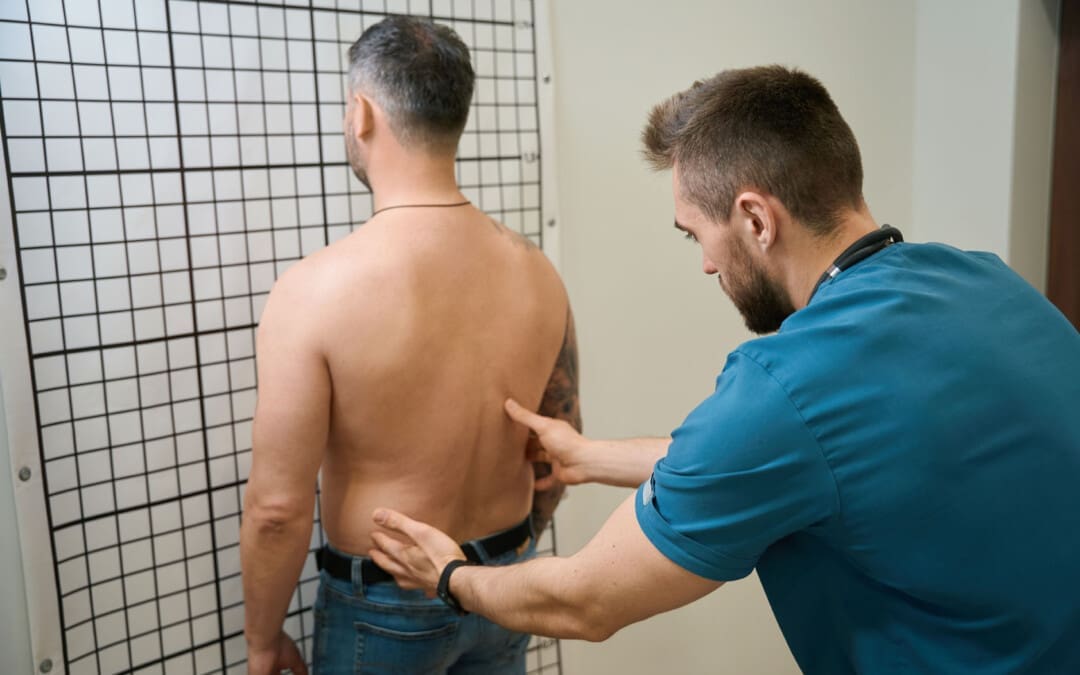
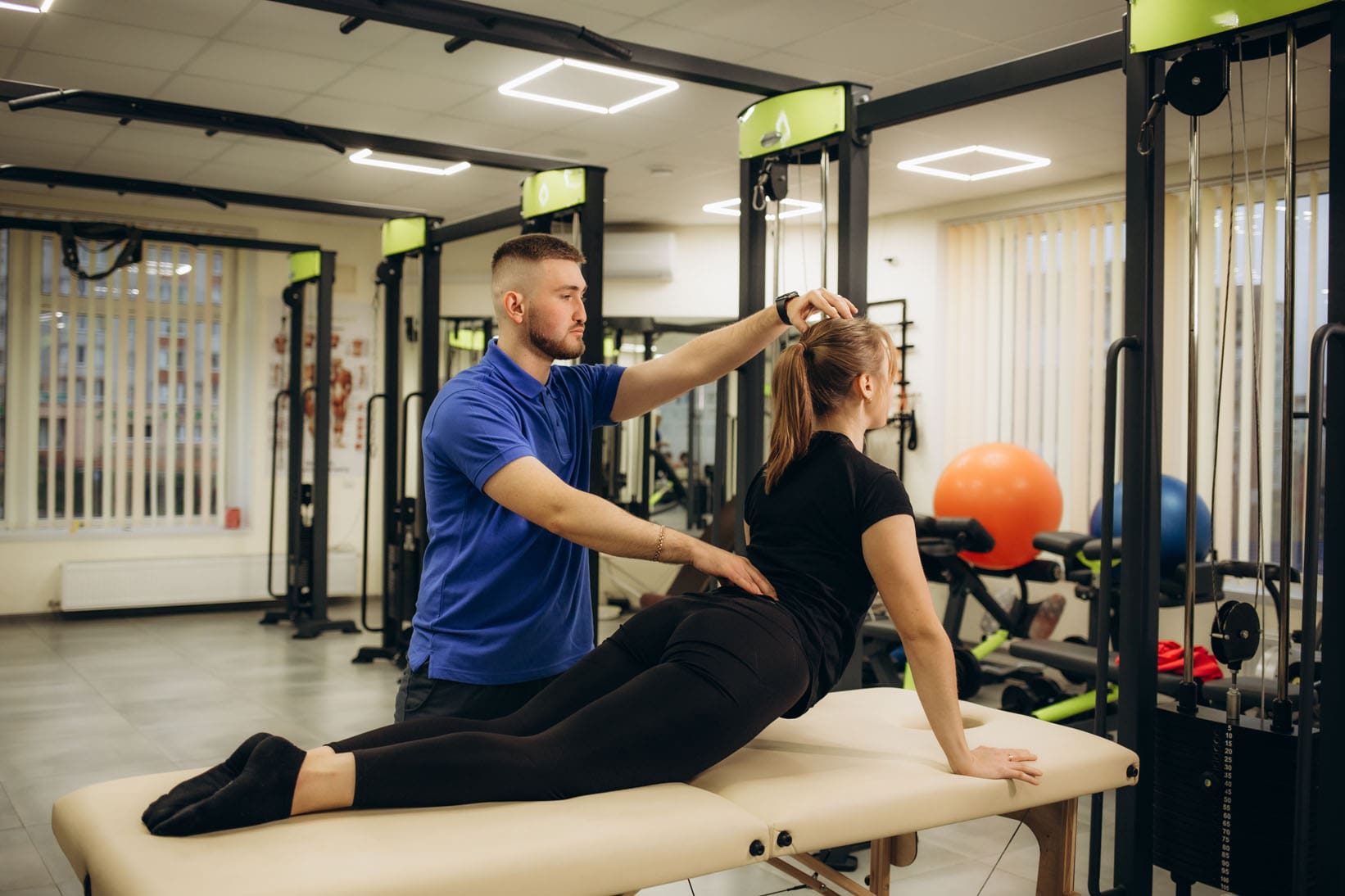
Can knowing the characteristics of each stage of healing help expedite recovery for individuals who are healing after neck and back injuries?
Back or Neck Injury Healing Stages
At each stage, different things happen at the injury site. This means recommended exercises and activity levels will vary depending on how long it’s been since the injury. The stages to know about when healing from a neck or back injury. (Brumitt J., and Cuddeford T. 2015)
Inflammation or Acute Stage
Also known as the inflammatory stage, the acute stage occurs during the injury and can continue for 72 hours. The body releases repair chemicals in response to tissue damage, causing inflammation and pain. Symptoms of inflammation, including redness, swelling, pain at rest, and diminished function, are expected. Inflammation and pain during the inflammation stage are caused by the body’s repair chemicals released in response to tissue damage. (Wu, Y. S. and Chen S. N. 2014) The biological reaction decreases mobility so the injured area can rest and heal, but the substances that promote healing also cause pain and swelling. (Shah A. and Amini-Nik S. 2017) Scar tissue also begins to form during the inflammatory stage. (Wilgus T. A. 2020) Initial treatment focuses on reducing pain, swelling, and muscle spasms. Individuals are encouraged to use ice packs, compression, and over-the-counter anti-inflammatory medications like ibuprofen or naproxen. (Duchesne E., Dufresne S. S., and Dumont N. A. 2017)
Subacute Stage
Inflammation decreases, and new connective tissue and capillaries grow to help repair damaged structures. The subacute phase generates new connective tissue and capillary growth and reduced inflammation. (Brumitt J., and Cuddeford T. 2015) Scar tissue continues to grow during this time, as well. The tissues are still fragile at this stage, stressing the injured area should be limited to when the therapist or doctor is examining or working with the patient. Most physical therapists recommend beginning with gentle movement during the subacute phase and gradually building up the intensity of exercise. Mild isometric and low-intensity exercises are often used. Because activity is restricted, the muscles may seem weak. Depending on the severity of the injury and the type of tissue that was injured (i.e., tendons have less blood circulation and tend to heal more slowly, it can take a few days to several weeks. (Brumitt J., and Cuddeford T. 2015)
The Chronic Stage or Maturation
The inflammation disappears entirely during the chronic or maturation stage of neck or back injury healing. The new collagen fibers build strength, and the wound shrinks. (Brumitt J., and Cuddeford T. 2015) During this stage, pain associated with the injury tends to be limited to the end joint’s range of motion. The first ten weeks of the chronic stage are essential for engaging in exercises that enhance healing and help remodel the fibers so they will function as close as possible to the way they did before the injury. (Azevedo P. S. et al., 2016) Exercises during the ten weeks are important because otherwise, individuals can permanently lose some of their ability to move and function.
After around ten weeks, the scar tissue can permanently change, so re-acquiring strength and flexibility may necessitate surgery or manual release treatment from a physical therapist or chiropractor. During this time, the scar tissue can be remodeled with exercise, meaning that the activities and motions performed on the injured area will affect the formation of new tissue fibers. The chronic stage of healing begins after 21 days and doesn’t end after the 10-week prime time (Brumitt J., and Cuddeford T. 2015). It can continue for quite some time.
Treatment
Treatment focuses on engaging the injured muscles in light isometric contractions to help align new collagen fibers. Physical therapy helps rebuild mobility, strength, balance, and flexibility and can also help learn about injury and how to recover. A treatment that may also help during these phases is massage therapy. Extended bed rest or immobility can prolong symptoms and delay recovery. Tips to manage pain and recovery:
When sitting for long periods, get up and move around frequently.
Wear comfortable shoes.
When driving long distances, stop frequently to stand up and walk around.
Sleep on the side with a small pillow between the knees.
Limit how much weight is carried.
Add exercises gradually.
Most symptoms of back strain or sprain improve in about two weeks. Individuals may need additional treatment if symptoms continue for longer than two weeks. Maintaining exercises will continue to make the body stronger, more flexible, more functional, and pain-free.
Chiropractic Care for Healing After Trauma
References
Brumitt, J., & Cuddeford, T. (2015). CURRENT CONCEPTS OF MUSCLE AND TENDON ADAPTATION TO STRENGTH AND CONDITIONING. International journal of sports physical therapy, 10(6), 748–759.
Wu, Y. S., & Chen, S. N. (2014). Apoptotic cell: linkage of inflammation and wound healing. Frontiers in pharmacology, 5, 1. https://doi.org/10.3389/fphar.2014.00001
Shah, A., & Amini-Nik, S. (2017). The Role of Phytochemicals in the Inflammatory Phase of Wound Healing. International journal of molecular sciences, 18(5), 1068. https://doi.org/10.3390/ijms18051068
Wilgus T. A. (2020). Inflammation as an orchestrator of cutaneous scar formation: a review of the literature. Plastic and aesthetic research, 7, 54. https://doi.org/10.20517/2347-9264.2020.150
Duchesne, E., Dufresne, S. S., & Dumont, N. A. (2017). Impact of Inflammation and Anti-inflammatory Modalities on Skeletal Muscle Healing: From Fundamental Research to the Clinic. Physical therapy, 97(8), 807–817. https://doi.org/10.1093/ptj/pzx056
Azevedo, P. S., Polegato, B. F., Minicucci, M. F., Paiva, S. A., & Zornoff, L. A. (2016). Cardiac Remodeling: Concepts, Clinical Impact, Pathophysiological Mechanisms and Pharmacologic Treatment. Arquivos brasileiros de cardiologia, 106(1), 62–69. https://doi.org/10.5935/abc.20160005
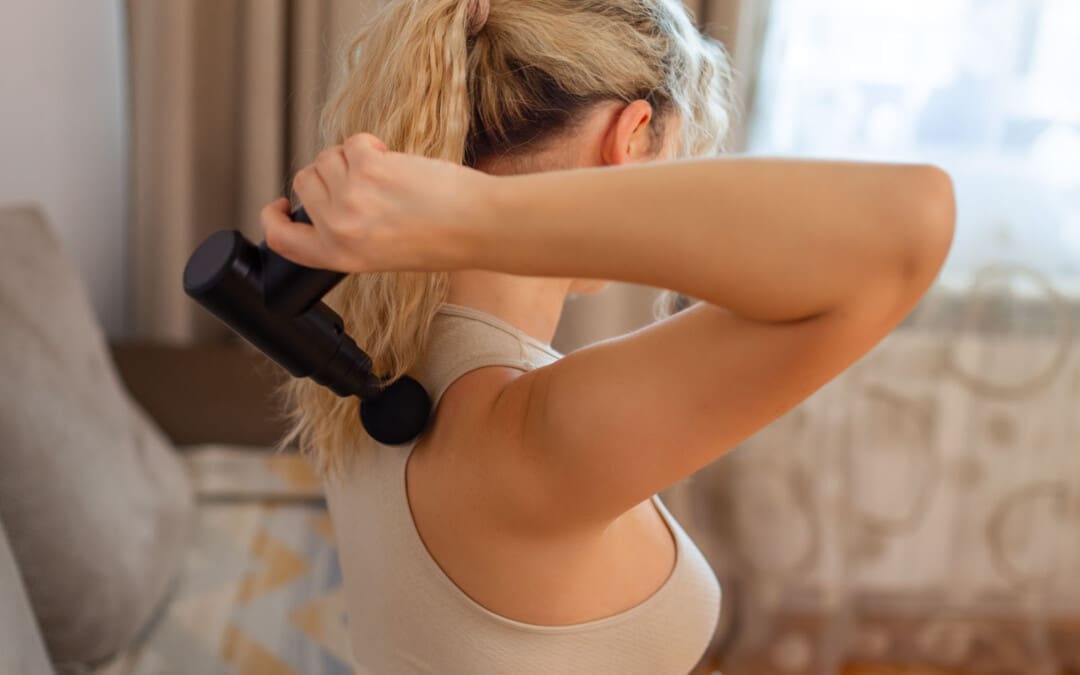
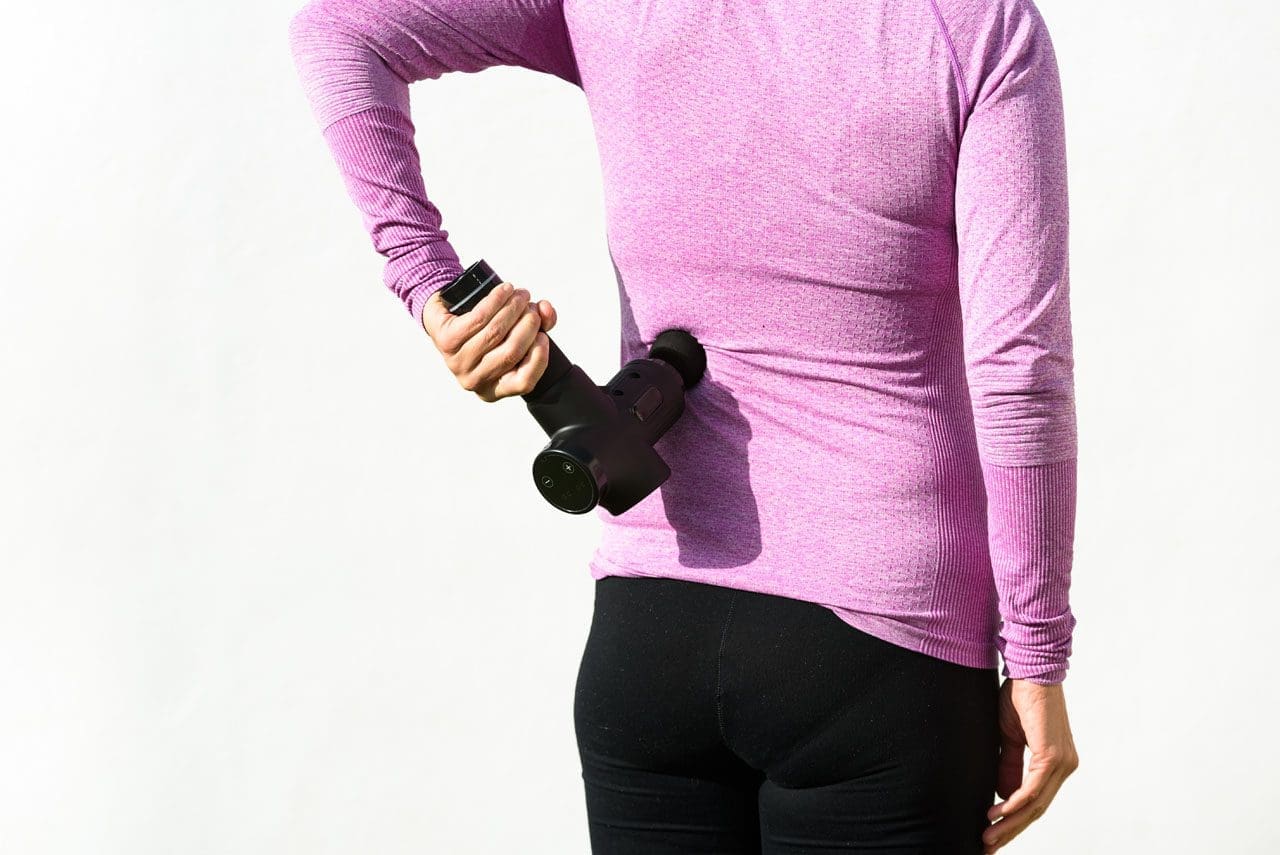
Therapeutic massage guns are great for athletes and fitness enthusiasts. Can daily massage gun use be incorporated into a daily routine?
Daily Massage Gun Use
Athletes or individuals participating in recreational sports and exercise may want to consider adding a massage gun to their daily routine. Massage guns create short, repeated bursts of pressure on certain areas of the body. Most massage guns have multiple settings to allow for different preferences and levels of intensity. They can help by warming up the muscles and during recovery. While the benefits are still being researched, daily massage gun therapy can improve the quality of physical activity, exercise, and life.
Benefits
Because massage guns work by softly and repeatedly stimulating or massaging the muscles, they are gentle enough to use daily as long as they are used correctly. They offer several benefits, including increasing physical ability and reducing recovery time. One study found that consistently using a massage gun increased the quality of life in fibromyalgia patients, indicating potential beyond exercise and sports. (Kraft, K., Kanter, S., and Janik, H. 2013) Some of the benefits include:
Decrease Muscle Soreness
Delayed-onset muscle Soreness/DOMS is a feeling of soreness experienced after a workout or intense manual labor. An example is waking up and feeling sore from work or exercising the previous day (National Academy of Sports Medicine, 2024). A study compared the effectiveness of vibration and massage therapy on DOMS. Both were found to be equally effective in preventing delayed onset muscle soreness. (Imtiyaz, S., Veqar, Z., and Shareef, M. Y. 2014)
Help Prevent Muscle Fatigue
Muscle fatigue occurs when the muscles are overworked and cannot function. Reduced muscle performance can lead to shorter workouts and injuries. A study on non-athletic males found that massage therapy helped prevent or reduce muscle fatigue. Researchers also found that different massage gun settings prevented or prolonged the onset of muscle fatigue. (Otadi, K. et al., 2019)
Increase Range of Motion
Range of motion/ROM describes the flexibility of a muscle or joint in the body. When engaging in physical activity or exercise, it is vital to know and consider the range of motion of the joints to ensure proper form and decrease the risk of injury. One study found that massage therapy can improve joint performance by increasing an individual’s range of motion. (Lyu, B. J. et al., 2020) The performance of the joints depends in part on the muscles that expand and contract to move it. Another research study found that a five-minute massage on certain muscle groups improved muscle performance and range of motion. (Konrad, A. et al., 2020)
Increase Muscle Strength and Endurance
Muscle strength and endurance are key components of a healthy musculoskeletal system and are essential to avoid straining or overworking muscles. Muscle strength describes the immediate performance of a muscle or muscle group, and muscle endurance describes how long performance can be sustained. (Lyu, B. J. et al., 2020) Massage therapy has been shown to improve muscle strength and endurance by helping increase immediate performance and the number of repetitions an individual can endure. (García-Sillero, M. et al., 2021)
Improve Agility
Agility is the ability to accelerate, decelerate, stabilize, and quickly change directions while maintaining proper posture. (National Academy of Sports Medicine, 2024) It is a skill that needs to be developed. One study found that engaging in massage therapy before a workout could improve agility. (Lyu, B. J. et al., 2020)
Daily Use
A massage gun is safe to use daily as long as it is used properly. Using a massage device correctly will improve effectiveness and prevent discomfort or injury. Recommended daily usage of a massage gun includes:
Set the massage gun to the lowest setting.
Use a light touch.
Adjust the speed to comfort level, ensuring there is no pain.
Focus the massage gun on an area for 10 to 30 seconds.
Hover it across the muscle or tendon to allow the vibrations to do their job.
Do this over the desired areas as part of a warm-up and cool-down.
Safety
While massage guns are useful for warmups and workout recovery, they should be used cautiously. Individuals should use massage guns over muscles and not on bony or sensitive areas. Individuals should avoid massaging around vital organs and/or inflamed body areas as these areas could cause a jarring or uncomfortable sensation and lead to injury. If the massage gun is causing bruising, sensitivity, or discomfort, stop using it and allow the body to recover before trying again. If pain persists, talk to a healthcare provider or a physical therapist. They can determine what is causing issues, whether a massage gun is being used correctly, and whether it is an appropriate self-care treatment for the individual. There are situations where using a massage gun is not advised. Individuals should talk to a healthcare provider before using the device if they have any of the following:
Have a musculoskeletal condition like osteoporosis or arthritis.
Take blood thinners.
Have anemia.
Have other blood-related conditions.
Are older than 65.
Take several medications.
Have a broken bone or a fracture.
Have varicose veins or a history of deep vein thrombosis.
Using a massage gun can help improve performance and reduce recovery time and can be incorporated into a daily routine.
Injury Medical Chiropractic and Functional Medicine Clinic
Injury Medical Chiropractic and Functional Medicine Clinic treats patients’ injuries and chronic pain syndromes. We focus on improving ability through flexibility, mobility, and agility programs tailored to the individual. We use in-person and virtual health coaching and comprehensive care plans to ensure every patient’s care and wellness outcomes. Our providers use an integrated approach to create customized care plans that include Functional Medicine, Acupuncture, Electro-Acupuncture, and Sports Medicine principles. Our goal is to relieve pain naturally by restoring health and function to the body. Patients who need other treatment will be referred to a clinic or physician best suited for them. Dr. Jimenez has teamed up with the top surgeons, clinical specialists, medical researchers, and premier rehabilitation providers to provide our community with the best clinical treatments.
Enhance Your Lifestyle With Chiropractic!
References
Kraft, K., Kanter, S., & Janik, H. (2013). Safety and effectiveness of vibration massage by deep oscillations: a prospective observational study. Evidence-based complementary and alternative medicine : eCAM, 2013, 679248. https://doi.org/10.1155/2013/679248
National Academy of Sports Medicine. Kaminski, J. (2024). Muscle soreness & DOMS. NASM. https://blog.nasm.org/doms-muscle-sorenes
Imtiyaz, S., Veqar, Z., & Shareef, M. Y. (2014). To Compare the Effect of Vibration Therapy and Massage in Prevention of Delayed Onset Muscle Soreness (DOMS). Journal of clinical and diagnostic research : JCDR, 8(1), 133–136. https://doi.org/10.7860/JCDR/2014/7294.3971
Otadi, K., Ghasemi, M., Jalaie, S., Bagheri, H., Azizian, M., Emamdoost, S., Sarafraz, H., & Sepahvand, M. (2019). A prophylactic effect of local vibration on quadriceps muscle fatigue in non-athletic males: a randomized controlled trial study. Journal of physical therapy science, 31(3), 223–226. https://doi.org/10.1589/jpts.31.223
Lyu, B. J., Lee, C. L., Chang, W. D., & Chang, N. J. (2020). Effects of Vibration Rolling with and without Dynamic Muscle Contraction on Ankle Range of Motion, Proprioception, Muscle Strength and Agility in Young Adults: A Crossover Study. International journal of environmental research and public health, 17(1), 354. https://doi.org/10.3390/ijerph17010354
Konrad, A., Glashüttner, C., Reiner, M. M., Bernsteiner, D., & Tilp, M. (2020). The Acute Effects of a Percussive Massage Treatment with a Hypervolt Device on Plantar Flexor Muscles’ Range of Motion and Performance. Journal of sports science & medicine, 19(4), 690–694.
García-Sillero, M., Jurado-Castro, J. M., Benítez-Porres, J., & Vargas-Molina, S. (2021). Acute Effects of a Percussive Massage Treatment on Movement Velocity during Resistance Training. International journal of environmental research and public health, 18(15), 7726. https://doi.org/10.3390/ijerph18157726
National Academy of Sports Medicine. Miller, K. (2024). Speed, agility, and quickess: SAQ. NASM. https://blog.nasm.org/sports-performance/speed-agility-quickness-saq
For individuals who like sweet foods but want to maintain health, how do honey and maple syrup compare nutritionally?
Honey and Maple Syrup
Cutting back on sugar intake is recommended for overall health, but that does not mean eliminating sweeteners completely for most. Honey and maple syrup can flavor various dishes, baked goods, beverages, and more. Because of their natural origins, honey and maple syrup can seem interchangeable as they are brown, thick, and sweet. Maple syrup and honey can be part of a healthy diet in moderation, sweetening everything from breakfast to dinnertime dishes. Depending on individual dietary goals or taste preferences, individuals may have a personal favorite, but neither is better than the other. The nutritional makeup of these two sweeteners is distinct, and there are recommended practices for when to include each in cooking and baking.
Nutrition
Honey is slightly higher in calories, carbohydrates, and sugar than maple syrup and somewhat lower in fat. Maple syrup comprises more micronutrients, such as calcium and manganese, but it also has more sodium than honey. Nutrition information for
For food-labeling purposes, honey and maple syrup have different serving sizes:
One tablespoon of honey
1/4 cup of maple syrup
Nutritional Comparison
Honey 1 tbsp. Maple syrup 1 tbsp.
Calories: 64 – 52
Fat: 0g – >1g
Sodium: >1mg – 2.4mg
Carbohydrates: 17.3g – 13.4g
Fiber: >1g – 0g
Sugars: 17.2g – 12.1g
Protein: >1g – >1g
Calcium: 1.26mg – 20.4mg
Manganese: 0.17mg – 0.582mg
Zinc: 0.046mg – 0.294mg
Riboflavin: 0.008mg – 0.254mg
Similarities
Honey and maple syrup are similar liquid sweeteners nutritionally. Both contain no substantial amount of fat or protein, with carbohydrates from sugar supplying all their calories. Both also contain some micronutrients and antioxidants. Research has revealed promising levels of antioxidants in honey (Schramm, D. D. et al., 2003) and maple syrup (Li, L., and Seeram, N. P. 2011) that could contribute to reducing oxidative stress, a key component in preventing some chronic diseases.
Differences
The nutrition differences between maple syrup and honey are more significant. Although a tablespoon of honey has only eight more calories than maple syrup, this can add up depending on the amount used. In a quarter cup, honey contains 32 more calories than maple syrup or 128 more calories in 1 cup. The carbohydrate count of maple syrup and honey is similar, but there is a difference of one teaspoon of added sugar. Honey and maple syrup are not identical in micronutrient levels. Honey contains small amounts of vitamins C and B, but individuals would have to consume a lot of honey to receive the benefits. In 100 grams, around five tablespoons of honey, individuals receive about 1% of the RDA for vitamin C. Maple syrup is a healthy source of manganese, riboflavin, and zinc.
Health Benefits
Honey Health Benefits
Honey’s antioxidants help clean cells of damaging free radicals. It can also be used as food and medicine during cold and flu season. Research has shown that a spoonful could be a more effective treatment for a cough than over-the-counter medications. (Oduwole, O. et al., 2018) Those with allergies may want to consider visiting a local beekeeper. While inconclusive, some studies (Asha’ari, Z. A. et al., 2013) have found that eating local raw honey can help improve seasonal allergy symptoms.
Maple Syrup Health Benefits
Maple syrup offers health benefits, particularly because it contains high amounts of manganese and riboflavin. Manganese is a trace mineral the body does not need very much of but does need to operate efficiently. It is essential to bone and tissue formation, blood clotting, proper immune response, and sexual function. Riboflavin helps create usable energy from food and could help prevent cancer and migraines. (National Institutes of Health Office of Dietary Supplements, 2022) Maple syrup also offers benefits for individuals with certain chronic health conditions. Its lower glycemic index makes it recommended for those with diabetes or other blood sugar conditions. Because of the type of sugar it contains, those with irritable bowel syndrome/IBS may be able to digest maple syrup better than honey. Maple syrup and honey both contain simple sugars; however, fructose in honey may not be digested as well in individuals with IBS who need a low FODMAP diet.
Preparation and Cooking
Honey and maple syrup have distinctive flavors, so the individual can choose where and when to use each. Maple syrup has a more earthy, woodsy taste, while honey has floral hints and a thicker texture. Honey does well in salad dressings and marinades, where it can cling to other foods, whereas maple syrup blends easily in baked goods. Both work well in various food preparations. Rules of thumb for using honey and maple syrup include:
Both can be used in place of sugar as long as the liquid in the recipe is adjusted.
For every cup of sugar replaced by honey or maple syrup, decrease other liquid ingredients by three to four tablespoons.
Scaling back a little is recommended if using either as a substitute for table sugar.
Both maple syrup and honey are sweeter than sugar; replacing sugar requires only three-fourths of either.
Lifestyle and Safety
Sometimes, when to use honey and maple syrup has nothing to do with nutrition or taste. Vegans, for example, often choose not to consume honey because it’s an insect by-product. A vegan lifestyle may prefer maple syrup, which is 100% plant-based. Parents of infants under one should keep honey off the menu. Honey can contain small amounts of the bacteria Clostridium botulinum, which can cause botulism poisoning in babies; for babies under 12 months old, maple syrup or other sweeteners are recommended in baked goods or cooked meals. However, while honey can be harvested almost anywhere honeybees live, maple syrup is native only to a small region of eastern North America, and obtaining the syrup may not be possible.
Injury Medical Chiropractic and Functional Medicine Clinic
Injury Medical Chiropractic and Functional Medicine Clinic providers use an integrated approach to create customized care plans for each patient and restore health and function to the body through nutrition and wellness, chiropractic adjustments, functional medicine, acupuncture, Electroacupuncture, and sports medicine protocols. If the individual needs other treatment, they will be referred to a clinic or physician best suited for them. Dr. Jimenez has teamed up with top surgeons, clinical specialists, medical researchers, nutritionists, and health coaches to provide the most effective clinical treatments.
Balancing Body and Metabolism
References
U.S. Department of Agriculture, FoodData Central. (2018). Syrups, maple. Retrieved from https://fdc.nal.usda.gov/fdc-app.html#/food-details/169661/nutrients
U.S. Department of Agriculture, FoodData Central. (2018). Honey. Retrieved from https://fdc.nal.usda.gov/fdc-app.html#/food-details/169640/nutrients
Schramm, D. D., Karim, M., Schrader, H. R., Holt, R. R., Cardetti, M., & Keen, C. L. (2003). Honey with high levels of antioxidants can provide protection to healthy human subjects. Journal of agricultural and food chemistry, 51(6), 1732–1735. https://doi.org/10.1021/jf025928k
Li, L., & Seeram, N. P. (2011). Further investigation into maple syrup yields 3 new lignans, a new phenylpropanoid, and 26 other phytochemicals. Journal of agricultural and food chemistry, 59(14), 7708–7716. https://doi.org/10.1021/jf2011613
Oduwole, O., Udoh, E. E., Oyo-Ita, A., & Meremikwu, M. M. (2018). Honey for acute cough in children. The Cochrane database of systematic reviews, 4(4), CD007094. https://doi.org/10.1002/14651858.CD007094.pub5
Asha’ari, Z. A., Ahmad, M. Z., Jihan, W. S., Che, C. M., & Leman, I. (2013). Ingestion of honey improves the symptoms of allergic rhinitis: evidence from a randomized placebo-controlled trial in the East coast of Peninsular Malaysia. Annals of Saudi medicine, 33(5), 469–475. https://doi.org/10.5144/0256-4947.2013.469
National Institutes of Health Office of Dietary Supplements. (2022). Riboflavin: Fact sheet for health professionals. Retrieved from https://ods.od.nih.gov/factsheets/Riboflavin-HealthProfessional/
Can Tabata training help burn more calories during and after workouts for individuals who do interval training?
Tabata Training
Also known as the Tabata Protocol, Tabata training can bring variety to workouts, burn more calories, and get more out of exercise time. This workout is a form of high-intensity interval training, or HIIT, designed to increase heart rate in the hard anaerobic zone for short periods. The intervals are short, the workouts are fast, and the body benefits. The recommendation is to add Tabata training once a week to see how the body responds.
Protocol Format
This HIIT workout is so effective because of the work-to-rest ratio. Individuals only get 10 seconds of rest between each 20-second session of exercise. That short interval is insufficient to recover fully, but it is great for building endurance and getting in shape. The format consists of:
Twenty seconds of a very high-intensity exercise – sprints, burpees, squat jumps, etc.
Tabata training can improve two of the body’s main energy systems. It targets the anaerobic energy system responsible for short, high-intensity exercises like sprints and the aerobic energy system for endurance exercises like long, slow running. In traditional interval training, moderate intensity and steady-state cardio target the aerobic system. Still, unless the individuals work way out of their comfort zone, they don’t necessarily improve the anaerobic system. (Astorino, T. A. et al., 2012) However, high-intensity interval training with a rest period shorter than the work period can target both systems, providing benefits for athletes and fitness enthusiasts. (Tabata, I. et al., 1996)
Safety Precautions
However, these workouts are not for everyone. Tabata training is advanced and best suited to athletes and experienced fitness enthusiasts. Beginners should start with lighter interval training and gradually work their way up to this level of intensity. Try 20 seconds on/10 seconds off with easier exercises like walking or low-impact moves like marching in place, step touches, or knee lifts.
Workout Tips
Individuals can do Tabata training with almost any activity or cardiovascular machine. This Tabata cardio workout includes a variety of bodyweight exercises that, if done at full intensity, will increase heart rate.
Warm-Up
Before trying this type of workout, ensure the body is thoroughly warmed up for at least 10 minutes.
Start Slow
Individuals new to this type of training start with 5 to 6 cycles of each exercise and increase rest to 20 or 30 seconds.
As the body gets used to the workout and builds stamina, gradually shorten the rest periods and increase the number of cycles.
Rest Between Sets
Individuals who do more than one Tabata set as many workouts call for rest for at least 60 seconds between sets.
Monitor Intensity Frequently
Intensity accumulates through each cycle, peaking at the end of the workout when muscles are tired, and form becomes sloppy, increasing the risk of injury.
Take Rest Days
The recommendation is that the workout be done no more than 1 to 2 times a week, with rest in between, to avoid overtraining and injury.
Listen to your body when doing any high-intensity exercise. High-intensity interval training is very taxing on the body, so it’s easy to overdo it if you’re not careful. If you feel too breathless, extend recovery times or take extra breaks. If you are in pain or discomfort, take a break, try different exercises, or stop for the day.
Injury Medical Chiropractic and Functional Medicine Clinic
Injury Medical Chiropractic and Functional Medicine Clinic treats patients’ injuries and chronic pain syndromes. We focus on improving ability through flexibility, mobility, and agility programs tailored to the individual. We use in-person and virtual health coaching and comprehensive care plans to ensure every patient’s personalized care and wellness outcomes. Our providers use an integrated approach to create customized care plans that include Functional Medicine, Acupuncture, Electro-Acupuncture, and Sports Medicine principles. Our goal is to relieve pain naturally by restoring health and function to the body. If he feels the individual needs other treatment, they will be referred to a clinic or physician best suited for them as Dr. Jimenez has teamed up with the top surgeons, clinical specialists, medical researchers, and premier rehabilitation providers to provide our community with the best clinical treatments.
Improving Athletic Performance Through Chiropractic
References
Emberts, T., Porcari, J., Dobers-Tein, S., Steffen, J., & Foster, C. (2013). Exercise intensity and energy expenditure of a tabata workout. Journal of sports science & medicine, 12(3), 612–613.
Tabata, I., Nishimura, K., Kouzaki, M., Hirai, Y., Ogita, F., Miyachi, M., & Yamamoto, K. (1996). Effects of moderate-intensity endurance and high-intensity intermittent training on anaerobic capacity and VO2max. Medicine and science in sports and exercise, 28(10), 1327–1330. https://doi.org/10.1097/00005768-199610000-00018
Astorino, T. A., Allen, R. P., Roberson, D. W., & Jurancich, M. (2012). Effect of high-intensity interval training on cardiovascular function, VO2max, and muscular force. Journal of strength and conditioning research, 26(1), 138–145. https://doi.org/10.1519/JSC.0b013e318218dd77
Are there ways to make ramen noodles healthier for those who enjoy them?
Ramen Noodles
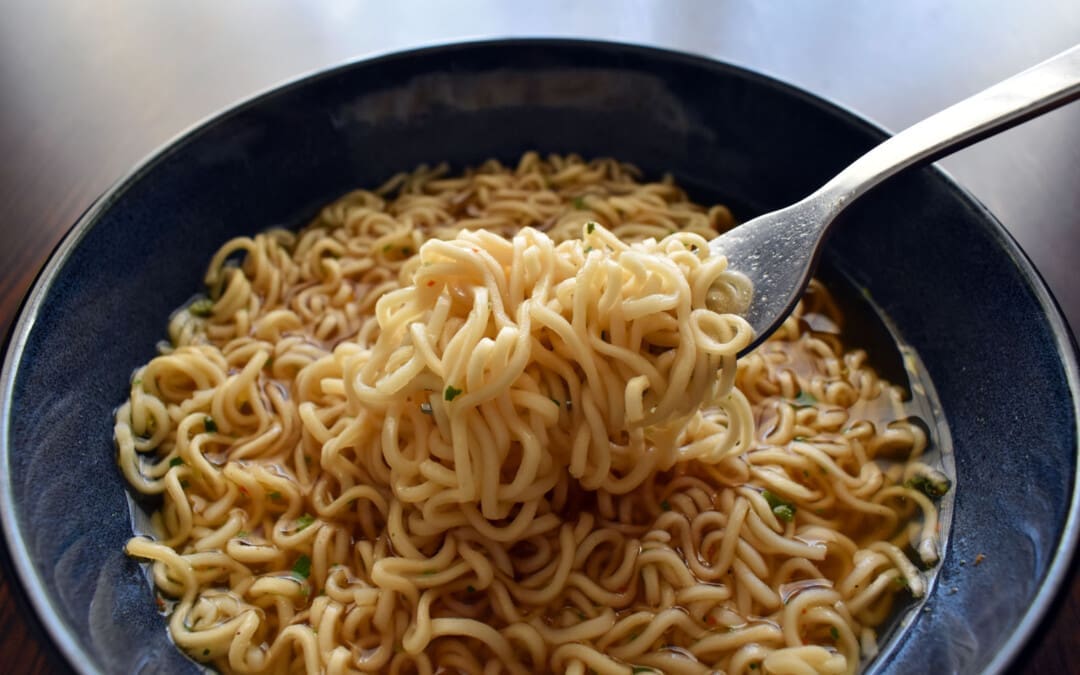
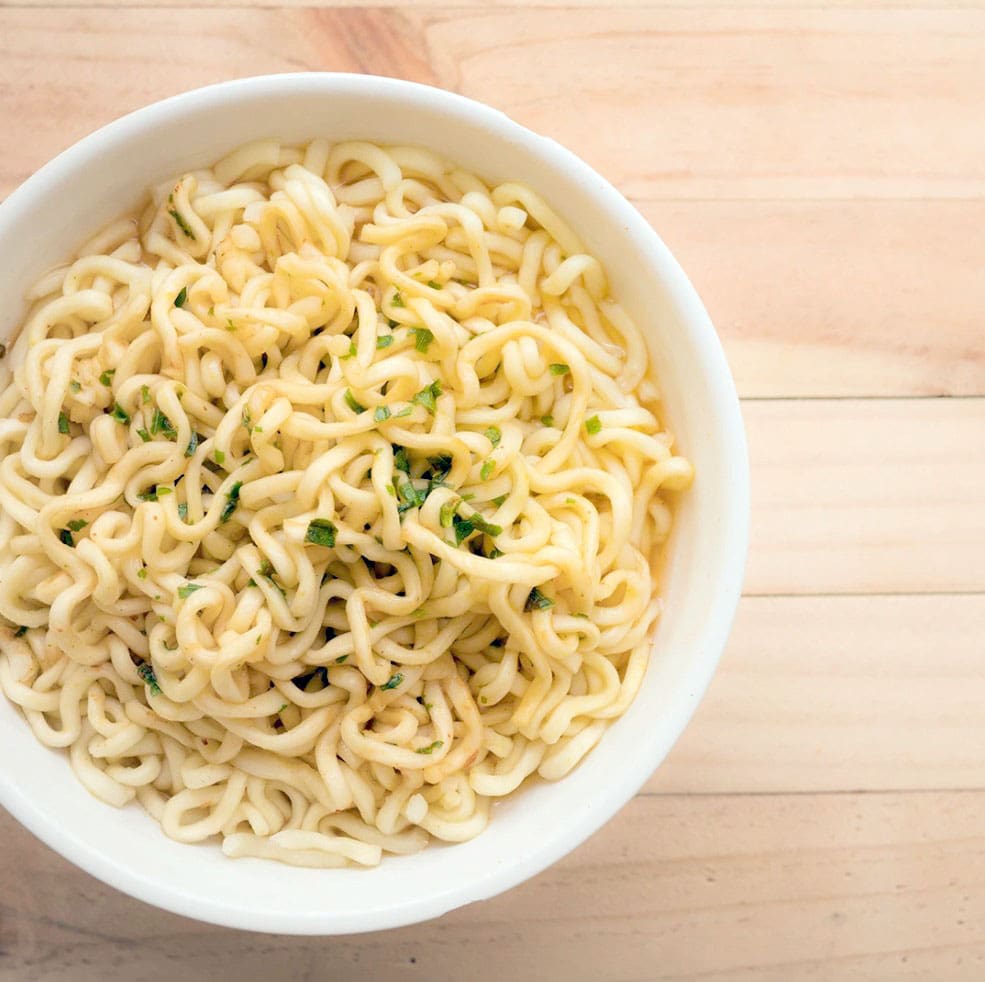
Instant ramen noodles are dehydrated noodles flavored with powders. They are inexpensive and easy to prepare by adding hot water. However, these packaged noodles are high in fat and sodium. One package of ramen noodles has around 1,330 milligrams of sodium. (U.S. Department of Agriculture, 2019) However, a ramen meal can be made healthier by adding a source of protein and a serving of vegetables.
Nutrition
Ramen noodles have about 190 calories, 27 grams of carbohydrates, and 7 grams of total fat, including 3 grams of saturated fat. Unfortunately, they do not have any health benefits other than containing iron, which is necessary for moving oxygen throughout the body and preventing fatigue and anemia or iron deficiency. (Miller J. L. 2013) Because these noodles are low in fiber and nutrients, which are important factors in losing weight, they do not help with weight loss. The high sodium content can lead to bloating and water retention, which is not helpful when losing weight.
Healthy Ramen Makeover
Individuals can improve their nutritional value by adding ingredients low in calories and high in nutrients. This way, individuals can still have an inexpensive meal that isn’t entirely bad while increasing the volume. Adding chicken and vegetables adds vitamins and protein without much fat. Although each serving is still around 200 calories, it contains only 4.5 grams and less than 2 grams of saturated fat. This also increases the fiber from 1 gram to about 2.5 grams, adding vitamin A, lutein, and B vitamins. (U.S. Department of Agriculture, 2019) Adding vegetables and lean meats adds volume to the meal and helps increase the feeling of being full. (Mayo Clinic, 2024)
Recipe
A recipe for noodles with healthy fats, vitamins, minerals, and fiber.
Package of ramen noodles or cup of noodles.
One cup of cooked chicken breast.
One cup of frozen mixed vegetables like peas, carrots, and onions or a combination.
Prepare the noodles by cooking one package in three cups of boiling water until the noodles are soft.
Add the flavor packet.
Add cooked chicken breast meat and frozen vegetables.
Stir until vegetables are heated thoroughly.
Complete the meal with a small salad dressed with olive oil, vinegar, or light salad dressing.
Try out other Recipes
Try other proteins, vegetables, and flavorings. Shrimp or cooked fish can add healthy omega-3 essential fatty acids (Swanson, D. et al., 2012), or vegetarian protein like tofu or legumes for added protein. Enhance the flavor with sesame oil, mushrooms, bean sprouts, etc. Reduce the amount of powder from the flavoring pack to reduce sodium even more. To compensate for the loss of flavor, try supplementing with garlic, pepper, or favorite herbs. For those who prefer the cups of noodles, remember each cup is two servings. Prepare a cup of hot water and place the noodles on top of cooked vegetables and meat.
Injury Medical Chiropractic and Functional Medicine Clinic
Injury Medical Chiropractic and Functional Medicine Clinic providers use an integrated approach to create personalized care plans for each patient and restore health and function to the body through nutrition and wellness, functional medicine, acupuncture, Electroacupuncture, and sports medicine protocols. If the individual needs other treatment, they will be referred to a clinic or physician best suited for them. Dr. Jimenez has teamed up with top surgeons, clinical specialists, medical researchers, nutritionists, and health coaches to provide the most effective clinical treatments.
Atherosclerosis: The Joint Pain Connections
References
U.S. Department of Agriculture. FoodData Central. (2019). Nissin, Top Ramen, Ramen Noodle Soup, Chicken. Retrieved from https://fdc.nal.usda.gov/fdc-app.html#/food-details/410139/nutrients
Miller J. L. (2013). Iron deficiency anemia: a common and curable disease. Cold Spring Harbor perspectives in medicine, 3(7), a011866. https://doi.org/10.1101/cshperspect.a011866
Mayo Clinic. (2024). Weight loss: Feel full on fewer calories. https://www.mayoclinic.org/healthy-lifestyle/weight-loss/in-depth/weight-loss/art-20044318
Swanson, D., Block, R., & Mousa, S. A. (2012). Omega-3 fatty acids EPA and DHA: health benefits throughout life. Advances in nutrition (Bethesda, Md.), 3(1), 1–7. https://doi.org/10.3945/an.111.000893
For individuals dealing with constipation issues, can using an osmotic laxative help treat and prevent constipation?
Osmotic Laxative
Osmotic laxatives can help treat or prevent constipation by increasing the amount of water in the colon, softening stools, and making them easier to pass. Some osmotic laxatives are used for bowel preparation to help clear the colon before a colonoscopy. They are available over the counter and by prescription and can contain different active ingredients, including polyethylene glycol/PEG, lactulose, sorbitol, magnesium citrate, and magnesium hydroxides.
How They Work
Constipation occurs when stools are irregular and hard to pass, as they are usually hard and dry. An osmotic laxative helps relieve constipation by increasing the amount of fluid in the intestines. They pull water from the colon’s wall to the inside, softening stools and making them easier to pass. The term osmotic refers to the movement of fluids through a membrane with the concentration equal on both sides. In individuals with constipation problems, the concentration of water in the colon’s wall and the inside of the colon/lumen is balanced but insufficient to compensate for hard, dry stools. This is especially true of those who don’t drink enough water. Osmotic laxatives alter the balance with substances like salts, sugars, and other organic compounds to encourage water movement into the lumen.
How Are They Different?
Most laxatives are generally used for the treatment of occasional constipation. Osmotic laxatives work differently because they are used to prevent or treat chronic constipation. Other types of laxatives include:
Emollient
These are made with a surfactant called docusate.
Surfactants are substances that draw and spread fats and water.
Docusate increases the passage of water and fats into stools to soften them.
Lubricant
These are made with oily substances, like mineral oil, that help the stool slide through the intestine.
Stimulant
These laxatives relieve constipation by causing the intestines to contract and push out the stools.
Osmotic Laxatives
The common osmotic laxatives are made with different active ingredients that include:
Polyethylene Glycol – PEG
This organic compound is derived from petroleum and can be safely ingested to manage constipation.
Available over the counter.
These include Miralax and GlycoLax.
Lactulose
This is a type of sugar that is not absorbed by the intestine.
Instead, the sugar sits and ferments in the intestines, producing fatty acids that pull water into the lumen.
Available by prescription, including Cephulac, Duphalac, Kristalose, and others.
Sorbitol
This is also a non-absorbable sugar with activation similar to lactulose.
Over-the-counter and prescription versions include Arlex and GeriCare.
Magnesium Citrate
Magnesium citrate is magnesium in salt form combined with citric acid.
The salts help pull water into the lumen.
Over-the-counter versions include Citrate of Magnesia, Citroma, and LiquiPrep.
Magnesium Hydroxide
This milder form of magnesium is sold under the brand Milk of Magnesia.
Milk of Magnesia is also an antacid and is available over the counter.
Potential Side Effects
As with all medications, there can be potential side effects. Most are relatively mild and resolve independently within a few days. Common side effects include:
Abdominal cramping
Bloating
Nausea
Diarrhea
Flatulence
Overusing laxatives can cause dehydration and the loss of electrolytes like sodium, calcium, potassium, minerals the body needs to regulate heartbeat, muscle contractions, and other essential functions. (Tropini, C. et al., 2018) Consult with a healthcare provider to ensure you use any laxative correctly, whether over-the-counter or prescription. For those thinking about using osmotic laxatives, be sure to follow the dosing instructions carefully, avoid complications, and use only when needed. Individuals with chronic constipation should see a healthcare provider so that they can identify the underlying cause. Diet, exercise, and increased fluid intake can sometimes improve the condition. Others may require treatments that extend beyond the use of laxatives.
Injury Medical Chiropractic and Functional Medicine Clinic works with primary healthcare providers and specialists to create personalized treatment programs. We passionately focus on treating patients’ injuries and chronic pain syndromes. Using an integrated approach to improve ability through flexibility, mobility, and agility programs tailored to the individual. Our providers use Functional Medicine, Acupuncture, Electro-Acupuncture, and Sports Medicine principles. Dr. Jimenez has teamed up with top surgeons, clinical specialists, medical researchers, and rehabilitation providers if other treatments are needed. Our goal is to relieve pain naturally by restoring health and function to the body.
Poop Testing: What? Why? and How?
References
Tropini, C., Moss, E. L., Merrill, B. D., Ng, K. M., Higginbottom, S. K., Casavant, E. P., Gonzalez, C. G., Fremin, B., Bouley, D. M., Elias, J. E., Bhatt, A. S., Huang, K. C., & Sonnenburg, J. L. (2018). Transient Osmotic Perturbation Causes Long-Term Alteration to the Gut Microbiota. Cell, 173(7), 1742–1754.e17. https://doi.org/10.1016/j.cell.2018.05.008
Can eating white rice as a primary carbohydrate source provide quick energy and glycogen replenishment for athletes and bodybuilders who require high volumes of carbohydrates for fuel and muscle recovery?
Sports Nutrition White Rice
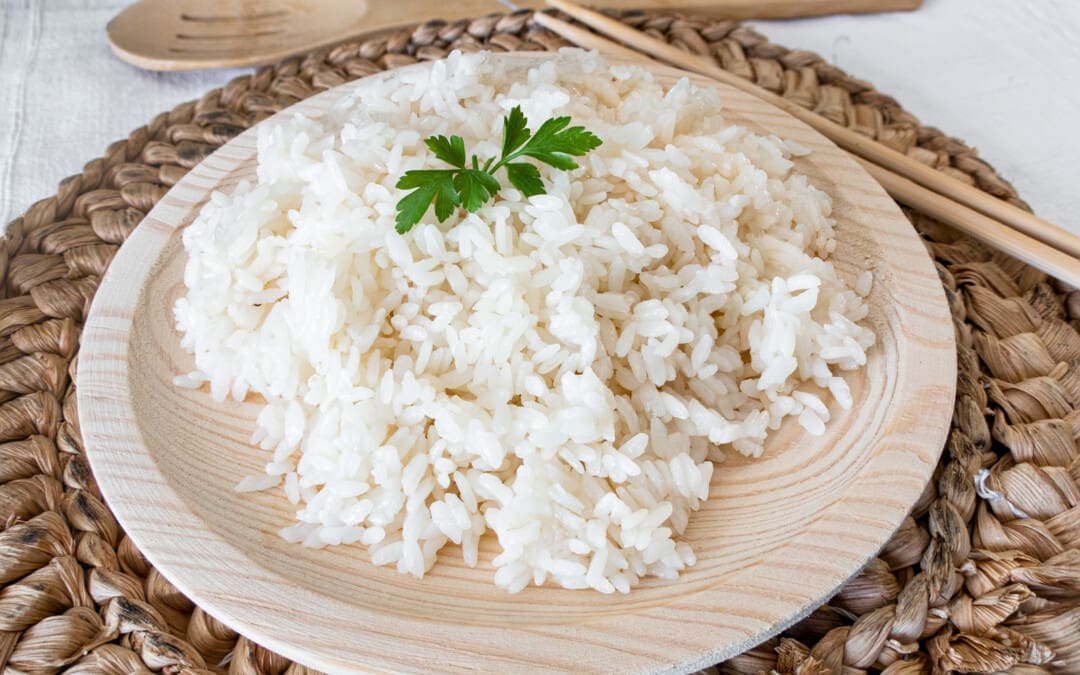
Athletes and bodybuilders often eat white rice to restore mass amounts of glycogen after an intense workout, race, or game. Brown rice is nutritious and recommended for overall health, but athletes and bodybuilders incorporate further nutritional guidelines for added fuel and performance. White rice is a starchy grain used by more than half the world’s population because of its versatility, availability, and ability to adapt to various flavors and seasonings. Its chewiness and soft texture add substance to and complement many meals.
Bodybuilders
Athletes and bodybuilders need macronutrients to fuel extreme training and replenish depleted glycogen stores. Carbohydrate-rich foods like white rice are high on the glycemic index (a score for how foods affect blood sugar and insulin levels) and provide a readily available source of carbohydrates for muscle glycogen synthesis. (Thomas, D. E. et al., 1991) White rice is considered excellent sports nutrition for athletes. (Melin, A. et al., 2016) Although white rice is considered less nutritious than brown rice, athletes and weightlifters consume it as part of their specifically developed nutrition plans. One of the most popular meals is a bowl of white rice combined with grilled chicken breast, providing lean protein. Endurance runners often load up on carbohydrates like white rice before marathons. Strenuous workouts deplete sugar/glycogen in the muscles. Eating the right carbohydrates is important to replenish those stores. Knowing how to improve carbohydrate availability during prolonged exercise is essential for athletes. (Burke, L. M. et al., 2011)
Fuel and Muscle Recovery
The high glycemic value of white rice provides quick fuel for hard workouts and expedites muscle recovery. It does not have the negative effects of potential gastrointestinal issues, allergy symptoms, or blocking the ability to absorb micronutrients. Brown rice contains phytic acid(located in the grain’s bran), an antinutrient that binds to essential minerals like iron, zinc, calcium, and magnesium and prevents the body from absorbing them. The milling process to change brown rice to white removes the phytate. Research is ongoing on degrading phytic acid in brown rice and whole grains, and some studies have found antioxidant benefits in phytate. This could increase the amount of carbohydrates that are safe for athletes. (Liang, J. et al., 2008)
Safe Carbohydrate
Athletes and bodybuilders with food sensitivity may have issues eating whole grains, as brown rice has more fiber. Extreme exercise requires a surplus of carbohydrates. For prolonged exercise lasting more than two hours, athletes should consume 60 grams per hour of carbohydrates. White rice is considered safe to consume before exercise as it is easy on the stomach and has been shown to meet sports nutrition recommendations.
Workouts
Rice contains more carbohydrates than potatoes for the same serving size. Parboiled, converted, and instant white rice can be eaten pre- and post-workout meals, ensuring the body is thoroughly fueled for training, competition, and recovery. However, white rice may not be the best option for sedentary individuals.
Brown Rice
Brown rice is healthier for bodybuilders who train less than four days per week or have a metabolic disease.
Brown rice is a nutrient-dense food recommended for everyday active individuals who can tolerate whole grains and is a rich source of fiber and nutrients essential for a well-balanced healthy diet.
Injury Medical Chiropractic and Functional Medicine Clinic
Injury Medical Chiropractic and Functional Medicine Clinic works with primary healthcare providers and specialists to develop personalized programs. We focus on what works for you to enhance fitness and improve the body through research methods and total wellness programs. These programs strive to achieve improvement goals, and athletes can condition themselves to excel through proper fitness and nutrition. Our providers use Functional Medicine, Acupuncture, Electro-Acupuncture, and Sports Medicine principles. An integrated approach improves flexibility, mobility, and agility. If further training or treatments are needed, Dr. Jimenez has teamed up with top surgeons, clinical specialists, trainers, medical researchers, and rehabilitation providers.
Sports Nutrition and Dietitian
References
Thomas, D. E., Brotherhood, J. R., & Brand, J. C. (1991). Carbohydrate feeding before exercise: effect of glycemic index. International journal of sports medicine, 12(2), 180–186. https://doi.org/10.1055/s-2007-1024664
Melin, A., Tornberg, Å. B., Skouby, S., Møller, S. S., Faber, J., Sundgot-Borgen, J., & Sjödin, A. (2016). Low-energy density and high fiber intake are dietary concerns in female endurance athletes. Scandinavian journal of medicine & science in sports, 26(9), 1060–1071. https://doi.org/10.1111/sms.12516
Burke, L. M., Hawley, J. A., Wong, S. H., & Jeukendrup, A. E. (2011). Carbohydrates for training and competition. Journal of sports sciences, 29 Suppl 1, S17–S27. https://doi.org/10.1080/02640414.2011.585473
Liang, J., Han, B. Z., Nout, M. J., & Hamer, R. J. (2008). Effects of soaking, germination and fermentation on phytic acid, total and in vitro soluble zinc in brown rice. Food chemistry, 110(4), 821–828. https://doi.org/10.1016/j.foodchem.2008.02.064
IFM's Find A Practitioner tool is the largest referral network in Functional Medicine, created to help patients locate Functional Medicine practitioners anywhere in the world. IFM Certified Practitioners are listed first in the search results, given their extensive education in Functional Medicine