Individuals dealing with symptoms like sudden pain, weakness, and tenderness in the back of the knee could have a hamstring injury. Can knowing the symptoms and performing self-care help bring relief?
Hamstring Pain Behind The Knee
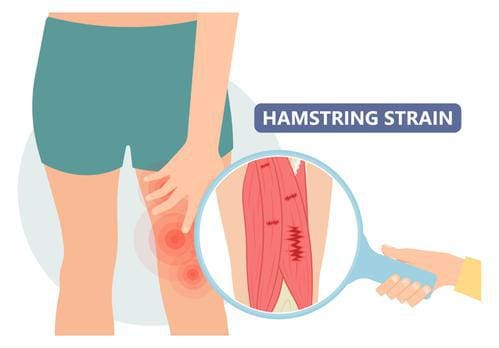
The hamstrings consist of three long muscles that run down the back of the thigh, cross over the back of the knee, and connect to bones in that area. A hamstring injury, such as a strain or tear, tendonitis, or biceps femoris tendinopathy, can cause pain in the back of the knee, difficulty bending the knee, swelling, and bruising. A hamstring strain occurs when the muscle is stretched too far or torn completely. This can happen from sudden, forceful movements or overstretching. Hamstring tendonitis develops over time, usually after a sudden increase in activity, when the hamstring tissue cannot recover from too much loading. Pain is often felt after physical activity and exercise and, in severe cases, during the activity or throughout the day. Biceps femoris tendinopathy can also cause pain in the back of the knee. Strains, tendonitis, bursitis, and muscle tears are all possible explanations for a hamstring injury that leads to pain behind the knee. Discussing pain symptoms with a healthcare provider is recommended, especially if it occurs suddenly during physical activity or exercise. They can help identify the exact cause and offer guidance for rehabilitation, including physical therapy referrals.
Causes and Triggers
Individuals may experience hamstring pain behind the knee when the muscles in that area are overworked, inflamed, or injured, such as from activities like running, walking, dancing, soccer, or basketball. Possible types of injuries and their causes.
A primary cause of muscle strain occurs when the muscle is stretched too far or has to handle a sudden force like sprinting or kicking. (American Academy of Orthopaedic Surgeons, 2021)
Severe Cases
Most causes of pain behind the knee are easily treatable at home with self-care and rest. However, it can be more severe, signaling a blood clot, infection, torn muscle or tendon/ligament. Hamstring knee pain may be serious if any of the following is experienced (American Academy of Orthopaedic Surgeons, 2021)
Sudden pain during physical activity, often during a full stride.
Feeling a pop or sharp pain that causes falling or limping.
Pain that worsens over time and prevents or hinders walking or exercising as normal.
If pain is severe and does not improve with rest and anti-inflammatory medications, evaluation by a healthcare professional is necessary.
Assesses Hamstring Pain
A healthcare provider will ask about symptoms and injury, including what happened when the pain began. They will perform a physical examination, which may include pressing on the back of the thigh to look for swelling, bruising, tenderness, or bunched-up muscles. (American Academy of Orthopaedic Surgeons, 2021) The healthcare provider will ask the patient to perform specific resisted movements, such as the manual muscle test, and measure the range of motion. Diagnostic testing includes an X-ray or MRI to determine the degree of the injury and which soft tissues or bones may be involved.
Self-Care
The first line of treating hamstring knee pain is the RICE protocol, which includes: (Mount Siani, 2024)
Rest
Stop any activity that causes symptoms and pain.
A healthcare provider may recommend crutches or a knee scooter in severe cases.
Ice
Apply cold packs to the swollen or painful area for 20 minutes throughout the day.
Compression
A knee brace, wrap, or bandage that applies gentle pressure to the injured area can help reduce and prevent swelling.
Elevation
Lifting the leg higher than the heart will help reduce swelling and blood accumulation.
Individuals may need to lie on a bed or sofa and elevate their legs with pillows.
Individuals can use at-home pain relievers like acetaminophen or NSAIDs like ibuprofen or naproxen. Over time, and depending on the severity of the injury, a healthcare provider will advise on gentle hamstring stretches and how to ease back into physical activity.
A healthcare provider will advise immobilizing the knee to help with muscle healing, which could involve wearing a knee brace or using crutches.
Physical therapy
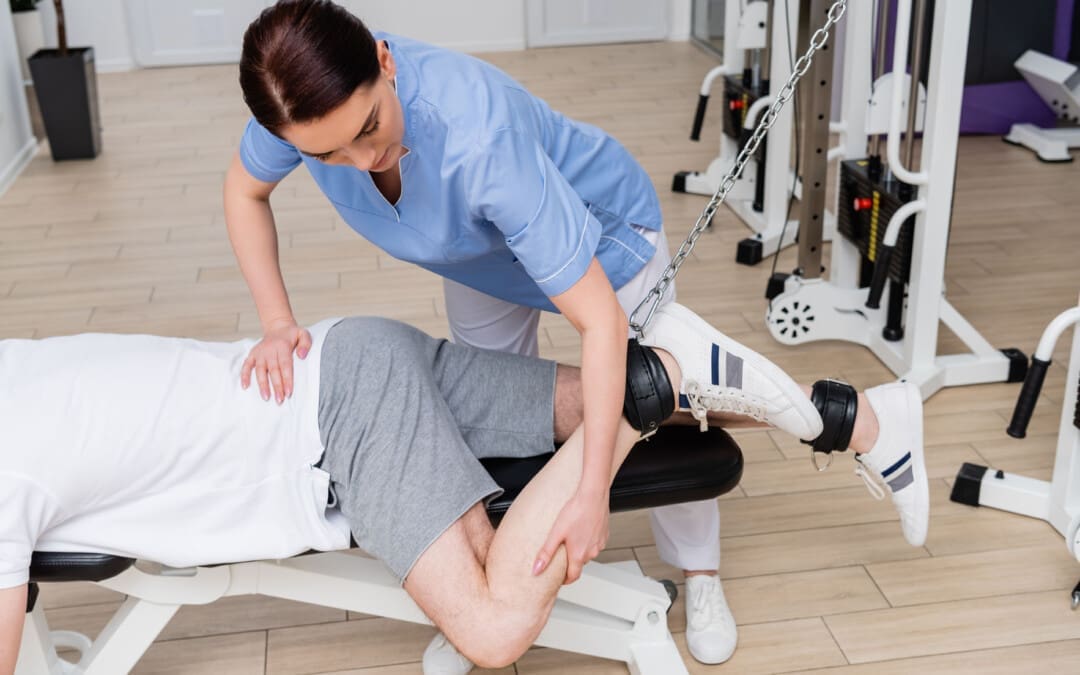
A healthcare provider may refer the patient to a physical therapist, who will perform a personalized evaluation and prescribe targeted exercises to heal the injury and regain strength, flexibility, and movement.
Surgery
Tendon avulsion injuries are when the hamstring tendon completely tears away from the bone, and surgery is required to reattach the tendon.
Platelet-rich plasma – PRP
Platelet-rich plasma has become an additional treatment for hamstring muscle strain or tendonitis. (Seow D. et al., 2021)
The treatment involves injecting a solution from the patient’s blood into the muscle to heal the injury.
Recovery
Predicting how long a hamstring injury takes to heal and how long the pain will linger depends on the type, location, and severity. The most severe type is the hamstring coming unattached around the knee. This surgical repair and rehabilitation take at least three months before returning to sports and exercise (American Academy of Orthopaedic Surgeons, 2021). Lesser injuries like tendonitis or a mild strain can take less time to heal. However, it’s essential to avoid reinjuring the area so the condition does not become chronic. This includes: (American Academy of Orthopaedic Surgeons, 2021)
Stretching to encourage and maintain flexibility.
Fixing muscle imbalances between the quadriceps and hamstring.
Endurance and conditioning.
Avoiding overuse.
Injury Medical Chiropractic and Functional Medicine Clinic works with primary healthcare providers and specialists to develop personalized treatment programs. We focus on what works for you and use an integrated approach to treating injuries and chronic pain syndromes to improve flexibility, mobility, and agility, relieving pain and helping individuals return to normal activities. If other treatments are needed, Dr. Jimenez has teamed up with top surgeons, clinical specialists, medical researchers, and rehabilitation providers. Our providers use Functional Medicine, Acupuncture, Electro-Acupuncture, and Sports Medicine principles.
Chiropractic Care for Leg Instability
References
National Library of Medicine. (2017). Tendinitis Also called: Tendonitis. Retrieved from https://medlineplus.gov/tendinitis.html
American Academy of Orthopaedic Surgeons. OrthoInfo. (2020). Sprains, strains, and other soft tissue injuries. https://orthoinfo.aaos.org/en/diseases–conditions/sprains-strains-and-other-soft-tissue-injuries/
American Academy of Orthopaedic Surgeons. OrthoInfo. (2021). Hamstring muscle injuries. https://orthoinfo.aaos.org/en/diseases–conditions/hamstring-muscle-injuries/
American Academy of Orthopaedic Surgeons. OrthoInfo. (2021). Pes aserine (knee tendon) bursitis. https://orthoinfo.aaos.org/en/diseases–conditions/pes-anserine-knee-tendon-bursitis/
Mount Siani. (2024). Hamstring strain – aftercare. https://www.mountsinai.org/health-library/selfcare-instructions/hamstring-strain-aftercare
Seow, D., Shimozono, Y., Tengku Yusof, T. N. B., Yasui, Y., Massey, A., & Kennedy, J. G. (2021). Platelet-Rich Plasma Injection for the Treatment of Hamstring Injuries: A Systematic Review and Meta-analysis With Best-Worst Case Analysis. The American journal of sports medicine, 49(2), 529–537. https://doi.org/10.1177/0363546520916729
Individuals who sit in an office chair for a long period naturally tend to slouch over or slouch down into the chair. This posture can overstretch the spinal ligaments, strain the discs and surrounding structures in the spine, and contribute to or worsen back pain. Can the right office chair settings help relieve and prevent future injuries?
Work Office Chair
Sitting in an office chair for prolonged periods can cause lower back pain or worsen an existing back problem. The main reason behind this is that sitting is a static posture that increases stress in the back, shoulders, arms, and legs, putting pressure on the back muscles and spinal discs. Over time, incorrect sitting posture can damage the spinal structures. Most office chair customers base their decisions on availability, color, style, and price. However, it’s recommended that individuals learn about fitting seating equipment to their height, frame, or any condition, such as back or hip pain. The controls on or under the armrests and at the bottom of the chair seat, including the levers, paddles, and knobs, are there for a reason. Here are some recommendations for adjusting their work office chair to decrease back and hip pain.
Height Adjustment
The chair’s height affects the quadriceps, psoas, and hamstring muscles, which are important in posture-related back pain. Height adjustment is the primary way to change the angle of the hip joint while sitting. This angle affects the position of the pelvis and the degree of curve in the lower back, which can alter the spine’s normal alignment. (De Carvalho D. et al., 2017) Adjusting the chair’s height can provide a reference for other chair and workstation adjustments.
Back Angle
The hip angle is how close (increased hip flexion) or how far away (less hip flexion) the trunk is to the top of the thigh when sitting. Adjusting chair height can control the angle of the hip joint. When adjusting the height, adjust the degree of flexion at the hip joint to ensure ideal alignment for the individual body frame. A recent study measured the load that sitting has on simulated spinal discs. Researchers concluded that pressure on the spine can be relieved with a more open angle between the trunk and the thigh, that is, the hip joint angle. (Rohlmann A. et al., 2011) The backrest, seat tilt, and lumbar support features help maintain a pain-free back and relieve pressure and tension in the lower back and should be utilized.
Seat Depth
A kitchen chair, for example, may have no back supports or armrests to assist with posture and angle. (Holzgreve F. et al., 2022) When sitting, the individual’s back should be against the back of the work office chair for the best support and a healthy posture. Individuals will want to check and see how concave the seat surface is. If there is a prominent curve, this will cause the back to be rounded when sitting, which can become uncomfortable and lead to back pain. A chair with built-in support or a pillow can help adjust the depth. This means that chair size matters, as different people will need seats of varying depths to match their musculoskeletal structure.
Seat Height
Another way to understand the hip joint angle is to compare the height of the knees to the height of the hips. This is usually the easiest way to assess whether the chair height is right while adjusting. When the seat is right, the feet will be flat on the floor. The feet should reach the floor without causing pressure on the back of the thighs. Individuals with dangling feet, which may be because of their height, should place a footrest or thick book under them. The knees should be approximately level with or lower than the hips. In this case, the level is a 90-degree angle between the hip and trunk, which is stress-free on the hips and back.
Risks
Chair Too High
For individuals who can’t reach their feet to the floor, the chair is probably too high. The Occupational Safety and Health Administration (OSHA) says this is potentially hazardous because it can lead to scooting forward and forgoing the backrest’s support (United States Department of Labor, N.D.) Sitting like this is considered an awkward posture and a risk factor for work-related musculoskeletal disorders (MSD). Musculoskeletal disorders and symptoms caused by awkward sitting posture include muscle fatigue, swelling, pain, numbness, or decreased circulation. (Ng, P. K., Jee, K. S. and Lim, S. Y. 2016)
Chair Too Low
If the knees are higher than the hips, the chair is probably too low, causing extreme flexion in the hip joints. Most individuals’ backs can’t handle this well because their hip muscles are not flexible enough. If sitting with knees higher than hips, the position can cause lower back pain.
Taking Breaks
No matter how comfortable a work office chair is, prolonged static posture is unhealthy for the spine and is a common contributor to back problems and muscle strain. Remember to stand, stretch, and walk for at least a minute or two every half hour to prevent the back from staying in one position for a long period. A quick stretch or minimal movement, like a quick walk, will help. A longer walk will help even more, promoting blood circulation to supply nutrients to all the spinal structures.
Moving and stretching regularly throughout the day will help keep the joints, ligaments, muscles, and tendons loose and promote comfort, relaxation, and the ability to focus productively.
Injury Medical Chiropractic and Functional Medicine Clinic works with primary healthcare providers and specialists to develop personalized treatment programs. An integrated approach to treating injuries and chronic pain syndromes improves flexibility, mobility, and agility, relieving pain and helping individuals return to normal activities. If other treatments are needed, Dr. Jimenez has teamed up with top surgeons, clinical specialists, medical researchers, and rehabilitation providers.
Low Back Pain: Impact and Chiropractic Solutions
References
De Carvalho, D., Grondin, D., & Callaghan, J. (2017). The impact of office chair features on lumbar lordosis, intervertebral joint and sacral tilt angles: a radiographic assessment. Ergonomics, 60(10), 1393–1404. https://doi.org/10.1080/00140139.2016.1265670
Rohlmann, A., Zander, T., Graichen, F., Dreischarf, M., & Bergmann, G. (2011). Measured loads on a vertebral body replacement during sitting. The spine journal : official journal of the North American Spine Society, 11(9), 870–875. https://doi.org/10.1016/j.spinee.2011.06.017
Holzgreve, F., Maurer-Grubinger, C., Fraeulin, L., Bausch, J., Groneberg, D. A., & Ohlendorf, D. (2022). Home office versus ergonomic workstation – is the ergonomic risk increased when working at the dining table? An inertial motion capture based pilot study. BMC musculoskeletal disorders, 23(1), 745. https://doi.org/10.1186/s12891-022-05704-z
United States Department of Labor. (N.D.). Computer workstations eTool. Retrieved from https://www.osha.gov/etools/computer-workstations
Ng, P. K., Jee, K. S. & Lim, S. Y. (2016). Development of Ergonomics Guidelines for Improved Sitting Postures in the Classroom among Malaysian University Students. American Journal of Applied Sciences, 13(8), 907-912. https://doi.org/10.3844/ajassp.2016.907.912
Individuals who are vegan, vegetarian, or allergic to fish may want to avoid fish sauce and foods made with it. What are fish-free sauce substitutes?
Fish Sauce Substitutes
Fish sauce is a liquid ingredient that adds a salty fish flavor to recipes. It is made by coating fish, like anchovies, in salt and letting them ferment in large barrels. The result is bottled fish sauce. Commonly associated with Asian cooking, fish sauce adds flavor to recipes like noodles, stir-fries, and more. The sauce is described as having an earthy, umami flavor. Because the sauce has a unique flavor that is difficult to replicate, removing it altogether is an option for those who do not consume fish products or do not have this ingredient readily available. There are fish sauce substitutes that are vegan—and vegetarian-friendly.
Options
Fish and fish products can be part of a balanced diet and a nutritious source of omega fatty acids. However, fish sauce can be substituted for those who follow a meat-free meal plan, have seafood allergies, or do not have fish sauce available. Omitting some or all animal products from one’s diet is not as easy as avoiding fish. Individuals must also check ingredient labels for animal-based ingredients and byproducts. According to the Asthma and Allergy Foundation of America, fish and shellfish are among the most common food allergies in the U.S. (Asthma and Allergy Foundation of America, 2022)
Fish sauce is usually added in small amounts so that it is not a significant source of calories, protein, fat, or carbohydrates. However, it does contain 1,410 milligrams of sodium. Guidelines recommend 2,300 milligrams of sodium per day for adults, and the recommended serving size of sauce contains around 61%. (U.S. Department of Agriculture and U.S. Department of Health and Human Services, 2020)
Substitutes
Fish sauce substitutes typically replace the salty, savory flavors and help deepen the taste of recipes by adding salty and umami flavors. The vegan and vegetarian-friendly alternatives do not provide the fish flavor.
Soy Sauce
Soy sauce is a liquid condiment made with fermented ingredients. It replicates the salty flavor, and although it can be high in sodium, it yields a similar nutritional profile. Soy sauce can be substituted at a 1:1 ratio. Adding minced fish, such as anchovies or sardines, is optional to satisfy the fish flavor.
Tamari
Tamari is a gluten-free Japanese-style soy sauce that can naturally substitute fish sauce and be used in equal amounts.
Worcestershire Sauce
Worcestershire sauce can substitute the fish sauce flavor and saltiness. It is a condiment that deepens the flavor of dishes like steaks, stews, sauces, marinades, etc. Though it is not a traditional ingredient in Asian cooking, it can be used in recipes like noodles, dumplings, marinated meat, and salads. It is lower in sodium, so it may be preferred for a low-sodium meal plan. It can be used at a 1:1 ratio.
Hoisin Sauce
Hoisin sauce is made from fermented soybeans. It has the fermented aspect of fish sauce and the salty flavors of soy sauce, with a slightly sweet flavor. Compared to American-style barbecue sauce, it is thick and usually used as a glaze or dipping sauce. To substitute, mix hoisin sauce with soy sauce at a 1:1 ratio to offset the sweetness of hoisin sauce. Use the mixture to replace the fish sauce in equal amounts.
Oyster Sauce
Oyster sauce is a fish product with the closest flavor profile to fish sauce. It has a thicker consistency, offers a salty fish flavor, and can be used at a 1:1 ratio.
Integrative and Functional Medicine Clinic
Injury Medical Chiropractic and Functional Medicine Clinic works with primary healthcare providers and specialists to develop personalized treatment plans through an integrated approach to restore health and function to the body through nutrition and wellness, functional medicine, acupuncture, Electroacupuncture, and integrated medicine protocols. If the individual needs other treatment, they will be referred to a clinic or physician best suited for them. Dr. Jimenez has teamed up with top surgeons, clinical specialists, medical researchers, nutritionists, trainers, and health coaches to provide the most effective clinical treatments.
Body Signals Decoded
References
Asthma and Allergy Foundation of America. (2022). Food allergies. Allergies. https://aafa.org/allergies/types-of-allergies/food-allergies/
U.S. Department of Agriculture, FoodData Central. (2018). Sauce, fish, ready-to-serve. Retrieved from https://fdc.nal.usda.gov/fdc-app.html#/food-details/174531/nutrients
U.S. Department of Agriculture and U.S. Department of Health and Human Services. (2020). Dietary Guidelines for Americans, 2020-2025. Retrieved from https://www.dietaryguidelines.gov/sites/default/files/2021-03/Dietary_Guidelines_for_Americans-2020-2025.pdf
Can electrolyte chewing gum help physically active individuals, fitness enthusiasts, and athletes experiencing extreme heat and dehydration?
Electrolyte Chewing Gum
Electrolyte powder mix and drinks have been marketed as efficient and time-saving for fast-paced lives. Now, electrolytes are in chewing gum form. These gums work by activating salivary glands and making the mouth water. Manufacturers claim the gum’s sour taste makes the mouth water, quenches thirst, and replenishes some electrolytes. Some brands don’t list the percentages or amounts of ingredients, making determining each gum’s electrolyte content difficult. However, electrolyte chewing gum is designed to eliminate feelings of thirst and is not meant to hydrate the body. This can be dangerous because it gives the individual a false sense of hydration. When the thirst mechanism is impaired, an individual may not drink enough fluids, leading to dehydration. The Food and Drug Administration has not studied the effectiveness of electrolyte gum.
Signs The Body Is Not Getting Enough Electrolytes
Electrolyte deficiency can result from insufficient fluids or excessive sweating (National Library of Medicine, 2024). Signs that the body is not getting enough electrolytes can vary because the body needs each electrolyte for specific functions. The symptoms can range from neurological symptoms such as headaches and seizures in the case of low sodium to muscle cramps and weakness when there are low potassium levels. (National Library of Medicine, 2023) (National Library of Medicine, 2023) However, individuals can still have electrolyte imbalances even if they do not have symptoms. This is why proper hydration and intake of electrolytes through water and food are important.
Ingredients
The ingredients listed on electrolyte chewing gum include:
Sugar
Gum base
Corn syrup
Citric acid
Glycerin
Natural flavors
Soy lecithin
Artificial sweeteners
Artificial color
Electrolytes in sodium citrate and potassium citrate
However, gum brands fail to include the percentages of the ingredients, making it hard to figure out the actual electrolyte content. The amount can determine their effectiveness. Given their size, estimates point to very little electrolyte content, possibly around 10 milligrams of sodium per piece, which is insufficient to hydrate the body.
Rehydrating the Body
Food and fluids are reliable sources of electrolytes that the body can absorb. Sources include:
Fruits like bananas and oranges contain potassium and magnesium.
Vegetables also contain potassium and magnesium.
Dairy for calcium.
Electrolyte supplements are generally unnecessary if you eat a balanced diet. However, these products could be useful during exercise, especially for their sodium content (National Library of Medicine, 2024). When exposed to the heat, consider a rehydration solution like sports drinks or making your own. The presence of sugar increases the absorption of sodium by the intestine. Sugar in electrolyte solutions does not add calories; it helps the intestine absorb the sodium faster and holds water in the bloodstream, helping maintain blood pressure. While chewing a piece of electrolyte gum might make it easy to get balanced electrolytes, it is not enough to replenish the body. Individuals who need more electrolytes should talk to their healthcare provider about the best way to meet their body’s needs. They may recommend drinks or powders specially formulated to provide an electrolyte boost.
Injury Medical Chiropractic and Functional Medicine Clinic works with primary healthcare providers and specialists to develop highly effective treatment plans through an integrated approach for each patient and restore health and function to the body through nutrition and wellness, functional medicine, acupuncture, Electroacupuncture, and integrated medicine protocols. If the individual needs other treatment, they will be referred to a clinic or physician best suited for them. Dr. Jimenez has teamed up with top surgeons, clinical specialists, medical researchers, nutritionists, and health coaches to provide the most effective clinical treatments.
Balancing Body and Metabolism
References
National Library of Medicine, MedlinePlus. (2024). Fluid and electrolyte balance. Retrieved from https://medlineplus.gov/fluidandelectrolytebalance.html
National Library of Medicine, MedlinePlus. (2023). Low blood sodium. Retrieved from https://medlineplus.gov/ency/article/000394.htm
National Library of Medicine MedlinePlus. (2023). Low blood potassium. Retrieved from https://medlineplus.gov/ency/article/000479.htm
For individuals looking to improve their gut health, can learning about the supportive digestive organs help with how digestion works and how it can be affected by inflammatory bowel disease/IBD?
Supportive Digestive Organs
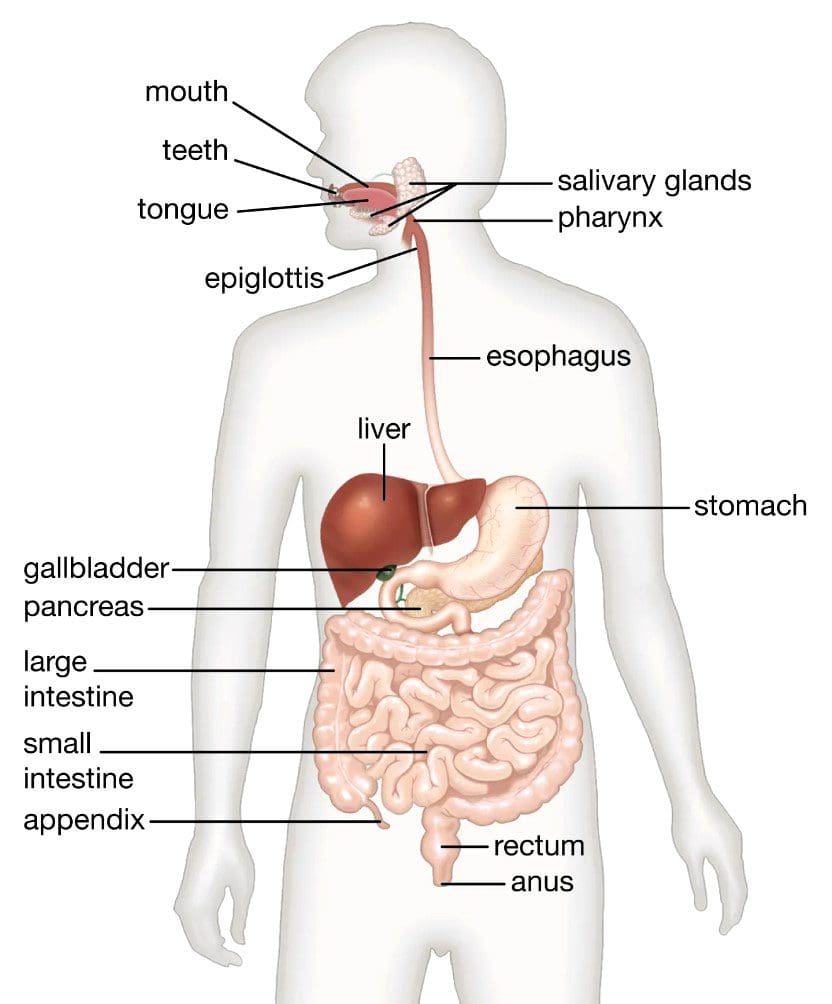
Most people are familiar with food movement from the mouth through the esophagus, stomach, small intestine, and large intestine. However, digestion begins in the mouth with the formation of saliva, and the supportive digestive organs provide the necessary fluids to digest food and used by the body. The digestive tract runs from the mouth to the anus in one long, continuous tube. Several supportive digestive organs assist digestion but are not considered part of the digestive tract, including the salivary glands, pancreas, liver, and gallbladder.
Salivary Glands
The salivary glands produce saliva passed through ducts and into the mouth. Saliva is a clear liquid containing various substances important for digestion and the beginning of the food breakdown process (National Institute of Diabetes and Digestive and Kidney Diseases, 2017). Saliva is important to digestion because it aids chewing, contains antibodies, and helps keep the mouth clean. Infections, mumps, obstructions, Sjogren’s syndrome, and cancer are diseases and conditions that can affect the salivary glands.
Pancreas
Behind the stomach is the pancreas, which is important to digestion because it is where digestive enzymes and hormones are produced. Digestive enzymes help break down food (National Institute of Diabetes and Digestive and Kidney Diseases, 2017). The pancreas also creates Insulin, a hormone that helps balance blood sugar levels. Individuals with Type 1 diabetes are unable to make insulin and need insulin shots to balance sugar levels. Individuals with Type 2 diabetes also need insulin because their body is either resistant to insulin or their pancreas does not respond correctly. (American Diabetes Association, 2024) Glucagon is another hormone produced in the pancreas to raise blood sugar when the levels are very low. For individuals who have diabetes, glucagon can increase blood sugar levels too high. Insulin and glucagon work together to regulate blood sugar. (American Diabetes Association, 2024) Some diseases and conditions affecting the pancreas include pancreatitis, cancer, and cystic fibrosis.
Liver
The liver is one of the largest organs. Its functions include creating bile, storing nutrients and glycogen, converting toxins into harmless substances, and/or enabling their removal. Bile is passed through ducts that run from the liver to the duodenum of the small intestine. Blood circulates through the digestive tract and liver, where vitamins and nutrients are processed and stored (Johns Hopkins Medicine, 2024). The liver is also the body’s detox organ, helping remove byproducts produced by alcohol and medications. The liver also helps break down old or damaged blood cells and produces substances to help with blood clotting. (Johns Hopkins Medicine, 2024) Diseases and conditions of the liver include cirrhosis, hepatitis, hemochromatosis, and cancer.
Gallbladder
The gallbladder is a much smaller organ located just under the liver. This supportive digestive organ stores bile after it is made in the liver. After eating, the small intestine releases a special hormone called cholecystokinin, which prompts the gallbladder to send bile through ducts and into the small intestine. Once in the small intestine, the bile breaks down the fat from the food. Conditions that can affect the gallbladder include gallstones. Surgery to remove the gallbladder, known as a cholecystectomy, is common. Some individuals may initially need to make adjustments to their diet after surgery. (Johns Hopkins Medicine, 2024)
Injury Medical Chiropractic and Functional Medicine Clinic works with primary healthcare providers and specialists to develop highly effective treatment plans through an integrated approach for each patient and restore health and function to the body through nutrition and wellness, functional medicine, acupuncture, Electroacupuncture, and integrated medicine protocols. If the individual needs other treatment, they will be referred to a clinic or physician best suited for them. Dr. Jimenez has teamed up with top surgeons, clinical specialists, medical researchers, nutritionists, and health coaches to provide the most effective clinical treatments.
Healthy Diet and Chiropractic
References
National Institute of Diabetes and Digestive and Kidney Diseases. Dis (2017). Your digestive system & how it works. Retrieved from https://www.niddk.nih.gov/health-information/digestive-diseases/digestive-system-how-it-works
American Diabetes Association. (2024). About diabetes: common terms. https://diabetes.org/about-diabetes/common-terms
Johns Hopkins Medicine. (2024). Liver: anatomy and functions. https://www.hopkinsmedicine.org/health/conditions-and-diseases/liver-anatomy-and-functions
Can incorporating lemongrass into a diet help individuals manage anxiety, colds, fever, inflammation, and insomnia?
Lemongrass
Lemongrass, or lemongrass or citronella, is a tall grass-like herb commonly used in Southeast Asian cooking. The lower stalks and bulbs of the plant have a fresh, clean, lemony scent that is sometimes added to marinades, teas, curries, and broths. In addition to its flavoring use, lemongrass’s essential oils are used for medicinal purposes, supported by scientific evidence.
Benefits
Lemongrass has been shown to help with common ailments, such as anxiety, colds, fever, inflammation, and insomnia. It can be eaten, rubbed on the skin, or inhaled as an aromatherapy treatment. When taken orally, it is often used to calm stomach discomfort and other gastrointestinal issues, including cramps and vomiting. (DeFilipps, R. A. et al., 2018) When used as a tea, it protects the stomach lining by treating stomach ailments, indigestion, and gastric ulcers. (Khan, Nida. 2020) Lemongrass or oil is applied to the skin to treat headaches and musculoskeletal pain. As an aromatherapy treatment, the oil extract may be inhaled to treat muscle pain, infections, colds, and flu symptoms. Consumed it can help treat:
Musculoskeletal pain
Sleeplessness
Rheumatism
Cough
Common cold
Fever
Anxiety
Hypertension
Diabetes
Epilepsy
Cancer prevention
However, a few studies support certain lemongrass benefits. Research has suggested that lemongrass oil added to a hair tonic may reduce dandruff. However, more studies are needed to confirm. (Chaisripipat, W. et al., 2015)
Essential Oil
Lemongrass essential oil has been studied and has been found to contain significant bioactive compounds that include:
Citral
Isoneral
Isogeranial
Geraniol
Geranyl acetate
Citronellal
Citronellol
Germacrene-D
Elemol
These compounds contain antifungal, antibacterial, antiviral, anticancer, and antioxidant properties. (Mukarram, M. et al., 2021) Research also shows that essential oils can be therapeutic agents for treating inflammatory skin conditions and help reduce dandruff because of their antimicrobial and anti-inflammatory properties. They can also inhibit the growth of the fungi associated with causing dandruff. (Khan, Nida. 2020)
Nutrition
One tablespoon of fresh lemongrass provides around five calories, most from carbohydrates/fiber and protein. (U.S. Department of Agriculture, 2018) It is a source of fiber, carbohydrates, and vitamins A, B, and C, strengthening the body’s immune system, repairing tissue damage, and promoting cell division. It also contains:
Magnesium – Necessary for protein synthesis, glycolysis, and muscle activity,
Selenium – Necessary for cognitive function and fertility.
Phosphorus – Necessary for DNA/RNA and cell membrane synthesis.
Zinc for wound healing, growth, and development. (Khan, Nida. 2020)
Minerals include:
Calcium – 3 milligrams
Potassium – 34 milligrams
Manganese – 0.2 milligrams
Magnesium – 2.9 milligrams
Iron – 0.4 milligrams
It also provides small amounts of vitamins, including A and C, folate, and niacin. However, lemongrass-flavored oil contains significantly more calories because it usually combines cooking oil with lemongrass extract.
Preparation and Storage
Lemongrass is becoming easier to find in stores. When choosing lemongrass, look for firm green stalks with healthy-looking bulbs attached. Some stores may sell the stalks with a good portion of the top removed. This is fine, as many recipes require using the bottom of the stalk or the bulb. To use lemongrass in teas, soups, broth, or other liquids, crush the stalks’ bottom area to release the aromatic oil. Then, immerse the pieces in the liquid to release the oils. Remove the stalks before eating or drinking the beverage. In other recipes, chopping or mincing the bulb or lower area of the stalks may be necessary before adding to a curry, salad, marinade, or stir-fry. Lemongrass can be wrapped in plastic and refrigerated for two to three weeks or frozen for up to 6 months.
Potential Side Effects
Lemongrass is safe for most when consumed in typical amounts in food. However, some concerns may arise when using it for medicinal purposes.
Used topically, lemongrass may cause skin irritation.
Additionally, consuming high amounts of lemongrass may cause dizziness, drowsiness, dry mouth, excess urination, and increased appetite. (Memorial Sloan Kettering Cancer Center, 2022)
High amounts of essential oil can damage liver and stomach mucous membranes, and excessive tea intake may also affect kidney function. (Memorial Sloan Kettering Cancer Center, 2022)
It is recommended that pregnant women should avoid lemongrass.
Additionally, individuals undergoing chemotherapy should avoid lemongrass because it may interfere with the actions of some chemotherapeutic agents.
Injury Medical Chiropractic and Functional Medicine Clinic works with primary healthcare providers and specialists to develop a personalized treatment plan through an integrated approach to treating injuries and chronic pain syndromes, improving flexibility, mobility, and agility programs to relieve pain and help individuals return to optimal function. Our providers use an integrated approach to create customized care programs for each patient and restore health and function to the body through nutrition and wellness, functional medicine, acupuncture, Electroacupuncture, and sports medicine protocols. If the individual needs other treatment, they will be referred to a clinic or physician best suited for them. Dr. Jimenez has teamed up with top surgeons, clinical specialists, medical researchers, nutritionists, and health coaches to provide the most effective clinical treatments.
Fighting Inflammation
References
DeFilipps, R. A., & Krupnick, G. A. (2018). The medicinal plants of Myanmar. PhytoKeys, (102), 1–341. https://doi.org/10.3897/phytokeys.102.24380
Khan, Nida. (2020). Therapeutic benefits of lemongrass and tea tree. Annals of Civil and Environmental Engineering. 4. 027-29. 10.29328/journal.acee.1001022.
Mukarram, M., Choudhary, S., Khan, M. A., Poltronieri, P., Khan, M. M. A., Ali, J., Kurjak, D., & Shahid, M. (2021). Lemongrass Essential Oil Components with Antimicrobial and Anticancer Activities. Antioxidants (Basel, Switzerland), 11(1), 20. https://doi.org/10.3390/antiox11010020
U.S. Department of Agriculture. (2018). Lemon grass (citronella), raw. Retrieved from https://fdc.nal.usda.gov/fdc-app.html#/food-details/168573/nutrients
Memorial Sloan Kettering Cancer Center. (2022). Lemongrass Purported Benefits, Side Effects & More. https://www.mskcc.org/cancer-care/integrative-medicine/herbs/lemongrass
Can neurological physical therapy help individuals diagnosed with a recently acquired or chronic neurological condition gain strength and functioning?
Neurological Physical Therapy
Neurological physical therapy can be extremely beneficial. It aims to restore functional mobility, strength, balance, and coordination in those with neurological conditions that affect their quality of life and ability to move around. It also helps recover from neurological injuries or prevent the progression and worsening of chronic neurological conditions. Depending on the severity of the condition, individuals may receive this therapy as an inpatient or outpatient. Exercise can help improve mobility, increase independence, and decrease the need for assistance, all of which can improve one’s quality of life.
Process
Neurological physical therapy is geared toward treating individuals with conditions affecting the brain and spinal cord, such as stroke, spinal cord injury, and Parkinson’s disease, to help restore mobility and function. The therapy is performed in hospitals, private practice physical therapy clinics, doctors’ offices, rehabilitation facilities, or at a patient’s home. Whether an individual needs inpatient or outpatient physical therapy will depend on the severity of the neurological condition.
Newly acquired neurological conditions such as strokes or traumas like spinal cord injuries and traumatic brain injuries or TBIs often require inpatient rehabilitation.
Once the patient gains enough strength, coordination, and independence with movements like standing and walking, they can progress to outpatient physical therapy.
The patient will undergo a physical exam after a physical therapist has gathered enough information about medical history during the initial evaluation.
The therapist will check muscle strength, coordination, range of motion, reflexes, and the muscle tone of the arms and legs. They may also perform neurological tests to examine coordination, such as following moving objects with the eyes, touching the finger to the nose, and rapidly alternating movements.
The individual general level of attention, cognition, and sensation will also be assessed to determine if these areas have been affected by the neurological condition. (Cleveland Clinic, 2022)
The therapist will then assess the patient’s ability to perform movements called transfers, which are transitions to and from positions such as lying down to sitting up or standing up to sitting.
They will note if the patient can perform these movements independently or if they need assistance.
The initial evaluation will also include an assessment of balance, quality of gait, and whether the therapist needs to assist.
Depending on the severity of the neurological condition, the therapist may provide the patient with or recommend purchasing an assistive device to help walk.
Treatment Sessions
During therapy sessions, patients may receive the following interventions:
Gait Training
To improve walking ability, proper instruction on using assistive devices such as canes, walkers, and crutches.
Balance Training
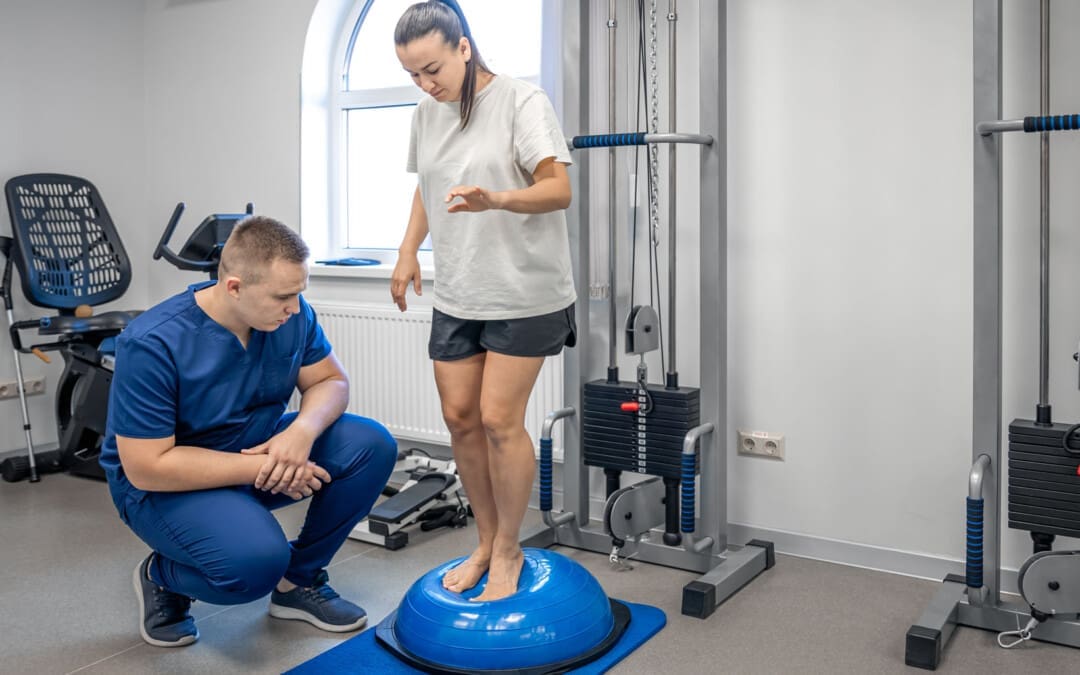
To improve static/stationary and dynamic/while moving balance, both sitting unsupported to improve core control and standing upright with or without handheld support.
Therapeutic Activities
To improve independence with bed mobility skills like rolling and sitting up from lying down and transfers on and off beds, chairs, and toilets.
Therapeutic exercises for stretching and strengthening muscles and improving coordination and motor control.
Endurance Training
This can be done with cardiovascular equipment like treadmills, stationary bicycles, and ellipticals.
Vestibular Therapy Interventions
Balance exercises with head movements and exercises to treat a common cause of dizziness are used to improve eye movement control.
Examples are the Dix-Hallpike and Epley maneuvers.
Conditions
Neurological physical therapy can treat various conditions. Some neurological conditions are progressive, worsening over time, and require regular physical therapy and at-home exercises to maintain optimal health and wellness. Neurological conditions that can be treated with physical therapy include: (Cleveland Clinic, 2022)
Strokes – loss of blood supply to the brain.
Spinal cord injuries – damage to part of the central nervous system resulting in loss of movement and control.
Polyneuropathies – damage to the peripheral nerves.
Traumatic brain injuries – for example, concussions.
Cerebral palsy – a group of disorders affecting movement, balance, and posture.
Multiple sclerosis – a disabling disease of the brain and spinal cord.
Parkinson’s disease – a progressive nervous system disorder.
Guillain-Barre syndrome – an autoimmune disease attacking the nerves.
Amyotrophic lateral sclerosis/ALS, also known as Lou Gehrig’s disease.
Vertigo, including benign paroxysmal positional vertigo or BPPV.
Neurological conditions, like an automobile collision, can occur suddenly or be progressive, such as Parkinson’s. Physical therapy helps those individuals by increasing their use of weakened muscles, improving their motor control, coordination, and balance, and facilitating their independence with daily tasks and movements. Always seek immediate medical attention for any sudden, unexplained muscle weakness. Individuals who experience skeletal muscle weakness should discuss the type and duration of symptoms with their doctor, specialist, physical therapist, or chiropractor, as this might be a sign of a medical condition such as a neuromuscular disorder. Injury Medical Chiropractic and Functional Medicine Clinic works with primary healthcare providers and specialists to develop a personalized treatment program through an integrated approach to treat injuries and chronic pain syndromes, improving flexibility, mobility, and agility, relieving pain, and helping individuals return to normal activities. If other treatments are needed, Dr. Jimenez has teamed up with top surgeons, clinical specialists, medical researchers, and rehabilitation providers to provide the most effective treatments.
IFM's Find A Practitioner tool is the largest referral network in Functional Medicine, created to help patients locate Functional Medicine practitioners anywhere in the world. IFM Certified Practitioners are listed first in the search results, given their extensive education in Functional Medicine