Recovering from Motor Vehicle Accidents: A Comprehensive Guide to Healing with Chiropractic and Integrative Medicine
Motor vehicle accidents (MVAs) can leave a lasting impact on your body, causing injuries that range from minor aches to severe, life-altering conditions. Whether it’s a fender-bender or a major collision, the forces involved can disrupt the body’s natural alignment, leading to indirect trauma, nerve injuries, back and neck pain, and even intestinal damage. These injuries often manifest as musculoskeletal joint pain, which limits mobility and affects quality of life. Fortunately, chiropractic care, integrative medicine, and targeted physical therapy can play a pivotal role in recovery, helping individuals restore function, reduce pain, and prevent long-term complications. This blog post explores the science behind MVA-related injuries and the role of chiropractic and integrative medicine in healing, offering practical exercises to aid recovery. It draws on insights from Dr. Alexander Jimenez, a renowned chiropractor and nurse practitioner in El Paso, Texas.
Understanding the Impact of Motor Vehicle Accidents
MVAs subject the body to sudden, high-impact forces that can disrupt the musculoskeletal system, nervous system, and even internal organs. Common injuries include:
Whiplash and Neck Pain: Caused by the rapid back-and-forth motion of the head, whiplash strains neck muscles and ligaments, leading to pain and stiffness (Carroll et al., 2008).
Back Pain: The spine, particularly the lumbar and thoracic regions, can suffer from herniated discs, muscle strains, or subluxations due to impact (Jimenez, 2024).
Nerve Injuries: Compression or irritation of nerves, such as in sciatica or radiculopathy, can result from spinal misalignments or soft tissue damage (Advance Orthopedic and Physical Therapy, n.d.).
Intestinal Damage: Less commonly discussed, the force of an MVA can cause visceral trauma, leading to gastrointestinal issues like irritable bowel syndrome or motility disorders (Jimenez, 2024).
These injuries often lead to musculoskeletal joint pain, where joints become stiff, inflamed, or misaligned, hindering movement and daily activities. Without proper intervention, these conditions can progress into chronic pain syndromes, affecting long-term health and well-being (IS Rehab, n.d.).
Chiropractic care is a cornerstone of MVA recovery, focusing on restoring spinal alignment, reducing nerve compression, and alleviating pain through non-invasive techniques. Dr. Alexander Jimenez, DC, APRN, FNP-BC, a board-certified chiropractor and nurse practitioner in El Paso, Texas, is a leading expert in this field. His dual licensure allows him to combine chiropractic adjustments with advanced medical diagnostics, offering a holistic approach to healing. (Jimenez, 2025).
Key Chiropractic Techniques
Spinal Adjustments: These precise manipulations correct misalignments (subluxations) in the spine, relieving pressure on nerves and restoring joint mobility. A 2020 study found that spinal manipulative therapy significantly reduces pain and disability in chronic low back pain cases (Rubinstein et al., 2020).
Manual Therapy: Techniques such as myofascial release and trigger point therapy help relax strained muscles and improve soft tissue flexibility. (Maxwell Therapy, n.d.).
Decompression Therapy: This method gently stretches the spine to alleviate disc pressure, which is beneficial for individuals with herniated discs and sciatica. (Jimenez, 2024).
Dr. Jimenez’s clinic, Injury Medical & Chiropractic Center, integrates these techniques with advanced diagnostics, including MRI, CT scans, and electromyography (EMG), to accurately assess injuries and tailor treatment plans. His approach not only addresses physical symptoms but also supports legal documentation for personal injury cases by providing objective evidence of injury progression (Jimenez, 2024).
Integrative Medicine and Functional Medicine Approaches
Integrative medicine combines conventional and alternative therapies to address the root causes of health issues, promoting overall well-being. Dr. Jimenez’s practice is grounded in functional medicine, which focuses on identifying underlying dysfunctions—such as inflammation, hormonal imbalances, or nutritional deficiencies—that contribute to MVA-related symptoms (Jimenez, 2024).
Functional Medicine Strategies
Nutritional Counseling: Anti-inflammatory diets rich in omega-3 fatty acids, antioxidants, and whole foods can reduce pain and support tissue repair. For example, turmeric may help alleviate inflammation caused by MVAs (Jimenez, 2019).
Lifestyle modifications, including stress management, sleep optimization, and ergonomic adjustments, can prevent injury recurrence and support recovery. (El Paso Back Clinic, n.d.).
Metabolic Assessments: Blood panels and other diagnostic tools identify systemic issues, such as gut dysbiosis, that may exacerbate pain or delay healing (Jimenez, 2024).
These strategies are particularly effective for addressing intestinal damage, which can result from the stress and trauma of an MVA. By restoring gut health, functional medicine enhances overall recovery and reduces systemic inflammation (Jimenez, 2024).
Physical therapy (PT) is crucial for restoring mobility, alleviating pain, and regaining strength after a motor vehicle accident (MVA). When combined with sports training principles, physical therapy (PT) can help individuals return to their pre-accident level of function and prevent long-term issues. (Sports Physical Therapy Centers, n.d.).
Key Physical Therapy Techniques
Therapeutic exercises include stretching, range-of-motion exercises, and bodyweight activities such as squats and push-ups, designed to improve flexibility and strength. (Procare Medical Center, n.d.).
Neuromuscular reeducation retrains the brain and muscles to work together, thereby improving coordination and balance. (Maxwell Therapy, n.d.).
Nerve Mobilization: Exercises that gently stretch and mobilize nerves can reduce tingling, numbness, and pain caused by nerve compression. (Advance Orthopedic and Physical Therapy, n.d.).
Safe Exercise Progression
Starting exercise too soon after an MVA can worsen injuries, so it’s crucial to follow a gradual progression under professional guidance:
Week 1-2: Focus on light stretching and range-of-motion exercises, such as neck rotations or shoulder rolls, to maintain mobility without straining tissues (GTAKG, n.d.).
Weeks 3-4: Introduce bodyweight exercises, such as squats, lunges, or modified push-ups, while maintaining pain-free movements. (Procare Medical Center, n.d.).
Week 5+: Incorporate low-impact strength training, such as resistance band exercises, to rebuild muscle and joint stability (Sports Physical Therapy Centers, n.d.).
Dr. Jimenez emphasizes the importance of individualized exercise plans, tailored to the patient’s injury severity and stage of recovery. His clinic’s PUSH-as-Rx system integrates functional fitness and agility training to optimize recovery (Jimenez, 2024).
Dr. Jimenez’s Clinical Approach: Bridging Medical and Legal Needs
Dr. Jimenez’s unique dual licensure as a chiropractor and nurse practitioner enables him to provide comprehensive care that addresses both medical and legal aspects of MVA recovery. His clinical reasoning is rooted in advanced diagnostics and evidence-based protocols, ensuring accurate injury assessment and effective treatment (Jimenez, 2025).
Advanced Diagnostics
Imaging: MRI and CT scans reveal soft tissue damage, disc herniations, and spinal misalignments that may not be visible on X-rays (Jimenez, 2024).
Electromyography (EMG): This assesses nerve function, identifying compression or damage that contributes to pain or numbness (Jimenez, 2024).
Functional Movement Screens: These evaluate mobility and strength deficits, guiding exercise prescriptions (Jimenez, 2024).
Legal Documentation
In personal injury cases, accurate documentation is critical for securing fair compensation. Dr. Jimenez’s clinic provides detailed reports on injury progression, pain scales, and functional limitations, which serve as objective evidence for attorneys and insurance companies. His dual-scope approach ensures that medical findings are correlated with symptoms, strengthening legal claims (Jimenez, 2024).
Exercise is a powerful tool for managing musculoskeletal joint pain and promoting recovery. Below are safe, beginner-friendly exercises recommended for MVA survivors, based on Dr. Jimenez’s protocols and industry standards (Jimenez, 2024; Procare Medical Center, n.d.).
Stretching Exercises
Neck Rotations:
Sit or stand with a straight spine.
Slowly rotate your head to the right, hold for 5 seconds, then return to center.
Repeat on the left side. Perform 10 reps per side.
Benefits: Improves neck mobility and reduces stiffness.
Cat-Cow Stretch:
Begin by positioning yourself on all fours, maintaining a neutral spine.
Inhale, arch your back (cow pose), lifting your head and tailbone.
Exhale, round your spine (cat pose), tucking your chin and pelvis.
Repeat for 8-10 cycles.
Benefits: Enhances spinal flexibility and relieves back tension.
Range-of-Motion Exercises
Shoulder Rolls:
Stand with arms relaxed at your sides.
Roll your shoulders forward in a circular motion for 10 reps, then backward for 10 reps.
Benefits: Loosens shoulder joints and reduces upper back pain.
Ankle Circles:
Sit with one leg extended and lift your foot off the ground.
Rotate your ankle clockwise for 10 circles, then counterclockwise.
Switch legs and repeat.
Benefits: Restores ankle mobility, especially after lower limb injuries.
Bodyweight Strength Exercises
Wall Push-Ups:
Stand at arm’s length from a wall, and place your hands at shoulder height.
Bend your elbows to lower your chest toward the wall, then push back.
Perform 2 sets of 10-12 reps.
Benefits: Strengthens chest and arms without straining the spine.
Bodyweight Squats:
Stand with feet shoulder-width apart.
Lower your hips as if sitting in a chair, keeping your knees behind your toes.
Return to standing. Perform 2 sets of 8-10 reps.
Benefits: Builds leg and core strength, improving stability.
Safety Tip: Always consult a healthcare provider before starting exercises, especially if you experience pain or discomfort (Sports Physical Therapy Centers, n.d.).
Untreated MVA injuries can lead to chronic conditions like degenerative disc disease, fibromyalgia, or persistent nerve pain (Solutions Physical Therapy, n.d.). Chiropractic care, integrative medicine, and physical therapy work together to:
Restore Alignment: Correcting spinal and joint misalignments prevents uneven wear and tear (Jimenez, 2024).
Reduce Inflammation: Nutritional and manual therapies lower systemic inflammation, reducing pain and promoting healing (Jimenez, 2019).
Enhance Resilience: Strength and flexibility exercises build a robust musculoskeletal system, reducing the risk of re-injury (Sports Physical Therapy Centers, n.d.).
Dr. Jimenez’s holistic approach ensures that patients not only recover physically but also maintain long-term health through lifestyle changes and preventive care (Jimenez, 2025).
Recovering from a motor vehicle accident requires a multifaceted approach that addresses the physical, neurological, and systemic effects of trauma. Chiropractic care, led by experts like Dr. Alexander Jimenez, restores spinal alignment and alleviates pain, while integrative medicine addresses underlying causes through targeted nutrition and lifestyle modifications. Physical therapy and sports training rebuild strength and mobility, empowering individuals to return to their daily activities and prevent chronic issues. By combining advanced diagnostics, personalized treatment plans, and legal documentation, Dr. Jimenez’s practice provides a comprehensive model for MVA recovery. If you’ve been in an accident, consult a qualified healthcare provider to start your healing journey today.
Functional Medicine: A Holistic Approach to Recovery from Motor Vehicle Accidents
Motor vehicle accidents (MVAs) can leave individuals with a range of injuries, from visible trauma to hidden damage that affects long-term health. Beyond the immediate physical pain, MVAs can cause indirect trauma, back and neck pain, and even intestinal damage, impacting overall well-being. Functional medicine offers a comprehensive, patient-centered approach to recovery by addressing the root causes of these injuries and promoting holistic healing. This blog post examines how functional medicine, when combined with chiropractic care, can aid individuals in recovering from motor vehicle accidents (MVAs), with a focus on the expertise of Dr. Alexander Jimenez, a renowned chiropractor and nurse practitioner in El Paso, Texas. Written at a high school level, this 5,000-word guide is designed to educate and empower those seeking natural recovery options.
Understanding Motor Vehicle Accident Injuries
Motor vehicle accidents are a leading cause of injuries in the United States, with nearly 300,000 car accidents occurring annually in Texas alone, resulting in over 60,000 injuries (Jimenez, 2018). These injuries range from minor to severe, affecting various body systems. Common injuries include:
Whiplash and Neck Pain: Caused by the sudden acceleration and deceleration during a collision, whiplash affects the cervical spine, leading to muscle tightness, spasms, and headaches (Jimenez, 2018).
Back Pain: The force of an MVA can strain or tear muscles, ligaments, and discs in the lumbar or thoracic spine, causing acute or chronic pain (Jimenez, 2025).
Musculoskeletal Joint Pain: Joints, such as the shoulders, knees, or hips, can suffer from soft tissue damage or misalignment, leading to persistent discomfort (Jimenez, 2025).
Intestinal Damage and Gut Health Issues: Less obvious but equally significant, MVAs can disrupt gut health through stress-induced inflammation or physical trauma, potentially leading to conditions like leaky gut or irritable bowel syndrome. (Jimenez, 2025).
Indirect Trauma: Emotional and psychological stress from MVAs can manifest as post-traumatic stress disorder (PTSD), anxiety, or depression, which further complicates physical recovery (Visionary Law Group, n.d.).
These injuries often have interconnected effects, where physical trauma exacerbates mental health issues, and vice versa. Functional medicine addresses this complexity by treating the body as an integrated system, rather than focusing solely on isolated symptoms.
Functional medicine is a holistic, patient-centered approach that seeks to identify and address the root causes of health issues, rather than merely treating symptoms (Premier Functional Medicine, n.d.). In the context of MVA recovery, functional medicine offers individualized treatment plans that integrate chiropractic care, nutrition, physical therapy, and mental health support to restore balance across the body’s systems.
Key Principles of Functional Medicine
Individualized Care: Each patient receives a customized treatment plan tailored to their unique medical history, lifestyle, and injury profile.
Root Cause Analysis: Practitioners use advanced diagnostics to uncover underlying issues, such as inflammation, hormonal imbalances, or gut dysfunction, that may prolong recovery.
Holistic Healing: Treatment addresses physical, mental, and emotional health to promote overall well-being.
Preventive Focus: Functional medicine emphasizes the prevention of chronic conditions by addressing injuries early and optimizing overall health.
By focusing on these principles, functional medicine helps MVA victims recover faster and reduces the risk of long-term complications, such as chronic pain or gastrointestinal disorders.
Dr. Alexander Jimenez, DC, APRN, FNP-BC, is a board-certified chiropractor and family nurse practitioner in El Paso, Texas, with over 25 years of experience treating motor vehicle accident (MVA) injuries. (Jimenez, 2025). His dual licensure enables him to bridge chiropractic care with medical diagnostics, providing him with an unusual perspective on injury recovery. At his Injury Medical & Chiropractic Clinic, Dr. Jimenez combines functional medicine with evidence-based treatments to address the complex needs of motor vehicle accident (MVA) victims.
Clinical Rationale and Diagnostic Approach
Dr. Jimenez emphasizes the importance of thorough assessments to identify both obvious and hidden injuries. His clinical rationale includes:
Advanced Imaging: Magnetic resonance imaging (MRI) and X-rays are used to detect structural damage, such as herniated discs or fractures, that may not be immediately apparent (Jimenez, 2016).
Dual-Scope Procedures: As both a chiropractor and nurse practitioner, Dr. Jimenez employs electromyography (EMG), functional movement screens, and neurologic exams to assess nerve injuries and musculoskeletal dysfunction (Jimenez, 2025).
Diagnostic Assessments: Tools like the Living Matrix help identify systemic contributors to pain, such as inflammation or gut dysfunction, which are often overlooked in traditional care (Jimenez, 2016).
This comprehensive approach ensures accurate diagnoses, which are critical for effective treatment and legal documentation in personal injury cases. Dr. Jimenez’s team meticulously documents injury timelines, treatment outcomes, and functional limitations, providing objective evidence for attorneys and insurance companies (Jimenez, 2025).
Addressing Specific MVA Injuries with Functional Medicine
Functional medicine, combined with chiropractic care, provides targeted strategies to address the diverse injuries resulting from motor vehicle accidents (MVAs). Below, we explore how these approaches tackle back and neck pain, musculoskeletal joint pain, intestinal damage, and indirect trauma.
Back and Neck Pain
Back and neck pain are among the most common MVA injuries, often resulting from whiplash or spinal misalignment. Functional medicine and chiropractic care address back and neck pain through the following methods:
Chiropractic Adjustments: Spinal manipulation restores alignment, reduces nerve interference, and alleviates pain (Jimenez, 2025). Dr. Jimenez uses gentle thrusts to improve flexibility and promote recovery.
Soft Tissue Therapy: Massage and myofascial release relieve muscle tension and reduce scar tissue, enhancing mobility (RX Wellness, n.d.).
Anti-Inflammatory Nutrition: A diet rich in omega-3 fatty acids, antioxidants, and anti-inflammatory foods, such as turmeric and leafy greens, can help reduce systemic inflammation that exacerbates pain (Jimenez, 2019).
Physical therapy exercises to improve range of motion (ROM) and strengthen supporting muscles can help prevent chronic pain. (Health Coach Clinic, 2025).
Dr. Jimenez’s protocols often include ultrasound therapy and muscle energy techniques to reduce inflammation further and restore function (Jimenez, 2025).
Musculoskeletal Joint Pain
Joint pain after an MVA can result from soft tissue damage, ligament sprains, or biomechanical imbalances. Functional medicine addresses these issues by:
Functional Movement Screens: These assessments identify compensatory movement patterns that contribute to joint pain, allowing for targeted rehabilitation (Jimenez, 2025).
Nutritional Support: Supplements like collagen, glucosamine, and vitamin D support joint repair and reduce inflammation (Health Coach Clinic, 2025).
Manual Therapies: Chiropractic adjustments and acupuncture restore joint alignment and improve circulation, reducing pain and stiffness (Altitude Health, n.d.).
Exercise Programs: Low-impact exercises, such as yoga or swimming, rebuild strength and flexibility without stressing injured joints (County Line Chiropractic, n.d.).
Dr. Jimenez’s multidisciplinary approach ensures that joint pain is addressed from both a structural and systemic perspective, preventing progression to chronic conditions.
Intestinal Damage and Gut Health
MVAs can indirectly affect gut health through stress, inflammation, or trauma to the abdominal region. For instance, the force of a collision can disrupt the gut microbiome, leading to symptoms like bloating, diarrhea, or food sensitivities (Jimenez, 2025). Functional medicine strategies include:
Gut-healing diets, such as elimination diets or protocols like the Specific Carbohydrate Diet (SCD), reduce inflammation and support gut repair (Jimenez, 2025).
Probiotics and Prebiotics: These supplements restore healthy gut flora, improving digestion and immune function (Pacific Natural Medicine, n.d.).
Stress Management: Techniques such as mindfulness, meditation, or biofeedback can help reduce cortisol levels, which can exacerbate gut dysfunction (Heartspring Health, n.d.).
Functional Testing: Stool analysis or food sensitivity tests identify underlying issues, such as leaky gut or dysbiosis, allowing for targeted interventions. (Balance Body Med, n.d.).
Dr. Jimenez’s expertise in functional medicine enables him to address gut health as a crucial component of MVA recovery, recognizing its significant role in systemic inflammation and overall well-being.
Indirect Trauma and Emotional Health
The psychological impact of MVAs can be profound, with victims experiencing PTSD, anxiety, or depression (Visionary Law Group, n.d.). Functional medicine addresses these issues through:
Mind-Body Therapies: Techniques such as cognitive-behavioral therapy (CBT), yoga, or acupuncture help manage stress and enhance mental resilience. (Heartspring Health, n.d.).
Nutritional Psychiatry: Diets rich in omega-3s, B vitamins, and magnesium support brain health and mood stability (Health Coach Clinic, 2025).
Herbal Support: Adaptogens, such as ashwagandha or rhodiola, help the body cope with stress and promote emotional balance (Pacific Natural Medicine, n.d.).
Chiropractic Care: By reducing physical pain, chiropractic adjustments can help alleviate stress and improve sleep, both of which are crucial for maintaining mental health. (Accident Care Chiropractic, n.d.).
Dr. Jimenez’s comprehensive approach guarantees the importance of emotional health in physical recovery.
The Connection Between MVA Injuries and Musculoskeletal Joint Pain
MVA injuries often contribute to the progression of musculoskeletal joint pain, as the trauma can disrupt the body’s biomechanical balance. For example, whiplash can cause cervical spine misalignment, leading to compensatory strain on the shoulders, hips, or knees (Jimenez, 2016). Similarly, inflammation from soft tissue injuries can spread systemically, affecting joint health and mobility (Jimenez, 2025).
Dr. Jimenez’s clinical observations highlight that untreated MVA injuries can lead to chronic conditions, such as osteoarthritis or fibromyalgia, due to persistent inflammation and biomechanical imbalances (Jimenez, 2025). His approach involves:
Early Intervention: Addressing injuries promptly to prevent scar tissue formation and joint degeneration.
Systemic Treatment: Using functional medicine to reduce inflammation and support joint repair through nutrition and supplementation.
Rehabilitation: Implementing strength training and mobility exercises to restore joint function and prevent further damage.
By addressing both the structural and systemic aspects of joint pain, Dr. Jimenez helps patients avoid long-term complications and regain their quality of life.
Personal Injury Cases in El Paso: Dr. Jimenez’s Expertise
In El Paso, Dr. Jimenez is a trusted provider for personal injury cases, particularly those involving motor vehicle accidents (MVAs). His clinic has treated thousands of patients, helping them navigate the medical and legal complexities of their injuries (Jimenez, 2019). His expertise is particularly valuable in:
Legal Documentation: Dr. Jimenez’s team provides detailed reports on injury timelines, treatment progress, and functional limitations, which are critical for personal injury claims (Jimenez, 2025).
Patient Advocacy: By combining chiropractic care with nurse practitioner-driven medical management, Dr. Jimenez ensures patients receive comprehensive care while supporting their legal rights (Jimenez, 2017).
Holistic Recovery: His functional medicine approach addresses the physical, emotional, and systemic effects of injuries, enabling patients to return to work and their daily activities. (Accident Care Chiropractic, n.d.).
Patient testimonials highlight Dr. Jimenez’s transformative impact, with many reporting significant improvements in pain, mobility, and quality of life (Jimenez, 2025). His commitment to evidence-based care and patient education empowers individuals to take an active role in their recovery.
Recovering from an MVA is not just about healing immediate injuries; it’s about preventing chronic conditions and optimizing health. Functional medicine offers long-term strategies to support sustained recovery:
Lifestyle Modifications: Regular exercise, stress management, and adequate sleep promote resilience and prevent pain recurrence (Heartspring Health, n.d.).
Nutritional Optimization: A balanced diet rich in anti-inflammatory foods and targeted supplements supports tissue repair and overall systemic health (Health Coach Clinic, 2025).
Mental Health Support: Counseling or mind-body therapies address lingering emotional trauma, ensuring comprehensive recovery (Visionary Law Group, n.d.).
Dr. Jimenez’s clinic offers virtual and in-person coaching to ensure patients maintain these strategies, empowering them to live pain-free and healthy lives (Jimenez, 2025).
Motor vehicle accidents can have far-reaching effects, from back and neck pain to intestinal damage and emotional trauma. Functional medicine, combined with chiropractic care, offers a holistic and effective approach to recovery by addressing the root causes of these injuries and promoting overall well-being. Dr. Jimenez’s expertise in El Paso, Texas, exemplifies this approach, blending advanced diagnostics, personalized treatment plans, and legal documentation to support MVA victims. By focusing on individualized care, systemic healing, and long-term prevention, functional medicine enables individuals to regain their health and quality of life following an accident. If you or a loved one has been injured in an MVA, consider consulting a functional medicine practitioner like Dr. Jimenez to explore natural, comprehensive recovery options.
Car Accidents and Gut Health: Impacts, Causes, and Recovery
Motor vehicle accidents (MVAs) can have far-reaching effects on the body, extending beyond visible injuries to impact internal systems, such as the digestive tract. While back and neck pain are commonly associated with car accidents, gut health issues—ranging from immediate abdominal pain to delayed digestive problems—are often overlooked. These issues can stem from direct physical trauma, emotional stress, medication side effects, and disruptions to the gut-brain axis. In El Paso, Texas, Dr. Alexander Jimenez, a renowned chiropractor and nurse practitioner, has extensively documented the connection between motor vehicle accidents (MVAs) and gut health through his clinical observations. This blog post examines the impact of car accidents on gut health, the role of stress and medications, and Dr. Jimenez’s integrative approach to treatment, which emphasizes advanced diagnostics and personalized care for personal injury cases.
Physical Trauma and Gut Health
Direct Damage to the Digestive System
Car accidents can cause significant physical trauma to the abdomen, leading to injuries that directly affect the digestive system. Blunt force trauma from seat belts, airbags, or steering wheel impact can result in internal bruising, organ damage, or intestinal perforations. According to MD Searchlight (2024), intestinal trauma can be penetrating (e.g., from sharp objects) or blunt (e.g., from impact), both of which can disrupt the integrity of the digestive tract, causing immediate or delayed symptoms like abdominal pain, bloating, or diarrhea (MD Searchlight, 2024).
Seat Belt Syndrome: This term refers to injuries resulting from the sudden force of a seat belt against the abdomen during a crash. While seat belts save lives, they can cause bruising, lacerations, or more severe issues like bowel obstructions or internal bleeding (AICA Orthopedics, 2020). For example, the pressure from a seat belt can lead to small bowel perforations, which may not manifest symptoms until days or weeks later.
Internal Bleeding and Organ Damage: The Michigan Auto Law (2025) highlights that stomach pain and diarrhea after an accident can signal internal bleeding or organ rupture, which are life-threatening if untreated (Michigan Auto Law, 2025). Organs like the liver, spleen, or pancreas can sustain damage, leading to complications such as peritonitis (inflammation of the abdominal lining) or sepsis.
Delayed Symptoms: AICA Orthopedics (2024) notes that delayed stomach pain is common due to the adrenaline rush during an accident, which can mask initial symptoms. Injuries such as gastrointestinal perforations or pancreatitis may not become apparent until inflammation worsens, necessitating immediate medical evaluation (AICA Orthopedics, 2024).
Musculoskeletal Joint Pain and Indirect Trauma
MVAs often cause musculoskeletal injuries, such as whiplash, herniated discs, or spondylolisthesis, which contribute to back and neck pain. These injuries can indirectly affect gut health by altering posture, increasing stress, or necessitating medications that disrupt digestion. Dr. Alexander Jimenez explains that spinal misalignments from accidents can compress nerves that regulate digestive functions, leading to symptoms like constipation or irritable bowel syndrome (El Paso Back Clinic, n.d.).
Whiplash and Abdominal Pain: While whiplash primarily affects the neck, the jerking motion can strain abdominal muscles or compress internal organs, causing digestive discomfort (The Barnes Firm, 2020). This connection underscores the systemic impact of MVAs on the body.
Chronic Pain and Gut Health: Chronic back or neck pain from MVAs can elevate stress levels, disrupting the gut-brain axis and exacerbating gastrointestinal issues. Janicek Law (2023) emphasizes that chronic pain can lead to inflammation, which in turn further impairs gut function (Janicek Law, 2023).
The gut-brain axis is a bidirectional communication system between the brain and the gut, mediated by the vagus nerve, neurotransmitters, and gut microbiota. MVAs can induce significant emotional stress, triggering physiological changes that disrupt this axis. Khiron Clinics (2023) explains that trauma elevates cortisol levels, thereby increasing gut permeability and allowing bacteria to enter the bloodstream, which can lead to inflammation and digestive issues (Khiron Clinics, 2023).
Stress-Induced Gut Issues: The fear and anxiety following an accident can inhibit the vagus nerve, reducing its ability to regulate digestion. This can lead to symptoms like nausea, diarrhea, or constipation (LinkedIn, 2019). Animal studies cited in LinkedIn (2019) show that stress can cause gastrointestinal issues and even mimic post-traumatic stress disorder (PTSD) symptoms, highlighting the gut-brain connection (LinkedIn, 2019).
Traumatic Brain Injury (TBI) and Gut Health: MVAs can cause TBIs, ranging from mild concussions to severe brain damage. Heuer Fischer (n.d.) notes that traumatic brain injuries (TBIs) disrupt the gut microbiome, leading to dysbiosis—a gut bacterial imbalance—which impairs digestion and promotes inflammation (Heuer Fischer, n.d.). PMC (2021) notes that dysbiosis caused by TBI increases gut permeability, thereby exacerbating inflammation throughout the body (PMC, 2021).
Clinical Observations by Dr. Jimenez
Dr. Jimenez’s work emphasizes the interplay between emotional stress, traumatic brain injuries (TBIs), and gut health. His clinical observations at Injury Medical & Chiropractic Clinic indicate that patients with MVAs often present with both musculoskeletal pain and gastrointestinal symptoms, such as bloating or irregular bowel movements (Dr. Alex Jimenez, n.d.). He attributes these issues to stress-induced disruptions in the gut-brain axis, compounded by physical injuries.
Dr. Alex Jimenez. (n.d.). Traumatic brain injuries & gut issues. Retrieved from https://dralexjimenez.com/
Medication Side Effects and Gut Health
Impact of Post-Accident Medications
MVAs often require medications like painkillers, anti-inflammatories, or antibiotics, which can disrupt gut health. The Gastroenterology Advisor (2024) notes that medications, particularly nonsteroidal anti-inflammatory drugs (NSAIDs) and antibiotics, can alter the gut microbiota, leading to issues such as constipation or diarrhea (Gastroenterology Advisor, 2024).
NSAIDs: Commonly prescribed for back and neck pain, NSAIDs can irritate the stomach lining, causing gastritis or ulcers. This is particularly problematic for MVA patients with pre-existing gut sensitivities.
Antibiotics: If surgery or infections (e.g., from intestinal perforations) are involved, antibiotics may be prescribed. These can deplete beneficial gut bacteria, leading to dysbiosis and symptoms like bloating or diarrhea (PMC, 2018).
Opioids: Used for severe pain, opioids slow gut motility, causing constipation or even bowel obstructions. Chiropractor Snellville (2023) highlights that prolonged opioid use can exacerbate digestive issues in MVA patients (Chiropractor Snellville, 2023).
Dr. Jimenez’s Approach to Medication Management
Dr. Jimenez advocates for a functional medicine approach, minimizing reliance on medications that harm gut health. He integrates dietary recommendations and probiotics to restore gut microbiota, particularly for patients on long-term pain management (Dr. Alex Jimenez, n.d.). His personalized nutrition plans aim to reduce inflammation and support digestive recovery.
Dr. Alex Jimenez. (n.d.). Post-automobile accident recovery and healing foods. Retrieved from https://dralexjimenez.com/
Dr. Alexander Jimenez’s Clinical Approach in El Paso
Expertise in Personal Injury Cases
In El Paso, Dr. Alexander Jimenez is a leading expert in treating motor vehicle accident (MVA)-related injuries, combining his expertise as a chiropractor and nurse practitioner. With over 20 years of experience, he has treated numerous patients with musculoskeletal and gastrointestinal issues stemming from car accidents (El Paso Back Clinic, n.d.). His integrative approach includes chiropractic adjustments, functional medicine, and nutritional counseling to address both physical and systemic effects of injuries.
Personal Injury Documentation: Dr. Jimenez collaborates with personal injury attorneys to provide detailed medical documentation, ensuring patients receive appropriate legal compensation. His reports link symptoms like back pain, neck pain, and digestive issues to the accident, strengthening legal claims (Dr. Alex Jimenez, n.d.).
Advanced Diagnostics and Dual-Scope Procedures
Dr. Jimenez utilizes advanced imaging techniques (e.g., X-rays, CT scans, and MRIs) and dual-scope procedures (e.g., endoscopy and colonoscopy) to accurately diagnose MVA-related injuries. These tools help identify internal damage, such as intestinal perforations or organ trauma, that may not be evident through physical exams alone (Dr. Alex Jimenez, n.d.).
Clinical Rationale: His use of diagnostics ensures precise identification of injuries, guiding targeted treatments. For example, imaging can reveal herniated discs causing nerve compression, which may contribute to digestive issues. Dual-scope procedures are particularly useful for detecting gastrointestinal trauma, such as tears in the intestinal wall, which can lead to sepsis if untreated.
Holistic Treatment Plans: Dr. Jimenez’s treatment plans combine chiropractic care for musculoskeletal pain, visceral manipulation for gut health, and dietary adjustments to reduce inflammation. His approach addresses the root causes of symptoms, promoting long-term recovery (El Paso Back Clinic, n.d.).
Citations
Dr. Alex Jimenez. (n.d.). Car accident specialist in El Paso, TX. Retrieved from https://dralexjimenez.com/
Seek Medical Attention: Even if symptoms are not immediate, a thorough medical evaluation is crucial to rule out internal injuries. The Barnes Firm (2020) emphasizes that prompt care can prevent complications like organ failure or sepsis (The Barnes Firm, 2020).
Monitor Symptoms: Watch for delayed symptoms, such as stomach pain, diarrhea, or bloating, which may indicate serious issues (AICA Orthopedics, 2024).
Consult a Specialist: Specialists, such as Dr. Jimenez, can provide comprehensive care that addresses both physical and gastrointestinal symptoms.
Long-Term Recovery
Chiropractic Care: Regular adjustments can alleviate back and neck pain, reducing stress on the digestive system.
Dietary Adjustments: Dr. Jimenez recommends anti-inflammatory diets rich in probiotics to restore gut health (Dr. Alex Jimenez, n.d.).
Stress Management: Techniques such as meditation or yoga can help reduce cortisol levels, thereby supporting the gut-brain axis (Khiron Clinics, 2023).
Preventing Future Injuries
Proper Seat Belt Use: Ensure seat belts are worn correctly to minimize abdominal trauma.
Safe Driving Practices: Avoid distractions and follow traffic rules to reduce the risk of accidents.
Vehicle Safety Features: Utilize airbags and advanced safety systems to enhance protection (PMC, n.d.).
Car accidents can profoundly affect gut health through physical trauma, emotional stress, and medication side effects. Direct injuries like seat belt syndrome or internal bleeding can cause immediate or delayed digestive issues, while stress and TBIs disrupt the gut-brain axis, leading to long-term complications. Medications used to manage pain or infections can further impair gut microbiota, exacerbating symptoms. In El Paso, Dr. Alexander Jimenez’s integrative approach—combining chiropractic care, advanced diagnostics, and functional medicine—offers a comprehensive solution for MVA victims. His use of imaging and dual-scope procedures ensures accurate diagnoses, while his collaboration with legal professionals supports patients’ compensation claims. By addressing both physical and systemic effects, Dr. Jimenez helps patients achieve holistic recovery, emphasizing the importance of seeking prompt medical care after a motor vehicle accident (MVA).
🥦 Healing Through Nutrition: The Ultimate Post-Car Accident Recovery Diet
Motor vehicle accidents (MVAs) don’t just leave dents in cars—they often have a permanent impact on our bodies. From whiplash and ligament injuries to joint pain and systemic inflammation, your body needs comprehensive healing after an accident. One of the most overlooked yet essential components of this healing process is nutrition.
In this guide, we’ll explore how the right foods support recovery after a motor vehicle accident (MVA), based on clinical evidence and the expertise of Dr. Alexander Jimenez, DC, APRN, FNP-BC—a dual-licensed chiropractor and nurse practitioner in El Paso, Texas.
🚗 How Motor Vehicle Accidents Damage the Body
MVAs can trigger musculoskeletal injuries such as whiplash, joint damage, inflammation, and even microtrauma that goes undetected for weeks. According to clinical reports on ligamentous damage and neurological correlation, such trauma often disrupts joint function and creates compensatory muscle strain. [Ligamentous Damage and Neurological Correlation Report].
Over time, this can lead to:
Chronic neck and back pain
Reduced range of motion
Soft tissue swelling
Oxidative stress and cellular inflammation
A diet rich in antioxidants, lean protein, and anti-inflammatory nutrients can help repair this internal damage.
🧠 The Connection Between Nutrition and Recovery
What you eat determines how well your body heals.
After trauma, your body enters a heightened state of inflammation. While this process helps protect damaged tissues initially, prolonged inflammation can stall recovery. Research from functional medicine sources indicates that consuming specific foods can accelerate tissue repair, mitigate oxidative damage, and help rebuild muscle mass. [Tantalizing & Powerful Foods to Supercharge Injury Recovery].
🥬 Anti-Inflammatory Powerhouses to Include
✅ Leafy Greens
Spinach, kale, and arugula are loaded with phytonutrients and vitamin K, which support blood clotting and cellular repair.
✅ Fatty Fish
Salmon and sardines are rich in omega-3 fatty acids, which help reduce systemic inflammation and ease joint stiffness.
✅ Berries
Strawberries, blueberries, and raspberries are packed with antioxidants that reduce free radical damage.
✅ Turmeric and Ginger
These spices contain natural anti-inflammatory compounds, such as curcumin and gingerol.
These ingredients provide significant support for accident-related trauma and inflammation, aiding the musculoskeletal system in recovering more quickly. [Nutrition for Injury Recovery—Foothills Rehab].
🥩 Protein-Rich Foods for Muscle and Tissue Repair
After an accident, your body ramps up its protein demands. This is especially true for those with:
Muscle tears
Joint damage
Spinal misalignment
Best protein sources:
Chicken breast
Turkey
Fish
Eggs
Plant-based sources like lentils and quinoa
According to Miracle Rehab Clinic, incorporating high-quality protein helps rebuild muscle and connective tissue damaged in the accident [Nutrition and Injury Recovery—Miracle Rehab].
🥑 Healthy Fats for Joint Cushioning and Brain Health
Dehydration slows healing. Post-accident recovery demands more than just water—it requires minerals and collagen for rebuilding tendons and ligaments.
Hydrating Foods:
Watermelon
Cucumber
Bone broth (rich in collagen)
Dr. Jimenez has incorporated bone broth into clinical care plans for ligament rehabilitation, combining dietary coaching with diagnostic assessments.
🧬 Dr. Alexander Jimenez’s Dual-Scope Strategy
Dr. Jimenez integrates chiropractic care with functional medicine to manage:
Cervical ligament injuries
Spinal instability
Thoracic outlet syndrome
Post-traumatic radiculopathy
By utilizing advanced imaging and personalized nutrition protocols, he assists patients in reducing systemic inflammation and regenerating soft tissues. His expertise as a dual-licensed provider allows legal and medical teams to coordinate recovery plans and documentation for personal injury claims. [Dr. Alexander Jimenez].
These foods intensify inflammation and delay tissue repair.
🧘 Lifestyle Tips to Enhance Healing
Pair your diet with:
Physical therapy
Chiropractic adjustments
Gentle stretching (under supervision)
Restful sleep
Hydration tracking
📣 Call to Action: Start Healing Today
If you or a loved one has been in a car accident, don’t wait to begin your healing journey. Partnering with an integrative healthcare provider, such as Dr. Jimenez, can significantly enhance your nutritional support.
For a personalized injury recovery plan that blends diet, chiropractic care, and legal documentation, contact Dr. Jimenez today or visit El Paso Back Clinic.
Dr. Alex Jimenez: Pioneering Integrative Care as a Chiropractor and Nurse Practitioner
Dr. Alex Jimenez, a licensed chiropractor and board-certified nurse practitioner based in El Paso, Texas, brings over 25 years of expertise to his Injury Medical & Chiropractic Clinic practice. His dual licensure provides unique insights into the etiologies, pathogenesis, and treatment of complex clinical conditions, enabling him to deliver patient-centered, integrative care that bridges physical medicine, functional medicine, and advanced diagnostics. Combining chiropractic expertise with nurse practitioner-driven medical management, Dr. Jimenez offers comprehensive treatment protocols tailored to acute and chronic conditions, promoting metabolic resilience, longevity, and whole-person wellness.
Dual Expertise: Chiropractic and Nurse Practitioner Roles
Dr. Jimenez’s practice stands out due to his ability to integrate the biomechanical focus of chiropractic care with a nurse practitioner’s diagnostic and therapeutic scope. As a chiropractor, he specializes in restoring musculoskeletal function, particularly after trauma, neck, back, spine, and soft tissue injuries. His chiropractic interventions emphasize non-invasive techniques, such as spinal decompression, manual adjustments, and functional rehabilitation, to alleviate pain and enhance mobility.
As a board-certified nurse practitioner, Dr. Jimenez employs evidence-based medicine to address systemic and metabolic dysfunctions. His expertise extends to managing chronic degenerative disorders, hormonal imbalances, weight loss, sexual health, and pain syndromes. This dual perspective allows him to identify underlying disease causes, from biomechanical misalignments to physiological imbalances, and design treatment regimens that address symptoms and root causes.
The synergy of these roles enables Dr. Jimenez to offer a holistic approach that is particularly effective for complex conditions such as sciatica, fibromyalgia, disc herniation, spondylolisthesis, and chronic neck or back pain. His integrative protocols combine functional medicine assessments, lifestyle interventions, and advanced diagnostics to achieve homeostasis and physiological balance.
Treatment Protocols: Evidence-Based and Patient-Centered
Drawing from integrative protocols outlined on his website, www.chiromed.com, Dr. Jimenez employs a multidisciplinary approach to patient care. His treatment plans are grounded in evidence-based medicine, functional medicine, and lifestyle wellness strategies, tailored to each patient’s unique health profile, lifestyle, and medical history. Below are key components of his integrative care model:
1. Chiropractic Care and Functional Rehabilitation
Spinal Decompression: Non-surgical decompression therapy is used to relieve pressure on spinal discs, addressing conditions like disc herniation, sciatica, and spinal stenosis. This modality promotes healing by improving blood flow and nutrient delivery to affected areas.
Manual Adjustments: Targeted adjustments correct spinal misalignments, reduce nerve compression, and restore joint mobility. These are particularly effective for whiplash, scoliosis, and poor posture.
Functional Strength Training: Dr. Jimenez designs conditioning programs to enhance recovery and prevent re-injury. These programs are tailored for athletes and individuals seeking optimal performance and incorporate mobility, flexibility, and agility training.
2. Functional Medicine Assessments
Functional medicine tools evaluate metabolic, hormonal, and nutritional status. These assessments identify the root causes of conditions such as fatigue, weight gain, or chronic pain, enabling precise interventions.
Advanced diagnostic protocols, including blood panels and imaging, provide data-driven insights into etiologies and pathogenesis. This allows Dr. Jimenez to address underlying dysfunctions rather than merely masking symptoms.
3. Lifestyle and Nutritional Interventions
Weight Loss and Metabolic Resilience: Dr. Jimenez integrates nutritional counseling and metabolic optimization strategies to support sustainable weight loss and prevent chronic diseases like diabetes or cardiovascular disorders.
Hormone and Sexual Health: Personalized regimens address hormonal imbalances and sexual dysfunction, improving quality of life and overall wellness.
Pain Management: Nutritional and lifestyle modifications complement physical therapies to manage chronic pain syndromes, reducing reliance on pharmaceuticals.
4. Specialized Care for Complex Conditions
Sciatica and Disc Injuries: Dr. Jimenez employs targeted decompression and rehabilitation protocols to alleviate nerve compression and restore function.
Chronic Degenerative Disorders: Conditions like fibromyalgia, arthritis, and spondylolisthesis are managed through integrative plans that combine physical therapy, nutritional support, and metabolic optimization.
Sports and Auto Accident Injuries: Tailored rehabilitation programs address soft tissue damage, shoulder injuries, and whiplash, ensuring rapid recovery and long-term resilience.
5. Advanced Wellness Programs
Dr. Jimenez’s clinic offers comprehensive wellness programs on longevity, skin care, and hair loss. These programs integrate nutritional supplementation, lifestyle coaching, and cutting-edge therapies to promote vitality and aesthetic health.
High-level conditioning programs optimize performance for athletes, incorporating functional strength training and recovery-focused interventions.
Integrative Team and Clinic Highlights
Injury Medical & Chiropractic Clinic is El Paso’s largest mobility, flexibility, and agility center, integrating chiropractors, nurse practitioners, registered nurses, nutritionists, and physical performance trainers. The clinic’s multidisciplinary team collaborates to deliver personalized care, ensuring patients achieve measurable health outcomes. Key services include:
Acupuncture: A Complementary therapy to reduce pain and promote relaxation.
Advanced Nutritional Programs: Evidence-based dietary plans to support metabolic health and recovery.
Physical Performance Training: Programs to enhance fitness, prevent injuries, and optimize athletic performance.
The clinic accepts major insurances, including Aetna, Blue Cross Blue Shield, Cigna, and First Health, making care accessible to a broad patient base.
Insights from Dual Licensure
Dr. Jimenez’s licensure as both a chiropractor and nurse practitioner provides him with a comprehensive understanding of disease processes and treatment modalities. His chiropractic training equips him to address biomechanical dysfunctions, while his nurse practitioner expertise allows him to manage systemic conditions with a medical lens. This dual perspective enhances his ability to:
Clarify Etiologies: By combining musculoskeletal assessments with metabolic and hormonal evaluations, Dr. Jimenez identifies multifactorial causes of conditions, ensuring targeted interventions.
Understand Pathogenesis: His knowledge of disease progression informs proactive treatment plans that halt or reverse degenerative processes.
Design Appropriate Regimens: Integrating physical, nutritional, and medical therapies, Dr. Jimenez creates synergistic treatment plans that address both symptoms and underlying dysfunctions.
This integrative approach is particularly valuable for patients with chronic or multifactorial conditions, as it addresses the interplay between physical, metabolic, and lifestyle factors.
Patient-Centered Care: In-Person and Online
Dr. Jimenez’s practice emphasizes personalized attention, whether patients visit in person at 11860 Vista Del Sol, Suite 128, El Paso, TX 79936, or engage through telehealth. His functional medicine series, accessible via www.dralexjimenez.com, educates patients on holistic health principles, covering topics from spinal health to metabolic optimization. The website features:
Informative Content: Blog posts, articles, and videos provide insights into chiropractic care, functional medicine, and injury rehabilitation.
Patient Testimonials: Success stories highlight the transformative impact of Dr. Jimenez’s care, showcasing outcomes for conditions like sciatica, sports injuries, and chronic pain.
Appointment Booking: A user-friendly interface allows patients to schedule in-person or online consultations, with clear guidance on what to expect during their first visit.
Commitment to Education and Community Health
Dr. Jimenez is dedicated to empowering patients through education. His website is comprehensive, offering evidence-based information on health conditions, treatment options, and wellness strategies. By fostering health literacy, Dr. Jimenez enables patients to make informed decisions and take charge of their well-being.
His commitment extends to the El Paso community, where he aims to expand access to integrative care. Dr. Jimenez promotes proactive health management and preventive care through workshops, online content, and community outreach.
Conclusion
Dr. Alex Jimenez’s dual expertise as a chiropractor and nurse practitioner positions him as a leader in integrative medicine. His ability to bridge physical medicine with systemic health management allows him to address complex clinical issues with precision and compassion. Dr. Jimenez delivers personalized care that promotes healing, resilience, and longevity by leveraging evidence-based protocols, advanced diagnostics, and lifestyle interventions.
For more information or to schedule an appointment, visit www.dralexjimenez.com or contact the clinic at +1-915-412-6677.
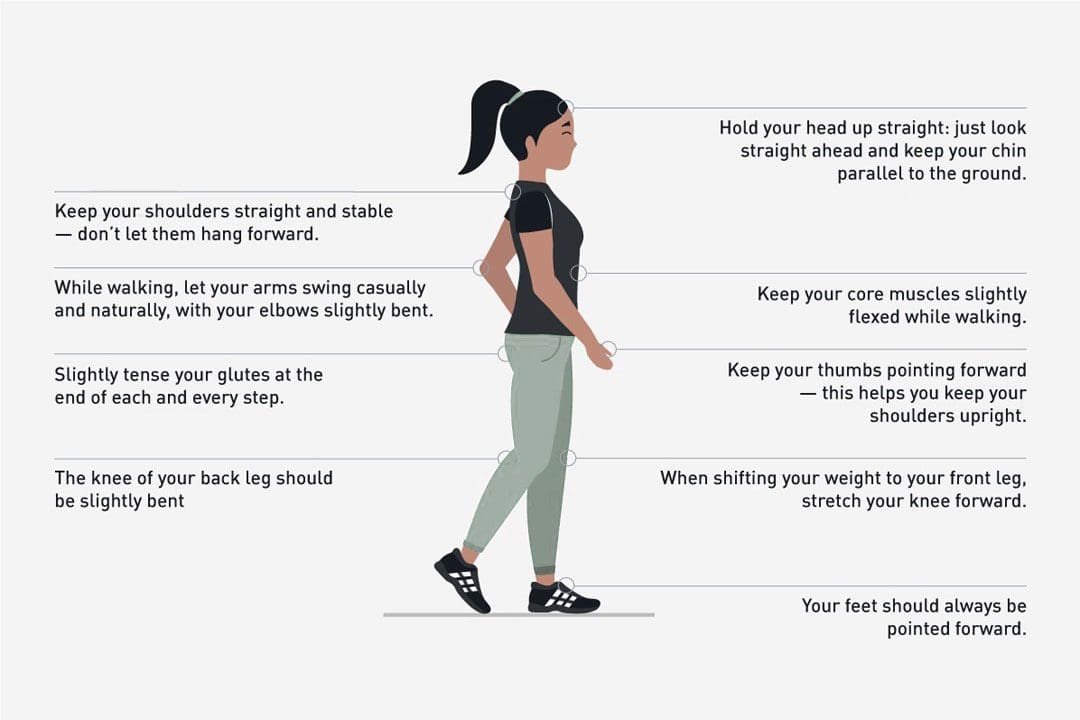
For individuals training for long distance walking marathons and/or events, can focusing on building a walking foundation, then increasing mileage progressively help condition the body for overall readiness?
Long Distance Walking Training
Training helps individuals be comfortable and safe for long-distance walking and events.
Training should focus on building a walking pace and increasing mileage gradually.
Individuals need endurance, not speed, and want to build mental stamina for walking for hours at a steady pace.
To reduce the risk of training injuries, increasing the total mileage per week/the distance of the longest walk per week to no more than 10% is recommended.
Individuals should also train to wear the gear worn during long-distance walks.
Training could last a few months.
Being methodical allows the body time to repair and build new muscle, blood supplies, and endurance.
Example Training Plans
Following a marathon training plan for mileage building and determining the proper hydration, nutrition, and gear for multi-day walks and treks is recommended. However, individuals must build back-to-back long days into their training sessions to assess any issues or problems resulting from walking long distances on back-to-back days.
Example Walking Training Plans
Multi-Day Walks/Treks Training Schedule
13 miles per day/21 kilometers
Use this plan for marathons or other multi-day walks with hills and natural surfaces requiring a backpack.
Training to Walk a Marathon
26.2 miles/42 kilometers
This will condition the body to go longer distances.
When training for distances of 31 to 100 miles/50 to 161 kilometers, the longest distance to train should not need to exceed 20 to 25 miles,
These should be performed at least twice two months before the marathon or event.
Taper down the month before the event to a 12.4-mile/20-kilometer distance.
Gear
All clothing, shoes, sunscreen, backpacks, etc., must be tested on the longer training days before the event.
Given the climate and terrain, plan for what will be needed and removed.
Try things out, as individuals don’t want to be surprised with something unfamiliar at the event. From head to toe, test the gear, including:
Shoes/boots, socks, underwear, bra, shirt, pants, hat, jacket, and rain gear.
Choose shoes or walking boots and wear them on long training days to break them in and ensure they perform.
Backpacks should be tested on longer training days to ensure they can be carried comfortably over long distances and have the necessary capacity.
Choose wicking fabrics that allow the skin to breathe and cool, especially under layers. (Justin De Sousa et al., 2014)
Individuals will want to wear gear similar to marathon walkers if the walk will mostly be on pavement or asphalt.
Individuals can modify their gear if the route is off-road or during different seasons. Find out what other long-distance walkers have worn on the same route or event.
Individuals can connect with fellow walkers via social media or find answers to frequently asked questions on the event’s or destination’s website.
Individuals can also contact the event director via the website or social media.
Nutrition
Proper sports nutrition will prepare the body for endurance activity.
For example, individuals are recommended to follow a diet comprising 70% carbohydrates, 20% protein, and 10% fat.
Avoid high-protein diets, as they can cause hydration problems and strain your kidneys under endurance walking conditions. (Marta Cuenca-Sánchez et al., 2015)
Train with the water, sports drinks, food, and snacks taken to the event, and do not deviate from them during the event.
Water is needed for 20 kilometers and under events, but an electrolyte replacement sports drink may be better for longer walks.
Diluting or leaving out some sugar can be easier on the stomach.
Have snacks pre-packaged and labeled for the times to be eaten.
Individuals need to eat fat and protein for ultramarathon distances – this can come from trail mix, peanut butter sandwiches, and chocolate bars with nuts.
Carbohydrates can be provided by sports gels or energy bars.
It is recommended to avoid products made for short distances and power sports as they can cause digestive problems when walking longer distances.
Planning a Walk
Planning begins by setting goals. Considerations include:
Time of year
Distance
Transportation to the event
Event pace requirements
Altitude and hill profile
Climate
Individuals are recommended to:
Prepare by researching routes and trails.
Study the course maps to know what services are provided along the way and what individuals must bring.
Walk a long distance without a supporting event.
Contact individuals who have walked the course.
Know the terrain and areas of total sun, hills, pavement, natural trails, and shade.
If possible, drive the course to become familiar with it.
Individuals may be able to find apps designed for their route.
Taking Breaks and Resting
Regular breaks should be short – using the bathroom, eating a snack, rehydrating, tying shoes, or bandaging blisters.
The body can stiffen up quickly during breaks and take several minutes to regain walking pace after a long break.
Recommendations could be taking a walking break instead, which means continuing to walk but at a very slow pace.
Foot Care
Individuals will have found what works for them concerning shoes, boots, socks, etc., on the long training days to prevent blisters and injuries. It is recommended to try different strategies, which include:
Sports tape
Blister block pads
Sprays
Lubricants
Wicking and/or double-layered socks
Moleskin
Stop at the first sign of irritation along the walk and doctor the foot with tape, blister bandages, or whatever method works best.
The body was built for walking. Planning and training properly before taking a long-distance or multi-day walk will ensure a safe and enjoyable marathon.
Move Better, Live Better
References
De Sousa, J., Cheatham, C., & Wittbrodt, M. (2014). The effects of a moisture-wicking fabric shirt on the physiological and perceptual responses during acute exercise in the heat. Applied ergonomics, 45(6), 1447–1453. https://doi.org/10.1016/j.apergo.2014.04.006
Cuenca-Sánchez, M., Navas-Carrillo, D., & Orenes-Piñero, E. (2015). Controversies surrounding high-protein diet intake: satiating effect and kidney and bone health. Advances in nutrition (Bethesda, Md.), 6(3), 260–266. https://doi.org/10.3945/an.114.007716
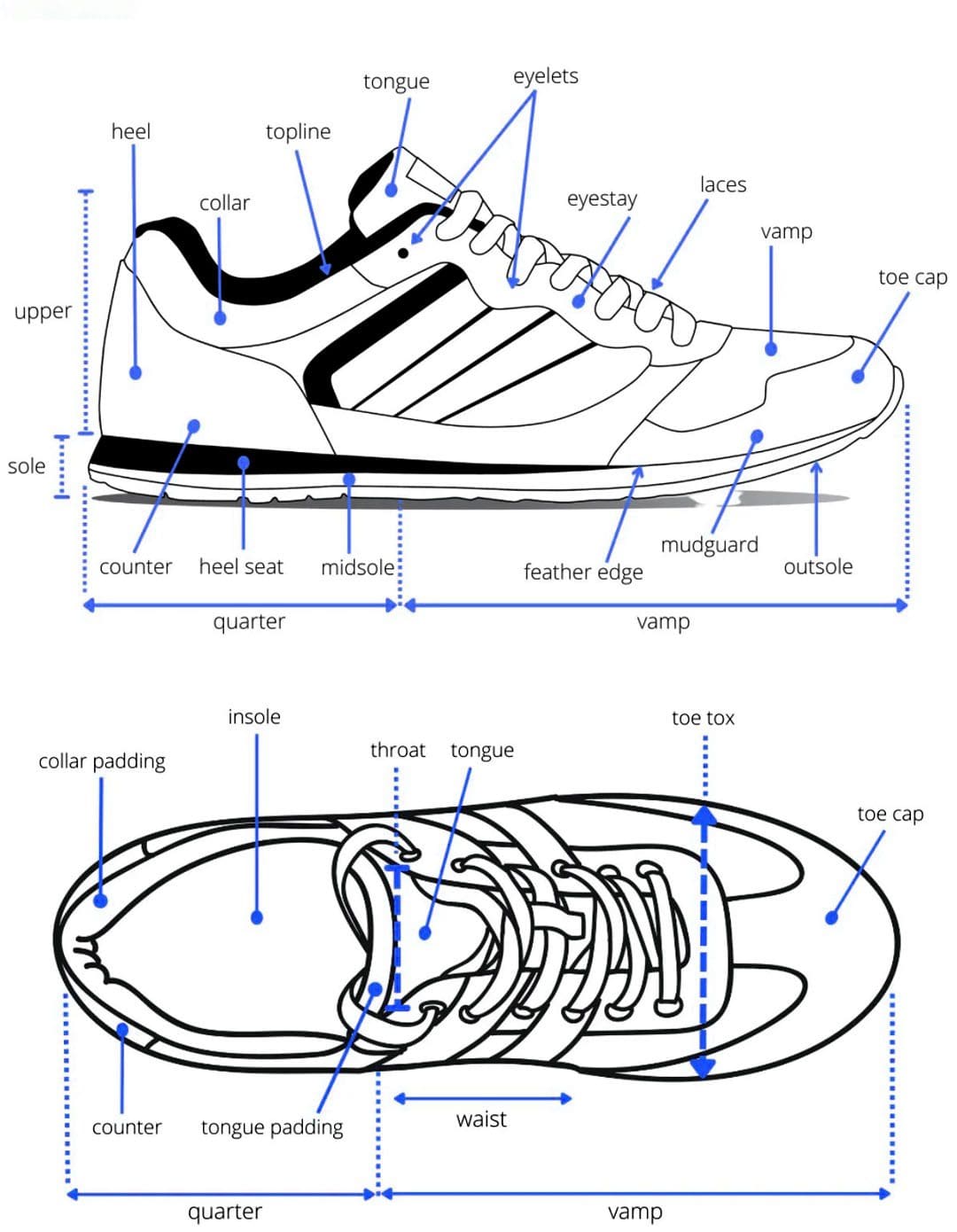
Individuals on their feet all day regularly experience back problems and discomfort symptoms. Wearing unstable shoes that are flat with no arch support with little or no shock absorption or the wrong type of shoe for gait can cause biomechanical issues that can cause back discomfort and lead to chronic back pain. Athletic running shoes are recommended for lower back pain because they are well-cushioned and designed to help absorb the impact of walking or running. They also have proper arch and ankle support to maintain foot position for correct posture. What to look for in running shoes to help relieve back pain and keep the back injury free?
Athletic Running Shoes
Shoes that don’t have enough cushioning can cause inflammation in the back muscles from the lack of impact absorption. The best athletic running shoes for back pain relief are stiff, supportive, and well-cushioned. When selecting shoes for back pain, the most important factors to consider are:
Stiffness of the sole.
Quality support and cushioning.
Proper and comfortable fit.
Shoe Type
Athletic running shoes are available in various types of support for all foot types.
Consider foot structure and gait when selecting shoes.
Flat and high-arched feet can cause muscle imbalances, which increase pressure on the back, hips, legs, knees, ankles, and feet.
The grooves and patterns increase friction and provide grip to the person while walking or running.
Durability
Wearing worn-out shoes with inadequate cushioning and shock absorption can increase the risk of back problems.
Depending on the uses, shoes can wear out in three months or less.
It is important to replace shoes when the cushioning wears out.
Look for high-quality material that doesn’t wear down quickly.
Improve Whole-Body Wellness
References
Anderson, Jennifer, et al. “A narrative review of musculoskeletal problems of the lower extremity and back associated with the interface between occupational tasks, feet, footwear, and flooring.” Musculoskeletal care vol. 15,4 (2017): 304-315. doi:10.1002/msc.1174
American Podiatric Medical Association. Which Running Shoe is Right for You?
Hong, Wei-Hsien, et al. “Effect of shoe heel height and total-contact insert on muscle loading and foot stability while walking.” Foot & ankle international vol. 34,2 (2013): 273-81. doi:10.1177/1071100712465817
National Institute of Arthritis and Musculoskeletal and Skin Diseases. Back Pain: Diagnosis, Treatment, and Steps to Take.
National Institute of Neurological Disorders and Stroke. Low Back Pain Fact Sheet.
IFM's Find A Practitioner tool is the largest referral network in Functional Medicine, created to help patients locate Functional Medicine practitioners anywhere in the world. IFM Certified Practitioners are listed first in the search results, given their extensive education in Functional Medicine



 Athletic Running Shoes