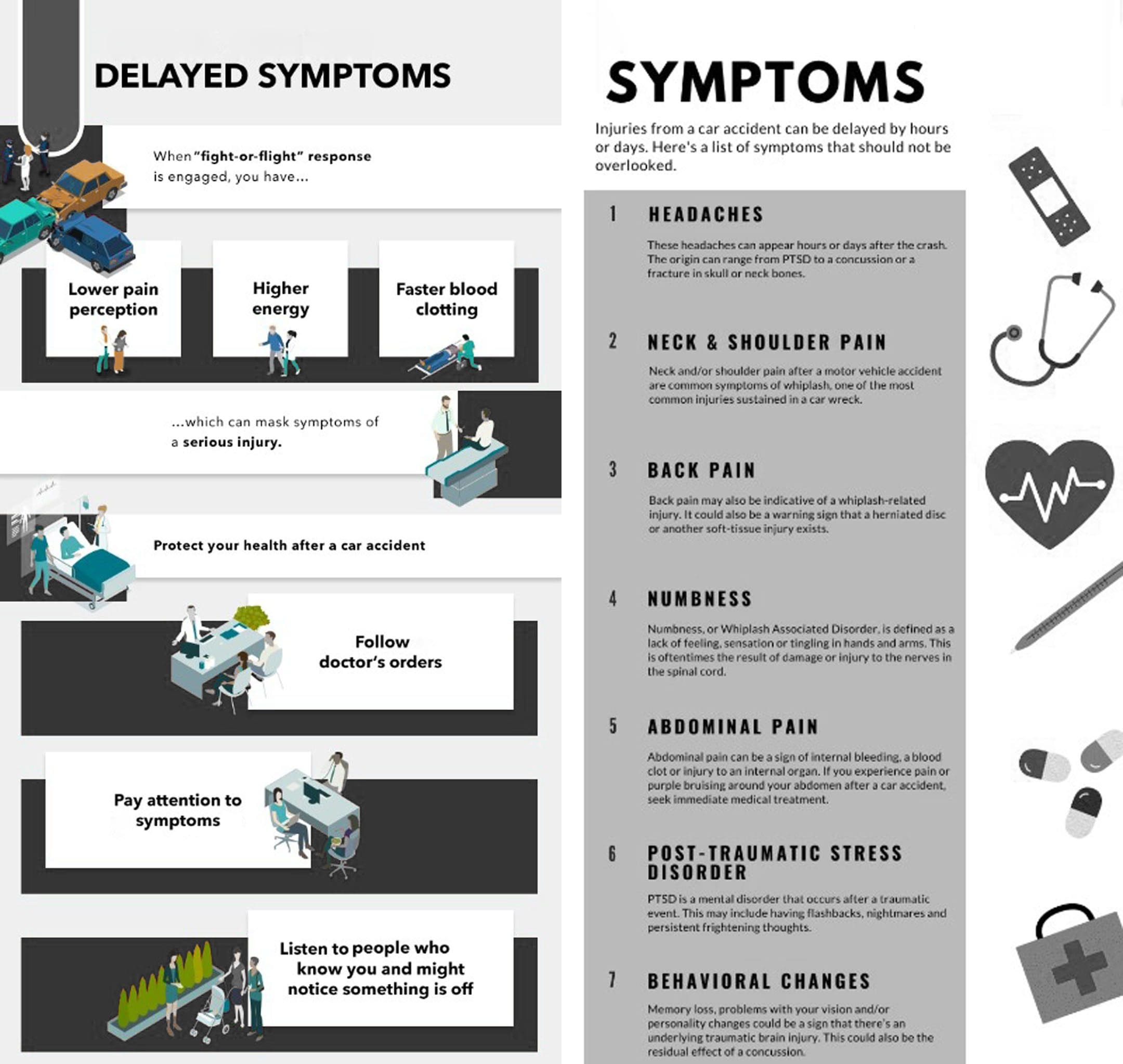
Automobile accidents are emotionally and physically traumatic events. After an accident, individuals assume that they are okay if they don’t have any broken bones or gashing cuts. However, even minor accidents can lead to significant damage, but the individual doesn’t know it. An invisible/delayed injury is any injury that is not immediately obvious or is not experienced by the individual until hours, days, or weeks later. The most common are soft tissue injuries, back injuries, whiplash, concussions, and internal bleeding. This is why it is imperative to see a doctor or chiropractic accident specialist as soon as possible after an accident.
Invisible Injuries Auto Accidents
The body goes into a fight or flight mode in a vehicle accident. That means a massive adrenaline surge makes anything happening to the body go unnoticed and unfelt. The individual does not feel pain and discomfort symptoms until later or much later.
Soft Tissue
A soft tissue injury affects muscles, tendons, ligaments, and body parts other than bone.
Even at low speeds, accidents, and collisions generate a significant force on the body.
Drivers and passengers often come to a sudden stop along with the vehicle or get thrown around.
This places intense stress on joints and other areas of the body.
Whiplash
The most common invisible soft-tissue injury is whiplash.
Where the neck muscles are suddenly and forcefully thrown forward and then back, causing the muscles and ligaments to stretch beyond their normal range of motion.
The injury typically results in pain, swelling, reduced mobility, and headaches.
Symptoms may not present right away.
Left untreated, whiplash can lead to long-term chronic pain.
Head Injuries
Head injuries are another common invisible injury.
Even if the head did not hit/impact anything, the force and momentum can cause the brain to collide with the inside of the skull.
This can lead to a concussion or even more serious brain injuries.
Concussion
A concussion is a traumatic brain injury. Individuals can have a concussion without losing consciousness, depending on the accident’s severity. Symptoms may be delayed or not experienced, but delayed treatment can lead to a longer recovery. Symptoms can include:
Fatigue.
Headache.
Confusion.
Inability to remember the accident.
Nausea.
Ringing in the ears.
Dizziness.
Back Muscles or Spine Injuries
Back muscles and spinal cord injuries are invisible injuries that can happen after an automobile accident. Signs of a back injury include:
The back muscles can be strained due to the impact and tension build-up.
Sore muscles or pain may not present until a day or two later.
Body stiffness.
Reduced mobility.
Muscle spasms.
Trouble walking, standing, or sitting.
Headaches.
Numbness and tingling.
Injuries to the spine, even serious ones, may not be apparent immediately.
The impact can cause the spine to shift out of alignment profoundly.
Swelling and bleeding in or around the spinal cord can cause numbness or paralysis that can gradually progress.
This invisible injury can have long-term consequences, including paralysis.
Chiropractic Care
Chiropractic is an effective treatment for neuromusculoskeletal injuries. The chiropractor will assess the damage and its severity to determine the best treatment for the individual. It relieves pain and discomfort symptoms, loosens and relaxes the muscles, and restores alignment, mobility, and a full range of motion. Chiropractic uses several tools and techniques to restore the spine and body balance. Results include:
Barach, P, and E Richter. “Injury prevention.” The New England Journal of Medicine vol. 338,2 (1998): 132-3; author reply 133. doi:10.1056/NEJM199801083380215
Binder, Allan I. “Neck pain.” BMJ clinical evidence vol. 2008 1103. 4 Aug. 2008
Duncan, G J, and R Meals. “One hundred years of automobile-induced orthopedic injuries.” Orthopedics vol. 18,2 (1995): 165-70. doi:10.3928/0147-7447-19950201-15
“Motor Vehicle Safety.” Annals of emergency medicine vol. 68,1 (2016): 146-7. doi:10.1016/j.annemergmed.2016.04.045
Sims, J K et al. “Automobile accident occupant injuries.” JACEP vol. 5,10 (1976): 796-808. doi:10.1016/s0361-1124(76)80313-9
Vassiliou, Timon, et al. “Physical therapy and active exercises–an adequate treatment for prevention of late whiplash syndrome? Randomized controlled trial in 200 patients.” Pain vol. 124,1-2 (2006): 69-76. doi:10.1016/j.pain.2006.03.017
Mountain and trail biking is a fun way to exercise. Mountain biking requires total body/core strength, explosive power, balance, endurance, and agility to maneuver the bike, build speed, and absorb the rough bumps and terrain. But it also means that certain muscles get overused, causing overcompensation in the body that can lead to musculoskeletal problems and conditions. Strength, cardiovascular, and cross-fit can benefit mountain biking training for improved performance, safer and more confident riding, and injury prevention.
Mountain Biking Training
A few of the benefits of training are:
Increasing bone density.
Improving joint health.
Correcting imbalances and unhealthy posture.
Weight loss.
Aging muscle loss prevention.
Maintaining body posture centered on the bike requires core strength to perform the movements when moving the body backward and forwards, side to side, and pushing up and down when different obstacles pop up. The exercises’ objective is to work various body parts simultaneously and diagonally, like the movements used on the bike.
General Overview of Mountain Biking Training
Build strength – Target the quads, hamstrings, and abdominal muscles to power pedaling strokes.
Increase endurance – Avoid getting fatigued early because of weakened legs and aerobic performance.
Improve mountain bike skills – Ride faster and more efficiently by improving bike handling and technical skills.
Example Training Week
The terrain determines the intensity, but the same basic principles apply to mountain biking training as other endurance sports. Here’s a training example for a beginner that can be adjusted to the rider’s needs:
Monday
Stretching and training the muscles to relax prevent becoming stiff or cramping up during rides.
Cornering is a critical skill that should never stop being practiced and improved.
Cornering Drills
Pick a corner on a local trail and ride through it until mastered.
Focus on riding smoothly through the corner, and speed will generate.
As confidence builds in the corners, do the same on the opposite side.
Straighten Out
Ride to the furthest outside edge when approaching the turn.
Initiate the turn just before the sharpest point of the corner.
Stick to the furthest outside point of the corner when riding out of the corner.
Brake Before The Corner
Braking in the corner can cause the tires to slide out of control, causing a slip-and-fall accident.
Look through the turn as the bike follows where the eyes look.
Don’t stare at the front wheel, which could lead to a falling or flipping accident.
Eventually, riders can handle this technique, but it’s too advanced for beginners.
Smooth Ride
Beginners can be amazed at how much terrain bikes can ride over and through. Modern mountain bike suspension and tire systems can handle it. However, using the correct technique is essential to get through or around the obstacles and avoid crashes.
Stay aware of the surroundings.
Keep the body loose when approaching obstacles.
Decide how to overcome the obstacle – ride over, pop/raise the wheels, jump, or ride around.
Maintain confidence.
When riding over the obstacle, maintain an even balance on the pedals and keep the buttocks slightly off the saddle.
Keep arms and legs loose and let the body absorb the shock of the obstacle.
Trust the suspension and tires.
Ensure enough speed is generated to go over it and that it won’t stop the bike and cause a fall.
Some rough trail areas can require added strength to hold the bike steady.
Braking
There is no need to squeeze the brake handles with extreme force.
Extreme braking, especially the front, will likely lead to a flip or crash.
The brakes are made to stop with minimal force.
Beginners are recommended to learn to use a light touch when braking.
Improvement will follow with each riding session.
Foundation
References
Arriel, Rhaí André, et al. “Current Perspectives of Cross-Country Mountain Biking: Physiological and Mechanical Aspects, Evolution of Bikes, Accidents, and Injuries.” International journal of environmental research and public health vol. 19,19 12552. 1 Oct. 2022, doi:10.3390/ijerph191912552
Inoue, Allan, et al. “Effects of Sprint versus High-Intensity Aerobic Interval Training on Cross-Country Mountain Biking Performance: A Randomized Controlled Trial.” PloS one vol. 11,1 e0145298. 20 Jan. 2016, doi:10.1371/journal.pone.0145298
Kronisch, Robert L, and Ronald P Pfeiffer. “Mountain biking injuries: an update.” Sports medicine (Auckland, N.Z.) vol. 32,8 (2002): 523-37. doi:10.2165/00007256-200232080-00004
Muyor, J M, and M Zabala. “Road Cycling and Mountain Biking Produce Adaptations on the Spine and Hamstring Extensibility.” International Journal of sports medicine vol. 37,1 (2016): 43-9. doi:10.1055/s-0035-1555861
Ranchordas, Mayur K. “Nutrition for adventure racing.” Sports medicine (Auckland, N.Z.) vol. 42,11 (2012): 915-27. doi:10.1007/BF03262303
What happens to the body after eating healthy? Individuals report the effects of healthy eating, feeling mentally clearer and more focused, increased energy levels, experiencing decreased junk food cravings and hunger pangs, improved sleep, and the benefits of strong bones, cardiovascular health, and disease prevention. The Injury Medical Chiropractic and Functional Medicine Clinic Team can assist individuals working on making healthy lifestyle adjustments to make the transition easier and with professional support to streamline the process, allowing the individual to focus on getting healthy.
What Happens To The Body After Eating Healthy
It can take a little while for the body to adjust to a new nutrition plan. A healthy diet includes nutrient-dense foods from all the major food groups, including lean proteins, whole grains, healthy fats, and fruits and vegetables of various colors.
Benefits
The benefits of healthy eating include the following.
Decreases the risk of heart disease, type 2 diabetes, and certain cancers.
Helps achieve and maintain a healthy weight.
One Week
Experience decreased food cravings throughout the day.
Junk food cravings decrease.
The body begins shedding all the excess water from a high sodium intake and processed foods.
Hunger starts to stabilize.
Experience decreased hunger pains, making losing weight a little easier.
Improved sleep.
Improved control over food choices.
Higher mental focus and clarity – brain fog or low concentration symptoms begin to clear.
Energy levels are higher, making completing daily activities and exercise easier.
The body will become regular with a lower amount of bloating and discomfort.
Moods become stable with fewer ups and downs throughout the day.
One Month
Improved skin health.
A steady rate of weight loss, depending on the approach and starting point.
Clothing begins to feel looser.
Pre-existing health problems like migraines, joint pain, irritable bowel issues, etc., may begin to clear up.
Eating right starts to become more habitual.
Making healthy choices starts to become second nature.
Improved physical performance.
Feel stronger and notice that the body recovers much faster.
Improved metabolism.
Can eat more without gaining body weight.
Six Months
A decrease in overall cholesterol levels if they were high before.
Blood pressure improvement, lowering the risk of heart disease and stroke.
Strengthened skeletal system reducing the risk of stress fractures and breaks.
Improved blood glucose levels, reduced blood sugar fluctuations, and lowered risk factors for diabetes or symptoms are easier to manage.
All the positive changes will lead to staying naturally motivated, where eating healthy is just something you do, and you have learned to indulge wisely. All the benefits will persist for as long as you eat healthily. Target goals can be achieved with a body weight that makes you feel healthy, strong, and confident.
Basal Metabolism
References
Bradbury, Kathryn E et al. “Fruit, vegetable, and fiber intake in relation to cancer risk: findings from the European Prospective Investigation into Cancer and Nutrition (EPIC).” The American journal of clinical nutrition vol. 100 Suppl 1 (2014): 394S-8S. doi:10.3945/ajcn.113.071357
Carlson, Justin L et al. “Health Effects and Sources of Prebiotic Dietary Fiber.” Current developments in nutrition vol. 2,3 nzy005. 29 Jan. 2018, doi:10.1093/cdn/nzy005
Hills, Ronald D Jr, et al. “Gut Microbiome: Profound Implications for Diet and Disease.” Nutrients vol. 11,7 1613. 16 Jul. 2019, doi:10.3390/nu11071613
Zohoori, F Vida. “Chapter 1: Nutrition and Diet.” Monographs in oral science vol. 28 (2020): 1-13. doi:10.1159/000455365
Wobble cushions are small round inflatable support pillows made of a flexible material that can be used to stand and sit on. The cushion creates instability, hence wobble, to engage the lower back, hips, and core muscles. They promote core stability, strengthen muscle tone, and improve balance and body posture. A flexible body helps in injury prevention. At Injury Medical Chiropractic and Functional Medicine Clinic, we utilize innovative techniques and therapies to reduce stress, assist in healing musculoskeletal damage from injuries, disease, or conditions, and keep the spine and whole body healthy.
Wobble Cushions
A common reason for back aches and pains is sitting for long periods. Individuals unintentionally slouch or hunch over as they go through their day, causing strain to the back muscles, gluteal muscles, core muscles, hips, and spine. This causes the lower half of the body to weaken and causes the top muscles to take up the slack to support the torso and lower body.
Muscle Spasms
Muscle spasms can be the acute type that is forceful and involuntary, and chronic sustained stiffness, tightness, cramping, and pain. Lower back discomfort and/or sciatica symptoms vary depending on the cause, location, and severity of the strain or injury. Signs could be dull, burning, or sharp at a single point or over a broad region that could spread into one or both legs. Types of low back discomfort:
Acute symptoms last less than three months. Most individuals with acute episodes will have at least one recurrence.
Recurrent means the acute symptoms return.
Chronic symptoms last longer than three months.
Cushion Benefits
Encouraging active sitting improves posture allowing individuals to sit and stay focused for longer as their body awareness improves, reducing hunching, slumping, slouching, and fidgeting. Other wobble cushion benefits include:
Decreased muscle stress and strain on the joints and ligaments, which improves proprioceptive sense or body awareness.
Increases blood circulation and oxygenation throughout the body.
Helps rehydrate the discs and circulate spinal fluid. Spinal discs do not have a direct blood supply; therefore, movement is required to pump and circulate healthy fluids.
Allows more flexibility in the spine, hips, and core muscles.
Improves overall posture.
The purpose of wobble cushions is not to provide comfort. They are supposed to be uncomfortable and unstable to make the individual sit up straight. The cushion can be placed on a chair or the floor to effectively practice balancing without putting pressure on the back, knees, or feet. They can also be used for practicing standing balance. Various factors to consider when looking for a cushion include:
Stability
Comfort
Resilience
Alignment
All play a role in determining the best option.
Discussing options with a doctor or chiropractor is recommended to ensure that the cushion meets your needs and preferences.
Spinal Hygiene
References
Alrwaily, Muhammad, et al. “Stabilization exercises combined with neuromuscular electrical stimulation for patients with chronic low back pain: a randomized controlled trial.” Brazilian journal of physical therapy vol. 23,6 (2019): 506-515. doi:10.1016/j.bjpt.2018.10.003
Haksever, Bunyamin et al. “The Dynamic Innovative Balance System Improves Balance Ability: A Single-Blind, Randomized Controlled Study.” International journal of sports physical therapy vol. 16,4 1025-1032. 1 Aug. 2021, doi:10.26603/001c.25756
Honert, Eric C, and Karl E Zelik. “Foot and shoe responsible for the majority of soft tissue work in the early stance of walking.” Human movement science vol. 64 (2019): 191-202. doi:10.1016/j.humov.2019.01.008
Ostelo, Raymond Wjg. “Physiotherapy management of sciatica.” Journal of physiotherapy vol. 66,2 (2020): 83-88. doi:10.1016/j.jphys.2020.03.005
Shahvarpour, A et al. “Active-passive biodynamics of the human trunk when seated on a wobble chair.” Journal of biomechanics vol. 49,6 (2016): 939-945. doi:10.1016/j.jbiomech.2016.01.042
Dr. Jimenez, D.C., presents what you need to know about venous insufficiency. Many factors and lifestyle habits cause an effect on our bodies, which can lead to chronic disorders that can impact our musculoskeletal system and potentially lead to pain-like symptoms associated with chronic conditions. In this presentation, we will look at what venous insufficiency is, the symptoms, and how to prevent venous insufficiency from affecting the lower extremities. We mention our patients to certified medical providers that provide available therapy treatments for individuals suffering from chronic conditions associated with Lyme disease. We encourage each patient when it is appropriate by referring them to associated medical providers based on their diagnosis or needs. We understand and accept that education is a marvelous way when asking our providers crucial questions at the patient’s request and acknowledgment. Dr. Alex Jimenez, D.C., uses this information as an educational service. Disclaimer
What Is The Venous System?
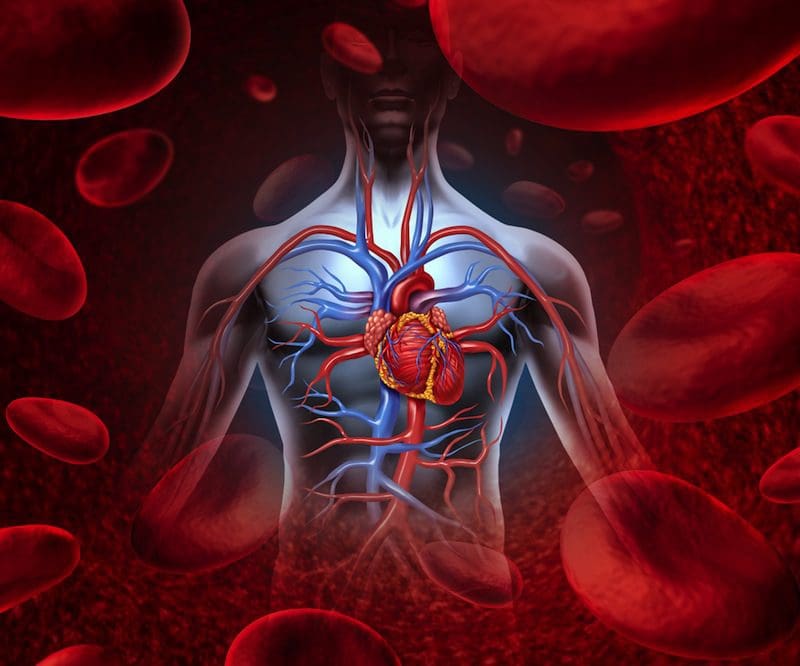
Dr. Alex Jimenez, D.C., presents: So we will go over tackling common cardiovascular problems and venous insufficiency. So let’s discuss this common complication in our practices: venous insufficiency and the functional medicine approach. So if you look at venous or blood flow, you look at the heart. The heart will pump blood to the arteries and the arterials, the arteries and arterials will pump to capillary beds, and venules will go to veins. Veins will then move the blood to the subclavian vein, and the lymph ducts will also drain in the subclavian vein.
The subclavian vein will then go into the heart, and in the process, it continues and circulates. The big difference between veins and arteries is that arteries have muscles within them, and the muscles will contract, regulate blood pressure, and help keep the blood flowing. But veins do not have that luxury. Veins will depend on our skeletal muscles around them; if we contract them a lot, we’re helping with circulation. So, being active, moving around, and flexing our muscles will keep the pressure in the superficial system to about 20 to 30. And then, when it starts going to the deeper system with the valves, what happens is that the valves will stop blood from flowing back. So the blood can only go in one direction.
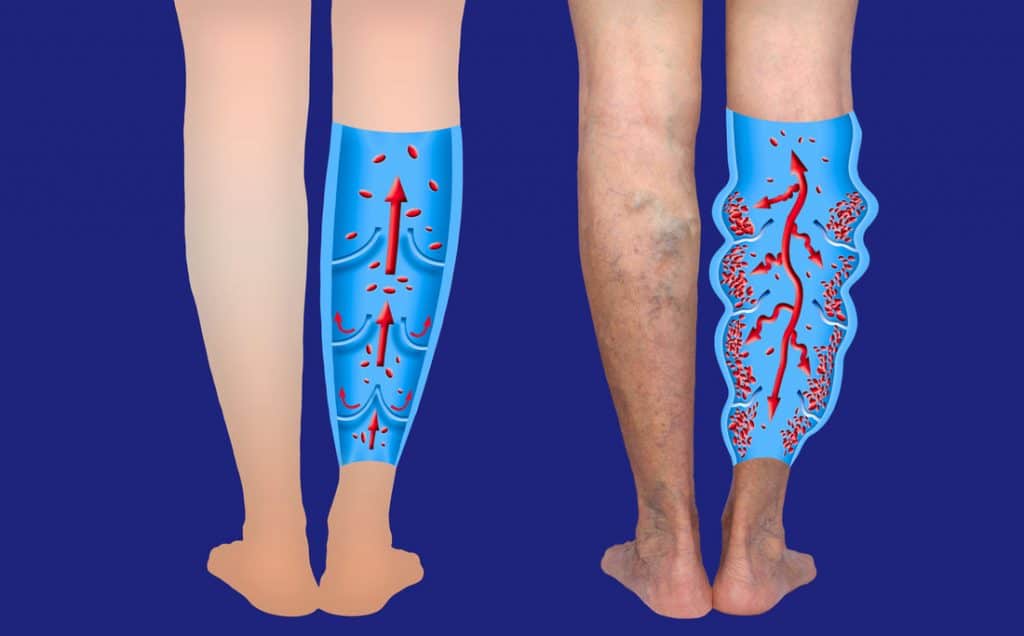
And that is basically to have a healthy venous system. You want to be often exercising, and you want to have that higher venous pressure and flow. So what is the pathophysiology of chronic venous insufficiency? You have incompetent valves, or you can have incompetent valves, you can have thrombosis, and you can have obstruction. And that can lead to elevated venous pressure. High venous pressure can lead to vein dilation, skin changes, and ulceration, but also elevated venous pressure can worsen incompetent valves, thrombosis, and obstruction. And then you get this vicious cycle, and usually, it’s the lower extremities; they get worse and worse. So if you want to look at the contributing factors, look at the functional medicine matrix. Venous insufficiency pathogenesis hits many places on the functional medicine matrix, multiple places we can look at in the lower body extremities.
Venous Insufficiency & Its Signs
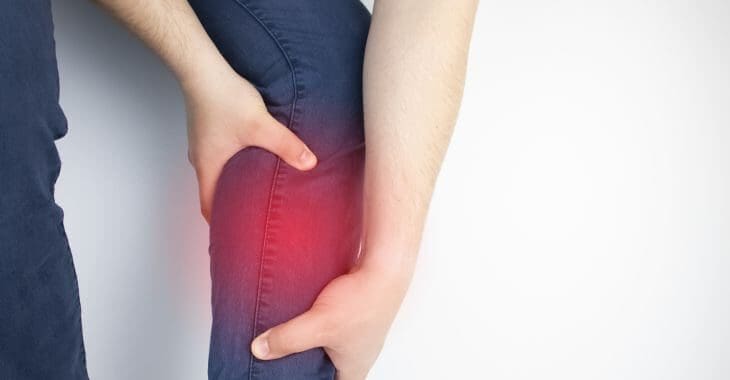
Dr. Alex Jimenez, D.C., presents: So what are the clinical manifestations of venous insufficiency? The symptoms are limb itching, heaviness, fatigue, particularly in the legs, pain in the legs, swelling, and tightness. The skin can get dry and become irritated. You might not be dealing with autoimmunity if you have this dry, irritated skin. You might be dealing with venous insufficiency. They can get muscle cramps. So your muscle cramps might not be a magnesium deficiency. Your muscle cramps might be venous insufficiency pain worse when standing or seated with their legs dangling. So when you’re sitting, the legs are dangling, and the pain improves when you elevate your legs and walk. And that actually can differentiate from arterial insufficiency. Remember, you get claudication in peripheral artery disease and arterial insufficiency. That’s when you walk and exert yourself. And because the blood vessels going to the muscles and the legs are tighter because of atherosclerosis, you get pain from walking.
Whereas venous insufficiency is the other side of the system, you walk and start feeling better. Why? Because those muscles are pumping the veins and moving blood through instead of the blood just being stagnant and sitting there. So edema you can get, which is swelling. Stasis dermatitis, which is dermatitis, red and swelling, and inflamed varicose veins, can be seen in this picture. Now the diagnosis is usually made by clinical signs and symptoms. So the clinical signs, what are the signs to look out for? For this part, go to your favorite search engine and look up every one of these symptoms that we mentioned so you know what it looks like. We are sure you’ve seen it before, but remind yourself what these things look like so that it can help you; it can help you when you’re diagnosing and looking at your patients.
Lymphodematosclerosis
Dr. Alex Jimenez, D.C., presents: Suppose a person has varicose veins. You can have lymphodematosclerosis, which is the champagne bottle sign. When you search that, look at that and see how the leg will look like an upside-down champagne bottle. Why? Because there’s a lot of fibrosis and hard tissue, and that tissue is holding that blood. You can’t get much edema, and you can’t get much swelling because it’s so tight, the blood can’t move in there. So look up the champagne bottle, not just the regular one, but look up a champagne bottle or lymphodematosclerosis, and you will remember that image when you see it. Then you will remember that image. You can get ulcerations because there’s decreased blood movement. So you get ulcers, and you can get hyperpigmentation. We see this often when you have a darkened skin color in the lower extremities from the constant fluid or blood leaking.
That’s hemosiderin deposits or iron deposits from popping blood cells. And you can get skin atrophy. So by typing these clinical signs on the internet that correlate with venous insufficiency, you have a good visual of what these things look like. So what is the functional medicine treatment plan? We’re going to look at the risk factors of chronic venous insufficiency, and we’re going to look at the adaptable ones, and based on that, we can give patients recommendations and plans. So obesity works on decreasing fat, sedentary life, being active, checking estrogen and hormone levels, and reducing estrogen and increasing progesterone. If you have to get out of that estrogen dominance, we want to look at those risk factors, see which ones are adjustable, and start working with them.
Ways To Reduce Venous Insufficiency
Dr. Alex Jimenez, D.C., presents: So you have this person with venous insufficiency. Check on their obesity levels, so you work on lowering their body fat and see if they have a sedentary lifestyle and getting them moving high. Check their hormone levels and see where their estrogen levels are regulated. If you check the IFM hormone module, check it out because it has some really good information on how to balance hormones in a functional medicine way. Make sure that they’re standing for a short period. At least occasionally, have them walk around, and you can have them set a timer. So every so often, every 20, 30 minutes, they walk around to keep their legs and blood flow moving. Work on decreasing smoking. And mentioning these risk factors to the patient can make them aware that this can worsen their venous insufficiency. Other conservative therapies include leg elevation. So have them lay down by putting their legs up to allow gravity to help push the blood down. Compression therapy. So have them wear compression stockings and stasis dermatitis; sometimes, you must use topical dermatologic steroids and some of those agents, which can be helpful there.
You may consider earthing. There was a research study that showed that if you put your feet on the ground outside barefoot, not in the insulated houses, then what can happen is, is the viscosity of your red blood cells will decrease. So the red blood cells will clump less, and you can have better movement and circulation. Pharmacological therapies and supplementations to target venous insufficiency. So what can we do while we’re looking at doing two things? We want the venous tone to be improved. So you want to tighten those veins up. On the arteries, you want to loosen them up. Usually, when an individual has hypertension, we want the veins to tighten those bad boys up so that circulation can happen. And then you want to improve the flow. You want the blood to be able to flow through the veins better.
Supplements For Venous Tone
Dr. Alex Jimenez, D.C., presents: So let’s take a look at the venous tone. This is one of the places where we’re ahead of the game in functional and integrative medicine because if you look at the conventional literature, even up-to-date research, many people are using up-to-date now to see how often they diagnose weak venous tone. So we can take a look at that. But if you look at what you can do for venous tone? It has two supplements. Regarding venous tone and increasing venous tone, two supplements can support the venous system: horse-chestnut seed extract (Escin) and diosmin.
So those are the two things that are mentioned. And we, in functional and integrative medicine, are more prepared to deal with this because we know about pharmacy grade; we learn about giving them a good product that is third-party tested and doesn’t have those toxic fillers and whatnot. The second way of treating venous insufficiency from a medical point of view is by improving venous flow. You want blood viscosity to be thinner. You don’t want the blood not to be as prone to clotting so the blood can flow easier. So here are some agents you can use. You can use aspirin; you can use pentoxifying; you can use nattokinase, which can help lower fibrinogen. Regarding venous insufficiency, it can cause the body to have high fibrinogen. So nattokinase can help lower elevated fibrinogen.
Conclusion
Dr. Alex Jimenez, D.C., presents: If they’re not on aspirin or any blood thinners and have high fibrinogen and venous insufficiency, it might also be a good one to put somebody on omega-3s. We are trying to get their omega-3 levels up, and they are useful when optimizing help with venous flow. You’re going to have people to come and see you, and you’re going to be treating them for other things. And because you’re functional medicine, you’re part of the cool club; what’s going to happen is they’re not even going to tell you about their venous insufficiency, and it’s going to get better just because of the treatments that you’re doing. And it will be epic. And if all else fails, you refer to associated medical specialists to help your patient. So, in conclusion, take care of your veins and look for the signs to prevent venous insufficiency from causing more issues in the lower extremities, and utilize vitamins and supplements to reduce the pain and inflammation in the muscles and joints.
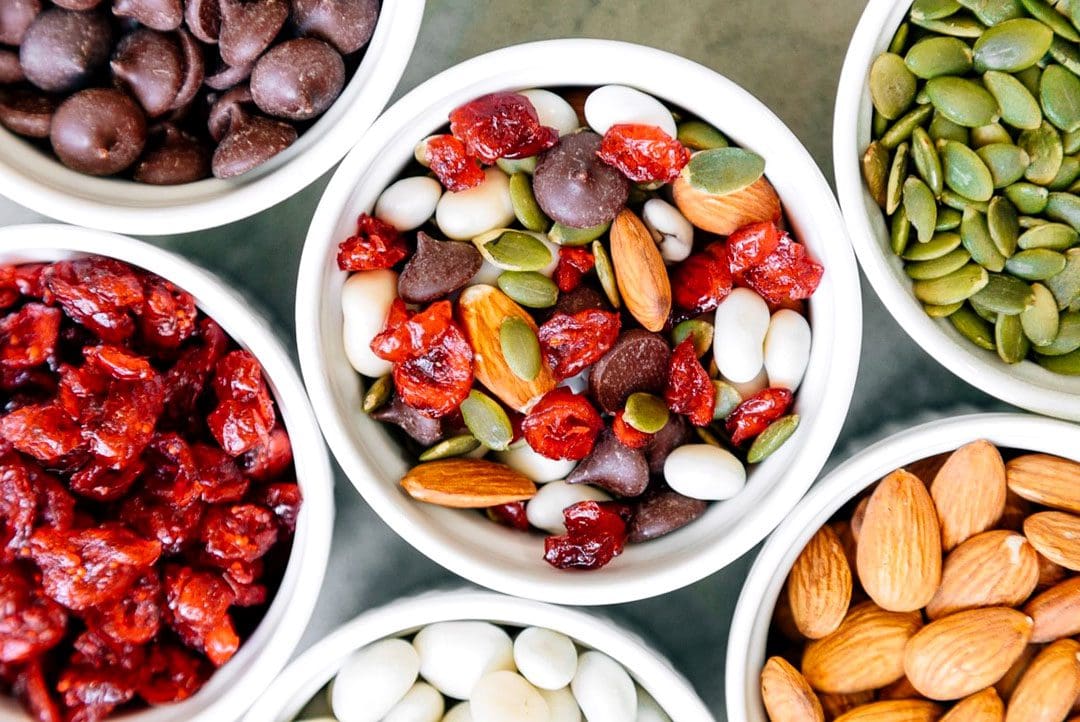
Trail mix is a favorite snack for many individuals. A typical mix combines granola, dried fruits, nuts, seeds, cereals, and pretzels. The mix was originally developed as a portable snack/meal for hikers that was lightweight, could be stored in a backpack, and provided plenty of protein and energy. Prepackaged trail mix is available at many grocery stores and online retailers. It’s an excellent choice for traveling or going on a road trip because of its energy and nutritional content. However, not all types are considered equal in terms of nutrition. Some can consist of ingredients loaded with sugar and salt. Added consumption could cause weight gain and contribute to conditions like heart disease, type 2 diabetes, and liver problems. Here we look at choosing healthy mixes.
Trail Mix
The nutritional power comes from the high amounts of fiber and antioxidants.
Benefits
Protein and Healthy Fats
Protein is essential for tissue repair, immune health, and muscle development.
Nuts and seeds make up the largest portion.
A healthy source of protein, allowing individuals to snack on the go and not become hungry.
One of the greatest benefits of eating these is that they are full of heart-healthy fats.
These healthy fats help decrease unhealthy LDL cholesterol levels and reduce inflammation.
Fiber
The fiber in the seeds and granola helps keep the gut healthy and regular.
It also helps control appetite, aids in digestion, and keeps the body fuller longer.
Energy
Dried fruits and granola consist of healthy sugars.
Healthy sugars help stabilize blood sugar levels, providing the body with a consistent energy source.
Antioxidants, Vitamins, and Minerals
Dried fruit maintains a majority of its nutritional value.
The nuts and seeds are also packed with nutrients and antioxidants.
Choosing Healthy
Check the nutrition label and avoid varieties high in added sugar or sodium.
Look for products containing nutrient-dense ingredients like nuts, seeds, dried fruits, and limited amounts of candy or chocolate chips, if any.
Healthy ingredients include almonds, pumpkin seeds, cashews, sunflower seeds, dried fruit, popcorn, and dark chocolate.
Making trail mix at home allows control of its contents and maximizes its potential health benefits.
It is important to keep an eye on portion control.
A recommended serving is about a fourth of a cup.
Nutritionist
Nutritional consultation can improve an individual’s quality of life, health, and well-being. A nutritionist can help individuals with precision or personalized nutrition that focuses on the individual. Nutritionists can create meal plans for their clients and provide education and knowledge on appropriate food choices.
Potassium
References
Devitt, A A et al. “Appetitive and Dietary Effects of Consuming an Energy-Dense Food (Peanuts) with or between Meals by Snackers and Nonsnackers.” Journal of nutrition and metabolism vol. 2011 (2011): 928352. doi:10.1155/2011/928352
Grillo, Andrea et al. “Sodium Intake and Hypertension.” Nutrients vol. 11,9 1970. 21 Aug. 2019, doi:10.3390/nu11091970
Mehlhose, Clara, et al. “PACE Labels on Healthy and Unhealthy Snack Products in a Laboratory Shopping Setting: Perception, Visual Attention, and Product Choice.” Foods (Basel, Switzerland) vol. 10,4 904. 20 Apr. 2021, doi:10.3390/foods10040904
Vreman, Rick A et al. “Health and economic benefits of reducing sugar intake in the USA, including effects via non-alcoholic fatty liver disease: a microsimulation model.” BMJ open vol. 7,8 e013543. 3 Aug. 2017, doi:10.1136/bmjopen-2016-013543
Table tennis is a sport that individuals of all ages and abilities can play. The small scale and reduced movement make it more accessible. It has become more physical, with professional players making fitness an important part of their training. However, at all levels, it offers moderate-intensity activity, which is good for the heart, mind, and body. Recreational table tennis has been found to increase concentration, stimulate brain function, help develop tactical thinking skills and hand-eye coordination, and provide aerobic exercise and social interaction.
Table Tennis
The setup and rules are similar to tennis and can be played solo or in doubles. The skills needed to develop are learning to hit and control the ball consistently. Table tennis can be complex, with various shots, spins, and styles, but the foundational skills required include:
Proper Footwork
Although the body does not move that far, footwork is essential with the quick movements that are made in a short period.
Basic footwork techniques include fast dynamic movement, balance, and weight distribution.
Serving
Basic serving is necessary to get the point going.
Different stroke styles can be used, but forehand and backhand strokes are the most common.
Learning how the body activates and responds to the swing, the point of contact and the follow-through of each stroke is essential to get the most out of each stroke.
Speed and Agility
Table tennis is a fast-twitch muscle sport that utilizes quick bursts of energy and explosive strength.
Coaches and players use a combination of hybrid, high-intensity, and functional training to condition the body.
High-intensity interval training incorporates explosive movements, like squat jumps, to activate the muscles and the anaerobic threshold.
Hand-eye coordination
Playing improves hand-eye coordination skills and stimulates mental alertness and concentration.
This is great for sharpening overall reflexes.
Health Benefits
Table tennis offers several health benefits that include:
It is a social sport that provides a fun way to spend time with family and friends.
The overall risk for injury is low.
Easy on the muscles and joints.
Increases energy.
Improves balance.
Improves reflexes.
Burns calories.
Keeps the brain sharp.
Relieves stress.
Table Tennis
References
Biernat, Elżbieta, et al. “Eye on the Ball: Table Tennis as a Pro-Health Form of Leisure-Time Physical Activity.” International journal of environmental research and public health vol. 15,4 738. 12 Apr. 2018, doi:10.3390/ijerph15040738
Picabea, Jon Mikel, et al. “Physical Fitness Profiling of National Category Table Tennis Players: Implication for Health and Performance.” International journal of environmental research and public health vol. 18,17 9362. 4 Sep. 2021, doi:10.3390/ijerph18179362
Pilis, Karol, et al. “Body composition and nutrition of female athletes.” Roczniki Panstwowego Zakladu Higieny vol. 70,3 (2019): 243-251. doi:10.32394/rpzh.2019.0074
Zagatto, Alessandro Moura, et al. “Energetic demand and physical conditioning of table tennis players. A study review.” Journal of sports sciences vol. 36,7 (2018): 724-731. doi:10.1080/02640414.2017.1335957
Zhu, Ke, and Lina Xu. “Analysis on the Influence of Table Tennis Elective Course on College Students’ Health.” Journal of healthcare engineering vol. 2022 8392683. 17 Jan. 2022, doi:10.1155/2022/8392683
IFM's Find A Practitioner tool is the largest referral network in Functional Medicine, created to help patients locate Functional Medicine practitioners anywhere in the world. IFM Certified Practitioners are listed first in the search results, given their extensive education in Functional Medicine