
Platelet-Rich Plasma Therapy for Spinal Care Success
Platelet-Rich Plasma (PRP) Therapy for Spinal Care: A Natural Path to Pain Relief and Healing
Platelet-rich plasma (PRP) therapy helps people with back pain find relief without surgery. Doctors take a small sample of the patient’s own blood and turn it into a powerful healing mixture. This mixture uses the body’s natural platelets to reduce swelling and repair damaged areas of the spine. Many patients with mild to moderate spine problems choose PRP after other treatments like physical therapy do not fully work.

What Is Platelet-Rich Plasma Therapy?
PRP therapy is a simple treatment that comes from the patient’s blood. A nurse or doctor draws a small amount of blood from the arm. Then the blood spins in a machine called a centrifuge. This step pulls out the platelets and makes them extra strong. The result is platelet-rich plasma, rich in growth factors. These growth factors act like signals that tell the body to start healing. PRP does not use drugs or chemicals from outside the body. It works with what the patient already has inside. This makes it a safe and natural choice for many people who want to avoid surgery.
How PRP Therapy Supports Spinal Healing
The spine has discs, facet joints, ligaments, and nerves that can wear down over time. PRP goes right to these spots and gets to work. The growth factors reduce inflammation and kick-start tissue repair. For example, they help degenerated discs hold more water and stay flexible. They also calm painful facet joints and strengthen loose ligaments. Because PRP comes from the patient’s own blood, the body accepts it and begins repairing the damage quickly. Studies show PRP can even help nerves heal and reduce chronic pain signals.
- Releases growth factors that tell cells to grow and repair
- Lowers swelling around discs and joints
- Builds new blood vessels so nutrients can reach damaged areas
- Helps ligaments and tendons get stronger
- Supports natural disc repair without cutting into the body
Key Benefits of PRP for Back and Spine Issues
Patients often notice real changes after PRP. The treatment gives long-lasting pain relief instead of short-term fixes like steroid shots. Many people move better and feel more active in daily life. PRP also cuts the need for strong pain pills. Because it is minimally invasive, patients avoid hospital stays and big scars. Recovery is quick, and the risk of side effects stays low since the body uses its own material. Over time, PRP may slow down further spine wear.
- Natural healing that lasts months or even years
- Less pain without heavy medication
- Better mobility and daily function
- Quick return to normal activities
- Lower chance of allergic reactions
- Works well with other non-surgical care
Common Spinal Conditions PRP Can Help
Doctors use PRP for several spine problems that cause daily discomfort. It works best when the damage is mild to moderate. Conditions include degenerative disc disease, where discs lose height and cause stiffness. Spinal stenosis, which narrows the space around nerves, also responds well. Facet joint arthritis causes sharp pain that PRP can help ease. Herniated discs and ligament strains improve, too. Even chronic low back pain and sciatica often get better. Patients who tried rest, therapy, or meds without complete success often turn to PRP next.
The Step-by-Step PRP Procedure
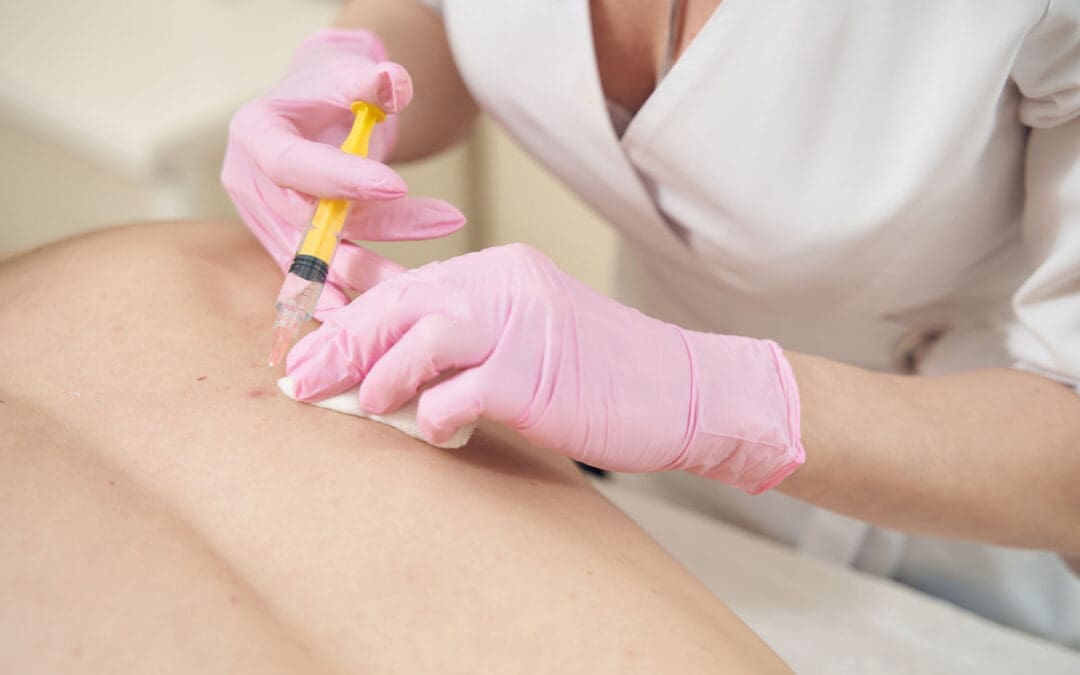
The whole process feels straightforward and takes about an hour. First, the nurse draws blood from the arm. Next, the blood spins in the centrifuge to create the PRP. Then the doctor uses ultrasound or X-ray guidance to place the PRP exactly where it is needed. Patients stay awake and feel only mild pressure. No stitches or long cuts are involved. The clinic sends the patient home the same day with simple care instructions.
- Blood draw (small amount from the arm)
- Centrifuge step to concentrate platelets
- Ultrasound-guided injection into the spine
- Short rest period before going home
- Follow-up visits to check progress
Who’s a Good Candidate for PRP Therapy?
PRP is suitable for people with mild to moderate spinal wear who have not found sufficient relief from physical therapy or medication. It is not usually the first choice for very severe damage. A doctor checks imaging and health history to decide. Patients who want to stay active and avoid surgery often like this option. Good health and realistic goals help the treatment work best.
Integrative Spinal Care: Combining PRP with Chiropractic and Functional Medicine
In clinics that blend different care styles, PRP becomes even more effective. An Advanced Practice Registered Nurse (APRN/FNP-BC) with functional medicine training (CFMP, IFMCP, ATN, CCST) can administer precise, ultrasound-guided PRP injections. At the same time, chiropractic adjustments keep the spine aligned. Nutritional support from functional medicine fixes any missing vitamins or inflammation triggers in the body. This team approach creates the perfect setting for repair. The body gets structural help, cellular healing, and inside support all at once.
Insights from Dr. Alexander Jimenez on PRP and Spine Health
Dr. Alexander Jimenez, DC, APRN, FNP-BC, sees PRP as part of whole-body healing in El Paso, Texas. As both a chiropractor and nurse practitioner, he combines spinal adjustments with regenerative shots and metabolic checks. His clinical work shows that patients with sciatica or disc problems heal faster when PRP teams up with chiropractic care and proper nutrition. Dr. Jimenez notes that this mix helps clear waste from injured tissues, builds stronger blood flow, and stops pain cycles. Many of his patients return to work and sports with less discomfort and more confidence.
What to Expect During Recovery
Most people feel mild soreness for a few days after the shot, like a deep bruise. Ice packs and gentle movement help. Light activities can start right away, but heavy lifting waits one to two weeks. Full benefits build over four to six weeks as the growth factors continue to work. Some patients need a second shot after a month or two for the best results. Follow-up visits track progress and adjust the plan.
Evidence and Safety of PRP Therapy
Research backs PRP for spine care. Clinical reviews show pain drops and better movement in patients with degenerative discs and facet problems. Nerve repair studies also point to positive results. Side effects are rare because the treatment uses the patient’s own blood. No major complications appear in most studies. Doctors continue to track long-term outcomes, but current data look promising for people who want natural options.
Conclusion
Platelet-rich plasma therapy offers a fresh way to handle spinal pain and damage. It uses the body’s own tools to reduce swelling, repair tissues, and restore movement. When paired with expert chiropractic and functional medicine, the results can feel even better. Patients who have struggled with ongoing back issues often discover new hope through PRP. Talking with a trained provider helps decide if this path fits personal needs. With steady advances in regenerative care, many more people may soon enjoy life with less spine pain and more freedom.
References
Injury Medical & Chiropractic Clinic. (n.d.). About Dr. Alexander Jimenez.
Morrison Clinic. (n.d.). Platelet-rich plasma therapy for spine.
Personal Injury Doctor Group. (2026, March 16). Revitalizing recovery: How PRP therapy works.
PRP Labs. (2025, August 2). How PRP therapy may relieve spinal stenosis symptoms.







