Sports or Crash? The Body Needs the Same Healing Strategy
Injuries from sports and motor vehicle accidents (MVAs) often share remarkable similarities due to the high-impact forces, sudden deceleration, or forceful twisting motions involved. Whether it’s a sprain from a basketball game or whiplash from a car crash, the body experiences comparable stress that results in similar injuries. At El Paso’s Chiropractic Rehabilitation Clinic & Integrated Medicine Center, Dr. Alex Jimenez, DC, APRN, FNP-BC, and our team of chiropractors, nutritionists, and medical professionals provide holistic, patient-centered care using chiropractic techniques, functional medicine, and advanced diagnostics. The severity of these injuries depends on the force and specific circumstances, and our clinic is dedicated to helping patients recover naturally while preventing long-term complications.
Common Injuries in Sports and MVAs
Both sports and MVAs can lead to traumatic brain injuries (TBIs), fractures, sprains, and strains due to intense forces. Concussions, a type of TBI, are common in contact sports like football, where a sudden hit causes the brain to move within the skull, resulting in symptoms like headaches or confusion (Skinner Firm, n.d.). Similarly, MVAs can cause concussions when the head strikes an object or moves violently during a collision (Boohoff Law, n.d.). These shared mechanisms demonstrate how rapid forces affect the brain in both contexts.
Fractures are another frequent injury. A fall during a soccer game or a car accident can break bones, with severity depending on the force and impact direction (National Institute of Arthritis and Musculoskeletal and Skin Diseases [NIAMS], n.d.). For instance, rib fractures vary based on individual anatomy and the angle of impact, as noted in biomechanics research (National Highway Traffic Safety Administration [NHTSA], n.d.). Our clinic uses advanced imaging to assess fractures and design targeted rehabilitation plans.
Sprains and strains, involving stretched or torn ligaments, muscles, or tendons, are prevalent in both scenarios. In sports, twisting motions during activities like soccer often lead to ankle or knee sprains (Therasport, n.d.; Dubuque Physical Therapy, n.d.; The Smith Clinic, n.d.). In MVAs, rapid deceleration can cause similar sprains, particularly in the neck, resulting in whiplash (Indiana Department of Health, n.d.). Neck sprains are common in both cycling accidents and car crashes, especially rear-end collisions (PubMed Central [PMC], 2011; Stroud Law, n.d.).
The severity of these injuries depends on specific factors. In sports, protective gear like helmets can reduce concussion risk, while in MVAs, seatbelts and airbags can lessen damage (Brown Health, n.d.; Advanced Ortho, n.d.). The force’s intensity, speed, and body positioning all influence outcomes. Our clinic tailors treatments to these factors, ensuring care aligns with each patient’s unique injury profile.
Dr. Alex Jimenez, a board-certified chiropractor and family nurse practitioner, leads our El Paso clinic with a passion for helping patients recover from MVAs and sports injuries. His dual expertise in chiropractic care and functional medicine allows him to address both immediate injuries and their underlying causes, promoting natural healing and long-term wellness for patients of all ages.
Dual-Scope Diagnosis and Personalized Treatment
Dr. Jimenez employs a dual-scope diagnosis to link injuries to the mechanics of an accident or activity. For example, he might connect neck pain to whiplash from a rear-end collision or a sports-related sprain to a twisting motion, assessing both visible symptoms and underlying issues like spinal misalignment. This approach informs personalized treatment plans that integrate chiropractic adjustments, acupuncture, nutrition counseling, and functional medicine. Our team of chiropractors, nutritionists, and medical professionals collaborates to ensure comprehensive care tailored to each patient’s needs.
Advanced Diagnostics and Imaging
Our clinic uses advanced diagnostic tools, including X-rays, MRIs, and functional health assessments, to identify injuries such as fractures, disc herniations, or soft tissue damage. These assessments guide precise treatment plans, ensuring care matches the injury’s severity. For instance, imaging might reveal a hidden spinal issue contributing to chronic pain, which Dr. Jimenez targets with specific therapies. This thorough approach supports both recovery and legal documentation for personal injury cases.
Medical and Legal Expertise
Dr. Jimenez’s unique ability to manage both medical treatment and legal paperwork sets our clinic apart. After an MVA, patients often face insurance disputes or lawsuits. He meticulously documents injuries, linking them to the accident, and prepares detailed reports to support legal claims. This dual expertise simplifies the process, enabling patients to concentrate on their recovery while receiving accurate medical evidence to support their claims.
Holistic Recovery Through Integrative Medicine
Our clinic combines chiropractic care, acupuncture, nutrition counseling, and functional medicine to promote natural healing. Chiropractic adjustments correct spinal and joint misalignments, addressing issues like whiplash or back pain. Acupuncture reduces pain and inflammation naturally, while nutrition counseling supports tissue repair and overall health. Functional medicine evaluates lifestyle, environmental, and genetic factors to prevent chronic issues like pain or reduced mobility.
For example, an MVA patient with a sprained ankle might receive chiropractic adjustments to restore alignment, acupuncture for pain relief, nutrition advice to support healing, and tailored exercises to rebuild strength. This integrative approach, rooted in our commitment to functional wellness, ensures faster recovery and long-term health. By addressing both the injury and its broader impact, we help patients return to a pain-free, active lifestyle in El Paso’s vibrant community.
Chiropractic Care for Motor Vehicle Accident Recovery: A Comprehensive Guide to Healing
Motor vehicle accidents (MVAs) can be life-changing events, often leaving individuals with injuries that range from mild discomfort to severe, debilitating conditions. Among the most common injuries sustained in MVAs are musculoskeletal injuries, which affect muscles, bones, ligaments, tendons, and nerves. These injuries can significantly impact daily life, work, and recreational activities, raising critical questions about recovery: Will I fully recover, and how long will it take? Chiropractic care offers a powerful, non-invasive solution for addressing these injuries, relieving pain, and restoring mobility. By focusing on spinal alignment, reducing inflammation, and improving nerve function, chiropractors help prevent long-term complications and expedite healing. In El Paso, Texas, Dr. Alexander Jimenez, DC, APRN, FNP-BC, stands out as a leader in this field, using a dual-scope approach that combines chiropractic expertise with nurse practitioner skills to deliver comprehensive care. This blog post explores the nature of musculoskeletal injuries from MVAs, the benefits of chiropractic care, and Dr. Jimenez’s unique approach to treatment and legal documentation, all while providing actionable insights for recovery.
Understanding Musculoskeletal Injuries from Motor Vehicle Accidents
Musculoskeletal injuries are among the most common outcomes of MVAs, even in low-speed collisions. The sudden force of a crash can cause significant trauma to the body’s musculoskeletal system, which includes muscles, bones, ligaments, tendons, and nerves. These injuries vary widely in severity, from minor sprains to severe fractures or nerve damage, and their effects can disrupt daily life.
Types and Severity of Musculoskeletal Injuries
Whiplash: One of the most frequent MVA injuries, whiplash occurs when the head and neck are abruptly jerked, often in rear-end collisions. It can damage cervical muscles, ligaments, discs, and nerves, leading to neck pain, stiffness, and headaches. If untreated, whiplash can cause long-term issues like chronic pain or spinal degeneration (Torts Law, 2023).
Soft Tissue Injuries: These involve damage to muscles, ligaments, or tendons, such as sprains or strains. Soft tissue injuries may not be immediately visible but can cause significant pain and mobility issues if ignored, potentially leading to chronic disability (Aguiar Injury Lawyers, 2023).
Fractures: Broken bones, such as those in the arms, legs, or spine, are common in high-impact crashes. Fractures require immediate medical attention and can lead to long-term complications like reduced mobility or arthritis (Ortho Sport & Spine, 2023).
Herniated Discs: The force of an MVA can compress or displace spinal discs, causing them to bulge or rupture. This can pinch nerves, leading to pain, numbness, or weakness in the arms or legs (Florida Physical Medicine, 2023).
Nerve Damage: Trauma from an MVA can compress or irritate nerves, causing symptoms like tingling, numbness, or muscle weakness. Nerve injuries can significantly affect daily activities and may require specialized care (Lonseth Pain, 2023).
Impact on Daily Life
Musculoskeletal injuries can disrupt every aspect of life. For example, whiplash may make it difficult to turn your head while driving or working at a desk. Soft tissue injuries can limit your ability to lift objects or participate in sports. Fractures or herniated discs may require time off work, affecting income and mental well-being. Chronic pain from untreated injuries can also lead to emotional challenges, such as anxiety or depression, further complicating recovery (JS Berry Law, 2023). The severity of these injuries often depends on factors like the speed of the collision, seatbelt use, airbag deployment, and the occupant’s position in the vehicle (Advantage Healthcare Systems, 2023).
The Recovery Question
A common concern after an MVA is whether full recovery is possible and how long it will take. Recovery depends on the injury’s severity, the individual’s overall health, and the timeliness of treatment. Minor injuries like sprains may heal in weeks with proper care, while severe fractures or nerve damage could take months or require ongoing management. Early intervention is critical to prevent long-term complications, such as chronic pain or reduced mobility (Wirth Chiropractic, 2023).
Chiropractic care is a non-invasive, drug-free approach that focuses on diagnosing and treating musculoskeletal disorders, particularly those affecting the spine and nervous system. After an MVA, chiropractors play a vital role in addressing injuries, relieving pain, and restoring function, helping patients return to their normal lives.
How Chiropractic Care Works
Chiropractors use hands-on techniques, such as spinal adjustments, to realign the spine and joints, reduce inflammation, and restore nerve function. These adjustments involve precise, controlled movements to correct misalignments (subluxations) caused by the force of an MVA. By restoring proper alignment, chiropractic care alleviates pressure on nerves, improves blood flow, and promotes the body’s natural healing processes (Hogan Chiropractic, 2024).
Benefits of Chiropractic Care
Pain Relief: Spinal adjustments release anti-inflammatory hormones and reduce nerve pressure, providing relief from neck, back, and joint pain without relying on medications, which can have side effects or risks of dependency (Brookdale Health, 2023).
Improved Mobility: MVAs often cause stiffness and reduced range of motion. Chiropractic techniques, including soft tissue therapy and corrective exercises, restore flexibility and allow patients to perform daily tasks with ease (Recovery Chiromed, 2023).
Reduced Inflammation: Chiropractic care improves circulation and reduces swelling in injured tissues, speeding up recovery and preventing scar tissue buildup (Uptown Denver Chiropractor, 2023).
Prevention of Long-Term Complications: Early chiropractic intervention can prevent chronic pain, spinal degeneration, or mobility issues by addressing injuries at their source (The Neck and Back Clinics, 2024).
Holistic Healing: Chiropractors often incorporate nutrition counseling, stress management, and lifestyle advice to support overall health, addressing both physical and emotional aspects of recovery (Artisan Chiropractic Clinic, 2023).
Recovery Timeline with Chiropractic Care
The recovery timeline varies based on the injury’s severity and the patient’s commitment to treatment. Minor injuries like whiplash may improve within 4 to 12 weeks of regular chiropractic sessions, while more severe injuries, such as herniated discs, may require several months of care. Most patients notice significant pain relief and improved mobility within a few sessions, but consistent treatment is essential for long-term healing (Tradition Health, 2024). Chiropractors create personalized treatment plans, adjusting techniques as the patient progresses to ensure optimal outcomes.
Dr. Alexander Jimenez, DC, APRN, FNP-BC, is a board-certified chiropractor and family nurse practitioner based in El Paso, Texas, with over 25 years of experience treating MVA injuries. His unique dual licensure allows him to combine chiropractic expertise with medical diagnostics, offering a comprehensive approach to personal injury cases. Dr. Jimenez’s practice, Injury Medical & Chiropractic Clinic, is renowned for its integrative treatment plans that address both the biomechanical and systemic effects of MVAs.
Dual-Scope Diagnosis and Treatment
Dr. Jimenez employs a dual-scope approach, integrating chiropractic assessments (e.g., spinal alignment checks) with medical evaluations (e.g., metabolic and hormonal tests). This method ensures that both physical and physiological issues are addressed, providing a more accurate diagnosis and tailored treatment plan. For example, he uses advanced imaging techniques, such as X-rays, MRIs, and digital motion X-rays, to detect subtle injuries like ligament tears, disc herniations, or nerve compression that may not be apparent in initial exams (Jimenez, 2023a). His clinical observations emphasize the correlation between patient injuries and objective diagnostic findings, ensuring precise interventions.
Integrative Medicine Approach
Dr. Jimenez incorporates integrative medicine principles, combining chiropractic adjustments with functional medicine, nutrition counseling, and rehabilitation exercises. This holistic approach addresses the root causes of injuries rather than just masking symptoms. For instance:
Nutritional Counseling: He recommends anti-inflammatory diets rich in omega-3s and antioxidants to reduce inflammation and support tissue repair (El Paso Back Clinic, 2025).
Functional Medicine: He monitors systemic issues like inflammation or stress responses that can hinder recovery, ensuring comprehensive healing (Jimenez, 2023b).
Rehabilitation Exercises: Targeted exercises restore strength and flexibility, preventing re-injury and promoting long-term mobility (Chiropractic Scientist, 2025).
Handling Legal Paperwork in Personal Injury Cases
Dr. Jimenez’s dual licensure equips him to bridge medical treatment with legal documentation, a critical aspect of personal injury cases. He provides detailed injury reports, treatment plans, and progress updates supported by imaging results, ensuring patients receive appropriate compensation. His ability to document injuries accurately strengthens legal claims while prioritizing clinical care (Jimenez, 2024). This dual role sets him apart, as he can navigate both the healthcare and legal systems effectively, reducing stress for patients.
Clinical Observations and Expertise
Dr. Jimenez’s work, as seen on dralexjimenez.com, elpasobackclinic.com, and his LinkedIn profile, highlights his commitment to evidence-based, patient-centered care. He emphasizes early intervention to prevent chronic issues, noting that “undetected microtraumas from even minor accidents can compound over time, affecting spinal alignment and nervous system function” (Jimenez, 2025). His integrative approach has helped countless patients regain their quality of life, as evidenced by testimonials praising his ability to restore mobility and reduce pain (Chiropractic Scientist, 2025).
Seeking chiropractic care soon after an MVA is crucial for optimal recovery. The body’s stress response can mask symptoms, delaying the recognition of injuries like whiplash or soft tissue damage. These “hidden” injuries can worsen without treatment, leading to chronic pain or long-term complications.
The Critical 72-Hour Window
Clinical evidence suggests that symptoms of MVA injuries often appear within 24 to 72 hours post-accident. During this period, the body may still be in shock, and adrenaline can suppress pain signals. Chiropractic evaluation within this window allows for early detection and intervention, preventing conditions from becoming chronic (The Neck and Back Clinics, 2024). For example, early spinal adjustments can correct misalignments before they cause nerve compression or inflammation.
Preventing Chronic Pain
Untreated musculoskeletal injuries can lead to persistent pain, reduced mobility, and even psychological effects like depression. Chiropractic care addresses these issues proactively by restoring alignment, reducing inflammation, and promoting tissue healing. Studies show that patients who seek chiropractic care soon after an MVA experience greater improvements compared to those who delay treatment (Clearway Pain, 2023).
Supporting Legal Claims
Early chiropractic care also strengthens personal injury claims by providing documented evidence of injuries and treatment. Chiropractors like Dr. Jimenez ensure that medical records, imaging results, and progress reports are thorough and legally sound, helping patients secure fair compensation (Jimenez, 2024).
Chiropractic care is often most effective when combined with other therapies, creating a holistic approach to MVA recovery. Dr. Jimenez and other chiropractors integrate complementary treatments to address both the physical and systemic effects of injuries.
Complementary Therapies
Acupuncture: Thin needles stimulate acupoints to release endorphins, improve blood flow, and calm the nervous system, reducing pain and inflammation (Jimenez, 2023a).
Massage Therapy: This relaxes tense muscles, breaks down scar tissue, and improves circulation, enhancing the effects of chiropractic adjustments (Uptown Denver Chiropractor, 2023).
Physical Therapy: Targeted exercises strengthen muscles, improve flexibility, and support spinal alignment, preventing re-injury (Tradition Health, 2024).
Nutrition Counseling: Anti-inflammatory diets and supplements support tissue repair and reduce systemic inflammation, promoting faster recovery (El Paso Back Clinic, 2025).
Benefits of an Integrative Approach
Integrative care treats the whole person, not just isolated symptoms. By addressing biomechanical, physiological, and emotional factors, this approach ensures faster, more complete healing. For example, combining chiropractic adjustments with acupuncture can alleviate pain while improving mental clarity, helping patients cope with the stress of recovery (Artisan Chiropractic Clinic, 2023). Dr. Jimenez’s clinic emphasizes “therapeutic layering,” using these therapies in structured phases to avoid setbacks and empower patients with long-term self-care strategies (Jimenez, 2025).
Recovering from an MVA requires a proactive approach, combining professional care with self-management. Here are practical steps to support healing and prevent complications.
Seek Immediate Care
Visit a chiropractor or medical professional within 72 hours of the accident, even if you feel fine. Early evaluation can detect hidden injuries and establish a baseline for treatment and legal documentation (Clearway Pain, 2023).
Follow Your Treatment Plan
Adhere to your chiropractor’s recommendations, attending all scheduled sessions and performing prescribed exercises. Consistency is key to achieving full recovery and preventing setbacks (Tradition Health, 2024).
Adopt Healthy Habits
Nutrition: Eat anti-inflammatory foods like fish, leafy greens, and berries to support tissue repair (El Paso Back Clinic, 2025).
Rest: Prioritize sleep to allow your body to heal and reduce stress (Jimenez, 2023b).
Posture: Maintain proper posture during daily activities to avoid straining injured areas (Recovery Chiromed, 2023).
Communicate with Your Chiropractor
Report any changes in symptoms or challenges with your treatment plan. Your chiropractor can adjust therapies to ensure progress (Hogan Chiropractic, 2024).
Manage Legal Aspects
Work with your chiropractor to document injuries and treatments for insurance or legal claims. Accurate records can streamline the process and reduce stress (Jimenez, 2024).
Motor vehicle accidents can cause a wide range of musculoskeletal injuries, from whiplash and soft tissue damage to fractures and nerve injuries, significantly impacting daily life. Chiropractic care offers a non-invasive, holistic solution, relieving pain, restoring mobility, and preventing long-term complications. By addressing the root causes of injuries through spinal adjustments, integrative therapies, and personalized treatment plans, chiropractors help patients recover faster and more completely. Dr. Alexander Jimenez exemplifies this approach, using his dual licensure to provide comprehensive care and legal support in El Paso. Early intervention, consistent treatment, and healthy lifestyle choices are key to achieving full recovery. If you’ve been in an MVA, don’t wait—seek chiropractic care to start your healing journey today.
Chiropractic Care: A Comprehensive Solution for Motor Vehicle Accident Injuries
Motor vehicle accidents (MVAs) are a leading cause of musculoskeletal injuries, nerve damage, and chronic pain, particularly in the back and neck. These injuries can disrupt daily life, limit mobility, and lead to long-term health complications if not addressed promptly. Chiropractic care, combined with integrative medicine, offers a holistic, non-invasive approach to treating these injuries by restoring function, reducing inflammation, and promoting overall well-being. Dr. Alexander Jimenez, a chiropractor and nurse practitioner based in El Paso, Texas, exemplifies this approach through his evidence-based protocols, advanced diagnostics, and patient-centered care. This blog post examines how chiropractic care accelerates recovery from motor vehicle accident (MVA)-related injuries, delving into Dr. Jimenez’s clinical observations, the role of integrative medicine, and the importance of timely intervention.
The Impact of Motor Vehicle Accidents on the Body
MVAs subject the body to sudden, intense forces that can cause a range of injuries, from soft tissue damage to spinal misalignments and nerve compression. Common injuries include:
Whiplash: A rapid back-and-forth motion of the neck, often leading to muscle strains, ligament sprains, and nerve irritation. Symptoms include neck pain, stiffness, headaches, and dizziness (The Winchester Institute, n.d.).
Back and Neck Pain: Spinal misalignments or disc herniations can result from the impact, causing acute or chronic pain (Miami Chiropractors, n.d.).
Musculoskeletal Injuries: Strains, sprains, and tears in muscles, tendons, and ligaments are prevalent due to the body’s attempt to brace during a collision (Pacific Coast Injury Group, 2025).
Nerve Injuries: Compression or irritation of spinal nerves can lead to radiating pain, numbness, or weakness, as seen in conditions like sciatica (Jimenez, 2025).
These injuries often manifest days or weeks after the accident, making early intervention critical to prevent chronic complications (MVAMVP, n.d.). The 72-hour window following an accident is particularly important, as prompt care can help reduce inflammation and improve recovery outcomes (Cesak Chiropractic, n.d.).
Chiropractic care focuses on restoring the body’s natural alignment and function, addressing the root causes of pain and dysfunction. By combining spinal adjustments, soft tissue therapies, and rehabilitation exercises, chiropractors help patients recover faster and reduce the risk of long-term issues.
Spinal Adjustments
Spinal adjustments are the hallmark of chiropractic care. These precise, manual manipulations correct misalignments (subluxations) in the spine, relieving pressure on nerves and improving joint mobility. For MVA patients, adjustments are particularly effective for:
Reducing Pain: By realigning the spine, adjustments alleviate nerve compression, reducing pain in the neck, back, and extremities (Brookdale Health, n.d.).
Restoring Range of Motion: Adjustments enhance joint flexibility, counteracting stiffness caused by whiplash or muscle spasms (DeBruin Chiropractic, n.d.).
A 2020 study in the Spine Journal found that spinal manipulative therapy significantly reduces pain and disability in patients with chronic low back pain, supporting its efficacy for MVA-related injuries (Rubinstein et al., 2020).
Soft Tissue Therapies
Soft tissue injuries, such as muscle strains and ligament sprains, are common in motor vehicle accidents (MVAs). Chiropractors use various therapies, including massage, myofascial release, and trigger point therapy, to achieve the following goals:
Break Up Scar Tissue: Massage therapy disrupts adhesions, improving muscle flexibility and reducing pain (DeBruin Chiropractic, n.d.).
Relieve Muscle Tension: Targeted techniques relax tight muscles, alleviating spasms and discomfort (Square One Health, n.d.).
Enhance Circulation: Improved blood flow delivers oxygen and nutrients to injured tissues, accelerating healing (Pacific Coast Injury Group, 2025).
Rehabilitation Exercises
Rehabilitation exercises are tailored to each patient’s needs, focusing on strengthening muscles, improving flexibility, and preventing re-injury. These exercises may include:
Stretching Routines: To restore flexibility and reduce stiffness in the neck and back (Apex Orthopedic Spine & Neurology, n.d.).
Core Strengthening: To stabilize the spine and prevent future injuries (Jackson Healing Arts, n.d.).
Proprioceptive Training: To improve balance and coordination, especially for athletes or active individuals (Jimenez, 2025).
Dr. Alexander Jimenez’s Clinical Approach in El Paso
Dr. Alexander Jimenez, a dual-licensed chiropractor and board-certified nurse practitioner, has over 25 years of experience treating MVA victims in El Paso, Texas. His practice, Injury Medical & Chiropractic Clinic, integrates chiropractic care, functional medicine, and advanced diagnostics to address both the symptoms and underlying causes of injuries (Jimenez, 2025).
Advanced Diagnostics and Imaging
Dr. Jimenez emphasizes the importance of accurate diagnosis in creating effective treatment plans. His clinic employs:
X-rays and MRIs: To identify spinal misalignments, disc herniations, and fractures (El Paso Back Clinic, n.d.).
Functional Lab Testing: To assess metabolic, hormonal, and nutritional status, which can influence recovery (Jimenez, 2025).
Dual-Scope Procedures: Combining chiropractic and nurse practitioner expertise, Dr. Jimenez conducts comprehensive evaluations that bridge physical and systemic health (Jimenez, 2025).
Advanced imaging is crucial for correlating patient symptoms with objective findings, particularly in personal injury cases where detailed legal documentation is required. For example, an MRI can reveal a herniated disc causing sciatica, providing evidence for both treatment and insurance claims (Jimenez, 2025).
Legal Documentation
In personal injury cases, thorough documentation is essential for insurance claims and legal proceedings. Dr. Jimenez’s detailed intake process includes:
Multipage Questionnaires: To capture the mechanism of injury, biomechanics, and medical history (El Paso Back Clinic, n.d.).
Diagnostic Reports: Combining imaging results, neurological assessments, and physical evaluations to create a comprehensive treatment plan (Jimenez, 2025).
Collaboration with Specialists: Dr. Jimenez works with radiologists and other professionals to ensure accurate diagnoses and robust legal support (Personal Injury Doctor, n.d.).
This meticulous approach ensures that patients receive appropriate care while meeting the evidentiary needs of their cases.
Integrative medicine combines chiropractic care with nutrition, lifestyle interventions, and other therapies to promote holistic healing. Dr. Jimenez’s protocols include:
Functional Medicine
Functional medicine addresses the root causes of pain and dysfunction, including inflammation, hormonal imbalances, and nutritional deficiencies. Key components include:
Nutritional Counseling: Anti-inflammatory diets rich in omega-3 fatty acids, antioxidants, and whole foods can help reduce swelling and support tissue repair (Jimenez, 2025).
Hormone Optimization: Addressing cortisol dysregulation, which can exacerbate pain, improves healing outcomes (El Paso Back Clinic, n.d.).
Metabolic Assessments: Blood panels identify deficiencies that may delay recovery, allowing for targeted supplementation (Jimenez, 2025).
A 2019 study linked cortisol imbalances to chronic pain syndromes, highlighting the importance of addressing systemic factors (Hannibal et al., 2019).
Health Coaching
Dr. Jimenez’s clinic offers in-person and virtual health coaching to support long-term wellness and overall well-being. Coaching sessions focus on:
Stress Management: Techniques such as mindfulness and breathing exercises can reduce tension and improve mental health (Jackson Healing Arts, n.d.).
Exercise Plans: Customized routines enhance strength and mobility, preventing re-injury (El Paso Back Clinic, n.d.).
Sleep Optimization: Guidance on sleep hygiene improves recovery by supporting tissue repair and reducing pain (Jimenez, 2025).
Other Therapies
Additional therapies complement chiropractic care, including:
Acupuncture: Reduces pain and promotes relaxation by stimulating specific points on the body (Jimenez, 2025).
Electro-Acupuncture: Enhances pain relief by applying mild electrical currents to acupuncture needles (El Paso Back Clinic, n.d.).
Transcutaneous Electrical Nerve Stimulation (TENS): Reduces pain by stimulating nerves with low-voltage currents (1st Health Inc., n.d.).
Hannibal, K. E., et al. (2019). Cortisol and pain: A systematic review. Journal of Clinical Endocrinology & Metabolism, 104(6), 2171–2182. https://doi.org/10.1210/jc.2018-02345
Seeking chiropractic care within 72 hours of a motor vehicle accident (MVA) can significantly improve outcomes. Delayed treatment increases the risk of chronic pain, reduced mobility, and complications like scar tissue formation (MVAMVP, n.d.). Chiropractic care offers several benefits during this critical window:
Reduced Swelling: Early adjustments and therapies minimize inflammation, preventing further tissue damage (Apex Orthopedic Spine & Neurology, n.d.).
Faster Recovery: Prompt intervention accelerates healing, reducing the need for invasive treatments (Miami Chiropractors, n.d.).
Prevention of Chronic Issues: Addressing misalignments early prevents long-term nerve compression and pain (Cesak Chiropractic, n.d.).
Even minor injuries should be evaluated, as hidden issues like soft tissue damage or spinal misalignments can worsen over time (Miami Chiropractors, n.d.).
Dr. Jimenez’s clinic has documented numerous success stories, particularly in personal injury cases in El Paso. Patients with whiplash, sciatica, and chronic back pain have reported significant improvements through his integrative approach (Jimenez, 2025). For example:
Case Study 1: A 35-year-old female involved in a rear-end collision presented with neck pain and headaches. After six weeks of spinal adjustments, massage therapy, and nutritional counseling, she reported a 90% reduction in symptoms and improved range of motion (El Paso Back Clinic, n.d.).
Case Study 2: A 50-year-old male with sciatica post-MVA underwent spinal decompression and functional medicine assessments. Within three months, his pain decreased from 8/10 to 2/10, and he resumed normal activities (Jimenez, 2025).
These outcomes highlight the effectiveness of combining chiropractic care with integrative medicine for comprehensive recovery.
Chiropractic care, combined with integrative medicine, offers a powerful solution for recovering from injuries sustained in motor vehicle accidents. By addressing musculoskeletal injuries, nerve damage, and back and neck pain through spinal adjustments, soft tissue therapies, and rehabilitation exercises, chiropractors like Dr. Alexander Jimenez help patients restore function and prevent chronic complications. His use of advanced imaging, dual-scope procedures, and functional medicine ensures accurate diagnoses and personalized treatment plans, while his meticulous documentation supports legal and insurance needs. Integrative approaches, including nutrition and health coaching, promote long-term wellness, making chiropractic care an essential part of post-MVA recovery. If you’ve been in an accident, consult a chiropractor promptly to start your journey to a pain-free, active life.
Hannibal, K. E., et al. (2019). Cortisol and pain: A systematic review. Journal of Clinical Endocrinology & Metabolism, 104(6), 2171–2182. https://doi.org/10.1210/jc.2018-02345
Physical Therapy After a Car Accident: Addressing Indirect Trauma, Pain, and Mobility Issues
Motor vehicle accidents (MVAs) can leave individuals grappling with a range of physical and emotional challenges, even when injuries seem minor at first glance. The sudden forces exerted on the body during a collision—whether a rear-end crash, side impact, or head-on accident—can cause significant indirect trauma, leading to back and neck pain, nerve damage, mobility and flexibility issues, and posture problems. These injuries often manifest as musculoskeletal joint pain, which can persist or worsen without proper intervention. Physical therapy (PT) is a cornerstone of recovery for MVA victims, offering a non-invasive, customized approach to restoring function, alleviating pain, and preventing long-term complications. In El Paso, Texas, professionals such as Dr. Alexander Jimenez, a distinguished chiropractor and board-certified family nurse practitioner, combine clinical expertise with advanced diagnostic tools to effectively address these injuries. This blog post explores the role of physical therapy in MVA recovery, drawing on clinical observations, evidence-based practices, and Dr. Jimenez’s integrative approach to care.
Understanding the Impact of Motor Vehicle Accidents
Motor Vehicle Accidents (MVAs) expose the body to sudden, powerful forces beyond its capacity to absorb. Even low-speed collisions can strain or injure the spine, muscles, joints, and nerves. According to the National Highway Traffic Safety Administration, over 2.1 million people in the U.S. sustain injuries in car crashes annually, with soft tissue injuries being the most common (NHTSA, 2023). These injuries often include whiplash, back strains, herniated discs, and nerve compression, which can lead to chronic pain and mobility limitations if untreated.
Indirect Trauma and Its Consequences
Indirect trauma refers to injuries that result from the body’s reaction to the sudden forces of a collision, rather than direct impact. For example, the rapid back-and-forth motion of the neck during a rear-end collision can strain muscles, ligaments, and nerves, leading to whiplash-associated disorders (WAD). This condition often causes neck pain, stiffness, and headaches, which may not appear immediately (Apex Spine & Neurosurgery, 2024). Similarly, the spine’s natural curves can be disrupted, contributing to posture problems and increased stress on joints and muscles.
Back and neck pain are among the most commonly reported symptoms following a motor vehicle accident (MVA). The spine, a complex structure of vertebrae, discs, and nerves, is particularly vulnerable. Herniated discs, where the inner material of a spinal disc protrudes and presses on nearby nerves, can cause radiating pain, numbness, or weakness (Jimenez, 2024). Nerve damage, such as neuropraxia, can occur when nerves are stretched or compressed, resulting in tingling, muscle weakness, or loss of sensation. (Personal Injury Doctors, 2016).
Mobility and flexibility issues often arise as the body attempts to compensate for pain or stiffness. For instance, a person with lower back pain may alter their gait, resulting in uneven stress on the hips and knees. Over time, these changes can exacerbate joint pain and contribute to the development of degenerative conditions, such as arthritis. Posture problems, such as forward head posture or slouching, may also develop, particularly if pain discourages proper alignment and posture. (Jimenez, 2016).
Musculoskeletal Joint Pain Progression
Musculoskeletal joint pain often progresses due to untreated or poorly managed MVA injuries. For example, whiplash can lead to chronic neck pain if scar tissue forms in strained muscles or if spinal misalignments (subluxations) persist (Baystate Physical Therapy, 2024). Similarly, a herniated disc in the lumbar spine may cause sciatica, characterized by sharp pain radiating down the leg due to nerve compression. These conditions can limit range of motion, reduce strength, and impair daily activities, significantly affecting quality of life.
Citations:
National Highway Traffic Safety Administration. (2023). Traffic safety facts. https://www.nhtsa.gov/
Physical therapy is a non-invasive, evidence-based approach to treating injuries related to motor vehicle accidents (MVAs). It focuses on restoring mobility, reducing pain, and preventing long-term complications through a combination of manual therapy, therapeutic modalities, and targeted exercises. Texas Physical Therapy Specialists emphasize that PT programs are tailored to each patient’s specific injuries and needs, ensuring optimal recovery (Texas Physical Therapy Specialists, 2024).
Key Components of Physical Therapy
Manual Therapy: Techniques such as joint mobilization and soft tissue massage help reduce muscle tension, improve circulation, and restore joint function. These hands-on methods are particularly effective for addressing stiffness and pain in the neck and back (Apex Orthopaedics Spine & Neurology, 2024).
Pain-Relieving Modalities: Tools like electrical stimulation, ultrasound, and heat/cold therapy can alleviate pain and inflammation. For example, transcutaneous electrical nerve stimulation (TENS) uses low-voltage currents to block pain signals (Rocky Mountain Physical Therapy, 2024).
Stretching and Range-of-Motion Exercises: These exercises improve flexibility and restore normal joint movement. Gentle neck stretches, for instance, can counteract whiplash-induced stiffness (OneRehab, 2024).
Strengthening Exercises: Building muscle strength supports injured areas and prevents re-injury. Core exercises, such as planks, stabilize the spine, while leg exercises like squats enhance overall mobility (Breakthrough Physical Therapy, 2024).
Functional Training: Multi-joint, multi-muscle movements, such as lunges or rotational exercises, mimic daily activities, improving balance and coordination (Release Physical Therapy, 2024).
Customization of Treatment Plans
A physical therapist begins with a thorough evaluation, assessing the patient’s range of motion, strength, posture, and pain levels. Based on this assessment, they develop a personalized treatment plan. For example, a patient with whiplash may start with gentle stretches and progress to strengthening exercises as pain subsides. The duration of PT varies, typically ranging from a few weeks to several months, depending on the severity of the injury and the patient’s progress. (Georgia Spine & Orthopaedics, 2024).
In El Paso, Dr. Alexander Jimenez stands out as a leader in treating injuries related to motor vehicle accidents (MVAs). With over 25 years of experience as a chiropractor and board-certified family nurse practitioner, Dr. Jimenez integrates chiropractic care, functional medicine, and advanced diagnostics to address the complex needs of personal injury patients (Jimenez, 2024). His dual licensure enables him to bridge the gap between biomechanical and systemic health, providing a holistic approach to recovery.
Clinical Rationale and Diagnostic Assessments
Dr. Jimenez emphasizes the importance of correlating patient injuries with objective diagnostic findings. He employs advanced imaging techniques, such as X-rays and MRIs, to identify spinal misalignments, disc herniations, and soft tissue injuries. These tools are crucial for detecting subtle injuries, such as ligament tears or nerve compression, that may not be apparent in initial examinations (Jimenez, 2024). Dual-scope procedures, combining chiropractic and medical evaluations, provide a comprehensive view of the patient’s condition, enabling precise treatment planning.
For example, a patient with neck pain post-MVA may undergo motion and static palpation to assess spinal joint mobility, followed by an MRI to confirm a suspected herniated disc. Dr. Jimenez’s diagnostic assessments also include neurological evaluations to detect nerve damage, such as radiculopathy or peripheral neuropathy, which can cause symptoms like numbness or muscle weakness (Jimenez, 2018).
Balancing Medical and Legal Needs
In personal injury cases, Dr. Jimenez’s expertise extends beyond clinical care to legal documentation. He meticulously documents examination findings and treatment plans to support insurance claims and legal proceedings, ensuring patients receive fair compensation (Jimenez, 2017). His ability to translate complex medical findings into clear, legally admissible reports is particularly valuable in El Paso, where personal injury cases are common due to the high volume of traffic.
Treatment Protocols
Dr. Jimenez’s treatment protocols often include chiropractic adjustments to correct spinal misalignments, reduce nerve compression, and restore mobility. He complements these with physical therapy modalities, such as ultrasound and electrical stimulation, to manage pain and inflammation. Functional strength training, tailored to the patient’s needs, enhances recovery by improving stability and preventing re-injury (Jimenez, 2024).
Specific Physical Therapy Exercises for MVA Recovery
The type and severity of MVA injuries dictate the exercises prescribed in physical therapy. Below are examples of exercises commonly used to address back and neck pain, nerve damage, mobility issues, and posture problems.
Stretching Exercises
Neck Stretches: Gently tilting the head side to side or forward and backward can help relieve tension in the cervical spine. These are ideal for whiplash patients. (OneRehab, 2024).
Hamstring Stretches: Lying on the back and lifting one leg while keeping it straight stretches the lower back and hamstrings, improving flexibility (Sports Physical Therapy, 2024).
Range-of-Motion Exercises
Shoulder Rolls: Rolling the shoulders forward and backward enhances mobility in the upper back and neck, counteracting stiffness (Breakthrough Physical Therapy, 2024).
Spinal Twists: Seated or supine twists gently rotate the spine, improving lumbar mobility and reducing lower back pain (Texas Physical Therapy Specialists, 2024).
Strengthening Exercises
Core Bridges: Lying on the back with knees bent, lifting the hips strengthens the core and lower back, stabilizing the spine (Rocky Mountain Physical Therapy, 2024).
Planks: Holding a plank position builds core and shoulder strength, supporting proper posture (Release Physical Therapy, 2024).
Functional Training
Squats: Multi-joint squats improve leg and core strength, enhancing overall stability (Synergy Rehab, 2024).
Lunges: Forward or lateral lunges mimic walking and climbing, improving balance and coordination (Benchmark Physical Therapy, 2024).
Timing and Progression
It’s recommended to start physical therapy (PT) exercises within days of the accident, once acute pain subsides, to prevent stiffness and promote healing. Patients typically begin with low-impact stretches and progress to strengthening and functional exercises over the course of weeks or months. (Sports Physical Therapy, 2024).
Untreated MVA injuries can lead to chronic pain, reduced mobility, and degenerative conditions. Physical therapy helps prevent these outcomes by addressing inflammation, restoring function, and strengthening supportive muscles. For example, regular PT can reduce the risk of post-traumatic arthritis by maintaining joint mobility (Synergy Rehab, 2024). Dr. Jimenez’s combined method enhances prevention by integrating physical therapy (PT) with guidance on nutrition and overall health to address issues such as inflammation and metabolic imbalances. (Jimenez, 2024).
Motor vehicle accidents can cause a cascade of physical challenges, from indirect trauma and pain to mobility, flexibility, and posture issues. Physical therapy, with its focus on manual therapy, pain relief, and targeted exercises, is a vital tool for recovery. In El Paso, Dr. Alexander Jimenez’s expertise in chiropractic care, functional medicine, and diagnostic assessments ensures that MVA victims receive comprehensive, personalized treatment. By addressing both the medical and legal aspects of personal injury cases, Dr. Jimenez helps patients recover their health and regain their quality of life. If you’ve been in a car accident, consult a physical therapist or specialist like Dr. Jimenez to start your journey to recovery.
Parents of children suffering from ear infections are all too familiar with this cry. Tugging at their ears, crying, and trouble sleeping are all signs of an ear infection in your little one.
Children are more susceptible to ear infections than adults because of their smaller Eustachian tubes, and their less effective immune systems. Unfortunately, chronic ear infections can quickly become a painful, ongoing problem.
Parents have a variety of options at their disposal to treat their child’s ear infections. Drops, antibiotics, and ventilation tubes placed by surgical procedure are all commonly used treatments for chronic infections. Chiropractic care is another option available and is rapidly gaining acceptance and popularity for the effective treatment of ear infections.
According to HealthyChild.com, ear infections are the reason for 35% of pediatrician visits, and ear pain is the number one reason a child visits a chiropractor. Children who suffer from recurring ear infections benefit from chiropractic care in several ways that are not available through other, more traditional forms of treatment.
Here are a few of the benefits chiropractic care offer for ear infections are:
Ear Infections: It Is Non-Invasive
Unlike the surgical procedure that is often used to combat ear infections by inserting tubes in the child’s ears, chiropractic adjustments provide a non-invasive form of treatment.
This treatment option works well because a little one’s spine may be moved out of alignment from the birthing process, or from any number of spills he or she makes learning to walk, run, or navigate stairs. An experienced chiropractor can map out a treatment plan that includes gentle adjustments of the child’s neck and spine. The goal is to decrease fluid build up within the ear canals that bring on ear infections and pain.
It Is A Painless Option Of Treatment
The last thing parents want in any medical treatment is to cause their child more pain. A negative experience at a doctor’s office can create a fear that lasts for years to come.
Children with ear infections have nothing to fear from visiting a chiropractor. During a chiropractic visit, the child will participate in adjustments that are pain free. The treatments will be able to reduce the pain in a short amount of time in many instances, and reduce the chance of dealing with another ear infection down the road.
It Treats The Underlying Cause
Other options of treatment may decrease the symptoms of an ear infection, but never get to the actual root issue. Chiropractic care strives to return the body in its entirety to its normal function.
This is the main building block concept for chiropractic in general. By re-aligning the spine, the body as a whole can be healthier and more resistant to infection and disease. Chiropractic care helps adjust the child’s body back to a normal state, thus providing a way for it to heal itself and fight off future ear (and other) infections better than simply using drops and antibiotics.
If your child is susceptible to ear infections, there are steps you can take to minimize the chances of an occurrence in the first place. Frequent hand washing to prevent the spread of germs and avoiding cigarette smoke are two simple ways to combat ear infections.
Chiropractic treatment continues to show promise in treating the underlying issues that cause a child to suffer from ear infections. If you are looking for a treatment that is pain free, not intimidating to the child, and an alternative to invasive surgery, enlisting the help of a chiropractor is a fantastic option.
So if your child is experiencing chronic ear infections, give us a call. Our Doctor of Chiropractic is here to help!
Doctors Of Chiropractic Ensure Patients Have Strong Posture
This article is copyrighted by Blogging Chiros LLC for its Doctor of Chiropractic members and may not be copied or duplicated in any manner including printed or electronic media, regardless of whether for a fee or gratis without the prior written permission of Blogging Chiros, LLC.
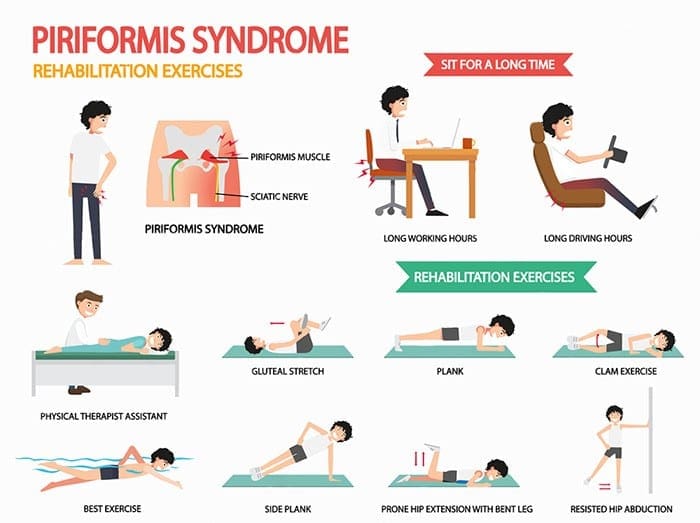
Relieve: A small muscle located deep in the buttocks, the piriformis muscle performs the essential function of rotating the leg outwards. Piriformis Syndrome is a painful condition that occurs when the piriformis muscle is tight and intrudes upon the sciatic nerve in the buttocks. Causing pain and tenderness and sometimes numbness in the buttocks, piriformis syndrome pain may also radiate down the sufferer’s leg, and in some cases, even into the calf.
There are two commonly identifiable potential causes for piriformis syndrome. One is sitting for prolonged periods of time, which can cause tightening of the muscle. The second cause is an injury to the buttocks, either by a fall, an accident, or a sports injury. Trauma causes the piriformis muscle to swell and irritate the sciatic nerve.
Spasms can also cause piriformis syndrome, however, the underlying cause of the spasms frequently remains unknown.
Unfortunately, once an individual has suffered from piriformis syndrome, the condition can recur periodically, usually brought on by too much exercise or sitting for a long time without stretching.
Whatever the initial cause, piriformis syndrome treatment options are vital in relieving the painful symptoms and healing the condition.
Relieve:
These Four Treatment Options Are Frequently Used To Treat Piriformis Syndrome.
Medication. Over-the-counter or prescribed pain medicines, anti-inflammatory drugs, or muscle relaxers frequently serve to reduce the pain from piriformis syndrome. A doctor may also inject medicine directly into the piriformis muscle to improve the condition.
Heat. A common way to relax tight muscles is to apply heat. Piriformis syndrome sufferers may find relief from painful symptoms by periodically applying heat directly to the tender area.
Heat therapy may relieve the tightness of the muscle and promote healing of the entire area. However, it’s important to avoid treating the muscle with heat if there is a chance the muscle may be torn.
Exercise. The overall cause of the condition is a tight piriformis muscle, so it stands to reason a proper exercise regimen will loosen the muscle and alleviate the symptoms associated with piriformis syndrome. A doctor can prescribe the correct exercises to stretch and subsequently strengthen the muscles and the body’s other muscles. A strong body will reduce the chances of the issue recurring down the road.
Hands on therapy. Used with other types of treatment or on their own, these types of therapies are popular because of their effectiveness, as well as the fact they are drug-free ways to gain relief from the pain. Massage is a commonly used therapy for piriformis syndrome, as it helps increase blood flow to the area. The massage therapist can manipulate the area to relieve the tightness of the muscle.
Another hands on therapy that produces positive results is chiropractic care.
Chiropractors view the body in its entirety, and will often treat other parts of the body, such as a foot or leg, in order to improve the condition of the piriformis muscle. They may also utilize a regimen of pelvic and spinal adjustments along with joint manipulation and stretching to loosen up the muscle and help heal the afflicted area.
As stated earlier, once the condition has been controlled and the area has healed, it’s vital to take precautions to avoid re-aggravating the area. Proper stretching before exercise, periodic breaks when sitting, and maintaining spinal and pelvic alignment will increase an individual’s chances of living free of the pain of piriformis syndrome in the future.
Treating Sciatica
If you have a question about how chiropractic care can help with the symptoms of piriformis syndrome, or other health conditions, contact us today.
This article is copyrighted by Blogging Chiros LLC for its Doctor of Chiropractic members and may not be copied or duplicated in any manner including printed or electronic media, regardless of whether for a fee or gratis without the prior written permission of Blogging Chiros, LLC.
Fibromyalgia is one of today’s most common chronic pain conditions. According to the American College of Rheumatology, around 1 in 50 Americans currently suffer from fibromyalgia. Unfortunately, the condition is difficult to diagnose, and, being chronic in nature, can linger for several months or even years. Fibromyalgia typically causes pain throughout the body and creates areas so tender that the slightest pressure hurts.
Patients diagnosed with the condition have both traditional and alternative treatment options available to them. Traditional approaches to managing the pain and treating fibromyalgia are anti-inflammatory prescriptions, sleep medications, and muscle relaxers. Patients frequently choose natural remedies instead of or in addition to traditional medication, such as vitamin therapy, acupuncture, and meditation. One of the most common treatments is chiropractic care.
The main ways chiropractic care benefits those who suffer from fibromyalgia are:
Reduces Fibromyalgia Pain Levels
The most difficult issue to deal with for fibromyalgia sufferers is the constant pain, which often affects the entire body for weeks or months at a stretch. Although these patients initially seek care for the pain they�re experiencing, they soon realize that chiropractic also helps restore overall health and aids the body in self-healing.
By adjusting the spine to improve alignment, as well as incorporating some form of soft tissue work, chiropractors can assist fibromyalgia patients in minimizing their painful pressure points. Many who suffer with this condition look for relief with chiropractic treatment options, and experience a decrease in the tender spots.
Increases Range Of Motion
Chiropractors are also able to adjust the body’s joints and help loosen them. For fibromyalgia patients, this can sometimes increase their range of motion and allow them to move more easily.
Sometimes it takes several treatments to see significant results, so it’s important to note that chiropractic treatment of fibromyalgia takes a commitment from the patient. The effects, however, are well worth the time invested.
Boosts Sleep Quality
A common by-product of the pain associated from fibromyalgia is lack of sleep. As anyone knows, being unable to snag several hours sleep can leave you feeling tired, foggy, and irritable.
By working with a chiropractor to loosen their joints and manage their tender points, patients suffering from this condition can enjoy a deeper sleep, and stay asleep longer.
Complements Other Treatments
Sometimes medicines counteract with each other, or mix together and cause side effects. A big advantage of chiropractic care is it can be utilized in tandem with medications or other remedies, whether traditional or natural.
An individual who is diagnosed with this condition should speak to his or her chiropractor about the various ways to treat it, and remember that there is not a one-stop solution. A treatment regimen should be built on a case-by-case basis tailored to the specific needs of that patient.
Empowers The Patient
Individuals who must cope with painful, chronic illnesses can become exasperated with treatment options, and feel as if they have no control over their situations. Unfortunately, these feelings can bring on stress and depression, which only works against getting better. By working with a chiropractor, patients can feel more in charge of their pain management and more optimistic in their recovery.
People who are diagnosed with fibromyalgia need to understand that there are options available to them for pain management, and they may decide to try more than one at a time. Chiropractic care is a valuable tool to treat the symptoms of fibromyalgia, and patients who will commit will see the benefits of less pain, greater mobility, and better sleep. And, perhaps the best benefit of all, they can take control of their circumstances and be a vital part of managing their personal well-being.
Retired Brig. General Rebecca Halstead Shares How Chiropractic Care “Saved Her Life”
If you or a loved one are suffering from fibromyalgia, don�t do it alone. Our chiropractor has a passion for helping sick people get well. So contact us today to schedule an appointment.
This article is copyrighted by Blogging Chiros LLC for its Doctor of Chiropractic members and may not be copied or duplicated in any manner including printed or electronic media, regardless of whether for a fee or gratis without the prior written permission of Blogging Chiros, LLC.
IFM's Find A Practitioner tool is the largest referral network in Functional Medicine, created to help patients locate Functional Medicine practitioners anywhere in the world. IFM Certified Practitioners are listed first in the search results, given their extensive education in Functional Medicine










 It Treats The Underlying Cause