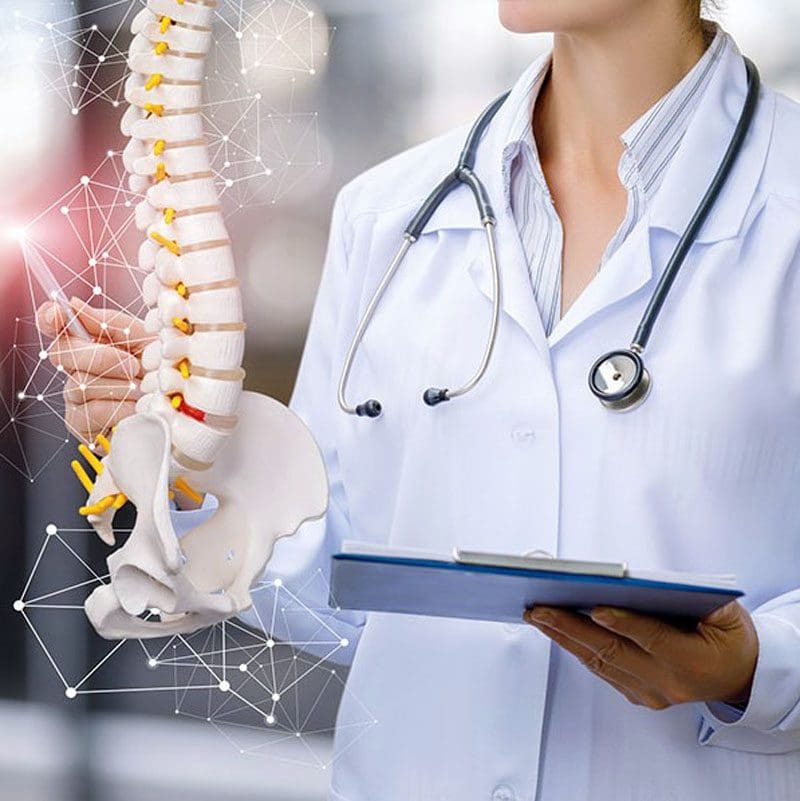
Injury Medical Spinal Decompression: Spinal decompression therapy/treatment can be surgical or non-surgical, with differences in the procedure, recovery time, and results. Individuals who experience compression-related problems can have severe and prolonged spinal conditions that can lead to various health issues. Individuals experiencing persistent or chronic neck, back, or leg pain should know the differences between surgical and non-surgical spinal decompression. Spinal decompression aims to relieve pressure on the discs and reduce stress on the nervesto eliminate the pain associated with compression on the spine,restoring optimal circulation and improving spinal function.
Surgical Procedure
It is invasive, must be performed by a surgeon, and can have a recovery time of up to 6 weeks.
Surgery is usually suggested as a last resort after alternative therapies have not succeeded or when the compression is so severe that surgery is the only option.
Surgical spinal decompression is directed towards removal to reduce pressure instead of adjusting or stretching the discs.
In cases of severe nerve compression, surgery can be an effective option.
Risks include infection, damage to the spinal cord, and blood clots.
Types of Spinal Decompression Surgery
Types of surgeries; spinal fusion could be necessary to stabilize the spine. Common types of back surgery:
Discectomy
This procedure removes a portion of the disc to relieve pressure on nerves.
Laminotomy
The procedureremoves a small portion of the bone or a section of the bony arch to increase the size of the spinal canal and relieve pressure.
Laminectomy
The procedureremoves theentire bony arch or lamina to increase the size of the spinal canal and relieve pressure.
Foraminotomy
This procedure removes bone and other tissue to widen the openings for the nerve roots to pass through.
The procedure removes a vertebral body along with discs.
Injury Medical Spinal Decompression
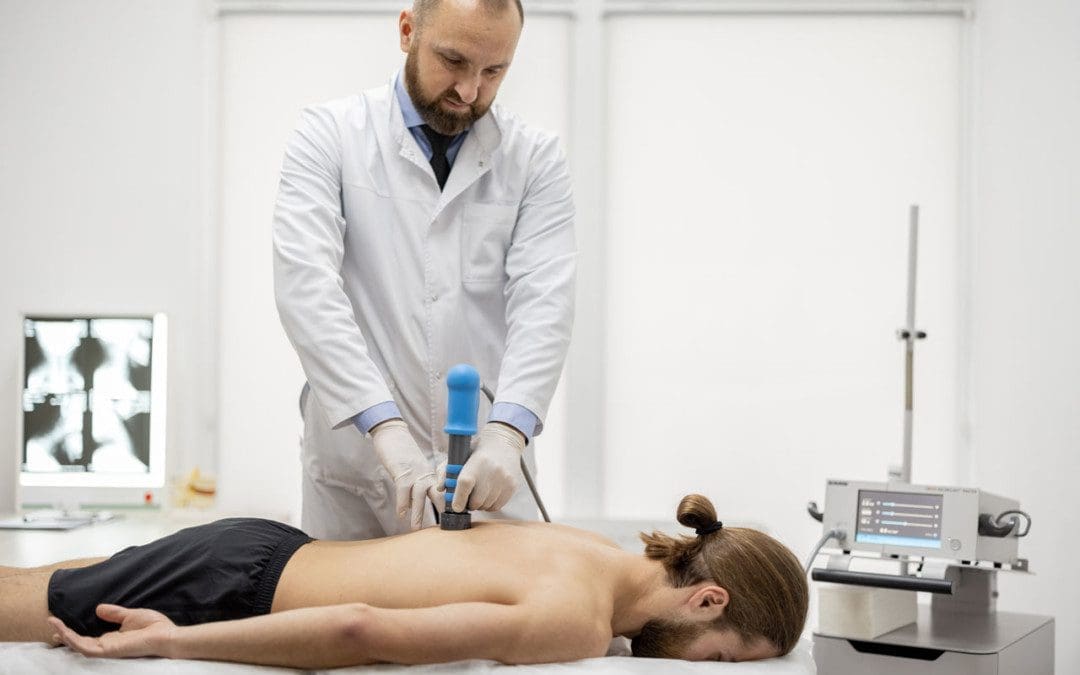
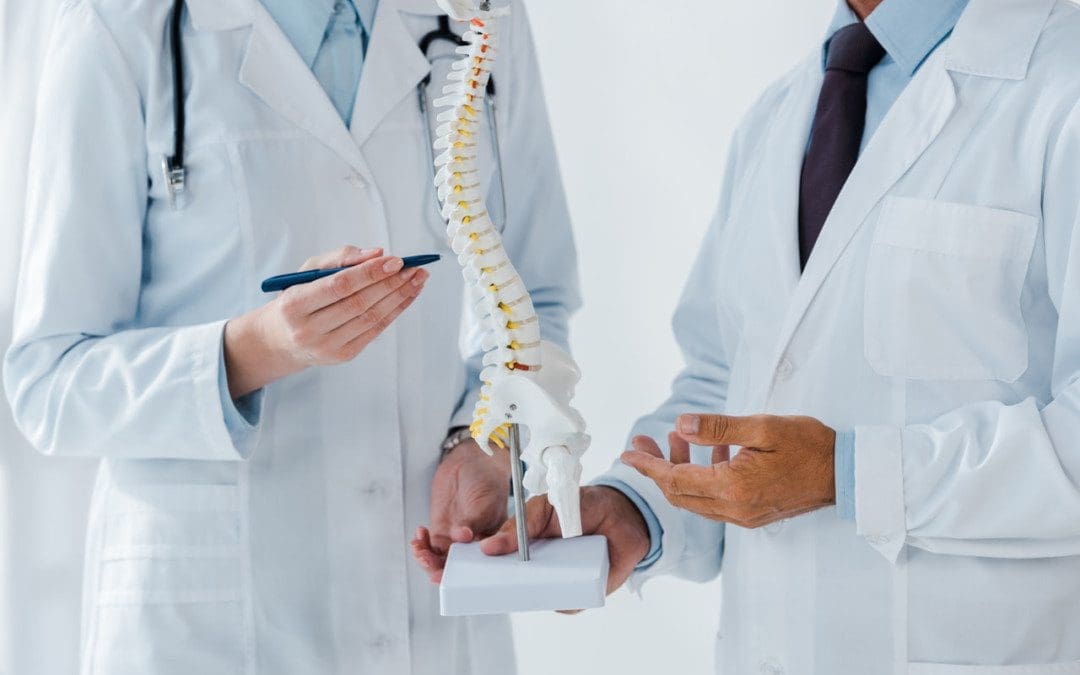
Surgery for a damaged/injured spine is not always necessary. Treatment regimes vary depending on each individual’s medical condition. Non-surgical motorized spinal decompression is a non-invasive back treatment that uses a mechanized decompression table to slowly and gently stretch the spine. The therapy gradually relieves the pressure on the compressed nerve root/s resulting in reduced or complete alleviation of pain.
Oxygen, water, and nutrients circulate abundantly, promoting healing as the discs re-hydrate, and are re-nourished, improving and enhancing spine function. Individuals can enjoy increased levels of mobility, strength in the spine and muscles, and more flexibility.
Descompresión Espinal Con La DRX9000
References
American Spinal Decompression Association: “Spinal Decompression Therapy.”
Daniel, D.M. Chiropractic and Osteopathy, 2007.
Macario, Alex, and Joseph V Pergolizzi. “Systematic literature review of spinal decompression via motorized traction for chronic discogenic low back pain.” Pain practice: the official journal of World Institute of Pain vol. 6,3 (2006): 171-8. doi:10.1111/j.1533-2500.2006.00082.x
O’Hara K, editor. Decompression: a treatment for back pain. Vol. 11. National Association of Healthcare Professionals; 2004. pp. 1-2.http://www.naohp.com/menu/publications/mccu/bibliography.htm#10 [Google Scholar]
Diabetes and severe blood sugar fluctuations can lead to back pain and spinal conditions. The negative impacts on the body from diabetes can be destructive as it is a state of chronic inflammation.
Spine Conditions and Diabetes
Spinal conditions being researched and their link to diabetes can affect each condition and its development differently.
Spinal Stenosis
Spinal stenosis is when the spine’s openings foraminabegin to shrink and narrow, causing the nerve roots that branch off the spinal cord to have less space to function.
The stenosis can compress one or more lumbar spinal nerves.
Pain, tingling, weakness, and/or numbness in the legs can begin to present.
Spinal Epidural Abscess
Spinal epidural abscess is an infection between the vertebral bones and the spinal cord membrane.
Diabetes increases the risk of infection and increases the risk of developing an abscess.
Hypertension and obesity can also increase the risk of infection.
Lumbar Disc Degeneration
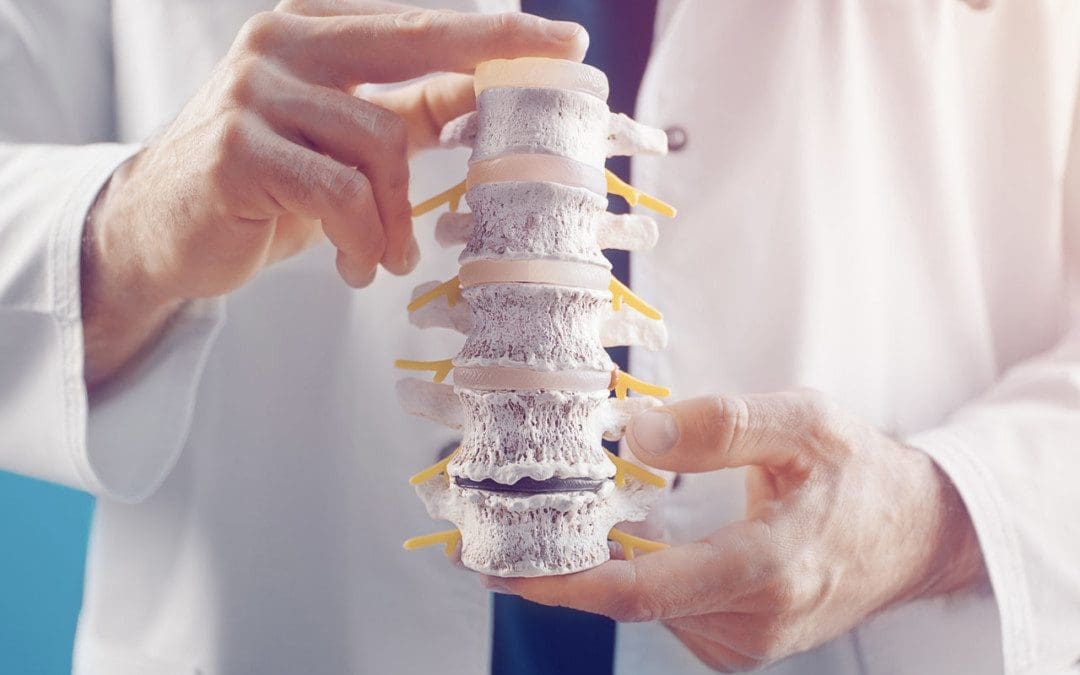
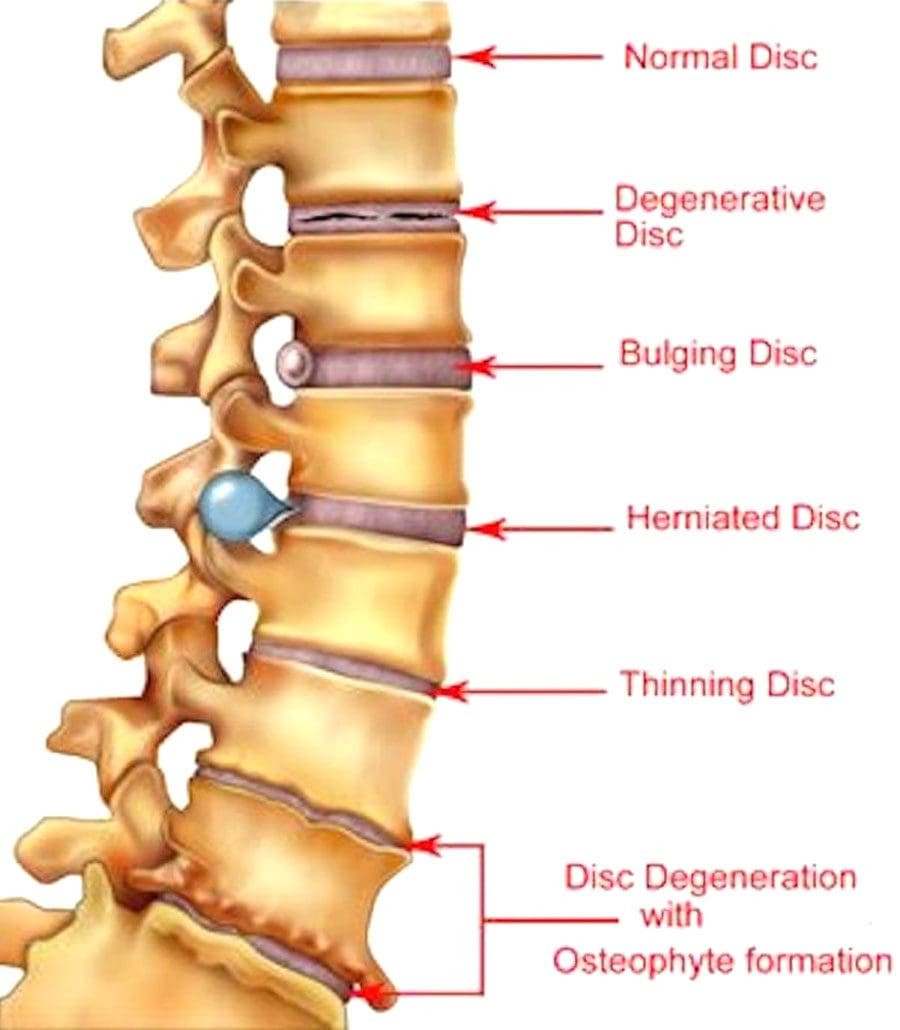
The back contains spinal discs between each vertebra that are the shock absorbers.
Lumbar disc degeneration occurs when one or more discs begin to break down.
The disc’s deterioration causes changes in the lumbar/lower back structure.
The degeneration also causes back pain.
Disc degeneration is a normal part of aging and is expected. However, those who have lived with diabetes for over ten years have a higher risk of developing advanced lumbar disc degeneration. To prevent disc degeneration and/or minimize the adverse effects, it’s essential to maintain blood sugar levels.
Vertebral Osteomyelitis
Vertebral osteomyelitis is a rare spinal infection resulting from a spinal injury or post-surgical complication/s.
It is a bacterial infection that can travel to the spine from another location.
Diabetes increases susceptibility to infections.
For example, an individual with diabetes could have a foot ulcer, lower back pain, and a fever, symptoms that could indicate the development of vertebral osteomyelitis.
Chiropractic and Decompression Therapy
Spinal decompression is an effective non-surgical technique that can relieve back pain, leg pain, and symptoms associated with spinal conditions and disorders. It works by gently creating traction/pulling force with a specialized mechanical decompression table combined with chiropractic massage and adjustments. Benefits include:
Pain relief
Decompression relieves tension in tight, spasming, or injured muscles.
Stimulates the nervous system to release chemical signals that bring pain relief.
Heals spinal disc tissues
Decompression creates a vacuum force on the spinal discs, helping to circulate much-needed fluids, cells, and other substances to the damaged tissue/s.
Restores spinal disc and joint alignment
Stress, poor posture, poor body mechanics, and other factors can cause joints to shift out of place or the discs to herniate.
The vacuum force helps realign the joints and discs.
Prevents further pain and inflammation.
Restores mobility and function.
Relieves pressure on nerves
Spinal nerves can get pinched when discs, bones, or other tissues compress the small spaces causing inflammation and pain.
Non-surgical decompression increases the space around the nerves, allowing the nerves to heal.
Injury Medical Chiropractic and Functional Medicine Clinic offer spinal decompression as one of many treatment approaches to restore a high quality of life.
DOC Decompression Table
References
Anekstein, Yoram, et al. “Diabetes mellitus as a risk factor for the development of lumbar spinal stenosis.” The Israel Medical Association journal: IMAJ vol. 12,1 (2010): 16-20.
Eivazi, Maghsoud, and Laleh Abadi. “Low back pain in diabetes mellitus and importance of preventive approach.” Health promotion perspectives vol. 2,1 80-8. 1 Jul. 2012, doi:10.5681/hpp.2012.010
Heuch, Ingrid et al. “Associations between serum lipid levels and chronic low back pain.” Epidemiology (Cambridge, Mass.) vol. 21,6 (2010): 837-41. doi:10.1097/EDE.0b013e3181f20808
Rinaldo, Lorenzo, et al. “Diabetes and Back Pain: Markers of Diabetes Disease Progression Are Associated With Chronic Back Pain.” Clinical diabetes: a publication of the American Diabetes Association vol. 35,3 (2017): 126-131. doi:10.2337/cd16-0011
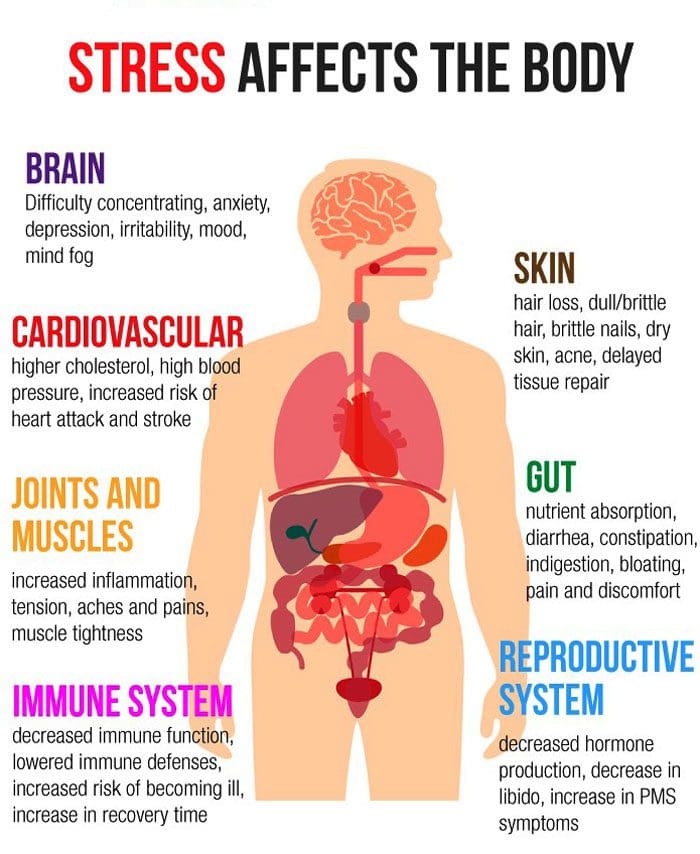
Stress health recognizes how stress affects the body, thoughts, feelings, and behavior. Stress that’s left untreated can contribute to various health problems. These include:
Chiropractic serves as a powerful intervention for anxiety-related symptoms.
Stress Health Blood Pressure and Heart Rate Balance
Chiropractic benefits cardiovascular health as it directly affects the nervous and other body systems that include the spinal system, the bones, joints, and muscular system, affecting the function of the cardiovascular system. Chiropractic regulates these system’s functions allowing for a moderate heart rate and blood pressure. Balanced blood pressure and heart rate can help minimize stress and anxiety, making it much easier to stay relaxed and focused. Individuals report experiencing decreased blood pressure and lower heart rate with long-term chiropractic treatment.
Mental Clarity
Cerebrospinal fluid/CSF is necessary for detoxifying the brain and helping to protect the brain. CSF transports oxygen and nutrients to the brain, helping to increase brain function efficiency. Chiropractic has been shown to increase the amount of cerebrospinal fluid delivered to the brain. This is because the spine is aligned correctly, allowing for a smooth flow of blood and nerve energy from the brain through the spine to the rest of the body. This provides:
Chiropractic can help increase energy levels in different ways for different individuals.
For some, this works by eliminating headaches, migraines, and other nerve dysfunction/s.
For others, this happens by decreasing or eliminating pain symptoms.
These conditions can contribute to lowered energy levels. Constant stress can change the body’s chemistry, leading to increased stress hormones like cortisol. Over time, these hormone releases can decrease energy, causing interference with the body/brain’s natural rejuvenating processes that reduce stress. With chiropractic, the therapeutic effects help correct body chemistry and improve energy levels.
Body Composition
Increase Immune Function
Lymphatic fluid has a vital role in stress health and the function of the immune system. Lymphatic fluid helps separate and release:
Toxins
Viruses
Fungus
Bacteria from the body.
When lymphatic fluid flows smoothly and is not impeded or trapped in tissues, joints, or muscles, the immune system operates at a high level. Chiropractic helps drive lymphatic fluid out of the tissues, joints, and muscles of the body, facilitating optimal immune function.
References
Dragoş, Dorin, and Maria Daniela Tănăsescu. “The effect of stress on the defense systems.” Journal of medicine and life vol. 3,1 (2010): 10-8.
Meier, Jacqueline Katharina et al. “Stress Alters the Neural Context for Building New Memories.” Journal of cognitive neuroscience vol. 32,12 (2020): 2226-2240. doi:10.1162/jocn_a_01613
Pickar, Joel G. “Neurophysiological effects of spinal manipulation.” The spine journal: official journal of the North American Spine Society vol. 2,5 (2002): 357-71. doi:10.1016/s1529-9430(02)00400-x
Musculoskeletal Nutrition: Musculoskeletal conditions are non-communicable conditions/disorders and are the most common conditions that chiropractors and physiotherapists treat. Unhealthy lifestyle practices like smoking, an unhealthy diet, and little to no exercise or physical activity impact musculoskeletal disorders and remain the most common causes of physical disability and pain. Musculoskeletal conditions include:
Back pain
Carpal Tunnel Syndrome
Tendonitis – inflammation of the fibrous tissues that connect the muscles to the bones.
Rheumatoid Arthritis
Osteoarthritis
Bone Fractures
Fibromyalgia
A lack of proper nutrients increases the risk for bone, muscle, and joint disease. A proper diet combined with strengthening and stretching will help with injury recovery and help prevent disorders, injury, and pain. For example, inadequate consumption of calcium and vitamin D intake can lead to osteoporosis. Both nutrients are necessary for musculoskeletal health. Calcium helps build bone tissue, and vitamin D promotes calcium absorption.
Musculoskeletal Nutrition
Even physically active and healthy individuals’ can go through inadequate nutrition intake, increasing the risk of injury from its effect/s on rehabilitation and recovery. There are mechanisms to insufficient nutrient intake that can lead to muscle injury.
Intense training causes skeletal muscle breakdown that can worsen from poor dietary protein intake.
Not hydrating the body can compromise blood flow to working muscles, increasing the risk for injury and other health issues.
Hydration influences the amount and composition of joint fluid and helps maintain articular cartilage.
Deficiencies in nutrients like:
Potassium
Iron
Zinc
Magnesium
Chromium
Copper
Vitamins
The lack of micronutrients and their role in bone and muscle metabolism increases the risk for injury and the development of musculoskeletal conditions.
Overall Health
Connective tissue holds the body’s bones and muscles together and is essential for joint integrity. Athletes and individuals with physically demanding jobs and lifestyles need to take care of their connective tissues to prevent degradation, injuries, and joint conditions, like arthritis and tendon injuries. It is recommended to have a diet that is:
Achieving optimal health requires all-around healthy lifestyle choices and musculoskeletal nutrition.
Body Composition
Superfoods
Many nutrient-rich foods can be incorporated into an individual’s diet to improve overall well-being.Superfoods are high in antioxidants and contain vast amounts of vitamins and minerals. A superfood is a food rich in compounds that are beneficial to an individual’s health. These compounds include:
Phytochemicals – include antioxidants like polyphenols that provide anti-inflammatory properties.
Fiber
Omega-3 fatty acids
Superfoods are recognized by national nutrition guidelines as Powerhouse Fruits and Vegetables or PFV. Antioxidants reduce free radicals and prevent and repair damage caused by oxidative stress. Oxidative stress occurs when free radicals accumulate in the body and can lead to chronic and degenerative illnesses like arthritis, cardiovascular disease, and cancer. A diet rich in antioxidants can expedite recovery time from injury, illness, and physical activity/exercise-induced stress.
Anthocyanins are a type of polyphenol that become antioxidants that help reduce the incidence of chronic disease. They are different types of pigments found in plants, giving fruits and vegetables their vibrant colors. These include:
Black beans
Berries
Cherries
Pomegranates
Peaches
Eggplant
Purple sweet potatoes
A diet rich in anthocyanins can reduce oxidative stress and inflammation, help prevent cardiovascular disease, and control and prevent diabetes.
References
Craddock, Joel C, et al. “Vegetarian and Omnivorous Nutrition – Comparing Physical Performance.” International journal of sports nutrition and exercise metabolism vol. 26,3 (2016): 212-20. doi:10.1123/ijsnem.2015-0231
Mendonça, Carolina Rodrigues et al. “Effects of Nutritional Interventions in the Control of Musculoskeletal Pain: An Integrative Review.” Nutrients vol. 12,10 3075. 9 Oct. 2020, doi:10.3390/nu12103075
Sale, Craig, and Kirsty Jayne Elliott-Sale. “Nutrition and Athlete Bone Health.” Sports medicine (Auckland, N.Z.) vol. 49,Suppl 2 (2019): 139-151. doi:10.1007/s40279-019-01161-2
Slavin, Joanne L, and Beate Lloyd. “Health benefits of fruits and vegetables.” Advances in nutrition (Bethesda, Md.) vol. 3,4 506-16. 1 Jul. 2012, doi:10.3945/an.112.002154
Tucker, K L et al. “Potassium, magnesium, and fruit and vegetable intakes are associated with greater bone mineral density in elderly men and women.” The American journal of clinical nutrition vol. 69,4 (1999): 727-36. doi:10.1093/ajcn/69.4.727
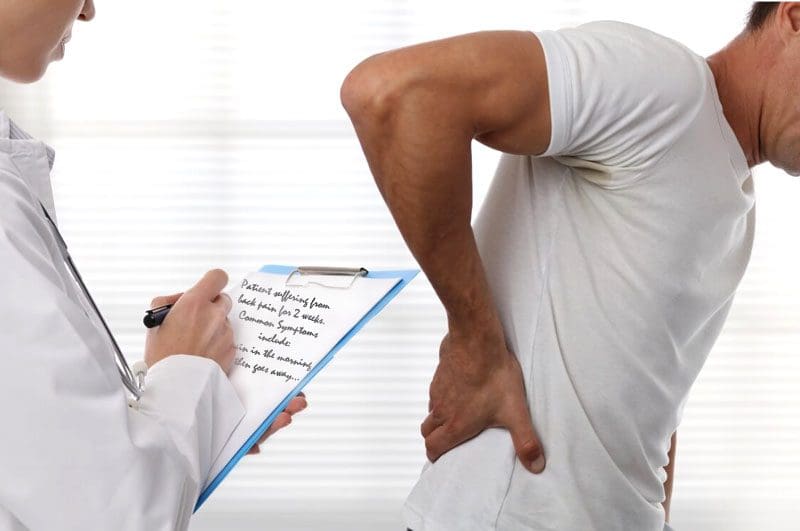
Back pain and soreness are widespread conditions that affect all genders, races, and lifestyles. The causes for back pain are varied from injury, poor posture, arthritis, age, overuse, etc. If back pain is frequent, perhaps the last assumption is that the pain could be caused by cancer. While it’s far from the most common causes, cancer back pain is possible, which makes consulting a doctor that will figure out the root cause, especially if there are other non-related symptoms, and treat the back pain very important.
Cancer Back Pain
Back pain that could be caused by cancer usually occurs with other symptoms and include:
Back pain that is not related to movement.
Pain does not get worse with activity.
Back pain usually presents at night or early in the morning and fades away or improves as the day progresses.
Back pain persists even after physical therapy or other treatments.
Changes in bowel movements or blood in urine or stool.
Like lung cancers, some breast cancer tumors can press on nerves connected to the spine, causing discomfort and pain.
Gastrointestinal
Cancers of the stomach, colon, and rectum can cause back pain.
The pain radiates from where the cancer is to the back.
Tissue and Blood Cancers
Blood and tissue cancers like:
Multiple myeloma
Lymphoma
Melanoma
Can cause back pain.
Diagnosing Cancer and Back Pain
Medical treatments for back pain-related cancer depend on its type and how advanced it is. A doctor will consider symptoms and medical history when diagnosing possible back pain causes. Because cancer is a rare cause of back pain, a doctor may recommend various treatments before a full cancer work-up. The doctor may order imaging studies and blood testing if the pain persists after chiropractic, physical therapy, or anti-inflammatory medications. These tests will help identify potential cancer markers causing back pain.
Treatments usually include chemotherapy and radiation to shrink a tumor.
A doctor will recommend surgery to remove a tumor.
Chiropractic
Cancer patients have found chiropractic treatment to be effective for:
Pain management.
Flexibility improvement.
Mobility improvement.
Strengthening muscles.
Helping to reduce stress.
Helping the body function more efficiently.
Chiropractic physiotherapy benefits patients undergoing chemotherapy, as it helps the body withstand the debilitating effects of the treatment based on the whole-body approach.
Body Composition
Don’t Hate Dieting
Individuals hate dieting, usually because they go about it the wrong way. Individuals do not need to starve themselves and live at the gym. Reaching quick weight loss goals might sound appealing; however, going through it for an extended time can make individuals feel:
Tired
Depressed
Unmotivated
Individuals can find a nutrition plan/exercise balance that works for them and their lifestyle. For some individuals, dieting alone is effective, but more than likely, they have increased metabolisms. Trying to lose fat by only cutting calories can be difficult for individuals with smaller metabolisms. The goal is to find a balance between diet and exercise. This does not mean having to go on an extreme diet, skip meals, or cut out entire macronutrient groups like fat or carbs, as the body needs both of these nutrients. Finding a sustainable long-term nutrition plan takes planning and support. A dietician, nutritionist, or health coach can offer a variety of nutrition and exercise plans customized to the individual.
References
Downie, Aron et al. “Red flags to screen for malignancy and fracture in patients with low back pain: a systematic review.” BMJ (Clinical research ed.) vol. 347 f7095. 11 Dec. 2013, doi:10.1136/bmj.f7095
Mabry, Lance M et al. “Metastatic cancer mimicking mechanical low back pain: a case report.” The Journal of manual & manipulative therapy vol. 22,3 (2014): 162-9. doi:10.1179/2042618613Y.0000000056
Vasser, Melinda, and Matthew Koroscil. “When Back Pain Turns Deadly: An Unusual Presentation of Lung Cancer.” Respiratory medicine case reports vol. 29 101009. 28 Jan. 2020, doi:10.1016/j.rmcr.2020.101009
Verhagen, Arianne P et al. “Red flags presented in current low back pain guidelines: a review.” The European spine journal: official publication of the European Spine Society, the European Spinal Deformity Society, and the European Section of the Cervical Spine Research Society vol. 25,9 (2016): 2788-802. doi:10.1007/s00586-016-4684-0
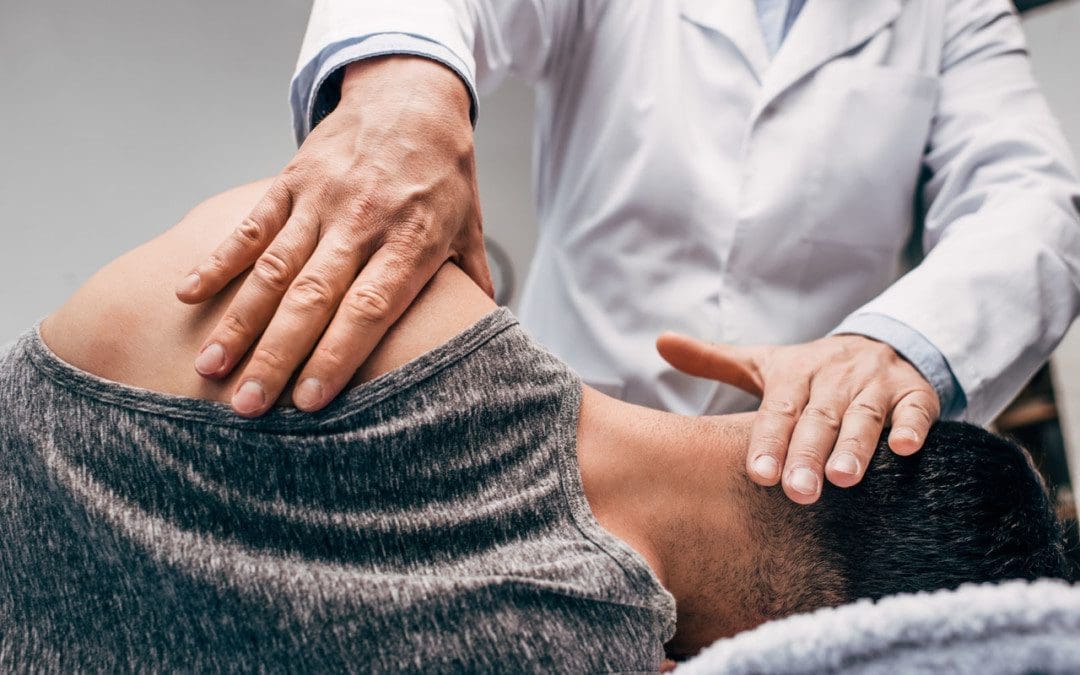
Chiropractic and spinal health. Most individuals seek out chiropractic care only after an injury and when pain presents. Because traditional medical care tends to focus on treating disorders and diseases, individuals are used to seeking care only when something is imbalanced. For many, chiropractic is known for its ability to resolve back and neck pain, correct postural misalignments, manage acute or chronic conditions and accelerate the healing of injuries. Chiropractic is different in that it is a tool for increasing overall wellness and vitality when no injury or imbalance is present.
Chiropractic and Spinal Health
Chiropractic is an invaluable treatment that raises the baseline of an individual’s health by:
Increasing performance
Extending lifespan and longevity
Improving overall comfort
Increasing agility in the body
Chiropractic helps to achieve these transformational results by improving the function of the:
Circulatory system
Immune system
Respiratory system
Muscular system
Nervous system
Skeletal system
Circulation Increased
The circulation system includes the heart and its chambers, arteries, veins, lungs, lobes, and capillaries. The structures within this system move blood, nutrients, and waste throughout the body. The quality of health and life depends on the level of functioning in this system. The better and more efficient the tissues receive clean blood, nutrients, and oxygen, the better the body is able to utilize these building blocks to achieve whatever function is required. The slower and more unclean these building blocks, the lower quality of function. The nervous system is the communication system that includes the brain, spinal cord, and nerves that run throughout the body. Everything in the body and the work functions as a result of this communication system.
The circulatory system relies on the communication that runs through the nervous system, which is housed in the spine. If the spine is misaligned, moving improperly, or sustaining an injury, it can interfere with the function of the communication. Regular chiropractic care increases the health levels of the nervous system by keeping the spine as healthy and flexible as possible. The muscles are kept loose, which promotes blood flow, and the flow and movement of waste in the lymphatic system. Individuals that receive regular adjustments report:
Enhanced perception of sensations in their extremities.
Warmer hands and feet.
Improved cognitive response and clarity.
Decrease or eliminate tingling and numbness.
Maintaining the proper range of motion of the spine also facilitates better function and movement of the whole body.
Immune Response Improvement
Regular chiropractic improves immune responses that leads to improved response against foreign invaders and disease,fewer instances of illness, exhaustion, fatigue, and inflammation. When expert chiropractic and spinal health intervention is delivered it helps to realign bones and joints, alleviate muscle tension, and restore nerve function. The body immediately experiences a decrease in stress, downregulation of stress hormones and chemicals in the body leads to a reduction in inflammation.
Increased Mobility & Flexibility
Chiropractic helps to improve physical mobility and flexibility in the muscular and skeletal systems. This is accomplished through manual manipulation to restore ideal posture and achieve a balanced skeletal structure. Manual manipulation is also used to soften and relax tense muscles which have developed abnormalities to compensate for incorrect posture. When skeletal structure, muscular imbalances, and strain are corrected, the result is improved mobility and flexibility.
Pain Symptoms Are Decreased
Pain originates from the nervous, muscular, and skeletal systems. Chiropractic can help with back pain, neck pain, shoulder pain, migraines, nerve and sciatic pain, and other conditions and forms of discomfort. The origin of the pain can include:
Postural imbalance
Muscle tension
Damage from accident or injury
Spinal degeneration
Chiropractic and spinal health care helps soothe and de-inflame the comprised areas, allowing the natural healing systems to intervene and promote long-term reduction of discomfort and pain.
Bending, Standing, Sitting Activities Improve
For many individuals, bending, standing, and sitting are normal movements they engage in every day. This can be part of work occupation, school, house chores, etc, and for many these movements and positions can become painful over long durations of time and when it is repetitive. Regular chiropractic and spinal health treatment can restore optimal posture in the body, soothe strained and tense muscles, and resolve disrupted nerve energy flow which often leads to nerve pain like sciatica.
Body Composition
Pregnancy Hypertension
Hypertension in pregnancy falls into one of three categories. It can range from benign and easily controlled to serious with increased medical risks. This makes monitoring blood pressure important to individual health risks. The risks for hypertension in pregnancy include:
Preeclampsia develops after 20 weeks of pregnancy and is associated with a sharp spike in blood pressure levels. Notable symptoms include:
Sudden fluid swelling
Chronic headaches
Changes in vision
Nausea
Vomiting
Weight gain
References
Brown, Richard A. “Spinal Health: The Backbone of Chiropractic’s Identity.” Journal of chiropractic humanities vol. 23,1 22-28. 8 Sep. 2016, doi:10.1016/j.echu.2016.07.002
Bussières, André E et al. “Spinal Manipulative Therapy and Other Conservative Treatments for Low Back Pain: A Guideline From the Canadian Chiropractic Guideline Initiative.” Journal of manipulative and physiological therapeutics vol. 41,4 (2018): 265-293. doi:10.1016/j.jmpt.2017.12.004
Maher, Jennifer L et al. “Exercise and Health-Related Risks of Physical Deconditioning After Spinal Cord Injury.” Topics in spinal cord injury rehabilitation vol. 23,3 (2017): 175-187. doi:10.1310/sci2303-175
Meeker, William C, and Scott Haldeman. “Chiropractic: a profession at the crossroads of mainstream and alternative medicine.” Annals of internal medicine vol. 136,3 (2002): 216-27. doi:10.7326/0003-4819-136-3-200202050-00010
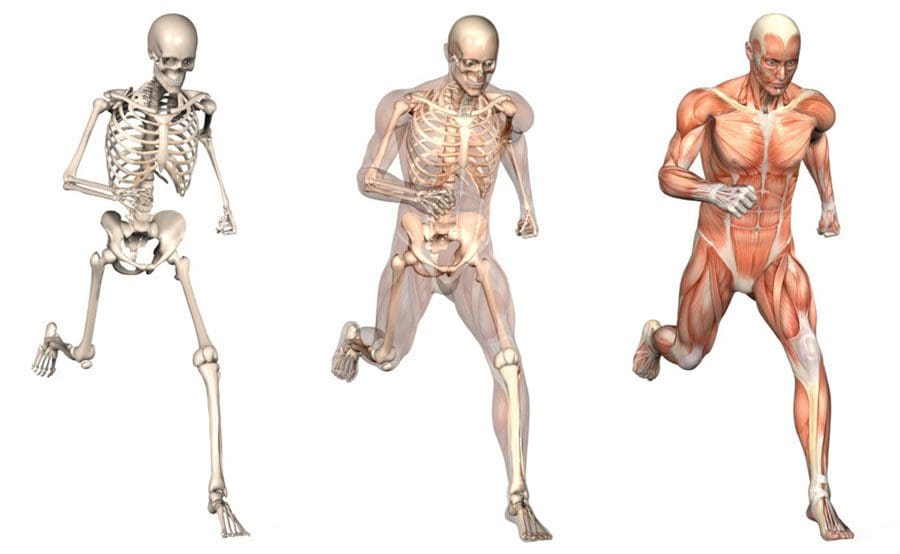
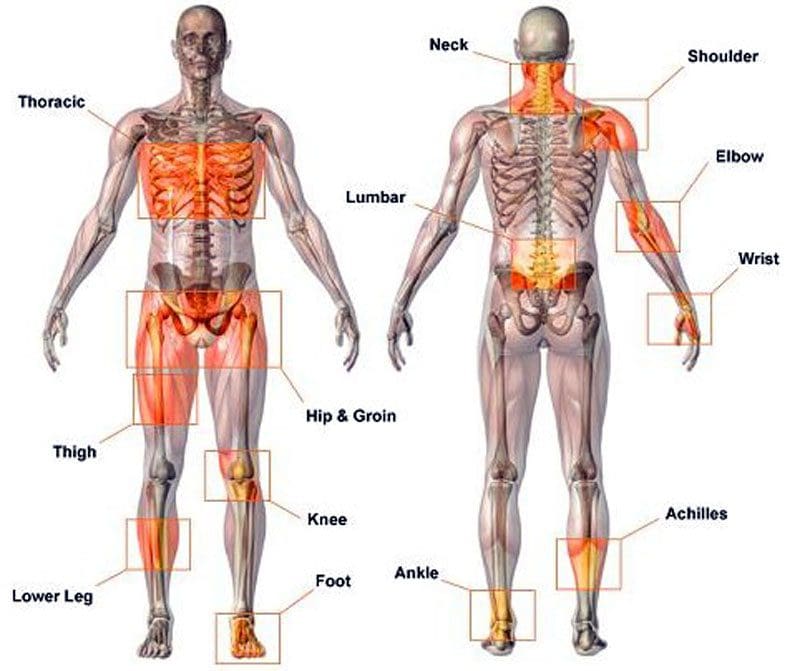
Musculoskeletal Disorders, or MSDs, are injuries, conditions, and disorders that affect the body’s musculoskeletal system. It includes the muscles, tendons, ligaments, nerves, discs, blood vessels, bones, and joints. MSDs are common, and the risk of developing them increases with age. The severity of an MSD can vary. They cause discomfort, recurrent pain, stiffness, swelling, and aching that interfere with everyday activities. Early diagnosis and treatment can alleviate symptoms and improve long-term health. Common disorders include:
The term musculoskeletal disorder is used as it accurately describes the injury or condition. Other terms used are repetitive motion injury, repetitive stress injury, and overuse injury. When individuals are exposed to MSD risk factors, they begin to fatigue. This can start a musculoskeletal imbalance. With time, fatigue completely overtakes recovery/healing, and the musculoskeletal imbalance continues, a musculoskeletal disorder develops. The risk factors are broken into two categories: work-related/ergonomic risk factors and individual-related risk factors.
Ergonomic Factors:
Force
Repetition
Posture
High Task Repetition
Many work tasks and cycles are repetitive and are typically controlled by hourly or daily production targets and work processes.
High task repetition combined with other risks factors like high force and/or awkward postures can contribute to the formation of MSD.
A job is considered highly repetitive if the cycle time is 30 seconds or less.
Forceful Exertions
Many job tasks require high force loads on the body.
Muscle effort increases in response to high force requirements. This increases associated fatigue.
Repetitive or Sustained Awkward Postures
Awkward postures place excessive force on joints, overload the muscles and tendons around affected joints.
The joints of the body are most efficient when they operate close to the mid-range motion of the joint.
The risk of MSD is increased when the joints are worked outside of this mid-range repetitively for sustained periods without a proper amount of recovery time.
Individual Factors
Unhealthy work practices
Lack of physical activity/fitness
Unhealthy habits
Poor diet
Unhealthy Work Practices
Individuals that engage in poor work practices, body mechanics, and lifting techniques are introducing unnecessary risk factors.
These poor practices create unnecessary stress on the body that increases fatigue and decreases the body’s ability to recover properly.
Poor Health Habits
Individuals who smoke, drink excessively, are obese, or exhibit numerous other poor health habits put themselves at risk for musculoskeletal disorders and other chronic diseases.
Insufficient Rest and Recovery
Individuals that do not get adequate rest and recovery put themselves at higher risk.
MSDs develop when fatigue outruns the individual’s recovery system, causing a musculoskeletal imbalance.
Poor Diet, Fitness, and Hydration
Individuals who eat unhealthily are dehydrated, at a poor level of physical fitness, and do not take care of their bodies are putting themselves at a higher risk of developing musculoskeletal and chronic health problems.
Causes
The causes of musculoskeletal disorders are varied. Muscle tissue can be damaged with the wear and tear of daily work, school, and physical activities. Trauma to the body can come from:
Postural strain
Repetitive movements
Overuse
Prolonged immobilization
Jerking movements
Sprains
Dislocations
Falling injuries
Auto accident injuries
Fractures
Direct trauma to the muscle/s
Poor body mechanics can cause spinal alignment problems and muscle shortening, causing other muscles to be strained, causing problems and pain.
Treatment Rehabilitation
A doctor will recommend a treatment plan based on the diagnosis and severity of the symptoms. They may recommend moderate exercise and over-the-counter medications like ibuprofen or acetaminophen to address occasional discomfort or pain. They often recommend chiropractic and physical therapy rehabilitation to learn how to manage pain and discomfort, maintain strength, range of motion, and adjust everyday activities. Different types of manual therapy, or mobilization, can treat body alignment problems. A doctor may prescribe medications like nonsteroidal anti-inflammatories NSAIDs to reduce inflammation and pain for more severe symptoms. For individuals with musculoskeletal disorders like fibromyalgia, medications to increase the body’s level of serotonin and norepinephrine may be prescribed in low doses to modulate sleep, pain, and immune system function.
Body Composition
Types of Pain
Pain can be grouped into three categories:
Early Warning Pain
This is most recognizable after having just touched a pan, and the hand jerks away before realizing how hot the pan is, also known as the withdrawal reflex.
This is a protective mechanism that helps avoid danger and is vital for survival.
Inflammatory Pain
This type of pain happens after an injury or surgery while the body is healing and recovering.
Inflammation prevents the body from performing movements to prevent and avoid re-injury.
Pathological Pain
This type of pain can happen after the body has healed, but the nervous system has been damaged.
This is often the case with individuals who sustain an injury and inform doctors that the injured area is never the same.
If the rehabilitation does not correctly heal the nervous system, protective pain measures can generate a false alarm causing pain signals to fire off.
References
Asada, Fuminari, and Kenichiro Takano. Nihon eiseigaku zasshi. Japanese journal of hygiene vol. 71,2 (2016): 111-8. doi:10.1265/jjh.71.111
da Costa, Bruno R, and Edgar Ramos Vieira. “Risk factors for work-related musculoskeletal disorders: A systematic review of recent longitudinal studies.” American journal of industrial medicine vol. 53,3 (2010): 285-323. doi:10.1002/ajim.20750
Malińska, Marzena. “Dolegliwości układu mięśniowo-szkieletowego u operatorów komputerowych” [Musculoskeletal disorders among computer operators]. Medycyna pracy vol. 70,4 (2019): 511-521. doi:10.13075/mp.5893.00810
Musculoskeletal system diseases. (n.d.). dmu.edu/medterms/musculoskeletal-system/musculoskeletal-system-diseases/
Roquelaure, Yves et al. “Troubles musculo-squelettiques liés au travail” [Work-related musculoskeletal disorders]. La Revue du praticien vol. 68,1 (2018): 84-90.
Villa-Forte A. (n.d.). Diagnosis of musculoskeletal disorders. merckmanuals.com/home/bone,-joint,-and-muscle-disorders/diagnosis-of-musculoskeletal-disorders/introduction
IFM's Find A Practitioner tool is the largest referral network in Functional Medicine, created to help patients locate Functional Medicine practitioners anywhere in the world. IFM Certified Practitioners are listed first in the search results, given their extensive education in Functional Medicine