
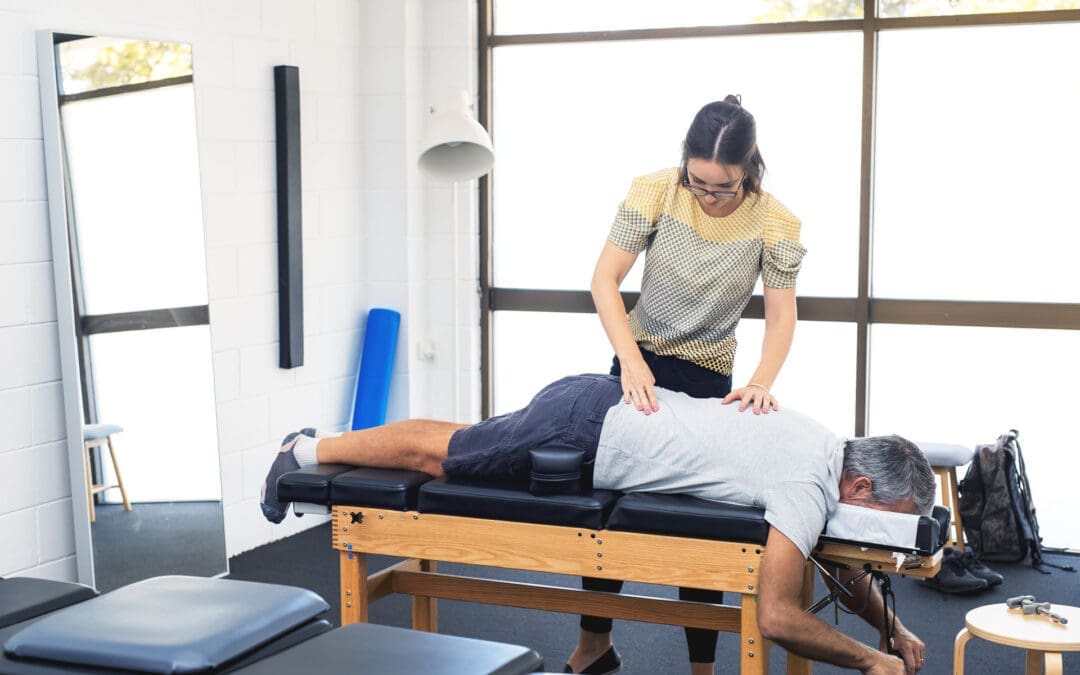
Chiropractic Wedges: A Gentle Treatment Option
Understanding Chiropractic Wedges: Their Role in Pain Relief and Spinal Health

Chiropractic care helps people feel better by fixing problems in the spine and body without surgery or strong medicines. One tool that chiropractors often use is called a wedge. These are simple, triangle-shaped blocks made from foam or other firm materials. They are placed on parts of the body, such as the neck, hips, or feet. The idea is to use gravity—the Earth’s natural pull—to gently stretch and align the body. This can help correct spinal curves, ease pain, and improve overall body function (Diamond State Chiropractic, n.d.).
Wedges are not like hard adjustments where the chiropractor pushes on the spine. Instead, they let the body relax and correct itself slowly. Patients lie on them for a few minutes, and gravity does the work. This makes them good for people who want gentle care, such as older adults or pregnant individuals. They can help with back pain, neck strain, and even headaches by improving the body’s alignment (Tiger Lily Chiropractic, n.d.).
In this article, we’ll look at how these wedges work, the different types, and why they fit into a bigger picture of health care. We’ll also discuss how clinics that combine different treatments can improve patient outcomes.
What Are Chiropractic Wedges, and How Do They Work?
Chiropractic wedges are basic tools that look like small ramps. They come in different sizes and shapes, but most are firm enough to support the body’s weight. When a person lies on one side, the wedge lifts a specific area, such as the neck or pelvis. This creates a gentle pull that stretches tight muscles and helps bones return to their proper positions.
The main goal is to restore the spine’s natural curves. The spine isn’t straight; it has gentle bends that help us stand tall and move easily. If these curves become flat or twisted due to poor posture, injuries, or daily stress, it can lead to pain. Wedges use the body’s own weight to fix this over time (Core Chiropractic, n.d.).
Here’s how they typically work:
- Placement: The chiropractor places the wedge at the right spot based on the body’s needs.
- Time: Patients relax on it for 5 to 10 minutes, sometimes longer, as they get used to it.
- Gravity’s Role: No pushing or twisting—just letting gravity pull things into alignment.
- Safety: Always start slow to avoid strain, and stop if it hurts (Pure Health, n.d.).
This passive method means no sudden moves, making it comfortable for most people. It’s often part of a plan that includes other care, such as exercises or advice on sitting better.
Types of Chiropractic Wedges
There are a few main kinds of wedges, each for a different part of the body. They target specific issues but can help the whole body feel better.
Neck Wedges (Cervical Wedges)
These are for the upper spine, which includes the neck. Many people lose the natural curve in their neck from looking down at phones or computers all day. This is called forward head posture, and it puts extra pressure on the neck and shoulders.
To use a neck wedge:
- Lie on your back on a flat surface.
- Place the wedge so the flat side is against your shoulders, and your head rests on the sloped part.
- Relax for 5-10 minutes, letting gravity stretch the neck.
- Start with short times and build up (YouTube – Cordova & Siegmund, n.d.).
Benefits include less neck pain, fewer headaches, and better posture. It can even help with things like dizziness or tingling in the arms by taking stress off nerves (Pure Health, n.d.). One clinic notes that consistent use, along with adjustments, helps the curve come back and makes changes last longer (Chiropractic First, n.d.).
Pelvic Wedges or SOT Blocks
These are used in the Sacro Occipital Technique (SOT). They go under the hips or pelvis while the person lies face down. The wedges act like a see-saw, using gravity to balance the lower spine and hips.
How they’re placed:
- Two wedges under the hips, angled to fix tilts or twists.
- The patient lies still, and gravity corrects imbalances.
- They are beneficial for conditions such as low back pain, sciatica, or uneven hips (Tiger Lily Chiropractic, n.d.).
They help with conditions like scoliosis or coccydynia (tailbone pain) by aligning the pelvis without hard thrusts. This is ideal for people who can’t tolerate stronger adjustments, such as those with acute pain or older individuals (Walkley Chiropractic Group, n.d.). Dr. Alexander Jimenez, a chiropractor with over 30 years of experience, notes that misaligned hips can cause pain that spreads to the back, legs, and even the knees. He uses non-invasive methods, such as decompression, to fix this, which pairs well with wedge techniques (Jimenez, n.d.a; Jimenez, n.d.b).
Foot Wedges
These smaller wedges go under the feet or in shoes. They fix problems with how the feet roll in or out, called pronation or supination. Bad foot mechanics can affect the knees, hips, and spine.
Uses include:
- Placing them to encourage better foot movement.
- Helping with pain in the feet, ankles, or higher up the body.
- Unlike stiff inserts, they promote natural motion (PhysioFlexx Ayrshire, n.d.).
They can ease nagging aches or prevent injuries by improving the body’s overall movement. For example, if one foot turns in too much, it might tilt the pelvis and cause back issues (Boroondara Osteopathy, n.d.).
Benefits of Using Wedges in Chiropractic Care
Wedges offer many advantages because they’re simple and effective. They don’t require fancy equipment, and patients can often use them at home after learning how to use them.
Key benefits:
- Pain Relief: They reduce pressure on nerves and joints, helping with back, neck, and hip pain (Diamond State Chiropractic, n.d.).
- Better Alignment: Restore natural spine curves to improve posture and reduce strain (Core Chiropractic, n.d.).
- Gentle for Everyone: Safe for pregnant people, older individuals, or those recovering from injuries (Walkley Chiropractic Group, n.d.).
- No Side Effects: Unlike pills, they work naturally without risks (National Center for Complementary and Integrative Health [NCCIH], n.d.).
- Long-Term Help: When used regularly, they help adjustments last and prevent problems from recurring (Pure Health, n.d.).
Studies show that about 11% of U.S. adults used chiropractic care in 2022, often for pain, and tools like wedges play a big role (NCCIH, n.d.).
Conditions Treated with Wedges
Wedges aren’t a cure-all, but they help with many common issues. Chiropractors check the body first to see if they’re right for you.
Common conditions:
- Neck and Shoulder Pain: From poor posture or stress (YouTube – Cordova & Siegmund, n.d.).
- Low Back Pain and Sciatica: By balancing the pelvis (Tiger Lily Chiropractic, n.d.).
- Scoliosis: Gentle corrections to ease curves (Diamond State Chiropractic, n.d.).
- Coccydynia (Tailbone Pain): Using cushions or wedges to reduce pressure while sitting or lying (El Paso Chiropractor Blog, 2019).
- Headaches: Less tension in the neck means fewer migraines (Integrated Chiropractic of Boca, n.d.).
- Hip Misalignment: Fixes uneven hips that cause limping or leg pain (Jimenez, n.d.a).
Dr. Jimenez notes that hip issues often stem from daily habits, such as carrying heavy bags on one side. He combines alignments with lifestyle changes for better results (Jimenez, n.d.b).
Integrative Clinics and Holistic Approaches
Many chiropractic clinics now take a holistic view, meaning they look at the whole person—not just the spine. This includes mixing wedges with other treatments for better healing.
In an integrative clinic, highly trained experts work together. They might use:
- Manual adjustments to move bones.
- Physical therapy for strength and flexibility.
- Acupuncture to ease pain and inflammation.
- Nutritional advice to support the body’s repair (Involve Health, n.d.).
This team approach helps mobility, reduces pain, and boosts quality of life. It’s like what the NCCIH describes: care that combines different methods for overall wellness (NCCIH, n.d.; All Cure Spine and Sports, n.d.).
For example, a patient with back pain might get wedge sessions, then exercises, and tips on eating anti-inflammatory foods. Clinics like Nexus Chiropractic even offer seat wedges for better sitting posture, helping people who work at desks (Nexus Chiropractic, n.d.).
Dr. Jimenez’s practice in El Paso, Texas, shows this well. As a DC, APRN, and FNP-BC, he blends chiropractic with functional medicine. He looks at factors such as diet, stress, and genes to address root causes. For sciatica, he uses adjustments and self-massage tools, including wedge-like supports. His patients report less pain and better movement after integrative plans (Jimenez, n.d.a; Jimenez, n.d.b).
Other benefits of multidisciplinary care:
- Faster Healing: Combining therapies speeds up recovery (Dallas Accident and Injury Rehab, n.d.).
- Less Medication: Natural methods cut down on pills, including opioids (All Cure Spine and Sports, n.d.).
- Personalized Plans: Care fits your life, like adding positive psychology for stress (Involve Health, n.d.).
- Prevention: Learn habits to stay healthy in the long term (Poets Corner Medical Centre, n.d.).
Medical doctors often see chiropractors as helpful partners. They value how chiropractic restores movement without surgery (AICA, n.d.).
How to Use Wedges Safely at Home
Some chiropractors teach patients to use wedges at home. Videos show simple steps, like for lumbar or neck stretches (Facebook – West Chiropractic, n.d.; YouTube – Pelvic Wedges, n.d.).
Tips:
- Always get checked by a pro first.
- Start with 1-2 minutes and add time slowly.
- Use on a firm surface, not a soft bed.
- Relax fully—don’t tense up.
- Stop if you feel pain and talk to your doctor (Pure Health, n.d.).
Consistency matters. Using them daily, along with healthy habits, leads to big changes.
Clinical Observations from Dr. Alexander Jimenez
Dr. Alexander Jimenez has seen thousands of patients over 30 years. He notes that many pains start with small imbalances, such as in the hips or spine. In his clinic, he uses digital X-rays to spot issues, then non-invasive fixes like decompression. While he doesn’t always mention wedges, his focus on gentle alignment aligns with their use. For example, in treating sciatica, he combines adjustments with home tools like foam rollers, which are similar to wedges for pressure relief (Jimenez, n.d.b).
He stresses integrative care: “Addressing the whole person—body, nutrition, and mind—leads to lasting health.” His work with veterans and athletes shows how these methods improve life without drugs (Jimenez, n.d.a).
Conclusion
Chiropractic wedges are a smart, gentle way to support the body’s healing. They fix alignments, ease pain, and fit into bigger health plans. Whether for neck curves, pelvic balance, or foot mechanics, they offer real benefits. In integrative clinics, like Dr. Jimenez’s, they team up with other therapies for the best results. If you’re dealing with pain, talk to a chiropractor—they can show if wedges are right for you.
References
AICA. (n.d.). Chiropractors: Experts or not? What doctors really think.
All Cure Spine and Sports. (n.d.). The benefits of a multidisciplinary therapeutic approach.
Boroondara Osteopathy. (n.d.). How we treat pain.
Chiropractic First. (n.d.). Wedge videos.
Core Chiropractic. (n.d.). Posture exercises and neck wedges – Do you need them?.
Dallas Accident and Injury Rehab. (n.d.). Integrating chiropractic care with other treatments.
Diamond State Chiropractic. (n.d.). 5 common chiropractic techniques for back and neck pain.
El Paso Chiropractor Blog. (2019). Tailbone pain, also known as coccydynia.
Facebook – West Chiropractic. (n.d.). Dr Antonio showing you how to use your wedge.
Integrated Chiropractic of Boca. (n.d.). Frequently asked questions.
Involve Health. (n.d.). Chiropractic FAQs.
Jimenez, A. (n.d.a). Dr. Alex Jimenez.
Jimenez, A. (n.d.b). Dr. Alexander Jimenez DC, APRN, FNP-BC, IFMCP, CFMP, ATN. LinkedIn.
National Center for Complementary and Integrative Health. (n.d.). Chiropractic: In depth.
Nexus Chiropractic. (n.d.). Supportive chiropractic products.
PhysioFlexx Ayrshire. (n.d.). Foot wedges.
Poets Corner Medical Centre. (n.d.). Why should you visit a holistic chiropractor?.
Pure Health. (n.d.). Neck traction wedge dos and don’ts.
Tiger Lily Chiropractic. (n.d.). Our techniques.
Walkley Chiropractic Group. (n.d.). Biomechanical wedges.
YouTube – Cordova & Siegmund. (n.d.). Cervical neck wedge demonstration.