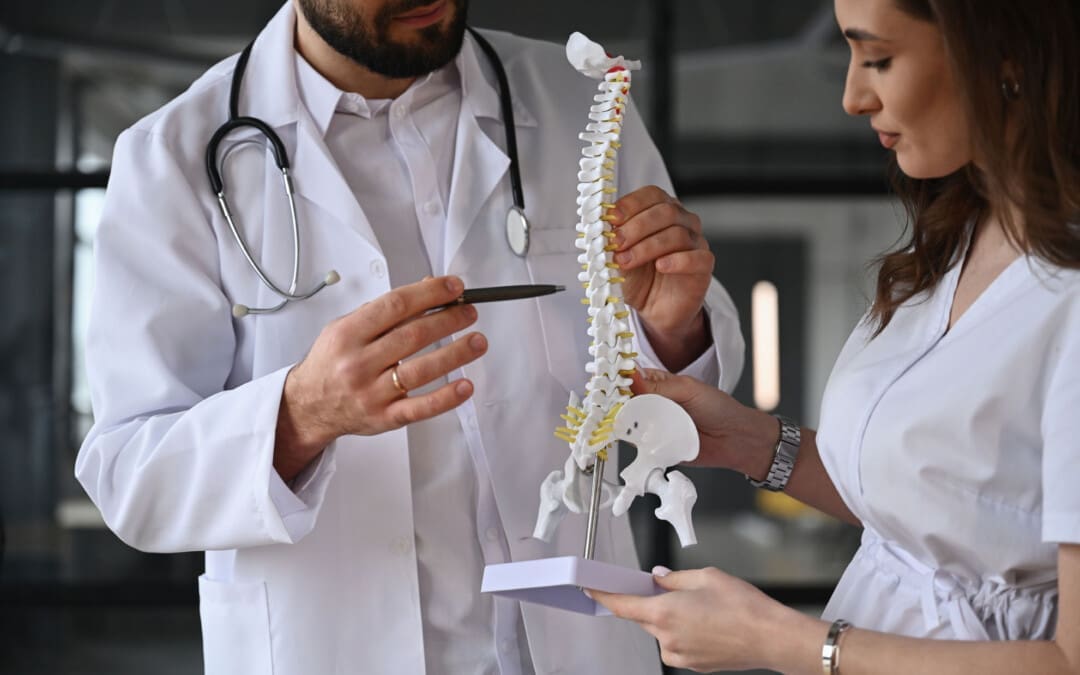
How can one effectively manage the early signs of bunions?
Bunions
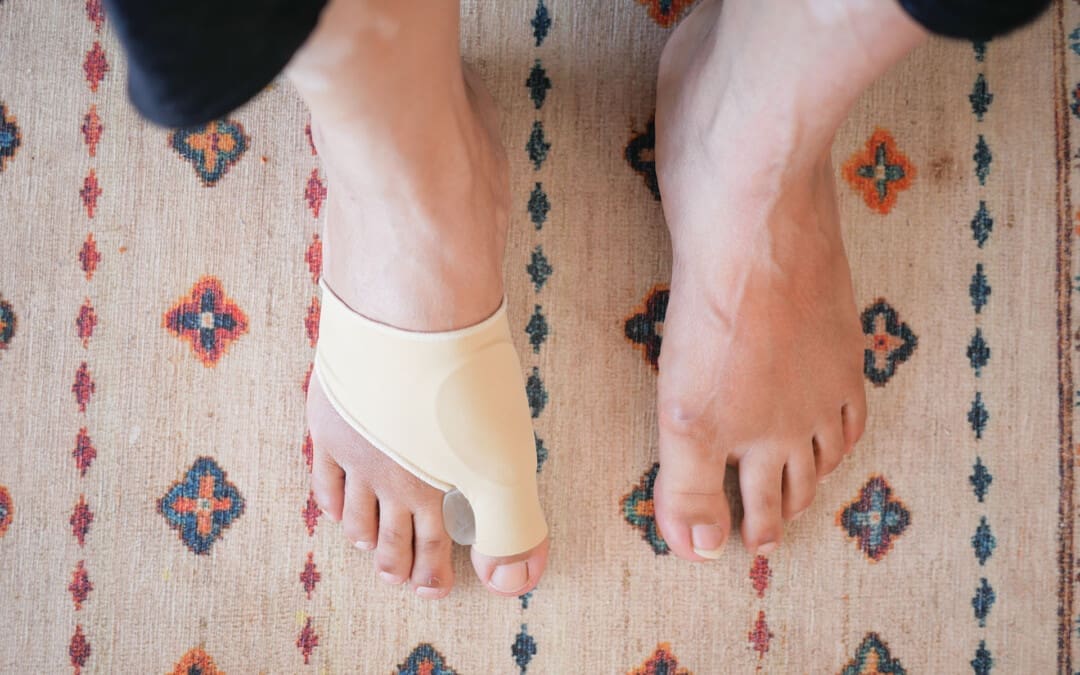
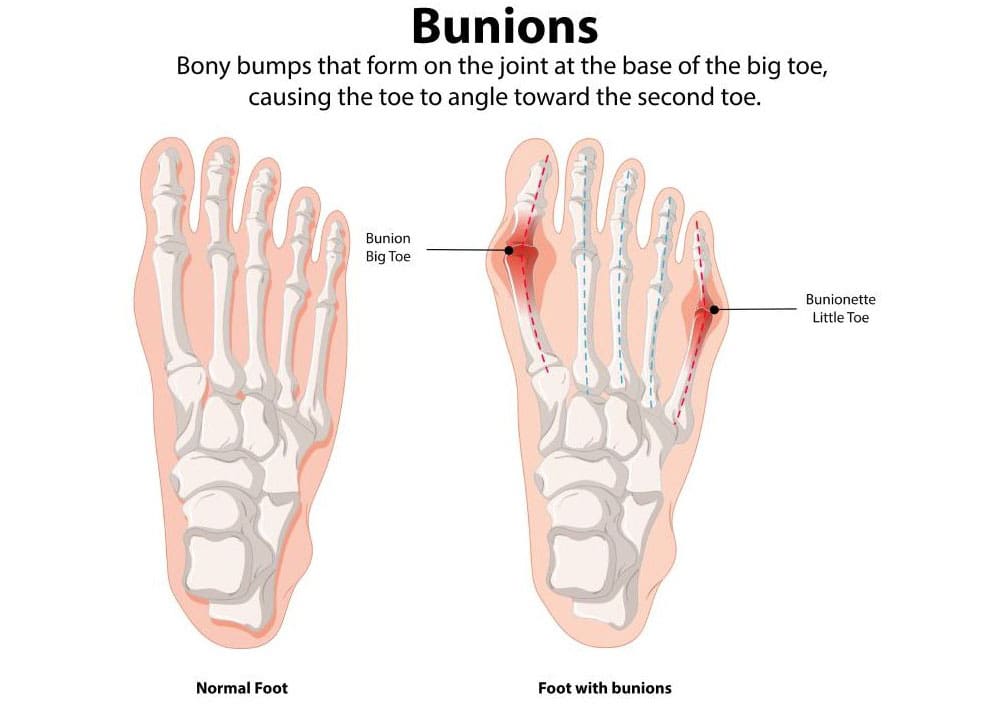
A bunion, also known as hallux valgus, is a bony, often painful protrusion on the side of the big toe. The most common cause of bunions is a misalignment of the big toe. Early symptoms of a bunion include redness, thicker skin, edema, and discomfort around the big toe joint. While you can’t stop a bunion from growing, you can manage the symptoms along the way. Early indicators of bunions include pain management measures and treatment choices. (MedlinePlus, 2024)
Early Visual Signs
Bunions are initially minor and don’t result in many noticeable issues. The following symptoms may be present in the early stages of a bunion around the metatarsophalangeal (MTP) joint, which joins the base of your big toe to the rest of your foot. (American Academy of Orthopaedic Surgeons, 2022)
Redness
Skin that is darker and swollen
Skin that has gotten thicker and harder
There is a bony bump
A bump where the big toe goes toward the second toe or even under it
Corns and calluses
Early Physical Signs
While bunions may not be visible immediately, they can cause discomfort even in the early stages. Here are some early physical indicators of a developing bunion. (MedlinePlus, 2024)
Pain in the foot and big toe
This pain is especially noticeable when walking or wearing tight, narrow-toed shoes.
Decreased movement of the big toe
Tenderness
Inflammation
Swelling
Stiffness
Heat
Stages
Bunions often worsen over time, a condition known as progressive. You could have problems if you don’t do anything to stop your bunions from getting bigger. Bunions in later stages might cause the following symptoms: (American Academy of Orthopaedic Surgeons, 2022)
Long-lasting, intense pain in and around the MTP joint and the sides and bottom of your foot
Bursitis causes a sac full of fluid to form at the bottom of your big toe.
The big toe bends toward and even crosses over the second toe.
Too much bone development on the side of your big toe
Not being able to wear your regular shoes
Hard to walk
Abnormalities known as “hammer toe” occur when your second, third, or fourth toes bend upward in the middle, resembling a hammer or claw.
Hallux rigidus is a form of arthritis affecting the big toe.
Manage the Progression
Bunions tend to remain in place once they start to develop. However, there are several steps you can take to prevent them from worsening or causing additional problems. These are some of them: (American Academy of Orthopaedic Surgeons, 2022)
Place spacers between your toes to prevent friction and chafing.
Use over-the-counter (OTC) pads made of felt, silicone, or foam to cover the bunion.
You should also stretch your calf muscles to improve joint alignment.
Managing Pain
Advil and Motrin (ibuprofen) are two examples of non-steroidal anti-inflammatory medicines (NSAIDs) that can aid with bunion pain. Studies also show that injecting Botox into the muscles in the forefoot can help with pain. (Hurn, S. E., et al., 2022)
Nonsurgical Early Stage Treatment
If your bunions continue to worsen despite using the self-care procedures listed above, you may need to consult a podiatrist (a foot expert) or another healthcare provider. A healthcare provider may recommend.
Orthotics, or foot orthoses
Foot orthoses, also known as orthotics, are customized inserts that help alleviate bunion pain and prevent chafing.
Splints
Bunion splints are orthotic devices that can help straighten out your toes. People typically use them at night. (Aebischer, A. S., & Duff, S. 2020)
Physical Therapy
A physical therapist can help you by giving you exercises that will help your feet and joints line up better. They might also do manual therapy to help with pain. (Hurn, S. E., et al., 2022)
Podiatrist
A podiatrist is a medical doctor (M.D.) who specializes in treating health problems that affect the feet, ankles, and lower legs. If you want help with your bunion issues, ask your doctor for a referral to a podiatrist. (American Podiatric Medical Association, 2025)
Chiropractic Treatment
Chiropractors and nurse practitioners (NPs) have distinct roles in managing bunions, which are bony bumps at the base of the big toe caused by joint misalignment, often resulting in pain, swelling, and restricted movement. Here’s how each can help:
Chiropractors:
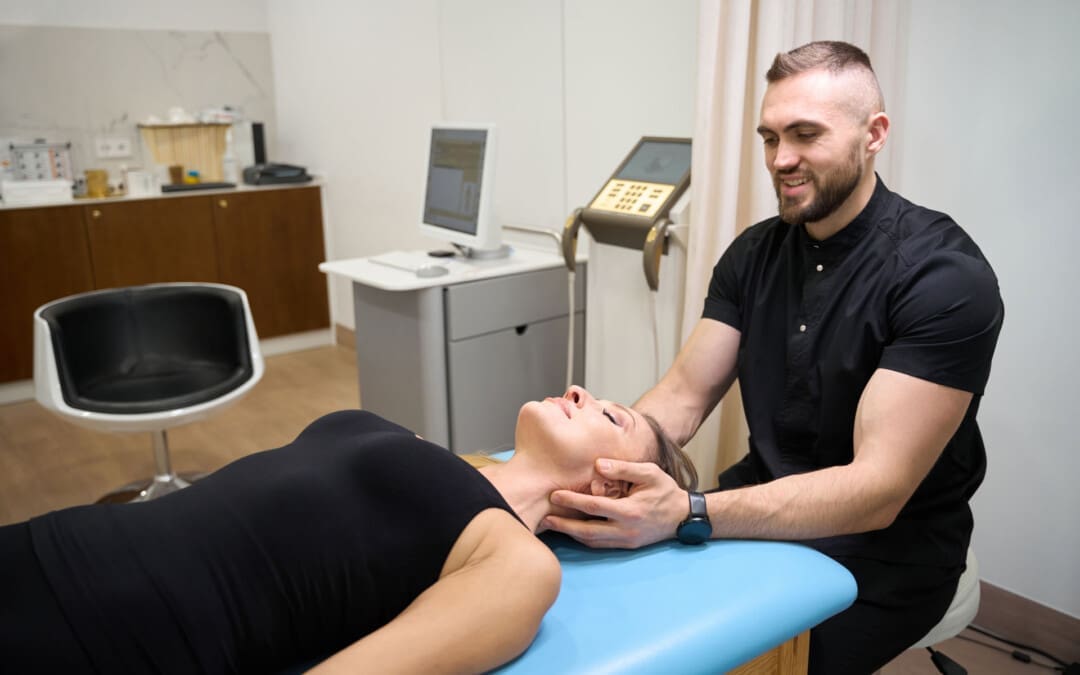
Focus: Chiropractors primarily address musculoskeletal issues through manual adjustments and manipulations.
Bunion Support:
Foot Adjustments: They may perform adjustments to improve foot alignment and joint mobility, which can potentially reduce bunion-related discomfort.
Soft Tissue Therapy: Techniques such as massage or myofascial release can help alleviate tension in surrounding muscles and tissues.
Orthotics or Taping: Some chiropractors recommend custom orthotics or use taping to support proper foot mechanics.
Exercise Guidance: They may suggest stretches or exercises to strengthen foot muscles and improve alignment.
Limitations: Chiropractors don’t prescribe medications or perform surgeries, so severe cases requiring these interventions would need referral to a podiatrist or orthopedic specialist.
Evidence: While some patients report relief from chiropractic care for foot issues, evidence specifically for bunions is limited, and results vary.
Nurse Practitioners:
Focus: NPs are advanced practice registered nurses with broad medical training, able to diagnose, treat, and prescribe medications within their scope of practice.
Bunion Support:
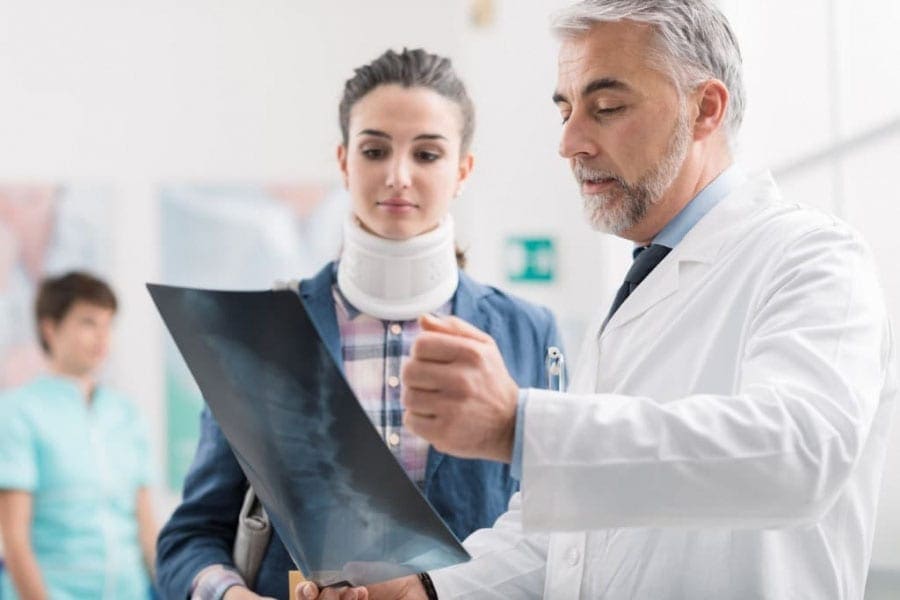
Diagnosis and Assessment: NPs can evaluate bunion severity, often using physical examinations or ordering imaging, such as X-rays, to assess joint damage.
Pain Management: They may prescribe anti-inflammatory medications (e.g., ibuprofen) or corticosteroid injections for pain and swelling.
Conservative Treatments: NPs can recommend padding, splints, or orthotic devices to reduce pressure and improve alignment.
Lifestyle Advice: They provide guidance on footwear (such as wide-toed shoes) and weight management to reduce stress on the bunion.
Referrals: For severe cases, NPs can refer patients to podiatrists or orthopedic surgeons for surgical options, such as bunionectomies.
Scope: NPs offer a medical approach, bridging conservative care and coordination with specialists.
Key Differences:
Chiropractors focus on non-invasive, manual techniques and alignment, while NPs can incorporate medications and broader medical management.
NPs are more likely to coordinate with other healthcare providers for comprehensive care, whereas chiropractors tend to work more independently.
General Notes:
Both can assist in managing mild to moderate bunion symptoms, but neither can “cure” bunions, particularly if the structural deformity has progressed.
Consult a podiatrist or an orthopedic specialist for persistent or worsening symptoms, as severe cases may require surgical intervention.
Always verify the provider’s credentials and experience in treating bunions.
Injury Medical Chiropractic and Functional Medicine Clinic
Dr. Jimenez, a nurse practitioner, treats a wide range of conditions using a combination of medical knowledge and chiropractic care. The clinic offers personalized care plans that incorporate functional medicine, acupuncture, electroacupuncture, and sports medicine. The clinic treats chronic pain syndromes and injuries, focusing on strength, agility, and flexibility. Comprehensive care plans, when paired with in-person and virtual health coaching, offer personalized treatment and wellness outcomes for patients of all ages and abilities.
Enhance Your Performance with Functional Foot Orthotics
References
MedlinePlus (2024). Bunions. U.S. Department of Health and Human Services.
American Academy of Orthopaedic Surgeons. (2022). “Bunions.” OrthoInfo. from https://orthoinfo.aaos.org/en/diseases–conditions/bunions/.
Hurn, S. E., Matthews, B. G., Munteanu, S. E., & Menz, H. B. (2022). Effectiveness of Nonsurgical Interventions for Hallux Valgus: A Systematic Review and Meta-Analysis. Arthritis care & research, 74(10), 1676–1688. https://doi.org/10.1002/acr.24603
Aebischer, A. S., & Duff, S. (2020). Bunions: A review of management. Australian Journal of General Practice, 49(11), 720–723. https://doi.org/10.31128/AJGP-07-20-5541
American Podiatric Medical Association. (2025). “What is a podiatrist?” Advancing foot and ankle medicine and surgery. from https://www.apma.org/patients-and-the-public/what-is-a-podiatrist/.
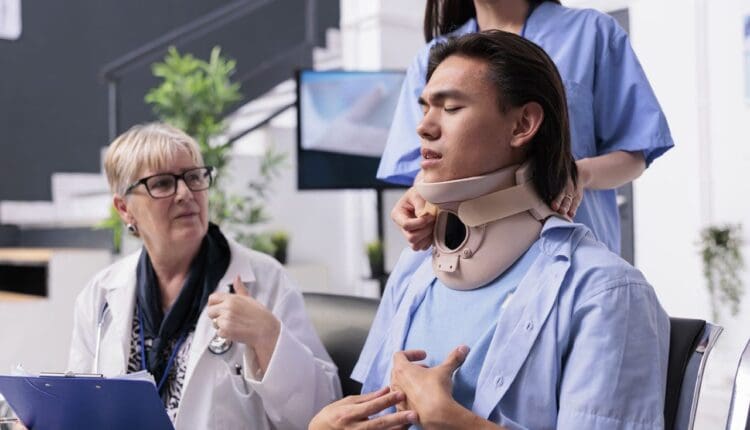
What are the advantages of having a team of nurse practitioners and chiropractors help maintain the health of your spine after a car accident?
Benefits of Chiropractic and Nurse Practitioners for Motor Vehicle Collisions
One of the main causes of spinal injuries, such as whiplash, herniated discs, and soft tissue injury, which can cause severe pain and impair movement, is motor vehicle collisions (MVCs). For both short-term symptoms and long-term rehabilitation, these injuries frequently necessitate a multimodal therapy strategy. While nurse practitioners, as advanced practice registered nurses, conduct medical evaluations, write prescriptions, and oversee overall health management, chiropractors focus on musculoskeletal care, including spine adjustments and manual therapies. These professionals’ collaboration aims to provide a comprehensive, patient-centered strategy for spine health following MVC. (Kent, R., et al., 2023)
For those recuperating from auto accident injuries, a chiropractic and nurse practitioner team can offer thorough spinal health care with an emphasis on pain management and increased mobility.
A chiropractic and nurse practitioner team can offer a comprehensive approach to spinal health after a car accident by addressing pain, improving mobility, and facilitating faster recovery.
Chiropractors focus on spinal alignment and joint mobility.
Nurse practitioners provide broader medical oversight and patient education.
The team approach can lead to more effective and personalized care for individuals recovering from car accident injuries. (Riva, J. J., et al., 2010)
Key advantages of this collaborative approach
A chiropractor and nurse practitioner (NP) therapy team can combine their skills to provide comprehensive care for spine health following a motor vehicle collision (MVC) and address acute and long-term requirements.
Care that is multidisciplinary and holistic
Collaboration between chiropractors and NPs to address structural and systemic issues enhances treatment outcomes, particularly for spine injuries related to motor vehicle collisions (MVC), as well as for chronic headaches and neck discomfort. (Riva, J. J., et al., 2010)
Plans for Treatment That Are Unique to You
Chiropractors and NPs create personalized patient treatment plans, focusing on their specific injuries and overall health, including pre-existing conditions and medication needs. This approach enhances outcomes by tailoring care to the patient’s unique circumstances.
Managing Pain Without Relying Too Much on Drugs
By using non-invasive methods to alleviate pain, chiropractic therapy may help reduce the use of opioids. NPs can prescribe short-term pain relief and monitor side effects, ensuring safe use and reducing dependency risks. Natural pain management combined with medical supervision lessens dependence and side effects. (Prater, C., Tepe, M., & Battaglia, P. 2020)
Quicker Recuperation and Rehabilitation
As demonstrated in the treatment of auto accidents, chiropractic adjustments can lessen muscle spasms and restore joint function. By referring patients to physical therapy and tracking their progress, NPs can hasten recovery and reduce the likelihood of developing persistent back pain. This integrated therapy not only reduces chronic back pain and other long-term problems, but it also accelerates healing.
Help with Insurance and the Law
Chiropractic and medical providers must carefully record injuries and treatments for insurance claims or legal cases after an MVC to ensure just reimbursement and coverage for care.
Why It Works After MVC
Following a motor vehicle collision (MVC), a chiropractor and nurse practitioner team offers a patient-centered approach to spine health. This team enhances recovery, lowers chronic risks, and improves patient outcomes by fusing NP’s medical management with chiropractic knowledge. This method ensures rapid alleviation and long-term health, especially helpful for complex spine injuries due to MVC.
Injury, Chiropractic, and Functional Medicine Clinic
Dr. Jimenez, a nurse practitioner, uses medical knowledge and chiropractic care to treat various conditions. The clinic provides tailored care programs incorporating functional medicine, acupuncture, electroacupuncture, and sports medicine. The clinic focuses on strength, agility, and flexibility for treating chronic pain syndromes and injuries. Patients of all ages and abilities benefit from comprehensive care plans and in-person and virtual health coaching, ensuring tailored treatment and wellness outcomes.
Personal Injury Rehabilitation
References
Kent, R., Cormier, J., McMurry, T. L., Johan Ivarsson, B., Funk, J., Hartka, T., & Sochor, M. (2023). Spinal injury rates and specific causation in motor vehicle collisions. Accident; analysis and prevention, 186, 107047. https://doi.org/10.1016/j.aap.2023.107047
Riva, J. J., Muller, G. D., Hornich, A. A., Mior, S. A., Gupta, A., & Burnie, S. J. (2010). Chiropractors and collaborative care: An overview illustrated with a case report. The Journal of the Canadian Chiropractic Association, 54(3), 147–154.
Prater, C., Tepe, M., & Battaglia, P. (2020). Integrating a Multidisciplinary Pain Team and Chiropractic Care in a Community Health Center: An Observational Study of Managing Chronic Spinal Pain. Journal of primary care & community health, 11, 2150132720953680. https://doi.org/10.1177/2150132720953680
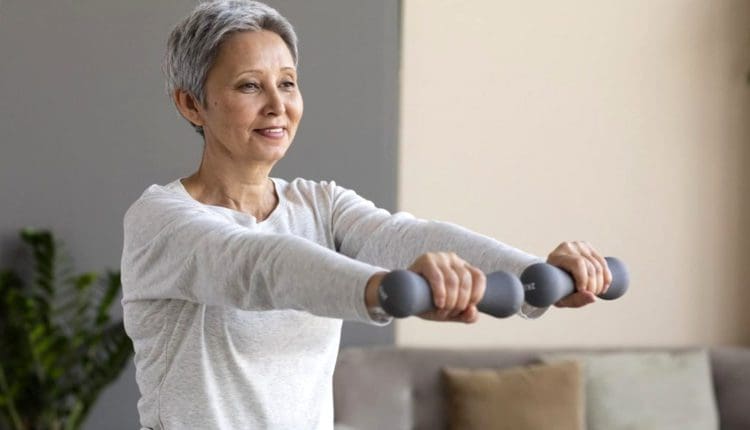
Can older people who exercise regularly lessen their risk of dementia and enhance their overall health?
Exercise and the Prevention of Dementia
Dementia, a term used to cover several conditions that impact memory and cognition, is currently the seventh leading cause of mortality worldwide. (World Health Organization, 2025) More than 10 million new cases of dementia are found around the world each year. (J.H. Yoon et al., 2023) Research investigating the relationship between exercise and insulin in the brain suggests that regular exercise may improve brain function and decrease the prevalence of dementia. Scientists have discovered that variables, such as.
Muscles must be exercised and mobilized. People who do not engage in physical activity have rigid muscles, which impede the effectiveness of insulin. The body’s sensitivity to insulin is improved by the contraction and relaxation of the muscles during movement. Dementia can be prevented by understanding how to decrease the body’s insulin resistance.
Physical Activity and Lower Risk
Over two weeks, researchers examined 21 older adults with prediabetes and found that exercise enhances cognitive performance by aiding the brain in insulin regulation. They conducted twelve supervised training sessions of moderate to extreme intensity. (Malin S. K. et al., 2025)
The results indicated that brain-derived extracellular vesicles containing insulin-related proteins had significantly increased.
These microscopic messengers are essential for brain maintenance and aid in neuronal communication.
Three serine/threonine-specific protein kinases known as AKT (protein kinase B, or PKB) are essential for several cellular functions, such as cell growth, survival, metabolism, and cell cycle control.
The protein affects the development and health of neuronal cells and is thought to play a significant role in insulin signaling.
The notion that exercise might help prevent dementia by potentially enhancing insulin signaling is important since poor insulin response can result in dementia.
Even while further research is needed, these findings prove that physical activity could be a cost-effective and easily accessible way to improve long-term brain health. To better understand how insulin affects brain activity, researchers will use MRIs and an insulin spray in the study’s next phase. To learn more about the effects of the insulin spray, they will compare the blood flow in the brain before and after it is administered.
Insulin and Exercise Are Essential for Brain Health
Insulin is a hormone that the pancreas makes. It controls blood sugar levels. But it’s just as vital for the health of the brain. Insulin binds to many receptors in the brain, which makes synaptic connections stronger and makes it easier for neurons to talk to each other. Both of these things help with memory and learning. (Gray, S. M., Meijer, R. I., & Barrett, E. J. 2014)
Type 2 diabetes, which impairs insulin transmission, increases the risk of cognitive impairment. (Yoon J.H. et al., 2023) Research has demonstrated that insulin resistance exacerbates tau tangles and amyloid-beta plaques, which are two critical characteristics of Alzheimer’s disease. (Hong, S., Han, K., & Park, C. Y. 2021) Increasing insulin sensitivity may slow down or even stop these changes in the brain. Working out, especially aerobic exercise, is good for the brain. According to earlier research, exercise can help people maintain or enhance their memory and brain function. (Rosenberg A. et al., 2020) Other ways to increase brain health include:
Maintaining social interaction
Challenging the mind
Getting a good night’s sleep
Controlling stress
A nutritious diet
Maintaining an active lifestyle
Controlling diabetes
Controlling blood pressure
To achieve the greatest possible effect, dementia prevention in the future will likely involve integrating lifestyle modifications, such as exercise, with medications. In individuals with diabetes or prediabetes, the risk of dementia is significantly reduced, and frequent exercise can assist in the preservation of optimal brain function.
Chiropractic and Functional Medicine Clinic
As a family nurse practitioner, Dr. Jimenez uses the latest medical expertise and chiropractic therapy to address many problems. Our clinic uses functional medicine, acupuncture, electro-acupuncture, and sports medicine to create individualized care plans that improve movement, encourage long-term health, and speed up the body’s natural healing process. We focus on strength, agility, and flexibility to help our patients thrive, regardless of age or health problems. At El Paso’s Chiropractic Rehabilitation Clinic & Integrated Medicine Center, we want to help people with chronic pain syndromes and injuries. We focus on improving flexibility, mobility, and agility through programs suitable for people of all ages and abilities. We ensure that each patient gets personalized care and reaches their health objectives through detailed care plans and health coaching in person and online.
Is Movement Essential to Recovery?
References
World Health Organization. (2025). “Dementia.” World Health Organization. from https://www.who.int/news-room/fact sheets/detail/dementia#:~:text=Alzheimer%20disease%20is%20the%20most,60%E2%80%9370%25%20of%20cases.
Yoon, J. H., Hwang, J., Son, S. U., Choi, J., You, S. W., Park, H., Cha, S. Y., & Maeng, S. (2023). How Can Insulin Resistance Cause Alzheimer’s Disease?. International Journal of Molecular Sciences, 24(4), 3506. https://doi.org/10.3390/ijms24043506
Malin, S. K., Battillo, D. J., Beeri, M. S., Mustapic, M., Delgado-Peraza, F., & Kapogiannis, D. (2025). Two weeks of exercise alters neuronal extracellular vesicle insulin signaling proteins and pro-BDNF in older adults with prediabetes. Aging cell, 24(1), e14369. https://doi.org/10.1111/acel.14369
Gray, S. M., Meijer, R. I., & Barrett, E. J. (2014). Insulin regulates brain function, but how does it get there?. Diabetes, 63(12), 3992–3997. https://doi.org/10.2337/db14-0340
Hong, S., Han, K., & Park, C. Y. (2021). The insulin resistance by triglyceride glucose index and risk for dementia: population-based study. Alzheimer’s research & therapy, 13(1), 9. https://doi.org/10.1186/s13195-020-00758-4
Rosenberg, A., Mangialasche, F., Ngandu, T., Solomon, A., & Kivipelto, M. (2020). Multidomain Interventions to Prevent Cognitive Impairment, Alzheimer’s Disease, and Dementia: From FINGER to World-Wide FINGERS. The Journal of Prevention of Alzheimer’s disease, 7(1), 29–36. https://doi.org/10.14283/jpad.2019.41
What are the benefits of both a chiropractor and a nurse practitioner in cases of personal injury and car accidents?
Chiropractic and Nurse Practitioner On Auto Accidents
Following a car accident, both nurse practitioners and chiropractors are essential in treating injuries and accelerating healing. To treat musculoskeletal problems and restore mobility, chiropractors concentrate on manual therapies like adjustments and manipulations. In contrast, nurse practitioners offer comprehensive care that includes evaluations, diagnoses, treatment plans, and education, frequently working with specialists to maximize patient outcomes. (Physicians Group, LLC. 2024)
Chiropractors
Musculoskeletal injuries, such as neck and back discomfort, are frequently sustained in traffic accidents and are treated by chiropractors. Frequently, without the use of drugs, they employ manual methods to reduce pain and increase mobility. Their thorough documentation and professional opinions can also bolster personal injury lawsuits by demonstrating the severity of injuries. (Dies, S., & Strapp, J. W., 1992)
Identification and Management of Musculoskeletal Conditions
After an accident, chiropractors can detect and treat soft tissue injuries, muscle spasms, and spinal misalignments. (The Neck and Back Clinics, 2025)
Pain Management
Soft tissue mobilization and spinal adjustments are examples of manual therapies that can help lower inflammation and relieve pain.
Enhanced Mobility
Chiropractors can assist in restoring range of motion and enhancing general function by addressing joint and muscle limitations.
Holistic Medical Treatment
In order to prevent further injuries, chiropractors can offer advice on maintaining proper posture, ergonomics, and general well-being.
Cooperation with Other Medical Experts
To develop a thorough treatment plan for a patient, chiropractors might collaborate closely with doctors, physical therapists, and other professionals. (Physicians Group, LLC, 2024)
Nurse Practitioners
For injuries sustained in auto accidents, nurse practitioners can offer comprehensive care, including: (Integrity Spine & Orthopedics, 2024)
Evaluation and Diagnosis
Nurse practitioners are qualified to perform physical examinations, interpret test results, and diagnose illnesses such as concussions, soft tissue injuries, and whiplash.
Plans for Treatment
To meet the patient’s unique needs, they can create individualized treatment programs that include prescription drugs, physical therapy, and other therapies.
Education of Patients
To encourage healing and avoid problems, nurse practitioners can instruct patients on their injuries, the healing process, and self-care techniques.
Care Coordination
To guarantee a comprehensive approach to treatment, they can coordinate care with other professionals like neurologists, physical therapists, and surgeons.
Aftercare
Throughout the healing process, nurse practitioners can keep an eye on the patient’s progress, modify treatment plans as necessary, and offer continuous support.
Complex medical and legal requirements are frequently present in personal injury cases, especially those resulting from traffic accidents. With their different areas of expertise, chiropractors and nurse practitioners are essential to diagnosis, care, and record-keeping.
When it comes to personal injury claims, NPs and chiropractors both have special advantages. While NPs handle more general medical needs, such as writing prescriptions and organizing care, chiropractors concentrate on musculoskeletal problems and provide non-invasive treatments. As seen in places like the Accident Care and Treatment Center, where NPs and doctors oversee care in addition to chiropractic interventions, their cooperation can improve patient results. (Accident Care, 2025)
According to legal resources, the documentation of both experts is essential for insurance settlements and claims. Together, the thorough medical records of NPs regarding general health and the detailed reports of chiropractors on spinal injuries can make a strong case for compensation. In situations involving auto accidents, when patients would need both medical supervision and physical adaptations for a proper recovery, this synergy is especially noticeable. (Chiropractic Economics, 2023)
Injury Medical Chiropractic and Functional Medicine Clinic
Dr. Jimenez, a family practice nurse practitioner, combines advanced medical skills with chiropractic care to treat a variety of problems. Our clinic combines functional medicine, acupuncture, electro-acupuncture, and sports medicine to provide personalized care regimens for natural healing, mobility, and long-term wellness. By emphasizing flexibility, agility, and strength, we enable patients to thrive regardless of age or health challenges. El Paso Chiropractic Rehabilitation Clinic & Integrated Medicine Center specializes in treating injuries and chronic pain conditions. We focus on enhancing your ability through flexibility, mobility, and agility training that is adapted to all age groups and disabilities. We offer personalized care through in-person and virtual health coaching, as well as comprehensive care plans.
Don’t Ignore Your Post-Accident Pain
References
Physicians Group, LLC. (2024). The Role of Nurse Practitioners in Managing Auto Injuries. Physicians Group, LLC. https://physiciansgroupllc.com/the-role-of-nurse-practitioners-in-managing-auto-injuries/#:~:text=Nurse%20Practitioners%20are%20vital%20in,improved%20outcomes%20and%20patient%20satisfaction.
Dies, S., & Strapp, J. W. (1992). Chiropractic treatment of patients in motor vehicle accidents: a statistical analysis. The Journal of the Canadian Chiropractic Association, 36(3), 139–145.
The Neck and Back Clinics. (2025). Why Seeing a Chiropractor After a Car Accident Is Crucial for Long-Term Recovery. https://theneckandbackclinics.com/long-term-recovery/#:~:text=Reducing%20Inflammation%20and%20Pain,each%20patient%20for%20optimal%20recovery.
Integrity Spine & Orthopedics. (2024). The 9 Steps to Recovery After an Auto Accident. https://www.integrityspineortho.com/post/the-9-steps-to-recovery-after-an-auto-accident/#:~:text=CONTACT%20INTEGRITY%20SPINE%20AND%20ORTHOPEDICS%20AFTER%20A,concussions%2C%20soft%20tissue%20damage%20and%20spine%20damage.
Accident Care and Treatment Center, Inc. (2025). Comprehensive Therapies and Treatments in One Location. https://accidentcare.com/treatment/
Chiropractic Economics. (2023). Evidence-based chiropractic: the key to personal-injury cases. https://www.chiroeco.com/evidence-based-chiropractic-the-key-to-personal-injury-cases/
Can bone growth stimulators help promote bone healing in cases where fractures or fusions fail to heal properly?
Bone Growth Stimulator
Individuals who sustain broken bones typically heal the fracture with appropriate treatment, which may include casts, realignment, and surgery. This type of surgery is performed on the spine and joints throughout the body; typically, the bone heals without a problem. Bone healing is a natural process, as bones are constantly replaced with new ones, and after an injury, the body can heal the damage to the bone. However, bone healing sometimes does not happen correctly and/or completely. Bone healing can take a long time, which is known as a delayed union, or it may not occur at all, or a nonunion. This is when a healthcare provider could recommend bone growth stimulation.
How They Work
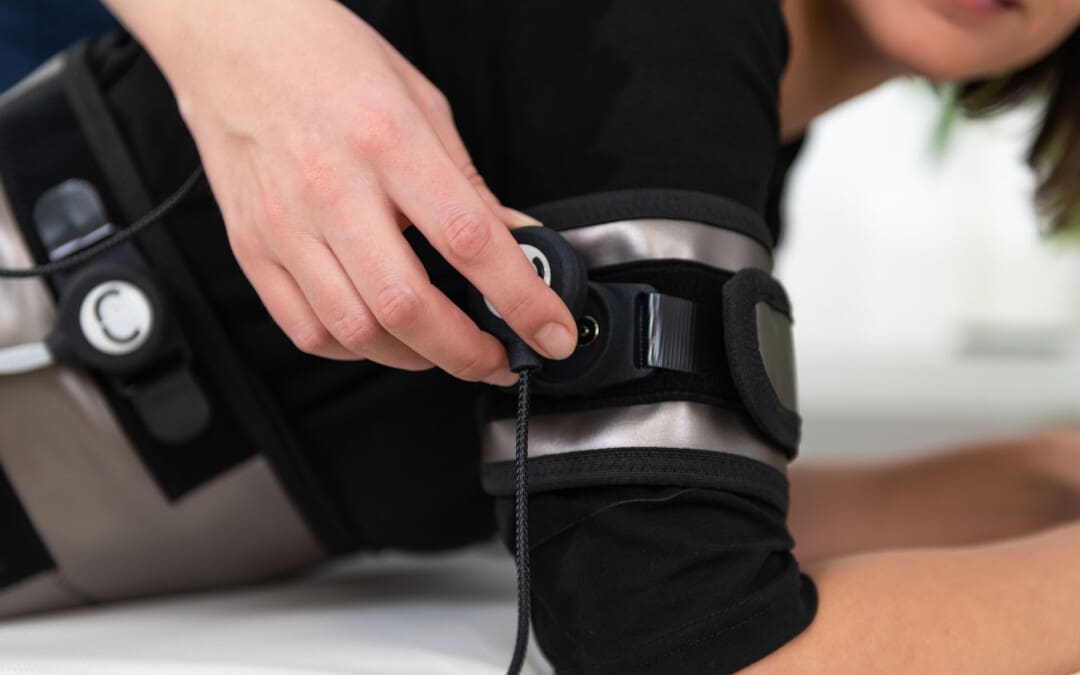
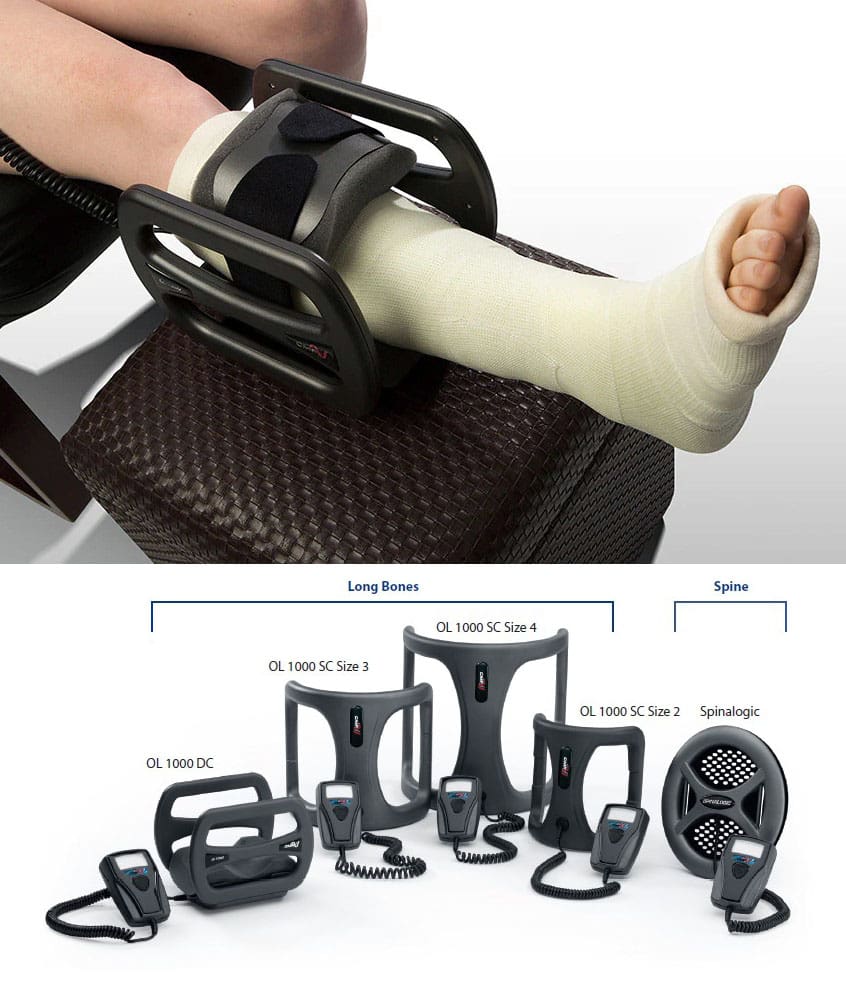
Bone growth stimulators apply external or implanted electrical or ultrasonic energy to the fracture or fusion site, stimulating bone growth. These devices are often used when a fracture doesn’t heal within the expected timeframe (a nonunion fracture) or when a spinal fusion has not successfully fused. (FDA, 2022)
They come in various shapes, sizes, and technologies depending on the location of the fracture.
The most commonly used bone stimulators in orthopedics are electrical and ultrasound stimulators.
The stimulator emits a pulsed electromagnetic or ultrasonic impulse to the area where bone healing should occur.
Most modern bone stimulators are attached near the fracture site or fused with a small battery pack and worn for a period each day that may last minutes or hours.
Electrical Stimulation
Devices deliver low-level electrical pulses to the fracture site, which can stimulate bone cells to create new bone tissue.
Ultrasound Stimulation
They emit low-intensity pulsed ultrasound waves, which are absorbed by the bone and can promote bone healing.
Implantable vs. External
Some stimulators are surgically implanted, providing constant stimulation directly at the fracture site, while others are external and worn over the skin or cast.
The goal is to activate a series of receptors in the body to encourage a healing response. (Childs, S. G. 2003) The stimulator activates a pathway that releases chemicals within the body to promote fracture healing. This type of process in the body is called a cascade, and it happens when one signal stimulates another method, and so on until healing is complete. The bone stimulator ensures this cascade continues until the healing process is complete.
Effectiveness
Studies of bone stimulator effectiveness suggest two benefits:
Less pain is associated with the bone healing process.
Faster fracture healing.
However, these studies haven’t shown that these differences lead to improved patient functional outcomes. It would seem that if there is less pain and faster healing, then the patient should recover without complications. However, some researchers have suggested this is probably because the differences in pain and healing times are small and not necessarily noticeable. (Aleem, I. S. et al., 2016)
While bone growth stimulators can be effective, the results can vary, and their effectiveness is still under investigation.
Some studies have shown that stimulators can reduce pain and speed up healing time, while others have shown mixed results.
It’s important to discuss the benefits and risks of bone growth stimulation with a doctor to determine if it’s the right treatment option.
When Stimulation is Necessary
Bone stimulators are currently not used for routine fracture healing. It is certainly possible that bone healing stimulators will be used routinely in the future. They seem to show some benefit in non-healing fractures or fractures that are likely troublesome to heal. Some reasons individuals may have problems healing fractures are injuries to the blood supply to and around the fracture, injuries to specific bones, and overuse-related fractures. (Victoria, G. et al., 2009) These injuries may include (FDA, 2022)
Nonunion Fractures
When a fracture doesn’t heal within the expected timeframe.
Open fractures
Stress fractures
Scaphoid bone fractures
Talus fractures
Failed Fusions
When a spinal fusion hasn’t been successful.
High-Risk Patients
For individuals with factors that can hinder bone healing, such as smoking, diabetes, or certain medications
Bone healing typically proceeds without much problem. However, there are situations where people have issues healing after fractures or surgery. Bone stimulators are not used for routine bone healing but in situations where steps may be needed to help stimulate the body. While the improvement may be small, it may be critical if it is the difference between healing and nonhealing.
Injury Medical Chiropractic and Functional Medicine Clinic
As a Family Practice Nurse Practitioner, Dr. Jimenez combines advanced medical expertise with chiropractic care to address various conditions. Our clinic integrates Functional Medicine, Acupuncture, Electro-Acupuncture, and Sports Medicine to create customized care plans that promote natural healing, mobility, and long-term wellness. By focusing on flexibility, agility, and strength, we empower patients to thrive, regardless of age or health challenges. At El Paso’s Chiropractic Rehabilitation Clinic & Integrated Medicine Center, we passionately focus on treating patients after injuries and chronic pain syndromes. We focus on improving your ability through flexibility, mobility, and agility programs tailored for all age groups and disabilities. We use in-person and virtual health coaching and comprehensive care plans to ensure every patient’s personalized care and wellness outcomes.
From Injury to Recovery with Chiropractic Care
References
U.S. Food & Drug Administration. (2022). AccelStim Bone Growth Stimulator – P210035. Retrieved from https://www.fda.gov/medical-devices/recently-approved-devices/accelstim-bone-growth-stimulator-p210035#:~:text=What%20is%20it?,the%20transducer%20to%20the%20fracture
Childs, S. G. (2003). Stimulators of bone healing. Biologic and biomechanical. Orthopedic nursing, 22(6), 421–428. https://doi.org/10.1097/00006416-200311000-00010
Aleem, I. S., Aleem, I., Evaniew, N., Busse, J. W., Yaszemski, M., Agarwal, A., Einhorn, T., & Bhandari, M. (2016). Efficacy of Electrical Stimulators for Bone Healing: A Meta-Analysis of Randomized Sham-Controlled Trials. Scientific Reports, 6, 31724. https://doi.org/10.1038/srep31724
Victoria, G., Petrisor, B., Drew, B., & Dick, D. (2009). Bone stimulation for fracture healing: What’s all the fuss?. Indian Journal of Orthopaedics, 43(2), 117–120. https://doi.org/10.4103/0019-5413.50844
Can incorporating sauerkraut into one’s diet help promote healthy gut bacteria?
Sauerkraut
Sauerkraut, a fermented cabbage food, is a great source of probiotics and fiber, both of which can contribute to gut health. It’s a living food containing various microbial strains and can help improve digestion, reduce inflammation, and improve overall gut health. (Shahbazi R. et al., 2021)
Fermented foods like sauerkraut have live cultures that promote the growth of beneficial probiotics, bacteria that provide powerful health benefits. Probiotics also help make foods more digestible, increasing the gut’s ability to absorb the vitamins and minerals they contain. A study found that fermented cabbage may help protect intestinal cells from inflammatory damage more than raw cabbage. (Wei L., & Marco M. L., 2025)
Homemade sauerkraut likely contains more live cultures than store-bought since processing may destroy some of the healthy bacteria. (National Institutes of Health Office of Dietary Supplements, 2023) Depending on which supplement is chosen, sauerkraut may have a greater diversity of probiotic strains. This is because an oral supplement has a known quantity and strain of probiotics. Individuals who want to add probiotics to their diet for potential gut health benefits should take a food-first approach, which is generally recommended over oral supplements. (National Institutes of Health, 2025)
Look at the Benefits
Probiotics
Sauerkraut contains lactic acid bacteria, which are beneficial bacteria that can help support the immune system and reduce inflammation. (Healthline, 2023)
Fiber
Sauerkraut is a robust source of fiber, which aids in digestion and can help you feel full longer.
Digestion
The probiotics in sauerkraut can improve digestion by promoting a healthy gut microbiome. (Medical News Today, 2023)
Consult with a doctor before adding sauerkraut to your diet if you are taking monoamine oxidase inhibitors (MAOIs).
Start small and learn how you like to eat sauerkraut, which can be as a condiment, side dish, or sandwich ingredient.
Injury Medical Chiropractic and Functional Medicine Clinic
As a Family Practice Nurse Practitioner, Dr. Jimenez combines advanced medical expertise with chiropractic care to address various conditions. Injury Medical Chiropractic and Functional Medicine Clinic works with primary healthcare providers and specialists to develop highly effective treatment plans through an integrated approach for each patient and restore health and function to the body through nutrition and wellness, functional medicine, acupuncture, electroacupuncture, and integrated medicine protocols. We focus on what works for you to relieve pain, restore function, prevent injury, and mitigate issues through adjustments that help the body realign itself. The clinic can also work with other medical professionals to integrate a treatment plan to resolve musculoskeletal problems.
Body In Balance: Chiropractic, Fitness, and Nutrition
References
Shahbazi, R., Sharifzad, F., Bagheri, R., Alsadi, N., Yasavoli-Sharahi, H., & Matar, C. (2021). Anti-Inflammatory and Immunomodulatory Properties of Fermented Plant Foods. Nutrients, 13(5), 1516. https://doi.org/10.3390/nu13051516
Healthline. (2023). 8 Surprising Benefits of Sauerkraut (Plus How to Make It). https://www.healthline.com/nutrition/benefits-of-sauerkraut#nutrients
Medical News Today. (2023). What are the benefits of eating sauerkraut? https://www.medicalnewstoday.com/articles/health-benefits-of-sauerkraut
Wei, L., & Marco, M. L. (2025). The fermented cabbage metabolome and its protection against cytokine-induced intestinal barrier disruption of Caco-2 monolayers. Applied and environmental microbiology, e0223424. Advance online publication. https://doi.org/10.1128/aem.02234-24
National Institutes of Health Office of Dietary Supplements. (2023). Probiotics. Retrieved from https://ods.od.nih.gov/factsheets/Probiotics-Consumer/
National Institutes of Health. (2025). Probiotics. Retrieved from https://ods.od.nih.gov/factsheets/Probiotics-HealthProfessional/
U.S. Department of Agriculture. (2018). Sauerkraut, canned, solids and liquids. Retrieved from https://fdc.nal.usda.gov/food-details/169279/nutrients
Why do the muscles retighten days or weeks later for individuals who have received massage or chiropractic adjustments?
Muscles Retighten
Muscles can retighten again days or weeks after chiropractic treatment and/or a massage. A few factors may cause this.
Muscle memory: The body’s natural tendency to return to its previous state of tension.
This includes all the unhealthy postures/positioning
Delayed inflammatory response.
The body’s natural healing process
How muscles respond to manipulation
The need for ongoing maintenance of muscle health
After a massage, muscles can experience a temporary increase in soreness or tightness as the body heals from any minor damage or inflammation caused by the massage. Additionally, if the underlying issue causing muscle tightness is not addressed, the muscles may revert to their original state over time. (Cleveland Clinic, 2024)
Causes
Causes for muscles to retighten.
Underlying Issues
If the root cause of the muscle tightness is not addressed, such as unhealthy posture, injuries, repetitive motions, or muscle imbalances, it can lead to further complications.
In that case, the muscles may return to their original state after a few days or weeks.
Delayed Onset Muscle Soreness (DOMS)
For example, muscles feel sore after intense exercise, and individuals can also experience DOMS after a massage, especially if they are particularly tight or if it’s been a while since their last massage. (Healthline, 2020)
Delayed Inflammatory Response
Massage can sometimes cause microscopic tears or inflammation in muscle tissue, which triggers the body’s natural healing process.
This response can cause soreness and temporary tightness, as the body repairs the damaged tissue even after the initial massage. (Essential Chiropractic, 2025)
Muscle Memory
The body tends to revert to habitual patterns of muscle tension, especially if the underlying cause of the tightness isn’t addressed.
Muscles can retain how they were manipulated during the massage and may revert to their original tightness if they haven’t been consistently relaxed.
Muscle Guarding
The individual and body can subconsciously tense muscles to avoid pain or soreness, even after the massage.
This muscle guarding can counteract the benefits of the massage and lead to a renewed cycle of tension. (Bhimani R. H., & Soomar D. 2019)
Muscle Health Maintenance
Regular Maintenance
Muscles need consistent care to maintain their optimal state of health and function.
Regular massages and other lifestyle changes, such as stretching and strengthening exercises, can help maintain muscle flexibility and reduce the likelihood of muscle tightness returning.
Individual Variation
Factors like the type of massage received, the frequency of massages, and individual body responses can all influence how long a massage’s benefits last. (Cleveland Clinic, 2024)
Massage Treatment
Muscles can retighten after a massage due to the body’s response to the pressure and manipulation during the treatment. This can include individual sensitivity to massage, the type of massage, and hydration levels, which can also play a role.
Type of Massage
Deep tissue massage, which focuses on specific muscle groups and applies deeper pressure, may cause more soreness than other types of massage.
Some individuals may be more sensitive to massage and experience soreness, even with a gentle massage. (Cleveland Clinic, 2024)
Muscle Fiber Manipulation
Deep tissue massage can break down spasms or microtears in muscle fibers, leading to soreness.
This is similar to the microscopic tears that occur during exercise, which are necessary for muscle repair and growth.
Dehydration
Individuals who are not adequately hydrated may experience increased soreness after a massage. (Cleveland Clinic, 2024)
Lactic Acid Buildup
During an intense massage, particularly deep tissue, lactic acid can build up in the muscles, leading to soreness and tightness.
If the muscles were particularly tense or knotted before the massage, the manipulation could lead to soreness as the knots get worked out.
Injury Medical Chiropractic and Functional Medicine Clinic
As a Family Practice Nurse Practitioner, Dr. Jimenez combines advanced medical expertise with chiropractic care to address various conditions. Our clinic integrates Functional Medicine, Acupuncture, Electro-Acupuncture, and Sports Medicine to create customized care plans that promote natural healing, mobility, and long-term wellness. By focusing on flexibility, agility, and strength, we empower patients to thrive, regardless of age or health challenges. At El Paso’s Chiropractic Rehabilitation Clinic & Integrated Medicine Center, we passionately focus on treating patients after injuries and chronic pain syndromes. We focus on improving your ability through flexibility, mobility, and agility programs tailored for all age groups and disabilities. We use in-person and virtual health coaching and comprehensive care plans to ensure every patient’s personalized care and wellness outcomes.
Secrets of Optimal Wellness
References
Cleveland Clinic. (2024). How to Relieve Muscle Soreness After a Massage. https://health.clevelandclinic.org/why-does-my-body-feel-worse-after-a-massage
Healthline. (2020). How to Relieve Sore Muscles After a Massage. https://www.healthline.com/health/sore-after-massage#causes-of-soreness
Essential Chiropractic and Physiotherapy. (2025). Muscle Ache After Massage: Common Causes and Relief. https://essentialchiropractic.co.uk/muscle-ache-after-massage-common-causes-and-relief/#:~:text=Post%2Dmassage%20soreness%20is%20a,hours%20as%20the%20muscles%20recover.
Bhimani, R. H., & Soomar, D. (2019). Understanding Symptoms of Muscle Tightness, Weakness, and Rigidity From a Nursing Perspective. Rehabilitation Nursing: The Official Journal of the Association of Rehabilitation Nurses, 44(5), 271–281. https://doi.org/10.1097/rnj.0000000000000151
IFM's Find A Practitioner tool is the largest referral network in Functional Medicine, created to help patients locate Functional Medicine practitioners anywhere in the world. IFM Certified Practitioners are listed first in the search results, given their extensive education in Functional Medicine