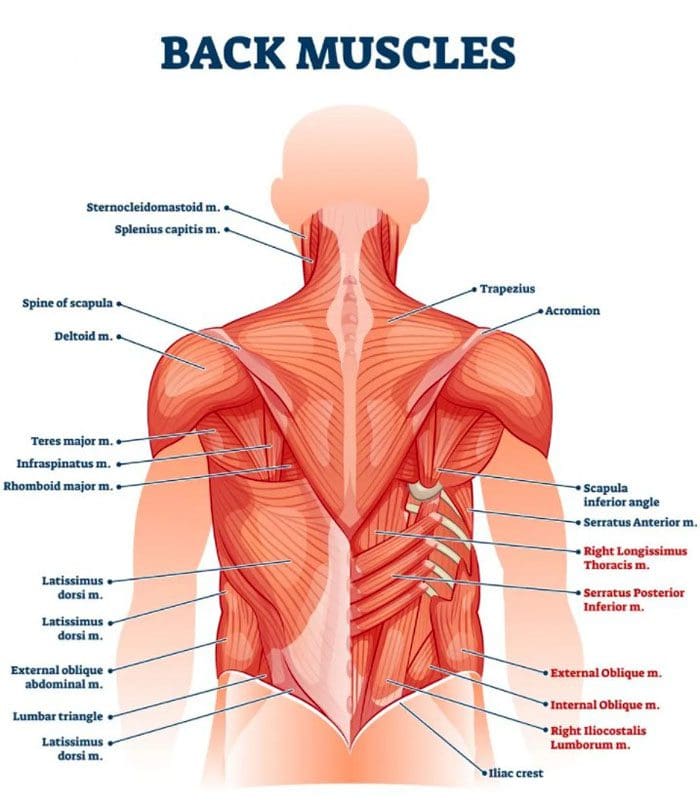
The latissimus dorsi or lats are the large flat muscles on each side covering the width of the middle and lower back. They connect the bone of the upper arm to the spine and the hip. When pain presents in these muscles, it is typically caused by:
Repetitive overuse in a job or doing a task/chore that requires constant
Bending
Pulling
Pushing
Reaching
Twisting
Kneeling
A result of poor technique in sports or similar physical activities.
Chiropractic treatment, along with exercises, can help prevent and relieve this pain.
Symptoms of lat pain
The objective is to diagnose whether the pain is located in the latissimus dorsi or other muscles in the shoulders or back. If the latissimus dorsi is injured, an individual might feel pain in several areas, these include:
Lower, middle, and upper back
Back of the shoulders
The base of the shoulder blade
Lower arms
Inside of the arms, extending down to the fingers
In certain cases, the pain will present without warning and can be felt in the surrounding muscles. This type of pain often gets worse when the individual:
Extends their hands forward and out in front
Raises their hands above their head
Tosses or throws an object
Damage or injury to the latissimus dorsi
Tissue damage or injury can cause other symptoms to present. These include:
If the source of the back pain cannot be identified, or if it is accompanied by:
Fever
Breathing problems
Abdominal pain
Consult a doctor as these could be symptoms of a more serious condition.
Uses and Causes
The lat muscles are used in everyday activities. These include:
Picking up objects like grocery bags
Opening heavy doors
Chest expansion for breathing
Pushing against the armrests of a chair to stand up
Using handrails to climb stairs
For sports or working out, the lats are used in:
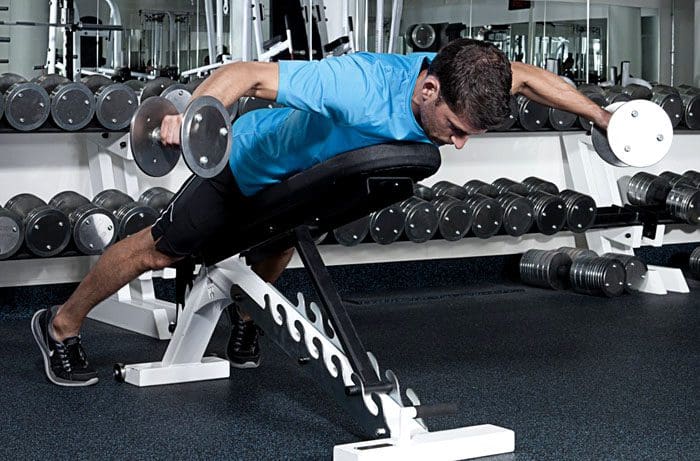
Weightlifting exercises using the upper body
Bench-presses
Rowing
Swimming
Throwing
Common causes of pain include:
Overusing the muscles
Using poor techniques
Exercising without warming up
Risk of injury
Individuals that are at risk of developing this injury include those that:
Are continually reaching overhead
Regularly chop wood
Perform regular shoveling
Move furniture or other heavy objects
Regularly practice poor posture
Tearing the latissimus dorsi is possible, especially for athletes. Some athletes with increased risk include:
Golfers
Baseball pitchers
Gymnasts
Swimmers
Tennis players
Exercises that can help bring relief
Certain exercises can alleviate the aches, pain, and strengthen the lat muscles to prevent and/or worsen the injury. It is recommended to consult a doctor, sports chiropractor, or personal trainer before beginning a therapeutic exercise regimen. This is to ensure that the exercises are right for the individual and their condition and that they use the correct form. Here are two exercises that can help reduce the pain. The doctor, chiropractor, or trainer will recommend the frequency the individual should perform the exercises.
Back bow
This pose is known as the superman pose. To perform:
Lay facedown on the floor
Extend the legs so they are straight
Stretch arms away from the body, so they are in front of the head
Bend the knees like for a sit-up with the heels close to the buttocks
Keeping the hands and feet in place
Lift the pelvis upward
Slowly lower back to the floor
Prevention
Individuals can prevent lat pain with lifestyle adjustments. These include:
Using proper technique and posture during work, sports, and exercise
Staying aware to not overuse the muscles
Staying hydrated
Warming up and cooling down thoroughly before and after a workout, sports, physical activities
Regular stretching
Applying ice and heat before and after work, sports, and physical activities
Chiropractic care
Physical therapy massage
Body Composition
Nutrition and Recovery Advantage
Two important steps to achieve optimal health include:
Nutrition
Having a proper protein intake is important for muscle adaptability or the way muscles adapt to stress during exercise and/or strength training. This is also important to stimulate muscle protein synthesisafter exercising and/or strength training. To ensure the body is getting the strength and hypertrophy improvement from exercise and strength training, it is recommended to eat around 25g of high-quality protein after workout sessions.
Recovery
For those doing aerobic and strength training, maximize recovery time between workout sessions. This is because strength and aerobic fitness health gains are low when the two only have a separation of 6 hours or less. Twenty-four hours between sessions is recommended especially if the priority is endurance performance.
References
Anderson, S. E., Hertel, R., Johnston, J. O., Stauffer, E., Leinweber, E., & Steinbach, L. S. (2005, November). Latissimus dorsi tendinosis and tear: imaging features of a pseudotumor of the upper limb in five patients. American Journal of Roentgenology, 185(5), 1145–1151
https://www.ajronline.org/doi/abs/10.2214/AJR.04.1247
Donohue, Benjamin F et al. “Sports Injuries to the Latissimus Dorsi and Teres Major.” The American journal of sports medicine vol. 45,10 (2017): 2428-2435. doi:10.1177/0363546516676062http://journals.sagepub.com/doi/abs/10.1177/0363546516676062?journalCode=ajsb
Henseler, J. F., Nagels, J., Nelissen, R. G. H. H., & de Groot, J. H. (2014, April). Does the latissimus dorsi tendon transfer for massive rotator cuff tears remain active postoperatively and restore active external rotation? Journal of Shoulder and Elbow Surgery, 23(4), 553–560
http://www.jshoulderelbow.org/article/S1058-2746(13)00399-6/fulltext%20
George, Michael S, and Michael Khazzam. “Latissimus Dorsi Tendon Rupture.” The Journal of the American Academy of Orthopaedic Surgeons vol. 27,4 (2019): 113-118. doi:10.5435/JAAOS-D-17-00581
Lehman, Gregory J et al. “Variations in muscle activation levels during traditional latissimus dorsi weight training exercises: An experimental study.” Dynamic medicine: DM vol. 3,1 4. 30 Jun. 2004, doi:10.1186/1476-5918-3-4
When back pain presents for a prolonged period, the back muscles reduce in mass but increase fat content, resulting in more stiffness. This leads to chronic muscle fatigue and results in chronic pain symptoms. Adding resistance to a workout routine in weight machines, free weights, and/or resistance bands helps reduce back pain. Studies have shown that specific therapeutic back muscle weight training is safe and can help relieve pain. A sports chiropractic specialist can recommend appropriate exercises for individuals and their specific condition/s to safely participate in strength training.
Back muscles development
With time, back pain and increased fatigue can lead to a fear of moving the body and engaging in physical activity. This results in spinal deconditioning and instability. Weight training works on incrementally/progressively increasing the load that the back muscles can tolerate. This technique gradually improves the body’s ability and strength to perform regular daily activities without strain and in optimal fashion. Weight training improves whole-body health because:
Back muscles and core muscles increase in function and performance.
Muscles are strengthened.
Lean muscle mass increases.
The range of motion of the spine increases.
Body fat decreases.
Guidelines while using weights
When weight training, it is important to understand safety guidelines to help relieve back pain and not worsen or cause further injury. Weighted treatment exercises are for individuals that have been cleared by their physician or chiropractor and are specific to their injury and /or condition. Depending on the underlying pain source, weight training may not be suitable for individuals that have:
Severe pain.
Back pain that originates from:
Previous spinal surgery
Tumor
Nerve root compression
Neurological symptoms
Sciatica
Spinal fracture/s
Spinal infection/s
Medical professionals and chiropractors can accurately diagnose and determine if weight training is safe and which specific exercises to perform. Guidance from a trained therapist or therapeutic trainer is recommended for optimal results.
Weight training techniques to alleviate back pain are different from regular weight or resistance exercises.
Trained physical/occupational therapists and sports chiropractors can educate an individual on:
Correct techniques
Frequency
Type of training that will help an individual’s condition.
Therapeutic training can significantly reduce the risk of further injury and damage to the spine.
After initial training, individuals are encouraged to exercise to maintain back muscles and total body health.
Smaller weights build strength progressively
Effective ways to strengthen the spine.
Begin with small/light weights and exercise slowly.
Fast rapid movements or incorrect lifting and pulling techniques can cause additional damage to the tissues.
It is recommended to start with:
Low-load motor control exercises without weights activate and stretch the muscles and improve balance.
Simple stretches
Exercise machines can be recommended instead of free weights.
Exercise machines can provide safe, effective, and progressive resistance to the exercises.
The machines can help reduce/prevent injury compared to free weights.
The machines can maintain proper support on the back and spine.
It is recommended to combine regular walking activity with a weight training program.
Low impact aerobic exercises increase blood circulation along with essential nutrients to the muscles and soft tissues.
This promotes healing and reduces stiffness.
Training program and benefits
Gaining the most benefits from strength training, tips to keep in mind:
Warm up for a few minutes using heat therapy and simple stretches.
Try for 2 or 3 times a week for 30 minutes.
Focus on building strength in the core muscles – back, abdominals, obliques, buttocks, and pelvic leg muscles.
There is no need to join a gym or buy expensive equipment.
Work out at home with small hand weights, resistance bands, and body weight.
The therapist or chiropractor will inform the individual on which exercises to avoid, which require extreme or quick moves.
Slow, steady resistance training takes advantage of muscle lengthening exercises and muscle shortening exercises for strengthening.
If back pain presents with a sustained increase, take time off or modify the strength training exercises.
Some soreness is to be expected, but sharp pain is not. If any sharp, sudden pain presents while exercising, stop immediately.
Ice therapy can be beneficial after exercising to decrease inflammation and alleviate pain.
Record the amount of weight when beginning the training and note when progressing to a heavier weight. Consistent improvements in pain, flexibility, strength, and function will help maintain motivation. Consult with a professional sports injury chiropractor today to see if weight training is a suitable and safe treatment.
Body Composition
Carbohydrates and Muscle Growth
Simple carbs are a quick, periodic source of energy. Complex carbs are a recommended source of steady energy. Complex carbs are not as readily available for immediate energy as simple carbs are but are more efficient and healthier. Complex carbs offer sustainable energy, meaning the energy is constant with no crash like simple carbs. Because complex carbs have slow-release properties, they should be the largest component of daily energy consumption.
Carbs prevent muscle weakness.
Some glycogen is stored in the muscles. When those muscles are used during exercise, the body taps into the glycogen stores in that specific muscle. Lifting weights with the arms, for example, access the glycogen in the biceps. Athletes take advantage of glycogen by loading up on carbs by consuming a day or more before a workout. This maximizes the muscle glycogen stores. This delays muscle fatigue, making for a better workout and stronger muscles, and can improve athletic performance.
Carbs help muscles recover after exercise.
Recovery goes back to the glycogen stores. Right after exercising, the body needs to replenish its glycogen stores to prevent glycogen depletion. Glycogen depletion, when the stores run out, causes gluconeogenesis. What happens is the body forms glucose from new sources. This is to compensate for the lack of glucose from carbohydrates. This is when the body turns to sources like fat and protein to fill the need. Protein is the last line of defense when energy is required, meaning that energy is running low. When the body breaks down protein for glucose production, it takes what it needs from the muscle/s, causing them to shrink and break down.
References
Dreisinger TE. Exercise in the management of chronic back pain. Ochsner J. 2014;14(1):101–107.
Lee JS, Kang SJ. Strength exercise and walking effects on lumbar function, pain level, and body composition in chronic back pain patients. J Exerc Rehabil. 2016;12(5):463–470. Published 2016 Oct 31. doi:10.12965/jer.1632650.325
Michaelson P, Holmberg D, Aasa B, Aasa U. High load lifting exercise and low load motor control exercises as interventions for patients with mechanical low back pain: A randomized controlled trial with 24-month follow-up. J Rehabil Med. 2016;48(5):456-63.
Welch N, Moran K, Antony J, et al. The effects of a free-weight-based resistance training intervention on pain, squat biomechanics, and MRI-defined lumbar fat infiltration and functional cross-sectional area in those with chronic low back. BMJ Open Sport Exerc Med. 2015;1(1):e000050. Published 2015 Nov 9. doi:10.1136/bmjsem-2015-000050
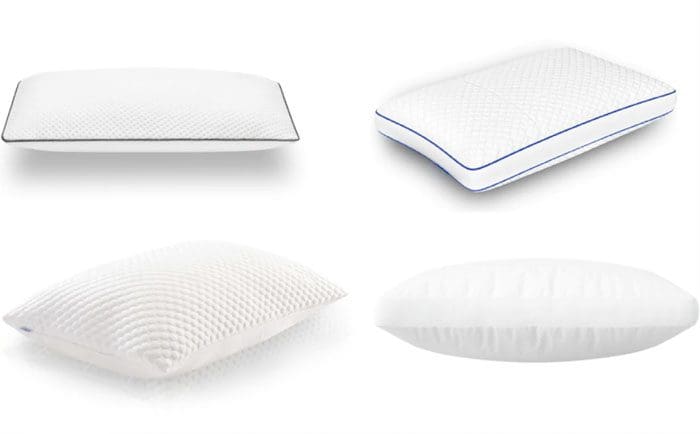
Many individuals do not realize the importance of the type of pillow they use for sleep. Sleeping on the wrong pillow is the perfect set-up for neck, shoulder, and back pain. Here are a few chiropractic tips on what to know about picking the best pillow. Knowing which is the right pillow for you can be the key to proper sleep and waking up pain-free.
Importance of Pillows
Neck and shoulder pain can be a nightmare, especially when the body cannot get decent rest. The right pillow/s can help with neck and back pain symptoms and recover from injuries quicker. When the head is in an awkward position for sleep duration, this causes neck, shoulder, and headache problems. The importance of finding the right pillow follows a set of guidelines.
Shape
The shape of the pillow has a definitive role in the cervical/neck’s curvature.
Posture
Sleep posture is important in preventing neck, shoulder, and back musculoskeletal pain.
Sleep quality
Craniocervical pressures and cervical spine alignment are height-specific. Any changes can affect an individual’s sleep quality.
Height
Cervical alignment can become significantly impacted by the shape and height of the pillow.
Pillow Comfort Importance
Trying to find the right pillow will require trial and error. The basics to consider include:
One sign that it’s time for a new pillow is waking up with pain.
Age of current pillows. The recommendation is they should be replaced every year or two. This depends on the stuffing/material used as different types wear down quicker.
If problems are getting comfortable and being able to fall asleep.
Constantly readjusting or fluffing the pillow/s.
The pillow has become lumpy or lost its shape.
It is flat with no cervical support or, too high placing the head in a forward tilt.
This is an online quiz along with a personalized process in their stores.
The process helps choose a pillow based on individual support preferences and sleep position for the best spinal alignment.
Customizable or adjustable pillows are another option. These pillows allow the individual to change the amount of filling to fit their needs.
Research, personal preference, and advice from a doctor and or chiropractor will help find the pillow that is right for you.
A third of an individual’s life is spent in bed. Make it as comfortable as possible.
Body Health
Sleep Body Composition Importance
Not getting enough sleep makes it difficult to gain muscle.
Not getting enough sleep means that the body experiences less short wave sleep, affecting the body’s ability to secrete Growth Hormone and develop muscle.
Testosterone is negatively affected by lack of sleep.
Not enough sleep increases cortisol levels, impairing muscle development.
Not getting enough sleep makes it difficult to lose fat.
Irregular sleep throws off the body’s ghrelin/leptin cycles, causing hunger.
Not getting enough sleep has been linked to eating more.
Not getting enough sleep can cause reductions in the body’s Basal Metabolic Rate, reducing total energy output.
Tiredness reduces spontaneous movements.
References
“Effect of sleep posture on neck muscle activity.” Journal of Physical Therapy. June 2017. https://pubmed.ncbi.nlm.nih.gov/28626314/
“Effect of pillow height on the biomechanics of the head-neck complex: investigation of the craniocervical pressure and cervical spine alignment.” PeerJ. August 2016. https://pubmed.ncbi.nlm.nih.gov/27635354/
“How Often Should You Replace Your Pillows?” Sleep Foundation, Seattle, WA. https://www.sleepfoundation.org/bedding-information/how-often-should-you-replace-your-pillows
“Improving the quality of sleep with an optimal pillow: a randomized, comparative study.” Tohoku Journal of Experimental Medicine. July 2014. https://pubmed.ncbi.nlm.nih.gov/25008402/
“The effects of pillow designs on neck pain, waking symptoms, neck disability, sleep quality and spinal alignment in adults: A systematic review and meta-analysis.” Clinical Biomechanics. May 2021. https://pubmed.ncbi.nlm.nih.gov/33895703/
Okamoto-Mizuno, Kazue, and Koh Mizuno. “Effects of thermal environment on sleep and circadian rhythm.” Journal of physiological anthropology vol. 31,1 14. 31 May. 2012, doi:10.1186/1880-6805-31-14
Surgery options when back pain is becoming chronic or so severe that an individual cannot function normally and negatively affects their life. Pretty much everyone experiences back pain at some point. This is often from:
Lifting heavy/non-heavy objects incorrectly
Improper posture
Twisting in an awkward way
Overreaching
Muscle spasms
Physical activity the body is not used to doing
Most cases of backaches and pain go away by themselves or with conservative treatment. But sometimes, surgery is necessary.
When Surgery Is Necessary
Acute back pain can last for days or weeks and can often resolve with physical therapy, chiropractic, and self-care. Back pain that continues for 12 weeks or longer is considered chronic. Around twenty percent of individuals who experience acute low back pain after a year begin developing chronic back pain. Doctors try to treat most back pain cases with non-surgical approaches.
They usually begin with physical therapy/chiropractic.
If that doesn’t work, then medication is incorporated.
However, many individuals do not want to take long-term medication, which is when surgery may be recommended.
In most cases, surgery is a last resort.
When the pain radiates to the legs or if it is causing problems with bladder and/or bowel function, these are definite signs/symptoms that surgery is needed. If the pain/dysfunction continues after thorough and effective non-surgical treatment, surgery could be recommended to preserve the spine to improve spinal strength and function before the problem worsens, causing further injury and damage. Some of the most common and effective spine surgery options include.
Surgery Options
Microdiscectomy
Microdiscectomy is the most common back surgery in the United States. It is minimally invasive spine surgery. Microdiscectomy patients have low back pain combined with leg pain, tingling, numbness, and weakness. In between the vertebrae are the body’s shock-absorbing discs. The discs can begin to bulge out, a bulging or herniated disc, and press on the surrounding nerve roots, causing pain, tingling, numbness, or weakness. A microdiscectomy removes the portions of the disc pressing on the nerve.
It is called micro because the surgeon wears specialized glasses known as loupes that act as microscopes. This is so the surgeon can see the details when they’re operating. The surgery is performed through a small incision in the middle of the back or on the affected side. Patients can go home a few hours after the surgery and return to normal activities within two weeks. The success rate is 85 – 95%, especially if the surgery is done early before the damage begins to spread out.
Laminectomy
The spinal canal contains a special lining. This is where the nerves and ligaments run through. Age, along with normal wear and tear on the body, causes the ligaments to thicken. This is when bone spurs can develop from osteoarthritis, and the discs can begin to bulge or rupture/herniate. This clogs and impinges the space where the nerves should easily flow through. This narrowing is called spinal stenosis. A laminectomy opens up the space relieving the compression/pressure. The procedure requires removing part of the back of a vertebra called the lamina. This enlarges the spinal canal and relieves the pressure on the nerves. The procedure is done through a small incision in the middle of the back but can also be done through a minimal incision. Leg pain improves after surgery. A traditional incision full recovery takes 6 to 12 weeks. The success rate is around 85 percent.
Spinal Fusion
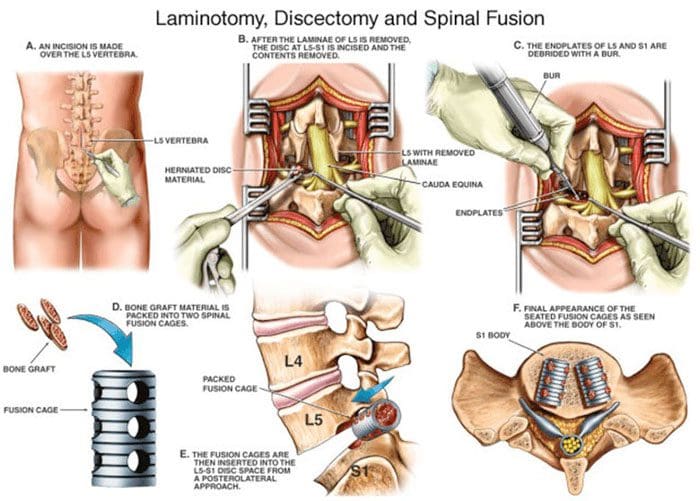
A spinal fusion joins/fuses two or more bones in the spine. This is done when an individual has severe compression of the nerves, severe instability, or spinal revision surgery. A fusion can help stabilize spinal fractures. Other reasons for a spinal fusion are spine deformity, cancer of the spine, and sometimes used for intractable pain. A fusion stabilizes the spine with screws and rods. The disc causing the compression is replaced with a fusion device and bone graft. The surgery is often performed in combination with a laminectomy. Recovery and returning to activities can take around 3-4 months after the procedure. The success rate is 85-90% with pain improvement.
Kyphoplasty
Spinal compression fractures are common in individuals with osteoporosis. When they happen, the pain can be so intense that braces and medication don’t help. Kyphoplasty can bring pain relief. It can be performed by a pain management doctor, interventional radiologist, or surgeon in an outpatient X-ray facility and operating room. The procedure involves conscious sedation, sometimes accompanied by general anesthesia. A small instrument is inserted into the vertebra, and a balloon is inflated to make room for bone cement. After the bone cement is injected, patients can go home within a few hours. The success rate is around 85%, and recovery time could be several days.
Disc Replacement
This is a procedure that can replace spinal fusion for certain cases. A disc replacement can be done in the lumbar/low back or the cervical/neck spine. This procedure is performed to treat a pinched nerve and/or spinal cord compression. The injured/damaged disc is removed and is replaced with an artificial disc. The device allows for motion, whereas fusion procedures fuse the bones to stabilize and immobilize the area. Disc replacement is recommended for younger patients that don’t have serious arthritis. This is because they still have mobility. If significant arthritis is present, the patient could experience more pain and require spinal fusion. Recovery takes around six weeks. Intense physical activity is off-limits for two or three weeks after the initial recovery period. The success rate is more than 90%.
Anterior Cervical Discectomy and Fusion – ACDF
This is a common neck/cervical spine procedure. This surgery is for pain relief, weakness, tingling, and numbness of the arms caused by a pinched nerve or stenosis. The damaged disc is removed through a small incision in the side of the front of the neck. The disc is replaced with a bone graft or specialized spacer and a small plate with screws. This is to stabilize the spine. It is highly effective in relieving pain and in preventing neurological decline from spinal cord compression. Recovery time is around 12 weeks before a full return to normal activities. However, individuals report feeling better after two weeks.
Back Surgery Options
The majority of cases involving back pain get better on their own or with conservative treatment. But if an individual cannot find relief, there are safe and effective surgery options that can help.
Body Composition
When The Immune System Activates
When the body gets sick from a bacterial infection, virus, etc., the body’s defense system activates, causing inflammation. This immune response serves as the first wave of defense against foreign invaders. The infected area becomes red and swollen from increased blood flow. For example, when the nose gets red from a cold, this is inflammation. The reaction is caused by white blood cells known as macrophages, and the proteins they emit called cytokines encourage inflammation. Inflammation that’s triggered by the immune system is normally a good thing. It means the body is releasing a proper amount of hormones and proteins. These activate the white blood cells to start the healing process and work to fight the infection.
References
Low Back Pain Fact Sheet. National Institute of Neurological Disorders and Stroke. https://www.ninds.nih.gov/Disorders/Patient-Caregiver-Education/Fact-Sheets/Low-Back-Pain-Fact-Sheet
A review of complication rates for Anterior Cervical Diskectomy and Fusion (ACDF). Surg Neurol Int. 2019. https://pubmed.ncbi.nlm.nih.gov/31528438/
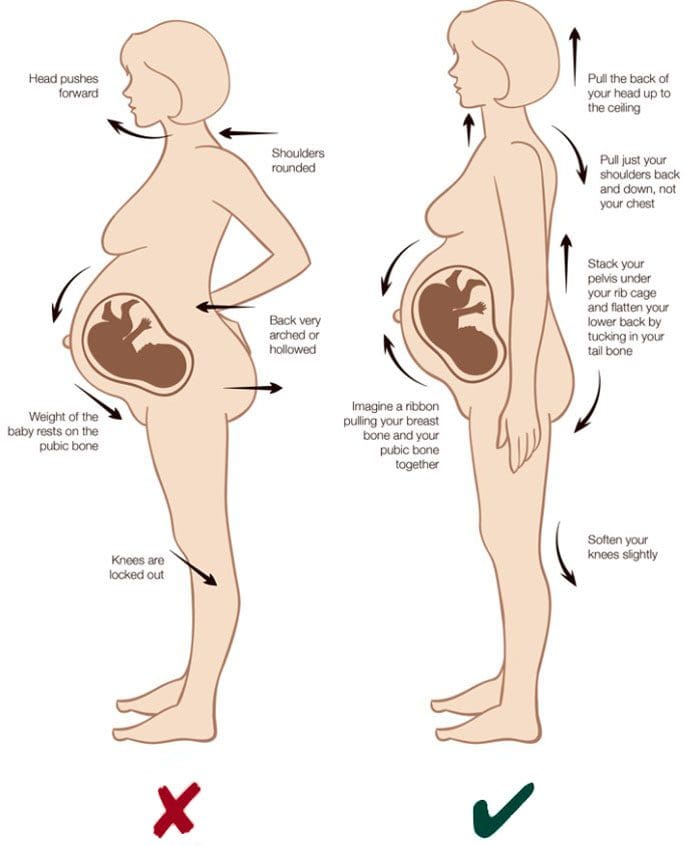
Pregnancy is an exciting time in a woman’s life. A healthy pregnancy is the objective, and therefore, essential to maintain a healthy diet and stay physically active. However, it can be easy to forget about the strain that pregnancy places on the body and push through the aches and pain with everything going on. Specifically the spine and pelvis. During pregnancy, the body goes through various changes to accommodate the growing baby. When pregnant, a hormone known as relaxin is released. This relaxes the joints for labor and delivery. Sometimes the ligaments can become too loose that they become structurally unstable. This causes pain. Other factors that can lead to spine misalignment and pain:
25 – 30 lbs of added weight and pressure on the spine, pelvis, legs, feet.
Weakened abdominal muscles.
Lower back curvature becomes more prominent.
Pregnant women going through discomfort/pain can benefit from chiropractic pregnancy adjustments. These maintain spinal alignment while keeping the baby safe. Chiropractors are trained to treat pregnant women; however, there is additional certification to specialize in this area. A prenatal chiropractor also provides information on:
Preparing the body for labor and birth
Maintaining healthy posture
Ensure the body is properly aligned throughout the pregnancy.
Diet
Health coaching
Postpartum care
Chiropractic Benefits For A Healthy Pregnancy
The obvious benefits include back pain relief, quality of life improvement, and reducing the need for pain medications. Other benefits include:
Alleviates sciatic nerve pain
Helps to control urinary incontinence
Reduces pregnancy-related nausea
Aligns the pelvis for optimal delivery
Reduces labor and delivery time
There is little risk associated with prenatal chiropractic care. However, it is not recommended for pregnant women with health complications like vaginal bleeding or ectopic pregnancy.
Repositioning
If the baby does not have enough room or is going into a breeched position, a chiropractor will work on the ligaments and muscles in the pelvic region to decrease any intrauterine restrictions. Getting the pelvis aligned will allow for an optimal delivery position. This will help move the head down and give the baby more space. If there is a breech position, it is recommended to see a chiropractor once a week during the eighth and ninth months.
When to Start
After receiving approval from the obstetrician, a woman can see a chiropractor at any stage during pregnancy. Many women start chiropractic in the first trimester. This develops a relationship early and benefits the woman as her body changes throughout the pregnancy.
How Often
Most patients visit a chiropractor once a month during the first trimester. Then they increase the sessions as the pregnancy progresses. Every woman’s pregnancy is different, requiring a personalized/customized treatment plan. The chiropractor will best advise on the frequency of treatment.
Pregnancy Technique
A chiropractor’s job is to manipulate the woman’s spine, joints, and muscles into alignment.
The adjustments utilize gentle pressure. The techniques are adjusted accordingly. Depending on how far along the woman is, as well as musculoskeletal health. For example, they could emphasize focus on the pelvis to reduce stress on the uterus and ligaments for a few sessions. Then shift back to the spine. They will not exert excessive pressure on the abdomen and possibly incorporate specialized equipment specifically for pregnant women.
Sciatica
Symptoms of sciatica are common during pregnancy, typically in the later months. This comes from the added pressure on the sciatic nerve. It can be sharp, burning pain from the hip to the foot. This makes walking, sitting, and sleeping uncomfortable to unbearable. Some women are fortunate enough to experience relief if the baby moves off the sciatic nerve. However, most will need some form of treatment to manage and heal the symptoms. This usually includes:
Series of adjustments
Hot and cold therapies
Stretches
Chiropractic can continue to help after giving birth, providing post-natal care helping the body return to its pre-pregnancy state healthily and optimally.
Body Composition
Diet, Nutrition During Pregnancy
From a nutritional perspective, a high GI diet during pregnancy increases the chances of excessive weight gain and overweight babies. Intake of low-glycemic carbs is associated with weight gain in the normal range. If planning to get pregnant or are pregnant, pay attention to the quality of carb intake for a healthy pregnancy. Health care providers recommend avoiding extreme diets for the first four to six weeks after delivery. This gives the body time to recover and helps to establish a consistent milk supply, as rapid weight loss could interfere with breastfeeding. Before going on a diet or starting an exercise program, check with a healthcare provider to rule out any medical conditions.
References
30 of the Most Surprising (And Alarming) Back Pain Statistics. The Good Body. https://www.thegoodbody.com/back-pain-statistics/. Last updated May 30, 2017. Accessed September 22, 2017.
Bernard, Maria, and Peter Tuchin. “Chiropractic Management of Pregnancy-Related Lumbopelvic Pain: A Case Study.” Journal of chiropractic medicine vol. 15,2 (2016): 129-33. doi:10.1016/j.jcm.2016.04.003
Gostine M. Is Lower Back Pain Normal During Pregnancy? BabyQ. https://www.babyq.com/lens/lifestyle/is-lower-back-pain-normal-during-pregnancy/. Published February 4, 2017. Accessed September 22, 2017.
Sabino J, Grauer JN. Pregnancy and low back pain. Curr Rev Musculoskelet Med. 2008; 1(2): 137–141. Published online February 26, 2008. doi: 10.1007/s12178-008-9021-8.
Individuals and doctors have praised the anti-inflammatory, pain-relieving properties of drinking tea. Inflammation is the body’s natural immune response when injury and infection present. This is good. However, it’s meant to be a temporary response that deactivates when there is no longer any danger. When the body is exposed to various irritants like industrial chemicals, inflammatory foods like sugar, refined carbohydrates, and autoimmune disorderscan cause the immune system to go into overdrive. Chronic inflammation can develop, circulating powerful hormones and chemicals through the body, causing damage to the cells. One consequence of chronic inflammation is back pain. Besides standard backaches, some chronic conditions are directly tied to inflammation. These include forms of arthritis:
Ankylosing spondylitis
Rheumatoid arthritis
Transverse myelitis
Multiple sclerosis
These conditions involve inflammation of the central nervous system.
Drinking tea can help with back pain and pain in general.
Teas With Anti-Inflammatory Properties
Certain teas contain anti-inflammatory compounds. These compounds are called polyphenols and work to decrease the chemicals in the body responsible for pain and inflammation. There are varieties of teas that contain anti-inflammatory properties.
Certain Teas Reduce Inflammation
Drinking specific teas with more polyphenols can better decrease inflammation. For example, green tea is higher in polyphenols than black tea. Recent studies centered on individuals with rheumatoid arthritis over six months found significant improvement in symptoms in those who drank green tea. Green tea works best when part of an anti-inflammatory and nutritional lifestyle adjustment. This supports combating inflammation. Other teas that are believed to reduce inflammation include:
Turmeric
Holy basil
Ginger
Three Cups a Day
The amount of tea depends on the quality of the tea and how it is prepared. Doctors recommend around three cups a day for individuals with rheumatoid arthritis. However, these could contain caffeine. If this is an issue, there are decaffeinated versions with the same anti-inflammatory properties.
Drinking Tea Works Best When Combined with Other Treatments
If experiencing back pain or looking to combat a specific condition, it’s recommended to utilize various treatment approaches combined with drinking tea. This includes:
Certain back conditions benefit from drinking tea regularly; however, spine structural issues or fractures will not benefit from tea’s mild anti-inflammatory properties. It is vital for individuals with back pain that a spine specialist or chiropractor perform a proper and thorough examination, especially for Individuals that take medication that could directly interact with anti-inflammatory teas.
Drinking Tea for Back Pain
For most individuals, drinking tea is safe to help treat back pain conditions and added health benefits. For example, studies have found that green tea has mild anti-cancer, anti-diabetic properties and can help in maintaining a healthy weight. If tea helps reduce pain, it’s worth trying. Remember, pain is the body’s way to alert the individual that something is wrong.
Body Composition
Alcohol and Heart Health
According to the Mayo Clinic, consuming more than three alcoholic drinks in one sitting causes a temporary blood pressure elevation. Foods often served with alcohol are usually high in salt, which can also raise blood pressure. A few alcoholic beverages on a night out is fine, but heavy or binge drinking can lead to short-term spikes in blood pressure that could cause cardiac health problems. These are the short-term effects of alcohol on blood pressure. Heavy alcohol consumption can lead to long term health risks like:
Hypertension
Heart disease
Digestive issues
Liver disease
Stroke
It’s recommended that individuals incorporate regular exercise/physical activity and healthy diet changes and watch alcohol intake to improve heart health.
References
The Clinical Journal of Pain. (October 2019) “Nonspecific Low Back Pain:
Inflammatory Profiles of Patients With Acute and Chronic Pain” https://journals.lww.com/clinicalpain/fulltext/2019/10000/nonspecific_low_back_pain__inflammatory_profiles.2.aspx
Certain Teas Bring Down Inflammation More Than Others: Journal of Physical Therapy Science. (October 2016) “Green tea and exercise interventions as nondrug remedies in geriatric patients with rheumatoid arthritis” https://www.ncbi.nlm.nih.gov/pmc/articles/PMC5088134/
The Bottom Line: Proceeding of the Japan Academy, Series B Physical and Biological Sciences. (March 2012) “Health-promoting effects of green tea” https://www.ncbi.nlm.nih.gov/pmc/articles/PMC3365247/
Losing weight can be one of the hardest things to do. It is also one of the best things anyone can do to get rid of back pain and optimize overall health. Achieving and maintaining a healthy weight impacts the whole body, especially the spine. It is prevalent for individuals who are overweight to experience back pain. This comes from the added weight that the feet, legs, pelvis, and spine have to support. For many, once the weight comes off, the back pain reduces significantly and/or disappears completely. For those embarking on a weight loss journey, our:
Chiropractic team
Physical therapists
Health coach
Nutritionist
Can provide resources to plan, encourage, and assist in reaching health goals.
Overweight, Obesity and Back Pain
Spine pain is one of the top reasons individuals see a doctor. The need to lose weight is based on body mass index/BMI. BMI can be an indicator that an individual’s weight might not be in a healthy range. BMI ranges:
Normal weight – Body Mass Index of less than 25
Overweight – Body Mass Index of 25 to 30
Obese – Body Mass Index of 31 to 35
Extremelyobese – Body Mass Index of 36 or higher
If unsure about how to get an accurate BMI measurement, talk to our team about InBody Testing.
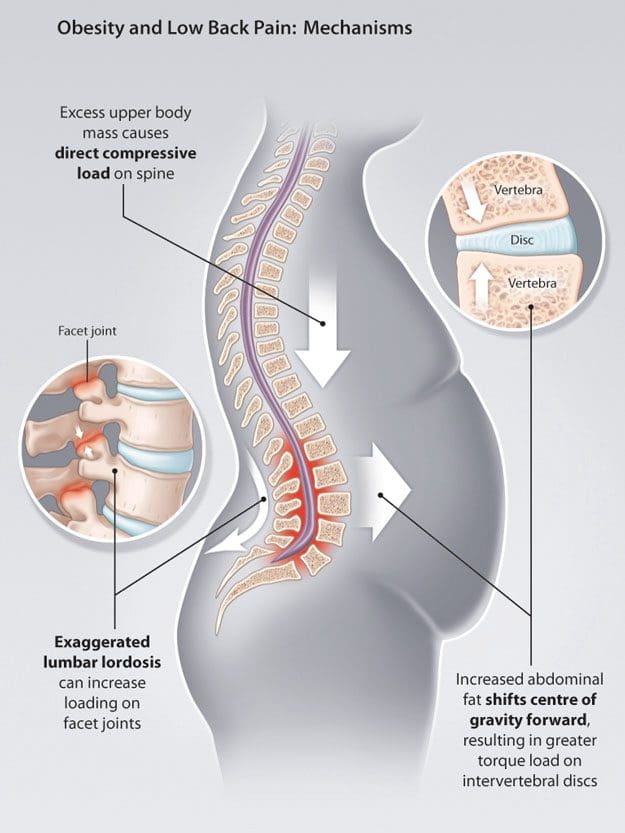
Added Weight Places Pressure On the Spine
Added bodyweight places added strain on the low back. Studies have linked obesity with degenerative disc problems. Combined with the physical impact the added weight has on the spine and overall health, it can also affect spine surgery outcomes. Studies have shown that some overweight/obese individuals have an increased risk for surgery-related complications like:
Infection
Issues recovering from anesthesia
Overall recovery struggles
The good news is that individuals do not have to lose a significant amount of weight to see and feel the benefits. Losing 15% of excess weight will improve chronic back pain.
Exercise
Successful weight loss is the ability to maintain the loss. It needs to be something that can be committed to and brought into an individual’s lifestyle. Trying to go hard with an extreme diet or intense exercise program is not recommended. This is like not having any long-distance running knowledge along with training but entering a 12345K race. An individual will collapse after a few blocks. And sustained weight loss is just that, a long-distance journey that requires:
Getting educated about what is going on with the body
Understanding how foods affect/impact the body
Understanding the body’s unique needs to lose weight
Developing a personal health goal plan
Following through
Lifestyle factors contribute to healthy body weight. Being able to embed healthy habits into one’s life is the objective. Although it can sound easy to do, it can be a challenging process. With professional help, individuals can:
Maintain a nutritious and balanced diet
Have an active lifestyle
Maintain healthy sleep habits
Keep stress under control
Discussing a weight loss plan is very important. A professional health coach, nutritionist, and chiropractor will develop the right program that considers an individual’s specific health status.
Overall Health
Achieving a healthy weight will reduce to relieve back pain completely and significantly improve quality of life. Weight management is challenging, but once the benefits are seen and felt, it becomes second nature.
Body Composition
Healthy Kidneys
The kidneys pump more than 400 gallons of recycled blood through the body every day. These organs work nonstop to filter blood and remove waste. If the kidneys become impaired, the body can become overloaded with waste. Unhealthy lifestyle choices can harm/damage the kidneys. Kidney disease progresses slowly over the years. Individuals can lose 90 percent of kidney function before symptoms become serious. Chronic kidney disease is not reversible. However, with lifestyle adjustments, an individual can lower their risk of developing kidney-related diseases.
Proper Hydration
Drink plenty of water to clear sodium, urea, and toxins from the body and prevents kidney stones. Try to drink eight 8-ounce glasses of water each day. Every individual’s body water levels are different. A body composition test can determine what is normal for the individual.
Maintain healthy diet
Poor diet contributes to visceral fat gain. This has been linked to chronic kidney disease. Reduce visceral fat by eating a healthy diet of vegetables, fruit, and lean protein. Cut down on salty, processed foods. Body composition testing can help form an individualized diet plan to reduce visceral fat.
Supplements, antibiotics, and OTC medications
Overuse of common over-the-counter medications and supplements can cause kidney damage and disease. Consult with a doctor before taking medications and supplements if there is kidney function impairment.
Maintain fitness and physical activity
Cardio and strength training exercises are recommended. High blood sugar levels stress the kidneys. Building adequate muscle mass will help control blood sugar. A body composition test can make sure there are adequate amounts of muscle mass.
References
Liuke M, Solovieva S, Lamminen A, Luoma K, et al. Disc degeneration of the lumbar spine in relation to overweight. Int J Obes (Lond). 2005;29(8):903-908.
Ogden CL, Carroll MD, Fryar CD, Flegal KM. Prevalence of Obesity Among Adults and Youth: the United States, 2011–2014. Centers for Disease Control and Prevention: National Center for Health Statistics.https://www.cdc.gov/nchs/products/databriefs/db219.htm. Page last updated: October 28, 2015. Accessed July 10, 2017
Samartzis D, Karppinen J, Chan D, Luk KD, et al. The association of lumbar intervertebral disc degeneration on magnetic resonance imaging with body mass index in overweight and obese adults: A population-based study. Arthritis & Rheumatology. 2012;64(5):1488-1496.
IFM's Find A Practitioner tool is the largest referral network in Functional Medicine, created to help patients locate Functional Medicine practitioners anywhere in the world. IFM Certified Practitioners are listed first in the search results, given their extensive education in Functional Medicine