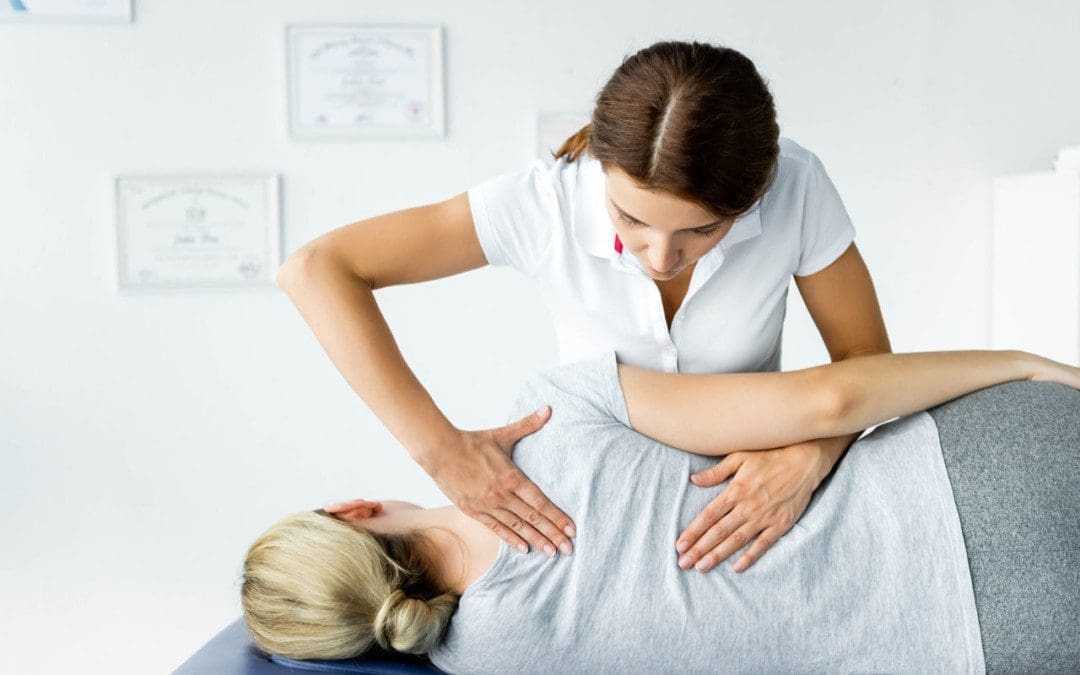
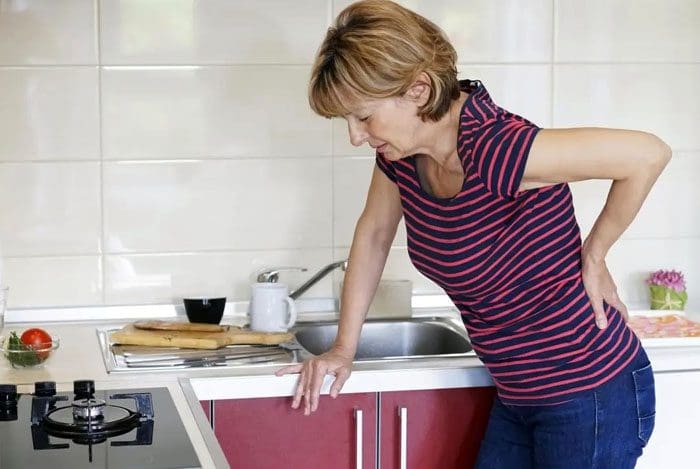
Relaxing the low back muscles. The low back supports the weight of the upper body and provides mobility. The lumbar spine/low back is a complex structure of interconnecting:
Bones
Joints
Nerves
Ligaments
Muscles
All work together to provide support, strength, and flexibility.
However, this complex structure is highly susceptible to injury and pain. The muscles in the low back support the spinal column and are responsible for flexing, rotating the hips when walking. The nerves in the low back supply sensation and power the muscles in the pelvis, legs, and feet. The most common acute low back pain cases are brought on from injury to the:
Muscles
Ligaments
Joints
Discs
The body also reacts to injury by triggering an inflammatory response. Inflammation can cause severe pain. The key is relaxing the muscles and keeping them loose.
Lower back pain causes
The most common cause is muscle spasms, which can be triggered by:
Quick awkward movements like twisting, reaching, and/or bending at the wrong angle can set off pain symptoms.
If the same back muscles are getting strained and/or pulled continuously, this could indicate an underlying problem with a misaligned vertebra.
Correct improper postures
Improper posture and body positioning eventually present with discomfort and pain. Individuals are constantly hunched over and slumped in front of computers and devices, along with sitting with crossed legs, sleeping on a non-supportive mattress, and there is a perfect recipe for low back pain. Adjusting sitting, desk, and computer ergonomics and using smart devices with posture awareness will go a long way to correct improper posture.
Stretch and loosen tight muscles
Stretch out throughout the day and before going to bed. Sitting all day at work, then going home and sitting all evening is not healthy for the body’s muscles. The muscles shorten, as do the ligaments and tendons. Stretching keeps the body loose and limber. Try out different forms of stretching, as well as foam rolling for the back.
Get the body moving
Cramped or pulled muscles need time to recover. Too much rest or being completely inactive makes sense but is not recommended. Light movement keeps the blood flowing, especially in and around the injured/sore area. This increases healing and shortens recovery time. Just some light walking is recommended. Getting up and moving while relaxing around the house will get the muscles back in shape.
Body Composition
Benefits of collagen
Gastrointestinal Health
Collagen generates a protective barrier effect on the intestinal mucosa that lines the digestive tract. One study found that collagen supplementation protects against the breakdown of the intestinal wall after a burn injury. A lack of collagen from aging or other factors could impair the structure of the intestinal mucosa. This could lead to digestive problems like leaky gut syndrome and irritable bowel syndrome.
Joint Health and Mobility
Collagen provides structure and cushion in the joints. As the body ages, the cushion wears down, and joint mobility decreases. This increases the risk of injury. Taking collagen supplements can help improve symptoms of osteoarthritis, rheumatoid arthritis, and other conditions.
References
Finta, Regina et al. “The effect of diaphragm training on lumbar stabilizer muscles: a new concept for improving segmental stability in the case of low back pain.” Journal of pain research vol. 11 3031-3045. 28 Nov. 2018, doi:10.2147/JPR.S181610
Lugo, James P et al. “Efficacy and tolerability of an undenatured type II collagen supplement in modulating knee osteoarthritis symptoms: a multicenter randomized, double-blind, placebo-controlled study.” Nutrition journal vol. 15 14. 29 Jan. 2016, doi:10.1186/s12937-016-0130-8
National Institute of Neurological Disorders and Stroke. Pain: Hope Through Research. https://www.ninds.nih.gov/Disorders/Patient-Caregiver-Education/Hope-Through-Research/Pain-Hope-Through-Research. June 9, 2017.
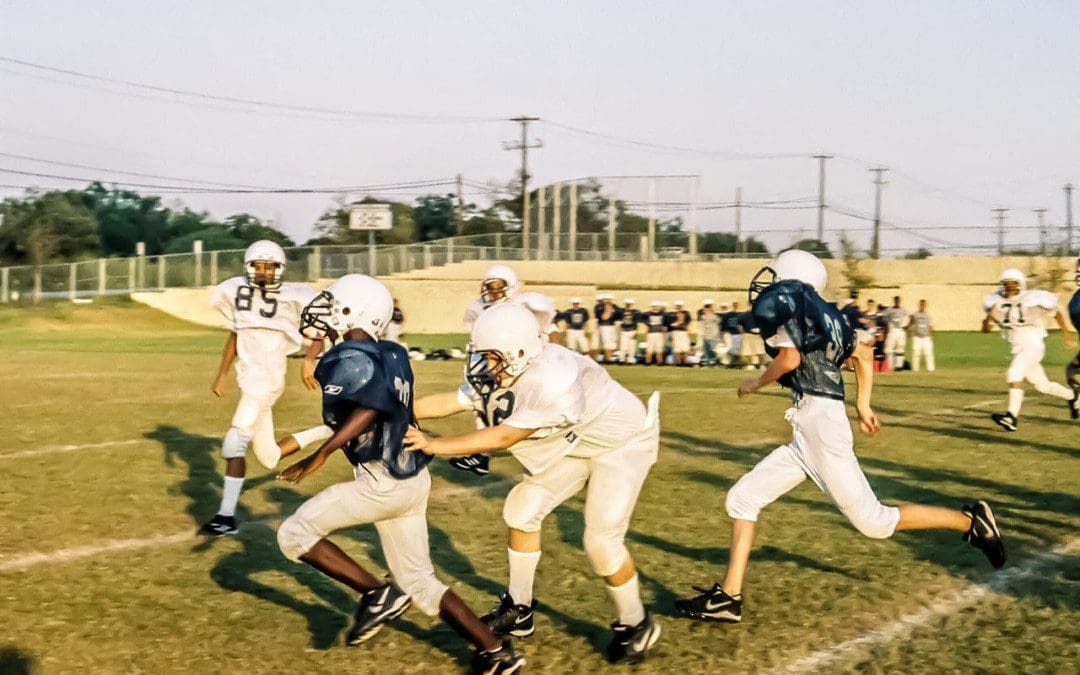
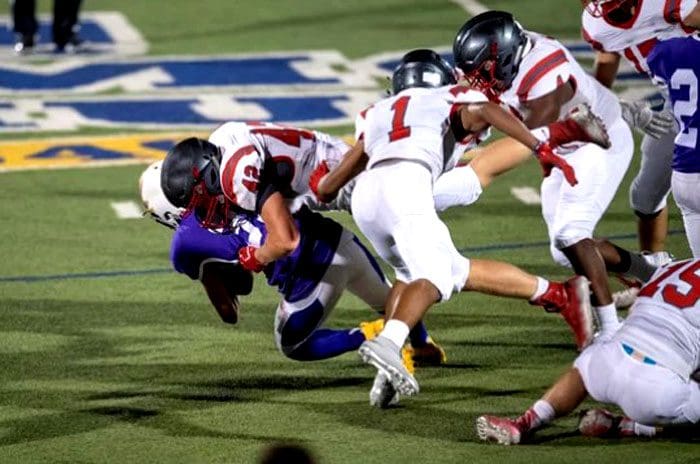
High school football takes a toll on the body. The sport can cause all kinds of injuries that can range from mild – severe. Areas that are commonly injured include:
Head
Neck
Shoulder
Arms
Hands
Spine
Legs
Knees
Ankles
Feet
Chiropractic has become a medically recommended form of treatment and rehabilitation for these injuries but also injury prevention. Today all NFL teams utilize a chiropractic team for players and staff. College teams are also discovering the benefits that chiropractic offers. There are significant benefits that high school football players can attain from chiropractic care.
Enhanced Mobility
A chiropractic adjustment, technically known as chiropractic manipulative treatment/CMT, is a primary therapy in sports medicine. It helps to increase flexibility and minimize or eliminate pain during motion/movement. Adjustments have been shown to improve athletic performance.
Injury Prevention
Athletes who regularly use chiropractic experience a decline in sports-related injuries.
Treatment increases flexibility and mobility, allowing for optimal agility that has been linked to preventing injuries. This is because the body is relaxed and stays loose, even when tackled, instead of tensing up, which is a major contributor to strains and injuries.
Enhanced Strength
Chiropractic adjustments also help increase muscular strength, making the body stronger, and more resistant to injury. It has been shown to promote strength in the muscles after a few sessions effectively. The strengthened muscles also help avoid injury by being able to withstand the hits and recover faster. The strengthened body also helps to increase endurance and stamina.
Pain Relief
Many high school players use chiropractic to ease the general pain that comes from general practice and games. Adjustments and massage are highly effective for pain management and alleviate headaches, especially those that come from constant impact to the head and neck. It helps to alleviate soreness, stiffness, and pain from the entire body.
Sports Hernia
Athletes often experience athletic pubalgia. This is one of the most common causes of injury-related groin pain. Chiropractic can relieve the discomfort within 8 weeks in combination with rehabilitative stretches and exercises. Chiropractic plays a critical role in whole-body care, pain relief and keeps the body operating and performing at the highest level.
Body Composition
Water Intoxication
When an individual overwhelms their body’s ability to excrete water and waste products consumed, water intoxication can develop. Water intoxication causes disturbances in the body’s electrolyte balance. This can cause a life-threatening condition known as hyponatremia. With a rapid decrease in the sodium levels in the blood, relative to the amount of water, symptoms can develop rapidly:
If left untreated, later symptoms can develop into:
Seizures
Coma
Death
References
Hession, E F, and G D Donald. “Treatment of multiple lumbar disk herniations in an adolescent athlete utilizing flexion distraction and rotational manipulation.” Journal of manipulative and physiological therapeutics vol. 16,3 (1993): 185-92.
Pritchett, J W. “A statistical study of physician care patterns in high school football injuries.” The American journal of sports medicine vol. 10,2 (1982): 96-9. doi:10.1177/036354658201000206
Shane, Eric R et al. “Sports chiropractic management of concussions using the Sports Concussion Assessment Tool 2 symptom scoring, serial examinations, and graded return to play protocol: a retrospective case series.” Journal of chiropractic medicine vol. 12,4 (2013): 252-9. doi:10.1016/j.jcm.2013.08.001
Going camping for an extended weekend can be exciting and fearful for individuals with back pain. Being in nature is exhilarating, setting up tents with the family, fishing, and hitting the backpacking trails. For those that struggle with back and/or neck pain or conditions that cause pain, the objective is to be prepared for the worst. The weather, steep hills, physical activities, sitting in chairs that are not spine supportive, and sleeping on hard ground can contribute to all kinds of back issues. There are adjustments and modifications, as well as, tools to help the experience remain pain-free and be highly enjoyable.
Camping Back Pain
Not everyone with back pain or conditions that cause pain will struggle with camping out. There are individuals that prefer an ultra-firm sleeping surface like the ground as it provides their spine with the necessary support. Research has found that medium to fully firm mattresses and surfaces are the least to cause back pain. Many individuals go mattress-free a few nights a week and report that it helps reduce their pain.
Mattresses that are too soft sink in too much, provide no support to the spine that leads to spinal problems and more aches, and pains.
Sciatica from pinched nerves can become irritated or flare up when sleeping on the ground.
Individuals with arthritis in the spinal joints can present with stiffness and more pain.
Carrying and moving heavy equipment
Hiking
Backpacking with heavy bags
Setting up tents
Repeatedly bending over
Using traditional camping chairs can position the spine at unnatural angles and can aggravate certain spinal conditions.
Modifications and Adjustments
As with most physical activities for individuals with back pain, it’s all about preparation and modification. Here are a few ways to adjust the camping trip to prevent and avoid back pain:
Utilize as much mobile/rolling camping gear and ask for help when moving, lifting heavy equipment.
Use hiking polesfor support and avoid carrying backpacks or bags, as they add strain to the spine.
There are quality air mattresses and sleeping pads designed for pain symptoms and conditions.
Do a little research and see what options are available. Overall, aim for equipment that is sturdy and supportive. Listen to your body, follow a doctor or chiropractor’s advice, and enjoy nature.
Body Composition
Food Journaling
Individuals can keep track of their food choices by logging their food intake into a personal food journal. This is where food choices and calorie intake can be examined, analyzed, and learned from. A study showed that individuals who diligently track their food and calorie intake had a greater amount of weight loss. For those that want to lose body fat, the body needs to be in a caloric deficit. After a week of logging meals, snacks, and drinks, an individual is in a better position to correct and adjust a weight loss plan. For example, journaling helps with:
Most comfortable sleeping: Sleep Health. (December 2015) “Effect of different mattress designs on promoting sleep quality, pain reduction, and spinal alignment in adults with or without back pain; a systematic review of controlled trials.” https://www.sciencedirect.com/science/article/abs/pii/S2352721815001400
Triathlon training involves running, biking, and swimming. This much fitness training takes a toll on the body. Pulled hamstrings, twisted ankles, and sore heels are common, but triathlon training can also cause or worsen back pain. Because the back muscles are connected to many other muscles, certain types of movement after a tough training session can present with back pain. There was an Ironman triathlete study that found that 90% of the athletes suffered some form of soft-tissue injury during training, with 70% reporting low back pain and/or sciatica. A 2020 study in BMC Musculoskeletal Disorders found that 14% of recreational half-marathon runners presented with low-back pain.
Triathlon Training Hard on the Back
High-impact activities/exercises, constant repetitive motion, places a heavy pounding on the body that impacts the joints and spine. Using improper techniques will aggravate any issues. The stresses applied from repetitive motions, and poor form can lead to the joints breaking down. If new to intense training the muscles might not be strong enough yet, which could also cause back pain and injury. The back stabilizer muscles tend to get neglected in the training, but these muscles support the structures in the midline, spine, and joints. Strengthening the:
Ensures stability of the spine and joints from all the wear and tear.
Training and Overtraining Errors
Even veteran athletes can make mistakes during their training that can lead to sore backs. The biggest mistake individuals make during triathlon training is that they only swim, bike, and run. Training for the specific sport/s is important; but weight lifting, core strengthening, and flexibility training are just as important. Proper rest can become neglected as the individual wants to get in as much training as possible that often gets overlooked, leading to overuse injuries. However, rest is a vital part of training to allow the body to fully recover and operate at full and optimal potential.
Preventing and Avoiding Back Pain When Training
How to sidestep back pain altogether during training includes:
Sleep
A healthy lifestyle includes proper sleep cycles and is even more important during training. The mental aspects a triathlon competition can create require proper rest. Fatigue can also lead to poor technique/form, placing excess stress on the joints and the spine, leading to injury.
Flexibility
Muscles need to maintain flexibility to preserve function and recovery ability. After a training session stretching and working on flexibility will help with overall performance. Stretching should be done after activity when the muscles are warm, and the fibers can be stretched/elongated for optimal recovery.
Proper nutrition
The body needs high-performance fuel to support high-calorie deficits that are associated with intense training and competition.
Strengthening the body
Having a solid body foundation is the objective. Everything is balanced with strong muscles supporting healthy bones. Specific exercises that target the multifidus muscles. These are the body’s back brace. Strengthening these muscles will help prevent spinal injury/s. Back-strengthening exercises include:
Plan rest days no matter what. Pushing through will not make the body stronger or able to perform better, and could cause performance to decrease leading to injury. This does not mean sleeping all day, but engaging in active recovery where the body gets the rest it needs while still maintaining fitness. Active recovery includes:
Allows for a thorough recovery and enhances training.
Technique Improvement
Proper form and technique can really make the difference between staying injury-free and injury/s. Using the right form promotes healthy function. It could help to have gait, swim stroke, and bike techniques evaluated by a professional to ensure that proper form is being utilized.
Body awareness
Stop if the body signals one to stop. This is why the body feels pain. It is the internal mechanism that tells the individual something is wrong. It is not recommended to follow the phrases train through the pain, and no pain, no gain. Individuals are recommended to:
Always pay attention if pain presents and does not go away after exercising or warming up.
Pain that limits function.
Pain that interferes with daily activities.
These could significantly exacerbate a spinal injury and should be checked by a doctor.
Body Composition
Rest and Recovery
During rest and recovery, the body goes back to normal or homeostasis. This is the body’s resting rate or normal phase. The body is always trying to go back to homeostasis. This is done by:
Maintaining core temperature
Blood pressure stable
Muscles refreshed
When exercising/training, the homeostasis phase is disturbed, meaning the body needs a period of rest to return to normal. The process of homeostasis uses a lot of energy, which results in an abundant amount of calories burned. After exercise, there is an increase in excess post-exercise oxygen consumption or EPOC. The body uses up more oxygen during recovery than it does before or during exercise. This increase results in burned calories and strong muscles. The most important part of recovery is the rebuilding of muscle. When working out, especially resistance training, tiny tears are made in the muscle fibers. For the tiny tears to turn into growing muscles, they need to repair themselves. This happens during rest. Apart from the physiological benefits, rest helps prevent injury caused by overuse and assists in healing when injuries do occur. Time off helps with mental health as well to refocus, reassess, and apply what has been learned. What rest and recovery can do for the body includes:
Burn massive calories
Build muscle
Refuels the muscles
Prevents injury
Improves mental health and motivation
References
American journal of physical medicine & rehabilitation/Association of Academic Physiatrists. (October 2014) “Efficacy of Aerobic Exercise for Treatment of Chronic Low Back Pain: A Meta-Analysis” https://www.researchgate.net/publication/266682158_Efficacy_of_Aerobic_Exercise_for_Treatment_of_Chronic_Low_Back_Pain_A_Meta-Analysis
Stretch Before and After Journal of Chiropractic Medicine. (Winter 2003) “Changes in low back pain in a long-distance runner after stretching the iliotibial band” https://www.sciencedirect.com/science/article/pii/S0899346707600718
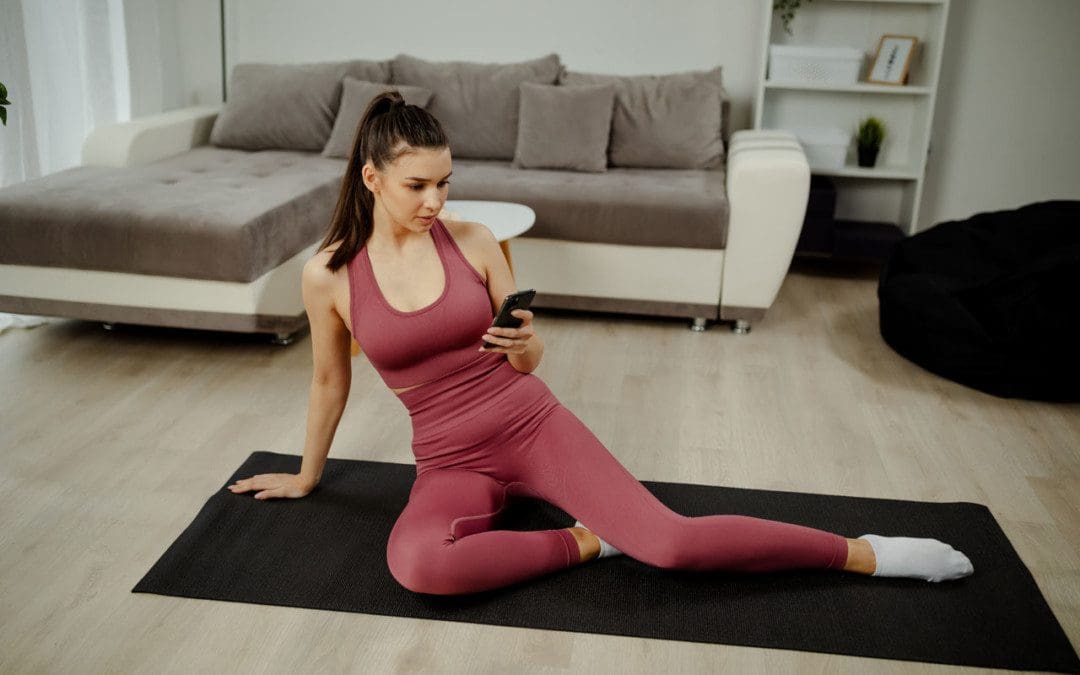
Recent studies have begun to show that back pain apps can enhance the body’s recovery when combined with conservative treatments and physical activity/exercise. Low back pain – LBP can interfere with everyday activities, work, school, and sleep making life miserable. All around the world low back pain is one of the leading causes of disability. Studies have shown how physical activity/exercise, mindfulness, and spinal manipulation can reduce symptoms more effectively. Exercise has been shown to reduce anxiety and increase positive outlook/mood. However, the biggest problem for individuals is finding activities/exercises that they can enjoy and sticking with them. Individuals that use back pain apps have reported the benefits of being guided through the exercises and meditation that help decrease their pain.
Back Pain Apps
Several back pain apps utilize the brain and body connection. They provide exercises for the body and meditation to help the mind relax and work out and through the pain. The brain is the computer, the software is the mind and the hardware is the body. The brain is linked to the nervous system. Apps that help with psychosocial and behavioral issues have shown the ability to reverse the negative thinking of individuals with chronic pain. For individuals that don’t like exercising, there are apps to help address various barriers and obstacles.
They’re ready when and where you are
They track progress
They match guidance messages based on responses
They provide positive reinforcement
Before starting, if the answer is yes to any of the following questions consult with a physician first:
Is leg pain presenting?
Is there constant pain at night?
Is there a history of a recent accident or injury?
Effectiveness of Apps
A 12-week controlled trial in 2019, of individuals with low back pain, found that those who used an app did statistically better, in reducing their pain compared to the control group. The trial consisted of:
Those in the treatment group that completed the program found their pain level (based on a 100-point scale) had reduced 62% from a level of 44 to 14. Compared to an 8% reduction in the control group. However, scientific evidence on specific apps is limited and requires further research. However, the apps that scientists studied include:
A review of 25 apps for low back pain found the higher the price, the higher the app scored in the scientific study. The apps with the top scores included:
Strengthening exercises
Stretching
Core stability exercises
They were:
Interesting
Entertaining
Interactive
Customizable
The Lower Back Pain App, developed by a physiotherapist, scored the highest. It is a 10-week program where users are directed each week to perform three exercises twice daily. The exercises focus on:
Spinal mobility
Stability
Muscle strengthening
Instructions are given through videos and writing.
Back Pain Specific Apps
A variety of back pain-specific applications are available. Try them out and see which fits your style. They are there to guide, strengthen the body, help relax, and lessen the pain.
Body Composition
Chronic Stress
Chronic stress is like poison to the body. It negatively impacts every aspect of the body’s health and is more dangerous because of its ability to present without realizing it. One of the body’s systems responsible for handling difficult situations is the immune system. Specifically, cells of the immune systems have receptors that recognize stress hormones like cortisol. Acute stress can cause immune system problems by increasing the release of inflammatory cytokines that are a special type of immune cell. Stress, immunity, and disease can affect each other. But these relationships can be moderated by:
What is important is to develop a healthy strategy to relieve the symptoms of stress like meditating, exercising, and spending time with friends/family.
References
Best Evidence Rehabilitation for Chronic Pain Part 3: Low Back Pain https://www.ncbi.nlm.nih.gov/pmc/articles/PMC6679058/
Current Directions in Stress and Human Immune Function. Current opinion in psychology vol. 5 (2015): 13-17. doi:10.1016/j.copsyc.2015.03.007 https://www.ncbi.nlm.nih.gov/pmc/articles/PMC4465119/
The Role of Psychosocial Processes in the Development and Maintenance of Chronic Pain https://pubmed.ncbi.nlm.nih.gov/27586832/#affiliation-1
Assessment of the Quality of Mobile Applications (Apps) for Management of Low Back Pain Using the Mobile App Rating Scale (MARS) https://www.ncbi.nlm.nih.gov/pmc/articles/PMC7763508/#B12-ijerph-17-09209
Surgical versus nonsurgical treatment of chronic low back pain: A meta-analysis based on current evidence https://pubmed.ncbi.nlm.nih.gov/26406211/
Randomized controlled trial of a 12-week digital care program in improving low back pain https://www.ncbi.nlm.nih.gov/pmc/articles/PMC6550254/#CR8
Evaluation of Self-Management Support Functions in Apps for People With Persistent Pain: Systematic Review https://mhealth.jmir.org/2019/2/e13080/
App-based multidisciplinary back pain treatment versus combined physiotherapy plus online education: a randomized controlled trial https://www.nature.com/articles/s41746-019-0109-x
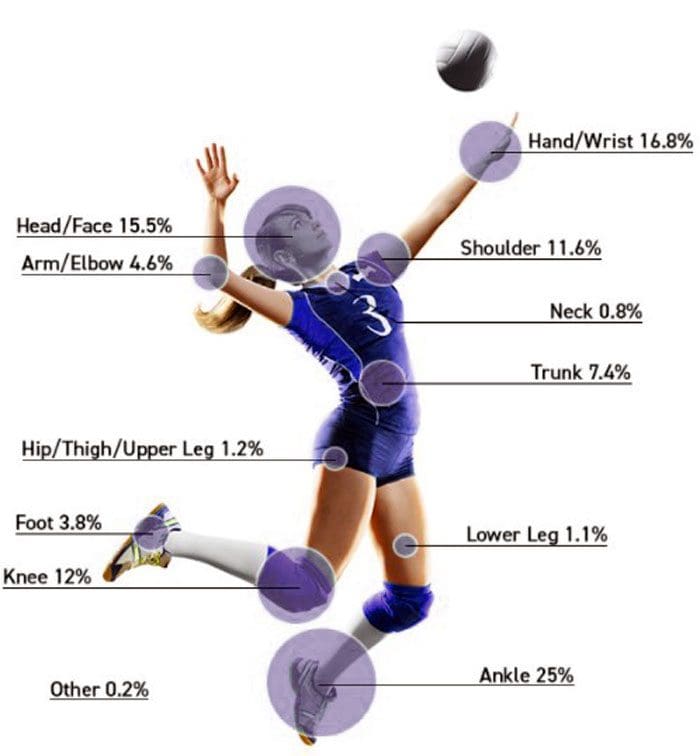
Around a half-million high school students in the U.S. play volleyball. Whether the parent of a volleyball player or part of a recreational league, the goal is to be ready for the season, which means preventing and addressing volleyball injuries. It is a highly demanding sport with quick movements, jumping, twisting, diving, spiking, etc. Despite being fit and healthy, extensive training along with match play takes a toll on the body. Chiropractic can benefit volleyball players.
Common Volleyball Injuries
Why Chiropractic Works
Chiropractic treatment and rehabilitation, especially by a sports chiropractor, is recommended for volleyball injuries because it addresses acute and chronic injuries to all areas of the body. Chiropractic treats the entire musculoskeletal system. Proper joint alignment from chiropractic adjustments in the spine and throughout the body maintains the biomechanic integrity. This reduces high-impact forces in the joints. Soft tissue treatments like instrument-assisted soft tissue mobilization can help resolve injuries by providing the tissues with more blood flow into the affected area allowing for faster healing. Most volleyball injuries result from overuse to the joints and muscles, resulting in repetitive strain. In volleyball, repetitive/overuse injuries are common in the knees, ankles, and shoulders. This comes from all the jumping, serving, and spiking.
Player Benefits
Body Soreness Is Reduced/Alleviated
Many athletes, including volleyball players, do not get the proper recovery time from training or playing.
Reduced recovery periods cause body soreness and stiffness that can overlap into an injury.
Chiropractic can reduce and alleviate body soreness.
Chiropractic promotes faster recovery.
Optimal Performance
Studies show that athletes that receive regular chiropractic care found speed and mobility performance enhanced.
Athletes require fast reflexes and optimal hand-eye coordination.
Speed, mobility, reflexes, and coordination depend on a healthy nervous system.
90% of the central nervous system travels through the spine.
Spinal alignment can either allow for proper nerve flow or disrupt nerve flow.
Even when just one spinal segment is misaligned and out of place, the nervous system can impact reflexes, speed, mobility, and hand-eye coordination.
A properly functioning spine and nervous system will ensure the player is at their best.
Faster Injury Recovery Time
Healing the body properly takes time. Just like the body needs sleep/rest to function properly, so it is with injuries.
The issue for athletes is how much time healing takes.
Individual athletes receiving chiropractic care have been shown to heal faster.
Mobility and Strength
A chiropractic doctor can reduce the pressure around the nerve roots that exit the spine, which will help improve player performance. This includes:
Range of motion
Mobility and flexibility
Strength
Endurance
To find out how chiropractic can help, contact Injury Medical Chiropractic and Functional Medicine Clinic. We will perform a thorough musculoskeletal and nervous system examination.
Ankle Sprain Treatment
How Many Calories Over 24 hours
Myths that offer strategies that avoid the hard work and commitment that diet and exercise demand should be avoided. Individuals cannot expect to experience healthy body composition changes by increasing/decreasing meal frequency if they are living a sedentary lifestyle. It is not important how often or what time an individual takes in calories (has a meal). What is important is how many calories an individual has over a 24-hour period. A study looked at healthy individuals that ate one large meal a day for two weeks and then later ate the same meal but spread out over five smaller meals for another two weeks. It was concluded that there was no statistical difference in body weight gain or loss between the two eating methods. 2000 calories over 3 meals is the same 2000 calories consumed over 5 meals. There is no substitute for proper diet and exercise. The focus should be on what and how much you eat.
References
Eerkes, Kevin. “Volleyball injuries.” Current sports medicine reports vol. 11,5 (2012): 251-6. doi:10.1249/JSR.0b013e3182699037
Gouttebarge, Vincent et al. “Preventing musculoskeletal injuries among recreational adult volleyball players: design of a randomized prospective controlled trial.” BMC musculoskeletal disorders vol. 18,1 333. 2 Aug. 2017, doi:10.1186/s12891-017-1699-6
Kilic, O et al. “Incidence, etiology, and prevention of musculoskeletal injuries in volleyball: A systematic review of the literature.” European journal of sports science vol. 17,6 (2017): 765-793. doi:10.1080/17461391.2017.1306114
Seminati, Elena, and Alberto Enrico Minetti. “Overuse in volleyball training/practice: A review on the shoulder and spine-related injuries.” European journal of sports science vol. 13,6 (2013): 732-43. doi:10.1080/17461391.2013.773090
Wolfram, G et al. “Thermogenese des menschen bei unterschiedlicher mahlzeitenhäufigkeit” [Thermogenesis in humans after varying meal time frequency]. Annals of nutrition & metabolism vol. 31,2 (1987): 88-97. doi:10.1159/000177255
It is estimated that every adult will experience some form of back pain at least once in their lives. There’s a difference between mechanical and inflammatory back pain. With inflammatory back pain, movement tends to help it, while resting worsens the pain. For some individuals, relief from inflammatory back pain is something they could have to manage for some time. Fortunately, there are effective management and relief options available.
Inflammatory vs. Mechanical Pain
Chronic back pain has two major causes. These are Mechanical and Inflammatory. They have slightly different characteristics when presenting. Chiropractors know what to look for to tell the difference between the two. Then a decision can be made on how to proceed with treatment or management.
Inflammatory
Pain caused by inflammation can be described as:
Not having a known definite cause.
Characterized by stiffness, especially after waking up.
Pain reduces with movement, activity, stretching, exercise.
Is worst during the early hours of the morning.
Is often accompanied by pain in the buttocks/sciatica symptoms.
Mechanical
Mechanical pain can be described as:
Pain that becomes worse with activity, stretching, or exercise.
Pain reduces with rest.
There is no stiffness after sleeping.
This pain is not constant but can become intense/severe for short periods.
Pain in the buttocks/sciatica symptoms do not present.
Inflammatory and Non-Inflammatory
Non-inflammatory is the same as mechanical pain. Mechanical/non-inflammatory back pain has causation related to the mechanics of the back and can result from injury or trauma. The cause of non-inflammatory pain does not necessarily present right away. For example, poor posture that leads to back pain is a mechanical/non-inflammatory cause. However, non-inflammatory back pain can be accompanied by inflammation as a natural reaction to injury. But this inflammation is not the cause of the pain. Non-inflammatory back pain can be treated effectively with conservative treatments. This includes:
Chiropractic adjusting
Physical therapy
Spinal decompression
Contributing Autoimmune Diseases
When inflammation is the cause of pain, it is considered inflammatory pain. Autoimmune disease/s can cause the body to attack different areas of the body mistakenly. Chronic pain can be caused by autoimmune diseases that include:
Rheumatoid Arthritis
Arthritis causes the immune system to attack the joints throughout the body.
Ankylosing Spondylitis
This is a rare type of arthritis that affects the spine. It is found more in men and usually begins in early adulthood.
Multiple Sclerosis
This is a disease where the immune system attacks nerve fibers and can lead to back pain.
Psoriatic Arthritis
This type of arthritis is characterized by patches of psoriasis along with joint pain and inflammation.
Inflammatory Pain Treatment
Individuals that think they might have inflammatory back pain should consult a doctor, spine specialist, and/or chiropractor. A general practitioner can misdiagnose inflammatory back pain as mechanical back pain. Many find relief from taking non-steroidal anti-inflammatory drugs or NSAIDs and following an exercise/physical activity regimen. However, sometimes this is not enough. This is where chiropractic treatment and physical therapy comes in.
Chiropractic and Physical Therapy
These medical professions complement each other well and can be beneficial as a part of an overall treatment plan. A chiropractor, with the help of a physical therapist, can bring significant relief. Management techniques involve:
Chiropractic adjustments
Flexion-distraction
Posture correction
Personalized exercises
Inflammation Night Pain
Inflammatory back pain tends to worsen at night. What happens is the inflammatory markers settle down when the body is not moving. A few simple practices can help you get better sleep.
Stretch Before Bed and When Waking
Performing stretches before going to bed and after waking up helps keep the body limber.
Inspect Pillows and Mattress
Sleeping with the spine out of alignment could exacerbate the problem. Using a too-soft mattress or a too-large pillow could be contributing to the pain. Sleeping on the side is recommended to use a pillow between the legs to keep the low back straight.
Exercises
Some exercises should be discussed with your doctor. Individuals have found that exercise and stretching are essential for relief.
Cardio
These exercises increase heart rate, boost mood, and release natural pain killers. Low-impact cardio exercises:
Swimming
Walking
Cycling
Strength-Building
Strengthening the core muscles will help maintain posture and spine support. Some of these include yoga poses:
Sustainable and easy to follow three basic elements: following the diet, physical activity, and high levels of socializing. For individuals that want to change their diet and lifestyle to the Mediterranean, try the following:
Add more vegetables to meals. This can be salads, stews, and pizzas. Kidney beans, lentils, and peas are common Mediterranean staples.
Switch to whole grains as well as products made from whole grain flour. The high fiber content can improve heart health and can help lower blood pressure. Minimize refined carbohydrates like white bread and breakfast cereals.
Balance rich desserts with fresh fruits like oranges and bananas that can include antioxidant fruits like blueberries and pomegranates.
Treat meat as a side dish instead of the main course. Adding strips of chicken or beef into a vegetable saute/soup.
Balance meat dishes with fish and seafood. This includes sardines, salmon, clams, and oysters.
Go vegetarian for one day a week.
Cut out processed meats with high levels of preservatives.
Add healthy fats like avocados, sunflower seeds, nuts, and peanuts to meals.
Cornelson, Stacey M et al. “Chiropractic Care in the Management of Inactive Ankylosing Spondylitis: A Case Series.” Journal of chiropractic medicine vol. 16,4 (2017): 300-307. doi:10.1016/j.jcm.2017.10.002
Dahlhamer, James et al. “Prevalence of Chronic Pain and High-Impact Chronic Pain Among Adults – the United States, 2016.” MMWR. Morbidity and mortality weekly report vol. 67,36 1001-1006. 14 Sep. 2018, doi:10.15585/mmwr.mm6736a2
Riksman, Janine S et al. “Delineating inflammatory and mechanical sub-types of low back pain: a pilot survey of fifty low back pain patients in a chiropractic setting.” Chiropractic & manual therapies vol. 19,1 5. 7 Feb. 2011, doi:10.1186/2045-709X-19-5
Santilli, Valter et al. “Chiropractic manipulation in the treatment of acute back pain and sciatica with disc protrusion: a randomized, double-blind clinical trial of active and simulated spinal manipulations.” The spine journal: official journal of the North American Spine Society vol. 6,2 (2006): 131-7. doi:10.1016/j.spinee.2005.08.001
Teodorczyk-Injeyan, Julita A et al. “Nonspecific Low Back Pain: Inflammatory Profiles of Patients With Acute and Chronic Pain.” The Clinical journal of pain vol. 35,10 (2019): 818-825. doi:10.1097/AJP.0000000000000745
IFM's Find A Practitioner tool is the largest referral network in Functional Medicine, created to help patients locate Functional Medicine practitioners anywhere in the world. IFM Certified Practitioners are listed first in the search results, given their extensive education in Functional Medicine