The body needs a good amount of rest after being in motion throughout the day in the form of sleep. Whether the body has been doing errands, standing, running, or walking, many individuals need to rest for a few hours to promote muscle growth and mental recovery. To that point, a good hour and a half nap or a full 8-hours of sleep can do the body good. However, when environmental factors or traumatic accidents start to affect the body, it can lead to pain-like symptoms in the muscle groups that can disrupt the sleeping process and allow recovery to occur in the form of sleep. Fortunately, numerous treatment techniques and therapies restore the body and allow the musculoskeletal system to recover. Today’s article looks at how different sleeping positions correlate with the musculoskeletal system, how pain disorders affect a person’s sleep, and how the MET technique can provide better sleep. We provide valuable information about our patients to certified medical providers offering available therapy treatments like the MET technique for individuals dealing with poor sleep quality associated with musculoskeletal pain disorders. We encourage each patient appropriately by referring them to our associated medical providers based on their diagnosis results. We accept that education is a spectacular way when asking our providers the most crucial questions at the patient’s acknowledgment. Dr. Alex Jimenez, D.C., assesses this information as an educational service. Disclaimer
Sleeping Positions & The Musculoskeletal System
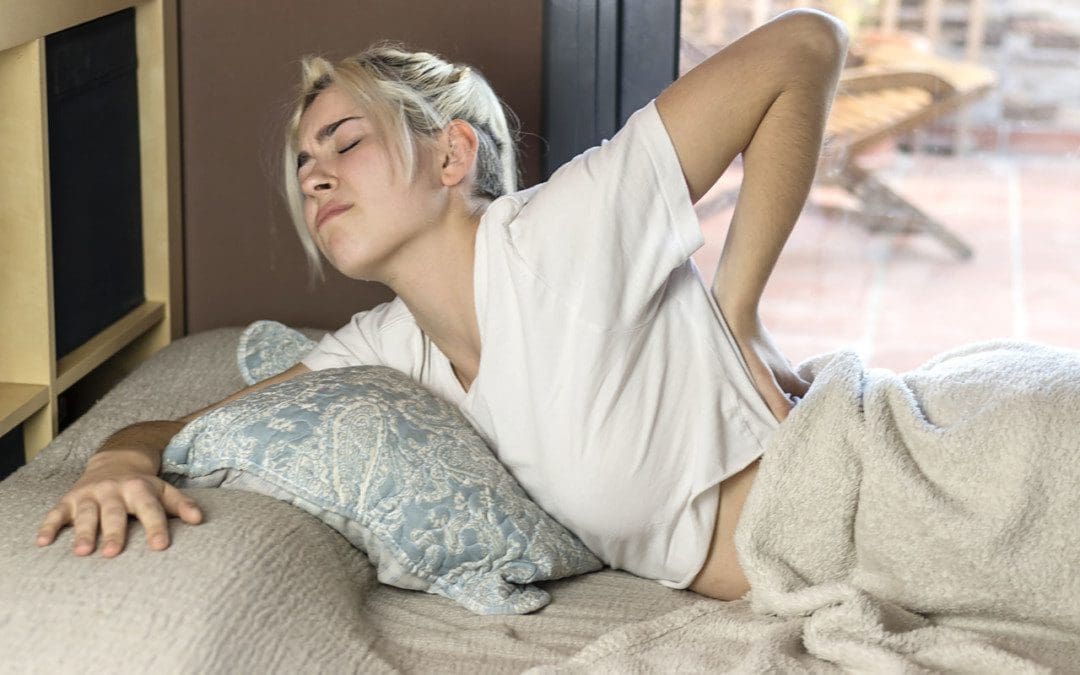
Have you been feeling muscle stiffness in certain areas of your body? Do you feel aches and pains in your low back when stretching? Or have you experienced headaches that seem to go away and come back after a nap? Many of these symptoms are associated with how your sleeping position affects your musculoskeletal system. Many of us have different sleeping positions to feel comfortable and get a full night of sleep. From sleeping on the sides (left or right), on the back, or the stomach, finding a comfortable position can make the musculoskeletal system feel weird. Research studies have revealed that different body postures and movements during sleep have been associated with sleep quality and numerous health outcomes. So if an adult sleeps on their back or side, it could correlate with how much sleep their musculoskeletal system is getting for their mental and physical health. According to Leon Chaitow, N.D., D.O. and Judith Walker DeLany, L.M.T book, “Clinical Application of Neuromuscular Techniques,” stated that recovery of a normal sleep pattern is extremely important for the musculoskeletal system as it provides tissue repair and allows the pituitary glands to release growth hormones in the body while sleep is taking place at night. However, the book also mentions that sleep patterns can be easily disturbed by numerous factors that cause distress and pain to the body affecting the sleep cycle.
Pain Disorders Affecting Sleep
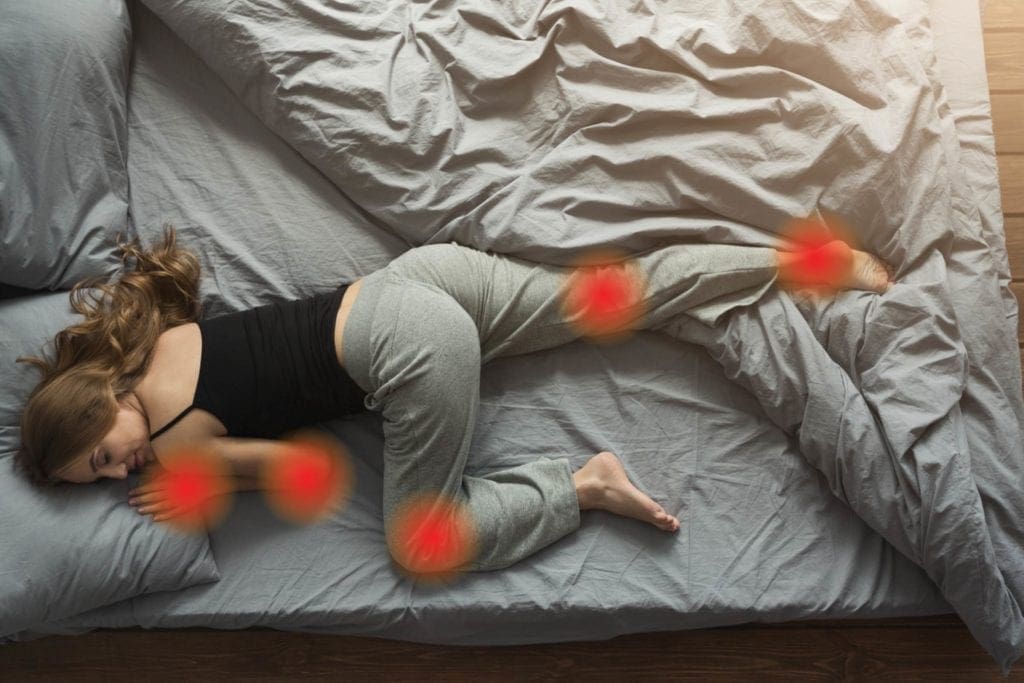
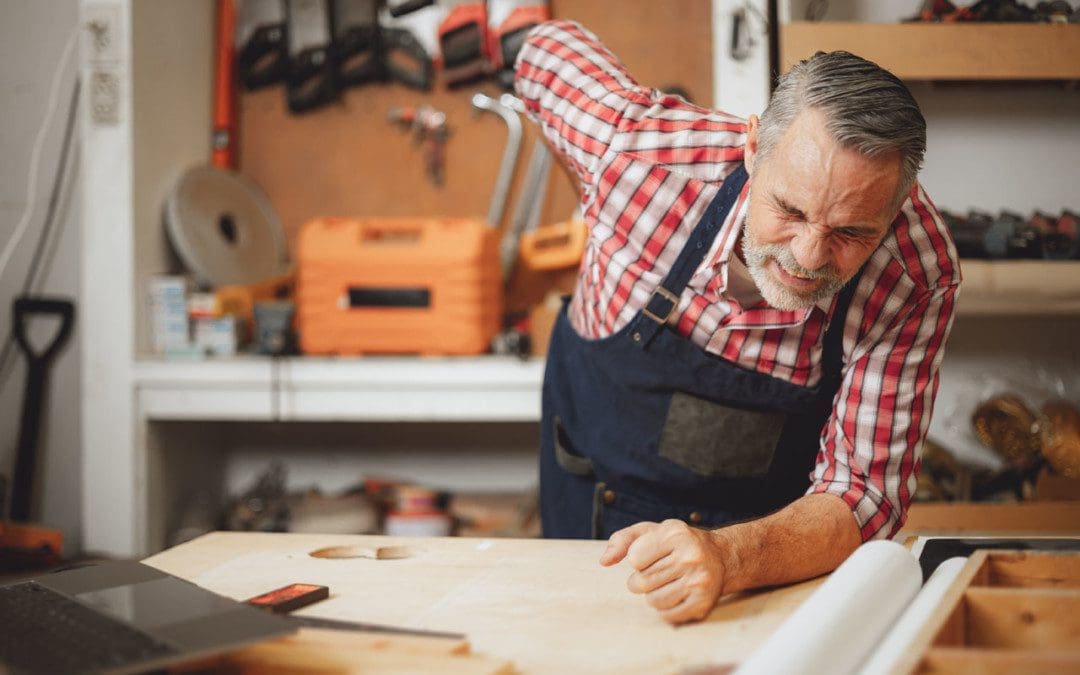
When environmental factors begin to affect how the body functions, it can lead to numerous issues and complaints to the musculoskeletal system that can affect a person’s ability to function over time. It could affect the person’s posture as the muscles are being overstretched, causing issues with the body’s functionality. Studies reveal that different habitual sleep postures or musculoskeletal disorders throughout the day could cause compressive load and muscle contractions on the spinal tissues causing them to become tight and leading to correlating risk factors to the musculoskeletal system. Additionally, environmental risk factors associated with pain can cause muscle weakness and contribute to musculoskeletal problems and imbalances that cause the muscle tissues to become short and tense while changing motor regulation and performance. This means that any muscles that have been overused and injuries can cause pain to the ligaments and joints of the body, leading to musculoskeletal pain and injuries that can affect a person’s quality of sleep.
The Secret Of Unlocking Mobility- Video
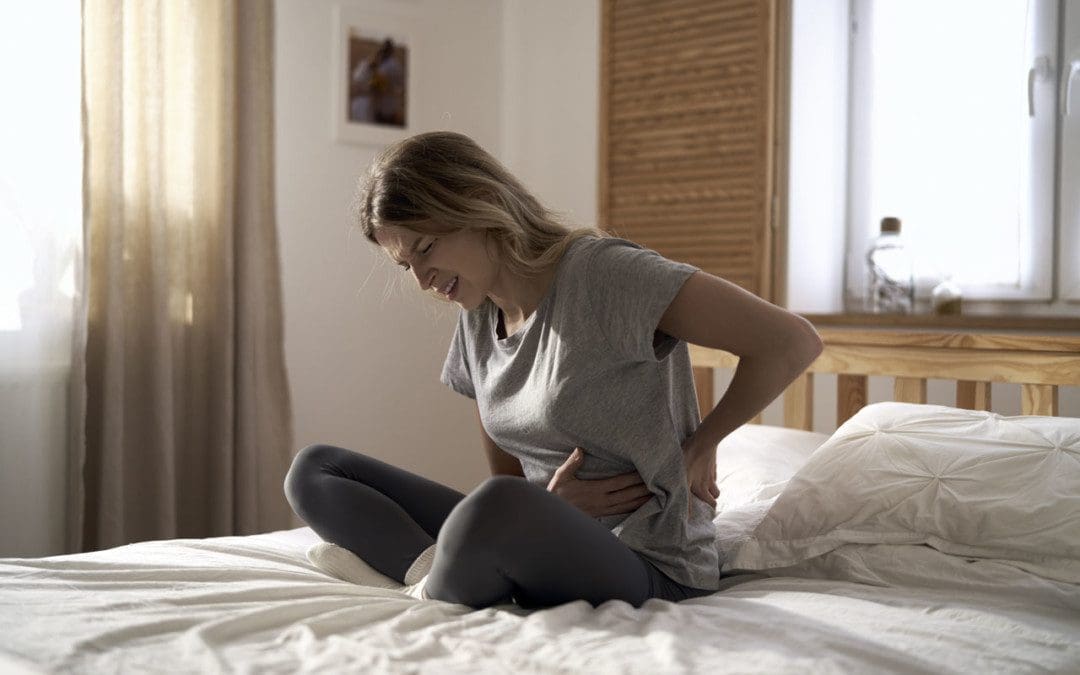
Have you been dealing with aches and pains in your muscles? Do you have issues with low back pain? Or do you feel your muscles tense when waking up from a good night’s rest? A good night’s sleep benefits the body’s musculoskeletal system by promoting tissue repair and growth. Many people dealing with musculoskeletal problems could affect their sleep cycle, causing pain-like symptoms in their bodies. When environmental factors or injuries occur to the musculoskeletal system, it can affect how a person sleeps and cause the muscles to become short and tense, leading to injuries over time. Luckily, available treatments are utilized to restore the body and stretch out the tight muscles to promote healing and help the individual to sleep better. The video above informs how chiropractic care can restore the body through spinal manipulation and allow mobility back to the different muscle groups. Many chiropractors would use various techniques to stretch the affected muscles and realign spinal subluxation in the body to help many individuals go throughout their day and have a better sleep.
The MET Technique & Better Sleep
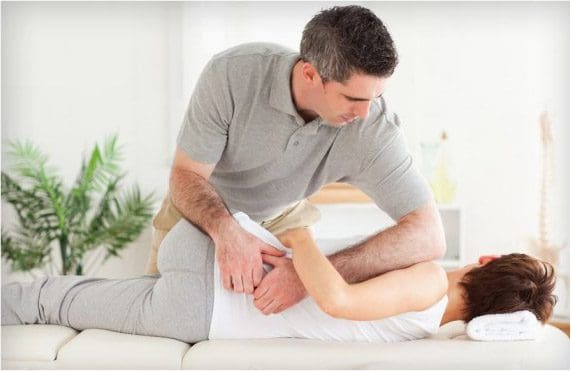
When it comes to having a good night’s sleep, many individuals will find ways to reduce the pain that their body is experiencing by trying to find solutions to get those beneficial 8 hours. Studies reveal that sleep posture has been associated with sleep quality; it is important to identify the factors that could adversely affect a person’s ability to maintain sleep and reduce musculoskeletal issues. Treatments like chiropractic care combined with techniques like the MET (muscle energy technique) can help restore the body through spinal manipulation and stretching of soft muscle tissue when dealing with poor sleep and musculoskeletal problems. Studies reveal that the MET technique, combined with other treatments like chiropractic care, can help restore the range of motion to the joints while stretching weak and short muscles affected by musculoskeletal disorders. These combined techniques can relieve the body from pain and help many individuals sleep better while being aware of their bodies when sleeping to prevent future injuries or pain from reoccurring.
Conclusion
Knowing how you sleep and your position is important when it comes to having a better night’s sleep. Many factors are layered on top of one another that can affect the musculoskeletal system and cause the muscles to be tensed and short, which can lead to dysfunction and cause sleep issues. But with the combination of the MET technique and chiropractic treatment, many individuals can get their bodies restored and have a better night’s sleep without feeling muscle pain when waking up.
References
Cary, Doug, et al. “Examining Relationships between Sleep Posture, Waking Spinal Symptoms and Quality of Sleep: A Cross Sectional Study.” PloS One, U.S. National Library of Medicine, 30 Nov. 2021, https://www.ncbi.nlm.nih.gov/pmc/articles/PMC8631621/.
Cary, Doug, et al. “Identifying Relationships between Sleep Posture and Non-Specific Spinal Symptoms in Adults: A Scoping Review.” BMJ Open, U.S. National Library of Medicine, 28 June 2019, https://www.ncbi.nlm.nih.gov/pmc/articles/PMC6609073/.
Chaitow, Leon, and Judith Walker DeLany. Clinical Application of Neuromuscular Techniques. Churchill Livingstone, 2002.
Skarpsno, Eivind Schjelderup, et al. “Sleep Positions and Nocturnal Body Movements Based on Free-Living Accelerometer Recordings: Association with Demographics, Lifestyle, and Insomnia Symptoms.” Nature and Science of Sleep, U.S. National Library of Medicine, 1 Nov. 2017, https://www.ncbi.nlm.nih.gov/pmc/articles/PMC5677378/.
Wendt, Michał, and Małgorzata Waszak. “Evaluation of the Combination of Muscle Energy Technique and Trigger Point Therapy in Asymptomatic Individuals with a Latent Trigger Point.” International Journal of Environmental Research and Public Health, U.S. National Library of Medicine, 14 Nov. 2020, https://www.ncbi.nlm.nih.gov/pmc/articles/PMC7696776/.
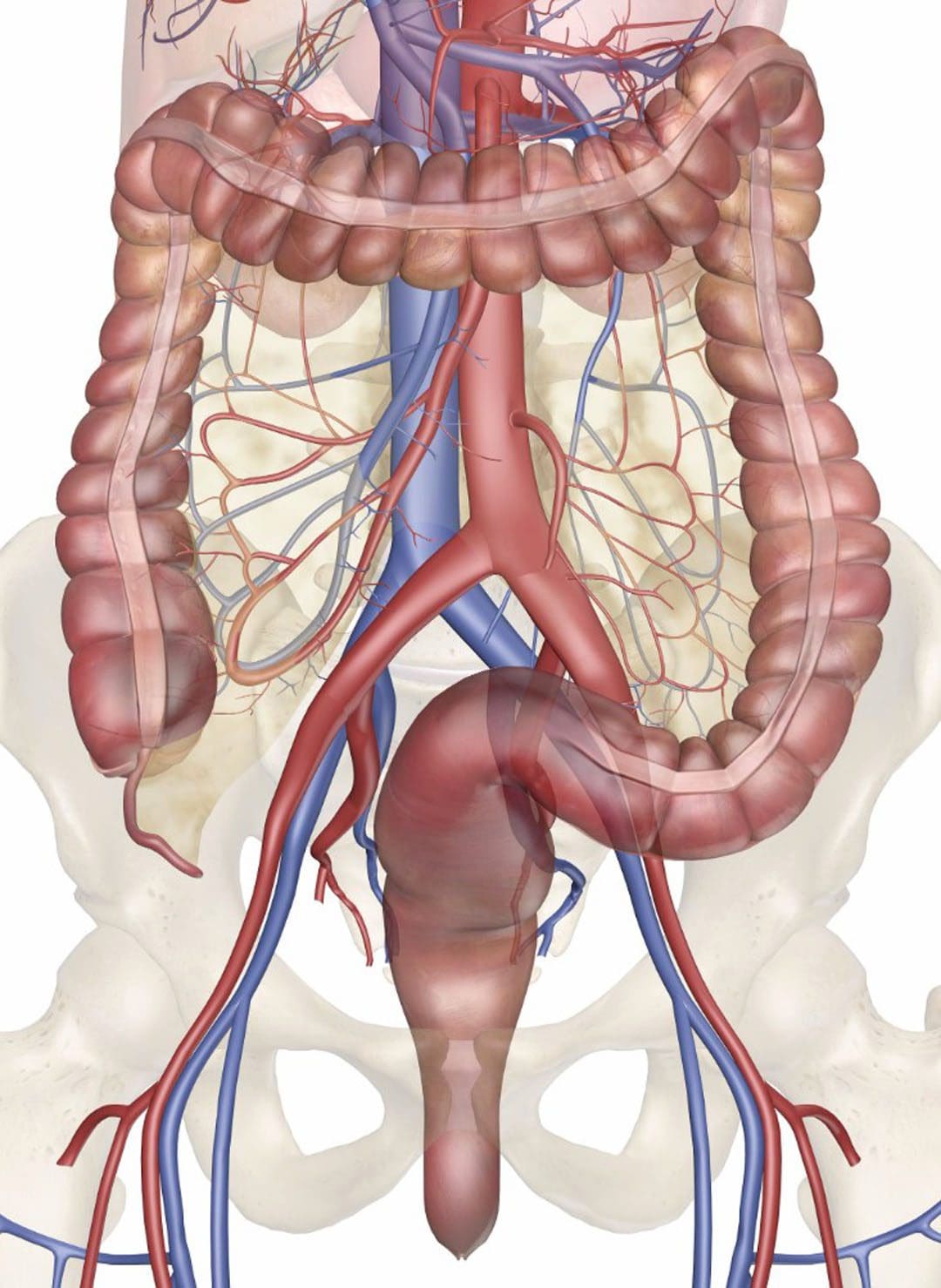
Constipation is a leading cause of low back pain in America and can cause a chain reaction in the rest of the body. When the digestional tract swells, it generates added stress on the back and surrounding nerves. Prolonged constipation and pressure can cause sciatica symptoms. Constipation sciatica can be relieved through chiropractic treatment, therapeutic massage, non-surgical spinal decompression, and functional medicine to alleviate symptoms and restore optimal body function.
Constipation Sciatica
Sciatica is irritation, compression, and inflammation of the sciatic nerve, which supplies the thighs, lower legs, and feet. It is usually caused by a pinched/compressed of one or more spinal nerve roots between the vertebrae of the lower back. The buildup of stool in the intestines can cause a dull aching sensation in the low back that can radiate to surrounding areas. Common causes of constipation include:
Bowel movements vary for everyone, and not having a movement daily does not mean constipation is occurring. Some individuals have only three movements a week, while others have multiple movements daily. A recommended indicator of constipation is if there has been a sudden decrease in typical bowel movements. The digestive tract occupies a significant region of the lower torso. Back pain symptoms can present after the rectum becomes obstructed or stools have solidified in the colon. Once constipation has developed, the blockage presses against the nerves and muscles of the back. This causes a range of discomfort signaling by the brain, which worsens as the backup grows. Symptoms of general constipation include:
Feeling full despite not eating anything.
Bloating.
Swelling.
Abdominal cramping.
Infrequent bowel movements.
Discomfort or aching when trying to pass a stool.
Hard and/or lumpy stool.
Constipation is considered chronic when two or more of the following symptoms occur for at least three months:
Further decreased bowel movements.
Straining to defecate.
Stools do not loosen without the use of laxatives.
Passage of hard pebble/pellet stools.
Consistent abdominal pain that is relieved by even slight movement.
Feeling as if the bowels are not fully emptied or a blockage in the rectum.
Feeling the need to assist the release by pressing on the abdomen.
Chiropractic Treatment
Chiropractic treatment can realign the spine, release compressed nerves, increase the frequency of bowel movements, and through the massage and relaxation of the muscles, help to soften stools. Intestinal muscles push the stool to the anus, where it leaves/evacuates the body. Special nerve cells in the intestine, known as ganglion cells,innervate the muscles to push. These nerves connect to the celiac ganglion, which connects to the spinal cord through nerve roots that exit the spine in the lower thoracic and upper lumbar region. The celiac ganglion innervates the liver, stomach, gallbladder, spleen, kidneys, small intestine, and the ascending and transverse colon. Treatment for constipation and back pain depends on the cause of the symptoms. For example, if the constipation is caused by dehydration, a chiropractor will instruct the patient on water intake as part of the personalized treatment plan.
Diagnosis to Recovery
References
Fernandes, Walkyria Vilas Boas, et al. “The effect of a six-week osteopathic visceral manipulation in patients with non-specific chronic low back pain and functional constipation: study protocol for a randomized controlled trial.” Trials vol. 19,1 151. 2 Mar. 2018, doi:10.1186/s13063-018-2532-8
Panarese, Alba, et al. “Chronic functional constipation is strongly linked to vitamin D deficiency.” World journal of gastroenterology vol. 25,14 (2019): 1729-1740. doi:10.3748/wjg.v25.i14.1729
Rédly, Monika. “The effects of chiropractic care on a patient with chronic constipation.” The Journal of the Canadian Chiropractic Association vol. 45,3 (2001): 185–191.
Trager, Robert James, et al. “Association between radicular low back pain and constipation: a retrospective cohort study using a real-world national database.” Pain reports vol. 6,3 e954. 26 Aug. 2021, doi:10.1097/PR9.0000000000000954
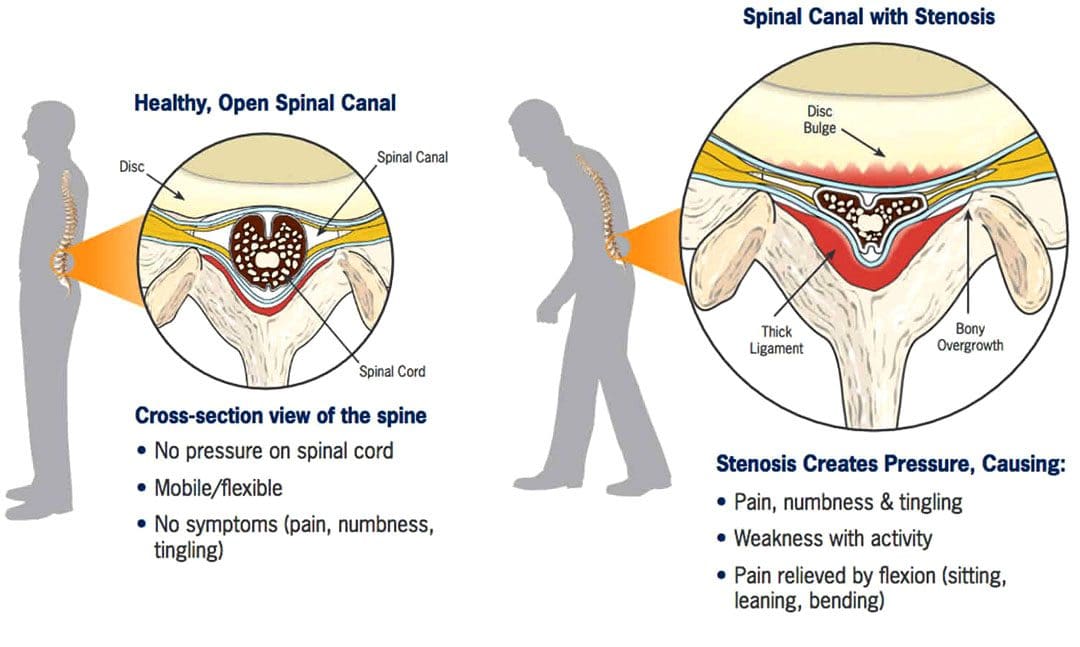
Spinal Stenosis Walking Issues:Stenosis means a narrowing. Spinal stenosis can happen in any spine region, but the neck and lower back are the most common locations. The spinal canal becomes narrower and can cause the nerves to become compressed, pinched, and irritated and can extend from the lumbar spine through the hips, buttocks, legs, and feet. Individuals with lumbar spinal stenosis may have difficulty walking caused by sensations of discomfort like numbness, electrical shocks, and pain, requiring the need to lean forward to relieve pressure and symptoms. Additionally, symptoms are likely to worsen the longer the walk. Chiropractic treatment can treat spinal stenosis because it corrects and re-aligns the spine, thus reducing pressure on the spinal cord, joints, and nerve roots.
Spinal Stenosis Walking Issues
The spine is made up of interlocking vertebrae. The regions are cervical, thoracic, lumbar, and sacral bones with a foramen opening. These openings form the protective tunnel/spinal canal surrounding the spinal cord. The spinal cord is a group of nerves that run through the tunnel. The narrowing suffocates the nerves supplying the lower extremities that can influence walking activity.
Symptoms
There may be no symptoms with early lumbar spinal stenosis. Most individuals develop symptoms gradually and may begin to notice them while walking or standing. These can include:
Lower back pressure sensations when standing upright or walking.
Leg numbness, tingling, weakness, burning, and/or cramping.
Muscle weakness.
Persistent pain in the back, hips, buttocks, or legs while walking.
Difficulty lifting the top part of the foot – known as drop foot.
Loss of sensation in the feet.
A weak foot that drops/slaps down when walking.
Loss of sexual ability.
In more serious cases, severe numbness, bladder problems, and inability to stand.
Individuals begin to lean forward when symptoms start, bringing relief by reducing the pressure on the nerves. However, constantly leaning forward leads to other posture and health problems.
Diagnosis
A doctor or chiropractor will ask questions about symptoms and medical history and perform a complete physical examination to diagnose lumbar spinal stenosis. During the physical examination, a healthcare provider will look for signs, such as loss of sensation, weakness, and abnormal reflexes.
Tests:
X-rays of the lumbar spine may show bone growths called spurs that push on spinal nerves and/or narrowing of the spinal canal.
Imaging tests – A CT or MRI scan can provide a detailed look at the spinal canal and nerve structures.
Other studies include – bone scans, myelogram, which is a CT scan that uses a color dye, and EMG, which is an electrical test of muscle activity.
Chiropractic Treatment
Chiropractic care combined with physical therapy is a tried-and-true treatment for spinal stenosis. A chiropractic treatment plan can include targeted and passive exercise programs. Targeted exercises involve strengthening the core and back muscles. Passive treatments include hot and cold therapy, massage, decompression, and electrical stimulation. The objective of chiropractic therapy is to:
Strengthen muscles in the core and legs
Correct posture and body mechanics.
Improve mobility.
Maintain ability to perform day-to-day activities.
Recommend stretches.
Educate on how to keep the spine and back muscles safe.
Train on using devices like a back brace, cane, or walker properly.
Advise about shoe inserts and splints.
Suggest work and home environment modifications, such as ergonomics and cushions.
Chiropractic Relief
References
Conway, Justin, et al. “Walking assessment in people with lumbar spinal stenosis: capacity, performance, and self-report measures.” The spine journal: official North American Spine Society journal vol. 11,9 (2011): 816-23. doi:10.1016/j.spinee.2010.10.019
Lurie, Jon, and Christy Tomkins-Lane. “Management of lumbar spinal stenosis.” BMJ (Clinical research ed.) vol. 352 h6234. 4 Jan. 2016, doi:10.1136/bmj.h6234
Macedo, Luciana Gazzi, et al. “Physical therapy interventions for degenerative lumbar spinal stenosis: a systematic review.” Physical therapy vol. 93,12 (2013): 1646-60. doi:10.2522/ptj.20120379
Tomkins-Lane, Christy C et al. “Predictors of walking performance and walking capacity in people with lumbar spinal stenosis, low back pain, and asymptomatic controls.” Archives of physical medicine and rehabilitation vol. 93,4 (2012): 647-53. doi:10.1016/j.apmr.2011.09.023
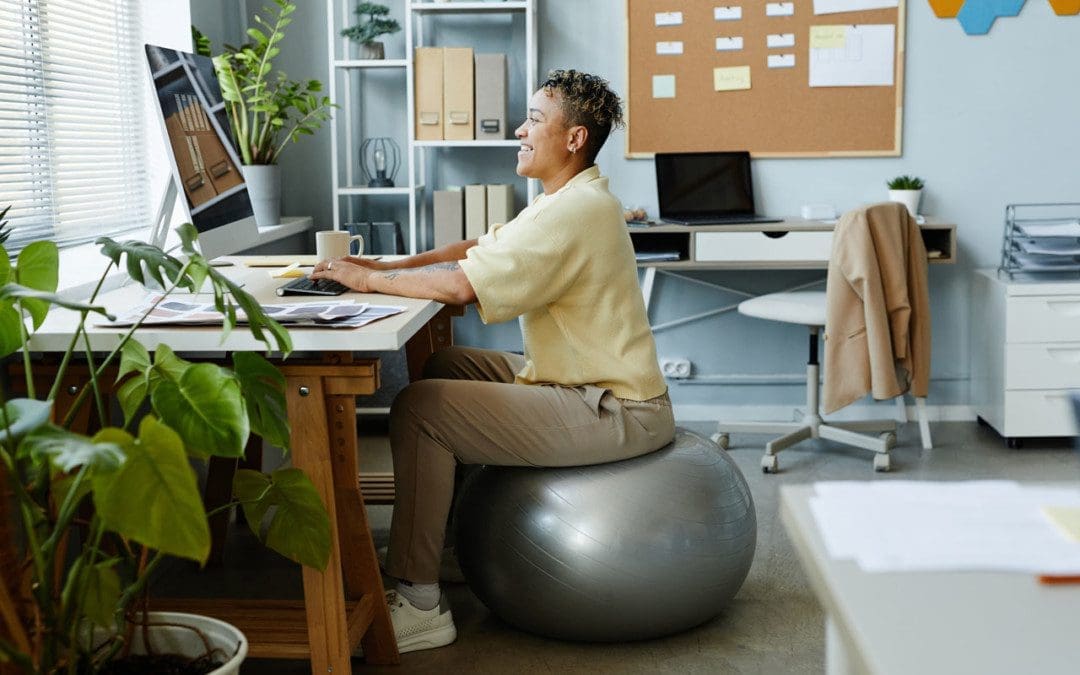
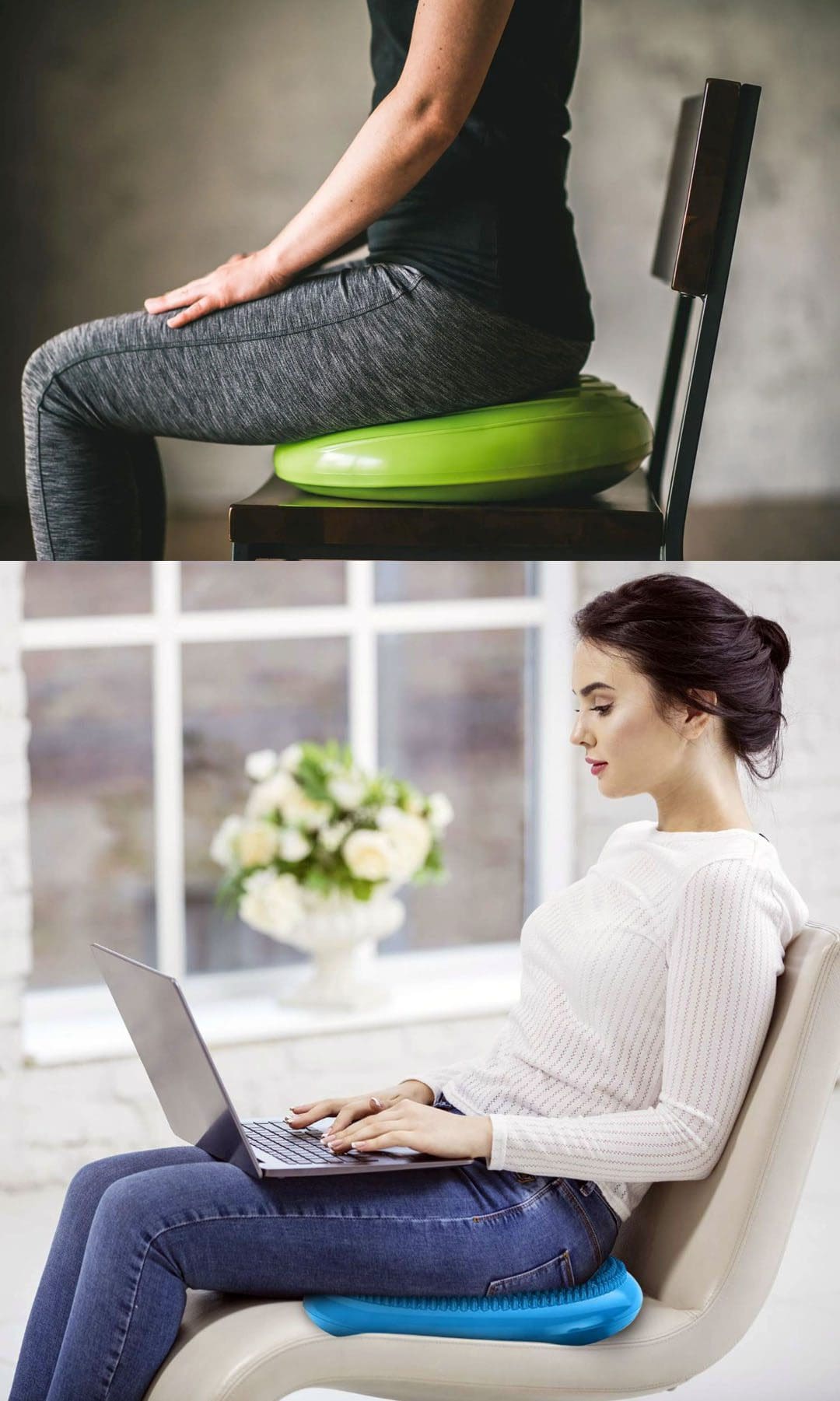
Wobble cushions are small round inflatable support pillows made of a flexible material that can be used to stand and sit on. The cushion creates instability, hence wobble, to engage the lower back, hips, and core muscles. They promote core stability, strengthen muscle tone, and improve balance and body posture. A flexible body helps in injury prevention. At Injury Medical Chiropractic and Functional Medicine Clinic, we utilize innovative techniques and therapies to reduce stress, assist in healing musculoskeletal damage from injuries, disease, or conditions, and keep the spine and whole body healthy.
Wobble Cushions
A common reason for back aches and pains is sitting for long periods. Individuals unintentionally slouch or hunch over as they go through their day, causing strain to the back muscles, gluteal muscles, core muscles, hips, and spine. This causes the lower half of the body to weaken and causes the top muscles to take up the slack to support the torso and lower body.
Muscle Spasms
Muscle spasms can be the acute type that is forceful and involuntary, and chronic sustained stiffness, tightness, cramping, and pain. Lower back discomfort and/or sciatica symptoms vary depending on the cause, location, and severity of the strain or injury. Signs could be dull, burning, or sharp at a single point or over a broad region that could spread into one or both legs. Types of low back discomfort:
Acute symptoms last less than three months. Most individuals with acute episodes will have at least one recurrence.
Recurrent means the acute symptoms return.
Chronic symptoms last longer than three months.
Cushion Benefits
Encouraging active sitting improves posture allowing individuals to sit and stay focused for longer as their body awareness improves, reducing hunching, slumping, slouching, and fidgeting. Other wobble cushion benefits include:
Decreased muscle stress and strain on the joints and ligaments, which improves proprioceptive sense or body awareness.
Increases blood circulation and oxygenation throughout the body.
Helps rehydrate the discs and circulate spinal fluid. Spinal discs do not have a direct blood supply; therefore, movement is required to pump and circulate healthy fluids.
Allows more flexibility in the spine, hips, and core muscles.
Improves overall posture.
The purpose of wobble cushions is not to provide comfort. They are supposed to be uncomfortable and unstable to make the individual sit up straight. The cushion can be placed on a chair or the floor to effectively practice balancing without putting pressure on the back, knees, or feet. They can also be used for practicing standing balance. Various factors to consider when looking for a cushion include:
Stability
Comfort
Resilience
Alignment
All play a role in determining the best option.
Discussing options with a doctor or chiropractor is recommended to ensure that the cushion meets your needs and preferences.
Spinal Hygiene
References
Alrwaily, Muhammad, et al. “Stabilization exercises combined with neuromuscular electrical stimulation for patients with chronic low back pain: a randomized controlled trial.” Brazilian journal of physical therapy vol. 23,6 (2019): 506-515. doi:10.1016/j.bjpt.2018.10.003
Haksever, Bunyamin et al. “The Dynamic Innovative Balance System Improves Balance Ability: A Single-Blind, Randomized Controlled Study.” International journal of sports physical therapy vol. 16,4 1025-1032. 1 Aug. 2021, doi:10.26603/001c.25756
Honert, Eric C, and Karl E Zelik. “Foot and shoe responsible for the majority of soft tissue work in the early stance of walking.” Human movement science vol. 64 (2019): 191-202. doi:10.1016/j.humov.2019.01.008
Ostelo, Raymond Wjg. “Physiotherapy management of sciatica.” Journal of physiotherapy vol. 66,2 (2020): 83-88. doi:10.1016/j.jphys.2020.03.005
Shahvarpour, A et al. “Active-passive biodynamics of the human trunk when seated on a wobble chair.” Journal of biomechanics vol. 49,6 (2016): 939-945. doi:10.1016/j.jbiomech.2016.01.042
Prolonged standing can cause the pelvis to push backward, increasing the curve of the lower back/lumbar region. This increased pressure on the soft tissues surrounding the spine causes the lower back muscles to tighten and/or spasm, resulting in discomfort in the joints and nerves. Weakened core muscles and unhealthy posture/postural syndrome are the most common causes, but injury, aging, congenital malformations, or a disease/condition can also contribute to the symptoms. Injury Medical Chiropractic and Functional Medicine Clinic has a top team of professional therapists to evaluate the problem, diagnose the cause/s accurately, and develop a customized treatment and rehabilitation plan.
Prolonged Standing Back Discomfort
Back Structure
The lower back is one of the most used areas of the spine, moving around and bending during a normal day. When the body stands, the spine naturally curves both in and outwards.
The inward curve, called lordosis, curves towards the front of the body at the lower back and neck regions.
The outward curve, called kyphosis, curves towards the back of the body at the chest.
When bending over while standing, the five lumbar vertebrae of the lower back change position and shift from lordosis to kyphosis when bent completely.
When standing up from bending, the lumbar vertebrae change position again and return to the lordosis position.
Causes
The facet joints allow movement between each spine level. The standing spinal curvature can increase contact between the facet joints. As the body ages, the facet joints and discs begin to wear out, which can cause the discs and facet joints to become inflamed. Prolonged standing during normal daily activity combined with inflammation in these joints can aggravate the inflammation and cause symptoms. Regular routines and habits may contribute to low back discomfort during prolonged standing. These include:
Sleeping on a sinking or unsupportive mattress.
Practicing unhealthy postures that cause imbalances with proper weight distribution.
Not wearing proper footwear and/or supportive orthotics forces the lower spine into increased curvature and can compress the facet joints.
Not getting enough physical activity that strengthens the core.
Chiropractors are experts on the musculoskeletal system. They will:
Listen to the patient about symptoms, medical history, and occupation.
A physical examination of muscle tone, strength, and range of motion.
Therapeutic massage, electric muscle stimulation, and ultrasound therapy can help reduce muscle inflammation and increase circulation to injured soft tissues.
Chiropractic adjustments will reset joints, removing pressure from the surrounding muscles and nerves.
Targeted therapeutic strength training is recommended for core and leg muscles to improve hip flexibility.
Non-surgical decompression or traction, either with a machine or suspension, can reverse the pressure in spinal discs.
Standing Lower Back Relief Exercises
References
Hasegawa, Tetsuya, et al. “Association of low back load with low back pain during static standing.” PloS one vol. 13,12 e0208877. 18 Dec. 2018, doi:10.1371/journal.pone.0208877
Jo, Hoon, et al. “Negative Impacts of Prolonged Standing at Work on Musculoskeletal Symptoms and Physical Fatigue: The Fifth Korean Working Conditions Survey.” Yonsei medical journal vol. 62,6 (2021): 510-519. doi:10.3349/ymj.2021.62.6.510
Ognibene GT, Torres W, von Eyben R, Horst KC. Impact of a sit-stand workstation on chronic low back pain: randomized trial results. J Occup Environ Med. 2016;58(3):287-293. Abstract. https://www.ncbi.nlm.nih.gov/pubmed/26735316. Accessed March 2, 2017.
Parry, Sharon P et al. “Workplace interventions for increasing standing or walking for decreasing musculoskeletal symptoms in sedentary workers.” The Cochrane database of systematic reviews vol. 2019,11 CD012487. November 17, 2019, doi:10.1002/14651858.CD012487.pub2
Rodríguez-Romero, Beatriz, et al. “Thirty Minutes Identified as the Threshold for Development of Pain in Low Back and Feet Regions, and Predictors of Pain Intensity During 1-h Laboratory-Based Standing in Office Workers.” International journal of environmental research and public health vol. 19,4 2221. February 16, 2022, doi:10.3390/ijerph19042221
Smith, Michelle D et al. “The Influence of Using a Footstool during a Prolonged Standing Task on Low Back Pain in Office Workers.” International journal of environmental research and public health vol. 16,8 1405. April 18. 2019, doi:10.3390/ijerph16081405
Getting healthy sleep can be difficult when dealing with back problems or recovering from surgery. It can be difficult, if not impossible, to get and stay comfortable long enough to sleep on a regular flat mattress. It is worth considering an adjustable bed as an alternative. Because of their lifestyle and health benefits, these beds are growing in popularity to meet an individual’s spine, posture, and sleeping needs.
Adjustable Bed
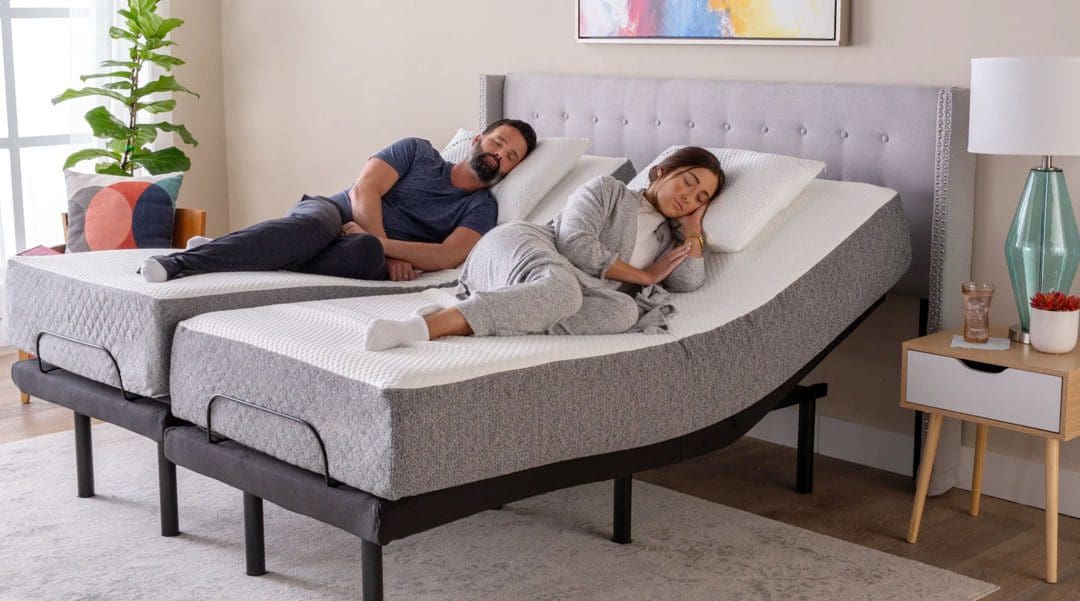
An adjustable bed can raise and lower a mattress’s orientation to different angles, allowing the upper body to rest at a slight incline, such as 30 to 45 degrees, with support under the knees as they bend at a slight angle. The body can feel better in an inclined or semi-upright position rather than lying flat. Individuals with back or neck problems or joint conditions like shoulder arthritis have reported feeling better in this position.
Features
The number of adjustments varies from model to model. Available features include:
Adjustable firmness for the low back/lumbar area.
Adjustments may be made by remote control.
Some offer massage options.
Zero gravity – NASA invented the zero gravity position to reduce pressure on astronauts during takeoff. In this position, the head and knees are raised above the heart, making the body feel weightless.
Adjustable beds are sold in single, queen, and king sizes.
Split queen and king sizes allow the settings to be customized for each side of the bed.
Benefits
Snoring
Over 90 million Americans snore during sleep.
The main cause of snoring is the blockage of the windpipe while sleeping, which can be caused by several factors, but most commonly by the weight of the neck on the windpipe, preventing the individual from breathing properly.
An adjustable bed allows for an inclined position, decreasing the pressure on the windpipe, reducing snoring, and allowing for a more relaxing sleep.
Asthma
Asthma can disrupt healthy sleep and make breathing difficult at night.
COPD and chronic lung conditions can worsen over time, impacting sleep quality.
Lying flat often irritates these lung conditions.
Sleeping with the head and feet in a raised position makes breathing easier.
Posture
Unhealthy posture causes soreness, stiffness, tightness, headaches, and other health issues.
Adjustable beds provide postural support to the spine and can improve posture and increase overall health.
Back Problems
80% of individuals deal with various back issues and symptoms.
Adjustable beds provide support and alignment to the spine by allowing the mattress to conform to the body’s contours.
This can prevent sciatica, enabling the nerves to relax and rest without added body pressure.
For those with sciatica, pain can be alleviated by using a raised leg position to take the stress off the nerves and increase circulation.
Lowering the bed up and down can help stretch the back.
Digestion
An adjustable bed can help with digestion issues.
An inclined position prevents indigestion and acid reflux and helps the body process food more efficiently.
A six-inch raise is recommended to increase digestion.
Individuals who go to bed on a full stomach should raise the incline as there is more digestive activity.
Inflammation, Swelling, and Injury Recovery
When dealing with neuromusculoskeletal injuries, doctors often recommend elevating the injured part of the body to speed up recovery.
An adjustable bed lifts or raises the mattress and elevates the limbs while maintaining a neutral/natural sleeping position.
Pregnancy
Physical and hormonal changes during pregnancy can cause back discomfort symptoms, sciatica, circulation issues, and swelling.
Pregnant women can use the zero gravity position to reduce swelling, alleviate back pain, and improve circulation.
This position also makes back sleeping safer for the mom and baby.
Individuals should research all the styles and features available to find what works for them.
Ten Benefits
References
Ancuelle, Victor, et al. “Effects of an adapted mattress in musculoskeletal pain and sleep quality in institutionalized elders.” Sleep science (Sao Paulo, Brazil) vol. 8,3 (2015): 115-20. doi:10.1016/j.slsci.2015.08.004
Söderback, I, and A Lassfolk. “The usefulness of four methods of assessing the benefits of electrically adjustable beds in relation to their costs.” International journal of technology assessment in health care vol. 9,4 (1993): 573-80. doi:10.1017/s0266462300005493
Tetley, M. “Instinctive sleeping and resting postures: an anthropological and zoological approach to the treatment of low back and joint pain.” BMJ (Clinical research ed.) vol. 321,7276 (2000): 1616-8. doi:10.1136/bmj.321.7276.1616
Verhaert, Vincent, et al. “Ergonomics in bed design: the effect of spinal alignment on sleep parameters.” Ergonomics vol. 54,2 (2011): 169-78. doi:10.1080/00140139.2010.538725
When everyday factors affect how many of us function, our back muscles begin to suffer. The back muscles in the cervical, thoracic, and lumbar section surround the spine and spinal cord, which helps the body stay upright and promotes good posture. The muscles allow the upper portions of the body to bend down and twist without pain while providing stability to the lower parts of the body. However, when the body ages or everyday activities cause issues, it can develop low back pain associated with weak back muscles. There are many ways to prevent these issues from escalating with various hyperextension exercises for low back pain. This 2-part series examines how low back pain affects the body and how different hyperextension exercises can help strengthen the back. Part 1 examines how hyperextension affects the body and how it is associated with low back pain. We mention our patients to certified medical providers that provide available therapy treatments for individuals suffering from chronic low back pain. We encourage each patient when it is appropriate by referring them to associated medical providers based on their diagnosis or needs. We understand and accept that education is a marvelous way when asking our providers’ crucial questions at the patient’s request and acknowledgment. Dr. Jimenez, D.C., makes use of this information as an educational service. Disclaimer
Low Back Pain Affecting The Body
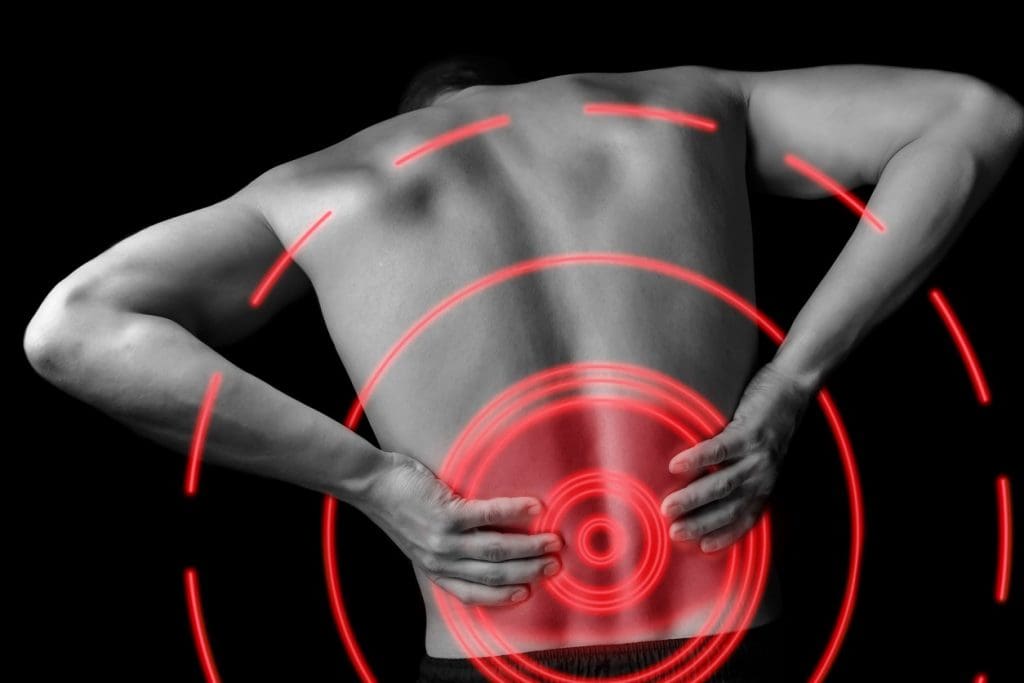
Have you been dealing with aches and pains when bending down? Do you feel stiffness in your torso when twisting? Or have you experienced limited mobility in your hips? Many of these symptoms correlate with low back pain. Studies reveal that back pain is one of the most common issues in the emergency room. Low back pain is associated with many factors that put pressure on the various muscles in the back and can lead to underlying conditions that can cause symptoms to make the body dysfunctional. Additional studies have revealed that chronic low back pain can have influenced overlapping risk profiles, which include:
Stress
Dietary habits
Lifting heavy objects
Musculoskeletal disorders
When these factors affect the back, many individuals will be in constant pain and take medication to relieve their pain. However, medicine can only go so far as it only masks the pain, but there are other ways to reduce low back pain and help strengthen the various muscles surrounding the low back.
An Overview Of Hyperextension (Part 2)
Biomedical physiologist Alex Jimenez explains how there are a couple of different variations that you can do to prevent low back pain. The first one is the elbows in front. The second one is the elbows in front while pointing them forward and keeping them pointed forward throughout the entire movement. The third one is the hands behind the head. And then the fourth variation is putting weight behind your back once you work up to this level. And then using that weight to put more stress on a pivot point. You can also hold the weight to your chest, but putting it behind your head gives you a further pivot point or a further point on the fulcrum, which are your hips putting more stress on your spinal rectors. The repetitions and frequency should be performed at the beginning of most workouts, before or after your abdominal exercises on leg days. You can use this exercise as a warmup before deadlifting or squatting. I’ll remember you don’t have to go as much weight or as many reps when you’re doing this on leg days. So we recommend starting with four sets of 20 reps and slowly working up to four sets of 40 reps. This seems like a lot, but it will be beneficial in the end.
Various Hyperextension Exercises For The Back
When it comes to low back pain, the various muscles are weak, which can lead to multiple symptoms affecting a person’s mobility. Luckily making small changes in a daily structure, like incorporating exercises that target the back, can be beneficial. Studies reveal that exercises targeting the back muscles can help strengthen the targeted muscles to have mobility and stability in the back. As a bonus, exercises combined with chiropractic treatments can help restore the body and allow the spine to be realigned. When it comes to back exercises, hyperextension exercises can help prevent low back symptoms from reoccurring and strengthen weak back muscles. Here are some of the various hyperextension exercises that benefit the back.
Reverse Flys
There are different variations of how to do reverse flys. You can pick a moderate or lightweight dumbbell or a resistance band. This exercise is great for the upper back muscles and rear deltoids.
Sit in a chair where the dumbbells are in front of you. *For resistance bands, make sure the bands are under your feet.
Pick up the dumbbells/resistance bands with the palms of your hands and bend forward.
Squeeze the shoulder blades together, lift the arms to shoulder level with slightly bent elbows, and lower them.
Repeat for three sets of 12 reps and rest in between.
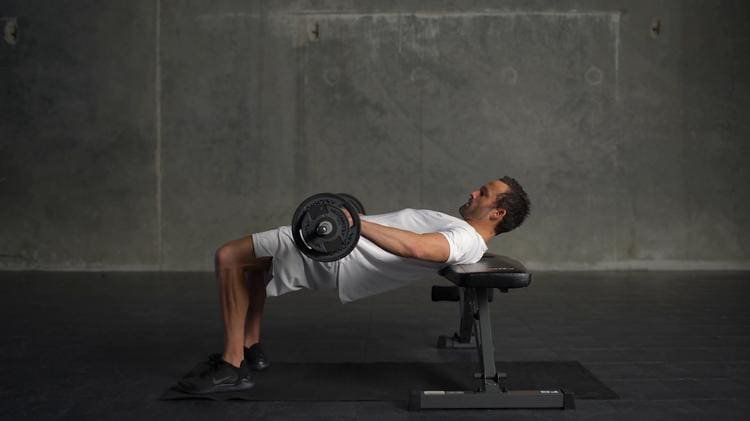
Hip Thrust
Different variations to this exercise can help with the posterior muscles in the lower back. You can use barbells, dumbbells, resistance bands, or your body weight to strengthen your core back muscles.
Lean against a bench with the knees bent and the feet flat on the floor.
Rest the shoulder blades on the bench for support and have the weight placed near your core.
Raise your body slightly by pushing your heels down to the floor and walking out slowly beyond your knees.
Push through your heels to have your hips at shoulder level, hold for a second, and lower your hips back down.
Repeat for three sets of 12 reps and rest in between.
Supermans
This exercise has two different variations and makes you aware of your back muscles. This exercise helps improve muscle mobility in all three sections of the back.
Lay on the mat face down with your arms in front and your legs straight.
Keep the head in a neutral position and raise both the arms and legs off the mat. This allows the body to be in a banana shape in a comfortable position. *If you want more challenge, lift the opposite arms and legs simultaneously.
Hold for a couple of seconds for the upper and lower back and hamstrings to maintain their positions.
Lower down with control.
Repeat for three sets of 12 reps and rest in between.
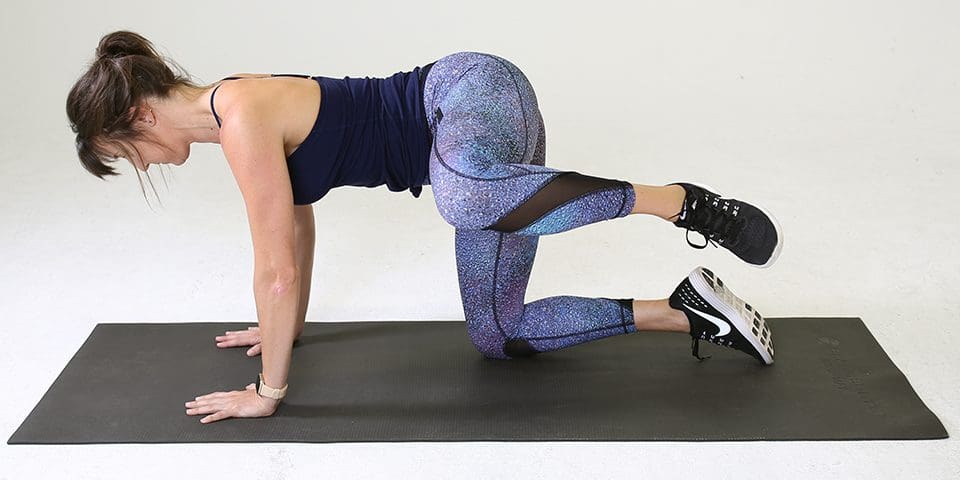
Fire Hydrants
This exercise helps the lower back and glute muscles reduce the effects of low back pain and make it more challenging to use a resistance band.
Be in a cat/cow position on your mat, allowing the wrist to be aligned under the shoulders and the knees to be aligned under the hips.
Maintain a neutral spine while engaging the core.
Squeeze the glutes and lift your right leg off the mat, keeping the knee at 90 degrees. *The hips should be the only ones moving to keep the core and pelvis stable.
Lower the right leg down with control.
Repeat for three sets of 12 reps and rest before repeating the motion on the left leg.
Conclusion
All in all, having low back pain doesn’t mean your life is over. Incorporating hyperextension exercises as part of your daily routine can help strengthen your back muscles and ensure that you won’t have reoccurring symptoms from low back pain. Making these small changes can lead to beneficial results in the long run for your health and wellness journey.
References
Allegri, Massimo, et al. “Mechanisms of Low Back Pain: A Guide for Diagnosis and Therapy.” F1000Research, U.S. National Library of Medicine, 28 June 2016, https://www.ncbi.nlm.nih.gov/pmc/articles/PMC4926733/.
Casiano, Vincent E, et al. “Back Pain – Statpearls – NCBI Bookshelf.” In: StatPearls [Internet]. Treasure Island (FL), StatPearls Publishing, 4 Sept. 2022, https://www.ncbi.nlm.nih.gov/books/NBK538173/.
Koes, B W, et al. “Diagnosis and Treatment of Low Back Pain.” BMJ (Clinical Research Ed.), U.S. National Library of Medicine, 17 June 2006, https://www.ncbi.nlm.nih.gov/pmc/articles/PMC1479671/.
IFM's Find A Practitioner tool is the largest referral network in Functional Medicine, created to help patients locate Functional Medicine practitioners anywhere in the world. IFM Certified Practitioners are listed first in the search results, given their extensive education in Functional Medicine