The NHTSA records show that rear-end collisions are the most common and make up 30% of all traffic accidents, crashes, and collisions. Rear-end collisions can come out of nowhere. One moment a driver is waiting at a stop or light, and suddenly they are catapulted forward by the intense force of another vehicle/s resulting in serious and sustaining injuries that can impact an individual’s physical capabilities. Rear-end collision injuries most commonly affect the neck and back. This is because of the excessive force and intense shifting and whipping the body goes through. Chiropractic care, massage, and decompression therapy can realign the body, relax the muscles, release compressed nerves, expedite recovery, and restore mobility and function.
Rear-End Collision Injuries
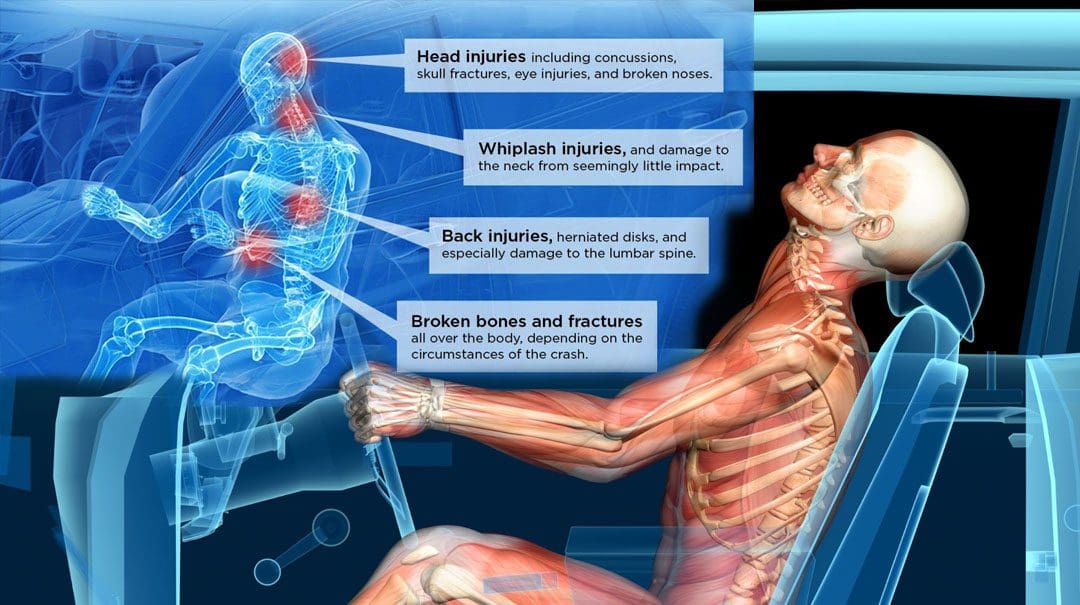
Rear-end collision injuries can range from mild to serious, and what seems like a minor pull can result in a severe injury. The most common injuries include:
Pre-existing conditions such as degenerative disc disease can worsen.
Collision Types
A rear-end collision can occur in several ways. The most common types include:
Tailgating
When drivers in the rear follow another motorist too closely, and the lead motorist slows down or has to stop quickly, the rear driver hits the vehicle because there was not enough adequate time and distance to stop.
Slow Speed Collisions
Slow-speed/low-impact collisions or fender benders can result in spinal injuries and concussions.
They can also lead to facial and head injuries from sudden airbag deployment.
Vehicle Pile-Ups
A single rear-end collision on a busy street or interstate highway can cause a chain reaction of multiple-vehicle collisions.
These accidents can cause devastating injuries.
Causes
Causes that can take attention away from the road include:
Speeding
Distracted driving – Talking or texting.
Tailgating
Looking at something like an accident while driving by.
Symptoms of rear-end collision injuries may not immediately present following an accident. It can take 24 to 48 hours for discomfort symptoms to come on and sometimes longer. The adrenaline rush allows the individual not to experience the physical symptoms, which is why individuals think they’re fine when they are not. Ignoring signs increases the risk of permanent injury. A herniated disc, for example, left untreated, can lead to permanent nerve damage. Chiropractic treatment for rear-end collisions is one of the most effective options available. A chiropractor manipulates the spine to realign the spinal cord, allowing the body to decrease inflammatory cytokine production, which reduces the inflammatory response. Specific techniques and various tools can realign individual vertebrae, restore joint flexibility, and break up the scar tissue so the areas can heal faster.
The Spine In A Rear-End Auto Accident
References
Chen, Feng, et al. “Investigation on the Injury Severity of Drivers in Rear-End Collisions Between Cars Using a Random Parameters Bivariate Ordered Probit Model.” International journal of environmental research and public health vol. 16,14 2632. 23 Jul. 2019, doi:10.3390/ijerph16142632
Davis, C G. “Rear-end impacts: vehicle and occupant response.” Journal of manipulative and physiological therapeutics vol. 21,9 (1998): 629-39.
Dies, Stephen, and J Walter Strapp. “Chiropractic treatment of patients in motor vehicle accidents: a statistical analysis.” The Journal of the Canadian Chiropractic Association vol. 36,3 (1992): 139–145.
Garmoe, W. “Rear-end collisions.” Archives of physical medicine and rehabilitation vol. 79,8 (1998): 1024-5. doi:10.1016/s0003-9993(98)90106-x
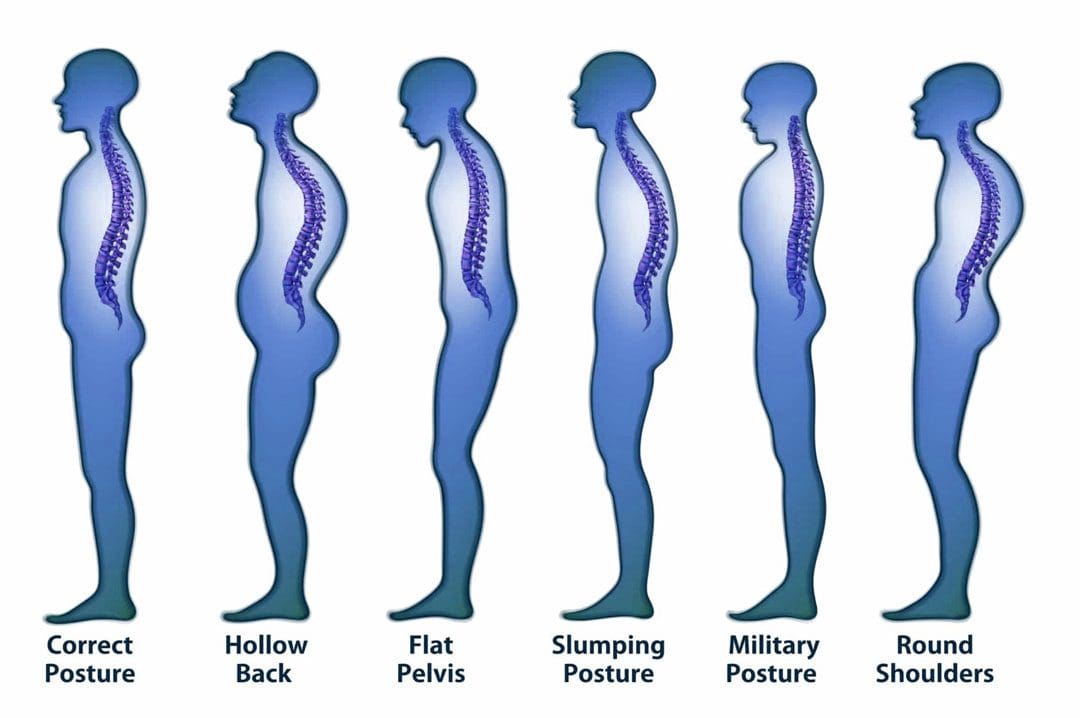
Unhealthy posture and slouching incorrectly position the body unnaturally, adding chronic strain on the muscles and ligaments. For example, when sitting or standing at a workstation, individuals start to relax by slumping forward because it feels comfortable; however, they don’t realize that their shoulders are hunching over, and their neck is in an awkward forward position. For every inch the head moves forward, its weight on the neck and upper back muscles increases by 10 pounds. Individuals that stay in this position for a long time often experience neck soreness, tension in the shoulder muscles, and low back discomfort. Chiropractic care, massage, and decompression therapy can realign the spine to its natural position and train individuals to maintain a healthy posture.
Slouching
Posture is the body’s position in space, the relationship of the body’s parts, head, torso, and limbs to each other. Maintaining the natural lumbar curve in the low back is essential to preventing posture-related discomfort symptoms. This natural curve works as a shock absorber, helping to distribute weight along the length of the spine. The most common causes for slouching posture are:
Repetitive motions or tasks can cause physical and mental fatigue, causing individuals to relax their core muscles.
Combined with the repetitiveness, individuals also begin implementing unhealthy movements because it makes the job easier.
Often individuals want to finish their work tasks, and even though they can feel their muscles and body stiffening and tightening up, they continue to work through the discomfort and don’t take a quick break to move around and stretch.
Stressful situations can cause muscle tension.
Carrying heavy bags, purses, backpacks, etc.
Weight fluctuation.
Pregnancy.
Spine
Muscles move the skeletal system and provide resistance against movement.
The musculoskeletal system comprises soft tissue structures that provide active and passive spinal stabilization.
The spine has natural curves to distribute weight/loads evenly.
The cervical and lumbar spine have a lordosis or forward curve.
The thoracic spine and sacrum have a kyphosis or backward curve.
They help to mitigate the forces exerted on passive stabilizing structures like the ligaments, joint capsules, and intervertebral discs.
A prolonged seated or standing position fatigues the muscles that stabilize the spine from the forces of gravity and body weight. When the tired muscles no longer provide stability, the spine must rely on the passive structures of the musculoskeletal system for support. Without the support, the spine gradually loses its natural cervical and lumbar curves and becomes more kyphotic or slouched. Slouching can provide relaxation and relief to the fatigued muscles; however, repetitive or prolonged stress to the passive structures can result in discomfort and injury to those tissues. This is how nerve compression, ligament inflammation, and disc herniations start.
Symptoms of Unhealthy Posture
Head that leans forward or backward.
Headaches.
Jaw pain.
Poor circulation.
Rounded shoulders.
A decline in breathing efficiency.
Muscle fatigue – Certain muscles can change in length, becoming short and tense or long and weak.
The advantages of practicing healthy posture include the following:
Prevents abnormal wear on the joints.
Lessens stress on the ligaments.
Prevents muscle strain and fatigue.
Prevents the spine from becoming misaligned.
Prevents back aches and soreness.
Reduces the risk of chronic diseases or conditions.
Helps maintain fitness and overall health.
Chiropractic Realignment
Our approach starts by correcting the physical problems caused by slouching, which involves chiropractic adjustments, therapeutic massage, and non-surgical decompression therapy. The objective is to fix the root cause to ensure that the treatment lasts and maintains neuromusculoskeletal health.
Examination
The initial assessment looks at an individual’s posture and a physical evaluation to identify the root cause.
When muscles become weak, over or underused, or suffer injury, others tighten or tense up.
A chiropractor looks at how an individual stands from behind and from the sides, noting issues like uneven shoulders, arched back, twisted pelvis, or other symmetry issues.
Treatment
Massage will increase circulation and reduce tension.
Muscle release and relaxation for any overactive muscles.
A chiropractor will perform slow joint movements.
Targeted stretches and strength exercises will correct imbalances, maintain flexibility, and strengthen the core muscles.
Postural training will help individuals learn to use proper body mechanics and to listen to their bodies.
Impact of Stress
References
Defloor, T, and M H Grypdonck. “Sitting posture and prevention of pressure ulcers.” Applied nursing research: ANR vol. 12,3 (1999): 136-42. doi:10.1016/s0897-1897(99)80045-7
Fortner, Miles O et al. “Treating ‘slouchy’ (hyperkyphosis) posture with chiropractic biophysics®: a case report utilizing a multimodal mirror image® rehabilitation program.” Journal of physical therapy science vol. 29,8 (2017): 1475-1480. doi:10.1589/jpts.29.1475
Katzman, Wendy B et al. “Age-related hyperkyphosis: its causes, consequences, and management.” The Journal of orthopedic and sports physical therapy vol. 40,6 (2010): 352-60. doi:10.2519/jospt.2010.3099
Korakakis, Vasileios, et al. “Physiotherapist perceptions of optimal sitting and standing posture.” Musculoskeletal science & practice vol. 39 (2019): 24-31. doi:10.1016/j.msksp.2018.11.004
Snijders, Chris J et al. “Effects of slouching and muscle contraction on the strain of the iliolumbar ligament.” Manual therapy vol. 13,4 (2008): 325-33. doi:10.1016/j.math.2007.03.001
Yoong, Nicole Kah Mun et al. “Commercial Postural Devices: A Review.” Sensors (Basel, Switzerland) vol. 19,23 5128. 23 Nov. 2019, doi:10.3390/s19235128
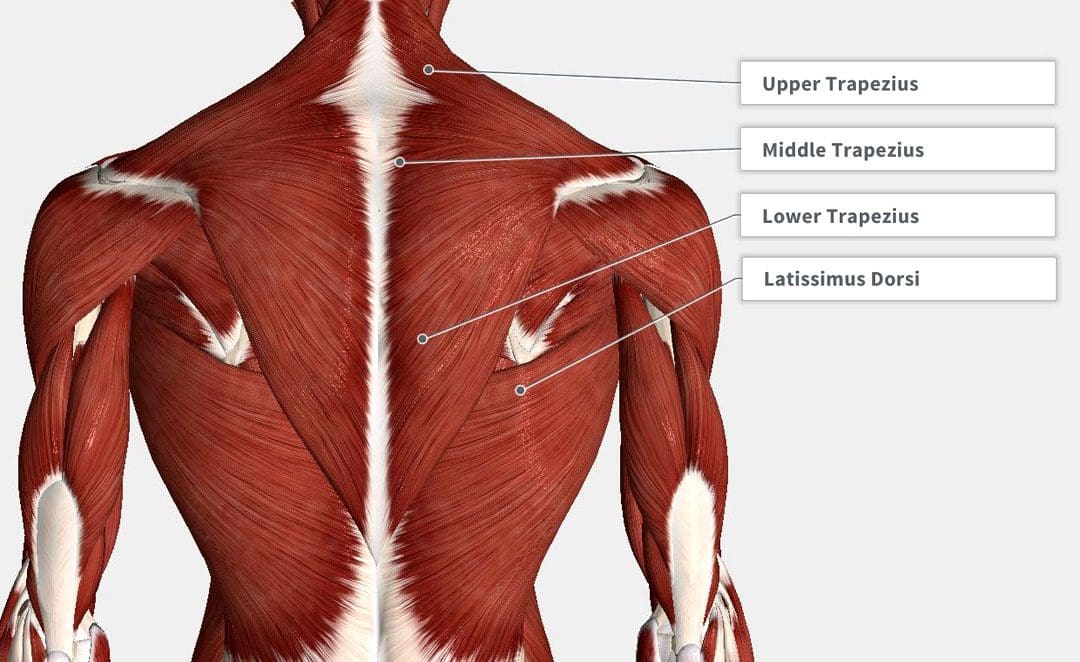
The various muscles and ligaments that encompass the back help protect the spine’s thoracic region. The spine has three sections: cervical, thoracic, and lumbar, which assist the body with bending, turning, and twisting. For the thoracic spine, various muscles like the rhomboid, trapezoid, and other superficial muscles provide functionality to the scapula or shoulder blades to stabilize the ribcage. When the body succumbs to injuries or traumatic forces, it can develop myofascial pain syndrome associated with upper back pain. Upper back pain can lead to unwanted symptoms affecting their quality of life. Fortunately, various exercises target the upper portion of the back and can strengthen multiple muscles from injuries. Today’s article looks at the effects of upper back pain in the body and shows a few stretches and exercises that can support the various muscle groups in the upper back region. We refer our patients to certified providers that incorporate techniques and multiple therapies for many individuals suffering from upper back pain and its correlating symptoms that can affect the musculoskeletal system in the neck, shoulders, and thoracic region of the spine. We encourage and appreciate each patient by referring them to associated medical providers based on their diagnosis when it is appropriate. We understand that education is a fantastic way when asking our providers intricated questions at the patient’s request and understanding. Dr. Jimenez, D.C., only utilizes this information as an educational service. Disclaimer
The Effects Of Upper Back Pain In The Body
Have you been experiencing stiffness around or near your shoulder blades? Do you feel muscle strain when you are rotating your shoulders? Or does it hurt when you stretch your upper back in the morning? Many of these issues are signs and symptoms of upper back pain. Studies reveal that back pain is one of the most common complaints many individuals would go for emergency care. Back pain can affect the different regions in the back and cause unwanted symptoms in various areas in the upper back. Additional studies mentioned that persistent pain in the thoracic region could cause hyper-sensitization of the intercoastal nerves that mimic other conditions affecting the back. Some of the causes and effects that can lead to the development of upper back pain include:
When this happens, it can lead to overlapping conditions that mimic other issues and, if not treated right away, leave individuals with chronic disabling symptoms that correlate with upper back pain.
Upper Back Pain Relief-Video
Have you been experiencing stiffness in your shoulders or neck? Do you feel aches and pains when stretching your arms? Or what about feeling muscle strain when lifting a heavy object? Many of these factors correlate with upper back pain affecting the thoracic spine region. When this happens, it can lead to overlapping risk profiles that can develop into different issues that can cause even more pain to the body. There are various ways to prevent upper back pain from causing further issues to the individual and can relieve the pain associated with it. Many people would go to chiropractic therapy to have their spine re-aligned to bring adequate relief or incorporate upper back exercises and stretches to relieve tension accumulated in the neck and shoulder regions. The video above explains how stretches work for different muscle regions in the upper back and provide relief to the thoracic spine.
Exercises For Upper Back Pain
Regarding the upper back, it is important to understand that incorporating various exercises that target the thoracic region can cause prolonged injuries. Studies reveal that different back exercises focus not only on the back but the shoulders, arms, chest, core, and hips providing stability, balance, and coordination to the individual. This allows the muscles in the back region to improve strength and endurance over time when a person continues to work out. More studies reveal that protocols like the McKenzie back exercise are effective programs to treat various musculoskeletal conditions that can cause pain in the back. Many physical therapists use this protocol on their patients to relieve back pain and help improve their muscular structure to have better posture.
Warm Up
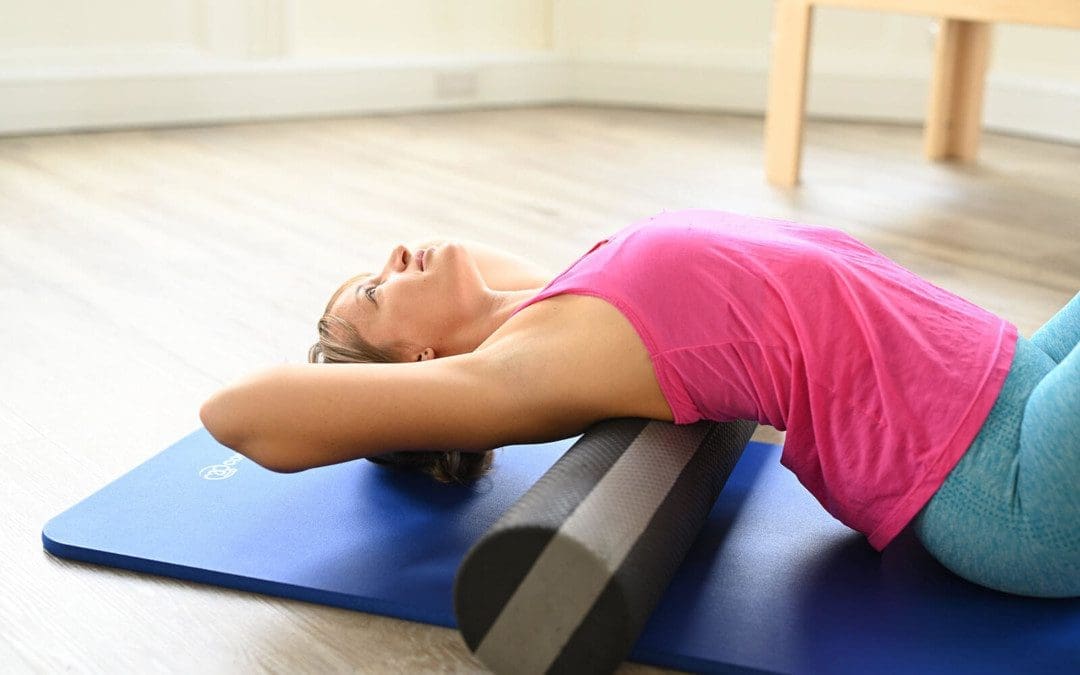
Just like any individual that is starting to get back to their health and wellness through exercise, the most important step that anyone has to do is warming up their muscles before getting into a workout. Warming up each muscle group can prevent future injuries and increase blood flow before starting the exercise. Many individuals would incorporate stretches and foam rolling for 5-10 minutes to ensure that each muscle is ready to perform with maximum effort.
Exercises
After the body is warmed up, it is time to begin the exercise regime. Many different exercise movements target each muscle group and help build muscle mass and improve functionality. It is important to build up momentum when it comes to working out. Starting slowly with minimum reps and sets is important to ensure the exercise is done correctly. Afterward, the individual can increase the workout reps and go with a heavier weight. Below are some of the exercise routines that are suited for the upper back.
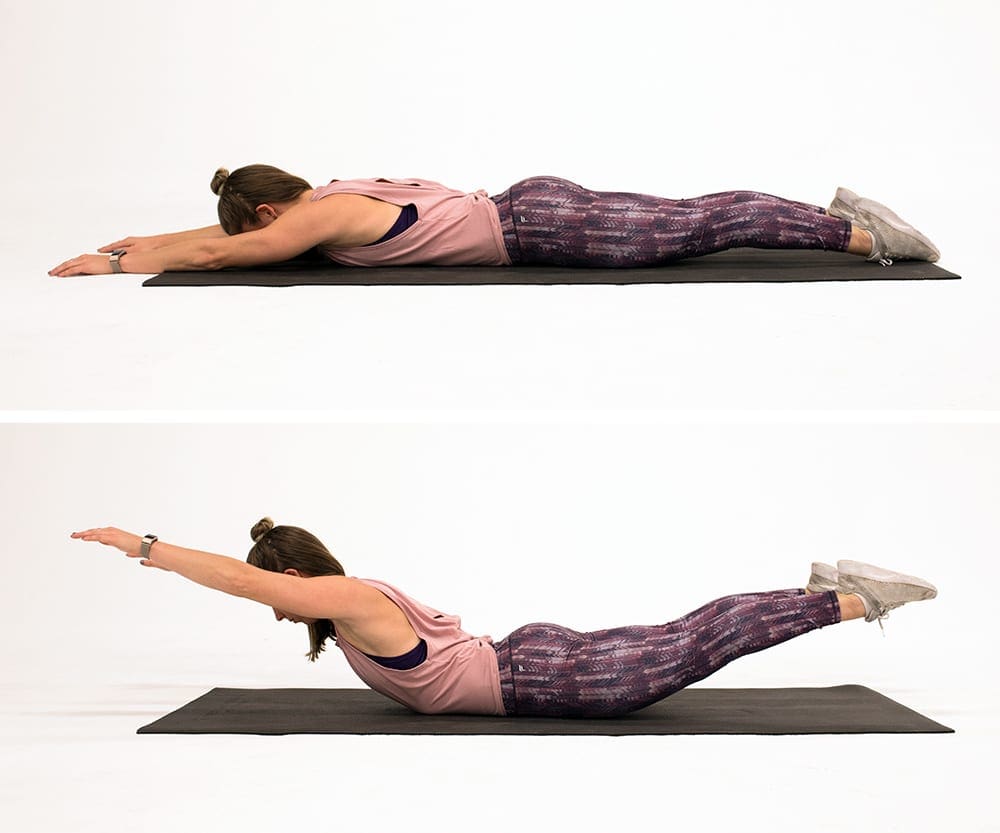
Superman
Lie on your stomach and extend your arms above the head
Keep neck in a neutral position and lift legs and arms off the floor at the same time
Make sure to use the back and glutes to lift
Briefly pause at the top, then return to starting position
Complete three sets of 10 reps
This exercise helps strengthen the spine and surrounding muscles to support the spine and reduce any future injuries from upper back pain.
Reverse Dumbbell Flies
Grab light weighted dumbbells
Hinge at the waist at 45 degrees while standing
Make sure the arms are hanging down with the weights
Keep the neck in a neutral position while gazing down
Lift the arms (with the dumbbells) out to the side and upwards
Squeeze the shoulders together at the top during this movement
Complete three sets of 8-12 reps
This exercise is excellent for strengthening the muscles that surround the shoulder and upper back.
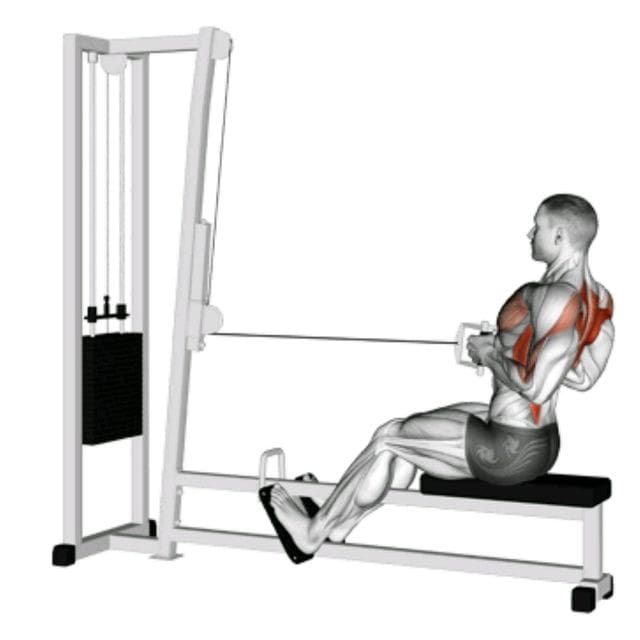
Rows
Use a resistance band or a light weighted dumbbell.
For the resistance band, affix the band to a stable surface above eye level. For the light weighted dumbbells, extend the arms in front of the body above eye level.
Use an overhead grip when holding the resistance band handles and the light weighted dumbbells.
Pull resistance bands or dumbbells toward the face.
Flare out the upper arms to the sides
Squeeze the shoulders together
Pause for a bit and then return to starting position
Complete three sets of 12 reps
This exercise helps strengthen the shoulder muscles and prevent future injuries from occurring in the upper back.
Conclusion
Some various muscles and ligaments encompass the back and help protect the spine’s thoracic region. These muscles help with the stabilization of the ribcage and help provide the functionality to the upper back. When multiple factors cause traumatic injuries to the upper back, it can lead to pain-like symptoms that can cause overlapping features and affect a person’s quality of life. Luckily, various exercises target the upper back and surrounding muscle groups. Each activity targets all the muscles in the upper back and allows a person to regain health and wellness without constant pain.
References
Atalay, Erdem, et al. “Effect of Upper-Extremity Strengthening Exercises on the Lumbar Strength, Disability and Pain of Patients with Chronic Low Back Pain: A Randomized Controlled Study.” Journal of Sports Science & Medicine, U.S. National Library of Medicine, 1 Dec. 2017, https://www.ncbi.nlm.nih.gov/pmc/articles/PMC5721192/.
Casiano, Vincent E, et al. “Back Pain – Statpearls – NCBI Bookshelf.” In: StatPearls [Internet]. Treasure Island (FL), StatPearls Publishing, 4 Sept. 2022, https://www.ncbi.nlm.nih.gov/books/NBK538173/.
Louw, Adriaan, and Stephen G Schmidt. “Chronic Pain and the Thoracic Spine.” The Journal of Manual & Manipulative Therapy, U.S. National Library of Medicine, July 2015, https://www.ncbi.nlm.nih.gov/pmc/articles/PMC4534852/.
Mann, Steven J, et al. “McKenzie Back Exercises – Statpearls – NCBI Bookshelf.” In: StatPearls [Internet]. Treasure Island (FL), StatPearls Publishing, 4 July 2022, https://www.ncbi.nlm.nih.gov/books/NBK539720/.
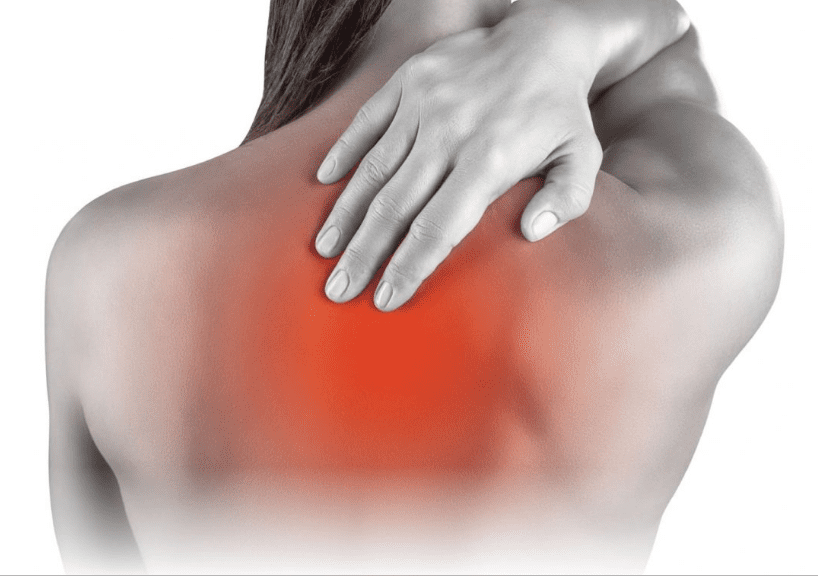
Neck aches, soreness, and pain symptoms are not always neck-related. Tight thoracic or mid-back muscles can pull on the neck muscles causing various symptoms. Upper back tightness occurs anywhere from the neck’s base to the bottom of the rib cage. The bones in the upper area don’t move or flex as much as the neck and low back. This can lead individuals to believe there is nothing wrong with the mid-back, as there are no pain symptoms or signs of discomfort. However, individuals don’t realize how tight the muscles are, which can go on for years, causing neck issues. Injury Medical Chiropractic and Functional Medicine Clinic can relieve symptoms, release, and relax tight muscles, increase circulation, and restore optimal function.
Mid-Back Muscle Tightness
The upper and middle back is the thoracic spine. The thoracic spine has twelve small bones called vertebrae. Each vertebra on the thoracic spine is connected to a pair of ribs. The ribs wrap around the body and attach to a long, flat sternum bone. This forms the rib cage. The bones in the upper back work with the ribs to stabilize the back and protect vital organs, including the heart and lungs. The tightening and pulling eventually cause neck aches that can come out of nowhere; even when not moving and looking straight ahead, there can be persistent dull achiness or stinging sensations.
Causes
Unhealthy posture, disc problems, injuries, fractures, or other issues or conditions can cause mid-back muscle tightness.
Posture
Constant sitting or standing combined with unhealthy posture and being hunched over can cause the muscles to tighten, limiting mobility.
Holding Onto Stress
Chronic stress can cause muscle tightening, whether it is in the low back, mid-back, neck, or elsewhere.
Hereditary
Individual genetic makeup may make the body more susceptible to muscle tightness.
For example, individuals with a lot of muscle tone vs. individuals with less muscle tone may experience muscle tightness more often.
Adequate Hydration
Being properly hydrated is important for muscle and joint lubrication.
Water provides nutrients to contracting muscles.
This keeps the body loose and ready for movement.
Muscle Imbalance and Underlying Weakness
Individuals that tend to work one side of the body more than the other or have repeatedly been moving in a certain way for years can cause muscle imbalances and trigger points to develop.
If muscle tightness continues, even after stretching, it could be an underlying weakness.
The muscles can sometimes seize up and guard, so they feel tight when they have become chronically weak and not strong enough to meet the physical demands.
Chiropractic Care
Chiropractic care involves various therapies to address the root cause fully and relieve neck aches. These include:
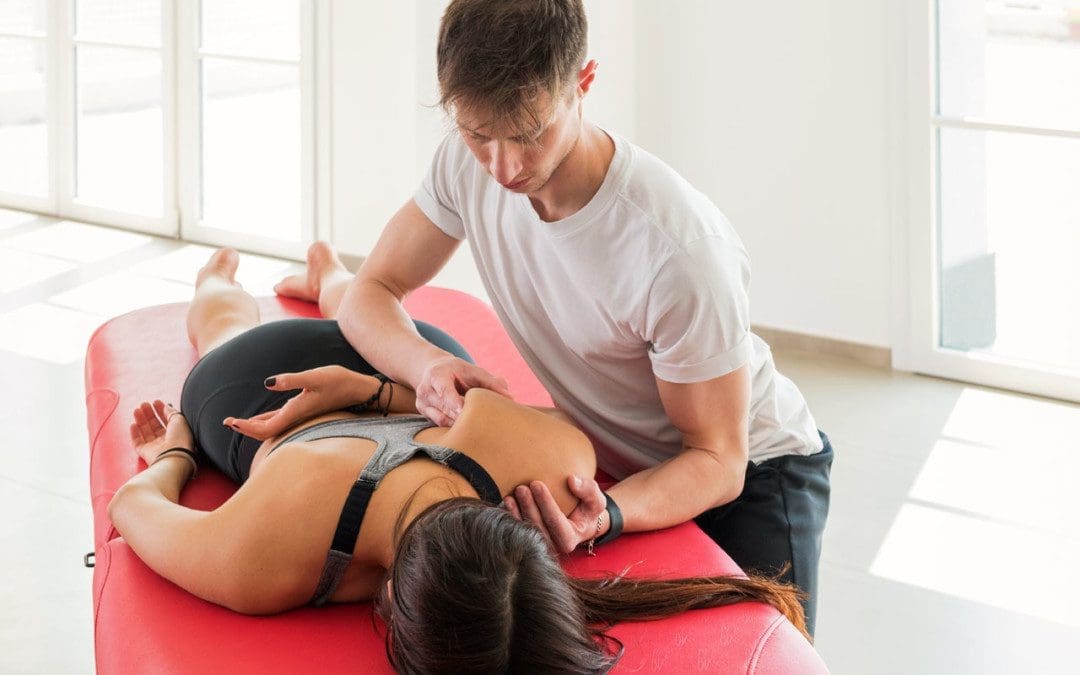
Massage therapies to break up compacted muscle tissue.
Remove trigger points.
Relax the muscles to a pliable state.
Perform chiropractic adjustments to realign the spine.
Stretching and strengthening.
Posture training that includes stretches/exercises.
Nutritional plans to help strengthen muscles.
Thoracic Tension Release
References
Gatt, Adrianna, et al. “Anatomy, Fascia Layers.” StatPearls, StatPearls Publishing, Jul 25, 2022.
Liebsch, Christian, and Hans-Joachim Wilke. “How Does the Rib Cage Affect the Biomechanical Properties of the Thoracic Spine? A Systematic Literature Review.” Frontiers in bioengineering and biotechnology vol. 10 904539. Jun 15, 2022, doi:10.3389/fbioe.2022.904539
Maciejewska-Skrendo, Agnieszka et al. “Genetics of Muscle Stiffness, Muscle Elasticity and Explosive Strength.” Journal of human kinetics vol. 74 143-159. 31 Aug. 2020, doi:10.2478/hukin-2020-0027
Modes RJ, Lafci Fahrioglu S. Anatomy, Back. [Updated 2022 Feb 5]. In: StatPearls [Internet]. Treasure Island (FL): StatPearls Publishing; 2022 Jan-. Available from: https://www.ncbi.nlm.nih.gov/books/NBK539746/
Page, Phil. “Current concepts in muscle stretching for exercise and rehabilitation.” International journal of sports physical therapy vol. 7,1 (2012): 109-19.
Petrofsky, Jerrold et al. “The Efficacy of Sustained Heat Treatment on Delayed-Onset Muscle Soreness.” Clinical journal of sports medicine: official journal of the Canadian Academy of Sports Medicine vol. 27,4 (2017): 329-337. doi:10.1097/JSM.0000000000000375
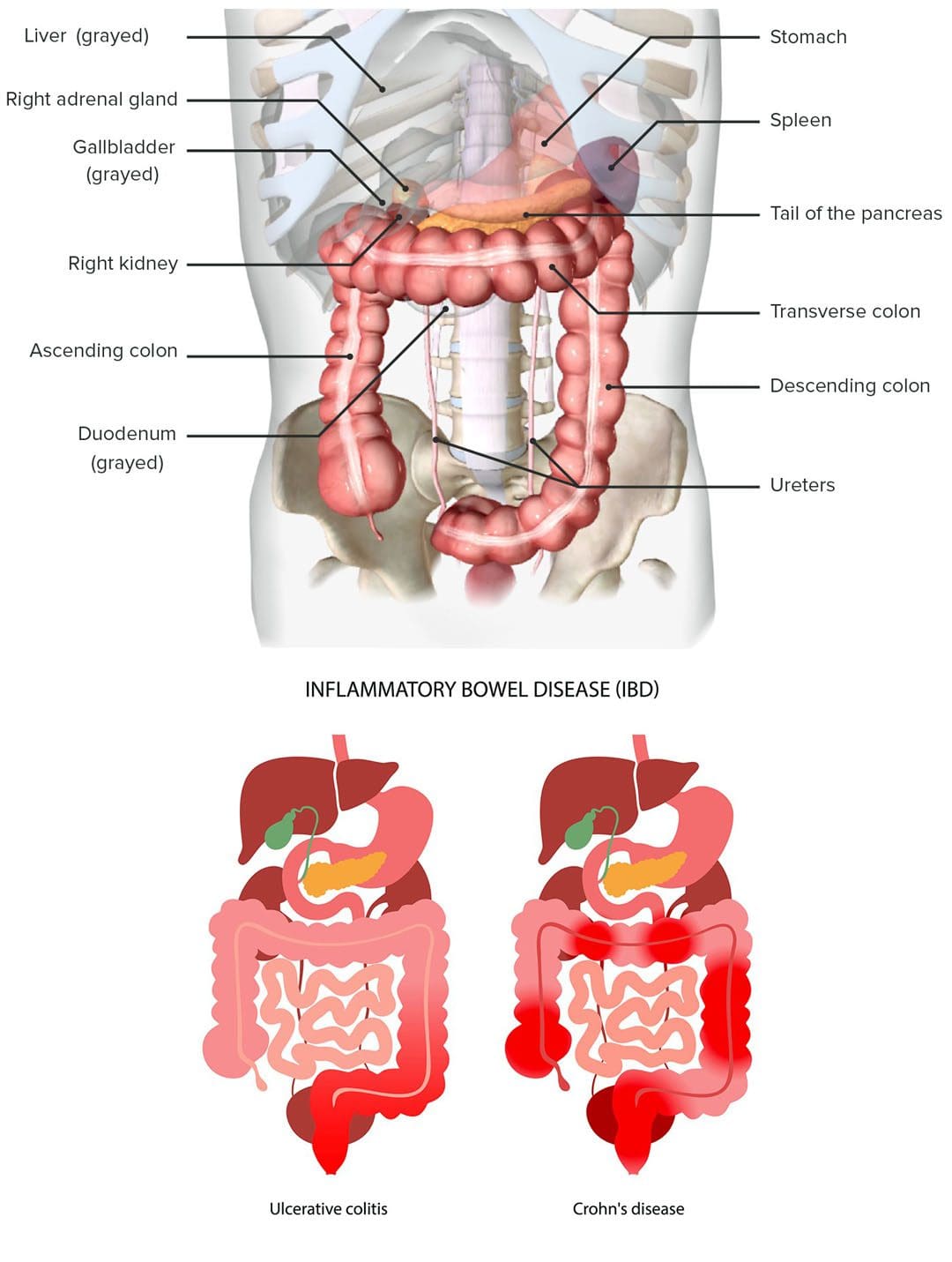
Inflammatory bowel disease, or IBD, causes inflammation of the digestive tract lining, which often involves the deeper layers. Gastrointestinal or GI problems of the stomach and intestines often include diarrhea, weight loss, rectal bleeding, fatigue, and back pain. The inflammation can reach the spine’s joints, causing stiffness, discomfort, and pain symptoms. Injury Medical Chiropractic and Functional Medicine Clinic can help manage symptoms and guide individuals on treatment options.
IBD Back Pain
IBD is a set of conditions associated with chronic or intermittent inflammation of the gastrointestinal tract. It includes Crohn’s disease – CD and ulcerative colitis – UC. Although there are genetic components that predispose individuals to IBD, environmental factors appear to contribute the most. Research shows that IBD is likely related to disturbances in the gut’s flora, which include:
Other environmental factors associated with IBD include the long-term use of birth control pills and nonsteroidal anti-inflammatory drugs/NSAIDs. Research theorizes that as the gut becomes inflamed, its normal integrity and structure become compromised and begin to leak out, causing an immune system overreaction response. This can cause non-gastrointestinal symptoms that include:
IBD can cause low back pain as the IBD can inflame the spine’s joints, especially the sacrum, as well as cause abdominal cramps and rectal sensations that radiate to the low back area. However, irritation, inflammation, or infection of any central, abdominal, or pelvic organs can cause low back pain.
Diagnosis
Diagnosis requires a physical examination of the colon – a sigmoidoscopy or a colonoscopy is used.
Both procedures take a biopsy of the intestinal tissues, which is studied to determine the extent and degree of inflammation.
Depending on the circumstances, an X-ray could be used to show the depth or extent of the condition.
Chiropractic Management
A chiropractor can help individuals decrease or completely alleviate musculoskeletal symptoms by realigning the spine and pelvis and massaging, releasing, and relaxing the muscles, which increases circulation and soothes inflammation. The reason why chiropractic care can effectively treat IBD is its ability to stabilize the internal systems. When the central nervous system and immune system communicate and function properly, this prevents the immune system from attacking the body’s tissue cells, preventing inflammation. The chiropractic whole-body approach can also help with recommendations regarding lifestyle changes and nutritional anti-inflammatory modifications.
Ulcerative Colitis
References
Centers for Disease Control and Prevention. “What Is Inflammatory Bowel Disease (IBD)?” 2022, https://www.cdc.gov/ibd/what-is-IBD.htm
Danese S, Fiocchi C. Etiopathogenesis of inflammatory bowel diseases. World J Gastroenterol. 2006;12(30):4807-4812. doi:10.3748/wjg.v12.i30.4807
Limsrivilai, Julajak et al. “Systemic Inflammatory Responses in Ulcerative Colitis Patients and Clostridium difficile Infection.” Digestive diseases and sciences vol. 63,7 (2018): 1801-1810. doi:10.1007/s10620-018-5044-1
van Erp, S J et al. “classifying Back Pain and Peripheral Joint Complaints in Inflammatory Bowel Disease Patients: A Prospective Longitudinal Follow-up Study.” Journal of Crohn’s & colitis vol. 10,2 (2016): 166-75. doi:10.1093/ecco-jcc/jjv195
Zeitz, Jonas, et al. “Pain in IBD Patients: Very Frequent and Frequently Insufficiently Taken into Account.” PloS one vol. 11,6 e0156666. 22 Jun. 2016, doi:10.1371/journal.pone.0156666
Cue sports use a cue stick to strike billiard balls off and around a pool or equivalent table. The most common game is pool. Although these are not contact sports, various musculoskeletal injuries can manifest. Therefore, it is recommended to know the common injuries so that they can be self-treated or treatment can be sought before the condition worsens. Injury Medical Chiropractic and Functional Medicine Clinic can relieve symptoms, rehabilitate the body, and restore mobility and function.
Cue Sports Injuries
Sports medicine doctors say cue sports players suffer from sprains, strains, and fractures, among other injuries. Cue sports players are constantly:
Bending
Reaching
Twisting
Stretching their arms
Using their hands and wrists
Performing these constant movements and motions for extended periods increases the risk of sustaining injuries. Common symptoms include:
Inflammation
Warmth or heat in affected areas
Swelling
Tightness in the affected areas
Pain
Decreased range of motion
Injuries
Back and Waist
The posturing can cause individuals to tense their muscles, increasing the likelihood of injury. With all the bending, waist and back injuries are common. Back issues include:
Pinched nerves
Sciatica
Sprains
Strains
Herniated discs
Individuals with existing spine conditions or osteoarthritis have an increased risk of injury.
Shoulder, Arm, Wrist, Hand, and Finger
The shoulders, hands, wrists, and fingers are in constant use.
This can lead to overuse injuries affecting the muscles, tendons, ligaments, nerves, and bones.
Consistent stress can lead to sprains, strains, or bursitis.
Tendonitis
Tendonitis occurs when too much pressure is applied, causing tendons to inflame.
This could lead to swelling and pain and could lead to long-term damage.
Foot and Ankle
The feet can slip when stretching too far while setting up and taking a shot.
This injury usually happens when trying to balance on one foot.
Slipping can lead to a sprained ankle or something worse, like a torn ligament or fractured foot.
Chiropractic Care
Chiropractic adjustments combined with massage therapy and functional medicine can treat these injuries and conditions, relieving symptoms and restoring mobility and function. When the tendons, muscles, ligaments, and bones are properly aligned, recovery and rehabilitation progress faster. A chiropractor will also recommend stretching and exercise programs to help maintain the adjustments and prevent injuries.
Physical Therapy and Exercises
References
Garner, Michael J et al. “Chiropractic care of musculoskeletal disorders in a unique population within Canadian community health centers.” Journal of manipulative and physiological therapeutics vol. 30,3 (2007): 165-70. doi:10.1016/j.jmpt.2007.01.009
Hestbaek, Lise, and Mette Jensen Stochkendahl. “The evidence base for chiropractic treatment of musculoskeletal conditions in children and adolescents: The emperor’s new suit?.” Chiropractic & osteopathy vol. 18 15. 2 Jun. 2010, doi:10.1186/1746-1340-18-15
Orloff, A S, and D Resnick. “Fatigue fracture of the distal part of the radius in a pool player.” Injury vol. 17,6 (1986): 418-9. doi:10.1016/0020-1383(86)90088-4
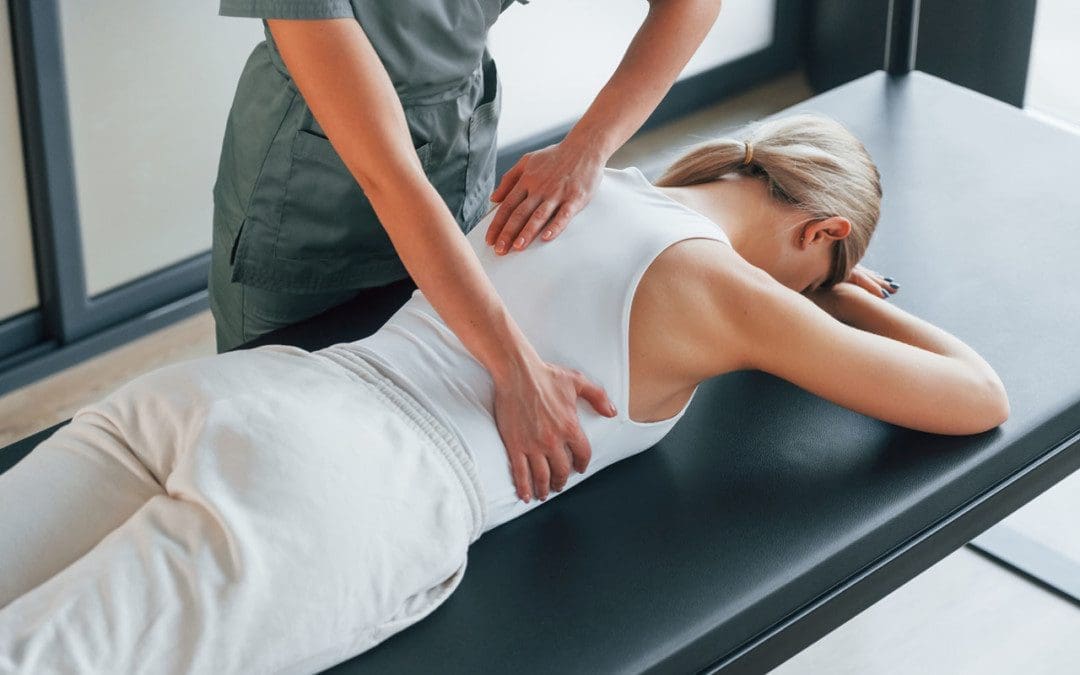
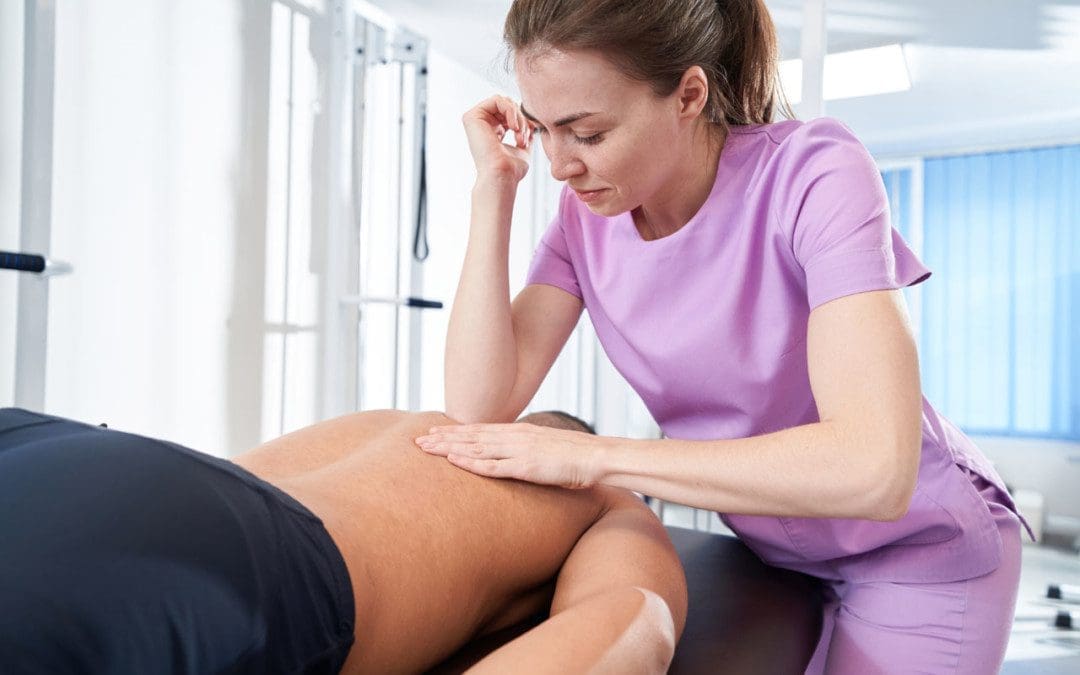
There is a multitude of reasons why back muscles tighten and stiffen up. Muscles pull the bones and joints. Overuse and/or injuries can pull the bones, joints, and tendons out of place, thus causing the muscles to stay in a flexed or stretched position, the inability for the muscles to relax and return to their normal position, resulting in symptoms of discomfort, stiffness, and pain. Individuals can have reoccurring bouts of tight muscles, eventually becoming chronic. Chronic muscle tension can pull the spine out of alignment even if there is no specific injury. The Injury Medical Chiropractic and Functional Wellness Team can relieve tight back muscle tension and restore positioning, mobility, and function.
Muscles are the Key
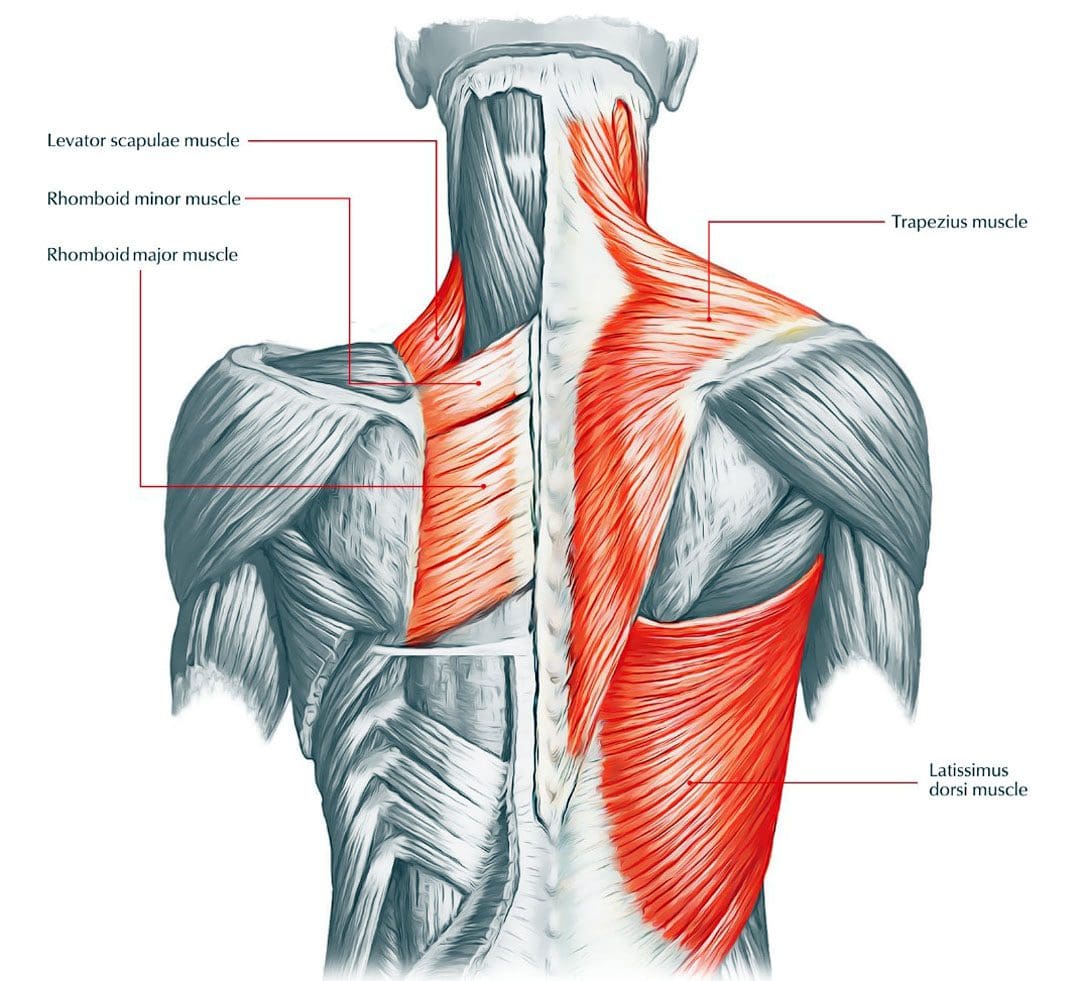
Muscles make the body move and greatly impact the skeletal and nervous systems. When a muscle is overstretched or pulled, there is not just injury to the muscles but the potential for injury to the bones and tendons in the area. This, in turn, can pinch nerves and cause problems with the nervous system, especially in pain signal transmissions.
Symptoms
Symptoms will depend on the cause and severity. The most common include:
Constant or chronic muscle achiness, soreness, stiffness, and tightness.
Even after stretching or flexing, there is a dull aching or pain.
More serious symptoms may include:
Electrical or burning sensations
Sharp or stabbing pain.
Weakness in the legs or arms
Tingling or numbness in the legs, arms, or chest.
Chest discomfort symptoms.
Causes
Aging
The older a person is, the more likely they will experience back discomfort symptoms. Back issues most likely occur in 30- to 50-year-olds.
The aging process naturally wears the body.
Thinning bones
Muscle mass reduction
Fluid loss between joints in the spine.
All these can cause back issues and problems.
Unhealthy posture
Constant pressure on the spine can lead to general back discomfort symptoms. Practicing unhealthy posture can generate this pressure. The muscles and ligaments must work harder to keep the body balanced because the muscles are out of position, and the other muscles can’t perform their job properly. Overworking and overuse lead to tight back muscles, aches, and pain.
Muscle sprain or strain
Sprains are the tearing or stretching of ligaments. Strains are the tearing or stretching of muscles and tendons. Lifting heavy objects without proper form can easily cause a back sprain or strain. Sprains and strains can also occur after an awkward, sudden, or jerking movement.
Herniated disc
A herniated, slipped, or ruptured disc puts pressure on a nerve/s. This can stress the surrounding muscles causing tension to build up.
Fall or other injuries
Tight back muscles can result from the following:
A fall
Vehicle accident
Force Trauma
Sports accident
Weight gain
Added weight stresses and pulls the body down. This causes unhealthy posture and muscle tension.
Chiropractic Functional Wellness
Usually, tight muscles can be relieved with a hot bath or cold therapy. Reoccurring bouts of, or chronically tense back muscles, are signals that something is wrong and should not be ignored. Chiropractic care can release and relax tight back muscles and get them back into a natural state by re-aligning the spine through tissue manipulation, decompression, massage, and adjustments. The various treatment methods will relieve the discomfort, pain, tension, and realign the spinal column, and strengthen the body. When spinal components are put back into their proper place, the surrounding muscles no longer need to provide a counter-balance to the misalignment and begin to relax. Chiropractors can also recommend ways to improve posture and strengthen muscles to incur less wear and tear.
Chiropractic Back Therapy
References
Furlan, Andrea D et al. “Complementary and alternative therapies for back pain II.” Evidence report/technology assessment,194 (2010): 1-764.
Geneen, Louise J et al. “Physical activity and exercise for chronic pain in adults: an overview of Cochrane Reviews.” The Cochrane database of systematic reviews vol. 4,4 CD011279. 24 Apr. 2017, doi:10.1002/14651858.CD011279.pub3
Mayo Clinic Staff. (2017). Back pain: Symptoms. mayoclinic.org/diseases-conditions/back-pain/basics/symptoms/con-20020797
Miake-Lye, Isomi M et al. “Massage for Pain: An Evidence Map.” Journal of alternative and complementary medicine (New York, N.Y.) vol. 25,5 (2019): 475-502. doi:10.1089/acm.2018.0282
Nahian, Ahmed, et al. “Osteopathic Manipulative Treatment: Facial Muscle Energy, Direct MFR, and BLT Procedure – for TMJ Dysfunction.” StatPearls, StatPearls Publishing, 12 September 2022.
Rahman Shiri, Jaro Karppinen, Päivi Leino-Arjas, Svetlana Solovieva, Eira Viikari-Juntura, The Association Between Obesity and Low Back Pain: A Meta-Analysis, American Journal of Epidemiology, Volume 171, Issue 2, 15 January 2010, Pages 135–154, https://doi.org/10.1093/aje/kwp356
IFM's Find A Practitioner tool is the largest referral network in Functional Medicine, created to help patients locate Functional Medicine practitioners anywhere in the world. IFM Certified Practitioners are listed first in the search results, given their extensive education in Functional Medicine



 Slouching

 IBD Back Pain


 Muscles are the Key









