Best Foods and Hydration Tips to Heal Spinal Disc Herniations Naturally
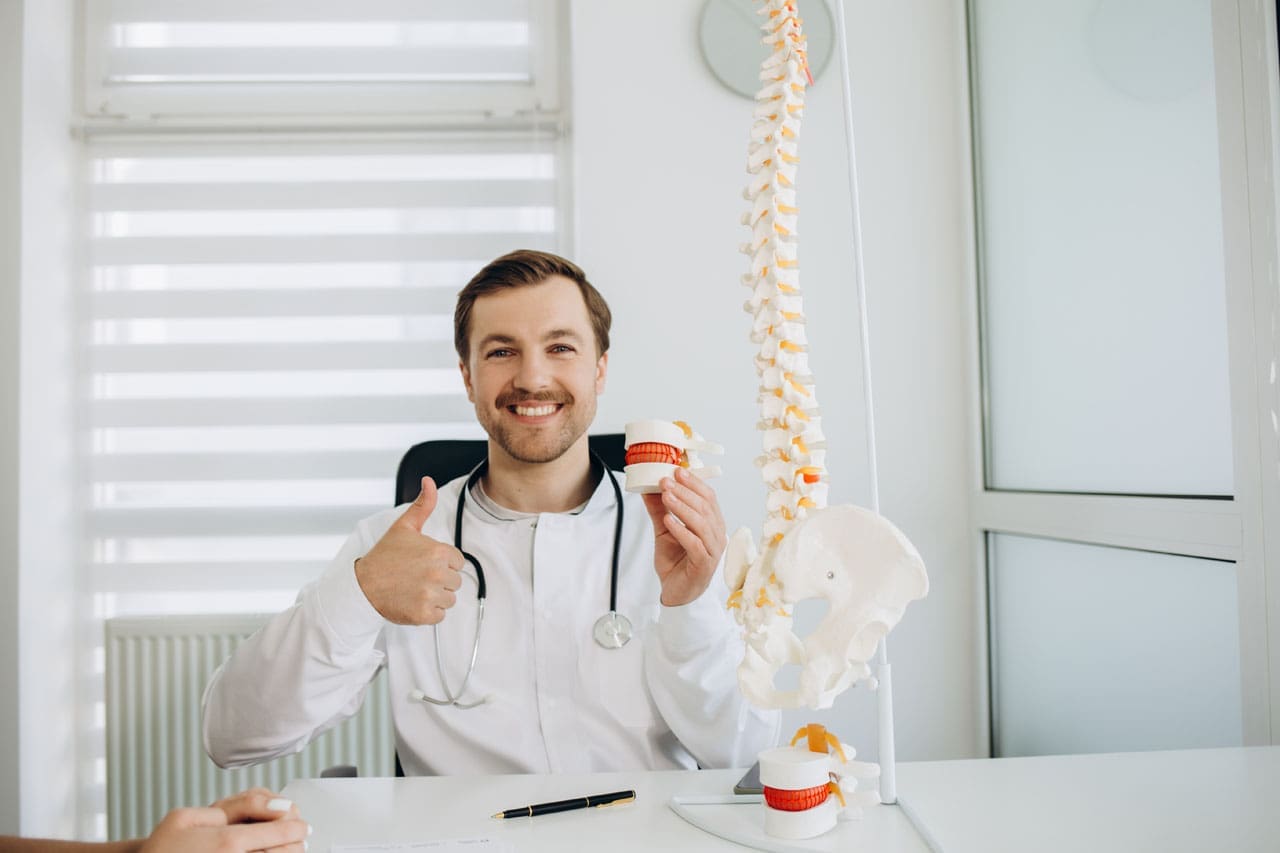
A chiropractor gives a thumbs-up to promote spine health.
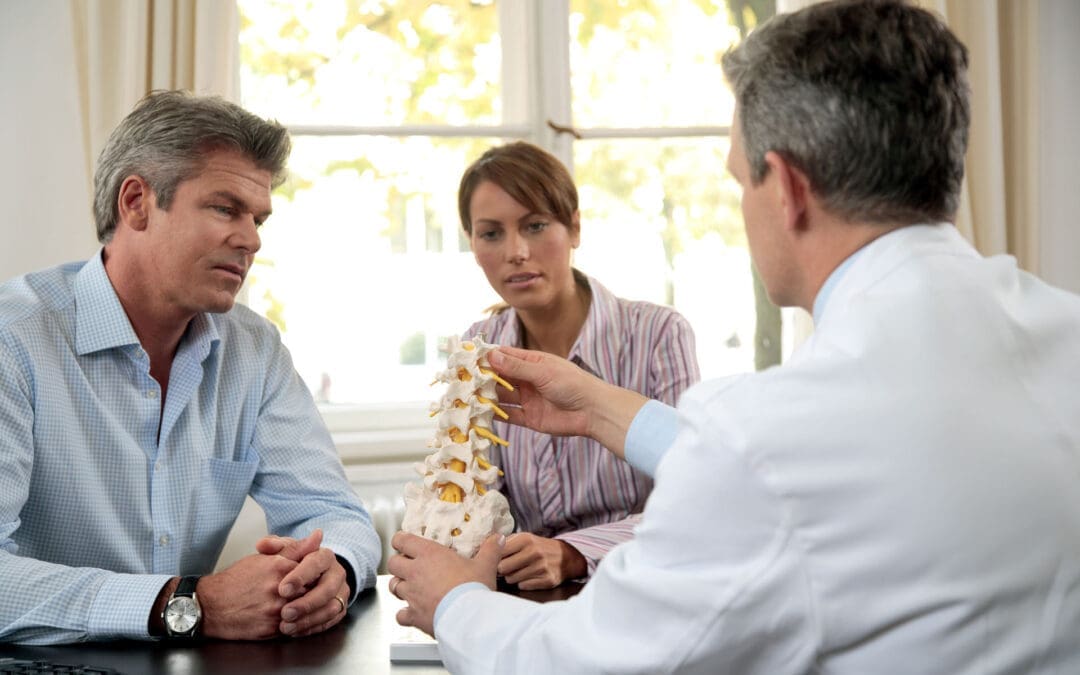
Spinal disc herniations happen when the soft center of a disc pushes out through a crack in the tough outer layer. This can press on nerves, causing pain, numbness, or weakness. Good news: the right foods and plenty of water can help the body heal tissue, cut swelling, and keep the spine strong. Protein builds new tissue. Omega-3 fatty acids calm swelling. Vitamins and minerals protect cells and support bones. Water keeps discs plump and flexible. Adding these to daily meals, along with gentle care like chiropractic adjustments, can ease pressure on discs, improve nerve signals, and speed recovery without surgery.
Why Nutrition Matters for Disc Herniations
Discs act as cushions between the vertebrae. They are mostly water and collagen, a type of protein. When a disc herniates, the body needs extra building blocks to fix the damage. Poor nutrition can slow healing and worsen swelling. A diet rich in healthy nutrients does the opposite—it speeds repair and reduces pain (The Pain Relief Doctor, n.d.).
Protein is the star for repair. It produces collagen, which holds discs together. Without enough, cracks stay open longer. Studies show people who eat more protein heal connective tissue faster (Frisco Spine, n.d.). Omega-3 fatty acids fight swelling around the herniated area. Less swelling means less nerve pain. Vitamins like C and D help make collagen and keep bones dense. Minerals such as magnesium relax tight muscles that pull on the spine.
Dr. Alexander Jimenez, a chiropractor and nurse practitioner, sees this in his clinic every day. Patients who add anti-inflammatory foods notice less back stiffness in weeks. He tells them, “Feed the spine like you feed a muscle after a workout” (Jimenez, n.d.; Jimenez, LinkedIn profile).
Top Foods Rich in Protein for Tissue Repair
Lean meats, fish, eggs, and plant sources provide the body with amino acids to rebuild collagen. Chicken breast, turkey, salmon, and tuna top the list. A 4-ounce piece of salmon has about 25 grams of protein plus omega-3s. Eggs supply complete protein and vitamin D for bone support. For plant eaters, lentils, chickpeas, Greek yogurt, and quinoa are excellent options. One cup of cooked lentils offers 18 grams of protein and fiber to keep weight down—extra pounds stress discs (Bonati Spine Institute, n.d.; Texas Back Institute, n.d.).
Dr. Jimenez advises patients to aim for 20–30 grams of protein at each meal. In his El Paso clinic, people who follow this plan report stronger cores and fewer flare-ups. He pairs food advice with light core exercises to lock in the gains.
Omega-3 Fatty Acids to Lower Inflammation
Swelling makes herniated discs hurt more. Omega-3s act like natural pain relievers. Fatty fish—salmon, mackerel, sardines, and anchovies—lead the pack. Two servings a week can drop inflammation markers by 20% (Healthline, 2023). Plant sources include chia seeds, flaxseeds, and walnuts. A handful of walnuts delivers 2.5 grams of omega-3s plus magnesium.
Clinical notes from Dr. Jimenez indicate that patients who switch from red meat to salmon experience relief within 10–14 days. He often hands out a simple meal card: grilled salmon, steamed broccoli, and brown rice. The combination promotes healing and simultaneously soothes nerves.
Berries and Leafy Greens for Vitamins and Antioxidants
Bright berries and dark greens fight cell damage. Blueberries, strawberries, and raspberries pack vitamin C and antioxidants. Vitamin C is key for collagen cross-links that make discs tough. One cup of strawberries gives 98 mg of vitamin C—more than an orange (Spine Orthopedic Center, n.d.). Spinach, kale, and Swiss chard provide vitamins A and K, as well as folate. They also carry potassium to balance fluids inside discs.
Antioxidants in berries mop up free radicals that weaken tissue. People who eat 2 cups of mixed berries daily show lower oxidative stress on blood tests (Illinois Back Institute, n.d.). Dr. Jimenez tells patients to toss berries into oatmeal or blend spinach into smoothies. The habit builds spine armor over the course of months.
Nuts and Seeds for Magnesium and Healthy Fats
Almonds, walnuts, pumpkin seeds, and chia seeds bring magnesium, zinc, and beneficial fats. Magnesium relaxes back muscles and stops spasms that pinch herniated discs. One ounce of almonds has 80 mg of magnesium—20% of the daily goal. Seeds add fiber to help control weight and stabilize blood sugar, both of which are helpful for spine loads (417 Spine, n.d.; Spine Health, n.d.).
Dr. Jimenez keeps pumpkin seeds in his office for quick snacks. Patients who grab a handful between adjustments say cramps fade faster. He warns against salted versions; plain or lightly roasted keep sodium low to avoid water retention.
The Power of Hydration for Disc Health
Discs are 70–80% water. Dehydration shrinks them, making herniations worse. Drinking eight to ten glasses of plain water daily keeps the jelly-like center plump. It also flushes toxins that cause swelling. Caffeine and alcohol pull water out, so balance them with extra glasses (Anssi Wellness, n.d.).
Dr. Jimenez starts every visit by asking about water intake. He finds that patients who carry a 32-ounce bottle and sip throughout the day cut morning stiffness in half. A simple trick: add lemon or cucumber for taste without sugar.
Sample Daily Meal Plan
Breakfast: Greek yogurt with blueberries, chia seeds, and a boiled egg.
Lunch: Grilled chicken salad with spinach, strawberries, walnuts, and olive oil dressing.
Snack: Apple slices with almond butter.
Dinner: Baked salmon, quinoa, steamed broccoli.
Drinks: 80–100 ounces of water, and herbal tea is okay.
This plan hits 80–100 grams of protein, 2 grams of omega-3s, and plenty of vitamins in under 2,000 calories.
Integrative Care Beyond the Plate
Chiropractic adjustments take pressure off herniated discs. When combined with nutrition, results add up. Gentle spinal decompression opens space for discs to rehydrate. Soft tissue work relaxes tight muscles. Dr. Jimenez uses both in his protocols. Patients who pair weekly adjustments with the meal plan above return to light activity in 4–6 weeks (Park Slope Chiropractor, n.d.).
Other non-invasive helpers include walking 20 minutes daily, yoga for core strength, and magnesium oil rubs at night. Sleep on a medium-firm mattress to keep the spine neutral.
Foods to Limit
Cut processed snacks, sugary drinks, and trans fats. They spike swelling and weight. Fried foods and excess salt pull water from discs. One study linked high-sugar diets to faster disc wear (Elite Spine FL, n.d.).
Putting It All Together
Start small: add one protein source, one colorful fruit or veggie, and one extra glass of water today. Track pain in a notebook. Most people notice less ache in 7–10 days. Work with a chiropractor or doctor to tweak the plan. Dr. Jimenez says, “Consistency beats perfection. Feed the spine daily, and it rewards you with movement.”
Healing a herniated disc takes teamwork between smart eating, hydration, and gentle care. The body has built-in repair tools—give it the right fuel, and recovery follows.
Unlock the secrets of healthy foods & vitamins support spinal health to enhance your body’s support system and prevent discomfort.
Chiropractic Care and Nutrition: A Comprehensive Guide to Spinal Health and Musculoskeletal Pain Relief
Introduction
Picture this: you’re driving along, minding your own business, when wham!—a fender-bender leaves you with a nagging pain in your neck that just won’t quit. Or maybe you’re an avid cyclist, pedaling your way to glory, only to take a tumble and end up with a sore back that makes every step feel like a chore. Whether it’s a motor vehicle accident (MVA), a sports mishap, or just the wear and tear of daily life, musculoskeletal pain, especially in the spine, can throw a wrench into your wellness journey. But fear not! There’s a dynamic duo that can help you bounce back: chiropractic care and nutrition. Yes, that’s right—adjusting your spine and tweaking your diet can work wonders for your body, and we’re here to break it all down for you.
In this comprehensive guide, we’ll dive into how chiropractic care, led by experts like Dr. Alexander Jimenez, DC, APRN, FNP-BC, at El Paso Back Clinic, can team up with nutrient-packed foods and vitamins to soothe spinal and musculoskeletal pain, boost energy, and strengthen your bones. We’ll explore the science behind why these approaches work, sprinkle in some clinical insights, and even highlight Dr. Jimenez’s unique role in personal injury cases in El Paso. Plus, we’ll toss in a bit of humor to keep things light—because who said healing can’t come with a smile? Let’s get started on your path to feeling like a superhero, minus the cape (but maybe with a smoothie in hand).
The Musculoskeletal System and Spinal Health: The Backbone of Your Body
The musculoskeletal system is like the scaffolding of a building—it holds everything together, keeps you upright, and lets you move like you’re dancing to your favorite tune. At the heart of this system is your spine, a marvel of engineering made up of 33 vertebrae, 220 ligaments, and numerous muscles and nerves working together to keep you balanced and mobile. But when something goes wrong—like a car accident, a bad fall, or even poor posture from too many Netflix marathons—the spine can take a hit, leading to pain, stiffness, and a general feeling of “ugh.”
How the Spine Gets Stressed
The spine is a complex structure that supports your body’s weight, protects your spinal cord, and allows for a wide range of movements. However, it’s vulnerable to injuries from:
Motor Vehicle Accidents (MVAs): Even a minor fender-bender can cause whiplash, where the neck jerks forward and backward, straining muscles and ligaments (El Paso Back Clinic, n.d.-a).
Sports Injuries: Cyclists, for example, face risks like collisions or falls that can jar the spine and lead to issues like herniated discs or muscle strains (El Paso Back Clinic, n.d.-b).
Everyday Wear and Tear: Poor posture, repetitive motions, or carrying a heavy backpack can misalign the spine, causing discomfort over time.
When the spine is out of alignment or injured, it can lead to musculoskeletal pain, inflammation, and reduced mobility. This is where chiropractic care comes in, acting like a mechanic for your body’s framework.
Chiropractic Care: The Art of Alignment
Chiropractic care focuses on restoring the spine’s alignment and improving the function of the musculoskeletal system. Dr. Alexander Jimenez, a distinguished chiropractor in El Paso, uses a variety of techniques to address issues like:
Spinal Adjustments: Gentle manipulations to correct misalignments, reduce nerve pressure, and relieve pain.
Trigger Point Therapy: Targeting tight muscle knots to ease tension, especially after MVAs (El Paso Back Clinic, n.d.-c).
Joint and Biomechanical Restoration: Techniques to improve joint mobility and stability, helping you move freely again (El Paso Back Clinic, n.d.-d).
These methods don’t just mask pain—they address the root cause, helping your body heal naturally. Dr. Jimenez’s approach is backed by advanced imaging and diagnostic evaluations, ensuring precise treatment plans tailored to each patient’s needs (Jimenez, n.d.).
References:
El Paso Back Clinic. (n.d.-a). Understanding whiplash-associated disorders from motor vehicle accidents: Causes, treatments, and recovery. Retrieved from https://elpasobackclinic.com/
El Paso Back Clinic. (n.d.-b). Common types of bicycle accidents and the role of chiropractic and integrative medicine in recovery. Retrieved from https://elpasobackclinic.com/
El Paso Back Clinic. (n.d.-c). Motor vehicle accident recovery: The role of massage therapy and chiropractic care. Retrieved from https://elpasobackclinic.com/
El Paso Back Clinic. (n.d.-d). Chiropractic care for joint and biomechanical restoration: A comprehensive guide. Retrieved from https://elpasobackclinic.com/
Nutrition: Fueling Your Spine and Musculoskeletal Recovery
If chiropractic care is the mechanic fixing your spine, think of nutrition as the high-octane fuel that keeps your engine running smoothly. The foods you eat and the vitamins you take play a massive role in reducing inflammation, boosting energy, and supporting bone health—key factors in managing musculoskeletal pain.
Why Nutrition Matters for Spinal Health
Your spine and muscles need specific nutrients to stay strong and resilient. Here’s how a well-balanced diet can help:
Reducing Inflammation: Chronic inflammation can worsen musculoskeletal pain, especially after injuries like MVAs or sports accidents. Anti-inflammatory foods can calm this fire, easing discomfort (El Paso Back Clinic, n.d.-e).
Supporting Bone Health: Your vertebrae rely on strong bones to function properly. Nutrients like calcium, vitamin D, and magnesium are essential for bone density and preventing conditions like osteoporosis.
Boosting Energy: Injuries can leave you feeling drained, but nutrient-dense foods provide the energy needed for recovery and daily activities (El Paso Chiropractor Blog, 2017).
Dr. Jimenez emphasizes that small dietary changes can make a big difference in your health and wellness journey. Let’s explore some key foods and vitamins that can supercharge your recovery.
Top Foods for Energy and Spinal Health
According to Dr. Jimenez’s insights, certain foods can provide the energy and nutrients needed to support spinal health and musculoskeletal recovery (El Paso Chiropractor Blog, 2017). Here are some standouts:
Oats and Whole Grains: These are packed with complex carbohydrates, providing steady energy for physical activity and recovery. A scoping review on cereals highlights their role in delivering essential nutrients like B vitamins, which support nerve health (Meltzer et al., 2023).
Fatty Fish (Salmon, Mackerel): Rich in omega-3 fatty acids, these fish reduce inflammation, easing joint and muscle pain. Omega-3s also support nerve function, crucial for spinal health.
Leafy Greens (Spinach, Kale): Loaded with calcium and magnesium, these greens strengthen bones and relax muscles, reducing spasms that can worsen pain.
Nuts and Seeds (Almonds, Chia Seeds): These provide healthy fats and magnesium, supporting muscle repair and bone health.
Coconut Water: A natural hydrator, coconut water replenishes electrolytes lost during exercise or injury recovery, keeping muscles functioning properly (Kalman et al., 2012).
Essential Vitamins for Musculoskeletal Health
Vitamins are like the sidekicks that make your recovery journey smoother. Here are the key players:
Vitamin D: Enhances calcium absorption, strengthening bones and preventing fractures. Low vitamin D levels are linked to increased pain sensitivity (Shipton & Shipton, 2015).
Vitamin C: Supports collagen formation, which is vital for repairing ligaments and tendons around the spine. It also acts as an antioxidant, fighting inflammation.
Vitamin B Complex: B vitamins, especially B6 and B12, support nerve health, reducing pain from conditions like sciatica or pinched nerves.
Magnesium: Helps relax muscles and prevent cramps, which can exacerbate spinal pain.
Incorporating these nutrients into your diet doesn’t have to be a chore. A smoothie with spinach, berries, and a splash of coconut water can be a tasty way to hit multiple targets at once. Plus, it’s a lot more fun than swallowing a handful of pills!
Clinical Rationale: Why It Works
Dr. Jimenez explains that combining chiropractic care with proper nutrition creates a synergistic effect. Chiropractic adjustments correct structural issues, while nutrients like omega-3s and vitamin D reduce inflammation and support tissue repair. For example, a study on carbohydrate intake found that it enhances muscle recovery and performance, which complements chiropractic efforts to restore mobility (Burke et al., 2022). Similarly, hydration from drinks like coconut water supports muscle function, making chiropractic treatments more effective (Kalman et al., 2012).
El Paso Back Clinic. (n.d.-e). Chiropractic care benefits for musculoskeletal inflammation. Retrieved from https://elpasobackclinic.com/
Meltzer, K. R., et al. (2023). Cereals and cereal products – a scoping review for Nordic Nutrition Recommendations 2023. PubMed. https://pubmed.ncbi.nlm.nih.gov/37377303/
Shipton, E. A., & Shipton, E. E. (2015). Vitamin D and pain: Vitamin D and its role in the aetiology and maintenance of chronic pain states and associated comorbidities. PubMed. https://pubmed.ncbi.nlm.nih.gov/25907654/
Burke, L. M., et al. (2022). The effect of carbohydrate intake on strength and resistance training performance: A systematic review. PubMed. https://pubmed.ncbi.nlm.nih.gov/35241124/
Dr. Alexander Jimenez: El Paso’s Personal Injury Expert
In El Paso, when accidents happen—whether it’s a rear-end collision on I-10 or a wipeout on a mountain bike—Dr. Alexander Jimenez is the go-to expert for personal injury recovery. With his extensive credentials as a chiropractor, advanced practice registered nurse, and family nurse practitioner, Dr. Jimenez brings a unique blend of medical and legal expertise to the table (Jimenez, n.d.).
The Role of Chiropractic Care in Personal Injury Cases
Personal injury cases, like those from MVAs or 18-wheeler accidents, often involve complex musculoskeletal injuries. Dr. Jimenez uses advanced imaging (like X-rays and MRIs) and diagnostic evaluations to pinpoint the exact nature of these injuries, from whiplash-associated disorders (WAD) to herniated discs (El Paso Back Clinic, n.d.-f). His dual-scope approach—combining chiropractic techniques with medical insights—ensures comprehensive care that addresses both immediate pain and long-term recovery.
For example, after an 18-wheeler accident, patients may suffer from severe spinal trauma. Dr. Jimenez employs spinal adjustments, trigger point therapy, and durable medical equipment (like braces or supports) to stabilize the spine and promote healing (El Paso Back Clinic, n.d.-g). His ability to document injuries with precision also makes him a vital liaison between patients, legal teams, and insurance providers, ensuring that medical records support compensation claims.
Why El Paso Trusts Dr. Jimenez
Dr. Jimenez’s reputation in El Paso stems from his holistic approach. He doesn’t just treat the injury—he looks at the whole person, incorporating nutrition, lifestyle changes, and even workplace exercise “snacks” (like stair-climbing breaks) to enhance recovery (Hamer et al., 2023). His clinic’s integrative team, including nutritionists and acupuncturists, works together to create personalized treatment plans that get patients back on their feet—literally and figuratively.
El Paso Back Clinic. (n.d.-f). Auto accident insights for safe driving and recovering from WAD. Retrieved from https://elpasobackclinic.com/
El Paso Back Clinic. (n.d.-g). 18-wheeler accidents and their impact on musculoskeletal and spinal health. Retrieved from https://elpasobackclinic.com/
Hamer, M., et al. (2023). Exercise in the workplace: Examining the receptivity of practical and time-efficient stair-climbing “exercise snacks”. PubMed. https://pubmed.ncbi.nlm.nih.gov/37377304/
Specific Musculoskeletal Issues and Chiropractic Solutions
Let’s zoom in on five common musculoskeletal issues and how chiropractic care, paired with nutrition, can help. Think of this as your playbook for tackling pain and getting back to your best self.
1. Sciatica
What It Is: Sciatica is that pesky pain that shoots down your leg from a pinched nerve in your lower back, often caused by a herniated disc or spinal misalignment.
Chiropractic Fix: Dr. Jimenez uses spinal adjustments to realign the spine, relieving pressure on the sciatic nerve. Trigger point therapy can also ease muscle tension that contributes to the pain (El Paso Back Clinic, n.d.-c).
Nutrition Boost: Anti-inflammatory foods like salmon and turmeric can reduce nerve inflammation, while magnesium-rich foods (like almonds) help relax muscles.
2. Whiplash
What It Is: Whiplash happens when your neck snaps back and forth, often in MVAs, straining muscles and ligaments.
Chiropractic Fix: Gentle neck adjustments and massage therapy restore mobility and reduce pain. Dr. Jimenez uses diagnostic imaging to assess the extent of the injury (El Paso Back Clinic, n.d.-f).
Nutrition Boost: Vitamin C-rich foods (like oranges) support collagen repair in damaged ligaments, while coconut water keeps you hydrated for optimal recovery (Kalman et al., 2012).
3. Herniated Discs
What It Is: A herniated disc occurs when the soft center of a spinal disc bulges out, pressing on nerves and causing pain.
Chiropractic Fix: Spinal decompression and adjustments reduce disc pressure, while biomechanical restoration strengthens supporting muscles (El Paso Back Clinic, n.d.-d).
Nutrition Boost: Calcium and vitamin D (from dairy or fortified plant milk) strengthen spinal bones, preventing further disc issues.
4. Joint Inflammation
What It Is: Inflammation in joints, like the knees or shoulders, can stem from injuries or overuse, limiting mobility.
Chiropractic Fix: Joint manipulations improve alignment and reduce inflammation, complemented by integrative therapies like acupuncture (El Paso Back Clinic, n.d.-e).
Nutrition Boost: Omega-3s from fatty fish and antioxidants from berries combat inflammation, supporting chiropractic efforts.
5. Muscle Strains
What It Is: Overstretched or torn muscles, common in sports injuries or accidents, cause pain and weakness.
Chiropractic Fix: Massage therapy and adjustments restore muscle balance and improve blood flow to the injured area (El Paso Back Clinic, n.d.-c).
Nutrition Boost: Protein-rich foods (like eggs or plant-based proteins) aid muscle repair, while B vitamins support nerve recovery (Meltzer et al., 2023).
References:
El Paso Back Clinic. (n.d.-c). Motor vehicle accident recovery: The role of massage therapy and chiropractic care. Retrieved from https://elpasobackclinic.com/
El Paso Back Clinic. (n.d.-d). Chiropractic care for joint and biomechanical restoration: A comprehensive guide. Retrieved from https://elpasobackclinic.com/
El Paso Back Clinic. (n.d.-e). Chiropractic care benefits for musculoskeletal inflammation. Retrieved from https://elpasobackclinic.com/
El Paso Back Clinic. (n.d.-f). Auto accident insights for safe driving and recovering from WAD. Retrieved from https://elpasobackclinic.com/
Meltzer, K. R., et al. (2023). Cereals and cereal products – a scoping review for Nordic Nutrition Recommendations 2023. PubMed. https://pubmed.ncbi.nlm.nih.gov/37377303/
Eating Right To Feel Better- Video
Practical Tips for Incorporating Chiropractic Care and Nutrition
Ready to take charge of your spinal health? Here are some actionable tips to combine chiropractic care with nutrition for maximum impact:
Schedule Regular Chiropractic Visits: Work with a chiropractor like Dr. Jimenez to create a personalized treatment plan. Regular adjustments can prevent small issues from becoming big problems.
Eat a Rainbow: Fill your plate with colorful fruits and veggies to get a range of vitamins and antioxidants. A spinach salad with salmon and a sprinkle of chia seeds is a spine-friendly meal.
Stay Hydrated: Sip on coconut water or water throughout the day to keep muscles and joints lubricated (Kalman et al., 2012).
Supplement Wisely: Consider a vitamin D or omega-3 supplement if your diet falls short, but consult with a healthcare provider first.
Move Smart: Incorporate low-impact exercises like walking or stair-climbing “exercise snacks” to support spinal health without overdoing it (Hamer et al., 2023).
Listen to Your Body: If you’re in pain after an accident, don’t wait—seek chiropractic care and nutritional guidance to start healing ASAP.
Hamer, M., et al. (2023). Exercise in the workplace: Examining the receptivity of practical and time-efficient stair-climbing “exercise snacks”. PubMed. https://pubmed.ncbi.nlm.nih.gov/37377304/
The Legal Side: Dr. Jimenez as a Liaison in Personal Injury Cases
Personal injury cases, like those from MVAs or 18-wheeler accidents, require more than just medical treatment—they need clear documentation to support legal claims. Dr. Jimenez excels in this area, acting as a bridge between medical care and legal processes. His use of advanced imaging and dual-scope procedures ensures that injuries are thoroughly evaluated and documented, providing critical evidence for attorneys and insurance companies (El Paso Back Clinic, n.d.-g).
For example, in cases of whiplash or spinal trauma, Dr. Jimenez’s detailed reports can clarify the extent of injuries, helping victims secure fair compensation. His expertise makes him a trusted figure in El Paso’s personal injury community, ensuring patients get both the care and justice they deserve.
References:
El Paso Back Clinic. (n.d.-g). 18-wheeler accidents and their impact on musculoskeletal and spinal health. Retrieved from https://elpasobackclinic.com/
Conclusion
Chiropractic care and nutrition are powerful allies in the fight against musculoskeletal pain and spinal issues. By addressing structural misalignments with chiropractic techniques and fueling your body with nutrient-rich foods, you can reduce pain, boost energy, and strengthen your bones for a healthier, more vibrant life. Dr. Alexander Jimenez and the team at El Paso Back Clinic offer a holistic approach that combines cutting-edge treatments with practical dietary advice, tailored to your unique needs. Whether you’re recovering from a car accident, a sports injury, or just want to feel better, these strategies can pave the way to lasting wellness.
Disclaimer: This blog post is intended for informational purposes only and should not be taken as medical advice. Always consult with a qualified healthcare provider, such as a chiropractor or nutritionist, before starting any new treatment or dietary plan. The information provided is based on clinical insights and research, but is not a substitute for professional medical guidance. For personalized care, contact El Paso Back Clinic at 915-850-0900 or visit https://elpasobackclinic.com/.
El Paso Back Clinic. (n.d.-a). Understanding whiplash-associated disorders from motor vehicle accidents: Causes, treatments, and recovery. Retrieved from https://elpasobackclinic.com/
El Paso Back Clinic. (n.d.-b). Common types of bicycle accidents and the role of chiropractic and integrative medicine in recovery. Retrieved from https://elpasobackclinic.com/
El Paso Back Clinic. (n.d.-c). Motor vehicle accident recovery: The role of massage therapy and chiropractic care. Retrieved from https://elpasobackclinic.com/
El Paso Back Clinic. (n.d.-d). Chiropractic care for joint and biomechanical restoration: A comprehensive guide. Retrieved from https://elpasobackclinic.com/
El Paso Back Clinic. (n.d.-e). Chiropractic care benefits for musculoskeletal inflammation. Retrieved from https://elpasobackclinic.com/
El Paso Back Clinic. (n.d.-f). Auto accident insights for safe driving and recovering from WAD. Retrieved from https://elpasobackclinic.com/
El Paso Back Clinic. (n.d.-g). 18-wheeler accidents and their impact on musculoskeletal and spinal health. Retrieved from https://elpasobackclinic.com/
Meltzer, K. R., et al. (2023). Cereals and cereal products – a scoping review for Nordic Nutrition Recommendations 2023. PubMed. https://pubmed.ncbi.nlm.nih.gov/37377303/
Shipton, E. A., & Shipton, E. E. (2015). Vitamin D and pain: Vitamin D and its role in the aetiology and maintenance of chronic pain states and associated comorbidities. PubMed. https://pubmed.ncbi.nlm.nih.gov/25907654/
Burke, L. M., et al. (2022). The effect of carbohydrate intake on strength and resistance training performance: A systematic review. PubMed. https://pubmed.ncbi.nlm.nih.gov/35241124/
Hamer, M., et al. (2023). Exercise in the workplace: Examining the receptivity of practical and time-efficient stair-climbing “exercise snacks”. PubMed. https://pubmed.ncbi.nlm.nih.gov/37377304/
Get insights into chronic inflammation following an auto accident and its implications for your overall well-being.
Introduction: A Pain in the Neck, Literally!
Picture this: you’re cruising along, maybe humming a tune like Gomez Addams, when—bam!—a fender bender sends your neck into a wild tango. Motor vehicle accidents (MVAs) are a leading cause of cervical spinal pain, and the aftermath can feel like wrestling with Cousin Itt. These injuries affect thousands annually, ranging from mild aches to life-altering trauma. Understanding why this happens, what injuries occur, and how to treat them is key to getting back to your cha-cha-cha.
In this guide, we’ll dive into the science behind cervical spinal pain from MVAs, explore the musculoskeletal injuries involved, and highlight non-surgical treatments, including anti-inflammatory diets. We’ll also spotlight Dr. Alexander Jimenez, a renowned chiropractor in El Paso, Texas, who assists victims in navigating recovery and personal injury cases with his exceptional diagnostic skills. So, buckle up (safely, of course), and let’s unravel this neck-twisting topic!
Section 1: Why Does Your Neck Hurt After a Car Crash?
The Science of Whiplash and Beyond
When a car crash happens, your body experiences forces that make your neck move faster than a snap of Gomez’s fingers. This rapid acceleration-deceleration, often seen in rear-end collisions, causes hyperextension (bending the neck backward) and hyperflexion (bending the neck forward). These motions can stretch or tear soft tissues, such as ligaments, muscles, and tendons, leading to what is commonly referred to as whiplash.
But it’s not just soft tissues at risk. Higher-impact crashes can fracture cervical vertebrae or damage the spinal cord, causing severe pain or neurological issues. Research shows that about 15% of MVA victims needing hospital care have soft tissue cervical injuries, while an estimated 869,000 cervical spine injuries occur annually in U.S. hospitals (Soft Tissue Injuries; Cervical Spine Injuries).
Biomechanics: The Physics of Pain
The cervical spine, comprising seven vertebrae (C1–C7), is flexible yet vulnerable. During an MVA, kinetic energy transfers from the vehicle to your body, forcing your head and neck beyond their normal range. This can:
Stretch or tear ligaments, causing sprains.
Strain muscles, leading to soreness.
Compress or distract vertebrae, risking fractures or disc damage.
Factors such as crash speed, seatbelt use, headrest position, and impact angle have a significant influence on injury severity. For instance, studies suggest that higher crash speeds increase the risk of fracture, while proper headrests can reduce the severity of whiplash (Spinal Injury Rates; Mechanisms of Injury).
Higher speeds increase the risk of fractures and severe soft tissue damage.
Seatbelt Use
Reduces overall injury risk but may not prevent whiplash.
Headrest Position
Properly adjusted headrests lower the risk of whiplash; misaligned ones worsen it.
Impact Angle
Rear-end collisions often cause whiplash; side impacts may lead to rotational injuries.
References:
Kent, R., Forman, J., & Bostrom, O. (2023). Spinal injury rates and specific causation in motor vehicle collisions. Accident Analysis & Prevention.
McLean, S. A., et al. (2014). Incidence and predictors of neck and widespread pain after motor vehicle collision. Pain.
Section 2: Musculoskeletal Injuries from MVAs
Types of Injuries: From Whiplash to Fractures
MVAs can wreak havoc on the cervical spine’s structures, leading to a range of injuries. Here’s a breakdown:
Whiplash-Associated Disorders (WAD): The poster child of MVA injuries, WAD involves soft tissue damage from rapid neck motion. Symptoms include neck pain, stiffness, headaches, dizziness, and occasionally cognitive issues such as memory problems. WAD is graded from 0 (no symptoms) to 4 (fracture or dislocation).
Cervical Sprains and Strains: Sprains affect ligaments, while strains affect muscles or tendons. Both cause pain, swelling, and limited motion, making your neck feel like it’s stuck in a gothic candelabra.
Herniated Discs: Spinal discs are the shock absorbers between vertebrae. MVA forces can push the disc’s inner gel out, pressing on nerves and causing arm pain, numbness, or weakness.
Cervical Fractures: Severe crashes can break vertebrae, especially C3–C7, in drivers and passengers. Fractures may destabilize the spine, risking spinal cord injury and paralysis (Traumatic Spinal Cord Injury).
Prevalence and Long-Term Impact
Cervical spine injuries are common, with 869,000 cases reported yearly in U.S. hospitals. A University of Alberta study found that 38% of MVA victims have pain three months post-crash, 22% at six months, and 18% at one year. Alarmingly, up to 5% face permanent disability, and over 5% endure pain for a decade or more (Chronic Neck Pain).
Table: Common Cervical Spine Injuries from MVAs
Injury Type
Symptoms
Potential Long-Term Effects
Whiplash (WAD)
Pain, stiffness, headaches, dizziness
Chronic pain, cognitive issues
Sprains/Strains
Pain, swelling, and limited motion
Persistent stiffness, recurrent pain
Herniated Discs
Arm numbness, weakness, and radiating pain
Nerve damage, chronic radiculopathy
Cervical Fractures
Severe pain, instability, neurological deficits
Paralysis, permanent disability
References:
El Paso Back Clinic. (n.d.). Auto injuries: Cervical spine symptoms to watch for. El Paso Back Clinic.
McLean, S. A., et al. (2014). Incidence and predictors of neck and widespread pain after motor vehicle collision. Pain.
Section 3: Symptoms of Inflammation: The Body’s Fiery Response
What Inflammation Looks Like
After an MVA, your body triggers a fiery response called inflammation to initiate the healing process. But like an overzealous Addams Family gathering, it can overstay its welcome. Common symptoms include:
Pain and Tenderness: Your neck feels sore, especially when you touch it.
Stiffness: Turning your head feels like moving a rusty gate.
Swelling: Less visible in the neck but contributes to discomfort.
Headaches often start at the base of the neck, radiating upward.
Dizziness/Vertigo: This may be caused by disrupted nerve signals in the neck or impaired blood flow.
Neurological Signs: Numbness, tingling, or weakness in the arms or hands suggests nerve issues.
In severe cases, symptoms like bowel or bladder dysfunction signal spinal cord injury, a medical emergency.
Why Inflammation Matters
Inflammation is your body’s attempt to repair damaged tissues, but chronic inflammation can prolong pain and stiffness. Managing it early is like dousing a fire before it spreads, preventing long-term issues.
References:
El Paso Back Clinic. (n.d.). Delayed symptoms: Understanding the impact of an auto accident. El Paso Back Clinic.
The Healing Diet: Combat Inflammation, Embrace Wellness- Video
Section 4: Non-Surgical Treatments: Healing Without the Scalpel
A Holistic Approach to Recovery
Most cervical spinal pain from MVAs can be managed without surgery, using treatments that restore function and douse inflammation. Here’s how:
Chiropractic Care: Just as Gomez perfects his fencing stance, chiropractors realign the spine to ease pain and improve mobility. Adjustments reduce muscle spasms and restore joint function, often faster than medication alone (Chiropractic Benefits).
Physical Therapy: Therapists create exercise plans to strengthen neck muscles, improve posture, and boost flexibility. Modalities such as heat, ice, or ultrasound can provide additional relief.
Pain Management: Over-the-counter medications, such as ibuprofen, can help reduce pain and inflammation. Prescription muscle relaxants may help, but long-term opioid use is discouraged due to dependency risks.
Anti-Inflammatory Foods and Supplements: Your Diet Can Be a Secret Weapon. Foods like salmon, walnuts, berries, turmeric, and ginger fight inflammation. Natural supplements such as omega-3 fatty acids, curcumin, and bromelain may support recovery; however, research on their efficacy is mixed (Chronic Inflammation).
Rehabilitation: Structured programs prevent chronic pain by rebuilding strength and coordination, much like training for an intense physical challenge.
When Surgery Is Needed
While non-surgical options work for most, severe injuries like unstable fractures or spinal cord compression may require surgery, such as anterior cervical discectomy and fusion. These are case-by-case decisions based on symptoms such as motor weakness or issues with bowel and bladder function.
Table: Non-Surgical Treatment Options
Treatment
How It Helps
Considerations
Chiropractic Care
Realigns spine, reduces pain
Requires a skilled practitioner
Physical Therapy
Strengthens muscles, improves mobility
Needs consistent effort
Pain Medication
Eases pain, reduces inflammation
Risk of side effects with long-term use
Anti-Inflammatory Diet
Lowers systemic inflammation
Takes time to see effects
Rehabilitation
Prevents chronic pain, restores function
Requires commitment to the program
References:
Prater, C., Tepe, M., & Battaglia, P. (2020). The role of chiropractic care in the management of chronic pain. Journal of Chiropractic Medicine.
El Paso Back Clinic. (n.d.). Chronic inflammation and chiropractic care. El Paso Back Clinic.
Section 5: Dr. Alexander Jimenez: El Paso’s Injury Expert
A Chiropractic Maestro
Dr. Alexander Jimenez, DC, APRN, FNP-BC, is El Paso’s expert in managing MVA-related cervical pain. With over 30 years of experience, he’s like Gomez Addams with a chiropractic twist—passionate, precise, and dedicated. His clinic, El Paso Back Clinic, specializes in treating neck pain, whiplash, and other auto injuries using a holistic approach.
Advanced Diagnostics and Treatment
Dr. Jimenez stands out for his use of:
Advanced Imaging: X-rays, MRIs, and CT scans reveal hidden injuries.
Diagnostic Evaluations: Thorough exams assess function and pain sources.
Dual-Scope Procedures: Specialized techniques visualize and treat complex injuries.
These tools help him create personalized plans focusing on mobility, nutrition, and wellness, ensuring patients recover like a well-choreographed dance.
A Bridge Between Medicine and Law
In personal injury cases, Dr. Jimenez is a lifeline. He meticulously documents injuries, linking them to motor vehicle accident (MVA) events for insurance claims or legal battles. His collaboration with nurse practitioners and legal professionals ensures that victims receive fair compensation while also receiving top-notch care (Chiropractic Benefits).
Why El Paso Trusts Him
With awards like Top Rated El Paso Chiropractor (2015–2024), Dr. Jimenez is a community pillar. His website, DrAlexJimenez.com, offers resources, testimonials, and booking options, making recovery accessible (LinkedIn Profile).
Cervical spinal pain from MVAs is more than a fleeting ache—it can disrupt lives if untreated. By understanding biomechanics, recognizing injuries, and embracing treatments such as chiropractic care and anti-inflammatory diets, recovery is within reach. Dr. Alexander Jimenez’s expertise in El Paso underscores the importance of specialized care, combining medical precision with legal support for personal injury victims.
If you’re dealing with neck pain post-MVA, don’t wait. Seek professional help to prevent chronic issues and reclaim your life. Disclaimer: This guide is for academic purposes and is not a substitute for medical advice. Consult with qualified healthcare providers for personalized diagnosis and treatment.
🥦 Healing Through Nutrition: The Ultimate Post-Car Accident Recovery Diet
Motor vehicle accidents (MVAs) don’t just leave dents in cars—they often have a permanent impact on our bodies. From whiplash and ligament injuries to joint pain and systemic inflammation, your body needs comprehensive healing after an accident. One of the most overlooked yet essential components of this healing process is nutrition.
In this guide, we’ll explore how the right foods support recovery after a motor vehicle accident (MVA), based on clinical evidence and the expertise of Dr. Alexander Jimenez, DC, APRN, FNP-BC—a dual-licensed chiropractor and nurse practitioner in El Paso, Texas.
🚗 How Motor Vehicle Accidents Damage the Body
MVAs can trigger musculoskeletal injuries such as whiplash, joint damage, inflammation, and even microtrauma that goes undetected for weeks. According to clinical reports on ligamentous damage and neurological correlation, such trauma often disrupts joint function and creates compensatory muscle strain. [Ligamentous Damage and Neurological Correlation Report].
Over time, this can lead to:
Chronic neck and back pain
Reduced range of motion
Soft tissue swelling
Oxidative stress and cellular inflammation
A diet rich in antioxidants, lean protein, and anti-inflammatory nutrients can help repair this internal damage.
🧠 The Connection Between Nutrition and Recovery
What you eat determines how well your body heals.
After trauma, your body enters a heightened state of inflammation. While this process helps protect damaged tissues initially, prolonged inflammation can stall recovery. Research from functional medicine sources indicates that consuming specific foods can accelerate tissue repair, mitigate oxidative damage, and help rebuild muscle mass. [Tantalizing & Powerful Foods to Supercharge Injury Recovery].
🥬 Anti-Inflammatory Powerhouses to Include
✅ Leafy Greens
Spinach, kale, and arugula are loaded with phytonutrients and vitamin K, which support blood clotting and cellular repair.
✅ Fatty Fish
Salmon and sardines are rich in omega-3 fatty acids, which help reduce systemic inflammation and ease joint stiffness.
✅ Berries
Strawberries, blueberries, and raspberries are packed with antioxidants that reduce free radical damage.
✅ Turmeric and Ginger
These spices contain natural anti-inflammatory compounds, such as curcumin and gingerol.
These ingredients provide significant support for accident-related trauma and inflammation, aiding the musculoskeletal system in recovering more quickly. [Nutrition for Injury Recovery—Foothills Rehab].
🥩 Protein-Rich Foods for Muscle and Tissue Repair
After an accident, your body ramps up its protein demands. This is especially true for those with:
Muscle tears
Joint damage
Spinal misalignment
Best protein sources:
Chicken breast
Turkey
Fish
Eggs
Plant-based sources like lentils and quinoa
According to Miracle Rehab Clinic, incorporating high-quality protein helps rebuild muscle and connective tissue damaged in the accident [Nutrition and Injury Recovery—Miracle Rehab].
🥑 Healthy Fats for Joint Cushioning and Brain Health
Dehydration slows healing. Post-accident recovery demands more than just water—it requires minerals and collagen for rebuilding tendons and ligaments.
Hydrating Foods:
Watermelon
Cucumber
Bone broth (rich in collagen)
Dr. Jimenez has incorporated bone broth into clinical care plans for ligament rehabilitation, combining dietary coaching with diagnostic assessments.
🧬 Dr. Alexander Jimenez’s Dual-Scope Strategy
Dr. Jimenez integrates chiropractic care with functional medicine to manage:
Cervical ligament injuries
Spinal instability
Thoracic outlet syndrome
Post-traumatic radiculopathy
By utilizing advanced imaging and personalized nutrition protocols, he assists patients in reducing systemic inflammation and regenerating soft tissues. His expertise as a dual-licensed provider allows legal and medical teams to coordinate recovery plans and documentation for personal injury claims. [Dr. Alexander Jimenez].
These foods intensify inflammation and delay tissue repair.
🧘 Lifestyle Tips to Enhance Healing
Pair your diet with:
Physical therapy
Chiropractic adjustments
Gentle stretching (under supervision)
Restful sleep
Hydration tracking
📣 Call to Action: Start Healing Today
If you or a loved one has been in a car accident, don’t wait to begin your healing journey. Partnering with an integrative healthcare provider, such as Dr. Jimenez, can significantly enhance your nutritional support.
For a personalized injury recovery plan that blends diet, chiropractic care, and legal documentation, contact Dr. Jimenez today or visit El Paso Back Clinic.
IFM's Find A Practitioner tool is the largest referral network in Functional Medicine, created to help patients locate Functional Medicine practitioners anywhere in the world. IFM Certified Practitioners are listed first in the search results, given their extensive education in Functional Medicine