Navigating Hormonal Decline: An Integrative Chiropractic Approach to Wellness
Abstract: Hormonal Balance and Chiropractic Care in El Paso
Hello, I’m Dr. Alexander Jimenez. With my background as a Doctor of Chiropractic (DC), Advanced Practice Registered Nurse (APRN), and board-certified Family Nurse Practitioner (FNP-BC), along with certifications in functional and integrative medicine, I’ve dedicated my career to understanding the intricate connections within the human body. In my practice at the El Paso Back Clinic, we frequently see patients whose primary complaints of chronic pain, fatigue, and mood disturbances are deeply intertwined with underlying hormonal imbalances. This post aims to explore the latest evidence-based findings on hormonal decline and the available therapeutic options, with a special focus on how integrative chiropractic care and physical medicine play a crucial role in managing these symptoms and restoring overall health. We will journey through the common signs of hormone deficiency, discuss different treatment methods, and explain how a holistic approach that includes chiropractic adjustments, physical therapy, and targeted nutritional strategies can amplify the benefits of hormone optimization, helping you reclaim your vitality and well-being.
The Overwhelming Weight of Hormonal Imbalance
Many of my patients, particularly those navigating perimenopause, menopause, and andropause, describe their experience with a single, powerful image: feeling like they are carrying an immense, invisible burden. They don’t use clinical terms; they just say they feel “like they’re losing their mind.” This isn’t an exaggeration; it’s a real, honest account of their daily fight. They feel depressed, anxious, and perpetually irritable. Simple tasks become monumental challenges because they can’t focus, and sleep offers no respite.
A hallmark sign I consistently observe is difficulty sleeping, specifically waking between 2:00 and 4:00 AM. This is often a classic indicator of an anxious mind and dysregulated cortisol, a stress hormone, which is frequently linked to hormonal shifts. Another common complaint is hitting an energy “wall” in the mid-afternoon—a profound exhaustion that a cup of coffee can no longer fix.
Men’s Health: When the ‘Get Up and Go’ is Gone
For men, the experience is often verbalized as a loss of drive. I hear it time and again at our clinic: “My get-up-and-go got up and went.” They’ve lost the desire to engage in activities they once loved, whether it’s fishing, riding a motorcycle, or even just relaxing with their partner. This loss of enjoyment, or anhedonia, is a significant symptom.
Other key indicators in men include:
Low Libido: While often dismissed, it’s a primary symptom of hormonal decline.
Erectile Dysfunction: Specifically, the loss of morning erections is a classic sign of testosterone insufficiency.
Metabolic Changes: An inability to lose weight, particularly around the midsection, despite diet and exercise.
Night Sweats: Often associated with women, but a very real symptom of low testosterone in men.
Chronic Pain and Fibromyalgia: These conditions can be exacerbated or even triggered by declining hormone levels.
It’s crucial to understand that these symptoms aren’t isolated. They are signs of a systemic issue, often stemming from a decline in testosterone, estrogen, or both. In my clinical practice at the El Paso Back Clinic, we see a direct correlation between unresolved chronic pain and underlying hormonal deficiencies. A patient might come in for low back pain, but through a comprehensive functional medicine workup, we uncover low testosterone that is contributing to their inflammation, poor tissue repair, and overall lack of vitality.
The Integrative Chiropractic Framework: Restoring Function from the Ground Up
At our clinic, we don’t just look at labs and prescribe hormones. We view the body as an interconnected system where structure dictates function. Hormonal health is inextricably linked to musculoskeletal health, neurological function, and metabolic wellness. This is where integrative chiropractic care and physical medicine become essential pillars of treatment. My clinical observations have consistently shown that patients who engage in a comprehensive program that includes this foundational work alongside their hormonal therapy achieve superior results.
Reducing Systemic Inflammation and Neurological Stress: The spine houses the central nervous system, the master control system for the entire body, including the endocrine glands. Spinal misalignments, or subluxations, can create interference in this system, disrupting the vital communication between the brain and the body. This neurological stress can negatively impact the function of the adrenal glands, the thyroid, and the ovaries/testes. Through precise chiropractic adjustments, we work to restore proper alignment and motion. This process has been shown to downregulate systemic inflammation. Since hormonal imbalances, particularly low testosterone, are pro-inflammatory, combining hormone optimization with chiropractic care creates a powerful anti-inflammatory synergy.
Improving Biomechanics and Enhancing Physical Therapy Outcomes: Poor posture, muscle imbalances, and faulty movement patterns contribute to chronic physical stress. Our physical medicine and rehabilitation programs are designed to correct these issues. Patients suffering from the fatigue and chronic pain of hormonal decline often struggle with physical therapy. By optimizing their hormone levels, we provide them with the energy, strength, and resilience needed to fully participate in their rehabilitation programs. Improved testosterone levels directly support muscle repair and growth, while balanced estrogen and progesterone can reduce pain perception. By strengthening weak muscles, stretching tight ones, and re-educating the body to move efficiently, we reduce the constant strain that can elevate stress hormones such as cortisol and disrupt hormonal balance.
Targeted Nutritional and Lifestyle Coaching: A healthy structure and nervous system need proper fuel. We guide our patients in anti-inflammatory diets, stress management techniques such as breathwork, and appropriate exercise regimens. These lifestyle factors are fundamental to supporting hormonal balance and ensuring the long-term success of any treatment protocol. For instance, managing blood sugar is critical, as insulin resistance can severely disrupt sex hormone balance.
When the body is structurally and neurologically sound, everything works better. Blood flow improves, inflammation decreases, and the body becomes a more receptive environment for hormone therapy. A patient who is free from nagging back or neck pain has a lower allostatic load (cumulative stress), which allows their hormonal system to find balance more easily. This is the power of true integrative care.
The Clinical Journey: A Step-by-Step Guide to Hormonal Health
Our clinical flow is designed to be thorough and patient-centered, blending scientific knowledge with clinical experience. It’s not just about prescribing hormones; it’s about understanding the complete picture of your health and building a stable foundation.
Pre-Consultation Lab Work: We believe in being prepared. Before your main consultation, we have you complete a comprehensive lab panel to understand the intricate interplay of your body’s systems.
In-Depth Consultation and Symptom Assessment: During the consult, we review your lab results together, connecting the data points to the symptoms you are experiencing. We use validated scales, such as the Menopause Rating Scale (MRS), to quantify your experience. As noted by Heinemann et al. (2000), this tool is crucial for establishing a baseline and tracking progress, allowing us to see, in your own words and on a quantifiable scale, the shifts in your well-being.
Layering Therapies: Women’s bodies, in particular, are incredibly responsive. This is why a cautious and methodical approach is paramount. The art of what we do is layering in therapies. We introduce one or two interventions at a time, allowing the body to adjust, and observing the effects before adding the next layer. This systematic process allows us to build a stable foundation and accurately gauge the patient’s response to each specific therapy.
Comprehensive Lab Testing: Looking Beyond the Basics
To get a full picture, our recommended lab panels are comprehensive.
For Females:
Hormones: Total and Free Testosterone, Estradiol (E2), and Follicle-Stimulating Hormone (FSH).
Thyroid Panel: A complete panel including TSH, Free T4, Free T3, and thyroid antibodies.
General Health Markers: Complete Blood Count (CBC) and Comprehensive Metabolic Panel (CMP).
Integrative Markers: Vitamin D, Hemoglobin A1C & Fasting Insulin, C-Reactive Protein (CRP), DHEA-Sulfate, and Ferritin.
For Males:
The panel is very similar, with the key addition of Prostate-Specific Antigen (PSA).
Decoding Your Lab Results: The Estrogen and FSH Connection
Understanding the nuances of hormone labs is critical. In postmenopausal women, Follicle-Stimulating Hormone (FSH) is the most reliable indicator of menopausal status. As the ovaries’ production of estrogen declines, the brain’s pituitary gland senses this deficiency and pumps out more FSH to stimulate the ovaries. Therefore, a high FSH level is a classic sign of menopause. Our therapeutic goal with Hormone Replacement Therapy (HRT) is to provide enough estrogen to satisfy the brain’s needs, which in turn tells the pituitary to calm down, leading to a drop in FSH.
The perimenopause puzzle is trickier because estrogen levels can fluctuate wildly. A single blood test is an unreliable snapshot. A woman is not considered postmenopausal until she has gone 12 consecutive months without a menstrual cycle. Until then, she should be treated as perimenopausal. The goal is not to replace high levels of estrogen but to smooth out the dramatic peaks and valleys that cause vasomotor symptoms.
The Role of Testosterone in Women’s Health
Testosterone is equally vital for a woman’s health, contributing to energy, libido, muscle mass, and cognitive clarity. However, a significant issue we face is the lack of standardized normal ranges for testosterone in women. As research by Glaser and Dimitrakakis (2013) highlights, there is often a poor correlation between a woman’s testosterone levels and her symptoms. Their work shows that Free Testosterone is the closest indicator we have for predicting symptom relief. This leads to a clear clinical conclusion: treat the patient’s symptoms, not the lab number.
Exploring Hormone Replacement Therapies
When we identify a hormonal imbalance, the next step is to explore treatment options. The goal is to restore hormones to optimal levels safely and effectively.
Injections: The Traditional Approach
Testosterone injections are common for men, typically starting around 200 mg per week and individualized based on age and metabolism. While traditionally administered intramuscularly (IM), some now use daily subcutaneous (sub-Q) injections to mimic the body’s natural release. For women, I am generally not a proponent of testosterone injections due to the risk of significant side effects.
Pellets: The Sustained-Release Solution
Hormone pellets, inserted under the skin, provide a continuous, steady-state hormone level, avoiding the “roller coaster” effect. Patients on pellet therapy often report a remarkable improvement in their ability to engage with and recover from physical rehabilitation. The steady supply of testosterone supports muscle synthesis, reduces inflammation, and improves energy levels, making their chiropractic adjustments and therapeutic exercises more effective.
Creams, Gels, and Oral Hormones
Topicals: Creams and gels suffer from inconsistent absorption. Research shows that applying testosterone cream to the scrotal or labial skin yields the best absorption.
Oral Progesterone: Micronized oral progesterone is the standard of care to protect the uterine lining in postmenopausal women receiving estrogen, as emphasized in discussions of care protocols (Stanczyk & Jurow, 2018). It also has a calming effect and improves sleep.
Sublingual Tablets (RDTs): These bypass the liver, allowing for direct absorption into the bloodstream and work very well for testosterone in women.
Special Considerations in Hormone Therapy
Menstrual Migraines: A Game Changer
For women who suffer from debilitating menstrual migraines, estrogen therapy can be life-changing. These headaches are often a withdrawal effect caused by the sharp drop in estrogen before menstruation. By providing a steady, basal dose of estrogen, we can prevent this hormonal plunge and, in many cases, eliminate the migraines entirely.
Patients on SSRIs
I see many postpartum and perimenopausal women prescribed Selective Serotonin Reuptake Inhibitors (SSRIs) for symptoms of hormonal imbalance. The irony is that SSRIs often cause weight gain and low libido—the very issues we aim to fix. SSRIs can blunt the beneficial effects of testosterone. If a patient’s symptoms are rooted in hormone deficiency, we create a plan to slowly wean them off their SSRI once their hormone therapy begins, always with clear instructions and safety as the top priority.
Chronic Pain and Patient Sensitivity
Our clinic’s deep focus on chronic pain means we understand these patients have unique needs. From a hormonal standpoint, they often require higher starting doses of testosterone to overcome elevated levels of Sex Hormone Binding Globulin (SHBG), which can be increased by chronic pain and medications. The broad health benefits of optimizing testosterone levels are well documented (Traish, 2014). Conversely, patients who are “sensitive to everything” require lower starting doses. The cardinal rule is to start low and go slow, gently reawakening the system to ensure a positive therapeutic experience. This principle is a cornerstone of effective use of bioidentical hormones (de Lignieres, 1999).
By integrating the precision of functional medicine with the foundational principles of chiropractic care and physical rehabilitation, we offer a truly comprehensive path to healing. It’s about more than just alleviating symptoms; it’s about restoring function, vitality, and quality of life from the inside out.
Keeping an individual’s spine in top form equals less pain and more mobility, flexibility, and freedom. The body wears down and is a natural effect of aging that happens to every single one of us. Spinal issues related to aging can become serious if not addressed and enacted upon with exercises, stretching, and chiropractic maintenance.
Aging and The Back
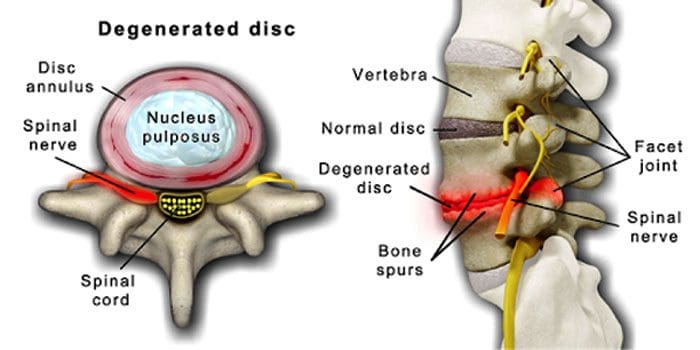
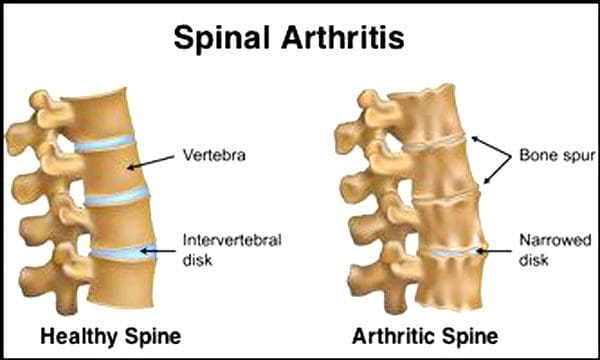
It is normal for the spinal discs and joints to deteriorate with age. Spinal stenosis or the narrowing of the spinal canal can also be part of the aging process. Two conditions brought on by aging are degenerative disc disease and arthritis that can also include stiffening of the spinal ligaments and osteoporosis.
Degenerative disc disease is experienced by 40% of individuals 40 years of age
Increases to 80% for individuals 80 years of age and older.
It centers around discs that gradually change from being mostly water to mostly fat.
When it is fat, the discs become narrowed and lose elasticity.
The Centers for Disease Control and Prevention say that 23% of American adults have arthritis. This is a condition that mainly affects the facet joints. The joints become swollen, which reduces the range of motion and can impinge on the spinal nerves, causing pain, weakness, and sciatica. With time the ligaments around and in the spine stiffen, reducing the range of motion, causing stenosis. Bone loss, or osteoporosis, is brought on by changes in hormones and other factors like nutrition. Aging is a natural process, but individuals can help their spines stay in top form no matter how old they are.
Practicing Healthy Posture
Right off the bat proper healthy body mechanics is a must. Staying aware and mindful of body posture maintains alignment and keeps the body balanced. Healthy posture will help reduce the effects of:
Spinal stenosis
Degenerative disc disease
Herniation
Risk of spinal fractures
Practicing proper posture includes:
Reduce slouching
Make sure the workstation is in top form and ergonomically sound
Make sure to bend the knees when lifting and keep the spine as vertical as possible.
Yoga
Yoga can be highly beneficial for a healthier, more youthful spine. Yoga fulfills three areas for keeping the spine in top form. This includes:
Regular exercise
Maintains flexibility
Achieves ideal body weight
Yoga is an age-defying activity for the spine. Because it:
Maintains strength
Flexibility
Posture
Balance
Can be helpful for a variety of spinal conditions, specifically arthritis pain
Falls can cause serious injuries. Yoga can also help work on balance as well.
See a Chiropractor
Preventive medicine is key to keeping the body healthy, youthful, and as strong as possible. A chiropractic examination can determine if there are any spinal problems and a diagnosis to develop an optimal treatment plan. If body function is limited because of pain in the back and/or legs, contact Injury Medical Chiropractic and Functional Medicine Clinic and get the spine back in top form.
Body Composition
Exercise/Stability Ball Curls
This exercise works muscle groups specific to spinal strength and includes the:
Hamstrings
Glutes
Deep abdominals
Hip abductors and rotators
Exercises like this are one of the most effective ways to build functional strength and endurance in the hamstrings, hips and prevent injuries. To do this workout:
Lie on your back with the knees bent
Lift legs up so the bottom of the feet rests on top of an exercise ball
Roll your legs out until they are straight
Hold the position for a second or two
Return to the top of the movement while squeezing the hamstrings
Working these muscles will help make squatting, lunging, or bending motions easier on the spine.
Dr. Alex Jimenez�s Blog Post Disclaimer
The scope of our information is limited to chiropractic, musculoskeletal, physical medicines, wellness, and sensitive health issues and/or functional medicine articles, topics, and discussions. We use functional health & wellness protocols to treat and support care for injuries or disorders of the musculoskeletal system. Our posts, topics, subjects, and insights cover clinical matters, issues, and topics that relate and support directly or indirectly our clinical scope of practice.*
Our office has made a reasonable attempt to provide supportive citations and has identified the relevant research study or studies supporting our posts. We also make copies of supporting research studies available to the board and or the public upon request. We understand that we cover matters that require an additional explanation as to how it may assist in a particular care plan or treatment protocol; therefore, to further discuss the subject matter above, please feel free to ask Dr. Alex Jimenez or contact us at 915-850-0900. The provider(s) Licensed in Texas& New Mexico*
El Paso, TX. Chiropractor Dr. Alex Jimenez takes a look at parenthood and longer life.
Parents, take courage. If you survive the sleep deprivation, toddler tantrums and teenage angst, you may be rewarded with a longer life than your childless peers, researchers said Tuesday.
Fathers gained more in life expectancy than mothers, a team wrote in the Journal of Epidemiology & Community Health — and particularly in older age.
“By the age of 60, the difference in life expectancy… may be as much as two years” between people with, and those without, children, they concluded.
Researchers tracked the lifespan of men and women born between 1911 and 1925 and living in Sweden — more than 1.4 million people in total.
Data Was Gathered On Whether The Participants Were Married & Had Children
Men and women with at least one child had “lower death risks” than childless ones, the team concluded.
“At 60 years of age, the difference in life expectancy was two years for men and 1.5 years for women” compared to peers with no kids, the researchers wrote.
By age 80, men who fathered children had a remaining life expectancy of seven years and eight months, compared to seven years for childless men, said the team.
For mothers, life expectancy at 80 was nine years and six months, while for childless women it was eight years and 11 months.
The study merely pointed out a correlation, and cannot conclude that having children is the cause of the life expectancy gains, the researchers admitted.
But they theorised that parents may benefit from social and financial support from their children in older age, which childless people lose out on.
It Could Be That Childless People Live Unhealthier Lifestyles Than Parents Do
The association between having children and longer life was found in married and unmarried people, but appeared to be strongest in single, older men, said the study.
This could be because unmarried men relied more heavily on their offspring in the absence of a partner.
The study did not echo previous research which found that having daughters is more beneficial for longevity than sons.
Fewer and fewer people are having children in Sweden at the same time as older people are spurning old age institutions to receive care at home — often by their children.
“Therefore, to further investigate health and survival consequences for childless older individuals is of importance,” wrote the team.
Socializing with Relatives and friends may help you stay mentally sharp as you age,
A new report co-sponsored by AARP finds
“It’s not uncommon for our social networks to shrink in size as we get older,” said Marilyn Albert, professor of neurology and director of cognitive neuroscience at Johns Hopkins University in Baltimore.
“This report provides many helpful suggestions about the things we can do to improve the quality of our relationships with family and friends, which may be beneficial in maintaining our mental abilities,” Albert said in an AARP news release.
The report also discusses the social benefits of having pets, how age-friendly communities boost social ties, how close relationships benefit both physical and mental health, and how social media (including Facebook and Skype) helps older adults maintain social connections.
The report is from the AARP and the Global Council on Brain Health (GCBH). Albert is chair of the GCBH.
In related news, a new AARP survey found that nearly four in 10 adults aged 40 and older said they lack social connections. Those people also reported worse brain health.
Sarah Lock is AARP senior vice president for policy and GCBH executive director. She said, “We know that loneliness and social isolation can increase physical health risks for older people.”
So, Lock added, “The GCBH’s consensus that people who are socially engaged have a lower risk for cognitive [mental] decline shows us just how important social connections are to brain health.”
The AARP said older adults can boost their social ties by making new social connections, including with younger people. Other suggestions include joining a club or taking a class; visiting, calling or emailing regularly with relatives, friends, and neighbors; and volunteering or visiting a lonely neighbor or friend.
SOURCE: AARP, news release, Feb. 14, 2017
News stories are written and provided by HealthDay and do not reflect federal policy, the views of MedlinePlus, the National Library of Medicine, the National Institutes of Health, or the U.S. Department of Health and Human Services.
Many people have the common misconception that chiropractic treatment is only used to treat issues like back and neck pain, however, Dr. Billy DeMoss, doctor of chiropractic and expert in anti-aging, natural techniques, has helped hundreds of his own patients understand the true essence of chiropractic care and what it can really do to help an individual�s overall health and wellness, promoting longevity.
The connection between the brain, spinal cord and the nervous system is fundamental to control every function of the body which provides life and it�s important for each individual to understand how nurturing these structures through proper nutrition, exercise and good sleeping habits can extend our well-being. Additionally, just like functional and external health is important, taking care of the spine and the nervous system is essential towards overall health and wellness.
Chiropractic Care for Longevity
Dr. Billy DeMoss emphasizes that longevity can be achieved through the daily basis practice of good habits which contribute to a whole improvement of lifestyle. According to Dr. DeMoss, that is the exact function of chiropractic. When a person visits a chiropractor�s office due to symptoms of pain and discomfort, foremost, the doctor of chiropractic will assess the individual�s spine to determine whether they have any subluxations, or spinal misalignments, which could be the source of their symptoms. When there�s a misalignment in the spine, a point along the spine where the vertebrae aren�t moving or functioning properly can cause irritation and inflammation to the surrounding structures, resulting in a compression of the nerves which can create an interference between the brain, spinal cord, nerves and ultimately, the internal organs of the body. A chiropractor�s job is to remove these interferences and restore the normal function of the spine and its surrounding structures.
In an average visit to the chiropractor�s office, a chiropractor will evaluate an individual�s condition to diagnose a subluxation, as well as other possible complications, through palpation, feeling the spine and checking their range of motion. Occasionally, these healthcare providers will utilize X-rays and thermographic scans, if available, to determine the area where an individual needs to be adjusted, to remove their spinal misalignments and allow greater communication through the circuitry of the brain, spinal cord and nerves, to the organs and back.
According to research studies, approximately 85 percent of disease is caused by being in a constant state of stress. When the spine is out of alignment, not only does it interfere with the natural transmission of nerve signals from the brain to the rest of the body, it also causes tension to build up on the spinal cord, creating irritation of the nerves, which can then push an individual to enter a constant state of stress, triggering the sympathetic system, best known as the fight or flight response.
The human body is designed to enter the sympathetic state periodically in the case of a stressful situation or during instances of extreme danger. In a sympathetic state, the body reacts by increasing heart rate and pressure, along with other physical changes, to exponentially increase the function of the structures of the body, however, many individuals are found to constantly be in this state of stress, something which research studies have concluded could lead to heart disease and other complications if the issue is not corrected over a prolonged period of time.
Fortunately, these same research studies support the fact that if a person�s spinal subluxations, or misalignments, are corrected as well as their posture, the individual�s overall health and wellness can be restored, improving their longevity.
What is Chiropractic?
How Chiropractic Treatment Heals the Body
Chiropractic is referred to as one of the most powerful tools for removing stress. Chiropractic care helps correct subluxations through the use of spinal adjustments and manual manipulations, along with the participation in a specific set of exercises, changes in nutrition and sleeping habits, as well as the correction of posture. Compression on the nerves caused by a spinal misalignment can restrict the proper flow of life. Chiropractic treatment can help remove tension from the spinal cord and help shift a person from the sympathetic system into the parasympathetic state, where the body is able to rest, properly undergo digestion and nutrient absorption, ultimately repairing itself to promote a healthier state to prevent disease by building healthy cells to prolong life. Dr. Billy DeMoss describes how his patients have claimed they have more energy, sleep better and experience improved digestion and symptoms. A proper alignment of the spine can slow down the process of degeneration in the body, preventing the development of degenerative diseases, such as osteoarthritis.
When it comes to correcting posture, chiropractic treatment can also help. The spine is placed under the stress of gravity on a daily basis. Additionally, due to the increased popularity of devices such as smart phones and tablets, or simply sitting in front of a computer screen for an extended period of time has created an epidemic of forward head posture cases in the population. With regular spinal adjustments and manual manipulations, chiropractic can restore an individual�s original alignment of their spine, reducing the amount of stress being placed on its surrounding structures to decrease irritation and inflammation, helping to strengthen the muscles and other tissues around the spine to improve posture.
In conclusion, Dr. Billy DeMoss, like many other doctors of chiropractic, understands the importance of spinal adjustments and manual manipulations to help restore the body�s natural well-being to promote longevity. Overall health and wellness doesn�t only involve following nutritional, physical activity and sleep habits. Whole body wellness also includes the health of the spine and its surrounding structures. As an individual interested in living a longer, healthier life, make sure to consult your primary health provider or visit a chiropractic office to receive a diagnosis of your current spinal condition to begin treatment, if needed, as soon as possible and improve your overall lifestyle.
Chiropractic care is a well-known, alternative treatment option utilized to naturally relieve symptoms of neck and back pain, among others. Recent studies have demonstrated however, that chiropractic can also have tremendous anti-aging effects on the body, helping to prevent the rapid degeneration of the spine to avoid developing diseases like osteoarthritis.
For more information, please feel free to ask Dr. Jimenez or contact us at 915-850-0900 .
IFM's Find A Practitioner tool is the largest referral network in Functional Medicine, created to help patients locate Functional Medicine practitioners anywhere in the world. IFM Certified Practitioners are listed first in the search results, given their extensive education in Functional Medicine