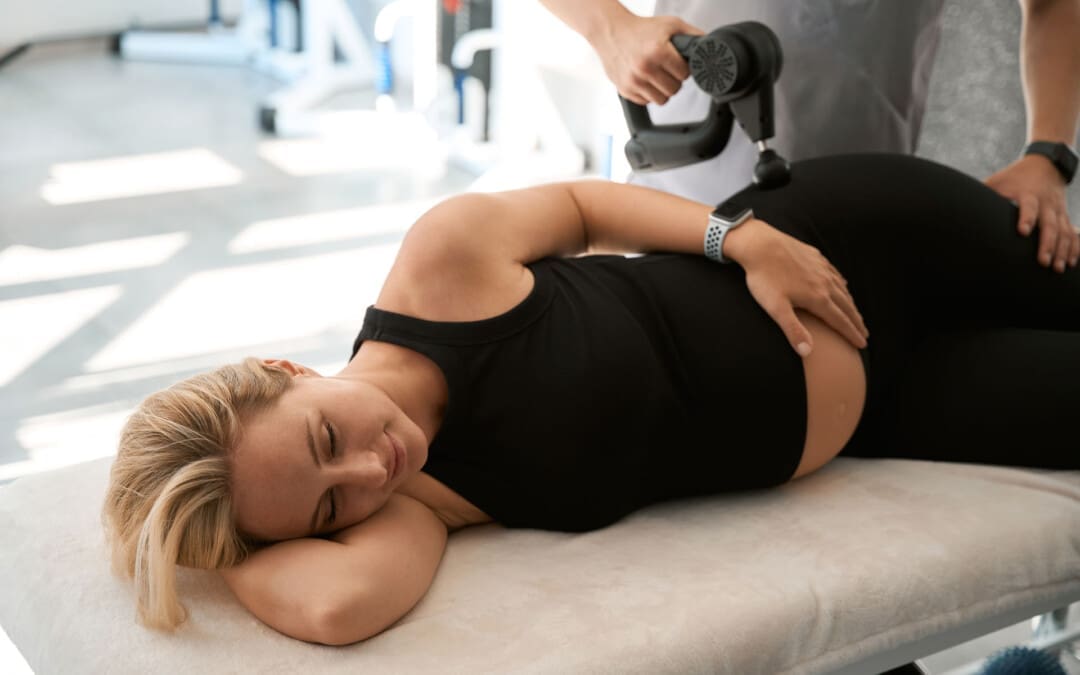
Stress on the lower back during pregnancy often leads to back (upper, middle, lower), sciatica, and leg pain. Can you use a massage gun while pregnant?
Pregnancy Massage Gun Use
Pregnant women often experience back, hip, and leg pain along with symptoms such as swelling (edema), muscle spasms, cramps, and fatigue, which interfere with daily functions and sleep. Pregnancy massage gun use is a safe and helpful form of stress and tension relief, so long as healthcare providers and safety precautions are followed and sensitive areas are avoided. Massage guns use percussion and vibration to create a form of massage that can relieve tension, stiffness, and muscle soreness, break up tissue adhesions, and reduce inflammation. Moreover, pregnancy massage can provide relaxation and pain relief for muscles and joints that are adapting to a growing, changing body. Traditional massage therapy and massage gun therapy have been shown to help reduce muscle soreness and pain. (Imtiyaz S., Veqar Z., & Shareef M. Y. 2014) The benefits of pregnancy massage gun use include:
However, it is essential to discuss massage gun use with a healthcare professional and follow safety precautions when using massage guns during pregnancy.
Benefits
While there is no specific research on the benefits of massage guns for pregnant individuals, studies have demonstrated the general benefits of massage during pregnancy, including deep tissue massage. Therapeutic massage effectively reduces pregnancy discomforts and pain and is a safe and affordable method of pain relief. (El-Hosary EA, Abbas Soliman HF, El-Homosy SM. 2016) Researchers believe this relief helps improve the health of mother and baby in ways that include. (El-Hosary EA, Abbas Soliman HF, El-Homosy SM. 2016) (Mueller S. M., & Grunwald M. 2021)
Improves cardiovascular health
Overall circulation improves
Increases serotonin and dopamine levels
Decreases chronic back pain
Relieves muscle aches and joint pains
Improves sleep patterns
Increases energy
Reduces anxiety
Increases immune response
Enhances sense of well-being and mood
Reduces risk of preterm delivery
Massage Gun Safety
Pregnancy massage gun use is generally safe for those who do not have preexisting conditions. (Mueller S. M., & Grunwald M. 2021) However, there are no studies on the safety of massage guns or other massage tools for pregnant individuals. It is recommended to discuss the use of massage guns with a doctor before use.
Individuals with high-risk factors, such as bleeding, pre-term contractions, and preeclampsia, should avoid using massage guns unless a doctor clears them to do so.
Preeclampsia
This condition causes a rise in blood pressure that can be serious.
It typically develops around 20 weeks of pregnancy or later.
Deep Vein Thrombosis – DVT
Avoid using a massage gun if there is a history of deep vein thrombosis.
Blood volume increases during pregnancy, and leg circulation can be poor.
Certain hormones that prevent hemorrhage during delivery can cause blood to clot more easily.
Using a massage gun on areas with potential blood clots may release the clot, leading to a life-threatening embolism. (Sutham K. et al., 2020)
Compression socks are a better alternative for relieving leg pain and swelling, but follow the healthcare provider’s recommendations.
Placenta Previa, Accrete, or Abruption
These conditions involve the placenta, which can lead to bleeding.
Gestational Diabetes
High blood sugar levels do not necessarily mean individuals cannot use a massage gun during pregnancy.
However, speak to a doctor and monitor blood sugar before use.
How to Use
Although there are no specific expert directions for the use of massage guns during pregnancy, there are guidelines to consider while using the device. This includes:
Never place the massage gun directly over bones, nerves, or joints.
Avoid using the device around injured, swollen, or painful areas.
Avoid using a massage gun directly on the abdomen.
Start by trying a light 10- to 15-second pass over sore or tight areas.
Perform three to five sweeps over the location, then move on to another.
Be careful not to keep the gun on a single area too long, as you could overwork the muscle, leading to bruising and irritation.
The recommended time for leaving the massager in one area is two minutes.
Stop using the massage gun if there is unusual pain, sensations, or discomfort.
Injury Medical Chiropractic and Functional Medicine Clinic
Massage during pregnancy can help relieve symptoms such as anxiety, stress, pain, discomfort, tightness, and poor circulation. Regular massage can help improve sleep and can even benefit the baby. However, it is recommended to consult with a doctor about using a massage gun before trying it out. Injury Medical Chiropractic and Functional Medicine Clinic can help individuals recover and regain the benefits of quality rest through healthy sleep practices and lifestyle accommodations. We build optimal health and wellness solutions with primary healthcare providers and specialists. We focus on what works for you to relieve pain, restore function, prevent injury, and help mitigate issues through adjustments that help the body realign itself. They can also work with other medical professionals to integrate a treatment plan to resolve musculoskeletal problems.
Pregnancy and Sciatica: How Chiropractic Helped
References
Imtiyaz, S., Veqar, Z., & Shareef, M. Y. (2014). To Compare the Effect of Vibration Therapy and Massage in Prevention of Delayed Onset Muscle Soreness (DOMS). Journal of clinical and diagnostic research: JCDR, 8(1), 133–136. https://doi.org/10.7860/JCDR/2014/7294.3971
American Massage Therapy Association. (2011). Pregnancy Massage. https://www.amtamassage.org/publications/massage-therapy-journal/massage-and-pregnancy/
El-Hosary EA, Abbas Soliman HF, El-Homosy SM. (2016). Effect of Therapeutic Massage on Relieving Pregnancy Discomforts. IOSR Journal of Nursing and Health Science., 5(4), 57-64. https://doi.org/10.9790/1959-0504025764
Mueller, S. M., & Grunwald, M. (2021). Effects, Side Effects and Contraindications of Relaxation Massage during Pregnancy: A Systematic Review of Randomized Controlled Trials. Journal of Clinical Medicine, 10(16), 3485. https://doi.org/10.3390/jcm10163485
American Massage Therapy Association. (2018). Massage and pregnancy: A powerful combination. https://www.amtamassage.org/publications/massage-therapy-journal/massage-and-pregnancy-a-powerful-combination/
Sutham, K., Na-Nan, S., Paiboonsithiwong, S., Chaksuwat, P., & Tongsong, T. (2020). Leg massage during pregnancy with unrecognized deep vein thrombosis could be life-threatening: a case report. BMC pregnancy and childbirth, 20(1), 237. https://doi.org/10.1186/s12884-020-02924-w
Hospital for Special Surgery. Surgery, H. F. S. (2021). What you should know about using a massage gun. https://www.hss.edu/article_how-to-use-massage-gun.asp
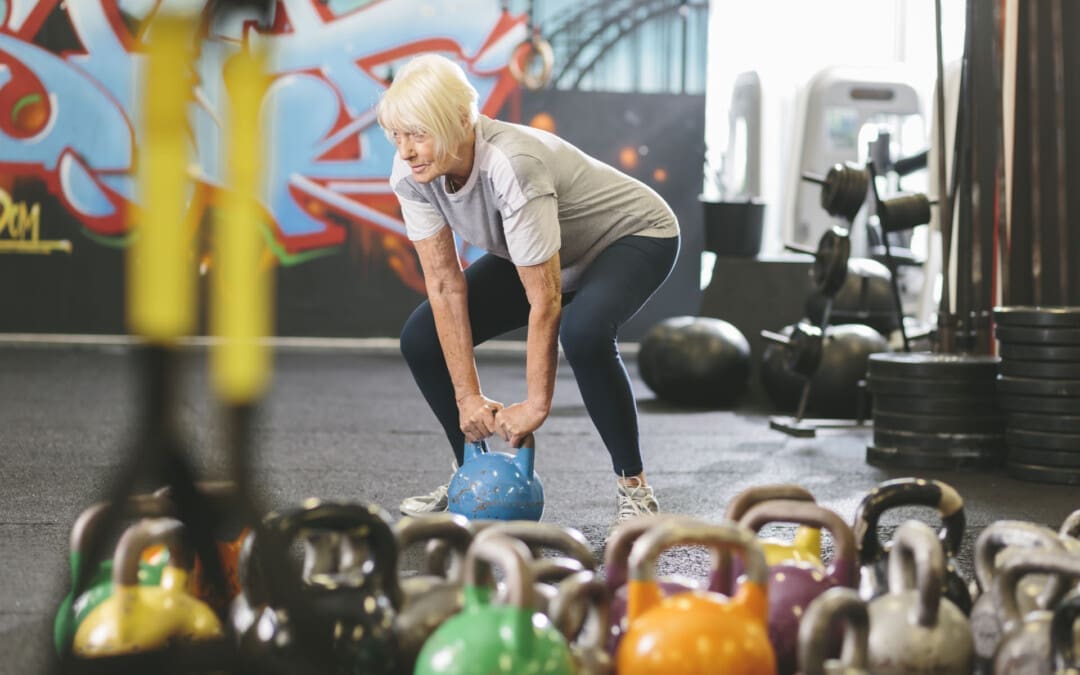
For older individuals looking for a workout that can help improve overall fitness, can kettlebell training help achieve health goals?
Kettlebell Training At Any Age
Previous research found that training with a kettlebell can improve aerobic capacity, balance, and core strength. New research suggests that kettlebell training is beneficial at any age (American Physiological Society, 2024). Compared to dumbbells or barbells, the kettlebell’s specific shape—a sphere on the bottom and a handle that can be grabbed by one or both hands—better emulates how the body moves through daily tasks and activities. When isolating a muscle, like a bicep, only that muscle is getting worked out. But in everyday life, a lot of what the body does is lifting and moving things. A kettlebell allows those muscle groups to connect in a stronger and more efficient movement.
Benefits At Any Age
A research study examined how using kettlebells impacted the health of individuals from different backgrounds without prior exposure to resistance training between the ages of 60 and 80. The participants enrolled in a twice-a-week exercise program using kettlebells to improve fitness. At the end of six months, the researchers found the participants had increased muscle mass and grip strength. At the end of the year, the participants had lower inflammation markers in their blood and had met other fitness goals, including climbing stairs faster and making multiple chair stands/standing from a seated position. The researchers say the findings show how effective kettlebells can be for all ages and demonstrate that the kettlebell training program leads to benefits even in older individuals just starting. (American Physiological Society, 2024) The kettlebell’s unique shape allows for an offset center of gravity from the handle, encouraging increased engagement of stabilizing muscles. This combination of strength and functional movement patterns helps to improve the following:
Balance
Coordination
Core stability
This makes it a versatile tool for older adults.
Getting Started
For individuals just starting kettlebell training, it is recommended that they work with a certified instructor or find a beginner’s class. Guided training ensures proper technique and form and reduces the risk of injury. To avoid common kettlebell mistakes when lifting weights for the first time, start with lighter kettlebells to master form and focus on slow, controlled movements. When lifting weight from the ground to the chest, don’t pull with the shoulder muscles. Instead, start in the legs and let the energy move up through the body, known as the kinetic chain. When exercising, spend only 20 to 30 seconds on a rep before resting for 30 seconds, and don’t spend more than five minutes on a single exercise. (American Council on Exercise, 2015)
Injury Medical Chiropractic and Functional Medicine Clinic
Individuals who want to start an exercise routine should consider kettlebell training. Following basic tips and training slowly, kettlebells can be an option for anyone looking to improve their fitness and overall health. Consider working with a personal trainer to ensure safety and get the most out of workouts. Injury Medical Chiropractic and Functional Medicine Clinic works with primary healthcare providers and specialists to build optimal health and wellness solutions. We focus on what works for you to relieve pain, restore function, prevent injury, and help mitigate issues through adjustments that help the body realign itself. They can also work with other medical professionals to integrate a treatment plan to resolve musculoskeletal problems.
Transform Your Body
References
American Physiological Society. (2024). Kettlebell training may help maintain muscle strength in older adults. https://www.physiology.org/detail/news/2024/11/21/kettlebell-training-may-help-maintain-muscle-strength-in-older-adults?SSO=Y
American Council on Exercise. Wall, A. J. (2015). How to get started with kettlebells. https://www.acefitness.org/resources/pros/expert-articles/5269/how-to-get-started-with-kettlebells/?srsltid=AfmBOor4x0yZwrHzGRccSA2uYMQtS3PX-vRC03eVwQoGX6_6B5wryAAi
What is the recommended way to choose a mattress for individuals with back pain?
Back Pain Mattress
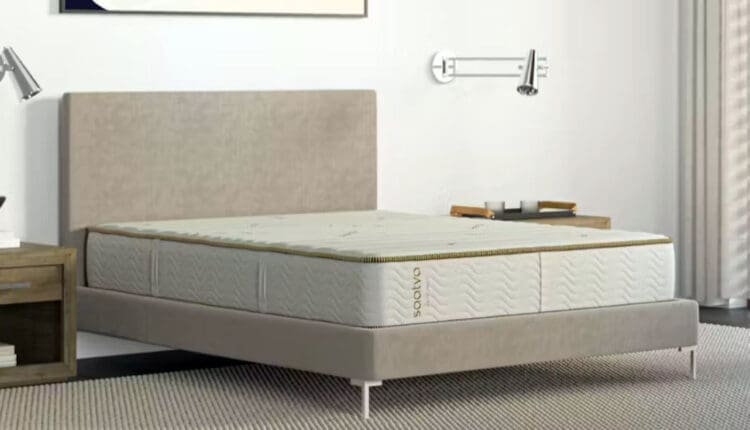
When choosing a back pain mattress, one size does not fit all in selecting one for those with spine pain. Several other factors play a role, as well. However, whether a firm or soft mattress is the best option for individuals whose back pain keeps them up at night, most health experts say the choice is yours and that the mattress that makes you feel most comfortable is likely the best option. The research says that medium firmness seems to provide the most painless sleep. A review gathered information from 24 controlled trials where participants used soft, medium-firm, firm, or custom-inflated mattresses. The results showed that medium-firm and self-adjusted mattresses were best for sleep comfort, quality, and spinal alignment. (Radwan A. et al., 2015)
Medical Status
Selecting the back pain mattress best suited to your spinal condition is more than just how hard or soft the mattress is. Individuals and their healthcare providers should thoroughly review their medical history to tailor the mattress to their needs. Before purchasing a mattress, check the following:
Age
Medical history
Injuries current and past
Current diagnosis or diagnoses
Disease and/or Conditions
Sleeping preferences
For example, symptoms of spinal stenosis tend to present themselves when one is standing and walking but not when lying down. For this reason, mattress firmness is not a big issue only for people with spinal stenosis. However, it must be taken into consideration for those who have degeneration along with spinal stenosis.
Individuals with spinal arthritis without stenosis, disc problems, or non-specific back pain need to consider the relative firmness or softness of the back pain mattress. People with these conditions do better with more support, i.e., a firmer mattress. While everyone needs some back support when they sleep, those who have undergone multiple back surgeries often need less. The tissues have been altered and may be stiffer after several surgeries. In this case, a softer mattress may be more suitable and comfortable.
Mattress Age
Mattress springs break down over time, which makes the bed softer. This can aggravate the spine and back muscles. Based on this, investing in a new mattress makes sense, or pain and stiffness can worsen with the current one. While this will vary among individuals, medical research may help shed some light: A study measured the comfort and quality of sleep for 27 participants with low back pain and stiffness. The participants recorded their sleep comfort and quality in their beds for 21 days and then with a new prescribed mattress and bedding system, which they used for 12 weeks. The study found that the participants showed significant and progressive improvement in back pain and stiffness on the new mattresses and improved sleep quality significantly. (Jacobson B. H. et al., 2010)
Sleeping Position
The position usually slept in makes a difference in the support needed for the back pain mattress. Some recommendations for back sleepers, side and fetal position sleepers, and stomach sleepers:
Side Sleepers
Most people are side sleepers.
They sleep in the fetal position with their knees drawn up toward their chest.
This position tends to place pressure on the hips and shoulders.
For side and fetal sleepers, a slightly softer mattress is recommended.
The foam the mattress is made of conforms to the body, especially in the thoracic and lumbar regions of the spine.
Stomach Sleepers
For the stomach sleeper, soft mattresses can irritate the back.
A soft mattress encourages the abdomen to sink into the bed.
The resulting position is known to increase the arch in the lower back and cause pain.
A medium-firm surface is good for stomach sleepers.
The idea is to derive support from the chosen mattress without the abdominal sinking.
The sinking effect is amplified if you have a large abdomen.
For thin individuals, sinking may not be as much of an issue.
Back Sleepers
For support, place a thin, rolled towel or pillow under the knees and lower back of those who sleep on their backs.
A pillow/s under these areas will help support them and provide more comfort.
Researchers divided the participants according to their usual sleep position. They were assigned to a medium-firm mattress with foam and latex layering based on their preferred sleep position. The participants rated their sleep comfort and quality daily for three months. The researchers found that the new mattresses improved back pain and stiffness. For this reason, they concluded that sleep surfaces relate to sleep discomfort and that replacing a mattress with one uniquely suitable to your spinal condition can reduce and relieve pain. (Jacobson B. H. et al., 2010)
Injury Medical Chiropractic and Functional Medicine Clinic
Choosing the right back pain mattress ultimately comes down to personal preference. Individuals should try various mattresses and see which one they like best. Individuals who struggle with sleep or other sleep disorders that impact their ability to get restful sleep should consult with their healthcare provider about getting an assessment and treatment. Injury Medical Chiropractic and Functional Medicine Clinic can help individuals recover and regain the benefits of quality rest through healthy sleep practices and lifestyle accommodations. We build optimal health and wellness solutions with primary healthcare providers and specialists. We focus on what works for you to relieve pain, restore function, prevent injury, and help mitigate issues through adjustments that help the body realign itself. They can also work with other medical professionals to integrate a treatment plan to resolve musculoskeletal problems.
Chiropractic Care Can Transform Pain Into Relief
References
Radwan, A., Fess, P., James, D., Murphy, J., Myers, J., Rooney, M., Taylor, J., & Torii, A. (2015). Effect of different mattress designs on promoting sleep quality, pain reduction, and spinal alignment in adults with or without back pain; systematic review of controlled trials. Sleep health, 1(4), 257–267. https://doi.org/10.1016/j.sleh.2015.08.001
Jacobson, B. H., Boolani, A., Dunklee, G., Shepardson, A., & Acharya, H. (2010). Effect of prescribed sleep surfaces on back pain and sleep quality in patients diagnosed with low back and shoulder pain. Applied ergonomics, 42(1), 91–97. https://doi.org/10.1016/j.apergo.2010.05.004
Can listening to sleep sounds help achieve and maintain healthy sleep patterns for individuals having trouble sleeping?
Sleep Sounds
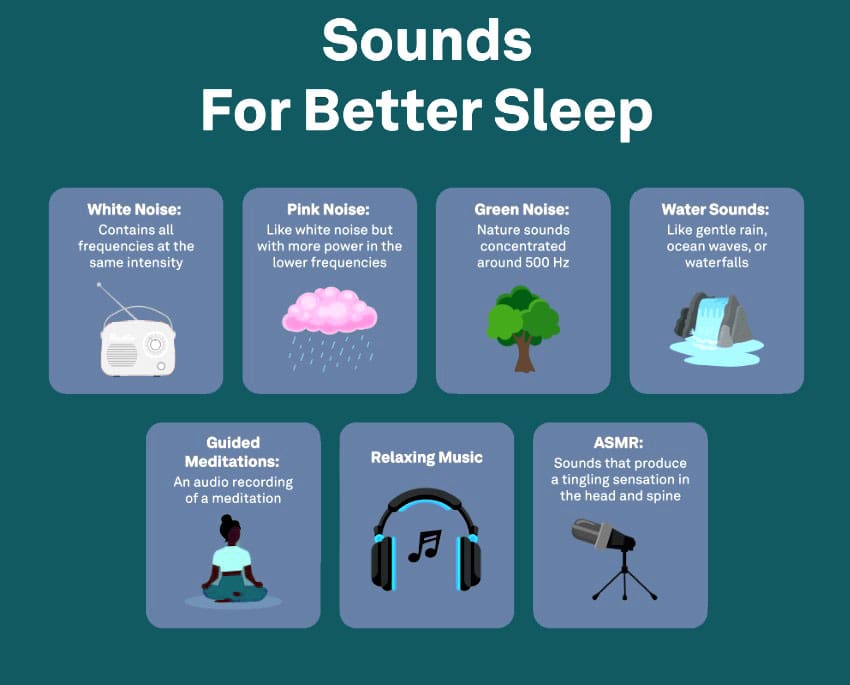
Sleep sounds include white, pink, green, or brown noise, binaural beats, ASMR, nature, and ambient sounds. Each has different benefits and can potentially improve sleep. (Ebben M. R., Yan P., & Krieger A. C. 2021) Sound has no color, but it follows a spectrum. The color of a sound refers to the power spectrum of a particular noise signal. Each color has different qualities.
White noise, such as an untuned radio or television, is the most well-known background noise and is often used as a sleep aid.
Green noise features more powerful mid-range frequencies.
Brown noise is a more low-frequency rumble deeper than green and white noise.
Pink noise combines white noise softened by brown and could be the most effective option for improving sleep.
White noise is a sound that includes all the audible frequencies at equal volume, like a continuous hiss. One study found that adults fell asleep faster while listening to white noise. (Messineo L. et al., 2017)
Green noise, which features more powerful mid-range frequencies, is similar to natural sounds like ocean waves, rainfall, and rustling leaves. It’s more soothing than white noise and can help individuals with anxiety sleep better.
Brown noise, also known as red noise, has a deeper tone than white noise and is similar to the hum of an airplane. It can help mask lower-pitched sounds and may be especially helpful for individuals with ADHD, as it aids in productivity and concentration. Brown noise mimics sounds found in nature but with a low-frequency rumble. Examples include heavy rainfall, thunder, or loud waves.
Pink Noise
While further scientific research on sleep noise is needed, evidence has begun to suggest that pink noise may be the most effective option for improving sleep. (Ong J. L. et al., 2016) Pink noise is softer and more soothing than the other colored sleep sounds. It combines white noise softened by brown noise and is considered more relaxing because of its lower pitch. It has a pleasant-sounding, balanced volume across frequencies, making it calming to the human ear. Pink noise includes digital recreations of natural sounds such as a gently flowing stream, soft rain falling, wind rustling through trees, or calm waves lapping at the shore.
In a study, adults over 60 were given intermittent bursts of pink noise while sleeping, similar to rushing water. (Papalambros N. A. et al., 2017) The following morning, participants were given memory tests, which indicated that retention levels were approximately three times greater than those of the control group not exposed to the pink noise. Another study found that steady pink noise significantly reduced brain wave complexity during sleep while improving stable sleep time with less fragmentation and fewer wake periods. (Zhou, J. et al., 2012)
Injury Medical Chiropractic and Functional Medicine Clinic
Choosing the right sound for you ultimately comes down to personal preference. Individuals can try each color and see which one they like best. Individuals who struggle with sleep or other sleep disorders that impact their ability to get restful sleep should consult with their healthcare provider about getting an assessment and treatment to restore health. Individuals can recover and regain the benefits of quality rest through healthy sleep practices and lifestyle accommodations. Injury Medical Chiropractic and Functional Medicine Clinic works with primary healthcare providers and specialists to build optimal health and wellness solutions. We focus on what works for you to relieve pain, restore function, prevent injury, and help mitigate issues through adjustments that help the body realign itself. They can also work with other medical professionals to integrate a treatment plan to resolve musculoskeletal problems.
Beyond Medicine: The Power of Chiropractic Care
References
Ebben, M. R., Yan, P., & Krieger, A. C. (2021). The effects of white noise on sleep and duration in individuals living in a high noise environment in New York City. Sleep medicine, 83, 256–259. https://doi.org/10.1016/j.sleep.2021.03.031
Messineo, L., Taranto-Montemurro, L., Sands, S. A., Oliveira Marques, M. D., Azabarzin, A., & Wellman, D. A. (2017). Broadband Sound Administration Improves Sleep Onset Latency in Healthy Subjects in a Model of Transient Insomnia. Frontiers in neurology, 8, 718. https://doi.org/10.3389/fneur.2017.00718
Ong, J. L., Lo, J. C., Chee, N. I., Santostasi, G., Paller, K. A., Zee, P. C., & Chee, M. W. (2016). Effects of phase-locked acoustic stimulation during a nap on EEG spectra and declarative memory consolidation. Sleep medicine, 20, 88–97. https://doi.org/10.1016/j.sleep.2015.10.016
Papalambros, N. A., Santostasi, G., Malkani, R. G., Braun, R., Weintraub, S., Paller, K. A., & Zee, P. C. (2017). Acoustic Enhancement of Sleep Slow Oscillations and Concomitant Memory Improvement in Older Adults. Frontiers in human neuroscience, 11, 109. https://doi.org/10.3389/fnhum.2017.00109
Zhou, J., Liu, D., Li, X., Ma, J., Zhang, J., & Fang, J. (2012). Pink noise: effect on complexity synchronization of brain activity and sleep consolidation. Journal of theoretical biology, 306, 68–72. https://doi.org/10.1016/j.jtbi.2012.04.006
Insomnia is a condition with causes that vary from person to person and can be a result of stress, caffeine, and excessive screen time. Can modifying eating habits help reduce episodes and improve sleep patterns?
Eating Habits and Insomnia
Insomnia is a common sleep disorder characterized by persistent difficulty falling asleep, staying asleep, and/or both. Individuals often experience daytime sleepiness, mood disturbances, or cognitive impairments. There are two types:
Primary insomnia, which is not linked to other health conditions.
While there are various causes of insomnia, researchers have recently learned more about its impact on eating habits. New data has found that an individual’s dietary pattern may impact sleep habits. (Gan Z. H. et al., 2024)
Risk Factors
Chronic insomnia is linked to negative health outcomes, including an increased risk of high blood pressure, diabetes, obesity, depression, heart attack, and stroke. (Chalet F. X. et al., 2023) (Marie-Pierre St-Onge et al., 2016) Researchers recruited over five thousand participants who did not have insomnia and evaluated their eating habits and insomnia incidence. (Gan Z. H. et al., 2024) Results showed that 464 of the participants developed insomnia, and of those, the risk was lower in vegetarians than those who ate more meat. Males who followed a more plant-based diet had a reduced incidence of insomnia; however, this relationship was not seen among females. The research suggests that a diet with more vegetables may positively affect sleep. Many plant-based foods are rich sources of sleep-supporting compounds, such as melatonin. Treating and preventing insomnia is important for restoring health and daily functioning.
Past nutritional data highlights the relationship between healthy sleep and a diet rich in fruits, vegetables, legumes, and other sources of tryptophan and melatonin. (Zuraikat F. M. et al., 2021) Prior research also shows how vegetarian diets can help reduce chronic inflammation, positively impacting sleep. (Dzierzewski J. M. et al., 2020) Specifically, the Mediterranean diet, known for its anti-inflammatory effects, is linked to improved sleep and reduced insomnia. (Zaidalkilani A. T. et al., 2021) Also, data links a vegetarian diet to improved mood, which might enhance the quality of sleep by moderating mental health, including depression condition. (Wang X. et al., 2023)
Support Quality Sleep
According to dieticians, looking at an individual’s eating habits during the day is crucial in determining why they can’t sleep at night. Often, making a few small dietary adjustments is enough to help with better sleep. Some steps to try include:
Increase magnesium by adding more leafy greens, nuts, and seeds.
Incorporating melatonin-rich foods like walnuts rather than relying on melatonin supplements.
Easing off caffeine, alcohol, and refined carbohydrates can help improve sleep quality.
Dietary changes should not be the only way to combat insomnia. Cognitive behavioral therapy (CBT-I) is a recommended first-line treatment rather than sleeping medications, along with learning healthy sleep habits and using the right mattress. This therapy can help improve sleep habits and behaviors by rethinking sleep and current practices that could affect an individual’s ability to sleep well. Combining CBT-I with a healthy diet and regular physical activity can significantly impact overall health and sleep patterns.
Injury Medical Chiropractic and Functional Medicine Clinic
Individuals who struggle with insomnia or other sleep disorders that impact their ability to get restful sleep should consult with their healthcare provider about getting an assessment and treatment to avoid deprivation side effects and restore health. A chiropractic therapy team can assess your condition and develop a customized treatment plan. Injury Medical Chiropractic and Functional Medicine Clinic works with primary healthcare providers and specialists to build optimal health and wellness solutions. We focus on what works for you to relieve pain, restore function, prevent injury, and help mitigate issues through adjustments that help the body heal.
Revolutionizing Healthcare
References
National Library of Medicine: MedlinePlus. (2024). Insomnia. Retrieved from https://medlineplus.gov/insomnia.html
Gan, Z. H., Chiu, T. H. T., Lin, C. L., Lin, M. N., & Kuo, P. H. (2024). Plant-based dietary patterns and risk of insomnia: a prospective study. European journal of clinical nutrition, 78(3), 228–235. https://doi.org/10.1038/s41430-023-01380-x
Chalet, F. X., Saskin, P., Ahuja, A., Thompson, J., Olopoenia, A., Modi, K., Morin, C. M., & Wickwire, E. M. (2023). The Associations between Insomnia Severity and Health Outcomes in the United States. Journal of clinical medicine, 12(6), 2438. https://doi.org/10.3390/jcm12062438
St-Onge, M. P., Grandner, M. A., Brown, D., Conroy, M. B., Jean-Louis, G., Coons, M., Bhatt, D. L., & American Heart Association Obesity, Behavior Change, Diabetes, and Nutrition Committees of the Council on Lifestyle and Cardiometabolic Health; Council on Cardiovascular Disease in the Young; Council on Clinical Cardiology; and Stroke Council (2016). Sleep Duration and Quality: Impact on Lifestyle Behaviors and Cardiometabolic Health: A Scientific Statement From the American Heart Association. Circulation, 134(18), e367–e386. https://doi.org/10.1161/CIR.0000000000000444
Zuraikat, F. M., Wood, R. A., Barragán, R., & St-Onge, M. P. (2021). Sleep and Diet: Mounting Evidence of a Cyclical Relationship. Annual review of nutrition, 41, 309–332. https://doi.org/10.1146/annurev-nutr-120420-021719
Dzierzewski, J. M., Donovan, E. K., Kay, D. B., Sannes, T. S., & Bradbrook, K. E. (2020). Sleep Inconsistency and Markers of Inflammation. Frontiers in neurology, 11, 1042. https://doi.org/10.3389/fneur.2020.01042
Zaidalkilani, A. T., Alhaj, O. A., Serag El-Dine, M. F., Fekih-Romdhane, F., AlRasheed, M. M., Jahrami, H. A., & Bragazzi, N. L. (2021). Arab Women Adherence to the Mediterranean Diet and Insomnia. Medicina (Kaunas, Lithuania), 58(1), 17. https://doi.org/10.3390/medicina58010017
Wang, X., Song, F., Wang, B., Qu, L., Yu, Z., & Shen, X. (2023). Vegetarians have an indirect positive effect on sleep quality through depression condition. Scientific reports, 13(1), 7210. https://doi.org/10.1038/s41598-023-33912-7
Can understanding the anatomy and function of the long thoracic nerve help individuals make informed healthcare decisions after an injury to the nerve?
Long Thoracic Nerve
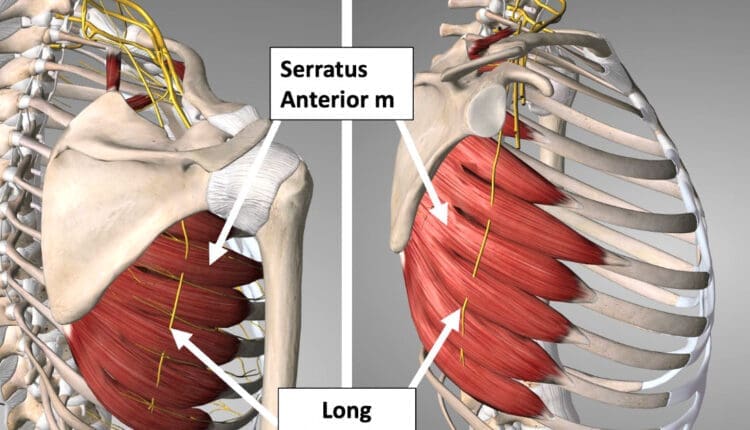
Also referred to as the posterior thoracic nerve, the long thoracic nerve/LTN is a thin superficial nerve that runs from the cervical spine to the chest wall side of the trunk. It supplies motor function to the thorax’s serratus anterior muscle, helping stabilize the shoulder blade. Injury to this nerve can cause limited or abnormal shoulder and shoulder blade motion, including difficulty raising the arm during overhead reaching.
Anatomy
The long thoracic nerve originates from the ventral rami of cervical nerves C5, C6, and C7. (Waxenbaum JA, Reddy V, Bordoni B. 2023) In some individuals, the root from C7 is absent; in others, a small nerve root branches from C8. The nerve roots from C5 and C6 go through the medial scalene muscle to join the C7 nerve. It travels behind the brachial plexus axillary artery and vein and courses down the lateral side of the thorax. The long thoracic nerve terminates at the lower portion of the serratus anterior muscle, sending small nerve tendrils to each muscle’s projections, which attach to the ribs. Because the long thoracic nerve is located on the lateral side of the chest, it is vulnerable to injury during sports or surgical procedures. The nerve also has a smaller diameter than other cervical and brachial plexus nerves, which increases its potential for injury.
Function
The long thoracic nerve attaches to the underside of the shoulder blade and inserts as muscular slips into the ribs. It supplies motor function to the serratus anterior muscle, essential for normal shoulder motion. When it contracts, it pulls the shoulder blade against the ribs and thorax, helping to move and stabilize the arm as it moves forward and up during shoulder motions. Injury to the long thoracic nerve causes a condition called scapular winging. This occurs when the serratus anterior muscle becomes weakened or paralyzed after injury. (Lung K, St Lucia K, Lui F. 2024)
Susceptibility to Injury
The LTN is relatively unprotected and can be damaged by several things, including:
Heavy backpacks
Sports
Activities the body is not used to, like digging
Using crutches
Conditions
Injury to the long thoracic nerve may occur as a result of trauma, lifting heavy weights above the shoulder, or a surgical procedure. Surgical procedures that may place the nerve at risk for injury may include: (Lung K, St Lucia K, Lui F. 2024)
Axillary lymph node dissection
Improperly placed intercostal drains
Chest tube placements
Mastectomy
Thoracotomy
The long thoracic nerve is protected during these procedures by the surgeon and proper surgical technique, but occasionally, difficulties arise during surgery, and the nerve may become injured. Individuals may also have an anatomical variance that places their nerves in varying positions. The surgeon may not see it and accidentally injure their nerves during surgery.
The superficial long thoracic nerve may also be injured during sports or trauma to the trunk. A blow to the side or a sudden overhead stretch to the shoulder may be enough to damage the nerve, paralyzing the serratus anterior muscle.
Weakness or paralysis of the serratus anterior muscle will result in a winged scapula. To test for this:
Stand about two feet from a wall, facing it.
Place both hands on the wall and gently push against it.
If one of the shoulder blades sticks out abnormally, it could be a winged scapula.
Have a family member or friend stand behind you and check the shoulder blade position.
If you suspect a winged scapula, visit a physician who can assess the condition and determine if there is a long thoracic nerve injury.
Winging the scapula may result in difficulty lifting the arm overhead. The serratus anterior muscle works with other scapular stabilizers, such as the upper trapezius and levator scapula, to properly position the shoulder blade when lifting the arm. Failure of the serratus to stabilize the shoulder blade may make lifting the arm impossible.
Clinical examination is usually used to diagnose a long thoracic nerve injury. X-rays and MRIs cannot show the nerve injury directly, although an MRI can show some secondary signs to help confirm the diagnosis. An electromyographic or EMG test may also be performed to examine the function of the long thoracic nerve.
Treatment and Rehabilitation
Treatment for LTN pain and reduced movement may include:
Rest
Heat or ice
Anti-inflammatory pain medication
Neck support or a pillow
Avoiding strenuous activity and driving
If the long thoracic nerve is severely injured and the serratus anterior is completely paralyzed, the best course of action is to be active and monitor the condition. Full recovery of arm function can take one to two years. If permanent nerve injury has occurred, surgery may be an option to restore shoulder motion and function. Several different kinds of surgery can be used to address winged scapula. (Vetter M. et al., 2017)
One involves transferring the pectoralis major tendon to the scapula (Vetter M. et al., 2017) so it functions as the serratus.
Often, the tendon has to be lengthened, which may be done using part of the hamstring tendon.
After surgery, individuals will likely wear a sling on their arm for a few weeks, and then gentle range-of-motion exercises will be initiated.
After eight to ten weeks, gentle progressive strengthening of the new tendon can begin.
Full shoulder motion and strength recovery are expected six to 12 months after surgery.
Lie on your back and raise both arms toward the ceiling.
Make a fist and punch up toward the ceiling.
Ensure the motion is steady and deliberate, and keep the elbow straight.
Hold the position for three seconds, then slowly lower the arm to the starting position.
Perform 10 to 15 repetitions.
Holding a small dumbbell in your hands can make the exercise more challenging.
Pushup
Lie on your stomach and place your hands flat on the ground by your shoulders as if you were going to perform a pushup.
Perform a pushup and press further, allowing the shoulder blades to wrap around the thorax.
Hold this position for three seconds, and slowly release.
Perform 10 to 15 reps.
If this is too difficult, perform the pushup against a wall to reduce the effect of gravity on the exercise.
Scapular Winging in Depth
References
Waxenbaum, J. A., Reddy, V., & Bordoni, B. (2024). Anatomy, Head and Neck: Cervical Nerves. In StatPearls. https://www.ncbi.nlm.nih.gov/pubmed/30844163
Lung, K., St Lucia, K., & Lui, F. (2024). Anatomy, Thorax, Serratus Anterior Muscles. In StatPearls. https://www.ncbi.nlm.nih.gov/pubmed/30285352
Vetter, M., Charran, O., Yilmaz, E., Edwards, B., Muhleman, M. A., Oskouian, R. J., Tubbs, R. S., & Loukas, M. (2017). Winged Scapula: A Comprehensive Review of Surgical Treatment. Cureus, 9(12), e1923. https://doi.org/10.7759/cureus.1923
Berthold, J. B., Burg, T. M., & Nussbaum, R. P. (2017). Long Thoracic Nerve Injury Caused by Overhead Weight Lifting Leading to Scapular Dyskinesis and Medial Scapular Winging. The Journal of the American Osteopathic Association, 117(2), 133–137. https://doi.org/10.7556/jaoa.2017.025
Individuals who don’t get enough sleep at night can feel it in many ways. Can sleep deprivation or other sleep disorders contribute to an accumulated sleep debt?
Sleep Debt
Sleep debt is the difference between the amount of sleep an individual needs and the amount they get. It can accumulate over time and can negatively impact physical and mental health.
What Is It?
Regardless of the cause, sleep debt, also called a sleep deficit, is the accumulated amount of sleep loss from insufficient sleep. (Harvard Health Publishing, 2019) For example, if the body needs eight hours of sleep a night but only gets six, it has accumulated two hours of sleep debt for that particular night. This can occur due to sleep restriction, in which too few hours are spent sleeping, which can have significant consequences, especially if the debt builds.
The Effects
Sleep deprivation is linked to various mental and physical health problems, including:
Other possible causes of poor sleep quality can include individuals who have a sleep disorder such as insomnia, sleep apnea, or circadian rhythm disorders, which could lead to symptoms that are similar to those that occur with a sleep debt. (Columbia University Department of Neurology, 2022) Even though enough sleep hours were obtained, it could be fragmented, resulting in daytime sleepiness and other health issues. Some signs of sleep debt include:
Feeling tired throughout the day.
Having trouble focusing and reacting.
Feeling frustrated, cranky, or worried in social situations.
Having difficulty judging others’ emotions.
Even after sufficient sleep hours, individuals who wake up feeling unrefreshed may need to see a sleep physician or specialist for sleep testing.
Getting Out of Sleep Debt
Fortunately, the short-term effects of sleep deprivation can be reversed with sufficient rest. To recover from sleep debt, individuals can try: (Harvard Health Publishing, 2019)
Getting into a normal bedtime routine.
Using afternoon naps in moderation.
Avoiding stimulants, especially in the afternoon or evening.
Although sleep deprivation affects everyone, older adults seem to rebound quicker than young adults. Individuals may initially require sleeping longer than average to compensate for the recent losses. That’s why meeting daily sleep needs and following better sleep guidelines to preserve health and well-being are important. (Colten H. R., Altevogt B. M., & Institute of Medicine (US) Committee on Sleep Medicine and Research, 2006)
Injury Medical Chiropractic and Functional Medicine Clinic
Individuals who struggle with insomnia or other sleep disorders that impact their ability to get restful sleep should consult with their healthcare provider about getting an assessment and treatment to sleep well, avoid deprivation side effects, and restore health. Through healthy sleep practices and lifestyle accommodations, individuals can recover from sleep debt and regain the benefits of quality rest. A chiropractic therapy team can assess your condition and develop a customized treatment plan. Injury Medical Chiropractic and Functional Medicine Clinic works with primary healthcare providers and specialists to build optimal health and wellness solutions. We focus on what works for you to relieve pain, restore function, prevent injury, and help mitigate issues through adjustments that help the body realign itself. They can also work with other medical professionals to integrate a treatment plan to resolve musculoskeletal problems.
Move Better, Live Better, Chiropractic Care
References
Harvard Health Publishing. (2019). Weekend catch-up sleep won’t fix the effects of sleep deprivation on your waistline. Harvard Health Blog. https://www.health.harvard.edu/blog/weekend-catch-up-sleep-wont-fix-the-effects-of-sleep-deprivation-on-your-waistline-2019092417861
Colten, H. R., Altevogt, B. M., & Institute of Medicine (US) Committee on Sleep Medicine and Research (Eds.). (2006). Sleep Disorders and Sleep Deprivation: An Unmet Public Health Problem. National Academies Press (US).
Columbia University Department of Neurology. (2024). Sleep Disorders. https://www.neurology.columbia.edu/patient-care/specialties/sleep-disorders?id=42069
IFM's Find A Practitioner tool is the largest referral network in Functional Medicine, created to help patients locate Functional Medicine practitioners anywhere in the world. IFM Certified Practitioners are listed first in the search results, given their extensive education in Functional Medicine