Many individuals are constantly in their vehicles and driving from one place to another in the quickest amount of time. When auto accidents occur, numerous effects can affect many individuals, especially their bodies and mentality. The emotional impact of an auto accident can change a person’s quality of life and take a toll on the person as they become miserable. Then there is the physical side, where the body lunges forward rapidly, causing excruciating pain in the upper and lower portions. The muscles, ligaments, and tissues become overstretched beyond their capacity causing pain-like symptoms to develop and overlap other risk profiles. Today’s article discusses the effects of an auto accident occurs on the body, the symptoms associated with auto accidents, and how treatment like chiropractic care utilizes techniques like the MET technique to assess the body. We provide information about our patients to certified medical providers that offer available therapy techniques like MET (muscle energy techniques) for individuals dealing with back and neck pain associated with auto accidents. We encourage each patient appropriately by referring them to our associated medical providers based on their diagnosis results. We accept that education is a spectacular way when asking our providers the most crucial questions at the patient’s acknowledgment. Dr. Alex Jimenez, D.C., assesses this information as an educational service. Disclaimer
The Effects Of An Auto Accident On The Body
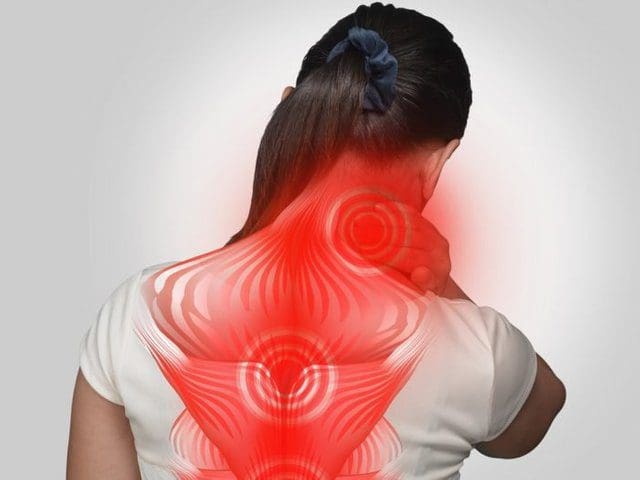
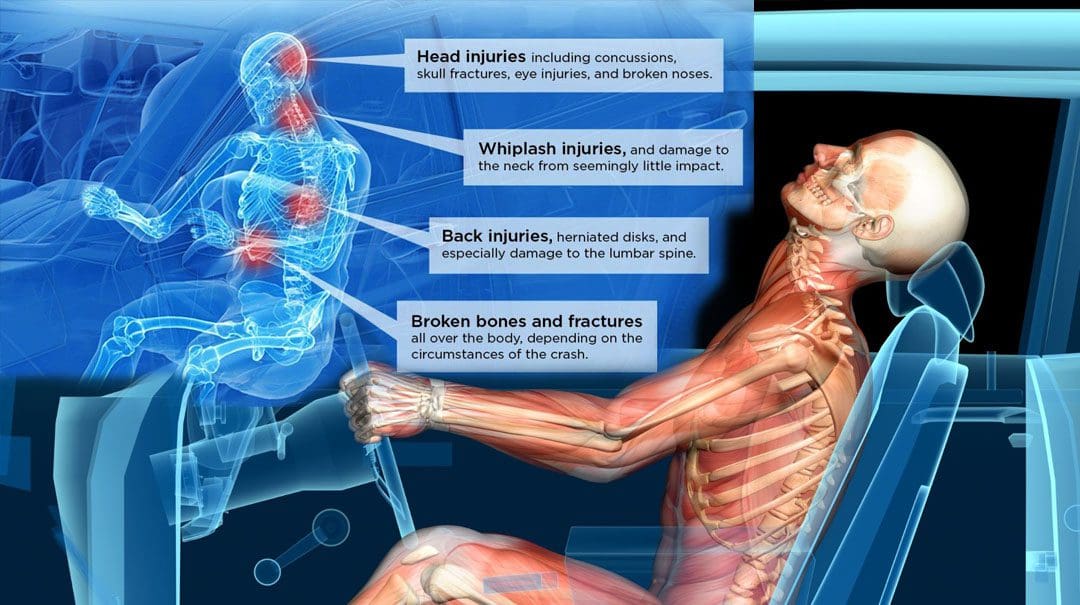
Have you been dealing with excruciating pain in your neck or back after an automobile collision? Have you noticed any of your muscles feeling stiffed or strained? Or have you been dealing with unwanted pain-like symptoms affecting your daily life? When a person has been through an auto accident, the spine, neck, and back along with their associated muscle groups, are affected by pain. When it comes to the effects of an auto accident on the body, we have to look at how the body reacts when the vehicles collide. Research studies have revealed neck pain is a common complaint to many adults involved in an auto accident. When a person collides with another car, their necks are lunged forward rapidly, causing a whiplash effect on the neck and shoulder muscles. Not only the neck is being affected, but also the back. Additional studies have mentioned that low back pain associated with vehicle collisions can cause the lumbar back muscles to be overstretched and develop non-fatal physical injuries over time, either during or the day after the accident. To that point, it can lead to unwanted symptoms associated with auto accidents and correlate with overlap risk profiles.
Symptoms Associated With Auto Accidents
The symptoms associated with auto accidents affecting neck and back muscles vary depending on the collision’s severity. According to “Clinical Application of Neuromuscular Techniques,” Leon Chaitow, N.D., D.O., and Judith Walker DeLany, L.M.T., stated that when someone suffers from an auto accident, the traumatic forces affect not only the cervical or temporomandibular muscles but also the lumbar muscles. This causes the muscle tissue fibers to be torn and damaged, which causes muscle pain. The book also mentioned that a person injured in a collision could develop nociceptive modulated neck, shoulders, and back muscle dysfunction. To that point, the flexor and extensor muscles are hyperextended, shortened, and strained, which is the result of causing muscle stiffness, pain, and limited range of motion to the neck, shoulder, and back.
Unlocking Pain Relief: How We Assess Motion To Alleviate Pain-Video
Have you been experiencing a limited range of motion to your shoulders, neck, and back? What about feeling muscle stiffness when stretching? Or do you feel muscle tenderness in certain body areas after an auto accident? Many of these pain-like symptoms are associated with auto accidents affecting the neck, shoulders, and back. This causes constant body pain, and many issues develop over time in the various muscle groups. Luckily there are ways to reduce the pain and help restore the body to function. The video above explains how chiropractic care is used to assess the body through spinal manipulation. Chiropractic care uses various techniques to help with spinal subluxation and loosen up stiff, tight muscles to help relax and restore each muscle group while relieving unwanted pain from the muscle tissues and ligaments.
Chiropractic Care & The MET Technique Assessing The Body
Studies reveal that auto accidents are a major cause of spinal and muscle injuries treated by chiropractic care. When a person suffers after an auto accident, they will experience pain all over their bodies and try to find ways to relieve the pain affecting their daily lives through treatment. One of the treatments that can help reduce pain and restore the body is chiropractic care. When chiropractors are treating the body to reduce pain, they use various techniques like the MET technique (muscle energy technique) to stretch and strengthen soft tissue and use manual manipulation to realign the spine, work out the tight muscles, nerves, and ligaments to prevent further damage on the body while getting the affected individuals back to shape. Chiropractic care also has a close relationship with other treatments like physical therapy to help strengthen the muscles in the body and help many people be aware of how their bodies function.
Conclusion
Overall, when a person has experience pain in their back, neck, and shoulder muscles from an auto accident, it can affect their emotional and physical well-being. The effects of an auto accident cause unwanted pain symptoms to develop and correlate with nociceptive modulated dysfunction. To that point, it can cause issues like muscle stiffness and tenderness in the affected areas. Fortunately, treatments like chiropractic care allow the body to be restored through manual manipulation and the MET technique to gently stretch the soft tissues and muscles and realign the body back to functioning. Incorporating chiropractic care with the MET technique, the body will experience relief, and the host can be pain-free.
References
Chaitow, Leon, and Judith Walker DeLany. Clinical Application of Neuromuscular Techniques. Churchill Livingstone, 2002.
Dies, Stephen, and J Walter Strapp. “Chiropractic Treatment of Patients in Motor Vehicle Accidents: A Statistical Analysis.” The Journal of the Canadian Chiropractic Association, U.S. National Library of Medicine, Sept. 1992, https://www.ncbi.nlm.nih.gov/pmc/articles/PMC2484939/.
Fewster, Kayla M, et al. “Low-Velocity Motor Vehicle Collision Characteristics Associated with Claimed Low Back Pain.” Traffic Injury Prevention, U.S. National Library of Medicine, 10 May 2019, https://pubmed.ncbi.nlm.nih.gov/31074647/.
Vos, Cees J, et al. “Impact of Motor Vehicle Accidents on Neck Pain and Disability in General Practice.” The British Journal of General Practice : the Journal of the Royal College of General Practitioners, U.S. National Library of Medicine, Sept. 2008, https://www.ncbi.nlm.nih.gov/pmc/articles/PMC2529200/.
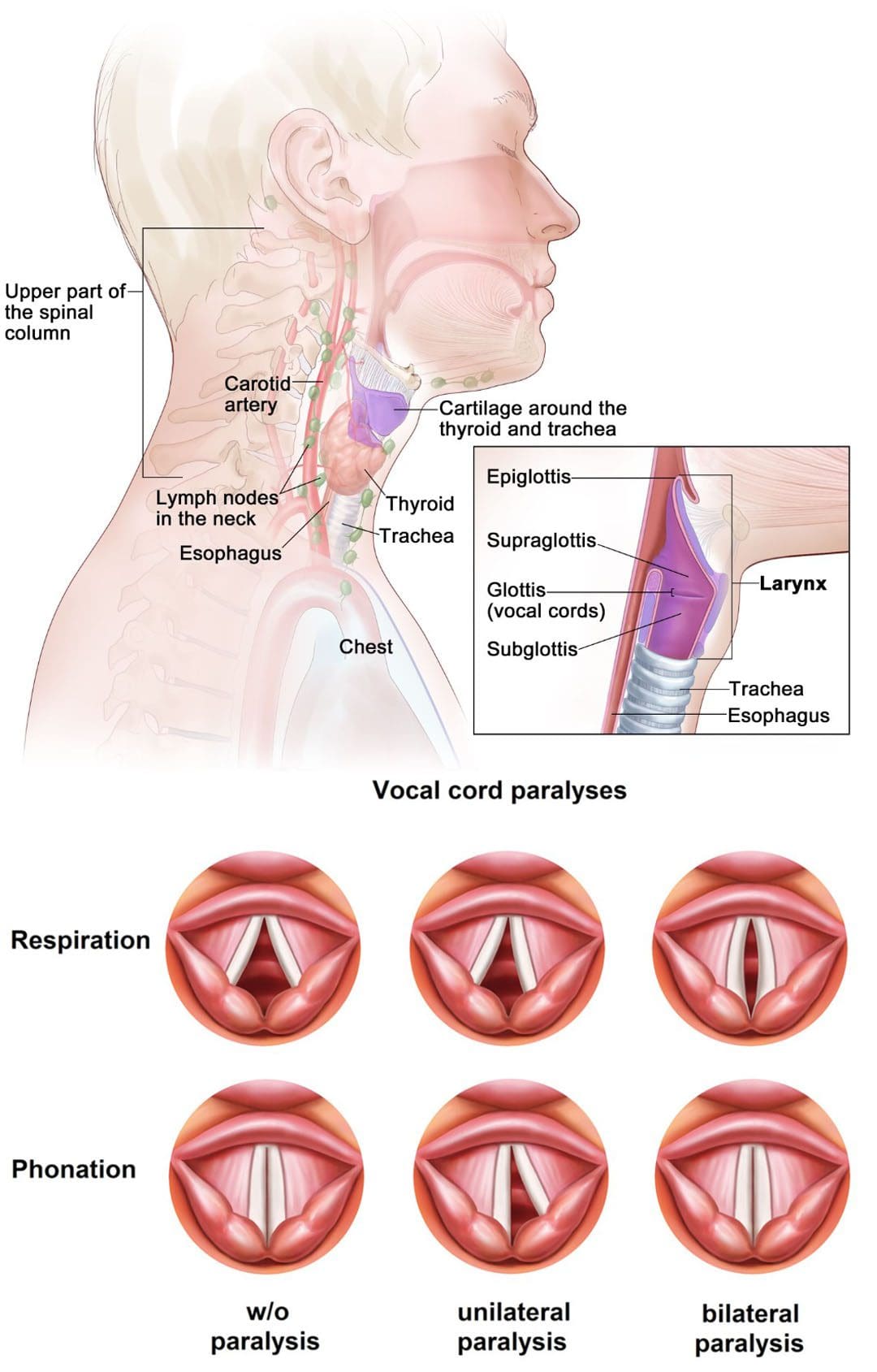
Automobile collisions, work, sports, and personal accidents can cause neck injuries that can affect other areas, leading to long-term health problems. Neck injuries involving soft tissue damage frequently persist after the incident. One of the injuries includes vocal cord damage caused by impact to the larynx. The larynx, or voicebox, is an organ that is behind the Adam’s apple. A neck injury impacting the larynx can affect the ability to speak and breathe and cause vocal cord paralysis. Treatment can involve surgery, voice therapy, physical therapy, and chiropractic.
Vocal Cord Injury
The vocal cords are two flexible bands of muscle tissue at the entrance of the trachea. The vocal cords are normally in a relaxed open position to allow breathing. When talking, the bands combine and vibrate to make a sound. Surgery, viral infections, certain cancers, and neck trauma can cause vocal cord paralysis. In this condition, nerve damage blocks or inhibits impulses from transmitting to the voice box. The muscles, usually one of them, become paralyzed, preventing swallowing and ingesting saliva through the windpipe/trachea. In rare cases, both muscles are unable to move.
Trauma to the neck or chest can injure the voice box nerves.
Infections
Infections like Lyme disease, Epstein-Barr virus, and herpes can cause inflammation and nerve damage.
Tumors
Tumors, cancerous and noncancerous, can grow inside or around the muscles, cartilage, and nerves.
Neurological
Neurological conditions like multiple sclerosis or Parkinson’s disease can lead to vocal cord paralysis.
Surgical Injury
Surgical procedure mistakes or complications on or near the neck or upper chest can result in damage to the voice box nerves.
Surgeries to the thyroid or parathyroid glands, esophagus, neck, and chest have an increased risk.
Stroke
A stroke chokes blood flow to the brain and can damage the region of the brain that transmits messages to the voice box.
Treatment
Treatment is determined by a doctor based on the individual medical condition and diagnostic tests. Treatment can involve:
Speech Therapy
Speech therapy is recommended as the laryngeal muscles are strengthened through various exercises, improving breathing function. A speech therapist will begin working with the individual on exercises targeting the weakened vocal folds by enhancing airflow and blood circulation.
Physical Therapy and Chiropractic
Treatment involves performing gentle exercises that work on the vocal cords gradually and progressively but does not stress them. Chiropractors work with the physical therapist performing high-velocity, low-amplitude manipulation targeted at the lower neck and upper thoracic area, the C3/T1 vertebrae. A treatment plan will also use massage, non-surgical decompression, instrument/tool-assisted soft-tissue mobilization, low laser or ultrasound, and at-home stretches and exercises.
Surgery
Surgery could be necessary for individuals experiencing no improvement despite doing the prescribed speech and physical therapy exercises. Different types of procedures are based on the degree and extent of the paralysis:
Injections – Collagen and fillers are injected into the vocal cords to reposition the affected muscles closer to the larynx.
Phonosurgery – The vocal cords are repositioned through restructuring.
Tracheotomy – If the vocal folds are closing, a surgeon may make an incision in the neck at the opening of the windpipe and insert a breathing tube. This bypasses the air blockage caused by the vocal folds and promotes proper air circulation.
Cervical Spine Instability
References
Chen, Ching-Chang, et al. “Long-term result of vocal cord paralysis after anterior cervical discectomy.” The European spine journal: official publication of the European Spine Society, the European Spinal Deformity Society, and the European Section of the Cervical Spine Research Society vol. 23,3 (2014): 622-6. doi:10.1007/s00586-013-3084-y
Dankbaar JW, et al. Vocal cord paralysis: Anatomy, imaging, and pathology. Insights in Imaging. 2014; doi:10.1007/s13244-014-0364-y.
Fitzpatrick, P C, and R H Miller. “Vocal cord paralysis.” The Journal of the Louisiana State Medical Society: official organ of the Louisiana State Medical Society vol. 150,8 (1998): 340-3.
Kriskovich, M D et al. “Vocal fold paralysis after anterior cervical spine surgery: incidence, mechanism, and prevention of injury.” The Laryngoscope vol. 110,9 (2000): 1467-73. doi:10.1097/00005537-200009000-00011
Vocal fold paralysis. National Institute on Deafness and Other Communication Disorders. https://www.nidcd.nih.gov/health/vocal-fold-paralysis. Accessed May 18, 2022.
Vocal fold paralysis. American Speech-Language-Hearing Association. https://www.asha.org/public/speech/disorders/Vocal-Fold-Paralysis. Accessed May 18, 2022.
Waddell, Roger K. “Chiropractic care for a patient with spasmodic dysphonia associated with cervical spine trauma.” Journal of chiropractic medicine vol. 4,1 (2005): 19-24. doi:10.1016/S0899-3467(07)60108-6
The NHTSA records show that rear-end collisions are the most common and make up 30% of all traffic accidents, crashes, and collisions. Rear-end collisions can come out of nowhere. One moment a driver is waiting at a stop or light, and suddenly they are catapulted forward by the intense force of another vehicle/s resulting in serious and sustaining injuries that can impact an individual’s physical capabilities. Rear-end collision injuries most commonly affect the neck and back. This is because of the excessive force and intense shifting and whipping the body goes through. Chiropractic care, massage, and decompression therapy can realign the body, relax the muscles, release compressed nerves, expedite recovery, and restore mobility and function.
Rear-End Collision Injuries
Rear-end collision injuries can range from mild to serious, and what seems like a minor pull can result in a severe injury. The most common injuries include:
Pre-existing conditions such as degenerative disc disease can worsen.
Collision Types
A rear-end collision can occur in several ways. The most common types include:
Tailgating
When drivers in the rear follow another motorist too closely, and the lead motorist slows down or has to stop quickly, the rear driver hits the vehicle because there was not enough adequate time and distance to stop.
Slow Speed Collisions
Slow-speed/low-impact collisions or fender benders can result in spinal injuries and concussions.
They can also lead to facial and head injuries from sudden airbag deployment.
Vehicle Pile-Ups
A single rear-end collision on a busy street or interstate highway can cause a chain reaction of multiple-vehicle collisions.
These accidents can cause devastating injuries.
Causes
Causes that can take attention away from the road include:
Speeding
Distracted driving – Talking or texting.
Tailgating
Looking at something like an accident while driving by.
Symptoms of rear-end collision injuries may not immediately present following an accident. It can take 24 to 48 hours for discomfort symptoms to come on and sometimes longer. The adrenaline rush allows the individual not to experience the physical symptoms, which is why individuals think they’re fine when they are not. Ignoring signs increases the risk of permanent injury. A herniated disc, for example, left untreated, can lead to permanent nerve damage. Chiropractic treatment for rear-end collisions is one of the most effective options available. A chiropractor manipulates the spine to realign the spinal cord, allowing the body to decrease inflammatory cytokine production, which reduces the inflammatory response. Specific techniques and various tools can realign individual vertebrae, restore joint flexibility, and break up the scar tissue so the areas can heal faster.
The Spine In A Rear-End Auto Accident
References
Chen, Feng, et al. “Investigation on the Injury Severity of Drivers in Rear-End Collisions Between Cars Using a Random Parameters Bivariate Ordered Probit Model.” International journal of environmental research and public health vol. 16,14 2632. 23 Jul. 2019, doi:10.3390/ijerph16142632
Davis, C G. “Rear-end impacts: vehicle and occupant response.” Journal of manipulative and physiological therapeutics vol. 21,9 (1998): 629-39.
Dies, Stephen, and J Walter Strapp. “Chiropractic treatment of patients in motor vehicle accidents: a statistical analysis.” The Journal of the Canadian Chiropractic Association vol. 36,3 (1992): 139–145.
Garmoe, W. “Rear-end collisions.” Archives of physical medicine and rehabilitation vol. 79,8 (1998): 1024-5. doi:10.1016/s0003-9993(98)90106-x
Forklifts, also known as lift trucks, are used for loading, unloading, and transporting various goods and materials in construction, shipping, and retail industries. They are heavy-duty equipment and require extensive training to operate safely. Forklifts are involved in many serious workplace accidents causing thousands of injuries annually. Chiropractors specialize in injury care and rehabilitation from vehicle accidents and collisions. They can help restore optimal musculoskeletal function and health through adjustments, massage, decompression, and traction therapies.
Forklift Operation
The forklift is one of the most widely used pieces of equipment to raise, lower, or remove pallets, boxes, crates, or other containers and transport and stock goods and materials. There are a variety of lift trucks that include:
The weight, speed, and operation difficulty increase the risk of an accident, increasing the risk of injuries. Other factors include:
They can reach up to 20 miles per hour or more.
They have front braking systems making it harder to stop.
The weight distribution is in the back.
The rear wheels turn instead of the front, causing tip-overs.
Most carry their loads in front and can obstruct an operator’s view.
Lifting too heavy a load can destabilize a forklift and cause it to turn over.
Accident and Injury Causes
Federal work safety regulations require individuals to complete a training program to operate a forklift safely. The most common causes of accidents include:
Lack of training and experience.
Lack of safety equipment – helmets, seatbelts, grab handles, roll cages, cage guards, warning lights, and sirens.
Lack of maintenance – bent forks, no load backrest, unbalanced wheels, etc.
Improper loading – off center, damaged goods, loose loads.
Lifting, moving or tilting the mast too fast.
Riding with a raised load.
Speeding.
Improper backing-up techniques.
Poor communication.
Horseplay.
Giving rides.
Failing to immobilize the machine when the operator leaves.
Failing to pay attention to the position of the forks.
Failing to yield to pedestrians.
Traveling up or down unsafe inclines.
Driving off the side of a ramp.
Design or manufacturing defects.
Common Accidents
The most common type of accidents involve:
Tip-overs and Rollovers.
Falling off the lift.
Getting struck by falling materials or objects.
Pedestrian injuries like getting hit by the vehicle or tripping over the forks.
Getting caught in or compressed/crushed by the vehicle or objects.
Injuries
The most common injuries that result from lift accidents include:
Chiropractic therapy can help heal and rehabilitate musculoskeletal injuries. A chiropractic team will relieve pain symptoms and restore the body’s alignment and function. Treatment includes:
Adjustments
To gently realign joints.
Decrease pain.
Increase range of motion.
Improves posture.
Soft-tissue massage
To relax tight muscles.
Relieve spasms.
Release tension in the connective tissue surrounding the muscles.
Reduces pain.
Improves the range of motion of the spine and joints.
Exercises and stretches
To restore and maintain flexibility, joint stability, and mobility.
Joint bracing and taping
To support sprained joints or muscles during healing.
Health Coaching
Guides diet and nutrition to reduce inflammation and promote healthy eating to manage weight.
Forklift Fails
References
Bage, T et al. “Forklift-related lower limb injuries: a retrospective case series study with patient-reported outcome measures (PROMs).” Annals of the Royal College of Surgeons of England vol. 103,10 (2021): 730-733. doi:10.1308/rcsann.2020.7124
Born, C T et al. “Patterns of injury and disability caused by forklift trucks.” The Journal of trauma vol. 40,4 (1996): 636-9. doi:10.1097/00005373-199604000-00020
Hong, Choon Chiet, et al. “Forklift-Related Crush Injuries of the Foot and Ankle.” Foot & ankle international vol. 36,7 (2015): 806-11. doi:10.1177/1071100715576486
Ull, Christopher et al. “Injuries after Forklift Trucks Accidents – Injury Patterns, Therapy and Outcome in the Context of the Statutory Accident Insurance.” “Gabelstaplerunfälle – Verletzungsmuster, Therapie und Outcome im berufsgenossenschaftlichen Kontext.” Zeitschrift fur Orthopadie und Unfallchirurgie, 10.1055/a-1402-1649. 19 Apr. 2021, doi:10.1055/a-1402-1649
Waters, Thomas et al. “Lower back disorders among forklift operators: an emerging occupational health problem?.” American journal of industrial medicine vol. 47,4 (2005): 333-40. doi:10.1002/ajim.20146
Everybody is always moving in their vehicles as they go from one place to another in less time. Sometimes accidents happen as vehicles collide with each other and cause excruciating pain to the body as it lunges forward, causing back and neck pain to the individual. These are physical effects on the body, but the emotional impact also takes a toll on the individual. It can cause a person to become miserable and affect their quality of life. Today’s article discusses the effects of an auto accident are cause the back and body, as well as how non-surgical decompression therapy can help alleviate the pain in the back from an auto accident. Patients are referred to qualified, skilled providers specializing in spinal decompression and non-surgical treatments. We go hand in hand with our patients by referring them to our associated medical providers based on their examination when it’s appropriate. We find that education is valuable for asking critical questions to our providers. Dr. Jimenez DC provides this information as an educational service only. Disclaimer
Can my insurance cover it? Yes, it may. If you are uncertain, here is the link to all the insurance providers we cover. If you have any questions or concerns, please call Dr. Jimenez at 915-850-0900.
The Effects Of Auto Accidents On The Back
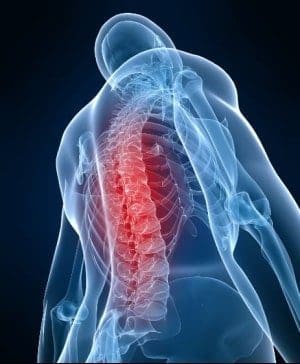
Have you suffered from back pain after a vehicle collision? What about experiencing whiplash or neck pain? Or has your lower back been feeling stiff and aches more? Many of these symptoms are signs that the spine, back, and neck all have suffered from the effects of an auto accident. Research has shown that the impact of a person in an auto accident causes the body to rapidly lunge forward and back after a complete stop, causing damage to the body, especially on the spine. After the auto accident has occurred, many individuals don’t feel the effects of the injuries that are caused by auto accidents sometimes until the day after the accident. This is due to the adrenaline in the body, which is both a neurotransmitter and a hormone and is fully turned on to the max. Additional information has stated that many individuals suffer from low back pain after a motor vehicle collision. Even if the accident was non-lethal, the impact can cause strain on the lower back muscles and compress the spinal nerves, making them irritated.
How The Body Is Affected
Research studies have shown that the impact of an auto accident may cause the body to have non-fatal physical injuries but also cause psychological trauma that can affect a person’s psyche. Many people that have experienced an auto accident will have various emotions that leave them in shock. During that process, emotions like distress, helplessness, anger, shock, and frustration are presented as the individual who was in the accident experience these negative emotions. Additional research also found that many individuals can experience low back pain episodes reoccurring along with the emotional presence that they are feeling. Fortunately, there are ways to alleviate low back pain caused by auto accidents and can help restore the spine to its functionality.
Spinal Decompression Therapy Alleviates Auto Accident Injuries- Video
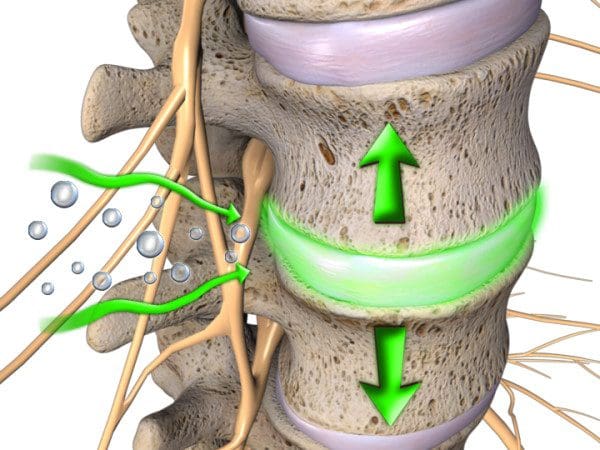
Have you experienced low back pain after a car accident? How about feeling the effects of muscle stiffness on the neck and low back the day after? Do emotions like stress, frustration, and shock affect your quality of life? These are signs and symptoms of what a person is going through after being involved in an auto accident and dealing with neck and back pain. There are ways to treat neck and back pain through decompression, and the video above explains the impressive effects of what decompression does to the individual. Decompression is a non-surgical treatment that allows gentle traction to alleviate the flattened spinal disc and take the pressure off the aggravated nerves surrounding the spine. The gentle traction also pumps the nutrients back to the dehydrated discs while increasing their heights. This link will explain what decompression offers and the impressive results for many individuals who suffer from back or neck pain due to an auto accident.
How Spinal Decompression Helps Relieve The Spine After Auto Accidents
After a person suffers from an auto accident, they experience pain in their spine and back the day before or after. Many individuals who suffer from low back pain, neck pain, and whiplash from auto accidents tend to find ways to alleviate the pain in their spine. One of these treatments is spinal decompression. Spinal decompression allows the individual to sit on a traction table in a supine position and be strapped in. Research studies have mentioned that spinal decompression is a non-surgical treatment for many individuals suffering from low back pain. In contrast, the traction machine slowly but gently pulls the spine to relieve the pain caused by a spinal injury due to an accident. This will provide effective recovery for many individuals suffering from low back pain. Additional information also mentioned that the effectiveness of decompression could reduce the inflammatory markers induced by the aggravated nerve roots through negative pressure, thus causing relief to the back.
Conclusion
Overall, suffering low back pain or neck pain after an auto accident is nerve-wracking for many individuals. The emotional and physical trauma caused by a motor vehicle collision can dampen a person’s mood, and the residual pain afterward can affect their quality of life. Utilizing decompression for non-surgical treatments can provide beneficial results in restoring functionality back in the spine and alleviating the pain the person is in. When people use decompression, they can get back to their activities and become pain-free from their lower back.
References
Daniel, Dwain M. “Non-Surgical Spinal Decompression Therapy: Does the Scientific Literature Support Efficacy Claims Made in the Advertising Media?” Chiropractic & Osteopathy, BioMed Central, 18 May 2007, https://www.ncbi.nlm.nih.gov/pmc/articles/PMC1887522/.
Kang, Jeong-Il, et al. “Effect of Spinal Decompression on the Lumbar Muscle Activity and Disk Height in Patients with Herniated Intervertebral Disk.” Journal of Physical Therapy Science, The Society of Physical Therapy Science, Nov. 2016, https://www.ncbi.nlm.nih.gov/pmc/articles/PMC5140813/.
Nolet, Paul S, et al. “Exposure to a Motor Vehicle Collision and the Risk of Future Back Pain: A Systematic Review and Meta-Analysis.” Accident; Analysis and Prevention, U.S. National Library of Medicine, July 2020, https://pubmed.ncbi.nlm.nih.gov/32438092/.
Nolet, Paul S, et al. “The Association between a Lifetime History of Low Back Injury in a Motor Vehicle Collision and Future Low Back Pain: A Population-Based Cohort Study.” European Spine Journal: Official Publication of the European Spine Society, the European Spinal Deformity Society, and the European Section of the Cervical Spine Research Society, U.S. National Library of Medicine, Jan. 2018, https://pubmed.ncbi.nlm.nih.gov/28391385/.
Salam, Mahmoud M. “Motor Vehicle Accidents: The Physical versus the Psychological Trauma.” Journal of Emergencies, Trauma, and Shock, Medknow Publications & Media Pvt Ltd, 2017, https://www.ncbi.nlm.nih.gov/pmc/articles/PMC5357873/.
Toney-Butler, Tammy J, and Matthew Varacallo. “Motor Vehicle Collisions – Statpearls – NCBI Bookshelf.” In: StatPearls [Internet]. Treasure Island (FL), StatPearls Publishing, 5 Sept. 2021, https://www.ncbi.nlm.nih.gov/books/NBK441955/.
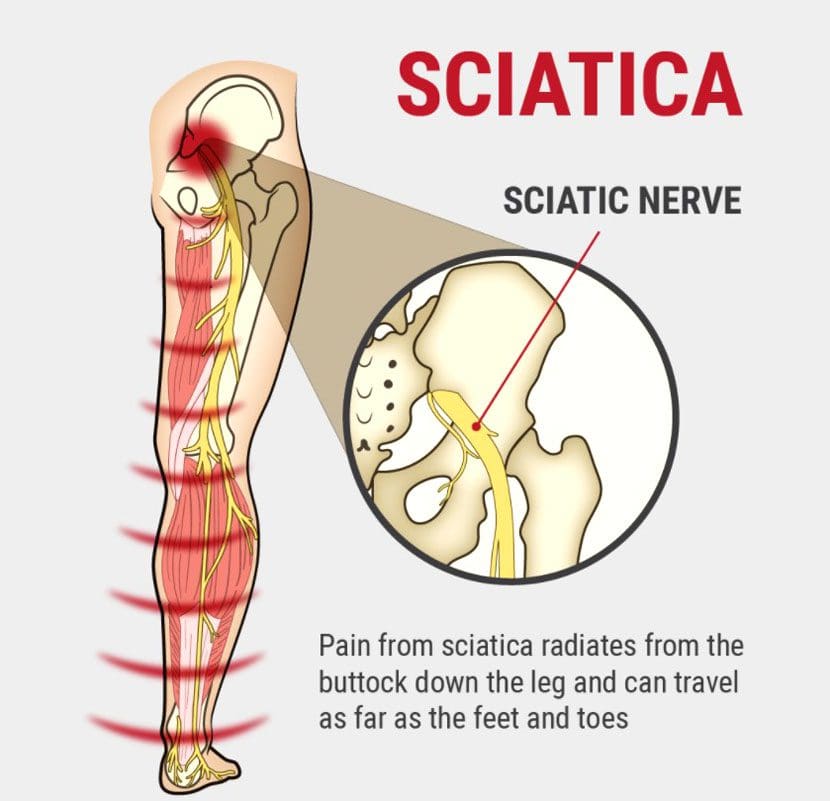
Sciatic nerve injury happens from trauma to the nerve and can cause numbness, tingling, loss of muscle power, and pain. The traumatic experience can be a muscle spasm that pulls and/or pinches the sciatic nerve, force/pressure impact injury, over-stretching injury, or a laceration/cutting injury. A slipped disk, or herniated disk, is the most common cause of irritation on the sciatic nerve. A slipped disk occurs when one becomes slightly dislodged, pushing out from the spine. This places pressure/compression on the sciatic nerve.
Trauma to the lower back, buttocks, or leg from an automobile accident, sports injury, work injury.
Medical treatment causes:
Direct surgical trauma.
Total hip replacement surgery can cause nerve compression and stretch during the procedure, causing damage to the sciatic nerve resulting in dysfunction.
Injection injuries via intramuscular injection in the gluteal region. This is a situation where there is a loss of movement and or lack of sensation at the affected lower extremity with or without pain.
Injection palsy can begin suddenly or hours following damage to the sciatic nerve.
A misplaced intramuscular injection at the gluteal region is the most common cause of injury. It is attributed to frequent injections or poor techniques resulting from inadequately trained or unqualified staff.
Complaints of radiating pain in the leg, which follows a sensory nerve pattern.
Pain radiates below the knee, into the foot.
Complaints of low back pain, which is often less severe than leg pain.
Report of electrical, burning, numbing sensations.
Diagnosis
A detailed subjective and objective physical examination is necessary to figure out the severity of the sciatic nerve injury. Diagnostic studies include:
Chiropractic and physical therapy exercises and stretches improve nerve regeneration after nerve damage.
Electrical Muscle Stimulation
TENS and Electroacupuncture have been shown to help enhance nerve regrowth.
Bio-laser stimulation can help with nerve nutrition and regeneration.
Joint or Soft Tissue mobilization
Helps to retain muscle, nerve, and soft tissue flexibility and prevent deformity.
Balance Training
Coordination, strength, and flexibility exercises help to restore balance.
Splinting
In the early stages after a sciatic nerve injury, bracing may be needed to prevent deformity and new injury or re-injury risks.
Ankle Foot Orthosis – AFO can help prevent foot drop, muscle damage, and falls risk.
Body Composition
Optimize Diet for Fat Loss
Individuals that want to lose fat need to create a calorie deficit. Individuals need to consistently eat less than they need for Total Daily Energy Expenditure – TDEE. The safest way to handle a caloric reduction is to reduce calorie intake in small doses like 200-300 calories, for example. After a week or two, perform a body composition analysis. If Fat Mass numbers begin to drop or not, adjust calorie needs accordingly. Restricting calories is the most common way, a deficit can also be created by increasing calorie needs through exercise.
References
Kline, D G et al. “Management and results of sciatic nerve injuries: a 24-year experience.” Journal of neurosurgery vol. 89,1 (1998): 13-23. doi:10.3171/jns.1998.89.1.0013
Schmalzried, TP et al. “Update on nerve palsy associated with total hip replacement.” Clinical Orthopedics and related research,344 (1997): 188-206.
Shim, Ho Yong et al. “Sciatic nerve injury caused by a stretching exercise in a trained dancer.” Annals of rehabilitation medicine vol. 37,6 (2013): 886-90. doi:10.5535/arm.2013.37.6.886
Suszyński, Krzysztof et al. “Physiotherapeutic techniques used in the management of patients with peripheral nerve injuries.” Neural regeneration research vol. 10,11 (2015): 1770-2. doi:10.4103/1673-5374.170299
Tractor-trailer semi-trucks are a vital part of our transportation/supply system. However, weather, drivers that are not careful and/or well-trained can cause dangerous and sometimes fatal accidents. One type of accident resulting from truck driver negligence is the jackknife accident. Jackknife accidents are extremely catastrophic because they can involve numerous vehicles. Almost all of them involve life-altering or fatal injuries. Here’s what to know about these violent truck crashes.
Jackknife Collision
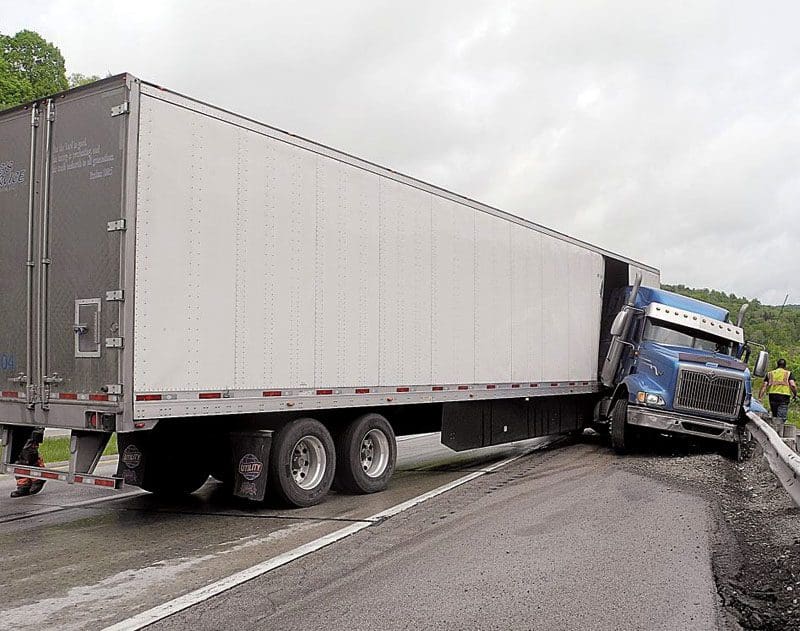
A jackknife occurs when the trailer of semi-truck swings to one side at a 90-degree angle and uncontrollably overtakes other lanes of traffic.The term comes from the look of the tractor-trailer after the crash resembling a jackknife or the letter L. When a jackknife wreck happens, the trailer and cab can hit and crush other vehicles in its path. It can also block numerous lanes leading to additional collisions. Jackknife crashes can also be considered rollover crashes when the truck slides and rolls over onto its side, although not all rollovers end in a jackknife.
Causes
Jackknife collisions are often either the cause of driver negligence or inclement weather, other distracted drivers, truck maintenance, or a combination. These include the following:
Excessive Speed
If a truck driver is speeding, the trailer can slide sideways and jackknife when forced to stop too quickly.
The average tractor-trailer weighs about 80,000 pounds.
The average length of a trailer is between 70 – 80 feet.
Tractor-trailer trucks need 40% more time to brake.
Weather Conditions
If drivers do not take it slow enough, bad weather or road conditions can also cause a jackknife.
Ice, snow, rain, loose gravel, or loose asphalt can cause trailers to bounce and slide.
Hazardous road conditions, as accumulated oil can cause slipperiness.
Improper Following Distance
Truck drivers that do not provide an adequate following distance to allow for a safe stopping distance can cause the trailer to slide sideways and jackknife when having to slam on the brakes.
Drivers who do not exercise caution as they enter and properly maneuver down hills or curves can end up shifting out of position and possibly topple over.
Driver Operator Fatigue
Many tractor-trailer accidents/crashes happen when drivers have logged too many hours without proper rest.
When the body is tired, response time suffers.
If a driver is groggy, they lack the cognizance to maneuver out of a dangerous situation.
Inexperienced or Untrained Operators
Driving a truck is a demanding job that requires several skill sets and experience.
Truck companies try to lower costs by using inexperienced drivers that don’t have the training or experience for long hauls or driving on busy/dangerous highways and interstates.
Load Balance
Safe truck driving ensures the trailer’s cargo is loaded correctly and the weight is equally distributed.
When the load is unbalanced, it can shift, causing the trailer to tilt or tip.
Unbalanced loads are a common factor in rollover crashes.
Lack of Maintenance
Drivers or companies that ignore:
Routine maintenance
Alignment checks
Brake pad replacement
All can lead to accidents and crashes.
Research shows that jackknife crashes can cause widespread damage, as they usually spread across multiple lanes of traffic. Because of this, there is the danger of secondary crashes or vehicles not initially involved in the crash, running into the tractor, trailer, or scattered wreckage and debris.
18 Wheeler Accident Chiropractic Treatment
Analysis An Effective Tool In Physical Therapy Rehabilitation
Body composition is essential for understanding an individual’s physiological makeup and guiding a personalized treatment plan to target specific areas. InBody is non-invasive and convenient, making it ideal for rehabilitation practices. The InBody test provides comprehensive results that can educate and engage individuals in tracking their progress throughout their physical therapy. In less than 60 seconds, the InBody Test provides easy-to-understand, accurate, and objective measurements. Chiropractors and physical therapists use the InBody for:
Monitoring changes to determine the efficacy of exercise programs.
Guiding recommendations to ensure long-term success.
References
Girotto, Edmarlon et al. “Working conditions, and sleepiness while driving among truck drivers.” Traffic injury prevention vol. 20,5 (2019): 504-509. doi:10.1080/15389588.2019.1609670
Gray, Garry. “A bird’s eye view of driving safety culture: Truck drivers’ perceptions of unsafe driving behaviors near their trucks.” Work (Reading, Mass.) vol. 64,2 (2019): 187-194. doi:10.3233/WOR-192985
Smith, Joyce A et al. “Spine and spinal cord injury in motor vehicle crashes a function of change in velocity and energy dissipation on impact with respect to the direction of the crash.” The Journal of trauma vol. 59,1 (2005): 117-31. doi:10.1097/01.ta.0000171534.75347.52
Stavrinos, Despina et al. “Commercial Truck Driver Health and Safety: Exploring Distracted Driving Performance and Self-Reported Driving Skill.” Workplace health & safety vol. 64,8 (2016): 369-76. doi:10.1177/2165079915620202
Stein, H S, and I S Jones. “Crash involvement of large trucks by configuration: a case-control study.” American Journal of public health vol. 78,5 (1988): 491-8. doi:10.2105/ajph.78.5.491
IFM's Find A Practitioner tool is the largest referral network in Functional Medicine, created to help patients locate Functional Medicine practitioners anywhere in the world. IFM Certified Practitioners are listed first in the search results, given their extensive education in Functional Medicine