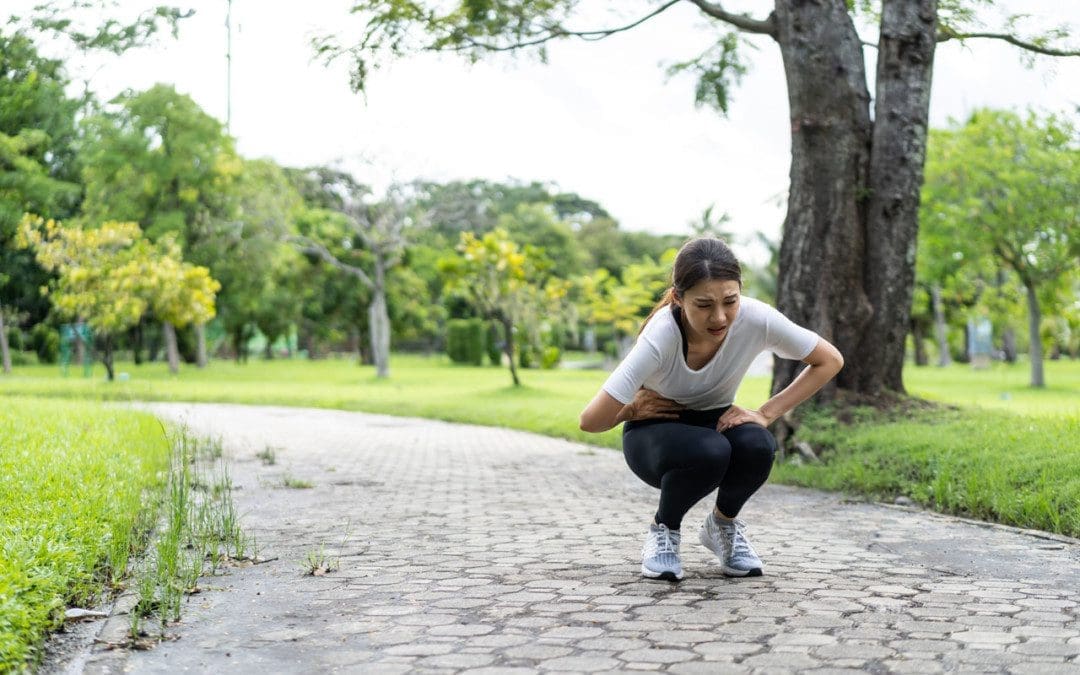
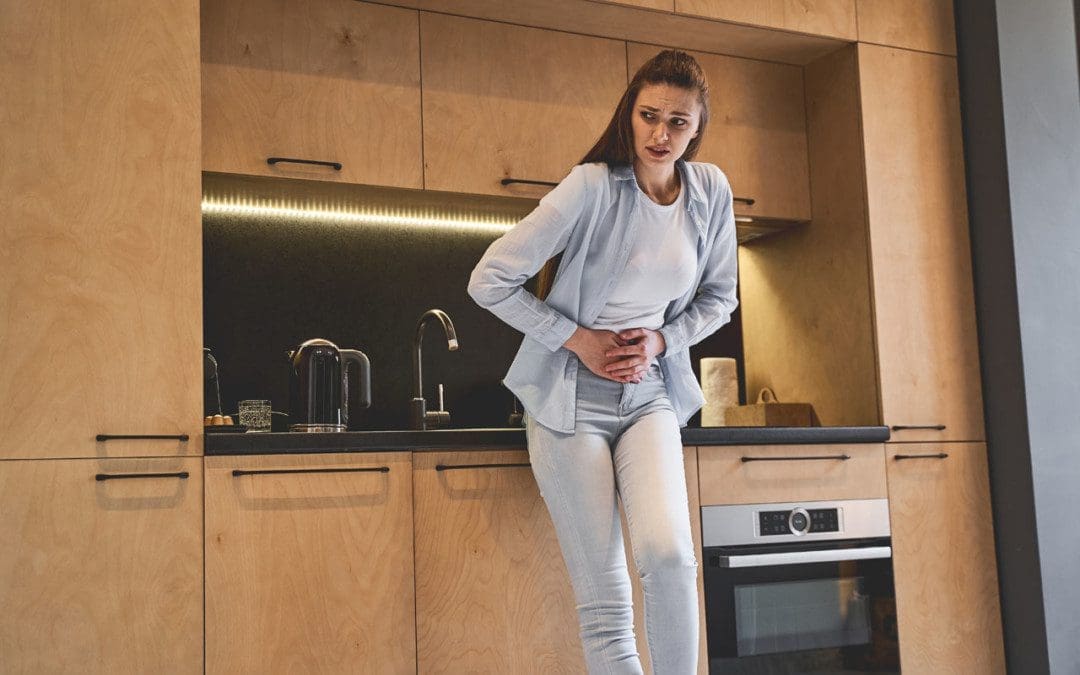
Children, teens, and adults participate in organized and recreational sports activities for fun, exercise, and social benefits. Individuals and parents are used to scrapes, bumps, bruises, sprains, and strains. However, internal abdominal injuries from the body colliding with another player or object are less common but dangerous. Abdominal injuries make up less than 4 percent of sports injuries but can be severe when they occur. These injuries are common in sports like wrestling, gymnastics, soccer, basketball, football, skiing, snowboarding, BMX freestyle, motocross, skateboarding, ice/field hockey, and lacrosse. Early symptoms are not always obvious or apparent and can be mild or seem to go in a different direction away from the abdominal region, which is why it is essential to know what to look for.
Internal Abdominal Injuries Athletes
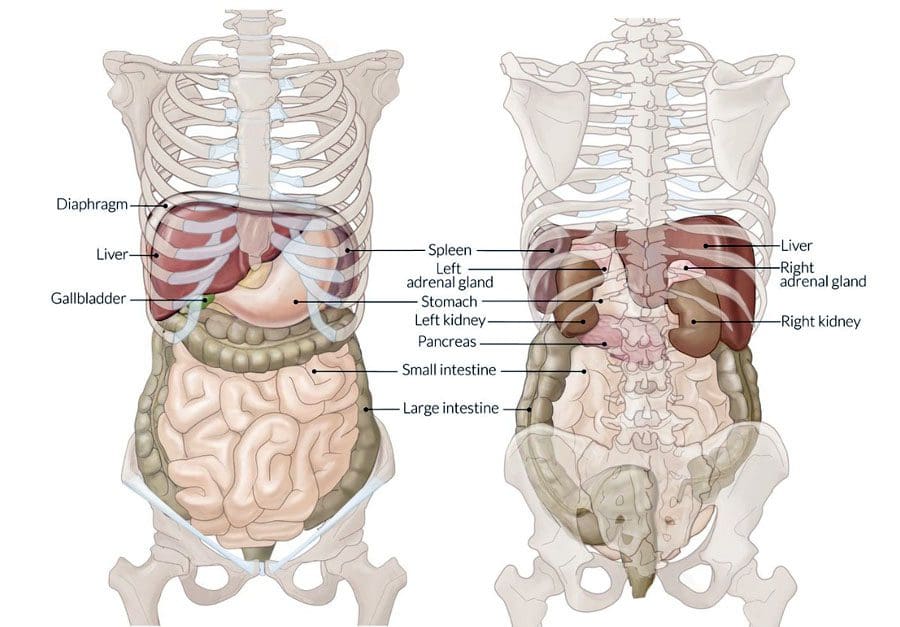
There are about 3oo 000 abdominal sports-related injuries. Kids and young athletes risk injuring their abdominal organs because their abdominal wall is thinner and still in development. However, internal abdominal injuries to the stomach, small and large intestine, spleen, liver, and kidneys can and do happen in adults.
Injury Types
Sports-related internal abdominal injuries are considered rare, but studies suggest they are increasing. The most common sites include:
Liver
This causes pain in the upper right side of the abdomen.
The right lobe is the one that gets injured more often because it is bigger and presses against the ribcage.
A torn liver can cause severe bleeding.
Shock can develop from the bleeding, causing heart palpitations, rapid breathing, shortness of breath, and a pale, grey, and/or sweaty appearance.
The liver and spleen are the most commonly injured organs in sports. They are filled with blood and can get bruised, or ruptured, and can cause severe bleeding when torn or cut. Bleeding in the abdomen can irritate the diaphragm, which can cause pain in the shoulder. Sometimes shoulder pain is the only symptom making it difficult to diagnose and because bleeding can take time to develop, the symptoms might not present for several hours.
Spleen
This causes pain in the upper left side of the abdomen.
The spleen filters around 10% of the body’s blood supply every minute.
A torn spleen can cause rapid and life-threatening internal bleeding.
Kidneys
The kidneys can be injured by a blow/hit to the back or flank that causes bruising or laceration.
This injury can cause flank/side pain, blood in the urine, nausea, and/or vomiting.
Abdominals
A single organ or multiple organs can be injured.
This can be the pancreas, diaphragm, stomach, gallbladder, bladder, or intestines.
Bruising discoloration or bruising, particularly around the belly and flanks.
This can cause abdominal pain with movement that does not get better that could be accompanied by fever, nausea, or vomiting.
Running into an object, another player, or falling hard can cause bruising, laceration, or create a tear/opening of a bowel wall. Symptoms can be delayed days to weeks after the injury when inflammation or infection develops.
Recognizing Internal Injuries
Signs and symptoms to look for include:
Abdominal pain
Bruising around the abdominal area.
Tenderness over the injured area.
Rigid abdomen.
Left-arm and shoulder pain.
Right-sided abdominal pain and right shoulder pain.
Blood in the urine.
Cold, sweaty skin.
Nausea and vomiting.
Rapid heartbeat.
Low blood pressure.
Loss of consciousness.
Treatment
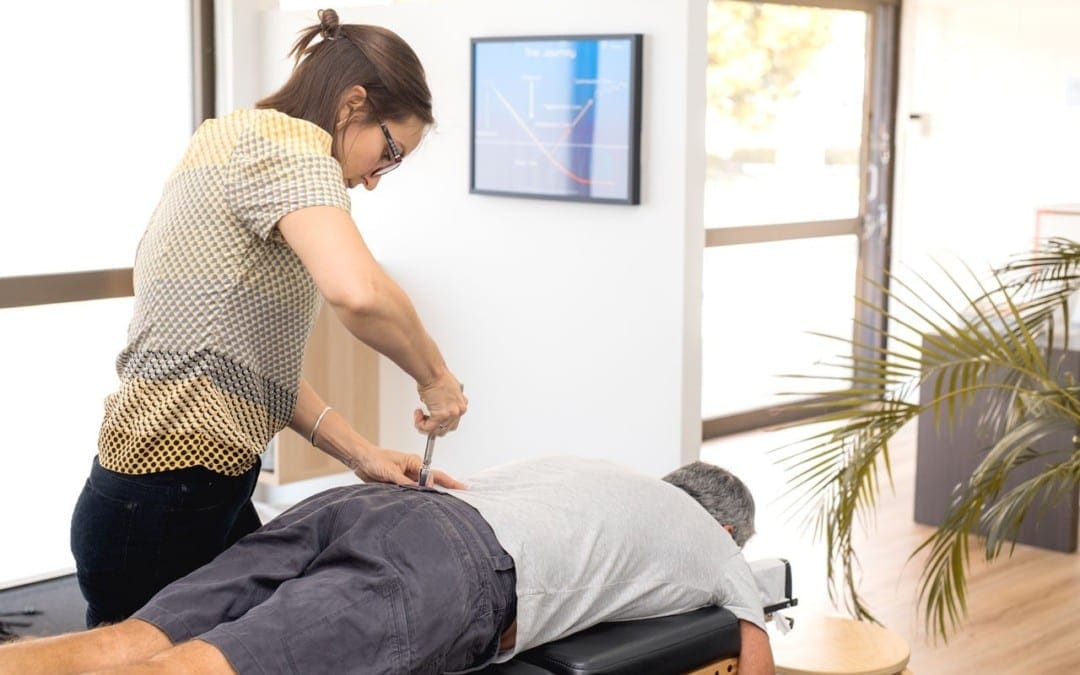
Chiropractic focuses on whole-body health and can help with abdominal injuries. The nervous and digestive systems are interconnected, meaning that damage could lead to viscerosomatic reflexeseven if not directly injured. If internal damage or bleeding has occurred, individuals will be referred to a specialist, surgeon, or another emergency medical professional. If internal damage is ruled out, a chiropractic treatment plan that includes adjustments, massage therapy, manual and mechanical decompression, exercises, stretches, and health coaching will help with tissue injuries and problems that are causing gastrointestinal distress.
Spinal Non-Surgical Decompression
References
Arumugam, Suresh, et al. “Frequency, causes and pattern of abdominal trauma: A 4-year descriptive analysis.” Journal of emergencies, trauma, and shock vol. 8,4 (2015): 193-8. doi:10.4103/0974-2700.166590
Barrett, Cassie, and Danny Smith. “Recognition and management of abdominal injuries at athletic events.” International journal of sports physical therapy vol. 7,4 (2012): 448-51.
Kucera, K. L., Currie, D. W., Wasserman, E. B., Kerr, Z. Y., Thomas, L. C., Paul, S., & Comstock, R. D. (2019). Incidence of Sport-Related Internal Organ Injuries Due to Direct-Contact Mechanisms Among High School and Collegiate Athletes Across 3 National Surveillance Systems. Journal of athletic training, 54(2), 152–164. https://doi.org/10.4085/1062-6050-271-17
Slentz, Cris A et al. “Effects of aerobic vs. resistance training on visceral and liver fat stores, liver enzymes, and insulin resistance by HOMA in overweight adults from STRRIDE AT/RT.” American journal of physiology. Endocrinology and metabolism vol. 301,5 (2011): E1033-9. doi:10.1152/ajpendo.00291.2011
The central nervous system – CNScontrols body and mind functions, voluntary movements, including walking, and involuntary movements, specifically the breakdown of foods and waste removal. Studies have found associations between spinal problems and gastrointestinal-GI tract/stomach issues that include:
Abdominal pain
Constipation
Difficulty controlling bowel movements
Diarrhea
Nausea
Vomiting
Treating the underlying cause through chiropractic, non-surgical spinal decompression, and health coaching can bring pain relief, realign/heal the spine and alleviate stomach issues.
Spinal Problems and Stomach Issues
The spinal cord sends nerve signals throughout the body, including to and from the digestive system. Two types of nerves control the digestive system, extrinsic and intrinsic.
Extrinsic nerves
Connect the digestive organs with the brain and spinal cord.
Release chemicals that contract or relax the digestive system muscles.
The nerves relay signals to speed up or slow down the food’s movement through the gut.
The intrinsic system can function independently and work without communication from the extrinsic nerves. However, the stomach and esophagus/food pipe depends on information from the extrinsic nerves. If there is injury, damage, or interference with the extrinsic nerve supply to the stomach, it can lead to stomach issues. Spinal cord injuries and compressed or herniated discs interrupt the communication between nerves/systems, which can lead to digestive and bowel problems, including:
Feeling full quickly after eating.
Stomach pain
Constipation
Decreased appetite
Difficulty moving waste through the colon or large intestine
Hard stools
Tenesmus – the sensation/feeling of having to have a bowel movement even though there is none.
Herniated Discs
Herniated disc/s usually occurs in the neck or low back spinal area. Symptoms include:
Neck pain
Back pain
Pain spreads from the lower back through the buttocks, legs, and feet.
Pain spreads from the neck through the shoulders, arms, and hands.
Muscle weakness
Muscle spasms
Tingling or burning sensations
Numbness
Chiropractic Spinal Decompression
Chiropractic decompression therapy stretches the spine and manipulates its position to take pressure off the nerves and spinal discs. The decompression process creates negative pressure in the discs that retract herniated or bulging discs, allowing oxygen, water, and other healing nutrients to enter the disc and throughout the spine. The spinal decompression will help alleviate the stomach issues. Consultation from a health coach/nutritionist will recommend a diet that will aid in the disc/s healing, which is anti-inflammatory and easily digestible until the stomach problems are fully resolved.
DRX Patient Testimonials
References
Browning, Kirsteen N, and R Alberto Travagli. “Central nervous system control of gastrointestinal motility and secretion and modulation of gastrointestinal functions.” Comprehensive Physiology vol. 4,4 (2014): 1339-68. doi:10.1002/cphy.c130055
Holmes, Gregory M, and Emily N Blanke. “Gastrointestinal dysfunction after spinal cord injury.” Experimental neurology vol. 320 (2019): 113009. doi:10.1016/j.expneurol.2019.113009
Lara, F J Pérez, et al. “Thoracic disk herniation, a not infrequent cause of chronic abdominal pain.” International surgery vol. 97,1 (2012): 27-33. doi:10.9738/CC98.1
Papadakos, Nikolaos, et al. “Thoracic disc prolapse presenting with abdominal pain: case report and review of the literature.” Annals of the Royal College of Surgeons of England vol. 91,5 (2009): W4-6. doi:10.1308/147870809X401038
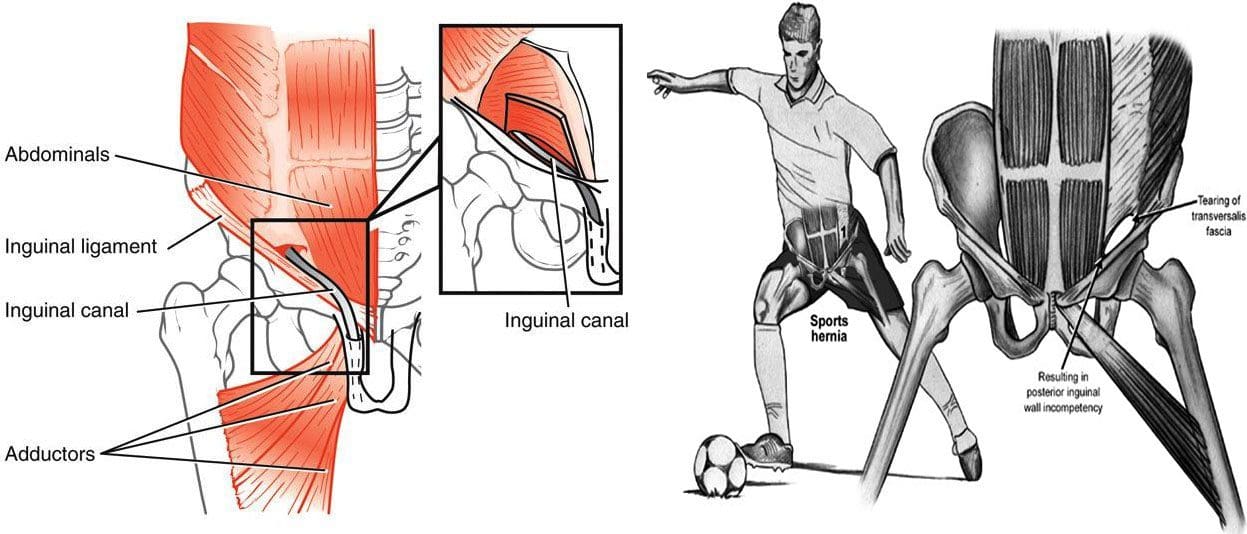
A sports hernia is a soft tissue injury that happens in and around the groin area. It is a strain or tear of any soft-tissue muscles, tendons, or ligaments in the lower abdomen or groin area. It usually happens during physical sports activities that require fast, quick, sudden changes of direction and/or intense twisting movements. Despite its name, a sports hernia is not a hernia in the classic sense. The condition’s proper term is athletic pubalgia. However, a sports hernia can lead to an abdominal hernia. The condition can happen to both men and women.
Anatomy
The soft tissues most affected by sports hernias are the oblique muscles in the lower abdomen, along with the tendons that attach the oblique muscles to the pubic bone, are the most at risk. In many cases, the tendons that attach the thigh muscles to the pubic bone or adductors are also stretched or torn.
Core Muscle Injury
A core muscle injury is when the deep layers of the abdominal wall weaken or tear. This can cause nerve irritation and contribute to uncomfortable symptoms of numbness or tingling. The most common causes include:
Planting the feet and turning or twisting with maximum force.
Constant repetitive hip and pelvic twisting motions.
Imbalances between the hip and abdominal muscles can also, over time, cause overuse injuries.
Weakness in the abdominals and improper or no conditioning can also contribute to injuries.
Chronic groin pain is the primary symptom of a core muscle injury.
Sharp groin pain with exertion.
Basic movements like sitting down or getting out of bed can also present with pain or discomfort.
Pain on one side of the groin.
Pain or numbness that radiates into the inner thigh.
Pain when coughing or sneezing.
Tenderness or pressure on the lower abdominal area.
Pain decreases with rest.
Diagnosis
A doctor will discuss symptoms and how the injury occurred. They will run a series of strength tests like a sit-up or trunk flex against resistance. If it is a sports hernia, there will be tenderness in the groin or above the pubis, along with discomfort and pain. Further tests will include MRI, ultrasound, or X-rays to rule out hip, low back, or pelvis injuries to confirm a core muscle injury.
Non-Surgical Treatment
Rest
In the first 7 to 10 days after the injury resting and icing the area is recommended.
If there is a bulge in the groin, compression or a wrap can help relieve symptoms.
Chiropractic and Physical therapy
Two weeks after the injury, chiropractic adjustments and physical therapy exercises are recommended to improve strength and flexibility in the abdominal and inner thigh muscles.
For most cases, 4 to 6 weeks of chiropractic and physical therapy will resolve any pain and allow the individual to return to their exercise or sports activity.
Anti-inflammatory Medications
A doctor could recommend non-steroidal anti-inflammatory medications to reduce swelling and pain.
If the symptoms persist over a prolonged period, a doctor may suggest a cortisone injection.
If the pain comes back when resuming the physical activities, surgery could be needed to repair the torn tissues.
Surgical Treatment
Repairing the torn tissues can be done with a traditional open procedure that involves one long incision or a minimally invasive endoscopic procedure. In an endoscopy, the surgeon makes smaller incisions and uses a small camera, called an endoscope, to see inside the abdomen. The results of traditional and endoscopic procedures are the same. Most individuals can return to sports and physical activities 6 to 12 weeks after surgery.
Body Composition
Muscle Gain
Individuals can’t lose fat forever. At some point, they need to work on developing muscle or work to preserve the muscle that is already present. This requires a different diet and exercise plan than one designed for fat loss. Instead of getting the body into a catabolic state, the body needs to be in an anabolic state where the body builds tissue instead of breaking it down. To build muscle, the body needs resources meaning proper nutrition and sufficient protein intake to increase muscle mass. Maintaining an energy surplus of around 15% is appropriate for developing musculature, meaning a moderately active individual with a BMR of 1,600 calories would want to their intake to about 2,852 calories a day.
References
Hoffman, Jay R et al. “Effect of protein intake on strength, body composition and endocrine changes in strength/power athletes.” Journal of the International Society of Sports Nutrition vol. 3,2 12-8. 13 Dec. 2006, doi:10.1186/1550-2783-3-2-12
Larson, Christopher M. “Sports hernia/athletic pubalgia: evaluation and management.” Sports health vol. 6,2 (2014): 139-44. doi:10.1177/1941738114523557
Poor, Alexander E et al. “Core Muscle Injuries in Athletes.” Current sports medicine reports vol. 17,2 (2018): 54-58. doi:10.1249/JSR.0000000000000453
Thorborg, Kristian et al. “Clinical Examination, Diagnostic Imaging, and Testing of Athletes With Groin Pain: An Evidence-Based Approach to Effective Management.” The Journal of orthopedic and sports physical therapy vol. 48,4 (2018): 239-249. doi:10.2519/jospt.2018.7850
Tyler, Timothy F et al. “Groin injuries in sports medicine.” Sports health vol. 2,3 (2010): 231-6. doi:10.1177/1941738110366820
There are different possible causes of abdominal pain and digestive problems. Sometimes a bulging disc is the cause. A bulging disc that is causing abdominal pain is rare but possible. When this happens, it’s usually a herniated disc in the upper back, known as the thoracic spine. When the disc bulges to the side, it can cause abdominal pain. One study found that half of the patients presenting with herniated discs also suffered from digestive problems, including irritable bowel syndrome.
Thoracic Disc Herniation
The thoracic spine is the region between the base of the neck and the low back. This section is surrounded and stabilized by the ribcage, reducing the risk of disc herniation. Most herniated disc/s occur in the low back or the neck because those areas with a lot of movement are less stable than the thoracic spine. But they do happen and can contribute and/or cause abdominal pain. This is usually accompanied by pain in the mid-back and the chest. Because this is rare, physicians don’t immediately think that a herniation is causing abdominal pain. This can lead to unnecessary and expensive tests to find the problem.
Lateral Disc Herniation
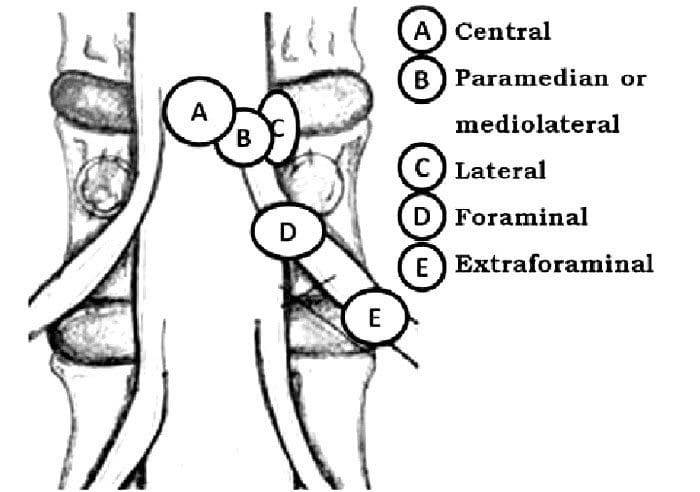
This is not the most common type of disc herniation. The type of herniation that causes pain in the abdomen is known as lateral disc herniation. This is when the disc bulges laterally/sideways. What happens is it can compress and irritate the nerve root. This is what can cause pain in the abdomen. Types of disc herniations include:
Causes
Most thoracic herniations are caused by trauma to the upper back. This can come from a:
Fall
Auto accident
Sports injury
They can also be caused by degenerative disc disease. If this happens, the discs can become calcified, which could require surgery.
Movements like reaching up to get something or twisting motions like putting on a seatbelt can cause the pain to worsen. Most thoracic herniations happen in young individuals brought on by trauma to the area. Women tend to be affected more by thoracic disc herniation that causes abdominal pain.
Herniated Disc and Bloating
Bloating often comes with digestive problems. A herniated discs can also cause bloating along with abdominal and back pain. However, they are not always related because bloating, and other digestive issues can cause back and abdominal pain. Bloating and pain typically go away after a bowel movement. But it is important to see a medical professional if the problem lasts more than a few days.
Gas and a Herniated Disc
In certain cases, a herniated disc can cause gas. This is rare, but evidence suggests that nerve compression in the spine can affect the digestive system. If back pain, abdominal pain, and digestive issues are presenting, seeking out treatment is recommended.
Treatment
Chiropractors specialize in spinal care. The approach is to balance the entire body and heal the underlying issues. The nervous system travels through the spinal column. If injured or damaged, it can cause all kinds of issues. This includes abdominal pain and digestive problems. A chiropractor will:
Bring pain relief
Realign the spine
Balance the body
Recommend exercises and stretches
Offer nutritional recommendations
Recommend sleeping positions to prevent pain at night
They are different techniques to treat disc herniations. These include:
Full-body diagnosis
Detailed medical history
MRI, CT, or X-Rays
Laser therapy
Ultrasound
Ice and heat
Electrical stimulation
Massage
Physical therapy
Body Composition
Binge Eating
A common and powerful trigger of binge eating is restrictive dieting. This type of diet is a common weight-loss method for short-term goals. This is because a highly controlled program of calorie intake makes it easier to prevent overeating. The problem is that this type of restriction is not sustainable. Most individuals can avoid certain foods for only so long. However, this is not the only reason for binge eating. Many individuals use food as an emotional suppressor. They overeat during:
Levels of high stress
Boredom
Bouts of sadness
Exhaustion/excessively tired
The brain and body are conditioned to crave certain and usually addictive foods. When individuals want to get their minds off of something, cravings can activate and become overpowering. Although it is not an addiction to alcohol or drugs, food addiction is still an addiction. Working through addictive behavior toward any substance will improve the quality of life. Overcoming food addiction promotes physical health benefits and improved mental health. Recognizing addictive behaviors when it comes to food is the first step.
References
Al-Khawaja, Darweesh O et al. “Surgical treatment of far lateral lumbar disc herniation: a safe and simple approach.” Journal of spine surgery (Hong Kong) vol. 2,1 (2016): 21-4. doi:10.21037/jss.2016.01.05
Lara, F J Pérez et al. “Thoracic disk herniation, a not infrequent cause of chronic abdominal pain.” International surgery vol. 97,1 (2012): 27-33. doi:10.9738/CC98.1
Papadakos, Nikolaos et al. “Thoracic disc prolapse presenting with abdominal pain: case report and review of the literature.” Annals of the Royal College of Surgeons of England vol. 91,5 (2009): W4-6. doi:10.1308/147870809X401038
Polivy, J et al. “Food restriction and binge eating: a study of former prisoners of war.” Journal of abnormal psychology vol. 103,2 (1994): 409-11. doi:10.1037//0021-843x.103.2.409
Finding the right sciatica chiropractic specialist to diagnose the cause especially, when it is an abdominal aortic aneurysm can be a challenge. There can cause diagnostic confusion with the root cause never being discovered or identified. Fortunately, Dr. Jimenez is a sciatica specialist with over 30 years of experience in differential sciatica diagnosis, and treatment.
Sciatica Chiropractic Specialist Diagnosis
Diagnostic Tools
Abdominal aneurysms are usually discovered for another ailment like a hernia or for routine tests like an ultrasound of the heart or stomach.Diagnosis of an abdominal aneurysm depends on the condition, medical and family history, and the physical examination. If a doctor or sciatica chiropractic specialist suspects an aortic aneurysm, then specialized tests will help with a confirmation.
Ultrasonography
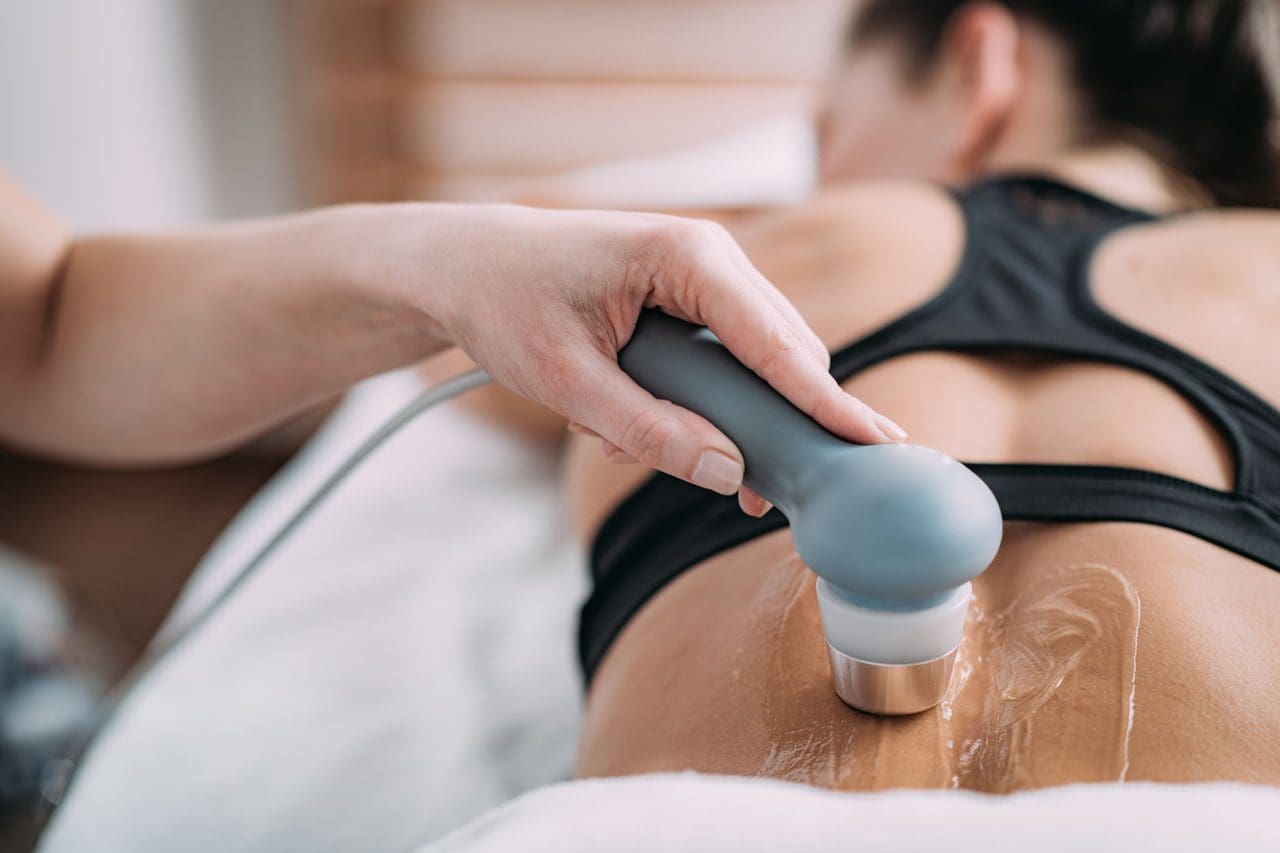
The simplest and most used diagnostic test is ultrasonography. It utilizes sound waves for diagnostic purposes that send the recorded images to a monitor. It gives an accurate assessment of the size and location of the aneurysm. The patient will lie on a table while a technician moves a wand around the abdomen.
Computed tomography CT scan
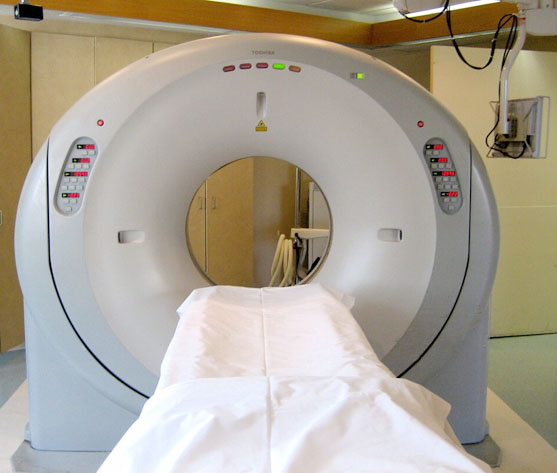
This test is often used in conjunction with ultrasonography if more data/info is needed. Usually, this is to determine the exact location of the aneurysm in relation to the visceral or renal arteries. It provides cross-sectional detail with clear images of the aorta and can detect the size and shape. The patient lies on a table inside a machine. A contrast dye could be injected into the blood vessels to make the arteries more visible on the images known as CT angiography.
Magnetic Resonance Imaging
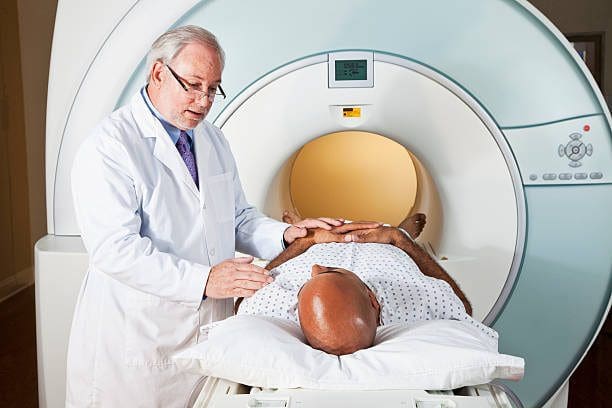
Magnetic resonance imaging or MRI uses a magnetic field and radio wave energy pulses to record images of the body. The patient lies on a table that slides into the imaging compartment. Contrast dye can also be injected into the blood vessels to make the images more visible known as magnetic resonance angiography.
Emergency Symptoms
Certain symptoms can indicate an emergency. The conditions are rare, but it is very important to seek medical attention should any of these symptoms present with back pain:
Severe abdominal pain
Fever out of nowhere
Bowel and/or bladder incontinence
Loss of or an unusual sensation in the groin, as well as the legs and possibly into the foot
If back pain presents after an injury medical care is recommended to check for damage/injury to the spine.
Abdominal Aneurysm Symptoms
Abdominal aneurysms often don�t present any symptoms, which is why individuals go through their days unaware, and when back pain does present a doctor may only focus on the back pain symptoms and not the cause, leaving the aneurysm to continue to develop and worsen. Aneurysms do occur in women but are more common in men and those ages 65 and older. The main cause is atherosclerosis which is a hardening of the arteries. But injury and infection can also cause an aneurysm. Those with symptoms can include:
Throbbing pain around the back or side
Deep pain in the back or side
Pain in the buttocks, groin, or legs
Sciatica symptoms
The Sciatic Connection
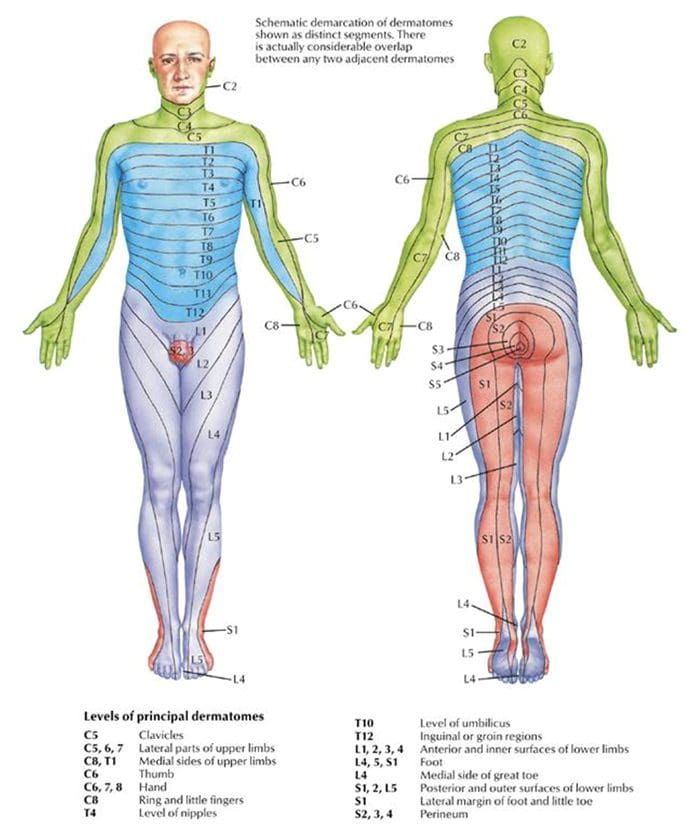
A diagnosis of the root cause of the sciatica is crucial for developing an effective treatment plan to alleviate the sciatic pain. If an aneurysm is present then referring the individual to the proper aortic aneurysm repair specialist is a top priority. If sciatica is suspected, a doctor or chiropractor will review medical history and perform a physical examination. Medical imaging tests and diagnostic nerve blocks could be used if necessary. Sciatica pain usually follows the dermatome or areas of the skin that is supplied by the sciatic nerve. The pain can also include deeper tissues called dynatomes.
Physical examination
During a physical examination, the sciatica chiropractic specialist will look for various responses when:
Straightening the leg with movements that elongate the nerve
Gently pressing the toes or calf area
Seeing if there is any type of pain associated with these movements in the low back, buttock, thigh, leg, and foot
Sciatica Clinical Tests
Two examples of clinical tests for sciatica include:
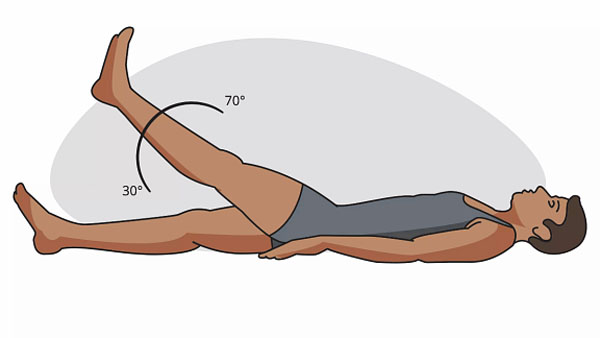
Straight leg raise - SLR
The patient lies on their back and the chiropractor lifts one leg at a time with the other leg remaining flat or bent at the knee. If pain presents while lifting the affected leg this is usually an indication of sciatica.
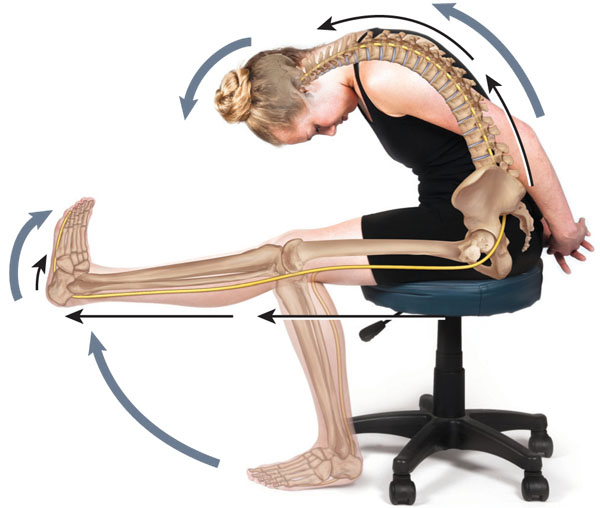
Slump
The patient sits upright with their hands behind their back. The patient then bends/slumps forward at the hips. The neck bends down with the chin touching the chest and one knee is extended as far as possible. If pain occurs in this position, sciatica could be present.
These tests could possibly be positive only when the nerve is mechanically compressed. Other causes like inflammation or chemical irritation of the nerve might not cause pain when performing these tests. This test could also help reveal a possible abdominal aneurysm as abdominal pain could present.
Chiropractic Sciatica Treatment
Manual manipulation improves the alignment of the spine. This technique helps address the underlying condition/s that can cause sciatic nerve pain, like herniated discs or spinal stenosis. Manual manipulation also creates an optimal healing environment. An aortic aneurysm specialist could work with a sciatica chiropractic specialist to help with spinal realignment if the aneurysm caused any kind of shifting or slipping of the discs along with releasing the sciatic nerve if it is compressed.
Massage Therapy
Massage therapy like deep tissue massage can also have benefits. Massage:
Improves blood circulation, which also creates an optimal healing response in the body
Releases toxins in the low back muscles that spasmed or knotted up
Relaxes tight muscles that could be contributing to the pain
Releases endorphins or the hormones that function as the body's natural pain relievers
Sciatica Pain Chiropractor
Dr. Alex Jimenez�s Blog Post Disclaimer
The scope of our information is limited to chiropractic, musculoskeletal, physical medicines, wellness, and sensitive health issues and/or functional medicine articles, topics, and discussions. We use functional health & wellness protocols to treat and support care for injuries or disorders of the musculoskeletal system. Our posts, topics, subjects, and insights cover clinical matters, issues, and topics that relate and support directly or indirectly our clinical scope of practice.*
Our office has made a reasonable attempt to provide supportive citations and has identified the relevant research study or studies supporting our posts. We also make copies of supporting research studies available to the board and or the public upon request. We understand that we cover matters that require an additional explanation as to how it may assist in a particular care plan or treatment protocol; therefore, to further discuss the subject matter above, please feel free to ask Dr. Alex Jimenez or contact us at 915-850-0900. The provider(s) Licensed in Texas& New Mexico*
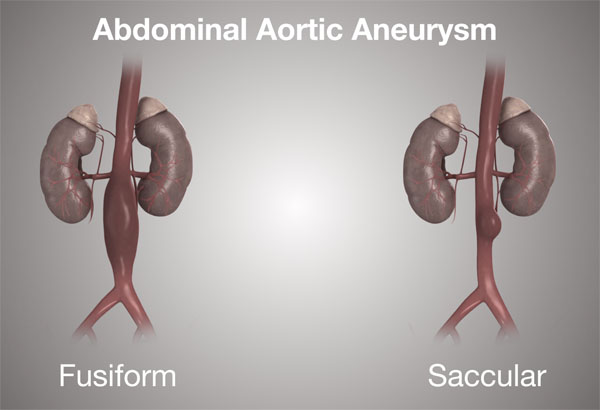
An abdominal aortic aneurysm refers to an enlargement of the abdominal aorta. If the blood vessel is enlarged and starts to leak blood or rupture, it will cause severe abdominal and lower back pain. This is a serious medical emergency that necessitates emergency surgery. Unfortunately, there is no way to reverse the damage. A prominent symptom from a rupture is severe, persistent low back pain, and pain in and around the abdomen. Treatment for an abdominal aortic aneurysmdepends on the possible complications that could develop. Approaches for treatment:
Nonsurgical treatments like anti-biotics calcium channel blockers and exercise along with monitoring are used for individuals that have a low risk of rupture.
If an aneurysm is not found until it becomes an emergency, then surgery to repair the ruptured artery is absolutely necessary. If ruptured or there is a high risk of rupturing is considered an emergency.
If a rupturing aneurysm has been diagnosed, some treatment/management will be implemented to prevent severe/fatal bleeding.
Cardiac
For low-risk cases, lifestyle changes and possible medication/s may be recommended to slow the development. Small aneurysms are monitored using ultrasound. This can be every 6 to 12 months depending on the size and growth rate of the artery.Medications for lowering blood pressure and cholesterol could be prescribed. This is to limit the amount of plaque buildup in the aorta and reduce any pressure on the arterial walls. Quitting smoking and removing tobacco altogether whether dip, chew, vape is a significant action an individual can do to minimize the risk of aortic rupture. Other lifestyle changes involve maintaining a healthy diet and regular exercise will help lower blood pressure and cholesterol levels decreasing the chance of rupture.
Surgery
Surgical treatment when necessary is to stop a rupture if leaking blood or to prevent a rupture. Surgery requires replacing the damaged portion of the aorta with a stent-graft. This is an artificial artery made from a high-tech mesh/fabric. There are two standard surgical treatments:
Open Repair
Open repair is the most common surgical treatment. It takes the enlarged portion of the aorta removes it and replaces it with a stent-graft. Open surgery repair consists of the following:
The incision is made in the abdomen at the site of the aneurysm.
The aorta gets clamped with the blood temporarily blocked from flowing through the damaged portion.
The damaged part is removed.
A tube graft is placed where the damaged portion was.
If the damage was not severe and does not require the removal and complete replacement, then less invasive options will be offered.
Endovascular Aortic Aneurysm Repair
EVAR endovascular aneurysm repair surgery is a minimally invasive procedure. There is no need for a large abdominal incision or removal of the damaged portion of the artery. This procedure does not require blood flow stoppage, which places less stress on the heart. Endovascular surgery involves:
A fluoroscopy or live X-ray is used. This is so the surgeon can look at the repair, and guide the stent into place.
2 small incisions are made in the groin.
A catheter is inserted into the femoral artery in the groin and guided to the abdominal aorta.
Through the catheter, the stent is guided to the aneurysm.
Once it reaches the aneurysm, it is compressed and closed.
The stent is placed in position, and the wireframe is expanded to fit the artery.
The stent is sewn/secured into place at both ends.
Once in place, the blood gets redirected from the enlarged area and flows only through the stent-graft. This takes the pressure off the artery's walls and allows for size reduction over time, and decreases the risk of rupture.
The procedure is not an option for individuals with an aorta that cannot be accessed safely through the femoral arteries. Or if the artery is severely damaged that the aneurysm portion needs to be replaced. And if the aneurysm is too big or complex where an open repair is a more favorable option.
Follow Up
Follow-up monitoring is necessary after any aortic aneurysm surgical procedure. This is to ensure the stent works and the aorta is functioning without a high risk of rupture. Individuals will be advised to maintain a healthier heart and cardiovascular system. A surgeon/doctor will suggest:
Diet adjustments
Regular exercise
Quitting smoking/tobacco intake
Taking cholesterol and blood pressure medication
Chiropractic/Physical therapy for any spinal misalignment, herniation, sciatic nerve compression back pain relief.
Lower Back Pain
Dr. Alex Jimenez�s Blog Post Disclaimer
The scope of our information is limited to chiropractic, musculoskeletal, physical medicines, wellness, and sensitive health issues and/or functional medicine articles, topics, and discussions. We use functional health & wellness protocols to treat and support care for injuries or disorders of the musculoskeletal system. Our posts, topics, subjects, and insights cover clinical matters, issues, and topics that relate and support directly or indirectly our clinical scope of practice.*
Our office has made a reasonable attempt to provide supportive citations and has identified the relevant research study or studies supporting our posts. We also make copies of supporting research studies available to the board and or the public upon request. We understand that we cover matters that require an additional explanation as to how it may assist in a particular care plan or treatment protocol; therefore, to further discuss the subject matter above, please feel free to ask Dr. Alex Jimenez or contact us at 915-850-0900. The provider(s) Licensed in Texas& New Mexico*
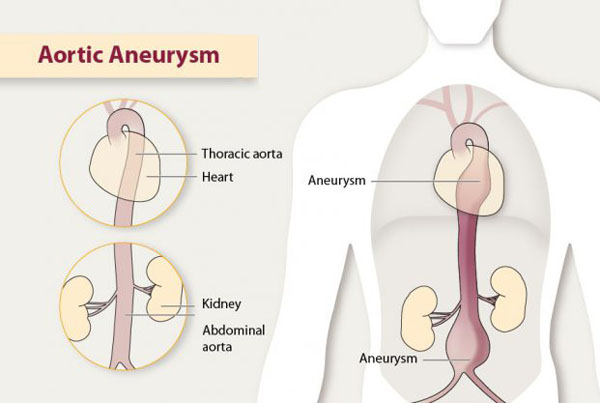
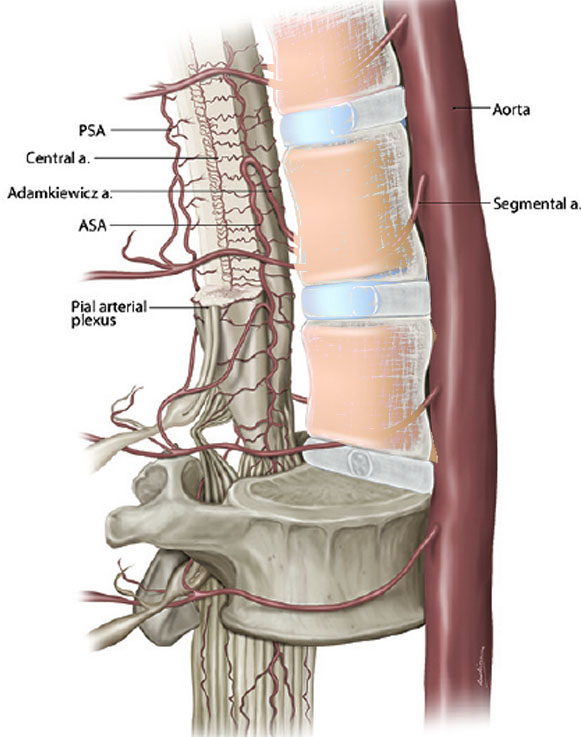
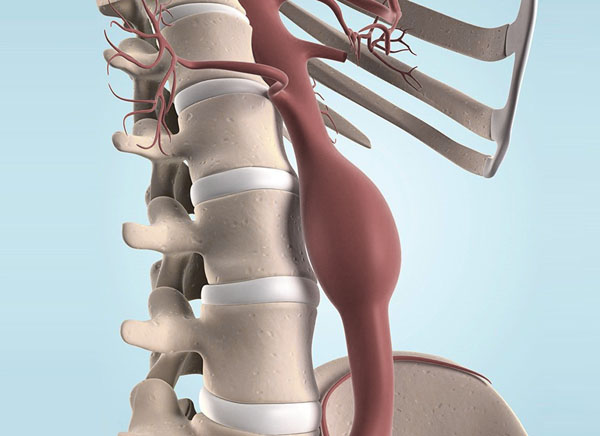
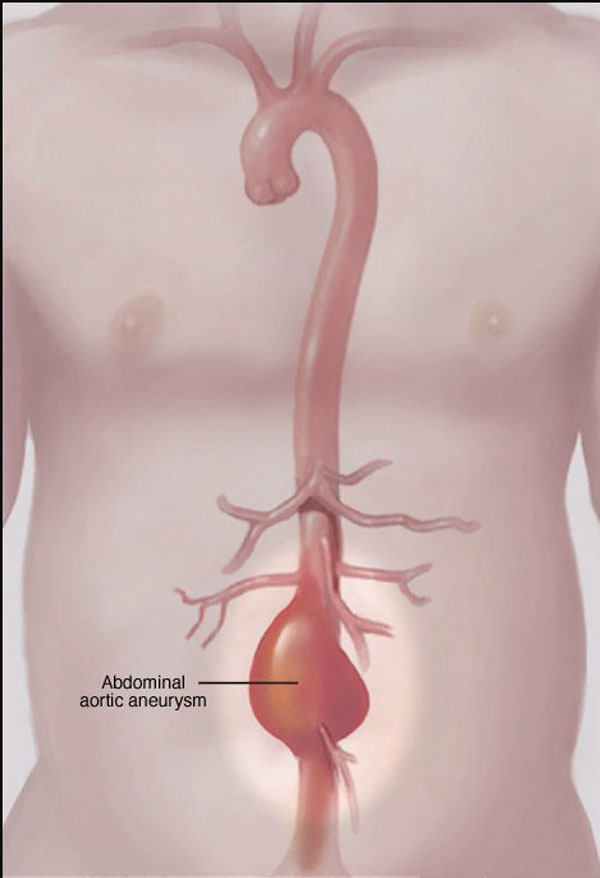
An abdominal aortic aneurysm is an enlarging of the lower portion of the aortic artery that resides in the abdomen. The aorta is the body�s main artery that supplies blood to the body and stretches from the heart down into and through the abdomen. The abdominal aorta is the part that sits within the abdomen. It is below the kidneys and in close proximity to the front of the spine. Because of this closeness sudden intense pain can be felt in the lower back along with sciatica symptoms.
Abdominal Aorta Function
Its function is to deliver blood from the heart throughout the body. It circulates blood down through the chest and abdomen. Smaller arteries branch off the artery to the different organs and systems of the body.
Enlargement/Weakening
If it becomes weak or expands in size, the condition is known as an aortic aneurysm. This condition can cause severe abdominal pain, back pain, sciatica and can lead to artery leakage or rupture. This is when it becomes an emergency. Being the largest blood vessel in the body means that a rupture can cause life-threatening bleeding.
Aneurysms can develop anywhere on the artery, but most occur in the abdomen portion. Depending on the size and growth rate, treatment/therapies can vary from observation to emergency surgery. Abdominal aneurysms usually progress slowly without symptoms, making them difficult to detect. However, some abdominal aneurysms never rupture. They can start small and remain the same size while others can expand over time, and others faster.
Rupture
A weakened aorta can develop a leak known as a rupture. Blood can also begin to accumulate and pool up between layers in the arterial walls can also lead to rupture known as a dissection. Internal bleeding is the primary complication of an abdominal aneurysm. Loss of blood is considered a potentially fatal medical emergency. Mortality rates increase when the artery leaks. The risk for rupture depends on the:
Size
Aneurysms that are smaller than 5 cm in diameter are considered a low risk for rupture. Aneurysms larger than 5 cm are considered high risk. The size is often the best predictor for predicting the chance of rupture.
Growth Rate
Expansion of more than half a centimeter over 6 months is considered accelerated growth and is a high risk. A faster growth rate has been seen in individuals that smoke or have high blood pressure. Abdominal pain, lower back pain, sciatica, or other symptoms usually do not present until the artery has ruptured. However, in a significantly expanded aneurysm, symptoms similar to a rupture can occur.
Symptoms
In most cases, the aneurysm develops slowly with no symptoms or minor symptoms like a nagging/gnawing or throbbing sensation in or around the abdomen. This type of aneurysm can be detected from a standard physical exam or from the monitoring of another condition. Symptoms depend on the location and can include some combination of the following:
Deep, constant pain in the abdomen or on the side. It could also be a stabbing pain deep inside that is felt between the sternum and the belly button. The pain can be continuous with no relief from rest or adjusting positions. Severe pain can cause individuals to bend over and down.
Difficulty standing or the ability to straighten the upper body.
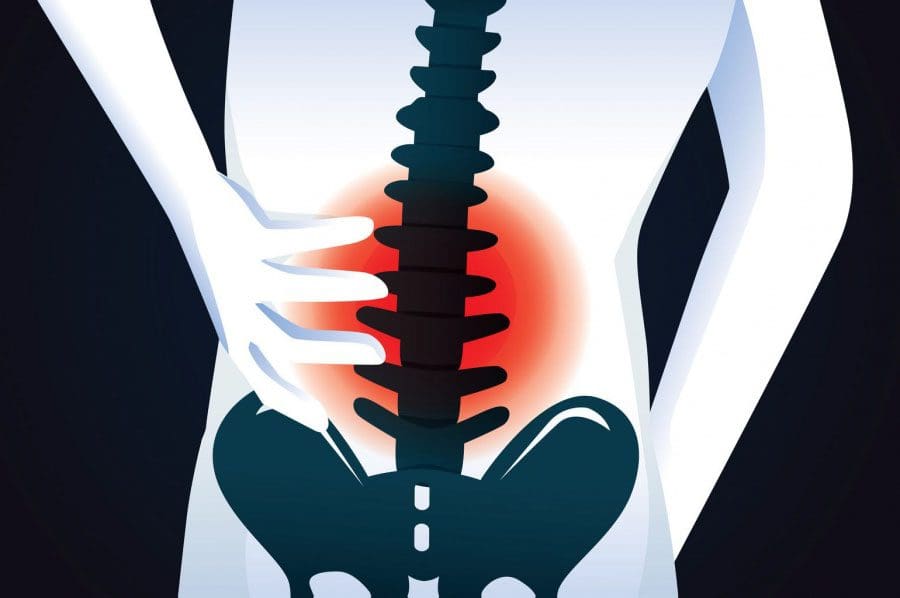
Low back pain caused by the abdominal pain radiating/spreading out into the lower spine from the aorta�s closeness to the spine. The pain can also spread to the groin, pelvis, and legs.
Sciatica symptoms typically come from low back pain.
A pulse near or around the bellybutton. Tenderness, along with a pulsing sensation can be felt. The pulse can be felt through the skin and could be sensitive to touch or pressure.
Blood loss will result in low blood pressure, known as hypotension. This causes lightheadedness, dizziness, nausea/vomiting, blurred vision, and confusion. Symptoms are exacerbated when standing generating the feeling of the need to sit or lie down.
Shock symptoms from the internal bleeding. This includes:
Sudden and rapid heartbeat
Shallow breathing
Clammy skin
Cold sweats
General weakness
Confusion
Agitation
Anxiety
Loss of consciousness
Causes
Various causes can be involved in developing an abdominal aneurysm, including:
Hardening of the arteries known as atherosclerosis. It happens when fat along with other substances build up on the lining of blood vessel/s.
High blood pressure can damage and weaken the walls of the aorta.
Aortic infection is rare but a bacterial or fungal infection could cause an abdominal aneurysm.
Trauma like being in an automobile accident can cause an aneurysm.
Risk Factors
The pathology principally stays asymptomatic until a rupture occurs. This pathology affects mostly men with quite a few risk factors. Risk factors include:
Men develop abdominal aneurysms more often than women.
Smoking is the strongest risk factor. It weakens the aortic walls and increases the risk of developing an aneurysm, and rupture. The longer an individual smokes or chews tobacco, the higher the chances.
Individuals aged 65 and older are the most targeted group for this condition.
A family history of abdominal aneurysms increases the risk.
Aneurysm in another blood vessel, like the artery behind the knee or the chest aortic region, could increase the risk.
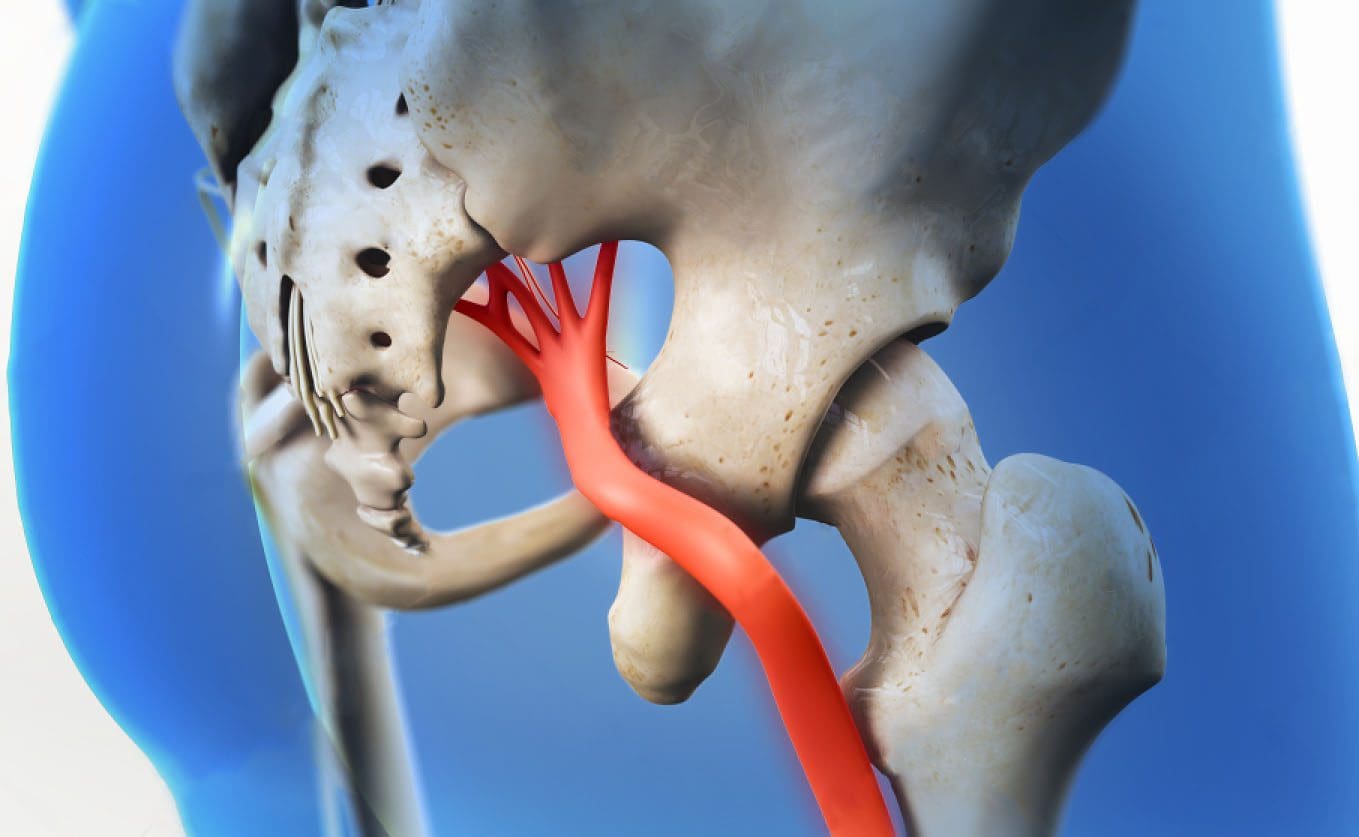
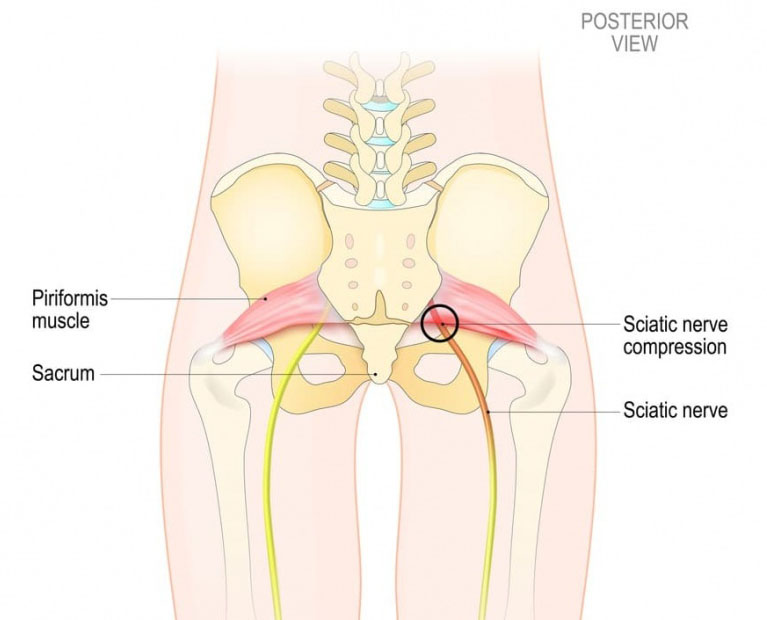
Sciatic Nerve Compression
Sciatica is usually caused by compression on the nerve. Spinal and non-spinal disorders are known to cause pain include:
Low back misaligned vertebral body/s
Herniated/bulging/slipped discs
Pregnancy/childbirth
Spinal tumors
Diabetes
Constipation
Sitting too long
Sciatic nerve compression can cause a loss of feeling known as sensory loss, paralysis of a limb, or group of muscles known as monoplegia, and insomnia.
Proper Diagnosis Is Essential
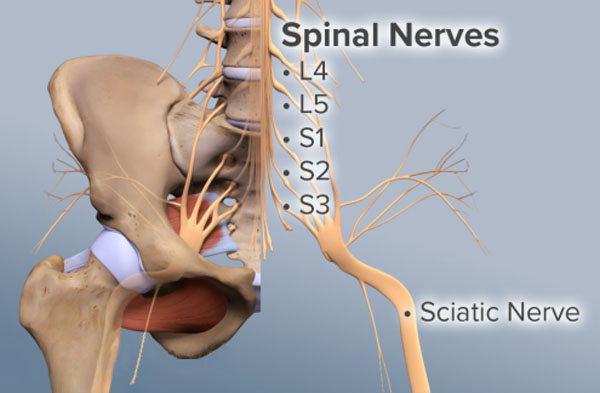
Because of the many disorders that can cause sciatica, a doctor's first step is to determine the cause. This involves forming a diagnosis based on a thorough review of an individual's medical history, a physical and neurological examination. The sciatic nerve has several smaller nerves that branch off. These smaller nerves enable movement motor function and feeling sensory functions in the thighs, knees, calves, ankles, feet, and toes.
If a chiropractor determines the patient's disorder requires treatment by another specialist, then the individual will be referred to the proper doctor. In some cases, the chiropractor could be called upon to continue spinal therapy and help manage the individual's treatment plan with the other specialist/s.
Sciatica Pain Treatment
Dr. Alex Jimenez�s Blog Post Disclaimer
The scope of our information is limited to chiropractic, musculoskeletal, physical medicines, wellness, and sensitive health issues and/or functional medicine articles, topics, and discussions. We use functional health & wellness protocols to treat and support care for injuries or disorders of the musculoskeletal system. Our posts, topics, subjects, and insights cover clinical matters, issues, and topics that relate and support directly or indirectly our clinical scope of practice.*
Our office has made a reasonable attempt to provide supportive citations and has identified the relevant research study or studies supporting our posts. We also make copies of supporting research studies available to the board and or the public upon request. We understand that we cover matters that require an additional explanation as to how it may assist in a particular care plan or treatment protocol; therefore, to further discuss the subject matter above, please feel free to ask Dr. Alex Jimenez or contact us at 915-850-0900. The provider(s) Licensed in Texas& New Mexico*
IFM's Find A Practitioner tool is the largest referral network in Functional Medicine, created to help patients locate Functional Medicine practitioners anywhere in the world. IFM Certified Practitioners are listed first in the search results, given their extensive education in Functional Medicine