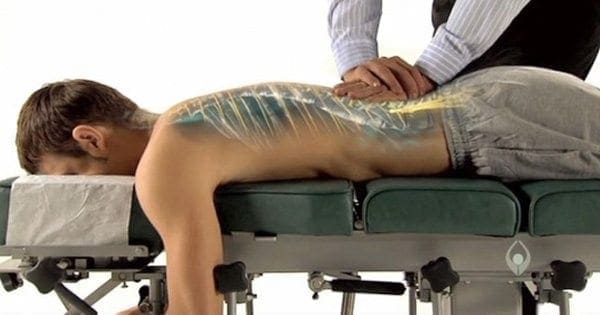
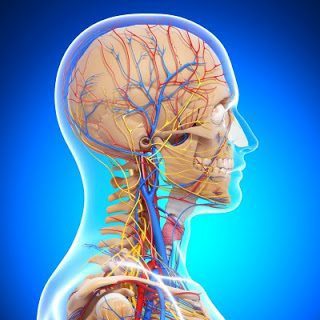
Back pain is one of the most common complaints reported by a majority of the population. Although the symptom generally occurs temporarily and it typically resolves on its own, some cases of back pain can become chronic or persistent.
A variety of factors, including trauma or injury from an accident and/or an aggravated condition, can manifest symptoms of back pain, however, the natural degeneration of the structures of the body are described to be the most prevalent cause for back complications resulting in pain and discomfort. Degenerative scoliosis is an infrequent cause for back pain in adults.
Scoliosis most frequently develops in children and adolescents. When it is diagnosed in adulthood, it is known as adult degenerative scoliosis. Other spinal degenerative disorders associated with adult scoliosis include: spinal stenosis; spondylolisthesis; degenerative disc disease; osteoporosis; and compression fractions in the vertebrae.
Adult degenerative scoliosis is characterized as the abnormal, side-to-side curvature of the spine due to the degeneration of the facet joints, which provide flexibility to the spine, allowing it to bend and twist easily. The distinctive scoliosis curve which forms into a �C� shape along the spine, most commonly develops in the lumbar spine. Individuals with scoliosis describe noticing a change in their posture. With the disorder, instead of carrying weight vertically, the upper body begins to lean to one side. Also, an adult with degenerative scoliosis may notice that one shoulder is positioned higher than the other in a mirror.
Causes & Symptoms of Adult Degenerative Scoliosis
Click here or Call today
Over the natural wear-and-tear changes that begin to occur in the body as we age, the bones and other connective tissues surrounding each structure of the body begin to gradually degenerate, weakening and breaking down. When this occurs in the spine, the alignment of the vertebral bones may become altered, taking on an abnormal curve: scoliosis. Adult degenerative scoliosis most commonly develops among people over 65 years of age.
As the degeneration progresses, the changes in the spine caused by the scoliosis may interfere with the individual�s balance, altering the person�s gait, or manner of walking. Because of this, adult scoliosis causes considerable back pain. Other symptoms of the disorder include: spinal rigidity; stiffness; loss of sensation in the extremities; fatigued muscles; sciatica; and even respiratory and cardiac complications in severe cases.
The Different Forms of Scoliosis
Adolescent scoliosis, also known as idiopathic scoliosis, is the most common type of scoliosis. The differences between the two are often misunderstood by the general population. Idiopathic scoliosis develops in children and adolescents between 10 and 18 years of age. This form of the disorder is still unknown to experts as to why it occurs in the first place. In severe cases of adolescent scoliosis, the lateral shift of the spine can change immediately with the child�s growth, which may often require the use of a brace as well as other treatment methods to slow down or stop the abnormal curvature of the spine, caused by scoliosis.
Different from adolescent or idiopathic scoliosis, there is a known cause for adult or degenerative scoliosis. Adult degenerative scoliosis is caused by the gradual deterioration of the facet joints found in the back due to aging, the same type of process which can lead to osteoarthritis in the spine. The pressure that builds up from the degenerating facet joints has been previously identified as the leading cause for the abnormal lateral shift, or curving to one side, of the spine. The scoliosis itself is rarely the cause for back pain. The true cause for the symptoms is the result of the inflammation of the degenerating facet joints, which can usually progress slowly at about 1 to 2 degrees per year. As a result, treatment for scoliosis is not focused on slowing down the progress of the scoliosis curvature, but instead, it is focused on relieving the back pain and other symptoms associated with the disorder.
Treating Scoliosis Pain with Chiropractic
Depending on the severity and location of the degeneration leading to scoliosis, there are a variety of treatments available to help alleviate the symptoms of the disorder, including both nonsurgical and surgical options. The goals of non-surgical treatments are to reduce pain as well as increase the strength, flexibility and range of motion of the spine to help reduce future symptoms and help correct the curvature of the spine. The majority of individuals with adult scoliosis can find relief without the need for surgery.
Chiropractic care focuses on the diagnosis, treatment and prevention of injuries and conditions related to the musculoskeletal and nervous system. Chiropractic utilizes safe and effective spinal adjustments and manual manipulations, which are performed by a qualified and experienced chiropractic professional to help improve and maintain the natural mobility of the facet joints while reducing the irritation and inflammation on the surrounding structures of the spine. Through the use of chiropractic treatment, a chiropractor will gradually realign the spine, decreasing the symptoms of back pain, reducing the lateral curvature of scoliosis and restoring the original health and wellness of the spine. In addition, a chiropractor may recommend a series of stretches as well as strengthening exercises to keep the soft tissues and joints flexible and speed up the rehabilitation process.
Scoliosis Pain and Chiropractic
Because every individual�s condition is unique, the same forms of treatment may not always benefit everyone. Visiting a variety of healthcare professionals can help patients determine the best treatment option that fits their specific needs for recovery. Other treatment plans may include the temporal use of medication for pain management, physical therapy and the use of back braces. More severe cases of adult scoliosis may require surgical intervention to help relieve the individual�s symptoms and restore their sense of well-being.
For more information, please feel free to ask Dr. Jimenez or contact us at 915-850-0900 .�
By Dr. Alex Jimenez
Additional Topics: Low Back Pain After Auto Injury
After being involved in an automobile accident, the sheer force of the impact can cause damage or injury to the body, primarily to the structures surrounding the spine. An auto collision can ultimately affect the bones, muscles, tendons, ligaments and other tissues surrounding the spine, commonly the lumbar region of the spine, causing symptoms such as low back pain. Sciatica is a common set of symptoms after an automobile accident, which may require immediate medical attention to determine its source and follow through with treatment.
A combination of vitamin D supplements and certain dairy foods may protect against age-related bone loss, a new study indicates.
Consumption of milk, yogurt and cheese was associated with higher bone mineral density in the spine and less bone loss in the hip among older adults — but only if they also took vitamin D supplements, researchers said.
Vitamin D stimulates calcium absorption, which aids in bone building and prevention of bone loss, according to the researchers from Harvard-affiliated Hebrew Senior Life, and the University of Massachusetts, Lowell.
This study is significant because it looked at dairy products other than just milk, and it “clarified that the association of dairy foods with bone density is dependent on adequate vitamin D intake,” said lead author Shivani Sahni.
“However, additional studies are needed to confirm these findings,” she added in an institute news release. Sahni is director of the nutrition program at Hebrew Senior Life’s Institute for Aging Research.
An estimated 10 million Americans older than 50 have osteoporosis, a disease marked by low bone mass and progressive deterioration of bone tissue. Osteoporosis increases the risk of fractures, loss of physical function, decreased quality of life, and even death.
Another 44 million Americans have low bone density, increasing their risk of fractures, according to the National Osteoporosis Foundation.
Study participants were enrolled in the long-running Framingham Study, which began in 1948 and followed the health and habits of residents of Framingham, Mass.
The study was funded by the U.S. National Institute of Arthritis and Musculoskeletal and Skin Diseases. The results were published March 1 in the Journal of Nutrition.
Squinting while texting? Always losing your reading glasses? An eye implant that takes about 10 minutes to put in place is the newest in a list of surgical repairs for the blurry close-up vision that is a bane of middle age. But who’s really a good candidate to toss their specs?
“It’s not bringing anybody back to being 20 again,” cautioned Dr. Shilpa Rose, a Washington ophthalmologist who tests whether patients’ eyes are healthy enough to qualify. “But it decreases the need to rush to get that pair of reading glasses every time you want to send a text or read an email.”
Nearly everybody will experience presbyopia at some point, usually starting in the mid-40s. At first you may notice yourself holding restaurant menus at arm’s length. Eventually, even in good light, reading becomes a blur.
How well you see has to do with how light is directed through the natural lens to the back of the eye. That lens stiffens with age, losing its ability to shift and bend light so that it becomes more difficult to focus close-up.
The usual options are magnifying drugstore reading glasses or, for people with other vision problems, bifocals, multifocal contact lenses or what’s called monovision, correcting for distance vision in one eye and near vision in the other.
“I have glasses everywhere — the bedroom, the office, the kitchen,” said Christianne Krupinsky, 51, of Marriottsville, Maryland, who’d never needed them until presbyopia struck. “Getting ready in the morning, even to put on jewelry I can’t see the clasp. It’s so frustrating.”
And while surgery always carries some risk, corneal inlays that are implanted into the eye’s clear front surface are getting attention because they’re removable if necessary.
“It’s not magic. It’s surgery. People have to remember this is not one and done,” but requires post-surgical exams and care, said Dr. Deepinder K. Dhaliwal of the University of Pittsburgh Medical Center, a corneal specialist who is watching studies of the inlays.
Krupinsky was a little nervous while lying on the operating table to receive the new Raindrop near vision inlay.
“The most you’re going to feel is pressure,” promised Washington refractive surgeon Dr. Mark Whitten, applying numbing drops to her left eye.
A gel-like device that looks like a miniature contact lens, the Raindrop is smaller than the eye of a needle. It’s the first implant to treat presbyopia by changing the cornea’s shape, making it steeper to alter how light passes through.
It’s placed in only one eye; both eyes still see at a distance. Patients can test-wear a single contact lens to be sure they’ll like the effect before choosing surgery.
Rose, the ophthalmologist, checked for dry eye, underlying diseases like glaucoma, and whether the corneas were thick and healthy enough to implant before turning Krupinsky over to her surgical partner.
“Just look straight up,” Whitten said as he used a laser to slice a flap in Krupinsky’s cornea. He centered the Raindrop inlay over her pupil and lowered the flap to seal it in place.
Minutes later, Krupinsky read lines on an eye chart she previously couldn’t make out without glasses, albeit still a little blurry. She’ll need eye drops for several months as her cornea heals so vision can sharpen.
Maker ReVision Optics Inc. is gradually training eye surgeons to use the Raindrop properly, after the Food and Drug Administration approved it last summer based on a study of 373 people whose only vision problem was moderate presbyopia. Two years later, 92 percent had good near vision, 20/40 or better without glasses, in the implanted eye.
Potential side effects include infection, dry eye, glare, or corneal problems such as scarring. About 7 percent of study participants had the implant removed, mostly because they weren’t satisfied with their vision or experienced a haze or clouding of the cornea. Most returned to their pre-surgical vision, although one had lingering haze.
Other surgical options:
—Another FDA-approved corneal inlay, the Kamra, is a doughnut-shaped device, also used in one eye and removable. It works like a pinhole camera, improving vision by focusing light through the center of the pupil.
—A more invasive operation replaces the natural lens in each eye with an artificial one, named Symfony, that can focus both near and far. Approved for cataract surgery, it also is being offered as a presbyopia fix for the middle-aged who don’t yet have cataracts. Unlike inlays, artificial lenses can’t simply be removed.
Insurance doesn’t cover elective presbyopia surgery. Rose said the inlays average about $4,000 to $5,000, while the artificial lens in both eyes can cost twice as much.
Patients should consult a surgeon experienced with all the options who can determine which best suits their eyes, advised Pittsburgh’s Dhaliwal.
Each has pros, cons and unknowns. For example, elective lens replacement isn’t for the very nearsighted because they’re at higher risk for a vision-threatening complication, Dhaliwal said.
And the Raindrop hasn’t been studied in people who years ago underwent LASIK surgery to correct nearsightedness. That didn’t deter Mike Gray, 52, of Haymarket, Virginia, who lost his reading glasses so often that he bought bulk packs. To implant the inlay, Whitten had to avoid cutting the cornea in the same place as Gray’s long-ago LASIK, and advises such patients to pick a surgeon experienced in both procedures.
“Everything is very clear and getting better every day,” Gray said about a month later.
The best way to find a qualified chiropractor is through another provider’s referral or through a personal referral from a friend. The advice of someone with first hand experience is always valuable when choosing a healthcare provider.
In addition, national associations including the American Chiropractic Association and state trade associations maintain listings of board certified chiropractors.
If you have a specific concern or are scheduling care for a child, for example, you may want to look for a chiropractor with specialization and experience in that area. You might call the chiropractor’s office and ask about the chiropractor’s education and experience with particular conditions. If you have insurance coverage, you will also want investigate whether or not that chiropractor is covered under your plan.
Dr. Alex Jimenez D.C.,C.C.S.T’s insight:
When a person has experienced an injury or developed an aggravating condition due to an accident, its expected for them to receive immediate medical care. A variety of doctors can provide treatment to these individual’s however, finding a qualified and experienced specialist, such as a chiropractor, can help ensure the patient’s recovery is safe and effective. For more information, please feel free to ask Dr. Jimenez or contact us at (915) 850-0900.
If you’ve suffered an injury or a previous condition is aggravated as a result of an accident, seeking immediate medical attention is often the preferred course of action to ensure an injury or condition does not become more serious. While there are a variety of healthcare providers, such as chiropractors, who provide this service, choosing an experienced and qualified doctor can help change an individual’s recovery experience.
The best method to find a qualified chiropractor is through the referral of another healthcare provider or through a personal referral from a friend. The advice of someone who’s had a positive experience with another specialist is always valuable when choosing the best healthcare provider.
Additionally, national associations including the American Chiropractic Association and state trade associations maintain listings of board certified chiropractors.
When an individual has a specific concern or is scheduling care for a child, for instance, they may want to choose a chiropractor who specializes in that specific area of medicine and has enough experience working with those type of cases. Calling a chiropractor office and discussing with the staff regarding the doctor’s specialization can help clear out some doubts. If you have insurance coverage, you will also want investigate whether or not that chiropractor you plan to receive treatment from is covered under your specific insurance plan.
What is Chiropractic?
What are the differences among chiropractors to be aware of?
It should be noted that the care recommendations you receive from one office may be quite different from those you receive from another office. In contrast to medicine, there is a much wider range of acceptable approaches and types of treatments given across chiropractic.
There are more than 100 named chiropractic methods, each varying in the approach to assessment and corrective techniques. Some rely on X-rays, while others utilize spinal motion or the responses to various “touch” point challenges. Examples of these various methods are Motion Palpation, Gonstead, and Applied Kinesiology, each employing their own assessment approach and type of adjustment.
Many chiropractors will incorporate a variety of methods in practice, adapting to the patient or to the problem at hand. These are often referred to as Diversified or Integrated techniques. No one approach has yet proved superior to another. If you are interested, you should ask about the techniques and why the chiropractor uses them, and perhaps scan the Web for more information.
Other questions you might ask when selecting a chiropractor:
How they feel about working collaboratively with your primary care doctor
How willing they are to refer you to specialists
What services they provide in their office, such as physiotherapy
Their preferred goals of care. Ask what is typically done on a first visit (you should expect to be treated, not just assessed). Continued care to sustain wellness is good practice, but this decision will need to come through thoughtful discussions between you and your chiropractor.
How much does it cost?
The cost of chiropractic care can vary greatly depending on where you live and the type of coverage you carry. If you have health insurance, check your insurance policies. Auto accidents and work injuries are generally also covered by insurance companies. Your policy may require you to utilize chiropractors only within your provider network, where it frequently must be approved in advance, may require a copay, or it may also have limits on the number of doctor visits covered under that insurance plan.
The cost of an initial visit can commonly include an examination and often a set of X-rays to help the healthcare professional properly diagnose and determine the correct form of treatment to follow. The cost of a moderate intake exam and X-rays can range around $160. The charges for more extensive examinations and X-rays may be significantly higher. Subsequent visits for chiropractic care can depend on each provider, however, they might be in the approximate range of $50 to $90 per visit, again related to the number of services needed for your treatment.
Compared with other forms of conservative care, coverage of chiropractic by insurance plans is extensive. According to the National Center for Complementary and Alternative Medicine , more than 50 percent of health maintenance organizations (HMOs), more than 75 percent of private health care plans, and all state workers’ compensation systems covered chiropractic treatment as of 2002.
In addition, Medicare covers chiropractic visits, and at least two dozen states cover chiropractic treatment under Medicaid.
When a person has experienced an injury or developed an aggravating condition due to an accident, its expected for them to receive immediate medical care. A variety of doctors can provide treatment to these individual’s however, finding a qualified and experienced specialist, such as a chiropractor, can help ensure the patient’s recovery is safe and effective.
In order to receive the proper diagnosis and treatment after experiencing an injury or aggravating condition, choosing the best chiropractor that can provide service to the patient’s individual needs can make a tremendous difference in their overall recovery.
Being involved in an unexpected accident, such as an automobile collision, among others, is one of the most prevalent causes for damage or injury, often even aggravating a previously existing condition. When an individual’s overall health and wellness are at risk, choosing the best healthcare professional to provide the most appropriate care and treatment can greatly affect the individual’s recovery outcome. However, how can you know who is the best specialist for your specific complication?
It’s in the individual’s best interest to find the most effective treatment option to improve their well-being by finding a top rated healthcare provider who can tend to their special needs. There is a variety of information regarding numerous forms of care which different healthcare specialists can offer. Asking primary care physicians and other healthcare providers convenient questions in regards to the specific treatment methods they offer can help people make informed decisions when choosing the best healthcare professional.
Chiropractic is one of the most common, alternative treatment options used to treat many injuries and conditions, as well as their symptoms, such as neck and back pain. A chiropractor focuses on the diagnosis, treatment and prevention of disorders associated with the musculoskeletal and the nervous system. A doctor of chiropractic, abbreviated as DC, specializes on the health of the spine, ensuring the structure and function of the spinal bones and its surrounding tissues are working properly. A chiropractor can naturally restore the body’s original health and wellness, without medications and/or surgery. Chiropractic care utilizes spinal adjustments and manual manipulations, as well as other methods of treatment, to heal injuries or conditions which may have misaligned, or subluxated, the spine.
Dr. Alex Jimenez D.C.,C.C.S.T’s insight:
After experiencing an injury or developing an aggravating condition, finding treatment from a qualified and experienced healthcare professional can make a difference in the patient’s recovery. A chiropractor is frequently considered to treat a variety of injuries and conditions, however, choosing the best chiropractor can determine the effectiveness of the treatment. For more information, please feel free to ask Dr. Jimenez or contact us at (915) 850-0900.
The natural curve of the spine is reinforced by correct posture. Posture not only influences how you look but helps you breathe, improves concentration, supports vital organ function and stimulates overall well-being.
Ignoring harmful postural habits leads to illness, discomfort and pain, and increases the risk for pathogenesis of disease in the body. �You can improve your posture and nervous system function and improve your quality of life significantly.
At the bottom of this article, you will discover a video and narrative for�5 exercises that will help you correct defects and optimize your posture in minutes each day. �Much like we brush and floss our teeth for dental health, we need to work on our posture each and every day!
Spinal Curve Dictates Health
The body was built with a curve in the spine to provide support and balance to the musculoskeletal system. It is essential for preventing deformation to bones, joints, muscles and tendons. Correct posture protects against disc degeneration that can lead to inflammatory conditions and disease. It is also critical for protecting the central nervous system.
Postural experts�understand that poor posture weakens the body�s ability to defend itself against infectious and chronic diseases. �They also view poor posture as a marker for the presence of chronic illness. �Today, many posture focused doctors such as chiropractors advocate for health measures in schools to educate students about correct posture techniques to reduce the current posture epidemic brought on by modern technologies such as cell phones that force us into a forward head shift.�
Doctors refer to the natural curve of the neck as the �arch of life.� This arch should have a 40-45 degree curve. �As the arch reduces it becomes unstable and results in a forward head shift, which depending upon the severity can add up to 30 pounds of additional weight on the spinal discs, ligaments and tendons.
This postural issue causes major stress on the�musculoskeletal system. Loss of the spine�s natural curve inhibits normal physiological and nervous system functions.� The ability to protect the brain stem and support the communication of nerve impulses throughout the body becomes suppressed.
Effects of Subluxation
Unfortunately, we are a modern age characterized by reoccurring activities that creates stress on the supporting spinal column. Slouching, crossing legs, cell phone use, and incorrect ergonomic practices at home, school and work causes poor posture. This leads to the abnormal curvature of the spine�and abnormal stress on the nervous system, which is known as subluxation.
Subluxation interferes with nerve impulses and can manifest in numerous physical symptoms.
Examples include:
Neuropathy Back pain or neck pain Chronic pain common in the hips, joints, lower back, pelvis and knees Irritation of a specific area such as arm pain Weakened immune system Organ dysfunction Inability to move or exercise normally Dizziness and loss of balance Loss of bladder or bowel control Autoimmune conditions Headaches�and migraines Fatigue
Although our very own chronic habits lead to forward head posture, the spine is also susceptible to trauma from birth, regular physical activities from exercise and sports, as well as accidental injury from car accidents and falls.
Depending on the type of injury and which nerve pathways of the spine become disrupted, spinal subluxations�can increase the risk for weakened immunity and lowered quality of life.
Dangers of Forward Head Posture
Vanity is of least concern when it comes to the problems associated with forward head posture. As the head shifts forward, the thoracic spine moves and the weakening of the shoulder blades causes slouching and the appearance of hunchback. These harmful effects trigger the descent downward of vital organs in the chest. There is a decrease in lung capacity, a reduced flow of oxygen into the diaphragm and a lower�rate of oxygen reaching the cells.
A reduction in circulating oxygen in the body poses serious health threats. Oxygen is essential for survival because it maintains homeostatic functions including hormone balance, supports blood flow, protects the body from chronic disease and cancer, fuels nutrient absorption and protects the health and healing of cells, tissues and organs.
Studies have shown that forward head posture is an indication of poor health and is reported to cause the impairment of simple activities including walking or sitting comfortably. It is likely that physical limitations of the body marked by poor posture accelerate the aging process and increases inflammation. This is a result of the body�s inability to manage stress and tissue trauma appropriately.
Other evidence supports that the correction of forward head posture:
Alleviates symptoms of respiratory complications such as asthma Increases breathing and lung oxygenation essential for physical fitness Strengthens abdominal muscles Restores enlarged tonsils Improves glandular function in the head and neck
Improvements from Chiropractic Care:
Chiropractic adjustments�can help compensate for postural abnormalities leading to an improvement in the health of the spine and the whole body. Research performed by Dr. Morningstar and Dr. Jockers found that chiropractic adjustments and rehabilitation exercises lead to the correction of forward head posture and cervical lordosis and restored pulmonary function.
Findings of the study also suggests that chiropractic care can improve the function of the autonomic nervous system by relieving tension that hinders the vital communication between the brain and body.
Corrective care chiropractors are able to identify abnormal features of the spine using x-rays, postural pictures, nerve scans and various technologies. Doctors then develop a specific care plan used to treat each individual�s concern focusing on chiropractic adjustments and rehabilitative techniques like the 5 exercises that follow.
5 Exercises:
In 30 to 90 days you can improve posture, breathe better, boost oxygenation throughout your body and alleviate tension and pain. Performing each of the following exercises for 1 minute twice a day will boost your body�s total healing potential, reduce your risk of developing degenerative disease and help you to thrive in life.
1) �Hummingbird:
Remove the slouch from poor posture and realign the head with the spine by practicing the hummingbird. This exercise strengthens the muscles between the shoulder blades, improves muscle fibers around the thoracic spinal column, opens up pectoral muscles and lifts the rib cage.
Instructions for Exercise:
Lift arms so that they are parallel to the floor. Bend elbows and face palms forward to form a 90 degree angle between the bicep and forearm. Rotate arms backwards in a circular movement while squeezing shoulder blades together. Repeat for 1 minute.
2) �The Eagle:
With this exercise imagine opening up your arms just like an eagle spreads its wings. Stretching your arms overhead will open up the lungs. This boosts oxygen intake to stimulate tissue regeneration in the body and increase blood flow.
Instructions for Exercise:
Stand with feet shoulder-width apart. Start with arms lowered and adjacent to sides. Simultaneously lift arms above the head, Pause for a moment; and Lower arms back down to sides in a slow and controlled movement. Repeat for 1 minute.
3) �Butterfly:
The butterfly is an extraordinary exercise to correct forward head posture. Performing this exercise regularly targets muscles in the neck and shoulders that give rise to chronic neck pain.
Instructions for Exercise:
Focus on lifting chest toward the ceiling. Bring hands back against head so that thumbs point down. *Optional: If reduced flexibility hinders your ability to lift arms and hands behind head, perform exercise standing flat against a wall. You can also align back of head against car seat. Use about 10% of strength to push head backward while keeping head straight. Pause for approximately 10 seconds. Relax and repeat for 1 minute.
4) �Chin Tuck:
An opposing exercise to the butterfly is the chin tuck. This exercise provides balance to the opposite core muscles in the neck by strengthening the deep neck flexors. Performing the chin tuck helps balance the head and neck reducing the occurrence of forward head shift.
Instructions for Exercise:
Focus on lifting chest toward the ceiling. Maintain head position with ears over the neck. Place 1 hand on forehead; and Gently push forward with about 10% of strength (muscles in neck should contract and head should appear immobile). Repeat for 1 minute.
5) �Trap Opener:
The trapezius muscles stabilize the shoulder blades providing support for head and neck movement. Habitual forward head posture pulls and weakens the shoulder blades which consequently also relocates the ribcage.
Unlike the previous four exercise, the trap opener is a favorite amongst patients and is not intended to stretch or strengthen the trap muscles. Rather, perform this exercise to release stress from the trapezius muscles and get rid of the so called �monkey� on your back.
Instructions for Exercise:
Relax shoulders. Drop the chin towards the chest. Roll head slightly to the right side. Use right hand to massage trapezius muscles on the upper left side of the back. Repeat exercise for opposite side. Perform for 1 minute.
Summary:
Don�t ignore the signs of poor posture that can impact your ability to sleep restfully at night or concentrate clearly during the day. Poor posture has devastating effects on the body that can only be treated with mindful practices. Utilize these 5 exercises to improve your posture and reap its benefits reflected in overall health and well being.
Dr. Alex Jimenez D.C.,C.C.S.T’s insight:
Incorrect�postural habits lead to illness, discomfort, pain, and increases the risk for pathogenesis of disease in the body. �You can improve your posture, nervous system function and improve your quality of life significantly. Correct Posture not only influences how you look but helps you breathe, improves concentration, supports vital organ function and stimulates overall well-being. For Answers to any questions you may have please call Dr. Jimenez at 915-850-0900
Many are starting to wonder why more and more kids are starting to be under regular Chiropractic care. For some, this may sound mysterious, but for others who understand what Chiropractic care provides for children, they realize it is much more than fixing back pain.
According to world renowned Chiropractor and author, Dr. Jennifer Barham- Floreani, �The nervous system is the master controller of our body and if its communication channels become fuzzy, distorted or damaged then we may experience all sorts of communication errors. For babies this ineffective communication may play out as colic or irritability, an inability to suckle and breastfeed or poor sleep habits. For a child poor nerve communication may result in developmental delays, an inability to concentrate, behavioral problems, digestive issues, asthma, headaches � the list is endless.�
How can your child�s body lose its natural alignment and develop subluxations? Studies have shown that in the majority of cases, trauma (often unrecognized) from the birthing process or procedures causes subluxation of the infant�s spine. Subluxation damage can be caused by a constricted uterus, a breech presentation or a difficult delivery, and in cases of vacuum extraction or excessive force, the spine is always traumatized. Health problems in childhood or even adulthood have been traced back to spinal and structural damage at birth in many cases.
Abraham Towbin, MD states: �The birth process � is potentially a traumatic, crippling event � mechanical stress imposed by obstetrical manipulation-even the application of standard orthodox procedures may prove intolerable to the fetus � most signs of neonatal injury observed in the delivery room are neurological.�
Research is confirming chiropractors� observations that infants may suffer from spinal subluxations. In one study, 1,250 babies were examined five days after birth; 211 of them suffered from vomiting, hyperactivity and sleeplessness. Subluxations were found in 95% of this group. Although the researchers in this study were MDs, they recognized the power of chiropractic care and these babies were given the care they needed.
The spinal adjustment �frequently resulted in immediate quieting, cessation of crying, muscular relaxation and sleepiness.� The authors noted that an unhealthy spine causes �many clinical features from central motor impairment to lowered resistance to infections- especially ear, nose and throat infections.� The above study discusses an 18-month-old boy suffering from tonsillitis, frequent enteritis, therapy-resistant conjunctivitis, frequent colds, earache and increasing sleeping problems.
He received a chiropractic spinal adjustment. The child demanded to be put to bed and slept peacefully until morning. His health returned to normal. One wonders, what would have happened to this child if he never had chiropractic care? A life of antibiotics and other medications? A life of continued sickness?
The authors of the above-mentioned study concluded that a chiropractic spinal checkup �should be obligatory after every difficult birth� and any spinal stress �should be � adjusted � the success of adjustment overshadows every other type of care.�
According to the Chiropractic pediatric specialist Larry Webster, DC, there are six times in a baby�s first year of life when chiropractic examinations are especially important:�
After the birth process.
When the baby starts to hold his/her head up.
When the baby sits up.
When the baby starts to crawl.
When the baby starts to stand.
When the baby starts to walk.21
Toddlerhood through childhood is a very �physical� time. Those first hesitant steps soon evolve into jumping, running, falls and accidents which are all part of a normal childhood. While most falls are minor, at times they can cause nerve-damaging subluxations with serious long-term consequences. For that reason all children need periodic spinal check-ups.
What are the Benefits of Chiropractic for Kids?
Over many decades parents, clinicians, and researchers have noticed positive changes in behavioral, physical, and emotional health of children under chiropractic care. Many different behavioral conditions have been observed to improve with chiropractic care including ADD/ADHD, anxiety, and also focus, concentration, and grades in school.
Since the nerves collectively control and influence all bodily functions, removing nerve interference may result in improvement of many different health problems depending on the area of the spine and nervous system involved. Improvement is commonly seen in conditions such as colic, constipation, ear infections, allergies, asthma, sinus infections, persistent bed wetting, stomach aches, �growing pains� in the legs or arms, headaches, back and neck pain, scoliosis, and abnormal gait among others.
What�s the Best Reason to Have Your Kids Under Regular Chiropractic Care?
We believe that the best reason to do any health related activity is for wellness and prevention. And it is easier to grow healthy children than to repair damaged adults. Life is so much better when your children never seem to get sick or have health problems than when you are routinely going from appointment to appointment constantly treating the symptoms of ill health.
It is not unusual to hear parents state that since starting chiropractic care their children get sick less frequently and less severely, have less ear infections, and take less antibiotics and other drugs than their classmates. Our vision is to use chiropractic today for a better world tomorrow. Starting from birth, remove interference to the body�s inborn ability to heal itself and allow children to reach their health potential throughout their life.
10 Reasons Parents Take Their Children to See a Chiropractor
To encourage good neural plasticity (brain and nerve development).
To support �first-class� nerve communication throughout the body to promoting health and wellbeing.
To help strengthen their child�s immunity � encouraging fewer colds, ear-aches and general illness.
To help resolve breastfeeding issues and colic.
To reduce the detrimental impact our modern world has on our children�s health.
Encourages children to thrive by supporting digestive strength.
To diminish nerve interference which may impact their child�s capacity to learn and concentrate.
To promote body balance � helping to resolve poor posture, asthma, allergies and bed-wetting..
For a child poor nerve communication may result in developmental delays, an inability to concentrate, behavioral problems, digestive issues, asthma, headaches. Parents, clinicians, and researchers have noticed positive changes in behavioral, physical, and emotional health of children under chiropractic care.�For Answers to any questions you may have please call Dr. Jimenez at 915-850-0900
Being involved in an unexpected accident, such as an automobile collision, among others, is one of the most prevalent causes for damage or injury, often even aggravating a previously existing condition. When an individual’s overall health and wellness are at risk, choosing the best healthcare professional to provide the most appropriate care and treatment can greatly affect the individual’s recovery outcome. However, how can you know who is the best specialist for your specific complication?
It’s in the individual’s best interest to find the most effective treatment option to improve their well-being by finding a top rated healthcare provider who can tend to their special needs. There is a variety of information regarding numerous forms of care which different healthcare specialists can offer. Asking primary care physicians and other healthcare providers convenient questions in regards to the specific treatment methods they offer can help people make informed decisions when choosing the best healthcare professional.
How to Choose a Chiropractor
Chiropractic is one of the most common, alternative treatment options used to treat many injuries and conditions, as well as their symptoms, such as neck and back pain. A chiropractor focuses on the diagnosis, treatment and prevention of disorders associated with the musculoskeletal and the nervous system. A doctor of chiropractic, abbreviated as DC, specializes on the health of the spine, ensuring the structure and function of the spinal bones and its surrounding tissues are working properly. A chiropractor can naturally restore the body’s original health and wellness, without medications and/or surgery. Chiropractic care utilizes spinal adjustments and manual manipulations, as well as other methods of treatment, to heal injuries or conditions which may have misaligned, or subluxated, the spine.
Choosing a chiropractor is a personal choice and being informed on which chiropractor is best for your can help better influence that choice. There are numerous chiropractic offices in the United States and a variety of them can be found in many cities. Every doctor of chiropractic is qualified to provide the essential treatment and care you will need to recover from an injury or condition. However, each individual may be searching for a healthcare professional who can provide that and much more, depending on their type of issue. Some chiropractors may have more experience dealing with certain types of complications while others may be qualified to treat other injuries and conditions as well. Finding the right healthcare specialist at that point can make a tremendous difference in their overall recovery experience. Foremost, you may want to ask for recommendations from several friends or loved ones who�ve received service from a chiropractor before, especially if they experienced positive results from them.
Also, you can ask your primary care physician or other healthcare provider for the names of chiropractors that offer top rated, high quality chiropractic services. You may want to meet with more than one chiropractor before choosing the right chiropractor for you.
In addition, it’s ultimately important to be sure whether the chiropractor you are visiting is licensed to practice in your state of residence. Then, make sure to find out if the doctor of chiropractic, or DC, has any area of specialty and inform yourself on what that is. Several chiropractors, for example, specialize on sports injuries while others specialize on automobile accident injuries. Likewise, you can ask the healthcare provider how many years of experience they have working on their specific field.
Recognizing Proper Care
Chiropractic care is a conservative form of treatment, which means it does not involve the prescription of drugs nor does it involve the practice of surgical procedures. Chiropractic treatment involves the use of spinal adjustments and manipulative methods and techniques, as well as other therapeutic procedures, to restore the natural function and structure of the spine and its surrounding tissues.
All chiropractors generally follow a similar process to diagnose, treat and prevent injuries and/or conditions. First, the doctor of chiropractic will perform a full evaluation on the patient’s first visit to determine the source of their symptoms. The healthcare specialist may also take a look at your medical history to identify if prior complications may be causing the individual’s current issues. The use of X-rays are not necessarily required to begin treatment, however, the chiropractor may either provide one or refer the patient to another facility to have one taken, in order to rule out the possibility of a more serious injury and/or condition, such as a fracture, dislocation, or other bone problem.
Chiropractic is commonly used to correct spinal misalignments, or subluxations, which could be altering the overall the health of the spine. This form of treatment is also used to: decrease pain and discomfort; reduce nerve irritation and inflammation; increase blood flow; diminish muscle spasms; and improve strength, flexibility and mobility. Chiropractors may additionally recommend a series of stretches or exercises as well as several lifestyle changes to promote a faster recovery.
After the health assessment, the chiropractor should outline the most appropriate course of care for the individual and establish the specific recovery goals they should meet for their health issues. The doctor of chiropractic should discuss with the patient the full details of their treatment and the procedures they will be performing. They should also explain to the individual how long it should take for the treatment to be effective for them. The chiropractor should tend to the patient’s special needs, changing their treatment plan as needed to help them recover as soon as possible. Whichever treatment the chiropractor suggests, they should also inform you about its benefits and risks.
In the case that your injury or condition requires additional treatment, the chiropractor should be able to refer you to other healthcare professionals who can provide the additional services.
Other Factors for Choosing a Chiropractor
Lastly, in order to know if you are choosing the best chiropractor, it should be expected for the chiropractor�s office staff to treat their patients with courtesy. Both the doctor and the staff alike should be prompt and professional, and they should be capable of answering any questions and doubts the patient may have. Be sure to pay special attention to how the office staff treats you. After effectively choosing and meeting with the chiropractor and office staff, thoroughly review and consider everything you’ve learned before choosing the right chiropractor for you. Once you’ve been properly informed, it�ll be easier to make an educated choice for care.
There are enough factors to recognize before choosing a chiropractor. Because you deserve the best care possible, it�s fundamental to do the most research you can do before making an educated choice. Additionally, be sure to talk to different doctors. Most of all, take the time you need to make a choice you feel good about, after all, it�s your overall health and wellness you have to worry about to restore your well-being.
After experiencing an injury or developing an aggravating condition, finding treatment from a qualified and experienced healthcare professional can make a difference in the patient’s recovery. A chiropractor is frequently considered to treat a variety of injuries and conditions, however, choosing the best chiropractor can determine the effectiveness of the treatment. For more information, please feel free to ask Dr. Jimenez or contact us at (915) 850-0900.
How a chiropractic adjustment works: A displaced or luxated vertebra is when the joint surfaces are completely separated. Subluxation is a partial or incomplete separation: one in which the articulating surfaces remain in partial contact. This latter condition is so often referred to and known by chiropractors as sub-luxation.
The relationship existing between bones and nerves are so nicely adjusted that anyone of the 200 bones, more especially those of the vertebral column, cannot be displaced ever so little without impinging upon adjacent nerves. Pressure on nerves excites, agitates, creates an excess of molecular vibration, whose effects, when local, are known as inflammation, when general, as fever.
A subluxation does not restrain or liberate vital energy. Vital energy is expressed in functional activity. A subluxation may impinge against nerves, the transmitting channel may increase or decrease the momentum of impulses, not energy.
�According to BJ Palmer, a subluxation represents a displaced bone that’s impinged on a nerve, which interferes with the transmission of vital nerve energy (or, more specifically, �mental impulses.�)�
For over hundred years, chiropractors have explained chiropractic medicine by teaching patients and the medical community that bones compress which irritate spinal nerves. The ensuing nervous system dysfunctions have negative effects on the function of peripheral nervous systems, central nervous systems and patients� overall ability to maintain homeostasis.
Essentially, they go into states of dis-ease.� These discussions were in large part due to the teachings of D.D. Palmer and B.J. Palmer as previously cited. Based on the results rendered in chiropractic offices across the country and in a patient-driven model of success, the general consensus in both private practice and chiropractic academia had been to maintain status quo and simply teach what has worked in the absence of conclusive evidence, particularly in light of a lack of serious governmental funding and support for chiropractic research.� In addition, dogma has also created blinders for many, as evidence evolves to further chiropractic and its understanding, application and expansion.
Research has been published and has begun to verify D.D. and B.J. Palmer�s hypotheses were correct. While clarifying the specific physiological mechanisms related to chiropractic�s ability to alleviate pain.� As a result of initially studying pain mechanisms, contemporary research has also begun to set the foundation for understanding why chiropractic works with systemic and autonomic dysfunction and potential disease treatment through the adjustment � central nervous system connection.
It is the understanding of that connection with pain that is helping people to begin to understand the full impact of the chiropractic spinal adjustment and render the evidence to help more get well.
CENTRAL NERVOUS SYSTEM & PAIN REDUCTION
Reductions in pain sensitivity, or hypoalgesia, after spinal manipulative therapy or a chiropractic adjustment may point to a mechanism related to the central nervous system processing of pain.�These findings indicate that a chiropractic spinal adjustment affects the dorsal horns at the root levels which are located in the central nervous system.
This is the beginning of the �big picture� since once we identify the mechanism by which we can positively influence the central nervous system, we can then study that process and its effects in much more depth.
One question asked, does a chiropractic adjustment cause a general response of pain sensitivity or if the response is specific to the area where adjustment is applied? For example, changes in pain sensitivity over the cervical facets following a cervical spine SMT would indicate a local and specific effect while changes in pain sensitivity in the lumbar facets following a cervical spine SMT would suggest a general effect.�
We observed a favorable change for increased PPT [pressure pain threshold] when measured at remote anatomical sites and a similar, but non-significant change at local anatomical sites. These findings lend support to a possible general effect of SMT beyond the effect expected at the local region of SMT application.
The adjustment mechanism is theorized to result from both spinal cord mediated mechanisms and the brain. A recent model of the mechanisms of manual therapy suggests changes in pain related to SMT result from an interaction of neurophysiological responses related to the peripheral nervous system and the central nervous system at the spinal and supraspinal level.
This demonstrates that�chiropractic adjustment influences the peripheral nervous system and the central nervous system.
ACTIVATION OF BRAIN & DESCENDING NERVE PATHWAYS BEYOND AREAS TREATED
CHIROPRACTIC ADJUSTMENT VS. SPINAL MOBILIZATION
Manual therapy has clinically shown to boost pressure pain thresholds (i.e., decrease sensitivity) in both symptomatic and asymptomatic subjects. Cervical spinal manipulation has been shown to result in unilateral as well as bilateral mechanical hypoalgesia.
Compared with no manual therapy, oscillatory spinal manual therapy at T12 and L4 produced significantly higher paraspinal pain thresholds at T6, L1, and L3 in individuals with rheumatoid arthritis.
The immediate and widespread hypoalgesia associated with manual therapy treatments has been attributed to alterations in peripheral and/or central pain processing including activation of descending pain inhibitory systems.
Manual therapy triggers the central nervous system which affects areas around those being treated.�Clinical studies show spinal manipulation or an adjustment alters the central processing of mechanical stimuli. This is proven by an increased pressure pain threshold and decreased pain sensitivity in asymptomatic and symptomatic subjects following manipulation.
The thalamus also regulates states of sleep and wakefulness which plays a major role in regulating arousal, the level of awareness, and activity (Thalamus�http://en.wikipedia.org/wiki/Thalamus).
Therefore, a�chiropractic adjustment reduces pain through the thalamus. �In addition, with current knowledge of chiropractic adjustment effecting the thalamus, we can begin to offer an explanation of how the first historically reported chiropractic adjustment by D.D. Palmer helped Harvey Lilard regain his hearing.
CHIROPRACTIC REDUCES PAIN IN MULTIPLE REGIONS DUE TO LOCAL AND CNS STIMULATION
Significant changes were observed on sensory parameters, supporting the hypothesis of centrally mediated effects of a single adjustment. This suggests that the�chiropractic spinal adjustment affects the nociceptors and the mechanoreceptors at the joint level causing central modulation of an effect at the cord and/or brain level(s) and pain reductions in multiple areas as a result.
AN ADJUSTMENT WILL CREATE HIGHER FUNCTION IN CORTICAL AREAS
MT or manual therapy/chiropractic adjustment reduce pain intensity and pain sensitivity. it is reasonable to assume that the underlying therapeutic effect of MT is likely to include a higher cortical component.
In other words, thoracic adjustments produced direct and measureable effects on the central nervous system across multiple regions, which in the case of the responsible for the processing of emotion (cingulate cortex, aka limbic cortex) are regarding the insular cortex which also responsible for regulating emotion as well has homeostasis.
The motor cortex is involved in the planning and execution of voluntary movements, the amygdala�s primary function is memory and decision making (also part of the limbic system), the somatosensory cortex is involved in processing the sense of touch (remember the homunculus) and, finally, the periaqueductal gray is responsible for descending pain modulation (the brain regulating the processing of painful stimuli).
Periaqueductal Gray � � � Ascending and descending spinothalamtic tracts carrying pain and temperature fibers
The global effects of a chiropractic adjustment simply put, the processing of pain may be modulated or regulated from an external force without the use of pharmacy or surgery? Pain is deeply tied to the most primitive regions of the central nervous system and it appears (as chiropractors have observed clinically for 116 years) that therapeutically speaking, we can have an influence on these higher centers with little or no side-effects.
Chiropractic spinal adjustments create functional changes in multiple regions of the brain. In addition, this has far reaching effects in setting the foundation for understanding how the adjustment works in systemic and possibly autonomic changes by being able to measure and reproduce functional changes within the brain as direct sequellae.
MUSCLE IMPAIRMENT CREATES CNS ALTERATIONS & THE�NECESSITY FOR BOTH SHORT-TERM & LONG-TERM�CHIROPRACTIC CARE
ADJUSTMENTS WORK � SPINAL MOBILIZATION DOES NOT
What this means is that there are observable changes in the function of the central nervous system seen in patients with musculoskeletal conditions.� That is something that chiropractors have observed clinically and shows the medical necessity for chiropractic care for both short and long term management as well as in the prevention of pain syndromes.
Evidence suggests that muscle damage occurs early in spinal complaints, and that such muscle damage does not automatically resolve even when pain symptoms improve. This has led some authors to suggest that the deficits in proprioception and motor control, rather than the pain itself, may be the main factors defining the clinical picture and chronicity of various chronic pain conditions.
This evidence suggests that chiropractic manipulation may have a positive neuromodulatory effect on the central nervous system, and this may play a role in the effect it has in the treatment of neck pain.
When the input signal is no longer encoded as a result of joint dysfunction and altered afferent input, the cerebellum must adjust to new encodings that dictate the body schema and affect proper execution of the motor task.
The significance is that it suggests that chiropractic adjustments improve neck dysfunction, and through plasty changes in the cerebellum, there is resultant motor learning and increased function.
CONCLUSION
Chiropractic adjustments influence the peripheral nervous system and the central nervous system. In the central nervous system, chiropractic spinal adjustments reduce pain by effecting the thalamus and descending central pain pathways.
The areas of the brain affected by chiropractic adjustments effect the following functions: emotions, learning, motivation, memory, consciousness, homeostasis, perception, motor control, self-awareness, cognitive function, voluntary movements, decision making, touch, temperature, pain of the skin- epithelial tissue-skeletal muscles-bones-internal organs and cardiovascular system.
For over hundred years, chiropractors have explained chiropractic medicine by teaching patients and the medical community that bones compress which irritate spinal nerves. People have begun�to understand the full impact of the chiropractic spinal adjustment and render the evidence to help more people get well.
IFM's Find A Practitioner tool is the largest referral network in Functional Medicine, created to help patients locate Functional Medicine practitioners anywhere in the world. IFM Certified Practitioners are listed first in the search results, given their extensive education in Functional Medicine













 According to world renowned Chiropractor and author, Dr. Jennifer Barham- Floreani, �The nervous system is the master controller of our body and if its communication channels become fuzzy, distorted or damaged then we may experience all sorts of communication errors. For babies this ineffective communication may play out as colic or irritability, an inability to suckle and breastfeed or poor sleep habits. For a child poor nerve communication may result in developmental delays, an inability to concentrate, behavioral problems, digestive issues, asthma, headaches � the list is endless.�