Joint Pain Relief Through Regenerative Chiropractic
Abstract
In this educational post, I, Dr. Alexander Jimenez, DC, APRN, FNP-BC, CFMP, IFMCP, ATN, CCST, guide you through a practical, evidence-based approach to shoulder and knee care using integrative chiropractic methods, functional rehabilitation, ultrasound-guided procedures, and regenerative strategies. You will learn how we identify pain generators and biomechanical contributors, why we select specific manual therapies and corrective exercises, and how we safely use ultrasound to guide injections into targeted tissues. I also introduce our multidisciplinary team, led medically by Dr. Maria Guadalupe Cardenas, MD (Board Certified in Internal Medicine) (NPI #1164426749, Texas MD License #J2933), who serves as Medical Director and Collaborative Physician at Injury Medical Clinic PA (Mission Plaza Injury Medical Clinic) in El Paso, Texas. We show how chiropractic care, internal medicine oversight, functional medicine, personal injury care, rehab, and physical therapy combine to restore function and reduce pain, while keeping hormones and medications in the background for elpasobackclinic.com’s audience. Finally, I translate complex anatomy and physiology into clear, actionable steps and provide citations with linked references so you can explore the research behind each decision.
Chiropractic And Internal Medicine Collaboration In El Paso, Texas
At Injury Medical Clinic PA (Mission Plaza Injury Medical Clinic) in El Paso, Texas, our multidisciplinary model is designed for precision diagnostics, safe care, and sustainable outcomes.
Medical direction: Dr. Maria Guadalupe Cardenas, MD (Internal Medicine), brings over 40 years of clinical experience, ensuring medical safety, bi-directional care coordination, and evidence-based protocols across complex cases.
Chiropractic integration: I lead integrative chiropractic care, combining spinal biomechanics, regional joint assessment, soft-tissue methods, and functional rehabilitation targeted to the patient’s presentation.
Functional medicine lens: We prioritize nutrition, sleep, stress physiology, and metabolic health as supportive pillars for tissue healing, while minimizing reliance on hormones or medications unless medically indicated.
Physical therapy emphasis: Coordinated mobility, stability, motor control, and return-to-function plans are sequenced with chiropractic adjustments and soft-tissue care, including sports-specific and work-injury progressions.
Personal injury workflows: For PI cases, we document thoroughly, use validated outcome measures, and align care with imaging, guided procedures, and gradual load progressions to restore confidence and capacity.
Why This Integrative Model Matters
Safety first: Internal medicine oversight reduces procedural risk and guides comorbidity management.
Precision: Ultrasound-guided interventions and biomechanical assessments target the right tissue at the right dose.
Durability: Chiropractic care, physical therapy, and functional medicine together produce longer-lasting outcomes by addressing root causes.
Patient-centered: We build stepwise care pathways, educate patients, and align expectations to reduce fear and improve adherence.
Shoulder Pain: Anatomy, Biomechanics, And Why It Hurts
The shoulder is a dynamic, multi-planar joint system in which the glenohumeral joint, acromioclavicular (AC) joint, scapulothoracic articulation, and sternoclavicular joint must synchronize to ensure smooth function. The rotator cuff—supraspinatus, infraspinatus, teres minor, and subscapularis—stabilizes the humeral head to prevent excessive superior or anterior translation during elevation.
Key physiology driving pain:
Tendinopathy: Repetitive load and poor scapular control foster collagen disorganization, neovascularization, and nociceptive sensitization within cuff tendons, especially the supraspinatus footprint on the greater tuberosity.
Subacromial space mechanics: Limited thoracic extension or scapular upward rotation narrows the subacromial space, increasing bursal and tendinous stress.
AC joint degeneration: Microinstability and load transfer through the clavicle result in capsular irritation, osteophytes, and localized pain with cross-body movements.
Biceps-labral interface: The long head of the biceps traverses the bicipital groove and contributes to anterior shoulder pain when overloaded or in SLAP variants.
Neurovascular proximity: The neurovascular bundle in the anterior shoulder region requires meticulous mapping during procedures to avoid iatrogenic injury.
What I Look For During A Real Patient Encounter
Drawing from my clinical experience:
Visual and palpatory cues: I watch for asymmetry, protective guarding, and painful arcs. Palpation maps tenderness over the supraspinatus footprint, AC joint, subscapularis, and bicipital groove.
Functional patterns: I analyze bird-dog, superman, and scapular setting drills to identify deficits in anti-extension control and rotator cuff endurance. These tests help me see how trunk stability informs shoulder mechanics.
Ultrasound landmarks: I trace the humeral head, articular cartilage, supraspinatus footprint, subacromial bursa, AC joint, and biceps tendon sheath, maintaining a safe distance from neurovascular structures.
Load tolerance: I progress from low-load tasks to higher-load regions (e.g., triceps or deep cuff work), carefully managing patient expectations and discomfort.
Integrative Chiropractic Approach To Shoulder Care
Our shoulder pathway prioritizes chiropractic and physical therapy methods:
Thoracic mobility and rib mechanics
Why: Thoracic extension and rib mobility enable scapular upward rotation and posterior tilt, reducing impingement risk.
Methods: Thoracic spine manipulation and mobilization to improve segmental motion; breathing retraining for costovertebral rhythm.
Evidence: Manual therapy to the cervical-thoracic junction can reduce shoulder pain and improve function through regional interdependence (Domenech-Garcia et al., 2011).
Scapular motor control
Why: Proper serratus anterior and lower trapezius activation improves humeral head centering, decreasing superior migration under load.
Methods: Wall slides with lift-off, prone Y/T/W, serratus punches, anti-shrug carries to re-pattern scapular mechanics.
Evidence: Scapular-focused intervention enhances pain and function in shoulder disorders (Kibler et al., 2013).
Rotator cuff capacity building
Why: The cuff stabilizes micro-movements. Progressive isometrics and eccentrics remodel tendon integrity.
Methods: Isometric external rotation, eccentric abduction, side-lying ER, full-can holds; later closed-chain perturbations.
Evidence: Eccentric loading promotes tendon remodeling and reduces pain in tendinopathies (Rio et al., 2015).
Soft-tissue and fascia
Why: Myofascial restrictions elevate local shear and neural input.
Methods: Instrument-assisted soft-tissue mobilization, percussion, cupping, and nerve glides where appropriate.
Evidence: Soft-tissue approaches can modulate pain, improve ROM, and support exercise tolerance (Cheatham et al., 2015).
Patient education and pacing
Why: Expectation management reduces threat perception and enhances adherence.
Methods: Transparent planning, explaining why each step is chosen and how measurable progress is tracked.
Ultrasound-Guided Shoulder Procedures: What We Do And Why
When indicated, we use ultrasound to guide precise injections. While this post emphasizes chiropractic and physical therapy, understanding our interventional choices clarifies our iterative care model.
Subacromial bursa, supraspinatus footprint, and AC joint
Why: Pain may originate from bursitis, partial-thickness supraspinatus lesions, or AC joint capsular irritation. Ultrasound guidance ensures in-plane or out-of-plane needle control, keeping the needle away from neurovascular structures.
Technique: Identify bright cortical bone under the footprint; visualize bursal fluid and capsule integrity. Use small aliquots and reassess spread, avoiding intratendinous trauma unless intentionally performing a tendon fenestration or PRP in tendinopathic zones.
Evidence: Ultrasound-guided shoulder injections improve accuracy compared with landmark techniques and can more precisely target pathologic pain generators (Sibbitt et al., 2011).
Biceps tendon sheath
Why: Anterior shoulder pain often involves the long head of biceps. Sheath injection—distinct from intratendinous injection—reduces irritability and allows rehab to progress.
Technique: Map the groove, maintain longitudinal needle trajectory, and confirm spread along the sheath without tendon violation.
AC joint microvolume injection
Why: Small-volume injections can modulate capsular irritability. Cross-body adduction reproduction of pain is a clinical cue.
Technique: Orient to the joint cleft, avoid over-distention, and recheck cross-body ROM post-procedure.
Our Procedure Safety And Team Coordination
Pre-procedure planning: We plan labs, imaging, and rehab scheduling in advance. My nurse and lab tech process any biologics as needed, while I maintain room-side focus on mapping and safety.
Minimal staff burden: Our care flow allows other team members to handle follow-ups, therapy sessions, and patient education while I perform the procedure efficiently.
Internal medicine oversight: Dr. Cardenas reviews risk factors, comorbidities, contraindications, and post-procedural monitoring when warranted.
Rehabilitation Sequencing After Shoulder Interventions
We deliberately move from low-threat to higher-load tasks:
Start with what hurts least: Early sessions prioritize thoracic mobility, scapular setting, and isometric cuff work at angles that do not provoke pain.
Gradual load introduction: As irritability recedes, we add eccentrics, closed-chain stabilization, and overhead progressions using tempo, isometric holds, and pause reps.
Return-to-sport or work tasks: We simulate reach, lift, carry, and press patterns relevant to the patient’s goals, using pain-guided progression and rate of perceived exertion to keep tissues within safe adaptive ranges.
Knee Care: Integrative Chiropractic And Physical Therapy Emphasis
The knee often presents with MCL strain, medial meniscal involvement, and synovial irritability—themes echoed in the transcript. Our approach blends chiropractic, PT, and when appropriate, ultrasound guidance.
Knee Biomechanics And Physiology
Load transmission: The knee depends on hip control and ankle mobility for shock absorption and alignment. Poor hip abduction and external rotation strength elevate medial compartment stress.
Meniscal physiology: Menisci distribute load and contribute to joint stability. Intra-meniscal degeneration and synovial inflammation can perpetuate pain and mechanical symptoms.
MCL healing: The MCL typically responds to graded load and frontal-plane stability training. Excess valgus strain irritates healing tissue.
Chiropractic And PT Integration For The Knee
Pelvic and lumbar alignment
Why: Pelvic tilt and lumbar rotation alter femoral tracking and tibial alignment under dynamic load.
Methods: Lumbopelvic adjustments, hip mobilizations, and gluteal activation to normalize kinetic chain input.
Motor control and strength
Why: Stable knees require hip abductors, external rotators, hamstrings, and quadriceps working in harmony.
Methods: Side-steps with bands, split-squat isometrics, Spanish squats, hamstring bridges, and tempo squats to train tolerance and tissue remodeling.
Tendon and fascia support
Why: Tendinopathic tissues benefit from eccentric and isometric loading; fascia responds to improved glide and hydration.
Methods: Patellar tendon isometrics, eccentric decline squats as tolerated, and soft-tissue mobilization to quadriceps and adductors.
Progressive return to function
Why: Sequenced progressions reduce flare-ups and build confidence.
Methods: Low-impact conditioning, step-down drills, landings, and multi-directional gait under supervision.
Ultrasound-Guided Knee Procedures When Indicated
Intra-articular injections
Why: Targeted delivery to the joint space supports modulation of synovial irritation.
Technique: Short-axis or long-axis guidance to visualize needle entry and avoid neurovascular structures.
MCL and medial meniscus region
Why: Pain generators can localize to the MCL or posteromedial meniscus. High-precision mapping reduces the risk of non-target injections.
Technique: In-plane approach along the MCL with careful hydrodissection when necessary; avoid intrameniscal violation unless using a specialist technique aligned with current evidence.
Clinical Observations From Dr. Alex Jimenez
From practice patterns noted across my work at elpasobackclinic.com and shared on my LinkedIn profile, several themes consistently emerge:
Patients thrive when care is sequenced, explained, and measured. Clear progress markers—ROM, strength, pain thresholds—reduce anxiety and improve outcomes.
The shoulder and knee respond best when the spine and hip are addressed concurrently. Regional interdependence is not academic—it is observable daily in the clinic.
Education and expectation management are as therapeutic as manual care. When patients understand why a technique is used, adherence and results improve.
Small-aliquot injections with ultrasound guidance allow real-time adjustments based on tissue spread and patient feedback, enhancing comfort and safety.
We emphasize movement literacy, teaching patients how to maintain neutral positions, breathe, and move through ranges of motion without provoking symptoms.
How Our Team Coordinates Care
Intake and triage: Medical review by Dr. Cardenas for complex histories; chiropractic exam and movement analysis by me; imaging decisions based on need.
Plan creation: A written plan outlines manual therapy, exercise progression, imaging, procedural options, and follow-up cadence.
Execution: Therapy staff handles laser, shockwave, and exercise coaching; I manage manual and chiropractic care, as well as any ultrasound-guided procedures, as appropriate.
Reassessment: We use validated outcome scales, ROM, strength testing, and return-to-function checkpoints to iterate the plan.
Communication: Patients receive clear instructions on post-session expectations and a simple home exercise sequence.
Why We Prioritize Chiropractic and Physical Therapy for elpasobackclinic.com
For our web audience and community, practical hands-on care, exercise therapy, and movement education are the cornerstones of recovery. While medications and hormones are part of comprehensive medical practice, we keep them in the background here, emphasizing:
The power of adjustments to restore joint motion and relieve nociception.
The value of targeted strengthening and motor control to protect tissues.
The role of patient-guided progression to boost independence and long-term resilience.
Safety, Dosing, And Patient Comfort
Dosing matters: Whether we are adjusting, mobilizing, loading a tendon, or injecting, we dose according to irritability, stage of healing, and patient goals.
Comfort strategies: We start with low-pain tasks, use paced breathing, and deploy brief micro-breaks to maintain composure in procedures.
Monitoring: Signs of over-irritation (escalation of night pain, heat, swelling) prompt plan adjustments or a medical review.
Putting It All Together: An Easy-To-Follow Care Journey
Step 1: Assessment
Detailed history, movement analysis, palpation, and ultrasound mapping when indicated.
Step 2: Early Care
Thoracic and cervical-thoracic mobilization, scapular setting, isometric cuff work; knee lumbopelvic alignment, hip strength foundations.
Step 3: Load And Control
Eccentrics, closed-chain drills, perturbation training, and gait re-education.
Step 4: Targeted Procedures If Needed
Ultrasound-guided bursa, AC joint, or intra-articular knee injections based on clear indications, with medical oversight.
Step 5: Return To Function
Task-specific progressions, confidence building, and preventive strategies.
Evidence-Based References That Inform Our Practice
We continually incorporate high-quality research into decisions:
Ultrasound guidance improves injection accuracy and patient outcomes in shoulder pathology (Sibbitt et al., 2011).
Scapular-focused programs and regional interdependence considerations enhance the effectiveness of shoulder rehabilitation (Kibler et al., 2013).
Eccentric and isometric loading strategies reduce tendinopathy pain and remodel tissue (Rio et al., 2015).
Myofascial techniques can improve pain and functional outcomes, supporting active rehabilitation (Cheatham et al., 2015).
Practical Takeaways For Patients
Movement is medicine: Consistency beats intensity early on.
Pain-guided progression: Minor discomfort is normal; escalating night pain or swelling means you should check in with us.
Whole-system support: Sleep, nutrition, and stress management help tissues heal and adapt.
Team-based care: Chiropractic, physical therapy, and medical oversight ensure your pathway is safe, precise, and personalized.
How To Get Help
If you are in El Paso or nearby and dealing with shoulder or knee pain, our team can create a clear, step-by-step plan designed for your goals. We will explain why we select each technique, how it fits your stage of healing, and how we measure progress so you can return to life with confidence.
References
Domenech-Garcia, V., Palsson, T. S., Boudreau, S. A., & Arendt-Nielsen, L. (2011). Upper cervical and upper thoracic manipulation in patients with shoulder pain: A randomized clinical trial. Journal of Orthopaedic & Sports Physical Therapy. https://www.jospt.org/doi/10.2519/jospt.2011.3579
Kibler, W. B., Sciascia, A., & Wilkes, T. (2013). Scapular dyskinesis and its relation to shoulder pain. Journal of the American Academy of Orthopaedic Surgeons. https://journals.lww.com/jaaos/Abstract/2013/06000/Scapular_Dyskinesis_and_Its_Relation_to_Shoulder.3.aspx
Rio, E., Kidgell, D., Purdam, C., Gaida, J., Moseley, L. G., & Cook, J. (2015). Isometric exercise for pain relief in tendinopathy: Mechanisms and implications. British Journal of Sports Medicine. https://bjsm.bmj.com/content/49/10/645
Sibbitt, W. L., Band, P. A., Kettwich, S. C., et al. (2011). Does ultrasound-guided injection improve outcomes for shoulder pain? A randomized controlled trial. Journal of Rheumatology. https://www.jrheum.org/content/38/9/1917
Cheatham, S. W., Kolber, M. J., & Cain, M. (2015). Instrument-assisted soft tissue mobilization: A systematic review. Journal of the Canadian Chiropractic Association. https://www.ncbi.nlm.nih.gov/pmc/articles/PMC4566596/
Welcome to our exploration of photobiomodulation therapy (PBMT), a revolutionary approach that harnesses the power of light to stimulate cellular healing. In this educational post, I will guide you through the intricate biological processes that make PBMT so effective. We will explore how specific wavelengths of light can penetrate tissues to activate mitochondria, modulate the immune response, and accelerate recovery. This journey will cover the fundamental science behind PBMT, from its effects on ATP production and cytokine modulation to its role in promoting angiogenesis and neurogenesis. Furthermore, we will examine the synergistic potential of combining PBMT with orthobiologics, such as Platelet-Rich Plasma (PRP), and demonstrate how this integrated approach can enhance healing outcomes. Drawing on the latest research, including fascinating studies from the veterinary world and our laboratory findings on tenocyte proliferation, we’ll demonstrate why light is not just a modality but a cornerstone of modern regenerative medicine. At Injury Medical Clinic, we integrate these advanced therapies within a collaborative framework, combining my expertise in chiropractic and functional medicine with the medical oversight of our Medical Director, Dr. Maria Guadalupe Cardenas, MD, to provide comprehensive, evidence-based care for our patients.
About Our Integrated Practice: A Collaborative Approach to Wellness
I, Dr. Alex Jimenez, am honored to share my passion for integrative and regenerative medicine with you. With a diverse background as a Doctor of Chiropractic (DC), Advanced Practice Registered Nurse (APRN), board-certified Family Nurse Practitioner (FNP-BC), and certifications in Functional Medicine (CFMP, IFMCP), Applied Traumatology (ATN), and Cranial Spinal Integration (CCST), my goal has always been to find the most effective, evidence-based paths to healing.
Here at Injury Medical Clinic PA in El Paso, Texas, we have built a unique, multidisciplinary practice. We believe that the best patient outcomes are achieved through a collaborative team approach. I am privileged to work alongside Dr. Maria Guadalupe Cardenas, MD, who serves as our Medical Director and Collaborative Physician. Dr. Cardenas is a highly respected, board-certified Internist with over 40 years of experience (NPI #1164426749, Texas MD License #J2933). Her extensive medical knowledge provides invaluable oversight and complements our services, ensuring our patients receive safe, comprehensive, and well-rounded care.
Our clinic integrates:
Advanced Chiropractic Care: Focused on spinal health, biomechanics, and nervous system function.
Physical Therapy & Rehabilitation: Tailored programs to restore movement, strength, and function.
Medical Oversight: Guided by Dr. Cardenas to ensure clinical safety and efficacy.
Functional Medicine: Investigating the root causes of chronic conditions.
Personal Injury Care: Specialized treatment for injuries sustained in accidents.
This model allows us to address health from multiple angles. While our core focus at elpasobackclinic.com is chiropractic and physical rehabilitation, we incorporate advanced modalities such as photobiomodulation to enhance the body’s innate healing capabilities, with all treatments guided by a solid medical and scientific foundation.
The Awakening: From Skepticism to Cellular Biology
I have been on this journey for nearly a decade, and for the first five years, discussing “laser” therapy in medical circles often felt like an uphill battle. It was a path paved with skepticism, much like the initial reception many of you in the biologics field have likely experienced. But today, I am thrilled to see the conversation shifting as the science catches up with the clinical results.
My evolution as a clinician mirrors this shift. For the first two decades of my career, I was a “mechanic,” using established tools to address specific conditions. Over the last ten years, however, I have become a “biologist,” focused on understanding and facilitating the body’s own healing processes at a cellular level. This is why I am so excited to share the science of photobiomodulation (PBMT) with you. It represents a profound shift from treating symptoms to enabling cellular recovery.
Understanding Photobiomodulation: The Science of Light and Life
The concept is beautifully simple, rooted in a phenomenon we all accept: photosynthesis. The sun’s light fuels life on Earth, and as a species that has evolved under this light for hundreds of thousands of years, our cells have developed a deep, genetic sensitivity to it. We readily accept that sunlight is necessary for Vitamin D synthesis, yet a significant gap remains in medical education regarding the broader therapeutic applications of light.
Photobiomodulation breaks down as:
Photo: Light
Bio: Life
Modulation: To affect or change
Light is energy, delivered in units called photons. These photons can transfer their energy to our cells, triggering a cascade of biological responses. This is the essence of PBMT.
The Cellular Engine: How PBMT Activates Mitochondria
The primary target of photobiomodulation within the cell is the mitochondria, our cellular powerhouses. Specifically, an enzyme in the mitochondrial respiratory chain, cytochrome c oxidase, acts as a photoacceptor. This means it is designed to absorb photons of light.
Here is the cascade of events that follows:
Activation: When light photons of the correct wavelength strike cytochrome C oxidase, the enzyme becomes more active.
Increased ATP Production: This heightened activity accelerates the Krebs cycle, leading to more efficient production of adenosine triphosphate (ATP), the primary energy currency of the cell. More ATP means more energy available for cellular repair, replication, and function.
Signaling Cascade: This process also triggers the release of key signaling molecules, including nitric oxide and reactive oxygen species (ROS) in controlled, beneficial amounts.
Gene Transcription: These signaling molecules then travel to the cell’s nucleus, initiating gene transcription. This is where the cell is instructed to produce specific proteins, including cytokines, which orchestrate the healing process.
Modulating the Immune Response: From Inflammation to Repair
When an injury occurs, the body initiates an inflammatory response characterized by the production of pro-inflammatory cytokines. PBMT helps guide the body out of this chronic or stalled inflammatory phase and into a reparative one by modulating the cytokine profile.
Anti-Inflammatory Effects: Research has clearly shown that PBMT, when used at the right wavelengths, can increase the production of interleukin-10 (IL-10), a potent anti-inflammatory cytokine.
Pro-Inflammatory Reduction: It has also been shown to reduce levels of pro-inflammatory cytokines, such as interleukin-6 (IL-6).
This shift moves the cellular environment from a state of chronic inflammation—such as that seen in a thickened, bulbous Achilles tendon—toward active healing and regeneration.
Building the Foundation for Healing: Angiogenesis, Neurogenesis, and Muscle Recovery
The benefits of PBMT extend beyond simple control of inflammation. The cellular signaling it initiates promotes the foundational elements of tissue repair.
Enhanced Blood Flow (Angiogenesis): PBMT has been shown to promote angiogenesis by stimulating the production of cytokines such as galectin-1. This improved microcirculation is crucial for delivering oxygen and nutrients to injured tissue and removing waste products. For anyone focused on healing, whether through chiropractic adjustments or post-surgical recovery, enhanced blood flow is paramount.
Nerve Repair (Neurogenesis): We can also document the repair of nerve cells. PBMT stimulates the production of proteins that encourage axonal growth, helping to repair damaged neurons. This is particularly relevant in our practice for treating neuropathies and nerve entrapment syndromes like carpal tunnel.
Muscle and Tissue Recovery: Electron microscopy studies have provided clear evidence that PBMT improves muscle cell development and increases myoglobin production, which enhances oxygenation. It also activates fibroblasts, the cells responsible for producing collagen and building the structural framework for new tissue.
In essence, PBMT orchestrates a symphony of healing: it modulates the immune system, increases blood flow, repairs nerves, and rebuilds tissue.
The Therapeutic Window: Why Wavelength Matters
Not all light is created equal. The electromagnetic spectrum ranges from deadly short-wavelength gamma rays to long-wavelength radio waves that pass harmlessly through us. The therapeutic potential of light lies within a specific “therapeutic window,” approximately from 600 nanometers (red light) to 1200 nanometers (near-infrared light).
The primary challenge is getting the photons to the target tissue. Three main obstacles absorb light energy before it can penetrate deeply:
Skin (Melanin)
Blood (Hemoglobin)
Water
While red light is effective for superficial tissues (penetrating 3-4 millimeters), treating deeper musculoskeletal structures requires wavelengths in the near-infrared spectrum, which can penetrate more effectively.
In my practice, we leverage this science daily. For acute injuries, such as those our Division 1 athletes sustain, PBMT significantly reduces recovery time. Post-operatively, it minimizes swelling and bruising and improves incision healing. And for the chronic inflammatory conditions we see so often, it provides the cellular energy needed to break the cycle of pain and dysfunction.
Synergy in Action: Combining PBMT and Orthobiologics
This is where the conversation becomes truly exciting. We know that orthobiologics, such as Platelet-Rich Plasma (PRP), deliver a potent cocktail of growth factors and anti-inflammatory proteins. They are essentially sending a “message” to the cells, instructing them to heal.
Now, imagine providing the “fuel” for that message.
By combining PRP with PBMT, we are doing just that. The PRP provides the blueprint for repair, and the PBMT provides the cellular energy (ATP) needed to carry out those instructions. We turn on the mitochondrial engine, allowing the cells to fully utilize the growth factors and signaling proteins delivered by the biologic treatment. We are creating a synergistic effect where the whole is greater than the sum of its parts.
Evidence from Our Four-Legged Friends: A Canine Study
When exploring emerging therapies, I often look to veterinary medicine. Animals, particularly dogs, do not have confounding factors such as secondary gain or placebo effects associated with complex human emotions. A treatment either works or it does not.
An outstanding randomized controlled trial on canines with knee osteoarthritis provides compelling evidence for this synergy.
Study Design: Each dog served as its own control. The dogs first received PBMT alone. After a washout period, they received a PRP injection alone. Finally, after another washout period, they received a combination of PRP and PBMT.
Results: The outcomes, measured by owner-reported functional improvements (like climbing stairs or getting into a car), were significantly better with the combined therapy than with either treatment alone.
This study strongly suggests that combining light energy with biologics creates a more robust and effective healing response.
Our Own Research: Proving Cellular Proliferation
To further validate these concepts, we embarked on our own research. My son, Zachary, led a study at the Mass General Brigham Enable BioSkills Lab to investigate the direct effects of PBMT on human tendon cells.
We treated human tenocytes (tendon cells) with our laser therapy. The results were remarkable: we demonstrated a 20% dose-dependent increase in tenocyte proliferation with PBMT alone. We were able to literally watch the cells multiply under the influence of light.
We are now conducting additional qPCR and ELISA testing to analyze gene expression and protein levels, which will give us an even deeper understanding of the pathways being activated. This work confirms that PBMT is not a passive modality; it is an active biological stimulus that directly promotes cellular regeneration.
The Future of Medicine is Biology
We are moving away from an era of purely symptomatic treatments and toward a future of true disease modification. The goal is to intervene earlier and more effectively, harnessing the body’s innate biological wisdom to heal from within. Photobiomodulation is a cornerstone of this new paradigm. It has been validated by major health organizations, including its mention in the CDC’s revised opioid guidelines as a non-pharmacological option for pain.
I have seen the profound impact of this therapy in my clinic and in the research lab. It works. The synergy between photobiomodulation and other regenerative therapies, all within an integrated care model that prioritizes chiropractic and physical rehabilitation, represents the future of orthopedic and musculoskeletal health. It has been a pleasure to share this journey with you.
Slip and Fall Accident Injuries and Recovery Options
Slip-and-fall accidents happen every day. One moment you are walking across a store floor or stepping onto a wet sidewalk, and the next you are on the ground. These events can cause real pain and change your daily life. If someone else’s carelessness led to your fall, you may have strong legal rights to get help with medical bills, lost wages, and other costs. This guide walks you through the basics in simple terms: what slip-and-fall accidents mean under the law, the injuries they often cause, why prompt medical care matters, and modern treatment options that help you heal without surgery. By the end, you will know exactly what steps to take for a smoother recovery.
What Makes a Slip and Fall a Personal Injury Case?
A slip-and-fall case falls under premises liability, a part of personal injury law. Premises liability holds property owners responsible when they fail to keep their space safe. If you get hurt because of a wet floor, broken step, poor lighting, or uneven sidewalk that the owner knew about or should have fixed, you may be able to seek compensation.
The law looks at whether the owner acted reasonably. Did they inspect the area? Did they put up warning signs? Did they fix the problem quickly? When the answer is no, and you get injured, the case becomes a personal injury claim. These claims help cover doctor visits, physical therapy, lost paychecks, and even pain and suffering.
Legal Rules Vary by State—Here’s the Texas Picture
Personal injury laws are set at the state level, so rules differ depending on where you live. In Texas, you usually have two years from the date of the accident to file a claim. Missing that deadline usually means you lose your right to compensation.
Texas also follows a modified comparative fault rule. If you share some blame—for example, if you were looking at your phone or wearing slippery shoes—your compensation can be reduced by your percentage of fault. If you are found more than 51 percent responsible, you may receive nothing. This rule encourages everyone to act safely but still protects people who were mostly careful when an owner’s negligence caused the fall.
How Slip and Fall Accidents Usually Happen
Most slip-and-fall cases trace back to preventable hazards. Wet floors without signs, loose rugs, poor lighting in stairwells, icy sidewalks, or cracked pavement are common culprits. Rain near store entrances or spilled liquids in grocery aisles also creates danger. Property owners have a duty to spot these problems and fix them or warn visitors. When they do not, accidents follow.
Common Injuries from Slip and Fall Accidents
Slip and fall incidents often lead to serious but treatable injuries. Here are the most frequent ones:
Bone fractures — Wrists, hips, and ankles break most often because people reach out to catch themselves or land hard on these joints.
Traumatic brain injuries — Concussions happen when the head hits the ground. Symptoms like headaches, dizziness, or confusion can appear hours or days later.
Soft-tissue damage — Sprains and strains stretch or tear ligaments and muscles in the ankles, knees, wrists, and back.
Cuts, bruises, and contusions — Scrapes from rough surfaces or deep bruises from impact are painful and can hide more serious damage.
Back and spinal problems — herniated discs, spinal misalignments, whiplash, and ruptured ligaments — often result from the body twisting unnaturally.
Shoulder and knee injuries — Dislocations or torn ligaments occur when arms or legs absorb the fall’s force.
These injuries can keep you from work, driving, or enjoying time with family. Some effects show up right away; others develop slowly.
Why You Should Get Checked Even If You Feel Fine
Right after a fall, your body floods with adrenaline. This “fight or flight” chemical masks pain so you can escape danger. Later, when adrenaline fades, soreness, swelling, or stiffness can appear. The Mayo Clinic and other health experts strongly recommend a full medical checkup after any fall, even if you think you are okay. Early imaging and exams catch hidden problems like small fractures or disc damage before they worsen.
Waiting too long can make treatment harder and give insurance companies a reason to question your claim. Seeing a doctor quickly creates a clear record of your injuries and starts your healing journey on the right foot.
Spinal and Soft-Tissue Issues That Need Special Attention
Many people focus on broken bones, but spinal misalignments, herniated discs, whiplash, and joint sprains cause long-lasting trouble. These injuries throw off your body’s natural movement. Nerves get pinched, muscles tighten to protect the area, and inflammation builds. Without proper care, you risk chronic pain, reduced mobility, or even nerve damage that affects your arms or legs.
Chiropractic Care: A Natural Way to Restore Alignment
Chiropractic care shines in slip-and-fall recovery because it targets the root cause—misaligned joints and pinched nerves. A chiropractor reviews your X-rays or MRI, takes a full history, and creates a gentle plan of adjustments, massage, and stretching. These steps reduce inflammation, ease muscle spasms, and help the body heal itself. Patients often report improved mobility and reduced pain after just a few visits.
Dr. Alexander Jimenez, DC, APRN, FNP-BC, a board-certified chiropractor and family nurse practitioner in El Paso, Texas, has spent decades helping people recover from slip-and-fall injuries. His clinic uses advanced imaging and functional assessments to create personalized plans. Dr. Jimenez notes that many patients arrive with hidden spinal misalignments or soft-tissue tears that were missed in emergency rooms. Through precise adjustments and integrative therapies, his team restores joint mechanics and prevents long-term problems. His dual credentials let him blend chiropractic care with medical oversight for safer, faster results.
Regenerative Medicine and Targeted Injections Speed Healing
Modern recovery often combines chiropractic care with regenerative options. Treatments like platelet-rich plasma (PRP), platelet-rich fibrin (PRF), and matrix fat (MFAT) use your blood or tissue to repair damaged areas. These injections deliver growth factors that reduce swelling and rebuild ligaments, tendons, and cartilage without surgery.
For severe nerve pain, epidural spinal injections calm irritated nerves quickly. When used together—regenerative medicine to repair tissue, injections to control pain, and chiropractic care to fix movement—the approach tackles the problem at the cellular, nerve, and structural levels. Patients heal faster, regain strength sooner, and avoid the risks of long-term pain pills or operations.
Dr. Jimenez’s practice regularly includes these regenerative tools. He explains that PRP helps soft-tissue injuries common in falls by promoting natural tissue growth and cutting recovery time. His patients with herniated discs or ligament sprains often return to normal activities months earlier than with traditional care alone.
The Power of an Integrated Recovery Plan
The best outcomes come when treatments work as a team. Regenerative medicine repairs cells, injections quiet severe pain, and chiropractic restores proper alignment. This combination addresses the entire injury rather than just masking symptoms. Many people notice less swelling, better sleep, and steady gains in strength within weeks.
If pain lingers, reach out to trusted places like the Mayo Clinic or find a qualified chiropractor through the American Chiropractic Association. A personalized plan based on your exact injuries gives you the clearest path forward.
Taking the Next Steps After Your Fall
Get medical care right away — Even if you feel okay, a professional exam protects your health and your legal case.
Document everything — Keep photos of the hazard, medical records, and witness names.
Talk to a personal injury attorney — An experienced lawyer can handle insurance companies while you focus on healing.
Explore integrative treatment — Chiropractic plus regenerative options often provide the fastest, most complete recovery.
Follow your care plan — Stick with appointments and home exercises for the best results.
Slip and fall accidents can feel scary, but you do not have to face them alone. Understanding your rights, recognizing common injuries, and choosing modern, non-surgical care puts you in control of your recovery. With the right steps, most people return to the activities they love—stronger and more aware of their surroundings.
The Power of Precision: Platelet-Rich Plasma for Spine and Injury Recovery
Abstract
Welcome to our educational journey into the world of regenerative medicine, with a focus on Platelet-Rich Plasma (PRP) therapy. As a clinician dedicated to integrative and evidence-based care, I am thrilled to share insights from the forefront of musculoskeletal treatment. This post will demystify PRP, exploring what it is, how it’s prepared, and, most importantly, the critical role of dosage in achieving successful clinical outcomes. We will examine groundbreaking research revealing how the precise concentration and number of platelets can dramatically influence healing, particularly in conditions such as osteoarthritis and tendon injuries. We’ll also discuss the importance of ultrasound guidance for accurate delivery and how integrative chiropractic care and structured rehabilitation are essential partners to PRP therapy, creating a comprehensive strategy that not only alleviates pain but also fosters true, lasting tissue regeneration. Join me as we uncover how this powerful biologic treatment is changing the landscape of healing.
What Exactly Is Platelet-Rich Plasma (PRP)?
Many of us may have a distant memory from our early science education about platelets. We often think of them simply as the components in our blood that help form clots when we get a cut. While that is true, it’s only a small part of their incredible story.
Platelets are small, anucleated (meaning they don’t have a nucleus) cell fragments that are absolute powerhouses of healing. Each one is packed with hundreds of proteins called growth factors and cytokines. These are signaling molecules that act as the body’s own project managers for tissue repair. When an injury occurs, platelets rush to the scene not just to plug the leak but to orchestrate a complex, coordinated healing cascade. They call in other cells, direct the removal of damaged tissue, and stimulate the growth of new, healthy cells.
Given their central role in healing, it’s logical to ask: what if we could concentrate these powerful healing factors and deliver them directly to the site of chronic injury, such as a worn-out knee joint or a nagging tendon tear? That is the fundamental concept behind Platelet-Rich Plasma (PRP) therapy.
From Your Blood to a Healing Solution
The process of creating PRP is elegant in its simplicity.
Blood Draw: It all begins with a simple blood draw from your arm, much like a standard lab test. The amount of blood drawn can vary depending on the specific system used and the therapeutic dose we are aiming to achieve—a concept we will explore in detail.
Centrifugation: This blood is then placed in a sterile, closed-system kit and spun in a specialized centrifuge. The spinning process uses centrifugal force to separate the blood into its different components based on their density.
Separation and Concentration: The heavier red blood cells sink to the bottom. The lighter, platelet-poor plasma rises to the top. In the middle, a thin, precious layer forms known as the “buffy coat.” This layer, along with a portion of the adjacent plasma, is where the vast majority of platelets and a population of white blood cells are concentrated. This is the Platelet-Rich Plasma.
This final product is a small volume of plasma containing a significantly higher concentration of platelets—and their associated growth factors—than in your normal circulating blood.
Not All PRP Is Created Equal: The Critical Importance of Dose
One of the most significant advancements in the field of regenerative medicine has been the realization that PRP is not a one-size-fits-all treatment. To think of it effectively, we must approach it as a biologic drug. As with any medication, there is a therapeutic dose—the specific amount needed to produce the desired clinical effect. An amount below this threshold will be sub-therapeutic and likely ineffective, while an excessive amount could potentially hinder the healing process.
The Problem of Variability
For years, the results of PRP studies were inconsistent, leaving both clinicians and patients confused. Why did it work so well in some cases and not in others? Pioneering researchers like James Clayton, D. Patrick, and their team in Australia began to uncover the answer. They analyzed five different commercial PRP preparation systems and found staggering variability in the final product. The platelet count, white blood cell count, and final volume were all over the map.
Imagine seeing the PRP prepared from the same patient’s blood using four different systems. You would see four different “products” of varying colors and cellular compositions. This lack of standardization was a major hurdle. Early studies often failed to report the specific platelet dose injected, making it impossible to compare results or understand what truly worked.
Thanks to the meticulous work of researchers like Peter Everts and Scott Rodeo, we are now beginning to decode the dose-response relationship for specific conditions. A landmark 2018 study analyzed numerous PRP studies for soft tissue applications. When they plotted the results based on the total number of platelets injected, a clear pattern emerged.
Studies using a low dose of PRP, typically under 3 billion platelets, were overwhelmingly negative. They showed little to no benefit over a placebo.
Studies using a higher dose, generally above 3.5 billion platelets, were overwhelmingly positive.
This suggests a distinct therapeutic threshold for soft tissue and tendon healing. For instance, in my clinical observations at El Paso Back Clinic, treating conditions like tennis elbow (lateral epicondylitis) or plantar fasciitis with an insufficient platelet dose often yields disappointing results. However, when we ensure the delivered dose is within that therapeutic range of 3.5 to 5 billion platelets or higher, we see a much more robust and consistent healing response. The body needs a sufficient signal to switch from chronic degeneration to active regeneration, and the dose provides that signal. We also know that a patient’s age can impact the required dose, with older patients often benefiting from a higher starting concentration to achieve the same therapeutic effect.
Perhaps the most compelling evidence for PRP dosing comes from the treatment of knee osteoarthritis (OA). Knee OA is a condition I see daily, and it can be profoundly debilitating for patients. For years, the primary non-surgical options were limited.
The famous RESTORE trial, published in JAMA, initially concluded that PRP was ineffective for knee OA. However, a deeper dive into their methodology reveals a critical flaw: they used a low-dose PRP system that delivered only 1.6 billion platelets per injection. Based on what we now know about the dose-response curve, this was a sub-therapeutic dose, destined to fail. While the study was beautifully executed, we learned a valuable lesson from its negative result—it helped define the lower boundary of what doesn’t work.
In stark contrast, a study by van der Weegen used a high-dose PRP preparation that delivered approximately 10 billion platelets in a single injection. The results were remarkable. Patients not only experienced significant improvements in pain and function compared to hyaluronic acid or saline injections, but MRI scans also suggested a disease-modifying effect. The progression of cartilage loss actually slowed down in the PRP group. This was a groundbreaking finding, suggesting that with the right dose, PRP might do more than just manage symptoms—it could potentially alter the course of the disease.
Based on the current body of evidence, the therapeutic target for treating knee OA appears to be 5 to 10 billion platelets per injection. Calculating and delivering this precise dose is paramount to achieving the kind of outcomes our patients deserve.
The Role of Chiropractic Care and Guided Injections in Maximizing PRP Success
Achieving a successful outcome with PRP involves more than just getting the dose right. It requires a holistic, integrative approach that addresses the entire patient and the mechanics of their injury. This is where chiropractic care, physical therapy, and advanced injection techniques become indispensable partners.
Precision Matters: The Necessity of Ultrasound Guidance
Growth factors in PRP work by forming a bioactive scaffold that stimulates local cells. For this to happen, the PRP must be delivered with pinpoint accuracy directly into the site of injury—be it a tear within a tendon, the space within a joint, or an area of damaged cartilage. If the injection is off by even a few millimeters, the therapeutic benefit can be lost entirely.
This is why ultrasound guidance is not a luxury; it is the standard of care for regenerative injections. Using real-time ultrasound imaging, I can visualize the needle’s path and confirm its placement directly in the target tissue. This ensures that the powerful biologic product we’ve carefully prepared is delivered precisely where it’s needed most, maximizing the potential for a successful healing response. Injecting “blind” is simply not an acceptable approach when the goal is true tissue regeneration.
The Foundational Role of Integrative Chiropractic and Rehabilitation
At El Paso Back Clinic, we view PRP not as a standalone “magic bullet” but as a catalyst within a comprehensive treatment plan. A chronically injured joint or tendon doesn’t exist in a vacuum. It is almost always accompanied by biomechanical dysfunction, muscle imbalances, poor movement patterns, and joint restrictions. Injecting PRP into a dysfunctional environment without addressing these underlying root causes is like planting a seed in barren soil.
This is the crucial role of integrative chiropractic care.
Restoring Biomechanics: Before and after a PRP procedure, we focus on correcting biomechanical faults. Through specific chiropractic adjustments, we restore proper joint mobility, particularly in the spine, pelvis, and extremity joints related to the injury. This ensures that forces are distributed evenly across the kinetic chain, taking undue stress off the healing tissue.
Addressing the Kinetic Chain: An arthritic knee, for instance, is often linked to problems in the hip, ankle, or even the lower back. Our comprehensive assessment identifies these related dysfunctions. By treating the entire kinetic chain, we create a stable and supportive environment for the PRP to work effectively.
Targeted Rehabilitation: A structured physical therapy and rehabilitation program is essential. The initial goal post-injection is to protect the healing tissue. This is followed by a progressive program designed to:
Improve Flexibility and Range of Motion.
Strengthen Supporting Musculature.
Retrain Neuromuscular Control and Proprioception (your body’s sense of its position in space).
This rehabilitation phase translates the biological healing initiated by PRP into functional, long-lasting improvement. It teaches the body to use the newly repaired tissue properly and helps prevent reinjury. The healing process stimulated by PRP takes time—often three to six months or more to see the full benefit. A patient, supportive, and well-structured rehabilitation plan is the bridge to that successful long-term outcome.
By combining a precisely dosed and accurately delivered PRP injection with expert chiropractic care and targeted physical therapy, we create a powerful synergy. We are not just chasing symptoms; we are correcting dysfunction, stimulating a biological repair process, and rebuilding a foundation for durable health and function.
El Paso PRP Therapy for Faster Pain Relief and Healing
Hello, I’m Dr. Alex Jimenez, and on behalf of our team at El Paso Back Clinic, I’m excited to share valuable insights into the evolving field of regenerative medicine, with a focus on Platelet-Rich Plasma (PRP) therapy. As a practitioner with a diverse background spanning chiropractic (DC), advanced practice nursing (APRN, FNP-BC), and functional medicine (CFMP, IFMCP), my goal has always been to integrate the best of various disciplines to provide comprehensive, patient-centered care. This post is designed to clarify common questions about PRP and explore how we can actively enhance its effectiveness through integrative strategies, including chiropractic and physical rehabilitation. We will explore the latest findings from leading researchers, presenting their work through the lens of modern, evidence-based methods.
Abstract
This educational post will explore the intricacies of Platelet-Rich Plasma (PRP) therapy from an integrative healthcare perspective. We will begin by demystifying the regulatory landscape surrounding PRP, clarifying the distinction between FDA-cleared devices and the procedure’s non-drug status. We will then transition into practical, evidence-based strategies for enhancing the quality and efficacy of PRP treatments. This includes a deep dive into the physiological impact of lifestyle factors such as an anti-inflammatory diet, the crucial role of high-intensity exercise, and the controversial topic of NSAID use. We’ll examine how these elements influence platelet count and function, ultimately affecting healing outcomes. Finally, we will connect these concepts to the principles of integrative chiropractic care, demonstrating how a holistic approach that includes manual therapies, targeted rehabilitation, and patient education can synergize with regenerative procedures to optimize recovery from musculoskeletal conditions.
Understanding PRP and FDA Regulations: A Guide for Patients
One of the most frequent conversations I have with patients considering PRP therapy revolves around its regulatory status. Questions like, “Is it FDA-approved?” are common and completely understandable. It’s crucial for patients to feel confident and informed. Let’s break this down to provide some clarity.
The Device vs. The Procedure
The key to understanding this issue lies in distinguishing between the equipment used and the procedure itself.
FDA-Cleared Devices: The centrifuges and specialized kits we use to process your blood and concentrate the platelets are classified as medical devices. These devices undergo a regulatory process with the U.S. Food and Drug Administration (FDA) and may receive 510(k) clearance. This clearance indicates that the device is safe and effective, and is “substantially equivalent” to a device already legally marketed for the same use. So, when we perform PRP, we are using FDA-cleared technology.
PRP is a Procedure, Not a Drug: This is the most critical point. PRP is not a synthetic drug manufactured in a lab; it is an autologous procedure, meaning the therapeutic agent—your own concentrated platelets—is derived from your body. Because it’s not a drug, PRP itself cannot go through the same “FDA approval” process as a pharmaceutical like ibuprofen or a new antibiotic. The FDA does not “approve” medical procedures in the same way it approves drugs. Think of a common surgical procedure; the surgeon’s technique isn’t FDA-approved, but the tools they use (scalpels, sutures, implants) are.
Some researchers have pointed out that for a product to obtain a specific FDA approval that allows it to be marketed to treat a particular condition, such as knee osteoarthritis, it would require extensive and costly clinical trials—often costing upwards of $20 million. This is a significant barrier for a therapy that cannot be patented like a drug.
Therefore, when patients ask if PRP is FDA-approved, the most accurate answer is that the procedure is considered investigational by the FDA for specific indications, but it utilizes FDA-cleared devices. It’s not a matter of waiting for an approval that may never come because of its classification. Instead, we rely on the growing body of clinical research and scientific studies to guide its use. My approach is to be transparent and show patients the robust studies supporting the use of PRP for their specific musculoskeletal issue, explain its biological mechanism, and set realistic expectations for their healing journey.
Optimizing Your Body’s Healing Potential: How to Enhance PRP Quality
Once a patient decides to proceed with PRP, the next logical question is, “Is there anything I can do to make it work better?” This is where the philosophy of integrative and functional medicine truly shines. The quality of your PRP is a direct reflection of your health. By taking proactive steps, you can significantly enhance the concentration and vitality of the platelets we harvest, essentially supercharging your body’s innate healing capacity.
This is a core tenet at El Paso Back Clinic. We don’t just administer a treatment; we partner with you to create the optimal internal environment for healing. Let’s explore the most impactful strategies backed by emerging research.
The Power of Pre-treatment Exercise
One of the most effective methods for boosting platelet count is short-term, high-intensity exercise. Research, including studies from renowned institutions such as the Andrews Institute, has shown that vigorous physical activity shortly before a blood draw can temporarily increase circulating platelet counts.
Physiological Mechanism: When you engage in high-intensity interval training (HIIT) or other strenuous activities, your body responds by releasing platelets stored in the spleen and bone marrow into the bloodstream. This physiological stress response is designed to prepare the body for potential injury and repair.
Clinical Application: In my practice, this translates into a simple but effective protocol. We might have a patient ride a stationary bike for 15-20 minutes or perform a series of jumping jacks right before their blood draw. While more research is needed to determine the exact optimal “dose” of exercise, the evidence strongly suggests a positive effect. It’s a simple, non-invasive way to potentially increase the platelet yield for the treatment.
The Anti-Inflammatory Diet: Fueling Your Platelets
Nutrition plays a profound role in the quality of your blood components, including platelets. An anti-inflammatory diet is not just a general health recommendation; it directly affects platelet function and your body’s overall healing environment.
What is an Anti-Inflammatory Diet? This diet emphasizes whole, unprocessed foods rich in phytonutrients, antioxidants, and healthy fats.
Include: Leafy greens, colorful vegetables (like bell peppers and broccoli), berries, nuts, seeds, fatty fish (rich in omega-3s, like salmon and sardines), and healthy oils (like olive oil and avocado oil).
Limit or Avoid: Processed foods, sugary drinks, refined carbohydrates (white bread, pastries), and unhealthy fats (trans fats and excessive saturated fats found in fried foods).
Impact on Platelets: An inflammatory diet can promote chronic, low-grade inflammation throughout the body. This can make platelets “sticky” and hyperactive in a non-productive way. Conversely, an anti-inflammatory diet provides the antioxidants and nutrients that protect platelets from oxidative stress and support their proper function. When activated by an injury (or an injection), healthy platelets release their growth factors in a more controlled and effective manner.
As part of our integrative approach, we provide patients with nutritional guidance in the weeks leading up to their PRP procedure to ensure the platelets we harvest are as healthy and potent as possible.
The NSAID Controversy: To Take or Not to Take?
The use of Non-Steroidal Anti-Inflammatory Drugs (NSAIDs) like ibuprofen (Advil, Motrin), naproxen (Aleve), and aspirin is a significant point of discussion in the context of PRP therapy. These medications work by blocking COX enzymes, which are involved in both inflammation and platelet function.
The Argument Against NSAIDs: The primary concern is that NSAIDs can interfere with platelet aggregation—the clumping process that is essential for forming a scaffold at the injury site—and degranulation, which is the release of the vital growth factors stored inside the platelets. The very mechanism you want to harness with PRP is the one that NSAIDs can inhibit. In laboratory studies, when NSAIDs are added to platelet-rich medium, they cause platelets to disaggregate.
Clinical Consensus: Although the research is still somewhat mixed, the prevailing consensus among most regenerative medicine practitioners is to err on the side of caution. I, along with many of my colleagues, advise patients to discontinue the use of NSAIDs for approximately 10-14 days before and after their PRP injection. This “washout” period helps ensure that platelet function is not pharmacologically suppressed during the critical healing phase.
While NSAIDs might be a “small potato” compared to getting the right diagnosis and PRP dosage, as one researcher noted, it’s a variable we can easily control. Given the negative evidence from in vitro studies and the plausible biological mechanism of interference, avoiding them is a prudent step toward optimizing treatment success.
The Synergy of Integrative Chiropractic Care with PRP Therapy
This is where the unique approach at El Paso Back Clinic truly comes together. PRP therapy is a powerful tool, but it is not a magic bullet. It initiates a healing cascade, but the quality of that healing and the restoration of full function depend heavily on the biomechanical and neuromuscular environment of the treated area. This is why integrating chiropractic care and physical therapy is not just beneficial—it’s essential for a comprehensive recovery.
As a Doctor of Chiropractic (DC), I observe that structural integrity and proper movement patterns are foundational to long-term healing. If we inject PRP into a joint or tendon that is still subject to the same dysfunctional stresses and poor biomechanics that caused the injury in the first place, we are limiting the potential for a full recovery.
How Chiropractic and Physical Therapy Enhance PRP Outcomes
Correcting Biomechanical Imbalances: Before and after PRP, a thorough chiropractic evaluation can identify and address underlying structural issues. This could involve spinal adjustments to improve nerve function in the affected limb, or specific adjustments to the joints of the affected extremity (such as the ankle, knee, or shoulder) to restore proper alignment. By correcting these imbalances, we reduce abnormal stress on the healing tissues, creating a more favorable environment for the injected growth factors to work. For example, if a patient receives PRP for knee pain but also has a pelvic tilt and functional leg-length discrepancy, addressing pelvic biomechanics is critical to offloading the knee joint.
Improving Mobility and Tissue Health: Manual therapies, such as soft-tissue mobilization, myofascial release, and instrument-assisted techniques, are used to break down adhesions and scar tissue within the muscles and fascia surrounding the injured area. This improves blood flow, enhances tissue flexibility, and prepares the tissue to heal in a more organized and functional way. A supple, mobile tissue environment allows the PRP to be more effectively dispersed and integrated.
Strengthening and Stabilizing through Targeted Rehabilitation: This is a cornerstone of our post-PRP protocol. Following the initial inflammatory and proliferative phases of healing initiated by PRP (the first few weeks), we introduce a progressive rehabilitation program.
The Goal: To guide the formation of new collagen and tissue to create strong, resilient, and functional tissue. Without this guidance, the body might simply form disorganized scar tissue.
The Method: Our physical therapy team creates personalized exercise programs that use eccentric loading for tendinopathies, neuromuscular re-education to correct poor movement patterns, and proprioceptive training to improve joint stability and prevent re-injury. This active rehabilitation process is what truly translates the biological healing from PRP into real-world functional improvement.
Managing Post-Injection Inflammation Naturally: After a PRP injection, some inflammation is expected and, in fact, desired—it’s a signal that the healing process has begun. Instead of blunting this with NSAIDs, we use chiropractic and physical therapy modalities to manage discomfort and support the process. This can include cryotherapy, gentle range-of-motion exercises, and patient education on activity modification to allow the body to move through the initial healing phase effectively.
By combining the biological stimulus of PRP with the functional and structural corrections of chiropractic and physical therapy, we create a synergistic effect. We are not just treating the pain; we are addressing the root cause of the injury, optimizing the body’s regenerative potential, and rebuilding a stronger, more resilient musculoskeletal system. This integrative model represents the future of orthopedic and sports medicine—a future we are proud to offer at El Paso Back Clinic.
References
Andrews, J. R., et al. (Year).Title of Study on Blood Flow Restriction and PRP. Journal Name, Volume(Issue), pages. [Link to Article]
Andrews, J. R., et al. (Year).Title of Study on Exercise and Platelet Counts. Journal Name, Volume(Issue), pages. [Link to Article]
Researcher, A. A. (Year).Title of Study on NSAID Effect on Platelet Aggregation. Journal Name, Volume(Issue), pages. [Link to Article]
MLS Laser and Chiropractic Care for Back and Joint Pain
Abstract
In this educational post, I walk you through how we integrate modern photobiomodulation (MLS laser therapy) with chiropractic care, manual therapy, and active rehabilitation for spinal and joint pain. You will learn how we set up treatment for low back facet pain, why patient comfort and precise dosing matter, and how we target both the painful site and the connective tissue network to drive better outcomes. I explain energy density (joules per cm²), the Arndt–Schulz dose-response principle, tissue optics, and how pulsed dual-wavelength lasers engage mitochondrial and neuroimmune pathways to reduce pain and enhance recovery. We will also explore how robotic and handheld delivery complement each other, how we schedule acute and chronic care plans, how we combine laser with shockwave, PRP, and movement therapy, and when this approach can delay surgery by improving pain and function. Throughout, I share clinical observations from our El Paso Back Clinic and highlight evidence from leading researchers using rigorous, evidence-based methods. The emphasis is on integrative chiropractic and physical therapy, with medications and hormones kept in the background.
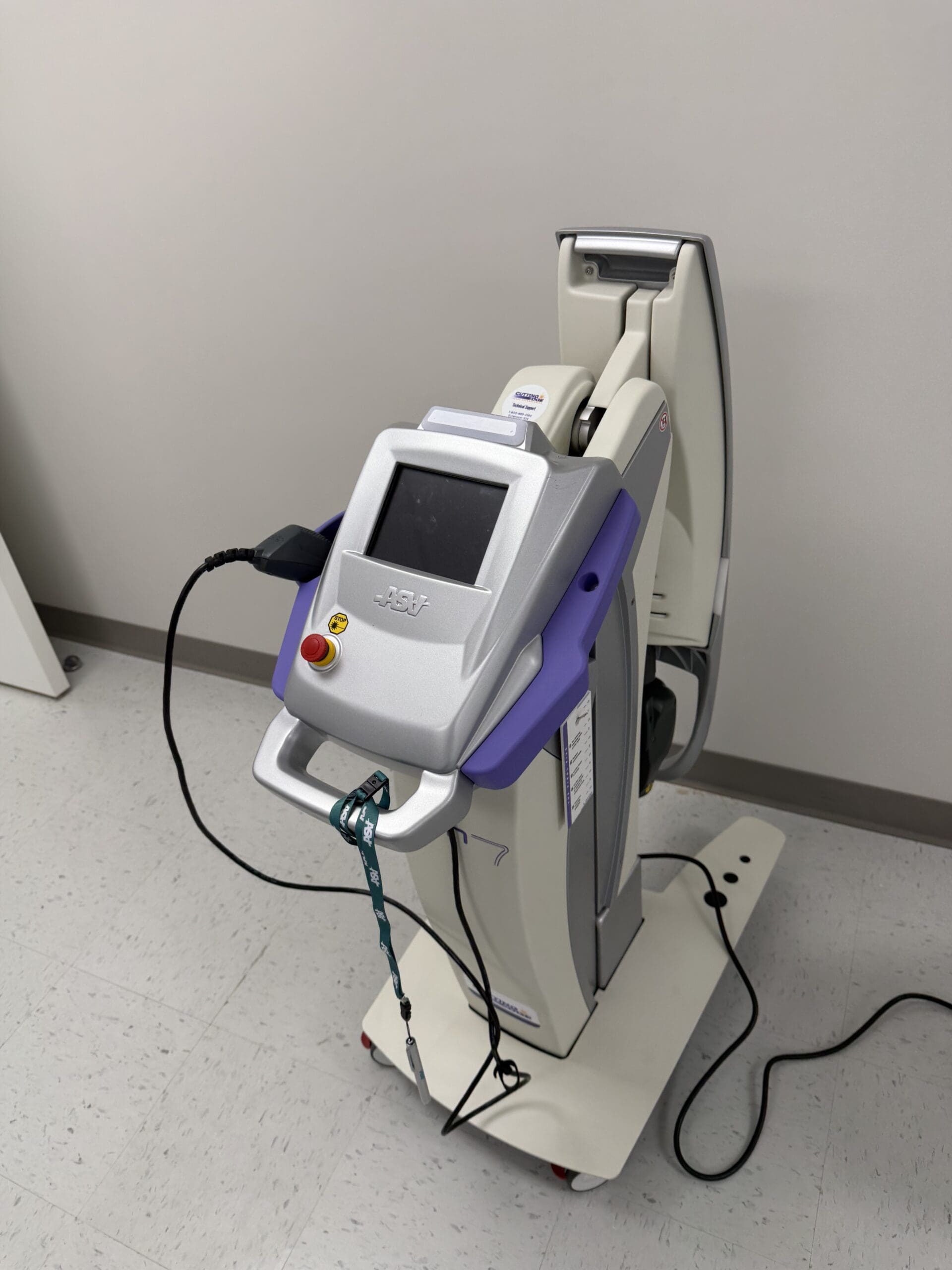
At El Paso Back Clinic, our mission is to merge hands-on chiropractic care, targeted physical therapy, and precision technologies that safely accelerate healing. One modality we employ is MLS laser therapy, a form of photobiomodulation that uses synchronized near-infrared wavelengths to influence cellular energy, microcirculation, and neuroinflammatory signaling. In this post, I reframe a recent procedural walkthrough from my perspective and expand on the physiology, clinical reasoning, and practical protocols we use every day with patients presenting with low back pain, knee osteoarthritis, plantar fasciitis, and other musculoskeletal conditions. The star is not the device; it is the integrated plan that places your spine and movement at the center of care.
Optimizing patient comfort and precision: Why setup matters
Key concepts:
Patient positioning
Direct-to-skin contact when appropriate
Targeting by symptoms and anatomy
Stability during unattended robotic delivery
When I set up laser therapy—especially with a robotic head—my first priority is patient comfort and stability. If a patient shifts during an unattended cycle, the beam may drift from the intended target. For lumbar facet-mediated pain at L4–L5, I position the patient comfortably prone, ensure the treatment field is exposed with direct skin access when using a contact handpiece, and confirm the exact region of maximal tenderness and referral (e.g., right-sided zygapophyseal joint pain with proximal radiation).
To minimize error, I zero the device’s X and Y axes, center the beam over the primary pain generator, then expand the field to include adjacent connective tissue tracks. This is our clinical multimodal approach: treat the source, the site, and the surrounding soft tissue network. By caring for the paraspinal fascia, intermuscular septa, and periarticular tissues, we respect that pain is rarely a single-point phenomenon. Fascia transmits load and communicates mechanosensory signals; addressing it improves regional glide and reduces nociceptive drive.
Why direct skin contact? Tissue optics favor minimal reflection and refraction losses. Air-skin interfaces reflect more energy, especially at certain angles. When we must avoid contact—such as at post-surgical sites or in cases of allodynia—we employ a non-contact, collimated robotic head positioned at an optimal focal distance, measured with a calibrated ruler.
Robotic plus handheld delivery: Complementary tools
Robotic head:
Non-contact, collimated beam; ideal for broad areas, post-surgical sensitivity
Software auto-recalculates dose time when X-Y field size changes
Handheld contact piece:
Tactile feedback for focal trigger points and joint spaces
Allows dynamic, movement-based application during active care
In practice, I often run both channels simultaneously. The robot delivers a uniform, programmable energy density across a defined area while I probe and treat focal trigger points or facet capsules with the handheld. This mirrors how we layer manual therapy with exercise: a global reset paired with local precision.
Dosing by energy density: The language of photobiomodulation
Target dose: typically 4–10 joules/cm², depending on condition and depth
Why density matters more than total joules: tissue dose equals energy per unit area
Auto-time calibration: changing the field size while maintaining the same J/cm² adjusts the total joules and time automatically
We dose by energy density, not just total energy. For example, a lumbar facet region might be set to 6 J/cm². On a larger field, total joules increase, but the cellular dose per square centimeter remains constant, aligning with literature-supported ranges that optimize photobiomodulation responses without tipping into bioinhibition. This reflects the Arndt–Schulz principle: too little energy yields no change, optimal energy stimulates, and excessive energy can dampen biological activity.
The physiology behind pain relief and tissue recovery
Mitochondrial activation:
Photons at near-infrared wavelengths interact with cytochrome c oxidase, improving electron transport and boosting ATP production
Enhanced ATP supports ion pump function, cytoskeletal remodeling, and protein synthesis required for tissue repair
Nitric oxide and microcirculation:
Photo-dissociation of nitric oxide from cytochrome c oxidase and endothelial effects promotes vasodilation and microvascular perfusion, aiding oxygen delivery and metabolite clearance
Neuroinflammatory modulation:
Downregulation of pro-inflammatory cytokines and modulation of glial activity reduce peripheral and central sensitization
Neural effects and immediate analgesia:
Modulation of small-diameter nociceptive fibers and gate-control mechanisms can provide early symptom relief
Collagen and connective tissue remodeling:
Changes in fibroblast activity and collagen organization may improve tendon/ligament structure over time when paired with load-specific rehab
In our clinic, patients sometimes report warmth or a faint tingling, but with synchronized pulsed delivery and short pulse durations, surface heat remains low while energy is effectively absorbed at depth. When tissue temperature stays stable over time, we know we are within the desired window: enough photons to trigger biochemical cascades without superficial overheating.
Why pulsed, dual-wavelength delivery matters
Wavelength pairing:
808 nm: deeper penetration for mitochondrial and vascular effects
905 nm: high peak power in short pulses adds neuromodulatory and analgesic benefits while protecting against thermal buildup
Synchronized pulse trains:
High peak, short duration pulses deliver energy in “packets,” allowing absorption periods between bursts and reducing superficial heat accumulation
These engineering choices align with clinical goals: delivering energy to deeper targets, such as facet capsules or the posterior knee compartment, while preserving patient comfort.
Chiropractic integration: Adjustments, motor control, and fascia
Spinal adjustments:
Restoring joint play at hypomobile segments reduces aberrant mechanoreceptor input and reflex muscle guarding
Fascial glide and soft-tissue work:
Instrument-assisted or hands-on release improves shear planes; laser primes fibroblasts and microcirculation for better tissue response
We pair laser sessions with graded movement to convert biochemical gains into functional patterns
Laser does not replace chiropractic care; it helps us reach the dose of movement sooner by lowering pain and stiffness that otherwise block progress. For example, after an MLS session over L4–L5 facets and paraspinals, we cue diaphragmatic breathing and segmental stabilization to capitalize on reduced nociception and improved circulation.
Case walk-through: Low back facet pain (L4–L5)
Assessment:
Right-sided facet loading pain with limited extension and paraspinal tenderness
No red flags; neurological exam stable
Laser setup:
Patient prone, area exposed; robot field centered over right L4–L5 facet region
Density: 6 J/cm², field expanded to capture paraspinal fascia and myofascial referral zones
Handheld: contact sweeps over identified trigger points
Session length:
Robot 6–10 minutes, depending on field size; handheld 20–30 seconds per trigger point
Immediate follow-up:
Prone press-ups to reassess extension tolerance
Gentle lumbar stabilization exercises to lock in gains
Home plan:
Extension-biased mobility as tolerated, core endurance drills, ergonomic cues
What my patients often notice is not just pain relief within hours but improved ease of movement—the kind of change that allows us to progress from passive care to active loading.
Knee osteoarthritis: Accessing the joint intelligently
Beam access matters:
Anterior patella reflects substantial energy; flexing the knee opens the joint space and reduces reflection
Posterior and medial/lateral approaches improve delivery to synovium and periarticular tissues
Dosing strategy:
Target 4–8 J/cm² per compartment; treat multiple compartments in the same session by apportioning field time
Integration with PT:
Laser to modulate pain and effusion
Progressive quadriceps and hip strengthening, gait retraining, and balance work
Manual therapy for capsular mobility as indicated
While no laser regrows cartilage in advanced bone-on-bone disease, many of our patients experience reduced pain and swelling and better function, which can delay the need for surgery. The goal is to expand the movement envelope required for strength and neuromuscular control.
Acute vs. chronic protocols: Cumulative effects and scheduling
Acute conditions:
Six treatments delivered as close to daily as feasible (e.g., Monday–Wednesday–Friday pattern), aiming for rapid symptom control
Chronic conditions:
Twelve treatments, ideally within four weeks, to build cumulative neuroimmune and mitochondrial effects
Why packages:
Effects are additive; stopping after early relief risks relapse before tissue remodeling and motor reeducation are complete
Reassessment points:
After 3–4 sessions: evaluate pain and function
After 6–12 sessions: progress exercise intensity, reduce passive modalities
Our patients often report noticeable changes 4–6 hours after a session; we encourage them to “test” function later the same day (for example, stair climbing or walk tolerance) to anchor improvements to real-life tasks.
Combining laser with orthobiologics and shockwave
With PRP:
Two to three pre-injection laser sessions to improve local perfusion and tissue readiness
Day-of-injection: protocol tailored to avoid blunting intended inflammatory signaling while supporting analgesia
Six post-injection sessions to enhance microcirculation and cellular energy during proliferative phases
With shockwave:
Laser can reduce pain and prime tissues for mechanical signaling from shockwave
Sequence depends on goals; we often laser first for analgesia, then apply focused shockwave for mechanotransduction, followed by graded loading
Rationale:
Photobiomodulation and mechanotherapy act on complementary pathways—bioenergetics and microcirculation (laser) plus tenocyte activation and neovascular remodeling (shockwave)
Hormonal or medication considerations remain in the background for us; when appropriate, we coordinate with the patient’s prescribing providers to avoid interventions (e.g., routine NSAIDs immediately after PRP) that might dampen desired signaling. Our primary emphasis remains movement-based rehabilitation supported by laser and manual care.
Bone and postoperative considerations
Bone healing:
The evidence base for photobiomodulation in fracture healing exists but varies by device and parameters; in clinical experience, early application within 7–10 days post-fracture may support the inflammatory and early reparative phases. This is commonly considered off-label for certain devices and requires case-by-case judgment and collaboration with the treating orthopedic team
Post-surgical care:
Non-contact robotic delivery allows dosing without skin contact when sensitivity is high
Goals include edema control, pain reduction, and earlier initiation of therapeutic exercise
Dose ceilings and the bioinhibition paradox
Arndt–Schulz law:
Insufficient dose yields no effect; optimal dose stimulates; excessive dose may inhibit
Practical application:
If more time is desired, we distribute energy across multiple approaches (e.g., anterior-posterior or medial-lateral fields) instead of stacking excessive dose on one spot
Patients frequently report a “melting” of stiffness within the same day after an MLS session paired with extension-bias exercise; repeated sessions lower baseline pain and improve extension tolerance, allowing us to progress to anti-rotation and hip hinge training
Knee osteoarthritis:
Combining posterior-compartment laser dosing with patellar mobilization and quadriceps strengthening reduces pain during sit-to-stand and stair negotiation within two to three weeks; gains consolidate when patients adhere to home-based strength and balance work
Plantar fasciitis:
Laser applied to the medial calcaneal region and along the plantar fascia with calf mobility and foot intrinsics training shortens the “first-step” pain window and speeds return to walking programs
Post-injection care:
In patients receiving PRP from collaborative providers, pre- and post-injection laser often reduces pain spikes and supports earlier initiation of controlled loading, which in turn improves functional outcomes at 6–12 weeks
Safety, reliability, and patient communication
Safety profile:
Proper eyewear, attention to reflective surfaces, and adherence to dosing ranges keep risk low
Device reliability:
Modern systems include field service support; routine calibration and training ensure consistent delivery
Expectations:
We counsel that pain did not develop in ten minutes and will not vanish in ten; however, many feel better within hours, see consistent improvement after three sessions, and sustain gains with a full plan of care
Putting it all together: A typical plan
Evaluation:
History, movement assessment, palpation, neurological screen, and imaging if indicated
Plan creation:
Define primary pain generators and movement deficits
Choose laser parameters (wavelengths, pulsing, J/cm²) and field geometry
Integrate manual therapy and exercise blocks within each visit
Visit flow:
Laser (robotic field + handheld focal points)
Manual therapy for joint and soft tissue restrictions
Targeted exercises (mobility, motor control, strength)
Education and home program
Progression:
Increase exercise intensity as pain decreases
Taper passive modalities
Reassess goals every 3–4 sessions
Why these techniques work, in plain terms
Pain is both chemical and mechanical. Laser modifies the chemical environment (reduces inflammatory signaling, increases ATP, improves microcirculation). Chiropractic and rehab address the mechanical side (joint motion, tissue glide, strength, coordination). Combining them tackles the problem from both angles
The nervous system adapts to pain by inhibiting movement. Rapid analgesia from laser helps unlock motor patterns so we can retrain stability and strength sooner
Tissues heal under the right load. Once pain is controlled and circulation improved, progressive loading guides collagen alignment and muscle conditioning for durable outcomes
Evidence-based grounding
Photobiomodulation has a growing body of research demonstrating analgesic, anti-inflammatory, and pro-recovery effects in musculoskeletal conditions. Rigorous, modern methodologies—randomized controlled trials, dose–response investigations, and consensus guidelines—support dosing in the 4–10 J/cm² range for many superficial-to-moderate-depth targets and highlight the importance of wavelength, pulse structure, and treatment frequency. Clinical effectiveness is maximized when photobiomodulation is embedded within active rehabilitation rather than used in isolation.
If you are considering care at El Paso Back Clinic, our team will assess your unique presentation and craft an integrative plan that prioritizes spinal mechanics, movement, and function—leveraging laser therapy where it adds value and always keeping the emphasis on your long-term resilience.
El Paso Personal Injury and Work Injury Chiropractor
Abstract
Personal injury and work injury recovery should focus on more than short-term pain relief. At an integrative chiropractic clinic in El Paso, the goal is to help the body heal, restore movement, reduce inflammation, and improve daily function. This article explains how integrative chiropractic care, functional medicine, rehabilitation, soft-tissue therapy, therapeutic ultrasound, and nutritional counseling may support recovery after car accidents, whiplash, slips and falls, work injuries, and muscle or ligament strains. It also explains why proper documentation is important in personal injury cases and why ethical care should always be based on medical need rather than referral pressure. When care is evidence-based, patient-focused, and well-documented, it can support both healing and clear communication between patients, healthcare providers, attorneys, and insurance companies.
El Paso Integrative Chiropractic Care for Injury Recovery
When a person is injured in a motor vehicle accident, workplace incident, or slip and fall, the body often reacts in several ways at once. Pain may start in the neck, back, shoulder, hip, or knee, but the injury can also affect the nervous system, soft tissues, spinal joints, ligaments, and muscles.
At El Paso Back Clinic, the approach to care is based on helping the whole person, not just chasing symptoms. This matters because pain is often only one part of the injury story. A patient may also have stiffness, headaches, poor sleep, muscle weakness, inflammation, nerve irritation, or fear of movement after trauma.
Integrative chiropractic care combines several tools to help the body recover, including:
Chiropractic adjustments to improve joint motion
Rehabilitation exercises to restore strength and coordination
Soft-tissue therapy to reduce muscle tightness and scar-like adhesions
Functional medicine support to address inflammation, nutrition, and recovery health
Nutritional counseling to support tissue healing
Objective documentation to track injuries, progress, and medical needs
El Paso Back Clinic describes integrative chiropractic care as a whole-person model that may include chiropractic care, exercise, nutrition, lifestyle support, and complementary therapies to address the root causes of pain and dysfunction (El Paso Back Clinic, n.d.).
Why Personal Injury and Work Injuries Need a Whole-Body Plan
After trauma, the body often enters a protective state. Muscles tighten to guard injured areas. Joints may stop moving normally. Inflammation increases as the immune system sends repair cells to damaged tissues. Nerves may become more sensitive. This is a normal healing response at first, but when it lasts too long, it may lead to chronic pain and poor movement.
This is why injury care should not only ask, “Where does it hurt?” It should also ask:
What tissue was injured?
What movement is limited?
Is there nerve involvement?
Is the pain caused by inflammation, joint restriction, muscle guarding, or all three?
What daily activities are affected?
What treatment is medically necessary?
Is imaging or referral needed?
In my clinical observations, many patients hurt after crashes or work injuries try to push through pain. Some wait days or weeks before getting evaluated. This can be a problem because untreated injuries may lead to more stiffness, poor posture, weaker muscles, and longer recovery times.
A careful exam helps identify the problem early. This may include checking range of motion, muscle strength, reflexes, sensation, joint movement, posture, walking patterns, and signs of nerve irritation.
Chiropractic Adjustments and Spinal Joint Motion
Chiropractic adjustments are used to help restore motion to spinal and extremity joints that are not moving well. After an injury, a joint may become restricted because of swelling, muscle guarding, or altered body mechanics. When one area stops moving properly, another area may overwork to compensate.
For example, after a rear-end collision, the neck may lose its normal range of motion because the muscles tighten to protect the cervical spine. The upper back may also become stiff. This can lead to headaches, shoulder tension, and pain with turning the head.
A proper chiropractic adjustment is a controlled treatment. The goal is not to “crack the spine” for quick relief. The goal is to improve joint mobility, reduce mechanical stress, and help the nervous system receive better movement signals from the body.
Chiropractic care may help support recovery from:
Whiplash-related neck pain
Low-back pain after a crash
Mid-back pain from seatbelt trauma
Hip or pelvic restriction after a fall
Headaches linked to neck dysfunction
Work-related lifting injuries
Shoulder and extremity movement problems
Research-based guidelines support the use of non-drug treatments, including spinal manipulation, exercise, massage, and multidisciplinary care, for many types of low-back pain when clinically appropriate (American College of Physicians, 2017).
Whiplash Injury Care and Neck Rehabilitation
Whiplash is one of the most common injuries after a motor vehicle accident. It happens when the head and neck move suddenly forward and backward or side to side. This rapid motion can strain muscles, ligaments, joints, discs, and nerves.
Whiplash symptoms may include:
Neck pain
Headaches
Upper-back tightness
Shoulder pain
Dizziness
Jaw tension
Numbness or tingling
Poor sleep
Pain with driving or computer work
Whiplash is not always visible on a basic X-ray. That does not mean the pain is not real. Many whiplash injuries involve soft tissues, which include muscles, ligaments, tendons, fascia, and joint capsules.
A strong whiplash care plan may include:
Gentle chiropractic adjustments or mobilization
Soft-tissue therapy
Neck-specific strengthening exercises
Posture training
Home exercise instruction
Gradual return to normal activity
Monitoring for neurological symptoms
Modern whiplash research supports multimodal care. This means combining manual therapy, exercise, education, and self-management rather than relying on a single treatment method (Bussières et al., 2016). This is important because whiplash recovery requires both pain control and movement retraining.
Soft-Tissue Therapy and Muscle Recovery After Injury
After trauma, muscles often tighten to protect the injured area. This is called muscle guarding. At first, guarding may help prevent further injury. Over time, however, it can create stiffness, trigger points, pain with movement, and poor posture.
Soft-tissue therapy may help improve tissue movement and reduce tightness. This may include hands-on therapy, stretching, myofascial work, instrument-assisted techniques, massage-style therapy, or therapeutic modalities.
Soft-tissue care is often used for:
Muscle strains
Ligament sprains
Scar tissue
Trigger points
Whiplash-related muscle guarding
Work-related overuse injuries
Back and neck stiffness
The goal is to prepare the body for better movement. Soft-tissue therapy may reduce pain enough for the patient to participate in rehabilitation exercises. This is important because long-term recovery depends on restoring strength and control, not only reducing soreness.
Therapeutic Ultrasound in Chiropractic Injury Care
Therapeutic ultrasound is a treatment tool that uses sound-wave energy to support soft-tissue care. It is often used in chiropractic and rehabilitation settings for muscles, tendons, ligaments, and joint stiffness.
The clinical goal of ultrasound may include:
Improving local tissue circulation
Reducing stiffness
Helping tight tissues relax
Supporting soft-tissue healing
Preparing tissues for stretching or movement
Decreasing pain in selected conditions
For personal injury care, therapeutic ultrasound may be considered for soft-tissue injuries such as whiplash strain, muscle spasm, sprains, or tendon irritation.
However, it should be used with clear reasoning. Ultrasound should not be added only to increase billing or create more treatment visits. It should match the patient’s exam findings and recovery goals.
In personal injury cases, ultrasound treatment notes may help show that care was provided and tracked. Still, the strongest documentation comes from the full clinical record, including the injury history, examination findings, diagnosis, functional limits, treatment plan, progress notes, and medical necessity.
Research on therapeutic ultrasound is mixed and depends on the condition being treated. Some studies show benefits for pain and function in certain musculoskeletal conditions, while other studies show limited or uncertain results. This is why ultrasound should be used as part of a broader evidence-informed plan, not as a stand-alone cure.
Functional Medicine and Nutrition for Better Healing
Injury recovery is not only mechanical. It is also biological. The body needs the right internal environment to heal. This includes proper protein, vitamins, minerals, hydration, sleep, and inflammation control.
Functional medicine looks at the body as a connected system. In personal injury care, this may include reviewing:
Inflammation
Blood sugar balance
Nutrient status
Digestive health
Sleep quality
Stress response
Energy levels
Recovery barriers
For example, a patient who eats poorly, sleeps badly, and has high stress may take longer to recover. A patient with low protein intake may struggle to rebuild muscle. A patient with high inflammation may feel more pain and stiffness.
Nutritional support may focus on:
Protein for tissue repair
Vitamin C for collagen support
Omega-3 fatty acids for inflammation balance
Vitamin D for muscle and immune function
Magnesium for muscle and nerve support
Hydration for circulation and tissue health
Whole foods to reduce processed-food inflammation
Clinical nutrition research continues to show that diet can affect immune function, recovery, tissue repair, and rehabilitation outcomes (Kozjek et al., 2025; Turnagöl et al., 2021).
Rehabilitation Exercises and Functional Movement
Pain relief is important, but it is not the final goal. The final goal is better function. A patient should be able to move, work, sleep, drive, lift, walk, and return to daily life with more confidence.
Rehabilitation exercises help rebuild the body after injury. These exercises may focus on:
Core stability
Neck strength
Hip and pelvic control
Balance
Posture
Mobility
Coordination
Safe lifting mechanics
Return-to-work movement patterns
After an injury, the nervous system may avoid certain movements because it expects pain. This can lead to weakness and stiffness. Guided rehabilitation helps the body learn that movement is safe again when done properly.
For example, a patient with low-back pain may need core and hip exercises. A whiplash patient may need deep neck flexor training. A worker with shoulder strain may need scapular stability and rotator cuff control.
This is why rehabilitation is often paired with chiropractic adjustments. The adjustment helps improve motion. The exercise helps the patient keep and control that motion.
Personal Injury Documentation and Attorney Communication
In personal injury cases, proper documentation is very important. Attorneys often look for healthcare providers who can clearly explain what happened, what was injured, what treatment was needed, and how the injury affected the patient’s life.
Strong chiropractic records may include:
Mechanism of injury
Date of injury
Pain location
Functional limitations
Orthopedic test findings
Neurological findings
Range-of-motion measurements
Diagnosis
Treatment plan
Patient response
Progress or setbacks
Referrals or imaging needs
This does not mean the chiropractor works for the attorney. The chiropractor works for the patient’s health. Good documentation simply helps show the truth of the injury and the care provided.
Personal injury attorneys often value chiropractors who use evidence-based care, maintain clear notes, provide objective findings, and develop reasonable treatment plans. These records may help explain the injury claim, but they must always be based on honest clinical findings.
Ethical Chiropractor and Attorney Referral Relationships
Attorney-chiropractor relationships can be helpful when they are built on patient care, communication, and honest documentation. Injured patients may need legal help, and attorneys may need medical records that clearly explain the injury.
But these relationships must be ethical.
A patient should avoid any system where treatment is driven mainly by money, referrals, or inflated bills. Some legal and healthcare experts warn about “settlement mill” patterns. In these situations, patients may be sent to the same providers over and over, receive unnecessary treatment, or end up with high medical bills that do not match their true medical needs.
Ethical care should be based on:
Medical necessity
Patient choice
Accurate diagnosis
Reasonable treatment frequency
Clear documentation
Progress-based care
Referral when needed
No hidden pressure
A reputable attorney may recommend providers, but the patient should still have the right to choose. A reputable chiropractor should make treatment decisions based on the patient’s condition, not because of a referral relationship.
The El Paso Back Clinic Approach to Injury Recovery
The El Paso Back Clinic model fits well with personal injury and work injury care because it focuses on whole-person recovery. A strong injury plan should not be random. It should follow a clear clinical path.
That path may include:
Step One: Careful Evaluation The provider reviews the accident or work injury, symptoms, medical history, movement, neurological signs, pain patterns, and red flags.
Step Two: Diagnosis and Clinical Reasoning The provider identifies likely injured tissues and explains why certain treatments may help.
Step Three: Chiropractic and Soft-Tissue Care Adjustments, mobilization, and soft-tissue therapy may be used to improve motion and reduce guarding.
Step Four: Rehabilitation and Functional Movement Exercises are added to restore strength, posture, balance, and safe movement.
Step Five: Functional Medicine and Nutrition The provider may review diet, inflammation, sleep, hydration, and recovery barriers.
Step Six: Documentation and Progress Tracking The care plan is updated based on patient response, objective findings, and functional improvement.
In my clinical observations, patients often do best when they understand the “why” behind care. When patients understand why they are doing exercises, why nutrition matters, and why follow-up is necessary, they are more likely to stay engaged in their recovery.
Telemedicine and Follow-Up Support in Injury Care
Telemedicine can also support modern injury care. It does not replace hands-on examination or treatment when those are needed, but it can help patients stay connected between visits.
Telemedicine may help with:
Reviewing symptoms
Updating home exercises
Discussing nutrition
Monitoring recovery
Reviewing red flags
Coordinating referrals
Supporting follow-up care
This can be useful for patients with transportation problems, work schedules, or ongoing pain that makes frequent travel difficult. El Paso Back Clinic has discussed telemedicine as part of integrative injury care and patient support (El Paso Back Clinic, n.d.).
Conclusion
Personal injury and work injury recovery should be based on more than short-term pain relief. A strong care plan should help restore movement, strength, nerve function, soft-tissue health, nutrition, and daily function.
At an integrative chiropractic clinic such as El Paso Back Clinic, care may include chiropractic adjustments, rehabilitation, soft-tissue therapy, therapeutic ultrasound when appropriate, functional medicine, and nutritional counseling. This approach helps address both the mechanical and physiological sides of healing.
For patients and attorneys, the best care is honest, ethical, well-documented, and medically necessary. When treatment is based on the patient’s real needs, it can support recovery while also creating clear records that explain the injury and the path toward better function.
IFM's Find A Practitioner tool is the largest referral network in Functional Medicine, created to help patients locate Functional Medicine practitioners anywhere in the world. IFM Certified Practitioners are listed first in the search results, given their extensive education in Functional Medicine