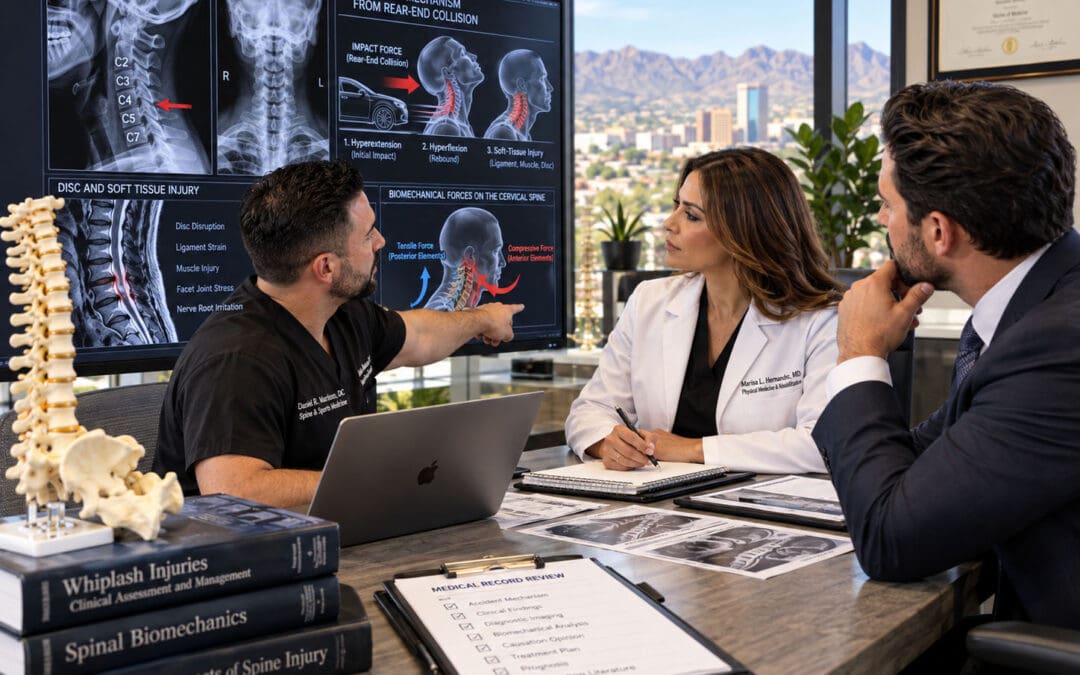
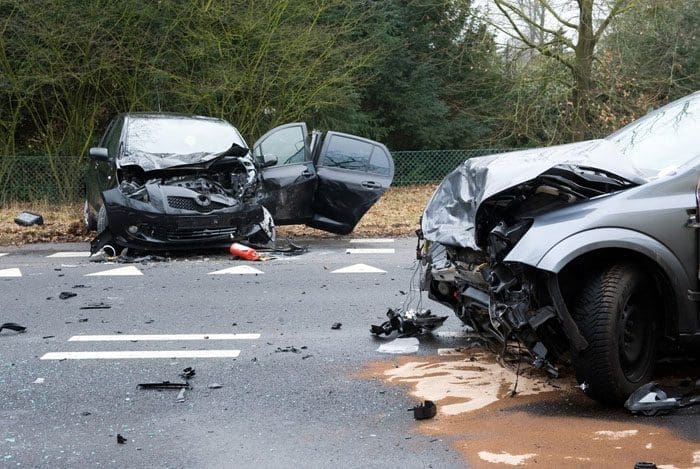
Back Clinic Collision & Injury Dynamics Therapeutic Team. The mathematical principles of collision physics are complex and unique for each accident. However, they can be simplified, as many of the forces involved are so small that for practical purposes, they are insignificant. Importantly, these principles often support the position of the patient and their doctor.
Car accidents can be devastating! Many people suffer through the agony and pain car accidents cause their bodies, and many times they have no idea of what to do. People will go to the emergency room and be prescribed medication and sent home. The hospital does not realize that these people are still in pain and often can’t work for days after their accident.
That’s where I come in, and I make sure the patient receives a thorough evaluation to determine how much damage was done to them after their collision. Then I will treat the patient according to what they need to get back to the quality of life they enjoyed before their car accident. So if you’ve been in a motor vehicle collision and don’t know what to do, please give us a call today at 915-850-0900. I’ll make sure you get the care you deserve.
Annular Tear and Disc Height Loss After Loop 375 Lateral Impact: Mechanism-to-MRI Linkage
A high-speed side impact on El Paso’s Loop 375 can transmit focused lateral shear, axial compression, and rotational forces through the lumbar or cervical spine in a fraction of a second. When those force vectors exceed the tensile strength of the annulus fibrosus—particularly its relatively weaker posterolateral fibers—an acute annular tear can form, allowing nuclear material to migrate and producing measurable disc height loss visible on MRI. At Injury Medical Clinic PA in El Paso, the multidisciplinary team of Dr. Alex Jimenez, DC, APRN, FNP-BC, CFMP, IFMCP (Texas License #1191402, Prescriptive Authority #59628, NPI 1205907805) and Medical Director Dr. Maria Guadalupe Cardenas, MD (Board Certified Internal Medicine, Texas License #J2933, NPI 1164426748), systematically links these biomechanical mechanisms to objective imaging so that clinical and proximate causation are clear for patients and attorneys.
How a Loop 375 Lateral Impact Generates Disc Injury
Loop 375 (Joe Battle Boulevard and related segments) is a high-volume corridor where lane changes, side-swipes, and T-bone or angle collisions are common. In a pure lateral impact, the striking vehicle imparts a force vector roughly perpendicular to the struck vehicle’s longitudinal axis. Occupants experience rapid lateral torso acceleration while the pelvis and lower extremities lag or rotate, creating shear across the intervertebral discs and facet joints. At the same time, the sudden change in velocity produces axial compression and, often, a twisting moment as the body rebounds against the seatbelt or door.
The annulus fibrosus consists of concentric lamellae whose fiber orientation alternates for strength; however, the posterolateral region contains a higher proportion of vertically oriented fibers and is a known site of relative weakness (StatPearls, 2023). When lateral shear and rotation are superimposed on compression, these fibers can separate, producing a radial or transverse annular tear. Nuclear material may then extrude or lose hydration and volume, resulting in a measurable reduction in disc height at the affected level. Because the forces are asymmetric, the tear and height loss are often unilateral or more pronounced on the side of impact—an important morphologic clue when compared with the more uniform, multilevel pattern of ordinary age-related degeneration.
MRI Linkage: Reading the Images Through the Force Vectors
On T2-weighted MRI, an acute annular tear typically appears as a high-intensity zone (HIZ)—a focal bright signal within the normally dark annulus caused by increased water content and inflammatory fluid (StatPearls, 2023; Teraguchi et al., 2022). Supporting signs of acute traumatic change, as opposed to a chronic degenerative baseline, include:
A single or dominant level of abnormality that matches the predicted biomechanics of the impact (for example, L4-L5 or L5-S1 after a low lumbar lateral load, or mid-cervical levels after a higher side-impact).
Asymmetric height loss or annular signal that is greater on the side of the force vector.
Associated soft-tissue findings such as ligamentous edema, facet fluid, or paraspinal muscle signal change at the same or adjacent levels.
Higher T2 hyperintensity and involvement of the outer third of the annulus are more consistent with traumatic disruption than the lower-intensity, inner-two-thirds fissures typical of slow degenerative breakdown (Khurana et al., 2025).
Degenerative disc disease is extremely common and increases with age; imaging studies of asymptomatic volunteers show annular fissures in roughly 19–29% of adults depending on the decade (Brinjikji et al., as cited in clinical radiology reviews). The clinic therefore never equates the mere presence of an HIZ or reduced disc height with trauma. Instead, the team correlates the precise morphology, laterality, and associated acute soft-tissue changes with the documented mechanism, the patient’s immediate post-collision symptoms, and serial clinical examinations. When pre-existing degeneration is present, the records explicitly separate the baseline findings from the new traumatic aggravation—language that prevents defense arguments that “the MRI only shows wear and tear.”
Distinguishing Acute Traumatic Change from Degenerative Baseline
Clear, plain-language documentation is essential. An example of phrasing used in clinic notes and narrative reports reads: “The left posterolateral L4-L5 annular high-intensity zone and 2 mm asymmetric disc-height reduction are morphologically and temporally consistent with the lateral shear and rotational forces of the 14 July Loop 375 side-impact collision. These findings differ from the mild, symmetric multilevel disc desiccation and small inner annular fissures that represent age-related baseline change.” Such statements rest on the mechanism-to-MRI linkage rather than on the radiologist’s impression alone. Digital imaging, functional testing (range-of-motion, neurologic, and strength measures), and Colossus-compliant electronic records further corroborate that the structural changes produce the patient’s objective functional deficits.
Future-Care Modeling with ESWT and Non-Surgical Decompression
Once causation is established, the clinic models evidence-based future care to address both the annular tear and height loss. Non-surgical spinal decompression creates controlled negative intradiscal pressure that can increase disc height and reduce pain; one retrospective cohort demonstrated a statistically significant correlation between restored disc height and decreased low-back pain scores (Apfel et al., 2010). Additional studies confirm improvements in radicular pain and disc morphology after motorized decompression protocols (Choi et al., 2022; Egyptian Rheumatology and Rehabilitation, 2019).
Extracorporeal shock-wave therapy (ESWT) supplies a complementary biologic stimulus. In laboratory models, low-energy ESWT combined with low-tension traction has been shown to restore disc height, improve rehydration, and reduce matrix-degrading enzymes (MMP-3, MMP-13, ADAMTS-4), thereby reshaping the microenvironment for repair (Spine Journal, 2021). Clinical series report pain reduction and facilitation of herniation resorption when ESWT is integrated into staged conservative care (Orthopedic Reviews, 2026; Rehabilitation Medicine, 2024). Because both modalities are non-invasive and drug-free, they align with non-maleficence: they lower the risk of progression to surgery or long-term opioid dependence while still delivering measurable structural and symptomatic benefit.
In the future-care cost spreadsheet these interventions appear as a defined course of decompression sessions (typically 20–30 over 6–8 weeks) plus a series of ESWT treatments, accompanied by supportive chiropractic adjustments, neurofunctional acupuncture or electroacupuncture, and functional-medicine laboratory monitoring directed by Dr. Cardenas. The combination targets root-cause healing—restoring disc height and annular integrity where possible, reducing inflammatory cytokines, and improving segmental stability—rather than merely masking pain (beneficence). Patients receive clear education about expected timelines, self-care strategies, and how the plan coordinates with any outside specialists they already see, preserving autonomy and informed decision-making.
Documentation That Withstands Scrutiny
Every element—mechanism narrative, MRI description distinguishing acute from baseline change, functional deficits, and itemized future-care costs—is recorded in a manner suitable for letters of protection and deposition. The dual-licensed perspective of Dr. Jimenez (structural alignment plus advanced practice medical diagnostics), together with Dr. Cardenas’s internal-medicine oversight, supplies both the biomechanical and medical foundation attorneys require. The result is a transparent, mechanism-linked record that supports the patient’s recovery while meeting El Paso personal-injury litigation evidentiary standards.
Patients and counsel seeking this level of integrated causation analysis and future-care planning may contact Injury Medical Clinic PA for a coordinated evaluation.
References
Apfel, C. C., Cakmakkaya, O. S., Martin, W., Richmond, C., Macario, A., George, E., Schaefer, M., & Pergolizzi, J. V. (2010). Restoration of disk height through non-surgical spinal decompression is associated with decreased discogenic low back pain: A retrospective cohort study. BMC Musculoskeletal Disorders, 11, Article 155. https://doi.org/10.1186/1471-2474-11-155
Choi, E., Gil, H. Y., Ju, J., Han, W. K., Nahm, F. S., & Lee, P. B. (2022). Effect of nonsurgical spinal decompression on intensity of pain and herniated disc volume in subacute lumbar herniated disc. International Journal of Clinical Practice, 2022, Article 6343837. https://doi.org/10.1155/2022/6343837
Rehabilitation Medicine. (2024). Effect of extracorporeal shock wave therapy on different types of lumbar disc herniation. Rehabilitation Medicine, 34(1), 84–89.
Spine Journal. (2021). Low energy extracorporeal shock wave therapy combined with low tension traction can better reshape the microenvironment in degenerated intervertebral disc regeneration and repair. The Spine Journal, 21(1), 160–177. https://doi.org/10.1016/j.spinee.2020.08.012
El-Sayed, A. M., et al. (2019). Spinal decompression therapy as an alternative modality for management of low back pain and radicular pain caused by lumbar disc herniation or protrusion. Egyptian Rheumatology and Rehabilitation, 46, 161–168. https://doi.org/10.4103/err.err_34_18
Brinjikji, W., Luetmer, P. H., Comstock, B., Bresnahan, B. W., Chen, L. E., Deyo, R. A., Halabi, S., Turner, J. A., Avins, A. L., James, K., Wald, J. T., Kallmes, D. F., & Jarvik, J. G. (2015). Systematic literature review of imaging features of spinal degeneration in asymptomatic populations. American Journal of Neuroradiology, 36(4), 811–816. https://doi.org/10.3174/ajnr.A4173
Speeding and Aggressive Driving Motor Vehicle Accidents: Causes, Dangers, and How Integrative Care Supports Recovery
Speeding and aggressive driving cause thousands of serious crashes every year. These collisions occur when drivers ignore traffic laws, putting other people’s safety at risk. The results often include painful injuries to the neck, back, and spine that can last for months or years if not treated properly.
This article explains what these dangerous behaviors are, why they happen, and the real risks they create. It also shows how integrative chiropractic clinics use a team approach to help people heal from the physical damage these crashes cause. Understanding the problem is the first step. Knowing your recovery options is next.
What Are Speeding and Aggressive Driving?
These terms describe different but related problems on the road.
Speeding means driving faster than the posted speed limit or faster than conditions safely allow. This includes going too fast in heavy rain, at night, or on wet roads. Nearly one in three traffic deaths across the country involves speeding. It remains one of the most common and deadly driving mistakes.
Aggressive driving is a pattern of moving violations that endanger other drivers or property. The National Highway Traffic Safety Administration describes it as a combination of two or more risky actions, such as tailgating, improper passing, running red lights, or weaving through traffic. These behaviors show a clear disregard for the rules and for other people’s safety.
Road rage is different. While aggressive driving is a traffic violation, road rage involves intentional violent acts with a vehicle or weapon. It often starts from a traffic dispute but turns into a criminal assault. Examples include ramming another car or forcing someone off the road.
Why Do These Crashes Happen?
Most people do not plan to drive dangerously. Several common factors push drivers into these behaviors:
Feeling rushed or late for work, appointments, or family obligations
Frustration from sitting in traffic congestion
The feeling of being anonymous inside a vehicle, which can lower normal social inhibitions
Stress from daily life that spills over into driving
Traffic jams are a major trigger. Drivers may make sudden lane changes or accelerate to pass slower vehicles, creating dangerous situations for everyone nearby.
When these actions combine with high speed, reaction time drops sharply. A driver going much faster than surrounding traffic has far less time to stop or steer away from trouble.
The Real Hazards of Speed and Aggression
Higher speeds make crashes much more severe. The chance of dying or suffering serious injury rises quickly as speed increases. Research shows this risk can double for every 10 miles per hour over 50 mph. At higher speeds, the force of impact grows dramatically, and safety features like guardrails and seat belts become less effective at protecting people.
Aggressive moves such as tailgating and erratic lane changes further reduce the time everyone has to react. These crashes often produce stronger forces on the body, leading to more serious damage to muscles, ligaments, discs, and nerves.
In Texas and across the country, officials track these behaviors because they contribute to a large share of serious injury and fatal crashes. Resources from the Texas Department of Insurance and the Governors Highway Safety Association offer practical tips for staying safe and reporting dangerous drivers.
Common Injuries After Speeding and Aggressive Driving Crashes
High-impact collisions frequently cause:
Whiplash and neck strain
Herniated or bulging discs in the spine
Soft tissue damage to muscles, tendons, and ligaments
Pinched nerves that send pain, numbness, or tingling into the arms or legs
Joint injuries in the shoulders, hips, or back
These injuries can feel minor at first but often worsen over days or weeks. Without proper care, scar tissue can form, leading to long-term stiffness, chronic pain, and reduced mobility.
How Integrative Chiropractic Clinics Support Healing
Integrative clinics focus on restoring the body’s natural function rather than masking symptoms. They combine structural care with advanced tissue repair therapies. This approach helps people recover from the specific trauma caused by high-speed and aggressive driving crashes.
At Injury Medical Clinic PA (also known as El Paso Back Clinic) in El Paso, Texas, care is built around a multidisciplinary model. Dr. Alexander Jimenez, DC, APRN, FNP-BC, CFMP, IFMCP, ATN, CCST, brings more than 30 years of experience treating thousands of patients with neck, back, and soft-tissue injuries resulting from car accidents. His clinical observations show that combining precise chiropractic adjustments with regenerative and rehabilitative therapies often helps patients regain mobility and reduce pain while lowering the chance of long-term problems.
Dr. Maria Guadalupe Cardenas, MD, a board-certified internal medicine physician with over 40 years of experience (NPI #1164426749, Texas MD License #J2933), serves as Medical Director and Collaborative Physician. She provides medical oversight for the entire care team. This setup is common in integrative injury clinics. The MD ensures that treatments are safe for patients with other health conditions, while the chiropractor focuses on alignment and nervous system function. Together with functional medicine, personal injury documentation, and rehabilitation services, the team creates personalized plans that address both the immediate injury and the whole person.
Specific Therapies Used for High-Impact Accident Recovery
Clinics like this one use several proven methods together:
Spinal Decompression gently creates negative pressure in the spine. This helps relieve pressure on compressed discs and pinched nerves in the neck and back, easing both local and radiating pain.
MLS Laser Therapy uses specific wavelengths of light to support cellular repair. It can reduce inflammation and calm damaged soft tissues without surgery or drugs.
Shockwave Therapy delivers deep acoustic waves to injured muscles and tendons. It helps break up painful scar tissue and encourages fresh blood flow to the area, speeding the body’s natural repair process.
Regenerative Therapies (PRP, PFP, and MFAT) use the patient’s own healing elements. Platelet-Rich Plasma (PRP) and Platelet-Poor Plasma (PFP) concentrate growth factors from blood to support ligament and tendon repair. Micro-Fragmented Adipose Tissue (MFAT) uses processed fat tissue to provide cushioning and healing signals to damaged joints. These treatments are especially beneficial after the forceful impacts common in speeding-related crashes.
Epidural Spinal Injections, administered under direct medical supervision, deliver anti-inflammatory medication to the area around irritated nerves. They can calm severe spinal inflammation when other steps need extra support.
IV Infusion Therapy delivers hydration, vitamins, and minerals straight into the bloodstream. This supports the body’s internal healing environment and helps combat the fatigue that often follows major trauma.
Chiropractic Care uses targeted manual adjustments to restore proper joint movement, ease nervous system stress, and improve range of motion. It forms the foundation for structural recovery.
When these therapies work together under coordinated medical and chiropractic oversight, many patients experience faster relief and better long-term function.
Why a Team Approach Matters
Recovering from injuries caused by speeding or aggressive drivers is rarely simple. Pain in one area can affect posture, sleep, and daily movement. An integrated team addresses these connections.
Dr. Cardenas’s medical direction helps guide care for patients with complex health histories. Dr. Jimenez’s dual training as a chiropractor and nurse practitioner allows seamless blending of structural correction with functional and rehabilitative strategies. The result is care that treats the whole injury, not just the painful spot. Early intervention is especially important because it can limit scar tissue formation and help prevent chronic pain patterns.
Staying Safe and Starting Recovery
Prevention remains the best protection. Simple habits help: leave extra space in front of your vehicle, avoid tailgating, use turn signals, and manage stress before getting behind the wheel. If another driver acts aggressively, do not engage. Stay calm, keep distance, and report serious threats to authorities when it is safe.
If you have already been in a crash involving speeding or aggressive driving, even a “minor” one, get evaluated promptly. Delayed symptoms are common with whiplash and spinal injuries. A thorough assessment can catch problems before they become harder to treat.
Integrative clinics in El Paso and similar communities offer coordinated care that combines chiropractic precision, regenerative support, and medical oversight. This approach gives many people a clearer path back to comfortable movement and daily life.
Car Accident Shoulder and Arm Injury Care in El Paso
Motor vehicle accidents happen suddenly and can have a lasting impact on your body. Seatbelts save lives, but the forces involved often cause arm and shoulder injuries. These problems range from strains that heal with time to more serious tears that affect work, sleep, and daily activities. At El Paso Back Clinic, patients receive caring, complete support to address these injuries and get back to feeling like themselves.
This guide explains common arm and shoulder injuries from car crashes, why they occur, which symptoms to watch for, and how an integrative approach can help with healing. The focus is on clear, practical steps for recovery right here in El Paso.
How Car Accidents Lead to Shoulder and Arm Problems
In a crash, your body stops or changes direction rapidly. Seatbelts hold you in place but can press hard across the shoulder. Your arms may hit the steering wheel, dashboard, or door. Bracing for impact by gripping the wheel tightly adds strain. Even whiplash from the neck can send pain into the shoulders and arms.
Main causes include:
Direct impact from inside the vehicle.
Seatbelt restraint pulling on the shoulder.
Sudden jarring or twisting motions.
Airbag deployment or bracing reactions.
The shoulder is a complex ball-and-socket joint. It allows a wide range of motion but becomes vulnerable in accidents. At El Paso Back Clinic, experts understand these patterns and create personalized plans for El Paso residents and visitors.
Common Types of Injuries After a Crash
A diverse array of arm and shoulder injuries results from auto accident trauma. The precise nature of the harm depends on how the body is jolted and where impact occurs.
Rotator Cuff Tears: These involve the muscles and tendons that stabilize the shoulder. Tears cause pain when lifting the arm, weakness, and nighttime discomfort. Partial or full tears are common in crashes.
Fractures: The collarbone, upper arm bone, or shoulder blade can break. Symptoms include sharp pain, swelling, and trouble moving the arm. Proper imaging and care are essential.
Dislocations and Instability: The upper arm bone may shift out of the socket. This leads to severe pain and limited motion. Follow-up care prevents future problems.
Sprains, Strains, and Soft Tissue Damage: Ligaments, muscles, and tendons can stretch or tear. Bruising and inflammation add to the pain. Nerve irritation may cause numbness or tingling down the arm.
Early diagnosis at a local clinic like El Paso Back Clinic helps prevent small issues from becoming long-term problems.
Symptoms That Should Not Be Ignored
Pain might not show up immediately due to the body’s stress response. Delayed symptoms are very common.
Typical warning signs:
Aching or sharp pain in the shoulder or upper arm.
Weakness or difficulty raising the arm.
Swelling, bruising, or stiffness.
Clicking or grinding feelings during movement.
Pain that worsens at night or with overhead activities.
Numbness or tingling in the arm or hand.
If these appear after an accident, seek evaluation soon. Prompt care supports better healing and stronger documentation for insurance or personal injury needs.
Comprehensive Care at El Paso Back Clinic
Motor vehicle accidents frequently result in arm and shoulder trauma. These collisions can lead to debilitating pain that needs multifaceted treatment. El Paso Back Clinic offers a full continuum of care by blending chiropractic adjustments with advanced regenerative and supportive therapies.
Chiropractic Adjustments: Gentle, precise movements realign the spine and joints. This reduces pressure on nerves, eases muscle tension, and improves overall mobility—key for accident recovery.
Regenerative and Advanced Therapies
Platelet-Rich Plasma (PRP), Platelet-Fibrin Products (PFP), and Microfragmented Adipose Tissue (MFAT) use the body’s own materials to promote natural repair.
Shockwave therapy, MLS laser therapy, spinal decompression, Graston technique, and cupping reduce inflammation and support tissue healing.
IV infusion therapies deliver nutrients to speed recovery.
Targeted injections and physical rehabilitation rebuild strength and function.
This integrative model works well for personal injury cases common in El Paso, including whiplash, work-related issues, and auto accidents.
Collaborative Medical Leadership in El Paso
At Injury Medical Clinic PA / El Paso Back Clinic, care is provided by a coordinated team. Dr. Alexander Jimenez, DC, APRN, FNP-BC, CCST, CFMP, IFMCP, ATN, leads with deep experience in chiropractic and advanced practice. His clinical insights emphasize whole-person recovery that addresses root causes rather than just symptoms.
Dr. Maria Guadalupe Cardenas, MD (Board Certified in Internal Medicine, NPI #1164426749, Texas MD License #J2933), with over 40 years of experience, serves as Medical Director and Collaborative Physician. This multidisciplinary setup is standard in quality integrative clinics. The MD provides medical oversight and internal medicine expertise, while chiropractic and regenerative services focus on alignment, repair, and rehabilitation. The team also supports functional medicine, personal injury documentation, and tailored rehab plans for patients in El Paso.
Patients benefit from convenient, comprehensive care at one location in El Paso, Texas—reducing the need to visit multiple offices.
Steps Toward Better Recovery
Healing takes patience, but the right support makes it achievable. Many people at El Paso Back Clinic regain strength and comfort through consistent care.
Practical tips for recovery:
Follow your personalized treatment plan.
Do recommended home exercises to maintain progress.
Use ice or heat as advised for pain and swelling.
Eat nutrient-rich foods and stay hydrated.
Communicate openly with your care team about progress or concerns.
Whether your injury is recent or lingering from an older crash, integrative options can help when standard approaches plateau.
Moving Forward After an Accident in El Paso
Shoulder and arm injuries from car accidents are common but manageable with expert help. El Paso Back Clinic combines proven chiropractic methods with modern regenerative therapies to support cellular repair, relieve pain, and restore function.
If you or someone you know is dealing with post-accident shoulder or arm pain, reach out to the team at El Paso Back Clinic. Their experienced staff understands local needs and focuses on getting patients back to the activities they love. Early action often leads to the best outcomes.
Contact El Paso Back Clinic today to schedule an evaluation and start your personalized recovery journey.
Hip Injuries in Motor Vehicle Accidents: Understanding the Trauma and Finding Healing
Car accidents send powerful forces through the body in seconds. The hips often absorb much of that energy because they connect the legs to the pelvis and spine. Even when the crash does not look severe, hip injuries can appear right away or develop days later. These injuries range from bone fractures and dislocations to tears in soft tissues such as cartilage and muscle.
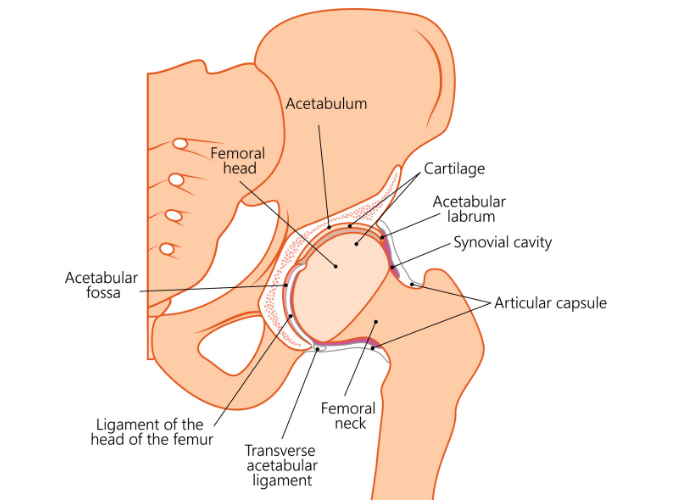
The hip works as a ball-and-socket joint. The ball is the rounded top of the thigh bone. The socket is a deep cup in the pelvis. Strong ligaments and muscles, along with a ring of special cartilage called the labrum, keep the joint stable and smooth. It takes considerable force to damage this sturdy setup. That is why hip problems after a crash are often serious and need careful attention.
Understanding what can happen helps you know when to seek care and what options are available for recovery.
Common Hip Injuries from Motor Vehicle Accidents
The exact injury often depends on body position at impact. Legs braced, knees hitting the dashboard, or side forces from a T-bone crash all create different patterns of damage.
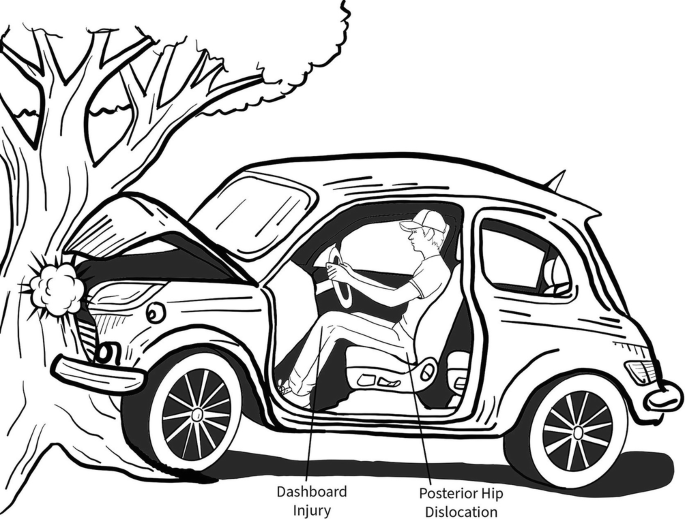
A classic dashboard injury happens in head-on crashes. The knee slams forward into the dashboard. This drives the thigh bone backward and pops the ball out of the socket. This is called a posterior hip dislocation. It causes immediate, severe pain. The leg may look shorter or rotated. You usually cannot put weight on it (American Academy of Orthopaedic Surgeons, n.d.).
Quick medical help is needed to put the joint back in place. Even after reduction, the labrum, ligaments, or blood supply to the ball can be damaged. Some people later face arthritis or bone death in the ball if blood flow is interrupted.
Acetabular Fractures
The socket itself can crack or shatter. High-energy dashboard hits or side impacts drive the ball forcefully into the cup. These breaks change the smooth surface the ball glides on. Many need surgery to restore the socket shape so the joint moves correctly again (OrthoInfo – AAOS, n.d.).
Femoral Head Fractures
The ball on top of the thigh bone can crack, crush, or break into pieces. This often occurs with a dislocation from the same dashboard force. The ball shears against the socket rim as it pops out or gets driven back in. These injuries raise the risk of long-term joint problems.
Labral Tears
The labrum is the cartilage rim that deepens the socket and helps seal joint fluid. A sudden dislocation, twist, or even strong bracing against the floor or seatbelt can tear it. People experience groin pain, clicking or catching, or a sensation that the hip gives way. Pain often worsens with sitting, walking, or twisting (Mayo Clinic, n.d.).
Muscle Strains, Sprains, and Soft Tissue Damage
Not every injury breaks a bone. Violent jerking or bracing can strain the hip flexor muscles or sprain ligaments around the joint. Seatbelt pressure or direct impact can inflame the bursa (a fluid-filled sac) on the side of the hip, causing trochanteric bursitis. These bring pain with movement, swelling, stiffness, and weakness. They heal more slowly when walking patterns are avoided due to pain (High Mountain Orthopedics, n.d.).
Why These Injuries Matter Long-Term
The hip joint is deep and well-protected, but damage here can affect walking, standing, and balance. Untreated dislocations or fractures can lead to arthritis years later. Labral tears and chronic muscle imbalance change how you move and stress the low back, knees, and opposite hip. Early care reduces these risks.
Doctors diagnose with physical exams plus imaging. X-rays show bone position and breaks. CT scans give detailed fracture pictures. MRI reveals labral tears, muscle damage, and soft tissue injury.
How Integrative Chiropractic Care Supports Recovery
Many hip injuries, especially soft-tissue and labral problems, or those requiring support after initial bone care, respond well to non-surgical approaches. An integrative chiropractic clinic combines hands-on structural work with regenerative therapies that use your body’s own healing tools. The goal is to reduce inflammation, repair tissue, and restore smooth movement without surgery when possible.
Chiropractic adjustments gently realign the pelvis, spine, and hip. This improves joint motion, eases tight muscles, and reduces nerve irritation. Better alignment helps blood flow and healing signals reach the injured area more effectively.
Regenerative therapies add biological support:
PRP (Platelet-Rich Plasma): A small amount of your blood is spun to concentrate platelets rich in growth factors. The concentrate is injected into the hip area to signal repair in tendons, ligaments, the labrum, and cartilage while calming inflammation.
PFP (Platelet-Fibrin Products): Similar to PRP but includes fibrin for slower, longer release of healing factors. This gives sustained support during recovery.
MFAT (Microfragmented Adipose Tissue): A tiny amount of your fat tissue is processed into micro pieces containing healing cells and natural cushioning material. It is injected to support regeneration and provide padding in the joint or around damaged tissues.
These injections are often guided by ultrasound for accuracy. When paired with chiropractic adjustments, they address both structure and biology. Adjustments keep the joint moving correctly so new tissue forms in the right pattern. Regenerative support reduces pain and swelling, so adjustments work better and last longer (Health Coach Clinic, n.d.).
Patients often notice gradual improvement over weeks as tissues rebuild. Many regain mobility and return to daily activities with less pain and lower risk of future problems.
The Collaborative Care Team
At Injury Medical Clinic PA in El Paso, Texas, care is built on teamwork. Dr. Alexander Jimenez, DC, APRN, FNP-BC, CFMP, IFMCP, ATN, CCST, brings extensive experience treating personal injury and motor vehicle accident cases. His clinical observations show that patients with hip trauma from crashes often achieve better long-term function and less chronic pain when structural corrections and regenerative support are started early. He focuses on whole-person recovery, including rehabilitation exercises and addressing posture or gait changes that develop after an accident.
Dr. Maria Guadalupe Cardenas, MD, board-certified in Internal Medicine with more than 40 years of experience, serves as Medical Director and Collaborative Physician. She provides medical oversight for the practice. This includes reviewing complex cases, ensuring safety for regenerative procedures and injections, managing any underlying medical factors that affect healing, and collaborating on care plans. This MD-DC partnership is common in quality integrative and injury clinics. It combines precise medical direction with specialized chiropractic and regenerative expertise.
The broader team integrates functional medicine, rehabilitation, and personal injury support. This multidisciplinary setup helps patients heal thoroughly by addressing root causes rather than only symptoms.
What to Expect on the Road to Healing
Recovery time depends on the type and severity of the injury. Simple strains may improve in a few weeks with adjustments and guided movement. Labral tears or post-reduction care often take several months. Regenerative injections typically show progressive benefits over 4 to 12 weeks. The focus stays on restoring comfortable movement, strength, and daily function.
Early attention matters. Waiting can allow scar tissue or changed movement patterns to set in, making later recovery harder. A thorough evaluation helps create a clear plan tailored to your injury and goals.
Moving Forward After a Crash
Hip injuries from motor vehicle accidents do not have to mean ongoing pain or major surgery. Many people regain good function through integrative care that works with the body’s natural healing abilities—proper alignment, regenerative signals from your tissues, and expert guidance every step of the way.
If hip pain continues after a car accident, consider a clinic experienced in these injuries and equipped with both structural and regenerative options. In El Paso, the team at Injury Medical Clinic PA provides this comprehensive approach. Knowing what happened to your hip is the first step toward restoring your mobility and quality of life.
Dashboard Knee Injury in Motor Vehicle Accidents: PCL Tears, Symptoms, and Integrative Care Options in El Paso
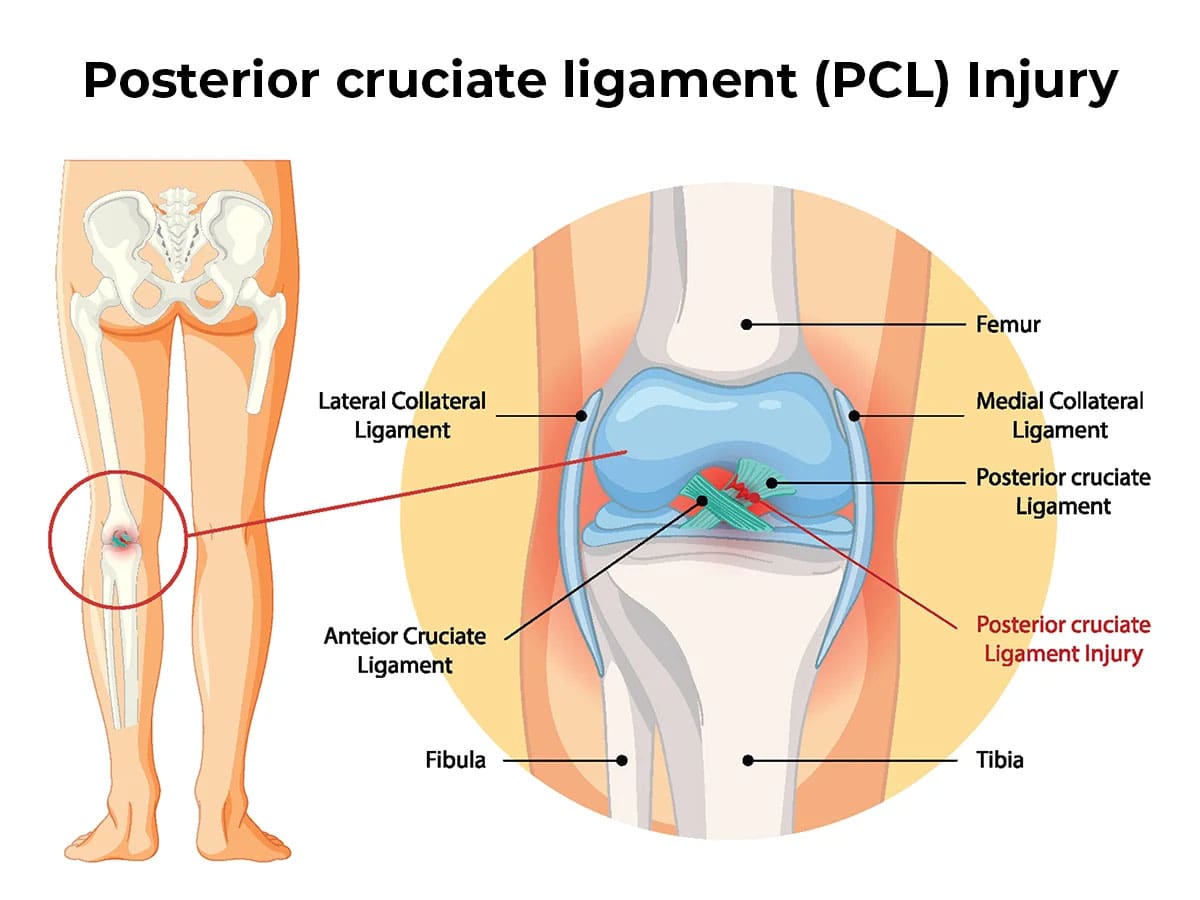
Car accidents often cause injuries that do not show up right away. One common but sometimes overlooked problem is called a dashboard knee injury. This happens when a bent knee slams into the car’s dashboard during a crash. The force violently pushes the shinbone backward. The result can include a torn posterior cruciate ligament (PCL), damage to the kneecap, and problems with the cartilage that cushions the joint.
People in El Paso and nearby areas like Horizon City who have been in motor vehicle accidents sometimes deal with ongoing knee pain, instability, or trouble walking. Understanding what happens and getting the right kind of care can make a big difference in recovery. Integrative clinics that combine medical oversight with chiropractic care and regenerative therapies offer a full approach to healing.
What Happens During a Dashboard Knee Injury
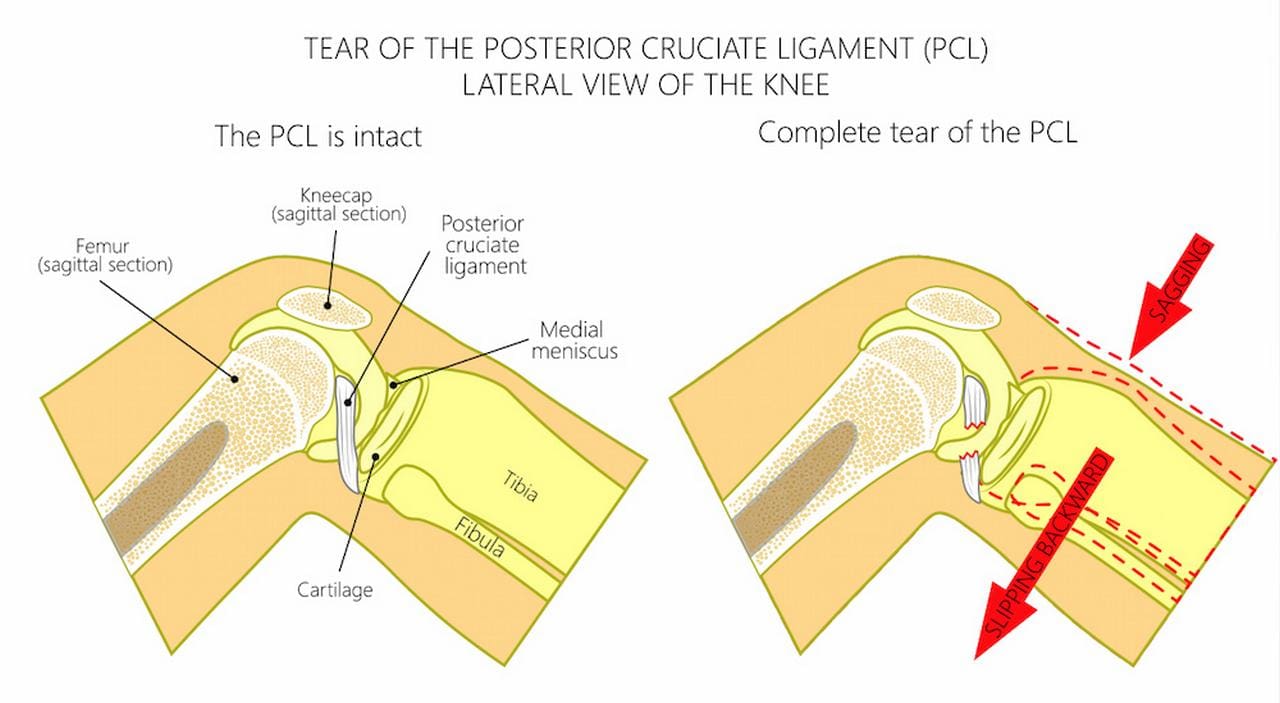
In a front-end collision, your body keeps moving forward even after the car stops. If your knee is bent, it hits the dashboard hard. This drives the top of the shinbone (tibia) backward relative to the thigh bone (femur).
The PCL is a strong band of tissue inside the knee that normally stops the shin from sliding too far back. When the dashboard impact happens, this ligament can stretch, partially tear, or completely rupture. At the same time, the direct blow can fracture the kneecap (patella) or damage the smooth cartilage on the ends of the bones. These injuries often occur together.
The damage does not always feel severe at first. Swelling and pain may appear hours or even days later. That is why some people do not realize the full extent of the injury until they try to return to normal activities.
Common Problems That Come with Dashboard Knee Injuries
Dashboard impacts frequently cause more than one issue inside the knee:
PCL tear or rupture: This is the most common ligament injury from this type of crash. It can make the knee feel loose or unstable, especially when going down stairs, pivoting, or changing direction.
Patellar fractures: The kneecap takes the direct hit and can crack or break. This causes sharp pain in the front of the knee, swelling, and difficulty straightening the leg.
Cartilage damage: The protective covering on the joint surfaces can bruise, tear, or wear down. Untreated cartilage injuries raise the risk of arthritis later in life.
These problems can lead to long-term stiffness, weakness, and difficulty with daily tasks like walking, driving, or working if they are not addressed properly.
Signs and Symptoms to Watch For
After a car accident, pay attention to these possible signs of a dashboard knee injury:
Pain in the front or back of the knee that gets worse with movement
Swelling that may appear immediately or develop over 24–72 hours
A feeling that the knee is unstable or “gives way”
Trouble bending or straightening the knee fully
Pain when walking, climbing stairs, or standing for long periods
Stiffness or locking sensations
Some people notice only mild discomfort at first and assume it will go away. Because early signs can be subtle, many dashboard knee injuries are missed without proper imaging. If you were in a crash and your knee hit the dashboard, it is wise to get checked, even if the pain seems minor.
How Doctors Diagnose These Injuries
X-rays are usually the first step. They can reveal fractures in the kneecap or other bones. However, X-rays do not show ligaments or cartilage well.
An MRI scan is the best tool for detecting PCL tears, cartilage damage, and other soft-tissue injuries. MRI gives detailed pictures that help doctors understand exactly what is torn or bruised. In some cases, doctors also perform physical tests to check knee stability.
Getting the right diagnosis early helps prevent chronic pain and long-term joint problems. Diagnostic challenges exist because swelling can be minimal at first and range of motion may still look normal, which is why imaging is so important.
Standard Treatment Options
Treatment depends on how severe the damage is:
Mild to moderate PCL tears: Doctors often recommend bracing to support the knee, rest, ice, compression, elevation (RICE), anti-inflammatory medication, and physical therapy. Therapy focuses on strengthening the quadriceps and other muscles that support the knee.
Severe tears, fractures, or major cartilage damage: Surgery may be needed to reconstruct the PCL, repair the kneecap, or clean up damaged cartilage. Recovery after surgery usually includes months of physical therapy.
Ongoing rehabilitation: No matter the path, guided exercises help restore strength, balance, and movement.
Healing takes time. Rushing back to normal activities too soon can worsen the injury or lead to new problems in the hips, back, or ankles due to altered walking patterns.
How Integrative Care Supports Better Recovery
Many people benefit from care that goes beyond just the knee. Integrative clinics combine medical doctors, nurse practitioners, chiropractors, and regenerative therapies. This team looks at the whole body and how the injury affects movement, alignment, and healing.
Medical Oversight: A physician or nurse practitioner first assesses all injuries from the accident. They review imaging, identify ligament and cartilage tears, and coordinate any needed medical steps. This oversight ensures nothing is missed, and that care stays safe and appropriate.
Regenerative Injections Clinics may offer injections that use your body’s healing cells. Platelet-rich plasma (PRP) concentrates growth factors from your blood to support torn ligaments and damaged cartilage. PFP (platelet-free plasma) and MFAT (micro-fragmented adipose tissue) are other options that can help tissue repair in areas with limited blood supply. These treatments aim to speed healing and sometimes reduce the need for surgery.
Targeted Tissue Repair: Shockwave therapy uses sound waves to break up scar tissue and stimulate new blood flow and collagen production. MLS laser therapy reduces deep inflammation and encourages cellular repair. Both are non-invasive and can be added to the recovery plan to help tissues heal faster.
Spine and Joint Mechanics: When the knee hurts, people often limp or shift weight. This creates extra stress on the spine, hips, and ankles. Chiropractic adjustments restore proper alignment in these areas. Correcting compensatory movement patterns takes pressure off the healing knee and improves overall function. Many patients notice better knee stability and less pain once the whole lower body moves correctly again.
Dr. Alex Jimenez and Dr. Maria Guadalupe Cardenas: A Collaborative Team in El Paso
At Injury Medical Clinic PA in El Paso, Texas, Dr. Alexander Jimenez, DC, APRN, FNP-BC, provides chiropractic care, functional medicine, regenerative procedures, and personal injury rehabilitation. His clinical observations emphasize that addressing the entire chain of movement—from the spine to the ankles—leads to more complete recovery after car accident injuries, including dashboard knee problems.
Working alongside him is Dr. Maria Guadalupe Cardenas, MD, a board-certified internal medicine physician with over 40 years of experience (NPI #1164426749, Texas MD License #J2933). She serves as Medical Director and Collaborative Physician. In this multidisciplinary setup, Dr. Cardenas provides medical direction, helps evaluate complex cases, and supports the team with internal medicine expertise.
This model blends chiropractic adjustments and rehabilitation (led by Dr. Jimenez) with medical oversight and coordination (led by Dr. Cardenas). Functional medicine principles—looking at inflammation, nutrition, and whole-body factors—are also part of the care. The result is a personalized plan that treats the knee injury while supporting overall healing, especially useful for patients with personal injuries and motor vehicle accidents in the El Paso area.
Local Clinics Offering This Type of Integrated Care
In Horizon City and the broader El Paso region, clinics such as Injury Medical & Chiropractic Clinic and El Paso Chiropractic & Personal Injury Group specialize in medically integrated personal injury rehabilitation. These centers bring together medical oversight, regenerative options, chiropractic adjustments, and rehabilitation in one coordinated approach. Patients receive thorough evaluations, clear explanations of their options, and ongoing support to regain function and return to daily life.
Moving Forward After a Dashboard Knee Injury
Dashboard knee injuries from car accidents can affect your mobility, work, and quality of life. The combination of a PCL tear, possible kneecap fracture, and cartilage damage needs careful attention. Early diagnosis with MRI and a treatment plan that includes medical oversight, regenerative support, tissue repair therapies, and chiropractic alignment often leads to better outcomes than treating the knee in isolation.
If you have knee pain after a motor vehicle accident—especially if your knee hit the dashboard—consider an integrative evaluation. Clinics in El Paso that combine the expertise of physicians like Dr. Maria Guadalupe Cardenas and chiropractors like Dr. Alex Jimenez can guide you through diagnosis, treatment choices, and rehabilitation. With the right team, many people regain strength, stability, and confidence in their movement.
Healing takes patience and the right support. Addressing both the specific knee damage and how the rest of your body compensates provides you the best chance of lasting recovery.
Navigating Car Accident Claims in El Paso, Texas: Pre-Existing Conditions, the Eggshell Skull Rule, and Care at El Paso Back Clinic
The doctor explains an X-ray to the patient and points at the computer screen. The patient wears a cervical collar
Car accidents are common in El Paso, Texas. They can cause new injuries or worsen existing ones. People often wonder if a past health issue, like back pain or arthritis, will block them from getting help after a crash. Texas law offers protection. You can still claim money for injuries even with prior conditions. This article covers the rules, what you can get paid for, and the steps to follow. It highlights the “eggshell skull rule” and why quick medical care is key. In El Paso, El Paso Back Clinic stands out for expert care for auto accidents and worsening conditions.
Understanding the Eggshell Skull Rule
The eggshell skull rule is an important legal concept. It means that if someone causes an accident, they must pay for all resulting damage. This applies even if the injured person had a weakness from a prior condition. It’s like breaking a fragile egg—you can’t blame the thin shell. The rule is also known as the “thin skull rule” or “take your victim as you find them” (Amtz Law, n.d.).
Simply put, the at-fault person takes full responsibility. They can’t use your old health problems to avoid paying. However, the accident must cause new damage or aggravate the existing issue. If your condition had worsened on its own, that might not be covered (Gutierrez Law Firm, n.d.a). For instance, if you had mild back arthritis and the crash resulted in severe pain that required therapy, the at-fault driver is responsible for covering that additional harm.
This rule originated in prior legal cases. It safeguards those who are more vulnerable. In Texas, it’s used in car accident lawsuits to ensure fair compensation (Reyes Law, n.d.).
Applying the Eggshell Skull Rule in Texas and El Paso
Texas fully supports the eggshell skull rule. In El Paso, if a car accident aggravates your pre-existing condition, you can pursue a claim. The law holds the at-fault party liable for all injuries resulting from the crash, including those amplified by prior issues (GDL Firm, n.d.).
El Paso has busy highways, such as I-10, which leads to frequent accidents. Local laws follow Texas standards. For example, if you had an old neck injury and a collision causes whiplash on top of it, the rule helps you recover costs. Insurance companies may argue that your pain stems solely from the prior condition to reduce payments (BHW Law Firm, n.d.). Strong evidence can counter this.
You have two years from the accident date to file in El Paso under the statute of limitations (No Bull Law, n.d.). Act fast to avoid missing out.
Typical Pre-Existing Conditions Impacted: Chronic back pain, sciatica, herniated discs, fibromyalgia, or degenerative disc disease.
Signs of Aggravation: Increased pain, new movement limitations, or the need for additional medical treatment.
El Paso-Specific Risks: Border traffic and dust storms increase crash chances, often affecting backs and necks.
Compensation Options for Aggravated Conditions
When an accident worsens your condition, Texas allows claims for various damages. The eggshell skull rule ensures coverage for the full extent of harm (Siegfried & Jensen, n.d.). This includes bills, lost income, and emotional distress.
Possible compensations include:
Medical Expenses: Costs for new therapies, adjustments, or surgeries due to the aggravation, plus future care.
Wage Loss: Earnings missed from work because of heightened symptoms.
Pain and Suffering: Payment for added physical discomfort and mental strain, such as stress from chronic pain.
Reduced Quality of Life: If daily activities or hobbies become harder.
Long-Term Disability: For permanent worsening, like ongoing sciatica.
Amounts depend on severity. Minor aggravations may yield smaller settlements, while persistent issues, such as the need for regular chiropractic care, may increase them (Reyes Law, n.d.). Age factors in—younger victims may experience greater impacts over time.
In El Paso, solid documentation boosts settlements (Abraham Watkins, n.d.).
Proving Your Case for Compensation
To win, show that the accident directly worsened your condition. Use medical records from before and after to illustrate changes (St. Louis Injury Law, n.d.). This “before-and-after” approach is crucial.
Key steps:
Seek Immediate Care: Visit a doctor soon after. Discuss your history and new symptoms.
Maintain Documentation: Collect bills, notes, and X-ray scans.
Log Daily Effects: Journal pain levels and activity changes.
Expert Testimony: Have a physician explain the connection.
Accident Evidence: Include reports, photos, and statements.
Honesty about your past is vital—concealing it can weaken your claim (Gage Mathers, n.d.). Courts assess if the aggravation ties to the crash or is a natural progression.
Handling Insurance Challenges
Insurers aim to minimize payouts. They may blame your pre-existing condition entirely. They could demand full records to deny claims (Romanow Law Group, n.d.). Avoid broad agreements without advice.
Strategies:
Use Legal Support: Have an attorney negotiate on your behalf.
Reject Low Offers: Initial proposals are often insufficient.
Challenge Rejections: Present evidence linking to the accident.
Recognize Strategies: Beware of their experts minimizing damage.
El Paso attorneys familiar with local rules can help (Ellis & Thomas, n.d.).
Benefits of Specialized Auto Accident Clinics in El Paso
Post-accident, choose a clinic expert in auto injuries. This ensures proper documentation and healing. El Paso Back Clinic excels in this, offering chiropractic care for whiplash, back pain, and aggravated conditions (El Paso Back Clinic, n.d.).
Their approach includes:
Chiropractic Adjustments: To align the spine and ease nerve pressure.
Physical Therapy: To rebuild strength and mobility.
Spinal Decompression: For herniated discs and sciatica.
Functional Medicine: Addressing root causes with nutrition and lifestyle.
Seeing them early helps record aggravations, aiding claims (Your Back in Line Now, n.d.). They coordinate with attorneys for seamless support.
Insights from Dr. Alexander Jimenez at El Paso Back Clinic
Dr. Alexander Jimenez, DC, APRN, FNP-BC, leads El Paso Back Clinic. With dual expertise in chiropractic and nursing, he treats complex cases like auto-aggravated back issues (El Paso Back Clinic, n.d.).
He observes that crashes often intensify conditions like degenerative discs or fibromyalgia. Treatments blend adjustments, acupuncture, and rehab. He emphasizes non-invasive methods, using diagnostic tools such as X-rays to establish links.
Patients praise quick relief. For example, Gale Grijalva recovered from accident-related back pain, resuming activities. Dr. Jimenez’s team offers personalized plans to prevent surgery.
The clinic’s 30,000+ sq ft facility includes gyms and meal prep, supporting full recovery.
Wrapping Up
Dealing with car accidents in El Paso is challenging, especially with pre-existing conditions. Texas’s eggshell skull rule allows compensation for aggravations with proper proof. Seek prompt medical attention, document everything, and consult legal counsel. El Paso Back Clinic, led by Dr. Jimenez, provides top chiropractic and rehab for healing and claims. Contact them at +1-915-850-0900 or visit https://elpasobackclinic.com/ for help.
References
Abraham Watkins. (n.d.). Do Pre-Existing Conditions Disqualify Me From Damages in a Personal Injury Case?Abraham Watkins.
Amtz Law. (n.d.). How Pre-Existing Conditions Affect Your Personal Injury Claim.Amtz Law.
BHW Law Firm. (n.d.). Pre-Existing Injury and Accident in Texas.BHW Law Firm.
Common Motor Vehicle Accidents in El Paso: Recovery and Healing at El Paso Back Clinic®
An injured woman in a stretcher after a car accident, covered by a thermal blanket.
Motor vehicle accidents, or MVAs, are a big issue in El Paso. This city sits on the border, with lots of trucks and cars zooming on roads like I-10 and Loop 375. Accidents often result from drivers not paying attention, drinking, or speeding. They can lead to injuries like neck pain or broken bones. At El Paso Back Clinic®, we help people heal from these injuries. Our team, led by Dr. Alexander Jimenez, uses integrative chiropractic care. This mixes spine fixes with massage, exercise, and healthy eating tips. It treats the whole body and mind. In this article, we discuss common crashes in El Paso, the harm they cause, and how our clinic supports recovery. We draw on Dr. Jimenez’s expertise at our locations in El Paso, TX.
El Paso has many crashes each year. Recent data shows thousands of wrecks, with injuries and even deaths. The border sees heavy truck traffic, upping the risks. Dust storms or rain-slick roads. Work zones add hazards. Knowing this helps folks drive safely. At El Paso Back Clinic®, we see many patients from these events. Our care focuses on pain relief and full health.
Common Types of Motor Vehicle Accidents in El Paso
El Paso’s roads mix locals, visitors, and cross-border traffic. This leads to jam-ups and crashes. Here are the key types:
Distracted Driving Accidents: Phones or snacks pull drivers’ eyes from the road. In El Paso, this sparks many wrecks. Texting hits hard at spots like Mesa and Stanton streets. Texas-wide, it caused over 84,000 crashes in one year.
Drunk or Impaired Driving: Booze or drugs slow folks down. Crashes spike nights and weekends. It’s a top cause in Texas spots like El Paso. They pop up near fun zones like Cincinnati Avenue.
Speeding-Related Crashes: Too fast means tough stops. It makes up 30% of Texas wrecks. On I-10 and Loop 375, speed leads to bad hits. Winds make it worse.
Rear-End Collisions: Cars bump backs from close follows or late brakes. Common on Loop 375 in traffic or near shops like Cielo Vista. Distractions or weather help cause them.
Intersection Crashes: Red-light runs or no yields cause side smacks. Over half happen at crossings like Montana or Zaragoza. The Spaghetti Bowl adds mess. Stop sign skips are big faults.
Pedestrian Incidents: Walkers get struck when drivers miss spots or speed. Downtown, schools, or UTEP see many. Poor walks led to many deaths lately.
Truck Accidents: Border hauls mean big trucks everywhere. Thousands cross yearly. Recent counts show many truck wrecks with injuries. Tired drivers, heavy loads, or blind areas cause them. Spots like I-10, US-54, and Loop 375 are hot.
Pile-ups hit in storms on I-10. Lane changes in builds confuse. Hit-runs occur in town. Stay alert, slow down, and watch out for trucks to avoid.
At El Paso Back Clinic®, we treat folks from all these. Our team knows border traffic woes. We offer care plans for quick heals.
Common Injuries Sustained in Motor Vehicle Accidents
MVAs jolt bodies hard. Sudden moves cause hidden hurts. Here are the usual ones:
Whiplash: Neck snaps cause pain, stiffness, headaches, and dizziness. Top in rear-ends.
Neck and Back Sprains: Pulls or tears cause pain and reduced movement. Low back twists.
Soft Tissue Damage: Bruises, rips in muscles. Swell, stiff. Deep ones last.
Fractures: Breaks from hits. Ribs puncture lungs. Bad ones need ops. Limbs, spine too.
Traumatic Brain Injuries (TBIs): Head knocks cause mix-ups, forgetfulness, and eye issues. Change lives, cost lots.
Shoulders, knees, and inside bleed too. Burns and scars are possible. Trucks crush more. Walkers break bones, heads. Minor ones spark worry or PTSD.
At our clinic, we spot these early. Dr. Jimenez’s team uses checks to plan care.
How These Injuries Occur
Crashes stop or hit fast. Bodies fly in cars. Belts save, but force hurts. Rear-ends jerk heads, stretch necks for whiplash. Sides twist spines for sprains, disc slips. Heads hit for TBIs. Knees dash-bang for sprains. Moves inflame tissues. Trucks smash small cars, break bones. Walkers fly, land hard. Signs may be delayed, so check soon.
We urge quick visits. Our El Paso spots offer fast help.
Integrative Chiropractic Care at El Paso Back Clinic® for MVA Recovery
Our integrative care treats all of you. We fix spines hands-on, easing pain without pills or cuts first. Mixes old ways with massage, PT, and nutrition. Speeds heal, drops swell. Here’s our approach:
Spinal Adjustments: Move bones right, cut nerve pinch, up move. Great for whiplash, back.
Physical Therapy: Builds strong, flexible. Restores after sprains and breaks.
Nutritional Support: Food advice; adds fight-swell, up mood.
Other Therapies: Needle work or disc pull. Ease pain, stress.
We speed recovery, hit the body and feelings. Start in 72 hours, best. Stops long pain. Our functional medicine finds roots.
Insights from Dr. Alexander Jimenez and El Paso Back Clinic®
Dr. Alexander Jimenez, DC, APRN, FNP-BC, has headed El Paso Back Clinic® for 30+ years. He excels in MVA, which includes injuries like whiplash and TBIs. We use functional medicine, nutrition, and rehab. Holistic care heals body and mind from trauma. Cases show fast recovery from car and truck hits. Border traffic brings many to us. Our spots at 11860 Vista Del Sol and 6440 Gateway East offer full care. Call 915-850-0900 for help.
Conclusion
El Paso MVAs from busy roads hurt many. From whiplash to TBIs, harms vary. El Paso Back Clinic® gives natural healing. We cut pain, restore movement. See us after crashes. Safe drives prevent woes. Visit elpasobackclinic.com or call for wellness.
IFM's Find A Practitioner tool is the largest referral network in Functional Medicine, created to help patients locate Functional Medicine practitioners anywhere in the world. IFM Certified Practitioners are listed first in the search results, given their extensive education in Functional Medicine