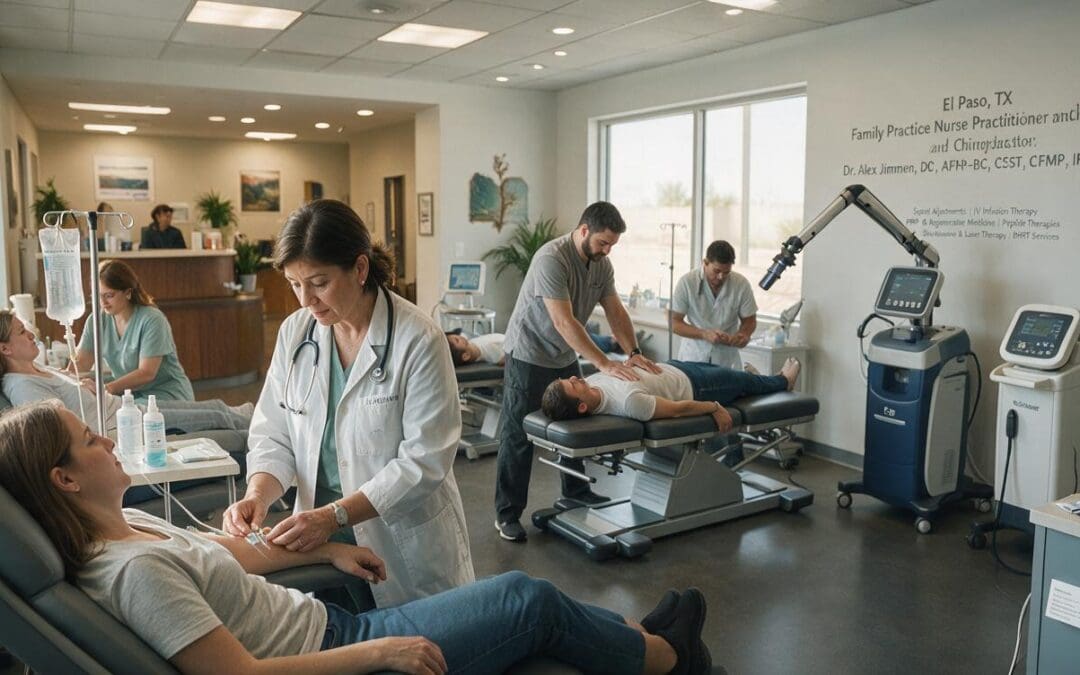
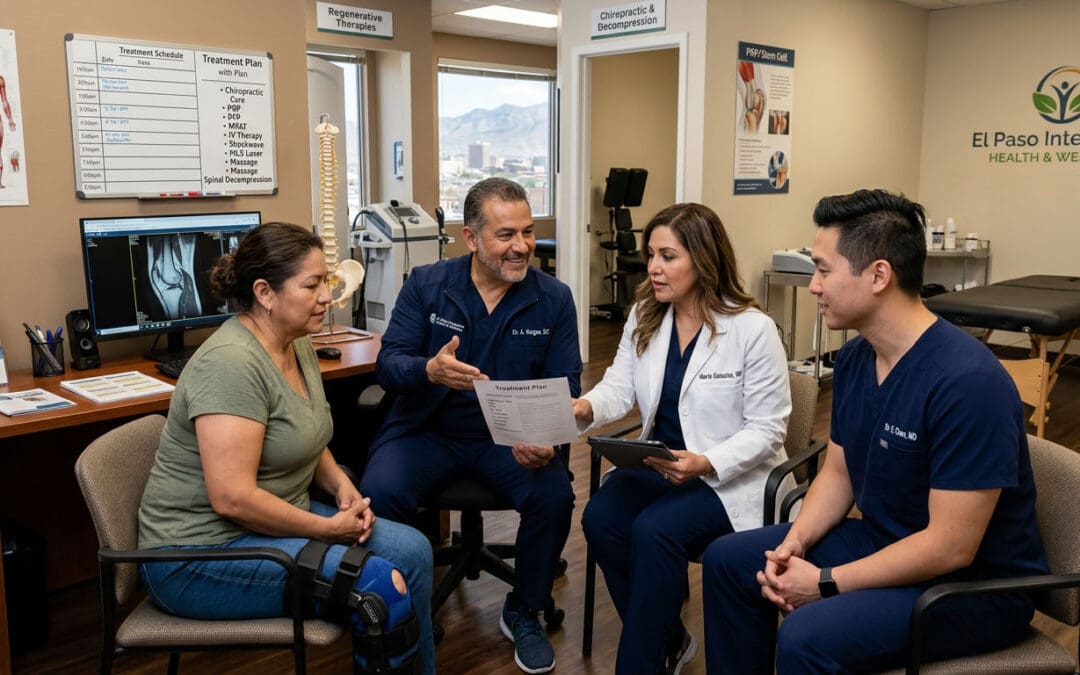
Back Clinic Imaging & Diagnostics Team. Dr. Alex Jimenez works with top-rated diagnosticians and imaging specialists. In our association, imaging specialists provide fast, courteous, and top-quality results. In collaboration with our offices, we provide the quality of service our patients’ mandate and deserve. Diagnostic Outpatient Imaging (DOI) is a state-of-the-art Radiology center in El Paso, TX. It is the only center of its kind in El Paso, owned and operated by a Radiologist.
This means when you come to DOI for a radiologic exam, every detail, from the design of the rooms, the choice of the equipment, the hand-picked technologists, and the software which runs the office, is carefully chosen or designed by the Radiologist and not by an accountant. Our market niche is one center of excellence. Our values related to patient care are: We believe in treating patients the way we would treat our family and we will do our best to ensure that you have a good experience at our clinic.
Barbotage for Calcific Tendinopathy Relief in El Paso
Abstract
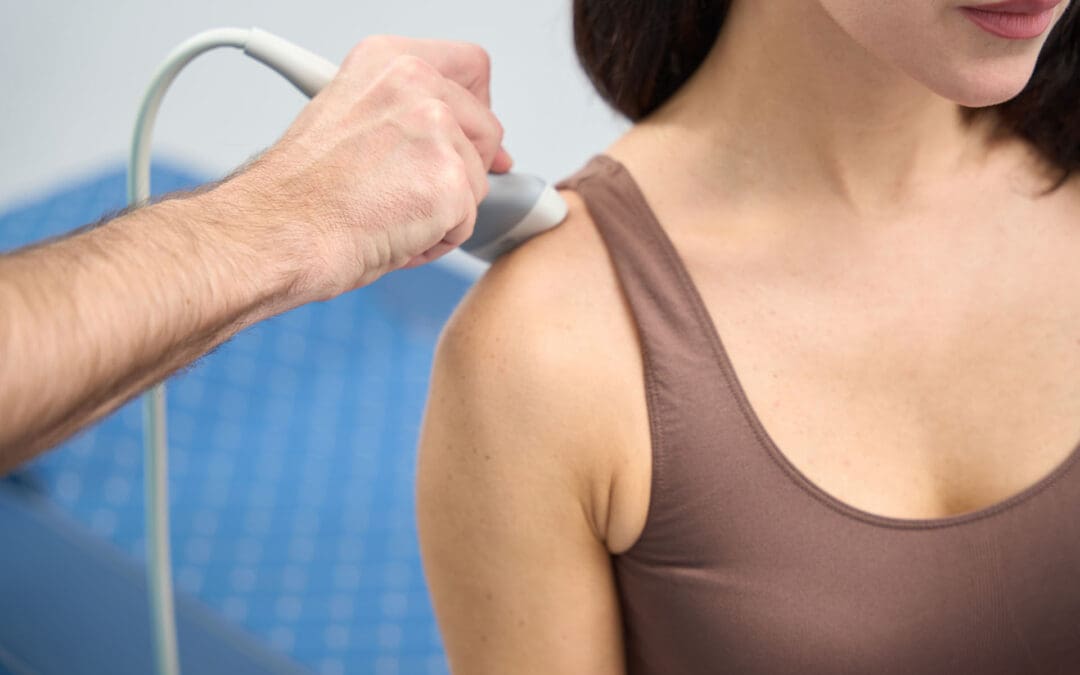
In this educational post, I will explore the advanced, ultrasound-guided procedure known as barbotage, a highly effective treatment for the often debilitating pain caused by calcific tendinopathy. We will journey through the physiological basis of this condition, detailing what happens when calcium deposits form within tendons, most commonly in the shoulder’s rotator cuff. I will explain the meticulous techniques involved in barbotage, including both single-needle and double-needle approaches, and share insights from leading researchers to illustrate the procedure in action.
Furthermore, I will connect this advanced intervention to our integrative care model, explaining how chiropractic care, rehabilitation, and medical oversight work in concert to restore function, alleviate pain, and promote long-term musculoskeletal health. This post is designed to provide patients and practitioners with a clear, evidence-based understanding of how we target and resolve calcific tendinopathy using modern, minimally invasive methods.
As a practitioner with a diverse background spanning chiropractic, advanced practice nursing, and functional medicine, I am driven to pursue the most effective, evidence-based treatments for my patients. My goal is to bridge gaps between medical disciplines to create a cohesive, powerful treatment plan. Today, I want to share insights on a sophisticated technique that exemplifies this integrative approach: ultrasound-guided barbotage for calcific tendinopathy. Drawing from the work of leading experts in the field, I aim to demystify this procedure and show how it fits into a comprehensive strategy for musculoskeletal recovery.
At our practice, Injury Medical Clinic, this philosophy is at the core of everything we do. Under the medical direction of Dr. Maria Guadalupe Cardenas, a seasoned internist, our team provides a distinctive combination of care. We integrate the diagnostic and therapeutic skills of internal medicine with the hands-on, biomechanical focus of chiropractic, functional medicine, and targeted rehabilitation. This multidisciplinary framework allows us to address conditions like calcific tendinopathy not just as isolated issues, but as part of a whole-person health picture. While we may utilize advanced procedures like barbotage, our primary focus remains on restoring function through conservative means like chiropractic adjustments and physical therapy, using medical interventions as a powerful adjunct when necessary.
Understanding Calcific Tendinopathy: When Calcium Invades Tendons
Before we get into the procedure itself, it’s crucial to understand the condition it treats. Calcific tendinopathy is a disorder characterized by the deposition of calcium hydroxyapatite crystals within a tendon. While it can occur in various locations, such as the patellar tendon in the knee or the gluteus medius tendon in the hip, it is most commonly diagnosed in the rotator cuff tendons, particularly the supraspinatus tendon.
Physiologically, this isn’t just a simple calcium buildup. The process is believed to occur in distinct phases:
Pre-calcific Stage: This is a silent phase where cellular changes occur within the tendon, creating an environment ripe for calcification. The tissue undergoes a metaplastic transformation in which tendon cells (tenocytes) change into cartilage-producing cells (chondrocytes).
Formative Phase: During this stage, the chondrocytes begin to produce a matrix that then calcifies. Calcium crystals are deposited, forming chalky, non-inflammatory deposits within the tendon fibers. These deposits can be hard and well-defined.
Resorptive Phase: This is often the most painful phase. The body initiates an inflammatory response to reabsorb the calcium. Phagocytic cells, like macrophages, are recruited to the site to “eat away” at the deposit. The deposit becomes softer and more paste-like, and increased pressure and inflammation within the tendon can cause severe, acute pain.
Post-calcific Stage: Once the calcium is resorbed, the space is filled with granulation tissue, which eventually remodels into new tendon tissue.
The pain associated with calcific tendinopathy is not from the calcium itself, but from the mechanical pressure it creates within the tendon and the intense inflammatory reaction during the resorptive phase. Ultrasound can visualize these deposits with stunning clarity: bright, hyperechoic structures that cast a dark acoustic shadow behind them. This shadow is a key diagnostic marker, as it signifies a dense object blocking ultrasound waves from penetrating deeper.
Barbotage: A Precision-Guided Solution
Barbotage, a French term meaning “to bubble” or “to splash,” is an elegant and precise procedure designed to physically break down and aspirate these calcium deposits under real-time ultrasound guidance. The goal is to decompress the tendon, alleviate the inflammatory pressure, and accelerate the body’s natural healing process.
The technique involves repeatedly injecting a solution (typically saline) into the deposit and then aspirating the resulting calcium-laden fluid. Insights and video demonstrations from my colleague, Dr. Nate Nye, offer an exceptional window into how this procedure is performed with meticulous care.
The Tools and Techniques of Barbotage
Two primary methods exist for performing barbotage, each with its advantages.
Two-Needle Technique:
The first needle is inserted into the lower part of the calcium deposit.
A second needle is inserted parallel and just above the first, creating a “washing circuit.”
Saline, often warmed to improve efficacy, is injected through one needle to dissolve the deposit.
The pressure from the injection forces the liquefied, milky calcium out through the second needle and into a collection syringe.
This continuous flushing allows for efficient, complete evacuation of softer deposits.
Single-Needle Technique:
A single, slightly larger gauge needle is inserted directly into the calcium deposit.
The clinician alternates between injecting a small amount of saline to liquefy the calcium and aspirating to draw the mixture back into the same syringe.
This method is often combined with fenestration, which involves repeatedly puncturing the deposit with the needle tip to mechanically break up harder, more consolidated calcifications.
The choice between these techniques often depends on the consistency of the calcium. Soft, paste-like deposits are ideal for aspiration, and you can see the satisfying return of a chalky, white fluid into the syringe. Hard, rock-like deposits, however, may not yield much fluid. In these cases, the primary therapeutic action comes from the fenestration, which breaks the deposit into smaller fragments that the body can then more easily reabsorb over time.
A Step-by-Step Look at an Ultrasound-Guided Barbotage Procedure
Let’s walk through the procedure as demonstrated by Dr. Nye, which showcases the single-needle technique. This narrative provides a clear picture of the precision and care required.
Step 1: Preparation and Sterile Field
The foundation of any successful invasive procedure is impeccable preparation. The patient is positioned to optimally expose the rotator cuff, often with their arm placed behind their back. The skin is thoroughly cleaned with an antiseptic like chlorhexidine, and a sterile field is established. The ultrasound probe itself is covered with a sterile sheath, and sterile gel is used to ensure a clean interface and clear imaging.
Step 2: Anesthetizing the Pathway
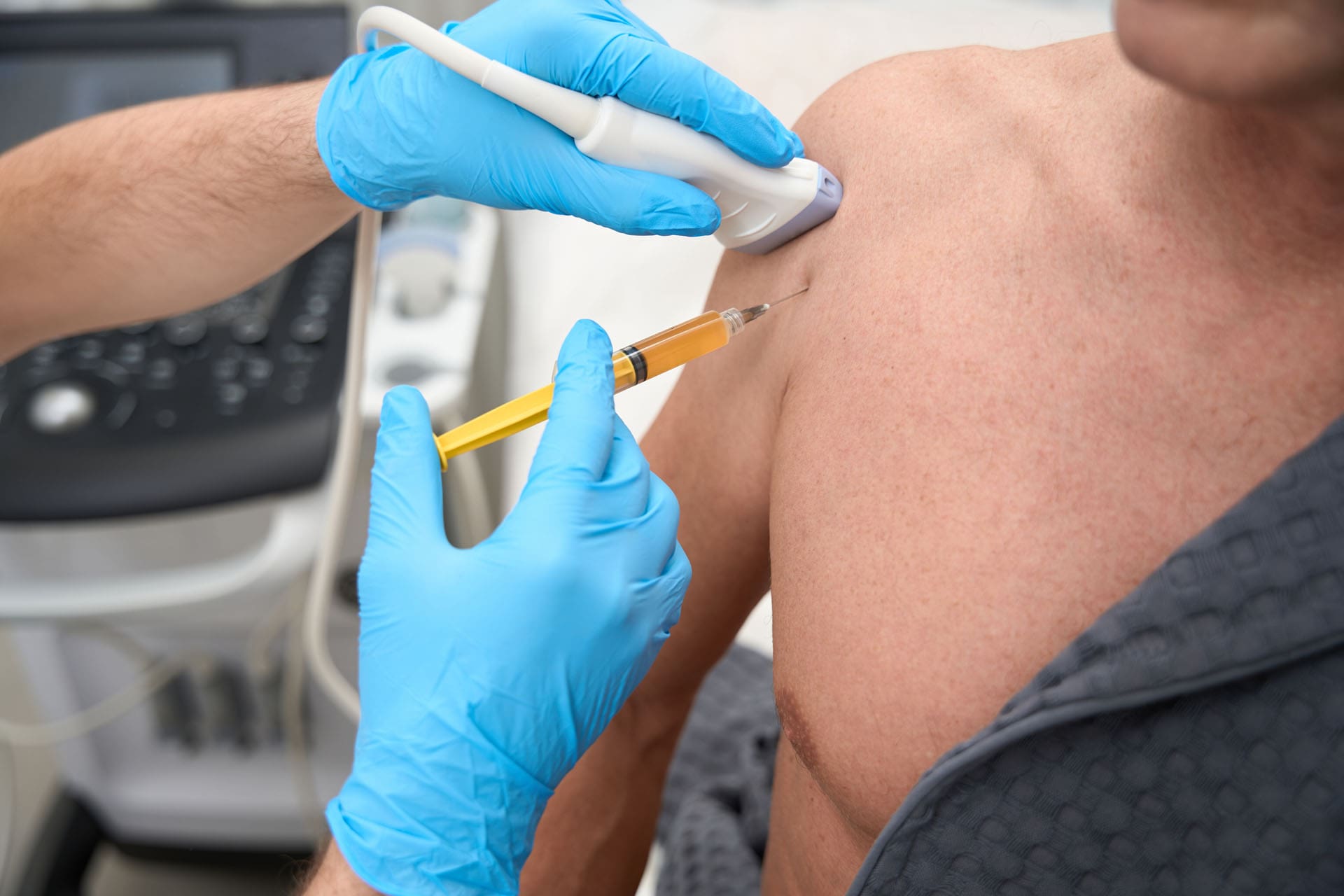
Patient comfort is paramount. Before the main procedure, a local anesthetic (like lidocaine) is injected. Using ultrasound guidance, the needle is tracked in real time as it advances through the skin, subcutaneous tissue, and deltoid muscle. The anesthetic is carefully deposited in the subacromial bursa—the space above the rotator cuff—and along the planned needle trajectory. This not only numbs the area but also helps to hydro-dissect tissues, creating a clearer path for the subsequent needle.
Step 3: Targeting and Fenestrating the Deposit
With the area anesthetized, the main procedure begins. A new, slightly larger needle is introduced along the same track. The clinician meticulously guides the needle tip directly into the heart of the calcific deposit, which is clearly visible on the ultrasound screen.
Here, the mechanical work starts. The clinician performs fenestration, repeatedly puncturing and breaking up the deposit with the needle. Dr. Nye’s technique demonstrates a crucial point: he moves the ultrasound probe to view the deposit from both a long-axis and short-axis perspective. This ensures a thorough, three-dimensional breakdown of the entire calcification, not just one plane. As he fenestrates, he injects saline to help dissolve the calcium and create a slurry.
Step 4: Aspiration and Lavage
Throughout the fenestration process, the clinician periodically pulls back on the syringe plunger to aspirate. If the deposit is soft, a milky, calcium-rich fluid will be drawn into the syringe. This process of injecting and aspirating—the “barbotage” itself—is repeated until no more calcium can be withdrawn. Even if little calcium is returned, the mechanical disruption and flushing are highly therapeutic. A key observation during this phase is the change in the ultrasound image. As the dense calcium is broken up, the dark acoustic shadow behind it begins to diminish, indicating that the ultrasound beam can now penetrate deeper. This is a real-time sign of a successful procedure.
Following the barbotage, it is common practice to perform a subacromial corticosteroid injection. After the mechanical irritation of the procedure, a reactive bursitis or inflammatory flare-up can occur. Injecting a small amount of a corticosteroid (like Kenalog) mixed with lidocaine into the bursa helps to preemptively manage this inflammation, significantly improving post-procedure comfort and facilitating a smoother recovery.
The Role of Integrative Chiropractic Care in Recovery
While barbotage is a powerful intervention for the calcific deposit itself, it does not exist in a vacuum. True and lasting recovery requires addressing the underlying biomechanical issues that may have contributed to the tendon pathology in the first place. This is where our integrative care model truly shines.
At our clinic, we manage patients undergoing such a procedure holistically. As a Doctor of Chiropractic and advanced practice provider, I can oversee both the biomechanical and medical aspects of their care.
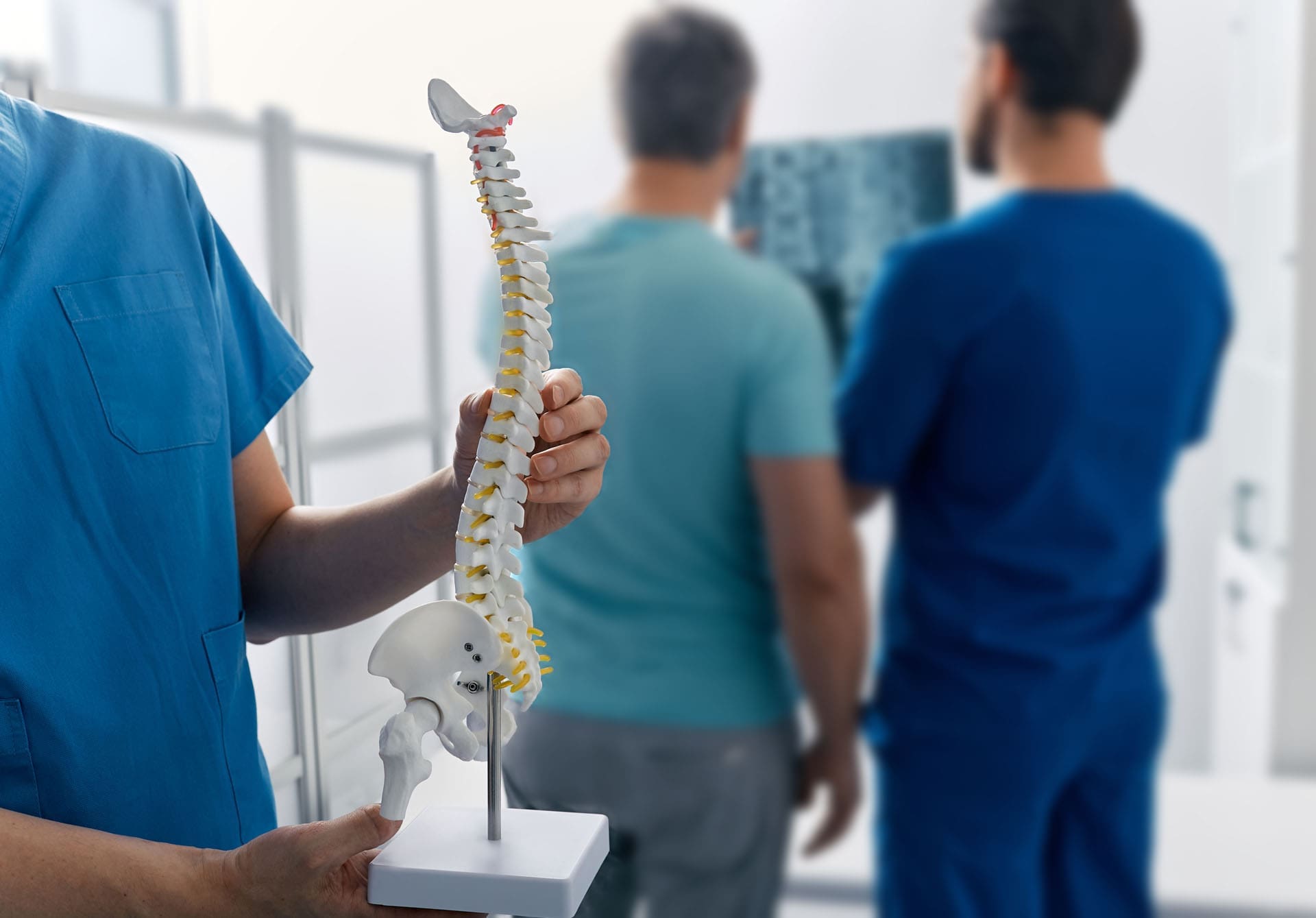
Chiropractic and Biomechanical Assessment: Why did this patient develop calcific tendinopathy? Often, the answer lies in faulty movement patterns, poor posture, or instability in the shoulder girdle. As a chiropractor, I perform a detailed assessment of the cervical and thoracic spine, scapular (shoulder blade) mechanics, and overall shoulder joint function. Spinal misalignments, particularly in the neck and upper back, can alter nerve function and affect shoulder muscle control, leading to chronic impingement and tendon stress.
Targeted Chiropractic Adjustments: Gentle, specific chiropractic adjustments restore proper motion to the spine and shoulder complex. By improving joint mechanics and reducing nerve interference, we can create a better environment for the rotator cuff to function without abnormal stress, reducing the risk of recurrence.
Soft Tissue and Rehabilitation Protocols: Following a procedure like barbotage, a structured rehabilitation program is essential. Our team guides patients through exercises designed to:
Restore Range of Motion: Gentle, pain-free movements to prevent stiffness.
Strengthen the Rotator Cuff and Scapular Stabilizers: A progressive program to rebuild strength and endurance in the muscles that support the shoulder. This is critical for preventing future impingement and tendon overload.
Improve Posture and Movement Patterns: We re-educate the patient on proper ergonomics for daily activities, work, and exercise to eliminate the root causes of the initial injury.
This comprehensive approach ensures that we are not just removing the calcium deposit; we are rebuilding a stronger, more resilient shoulder. Dr. Cardenas’s medical oversight ensures all treatments are performed safely and appropriately, with careful consideration of the patient’s overall health, while my chiropractic and functional medicine expertise focuses on restoring optimal function and preventing future problems. This synergy between advanced medical procedures and foundational chiropractic and rehabilitative care leads to the best possible outcomes for our patients.
References
O’Connor, F. (n.d.). Barbotage Technique. [Video demonstration and description within presentation]. As referenced in McNabb, J. W. (Ed.). Textbook on musculoskeletal ultrasound.
Nye, N. (n.d.). Ultrasound-Guided Barbotage of Calcific Tendinopathy. [Video demonstration].
From Emergency Discharge to Measurable Recovery: How Integrative Care Breaks the Wait-and-See Loop
Abstract
Conventional personal injury treatment often sends accident victims home from the emergency department with muscle relaxers and NSAIDs. Those medicines can hide immediate discomfort. They do little to repair joint, ligament, nerve, or cellular injury. This article explains why that wait-and-see loop can stall healing and weaken a claim. It then follows the path used at Dr. Alex Jimenez’s Injury Medical Clinic PA in El Paso: instant multimodal assessment, chiropractic mechanical alignment, regenerative therapies, tissue-rebuilding peptides, laser therapy, dual FNP-BC and DC care under one roof, SOAP notes, functional impairment mapping, and a three-phase plan from acute pain to Maximum Medical Improvement (MMI).
The Wait-and-See Loop After the Emergency Department
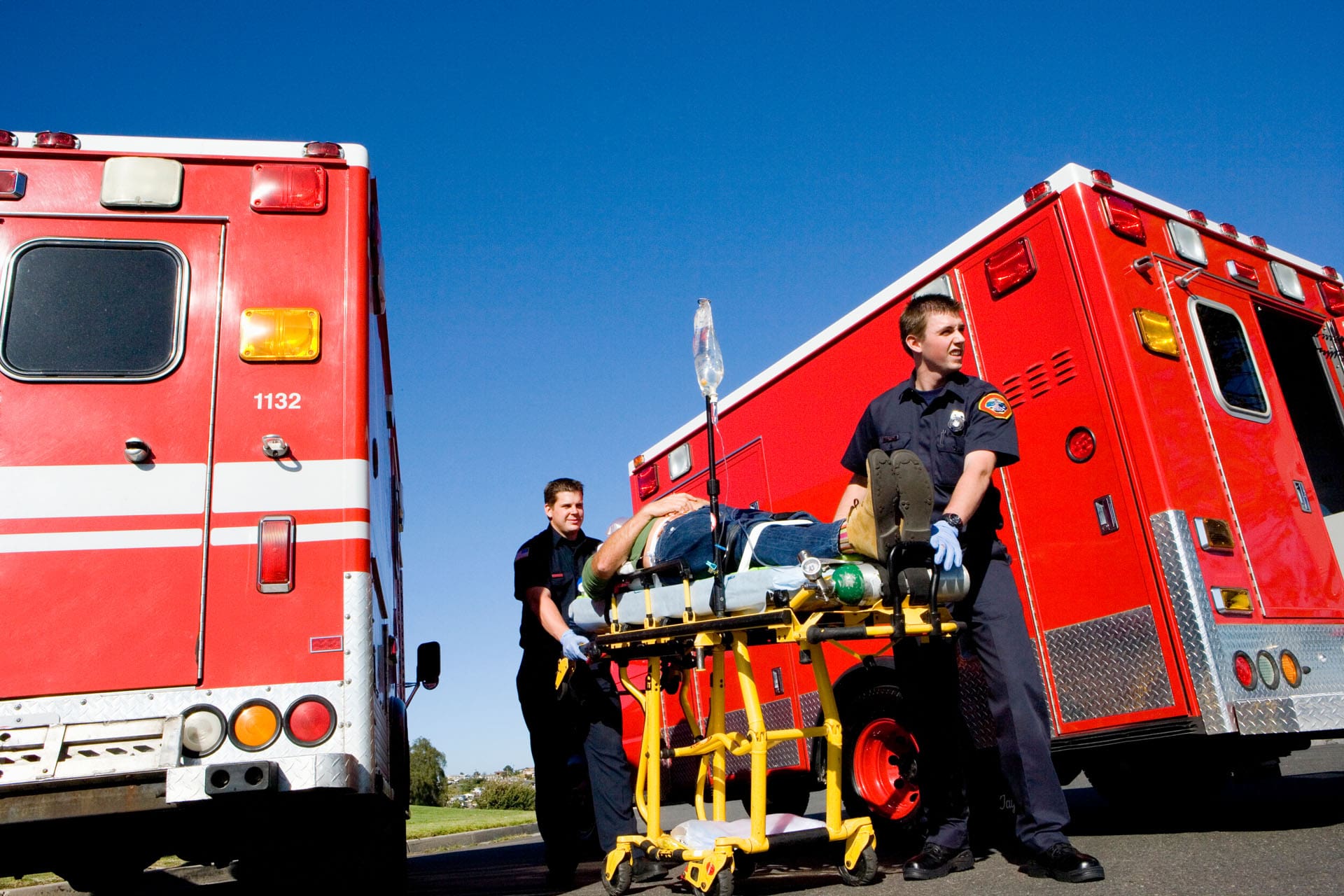
A crash can sprain ligaments, bruise discs, pinch nerves, and knock the spine out of line. The emergency department is built to find life-threatening problems. If no fracture needs surgery, many people go home with rest, ice, a muscle relaxer, and an anti-inflammatory pill. Pain may drop for a short time. Structural and cellular injury can remain.
When discomfort fades, people may think they are fine. Days or weeks later, stiffness, headaches, numbness, or sleep problems appear. Insurers often treat that gap as proof the crash was minor or that something else caused the symptoms. A delay can also let a fresh sprain become a long-term problem. That is how wait-and-see care can leave a person with both a slower recovery and a weaker claim.
Why Delayed Care Hurts Healing and the Record
Personal injury claims rest on records. Strong files show three facts: the crash caused the injury, care started soon, and treatment was reasonable and tracked over time. Late or thin notes give an adjuster room to argue that the injury was small, old, or unrelated.
Notes that list range of motion, nerve findings, daily limits, and progress help turn “I hurt” into measurable facts. Clinics that document function—work, driving, sleep, and lifting—give attorneys a clearer picture of damages. Thorough documentation can support a stronger settlement picture because it shows medical need and real-life impact, not only a pain score.
Harmonized Care Under One Roof
Dr. Alexander Jimenez, DC, APRN, FNP-BC, CCST, CFMP, IFMCP, ATN, is dually credentialed as a Family Nurse Practitioner and a Doctor of Chiropractic. That mix lets patients receive structural care and medical care in one place. They do not have to coordinate with separate clinics for alignment work, medical review, imaging decisions, and injury documentation.
This dual-scope model matters after a crash because injuries are rarely only “a sore neck.” Joints may be restricted. Soft tissue may be inflamed. Nerves may be irritated. Sleep and inflammation can slow repair. A provider who can examine mechanics and medical risk in the same visit can build one plan instead of two disconnected plans.
Medical Direction With Dr. Maria Guadalupe Cardenas
Dr. Maria Guadalupe Cardenas, MD, is board-certified in internal medicine (NPI #1164426749, Texas MD License #J2933). She has more than 40 years of experience as an internist and serves as medical director and collaborative physician at Injury Medical Clinic PA in El Paso, Texas.
This multidisciplinary setup is common in integrative and injury-care clinics. An MD provides medical direction. A chiropractor leads mechanical and functional care. Dr. Jimenez provides chiropractic care, functional medicine, personal injury documentation, and rehabilitation guidance. Dr. Cardenas provides medical oversight, risk review, and coordination for advanced services. The team also integrates rehabilitation and related injury services so care stays aligned under one roof.
Instant Multimodal Assessment
The clinic interrupts the wait-and-see cycle with an early, complete exam rather than a “come back if it still hurts” packet.
A typical first visit includes:
History of the collision and delayed symptoms
Orthopedic and neurologic testing
Range-of-motion and posture checks
Review of emergency-department notes and imaging when needed
Mapping of joints, muscles, ligaments, and nerves involved
Dr. Jimenez has observed that many accident injuries are missed at first because they involve soft tissue rather than a broken bone. Whiplash, ligament sprain, and nerve irritation may not show on a basic X-ray. That is why early motion testing and timely follow-up imaging matter.
From that exam, care can combine chiropractic mechanical alignment with modern medical procedures. Regenerative therapies, tissue-rebuilding peptides, and laser therapy may be added when the findings support them. Functional medicine looks at sleep, nutrition, and inflammation that can stall repair.
How Integrative Chiropractic Care Fits
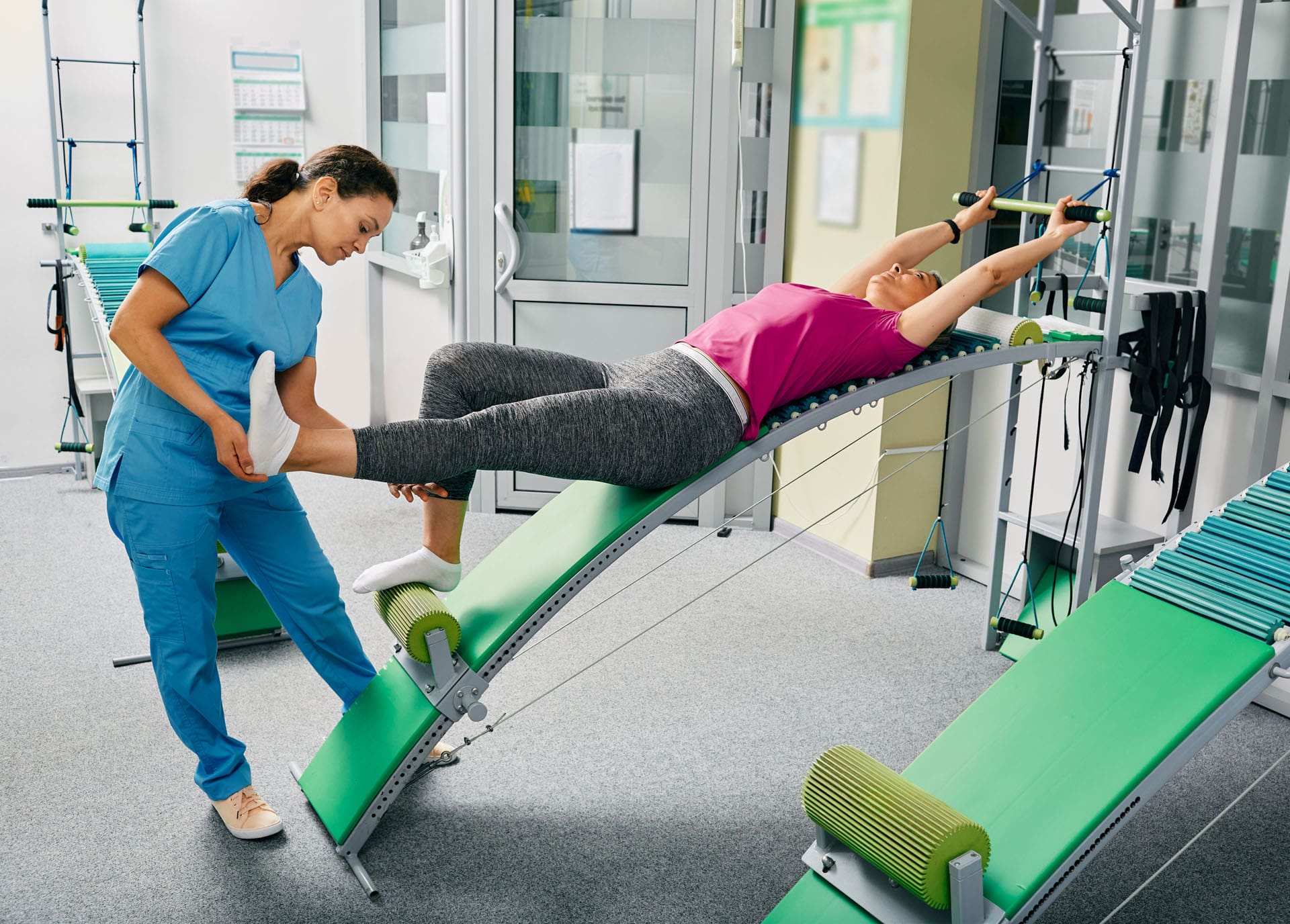
Integrative chiropractic care is the mechanical core. Gentle adjustments, soft-tissue work, traction, and spinal decompression aim to restore joint motion, ease nerve pressure, and reduce muscle guarding. When the spine and joints move better, blood flow and nerve signals improve. That gives regenerative and rehab work a better chance to succeed.
Integrative chiropractic does not stand alone. The clinic pairs it with:
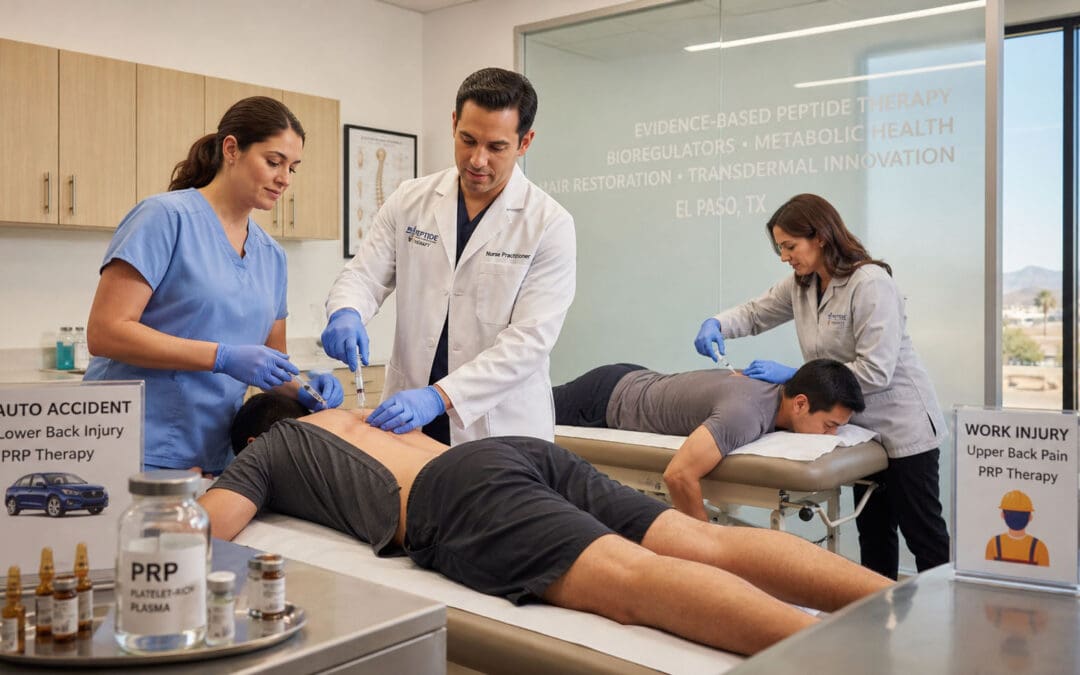
Regenerative therapies such as PRP, platelet-rich fibrin, or microfragmented adipose tissue when medically appropriate, to support tendon, ligament, and joint repair
Tissue-rebuilding peptides studied for signaling related to inflammation, collagen support, and blood vessel growth
Laser therapy (photobiomodulation / MLS laser) that uses light to support cellular energy and local circulation
Rehabilitation to rebuild strength, balance, and work-ready movement
Medical oversight from Dr. Cardenas for safety, referrals, and internal medicine issues that can affect healing
The point is simple: line up the frame, then support the tissue that must rebuild.
SOAP Notes and Functional Impairment Mapping
Even with proper care, a claim can still be denied if the chart is thin. The clinic uses detailed SOAP notes to track a patient from the initial injury to MMI.
Subjective: pain, sleep, work limits, and daily tasks in the patient’s words
Objective: motion degrees, strength, spasm, and neurologic signs
Assessment: how findings link to the crash
Plan: why the next step is needed
Functional impairment mapping goes further. It tracks how the injury changes driving, sitting, lifting, and household tasks. Those details help show why care continues and when the patient reaches MMI—the point at which further major improvement is not expected. Clear notes also help explain any pause in care so insurers cannot treat every gap as proof the injury was gone.
Attorneys look for this kind of file because it is easier to defend. It shows causation, timely care, and a reasoned path rather than a stack of pain pills.
A Scannable Three-Phase Recovery Plan
Recovery is easier to follow when it has stages. The clinic uses a phase-by-phase approach that patients and attorneys can scan.
Phase 1: Acute pain alleviation (days 1–14)
Calm inflammation and muscle spasm
Restore basic joint motion with gentle chiropractic care
Use laser therapy and supportive medical care as needed
Start a paper trail that links symptoms to the crash
Protect sleep and basic daily function
Care in this window helps prevent the “it must not have been serious” argument. It also reduces the chance that a sprain becomes long-term instability.
Phase 2: Cellular regeneration and stability (weeks 3–8)
Continue alignment work so tissue heals in a better position
Add regenerative therapies or peptides when the exam supports them
Use laser and soft-tissue methods to support repair
Address nutrition, hydration, and inflammation through functional medicine
Recheck motion, strength, and nerve findings
Feeling a little better is not the finish line. The team looks for tissue stability, not only a lower pain score.
Phase 3: Functional rehabilitation to MMI (8+ weeks)
Build strength, endurance, and work or driving tolerance
Correct posture and movement patterns that keep re-irritating the injury
Document remaining limits and future care needs
Reach MMI with a clear summary of what improved and what remains
MMI does not always mean perfect. It means the chart can show the true end of expected medical gain. That honesty protects both the patient and the claim.
Clinical Observations From Dr. Alexander Jimenez
From years of accident and sports-injury work in El Paso, Dr. Jimenez notes that people often look “fine” on a first X-ray and still have ligament, disc, or nerve injury that shows up later. He also notes that care works best when mechanical correction and cellular support run together. Adjusting a joint while nearby tissue stays inflamed or poorly supplied can stall progress. Pairing chiropractic care with regenerative tools, peptides, laser therapy, and medical direction is meant to close that gap.
The same observations apply to documentation. A note that only says “patient improved” is weak. A note that shows degrees of motion gained, tasks the patient can now do, and why the next phase is needed is useful in both the treatment room and a settlement file. Dual-credentialed care, plus medical direction from Dr. Cardenas, lets the clinic tell that story from both a chiropractic and a medical viewpoint.
A Clearer Path From Injury to MMI
Conventional personal injury treatment often keeps accident victims in a prolonged state of uncertainty. Muscle relaxers and NSAIDs can mask immediate discomfort while structural and cellular injury go unaddressed. Dr. Jimenez’s clinic interrupts that cycle with instant multimodal assessment, harmonized structural and medical care under one roof, and objective tracking from first injury to MMI.
The journey is straightforward: ease acute pain in days 1–14, support cellular regeneration and stability in weeks 3–8, then rebuild function from week 8 onward. For people in El Paso facing auto or work injuries, that structure can protect both recovery and the record that supports fair compensation.
Regenerative Options for Disc Herniations After Car and Work Accidents: How PRP, MFAT, and Integrative Chiropractic Care Support Recovery
Abstract: Car crashes and workplace accidents often damage the soft cushions between the bones of the spine. These injuries can create disc protrusions, extrusions, or tears in the outer ring of the disc. Many people feel sharp pain, numbness, or weakness that travels into the arms or legs. This article explains the most common types of these disc problems. It also shows how regenerative treatments such as platelet-rich plasma (PRP), microfragmented adipose tissue (MFAT), platelet-fibrin products, and supportive IV infusions can help the body repair tissue.
Integrative chiropractic care plays a key role by improving spinal movement and reducing pressure on the injured discs. At Injury Medical Clinic PA in El Paso, Texas, a team led by Dr. Alexander Jimenez and Medical Director Dr. Maria Guadalupe Cardenas combines these approaches for personal injury patients. The goal is clearer healing without jumping straight to surgery when possible.
Understanding Disc Herniations After Accidents:
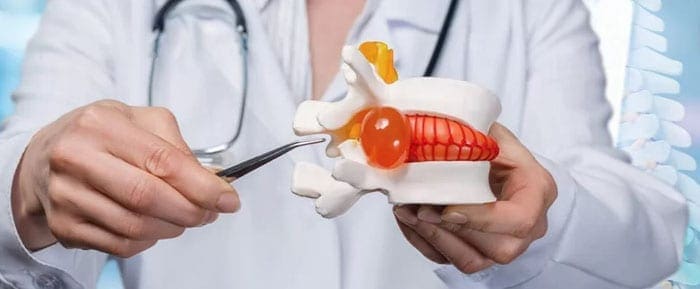
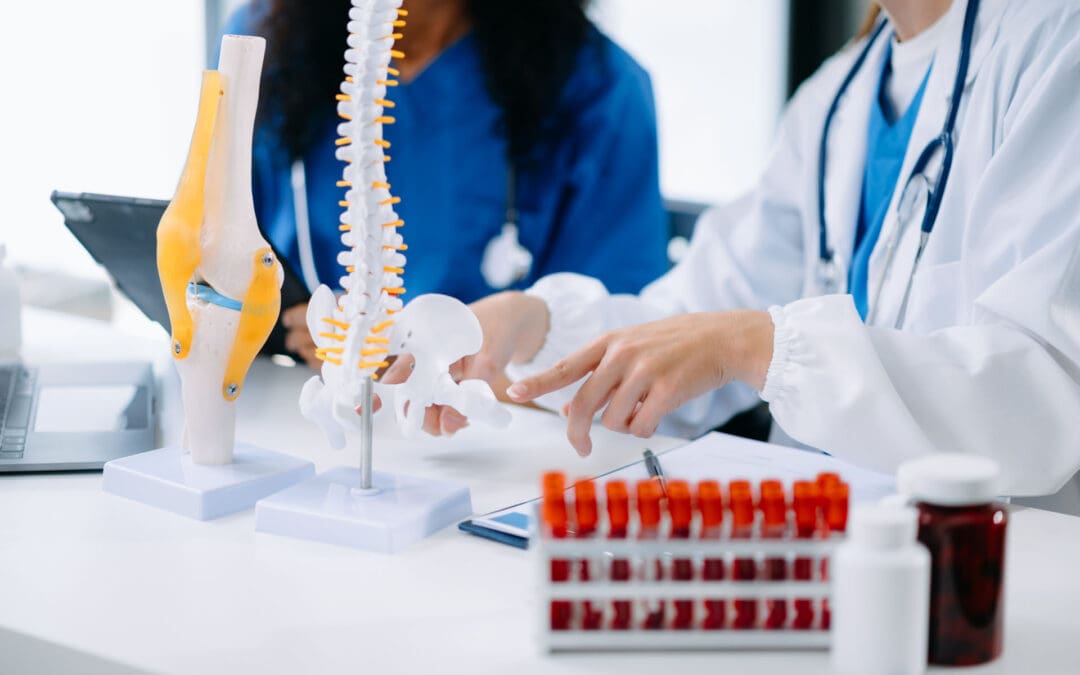
Spinal discs sit between the vertebrae like shock absorbers. Each disc has a tough outer ring called the annulus fibrosus and a soft, gel-like center called the nucleus pulposus. Sudden forces from a motor vehicle accident or a heavy lift at work can crack or push this material out of place. When that happens, the disc may press on nearby nerves and cause pain, tingling, or muscle weakness.
These injuries are common after rear-end collisions, side impacts, or falls at work. The good news is that many people improve with non-surgical care. Regenerative therapies use the patient’s own blood or fat tissue to deliver growth factors that support repair. Integrative chiropractic care helps restore proper joint motion so the disc can heal under less stress. Together they form a practical path for many patients.
Common Types of Disc Injuries from MVAs and Work Accidents:
Doctors describe disc injuries by how far the material has moved and whether the outer ring is torn. The three types most often linked to trauma are protrusions, extrusions, and annular tears.
Disc protrusion: The soft center pushes against the outer ring but stays mostly contained. The base of the bulge is wider than the tip. This creates a localized bump that can still irritate a nerve.
Disc extrusion: The soft material breaks through the outer ring and extends farther into the spinal canal. A narrow neck often connects the extruded piece to the rest of the disc. This type can put stronger pressure on nerves.
Annular tear: A crack forms in the tough outer ring. Even without a large bulge, the tear can leak inflammatory chemicals or allow the soft center to start moving outward. Tears are frequently found with both protrusions and extrusions.
These patterns appear on MRI after many car accidents and workplace injuries. Trauma can happen in a single hard impact or from repeated strain that finally overwhelms the disc.
How Accidents Cause These Injuries:
In a car crash, the body is thrown forward or sideways while the seat belt holds the torso. This rapid bending and twisting loads the discs unevenly. The same forces occur when a worker lifts a heavy object incorrectly or falls from a height. The outer ring can tear, and the soft center can shift. Once the disc is damaged, nearby muscles tighten, and joints lose normal motion. This extra stress can slow natural healing.
Early evaluation with imaging and a full exam helps match the right treatment to the exact type and severity of the injury.
Regenerative Therapies That Support Healing:
Regenerative treatments aim to repair tissue rather than only mask pain. They use concentrated cells and growth factors taken from the patient’s own body.
Platelet-Rich Plasma (PRP): A small amount of blood is drawn and spun in a centrifuge to concentrate the platelets. These platelets release growth factors that calm inflammation and encourage collagen production. PRP can be injected near the disc or into the epidural space under imaging guidance. Studies show it can reduce pain and improve function in many people with herniated discs. Results vary with the size of the tear and how long the problem has existed.
Platelet-Fibrin Products (PFP) and Microfragmented Adipose Tissue (MFAT): PFP creates a natural scaffold that holds growth factors in place longer. MFAT is made from a small sample of the patient’s own fat. The fat is processed into tiny pieces that contain supportive cells and signaling molecules. These materials can help larger or more chronic disc problems by providing structure and reducing ongoing inflammation. Early research and clinical use suggest they support matrix repair inside the disc.
Supportive IV Infusions: Intravenous nutrient and anti-inflammatory infusions deliver vitamins, minerals, and other compounds directly into the bloodstream. They help lower overall inflammation and supply building blocks the body needs for tissue repair. When combined with local regenerative injections, IV support can improve the healing environment for the spine.
Efficacy depends on the severity of the tear, the patient’s overall health, and consistent follow-up care. Mild-to-moderate protrusions and annular tears often respond best. More severe extrusions may still improve enough to avoid or delay surgery.
The Role of Integrative Chiropractic Care:
Chiropractic care restores proper motion to the spinal joints and reduces mechanical stress on the injured disc. Gentle adjustments, spinal decompression, and soft-tissue work help the vertebrae move more freely. This unloading allows the regenerative materials to work in a better environment.
Patients often notice less muscle guarding and improved posture after a series of visits. When chiropractic care is paired with PRP or MFAT, the combination addresses both the biology of the tissue and the biomechanics of the spine. Clinical observations show that many personal-injury patients regain function faster with this dual approach.
A Team Approach at Injury Medical Clinic PA in El Paso.
At Injury Medical Clinic PA, a coordinated team delivers care. Dr. Alexander Jimenez, DC, APRN, FNP-BC, CCST, CFMP, IFMCP, ATN, provides the chiropractic and functional-medicine side of treatment. He focuses on spinal alignment, rehabilitation exercises, and root-cause factors such as inflammation and nutrition.
Dr. Maria Guadalupe Cardenas, MD, Board Certified in Internal Medicine (NPI #1164426749, Texas MD License #J2933), serves as Medical Director and Collaborative Physician. With more than 40 years of experience as an internist, she supplies medical oversight, reviews patient health status, and helps guide the safe use of regenerative procedures. This multidisciplinary model is common in modern injury clinics: the chiropractor restores movement while the medical doctor ensures overall medical safety and coordination.
Together, the team also includes functional-medicine strategies, personal-injury documentation, and rehabilitation services. Patients receive a clear plan that may combine spinal adjustments, imaging-guided injections, supportive IV therapy, and progressive exercise. Dr. Jimenez’s clinical observations, available through his practice sites, note that many accident-related disc patients improve mobility and reduce pain when biomechanics and regenerative support are used together.
What Patients Can Expect:
Most people start with a detailed history, physical exam, and review of imaging. If regenerative therapy is appropriate, the injection is performed under guidance to place the material accurately. Mild soreness can follow for a few days. Improvement often begins within several weeks and continues over months as tissue remodels.
Chiropractic visits continue in parallel to keep the spine moving well. Home exercises and nutrition guidance support the process. Follow-up imaging or exams track progress. Not every disc injury responds the same way, so the team adjusts the plan based on individual response.
Conclusion:
Disc protrusions, extrusions, and annular tears from car and work accidents are serious but often manageable without immediate surgery. Targeted regenerative therapies such as PRP, MFAT, and supportive IV infusions supply the body with tools to repair tissue. Integrative chiropractic care reduces mechanical stress and improves joint function. At Injury Medical Clinic PA in El Paso, the collaboration between Dr. Alexander Jimenez and Dr. Maria Guadalupe Cardenas brings both chiropractic expertise and medical direction under one roof. This combined approach gives many patients a practical path toward reduced pain and restored activity. Anyone dealing with post-accident disc problems should seek a thorough evaluation to learn which options fit their specific injury.
Potential Benefits of Combining Epidural Spinal Injections with Integrative Chiropractic Care for Back Injuries After a Motor Vehicle Accident
Abstract
Epidural Injections & Chiropractic After Car Accidents: Motor vehicle accidents frequently cause back injuries and trauma that lead to acute nerve inflammation, restricted joint movement, and physical tension. Epidural spinal injections can reduce inflammation around irritated nerves. Integrative chiropractic care can then improve joint mobility and ease muscular tension. When these two approaches work together, patients often experience better symptom relief and improved function. This article explains the potential benefits of the combination, how each method works, and how a coordinated multidisciplinary team supports recovery through functional medicine, personal injury care, and rehabilitation.
Understanding Back Injuries and Trauma from Motor Vehicle Accidents
A sudden collision can force the spine into unnatural positions. This often results in soft-tissue damage, disc irritation, ligament strain, and inflammation around spinal nerves. Pain may appear right away or develop over the following days. Common symptoms include lower back or neck pain that radiates into the arms or legs, stiffness, reduced movement, and ongoing muscular tightness.
Acute nerve inflammation can create sharp, radiating discomfort. At the same time, joints may lose normal motion and surrounding muscles tighten to protect the injured area. These changes can slow recovery and limit daily activities if not addressed properly. Early, coordinated care helps reduce these barriers and supports the body’s natural healing process.
How Epidural Spinal Injections Alleviate Acute Nerve Inflammation
An epidural spinal injection places anti-inflammatory medication and a local anesthetic into the space surrounding the spinal nerves. The anesthetic often provides quick relief. The steroid then works over several days to lower swelling around the irritated nerves.
This reduction in acute nerve inflammation can ease radiating pain and make movement more comfortable. Many people notice less intensity in nerve-related symptoms, which allows them to participate more fully in other forms of care. Results vary from person to person, yet the injection is frequently considered when rest and basic measures have not controlled strong nerve irritation after an accident.
Epidural injections are not a complete solution on their own. Their main value is creating a quieter environment around the nerves so the body can respond better to restorative therapies.
How Integrative Chiropractic Care Improves Joint Mobility and Reduces Tension
Integrative chiropractic care focuses on the spine, joints, and soft tissues. After a motor vehicle accident, spinal joints often become restricted, and muscles remain tight in a protective pattern. These restrictions limit range of motion and maintain extra pressure on already irritated nerves.
Chiropractic adjustments gently restore proper joint motion. Soft-tissue techniques help release physical tension and improve local circulation. Mobilization and specific rehabilitative exercises further expand range of motion in a safe, controlled way. Over time, these steps reduce protective muscle guarding and give the spine a more stable foundation for healing.
Clinical experience shows that restoring alignment and mobility early helps prevent compensatory patterns that can turn short-term injuries into longer-term problems. By improving joint mechanics, chiropractic care lowers ongoing stress on the nerves and supports better overall function.
Potential Benefits of Combining the Two Approaches
Combining integrative chiropractic care with epidural spinal injections may prove advantageous for back injuries and trauma from motor vehicle accidents. The injections alleviate inflammation of the acute nerves, while chiropractic care enhances joint mobility and alleviates physical tension.
When nerve inflammation decreases, patients usually tolerate hands-on care and movement exercises more comfortably. Improved joint motion then reduces the mechanical stress that can keep inflammation active. This creates a supportive cycle that addresses both the chemical side of the injury (nerve swelling) and the mechanical side (restricted joints and tight muscles).
Potential benefits commonly observed include:
Reduced intensity of radiating nerve pain
Greater ability to move the spine through a fuller, more comfortable range of motion
Less muscular tension and protective spasm
Improved comfort during daily activities and rehabilitation
Lower risk of developing chronic compensatory patterns
Support for a more complete return to normal function
Clinical observations from integrative practices note that calming nerve inflammation while restoring joint function produces stronger results than either method used alone. The combination helps create better conditions for healing tissues.
A Multidisciplinary Team Approach in El Paso
At Injury Medical Clinic PA in El Paso, Texas, care for motor vehicle accident injuries follows a coordinated multidisciplinary model. Dr. Alexander Jimenez, DC, APRN, FNP-BC, CCST, CFMP, IFMCP, ATN, provides integrative chiropractic care focused on restoring joint mobility, reducing physical tension, and guiding rehabilitation. He also applies functional medicine principles that examine inflammation patterns, nutrition, and overall recovery capacity. His clinical observations, available through practice resources, emphasize treating the injured area as part of a connected system rather than in isolation.
Working with him is Dr. Maria Guadalupe Cardenas, MD. She is board-licensed in internal medicine, holds NPI #1164426749 and Texas MD License #J2933, and has more than 40 years of experience as an internist. Dr. Cardenas serves as medical director and collaborative physician at the practice. In this role, she provides medical oversight, helps ensure accurate diagnosis, and guides safe care planning for complex injuries.
This multidisciplinary setup is common in integrative and injury care clinics. An MD supplies medical direction while a chiropractor delivers hands-on neuromusculoskeletal care. The team also integrates functional medicine, personal injury documentation and support, rehabilitation exercises, and related services. The result is a coordinated plan that addresses both the local injury and the wider needs of the recovering patient.
Dr. Jimenez’s clinical observations highlight that injection-based approaches work best when mechanical alignment and movement are restored at the same time. This prevents repeated stress on healing tissues and supports more complete recovery from back injuries involving nerve irritation.
What the Recovery Process Often Looks Like
Recovery begins with a thorough evaluation that may include history, physical examination, and imaging when needed. If significant acute nerve inflammation is present, an epidural injection may be recommended first. As symptoms ease, integrative chiropractic care and progressive movement work begin. Functional medicine support and structured rehabilitation help rebuild strength, stability, and coordinated motion.
Progress is monitored through regular re-examinations that track pain levels, joint mobility, muscular tension, and daily function. Patients are encouraged to stay active within safe limits and to follow any nutrition or lifestyle recommendations that support tissue repair. Many people notice steady gains in comfort and mobility over weeks to months as inflammation settles and joint mechanics improve.
Supporting Long-Term Function After Trauma
Back injuries and trauma from motor vehicle accidents affect both nerves and the mechanical structures that support movement. Epidural spinal injections can help reduce inflammation in acute nerves. Integrative chiropractic care can then enhance joint mobility and alleviate physical tension. When these methods are used together under medical oversight, they offer a practical path toward reduced symptoms and restored function.
At Injury Medical Clinic PA, the collaboration between Dr. Alexander Jimenez’s integrative chiropractic and functional expertise and Dr. Maria Guadalupe Cardenas’s medical direction creates a clear, coordinated approach. The team focuses on calming nerve irritation, restoring healthy movement, and supporting the body through rehabilitation and personal injury care so patients can return to their usual activities with greater ease and confidence.
Anyone dealing with ongoing symptoms after a motor vehicle accident can benefit from a thorough evaluation to determine whether this combined approach is appropriate for their specific situation.
How an Integrative Approach Speeds Healing and Restores Mobility After Accidents or Work Injuries
Many people who suffer injuries in car accidents or on the job start with rest, ice, and basic pain relief. These steps can lower swelling at first. Yet soft tissue damage, stretched ligaments, and bulging discs often fail to heal fully on their own. Pain lingers. Movement stays limited. Daily tasks become harder than they should be.
An integrative wellness strategy changes this path. It combines structural corrections, cellular repair, and nutritional support. The goal is not only to reduce inflammation early on. The plan then realigns the body, regenerates damaged tissue, and rebuilds normal function. This multilayer method calms irritated nerves, rebuilds ligaments and discs, and restores healthy spinal mechanics. Providers layer these tools so patients feel better today while the body activates its own long-term repair systems.
Why Injuries Sometimes Fail to Heal Alone
Soft tissues and spinal discs receive limited blood flow. After a sudden impact—such as a rear-end collision or a workplace fall—ligaments can stretch or tear. Discs can bulge or lose height. Muscles tighten to protect the area. Rest may quiet the acute phase, but it rarely rebuilds strength or alignment.
Without further help, the body can settle into a cycle of stiffness, nerve irritation, and reduced mobility. Traditional options that only mask symptoms leave the underlying damage in place. When problems persist, regenerative and structural methods become useful next steps.
The Three Layers of Integrative Care
An effective plan works on three levels at once:
Structural (mechanical) care realigns joints and reduces pressure on discs and nerves.
Cellular therapies deliver growth factors and supportive cells that stimulate tissue repair.
Nutritional and systemic support supplies the building blocks the body needs to heal from the inside.
Together, these layers move treatment from short-term relief toward lasting restoration.
Structural Corrections: Chiropractic Care and Spinal Decompression
Chiropractic adjustments gently restore proper joint motion. When vertebrae or extremity joints are out of their ideal position, surrounding muscles and ligaments remain under uneven stress. Precise adjustments ease that stress, calm nerve signals, and improve overall posture and movement patterns.
Spinal decompression adds another structural tool. Controlled traction creates a gentle stretch that lowers pressure inside bulging or herniated discs. This can improve nutrient flow into the disc and reduce irritation on nearby nerves. Patients often notice less radiating pain and freer movement as alignment improves.
These mechanical steps prepare the body for deeper healing. New tissue grows stronger when joints move correctly, and load is shared evenly.
Cellular Healing: Regenerative Therapies That Rebuild Tissue
When soft tissue damage or disc problems do not resolve with rest and structural care alone, regenerative options can activate repair at the cellular level.
Platelet-rich plasma (PRP) starts with a simple blood draw. The sample is spun to concentrate platelets and growth factors. When injected near injured ligaments, tendons, or discs, these factors signal the body to reduce inflammation and begin rebuilding. Higher platelet doses tend to deliver stronger signals for repair.
Micro-fragmented adipose tissue (MFAT) uses a small sample of the patient’s own fat. Gentle processing yields tissue rich in regenerative cells and a supportive matrix. MFAT is often chosen for larger joints or areas that need cushioning and structural support in addition to growth factors.
Laser therapy (Class 4) and shockwave treatments further support cellular activity. Laser light boosts energy production inside cells and lowers inflammatory signals. Shockwave creates controlled micro-stress that encourages new blood vessel growth and collagen production. Both methods pair well with injections because they improve the local healing environment.
These biological tools do not simply hide pain. They aim to rebuild damaged ligaments and disc tissue so the spine and joints can function more normally again.
Nutritional and Systemic Support: IV Therapy and Functional Care
Tissue repair requires raw materials. IV nutrition delivers vitamins, minerals, amino acids, and other nutrients directly into the bloodstream. This approach bypasses digestion and can quickly raise levels needed for collagen production, energy, and inflammation control.
Functional medicine principles guide the choice of nutrients and lifestyle steps. Addressing gut health, sleep, and overall inflammation creates a stronger foundation so structural and cellular work can succeed. Patients often notice better energy and faster progress when systemic support is part of the plan.
How the Layers Work Together
The real power appears when these strategies are layered. Early care focuses on calming inflammation and protecting the area. Structural corrections then restore alignment so forces move through the body correctly. Regenerative injections and laser or shockwave treatments supply the biological signals that rebuild tissue. Nutritional support keeps the repair process well supplied.
The result is more than temporary pain relief. Nerve irritability decreases. Ligaments and discs regain strength. Spinal mechanics return toward normal. Patients regain mobility and can return to work or daily activities with greater confidence.
Expert Multidisciplinary Care in El Paso
In El Paso, Texas, Injury Medical Clinic PA offers this layered approach under one coordinated team. Dr. Alexander Jimenez, DC, APRN, FNP-BC, CCST, CFMP, IFMCP, ATN, provides chiropractic care, functional medicine guidance, and clinical insights drawn from years of treating personal injury and complex musculoskeletal cases. His observations, shared in clinical writings, emphasize that combining high-quality regenerative tools, such as PRP, with precise structural corrections yields more durable results than either method alone. Fixing both the chemistry of tissue repair and the biomechanics of movement helps prevent re-injury and supports long-term function.
Dr. Maria Guadalupe Cardenas, MD, Board Certified in Internal Medicine (NPI #1164426749, Texas MD License #J2933), brings more than 40 years of experience as an internist. She serves as medical director and collaborative physician at the practice. This multidisciplinary arrangement is common in integrative and injury-care clinics. An MD provides medical direction and oversight while working alongside the chiropractor. The team integrates chiropractic adjustments and decompression (led by Dr. Jimenez), medical evaluation and collaborative care (under Dr. Cardenas), functional medicine, personal injury documentation and rehabilitation, and related services. Patients receive coordinated plans that address structural alignment, cellular healing, and overall health in a single setting.
What Patients Can Expect on the Path to Recovery
Most people begin with a thorough exam that includes movement testing, imaging review when needed, and a clear discussion of goals. Care then progresses through the layers described above. Progress is measured not only by reduced pain scores but by real gains in range of motion, strength, and the ability to perform everyday tasks.
Because the methods use the patient’s own tissues whenever possible and avoid heavy reliance on long-term medications or surgery, side effects remain generally mild. Temporary soreness after injections or mild fatigue after intensive sessions are the most common short-term responses.
Moving Beyond Symptom Relief
Accident and work injuries do not have to lead to years of limited mobility. An integrative strategy that starts with inflammation control and progresses through structural realignment, tissue regeneration, and nutritional support provides the body with the tools it needs to heal more completely. By calming nerves, rebuilding soft tissues and discs, and restoring healthy mechanics, this approach helps patients regain function and return to the activities that matter most.
When injuries persist despite rest, seeking a coordinated team that understands both the mechanical and biological sides of recovery can make a meaningful difference.
How Integrative Sports Chiropractic Speeds Injury Recovery at the Mechanical and Cellular Levels
Athletes push their bodies hard. A sudden twist, a hard landing, or repeated stress can leave them with sprains, disc problems, tendon issues, or lingering pain. Traditional rest and pain pills often only quiet the symptoms. Integrative sports chiropractic takes a different path. It treats the injury at both the mechanical level—how bones, joints, and soft tissues line up and move—and the cellular level—how cells repair, reduce swelling, and rebuild tissue.
This approach combines spinal decompression, precise chiropractic adjustments, MLS laser therapy, shockwave therapy, and peptide support. Together, they create a non-invasive plan that moves athletes from simply managing pain toward faster, more complete tissue regeneration.
Why Mechanical and Cellular Care Matter Together
Injuries create two problems at once. Mechanically, a disc may bulge and press on a nerve, or joints may shift out of place. Soft tissues tighten or form scar tissue, limiting motion. At the cellular level, inflammation increases, blood flow decreases, and cells lack the energy and building blocks needed to heal effectively.
Treating only one side leaves the other unfinished. Aligning the spine without calming inflammation or feeding the cells often leads to slow progress or return of symptoms. Addressing cells without fixing alignment allows the mechanical problem to keep stressing the tissues. Integrative care solves both.
Spinal Decompression: Creating Space and Delivering Nutrients
Spinal decompression uses a specialized table that gently and controllably stretches the spine. This creates a mild negative pressure inside the disc. The pressure pulls bulging or herniated material away from nerves and draws nutrient-rich fluid back into the disc.
Discs have a limited blood supply, so they depend on this fluid exchange for oxygen and nutrients. When decompression restores that flow, the disc environment becomes more conducive to repair. Athletes with lower back or neck disc issues often experience reduced nerve pressure and improved mobility after a series of sessions. The treatment is comfortable and requires no downtime.
Chiropractic adjustments carefully restore normal position and motion to the spine and joints. When vertebrae sit correctly, nerve pathways stay open, and muscles no longer work overtime to compensate. Adjustments also help maintain the space created by decompression so the disc does not quickly return to its previous stressed state.
For sports injuries, proper alignment improves how force travels through the body during running, jumping, or throwing. This reduces secondary strain on tendons and ligaments. The combination of decompression and adjustments addresses the mechanical foundation of the injury.
MLS Laser Therapy: Energizing Cells to Heal
MLS laser therapy delivers specific, synchronized wavelengths of light deep into tissue. One wavelength helps calm inflammation. The other supports pain relief and cellular activity. The light energy reaches the mitochondria inside cells and boosts ATP production, the main energy source cells use for repair.
Higher ATP levels allow cells to work more efficiently. Swelling decreases, blood flow improves, and collagen production rises. Sessions are short and painless. Athletes often notice reduced soreness and faster return of function when laser is added to mechanical care. Research and clinical use show that combining laser with chiropractic shortens recovery time compared with either method alone.
Shockwave Therapy: Breaking Scar Tissue and Restarting Healing
Shockwave therapy sends focused acoustic waves into injured soft tissue. These waves increase local blood flow, break down dense scar tissue and calcifications, and release growth factors that restart stalled healing.
Chronic tendon problems—such as tennis elbow, Achilles issues, or rotator-cuff irritation—respond especially well. The waves create a controlled micro-stimulus that tells the body to rebuild stronger tissue rather than leave restrictive scar behind. When used with adjustments, shockwave improves the way muscles and tendons glide over newly aligned joints.
Certain peptides act as signaling molecules that encourage the body’s own repair systems. Peptides such as BPC-157 and TB-500 have been studied for their ability to support blood-vessel growth, modulate inflammation, and promote organized collagen deposition in tendons, ligaments, and muscle.
In the setting of disc or joint injury, these signals can help create a more favorable environment for tissue recovery. They work alongside the mechanical and energy-based therapies rather than replacing them. Clinical protocols often include peptides as part of a broader regenerative plan under medical oversight. Evidence is strongest in preclinical models and growing in human musculoskeletal use, with careful patient selection and monitoring.
How the Full Combination Accelerates Recovery
A typical integrated plan might begin with evaluation of posture, joint motion, nerve function, and soft-tissue quality. Spinal decompression and adjustments restore mechanical balance. Laser and shockwave then address inflammation and scar tissue at the cellular and tissue levels. Peptides supply additional regenerative signals.
The result is more than pain relief. Blood flow improves, cells receive energy and nutrients, restrictive scars soften, and new tissue forms under better biomechanical conditions. Athletes often progress faster through rehabilitation exercises because the underlying tissues are better prepared to handle load.
Key advantages include:
Non-invasive nature with little or no downtime
Simultaneous treatment of structure and cellular function
Reduced need for long-term medication or invasive procedures
Support for both acute sports injuries and chronic overuse problems
Multidisciplinary Care at Injury Medical Clinic PA in El Paso
In El Paso, Texas, Injury Medical Clinic PA brings these therapies together under one coordinated team. Dr. Alexander Jimenez, DC, APRN, FNP-BC, CCST, CFMP, IFMCP, ATN, provides chiropractic and functional medicine care focused on sports injuries, personal injury recovery, and whole-person restoration. His clinical observations, detailed on dralexjimenez.com and his professional profile, emphasize identifying root mechanical and metabolic contributors to pain rather than masking symptoms. He notes that many athletes and active patients improve when alignment, soft-tissue health, nutrition, and cellular support are addressed together.
Medical direction and collaborative oversight are provided by Dr. Maria Guadalupe Cardenas, MD. She is board-certified in internal medicine (NPI #1164426749, Texas MD License #J2933) and brings more than 40 years of experience as an internist. As Medical Director and Collaborative Physician, Dr. Cardenas works alongside Dr. Jimenez to ensure medical safety, appropriate diagnostic correlation, and integrated planning. This MD–DC partnership is common in modern integrative and injury-focused clinics. It allows seamless blending of chiropractic adjustments, spinal decompression, laser and shockwave therapies, functional-medicine strategies, personal-injury documentation, and regenerative options such as peptides—all under physician collaboration.
The clinic’s multidisciplinary model also incorporates rehabilitation exercises, nutritional support, and careful monitoring so that mechanical corrections and cellular therapies reinforce one another. Patients receive coordinated care that respects both the structural demands of sport and the biological processes of healing.
Moving from Symptom Control to Active Tissue Regeneration
Symptom management keeps pain low enough for daily life. Active tissue regeneration aims higher: it restores the quality and resilience of injured structures, enabling athletes to return to training with confidence. Spinal decompression and adjustments handle the mechanical framework. MLS laser supplies cellular energy. Shockwave clears barriers of scar tissue. Peptides amplify the body’s repair signals. When these tools are used in sequence under experienced clinical guidance, recovery becomes more efficient and complete.
Athletes who once faced months of limited activity often regain function sooner and with less residual restriction. The same principles apply to active people of all ages who want durable results without surgery.
Integrative sports chiropractic offers a clear path: fix the structure, feed the cells, clear the obstacles, and support the body’s own regenerative capacity. The combination delivers a practical, non-invasive route back to performance from injury.
Repairing Your Spine from the Inside Out: How Chiropractic and Regenerative Therapies Work Together
Chronic back or neck pain can make everyday life feel challenging. Many people try rest, pain pills, or physical therapy, but the pain often returns. Surgery is one option, yet it comes with risks and long recovery times. There is a better path for many people. Combining chiropractic care with regenerative therapies helps repair the spine from the inside out. Chiropractic adjustments fix the structure and alignment. Treatments such as PRP injections and shockwave therapy help heal the soft tissues around the bones. Together, they stop chronic pain and help rebuild strength without surgery.
This approach treats the whole picture. It is like fixing a house with problems in both the frame and the interior.
Your Spine Is Like a House
Think of your spine like the wooden frame of a house. The bones (vertebrae) are the main beams. The discs, ligaments, tendons, and muscles are the wood, pipes, and supports that hold everything together.
If the frame leans or shifts, the whole house feels off. Chiropractic adjustments gently move the bones back into better position. This straightens the frame and takes pressure off nerves.
But what if the wood is rotting or the pipes are leaking? Straightening the frame alone will not last. The house will lean again. The same thing happens with the spine. If the soft tissues stay damaged or inflamed, pain and weakness return even after effective adjustments.
Regenerative therapies, laser treatments, and shockwave therapy act like a skilled repair crew. They go into damaged areas, reduce swelling, and help new, healthy tissue grow. Massage and spinal decompression then remove daily stress so the repairs hold strong over time. This comprehensive plan delivers lasting results for many people with ongoing spinal problems.
Chiropractic Care: Fixing the Structural Frame
Chiropractic care focuses on the bones and joints of the spine. A chiropractor uses gentle, hands-on adjustments to correct misalignments. These shifts can happen from poor posture, old injuries, car accidents, or years of sitting and bending.
Adjustments help in simple ways:
They restore normal movement in stiff joints.
They reduce pressure on nerves that cause pain, numbness, or tingling.
They improve blood flow and support the body’s natural healing ability.
They help improve posture so daily activities feel easier.
According to reliable health information, chiropractic adjustments aim to correct alignment problems, ease pain, and support the body’s natural ability to heal itself (MedlinePlus, n.d.). Many people use it for low back pain, neck pain, and headaches. It is a hands-on method that does not rely on drugs or surgery.
When the frame is straight, the rest of the spine can heal better. But adjustments work even better when paired with treatments that fix the soft tissues around the bones.
Regenerative Therapies: The Repair Crew for Soft Tissues
Regenerative therapies use the body’s own materials to heal damaged areas. They target the “rotting wood” parts — inflamed discs, torn ligaments, irritated nerves, and weak tendons. These treatments send growth signals that tell cells to repair and rebuild.
Common options include:
PRP (platelet-rich plasma): A small amount of your blood is spun in a machine to concentrate the healing platelets. These are injected into painful spots. Growth factors signal damaged tissues to calm down and grow stronger (El Paso Back Clinic, n.d.).
Shockwave therapy: Special sound waves reach deep into sore muscles and tendons. They increase blood flow, break up scar tissue, and wake up the body’s repair process (Sleppy Chiropractic, n.d.).
MLS laser therapy: Safe light energy gives cells more power (ATP) to reduce inflammation and speed healing at the deepest level (Sleppy Chiropractic, n.d.).
Spinal decompression: Gentle stretching creates space between vertebrae. This relieves pressure on bulging discs, allows nutrient-rich fluid to flow in, and helps discs rehydrate and repair (Sleppy Chiropractic, n.d.).
These therapies help stop the cycle of chronic pain. They reduce swelling, support new tissue growth, and strengthen the areas that hold the spine in place. Many patients notice reduced pain and improved mobility within weeks when these treatments are used as part of a comprehensive plan.
How Chiropractic and Regenerative Therapies Work Together
The real power comes when the two approaches work together. Chiropractic adjustments create the right alignment so new tissue can form correctly. Regenerative treatments create a healing environment within tissues so that repairs last (El Paso Back Clinic, n.d.).
Here is how the full plan usually flows:
First, a careful exam and imaging find the exact problems.
Chiropractic adjustments straighten the frame and improve motion.
Regenerative injections or shockwave therapy target the damaged soft tissues and nerves.
Spinal decompression and soft-tissue work (such as massage or rehab exercises) reduce daily stress and protect healing areas.
Functional medicine support — nutrition, sleep, and inflammation control — helps the whole body recover.
One clinical observation notes, “When regenerative injections and chiropractic care happen together, the results often last longer. The injections create a better healing environment inside the tissues. The adjustments keep the joints moving correctly so that new tissue forms properly and does not become stressed again” (El Paso Back Clinic, n.d.).
Another insight suggests that a combined approach using chiropractic care, spinal decompression, regenerative injections, and supportive therapies, such as shockwave and laser therapy, often works better. These treatments create both mechanical and biological conditions that help the body heal and maintain better alignment (Personal Injury Doctor Group, 2026).
Patients often report meaningful drops in pain, better strength, and the ability to return to work or activities they enjoy. The goal is not just short-term relief. It is lasting repair that helps people avoid surgery and strong medications.
Expert Multidisciplinary Care in El Paso, Texas
In El Paso, this type of care happens in a true team setting. Dr. Alexander Jimenez, DC, APRN, FNP-BC, CFMP, IFMCP, ATN, CCST, brings over 30 years of chiropractic experience plus his training as a board-certified family nurse practitioner. His clinical observations show that patients with old injuries, car accident damage, sciatica, and posture-related spine pain improve when care targets both tissue repair and nervous system function. He sees people regain mobility, reduce chronic pain, and return to daily life through personalized, non-invasive plans that combine adjustments, regenerative therapies, rehabilitation, and functional medicine support (Dr. Alexander Jimenez, n.d.; Injury Medical Clinic PA, n.d.).
Working alongside him is Dr. Maria Guadalupe Cardenas, MD. She is a board-certified internal medicine physician (NPI #1164426749, Texas MD License #J2933) with over 40 years of experience. She serves as medical director and collaborative physician at Injury Medical Clinic PA. In this multidisciplinary setup — common in integrative and injury care clinics — the MD provides medical oversight, ensures procedural safety, reviews complex health factors, and adds an internal medicine perspective. Dr. Jimenez delivers the hands-on chiropractic and regenerative care. Together with functional medicine, personal injury documentation, and rehabilitation services, the team creates one coordinated plan under one roof.
This collaboration means patients receive complete care. The structural work (chiropractic), the biological repair (regenerative therapies), and the medical guidance all support each other. It is especially helpful for people with personal injuries, sciatica, chronic back pain, or posture problems that have not fully healed with other approaches.
Breaking the Pain Cycle and Rebuilding Strength
Poor posture or old injuries often create a cycle: misalignment stresses soft tissues, tissues become inflamed or torn, pain limits movement, and weakness worsens. The combined approach breaks this cycle at every level.
Chiropractic restores alignment and motion. Regenerative therapies heal and strengthen the supporting tissues. Decompression and soft tissue care protect the repairs from daily stress. Over time, many people feel less pain, stand taller, move more freely, and enjoy activities again.
This path focuses on root causes instead of just masking symptoms. It supports the body’s natural ability to heal while giving it the right tools and environment to succeed.
If ongoing spine pain is limiting your life, learning more about this integrative approach may open new options. Many people in El Paso and surrounding areas have found real relief and lasting improvement through careful, combined care that repairs the spine from the inside out.
IFM's Find A Practitioner tool is the largest referral network in Functional Medicine, created to help patients locate Functional Medicine practitioners anywhere in the world. IFM Certified Practitioners are listed first in the search results, given their extensive education in Functional Medicine