Functional short leg is a fairly common condition that typically occurs due to inflexibility or muscle weakness at the pelvis, ankle, and foot complex. Runners sometimes experience the condition when running over certain surfaces that are unstable or not level. It can also occur due to inappropriate footwear.
This condition can cause pain in the lower spine, hips, buttock, and leg. If left untreated, it can lead to balance issues, neck and shoulder problems, and incorrect weight distribution. Chiropractic care has been proven to effectively treat functional leg syndrome.
What Is Functional Short Leg?
Patients with a functional short leg have an apparent short leg although structurally both legs are the same length when measured. The most common method for measuring leg length is from the medial malleolus (inside ankle bone) to the ASIS (front of the pelvis). When the legs are measured in the case of a functional short leg, they are equal in length.
Mothers who always carry a child on one hip or individuals who always sleep on the same side can experience functional short leg syndrome. In fact, any movement, posture, or activity that causes increased stresses on the joints, nerves, and muscles involved can create an imbalance.
Functional Short Leg vs Anatomical Short Leg
Where with functional short leg syndrome one leg is apparently shorter than the other but not structurally so, an anatomical short leg is structurally shorter. This can happen due to growth problems, structural issues, and curvature of the spine.
The differences between the two conditions are significant, particularly when it comes to treatment. Both conditions can be treated by chiropractic for pain. Functional short leg syndrome can greatly benefit from chiropractic care as it helps to realign the body.
Symptoms Of Functional Short Leg
Functional short leg syndrome symptoms can remain confined to the leg, lower back, and hip region, or it can affect the entire body. When walking it can affect the way your feet hit the ground, causing pain in the foot and ankle.
However, it can even affect how you chew your food and how your teeth come together. When a person has short leg syndrome, they will often adjust their body in order to compensate, but that is when the real problems start. Symptoms of functional short leg syndrome include:
Pain in the lower back
Pain in the knee of both the long and short legs
Pain in the leg and lower back due to inflammation or sciatica
The human body is a marvelous, mysterious machine. When part of the machine is not working properly, the body will naturally attempt to fix it. If it cannot fix the problem, it finds a work around to compensate for the problem. This can lead to misalignment of the spine and imbalance in the body.
Chiropractic Treatment For Functional Short Leg
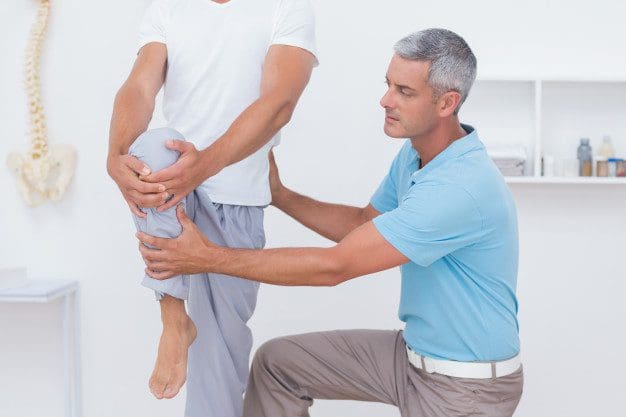
When you go to a chiropractor for functional short leg, he or she will do a thorough exam on you including diagnostic tests like MRI and x-ray. Once a diagnosis has been confirmed, the chiropractor will begin what is usually a multi-faceted approach that incorporates spinal alignment, a heel lift, lifestyle change recommendations, and exercises that you can do at home.
The chiropractic adjustments will return the spine to its natural position and bring the body back into balance. Patients will usually experience a dramatic decrease in pain or the pain will go away completely. They will also enjoy increased mobility and flexibility as well and an overall sense of wellness.
Injury Medical Clinic: Athletic Recovery & Rehabilitation
Tension headaches are the most prevalent types of headaches, occurring more often in women than in men. Research shows that 48 percent of women and 38 percent of men suffer from tension headaches.
Each year, patients spend more than $2 billion on over the counter headache medications. In fact, people spend a lot of money and effort seeking remedies for headaches. From prescription medication to over the counter drugs to alternative headache treatments like meditation, acupuncture, and chiropractic.
In fact, chiropractic is a proven treatment for these types headaches, but there is more to it than just adjustments. Chiropractic offers a whole body approach to treatment that can not only relieve the pain of these headaches, but help prevent them as well.
What Are Tension Headaches?
The most common type of headache is the tension headache which is described as pain ranging from mild to moderate that feels like a tight band is wrapped around the head. While stress can be a factor in the cause of these headaches, it still isn�t well understood how these headaches originate. Symptoms of a tension headache include:
Aching, dull pain in the head
Sensation of pressure or tightness on the back and sides of the head or across the forehead
Tenderness in the shoulder muscles, neck, and scalp
There are two categories of tension headaches: chronic and episodic. There are two primary factors that identify each type. The length of the headache and the frequency can help you determine which type of tension headache you have.
Chronic Tension Headaches
Length of Headache � hours and can be continuous
Frequency of Headache � occur 15 days or more a month for three or more months
Episodic Tension Headaches
Length of Headache – half hour to a week
Frequency of Headache � occur less than 15 days a month for three or more months
There are two primary risk factors for tension headaches:
Women � Research shows that nearly 90 percent of women will experience tension headaches throughout the course of their life. Only 70 percent of men will experience tension headaches in their lifetime.
Middle Age � Tension headaches increase as people approach 40 and peak at middle age, or when a person is in their 40s. However, anyone can get a tension headache, regardless of age.
Lifestyle Changes To Treat Tension Headaches
A chiropractor can treat tension headaches through traditional spinal manipulation and adjustments, but they also provide advice on lifestyle and nutrition. Several things that your chiropractor may suggest include applying heat or ice to the area around your neck, shoulders, or head. A warm bath or shower may also help.
Stress management is another way that you can learn to manage and prevent tension headaches. This is typically a combination of minimizing stress in your life and learning relaxation techniques. Your chiropractor may also help you improve your posture. Poor posture is a very common contributing factor for many types of headaches.
Chiropractic for Tension Headaches
Your Doctor of Chiropractic will sit down with you to discuss your history, including your headaches. He or she will conduct diagnostic tests including x-rays, MRIs and other to determine if there are underlying causes for your headaches. They will recommend various lifestyle changes including dietary changes and exercises that you can do.
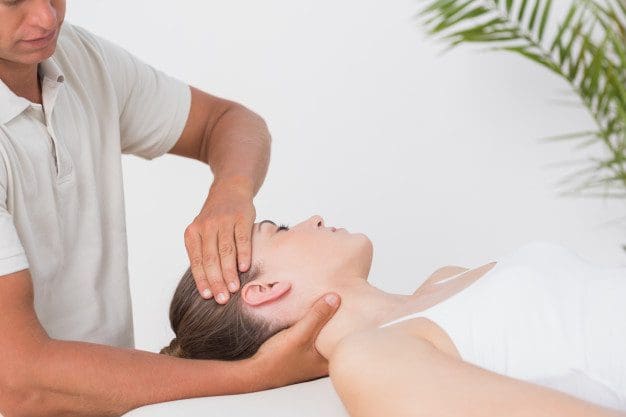
Your doctor may also perform chiropractic adjustments, or spinal manipulation which will help return the body to proper balance, improving spinal function and alleviating stress on the body and system. This helps to relieve pain as an immediate treatment, but when performed consistently, chiropractic can also help prevent tension headaches, allowing you to live pain free.
Injury Medical Clinic: Migraine Treatment & Recovery
Injured: In 2014, there were 2.8 million occupational injuries. This crossed all industries, but 75 percent were in those that provided a service.
These injuries can lead to time lost at work, decrease in production, depression, and temporary (or permanent) disability. These injuries can be caused by slip and fall, vehicle collisions, electrocution, struck by hazards, and caught in or between accidents. However, work related injury can also be caused by sitting at a desk or hunched over a computer for extended periods of time. Chiropractic has been shown to help workers who have been injured on the job, so they can return to work faster.
Injured
Common Occupational Injuries
Occupational injuries are vast and varied with a host of causes and many different symptoms. They can range from minor annoyances to significant damage that can lead to temporary or permanent disability. Some may require surgery while others require extended physical therapy, braces, and intensive medical treatments.
Thoracic outlet syndrome � This injury is caused by flexing the shoulder, carrying loads on your shoulders, and extending your arms above shoulder height for a prolonged period of time. It is marked by swelling, pain, dull ache, weakness, or a burning sensation in the affected area.
Elbow tendonitis (Epicondylitis) � This injury is caused by forceful or repeated forearm rotation while simultaneously bending the wrist. It is marked by swelling, dull ache, pain, burning, and weakness in the affected area.
Carpal tunnel syndrome � This injury can be caused by several things including vibratory tools, repetitive motion, and secondary factors. It is marked by numbness, pain, tingling, wasting of muscles at the thumb base, and burning.
DeQuervain�s disease � This injury is caused by forceful gripping and repetitive hand twisting. It is marked by pain at the thumb base.
Tendonitis/tenosynovitis � This injury is caused by sustained hyperextension of the knee, repetitive motion, and prolonged load overuse. It is marked by numbness, pain, and swelling in the hands.
Back and neck pain � This injury can have a wide variety of causes from repetitive motion to accident to improper equipment. It is the most common work related injury.
Preventing Workplace Injuries
While a few work related injuries are unavoidable, many can be prevented with a little extra attention and care. The American Chiropractic Association recommends the following practices to reduce the risk of a workplace injury.
Get regular exercise. This helps prevent back injuries by keeping your body strong, fit, and flexible.
If you do desk work, get a chair that fits you. This means that there should be two inches between the backs of your knees and the front edge of the seat. Your knees should be level with your hips or slightly below, never higher.
When doing computer work, use a foot rest for support and keep your knees between a 90 degree and 120-degree angle.
If your job requires you to sit for extended periods of time, take breaks at least every two hours to walk and stretch.
When you lift something heavy or awkward, don�t bend over to do it. Bend at your knees and hips, squatting as you pick up the object and let your legs do the work and keeping the object close to your body while your back remains straight. Do not let your body twist while you are trying to lift.
Of course, you should also follow all recommended and required safety guidelines for your workstation and place of employment.
Chiropractic For Workplace Injuries
Chiropractic care can help speed your recovery, improve your posture, and restore your mobility and strength. Through various chiropractic techniques, many of the occupational injuries listed here can be effectively treated. Chiropractic is a proven method for managing pain for the back and neck, but it has also been proven to be very beneficial for conditions like carpal tunnel, elbow tendonitis, and knee injuries.
Chiropractic�s whole body approach helps injured workers not only manage their pain and help heal their injury through adjustments, it can also help with soft tissue rehabilitation and other noninvasive therapies that improve range of motion. In short, chiropractic can help workers get back to work faster so less time is lost from work and the financial impact is greatly decreased.
Injury Medical Clinic: Accident Treatment & Recovery
Chiropractic Benefits: If you have ever had a migraine before then you know that it is much more than a simple headache. The symptoms of a migraine can be debilitating, lasting hours and even days. According to the Migraine Research Foundation, it is the eighth most disabling disease in the world. It is estimated that 38 million people in the United States alone suffer from migraine headaches. That�s around one in every ten people.
According to the Migraine Research Foundation, migraine headaches are extremely difficult to treat and even more difficult to control. This is mainly due to the fact that doctors still don�t know exactly what causes it. This leaves it undiagnosed in many patients and often terribly under treated in those with a diagnosis.
The best many doctors seem to be able to do is prescribe pain medication that has undesirable side effects in an effort to manage the symptoms. However, chiropractic has been shown in several studies to not only effectively manage the pain of migraines, it also helps stop and prevent them.
Anatomy Of A Migraine Headache
There are two types of migraines, those with an aura and those without an aura. An aura can appear up to an hour before the onset of a migraine. It is a warning sign that usually presents as a disturbance that is either visual or olfactory. The person may see flashes of light or smell particular odors before the headache begins. About one in six migraines are preceded by an aura.
Once the migraine itself begins, the pain is typically on one side of the head, although this is not always the case. Other symptoms may include nausea, vomiting, sensitivity to noise, sensitivity to light, and sensitivity to smell. Some patients experience an inability to concentrate, hot or cold flashes, stiffness in neck or shoulders, slurred speech, loss of coordination, and in rare cases, loss of consciousness.
The migraine can last several minutes, hours, or even days. Afterwards the patient may feel fatigued or washed out. They may be unable to concentrate and either lethargic or extremely energetic.
Studies Show: Chiropractic As A Migraine Treatment
There have been several clinical studies on chiropractic as a treatment for migraine headaches. The results of one study reported that 22 percent of patients who received chiropractic treatment for their migraines reported that their attacks were reduced by more than 90 percent. Additionally, 49 percent reported that the intensity of their migraines was significantly reduced.
Another study randomly assigned people with migraine headaches several different treatments. One group was given Elavil, a daily medication, another group was given chiropractic treatment and a third group received a combination of the two treatments. The results showed that chiropractic was as effective in reducing migraines as the medication and it had fewer side effects. Other studies have also found that chiropractic is as effective as medication for the treatment and prevention of migraine or tension headaches.
Chiropractic Benefits For Migraines Headaches
Spinal adjustments are very effective as a treatment for migraines. The whole body approach of chiropractic also utilizes dietary recommendations, including foods to avoid, as well as lifestyle changes.
The patient may be counseled on managing stress, advised to engage in exercise, and given supplements. The treatments may be used to reduce the pain and severity of a migraine once it begins or it can be used to prevent migraines and reduce their frequency.
Chiropractic benefits everyone and is a safer treatment with fewer side effects than�prescription medications. Chiropractic is quickly becoming the treatment of choice for many migraine sufferers. As the studies show, it works! So if you or a loved one suffer from migraines, give us a call. Our Doctor of Chiropractic is here to help!
Feet are important. When you consider what your feet go through, taking 8,000 steps over the course of a day, according to the Illinois Podiatric Medical Association (IPMA), it�s easy to see how 75 percent of all Americans will have some type of foot pain at some point in their lives. Plantar fasciitis is a common and very painful foot condition that can become chronic if not treated. It is also a condition that responds very well to chiropractic care.
Plantar Fasciitis Explained
Plantar fasciitis is caused when the ligament that connects your toes to your heel (the plantar fascia) becomes inflamed, swollen, and weak. This causes the bottom of your foot or heel to hurt when you walk or stand, especially when you first wake or after sitting for a long time.
The pain tends to be sharp and stabbing. It is the most common cause of heel pain and is more prevalent among middle aged people. However, anyone can get it at any age, especially people who spend a lot of time on their feet.
How Chiropractic Helps Plantar Fasciitis
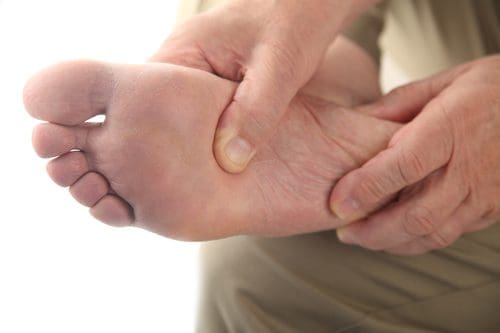
Chiropractic care is a very effective treatment for plantar fasciitis as well as the pain that is caused by the condition. Chiropractic for plantar fasciitis involves a very precise technique that involves adjustments to the feet and ankles as well as spinal alignment. This provides several benefits.
Reduces Stress in the Plantar Fascia � When a ligament is inflamed or stressed the tissue can develop very small tears that cause the pain of plantar fasciitis. Chiropractic adjustments made to the heel and foot take the pressure off of the plantar fascia, allowing it to relax.
Promotes Healing � When the stress on the plantar fascia is reduced through these chiropractic adjustments, the foot can begin to heal. The chiropractor may also recommend specific exercises that stretch the ligament and help it heal. They may also advise the patient of lifestyle changes as well as nutritional adjustments that can help with the pain and condition.
Provides Effective Pain Management � Chiropractic is a very effective way to manage pain throughout the body. Spinal adjustments allow better communication between the brain and nerves, allowing the central nervous system to function more effectively. Condition specific adjustments speak to the root of the problem, not just the symptoms. This means a more effective form of pain management that is longer lasting.
Reduces the Risk of Further Injury � When a person has a condition like plantar fasciitis, they will often adjust their gait in an effort to avoid the pain. This puts stress on other parts of the body and can lead to back pain, sore joints, strained muscles, and other problems. Chiropractic�s whole body approach helps the person realign their body properly so that they stand and walk properly. This helps them avoid further injury and discomfort.
Chiropractic Complements Other Treatments
While chiropractic care can be an effective treatment for plantar fasciitis on its own, it is also a very good complement to other treatments for the condition. Patients may use chiropractic in conjunction with physical therapy, massage, and even injections to manage the pain and treat the condition. It can also help with speeding healing and helping to provide better mobility.
Plantar fasciitis can take several months to heal, but by adding chiropractic treatments to your recovery plan, you can feel better faster while more effectively managing your pain. Regular chiropractic treatments can also keep the condition from becoming chronic. By working with your chiropractor and following their recommendations you can reduce your pain and shorten your healing time.
Injury Medical Chiropractic Clinic & Chronic Pain & Treatments
Sandra Rubio talks about personal injury rehabilitation, including stretches and exercises, which are provided by Dr. Alex Jimenez and his staff, aside from chiropractic care. Dr. Jimenez offers the services of personal trainers and physical therapists to help improve the patient’s strength, mobility and flexibility to prevent further injury as well as to help speed up the patient’s recovery process.
Personal Injury Rehabilitation
Physical therapy (PT), also known as physiotherapy, is one of the allied health professions which, by utilizing mechanical force and motions (bio-mechanics or kinesiology), manual therapy, exercise therapy, and electrotherapy, helps treat injuries and conditions by promoting proper function. Physical therapy is used to improve a patient’s quality of life through examination, diagnosis, prediction and physical intervention. It’s generally performed by physical therapists (called physiotherapists in several nations).
A personal injury doctor or chiropractor is an effective, alternative treatment option for a variety of injuries surrounding the spine. When an individual has suffered an injury as a result of an auto accident, work accident or home accident a personal injury doctor can positively influence the proper progress of their rehabilitation, helping the individual obtain the fair compensation they need and deserve for their injuries. An experienced and well-trained personal injury doctor can provide quality treatment as well as support patients throughout their injury claim procedures.
We want you to live a life that is fulfilled with more energy, positive attitude, better sleep, less pain, proper body weight and educated on how to maintain this way of life. I have made a life of taking care of each and every one of my patients.
I assure you, I will only accept the best for you�
God Bless You & Your Health�?
If you have enjoyed this video and/or we have helped you in any way please feel free to subscribe and share us.
Chiropractic Therapy: Sandra Rubio discusses how Dr. Alex Jimenez and his staff can help relieve your sciatica symptoms. Chiropractic care can improve pain and discomfort as well as reduce irritation and inflammation caused by sciatica. In addition, a chiropractor like Dr. Jimenez can also provide nutritional and fitness advice for sciatic nerve pain. Other treatment methods, like deep-tissue massage, can help relieve sciatica symptoms. Dr. Alex Jimenez is the homeopathic, non surgical choice for sciatic nerve pain and its associated symptoms.
Chiropractic Therapy For Sciatica Pain
Sciatica is generally caused by the compression of lumbar or sacral nerves or by compression of the sciatic nerve. When sciatica is caused by compression of a dorsal nerve root, it’s known as lumbar radiculopathy. This can occur because of a spinal disk bulge or spinal disk herniation (a herniated intervertebral disc), or by roughening, enlarging, or misalignment (spondylolisthesis) of the fascia, or as a consequence of degenerated discs which can reduce the diameter of the lateral foramen by which nerve roots exit the spine.
Our objective is to alleviate your pain and restore freedom, in�treating��our�sciatica�sufferers. Employing state of the art x-ray/fluoroscopic and ultrasound helps our experts pinpoint what�s going on. For treating sciatica we believe in the ability of medicine. By stimulating the body�s natural healing response, these procedures let us naturally provide long-term and deep pain relief.
We want you to live a life that is fulfilled with more energy, positive attitude, better sleep, less pain, proper body weight and educated on how to maintain this way of life. I have made a life of taking care of each and every one of my patients.
I assure you, I will only accept the best for you�
God Bless You & Your Health�?
If you have enjoyed this video and/or we have helped you in any way please feel free to subscribe and share us.
IFM's Find A Practitioner tool is the largest referral network in Functional Medicine, created to help patients locate Functional Medicine practitioners anywhere in the world. IFM Certified Practitioners are listed first in the search results, given their extensive education in Functional Medicine







 While
While 
 A personal injury doctor or chiropractor is an effective, alternative treatment option for a variety of injuries surrounding the spine. When an individual has suffered an injury as a result of an auto accident, work accident or home accident a personal injury doctor can positively influence the proper progress of their rehabilitation, helping the individual obtain the fair compensation they need and deserve for their injuries. An experienced and well-trained personal injury doctor can provide quality treatment as well as support patients throughout their injury claim procedures.
 Our objective is to alleviate your pain and restore freedom, in�treating��our�sciatica�sufferers. Employing state of the art x-ray/fluoroscopic and ultrasound helps our experts pinpoint what�s going on. For treating sciatica we believe in the ability of medicine. By stimulating the body�s natural healing response, these procedures let us naturally provide long-term and deep pain relief.