Costochondritis, also called Tietze syndrome, is often misdiagnosed due to the varied symptoms. It involves the ribs and, depending on the area affected, the pain, discomfort, and other symptoms can mislead doctors to underdiagnose or misdiagnose.
Patients may experience pain in the side, back, and chest which means it can mimic several different conditions, including heart attack, gastrointestinal problems, and lung disease. This can lead to anxiety and increased stress. It is also a chronic problem for some people, causing pain that can range from moderate to intense.
What Is Costochondritis?
The body is constructed so that the ribs protect the lungs. The first seven pairs connect to the sternum in the front and at two areas in the back along the spine while the lower five pairs are connected in the front by cartilage and in the back along the spine.
Ribs are meant to protect the organs, including the lungs and they are on hinges so that the lungs have room to expand during respiration. Costochondritis occurs when one of those hinges doesn�t work or the cartilage becomes inflamed. The condition is accompanied by pain and sometimes swelling in the affected area.
Symptoms Of Costochondritis
While swelling may occur in some cases with costochondritis, the primary symptom is pain in the chest area. This pain may become worse when coughing or taking a deep breath and is typically characterized as sharp or aching, although some patients do describe pressure or tightness in the chest area. It often occurs on the left side of the sternum and typically affects several ribs instead of just one. The area is also usually sensitive to touch and pressing on it will increase the pain.
Because the pain occurs in the chest area, many people believe that they are having a heart attack. It is important to note that anyone who experiences chest pain or tightness should seek emergency medical attention immediately in order to rule out heart attack or other life threatening conditions.
How Is Costochondritis Diagnosed?
Usually when a patient seeks treatment for costochondritis, there is no clear cause. However, there are some conditions and activities that have been linked to it and could be the cause or aid in creating the condition. Typical causes of costochondritis include:
Physical strain such as severe coughing, strenuous exercise, and heavy lifting. People with bronchitis and pneumonia sometimes get costochondritis because of the intense coughing. It is also common among body builders, caused when they strain to lift extremely heavy weights.
Injury such as getting hit in the chest.
Joint infection such as bacteria, viruses, and fungi that cause illnesses like aspergillosis, syphilis, and tuberculosis can infect and inflamer the rib joints.
Arthritis such as ankylosing spondylitis, rheumatoid arthritis, and osteoarthritis have all been linked to costochondritis.
Tumors including cancerous as well as noncancerous can cause costochondritis. When cancer moves through the body from the lung, thyroid, or breast it can cause inflammation in the rib joints.
People over 40 years old and women are the high-risk categories for costochondritis. Young adults and teenagers are more prone to the connected condition, Tietze syndrome, which is equally frequent in both women and men.
Chiropractic For Costochondritis
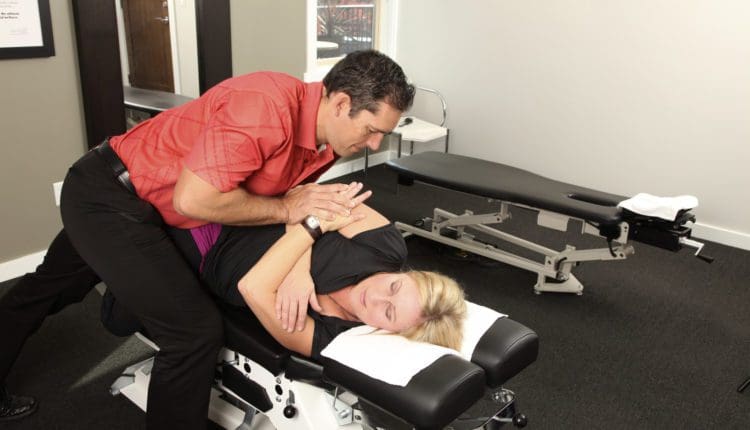
There is no standard treatment for costochondritis other than managing symptoms. However, chiropractic has proven to be exceptional for managing pain. Chiropractic treatment for the condition involves a gentle approach with anterior thoracic chiropractic adjustments along with treatment for the soft tissue around the affected area and extending along the nerve path.
The chiropractor may also recommend alternating heat and cold directly on the painful areas. Light massage may also work and the chiropractor will show them how to do this at home for continuing self-care. With regular chiropractic treatments and diligent self-care at home, patients can lessen the occurrences of costochondritis and greatly reduce or eliminate the pain.
Injury Medical Clinic: New Patient Chiropractic Care Intake Forms
Chiropractor Near Me: Due to his previous back injury history, George Lara suffered a recent back injury which he was unfortunately unable to recover from through traditional treatment. That’s when the VA recommended him to seek chiropractic care with Dr. Alex Jimenez, ultimately changing his quality of life. George Lara had degenerative disc disease, or DDD, and sciatic nerve pain before receiving treatment with Dr. Alex Jimenez. George Lara describes how much his life has improved with chiropractic care and he’s grateful of the services and care he received. George Lara recommends Dr. Alex Jimenez as the non-surgical choice for back pain, among other spine health issues.
Chiropractor Near Me
Chiropractic care is a means to diagnose and treat health problems that affect the nerves, muscles, bones, and joints of the body. A healthcare provider who supplies chiropractic care is known as a chiropractor. Adjustment of the spine, known as manipulation, is the basis of care. Chiropractors also use other kinds of treatments. Your physician will ask about your goals for your health history and therapy. It’s important to inform your physician about any physical problems you may have which make it difficult for you to do particular things.
We are blessed to present to you�El Paso�s Premier Wellness & Injury Care Clinic.
As El Paso�s Chiropractic Rehabilitation Clinic & Integrated Medicine Center,�we passionately are focused treating patients after frustrating injuries and chronic pain syndromes. We focus on improving your ability through flexibility, mobility and agility programs tailored for all age groups and disabilities.
If you have enjoyed this video and/or we have helped you in any way please feel free to subscribe and share us.
Three Steps: Your lower back needs protection, strength and nourishment to help prevent and reduce lower back pain.
Adding these 3 steps to one’s day can help take stress off your lower back:
Three Steps
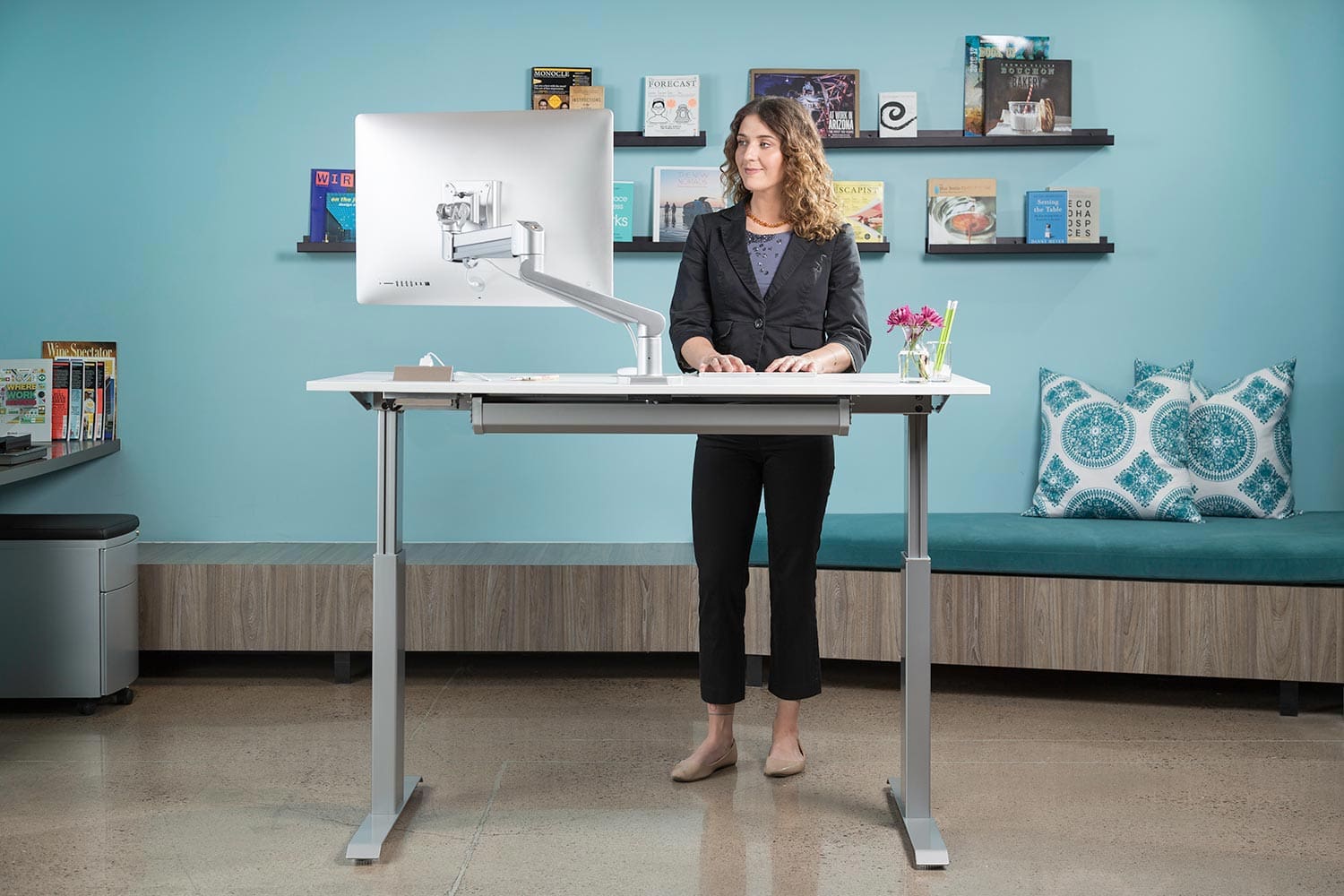
1. Work On A Stand-Up Desk For Part Of The Day
Too much sitting is common in the cause of low back pain. Posture while sitting, forward leaning in order to look at a computer screen, affects the natural alignment of the lower spine by placing a heavy load on the lumbar discs and joints.
Many people are utilizing standup desks for part of their workday. Standup desks come in a variety of shapes, functionality, and price ranges. They can be inexpensive to fully adjustable, automatic models.
If lower back pain is already an issue, only stand for part of the day and gradually increase to longer standing times. Cushioned and standing mats add additional comfort, as well as, exercise benefits. Standing more, along with quick walks and/or quick stretches at the half hour can break up the extended sitting cycle.
2. Stretch Hamstrings On A Daily Basis
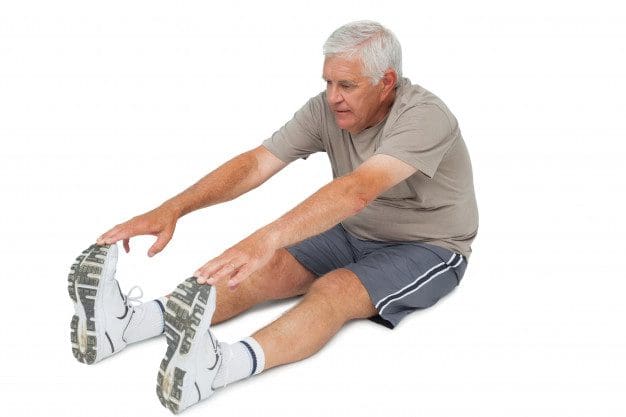
Hamstrings are the large muscles that run down the back of each thigh. They can quite easily become tight. If they become very tight then the hamstring/s will transfer stress across the lower back and can lead to back pain.
There are a variety of hamstring stretches that are gentle on the back and easy to do: pick one or two that work for you and are easy to incorporate it into a daily routine.
3. Sleep In A Reclined Position
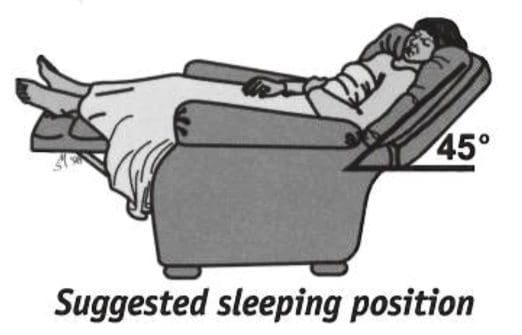
People with lower back pain feel more support when the lower back is in a slightly reclined position, along with the knees supported and elevated. This is true for lower back diagnoses, such as osteoarthritis, spinal stenosis, and lumbar degeneration.
If it is difficult to sleep on your back, try resting in this position in a reclining chair or bed before going to sleep.
Sleeping the most comfortable in a supported, reclined position can come from switching to an adjustable bed, aka (adjustable base). Just like the stand-up desks, these models range from basic to sophisticated options.
A new development now is that online mattress companies now offer mattress bases that are fully adjustable, and some offer free delivery/setup. Consider a new mattress with an adjustable base that goes with the mattress. This combination may work to help your back.
We encourage back pain supplementation with chiropractic treatment and any type of steps one can take to help prevent and reduce lower back.
Injury Medical Clinic: Sciatica Treatments & Recoveries
Opioids and Prescription drug abuse and addiction is a significant problem in the United States. In fact, the U.S. Department of Health and Human Services (HHS) has declared it an epidemic.
Researchers estimate that as many as 36 million people worldwide abuse opioids. Estimates in the U.S. alone reached 2.1 million people in 2012. In 2014, six out of ten drug overdose deaths involved an opioid � including prescription opioids for pain relief.
Every day, 78 Americans die from an opioid overdose. As the Opioid drug problem continues to spiral further out of control, claiming more lives, people are looking for safer, drug free ways to relieve their pain. Chiropractic offers such an option.
What Are Opioids?
Opioids are prescription medications that are intended for pain relief. They work by diminishing the intensity level of pain signals as they reach the brain. They also affect the areas of the brain that control emotion thereby weakening the perception of the pain as well. There are several very popular medications that are classified as opioids:
Hydrocodone (Vicodin)
Oxycodone (Percocet, OxyContin)
Morphine (Avinza, Kadian)
Codeine
The most commonly prescribed opioids are hydrocodone products. They are used to treat pain from injuries, dental work, and typically moderate pain. Milder pain is often treated with codeine but it is also used to treat coughing as well as severe diarrhea. Overall, opioids are used to treat everything from cancer pain to post-op pain to osteoarthritis.
What Are The Dangers Of Opioids?
Opioids have a serious risk of abuse, addiction, and overdose. Even then they are taken as prescribed, opioids can have the following side effects:
Excessive sleepiness
Nausea
Dry mouth
Vomiting
Confusion
Dizziness
Depression
Constipation
Low energy
Sweating
Low testosterone levels that result in a diminished sex drive
Itching
Decreased strength
Increased pain sensitivity
Over time, the body can build up a tolerance to the drug which means that in order to achieve the same relief from pain they must take more of it. Physical dependence is also a concern, usually going hand in hand with tolerance. Once that point is reached the patient will experience symptoms of withdrawal if they stop taking the medication.
If Doctors Are Prescribing Opioids, How Are People becoming Addicted?
In 2013, doctors wrote almost a quarter of a billion prescriptions for opioids. To put that into perspective, that is enough for every adult in the U.S. to have their own bottle of the drug. Doctors prescribe opioids to their patients in an effort to treat pain, but most of the time it is just a band aid. Instead of seeking out the root of the problem and educating their patients on whole body wellness, they prescribe pills that numb the senses, cause unpleasant or even dangerous side effects, and create addictions.
As the patient develops a tolerance for the drug, the doctor increases the prescription. This cycle continues as the patient become more and more dependent upon the drug. They may even experience more pain as the drug increases their pain sensitivity. As patients become addicted, the number of prescription opioid overdose deaths is steadily increasing. The most common drugs involved in these overdose deaths include:
Hydrocodone (Vicodin)
Oxycodone (OxyContin)
Methadone
States are putting measures in place to monitor and regulate how doctors prescribe opiates, but when desperate, addicted patients will go to great lengths to obtain the drugs they are addicted to. They will go to different doctors to get additional prescriptions or even find ways to obtain the drug illegally. It is a heartbreaking problem that is completely preventable.
How Is Chiropractic A Safer Alternative To Opioids?
Chiropractic is a proven method for managing pain relief that is not only effective but safe and drug free. Numerous chiropractic studies confirm what chiropractic patients have been saying for decades: chiropractic care is an excellent pain management method. The spinal adjustments bring the body into balance but that is only the beginning of the benefits. Chiropractic focuses on whole body wellness so patients learn how to take proactive steps to treat their condition.
It also seeks to find the root of the problem and begin healing by treating the cause. Through exercise, diet, and lifestyle recommendations in addition to the chiropractic adjustments, patients can get relief from pain caused by injury, surgery, arthritis, and many other conditions. Chiropractic is so much more than a back pain treatment; it is a whole body, whole patient treatment.
Muscle Relaxants? Nearly everyone, more than 80 percent of the world�s population, will experience back pain at some point in their lifetime. Just ask the 31 million Americans suffering from low back pain at any given time.
In fact, globally it is the leading cause of disability. It is the most common reason that people miss work and the second more common reason for doctor�s office visits. In the United States alone more than $50 billion is spent each year trying to relieve back pain, but even that figure is not complete, but only based on trackable, identifiable costs.
There have been studies published over the years that unequivocally show chiropractic as a viable and extremely effective treatment for back pain. Several of these studies plainly show that chiropractic is better than muscle relaxants.
Muscle Relaxants & Chiropractic Study
One study that is one of the most notable was conducted at Life University in Georgia. It has been cited in several journals and used as a catalyst for proving the efficacy of chiropractic treatment for back pain and its superiority to muscle relaxants.
Study Parameters
The study involved 192 subjects who had been experiencing lower back pain for a period of time ranging from two to six weeks. The subjects were separated into three groups:
Group One – Chiropractic adjustments combined with placebo medication
Group Two � Muscle relaxants combined with sham chiropractic adjustments
Group Three � Control Group � received both placebo medication and sham chiropractic adjustments
All groups were given the same length of care, four weeks, with an evaluation of progress at the two-week mark and the four-week mark. The pain was assessed using the Zung Self-Rating for Depression scale, the Oswestry Low Back Pain Disability Questionnaire, and the Visual Analog Scale (VAS). Upon admission into the study during the initial visit as well as at the two-week evaluation, Shober�s Test for Lumbar Flexibility was also administered.
The subjects in all three groups were also allowed to take acetaminophen for pain. This was an additional evaluative measure to assess the need for additional self-medication.
During the course of the study there was a two-week treatment period where the subjects in the chiropractic adjustment group received a total of seven adjustments. These adjustments were tailored to each patient�s specific needs and included pelvic adjustments, sacral (lower back), or lumbar and upper cervical (neck and back).
The sham treatments mimicked all aspects of an actual chiropractic adjustment including dialog, normal visit length, and procedures. However, no actual adjustments were performed.
Study Results
At the conclusion of the study, the subjects who received chiropractic treatment reported a significant decrease in pain and an increase in flexibility. Of the groups that did not receive chiropractic treatment there were no significant differences noted. There was a decrease in disability and depression across all three groups, indicating that muscle relaxants are effective in treating back pain, but overall chiropractic care is the more effective option for treating back pain and disability.
What Does This Mean For Patients With Back Pain?
Patients suffering from back pain can receive greater relief without the undesirable side effects of muscle relaxants by seeking chiropractic care. Patients who are using muscle relaxants to treat their back pain should talk to their chiropractor and doctor about incorporating chiropractic treatment into their patient care regimen. Patients experiencing back pain should pursue chiropractic care before resorting to more aggressive methods including muscle relaxants.
Chiropractic care is a safe, non-invasive treatment for back pain. It also facilitates healing, increases flexibility, and improves mobility. Patients who are looking for a healthy treatment option that focuses on overall wellness, Chiropractic could be the answer.
Chiropractic Care: Tracy Ludech, club director and coach of the El Paso Diggers, expresses how much of a difference the fitness program at PUSH has done for her athletes. Working cohesively and diligently together with the staff and trainers at PUSH, Tracy Ludech has witnessed tremendous improvements in her athlete’s strength, mobility and flexibility. Tracy Ludech encourages others to experience the benefits that a fitness program can have on young athletes.
Chiropractic Care Power & Rehabilitation
Physical wellness is a condition of health and well-being and, more especially, the ability to do aspects of sport, jobs and daily activities. Physical fitness is generally accomplished through proper nourishment, moderate-vigorous physical exercise, and sufficient rest. An extensive fitness program tailored to someone normally concentrates on one or more specific skills, and on medical needs like bone health. Many sources also cite psychological, social and emotional wellbeing as an significant part overall wellbeing. Physical fitness may also prevent or treat several chronic health conditions brought on by unhealthy lifestyle or aging.
We are blessed to present to you�El Paso�s Premier Wellness & Injury Care Clinic.
As El Paso�s Chiropractic Rehabilitation Clinic & Integrated Medicine Center,�we passionately are focused treating patients after frustrating injuries and chronic pain syndromes. We focus on improving your ability through flexibility, mobility and agility programs tailored for all age groups and disabilities.
If you have enjoyed this video and/or we have helped you in any way please feel free to subscribe and share us.
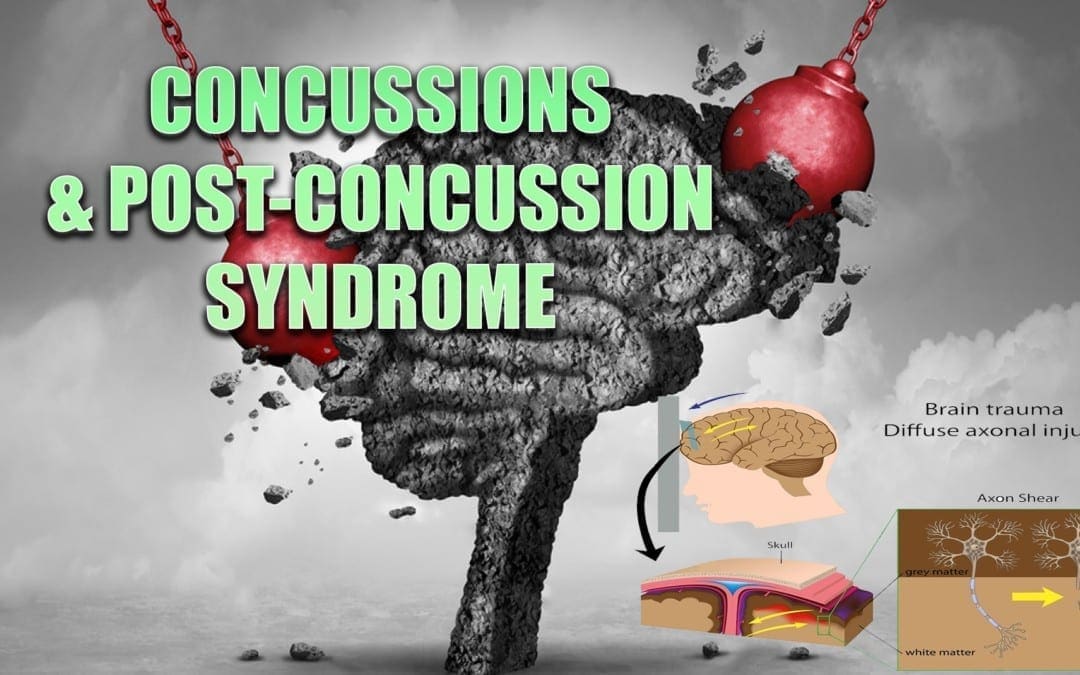
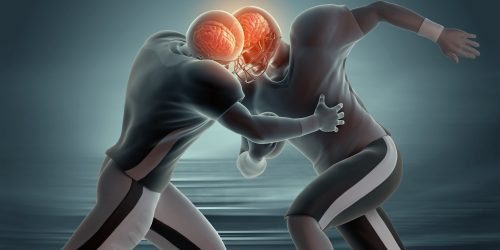
Concussions are traumatic brain injuries that affect brain function. Effects from these injuries are often temporary but can include headaches, problems with concentration, memory, balance and coordination. Concussions are usually caused by a blow to the head or violent shaking of the head and upper body. Some concussions cause loss of consciousness, but most do not. And it is possible to have a concussion and not realize it. Concussions are common in contact sports, such as football. However, most people gain a full recovery after a concussion.
Can also happen due to excessive shaking of the head or acceleration/deceleration
Mild injuries (mTBI/concussions) are the most common type of brain injury
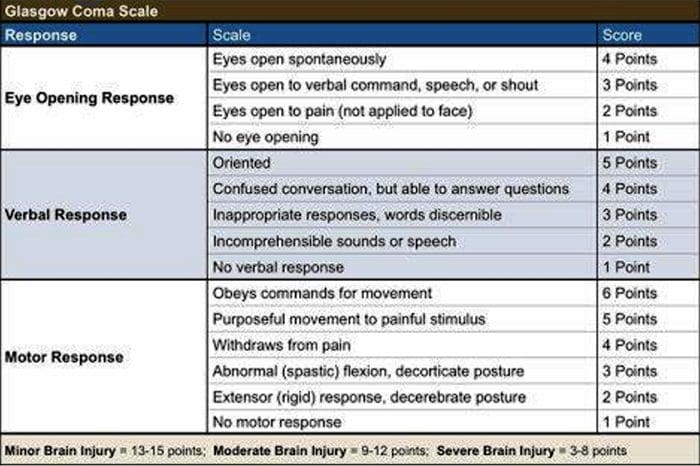
Glasgow Coma Scale
Common Causes Of Concussion
Motor vehicle collisions
Falls
Sports injuries
Assault
Accidental or intentional discharge of weapons
Impact with objects
Prevention
Prevention of concussive injuries can be paramount
Encourage Patients To Wear Helmets
Competitive sports, especially boxing, hokey, football and baseball
Horseback riding
Riding bicycles, motorcycles, ATVs, etc.
High elevation activates such as rock climbing, zip lining
Skiing, snowboarding
Encourage Patients To Wear Seatbelts
Discuss the importance of wearing seatbelts at all times in vehicles with all of your patients
Also encourage use of appropriate booster or car seats for children to ensure adequate fit and function of seat belts.
Driving Safely
Patients should never drive while under the influence of drugs, including certain medications or alcohol
Never text and drive
Make Spaces Safer For Children
Install baby gates and window latches in the home
May in areas with shock-absorbing material, such as hardwood mulch or sand
Supervise children carefully, especially when they�re near water
Prevent Falls
Clearing tripping hazards such as loose rugs, uneven flooring or walkway clutter
Using nonslip mats in the bathtub and on shower floors, and installing grab bars next to the toilet, tub and shower
Ensure appropriate footwear
Installing handrails on both sides of stairways
Improving lighting throughout the home
Balance training exercises
Balance Training
Single leg balance
Bosu ball training
Core strengthening
Brain balancing exercises
Concussion Verbiage
Concussion vs. mTBI (mild traumatic brain injury)
mTBI is the term being used more commonly in medical settings, but concussion is a more largely recognized term in the community by sports coaches, etc.
The two terms describe the same basic thing, mTBI is a better term to use in your charting
Evaluating Concussion
Remember that there does not always have to be loss of consciousness for there to be a concussion
Post-Concussion Syndrome can occur without LOC as well
Symptoms of concussion may not be immediate and could take days to develop
Monitor for 48 post head injury watching for red flags
Blurred eyesight or other vision problems, such as dilated or uneven pupils
Confusion
Dizziness
Ringing in the ears
Nausea or vomiting
Slurred speech
Delayed response to questions
Memory loss
Fatigue
Trouble concentrating
Continued or persistent memory loss
Irritability and other personality changes
Sensitivity to light and noise
Sleep problems
Mood swings, stress, anxiety or depression
Disorders of taste and smell
Mental/Behavioral Changes
Verbal outbursts
Physical outbursts
Poor judgment
Impulsive behavior
Negativity
Intolerance
Apathy
Egocentricity
Rigidity and inflexibility
Risky behavior
Lack of empathy
Lack of motivation or initiative
Depression or anxiety
Symptoms In Children
Concussions can present differently in children
Excessive crying
Loss of appetite
Loss of interest in favorite toys or activities
Sleep issues
Vomiting
Irritability
Unsteadiness while standing
Amnesia
Memory loss and failure to form new memories
Retrograde Amnesia
Inability to remember things that happened before the injury
Due to failure in recall
Anterograde Amnesia
Inability to remember things that happened after the injury
Due to failure to formulate new memories
Even short memory losses can be predictive of outcome
Amnesia may be up to 4-10 times more predictive of symptoms and cognitive deficits following concussion than is LOC (less than 1 minute)
Return To Play Progression
Baseline: No Symptoms
As the baseline step of the Return to Play Progression, the athlete needs to have completed physical and cognitive rest and not be experiencing concussion symptoms for a minimum of 48 hours. Keep in mind, the younger the athlete, the more conservative the treatment.
Step 1: Light Aerobic Activity
The Goal: Only to increase an athlete�s heart rate.
The Time: 5 to 10 minutes.
The Activities: Exercise bike, walking, or light jogging.
Absolutely no weight lifting, jumping or hard running.
Step 2: Moderate activity
The Goal: Limited body and head movement.
The Time: Reduced from typical routine.
The Activities: Moderate jogging, brief running, moderate-intensity stationary biking, and moderate-intensity weightlifting
Step 3: Heavy, non-contact activity
The Goal: More intense but non-contact
The Time: Close to typical routine
The Activities: Running, high-intensity stationary biking, the player�s regular weightlifting routine, and non- contact sport-specific drills. This stage may add some cognitive component to practice in addition to the aerobic and movement components introduced in Steps 1 and 2.
Step 4: Practice & full contact
The Goal: Reintegrate in full contact practice.
Step 5: Competition
The Goal: Return to competition.
Microglial Priming
After head trauma microglial cells are primed and can become over active
To combat this, you must mediate the inflammation cascade
Prevent repeated head trauma
Due to priming of the foam cells, response to follow-up trauma may be far more severe and damaging
What Is Post-Concussion Syndrome (PCS)?
Symptoms following head trauma or mild traumatic brain injury, that can last weeks, months or years after injury
Symptoms persist longer than expected after initial concussion
More common in women and persons of advanced age who suffer head trauma
Severity of PCS often does not correlate to severity of head injury
PCS Symptoms
Headaches
Dizziness
Fatigue
Irritability
Anxiety
Insomnia
Loss of concentration and memory
Ringing in the ears
Blurry vision
Noise and light sensitivity
Rarely, decreases in taste and smell
Concussion Associated Risk Factors
Early symptoms of headache after injury
Mental changes such as amnesia or fogginess
Fatigue
Prior history of headaches
Evaluation Of PCS
PCS is a diagnosis of exclusion
If patient presents with symptoms after head injury, and other possible causes have been ruled out => PCS
Use appropriate testing and imaging studies to rule out other causes of symptoms
Headaches In PCS
Often �tension� type headache
Treat as you would for tension headache
Reduce stress
Improve stress coping skills
MSK treatment of the cervical and thoracic regions
Constitutional hydrotherapy
Adrenal supportive/adaptogenic herbs
Can be migraine, especially in people who had pre-existing migraine conditions prior to injury
Reduce inflammatory load
Consider management with supplements and or medications
Reduce light and sound exposure if there is sensitivity
Dizziness In PCS
After head trauma, always assess for BPPV, as this is the most common type of vertigo after trauma
Dix-Hallpike maneuver to diagnose
Epley�s maneuver for treatment
Light & Sound Sensitivity
Hypersensitivity to light and sound is common in PCS and typically exacerbates other symptoms such as headache and anxiety
Management of excess mesencephalon stimulation is crucial in such cases
Sunglasses
Other light blocking glasses
Earplugs
Cotton in ears
Treatment Of PCS
Manage each symptom individually as you otherwise would
Manage CNS inflammation
Curcumin
Boswelia
Fish oil/Omega-3s � (***after r/o bleed)
Cognitive behavioral therapy
Mindfulness & relaxation training
Acupuncture
Brain balancing physical therapy exercises
Refer for psychological evaluation/treatment
Refer to mTBI specialist
mTBI Specialists
mTBI is difficult to treat and is an entire specialty both in the allopathic and complementary medicine
Primary objective is to recognize and refer for appropriate care
Pursue training in mTBI or plan to refer to TBI specialists
Sources
�A Head for the Future.� DVBIC, 4 Apr. 2017, dvbic.dcoe.mil/aheadforthefuture.
Alexander G. Reeves, A. & Swenson, R. Disorders of the Nervous System. Dartmouth, 2004.
�Heads Up to Health Care Providers.� Centers for Disease Control and Prevention, Centers for Disease Control and Prevention, 16 Feb. 2015, www.cdc.gov/headsup/providers/.
�Post-Concussion Syndrome.� Mayo Clinic, Mayo Foundation for Medical Education and Research, 28 July 2017, www.mayoclinic.org/diseases-conditions/post- concussion-syndrome/symptoms-causes/syc-20353352.
IFM's Find A Practitioner tool is the largest referral network in Functional Medicine, created to help patients locate Functional Medicine practitioners anywhere in the world. IFM Certified Practitioners are listed first in the search results, given their extensive education in Functional Medicine