Back pain is one of the most common causes people visit their healthcare professional every year. A primary care physician is often the first doctor who can provide treatment for a variety of injuries and/or conditions, however, among those individuals seeking complementary and alternative treatment options for back pain, most people choose chiropractic care. Chiropractic care focuses on the diagnosis, treatment and prevention of trauma and disease of the musculoskeletal and nervous systems, by correcting misalignments of the spine through the use of spinal adjustments and manual manipulations.
Approximately 35% of individuals seek chiropractic treatment for back pain caused by automobile accidents, sports injuries, and a variety of muscle strains. When people suffer an trauma or injury as a result of an accident, however, they may first receive treatment for their symptoms of back pain in a hospital. Hospital outpatient care describes treatment which does not require an overnight stay at a medical facility. A research study conducted an analysis comparing the effects of chiropractic care and hospital outpatient management for back pain. The results are described in detail below.
Abstract
Objective: To compare the effectiveness over three years of chiropractic and hospital outpatient management for low back pain.
Design: Randomised allocation of patients to chiropractic or hospital outpatient management.
Setting: Chiropractic clinics and hospital outpatient departments within reasonable travelling distance of each other in I I centres.
Subjects: 741 men and women aged 18-64 years with low back pain in whom manipulation was not contraindicated.
Outcome measures: Change in total 0swestry questionnaire score and in score for pain and patient satisfaction with allocated treatment.
Results: According to total 0swestry scores improvement in all patients at three years was about 291/6 more in those treated by chiropractors than in those treated by the hospitals. The beneficial effect of chiropractic on pain was particularly clear. Those treated by chiropractors had more further treatments for back pain after the completion of trial treatment. Among both those initially referred from chiropractors and from hospitals more rated chiropractic helpful at three years than hospital management.
Conclusions: At three years the results confirm the findings of an earlier report that when chiropractic or hospital therapists treat patients with low back pain as they would in day to day practice those treated by chiropractic derive more benefit and long term satisfaction than those treated by hospitals.
Introduction
In 1990 we reported greater improvement in patients with low back pain treated by chiropractic compared with those receiving hospital outpatient management. The trial was “pragmatic” in allowing the therapists to treat patients as they would in day to day practice. At the time of our first report not all patients had been in the trial for more than six months. This paper presents the full results up to three years for all patients for whom follow up information from Oswestry questionnaires and for other outcomes was available for analysis. We also present data on pain from the questionnaire, which is by definition the main complaint prompting referral or self referral.
Methods
Methods were fully described in our first report. Patients initially referred or presenting either to a chiropractic clinic or in hospital were randomly allocated to be treated either by chiropractic or in hospital. A total of 741 patients started treatment. Progress was measured with the Oswestry questionnaire on back pain, which gives scores for I 0 sections for example, intensity of pain and difficulty with lifting, walking, and travelling. The result is expressed on a scale ranging from 0 (no pain or difficulties) to 100 (highest score for pain and greatest difficulty on all items). For an individual item, such as pain, scores range from 0 to 10. The main outcome measures are the changes in Oswestry score from before treatment to each follow up. At one, two, and three years patients were also asked about further treatment since the completion of their trial treatment or since the previous annual questionnaire. At the three year follow up patients were asked whether they thought their allocated trial treatment had helped their back pain.
In the random allocation of treatment minimisation was used within each centre to establish groups for the analysis of results according to initial referral clinic, length of current episode (more or less than ‘a month), presence or absence of a history of back pain, and an Oswestry score at entry of > 40 or <=40%.
Results were analysed on an intention to treat basis (subject to the availability of data at follow up as well as at entry for individual patients). Differences between mean changes were tested by unpaired t tests, and X2 tests were used to test for differences in proportions between the two treatment groups.
Dr. Alex Jimenez’s Insight
Chiropractic is a natural form of health care which purpose is to restore and maintain the function of the musculoskeletal and nervous systems, promoting spinal health and allowing the body to heal itself naturally. Our philosophy emphasizes on the treatment of the human body as a whole, rather than on the treatment of a single injury and/or condition. As an experienced chiropractor, my goal is to properly assess patients in order to determine which type of treatment will most effectively heal their individual type of health issue. From spinal adjustments and manual manipulations to physical activity, chiropractic care can help correct spinal misalignments that cause back pain.
Results
Follow up Oswestry questionnaires were returned by a consistently higher proportion of patients allocated to chiropractic than to hospital treatment. At six weeks, for example, they were returned by 95% and 89% of chiropractic and hospital patients, respectively and at three years by 77% and 70%.
Mean (SD) scores before treatment were 29-8 (14-2) and 28-5 (14-1) in the chiropractic and hospital treatment groups, respectively. Table I shows the differences between the mean changes in total Oswestry scores according to randomly allocated treatment group. The difference at each follow up is the mean change for the chiropractic group minus the mean change for the hospital group.
Positive differences therefore reflect more improvement (due to a greater change in score) in those treated by chiropractic than in hospital (negative differences the reverse). The 3-18 percentage point difference at three years in table I represents a 29% greater improvement in patients treated with chiropractic compared with hospital treatment, the absolute improvement in the two groups at this time being 14-1 and 10-9 percentage points, respectively. As in the first report those with short current episodes, a history of back pain, and initially high Oswestry scores tended to derive most benefit from chiropractic. Those referred by chiropractors consistently derived more benefit from chiropractic than those referred by hospitals.
Table II shows changes between the scores on pain intensity before treatment and the corresponding scores at the various follow up intervals. All these changes were positive that is, indicated improvement but were all significantly greater in those treated by chiropractic, including the changes early on that is, at six weeks and six months, when the proportions returning questionnaires were high. As with the results based on the full Oswestry score the improvement due to chiropractic was greatest in those initially referred by chiropractors, although there was also a non-significant improvement (ranging from 9% at six months to 34% at three years) due to chiropractic at each follow up interval in those referred by hospitals.
Other scores for individual items on the Oswestry index to show significant improvement attributable to chiropractic were ability to sit for more than a short time and sleeping (P=0’004 and 0 03, respectively, at three years), though the differences were not as consistent as for pain. Other scores (personal care, lifting, walking, standing, sex life, social life, and travelling) also nearly all improved more in the patients treated with chiropractic, though most of the differences were small compared with the differences for pain.
Higher proportions of patients allocated to chiropractic sought further treatment (of any kind) for back pain after completion of trial treatment than those managed in hospital. For example, between one and two years after trial entry 122/292 (42%) patients treated with chiropractic compared with 80/258 (3 1%) of hospital treated patients did so (Xl=6 8, P=0 0 1).
Table III shows the proportions of patients at three years who thought their allocated trial treatment had helped their back pain. Among those initially referred by hospitals as well as among those initially referred by chiropractors higher proportions treated by chiropractic considered that treatment had helped compared with those treated in hospital.
Key Messages
Back pain often remits spontaneously
Effective treatments for non-remitting episodes need to be more clearly identified
Chiropractic seems to be more effective than hospital management, possibly because more treatments are spread over longer time periods
A growing number of NHS purchasers are making complementary treatments, including chiropractic, available
Further trials to identify the effective components of chiropractic are needed
Discussion
The results at six weeks and six months shown in table I are identical with those in our first report, as all patients had then been followed up for six months. The findings at one year are similar as many patients had also been followed up then. The considerably larger numbers of patients with data now available at two and three years show smaller benefits at these intervals than previously, though these still significantly favour chiropractic. The substantial benefit of chiropractic on intensity of pain is evident early on and then persists. The consistently larger proportions lost to follow up throughout the trial in those treated in hospital than in those treated by chiropractic suggests greater satisfaction with chiropractic. This conclusion is supported (table III) by the higher proportions in each referral group considering chiropractic helpful by comparison with hospital treatment.
The main criticism of the trial after our first report centred on its “pragmatic” nature, particularly the larger number of chiropractic than hospital treatments and the longer period over which the chiropractic treatments were spread and which were deliberately allowed. These considerations and any consequences of the higher proportions of patients allocated to chiropractic who received further treatment in the later stages of follow up, however, do not apply to the results at six weeks and only apply to a limited extent at six months, when the proportions followed up were high and extra treatment had either not occurred at all or was not yet extensive. Benefits atributable to chiropractic were already evident (especially on pain, table II) at these shorter intervals.
We believe there is now more support for the need for “fastidious” trials focusing on specific components of management and on their feasibility. Meanwhile, the results of our trial show that chiropractic has a valuable part to play in the management of low back pain.
We thank Dr Iain Chalmers for commenting on an earlier draft of the paper. We thank the nurse coordinators, medical staff, physiotherapists, and chiropractors in the 11 centres for their work, and Dr Alan Breen of the British Chiropractic Association for his help. The centres were in Harrow Taunton, Plymouth, Bournemouth and Poole, Oswestry, Chertsey, Liverpool, Chelmsford, Birmingham, Exeter, and Leeds. Without the assistance of many staff members in each the trial could not have been completed.
Funding: Medical Research Council, the National Back Pain Association, the European Chiropractors Union, and the King Edward’s Hospital Fund for London.
Conflict of interest: None.
In conclusion,�after three years, the results of the research study comparing chiropractic care and hospital outpatient management for low back pain determined that people treated by chiropractic experienced more benefits as well as long-term satisfaction than those treated by hospitals. Because back pain is one of the most common�causes people visit their healthcare professional every year, its essential to seek the most effective type of health care. Information referenced from the National Center for Biotechnology Information (NCBI). The scope of our information is limited to chiropractic as well as to spinal injuries and conditions. To discuss the subject matter, please feel free to ask Dr. Jimenez or contact us at 915-850-0900 .
Curated by Dr. Alex Jimenez
References
Meade TW, Dyer S, Browne W, Townsend J, Frank AO. Low back pain of mechanical origin: randomised comparison of chiropractic and hospital outpatient treatment.�BMJ.�1990 Jun 2;300(6737):1431�1437.�[PMC free article]�[PubMed]
Fairbank JC, Couper J, Davies JB, O’Brien JP. The Oswestry low back pain disability questionnaire.�Physiotherapy.�1980 Aug;66(8):271�273.�[PubMed]
Pocock SJ, Simon R. Sequential treatment assignment with balancing for prognostic factors in the controlled clinical trial.�Biometrics.�1975 Mar;31(1):103�115.�[PubMed]
Additional Topics: Sciatica
Sciatica is referred to as a collection of symptoms rather than a single type of injury or condition. The symptoms are characterized as radiating pain, numbness and tingling sensations from the sciatic nerve in the lower back, down the buttocks and thighs and through one or both legs and into the feet. Sciatica is commonly the result of irritation, inflammation or compression of the largest nerve in the human body, generally due to a herniated disc or bone spur.
Attributed from a personal perspective, as a practicing chiropractor with experience on a variety of spinal injuries and conditions, back pain is one of the most common health issues reported among the general population, affecting about 8 out of 10 individuals at some point throughout their lives. While many different types of treatments are currently available to help improve the symptoms of back pain, health care based on clinical and experimental evidence has caused an impact on the type of treatment individuals will receive for their back pain. Many patients in health care are turning to non-invasive treatment modalities for their back pain as a result of growing evidence associated with its safety and effectiveness.
On a further note, non-invasive treatment modalities are defined as conservative procedures which do not require incision into the body, where no break in the skin is created and there is no contact with the mucosa or internal body cavity beyond a natural or artificial body orifice, or the removal of tissue. The clinical and experimental methods and results of a variety of non-invasive treatment modalities on back pain have been described and discussed in detail below.
Abstract
At present, there is an increasing international trend towards evidence-based health care. The field of low back pain (LBP) research in primary care is an excellent example of evidence-based health care because there is a huge body of evidence from randomized trials. These trials have been summarized in a large number of systematic reviews. This paper summarizes the best available evidence from systematic reviews conducted within the framework of the Cochrane Back Review Group on non-invasive treatments for non-specific LBP. Data were gathered from the latest Cochrane Database of Systematic Reviews 2005, Issue 2. The Cochrane reviews were updated with additional trials, if available. Traditional NSAIDs, muscle relaxants, and advice to stay active are effective for short-term pain relief in acute LBP. Advice to stay active is also effective for long-term improvement of function in acute LBP. In chronic LBP, various interventions are effective for short-term pain relief, i.e. antidepressants, COX2 inhibitors, back schools, progressive relaxation, cognitive�respondent treatment, exercise therapy, and intensive multidisciplinary treatment. Several treatments are also effective for short-term improvement of function in chronic LBP, namely COX2 inhibitors, back schools, progressive relaxation, exercise therapy, and multidisciplinary treatment. There is no evidence that any of these interventions provides long-term effects on pain and function. Also, many trials showed methodological weaknesses, effects are compared to placebo, no treatment or waiting list controls, and effect sizes are small. Future trials should meet current quality standards and have adequate sample size.
Keywords: Non-specific low back pain, Non-invasive treatment, Primary care, Effectiveness, Evidence review
Introduction
Low back pain is most commonly treated in primary health care settings. Clinical management of acute as well as chronic low back pain (LBP) varies substantially among health care providers. Also, many different primary health care professionals are involved in the management of LBP, such as general practitioners, physical therapists, chiropractors, osteopaths, manual therapists, and others. There is a need to increase consistency in the management of LBP across professions.
At present, there is an increasing international trend towards evidence-based health care. Within the framework of evidence-based health care, clinicians should conscientiously, explicitly, and judiciously use the best current evidence in making decisions about the care of individual patients. The field of LBP research in primary care is an excellent example of evidence-based health care because there is a huge body of evidence. At present, more than 500 randomized controlled trials (RCTs) have been published, evaluating all types of conservative and alternative treatments for LBP that are commonly used in primary care. These trials have been summarized in a large number of systematic reviews. The Cochrane Back Review Group (CBRG) offers a framework for conducting and publishing systematic reviews in the fields of back and neck pain. However, method guidelines have also been developed and published by the CBRG to improve the quality of reviews in this field and to facilitate comparison across reviews and enhance consistency among reviewers. This paper summarizes the best available evidence from systematic reviews conducted within the framework of the CBRG on non-invasive treatments for non-specific LBP.
Objectives
To determine the effectiveness of non-invasive (pharmaceutical and non-pharmaceutical) interventions compared to placebo (or sham treatment, no intervention and waiting list control) or other interventions for acute, subacute, and chronic non-specific LBP. Trials comparing various types of the same interventions (e.g. various types of NSAIDs or various types of exercises) were excluded. The evidence on complementary and alternative medicine interventions (acupuncture, botanical medicines, massage, and neuroreflexotherapy) has been published elsewhere. Evidence on surgical and other invasive interventions for LBP will be presented in another paper in the same issue of the European Spine Journal.
Methods
The results of systematic reviews conducted within the framework of the CBRG were used. Most of these reviews were published, but preliminary results from one Cochrane review on patient education (A. Engers et al., submitted for publication) that has been submitted for publication were also used. Because no Cochrane review was available, we used two recently published systematic reviews for the evidence summary on antidepressants. The Cochrane review on work conditioning, work hardening, and functional restoration was not taken into account because all trials included in this review were also included in the reviews on exercise therapy and multidisciplinary treatment. The Cochrane reviews were updated with additional trials, if available, using Clinical Evidence as source (www.clinicalevidence.com). This manuscript consists of two parts: one on evidence of pharmaceutical interventions and the other on evidence of non-pharmaceutical interventions for non-specific LBP.
Search Strategy and Study Selection
The following search strategy was used in the Cochrane reviews:
A computer aided search of the Medline and Embase databases since their beginning.
A search of the Cochrane Central Register of Controlled Trials (Central).
Screening references given in relevant systematic reviews and identified trials.
Personal communication with content experts in the field.
Two reviewers independently applied the inclusion criteria to select the potentially relevant trials from the titles, abstracts, and keywords of the references retrieved by the literature search. Articles for which disagreement existed, and articles for which title, abstract, and keywords provided insufficient information for a decision on selection were obtained to assess whether they met the inclusion criteria. A consensus method was used to resolve disagreements between the two reviewers regarding the inclusion of studies. A third reviewer was consulted if disagreements were not resolved in the consensus meeting.
Inclusion Criteria
Study design. RCTs were included in all reviews.
Participants. Participants of trials that were included in the systematic reviews usually had acute (less than 6 weeks), subacute (6�12 weeks), and/or chronic (12 weeks or more) LBP. All reviews included patients with non-specific LBP.
Interventions. All reviews included one specific intervention. Typically any comparison group was allowed, but comparisons with no treatment/placebo/waiting list controls and other interventions were separately presented.
Outcomes. The outcome measures included in the systematic reviews were outcomes of symptoms (e.g. pain), overall improvement or satisfaction with treatment, function (e.g. back-specific functional status), well-being (e.g. quality of life), disability (e.g. activities of daily living, work absenteeism), and side effects. Results were separately presented for short-term and long-term follow-up.
Methodological Quality Assessment
In most reviews, the methodological quality of trials included in the reviews was assessed using the criteria recommended by the CBRG. The studies were not blinded for authors, institutions, or the journals in which the studies were published. The criteria were: (1) adequate allocation concealment, (2) adequate method of randomization, (3) similarity of baseline characteristics, (4) blinding of patients, (5) blinding of care provider, (6) equal co-interventions, (7) adequate compliance, (8) identical timing of outcome assessment, (9) blinded outcome assessment, (10) withdrawals and drop outs adequate, and (11) intention-to-treat analysis. All items were scored as positive, negative, or unclear. High quality was typically defined as fulfilling 6 or more of the 11 quality criteria. We refer readers to the original Cochrane reviews for details of the quality of trials.
Data Extraction
The data that were extracted and presented in tables included characteristics of participants, interventions, outcomes, and results. We refer readers to the original Cochrane reviews for summaries of trial data.
Data Analysis
Some reviews conducted a meta-analysis using statistical methods to analyse and summarize the data. If relevant valid data were lacking (data were too sparse or of inadequate quality) or if data were statistically too heterogeneous (and the heterogeneity could not be explained), statistical pooling was avoided. In these cases, reviewers performed a qualitative analysis. In the qualitative analyses, various levels of evidence were used that took into account the participants, interventions, outcomes, and methodological quality of the original studies. If only a subset of available trials provided sufficient data for inclusion in a meta-analysis (e.g. only some trials reported standard deviations), both a quantitative and qualitative analysis was used.
Dr. Alex Jimenez’s Insight
The purpose of the following research study was to determine which of the various non-invasive treatment modalities used could be safe and most effective towards the prevention, diagnosis and treatment of acute, subacute and chronic non-specific low back pain, as well as general back pain. All of the systematic reviews included participants with some type of non-specific low back pain, or LBP, where each received health care for one specific intervention. The outcome measures included in the systematic reviews were based on symptoms, overall improvement or satisfaction with treatment, function, well-being, disability and side effects. The data of the results was extracted and presented in Tables 1 and 2. The researchers of the study performed a qualitative analysis of all the presented clinical and experimental data before demonstrating it in this article. As a healthcare professional, or patient with back pain, the information in this research study may help determine which non-invasive treatment modality should be considered to achieve the desired recovery outcome measures.
Results
Pharmaceutical Interventions
Antidepressants
There are three reasons for using antidepressants in the treatment of LBP. The first reason is that chronic LBP patients often also cope with depression, and treatment with antidepressants may elevate mood and increase pain tolerance. Second, many antidepressant drugs are sedating, and it has been suggested that part of their value for managing chronic pain syndromes simply could be improving sleep. The third reason for the use of antidepressants in chronic LBP patients is their supposed analgesic action, which occurs at lower doses than the antidepressant effect.
Effectiveness of antidepressants for acute LBP No trials were identified.
Effectiveness of antidepressants for chronic LBP Antidepressants versus placebo. We found two systematic reviews including a total of nine trials. One review found that antidepressants significantly increased pain relief compared with placebo but found no significant difference in functioning [pain: standardized mean difference (SMD) 0.41, 95% CI 0.22�0.61; function: SMD 0.24, 95% CI -0.21 to +0.69]. The other review did not statistically pool data but had similar results.
Adverse effects Adverse effects of antidepressants include dry mouth, drowsiness, constipation, urinary retention, orthostatic hypotension, and mania. One RCT found that the prevalence of dry mouth, insomnia, sedation, and orthostatic symptoms was 60�80% with tricyclic antidepressants. However, rates were only slightly lower in the placebo group and none of the differences were significant. In many trials, the reporting of side effects was insufficient.
Muscle Relaxants
The term �muscle relaxants� is very broad and includes a wide range of drugs with different indications and mechanisms of action. Muscle relaxants can be divided into two main categories: antispasmodic and antispasticity medications.
Antispasmodics are used to decrease muscle spasm associated with painful conditions such as LBP. Antispasmodics can be subclassified into benzodiazepines and non-benzodiazepines. Benzodiazepines (e.g. diazepam, tetrazepam) are used as anxiolytics, sedatives, hypnotics, anticonvulsants, and/or skeletal muscle relaxants. Non-benzodiazepines include a variety of drugs that can act at the brain stem or spinal cord level. The mechanisms of action with the central nervous system are still not completely understood.
Antispasticity medications are used to reduce spasticity that interferes with therapy or function, such as in cerebral palsy, multiple sclerosis, and spinal cord injuries. The mechanism of action of the antispasticity drugs with the peripheral nervous system (e.g. dantrolene sodium) is the blockade of the sarcoplasmic reticulum calcium channel. This reduces calcium concentration and diminishes actin�myosin interaction.
Effectiveness of muscle relaxants for acute LBP Benzodiazepines versus placebo. One study showed that there is limited evidence (one trial; 50 people) that an intramuscular injection of diazepam followed by oral diazepam for 5 days is more effective than placebo for patients with acute LBP on short-term pain relief and better overall improvement, but is associated with substantially more central nervous system side effects.
Non-benzodiazepines versus placebo. Eight studies were identified. One high quality study on acute LBP showed that there is moderate evidence (one trial; 80 people) that a single intravenous injection of 60 mg orphenadrine is more effective than placebo in immediate relief of pain and muscle spasm for patients with acute LBP.
Three high quality and one low quality trial showed that there is strong evidence (four trials; 294 people) that oral non-benzodiazepines are more effective than placebo for patients with acute LBP on short-term pain relief, global efficacy, and improvement of physical outcomes. The pooled RR and 95% CIs for pain intensity was 0.80 (0.71�0.89) after 2�4 days (four trials; 294 people) and 0.58 (0.45�0.76) after 5�7 days follow-up (three trials; 244 people). The pooled RR and 95% CIs for global efficacy was 0.49 (0.25�0.95) after 2�4 days (four trials; 222 people) and 0.68 (0.41�1.13) after 5�7 days follow-up (four trials; 323 people).
Antispasticity drugs versus placebo. Two high quality trials showed that there is strong evidence (two trials; 220 people) that antispasticity muscle relaxants are more effective than placebo for patients with acute LBP on short-term pain relief and reduction of muscle spasm after 4 days. One high quality trial also showed moderate evidence on short-term pain relief, reduction of muscle spasm, and overall improvement after 10 days.
Effectiveness of muscle relaxants for chronic LBP Benzodiazepines versus placebo. Three studies were identified. Two high quality trials on chronic LBP showed that there is strong evidence (two trials; 222 people) that tetrazepam 50 mg t.i.d. is more effective than placebo for patients with chronic LBP on short-term pain relief and overall improvement. The pooled RRs and 95% CIs for pain intensity were 0.82 (0.72�0.94) after 5�7 days follow-up and 0.71 (0.54�0.93) after 10�14 days. The pooled RR and 95% CI for overall improvement was 0.63 (0.42�0.97) after 10�14 days follow-up. One high quality trial showed that there is moderate evidence (one trial; 50 people) that tetrazepam is more effective than placebo on short-term decrease of muscle spasm.
Non-benzodiazepines versus placebo. Three studies were identified. One high quality trial showed that there is moderate evidence (one trial; 107 people) that flupirtin is more effective than placebo for patients with chronic LBP on short-term pain relief and overall improvement after 7 days, but not on reduction of muscle spasm. One high quality trial showed that there is moderate evidence (one trial; 112 people) that tolperisone is more effective than placebo for patients with chronic LBP on short-term overall improvement after 21 days, but not on pain relief and reduction of muscle spasm.
Adverse effects Strong evidence from all eight trials on acute LBP (724 people) showed that muscle relaxants are associated with more total adverse effects and central nervous system adverse effects than placebo, but not with more gastrointestinal adverse effects; RRs and 95% CIs were 1.50 (1.14�1.98), 2.04 (1.23�3.37), and 0.95 (0.29�3.19), respectively. The most commonly and consistently reported adverse events involving the central nervous system were drowsiness and dizziness. For the gastrointestinal tract this was nausea. The incidence of other adverse events associated with muscle relaxants was negligible.
NSAIDs
The rationale for the treatment of LBP with NSAIDs is based both on their analgesic potential and their anti-inflammatory action.
Effectiveness of NSAIDs for acute LBP NSAIDs versus placebo. Nine studies were identified. Two studies reported on LBP without radiation, two on sciatica, and the other five on a mixed population. There was conflicting evidence that NSAIDs provide better pain relief than placebo in acute LBP. Six of the nine studies which compared NSAIDs with placebo for acute LBP reported dichotomous data on global improvement. The pooled RR for global improvement after 1 week using the fixed effects model was 1.24 (95% CI 1.10�1.41), indicating a statistically significant effect in favour of NSAIDs compared to placebo. The pooled RR (three trials) for analgesic use using the fixed effects model was 1.29 (95% CI 1.05�1.57), indicating significantly less use of analgesics in the NSAIDs group.
NSAIDs versus paracetamol/acetaminophen. There were no differences between NSAIDs and paracetamol reported in two studies, but one study reported better outcomes for two of the four types of NSAIDs. There is conflicting evidence that NSAIDs are more effective than paracetamol for acute LBP.
NSAIDs versus other drugs. Six studies reported on acute LBP, of which five did not find any differences between NSAIDs and narcotic analgesics or muscle relaxants. Group sizes in these studies ranged from 19 to 44 and, therefore, these studies simply may have lacked power to detect a statistically significant difference. There is moderate evidence that NSAIDs are not more effective than other drugs for acute LBP.
Effectiveness of NSAIDs for chronic LBP NSAIDs versus placebo. One small cross-over study (n=37) found that naproxen sodium 275 mg capsules (two capsules b.i.d.) decreased pain more than placebo at 14 days.
COX2 inhibitors versus placebo. Four additional trials were identified. There is strong evidence that COX2 inhibitors (etoricoxib, rofecoxib and valdecoxib) decreased pain and improved function compared with placebo at 4 and 12 weeks, but effects were small.
Adverse effects NSAIDs may cause gastrointestinal complications. Seven of the nine studies which compared NSAIDs with placebo for acute LBP reported data on side effects. The pooled RR for side effects using the fixed effects model was 0.83 (95% CI 0.64�1.08), indicating no statistically significant difference. One systematic review of the harms of NSAIDs found that ibuprofen and diclofenac had the lowest gastrointestinal complication rate, mainly because of the low doses used in practice (pooled OR for adverse effects vs. placebo 1.30, 95% CI 0.91�1.80). COX2 inhibitors have been shown to have less gastrointestinal side effects in osteoarthritis and rheumatoid arthritis studies. However, increased cardiovascular risk (myocardial infarction and stroke) has been reported with long-term use.
Non-Pharmaceutical Interventions
Advice to Stay Active
Effectiveness of advice to stay active for acute LBP Stay active versus bed rest. The Cochrane review found four studies that compared advice to stay active as single treatment with bed rest. One high quality study showed that advice to stay active significantly improved functional status and reduced sick leave after 3 weeks compared with advice to rest in bed for 2 days. It also found a significant reduction of pain intensity in favour of the stay active group at intermediate follow-up (more than 3 weeks). The low quality studies showed conflicting results. The additional trial (278 people) found no significant differences in pain intensity and functional disability between advice to stay active and bed rest after 1 month. However, it found that advice to stay active significantly reduced sick leave compared with bed rest up to day 5 (52% with advice to stay active vs. 86% with bed rest; P<0.0001).
Stay active versus exercise. One trial found short-term improvement in functional status and reduction in sick leave in favour of advice to stay active. A significant reduction in sick leave in favour of the stay active group was also reported at long-term follow-up.
Effectiveness of advice to stay active for chronic LBP No trials identified.
Adverse effects No trials reported side effects.
Back Schools
The original �Swedish back school� was introduced by Zachrisson Forsell in 1969. It was intended to reduce the pain and prevent recurrences. The Swedish back school consisted of information on the anatomy of the back, biomechanics, optimal posture, ergonomics, and back exercises. Four small group sessions were scheduled during a 2-week period, with each session lasting 45 min. The content and length of back schools has changed and appears to vary widely today.
Effectiveness of back schools for acute LBP Back schools versus waiting list controls or �placebo� interventions. Only one trial compared back school with placebo (shortwaves at the lowest intensity) and showed better short-term recovery and return to work for the back school group. No other short- or long-term differences were found.
Back schools versus other interventions. Four studies (1,418 patients) showed conflicting evidence on the effectiveness of back schools compared to other treatments for acute and subacute LBP on pain, functional status, recovery, recurrences, and return to work (short-, intermediate-, and long-term follow-up).
Effectiveness of back schools for chronic LBP Back schools versus waiting list controls or �placebo� interventions. There is conflicting evidence (eight trials; 826 patients) on the effectiveness of back schools compared to waiting list controls or placebo interventions on pain, functional status, and return to work (short-, intermediate-, and long-term follow-up) for patients with chronic LBP.
Back schools versus other treatments. Six studies were identified comparing back schools with exercises, spinal or joint manipulation, myofascial therapy, and some kind of instructions or advice. There is moderate evidence (five trials; 1,095 patients) that a back school is more effective than other treatments for patients with chronic LBP for pain and functional status (short- and intermediate-term follow-up). There is moderate evidence (three trials; 822 patients) that there is no difference in long-term pain and functional status.
Adverse effects None of the trials reported any adverse effects.
Bed Rest
One rationale for bed rest is that many patients experience relief of symptoms in a horizontal position.
Effectiveness of bed rest for acute LBP Twelve trials were included in the Cochrane review. Some trials were on a mixed population of patients with acute and chronic LBP or on a population of patients with sciatica.
Bed rest versus advice to stay active. Three trials (481 patients) were included in this comparison. The results of two high quality trials showed small but consistent and significant differences in favour of staying active, at 3- to 4-week follow-up [pain: SMD 0.22 (95% CI 0.02�0.41); function: SMD 0.31 (95% CI 0.06�0.55)], and at 12-week follow-up [pain: SMD 0.25 (95% CI 0.05�0.45); function: SMD 0.25 (95% CI 0.02�0.48)]. Both studies also reported significant differences in sick leave in favour of staying active. There is strong evidence that advice to rest in bed is less effective than advice to stay active for reducing pain and improving functional status and speeding-up return to work.
Bed rest versus other interventions. Three trials were included. Two trials compared advice to rest in bed with exercises and found strong evidence that there was no difference in pain, functional status, or sick leave at short- and long-term follow-up. One study found no difference in improvement on a combined pain, disability, and physical examination score between bed rest and manipulation, drug therapy, physiotherapy, back school, or placebo.
Short bed rest versus longer bed rest. One trial in patients with sciatica reported no significant difference in pain intensity between 3 and 7 days of bed rest, measured 2 days after the end of treatment.
Effectiveness of bed rest for chronic LBP There were no trials identified.
Adverse effects No trials reported adverse effects.
Behavioural Treatment
The treatment of chronic LBP not only focuses on removing the underlying organic pathology, but also tries to reduce disability through the modification of environmental contingencies and cognitive processes. In general, three behavioural treatment approaches can be distinguished: operant, cognitive, and respondent. Each of these approaches focus on the modification of one of the three response systems that characterize emotional experiences: behaviour, cognition, and physiological reactivity.
Operant treatments include positive reinforcement of healthy behaviours and consequent withdrawal of attention towards pain behaviours, time-contingent instead of pain-contingent pain management, and spousal involvement. The operant treatment principles can be applied by all health care disciplines involved with the patient.
Cognitive treatment aims to identify and modify patients� cognitions regarding their pain and disability. Cognition (the meaning of pain, expectations regarding control over pain) can be modified directly by cognitive restructuring techniques (such as imagery and attention diversion), or indirectly by the modification of maladaptive thoughts, feelings, and beliefs.
Respondent treatment aims to modify the physiological response system directly, e.g. by reduction of muscular tension. Respondent treatment includes providing the patient with a model of the relationship between tension and pain, and teaching the patient to replace muscular tension by a tension-incompatible reaction, such as the relaxation response. Electromyographic (EMG) biofeedback, progressive relaxation, and applied relaxation are frequently used.
Behavioural techniques are often applied together as part of a comprehensive treatment approach. This so-called cognitive�behavioural treatment is based on a multidimensional model of pain that includes physical, affective, cognitive, and behavioural components. A large variety of behavioural treatment modalities are used for chronic LBP because there is no general consensus about the definition of operant and cognitive methods. Furthermore, behavioural treatment often consists of a combination of these modalities or is applied in combination with other therapies (such as medication or exercises).
Effectiveness of behavioural therapy for acute LBP One RCT (107 people) identified by the review found that cognitive�behavioural therapy reduced pain and perceived disability after 9�12 months compared with traditional care (analgesics plus back exercises until pain had subsided).
Effectiveness of behavioural therapy for chronic LBP Behavioural treatment versus waiting list controls. There is moderate evidence from two small trials (total of 39 people) that progressive relaxation has a large positive effect on pain (1.16; 95% CI 0.47�1.85) and behavioural outcomes (1.31; 95% CI 0.61�2.01) in the short-term. There is limited evidence that progressive relaxation has a positive effect on short-term back-specific and generic functional status.
There is moderate evidence from three small trials (total of 88 people) that there is no significant difference between EMG biofeedback and waiting list control on behavioural outcomes in the short-term. There is conflicting evidence (two trials; 60 people) on the effectiveness of EMG versus waiting list control on general functional status.
There is conflicting evidence from three small trials (total of 153 people) regarding the effect of operant therapy on short-term pain intensity, and moderate evidence that there is no difference [0.35 (95% CI -0.25 to 0.94)] between operant therapy and waiting list control for short-term behavioural outcomes. Five studies compared combined respondent and cognitive therapy with waiting list controls. There is strong evidence from four small trials (total of 134 people) that combined respondent and cognitive therapy has a medium sized, short-term positive effect on pain intensity. There is strong evidence that there are no differences [0.44 (95% CI -0.13 to 1.01)] on short-term behavioural outcomes.
Behavioural treatment versus other interventions. There is limited evidence (one trial; 39 people) that there are no significant differences between behavioural treatment and exercise on pain intensity, generic functional status and behavioural outcomes, either post-treatment, or at 6- or 12-month follow-up.
Adverse effects None reported in the trials.
Exercise Therapy
Exercise therapy is a management strategy that is widely used in LBP; it encompasses a heterogeneous group of interventions ranging from general physical fitness or aerobic exercise, to muscle strengthening, to various types of flexibility and stretching exercises.
Effectiveness of exercise therapy for acute LBP Exercise versus no treatment. The pooled analysis failed to show a difference in short-term pain relief between exercise therapy and no treatment, with an effect of -0.59 points/100 (95% CI -12.69 to 11.51).
Exercise versus other interventions. Of 11 trials involving 1,192 adults with acute LBP, 10 had non-exercise comparisons. These trials provide conflicting evidence. The pooled analysis showed that there was no difference at the earliest follow-up in pain relief when compared to other conservative treatments: 0.31 points (95% CI -0.10 to 0.72). Similarly, there was no significant positive effect of exercise on functional outcomes. Outcomes show similar trends at short-, intermediate-, and long-term follow-up.
Effectiveness of exercise therapy for subacute LBP Exercise versus other interventions. Six studies involving 881 subjects had non-exercise comparisons. Two trials found moderate evidence of reduced work absenteeism with a graded activity intervention compared to usual care. The evidence is conflicting regarding the effectiveness of other exercise therapy types in subacute LBP compared to other treatments.
Effectiveness of exercise therapy for chronic LBP Exercise versus other interventions. Thirty-three exercise groups in 25 trials on chronic LBP had non-exercise comparisons. These trials provide strong evidence that exercise therapy is at least as effective as other conservative interventions for chronic LBP. Two exercise groups in high quality studies and nine groups in low quality studies found exercise more effective than comparison treatments. These studies, mostly conducted in health care settings, commonly used exercise programs that were individually designed and delivered (as opposed to independent home exercises). The exercise programs commonly included strengthening or trunk stabilizing exercises. Conservative care in addition to exercise therapy was often included in these effective interventions, including behavioural and manual therapy, advice to stay active, and education. One low quality trial found a group-delivered aerobics and strengthening exercise program resulted in less improvement in pain and function outcomes than behavioural therapy. Of the remaining trials, 14 (2 high quality and 12 low quality) found no statistically significant or clinically important differences between exercise therapy and other conservative treatments; 4 of these trials were inadequately powered to detect clinically important differences on at least one outcome. Trials were rated low quality most commonly because of inadequate assessor blinding.
Meta-analysis of pain outcomes at the earliest follow-up included 23 exercise groups with an independent comparison and adequate data. Synthesis resulted in a pooled weighted mean improvement of 10.2 points (95% CI 1.31�19.09) for exercise therapy compared to no treatment, and 5.93 points (95% CI 2.21�9.65) compared to other conservative treatment [vs. all comparisons 7.29 points (95% CI 3.67�0.91)]. Smaller improvements were seen in functional outcomes with an observed mean positive effect of 3.15 points (95% CI -0.29 to 6.60) compared to no treatment, and 2.37 points (95% CI 0.74�4.0) versus other conservative treatment at the earliest follow-up [vs. all comparisons 2.53 points (95% CI 1.08�3.97)].
Adverse effects Most trials did not report any side effects. Two studies reported cardiovascular events that were considered not to be caused by the exercise therapy.
Lumbar Supports
Lumbar supports are provided as treatment to people suffering from LBP with the aim of making the impairment and disability vanish or decrease. Different desired functions have been suggested for lumbar supports: (1) to correct deformity, (2) to limit spinal motion, (3) to stabilize part of the spine, (4) to reduce mechanical uploading, and (5) miscellaneous effects: massage, heat, placebo. However, at the present time the putative mechanisms of action of a lumbar support remain a matter of debate.
Effectiveness of lumbar supports for acute LBP No trials were identified.
Effectiveness of lumbar supports for chronic LBP No RCT compared lumbar supports with placebo, no treatment, or other treatments for chronic LBP.
Effectiveness of lumbar supports for a mixed population of acute, subacute, and chronic LBP Four studies included a mix of patients with acute, subacute, and chronic LBP. One study did not give any information about the duration of the LBP complaints of the patients. There is moderate evidence that a lumbar support is not more effective in reducing pain than other types of treatment. Evidence on overall improvement and return to work was conflicting.
Adverse effects Potential adverse effects associated with prolonged lumbar support use include decreased strength of the trunk musculature, a false sense of security, heat, skin irritation, skin lesions, gastrointestinal disorders and muscle wasting, higher blood pressure and higher heart rates, and general discomfort.
Multidisciplinary Treatment Programmes
Multidisciplinary treatments for back pain evolved from pain clinics. Initially, multidisciplinary treatments focused on a traditional biomedical model and in the reduction of pain. Current multidisciplinary approaches to chronic pain are based on a multifactorial biopsychosicial model of interrelating physical, psychological, and social/occupational factors. The content of multidisciplinary programs varies widely and, at present, it is unclear what the optimal content is and who should be involved.
Effectiveness of multidisciplinary treatment for subacute LBP No trials identified.
Effectiveness of multidisciplinary treatment for subacute LBP Multidisciplinary treatment versus usual care. Two RCTs on subacute LBP were included. The study population in both studies consisted of workers on sick leave. In one study the patients in the intervention group returned to work sooner (10 weeks) compared with the control group (15 weeks) (P=0.03). The intervention group also had fewer sick leave during follow-up than the control group (mean difference=-7.5 days, 95% CI -15.06 to 0.06). There was no statistically significant difference in pain intensity between the intervention and control group, but subjective disability had decreased significantly more in the intervention group than in the control group (mean difference=-1.2, 95% CI -1.984 to -0.416). In the other study, the median duration of absence from regular work was 60 days for the group with a combination of occupational and clinical intervention, 67 days with the occupational intervention group, 131 days with the clinical intervention group, and 120.5 days with the usual care group (P=0.04). Return to work was 2.4 times faster in the group with both an occupational and clinical intervention (95% CI 1.19�4.89) than the usual care group, and 1.91 times faster in the two groups with occupational intervention than the two groups without occupational interventions (95% CI 1.18�3.1). There is moderate evidence that multidisciplinary treatment with a workplace visit and comprehensive occupational health care intervention is effective with regard to return to work, sick leave, and subjective disability for patients with subacute LBP.
Effectiveness of multidisciplinary treatment for chronic LBP Multidisciplinary treatment versus other interventions. Ten RCTs with a total of 1,964 subjects were included in the Cochrane review. Three additional papers reported on long-term outcomes of two of these trials. All ten trials excluded patients with significant radiculopathy or other indication for surgery. There is strong evidence that intensive multidisciplinary treatment with a functional restoration approach improves function when compared with inpatient or outpatient non-multidisciplinary treatments. There is moderate evidence that intensive multidisciplinary treatment with a functional restoration approach reduces pain when compared with outpatient non-multidisciplinary rehabilitation or usual care. There is contradictory evidence regarding vocational outcomes. Five trials evaluating less intensive multidisciplinary treatment programmes could not demonstrate beneficial effects on pain, function, or vocational outcomes when compared with non-multidisciplinary outpatient treatment or usual care. One additional RCT was found that showed no difference between multidisciplinary treatment and usual care on function and health related quality of life after 2 and 6 months.
The reviewed studies provide evidence that intensive (>100 h of therapy) MBPSR with a functional restoration approach produces greater improvements in pain and function for patients with disabling chronic LBP than non-multidisciplinary rehabilitation or usual care. Less intensive treatments did not seem effective.
Adverse effects No adverse effects were reported.
Spinal Manipulation
Spinal manipulation is defined as a form of manual therapy which involves movement of a joint past its usual end range of motion, but not past its anatomic range of motion. Spinal manipulation is usually considered as that of long lever, low velocity, non-specific type manipulation as opposed to short lever, high velocity, specific adjustment. Potential hypotheses for the working mechanism of spinal manipulation are: (1) release for the entrapped synovial folds, (2) relaxation of hypertonic muscle, (3) disruption of articular or periarticular adhesion, (4) unbuckling of motion segments that have undergone disproportionate displacement, (5) reduction of disc bulge, (6) repositioning of miniscule structures within the articular surface, (7) mechanical stimulation of nociceptive joint fibres, (8) change in neurophysiological function, and (9) reduction of muscle spasm.
Effectiveness of spinal manipulation for acute LBP Spinal manipulation versus sham. Two trials were identified. Patients receiving treatment that included spinal manipulation had statistically significant and clinically important short-term improvements in pain (10-mm difference; 95% CI 2�17 mm) compared with sham therapy. However, the improvement in function was considered clinically relevant but not statistically significant (2.8-mm difference on the Roland Morris scale; 95% CI -0.1 to 5.6).
Spinal manipulation versus other therapies. Twelve trials were identified. Spinal manipulation resulted in statistically significant more short-term pain relief compared with other therapies judged to be ineffective or possibly even harmful (4-mm difference; 95% CI 1�8 mm). However, the clinical significance of this finding is questionable. The point estimate of improvement in short-term function for treatment with spinal manipulation compared with the ineffective therapies was considered clinically significant but was not statistically significant (2.1-point difference on the Roland Morris scale; 95% CI -0.2 to 4.4). There were no differences in effectiveness between patients treated with spinal manipulation and those treated with any of the conventionally advocated therapies.
Effectiveness of spinal manipulation for chronic LBP Spinal manipulation versus sham. Three trials were identified. Spinal manipulation was statistically significantly more effective compared with sham manipulation on short-term pain relief (10 mm; 95% CI 3�17 mm) and long-term pain relief (19 mm; 95% CI 3�35 mm). Spinal manipulation was also statistically significantly more effective on short-term improvement of function (3.3 points on the Roland and Morris Disability Questionnaire (RMDQ); 95% CI 0.6�6.0).
Spinal manipulation versus other therapies. Eight trials were identified. Spinal manipulation was statistically significantly more effective compared with the group of therapies judged to be ineffective or perhaps harmful on short-term pain relief (4 mm; 95% CI 0�8), and short-term improvement in function (2.6 points on the RMDQ; 95% CI 0.5�4.8). There were no differences in short- and long-term effectiveness compared with other conventionally advocated therapies such as general practice care, physical or exercise therapy, and back school.
Adverse effects In the RCTs identified by the review that used a trained therapist to select people and perform spinal manipulation, the risk of serious complications was low. An estimate of the risk of spinal manipulation causing a clinically worsened disk herniation or cauda equina syndrome in a patient presenting with lumbar disk herniation is calculated from published data to be less than 1 in 3.7 million.
Traction
Lumbar traction uses a harness (with velcro strapping) that is put around the lower rib cage and around the iliacal crest. Duration and level of force exerted through this harness can be varied in a continuous or intermittent mode. Only in motorized and bed rest traction can the force be standardized. With other techniques total body weight and the strength of the patient or therapist determine the forces exerted. In the application of traction force, consideration must be given to counterforces such as lumbar muscle tension, lumbar skin stretch and abdominal pressure, which depend on the patient�s physical constitution. If the patient is lying on the traction table, the friction of the body on the table provides the main counterforce during traction. The exact mechanism through which traction might be effective is unclear. It has been suggested that spinal elongation, through decreasing lordosis and increasing intervertebral space, inhibits nociceptive impulses, improves mobility, decreases mechanical stress, reduces muscle spasm or spinal nerve root compression (due to osteophytes), releases luxation of a disc or capsule from the zygo-apophysial joint, and releases adhesions around the zygo-apophysial joint and the annulus fibrosus. So far, the proposed mechanisms have not been supported by sufficient empirical information.
Thirteen of the studies identified in the Cochrane review included a homogeneous population of LBP patients with radiating symptoms. The remaining studies included a mix of patients with and without radiation. There were no studies exclusively involving patients who had no radiating symptoms.
Five studies included solely or primarily patients with chronic LBP of more than 12 weeks; in one study patients were all in the subacute range (4�12 weeks). In 11 studies the duration of LBP was a mixture of acute, subacute, and chronic. In four studies duration was not specified.
Effectiveness of traction for acute LBP No RCTs included primarily people with acute LBP. One study was identified that included patients with subacute LBP, but this population consisted of a mix of patients with and without radiation.
Effectiveness of traction for chronic LBP One trial found that continuous traction is not more effective on pain, function, overall improvement, or work absenteeism than placebo. One RCT (42 people) found no difference in effectiveness between standard physical therapy including continuous traction and the same program without traction. One RCT (152 people) found no significant difference between lumbar traction plus massage and interferential treatment in pain relief, or improvement of disability 3 weeks and 4 months after the end of treatment. This RCT did not exclude people with sciatica, but no further details of the proportion of people with sciatica were reported. One RCT (44 people) found that autotraction is more effective than mechanical traction on global improvement, but not on pain and function, in chronic LBP patients with or without radiating symptoms. However, this trial had several methodological problems that may be associated with biased results.
Adverse effects Little is known about the adverse effects of traction. Only a few case reports are available, which suggest that there is some danger for nerve impingement in heavy traction, i.e. lumbar traction forces exceeding 50% of the total body weight. Other risks described for lumbar traction are respiratory constraints due to the traction harness or increased blood pressure during inverted positional traction. Other potential adverse effects of traction include debilitation, loss of muscle tone, bone demineralization, and thrombophlebitis.
Transcutaneous Electrical Nerve Stimulation
Transcutaneous electrical nerve stimulation (TENS) is a therapeutic non-invasive modality mainly used for pain relief by electrically stimulating peripheral nerves via skin surface electrodes. Several types of TENS applications, differing in intensity and electrical characteristics, are used in clinical practice: (1) high frequency, (2) low frequency, (3) burst frequency, and (4) hyperstimulation.
Effectiveness of TENS for acute LBP: No trials were identified.
Effectiveness of TENS for chronic LBP The Cochrane review included two RCTs of TENS for chronic LBP. The results of one small trial (N=30) showed a significant decrease in subjective pain intensity with active TENS treatment compared to placebo over the course of the 60-min treatment session. The pain reduction seen at the end of stimulation was maintained for the entire 60-min post-treatment time interval assessed (data not shown). Longer term follow-up was not conducted in this study. The second trial (N=145) demonstrated no significant difference between active TENS and placebo for any of the outcomes measured, including pain, functional status, range of motion, and use of medical services.
Adverse effects In a third of the participants in one trial, minor skin irritation occurred at the site of electrode placement. These adverse effects were observed equally in the active TENS and placebo groups. One participant randomized to placebo TENS developed severe dermatitis 4 days after beginning therapy and was required to withdraw (Tables 1, ?2).
Table 1: Effectiveness of conservative interventions for acute non-specific low back pain.
Table 2: Effectiveness of conservative interventions for chronic non-specific low back pain.
Discussion
The best available evidence for conservative treatments for non-specific LBP summarized in this paper shows that some interventions are effective. Traditional NSAIDs, muscle relaxants, and advice to stay active are effective for short-term pain relief in acute LBP. Advice to stay active is also effective for long-term improvement of function in acute LBP. In chronic LBP, various interventions are effective for short-term pain relief, i.e. antidepressants, COX2 inhibitors, back schools, progressive relaxation, cognitive�respondent treatment, exercise therapy, and intensive multidisciplinary treatment. Several treatments are also effective for short-term improvement of function in chronic LBP, namely COX2 inhibitors, back schools, progressive relaxation, exercise therapy, and multidisciplinary treatment. There is no evidence that any of these interventions provides long-term effects on pain and function. Also, many trials showed methodological weaknesses, effects are compared to placebo, no treatment or waiting list controls, and effect sizes are small. Future trials should meet current quality standards and have adequate sample size. However, in summary, there is evidence that some interventions are effective while evidence for many other interventions is lacking or there is evidence that they are not effective.
During the last decade, various clinical guidelines on the management of acute LBP in primary care have been published that have used this evidence. At present, guidelines exist in at least 12 different countries: Australia, Denmark, Finland, Germany, Israel, the Netherlands, New Zealand, Norway, Sweden, Switzerland, the United Kingdom, and the United States. Since the available evidence is international, one would expect that each country�s guidelines would give more or less similar recommendations regarding diagnosis and treatment. Comparison of clinical guidelines for the management of LBP in primary care from 11 different countries showed that the content of the guidelines regarding therapeutic interventions is quite similar. However, there were also some discrepancies in recommendations across guidelines. Differences in recommendations between guidelines may be due to incompleteness of the evidence, different levels of evidence, magnitude of effects, side effects and costs, differences in health care systems (organization/financial), or differences in membership of guidelines committees. More recent guidelines may have included more recently published trials and, therefore, may end up with slightly different recommendations. Also, guidelines may have been based on systematic reviews that included trials in different languages; the majority of existing reviews have considered only studies published in a few languages, and several, only those published in English. Recommendations in guidelines are not only based on scientific evidence, but also on consensus. Guideline committees may consider various arguments differently, such as the magnitude of the effects, potential side effects, cost-effectiveness, and current routine practice and available resources in their country. Especially as we know that effects in the field of LBP, if any, are usually small and short-term effects only, interpretation of effects may vary among guideline committees. Also, guideline committees may differently weigh other aspects such as side effects and costs. The constitution of the guideline committees and the professional bodies they represent may introduce bias�either for or against a particular treatment. This does not necessarily mean that one guideline is better than the other or that one is right and the other is wrong. It merely shows that when translating the evidence into clinically relevant recommendations more aspects play a role, and that these aspects may vary locally or nationally.
Recently European guidelines for the management of LBP were developed to increase consistency in the management of non-specific LBP across countries in Europe. The European Commission has approved and funded this project called �COST B13�. The main objectives of this COST action were developing European guidelines for the prevention, diagnosis and treatment of non-specific LBP, ensuring an evidence-based approach through the use of systematic reviews and existing clinical guidelines, enabling a multidisciplinary approach, and stimulating collaboration between primary health care providers and promoting consistency across providers and countries in Europe. Representatives from 13 countries participated in this project that was conducted between 1999 and 2004. The experts represented all relevant health professions in the field of LBP: anatomy, anaesthesiology, chiropractic, epidemiology, ergonomy, general practice, occupational care, orthopaedic surgery, pathology, physiology, physiotherapy, psychology, public health care, rehabilitation, and rheumatology. Within this COST B13 project four European guidelines were developed on: (1) acute LBP, (2) chronic LBP, (3) prevention of LBP, and (4) pelvic girdle pain. The guidelines will soon be published as a supplement to the European Spine Journal.
Contributor Information
Maurits W. van Tulder, Bart Koes, Antti Malmivaara: Ncbi.nlm.nih.gov
In conclusion,�the clinical and experimental evidence above for non-invasive treatment modalities on back pain demonstrated that several of the treatments are safe and effective. While the results of a variety of the methods used to improve back pain symptoms were proven to be efficient, many other treatment modalities requires additional evidence and others were reported to not be effective towards improving symptoms of back pain.�The main objective of the research study was to determine the safest and most effective guideline for the prevention, diagnosis and treatment of non-specific back pain.�Information referenced from the National Center for Biotechnology Information (NCBI). The scope of our information is limited to chiropractic as well as to spinal injuries and conditions. To discuss the subject matter, please feel free to ask Dr. Jimenez or contact us at 915-850-0900 .
Curated by Dr. Alex Jimenez
Additional Topics: Sciatica
Sciatica is referred to as a collection of symptoms rather than a single type of injury or condition. The symptoms are characterized as radiating pain, numbness and tingling sensations from the sciatic nerve in the lower back, down the buttocks and thighs and through one or both legs and into the feet. Sciatica is commonly the result of irritation, inflammation or compression of the largest nerve in the human body, generally due to a herniated disc or bone spur.
1.�Alaranta H, Rytokoski U, Rissanen A, Talo S, Ronnemaa T, Puukka P, Karppi SL, Videman T, Kallio V, Slatis P. Intensive physical and psychosocial training program for patients with chronic low back pain.�A controlled trial. Spine.�1994;19:1340�1349.�[PubMed]
2.�Alcoff J, Jones E, Rust P, Newman R. Controlled trial of imipramine for chronic low back pain.�J Fam Pract.�1982;14:841�846.�[PubMed]
3.�Alexandre NM, Moraes MA, Correa Filho HR, Jorge SA. Evaluation of a program to reduce back pain in nursing personnel.�Rev Salud Publica.�2001;35:356�361.�[PubMed]
4.�Amlie E, Weber H, Holme I. Treatment of acute low back pain with piroxicam: results of a double-blind placebo-controlled trial.�Spine.�1987;12:473�476. doi: 10.1097/00007632-198706000-00010.�[PubMed][Cross Ref]
5.�Arbus L, Fajadet B, Aubert D, Morre M, Goldfinger E. Activity of tetrazepam in low back pain.�Clin Trials J.�1990;27:258�267.
6.�Assendelft WJ, Morton SC, Yu EI, Suttorp MJ, Shekelle P. Spinal manipulative therapy for low back pain. A meta-analysis of effectiveness relative to other therapies.�Ann Intern Med.�2003;138:871�881.[PubMed]
7.�Atkinson JH, Slater MA, Williams RA. A placebo-controlled randomized clinical trial of nortriptyline for chronic low back pain.�Pain.�1998;76:287�296. doi: 10.1016/S0304-3959(98)00064-5.�[PubMed][Cross Ref]
8.�Atkinson JH, Slater MA, Wahlgren DR. Effects of noradrenergic and serotonergic antidepressants on chronic low back pain intensity.�Pain.�1999;83:137�145. doi: 10.1016/S0304-3959(99)00082-2.�[PubMed][Cross Ref]
9.�Babej-Dolle R, Freytag S, Eckmeyer J, Zerle G, Schinzel S, Schmeider G, Stankov G. Parenteral dipyrone versus diclofenac and placebo in patients with acute lumbago or sciatic pain: randomized observer-blind multicenter study.�Int J Clin Pharmacol Ther.�1994;32:204�209.�[PubMed]
10.�Baptista R, Brizzi J, Dutra F, Josef H, Keisermann M, de Lucca R (1988) Terapeutica da lombalgia com a tizanidina (DS 103-282), un novo agente mioespasmolitico. Estudo multicentrico, duplo-cego e comparativo. Folha Medica
11.�Barrata R. A double-blind study of cyclobenzaprine and placebo in the treatment of acute muskuloskeletal conditions of the low back.�Curr Ther Res.�1982;32:646�652.
12.�Basler H, Jakle C, Kroner-Herwig B. Incorporation of cognitive�behavioral treatment into the medical care of chronic low back patients: a controlled randomized study in German pain treatment centers.�Patient Educ Couns.�1997;31:113�124. doi: 10.1016/S0738-3991(97)00996-8.�[PubMed]�[Cross Ref]
13.�Basmajian J. Cyclobenzaprine hydrochloride effect on skeletal muscle spasm in the lumbar region and neck: two double-blind controlled clinical and laboratory studies.�Arch Phys Med Rehabil.�1978;59:58�63.[PubMed]
14.�Basmajian JV. Acute back pain and spasm: a controlled multicenter trial of combined analgesic and antispasm agents.�Spine.�1989;14:438�439. doi: 10.1097/00007632-198904000-00019.�[PubMed][Cross Ref]
15.�Bendix AF, Bendix T, Ostenfeld S, Bush E, Andersen A. Active treatment programs for patients with chronic low back pain: a prospective randomized, observer-blinded study.�Eur Spine J.�1995;4:148�152. doi: 10.1007/BF00298239.�[PubMed]�[Cross Ref]
16.�Bendix AF, Bendix T, Vaegter KV, Lund C, Frolund L, Holm L. Multidisciplinary intensive treatment for chronic low back pain: a randomized, prospective study.�Cleve Clin J Med.�1996;63:62�69.�[PubMed]
17.�Bendix AE, Bendix T, Lund C, Kirkbak S, Ostenfeld S. Comparison of three intensive programs for chronic low back pain patients: a prospective, randomized, observer-blinded study with one-year follow-up.�Scand J Rehabil Med.�1997;29:81�89.�[PubMed]
18.�Bendix AE, Bendix T, Haestrup C, Busch E. A prospective, randomized 5-year follow-up study of functional restoration in chronic low back pain patients.�Eur Spine J.�1998a;7:111�119. doi: 10.1007/s005860050040.�[PubMed]�[Cross Ref]
19.�Bendix AE, Bendix T, Labriola M, Boekgaard P. Functional restoration for chronic low back pain. Two-year follow-up of two randomized clinical trials.�Spine.�1998b;23:717�725. doi: 10.1097/00007632-199803150-00013.�[PubMed]�[Cross Ref]
20.�Bendix T, Bendix A, Labriola M, Haestrup C, Ebbehoj N. Functional restoration versus outpatient physical training in chronic low back pain: a randomized comparative study.�Spine.�2000;25:2494�2500. doi: 10.1097/00007632-200010010-00012.�[PubMed]�[Cross Ref]
21.�Bergquist-Ullman M, Larsson U. Acute low-back pain in industry.�Acta Orthop Scand.�1977;170(Suppl.):1�117.�[PubMed]
22.�Berry H, Hutchinson D. A multicentre placebo-controlled study in general practice to evaluate the efficacy and safety of tizanidine in acute low-back pain.�J Int Med Res.�1988;16:75�82.�[PubMed]
23.�Berry H, Bloom B, Hamilton EBD, Swinson DR. Naproxen sodium, diflunisal, and placebo in the treatment of chronic back pain.�Ann Rheum Dis.�1982;41:129�132. doi: 10.1136/ard.41.2.129.[PMC free article]�[PubMed]�[Cross Ref]
24.�Beurskens AJ, Vet HC, K�ke AJ, Lindeman E, Regtop W, Heijden GJ, Knipschild PG. Efficacy of traction for non-specific low back pain: a randomised clinical trial.�Lancet.�1995;346:1596�1600. doi: 10.1016/S0140-6736(95)91930-9.�[PubMed]�[Cross Ref]
25.�Beurskens AJ, Vet HC, K�ke AJ, Regtop W, Heijden GJ, Lindeman E, Knipschild PG. Efficacy of traction for nonspecific low back pain. 12-week and 6-month results of a randomized clinical trial.�Spine.�1997;22:2756�2762. doi: 10.1097/00007632-199712010-00011.�[PubMed]�[Cross Ref]
26.�Bianchi M.�Evaluation of cyclobenzaprine for skeletal muscle spasm of local origin. Clinical evaluation of flexeril (cyclobenzaprine HCL/MSD)�Minneapolis: Postgraduate Medicine Communications; 1978. pp. 25�29.
27.�Bigos S, Bowyer O, Braen G (1994) Acute low back problems in adults. Clinical Practice Guideline No. 14. AHCPR Publication No. 95-0642. Agency for Health Care Policy and Research, Public Health Service, US Department of Health and Human Services, Rockville
28.�Bihaug O. Autotraksjon for ischialgpasienter. En kontrollert sammenlikning mellom effekten av Auto-traksjon-B og isometriske ovelser ad modum Hume endall og Jenkins.�Fysioterapeuten.�1978;45:377�379.
29.�Birbara CA, Puopolo AD, Munoz DR. Treatment of chronic low back pain with etoricoxib, a new cyclo-oxygenase-2 selective inhibitor: improvement in pain and disability: a randomised, placebo-controlled, 3-month trial.�J Pain.�2003;4:307�315. doi: 10.1016/S1526-5900(03)00633-3.�[PubMed][Cross Ref]
30.�Blomberg S, Hallin G, Grann K, Berg E, Sennerby U. Manual therapy with steroid injections�a new approach to treatment of low back pain. A controlled multicenter trial with an evaluation by orthopedic surgeons.�Spine.�1994;19:569�577. doi: 10.1097/00007632-199403000-00013.�[PubMed]�[Cross Ref]
31.�Bombardier C, Laine L, Reicin A, Shapiro D, Burgos-Vargas R, Davis B, Day R, Ferraz MB, Hawkey CJ, Hochberg MC, Kvien TK, Schnitzer TJ, Study Group VIGOR. Comparison of upper gastrointestinal toxicity of rofecoxib and naproxen in patients with rheumatoid arthritis. VIGOR Study Group.�N Engl J Med.�2000;343:1520�1528. doi: 10.1056/NEJM200011233432103.�[PubMed]�[Cross Ref]
32.�Borman P, Keskin D, Bodur H. The efficacy of lumbar traction in the management of patients with low back pain.�Rheumatol Int.�2003;23:82�86.�[PubMed]
33.�Bouter LM, Pennick V, Bombardier C, Editorial Board of the Back Review Group Cochrane Back Review Group.�Spine.�2003;28:1215�1218. doi: 10.1097/00007632-200306150-00002.�[PubMed][Cross Ref]
34.�Braun H, Huberty R. Therapy of lumbar sciatica. A comparative clinical study of a corticoid-free monosubstance and a corticoid containing combination drug.�Med Welt.�1982;33:490�491.�[PubMed]
35.�Bronfort G, Goldsmith CH, Nelson CF, Boline PD, Anderson AV. Trunk exercise combined with spinal manipulative or NSAID therapy for chronic low back pain: a randomized, observer-blinded clinical trial.�J Manipulative Physiol Ther.�1996;19:570�582.�[PubMed]
36.�Brown FL, Bodison S, Dixon J, Davis W, Nowoslawski J. Comparison of diflunisal and acetaminophen with codeine in the treatment of initial or recurrent acute low back pain.�Clin Ther.�1986;9(Suppl. c):52�58.[PubMed]
37.�Bru E, Mykletun R, Berge W, Svebak S. Effects of different psychological interventions on neck, shoulder and low back pain in female hospital staff.�Psychol Health.�1994;9:371�382. doi: 10.1080/08870449408407495.�[Cross Ref]
38.�Calmels P, Fayolle-Minon I. An update on orthotic devices for the lumbar spine based on a review of the literature.�Rev Rhum.�1996;63:285�291.�[PubMed]
39.�Casale R. Acute low back pain: symptomatic treatment with a muscle relaxant drug.�Clin J Pain.�1988;4:81�88.
40.�Cherkin DC, Deyo RA, Battie M, Street J, Barlow W. A comparison of physical therapy, chiropractic manipulation, and provision of an educational booklet for the treatment of patients with low back pain.�N Engl J Med.�1998;339:1021�1029. doi: 10.1056/NEJM199810083391502.�[PubMed]�[Cross Ref]
41.�Chok B, Lee R, Latimer J, Seang BT. Endurance training of the trunk extensor muscles in people with subacute low back pain.�Phys Ther.�1999;79:1032�1042.�[PubMed]
42.�Clarke J, van Tulder M, Blomberg S, Bronfort G, van der Heijden G, de Vet HCW (2005) Traction for low back pain: a systematic review within the framework of the Cochrane Collaboration. In: The Cochrane Library, Issue 3. Update Software, Oxford
43.�Coats TL, Borenstein DG, Nangia NK, Brown MT. Effects of valdecoxib in the treatment of chronic low back pain: results of a randomized, placebo-controlled trial.�Clin Ther.�2004;26:1249�1260. doi: 10.1016/S0149-2918(04)80081-X.�[PubMed]�[Cross Ref]
44.�Coomes NE. A comparison between epidural anaesthesia and bed rest in sciatica.�Br Med J.�1961;Jan:20�24.�[PMC free article]�[PubMed]
45.�Coxhead CE, Inskip H, Meade TW, North WRS, Troup JDG. Multicentre trial of physiotherapy in the management of sciatic symptoms.�Lancet.�1981;1:1065�1068. doi: 10.1016/S0140-6736(81)92238-8.[PubMed]�[Cross Ref]
46.�Cramer GD, Humphreys CR, Hondras MA, McGregor M, Triano JJ. The Hmax/Mmax ratio as an outcome measure for acute low back pain.�J Manipulative Physiol Ther.�1993;16:7�13.�[PubMed]
47.�Dalichau S, Scheele K. Effects of elastic lumbar belts on the effect of a muscle training program for patients with chronic back pain [German]�Zt Orthop Grenzgeb.�2000;138:8�16. doi: 10.1055/s-2000-10106.�[PubMed]�[Cross Ref]
48.�Dalichau S, Scheele K, Perrey RM, Elliehausen H-J, Huebner J. Ultraschallgest�tzte Haltungs- und Bewegungsanalyse der Lendenwirbels�ule zum Nachweis der Wirksamkeit einer R�ckenschule.�Zbl Arbeitsmedizin.�1999;49:148�156.
49.�Dapas F. Baclofen for the treatment of acute low-back syndrome.�Spine.�1985;10:345�349. doi: 10.1097/00007632-198505000-00010.�[PubMed]�[Cross Ref]
50.�Davies JE, Gibson T, Tester L. The value of exercises in the treatment of low back pain.�Rheumatol Rehabil.�1979;18:243�247.�[PubMed]
51.�Deyo RA, Diehl AK, Rosenthal M. How many days of bed rest for acute low back pain? A randomized clinical trial.�N Engl J Med.�1986;315:1064�1070.�[PubMed]
52.�Deyo RA, Walsh NE, Martin DC, Schoenfeld LS, Ramamurthy S. A controlled trial of transcutaneous electrical nerve stimulation (TENS) and exercise for chronic low back pain.�N Engl J Med.�1990;322:1627�1634.�[PubMed]
53.�Dickens C, Jayson M, Sutton C. The relationship between pain and depression in a trial using paroxetine in sufferers of chronic low back pain.�Psychosomatics.�2000;41:490�499. doi: 10.1176/appi.psy.41.6.490.�[PubMed]�[Cross Ref]
54.�Donchin M, Woolf O, Kaplan L, Floman Y. Secondary prevention of low-back pain.�A clinical trial. Spine.�1990;15:1317�1320.�[PubMed]
55.�Doran DML, Newell DJ. Manipulation in treatment of low back pain: a multicentre study.�Br Med J.�1975;2:161�164.�[PMC free article]�[PubMed]
56.�Evans DP, Burke MS, Lloyd KN, Roberts EE, Roberts GM. Lumbar spinal manipulation on trial. Part 1: clinical assessment.�Rheumatol Rehabil.�1978;17:46�53.�[PubMed]
57.�Evans DP, Burke MS, Newcombe RG. Medicines of choice in low back pain.�Curr Med Res Opin.�1980;6:540�547.�[PubMed]
58.�Faas A, Chavannes AW, Eijk JTM, Gubbels JW. A randomized placebo-controlled trial of exercise therapy in patients with acute low back pain.�Spine.�1993;18:1388�1395.�[PubMed]
59.�Faas A, Eijk JTM, Chavannes AW, Gubbels JW. A randomized trial of exercise therapy in patients with acute low back pain.�Spine.�1995;20:941�947. doi: 10.1097/00007632-199504150-00012.�[PubMed][Cross Ref]
60.�Farrell JP, Twomey LT. Acute low back pain: comparison of two conservative treatment approaches.�Med J Aust.�1982;1:160�164.�[PubMed]
61.�Fordyce WE, Brockway JA, Bergman JA, Spengler D. Acute back pain: a control group comparison of behavioural versus traditional management methods.�J Behav Med.�1986;9:127�140. doi: 10.1007/BF00848473.�[PubMed]�[Cross Ref]
62.�Frost H, Klaber Moffett JA, Moser JS, Fairbank JCT. Randomised controlled trial for evaluation of fitness programme for patients with chronic low back pain.�Br Med J.�1995;310:151�154.[PMC free article]�[PubMed]
63.�Frost H, Lamb SE, Klaber Moffett JA, Fairbank JCT, Moser JS. A fitness programme for patients with chronic low back pain: 2-year follow-up of a randomised controlled trial.�Pain.�1998;75:273�279. doi: 10.1016/S0304-3959(98)00005-0.�[PubMed]�[Cross Ref]
64.�Frost H, Lamb SE, Doll HA, Taffe Carver P, Stewart-Brown S. Randomized controlled trial of physiotherapy compared with advice for low back pain.�Br Med J.�2004;329:708�711. doi: 10.1136/bmj.38216.868808.7C.�[PMC free article]�[PubMed]�[Cross Ref]
65.�Galantino ML, Bzdewka TM, Eissler-Russo JL, Holbrook ML, Mogck EP, Geigle P. The impact of modified hatha yoga on chronic low back pain: a pilot study.�Altern Ther Health Med.�2004;10:56�59.[PubMed]
66.�Gemignani G, Olivieri I, Ruju G, Pasero G. Transcutaneous electrical nerve stimulation in ankylosing spondylitis: a double-blind study.�Arthritis Rheum.�1991;34:788�789. doi: 10.1002/art.1780340624.[PubMed]�[Cross Ref]
67.�Gibson T, Grahame R, Harkness J, Woo P, Blagrave P, Hills R (1985) Controlled comparison of short-wave diathermy treatment with osteopathic treatment in non-specific low back pain. Lancet 1258�1261[PubMed]
68.�Gilbert JR, Taylor DW, Hildebrand A, Evans C. Clinical trial of common treatments for low back pain in family practice.�Br Med J Clin Res Ed.�1985;291:791�794.�[PMC free article]�[PubMed]
69.�Glomsr�d B, L�nn JH, Soukup MG, B� K, Larsen S. Active back school, prophylactic management for low back pain: three-year follow-up of a randomized controlled trial.�J Rehabil Med.�2001;33:26�30. doi: 10.1080/165019701300006506.�[PubMed]�[Cross Ref]
70.�Glover JR, Morris JG, Khosla T. Back pain: a randomized clinical trial of rotational manipulation of the trunk.�Br J Ind Med.�1974;31:59�64.�[PMC free article]�[PubMed]
71.�Godfrey CM, Morgan PP, Schatzker J. A randomized trial of manipulation for low-back pain in a medical setting.�Spine.�1984;9:301�304. doi: 10.1097/00007632-198404000-00015.�[PubMed]�[Cross Ref]
72.�Gold R. Orphenadrine citrate: sedative or muscle relaxant?�Clin Ther.�1978;1:451�453.
73.�Goldie I. A clinical trial with indomethacin (indomee) in low back pain and sciatica.�Acta Orthop Scand.�1968;39:117�128.�[PubMed]
74.�Goodkin K, Gullion CM, Agras WS. A randomised double blind, placebo-controlled trial of trazodone hydrochloride in chronic low back pain syndrome.�J Clin Psychopharmacol.�1990;10:269�278. doi: 10.1097/00004714-199008000-00006.�[PubMed]�[Cross Ref]
75.�Gur A, Karakoc M, Cevik R, Nas K, Sarac AJ, Karakoc M. Efficacy of low power laser therapy and exercise on pain and functions in chronic low back pain.�Lasers Surg Med.�2003;32:233�238. doi: 10.1002/lsm.10134.�[PubMed]�[Cross Ref]
76.�Guzman J, Esmail R, Karjalainen K. Multidisciplinary rehabilitation for chronic low back pain: systematic review.�Br Med J.�2001;322:1511�1516. doi: 10.1136/bmj.322.7301.1511.�[PMC free article][PubMed]�[Cross Ref]
77.�Hadler NM, Curtis P, Gillings DB, Stinnett S. A benefit of spinal manipulation as adjunctive therapy for acute low-back pain: a stratified controlled trial.�Spine.�1987;12:703�705. doi: 10.1097/00007632-198709000-00012.�[PubMed]�[Cross Ref]
78.�Hagen KB, Hilde G, Jamtvedt G (2003) Bed rest for acute low back pain and sciatica (Cochrane Review). In: The Cochrane Library, Issue 1. Update Software, Oxford
79.�Hameroff SR, Weiss JL, Lerman JC. Doxepin�s effects on chronic pain and depression: a controlled study.�J Clin Psychiatry.�1984;45:47�52.�[PubMed]
80.�Hansen FR, Bendix T, Skov P, Jensen CV, Kristensen JH, Krohn L. Intensive, dynamic back-muscle exercises, conventional physiotherapy, or placebo-control treatment of low back pain: a randomized, observer-blind trial.�Spine.�1993;18:98�107. doi: 10.1097/00007632-199301000-00015.�[PubMed][Cross Ref]
81.�H�rk�p�� K, J�rvikoski A, Mellin G, Hurri H. A controlled study on the outcome of inpatient and outpatient treatment of low-back pain. Part I.�Scand J Rehabil Med.�1989;21:81�89.�[PubMed]
82.�H�rk�p�� K, Mellin G, J�rvikoski A, Hurri H. A controlled study on the outcome of inpatient and outpatient treatment of low-back pain. Part III.�Scand J Rehabil Med.�1990;22:181�188.�[PubMed]
83.�Hayden JA, Tulder MW, Malmivaara AV, Koes BW. Meta-analysis: exercise therapy for nonspecific low back pain.�Ann Intern Med.�2005;142:765�775.�[PubMed]
84.�Hemmila HM, Keinanen-Kiukaanniemi SM, Levoska S. Does folk medicine work? A randomized clinical trial on patients with prolonged back pain.�Arch Phys Med Rehabil.�1997;78:571�577. doi: 10.1016/S0003-9993(97)90420-2.�[PubMed]�[Cross Ref]
85.�Hemmila H, Keinanen-Kiukaanniemi SM, Levoska S, Puska P. Long-term effectiveness of bone-setting, light exercise therapy, and physiotherapy for prolonged back pain: a randomized controlled trial.�J Manipulative Physiol Ther.�2002;25:99�104. doi: 10.1067/mmt.2002.122329.�[PubMed]�[Cross Ref]
86.�Henry D, Lim LLY, Rodriguez LAG. Variability in risk of gastrointestinal complications with individual non-steroidal anti-inflammatory drugs: results of a collaborative meta-analysis.�Br Med J.�1996;312:1563�1566.�[PMC free article]�[PubMed]
87.�Herzog W, Conway PJW, Willcox BJ. Effects of different treatment modalities on gait symmetry and clinical measures for sacroiliac joint patients.�J Manipulative Physiol Ther.�1991;14:104�109.�[PubMed]
88.�Heymans MW, Tulder MW, Esmail R, Bombardier C, Koes BW. Back schools for nonspecific low back pain: a systematic review within the framework of the Cochrane Collaboration Back Review Group.�Spine.�2005;30:2153�2163. doi: 10.1097/01.brs.0000182227.33627.15.�[PubMed]�[Cross Ref]
89.�Hides JA, Jull GA, Richardson CA. Long-term effects of specific stabilizing exercises for first-episode low back pain.�Spine.�2001;26:E243�E248. doi: 10.1097/00007632-200106010-00004.�[PubMed][Cross Ref]
90.�Hilde G, Hagen KB, Jamtvedt G (2003) Advice to stay active as a single treatment for low back pain and sciatica (Cochrane Review). In: The Cochrane Library, Issue 1. Update Software, Oxford�[PubMed]
91.�Hildebrandt VH, Proper KI, van den BR, Douwes M, Heuvel SG, Buuren S. Cesar therapy is temporarily more effective in patients with chronic low back pain than the standard treatment by family practitioner: randomized, controlled and blinded clinical trial with 1 year follow-up [Dutch]�Ned Tijdschr Geneesk.�2000;144:2258�2264.�[PubMed]
92.�Hindle T. Comparison of carisoprodol, butabarbital, and placebo in treatment of the low back syndrome.�Calif Med.�1972;117:7�11.�[PMC free article]�[PubMed]
93.�Hofstee DJ, Gutenbeek JMM, Hoogland PH, Houwelingen HC, Kloet A, L�tters F, Tans JTJ. Westeinde sciatica trial: randomized controlled study of bed rest and physiotherapy for acute sciatica.�J Neurosurg.�2002;96:45�49.�[PubMed]
94.�Hsieh CJ, Phillips RB, Adams AH, Pope MH. Functional outcomes of low back pain: comparison of four treatment groups in a randomized controlled trial.�J Manipulative Physiol Ther.�1992;15:4�9.[PubMed]
95.�Hurri H. The Swedish back school in chronic low-back pain. Part I. Benefits.�Scand J Rehabil Med.�1989;21:33�40.�[PubMed]
96.�Indahl A, Velund L, Reikeraas O. Good prognosis for low back pain when left untampered. A randomized clinical trial.�Spine.�1995;20:473�477.�[PubMed]
97.�Indahl A, Haldorsen EH, Holm S, Reikeras O, Ursin H. Five-year follow-up study of a controlled clinical trial using light mobilization and an informative approach to low back pain.�Spine.�1998;23:2625�2630. doi: 10.1097/00007632-199812010-00018.�[PubMed]�[Cross Ref]
98.�Jacobs JH, Grayson MF. Trial of anti-inflammatory agent (indomethacin) in low back pain with and without redicular involvement.�Br Med J.�1968;3:158�160.�[PMC free article]�[PubMed]
99.�Jenkins DG, Ebbutt AF, Evans CD. Tofranil in the treatment of low back pain.�J Int Med Res.�1976;4:28�40.�[PubMed]
100.�J�ckel WH, Cziske R, Gerdes N, Jacobi E. �berpr�fung der Wirksamkeit station�rer Rehabilitationsma�nahmen bei Patienten mit chronishen Kreuzschmerzen: eine prospective randomisierte, kontrollierte Studie.�Rehabilitation.�1990;29:129�133.�[PubMed]
101.�Kankaanpaa M, Taimela S, Airaksinen O, Hanninen O. The efficacy of active rehabilitation in chronic low back pain. Effect on pain intensity, self-experienced disability, and lumbar fatigability.�Spine.�1999;24:1034�1042. doi: 10.1097/00007632-199905150-00019.�[PubMed]�[Cross Ref]
102.�Katz N, Ju WD, Krupa DA. Efficacy and safety of rofecoxib in patients with chronic low back pain: results from two 4-week, randomised, placebo-controlled, parallel-group. Double-blind trials.�Spine.�2003;28:851�859. doi: 10.1097/00007632-200305010-00002.�[PubMed]�[Cross Ref]
103.�Keijsers JFEM, Groenman NH, Gerards FM, Oudheusden E, Steenbakkers M. A back school in the Netherlands: evaluating the results.�Patient Educ Couns.�1989;14:31�44. doi: 10.1016/0738-3991(89)90005-0.�[PubMed]�[Cross Ref]
104.�Keijsers JFME, Steenbakkers WHL, Meertens RM, Bouter LM, Kok GJ. The efficacy of the back school: a randomized trial.�Arthritis Care Res.�1990;3:204�209.
105.�Klaber Moffett JA, Chase SM, Portek I, Ennis JR. A controlled prospective study to evaluate the effectiveness of a back school in the relief of chronic low-back pain.�Spine.�1986;11:120�122. doi: 10.1097/00007632-198603000-00003.�[PubMed]�[Cross Ref]
106.�Klaber Moffett J, Torgerson D, Bell-Syer S, Jackson D, Llewlyn-Phillips H, Farrin A. Randomised controlled trial of exercise for low back pain: clinical outcomes, costs, and preferences.�Br Med J.�1999;319:279�283.�[PMC free article]�[PubMed]
107.�Klinger N, Wilson R, Kanniainen C., Wagenknecht K, Re O, Gold R. Intravenous orphenadrine for the treatment of lumbar paravertebral muscle strain.�Curr Ther Res.�1988;43:247�254.
108.�Koes BW, Bouter LM, Mameren H, Essers AHM, Verstegen CMJR, Hofhuizen DM, Houben JP, Knipschild PG. Randomised clinical trial of manual therapy and physiotherapy for persistent back and neck complaints: results of one year follow-up.�Br Med J.�1992;304:601�605.�[PMC free article]�[PubMed]
109.�Koes BW, Tulder MW, Ostelo R, Kim Burton A, Waddell G. Clinical guidelines for the management of low back pain in primary care: an international comparison.�Spine.�2001;26:2504�2513. doi: 10.1097/00007632-200111150-00022.�[PubMed]�[Cross Ref]
110.�Konrad K, Tatrai T, Hunka A, Vereckei E, Korondi L. Controlled trial of balneotherapy in treatment of low back pain.�Ann Rheum Dis.�1992;51:820�822. doi: 10.1136/ard.51.6.820.�[PMC free article][PubMed]�[Cross Ref]
111.�Kuukkanen TM, Malkia EA. An experimental controlled study on postural sway and therapeutic exercise in subjects with low back pain.�Clin Rehabil.�2000;14:192�202. doi: 10.1191/026921500667300454.�[PubMed]�[Cross Ref]
112.�Lacey PH, Dodd GD, Shannon DJ. A double-blind placebo controlled study of piroxicam in the management of acute musculoskeletal disorders.�Eur J Rheumatol Inflamm.�1984;7:95�104.�[PubMed]
113.�Lankhorst GJ, Stadt RJ, Vogelaar TW, Korst JK, Prevo AJH. The effect of the Swedish back school in chronic idiopathic low-back pain.�Scand J Rehabil Med.�1983;15:141�145.�[PubMed]
114.�Larsson U, Ch�ler U, Lindstr�m A. Auto-traction for treatment of lumbago-sciatica. A multicenter controlled investigation.�Acta Orthop Scand.�1980;51:791�798. doi: 10.3109/17453678008990875.[PubMed]�[Cross Ref]
115.�Leclaire R, Esdaile JM, Suissa S, Rossignol M, Proulx R, Dupuis M. Back school in a first episode of compensated acute low back pain: a clinical trial to assess efficacy and prevent relapse.�Arch Phys Med Rehabil.�1996;77:673�679. doi: 10.1016/S0003-9993(96)90007-6.�[PubMed]�[Cross Ref]
116.�Lepisto P. A comparative trial of dS 103-282 and placebo in the treatment of acute skeletal muscle spasms due to disorders of the back.�Ther Res.�1979;26:454�459.
117.�Letchuman R, Deusinger RH. Comparison of sacrospinalis myoelectric activity and pain levels in patients undergoing static and intermittent lumbar traction.�Spine.�1993;18:1361�1365. doi: 10.1097/00007632-199308000-00017.�[PubMed]�[Cross Ref]
118.�Lidstrom A, Zachrisson M. Physical therapy on low back pain and sciatica.�Scand J Rehabil Med.�1970;2:37�42.�[PubMed]
119.�Lindequist SL, Lundberg B, Wikmark R, Bergstad B, Loof G, Ottermark AC. Information and regime at low-back pain.�Scand J Rehabil Med.�1984;16:113�116.�[PubMed]
120.�Lindstrom I, Ohlund C, Eek C, Wallin L, Peterson LE, Fordyce WE. The effect of graded activity on patients with subacute low back pain: a randomized prospective clinical study with an operant-conditioning behavioural approach.�Phys Ther.�1992;72:279�293.�[PubMed]
121.�Linton SJ, Bradley LA, Jensen I, Spangfort E, Sundell L. The secondary prevention of low back pain: a controlled study with follow-up.�Pain.�1989;36:197�207. doi: 10.1016/0304-3959(89)90024-9.�[PubMed][Cross Ref]
122.�Ljunggren E, Weber H, Larssen S. Autotraction versus manual traction in patients with prolapsed lumbar intervertebral discs.�Scand J Rehabil Med.�1984;16:117�124.�[PubMed]
123.�Loisel P, Abenhaim L, Durand P, Esdaile J, Suissa S, Gosselin L, Simard R, Turcotte J, Lemaire J. A population-based, randomized clinical trial on back pain management.�Spine.�1997;22:2911�2918. doi: 10.1097/00007632-199712150-00014.�[PubMed]�[Cross Ref]
124.�L�nn JH, Glomsr�d B, Soukup MG, B� K, Larsen S. Active back school: prophylactic management for low back pain. A randomized controlled 1-year follow-up study.�Spine.�1999;24:865�871. doi: 10.1097/00007632-199905010-00006.�[PubMed]�[Cross Ref]
126.�McGill SM. Abdominal belts in industry: a position paper on their assets, liabilities and use.�Am Ind Hyg Assoc.�1993;54:752�754.�[PubMed]
127.�Malmivaara A, H�kkinen U, Aro T, Heinrichs M-L, Koskenniemi L, Kuosma E, Lappi S, Paloheimo R, Servo C, Vaaranen V, Hernberg S. The treatment of acute low back pain�bed rest, exercises, or ordinary activity.�N Eng J Med.�1995;332:351�355. doi: 10.1056/NEJM199502093320602.�[PubMed][Cross Ref]
128.�Marchand S, Charest J, Li J, Chenard JR, Lavignolle B, Laurencelle L. Is TENS purely a placebo effect? A controlled study on chronic low back pain.�Pain.�1993;54:99�106. doi: 10.1016/0304-3959(93)90104-W.�[PubMed]�[Cross Ref]
129.�Mathews JA, Hickling J. Lumbar traction: a double-blind controlled study for sciatica.�Rheumatol Rehabil.�1975;14:222�225. doi: 10.1093/rheumatology/14.4.222.�[PubMed]�[Cross Ref]
130.�Mathews JA, Mills SB, Jenkins VM. Back pain and sciatica: controlled trials of manipulation, traction, sclerosant and epidural injections.�Br J Rheumatol.�1987;26:416�423. doi: 10.1093/rheumatology/26.6.416.�[PubMed]�[Cross Ref]
131.�Mathews W, Morkel M, Mathews J. Manipulation and traction for lumbago and sciatica: physiotherapeutic techniques used in two controlled trials.�Physiother Pract.�1988;4:201�206.
132.�Mellin G, Hurri H, H�rk�p�� K, J�rvikoski A. A controlled study on the outcome of inpatient and outpatient treatment of low back pain. Part II.�Scand J Rehabil Med.�1989;21:91�95.�[PubMed]
133.�Mellin G, H�rk�p�� K, Hurri H, J�rvikoski A. A controlled study on the outcome of inpatient and outpatient treatment of low back pain. Part IV.�Scand J Rehabil Med.�1990;22:189�194.�[PubMed]
134.�Milgrom C, Finestone A, Lev B, Wiener M, Floman Y. Overexertional lumbar and thoracic back pain among recruits: a prospective study of risk factors and treatment regimens.�J Spinal Disord.�1993;6:187�193. doi: 10.1097/00002517-199306030-00001.�[PubMed]�[Cross Ref]
135.�Milne S, Welch V, Brosseau L (2004) Transcutaneous electrical nerve stimulation (TENS) for chronic low back pain. In: The Cochrane Library, Issue 4. Update Software, Oxford
136.�Mitchell RI, Carmen GM. The functional restoration approach to the treatment of chronic pain in patients with soft tissue and back injuries.�Spine.�1994;19:633�642. doi: 10.1097/00007632-199403001-00001.�[PubMed]�[Cross Ref]
137.�Moll W. Zur therapie akuter lumbovertebraler syndrome durch optimale medikamentose muskelrelaxation mittels diazepam.�Med Welt.�1973;24:1747�1751.�[PubMed]
138.�Moseley L. Combined physiotherapy and education is efficacious for chronic low back pain.�Aust J Physiother.�2002;48:297�302.�[PubMed]
139.�Newton-John TR, Spence SH, Schotte D. Cognitive�behavioural therapy versus EMG biofeedback in the treatment of chronic low back pain.�Behav Res Ther.�1995;33:691�697. doi: 10.1016/0005-7967(95)00008-L.�[PubMed]�[Cross Ref]
140.�Niemist� L, Lahtinen-Suopanki T, Rissanen P, Lindgren K-A, Sarna S, Hurri H. A randomized trial of combined manipulation, stabilizing exercises, and physician consultation compared to physician consultation alone for chronic low back pain.�Spine.�2003;28:2185�2191. doi: 10.1097/01.BRS.0000085096.62603.61.�[PubMed]�[Cross Ref]
141.�Nicholas MK, Wilson PH, Goyen J. Operant�behavioural and cognitive�behavioural treatment for chronic low back pain.�Behav Res Ther.�1991;29:225�238. doi: 10.1016/0005-7967(91)90112-G.[PubMed]�[Cross Ref]
142.�Nicholas MK, Wilson PH, Goyen J. Comparison of cognitive�behavioral group treatment and an alternative non-psychological treatment for chronic low back pain.�Pain.�1992;48:339�347. doi: 10.1016/0304-3959(92)90082-M.�[PubMed]�[Cross Ref]
143.�Nouwen A. EMG biofeedback used to reduce standing levels of paraspinal muscle tension in chronic low back pain.�Pain.�1983;17:353�360. doi: 10.1016/0304-3959(83)90166-5.�[PubMed]�[Cross Ref]
144.�Oliphant D. Safety of spinal manipulation in the treatment of lumbar disk herniations: a systematic review and risk assessment.�J Manipulative Physiol Ther.�2004;27:197�210. doi: 10.1016/j.jmpt.2003.12.023.�[PubMed]�[Cross Ref]
145.�Ongley MJ, Klein RG, Dorman TA, Eek BC, Hubert LJ. A new approach to the treatment of chronic low back pain.�Lancet.�1987;2:143�146. doi: 10.1016/S0140-6736(87)92340-3.�[PubMed]�[Cross Ref]
146.�Ostelo RW, van Tulder MW, Vlaeyen JW, Linton SJ, Morley SJ, Assendelft WJ (2005) Behavioural treatment for chronic low-back pain. In: The Cochrane Library, Issue 1. Update Software, Oxford[PubMed]
147.�Pal P, Mangion P, Hossian MA, Diffey L. A controlled trial of continuous lumbar traction in the treatment of back pain and sciatica.�Br J Rheumatol.�1986;25:181�183. doi: 10.1093/rheumatology/25.2.181.�[PubMed]�[Cross Ref]
148.�Pallay RM, Seger W, Adler JL, Ettlinger RE, Quaidoo EA, Lipetz R, O�Brien K, Mucciola L, Skalky CS, Petruschke RA, Bohidar NR, Geba GP. Etoricoxib reduced pain and disability and improved quality of life in patients with chronic low back pain: a 3 month, randomized, controlled trial.�Scand J Rheumatol.�2004;33:257�266. doi: 10.1080/03009740410005728.�[PubMed]�[Cross Ref]
149.�Penrose KW, Chook K, Stump JL. Acute and chronic effects of pneumatic lumbar support on muscular strength, flexibility, and functional impairment index.�Sports Train Med Rehabil.�1991;2:121�129.
150.�Penttinen J, Nevala-Puranen N, Airaksinen O, Jaaskelainen M, Sintonen H, Takala J. Randomized controlled trial of back school with and without peer support.�J Occup Rehabil.�2002;12:21�29. doi: 10.1023/A:1013594103133.�[PubMed]�[Cross Ref]
151.�Pheasant H, Bursk A, Goldfarb J, Azen SP, Weiss JN, Borelli L. Amitriptyline and chronic low back pain: a randomised double-blind crossover study.�Spine.�1983;8:552�557. doi: 10.1097/00007632-198307000-00012.�[PubMed]�[Cross Ref]
152.�Postacchini F, Facchini M, Palieri P. Efficacy of various forms of conservative treatment in low-back pain. A comparative study�. Neuro-Orthopedics.�1988;6:28�35.
153.�Pratzel HG, Alken R-G, Ramm S. Efficacy and tolerance of repeated oral doses of tolperisone hydrochloride in the treatment of painful reflex muscle spasm: results of a prospective placebo-controlled double-blind trial.�Pain.�1996;67:417�425. doi: 10.1016/0304-3959(96)03187-9.�[PubMed]�[Cross Ref]
154.�Preyde M. Effectiveness of massage therapy for subacute low-back pain: a randomized controlled trial.�Can Med Assoc J.�2000;162:1815�1820.�[PMC free article]�[PubMed]
155.�Rasmussen GG. Manipulation in treatment of low back pain: a randomized clinical trial.�Man Med.�1979;1:8�10.
156.�Rasmussen-Barr E, Nilsson-Wikmar L, Arvidsson I. Stabilizing training compared with manual treatment in sub-acute and chronic low-back pain.�Man Ther.�2003;8:233�241. doi: 10.1016/S1356-689X(03)00053-5.�[PubMed]�[Cross Ref]
157.�Reust P, Chantraine A, Vischer TL. Traitement par tractions mecaniques des lombosciatalgies avec ou sans d�ficit neurologique.�Schweiz Med Wochenschr.�1988;118:271�274.�[PubMed]
158.�Risch SV, Norvell NK, Pollock Ml, Risch ED, Langer H, Fulton M. Lumbar strengthening in chronic low back pain patients: physiologic and psychological benefits.�Spine.�1993;18:232�238. doi: 10.1097/00007632-199302000-00010.�[PubMed]�[Cross Ref]
159.�Rozenberg S, Delval C, Rezvani Y. Bed rest or normal activity for patients with acute low back pain: a randomized controlled trial.�Spine.�2002;27:1487�1493. doi: 10.1097/00007632-200207150-00002.[PubMed]�[Cross Ref]
160.�Sackett D (1997) Evidence based medicine. Churchill Livingstone
161.�Salerno SM, Browning R, Jackson JL. The effect of antidepressant treatment in chronic back pain: a meta-analysis.�Arch Intern Med.�2002;162:19�24. doi: 10.1001/archinte.162.1.19.�[PubMed]�[Cross Ref]
162.�Salzmann E, Pforringer W, Paal G, Gierend M. Treatment of chronic low-back syndrome with tetrazepam in a placebo controlled double-blind trial.�J Drug Dev.�1992;4:219�228.
163.�Schonstein E, Kenny D, Keating J, Koes B, Herbert RD. Physical conditioning programs for workers with back and neck pain: a Cochrane systematic review.�Spine.�2003;28:E391�E395. doi: 10.1097/01.BRS.0000092482.76386.97.�[PubMed]�[Cross Ref]
164.�Serferlis T, Lindholm L, Nemeth G. Cost-minimization analysis of three conservative treatment programmes in 180 patients sick-listed for acute low-back pain.�Scand J Prim Health Care.�2000;18:53�57. doi: 10.1080/02813430050202578.�[PubMed]�[Cross Ref]
165.�Silverstein FE, Faich G, Goldstein JL, Simon LS, Pincus T, Whelton A, Makuch R, Eisen G, Agrawal NM, Stenson WF, Burr AM, Zhao WW, Kent JD, Lefkowith JB, Verburg KM, Geis GS. Gastrointestinal toxicity with celecoxib vs nonsteroidal anti-inflammatory drugs for osteoarthritis and rheumatoid arthritis: the CLASS study. A randomized controlled trial. Celecoxib long-term arthritis safety study.�JAMA.�2000;284:1247�1255. doi: 10.1001/jama.284.10.1247.�[PubMed]�[Cross Ref]
166.�Skargren EI, Oberg BE, Carlsson PG, Gade M. Cost and effectiveness analysis of chiropractic and physiotherapy treatment for low back and neck pain.�Six-month follow-up. Spine.�1997;22:2167�2177.[PubMed]
167.�Soukup MG, Glomsrod B, Lonn JH, Bo K, Larsen S, Fordyce WE. The effect of a Mensendieck exercise program as secondary prophylaxis for recurrent low back pain: a randomized, controlled trial with 12-month follow-up.�Spine.�1999;24:1585�1592. doi: 10.1097/00007632-199908010-00013.�[PubMed][Cross Ref]
168.�Soukup M, Lonn J, Glomsrod B, Bo K, Larsen S. Exercises and education as secondary prevention for recurrent low back pain.�Physiother Res Int.�2001;6:27�39. doi: 10.1002/pri.211.�[PubMed]�[Cross Ref]
169.�Staal JB, Hlobil H, Twisk JWR, Smid T, K�ke AJA. Graded activity for low back pain in occupational health care: a randomized controlled trial.�Ann Intern Med.�2004;140:77�84.�[PubMed]
170.�Staiger O, Barak G, Sullivan MD, Deyo RA. Systematic review of antidepressants in the treatment of chronic low back pain.�Spine.�2003;28:2540�2545. doi: 10.1097/01.BRS.0000092372.73527.BA.[PubMed]�[Cross Ref]
171.�Stankovic R, Johnell O. Conservative treatment of acute low back pain. A prospective randomized trial: McKenzie method of treatment versus patient education in �Mini Back School��Spine.�1990;15:120�123. doi: 10.1097/00007632-199002000-00014.�[PubMed]�[Cross Ref]
172.�Stankovic R, Johnell O. Conservative treatment of acute low-back pain: a 5-year follow-up study of two methods of treatment.�Spine.�1995;20:469�472. doi: 10.1097/00007632-199502001-00010.�[PubMed][Cross Ref]
173.�Storheim K, Brox JI, Holm I, Koller AK, Bo K. Intensive group training versus cognitive intervention in sub-acute low back pain: short-term results of a single-blind randomized controlled trial.�J Rehabil Med.�2003;35:132�140. doi: 10.1080/16501970310010484.�[PubMed]�[Cross Ref]
174.�Stuckey SJ, Jacobs A, Goldfarb J. EMG biofeedback training, relaxation training, and placebo for the relief of chronic back pain.�Percept Mot Skills.�1986;63:1023�1036.�[PubMed]
175.�Sweetman BJ, Baig A, Parsons DL. Mefenamic acid, chlormezanone-paracetamol, ethoheptazine-aaspirin-meprobamate: a comparative study in acute low back pain.�Br J Clin Pract.�1987;41:619�624.[PubMed]
176.�Sweetman BJ, Heinrich I, Anderson JAD. A randomized controlled trial of exercises, short wave diathermy, and traction for low back pain, with evidence of diagnosis-related response to treatment.�J Ortho Rheumatol.�1993;6:159�166.
177.�Szpalski M, Hayez JP. How many days of bed rest for acute low back pain? Objective assessment of trunk function.�Eur Spine J.�1992;1:29�31. doi: 10.1007/BF00302139.�[PubMed]�[Cross Ref]
178.�Szpalski M, Hayez JP. Objective functional assessment of the efficacy of tenoxicam in the treatment of acute low back pain: a double blind placebo-controlled study.�Br J Rheumatol.�1994;33:74�78. doi: 10.1093/rheumatology/33.1.74.�[PubMed]�[Cross Ref]
179.�Tesio L, Merlo A. Autotraction versus passive traction: an open controlled study in lumbar disc herniation.�Arch Phys Med Rehabil.�1993;74:871�876. doi: 10.1016/0003-9993(93)90015-3.�[PubMed][Cross Ref]
180.�Topol EJ. Failing the public health�rofecoxib, Merck, and the FDA.�N Engl J Med.�2004;351:1707�1709. doi: 10.1056/NEJMp048286.�[PubMed]�[Cross Ref]
181.�Torstensen TA, Ljunggren AE, Meen HD, Odland E, Mowinckel P, Geijerstam SA. Efficiency and costs of medical exercise therapy, conventional physiotherapy, and self-exercise in patients with chronic low back pain: a pragmatic, randomized, single-blinded, controlled trial with 1-year follow-up.�Spine.�1998;23:2616�2624. doi: 10.1097/00007632-199812010-00017.�[PubMed]�[Cross Ref]
182.�Triano JJ, McGregor M, Hondras MA, Brennan PC. Manipulative therapy versus education in chronic low back pain.�Spine.�1995;20:948�955. doi: 10.1097/00007632-199504150-00013.�[PubMed]�[Cross Ref]
183.�Turner JA. Comparison of group progressive-relaxation training and cognitive�behavioral group therapy for chronic low back pain.�J Consult Clin Psychol.�1982;50:757�765. doi: 10.1037/0022-006X.50.5.757.�[PubMed]�[Cross Ref]
184.�Turner JA, Clancy S. Comparison of operant�behavioral and cognitive�behavioral group treatment for chronic low back pain.�J Consult Clin Psychol.�1988;56:261�266. doi: 10.1037/0022-006X.56.2.261.[PubMed]�[Cross Ref]
185.�Turner JA, Jensen MP. Efficacy of cognitive therapy for chronic low back pain.�Pain.�1993;52:169�177. doi: 10.1016/0304-3959(93)90128-C.�[PubMed]�[Cross Ref]
186.�Turner JA, Clancy S, McQuade KJ, Cardenas DD. Effectiveness of behavioral therapy for chronic low back pain: a component analysis.�J Consult Clin Psychol.�1990;58:573�579. doi: 10.1037/0022-006X.58.5.573.�[PubMed]�[Cross Ref]
187.�Underwood MR, Morgan J. The use of a back class teaching extension exercises in the treatment of acute low back pain in primary care.�Fam Pract.�1998;15:9�15. doi: 10.1093/fampra/15.1.9.�[PubMed][Cross Ref]
188.�Valle-Jones JC, Walsh H, O�Hara J, O�Hara H, Davey NB, Hopkin-Richards H. Controlled trial of a back support in patients with non-specific low back pain.�Curr Med Res Opin.�1992;12:604�613.[PubMed]
189.�Heijden GJMG, Beurskens AJHM, Dirx MJM, Bouter LM, Lindeman E. Efficacy of lumbar traction: a randomised clinical trial.�Physiotherapy.�1995;81:29�35. doi: 10.1016/S0031-9406(05)67032-0.[Cross Ref]
190.�Tulder MW, Scholten RJPM, Koes BW, Deyo RA. Non-steroidal anti-inflammatory drugs for low back pain: a systematic review within the framework of the Cochrane Collaboration.�Spine.�2000;25:2501�2513. doi: 10.1097/00007632-200010010-00013.�[PubMed]�[Cross Ref]
191.�Tulder M, Furlan A, Bombardier C, Bouter L. Updated method guidelines for systematic reviews in the Cochrane Collaboration Back Review Group.�Spine.�2003a;28:1290�1299. doi: 10.1097/00007632-200306150-00014.�[PubMed]�[Cross Ref]
192.�Tulder MW, Touray T, Furlan AD, Solway S, Bouter LM. Muscle relaxants for nonspecific low back pain: a systematic review within the framework of the Cochrane Collaboration.�Spine.�2003b;28:1978�1992. doi: 10.1097/01.BRS.0000090503.38830.AD.�[PubMed]�[Cross Ref]
193.�Tulder M, Furlan A, Gagnier J. Complementary and alternative therapies for low back pain.�Ballieres Best Pract Rheumatol.�2005;19:639�654. doi: 10.1016/j.berh.2005.03.006.�[PubMed]�[Cross Ref]
194.�Videman T, Heikkila J, Partanen T. Double-blind parallel study of meptazinol versus diflunisal in the treatment of lumbago.�Curr Med Res Opin.�1984;9:246�252.�[PubMed]
195.�Vollenbroek-Hutten MMR, Hermens HJ, Wever D, Gorter M, Rinket J, IJzerman MJ. Differences in outcome of a multidisciplinary treatment between subgroups of chronic low back pain patients defined using two multiaxial assessment instruments: the multidimensional pain inventory and lumbar dynamometry.�Clin Rehabil.�2004;18:566�579. doi: 10.1191/0269215504cr772oa.�[PubMed]�[Cross Ref]
196.�Vroomen PJAJ, Marc CTFM, Wilmink JT, Kester ADM, Knottnerus JA. Lack of effectiveness of bed rest for sciatica.�N Engl J Med.�1999;340:418�423. doi: 10.1056/NEJM199902113400602.�[PubMed][Cross Ref]
197.�Waagen GN, Haldeman S, Cook G, Lopez D, DeBoer KF. Short term trial of chiropractic adjustments for the relief of chronic low back pain.�Manual Med.�1986;2:63�67.
198.�Waddell G. A new clinical model for the treatment of low-back pain.�Spine.�1987;12:632�644. doi: 10.1097/00007632-198709000-00002.�[PubMed]�[Cross Ref]
199.�Walker L, Svenkerud T, Weber H. Traksjonsbehandling ved lumbago-ischias. En kontrollert undersolske med Spina-trac.�Fysioterapeuten.�1982;49:161�163.
200.�Ward N, Bokan JA, Phillips M, Benedetti C, Butler S, Spengler D. Antidepressants in concomitant chronic back pain and depression: doxepin and desipramine compared.�J Clin Psychiatry.�1984;45:54�57.[PubMed]
201.�Waterworth RF, Hunter A. An open study of diflunisal, conservative and manipulative therapy in the management of acute mechanical low back pain.�N Z Med J.�1985;95:372�375.�[PubMed]
202.�Weber H. Traction therapy in sciatica due to disc prolapse.�J Oslo City Hosp.�1973;23:167�176.[PubMed]
203.�Weber H, Aasand G. The effect of phenylbutazone on patients with acute lumbago-sciatica: a double blind trial.�J Oslo City Hosp.�1980;30:69�72.�[PubMed]
204.�Weber H, Ljunggren E, Walker L. Traction therapy in patients with herniated lumbar intervertebral discs.�J Oslo City Hosp.�1984;34:61�70.�[PubMed]
205.�Weber H, Holme I, Amlie E. The natural course of acute sciatica with nerve root symptoms in a double-blind placebo-controlled trial evaluating the effect of piroxicam.�Spine.�1993;18:1433�1438. doi: 10.1097/00007632-199312000-00021.�[PubMed]�[Cross Ref]
206.�Werners R, Pynsent PB, Bulstrode CJK. Randomized trial comparing interferential therapy with motorized lumbar traction and massage in the management of low back pain in a primary care setting.�Spine.�1999;24:1579�1584. doi: 10.1097/00007632-199908010-00012.�[PubMed]�[Cross Ref]
207.�Wiesel SW, Cuckler JM, Deluca F, Jones F, Zeide MS, Rothman RH. Acute low back pain: an objective analysis of conservative therapy.�Spine.�1980;5:324�330. doi: 10.1097/00007632-198007000-00006.�[PubMed]�[Cross Ref]
208.�Wilkinson MJ. Does 48 hours� bed rest influence the outcome of acute low back pain?�Br J Gen Pract.�1995;45:481�484.�[PMC free article]�[PubMed]
209.�W�rz R, Bolten W, Heller J, Krainick U, Pergande G. Flupirtin im vergleich zu chlormezanon und placebo bei chronische muskuloskelettalen ruckenschmerzen.�Fortschritte der Therapie.�1996;114(35�36):500�504.�[PubMed]
210.�Wreje U, Nordgren B, Aberg H. Treatment of pelvic joint dysfunction in primary care�a controlled study.�Scand J Prim Health Care.�1992;10:310�315. doi: 10.3109/02813439209014080.�[PubMed][Cross Ref]
211.�Yelland MJ, Glasziou PP, Bogduk N, Schluter PJ, McKernon M. Prolotherapy injections, saline injections, and exercises for chronic low-back pain: a randomized trial.�Spine.�2004;29:9�16. doi: 10.1097/01.BRS.0000105529.07222.5B.�[PubMed]�[Cross Ref]
212.�Zachrisson Forsell M. The back school.�Spine.�1981;6:104�106. doi: 10.1097/00007632-198101000-00022.�[PubMed]�[Cross Ref]
213.�Zylbergold RS, Piper MC. Lumbar disc disease: comparative analysis of physical therapy treatments.�Arch Phys Med Rehabil.�1981;62:176�179.�[PubMed]
Understanding the following, traditional Chinese medicine utilizes herbal medicines as well as various mind and body practices, such as acupuncture and tai chi, in order to treat or prevent numerous health issues. Traditional Chinese medicine, or TCM, originated in ancient China and has evolved over thousands of years. TCM has been primarily used as a complementary health approach along with other alternative treatment options like chiropractic care. Like TCM, chiropractic care is an alternative healthcare approach focused on the diagnosis, treatment and prevention of a variety of injuries and conditions of the musculoskeletal and nervous system, with an emphasis on manual manipulations and adjustments of the spine. As a doctor of chiropractic, or DC, TCM can also be offered to treat various types of injuries and conditions.
On a personal note, integrative TCM conservative therapies have been utilized to help treat symptoms of low back pain due to lumbar disc herniation, or LDH. Disc material from a ruptured or herniated disc in the lumbar spine can irritate or compress one or several of the nerves found in the lower spine. Pressure along the sciatic nerve can cause symptoms of sciatica, such as pain and discomfort, burning and tingling sensations, and numbness which may radiate from the buttocks into the leg and occasionally, down to the foot.�A randomized controlled trial was conducted in order to measure the outcomes of traditional Chinese medicine for low back pain due to LDH. The results have been recorded below.
Abstract
Low back pain due to lumbar disc herniation (LDH) is very common in clinic. This randomized controlled trial was designed to investigate the effects of integrative TCM conservative therapy for low back pain due to LDH. A total of 408 patients with low back pain due to LDH were randomly assigned to an experimental group with integrative TCM therapy and a control group with normal conservative treatment by the ratio of 3?:?1. The primary outcome was the pain by the visual analogue scale (VAS). The secondary outcome was the low back functional activities by Chinese Short Form Oswestry Disability Index (C-SFODI). Immediately after treatment, patients in the experimental group experienced significant improvements in VAS and C-SFODI compared with the control group (between-group difference in mean change from baseline, ?16.62 points, P < 0.001 in VAS; ?15.55 points, P < 0.001 in C-SFODI). The difference remained at one-month followup, but it is only significant in C-SFODI at six-month followup (?7.68 points, P < 0.001). No serious adverse events were observed. These findings suggest that integrative TCM therapy may be a beneficial complementary and alternative therapy for patients with low back pain due to LDH.
Introduction
Lumbar disc herniation (LDH) is a common disease and a major contributing factor of low back pain. Although many studies have confirmed that surgery is more effective for LDH, conservative therapies have also been recognized for their therapeutic efficacy. Considering the fact that 20% of patients still have pain after surgery, 7% to 15% of surgical patients may have failed back surgery syndrome, and some patients are scared of surgery, conservative treatment is still one of the primary means for LDH.
In China, TCM is one of the main conservative treatments for LDH. Previous studies have confirmed that some TCM therapies have certain effects on low back pain due to LDH. These include acupuncture, oral administration of Chinese medicine, external application of Chinese medicine, Chinese Tuina (massage), and TCM-characteristic functional exercise. Clinically, these therapeutic methods are not used alone but often in combination. Recently, the clinical pathway of treating LDH with integrative TCM therapy has attracted attention. The Shi’s Traumatology Medical Center of Shuguang Hospital Affiliated to Shanghai University of Traditional Chinese Medicine is well recognized for its long-term commitment to the research on conservative treatment for LDH, coupled with a package protocol for LDH. However, high-quality research evidence is needed to support the effectiveness of the protocol.
This clinical trial aims to study the efficacy and safety of integrative TCM therapy for LDH and thus confirm its clinical effect.
Materials and Methods
Design
We conducted a multicenter, randomized controlled trial to evaluate the effectiveness of integrative TCM conservative treatment for patients with low back pain due to LDH. Patients were randomly assigned to an experimental group and a control group by the ratio of 3?:?1 using computer-generated numbers. The randomized treatment assignments were sealed in opaque envelopes and opened individually for each patient who agreed to be in the study. The nurse, who had no role in the design and conduct of the study, prepared the envelopes. Patients in the experimental group were treated with integrative TCM therapy once a day, for two weeks, whereas patients in the control group were treated with a two-week normal conservative intervention. At baseline, immediately after treatment, one and six months after treatment, visual analogue scale (VAS) and the Chinese Short Form Oswestry Disability Index (C-SFODI) were used as outcome assessment. This trial is registered in Chinese Clinical Trial Registry (No. ChiCTR-TRC-11001343).
Subjects
Patients were recruited from Shuguang Hospital Affiliated to Shanghai University of Traditional Chinese Medicine, Ruijin Hospital Affiliated to Shanghai Jiaotong University, and Yueyang Integrative Traditional Chinese and Western Medicine Hospital Affiliated to Shanghai University of Traditional Chinese Medicine between January 2011 and August 2012.
Inclusion criteria: (1) aging 20�60 years; (2) having low back pain due to LDH (MRI scan confirmed lumbar disk herniation) and ruling out other relevant ongoing pathologies such as fractures, lumbar spondylolisthesis, tumor, osteoporosis, or infection; (3) willing to participate in this study and signing the informed consent.
Exclusion criteria: (1) having other pain syndromes; (2) experiencing a history of spinal surgery; (3) having neurological disease; (4) having psychiatric disease; (5) having serious chronic diseases that could interfere with the outcomes (e.g., cardiovascular disease, rheumatoid arthritis, epilepsy, or other disqualifying conditions); (6) scared of acupuncture; (7) pregnant or planning to become pregnant during the study; (8) having other diseases that the researchers believe is not suitable for the study.
Treatment
Experimental Group
Patients in the experimental group receive a two-week integrative TCM treatment. They were further divided into three subgroups (according to the duration from initial low back pain to getting treatment) for different treatment methods: acute stage (0�14 days), subacute stage (15�30 days), and chronic stage (>30 days).
Acute stage: (1) Electroacupuncture + (2) Chinese herbal injection (Salvia miltiorrhiza injection) + (3) external plaster (Compound Redbud Injury-healing Cataplasms); Subacute stag: (1) Chinese Tuina (massage) + (2) hot compress using Chinese medicine + (3) external plaster (Compound Redbud Injury-healing Cataplasms); Chronic stage: (1) TCM functional exercise + (2) external plaster (Compound Redbud Injury-healing Cataplasms).
Treatment Parameters
Electroacupuncture. Points: bilateral Dachangshu (BL 25) and Baihuanshu (BL 30).
Method: Insert the needles (the sterile, disposable needles, 0.3 � 75?mm, manufactured by Suzhou Medical Supplies Factory Co., Ltd.) 2.5 to 2.8?cun. Upon De Qi (needling sensation), connect the needles with the electroacupuncture device (Model: G6805-II, manufactured by Guangzhou KangMai Medical Devices Co., Ltd.), using a continuous wave, an electrical stimulation pulse wave of approximately 0.6?ms and a frequency of 20?Hz. The treatment was conducted once every day, 30?min for each treatment.
Main ingredients: Zi Jing Pi (Cortex Cercis Chinensis), Huang Jing Zi (Negundo Chastetree Fruit), Da Huang (Radix et Rhizoma Rhei), Chuan Xiong (Rhizoma Chuanxiong), Tian Nan Xing (Rhizoma Arisaematis), and Ma Qian Zi (Semen Strychni).
Functions: Circulates blood, resolves stasis, eliminates swelling, and alleviates pain.
Method: Apply the cataplasms to the most painful area, one plaster each time, once a day.
Chinese Herbal Injection. Salvia miltiorrhiza injection (Approval no. Z51021303, manufactured by Sichuan ShengHe Pharmaceutical Co., Ltd.).
The main ingredient of the injection is Salvia root P.E. It acts to circulate blood and resolve stasis.
Method: Intravenous dripping of 20?mL salvia miltiorrhiza injection and 250 mL 5% glucose, once a day.
Hot Compress Using Chinese Medicine. Ingredients: 20?g of Cang Zhu (Rhizoma Atractylodis), Qin Jiao (Radix Gentianae Macrophyllae), Sang Zhi (Ramulus Mori), Mu Gua (Fructus Chaenomelis), Hong Hua (Flos Carthami), Chuan Xiong (Rhizoma Chuanxiong), Hai Feng Teng (Caulis Piperis Kadsurae) and Lei Gong Teng (Radix Tripterygii Wilfordii), respectively. All herbs were provided by Shanghai Hongqiao Pharmaceutical Co., Ltd. and have been tested and qualified.
Method: Place the previous medicinal into a gauze bag, decoct with water for 20?mins and take it out. After the temperature cooled to 40~45�C, apply the back to the affected low back area for 30�40 minutes, once a day. The hot compress can help circulate blood and resolve stasis.
TCM Functional Exercise. The exercise is known as �Fei Yan Shi� (literally meaning �the flying swallow style�) in Chinese.
Method: Ask the patient to take a prone position, extend both hands backwards, lift the chest and lower limbs off the bed using the abdomen as a pivot, and then relax. Conduct this exercise once a day and repeat 4-5 times each time.
Functions: Strengthens the power of back muscles, increases the stability of the spine, and thus prevents relapses.
Chinese Tuina (Massage). Ask the patient to take a prone position and find the tenderness spots on the low back. Then apply gun-rolling (10?min), Anrou-pressing and kneading (10?min), and Tanbo-plucking (5?min) manipulation to the tenderness spots and surrounding areas. Conclude with oblique pulling manipulation of the low back. Conduct the treatment once a day.
Functions: Relaxes spasm of the low back muscles and adjusts lumbar subluxation.
After one week TCM treatment, if the patient’s lower back pain without any relief or even aggravated, the prescription of pain medication was adjusted according to clinical guidelines, detailed records the type and dose of pain medication taken by patients, and the patient was identified as no effect.
Control Group
Patients in the control group receive a two-week normal conservative treatment. Intervention measures include three sections, (1) health education. The patients were invited to receive LDH health education twice a week in outpatient; the health education was designed exclusively to inform patients about the natural course of their illness and the expectation of successful recovery, irrespective of the initial intensity of their pain, educate patients to avoid some bad habits that aggravate the disease, such as a sitting position for a long time and carrying heavy loads, and encourage patients to participate in social activities. (2) Rest: in addition to the normal sleep, the patients need to rest in bed for at least 1-2 hours a day. (3) Pain medication or physical therapy: after one week health education, if the patient’s lower back pain without any relief or even aggravated, the prescription of pain medication was adjusted according to clinical guidelines, detailed records the type and dose of pain medication taken by patients. And if the patients do not want to take pain medication, then the patients were referred to a physiotherapist.
Measurements
All outcomes were assessed by observers unaware of the grouping, at baseline (M1), immediately after the last intervention (M2). The followup included the assessments at one month (M3) and six months (M4) after the last intervention.
The primary outcome measure was the change in pain by the visual analogue scale (VAS), scores range 0 to 100, and a higher score indicates a greater pain, 0 means no pain, and 100 means intolerable pain.
The secondary outcome measure was the change in the Chinese Short Form Oswestry Disability Index (C-SFODI), range 0 to 100%. The C-SFODI consists of nine questions, which come from Oswestry Disability Index (ODI); omit the sex life question in Section??8, because this question is always unacceptable by Chinese. The C-SFODI calculation formula is actual cumulative score/45 � 100%, with higher percentage indicating more severe functional disability. And the study has shown that the C-SFODI has good reliability and validity.
Statistical Analysis
Our pretrial power calculation indicated that 81 patients in experimental group were required to detect a difference in pain relief based on the preliminary experiment data at a significant level of 5% (a two-sided t-test) with 80% power. In anticipation of a 20% attrition rate, we sought 102 patients at least in experimental group. Taking into account the poor effect of control therapy, 102 patients were included in the control group.
Between-group difference at baseline was analyzed using independent-samples t-test or Chi-square test. Changes in continuous measures were analyzed by analysis of variance (ANOVA). Effects were evaluated on an intention-to-treat basis (ITT), and participants who did not complete the followup period were considered not having any changes in scores. A two-sided P value of less than 0.05 indicated statistical significance. Results are presented as mean and standard deviation (SD) at M1 and as between-group difference with 95% confidence intervals (CI) at M2, M3, and M4.
Quality Control
Before the beginning of the study, all researchers have to receive protocol training. A clinic research coordinator (CRC) was employed to assist researchers in each center. A monitor was also appointed to ensure the quality of the research.
Dr. Alex Jimenez’s Insight
The above clinical trial focused on investigating the safety and effectiveness of TCM, or traditional Chinese medicine, for low back pain due to lumbar disc herniation as well as to confirm its clinical result. The participants of the research study with low back pain due to LDH were divided into two groups: the experimental group, which was treated with integrative TCM conservative therapy; and the control group, which was treated normal conservative treatment. The experimental group was then further divided into three subgroups. The details of each TCM treatment method used in the subgroups, including the name, ingredients, method and function of each, are described above. The outcomes were measured accordingly by observers unaware of the specific group divisions. The statistic results were properly analyzed by researchers who received protocol training before the start of the study.
Results
Between January 2011 and August 2012, a total of 480 patients with low back pain due to LDH were recruited, 72 were rejected due to exclusion criterions, and 408 eligible patients were randomly assigned in accordance with the ratio of 3?:?1 to the experimental group and the control group, 306 in the experimental group and 102 in the control group. Patients in the experimental group all completed a two-week treatment. In the control group, at the second week one patient in the control group was unwilling to continue to participate and withdrew his informed consent, and two patients took Fenbid (500?mg for each dose, 2 doses a day) since the pain worsened during treatment (Figure 1).
Figure 1: Screening, randomization, and completion evaluations from the baseline to six-month followup, LDH = lumbar disc herniation.
Baseline Characteristics of the Patients
Table 1 shows the baseline data for the 408 participants. The mean age of all patients is 45 years, and 51% were women. In terms of disease staging, experimental group and control group were comparable. And the baseline outcome including VAS scores and C-SFODI were also reasonably well balanced between experimental group and control group.
Table 1: Baseline characteristics of the study participants.
Improvement in the Primary Outcome
The changes in the primary outcomes from baseline to six-month followup are shown in Table 2 and Figure 2. Immediately after the intervention, two groups showed significant decrease in VAS than the baseline. And the experimental group showed a more significant decrease than the control group (?16.62 points [95% confidence interval {CI}, ?20.25 to ?12.98]; P < 0.001).
Figure 2: Mean changes of the primary and secondary outcomes. The means of outcomes are shown for the experimental group (diamond) and the control group (squares). Measurements were obtained at baseline (M1), immediately after the last intervention (M2).
Table 2: Changes in primary and secondary outcomes.
One month after intervention, two groups also had significantly greater reduction in VAS than the baseline. And again, the experimental group showed a more significant decrease than the control group (?6.37 points [95% CI, ?10.20 to ?2.54]; P = 0.001).
Six months after intervention, compared with the baseline, the changes in VAS remained significant in the experimental group and control group, but between-group difference was not significant (P = 0.091).
Improvement in the Secondary Outcome
Immediately after intervention, two groups had significant improvement in C-SFODI than the baseline, and the experimental group showed a more significant improvement than the control group (?15.55 points [95% CI, ?18.92 to ?12.18]; P < 0.001).
One month after intervention, two groups also had significant improvement in C-SFODI than the baseline. And again, the experimental group improved more (?11.37 points [95% CI, ?14.62 to ?8.11]; P < 0.001).
Six months after intervention, two groups also maintained significant improvement, and the experimental group showed superiority (?7.68 points [95% CI, ?11.42 to ?3.94]; P < 0.001).
Adverse Events
One patient in the experiment group had mild fainting during acupuncture, remission by bed rest, and then completed the remaining treatment. Two patients in the control group were given Fenbid orally due to aggravated low back pain. No other adverse events were noted in either experimental group or control group.
Discussion
Although the mechanism of low back pain caused by lumbar disc herniation (LDH) is still not very clear, the prevailing view is that low back pain due to LDH was found to occur not only in response to mechanical stimuli but also to chemical irritation around the nerve root sheath and sinuvertebral nerve.
Different TCM therapies have different advantages in the treatment of LDH. Pain is the main symptom in the acute stage of LDH; acupuncture has good analgesic effect on low back pain due to LDH. Lumbar dysfunction is the main symptom in the remission stage; Chinese massage has good effect on improving dysfunction. Oral Chinese herbal formulae, external use of Chinese medicine, and Chinese herbal injection also showed good effect in relieving pain and improving dysfunction caused by LDH. And one study also found that Salvia miltiorrhiza injection especially works better and faster for the acute stage when compared with mannitol. Although the mechanism of acupuncture, Chinese massage, and traditional Chinese herbs in the treatment of LDH remains unclear, it is generally agreed that these treatment methods play a role by increasing local blood circulation, relieving nerve root edema, and speeding up the metabolism of the local inflammatory mediators. In recovery stage of the disease, the major task is to strengthen the muscles of the waist and abdomen to prevent relapse, and TCM functional exercise has advantages in this regard and can subsequently increase the lumbar stability to prevent recurrence.
Treating LDH according to different stages has been more and more accepted. In China, LDH is mainly divided into three stages, including acute stage, subacute stage (or remission stage), and chronic stage (or recovery stage). Studies have proven that treating LDH according to different stages has obtained a good clinical effect. In addition, studies have also suggested that it can obtain a better effect than treatment without differentiating different stages.
The past 20 years of clinical practice have witnessed the safety of the treatment regimens used in this study. At the same time, its efficacy has been preliminarily confirmed; however, high quality research evidence is still needed. In the treatment regimens, different TCM therapies were selected according to the characteristics of different stages. Specifically, acupuncture and Chinese herbal injections were used in the acute stage for fast pain relief, Chinese Tuina (massage) and external application of Chinese medicine were used in the subacute stage for improvement of the lumbar functions, and low back muscle exercise was used in the chronic stage to increase the stability of the spine and prevent relapses.
In China, nonsurgical treatment of lumbar disc herniation mainly uses drugs, physical therapy, or TCM treatment. TCM treatment used in the experimental group has been used in clinical routine and is considered to have good clinical efficacy; the efficacy of conservative treatment used in the control group is considered very weak, usually as auxiliary treatment of other therapies. Ethics Committee considers that in order to maximize the protection of the interests of the patients, it is necessary to let the patients have more opportunity to receive TCM treatment, so in this research the sample size of the experimental group and the control group is 3?:?1.
The findings of this study have shown that immediately and one month after intervention, integrative TCM conservative treatment can significantly reduce the VAS scores and C-SFODI, and at six month after intervention, integrative TCM conservative treatment can also significantly reduce the C-SFODI, but two groups have no significant difference in reducing VAS score. VAS is an international general pain visual analog scale, and C-SFODI is the improved version of the ODI (Oswestry Disability Index), and it consists of 9 questions, a higher percentage indicating a more severe functional disability.
Regarding adverse events, one patient had mild fainting in the experiment group, two patients in the control group were given Fenbid oral due to low back pain aggravation, and no other adverse events were noted in either experimental group or control group. The mechanism of integrative TCM conservative treatment for LDH remains unclear, and it will be our future research orientation.
The main limitation of this study is the short followup time. As a result, we failed to conduct comprehensive evaluation regarding the long-term efficacy of integrative TCM conservative treatment for LDH.
Conclusions
This randomized controlled clinical trial provides reliable evidence regarding the effectiveness of integrative TCM conservative treatment for patients with low back pain due to lumbar disc herniation. A large sample of long-term followup is further needed for future research.
Conflict of Interests
No potential conflict of interests relevant to this study was reported.
Acknowledgments
This work is supported by the Key Discipline of TCM Orthopaedic and Traumatic of the Ministry of Education of the People’s Republic of China (100508); the Medical Key Project of Shanghai Science and Technology Commission (09411953400); the project of Shanghai Medical leading talent (041); the National Natural Science Foundation of China (81073114, 81001528); the National Key New Drugs Creation Project, innovative drug research and development technology platform (no. 2012ZX09303009-001); Shanghai University Innovation Team Construction Project of the Spine Disease of Traditional Chinese Medicine (2009-26).
In conclusion, with the measured outcomes and final results of the two groups of participants with low back pain due to lumbar disc herniation, the randomized controlled trial helped contribute valuable information regarding the safety and effectiveness, as well as the clinical effect of integrative TCM conservative therapy. Information referenced from the National Center for Biotechnology Information (NCBI). The scope of our information is limited to chiropractic as well as to spinal injuries and conditions. To discuss the subject matter, please feel free to ask Dr. Jimenez or contact us at 915-850-0900 .
Curated by Dr. Alex Jimenez
Additional Topics: Sciatica
Sciatica is referred to as a collection of symptoms rather than a single type of injury or condition. The symptoms are characterized as radiating pain, numbness and tingling sensations from the sciatic nerve in the lower back, down the buttocks and thighs and through one or both legs and into the feet. Sciatica is commonly the result of irritation, inflammation or compression of the largest nerve in the human body, generally due to a herniated disc or bone spur.
1.�Cypress BK. Characteristics of physician visits for back symptoms: a national perspective.�American Journal of Public Health.�1983;73(4):389�395.�[PMC free article]�[PubMed]
2.�Heliovaara M, Sievers K, Impivaara O, et al. Descriptive epidemiology and public health aspects of low back pain.�Annals of Medicine.�1989;21(5):327�333.�[PubMed]
3.�Peul WC, van Houwelingen HC, van Den Hout WB, et al. Surgery versus prolonged conservative treatment for sciatica.�New England Journal of Medicine.�2007;356(22):2245�2256.�[PubMed]
4.�Weinstein JN, Tosteson TD, Lurie JD, et al. Surgical versus nonoperative treatment for lumbar spinal stenosis four-year results of the spine patient outcomes research trial.�Spine.�2010;35(14):1329�1338.[PMC free article]�[PubMed]
5.�Jacobs WCH, van Tulder M, Arts M, et al. Surgery versus conservative management of sciatica due to a lumbar herniated disc: a systematic review.�European Spine Journal.�2011;20(4):513�522.[PMC free article]�[PubMed]
6.�Kosteljanetz M, Espersen JO, Halaburt H, Miletic T. Predictive value of clinical and surgical findings in patients with lumbago-sciatica. A prospective study (Part I)�Acta Neurochirurgica.�1984;73(1-2):67�76.[PubMed]
7.�Markwalder TM, Battaglia M. Failed back surgery syndrome. Part II: surgical techniques, implant choice, and operative results in 171 patients with instability of the lumbar spine.�Acta Neurochirurgica.�1993;123(3-4):129�134.�[PubMed]
8.�Lee JH, Choi TY, Lee MS, et al. Acupuncture for acute low back pain: a systematic review.�The Clinical Journal of Pain.�2013;29(2):172�185.�[PubMed]
9.�Xu M, Yan S, Yin X, et al. Acupuncture for chronic low back pain in long-term follow-up: a meta-analysis of 13 randomized controlled trials.�The American Journal of Chinese Medicine.�2013;41(1):1�19.[PubMed]
10.�Li D, Dong XJ, Li SB. Clinical observation on lumbar disc Herniation using method of clearing away heat and toxin.�Liaoning Journal of Traditional Chinese Medicine.�2012;39(9):1750�1751.
11.�Zhao CW, Li JX, Leng XY, et al. Clinical analysis on the curative effect of external application of traditional Chinese medicine on lumbar disc herniation.�The Journal of Traditional Chinese Orthopedics and Traumatology.�2010;22(12):21�22.
12.�Kong LJ, Fang M, Zhan HS, et al. Tuina-focused integrative chinese medical therapies for inpatients with low back pain: a systematic review and meta-analysis.�Evidence-Based Complementary and Alternative Medicine.�2012;2012:17 pages.578305�[PMC free article]�[PubMed]
13.�Qiu JW, Wei RQ, Zhang FG. The function of low back muscle exercise in the evaluation of long-term curative effect of patients with lumbar disc herniation.�Chinese Journal of Gerontology.�2010;31(3):413�414.
14.�Li ZH, Liu LJ, Han YQ. Evaluation of clinical pathway Chinese medicine treatment of lumbar disc herniation.�Chinese Journal of Gerontology.�2010;31(2):322�323.
15.�Peul WC, van Houwelingen HC, van der Hout WB, et al. Prolonged conservative treatment or �early� surgery in sciatica caused by a lumbar disc herniation: rationale and design of a randomized trial.�BMC Musculoskeletal Disorders.�2005;6(article 8)�[PMC free article]�[PubMed]
16.�Zheng GX, Zhao XO, Liu GL. Reliability of the modified oswestry disability index for evaluating patients with low back pain.�Chinese Journal of Spine and Spinal Cord.�2010;12(1):13�15.
17.�Anderson SR, Racz GB, Heavner J. Evolution of epidural lysis of adhesions.�Pain Physician.�2000;3(3):262�270.�[PubMed]
18.�Liu J, Fang L, Xu WD, et al. Effects of intravenous drip of compound Danshen injection on plasma NO and SOD levels in patients with lumbar intervertebral disc prolapse.�Chinese Journal of Clinical Health Care.�2004;7(4):272�274.
19.�Pan LH.�?-aescin sodium combined with Danshen injection in the treatment of lumbar disc herniation.�China Modern Doctor.�2010;48(23):117�121.
20.�Rhee HS, Kim YH, Sung PS. A randomized controlled trial to determine the effect of spinal stabilization exercise intervention based on pain level and standing balance differences in patients with low back pain.�Medical Science Monitor.�2012;18(3):CR174�CR181.�[PMC free article]�[PubMed]
21.�Wu K, Li YY, He YF, et al. Overview on clinical staging method of protrusion of lumbar intervertebral disc.�Journal of Liaoning University of Traditional Chinese Medicine.�2010;11(12):44�45.
22.�Li CH, Cai SH, Chen SQ, et al. The investigation of staging comprehensive program treatment for lumbar disc herniation.�Journal of Fujian University of Traditional Chinese Medicine.�2010;20(6):7�9.
23.�Li L, Zhan HS, Chen B, et al. Clinical observation of stage Treatment on 110 cases of lumbar disc herniation.�Chinese Journal of Traditional Medical Traumatology & Orthopedics.�2011;19(1):11�15.
24.�Li CH, Zheng QK, Zhang KM, et al. Phased comprehensive treatment for lumbar disc herniation in 60 cases.�Journal of Beijing University of Traditional Chinese Medicine(Clinical Medicine)�2011;18(6):10�12.
Sitting: It’s no big secret that exercise is good for you. Many articles and books have been written and studies completed on the subject of physical fitness. However, lately it’s been discussed as to whether that five mile run or spin class is really enough. Is our work environment undoing any positive effort we put into staying healthy?
The short answer is YES. Human bodies were not built to sit for long periods of time. Our twenty-first century workplace � working behind a desk, typing on the computer, endless video conferences � unfortunately stacks against us to keep us on our� well, not our feet.
There are four harmful results on a person’s body that stem from sitting at work.
Sitting For Many Hours Each Day Takes A Toll On Our Backs.
Working at a desk for many hours a day causes employees to stay in one position for an extended length of time. This puts a great deal of pressure on their backs. Over time, painful back problems can develop and, if left untreated, continue to worsen.
Sitting Also Takes A Toll On Our Waistline.
Obesity is at an all time high in the United States, and at least a good chunk of the reason is our sedentary lifestyle. Sitting for a long period (8 or more hours a day) decreases our metabolism, causing us to burn fewer calories. The time at our desks can end up packing on the pounds.
Sitting Can Increase The Chance Of Developing A Life-Threatening Disease.
Studies show individuals with sedentary jobs have more health problems than their active counterparts. Cardiovascular disease and Type 2 diabetes are both examples of health issues that arise more often in people who regularly sit down most of the day.
Sitting Can Cause Premature Death.
This may sound melodramatic, but it’s true. As we talked about above, sitting for prolonged periods of time puts you at greater risk of diseases that may end up killing you. A study published in the Archives of Internal Medicine, “found people who sat for over 11 hours a day had a 40% greater risk of dying within three years from any cause than people who sat less than 4 hours a day.”
So, what should a sedentary office person do to improve their health and decrease the risk many hours of daily sitting causes?
Get on your feet! Schedule times during the day to stand up and walk around. If you can’t remember to do it, add an alarm on your cell phone. Even a couple minutes on your feet every hour will help balance prolonged sitting.
Learn to sit correctly. If you must sit, make certain your chair isn’t causing more damage. Select a chair that is height and angle adjustable. The seat should support your lower body, and the back should fit the curves of your spine. Special bonus points go to chairs with lumbar support and that rock.
Visit your chiropractor.Back problems brought on by a job behind a desk are not going to magically go away, and can get worse over time. Make a chiropractor appointment, get examined, and work to correct the issue.
Invest in a standing desk. A growing trend is to turn a sitting job into a standing job. Desks that are taller have the ability to keep you on your feet longer, which will provide many health benefits in the long run.
Good health is one of our greatest assets, and it pays to protect it. By understanding the risks of a sedentary working environment, we can be proactive in increasing activity and promoting our individual fitness.
Avoid Back Surgery
If you or a loved one needs more insight on how chiropractic can guide you toward a healthier lifestyle, give us a call. We�re here to help!
This article is copyrighted by Blogging Chiros LLC for its Doctor of Chiropractic members and may not be copied or duplicated in any manner including printed or electronic media, regardless of whether for a fee or gratis without the prior written permission of Blogging Chiros, LLC.
Losing Weight: Back pain is one of the most common and most troublesome problems that people experience. Eight out of 10 individuals will struggle with back pain during some point in their life, the US National Library of Medicine reports. Low and chronic back pain can be aggravated by many triggers. Mechanical stress, excessive strain, muscle weakness, poor sleeping position, lack of exercise and excessive weight could all contribute to making the situation worse.
The good news is that chiropractic ranks among the most popular and effective treatment options available today for back pain. Through the chiropractic adjustment, chiropractors not only help ease the pain but also work toward correcting the problem. According to chiropractors, spinal adjustments can deliver even better results when combined with weight loss.
In today�s article, we�ll exam the following:
How Obesity and Back Pain are Related
How Weight Loss Helps Reduce Back Pain
Improving Back Health through Chiropractic
How Obesity and Back Pain are Related
Individuals that are classified as overweight or obese are much more likely to experience back pain than people that aren�t according to the American Obesity Association.
Obesity prevents individuals from engaging in everyday physical activities, as well as healthy exercises. These are essential for strengthening the core muscles. A stronger core can take some of the burden away from the back, thus making back pain less likely.
In addition, the spinal cord becomes excessively burdened in the case of obese individuals. This is because it�s trying to compensate for the additional weight, which can cause tilting and uneven stress. Both of these can contribute to serious and chronic back pain. Thus the reason obesity is one of the most prominent aggravating factors in the case of lower back pain.
Losing Weight Helps Reduce Back Pain
According to weight loss experts and chiropractors, weight loss can contribute to partial or complete reduction in the back pain symptoms. The research on the connection between weight loss and back pain is still insufficient but numerous practitioners report that they�ve seen cases of patients experiencing serious reduction in pain after losing weight.
Obviously, this occurs because the extra weight is taken off the spine. As a result, the spine doesn�t experience further stress. Especially when a chiropractor realigns the vertebral column through multiple sessions of chiropractic adjustments.
According to the American Spine Society, individuals that stay within 10 pounds of their ideal weight are the ones least likely to experience spinal problems, particularly chronic lower back pain.
Improving Back Health through Chiropractic Care and Physical Activity
The combination of exercise and chiropractic care can produce noticeable, long-term improvements in spinal health.
Besides aiding in weight loss, exercise is also great for strengthening the core muscles and guaranteeing a proper distribution of the body�s weight throughout the spine. Stronger muscles, less weight and better posture will provide amazing long-term benefits for chiropractic patients that suffer from back pain.
If you need more pointers on how to incorporate weight loss and exercise in your daily routine, speak to your local chiropractor. He or she is more than competent to guide you along the way. If you aren�t currently seeing a chiropractor, give us a call. We�re here to help!
This article is copyrighted by Blogging Chiros LLC for its Doctor of Chiropractic members and may not be copied or duplicated in any manner including printed or electronic media, regardless of whether for a fee or gratis without the prior written permission of Blogging Chiros, LLC.
Although chiropractic is dedicated to finding and correcting vertebral subluxations (also known as spinal misalignments), many patients seek chiropractic care to alleviate pain and other health-related symptoms. One condition that chiropractic patients seek relief from is consistent low back pain.
According to the American Chiropractic Association, 31 million Americans experience low back pain at any give time. Even though low back pain plagues many people, finding the exact cause can be a challenge. However, chiropractors are spinal specialists that are trained extremely well to not only help alleviate your pain but also find the cause of the problem.
As you seek help from your local chiropractor, you�ll want to keep the following things in mind:
Low Back Pain: Prevention Is Key
Prevention is often the best cure for low back pain. When a patient sees a chiropractor, they�ll not only find relief for the low back pain they�re experiencing, but they�ll also learn ways to prevent such pain in the future. By using proper exercise and ergonomic techniques, they can ease their pain before it even starts. Amazing results are easily obtained simply by patients listening to the instructions given by their chiropractic doctor.
Treatment Options Are Available
Fortunately, there are many treatment options for low back pain. Based off of the diagnosis provided by your Doctor of Chiropractic, he or she will be able to suggest the ones that will benefit you the most. These treatments may include one or more of the following:
Spinal adjustments delivered either by hand or instrument like an Activator
Hot or cold compresses
Physical therapy modalities like Interferential Therapy or TENS
Massage Therapy or some other form of soft tissue work
Spinal decompression therapy
Getting Relief From Your Pain
If you were prescribed pain medication by a medial doctor before seeing your chiropractor, it may still be required to help reduce your pain levels. However, the good news is that you may be able to decrease your pain medication quicker than usual as spinal misalignments are corrected, nerve compression is alleviated and inflammation is reduced. That alone is well worth the investment of time and money to see your local chiropractor.
Rehab Through Exercise
As your care progresses from pain relief to rehabilitation of the spine, your chiropractor will recommend certain exercises to help strengthen your core muscles which, in return, will help stabilize and protect your lower back. Typically, these exercises are performed at the chiropractic office to make sure you understand how to do them without re-aggravating your original complaint. Once you�ve been educated on their purpose and know how to perform them correctly without supervision, you�ll be able to continue them at home in conjunction with the spinal adjustments you receive at the office during maintenance care.
Surgery May Be Avoided
Depending on your condition, you may be able to avoid surgery if you choose to see a chiropractor before your injuries or pain become worse. In some instances, a chiropractor can help you to avoid surgery entirely by helping correct the problem instead of just masking it through pain relief.
The key is to make sure you follow the recommendations of your chiropractor after a thorough consultation and examination are performed. Part of the examination procedures may require X-rays or MRIs. These not only benefit the chiropractor when he or she is developing your treatment plan but will also give you the peace of mind that the problem will be found.
The bottom line is that a chiropractor is the ideal professional to consult with for any unexplained pain in the musculoskeletal system. They�re not only well-qualified to treat conditions like low back pain but also achieve great results in a very affordable and effective manner. If you or a loved one are suffering from low back pain, gives us a call. We�re here to help!
This article is copyrighted by Blogging Chiros LLC for its Doctor of Chiropractic members and may not be copied or duplicated in any manner including printed or electronic media, regardless of whether for a fee or gratis without the prior written permission of Blogging Chiros, LLC.
Chronic Back Pain: Living with chronic pain can be exhausting and frustrating. But you can limit the severity of your pain�and the effect it has on you�with the following 3 strategies:
1. Become An Expert At Chronic Back Pain Management
No one pain management technique works for everyone; it helps to be open to trying all sorts of methods and techniques to diminish and manage your pain.
Keeping your pain at the lowest level possible will help keep you active, which in turn will minimize your chronic pain and keep it from getting worse. It will also help decrease the stress that is often associated with chronic pain. Common pain management techniques include:
Cold / heat therapy
Over-the-counter or prescription pain medications
A healthy exercise regimenAside from those above, which can be done on your own, some people find alternative treatments quite helpful, such as chiropractic care, acupuncture, or massage therapy.With patience, find what combination of treatments works best for you.
2. Find A Support Network
Chronic back pain can be an isolating experience. You may not be able to be as active as you once were, saying �No� to social gatherings, and limiting participation in some of your favorite activities.
As you become more isolated, your experience of chronic pain may increase because of less stimuli to distract you. You also increase the risk for developing mental health issues, such as depression.
It is encouraged you find a network of social support to limit the isolation effects of chronic pain. The key to a support network is not only finding people who are empathetic and supportive, but also finding a health distraction from the pain.
3. Practice Imagery Control Techniques
When treating your chronic back pain, it is important to remember the role your mind can play in reducing your perception of chronic pain.
In particular, imagery control techniques can bring you meaningful relief in a matter of minutes. You can start by trying �the altered focus technique.� Here is how to do it:
Focus your attention on a part of your body other than your lower back.
Next, alter the sensation in that part of your body. For example, you can imagine your hands becoming cold or warm (whichever feels better).
Hold this sensation in your hands for several minutes, and your experience of pain will likely diminish.You can practice these techniques wherever, and however often, you want.If the above three strategies don�t help reduce your chronic pain, don�t despair. Instead, ask your doctor for a referral to a pain specialist to discuss other possible options for chronic back pain relief. There are a great many approaches to pain management.
Talk to Dr. Jimenez about specific questions related to your unique health situation.
IFM's Find A Practitioner tool is the largest referral network in Functional Medicine, created to help patients locate Functional Medicine practitioners anywhere in the world. IFM Certified Practitioners are listed first in the search results, given their extensive education in Functional Medicine


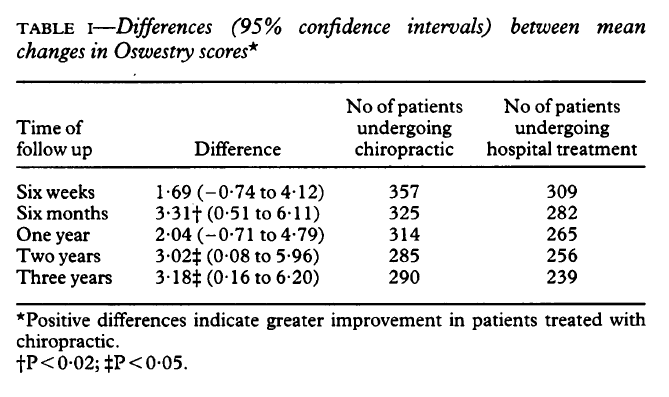
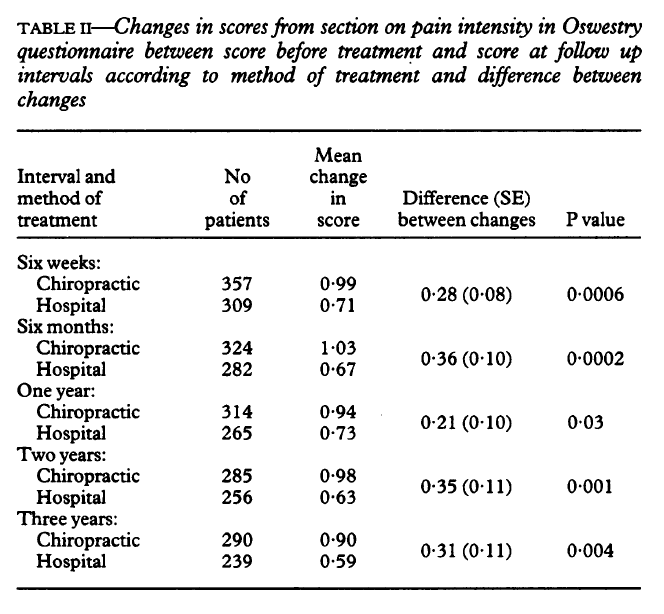
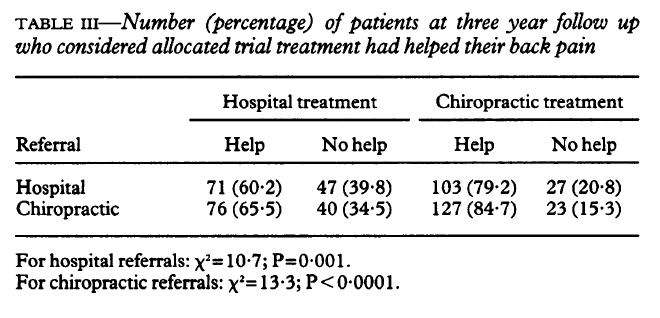




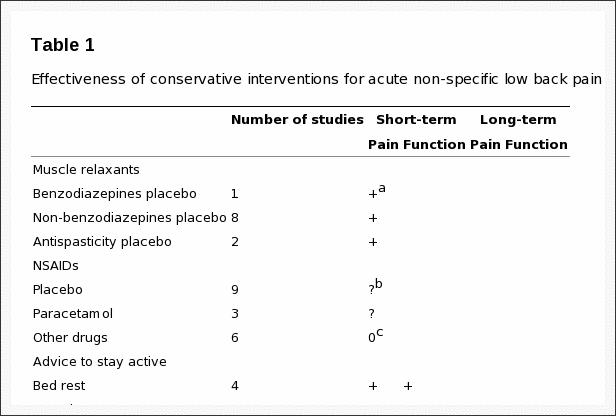
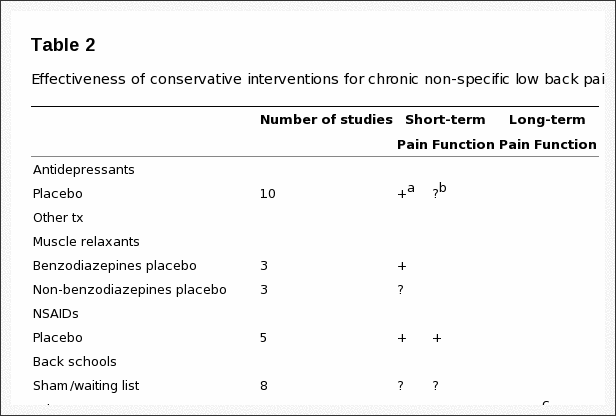

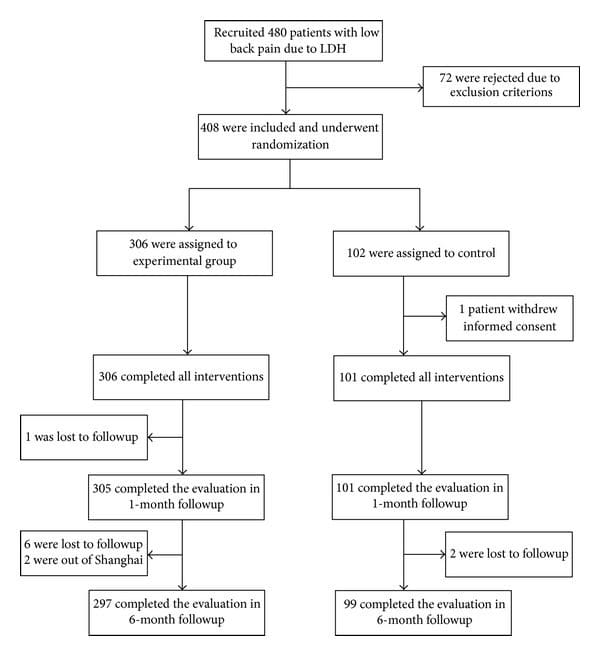
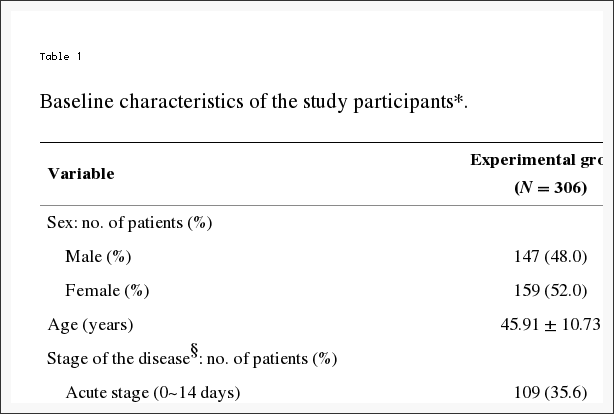
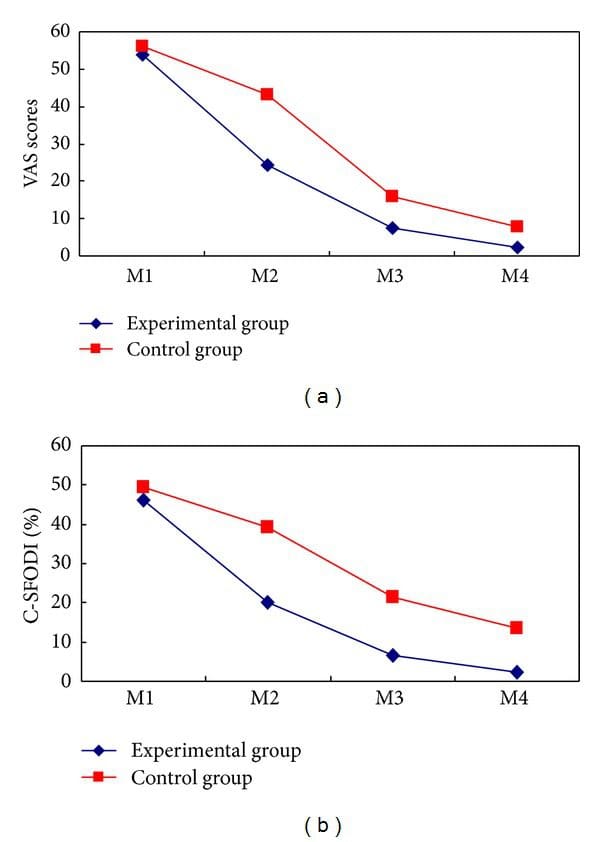
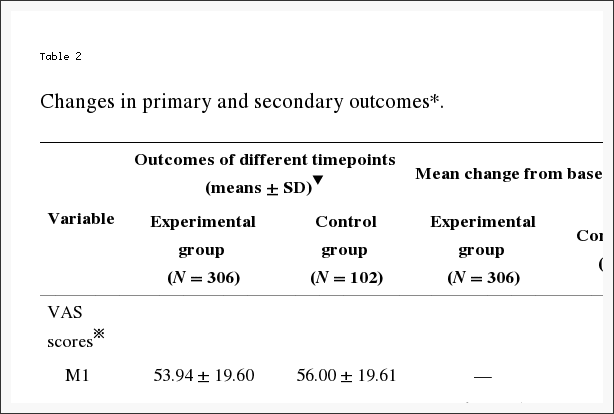



 1. Become An Expert At Chronic Back Pain Management
 No one pain management technique works for everyone; it helps to be open to trying all sorts of methods and techniques to diminish and manage your pain.