Back Clinic Chiropractic News. El Paso, TX. Chiropractor, Dr. Alex Jimenez brings various chiropractic news articles dealing with the latest in adjustment techniques, technology, and medical discoveries. It is the third-largest area of medicine today. The word chiropractic comes from Greek meaning treatment by hand, which is exactly what chiropractors do they use their hands to manipulate the body and promote healing and wellness. A doctor of chiropractic (DC), chiropractor or chiropractic physician, is a health professional who is trained to diagnose and treat disorders of the musculoskeletal and nervous systems. Chiropractors treat patients of all ages, infants, children, and adults. They believe in a traditional (non-surgical) hands-on method of treating these disorders.
The chiropractic philosophy is dependent on the following belief statements: All bodily functions are connected as well as the healing process requires the entire body. A healthy nervous system, especially the spine, is an important factor in a healthy body. The spinal cord carries advice throughout the body and is accountable for many bodily functions including voluntary movements (such as walking) and involuntary functions (like respiration). When the systems of the body are in equilibrium, it is called homeostasis. Disorders of the bones, muscles, and nerves increase the risk of disorder along with other health problems and can disrupt homeostasis. When body systems are in harmony, the human anatomy gets the extraordinary ability to keep well-being and heal itself. For answers to any questions you may have please call Dr. Alexander Jimenez at 915-850-0900
The history of chiropractic dates all the way back to 1895 when Daniel David (DD) Palmer, founder of chiropractic, did his first spinal adjustment on a janitor � restoring his hearing in the process. Palmer moved from what is now Ontario, Canada to the United States in 1865 and started practicing magnetic healing and other natural health practices in Davenport, Iowa in 1880. His interest in a more organic, less invasive approach to healing opened the door for the natural, whole body wellness that chiropractic provides.
Chiropractic
In 1895, Palmer encountered a janitor who claimed that he had lost his hearing when he moved and heard a �pop� in his back. Upon inspection, Palmer noted that the janitor had a vertebra out of place. He had the man lie on the floor, face down, while he manipulated the man�s spine, gently coaxing it into alignment. The next day the janitor claimed that he could hear again.
Two years later, after extensive research and development of the practice of what he called �chiropractic,� he opened the Palmer School of Cure where he began teaching others his techniques. After that first adjustment, word spread and this new, mysterious practice piqued the interest of the public, many who became students, including Palmer�s own son, Bartlett Joshua. Quite a few early students were practitioners of the healing arts of osteopathy and medicine. The school is still operational today as the Palmer School of Chiropractic.
The term was first coined by DD Palmer and is derived from two Greek words, the first cheir which means �hand� and praktos which means �done.� A literal translation is �done by hand� which is an apt moniker for this very hands on practice.
The first state to create laws licensing chiropractors was Kansas in 1913. By 1931, 39 states were on board, giving legal recognition to chiropractors. The last state was Louisiana in 1974.
There are more than 60,000 active licenses in the U.S. alone. Several U.S. territories, including the U.S. Virgin Islands and Puerto Rico officially recognize the practice as a legitimate health care profession. Switzerland, Japan, Australia, Great Britain, Mexico, and Canada, as well as other countries, also recognize chiropractic and have created laws to regulate it.
Over the years, chiropractic has evolved and grown beyond the sole use of spinal adjustments as treatment. Other treatments and philosophies have been developed and introduced. Research was initiated in 1975 at a conference hosted by the National Institutes of Health.
Over the years, chiropractic was not met with much acceptance by many medical associations – initially anyway. Eventually, many have come on board once that have seen chiropractic�s benefits. In 1987, the American Medical Association filed and lost an antitrust case against chiropractic. Until that time, the AMA had been boycotting the practice. That ended when they lost their case.
Chiropractic successfully changed the landscape of health care and health care practitioners. By providing a whole body approach, it has been used to treat a variety of conditions from back pain to knee injuries to colic in infants. Research backing it as a legitimate medical practice is steadily mounting. Chiropractic is proving to be beneficial for a wide variety of health ailments that extend far beyond a painful back.
As chiropractic continues to develop and grow, even more doors are opened, allowing the practice to grow and evolve. Every year researchers are finding more uses for chiropractic treatment and discovering just how beneficial it can be for a myriad of health conditions. As fast as it has grown since its discovery, it is easy to envision continued, rapid advancement in the years to come.
Facet syndrome, also called facet joint sprain or facet joint syndrome is a common cause of back pain. There are many treatments that are used, but most mainstream medical treatments involve pain medication which can have undesirable side effects and may even lead to addiction.
Chiropractic is a proven, reliable treatment for relieving the pain and discomfort of facet syndrome. It helps restore mobility and flexibility while providing pain relief. Some patient notice significant relief from the pain and inflammation of this condition with chiropractic treatment and it is often recommended to facet syndrome patients.
What Is Facet Syndrome?
Facet syndrome is the result of an injury to the facet joints. Zygapophyseal joints, or facet joints reside at the posterior of the spine. At each level there are two joints, one on each side of the spine.
The facet joints are enclosed in a joint capsule. They are synovial joints so the capsule contains synovial fluid. The surface of the joints is covered with hyaline cartilage.
Other joints, such as the ankle, contain this type of cartilage covering. These joints are constructed in this way due to their role in the body � to control excessive or extensive movement. This would include hyper extension and rotation. By doing so they help to stabilize the spine.
Facet syndrome occurs when there is an injury to the facet joints. There are numerous causes, but basically, it is a sprain that is brought about by excessive movement.
This damages the joint capsule and the result is inflammation, swelling, and pain. The pain triggers a protective mechanism in the spine called a reactive muscle spasm which causes great difficulty in moving comfortable and severe, sudden pain.
It is difficult to rest the back because of its integral function in supporting the entire body. A severe sprain can take weeks to heal, typically 2 to 6 weeks. This means that the pain and lack of mobility is impacting you on a daily basis. It can be very difficult to pursue day to day activities and enjoy your typical lifestyle.
Chiropractic For Facet Syndrome
Chiropractic care is a proven, effective treatment for facet syndrome. When you visit your chiropractor, he or she will conduct a physical exam, discuss your medical history, and may send you for diagnostic tests like x-rays and MRIs. Once they have a clear picture of your condition and a facet syndrome diagnosis has been confirmed, they will discuss with you a recommended course of treatment that may include:
Exercise � they will recommend specific exercises to help relieve the pain and strengthen the muscles in the back so that they can better support the spine.
Posture � posture is extremely important in spinal health and overall wellness. Your chiropractor will help you achieve good, healthy posture and give you exercises to do at home to help you maintain good posture and retrain your body to have better posture.
Heat or cold therapy � heat wraps and hot showers or ice packs and cold pad applications may be recommended to help control pain.
Changes in activities � you may be advised to take frequent breaks if you sit at a desk all day or to shorten your commute. There may be some activities that you won�t be able to do for a while � or won�t be able to do for long periods of time until your back heals.
Chiropractic treatment � spinal manipulation is the most common chiropractic treatment for facet syndrome. Your chiropractor may include other types of treatments though, depending on your specific condition and lifestyle.
Chiropractic is a safe, effective, non-invasive, and drug free way to treat facet syndrome, relieve back pain, and help you regain your mobility. Talk to your chiropractor about your treatment options for facet syndrome.
Injury Medical Clinic: Back Pain Care & Treatments
Infantile Colic: If you have ever cared for an infant with colic, you know how frustrating and helpless it can make you feel. It is so hard to see a little one in such obvious discomfort and you can�t help them no matter what you do. When you have a baby who experiences frequent colic it can be heartbreaking. An infant is so small and they can�t tell you where it hurts or what is wrong; all they can do is cry.
Chiropractic has been proven to help with infantile colic. It can soothe fussy babies and ease the nerves of frazzled parents. Some moms and dads may be a little ambivalent about the idea of having a chiropractor �work� on their baby, but the benefits are incredible � and baby�s comfort is definitely worth it.
What Is Colic?
Colic is a condition that has frustrated parents since the beginning of time. The most prevalent symptom is the severe distress that occurs over predictable periods of time. It is labeled colic when there is no obvious underlying condition that could cause the distress, and occurs in babies that are newborn to 3 months (sometimes up to 6 months), healthy and well fed.
The bouts of crying and distress can last hours, days, or even weeks. Often it seems that there is no way to comfort the baby or provide relief. Symptoms of colic include:
Crying that does not seem to have a reason
Crying that is intense and indicates obvious distress
Crying that occurs at predictable times
Changes in posture that include tense abdominal muscles, clenched fists, and curled legs.
What To Expect When You Take Your Infant To A Chiropractor
Some parents may balk at taking their infant to a chiropractor, their minds filled with images of the stereotypical snap, crackle, and pop that is so often associated with the practice. However, infant chiropractic is different and much milder. Chiropractic adjustments for infants are very gentle.
The chiropractor will use his fingers to gently apply pressure to areas on the back and neck. Most babies completely relax as the doctor corrects the misalignments � some even fall peacefully asleep. When you are choosing a chiropractor for your baby, ask if he or she is experienced in working with babies.
How Chiropractic To Treat Colic Works
Childbirth is not a gentle experience. As the baby�s tiny body is compressed and stretched as it is emerging into the world, it can cause the vertebrae of the neck and back to become misaligned. If the delivery included vacuum extraction, forceps, or prolonged pushing, or other things that doctors or midwives must do to assist in delivery, the chances that the baby will experience misalignment are very good.
When these misalignments, called vertebral subluxations, are significant enough, it can impede on how well other major systems in the body are able to function. Digestion is one area that can be greatly impacted and when digestion of formula or breastmilk is compromised it can be the cause of major distress and discomfort for the baby. This can lead to episodes of colic.
Studies That Support How Chiropractic Helps Infantile Colic
There have been several studies that explores the efficacy of chiropractic for colic. The majority of this research has shown that it is a very effective treatment.
A 1999 study published in the Journal of Manipulative and Physiological Therapeutics reported that spinal manipulation for colic is a very effective treatment for the condition. Babies treated using chiropractic experienced a decrease in crying by 67 percent. Babies who received medication experienced a decrease in crying by 38 percent. Another study showed similar results. Chiropractic improved crying behavior in babies that had colic.
Chiropractic is an effective, gentle, and drug free way to treat colic. Babies can thrive and be free of distress and discomfort while mom and dad can get some much needed sleep � and peace of mind.
Injury Medical Clinic: Migraine Treatment & Recovery
Cyclists: Now that summer is upon us and the chilly winds of winter are gone for at least a few months, more people are taking their fitness and recreational activities outside. Cycling is popular activity that fits both bills. It is a great way to unwind and enjoy the great outdoors, but it is also an excellent form of exercise.
Cyclists
Chiropractic provides excellent benefits for the cycler, whether you hit the trails on the weekend, incorporate cycling as part of your fitness regimen, or commute to work on your bike every day.
Relief from Pain
Faster Healing from Injuries
Better Muscle Tone and Balance
Improved Range of Motion
Enriched Cycling Biomechanics
In short, chiropractic can help make you a better cyclist and help you get the most out of your cycling. It will help keep your body aligned and balanced physically, but it also treats the whole body.
That means that your chiropractor will also make nutritional recommendations and even recommend various supplements if necessary. This will give your energy a boost and improve your performance, while helping you stay healthy and fit. This is how chiropractic helps you have more stamina and endurance.
Chiropractic For Cycling Injuries
As with any type of physical activity, there is always a chance that injuries will occur. Chiropractic helps keep your body balanced and improves your flexibility. This, in turn, decreases your chance for injury.
However, if you are injured, chiropractic can help you recover and heal much faster. You start with a healthy, balanced body through regular chiropractic care, and that helps you bounce back faster if you sustain an injury.
Chiropractic care can also be used to treat injuries. Cycling can cause pain and injury in the ligaments, muscles, knees, ankles, hips, hands, wrists, feet, neck, back, and shoulders.
Regular adjustments can help decrease the likelihood of pain in these areas, but sometimes the soreness can creep in anyway. When that happens, chiropractic treatments have been shown to be very effective in treating pain without pain medication and associated harmful side effects.
Spinal alignment is one of the most common chiropractic techniques, but it goes much farther than that. Adjustments to the legs and feet can help with ankle, knee, hip, and foot pain. Adjustments to the arms and shoulders can help relieve pain in those areas. Special attention to the joints help keep them flexible and functioning as they should.
Chiropractic Allows The Body�s Natural Ability To Heal
Chiropractic is completely natural and does not rely on invasive treatments or surgeries. It does not use medications of any kind. It uses nutrition and supplements that rely on the body�s natural ability to heal. It simply realigns the body so that the neural pathways are unobstructed. This allows blood flow to be more efficient and reach the organs much easier.
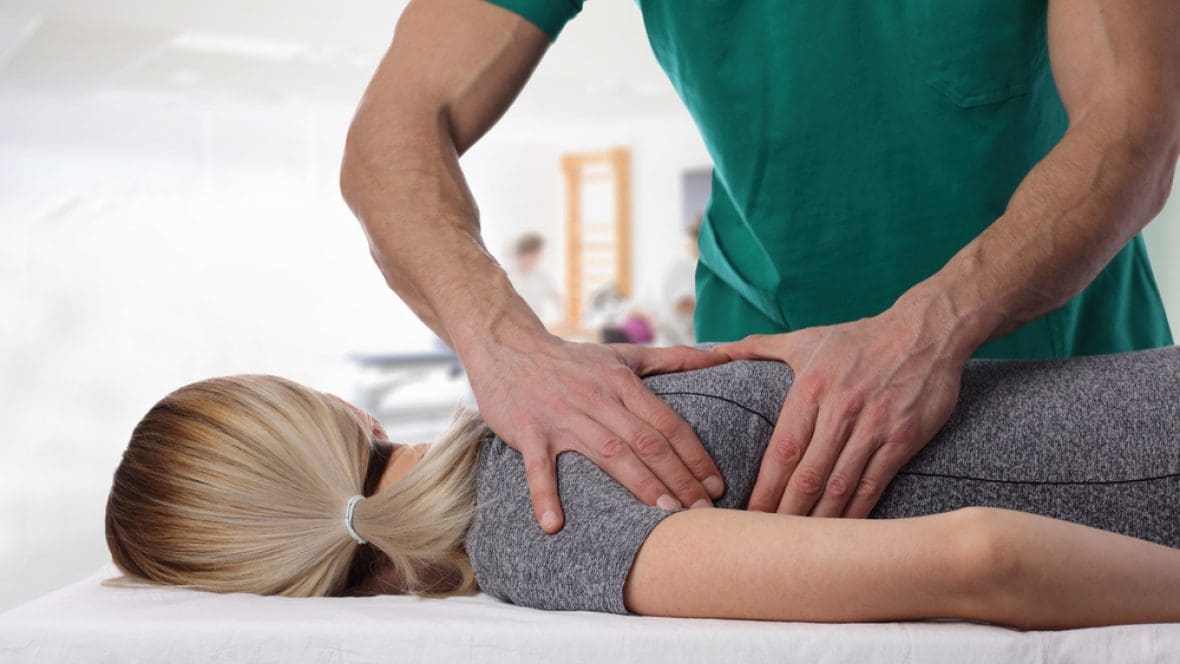
Chiropractic involves gentle spinal manipulations that realign the body and restore movement in the joints as well as muscle trigger points and soft tissue. It may include electrical muscular current therapies, massage, cold laser therapy, ultrasonic waves, and other therapies in addition to the spinal manipulations.
A chiropractic patient may be advised to rest, ice an area, elevate it, or be given specific exercises to work that area. Chiropractic is not a rote therapy as many traditional medical practices tend to be. It adjusts to each patient, taking into account their unique lifestyle, activity level, nutritional needs, and other elements that influence that particular patient�s healing process.
Chiropractic sees each patient as individual and treat them as such. This is what makes it such an effective treatment for cyclists. The benefits it offers them can not only keep them pain free and participating in their activity; it can also make them better at it.
Injury Medical Clinic: Back Pain Care & Treatments
IT Iliotibial band syndrome is a very common injury among runners. If it is diagnosed early and treatment commences immediately the chances of it becoming a chronic condition are reduced. It responds very well to chiropractic since it involves the pelvis and related muscles. When pelvic mechanics are not functioning properly the muscle don�t work efficiently which hinders flexibility and mobility. This can lead to tight muscles which may inhibit motion and cause pain. Chiropractic adjustments have been proven to help with the condition.
What Is The Iliotibial Band?
The Iliotibial Band, or fasciae latae, is the outer casing of muscle that extends along the outer thigh, from the top of the hip to the outside of the knee. IT Iliotibial band syndrome occurs when that casing becomes thickened. It is flexed or tight when you stand; it is what keeps your let straight, allowing the larger thigh muscle to rest.
There are two primary muscles that are involved in iliotibial band syndrome, the buttock muscle, or gluteus maximus, and the tensor fasciae latae muscles. Sometimes Iliotibial Band Syndrome is referred to Tensor Fasciae Latae Syndrome and the two terms can be used interchangeably.
IT Iliotibial Band Syndrome Defined
As the iliotibial band thickens it pulls in the area where it connects to the knee. This results in knee pain due to the application of too much pressure on the bursa. The bursa then becomes swollen, inflamed, and painful. During activity, such as running on an incline, the glutes are heavily involved.
The other end of the iliotibial band is inserted at the glutes so as the band tightens from this activity, it can trigger iliotibial band syndrome pain. Repeated activity further aggravates it, as does running on tight indoor tracks or uneven roads as well as having collapsed arches or running it inferior or worn out running shoes.
Symptoms Of Iliotibial Band Syndrome
There are several symptoms that can be used to diagnose iliotibial band syndrome. Lateral knee pain (pain on the outside of the knee) is a primary symptom and often used as a key diagnostic tool. Few conditions involve lateral knee pain. Other symptoms include:
Pain that worsens after running, particularly after running on an incline, climbing stairs, or climbing hills
There may not be any pain until you do something that aggravates it like climbing a hill.
The pain may not begin until you are mid-way through a run.
The pain can be intense and debilitating.
It can accompany a snapping hip, which occurs when the muscles that cross the outer hip may click or snap while running or walking.
The pain may be present along the lateral thigh without incorporating the knee, but it is only in very rare instances that it is concentrated on the gluteal or hip muscles.
Iliotibial band syndrome is often attributed to over training. This can mean suddenly increasing hill repeats or doubling your mileage.
Treatments For IT Iliotibial Band Syndrome
If your iliotibial band syndrome is caused by a problem with pelvic function, relieving the pain from the condition can be difficult. Stretching is not likely to bring relief � and if it does it won�t last long. If the pain from iliotibial band syndrome lasts for more than two weeks even if you are only stretching, your regular exercise routine, and ice and you don�t see much improvement, a chiropractor can help.
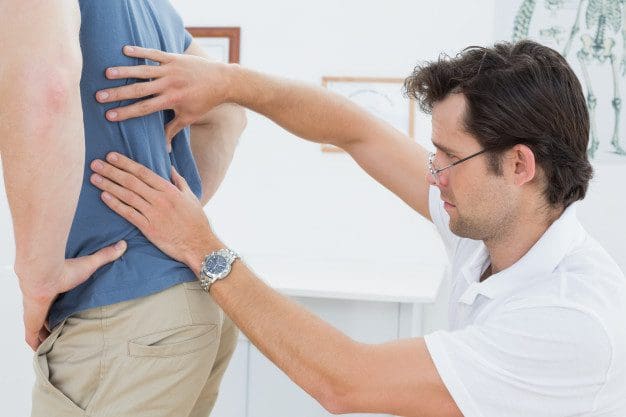
Even if the pain is located in the knee, the problem could originate in the pelvis. A chiropractor can assess your condition, check to see that your pelvis is functioning properly. If it isn�t, spinal adjustments and other chiropractic treatments can bring the body back into alignment and make the pelvis more functional.
Chiropractic Clinic Extra: Sport Injury Treatments
Sciatica Sufferers:Sciatica is a common back ailment that affects approximately 1 in 10 adults in the United States. It is most prevalent in people between the ages of 25 and 45. Sciatica is characterized by a shooting pain that originates in the lower back and travels down through the hip, buttock and back of leg. The pain can be so severe that it inhibits mobility and can prevent people from working, taking care of their home, or just enjoying their life. Traditionally, doctors have treated the condition with medications and some invasive therapies, but chiropractic treatments have been found to be extremely effective in alleviating the pain and curing the condition.
What Is Sciatica?
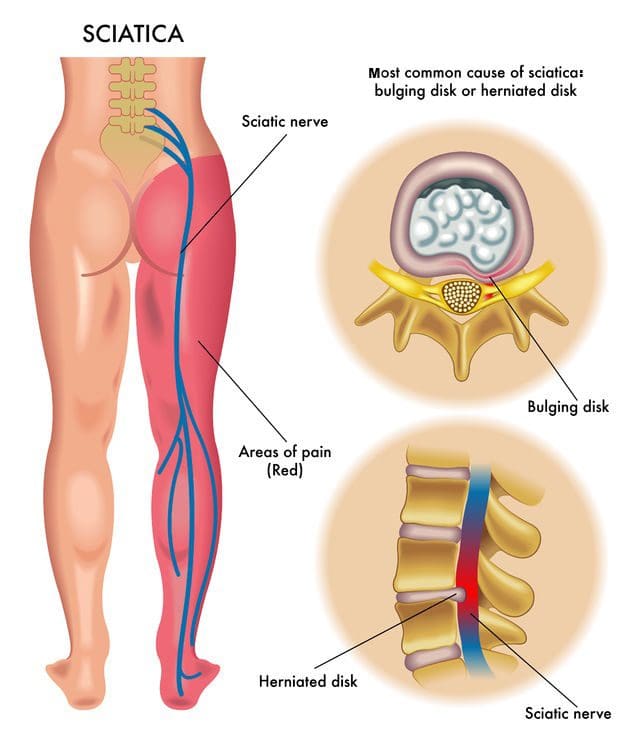
Sciatica is a condition that affects the lower back, specifically pain that travels along the sciatic nerve path. This path originates in the lower back and extends down each side of the hip, buttocks, and down the leg to the feet. Usually, only one side is affected during a case of sciatica.
Sciatica commonly occurs when there is a spinal condition, such as a bone spur on the spine, a herniated disk, or when a condition like spinal stenosis (narrowing of the spine) compresses the nerve. The result is inflammation, numbness, pain, and stiffness in the leg that is affected.
While sciatica pain can be severe, the majority of the time the condition is resolved in a matter of weeks without surgical intervention. Some doctors may suggest surgery if the patient experiences extreme weakness in the leg or has problems with their bowel or bladder. Most of the time doctors will prescribe medication to treat the pain and relax the muscles that surround the sciatic path in an effort to provide the patient with some relief.
How Chiropractic Treatments Help Sciatica Sufferers
Chiropractic has been shown to be very effective in treating sciatica by helping the body heal itself. It is non-invasive and does not use medications, making it an optimal choice for many patients. There are various treatments that a chiropractor may use or recommend. They may be used alone or in conjunction with other therapies.
Adjustments. Spinal manipulation, or adjustments, is the core of chiropractic treatment. It helps to realign the spine, freeing restricted movement and helps bring the body back into its proper alignment so that it functions better and more effectively. It also helps to reduce the pain that is associated with nerve inflammation, particularly that associated with sciatica.
Ultrasound. A very mild heat that is created by sound waves at a frequency that is beyond human hearing providing deep tissue penetration. This therapy stimulates circulation and aids in reducing muscle spasms, stiffness, swelling, pain, and cramping.
Ice or Cold Therapy. This therapy helps to reduce and control the pain of sciatica, as well as reduce inflammation.
TENS. Transcutaneous electrical nerve stimulation is a therapy that employs a TENS unit, a small battery powered, portable box that stimulates the muscles. It uses electrical currents at variable intensities to help control pain and reduce the occurrence of muscle spasms. Some chiropractors and physical therapists use larger versions of this device in their offices, but many use the portable units because they are more convenient.
A chiropractor may incorporate exercises and nutritional recommendations into their treatment for sciatica sufferers. This often depends on the patient�s individual needs, the severity of the condition, and their lifestyle and habits. A variety of chiropractic techniques may also be used to treat sciatica. Since each patient is different, the chiropractor will talk with the patient to better understand what they do on a day-to-day basis and what may be causing the sciatic pain to occur. From there they will treat the problem from the patient�s perspective, seeking the best, most effective approach.
If you or a loved one is suffering from this condition, please give us a call. Our Doctor of Chiropractic is here to help!
Experiencing foot pain, there’s no doubt you checked out your foot to make sure it’s not injured or hurting from�improper fitting shoes, corns, plantar fasciitis, etc. This may seem counterintuitive, but you may want to check the condition of the�lumbar spine (lower back)?� Most foot problems are caused from issues with the foot itself, but you might be surprised to find that pressure on the sciatic nerve can cause intense foot pain.
Sciatic Nerve Pain
The sciatic nerve is the largest nerve in the body and consists of five nerves that come together at the lower spine and then extend all the way down the back of the legs into the toes. If the lumbar spine is compressed, it presses on the sciatic nerve, thus causing radiating pain down the leg and sometimes all the way into the big toe. Foot pain without leg pain is often due to an issue located within the foot. However, it is possible that the foot pain could be the only symptom of sciatica.
Sciatica can be caused by lumbar spine disc herniation, lumbar spinal stenosis, and spondylolisthesis. There are various types of sciatica, which present differently according to which spinal disc is affected. If the L5 disc is compressed, Foot Drop can occur. This refers to the heavy, weak feeling that makes flexing the foot almost impossible. Foot Drop usually results in pain radiating down along the outside of the leg, crossing over the foot and into the big toe. If the S1 nerve root is affected, the pain is likely on the sole of the foot. An accurate diagnosis is first priority in order to address the pain correctly and properly.
What To Do About The Foot Pain
Addressing the root of the problem is most important. Nearly three million people a year suffer from sciatic pain along with other dysfunctions. An experienced chiropractor or physician will demonstrate exercises to help lengthen and stretch the spine. This along with massage, acupuncture, and medication are all helpful in the management of sciatic pain. The foot pain will be addressed by a doctor or chiropractor who will to tell which treatment is most effective for the situation.
Treatment for foot pain varies depending on the condition/injury. Treatment can go from rest and ice to physical therapy, chiropractic and in severe cases surgery. Reflexology can provide relief, as well as, stretching exercises. Over the counter pain medication is often used. If the pain is too intense that it prevents sleep, a physician may prescribe non-addictive pain medication. Wear shoes with good arch supports, and if pain persists, see a podiatrist for special orthotic shoe inserts. Insurance often covers orthotics.
Further Considerations
Don�t forget that most pain in the body is caused from inflammation and can be helped with anti-inflammatory diet and lifestyle stressors. Concentrate on eating whole, unprocessed foods. Stay away from sugar, alcohol, artificial sweeteners, and white flour. Make sure to drink enough water every day, and get eight hours of sleep. This is one of the most effective ways to address inflammation. Bring the body back into balance.
IFM's Find A Practitioner tool is the largest referral network in Functional Medicine, created to help patients locate Functional Medicine practitioners anywhere in the world. IFM Certified Practitioners are listed first in the search results, given their extensive education in Functional Medicine





 Chiropractic For Cycling Injuries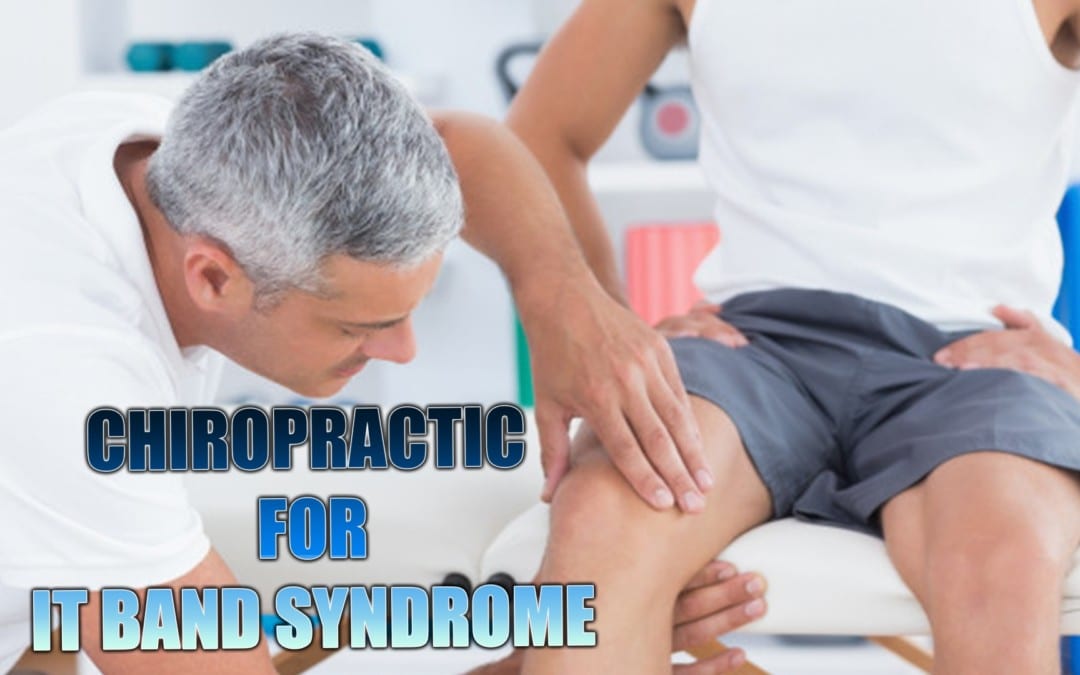
 Symptoms Of Iliotibial Band Syndrome

 Sciatic Nerve Pain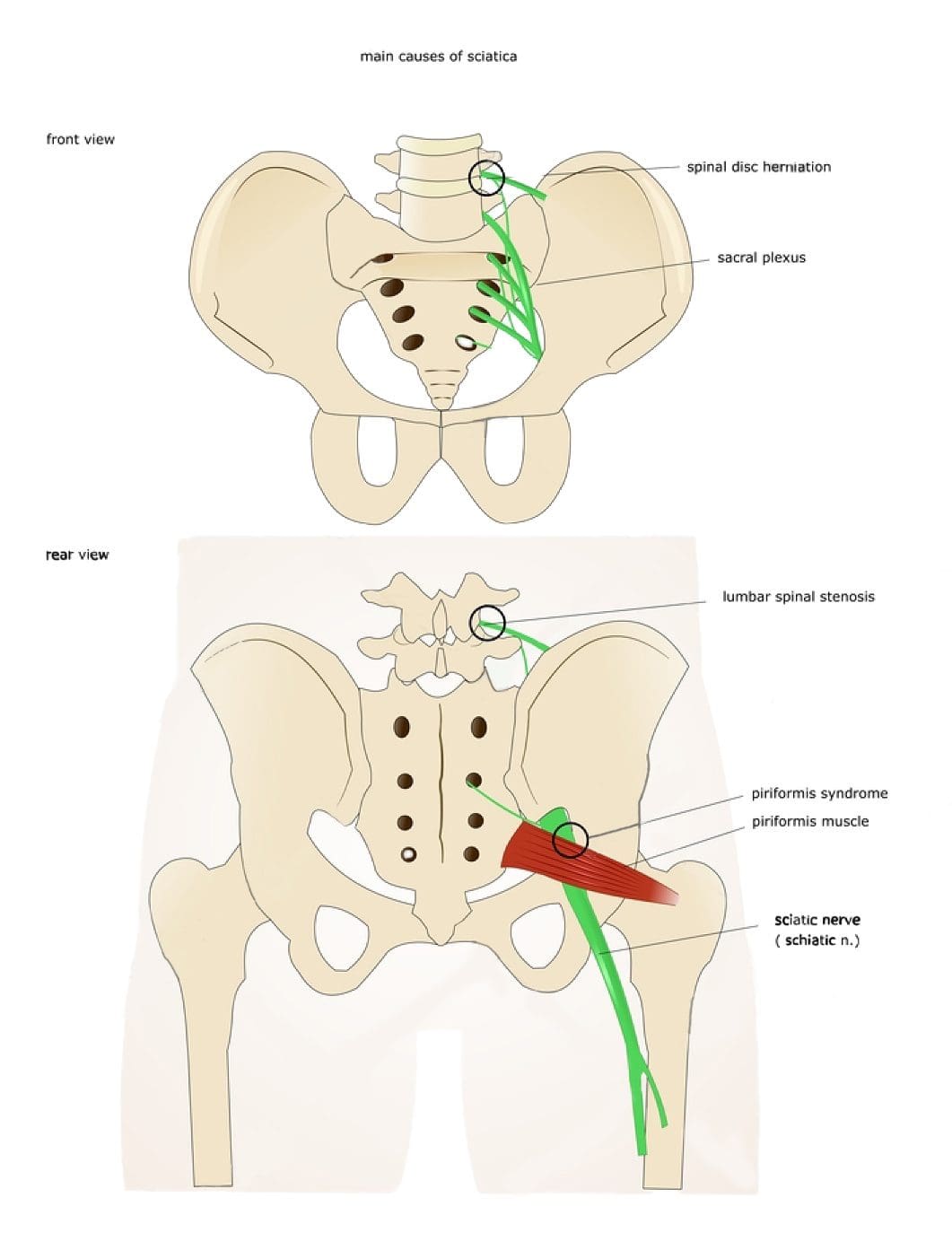
 The sciatic nerve is the largest nerve in the body and consists of five nerves that come together at the lower spine and then extend all the way down the back of the legs into the toes. If the lumbar spine is compressed, it presses on the sciatic nerve, thus causing radiating pain down the leg and sometimes all the way into the big toe. Foot pain without leg pain is often due to an issue located within the foot. However, it is possible that the foot pain could be the only symptom of sciatica.