What are the healing times of common sports injuries for athletes and individuals who engage in recreational sports activities?
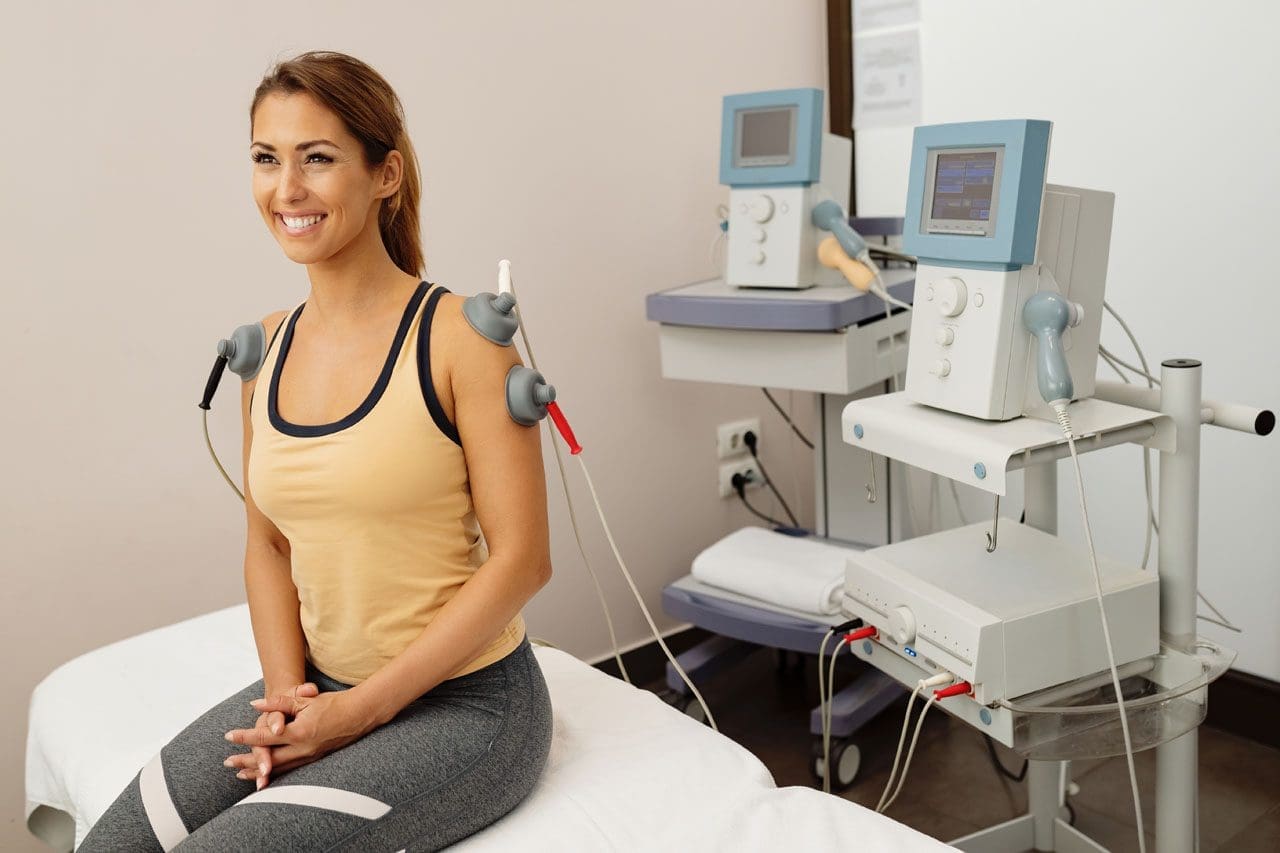
A young, happy sportswoman is getting tens-electrotherapy treatments at a medical clinic.
Healing Times for Sports Injuries
Healing time from sports injuries depends on various factors, such as the location and extent of the injury and the health of the skin, joints, tendons, muscles, and bones. It is also important to take the time to recuperate or not rush back into physical sports activities before the bones or tissues have fully healed. To prevent re-injury, ensure the doctor clears health before returning to sports or strenuous physical activity.
According to CDC research, an average of 8.6 million sports and recreation-related injuries occur annually. (Sheu, Y., Chen, L. H., and Hedegaard, H. 2016) However, most sports injuries are superficial or caused by low-grade strains or sprains; at least 20% of injuries result from bone fractures or more serious injuries. Bone fractures take longer than sprains or strains, and complete tendon or muscle ruptures can take months before one can fully return to activities. Individuals in decent physical shape with no underlying illness or impairment, here is what they can expect when recovering from the following sports injuries:
Bone Fractures
In sports, the highest rate of bone fractures occurs with football and contact sports. Most are centered around the lower extremities but can involve the neck and shoulder blades, arms, and ribs.
Simple Fractures
Depends on the individual’s age, health, type, and location.
Generally, takes at least six weeks to heal.
Compound Fractures
In this case, a bone is broken in several places.
It may require surgery to stabilize the bone.
Healing time can take up to eight months.
Fractured Clavicle/Collarbone
It may require the immobilization of the shoulder and upper arm.
It can take five to ten weeks to heal fully.
Fractured fingers or toes can heal in three to five weeks.
Fractured Ribs
Part of the treatment plan includes breathing exercises.
Painkillers may be needed short term.
Usually, it takes around six weeks to heal.
Neck Fractures
It may involve any one of the seven neck vertebrae.
A neck brace or a halo device that is screwed into the skull for stability may be used.
A sprain is the stretching or tearing of ligaments or the tough bands of fibrous tissue that connect two bones at a joint.
A strain is the overstretching or tearing of muscles or tendons.
Sprained Ankles
It can heal in five days if there are no complications.
Severe sprains involving torn or ruptured tendons can take three to six weeks to heal.
Calf Strains
Classified as grade 1 – a mild strain can heal in two weeks.
A grade 3 – severe strain may require three months or more to heal completely.
The use of calf suppression sleeves can expedite the recovery of strains and sprains in the lower leg.
Acute Neck Strain
A tackle, impact, fall, quick shifting, or whipping motion can cause a whiplash injury.
Healing time can take a couple of weeks to six weeks.
Other Injuries
ACL Tears
Involving the anterior cruciate ligament.
Usually, it requires months of recuperation and rehabilitation, depending on several factors, including the type of sports activity.
Full recovery from surgery takes six to 12 months.
Without surgery, there is no specific timeline for rehabilitation.
Achilles Tendon Ruptures
It is a serious injury.
These occur when the tendon is either partially or completely torn.
Individuals will more than likely require surgery.
Recovery time is four to six months.
Cuts and Lacerations
Depends on the depth and location of the injury.
It can take anywhere from a week to a month to heal.
If there are no accompanying injuries, stitches can be removed within two to three weeks.
If a deep cut requires stitches, more time is necessary.
Mild Contusions/Bruises
Are caused by a trauma to the skin, causing blood vessels to break.
In most cases, a contusion will take five to seven days to heal.
Shoulder Separations
When treated properly, it usually takes around two weeks of rest and recovery before the patient returns to activity.
Multidisciplinary Treatment
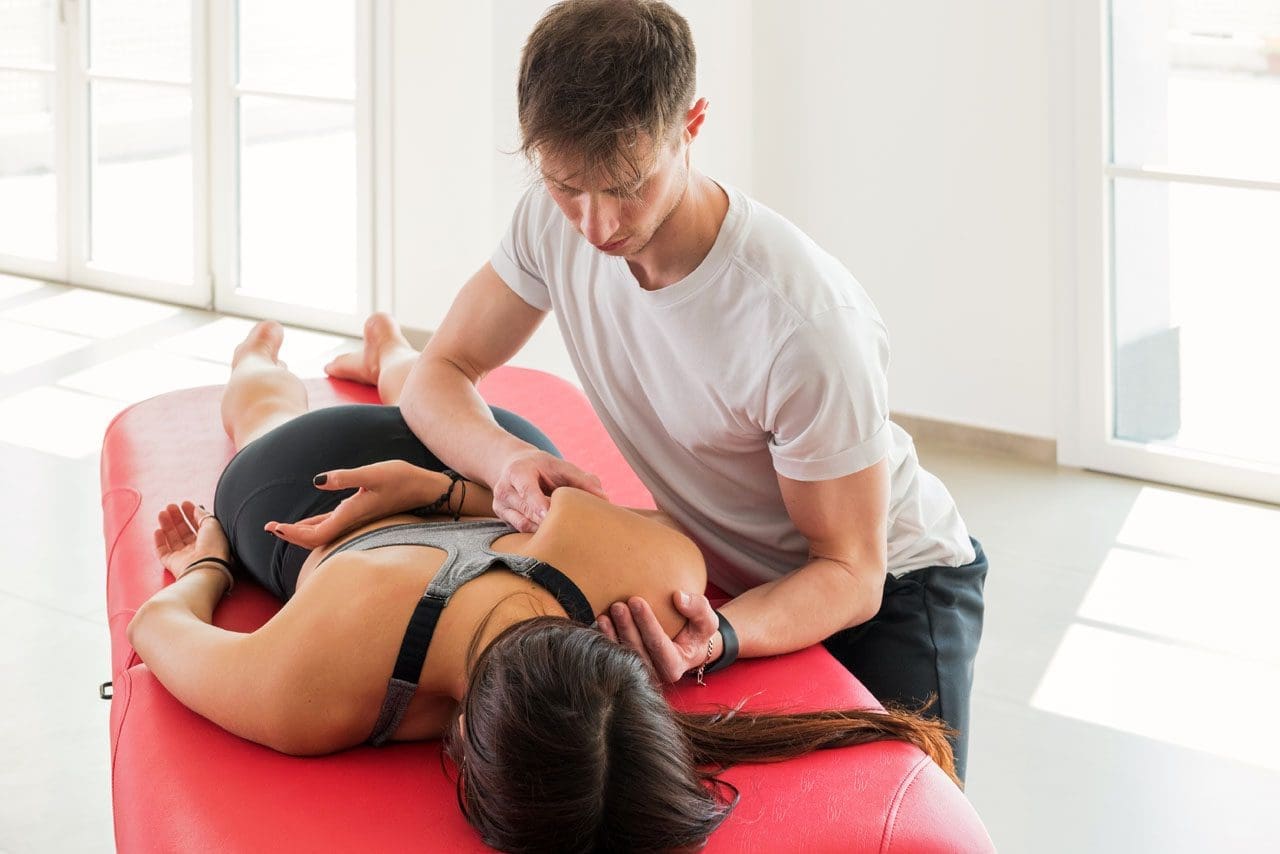
After the initial inflammation and swelling have subsided, a doctor will recommend a treatment plan that usually involves physical therapy, self-performed physical rehabilitation, or supervision by a physical therapist or team. Fortunately, athletes and individuals who regularly exercise tend to have a faster healing time because they are in top physical shape, and their cardiovascular system provides a stronger blood supply that speeds up the healing process. At El Paso’s Chiropractic Rehabilitation Clinic & Integrated Medicine Center, we passionately focus on treating patients’ injuries and chronic pain syndromes. We focus on improving ability through flexibility, mobility, and agility programs tailored to the individual. We use in-person and virtual health coaching and comprehensive care plans to ensure every patient’s personalized care and wellness outcomes.
Our providers use an integrated approach to create personalized care plans that include Functional Medicine, Acupuncture, Electro-Acupuncture, and Sports Medicine principles. Our goal is to relieve pain naturally by restoring health and function to the body.
If the chiropractor feels the individual needs other treatment, they will be referred to a clinic or physician best suited for them. Dr. Jimenez has teamed up with the top surgeons, clinical specialists, medical researchers, and premier rehabilitation providers to provide the top clinical treatments for our community. Providing highly noninvasive protocols is our priority, and our personalized patient-based clinical insight is what we provide.
Lumbar Spine Injuries in Sports: Chiropractic Healing
References
Sheu, Y., Chen, L. H., & Hedegaard, H. (2016). Sports- and Recreation-related Injury Episodes in the United States, 2011-2014. National health statistics reports, (99), 1–12.
For individuals wanting to improve core stability, can using the right size exercise or stability ball help improve workouts and achieve goals?
Exercise Stability Ball
An exercise ball, stability ball, or Swiss ball is a piece of fitness equipment used in gyms, Pilates and yoga studios, and HIIT classes. (American Council on Exercise. 2014) It is inflated with air to supplement bodyweight workouts or improve posture and balance. It can also be used as a chair. They add a core stability challenge to almost any exercise (American Council on Exercise, N.D.) Getting the appropriate exercise ball size and firmness for your body and purpose will ensure an optimal workout.
Size
The exercise ball size should be proportional to individual height.
Individuals should be able to sit on the ball with their legs at a 90-degree angle or slightly more, but not less.
The thighs should be parallel to the ground or angled slightly down.
With the feet flat on the floor and the spine straight, not leaning forward, backward, or sideways, the knees should be even with or slightly lower than the hips.
Getting the right exercise ball for weight is also important. Individuals who are heavy for their height may need a larger ball to keep the knees and legs at the correct angle. It is recommended to check the weight rating of the ball, its durability, and its high burst resistance before buying.
Inflation
Individuals want a little give on the ball’s surface for exercise. When sitting on the exercise stability ball, body weight should create a little seat and provide more stability. More importantly, it allows sitting evenly on the ball, which is essential for exercising with proper spinal alignment. (Rafael F. Escamilla et al., 2016) Inflation is a matter of preference, but the more inflated the ball is, the more difficult it will be to balance the body, whether sitting or in other positions. It is recommended not to over-inflate the ball at the risk of bursting. The ball may require reinflation occasionally, so many are sold with a small pump for this purpose.
Exercises and Stretches
Exercise balls are highly versatile, inexpensive, and easy-to-use workout tools. They are beneficial for improving core strength and stability. Ways to be used include:
Target exercises for core activation and strengthening.
At Injury Medical Chiropractic and Functional Medicine Clinic, we focus on what works for you and strive to create fitness and better the body through research methods and total wellness programs. These natural programs use the body’s ability to achieve improvement goals and athletes can condition themselves to excel in their sport through proper fitness and nutrition. Our providers use an integrated approach to create personalized programs, often including Functional Medicine, Acupuncture, Electro-Acupuncture, and Sports Medicine principles.
Home Exercises For Pain Relief
References
American Council on Exercise. Sabrena Jo. (2014). Core-strengthening Stability Ball Workout. ACE Fitness® & Healthy Lifestyle Blog. https://www.acefitness.org/resources/pros/expert-articles/5123/core-strengthening-stability-ball-workout/
American Council on Exercise. (N.D.). Exercise Database & Library. Featured Exercises from ACE. Stability Ball. Healthy Living Blog. https://www.acefitness.org/resources/everyone/exercise-library/equipment/stability-ball/
American Council on Exercise. (2001). Strengthen your abdominals with stability balls. Healthy Living Blog. https://acewebcontent.azureedge.net/assets/education-resources/lifestyle/fitfacts/pdfs/fitfacts/itemid_129.pdf
Escamilla, R. F., Lewis, C., Pecson, A., Imamura, R., & Andrews, J. R. (2016). Muscle Activation Among Supine, Prone, and Side Position Exercises With and Without a Swiss Ball. Sports health, 8(4), 372–379. https://doi.org/10.1177/1941738116653931
For individuals experiencing shoulder and upper back pain, could periscapular bursitis be a possible cause?
Periscapular Bursitis
The scapula/shoulder blade is a bone that shifts position with upper body and shoulder movement. The scapula motion is critical to the normal function of the shoulder and the spine. When abnormal or sudden shoulder movements occur, inflammation and pain symptoms can develop. (Augustine H. Conduah et al., 2010)
Normal Scapula Function
The scapula is a triangular bone on the upper back outside the rib cage. Its outer or lateral side contains the shoulder joint socket /glenoid, while the rest of the bone serves as attachment points for the different shoulder and back muscles. The scapula shifts on the rib cage when moving the arm forward and back. This movement is called scapulothoracic motion and is critical to the normal function of the upper extremity and the shoulder joint. When the scapula does not glide in a coordinated motion, the function of the torso and shoulder joints can become stiff and painful. (J. E. Kuhn et al., 1998)
Scapular Bursa
A bursa is a fluid-filled sac that allows smooth, gliding motion between structures, body tissues, bones, and tendons. Bursae are found throughout the body, including those in front of the kneecap, outside the hip, and at the shoulder joint. When a bursa becomes inflamed and irritated, normal movements can become painful. There are bursae around the scapula in the upper back. Two of these bursa sacs are between the bones and the serratus anterior muscle that controls scapular movement on the chest wall. One bursa sac is located on the upper corner of the scapula, close to the spine at the base of the neck, and the other is at the bottom corner of the scapula, close to the mid-back. Either or both bursa sacs can be affected by periscapular bursitis. There are other bursae around the scapula and the surrounding tendons, but the two corner sacs tend to be the primary bursae that develop periscapular bursitis.
Inflammation
When these bursae become inflamed and irritated, swollen, and thickened, the condition known as bursitis results. When bursitis occurs near the scapula, muscle, and shoulder blade movements can lead to discomfort and pain. The most common symptoms of periscapular bursitis include:
An examination of the scapula may display abnormal movements of the shoulder blade. This can lead to winging, where the shoulder blade is not held correctly to the rib cage and protrudes abnormally. Individuals with winging of the scapula typically have abnormal shoulder joint mechanics because the shoulder’s positioning is altered.
Causes
The causes of periscapular bursitis can be varied. The most common is overuse syndrome, where a specific activity is causing irritation to the bursa. These can include:
Sports-related activities that result from repetitive use.
Work-related activities that result from repetitive use.
Traumatic injuries that cause inflammation or irritation to the bursa.
Some conditions can cause abnormal anatomy or bone protuberances, irritating the bursa. One condition is a benign bone growth known as an osteochondroma. (Antônio Marcelo Gonçalves de Souza and Rosalvo Zósimo Bispo Júnior 2014) These growths can project off the scapula, leading to irritation and inflammation.
Treatment
Treatment of periscapular bursitis begins with conservative therapies. Invasive treatments are rarely needed to correct the problem. Treatment can include:
Rest
The first step is to rest the irritated bursa and settle the inflammation.
This can take a few weeks and can be accomplished by modifying physical, sports, or work-related activities.
Ice
Ice is useful for reducing inflammation and controlling pain.
Knowing how to ice an injury properly can help manage the pain and swelling.
Physical Therapy
Physical therapy can alleviate the symptoms of inflammation through various exercises and stretches.
The therapy can improve scapular mechanics so the injury does not become ongoing and recurrent.
Abnormal movement of the scapula on the rib cage can not only lead to the development of bursitis, but if these abnormal mechanics are not addressed, the problem may recur.
Anti-Inflammatory Medications
Non-steroidal anti-inflammatory medications are used to control the inflammation in the short term. (Augustine H. Conduah et al., 2010)
The medications can help block the inflammatory response.
Before taking any medication, individuals should confirm with their healthcare provider that it is safe.
Cortisone Injections
Successful treatment with a cortisone shot is a sign that surgery will be more effective for individuals who may need surgery.
Cortisone injections can be very helpful in delivering a powerful anti-inflammatory dose directly to the site of inflammation. (Augustine H. Conduah et al., 2010)
Cortisone injections should be limited in terms of how many injections are offered to an individual, but in limited doses can be very helpful.
However, cortisone shots should only be performed once the diagnosis is confirmed.
Surgery
Surgery is seldom necessary but can be effective in individuals who are unable to find relief with conservative treatments.
Surgery is often used for individuals with abnormal scapular anatomy, like bone growths or tumors.
At Injury Medical Chiropractic and Functional Medicine Clinic, we treat injuries and chronic pain syndromes by improving an individual’s ability through flexibility, mobility, and agility programs tailored for all age groups and disabilities. Our chiropractor care plans and clinical services are specialized and focused on injuries and the complete recovery process. If other treatment is needed, individuals will be referred to a clinic or physician best suited to their injury, condition, and/or ailment.
Scapular Winging in Depth
References
Conduah, A. H., Baker, C. L., 3rd, & Baker, C. L., Jr (2010). Clinical management of scapulothoracic bursitis and the snapping scapula. Sports health, 2(2), 147–155. https://doi.org/10.1177/1941738109338359
Kuhn, J. E., Plancher, K. D., & Hawkins, R. J. (1998). Symptomatic scapulothoracic crepitus and bursitis. The Journal of the American Academy of Orthopaedic Surgeons, 6(5), 267–273. https://doi.org/10.5435/00124635-199809000-00001
de Souza, A. M., & Bispo Júnior, R. Z. (2014). Osteochondroma: ignore or investigate?. Revista brasileira de ortopedia, 49(6), 555–564. https://doi.org/10.1016/j.rboe.2013.10.002
“For individuals who want to exercise but have fears or concerns, can understanding what they are scared of help ease their minds?”
Overcoming Exercise Fears
One reason for the ongoing weight problem is that individuals don’t move around enough, and one reason individuals don’t exercise is fear (Craig M. Hales et al., 2020). For individuals, physical exertion and moving the body to the point of increased heart rate, heavy breathing, and excessive sweating can cause anxiety and be scary when they haven’t done it in a while or have never worked out. Some anxieties and fears individuals may experience include the following:
Looking Foolish
Anything can happen when exercising. When individuals can’t figure out how a machine works or aren’t sure if they’re doing an exercise correctly, falling off a machine or dropping a weight can cause a feeling of foolishness. Knowing how to use machines and weights takes practice. Ask a gym employee or personal trainer for guidance, as educating individuals on doing exercises correctly and safely is their job. And most individuals working out are happy to help as well.
Experiencing Pain
Some avoid exercise, fearing intense pain. Exercise is not supposed to be painful, but it will cause soreness because individuals use muscles that they haven’t used for a while or at all. For instance, the muscles will experience a slight burning sensation when lifting weights. The body reacts to the workout and adapts to exercise. As the body gets stronger, individuals recognize their body’s response and are able to challenge themselves with heavier weights, longer runs, walks, and workouts. When beginning an exercise program, start slow. Some trainers recommend doing slightly less than an individual thinks they can for the first weeks. This helps to build a habit without the risk of burnout.
Injuries
When starting an exercise program, individuals can feel changes all over their bodies, like everything is pulling and tearing apart. Individuals who haven’t exercised much may be unable to distinguish between the normal discomfort from exercising for the first time and pain from an injury. Shin splints, side stitches, or other common side effects may develop from beginning an exercise program. Individuals may need to stop exercising, treat the injury, and start again.
If there are sharp pains in the joints, tearing in the muscles or ligaments, or anything else that doesn’t feel normal, stop and seek medical attention.
Exercise Mindfulness
The body will feel something while exercising, but separating real injury pain from normal sensations is important.
Be aware of how the body feels throughout the workout.
Follow instructions and pay attention to proper form to minimize the risk of injury.
Proper Footwear
Wearing the right workout shoes is a good idea to avoid and prevent injuries.
Invest in a quality pair of shoes to give the body the support it needs.
Proper Form
If lifting weights, one way to sustain an injury is using incorrect form or posture.
If you are unsure how to do the exercises, consult a trainer or gym employee to explain how the machine works.
Warm Up
Jumping into a workout without warming up can lead to injuries that can lead to chronic pain conditions.
If lifting weights, do a little cardiovascular exercise first or a warm-up set with lighter weights.
Workout Within Fitness Levels
Injuries happen when trying to do too much too soon.
Start with a light program.
Work up to more intense and frequent workouts.
For example, if only able to walk for 10 minutes, start there and increase gradually.
Failure
When it comes to exercise, failure can be experienced in different ways, like losing weight, failing to make it through a workout, being unable to stick to an exercise program, etc. This is part of the process, but individuals can overcome exercise fears through perseverance.
Setting the bar too high can become an excuse to quit.
A simple way to deal with this is to set a reachable goal.
Long-term goals can be set to work toward.
Do what you can handle now.
Individuals take risks whenever they do something out of their comfort zone. However, taking risks may be necessary to overcome exercise fears, keep going, and achieve success.
Weight Loss Techniques
References
Hales CM, C. M., Fryar CD, Ogden CL. (2020). Prevalence of obesity and severe obesity among adults: United States, 2017–2018. NCHS Data Brief, no 360. Hyattsville, MD: National Center for Health Statistics. Retrieved from https://www.cdc.gov/nchs/products/databriefs/db360.htm#Suggested_citation
Can improving breathing patterns help further fitness and optimize overall health for individuals who walk for exercise?
Improve Breathing and Walking
Exercising is a moment in which breathing can quicken and become labored if not done correctly. There is a proper way to breathe when exercising, especially when walking or speed walking. Breathing incorrectly causes rapid fatigue and exhaustion. Controlling the flow of one’s breath improves endurance and cardiovascular health, and it can also amplify metabolism, mood, and energy levels. (Hsiu-Chin Teng et al., 2018) Known as diaphragmatic breathing, it is used for those with reduced lung capacity, like individuals with chronic obstructive pulmonary disease/COPD. The practice improves lung capacity and is a recommended way to help relieve stress.
Physiology
During exercise, the oxygen inhaled converts the calories consumed into energy that fuels the body. This process is referred to as metabolism.
When the oxygen supply exceeds the body’s oxygen needs, the body is in an aerobic state. This means there is plenty of oxygen to fuel physical activity/exercise as there are calories to burn.
If the oxygen supply falls short of the body’s oxygen needs, the body falls into an anaerobic state.
Deprived of oxygen, the body turns to stored fuel in the muscles, known as glycogen.
This delivers a powerful burst of energy, but the fuel is quickly spent and fatigue and exhaustion soon follow.
Increasing airflow in and out of the lungs can prevent early exhaustion and help the body burn calories more effectively. (Your lungs and exercise. Breathe 2016)
Improved Breathing Benefits
Optimal breathing starts in infancy. When a baby breathes, their belly rises and falls. This facilitates respiration by pushing and pulling the diaphragm – the muscle that separates the lungs and abdominal cavity. When the baby inhales, the belly extends, pulling the diaphragm downward and allowing the lungs to fill with air. When the baby exhales, the belly draws in, pressing the diaphragm upward and forcing air out. As the body ages and the capacity of the lungs increases, individuals shift from belly-breathing to chest-breathing. Chest breathing involves the chest wall muscles with little use of the diaphragm. Chest breathing usually provides enough air for everyday activity but does not fill the lungs.
This is why individuals resort to mouth-breathing or gasping when the oxygen supply is limited. Even those in decent physical shape may be inadvertently undermining efforts by sucking in their stomach to look thinner, depriving themselves of complete inhalations and exhalations. To overcome this, individuals need to re-train their bodies to activate the abdominal muscles when walking. Belly or diaphragmatic breathing can extend the duration of exercise while strengthening the core muscles. (Nelson, Nicole 2012) By increasing core stability, individuals can better support the spine and maintain a healthy posture when walking. This stabilizes the hips, knees, upper back, and shoulders, making the body less prone to strain, instability, and fatigue from unhealthy posture. (Tomas K. Tong et al., 2014)
Breathing Correctly
The inhalation draws the belly out, pulls the diaphragm down, and inflates the lungs. Simultaneously, it extends the ribcage and lengthens the lower spine. This forces the shoulders and collarbone backward, further opening the chest. Exhaling does the reverse.
Walking
Start by inhaling and exhaling through the nose, ensuring that the inhalation duration matches the exhalation duration. When picking up the pace, individuals can resort to mouth-breathing, maintaining the same inhalation/exhalation rhythm. At no time should breathing be held in. Learning diaphragmatic breathing takes time, but the following steps can be a starting point:
Inhale by inflating the belly fully on a count of five.
Allow the lungs to fill, drawing the shoulders back as this happens.
Exhale by pulling the belly button toward the spine on a count of five.
Use the diaphragm to press the air out of the lungs, keeping the spine erect.
Repeat.
If unable to maintain a count of five, individuals can shorten the count or slow the pace of the walk. Individuals in good shape may be able to extend the count. Initially, diaphragmatic breathing may not come naturally, but it will become automatic with practice. Stop and place the hands over the head if short of breath when walking. Breathe in and out deeply and evenly until breathing returns to normal.
Unlocking Wellness
References
Teng, H. C., Yeh, M. L., & Wang, M. H. (2018). Walking with controlled breathing improves exercise tolerance, anxiety, and quality of life in heart failure patients: A randomized controlled trial. European journal of cardiovascular nursing, 17(8), 717–727. https://doi.org/10.1177/1474515118778453
Your lungs and exercise. (2016). Breathe (Sheffield, England), 12(1), 97–100. https://doi.org/10.1183/20734735.ELF121
Tong, T. K., Wu, S., Nie, J., Baker, J. S., & Lin, H. (2014). The occurrence of core muscle fatigue during high-intensity running exercise and its limitation to performance: the role of respiratory work. Journal of sports science & medicine, 13(2), 244–251.
Nelson, Nicole MS, LMT. (2012). Diaphragmatic Breathing: The Foundation of Core Stability. Strength and Conditioning Journal 34(5):p 34-40, October 2012. | DOI: 10.1519/SSC.0b013e31826ddc07
Can individuals with joint hypermobility find relief through nonsurgical treatments in reducing pain and restoring body mobility?
Introduction
When a person moves their body, the surrounding muscles, joints, and ligaments are incorporated into various tasks that allow them to stretch and be flexible without pain or discomfort. Many repetitive motions enable the individual to continue their routine. However, when the joints, muscles, and ligaments are stretched farther than normal in the upper and lower extremities without pain, it is known as joint hypermobility. This connective tissue disorder can correlate with other symptoms that affect the body and cause many people to seek treatment to manage joint hypermobility symptoms. In today’s article, we will look at joint hypermobility and how various non-surgical treatments can help reduce pain caused by joint hypermobility and restore body mobility. We talk with certified medical providers who consolidate our patients’ information to assess how their pain may be associated with joint hypermobility. We also inform and guide patients on how integrating various non-surgical treatments can help improve joint function while managing the associated symptoms. We encourage our patients to ask their associated medical providers intricate and insightful questions about incorporating non-surgical therapies as part of their routine to reduce pain and discomfort from joint hypermobility. Dr. Jimenez, D.C., includes this information as an academic service. Disclaimer.
What Is Joint Hypermobility?
Do you often feel your joints locked up in your hands, wrists, knees, and elbows? Do you experience pain and fatigue in your joints when your body feels constantly tired? Or when you stretch your extremities, do they extend farther than usual to feel the relief? Many of these various scenarios are often correlated with individuals experiencing joint hypermobility. Joint hypermobility is an inherited disorder with autosomal dominant patterns that characterize joint hyperlaxity and musculoskeletal pain within the body extremities. (Carbonell-Bobadilla et al., 2020) This connective tissue condition is often related to the flexibility of the connected tissues like ligaments and tendons in the body. An example would be if a person’s thumb is touching their inner forearm without feeling pain or discomfort, they have joint hypermobility. Additionally, many individuals dealing with joint hypermobility will often have a difficult diagnosis as they will develop skin and tissue fragility over time, causing musculoskeletal complications. (Tofts et al., 2023)
When individuals deal with joint hypermobility over time, many often have symptomatic joint hypermobility. They will present with musculoskeletal and systemic symptoms that lead to displaying skeletal deformities, tissue and skin fragility, and structural differences in the body’s system. (Nicholson et al., 2022) Some of the symptoms that joint hypermobility are shown in a diagnosis include:
Muscle pain and joint stiffness
Clicking joints
Fatigue
Digestive issues
Balance issues
Luckily, there are various treatments that many people can use to help restrengthen the surrounding muscles around the joints and reduce the correlating symptoms caused by joint hypermobility.
Movement As Medicine-Video
Nonsurgical Treatments For Joint Hypermobility
When dealing with joint hypermobility, many individuals need to seek treatments to reduce the correlating pain-like symptoms of joint hypermobility and help relieve the body’s extremities while restoring mobility. Some excellent treatments for joint hypermobility are non-surgical therapies that are non-invasive, gentle on the joints and muscles, and cost-effective. Various non-surgical treatments can be customized for the individual depending on how severe their joint hypermobility and comorbidities affect the person’s body. Non-surgical treatments can relieve the body from joint hypermobility by treating the causes of the pain through reduction and maximizing functional capacity and restoring a person’s quality of life. (Atwell et al., 2021) The three non-surgical treatments that are excellent for reducing pain from joint hypermobility and helping strengthen the surrounding muscles are below.
Chiropractic Care
Chiropractic care utilizes spinal manipulation and helps restore joint mobility in the body to reduce the effects of joint hypermobility by stabilizing the affected joints from the hypermobile extremities. (Boudreau et al., 2020) Chiropractors incorporate mechanical and manual manipulation and various techniques to help many individuals improve their posture by being more mindful of their bodies and work with multiple other therapies to emphasize controlled movements. With other comorbidities associated with joint hypermobility, like back and neck pain, chiropractic care can reduce these comorbidity symptoms and allow the individual to regain their quality of life.
Acupuncture
Another non-surgical treatment that many individuals can incorporate to reduce joint hypermobility and its comorbidities is acupuncture. Acupuncture utilizes small, thin, solid needles that acupuncturists use to block pain receptors and restore the body’s energy flow. When many individuals are dealing with joint hypermobility, their extremities in the legs, hands, and feet are in pain over time, which can cause the body to be unstable. What acupuncture does is help reduce the pain caused by joint hypermobility associated with the extremities and restore balance and functionality to the body (Luan et al., 2023). This means that if a person is dealing with stiffness and muscle pain from joint hypermobility, acupuncture can help rewire the pain by placing the needles in the body’s acupoints to provide relief.
Physical Therapy
Physical therapy is the last non-surgical treatment many people can incorporate into their daily routine. Physical therapy can help manage joint hypermobility that are tailored to help strengthen weak muscles that are surrounding the affected joints, improving a person’s stability and helping reduce the risk of dislocation. Additionally, many individuals can use low-impact exercise to ensure optimal motor control when doing regular exercises without putting excessive strain on the joints. (Russek et al., 2022)
By incorporating these three non-surgical treatments as part of a customized treatment for joint hypermobility, many individuals will begin to feel a difference in their balance. They will not experience joint pain by being more mindful of the body and incorporating small changes in their routine. Even though living with joint hypermobility can be a challenge for many individuals, by integrating and utilizing the right combination of non-surgical treatments, many can begin to lead active and fulfilling lives.
References
Atwell, K., Michael, W., Dubey, J., James, S., Martonffy, A., Anderson, S., Rudin, N., & Schrager, S. (2021). Diagnosis and Management of Hypermobility Spectrum Disorders in Primary Care. J Am Board Fam Med, 34(4), 838-848. https://doi.org/10.3122/jabfm.2021.04.200374
Boudreau, P. A., Steiman, I., & Mior, S. (2020). Clinical management of benign joint hypermobility syndrome: a case series. J Can Chiropr Assoc, 64(1), 43-54. https://www.ncbi.nlm.nih.gov/pubmed/32476667
Carbonell-Bobadilla, N., Rodriguez-Alvarez, A. A., Rojas-Garcia, G., Barragan-Garfias, J. A., Orrantia-Vertiz, M., & Rodriguez-Romo, R. (2020). [Joint hypermobility syndrome]. Acta Ortop Mex, 34(6), 441-449. https://www.ncbi.nlm.nih.gov/pubmed/34020527 (Sindrome de hipermovilidad articular.)
Luan, L., Zhu, M., Adams, R., Witchalls, J., Pranata, A., & Han, J. (2023). Effects of acupuncture or similar needling therapy on pain, proprioception, balance, and self-reported function in individuals with chronic ankle instability: A systematic review and meta-analysis. Complement Ther Med, 77, 102983. https://doi.org/10.1016/j.ctim.2023.102983
Nicholson, L. L., Simmonds, J., Pacey, V., De Wandele, I., Rombaut, L., Williams, C. M., & Chan, C. (2022). International Perspectives on Joint Hypermobility: A Synthesis of Current Science to Guide Clinical and Research Directions. J Clin Rheumatol, 28(6), 314-320. https://doi.org/10.1097/RHU.0000000000001864
Russek, L. N., Block, N. P., Byrne, E., Chalela, S., Chan, C., Comerford, M., Frost, N., Hennessey, S., McCarthy, A., Nicholson, L. L., Parry, J., Simmonds, J., Stott, P. J., Thomas, L., Treleaven, J., Wagner, W., & Hakim, A. (2022). Presentation and physical therapy management of upper cervical instability in patients with symptomatic generalized joint hypermobility: International expert consensus recommendations. Front Med (Lausanne), 9, 1072764. https://doi.org/10.3389/fmed.2022.1072764
Tofts, L. J., Simmonds, J., Schwartz, S. B., Richheimer, R. M., O’Connor, C., Elias, E., Engelbert, R., Cleary, K., Tinkle, B. T., Kline, A. D., Hakim, A. J., van Rossum, M. A. J., & Pacey, V. (2023). Pediatric joint hypermobility: a diagnostic framework and narrative review. Orphanet J Rare Dis, 18(1), 104. https://doi.org/10.1186/s13023-023-02717-2
Can individuals with spinal pain in their necks and back utilize decompression therapy to restore spinal disc height and find relief?
Introduction
Many people don’t realize that as the body ages, so does the spine. The spine is part of the musculoskeletal system and provides structural support, keeping the body upright. The muscles, ligaments, and tissues around the spine help with stability and mobility, while the spinal discs and joints provide shock absorption from the sheer vertical weight. When a person is on the move in their daily activities, the spine allows them to move without pain or discomfort. However, as time passes, the spine undergoes degenerative changes that can cause pain and discomfort, leaving the individual to contend with overlapping risk profiles affecting the neck and back. To that point, many people seek treatments to reduce pain in their spine and restore disc height. Today’s article looks at how spinal pain affects the neck and back, and how treatments like spinal decompression can reduce pain and restore disc height. We speak with certified medical providers who consolidate our patients’ information to assess how spinal pain can significantly impact a person’s well-being and quality of life in their bodies. We also inform and guide patients on how integrating spinal decompression can help reduce spinal pain and restore spinal disc height. We encourage our patients to ask their associated medical providers detailed, important questions about incorporating non-surgical treatments into a health and wellness routine to relieve spinal pain and improve their quality of life. Dr. Jimenez, D.C., includes this information as an academic service. Disclaimer.
How Spinal Pain Affects A Person’s Neck & Back
Do you feel constant muscle aches and pains in your neck and back? Have you experienced stiffness and limited mobility when you are twisting and turning? Or do heavy objects cause muscle strain when moving from one location to another? Many individuals will be on the move and in weird positions without experiencing pain or discomfort in the spine. This is due to the surrounding muscles and tissues being stretched and the spinal discs taking on the vertical pressure on the spine. However, when environmental factors, traumatic injuries, or natural aging start to affect the spine, it can lead to the development of spinal pain. This is because the outer portion of the spinal disc is intact, while the inner portion is affected. When abnormal stresses reduce water intake within the disc, they can internally stimulate pain receptors without nerve root symptoms. (Zhang et al., 2009) This causes many individuals to deal with neck and back pain in their bodies and reduces their quality of life.
Spinal pain can lead to overlapping risk profiles that cause many individuals to deal with severe low back pain and neck pain, which then causes the surrounding muscles to become weak, tight, and overstretched. At the same time, the surrounding nerve roots are also affected, as the nerve fibers surround the outer and inner parts of the spinal disc, which causes nociceptive pain in the neck and back regions and leads to discogenic pain. (Coppes et al., 1997) When many individuals are dealing with muscle pain related to the spinal discs, it creates a pain-spasm-pain cycle that can affect their bodies due to reduced movement and lead to painful muscle activity when trying to be mobile. (Roland, 1986) When a person has limited mobility cause they are experiencing spinal pain, their natural disc height slowly degenerates, causing more issues to their bodies and socioeconomic burdens. Fortunately, when many individuals are dealing with spinal pain, numerous treatments can reduce spinal pain and restore their disc height.
How Spinal Decompression Reduces Spinal Pain
When people are seeking treatments for their spinal pain, many will seek surgical treatments to reduce their pain, but it can be a bit pricey. However, many individuals will opt for non-surgical treatments due to their affordability. Non-surgical treatments are cost-effective and customizable to a person’s pain and discomfort. From chiropractic care to acupuncture, depending on the severity of the person’s pain, many will find the relief they seek. One of the most innovative treatments for reducing spinal pain is spinal decompression. Spinal decompression allows the individual to be strapped to a traction table. This is because it gently pulls on the spine, realigning the spinal disc and reducing pressure to invoke the body’s natural healing process and relieve pain. (Ramos & Martin, 1994) Additionally, when many individuals undergo spinal decompression, the gentle traction provides a motorized distraction to the spine that may induce physical changes in the spinal disc and help restore a person’s range of motion, flexibility, and mobility. (Amjad et al., 2022)
Spinal Decompression Restoring Spinal Disc Height
When a person is strapped into the spinal decompression machine, the gentle traction helps the spinal disc return to its normal position, allowing fluids and nutrients to rehydrate the disc and increase disc height. This is because spinal decompression creates negative pressure on the spine, allowing the spinal disc to return to its original height and providing relief. Plus, the amazing thing about spinal decompression is that it can be combined with physical therapy to help stretch and strengthen the muscles surrounding the spine, providing more stability and flexibility. (Vanti et al., 2023) This allows the individual to be more mindful of their bodies and to start incorporating small habit changes to reduce the likelihood of pain returning. When many people begin to think about their health and wellness by going to treatment, they will regain their quality of life and return back to their daily routine without the issues affecting their spine.
References
Amjad, F., Mohseni-Bandpei, M. A., Gilani, S. A., Ahmad, A., & Hanif, A. (2022). Effects of non-surgical decompression therapy in addition to routine physical therapy on pain, range of motion, endurance, functional disability and quality of life versus routine physical therapy alone in patients with lumbar radiculopathy; a randomized controlled trial. BMC Musculoskelet Disord, 23(1), 255. https://doi.org/10.1186/s12891-022-05196-x
Coppes, M. H., Marani, E., Thomeer, R. T., & Groen, G. J. (1997). Innervation of “painful” lumbar discs. Spine (Phila Pa 1976), 22(20), 2342-2349; discussion 2349-2350. https://doi.org/10.1097/00007632-199710150-00005
Ramos, G., & Martin, W. (1994). Effects of vertebral axial decompression on intradiscal pressure. J Neurosurg, 81(3), 350-353. https://doi.org/10.3171/jns.1994.81.3.0350
Roland, M. O. (1986). A critical review of the evidence for a pain-spasm-pain cycle in spinal disorders. Clin Biomech (Bristol, Avon), 1(2), 102-109. https://doi.org/10.1016/0268-0033(86)90085-9
Vanti, C., Saccardo, K., Panizzolo, A., Turone, L., Guccione, A. A., & Pillastrini, P. (2023). The effects of the addition of mechanical traction to physical therapy on low back pain? A systematic review with meta-analysis. Acta Orthop Traumatol Turc, 57(1), 3-16. https://doi.org/10.5152/j.aott.2023.21323
Zhang, Y. G., Guo, T. M., Guo, X., & Wu, S. X. (2009). Clinical diagnosis for discogenic low back pain. Int J Biol Sci, 5(7), 647-658. https://doi.org/10.7150/ijbs.5.647
IFM's Find A Practitioner tool is the largest referral network in Functional Medicine, created to help patients locate Functional Medicine practitioners anywhere in the world. IFM Certified Practitioners are listed first in the search results, given their extensive education in Functional Medicine