ClickCease
+1-915-850-0900 [email protected]
Select Page
Backpacks: Back Pain In School Kids

Backpacks: Back Pain In School Kids

While back pain is a known and widely-studied issue in adults, its prevalence in school-aged children has received comparatively little scientific attention. Elementary, middle, and high school students must often carry backpacks that weigh enough to cause chronic back pain, poor posture, and even decreased lung volume. Recently, several studies reveal the truths behind childhood back pain and ways to mitigate it.

Are Backpacks Too Heavy for Kids?

backpacks

Recent research supports that children carrying backpack loads of more than ten percent of their bodyweight have a greater risk of developing back pain and related issues. An international study found that an alarmingly large proportion of school-aged children in Australia, France, Italy, and the United States regularly carried backpacks weighing more than the ten percent threshold.

In another study involving a sample of 1540 metropolitan school-aged children, over a third of the children surveyed reported back pain. In addition to carrying heavy backpacks, female students and those diagnosed with scoliosis had a greater association with back pain. Children with access to lockers reported less pain.

The number of straps on the backpack had little impact on the respondents’ answers. Children also reported limited physical activity due to back pain, and some took medication to relieve the pain.

Girls who carried purses in addition to wearing a backpack reported significantly greater back pain. Adolescents with back pain spent more time watching television than their peers. Over 80 percent of those surveyed believed that carrying a heavy backpack caused their back pain.

Proper Backpack Carrying Techniques

The studies revealed several factors that may help reduce back pain in school-aged children. The best way to prevent back pain is to avoid carrying heavy loads.

Children should take advantage of locker breaks and only carry items necessary for a couple of classes at a time. When lifting a backpack, children should crouch down and bend their knees rather than curve the spine.

While not conclusive, research also supports that carrying the weight differently, e.g., by hand rather than by backpack, may help prevent or reduce back pain. The American Occupational Therapy Association and the American Chiropractic Association offer these additional safe backpack etiquette tips:

  • Children should avoid carrying over 10 percent of their bodyweight in their backpack. For example, an 8th-grader weighing 120 pounds should carry no more than 12 pounds.
  • Place the heaviest objects at the back of the pack.
  • Make sure the items fit as snugly as possible to minimize back pain due to shifting weight.
  • Adjust the shoulder straps so they fit snugly over your child’s shoulders and the backpack doesn’t drag your child backward. The bottom of the pack should be less than four inches below your child’s waist.
  • Children should avoid carrying backpacks slung over one shoulder, as it can cause spinal pain and general discomfort.
  • Encourage your child to carry only necessary items in their backpack. Additional items can be carried in hand.
  • Look for backpacks with helpful features such as multiple compartments for even weight distribution, padded straps to protect the shoulders and neck, and waist belt.
  • If your child’s school allows, consider a rollerpack, which rolls across the floor like a suitcase.
  • If problems continue, talk to your child’s teacher or principal about implementing paperback textbooks, lighter materials, or digital versions.

Chiropractic Care Can Help

If your child continues to experience back pain, contact your local chiropractor. Chiropractic care benefits many adults with spinal discomfort, and licensed practitioners can provide tailored treatments for children.

Chiropractors can also recommend safe exercises to improve back strength, and additional advice on proper nutrition to build strong bones and joints, healthy posture, and more. If your child is experiencing back pain from carrying a backpack, gives us a call. We�re here to help!

Backpack Safety

This article is copyrighted by Blogging Chiros LLC for its Doctor of Chiropractic members and may not be copied or duplicated in any manner including printed or electronic media, regardless of whether for a fee or gratis without the prior written permission of Blogging Chiros, LLC.

How Losing Weight Can Help Reduce Back Pain

How Losing Weight Can Help Reduce Back Pain

Losing Weight: Back pain is one of the most common and most troublesome problems that people experience. Eight out of 10 individuals will struggle with back pain during some point in their life, the US National Library of Medicine reports. Low and chronic back pain can be aggravated by many triggers. Mechanical stress, excessive strain, muscle weakness, poor sleeping position, lack of exercise and excessive weight could all contribute to making the situation worse.

The good news is that chiropractic ranks among the most popular and effective treatment options available today for back pain. Through the chiropractic adjustment, chiropractors not only help ease the pain but also work toward correcting the problem. According to chiropractors, spinal adjustments can deliver even better results when combined with weight loss.

In today�s article, we�ll exam the following:

    1. How Obesity and Back Pain are Related
    2. How Weight Loss Helps Reduce Back Pain
    3. Improving Back Health through Chiropractic

How Obesity and Back Pain are Related

Individuals that are classified as overweight or obese are much more likely to experience back pain than people that aren�t according to the American Obesity Association.

Obesity prevents individuals from engaging in everyday physical activities, as well as healthy exercises. These are essential for strengthening the core muscles. A stronger core can take some of the burden away from the back, thus making back pain less likely.

In addition, the spinal cord becomes excessively burdened in the case of obese individuals. This is because it�s trying to compensate for the additional weight, which can cause tilting and uneven stress. Both of these can contribute to serious and chronic back pain. Thus the reason obesity is one of the most prominent aggravating factors in the case of lower back pain.

Losing Weight Helps Reduce Back Pain

According to weight loss experts and chiropractors, weight loss can contribute to partial or complete reduction in the back pain symptoms. The research on the connection between weight loss and back pain is still insufficient but numerous practitioners report that they�ve seen cases of patients experiencing serious reduction in pain after losing weight.

Obviously, this occurs because the extra weight is taken off the spine. As a result, the spine doesn�t experience further stress. Especially when a chiropractor realigns the vertebral column through multiple sessions of chiropractic adjustments.

According to the American Spine Society, individuals that stay within 10 pounds of their ideal weight are the ones least likely to experience spinal problems, particularly chronic lower back pain.

Improving Back Health through Chiropractic Care and Physical Activity

The combination of exercise and chiropractic care can produce noticeable, long-term improvements in spinal health.

Besides aiding in weight loss, exercise is also great for strengthening the core muscles and guaranteeing a proper distribution of the body�s weight throughout the spine. Stronger muscles, less weight and better posture will provide amazing long-term benefits for chiropractic patients that suffer from back pain.

If you need more pointers on how to incorporate weight loss and exercise in your daily routine, speak to your local chiropractor. He or she is more than competent to guide you along the way. If you aren�t currently seeing a chiropractor, give us a call. We�re here to help!

This article is copyrighted by Blogging Chiros LLC for its Doctor of Chiropractic members and may not be copied or duplicated in any manner including printed or electronic media, regardless of whether for a fee or gratis without the prior written permission of Blogging Chiros, LLC.

Metabolic Syndrome And Chiropractic

Metabolic Syndrome And Chiropractic

Metabolic Syndrome:

Key indexing terms:

  • Metabolic syndrome X
  • Insulin resistance
  • Hyperglycemia
  • Inflammation
  • Weight loss

Abstract
Objective: This article presents an overview of metabolic syndrome (MetS), which is a collection of risk factors that can lead to diabetes, stroke, and heart disease. The purposes of this article are to describe the current literature on the etiology and pathophysiology of insulin resistance as it relates to MetS and to suggest strategies for dietary and supplemental management in chiropractic practice.

Methods: The literature was searched in PubMed, Google Scholar, and the Web site of the American Heart Association, from the earliest date possible to May 2014. Review articles were identified that outlined pathophysiology of MetS and type 2 diabetes mellitus (T2DM) and relationships among diet, supplements, and glycemic regulation, MetS, T2DM, and musculoskeletal pain.

Results: Metabolic syndrome has been linked to increased risk of developing T2DM and cardiovascular disease and increased risk of stroke and myocardial infarction. Insulin resistance is linked to musculoskeletal complaints both through chronic inflammation and the effects of advanced glycosylation end products. Although diabetes and cardiovascular disease are the most well-known diseases that can result from MetS, an emerging body of evidence demonstrates that common musculoskeletal pain syndromes can be caused by MetS.

Conclusions: This article provides an overview of lifestyle management of MetS that can be undertaken by doctors of chiropractic by means of dietary modification and nutritional support to promote blood sugar regulation.

Introduction: Metabolic Syndrome

Metabolic syndrome (MetS) has been described as a cluster of physical examination and laboratory findings�that directly increases the risk of degenerative metabolic disease expression. Excess visceral adipose tissue, insulin resistance, dyslipidemia, and hypertension are conditions that significantly contribute to the syndrome. These conditions are united by a pathophysiological basis in low-grade chronic inflammation and increase an individual’s risk of cardiovascular disease, type 2 diabetes mellitus (T2DM), and all-cause mortality.1

The National Health and Nutrition Examination Survey (NHANES) 2003-2006 estimated that approximately 34% of United States adults aged 20 years and more had MetS.2 The same NHANES data found that 53% had abdominal adiposity, a condition that is closely linked to visceral adipose stores. Excess visceral adiposity generates increased systemic levels of pro-inflammatory mediator molecules. Chronic, low- grade inflammation has been well documented as an associated and potentially inciting factor for the development of insulin resistance and T2DM.1

NHANES 2003-2006 data showed that 39% of subjects met criteria for insulin resistance. Insulin resistance is a component of MetS that significantly contributes to the expression of chronic, low-grade inflammation and predicts T2DM expression. T2DM costs the United States in excess of $174 billion in 2007. 3 It is estimated that 1 in 4 adults will have T2DM by the year 2050.3 Currently, more than one third of US adults (34.9%) are obese, 4 and, in 2008, the annual medical cost of obesity was $147 billion.4,5 This clearly represents a health care concern.

The pervasiveness of MetS dictates that doctors of chiropractic will see a growing proportion of patients who fit the syndrome criteria.6 Chiropractic is most commonly used for musculoskeletal complaints believed to be mechanical in nature;6 however, an emerging body of evidence identifies MetS as a biochemical promoter of musculoskeletal complaints such as neck pain, shoulder pain, patella tendinopathy, and widespread musculoskeletal pain. 7�13 As an example, the cross-linking of collagen fibers can be caused by increased advanced glycation end-product (AGE) formation as seen in insulin resistance.14 Increased collagen cross-linking is observed in both osteoarthritis and degenerative disc disease, 15 and reduced mobility in elderly patients with T2DM has also been attributed to AGE-induced collagen cross-linking. 16,17

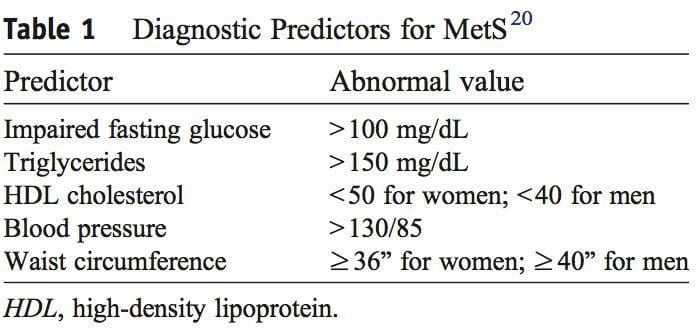
A diagnosis of MetS is made from a patient having 3 of the 5 findings presented in Table 1. Fasting hyperglycemia is termed impaired fasting glucose and indicates insulin resistance. 18,19 An elevated hemoglobin A1c (HbA1c) level measures long-term blood glucose�regulation and is diagnostic for T2DM when elevated in the presence of impaired fasting glucose. 3,18

metabolic table 1

The emerging evidence demonstrates that we cannot view musculoskeletal pain as only coming from conditions that are purely mechanical in nature. Doctors of chiropractic must demonstrate prowess in identification and management of MetS and an understanding of insulin resistance as its main pathophysiological feature. The purposes of this article are to describe the current literature on the etiology and pathophysiology of insulin resistance as it relates to MetS and to suggest strategies for dietary and supplemental management in chiropractic practice.

Methods

metabolic method arrowsPubMed was searched from the earliest possible date to May 2014 to identify review articles that outlined the pathophysiology of MetS and T2DM. This led to further search refinements to identify inflammatory mechanisms that occur in the pancreas, adipose tissue, skeletal muscle, and hypothalamus. Searches were also refined to identify relationships among diet, supplements, and glycemic regulation. Both animal and human studies were reviewed. The selection of specific supplements was based on those that were most commonly used in the clinical setting, namely, gymnema sylvestre, vanadium, chromium and ?-lipoic acid.

Discussion

Insulin Resistance Overview

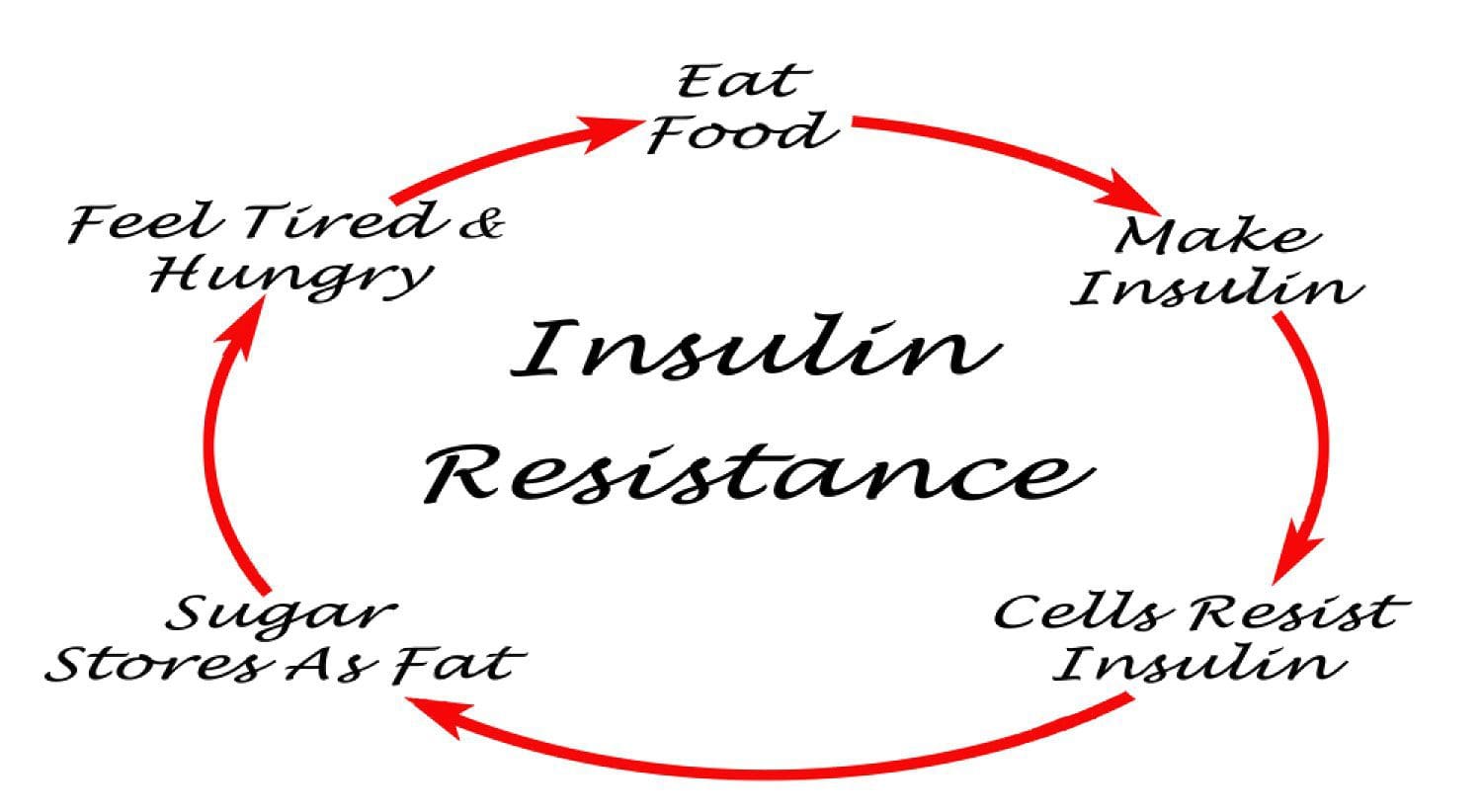
metabolic insulin resistance 1Under normal conditions, skeletal muscle, hepatic, and adipose tissues require the action of insulin for cellular glucose entry. Insulin resistance represents an inability of insulin to signal glucose passage into insulin-dependent cells. Although a genetic predisposition can exist, the�etiology of insulin resistance has been linked to chronic low-grade inflammation.1 Combined with insulin resistance-induced hyperglycemia, chronic low-grade inflammation also sustains MetS pathophysiology.1

Two thirds of postprandial blood glucose metabolism occurs within skeletal muscle via an insulin-dependent mechanism.18,19 Insulin binding to its receptor triggers glucose entry and subsequently inhibits lipolysis within the target tissue.21,22 Glucose enters skeletal muscles cells by way of a glucose transporter designated Glut4. 18 Owing to genetic variability, insulin-mediated glucose uptake can vary more than 6-fold among non-diabetic individuals. 23

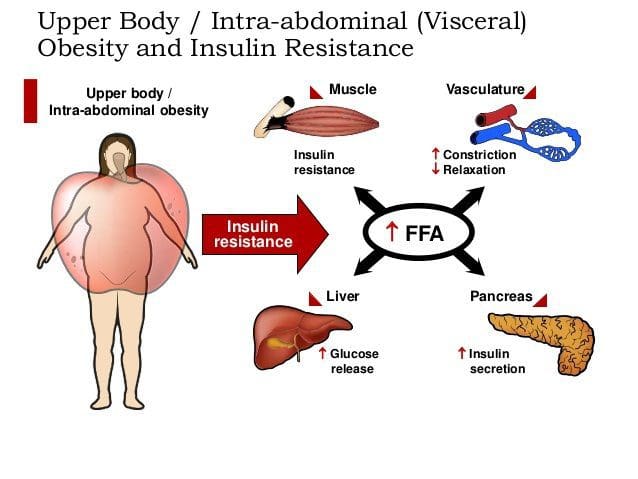
Prolonged insulin resistance leads to structural changes within skeletal muscle such as decreased Glut4 transporter number, intramyocellular fat accu- mulation, and a reduction in mitochondrial con- tent.19,24 These events are thought to impact energy generation and functioning of affected skeletal mus- cle.24 Insulin-resistant skeletal muscle is less able to suppress lipolysis in response to insulin binding.25 Subsequently, saturated free fatty acids accumulate and generate oxidative stress. 22 The same phenomenon within adipose tissue generates a rapid adipose cell expansion and tissue hypoxia.26 Both these processes increase inflammatory pathway activation and the generation of proinflammatory cytokines (PICs).27

Multiple inflammatory mediators are associated with the promotion of skeletal muscle insulin resistance. The PICs tumor necrosis factor ? (TNF-?), interleukin 1 (IL- 1), and IL-6 have received much attention because of their direct inhibition of insulin signaling.28�30 Since cytokine testing is not performed clinically, elevated levels of high- sensitivity C-reactive protein (hsCRP) best represent the low-grade systemic inflammation that characterizes insulin resistance.31,32

Insulin resistance�induced hyperglycemia can lead to irreversible changes in protein structure, termed glycation, and the formation of AGEs. Cells such as those of the vascular endothelium are most vulnerable to hyperglycemia due to utilization of an insulin-independent Glut1 transporter. 33 This makes AGE generation responsible for most diabetic complications, 15,33,34 including collagen cross-linking.15

If unchanged, prolonged insulin resistance can lead to T2DM expression. The relationship between chronic low-grade inflammation and T2DM has been well characterized. 35 Research has demonstrated that patients with T2DM also have chronic inflammation within the pancreas, termed insulitis, and it worsens hyperglycemia due to the progressive loss of insulin- producing ? cells.36�39

Visceral Adiposity And Insulin Resistance

metabolic Visceral Adiposity Insulin resistanceCaloric excess and a sedentary lifestyle contribute to the accumulation of subcutaneous and visceral adipose tissue. Adipose tissue was once thought of as a metabolically inert passive energy depot. A large body of evidence now demonstrates that excess visceral adipose tissue acts as a driver of chronic low-grade inflammation and insulin resistance.27,34

It has been documented that immune cells infiltrate rapidly expanding visceral adipose tissue. 26,40 Infil- trated macrophages become activated and release PICs that ultimately cause a phenotypic shift in resident macrophage phenotype to a classic inflammatory M1 profile.27 This vicious cycle creates a chronic inflam- matory response within adipose tissue and decreases the production of adipose-derived anti-inflammatory cytokines.43 As an example, adiponectin is an adipose- derived anti-inflammatory cytokine. Macrophage- invaded adipose tissue produces less adiponectin, and this has been correlated with increasing insulin resistance. 26

Hypothalamic Inflammation And Insulin Resistance

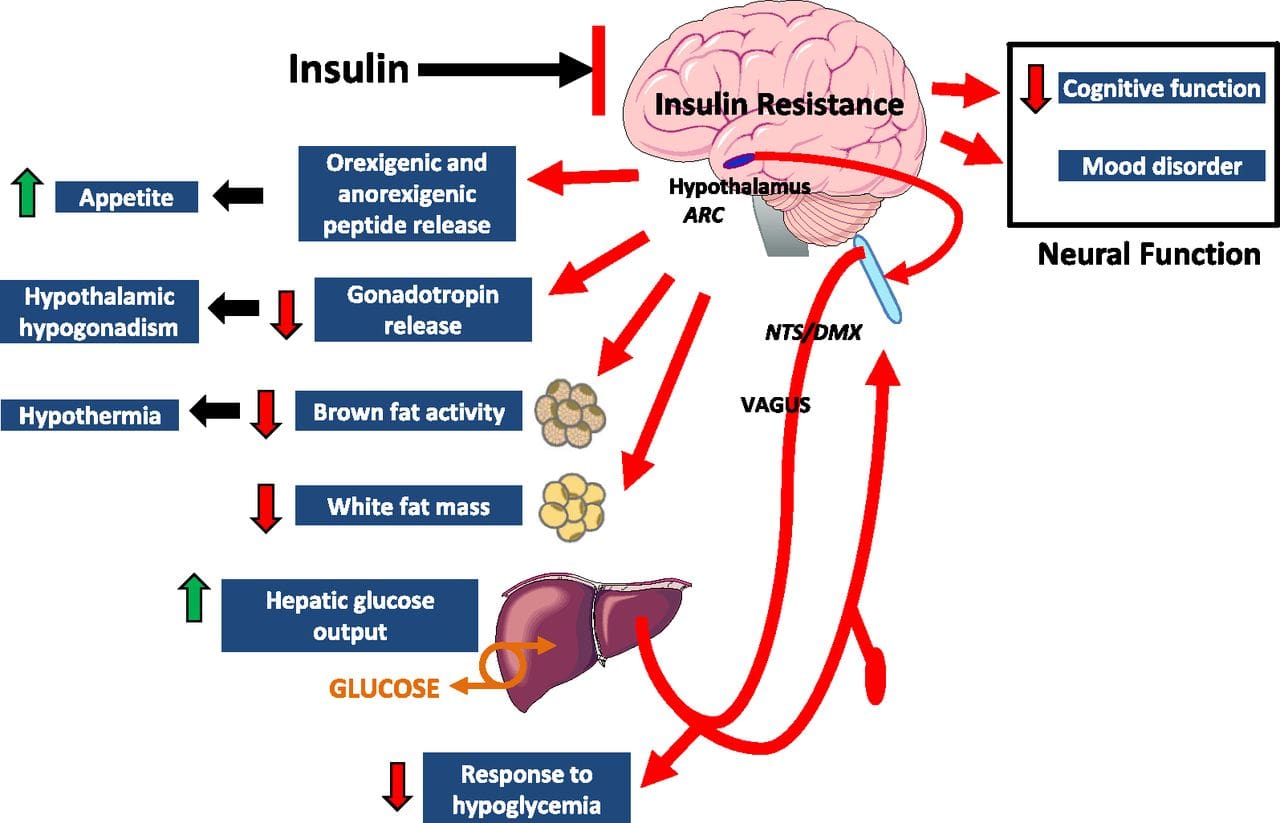
metabolic Hypothalamic Inflammation And Insulin ResistanceEating behavior in the obese and overweight has been popularly attributed to a lack of will power or genetics. However, recent research has demonstrated a link between hypothalamic inflammation and increased body weight.41,41

Centers that govern energy balance and glucose homeostasis are located within the hypothalamus. Recent studies demonstrate that inflammation in the hypothalamus coincides with metabolic inflammation and an increase in appetite.43 These hypothalamic centers simultaneously become resistant to anorexigenic stimuli, leading to altered energy intake. It has been suggested that this provides a neuropathological basis for MetS and drives a progressive increase in body weight. 41

Central metabolic inflammation pathologically activates hypothalamic immune cells and disrupts central insulin and leptin signaling.41 Peripherally, this has been associated with dysregulated glucose homeostasis that also impairs pancreatic ? cell functioning.41,44 Hypothalamic inflammation contributes to hypertension through similar mechanisms, and it is thought that central inflammation parallels chronic low-grade systemic inflammation and insulin resistance.41�44

Clinical Correlates Diet-Induced Inflammation & Insulin Resistance

Fatty foodsFeeding generally leads to a short-term increase in both oxidative stress and inflammation. 41 Total�calories consumed, glycemic index, and fatty acid profile of a meal all influence the degree of postprandial inflammation. It is estimated that the average American consumes approximately 20% of calories from refined sugar, 20% from refined grains and flour, 15% to 20% from excessively fatty meat products, and 20% from refined seed/legume oils.45 This pattern of eating contains a macronutrient composition and glycemic index that promote hyperglycemia, hyperlipemia, and an acute postprandial inflammatory response. 46 Collectively referred to as postprandial dysmetabolism, this pro-inflammatory response can sustain levels of chronic low-grade inflammation that leads to excess body fat, coronary heart disease (CHD), insulin resistance, and T2DM.28,29,47

Recent evidence suggests that several MetS criteria may not sufficiently identify all individuals with postprandial dysmetabolism. 48,49 A 2-hour oral glucose tolerance test (2-h OGTT) result greater than 200 mg/dL can be used clinically to diagnose T2DM. Although MetS includes a fasting blood glucose level less than 100 mg/dL, population studies have shown that a fasting glucose as low as 90 mg/dL can be associated with an 2-h OGTT level greater than 200 mg/dL.49 Further, a recent large cohort study indicated that an increased 2-h OGTT was independently predictive of cardiovascular and all-cause mortality in a nondiabetic population. 48 Mounting evidence indicates that post- prandial glucose levels are better correlated with MetS and predicting future cardiovascular events than fasting blood glucose alone.41,48

Fasting triglyceride levels generally correlate with postprandial levels, and a fasting triglyceride level greater than 150 mg/dL reflects MetS and insulin resistance. Contrastingly, epidemiologic data indicate that a fasting triglyceride level greater than 100 mg/dL influences CHD risk via postprandial dysmetabolism. 48 The acute postprandial inflammatory response that contributes to CHD risk includes an increase in PICs, free radicals, and hsCRP.48,49 These levels are not measured clinically but, monitoring fasting glucose, 2-hour postprandial glucose and fasting triglycerides can be used as correlates of postprandial dysmetabolic and low-grade systemic inflammation.

MetS And Disease Expression

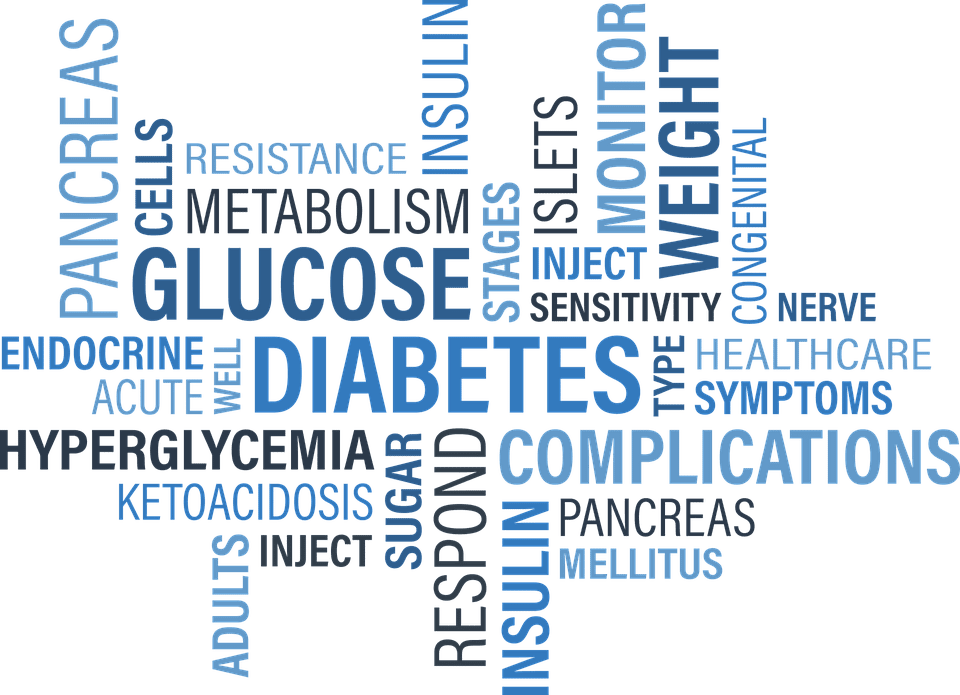
metabolic diabetes related wordsDiagnosis of MetS has been linked to an increased risk of developing T2DM and cardiovascular disease over the following 5 to 10 years. 1 It further increases a patient’s risk of stroke, myocardial infarction, and death from any of the aforementioned conditions.1

Facchini et al47 followed 208 apparently healthy, non-obese subjects for 4 to 11 years while monitoring the incidence of clinical events such as hypertension, stroke, CHD, cancer, and T2DM. Approximately one fifth of participants experienced clinical events, and all of these subjects were either classified as intermediately or severely insulin resistant. It is important to note that all of these clinical events have a pathological basis in chronic low-grade inflammation,50 and no events were experienced in the insulin-sensitive groupings. 47

Insulin resistance is linked to musculoskeletal com- plaints both through chronic inflammation and the effects of AGEs. Advanced glycation end-products have been shown to extensively accumulate in osteoarthritic cartilage and treatment of human chondrocytes with AGEs increased their catabolic activity. 51 Advanced glycation end-products increase collagen stiffness via cross-linking and likely contribute to reduced joint mobility seen in elderly patients with T2DM.52 Com- pared to non-diabetics, type II diabetic patients are known to have altered proteoglycan metabolism in their intervertebral discs. This altered metabolism may pro- mote weakening of the annular fibers and subsequently, disc herniation.53 The presence of T2DM increases a person’s risk of expressing disc herniation in both the cervical and lumbar spines.17,54 Patients with T2DM are also more likely to develop lumbar stenosis compared with non-diabetics, and this has been documented as a plausible relationship between MetS risk factors and physician-diagnosed lumbar disc herniation. 55�57

There are no specific symptoms that denote early skeletal muscle structural changes. Fatty infiltration and decreased muscle mitochondria content are observed within age-related sarcopenia 58 ; however, it is still being argued whether fatty infiltration is a risk factor for low back pain. 59,60

Clinical management of MetS should be geared toward improving insulin sensitivity and reducing chronic low-grade inflammation. 1 Regular exercise without weight loss is associated with reduced insulin resistance, and at least 30 minutes of aerobic activity and resistance training is recommended daily. 61,62 Although frequently considered preventative, exercise, dietary, and weight loss interventions should be considered alongside pharmacological management in those with MetS. 1

Data regarding the exact amount of weight loss needed to improve chronic inflammation are inconclusive. In overweight individuals without diagnosed MetS, a very-low-carbohydrate diet (b 10% calories from carbohydrate) has significantly reduced plasma inflammatory markers (TNF-?, hsCRP, and IL-6) with�as little as 6% reduction in body weight.63,64 Individuals who meet MetS criteria may require 10% to 20% body weight loss to reduce inflammatory markers. 65 Interestingly, the Mediterranean Diet has been shown to reduce markers of systemic inflammation independent of weight loss65 and was recommended in the American College of Cardiology and American Heart Association Adult Treatment Panel 4 guidelines.66

A growing body of research has examined the effects of the Spanish ketogenic Mediterranean diet, including olive oil, green vegetables and salads, fish as the primary protein, and moderate red wine consumption. In a sample of 22 patients, adoption of the Spanish ketogenic Mediterranean diet with 9 g of supplemental salmon oil on days when fish was not consumed has led to complete resolution of MetS.67 Significant reductions in markers of chronic systemic inflammation were seen in 31 patients following this diet for 12 weeks.68

A Paleolithic diet based on lean meat, fish, fruits, vegetables, root vegetables, eggs, and nuts has been described as more satiating per calorie than a diabetes diet in patients with T2DM.69 In a randomized crossover study, a Paleolithic diet resulted in lower mean HbA1c values, triglycerides, diastolic blood pressure, waist circumference, improved glucose tolerance, and higher high-density lipoprotein (HDL) values compared to a diabetes diet.70 Within the context of these changes, a referral for medication management may be advisable.

Irrespective of name, a low-glycemic diet that focuses on vegetables, fruits, lean meats, omega-3 fish, nuts, and tubers can be considered anti-inflammatory and has been shown to ameliorate insulin resistance. 49,71�73 Inflammatory markers and insulin resistance further improve when weight loss coincides with adherence to an anti-inflammatory diet.70 A growing body of evidence suggests that specific supplemental nutrients also reduce insulin resistance and improve chronic low-grade inflammation.

Key Nutrients That Promote Insulin Sensitivity

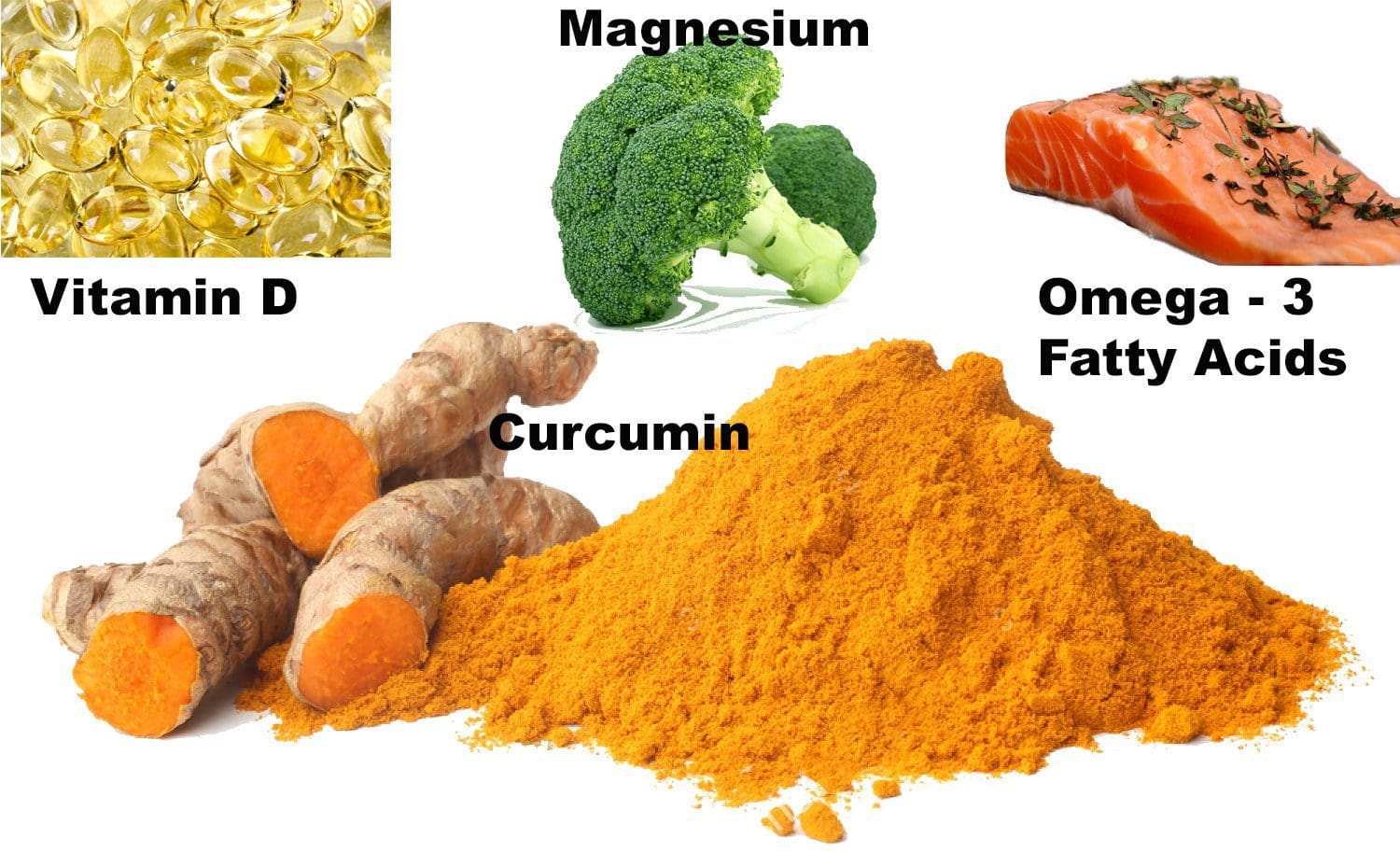
metabolic nutrientsResearch has identified nutrients that play key roles in promoting proper insulin sensitivity, including vitamin D, magnesium, omega-3 (n-3) fatty acids, curcumin, gymnema, vanadium, chromium, and ?-lipoic acid. It is possible to get adequate vitamin D from sun exposure and adequate amounts of magnesium and omega-3 fatty acids from food. Contrastingly, the therapeutic levels of chromium and ?-lipoic acid that affect insulin sensitivity and reduce�insulin resistance cannot be obtained in food and must be supplemented.

Vitamin D, Magnesium, Omega-3 Fatty Acids, & Curcumin

metabolic Vitamin D, Magnesium, Omega-3 Fatty Acids, CurcuminVitamin D, magnesium, and n-3 fatty acids have multiple functions, and generalized inflammation reduction is a common mechanism of action.74�80 Their supplemental use should be considered in the context of low-grade inflammation reduction and health promotion, rather than as a specific treatment for MetS or T2DM.

Evidence pertaining to the precise role of vitamin D in MetS and insulin resistance is inconclusive. Increas- ing dietary and supplemental vitamin D intake in young men and women may lower the risk of MetS and T2DM development,81 and a low serum vitamin D level has been associated with insulin resistance and T2DM expression. 82 Supplementation to improve low serum vitamin D (reference range, 32-100 ng/mL) is effective, but its impact on improving central glycemia and insulin sensitivity is conflicting. 83 Treating insulin resistance and MetS with vitamin D as a monotherapy appears to be unsuccessful. 82,83 Achieving normal vitamin D blood levels through adequate sun exposure and/or supplementation is advised for general health. 84�86

The average American diet commonly contains a low magnesium intake.80 Recent studies suggest that supple- mental magnesium can improve insulin sensitivity. 81,82 Taking 365 mg/d may be effective in reducing fasting glucose and raising HDL cholesterol in T2DM,83 as well as normomagnesemic, overweight, nondiabetics. 84

Diets high in the omega-6 fat linoleic acid have been associated with insulin resistance85 and higher levels of serum pro-inflammatory mediator markers including IL-6, IL-1?, TNF-?, and hsCRP.87 Supplementation to increase dietary omega-3 fatty acids at the expense of omega-6 fatty acids has been shown to improve insulin sensitivity. 88�90 Six months of omega-3 supplementation at 3 g/d with meals has been shown to reduce MetS markers including fasting triglycerides, HDL cholesterol, and an increase in anti-inflammatory adiponectin. 91

Curcumin is responsible for the yellow pigmentation of the spice turmeric. Its biological effects can be characterized as antidiabetic and antiobesity via down- regulating TNF-?, suppressing nuclear factor ?B activation, adipocytokine expression, and leptin level modulation,. 92�95 Curcumin has been reported to activate peroxisome proliferator-activated receptor-?, the nuclear target of the thiazolidinedione class of antidiabetic drugs,93 and it also protects hepatic and pancreatic cells. 92,93 Numerous studies have reported�weight loss, hsCRP reduction, and improved insulin sensitivity after curcumin supplementation.92�95

There is no established upper limit for curcumin, and doses of up to 12 g/d are safe and tolerable in humans. 96 A randomized, double-blinded, placebo- controlled trial (N = 240) showed a reduced progression of prediabetes to T2DM after 9 months of 1500 mg/d curcumin supplementation.97

Curcumin, 98 vitamin D, 84 magnesium, 91 and omega-3 fatty acids80 are advocated as daily supplements to promote general health. A growing body of evidence supports the views of Gymnema sylvestre, vanadium, chromium, and ?-lipoic acid should as therapeutic supplements to assist in glucose homeostasis.

G Sylvestre

metabolic Gymnema sylvestre medicinal herbGymnemic acids are the active component of the G sylvestre plant leaves. Gymnemic acids are the active component of the G sylvestre plant leaves. Studies evaluating G sylvestre’s effects on diabetes in humans have generally been of poor methodological quality. Experimental animal studies have found that gymnemic acids may decrease glucose uptake in the small intestine, inhibit gluconeogenesis, and reduce hepatic and skeletal muscle insulin resistance.99 Other animal studies suggest that gymnemic acids may have comparable efficacy in reducing blood sugar levels to the first-generation sulfonylurea, tolbutamide.100

Evidence from open-label trials suggests its use as a supplement to oral antidiabetic hypoglycemic agents. 96 One quarter of patients were able to discontinue their drug and maintain normal glucose levels on an ethanolic gymnema extract alone. Although the evidence to date suggests its use in humans and animals is safe and well tolerated, higher quality human studies are warranted.

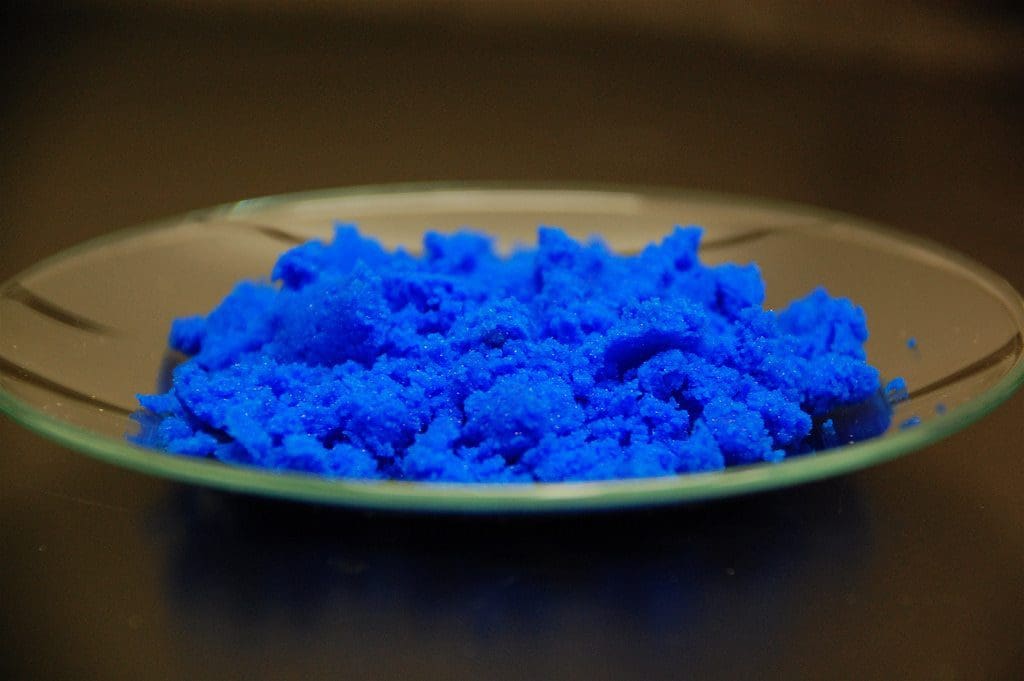
Vanadyl Sulfate

metabolic Vanadyl SulfateVanadyl sulfate has been reported to prolong the events of insulin signaling and may actually improve insulin sensitivity.101 Limited data suggest that it inhibits gluconeogenesis, possibly ameliorating hepatic insulin resistance. 100,101 Uncontrolled clinical trials have reported improvements in insulin sensitivity using 50 to 300 mg daily for periods ranging from 3 to 6 weeks. 101�103 Contrastingly, a recent randomized, double-blind, placebo-controlled trial found that 50 mg of vanadyl sulfate twice daily for 4 weeks had no effect in individuals with impaired glucose tolerance. 104 Limited clinical and experimental data exist supporting the use of vanadyl sulfate to improve insulin resistance,�and further research is warranted regarding its safety and efficacy.

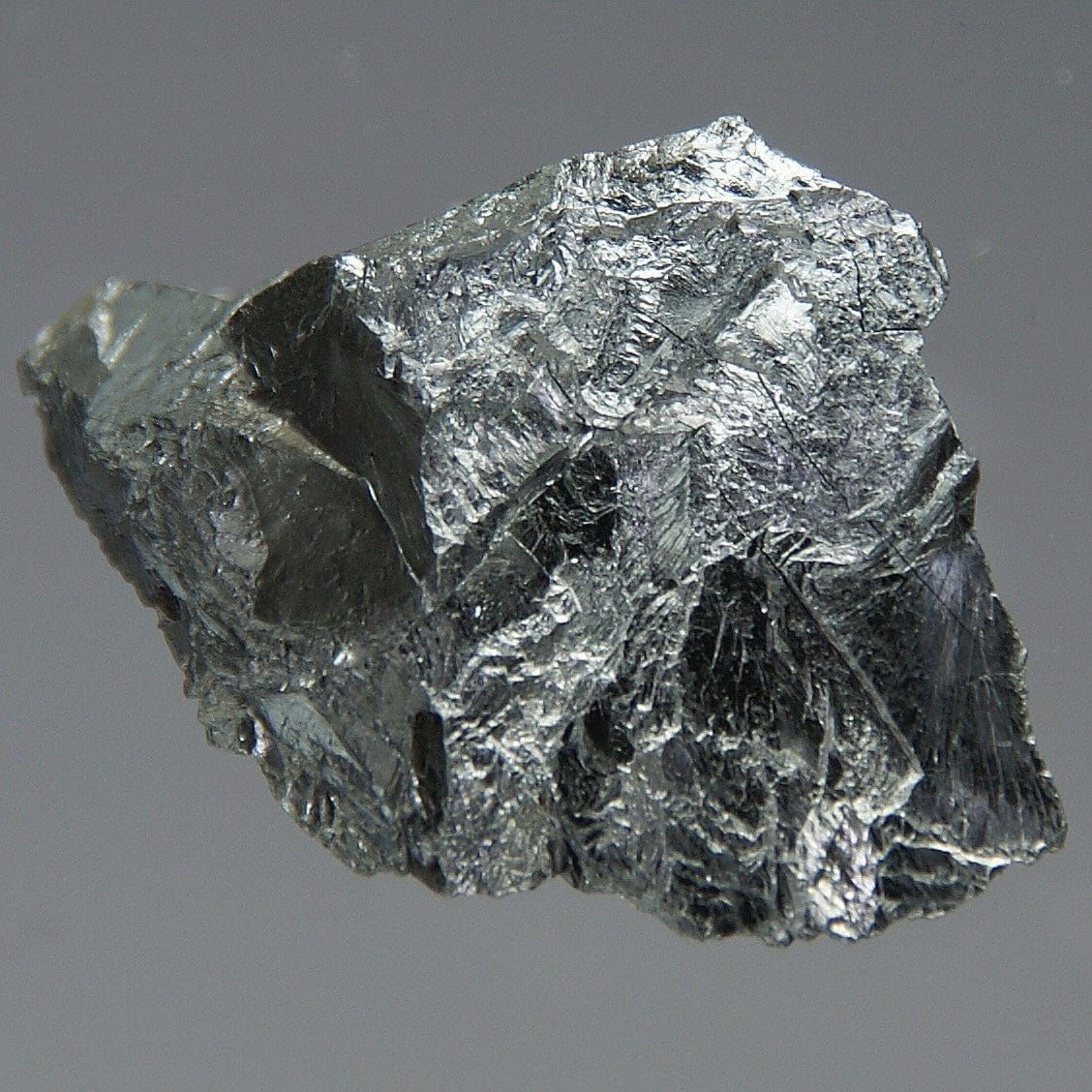
Chromium

metabolic ChromiumDiets high in refined sugar and flour are deficient in chromium (Cr) and lead to an increased urinary excretion of chromium. 105,106 The progression of MetS is not likely caused by a chromium deficiency, 107 and dosages that benefit glycemic regulation are not achievable through food. 106,108,109

A recent randomize, double-blind trial demonstrated that 1000 ?g Cr per day for 8 months improved insulin sensitivity by 10% in subjects with T2DM.110 Cefalu et al110 further suggested that these improvements might be more applicable to patients with a greater degree of insulin resistance, impaired fasting plasma glucose, and higher HbA1c values. Chromium’s mechanism of action for improving insulin sensitivity is through increased Glut4 translocation via prolonging insulin receptor signaling.109 Chromium has been well tolerated at 1000 ?g/d,105 and animal models using significantly more than 1000 ? Cr per day were not associated with toxicological consequences.109

?-Lipoic Acid

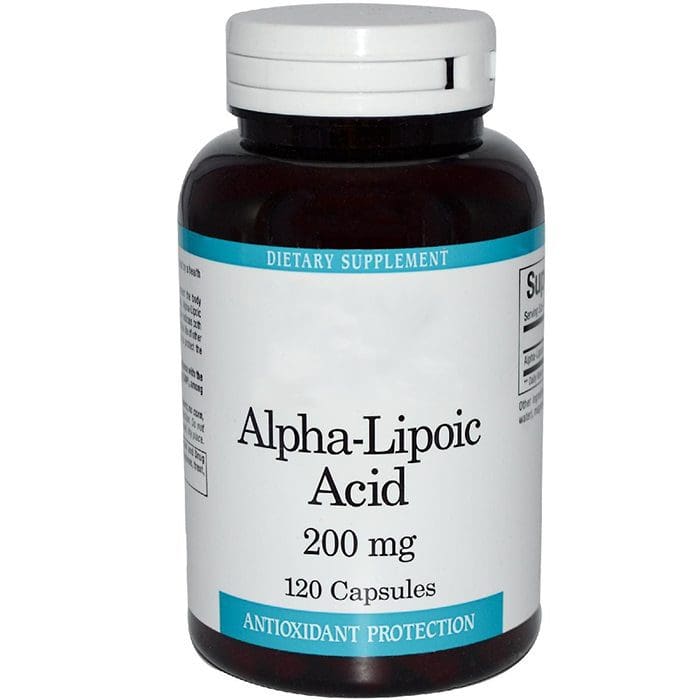
metabolic alpha-lipoic-acidHumans derive ?-lipoic acid through dietary means and from endogenous synthesis. 111 The foods richest in ?-lipoic acid are animal tissues with extensive metabolic activity such as animal heart, liver, and kidney, which are not consumed in large amounts in the typical American diet. 111 Supplemental amounts of ?-lipoic acid used in the treatment of T2DM (300-600 mg) are likely to be as much as 1000 times greater than the amounts that could be obtained from the diet.112

Lipoic acid synthase (LASY) appears to be the key enzyme involved in the generation of endogenous lipoic acid, and obese mice with diabetes have reduced LASY expression when compared with age-and sex- matched controls.111 In vitro studies to identify potential inhibitors of lipoic acid synthesis suggest a role for diet-induced hyperglycemia and the PIC TNF- ? in the down-regulation of LASY.113 The inflammatory basis of insulin resistance may therefore drive lowered levels of endogenous lipoic acid via reducing the activity of LASY.

?-Lipoic acid has been found to act as insulin mimetic via stimulating Glut4-mediated glucose trans- port in muscle cells. 110,114?-Lipoic acid is a lipophilic free radical scavenger and may affect glucose homeostasis through protecting the insulin receptor from damage114 and indirectly via decreasing nuclear factor ?B�mediated TNF-? and IL-1 production. 110 In�postmenopausal women with MetS (presence of at least 3 ATPIII clinical criteria) 4 g/d of a combined inositol and ?-lipoic acid supplement for 6 months significantly improved OGTT scores by 20% in two thirds of the subjects. 114 A recent randomized double-blinded placebo-controlled study showed that 300 mg/d ?- lipoic acid for 90 days significantly decreased HbA1c values in subjects with T2DM.115

Side effects to ?-lipoic acid supplementation as high as 1800 mg/d have largely been limited to nausea. 116 It may be best to take supplemental ?-lipoic acid on an empty stomach (1 hour before or 2 hours after eating) because food intake reportedly reduces its bioavailability.117 Clinicians should be aware that ?-lipoic acid supplementation might increase the risk of hypoglycemia in diabetic patients using insulin or oral antidiabetic agents.117

Limitations

metabolic limitations signThis is a narrative overview of the topic of MetS. A systematic review was not performed; therefore, there may be relevant information missing from this review. The contents of this overview focuses on the opinions of the authors, and therefore, others may disagree with our opinions or approaches to management. This overview is limited by the studies that have been published. To date, no studies have been published that identify the effectiveness of a combination of a dietary intervention, such as the Spanish ketogenic diet, and nutritional supplementation on the expression of the MetS. Similarly, this approach has not been studied in patients with musculoskeletal pain who also have the MetS. Consequently, the information presented in this article is speculative. Longitudinal studies are needed before any specific recommendations can be made for patients with musculoskeletal that may be influenced by the MetS.

Conclusion: Metabolic Syndrome

This overview suggests that MetS and type 2 diabetes are complex conditions, and their prevalence is expected to increase substantially in the coming years. Thus, it is important to identify if the MetS may be present in patients who are nonresponsive to manual care and to help predict who may not respond adequately.

We suggest that diet and exercise are essential to managing these conditions, which can be supported with key nutrients, such as vitamin D, magnesium, and�omega-3 fatty acids. We also suggest that curcumin, G sylvestre, vanadyl sulfate chromium, and ?-lipoic acid could be viewed as specific nutrients that may be taken during the process of restoring appropriate insulin sensitivity and signaling.

Chiropractic Care


David R. Seaman DC, MS,?, Adam D. Palombo DC

Professor, Department of Clinical Sciences, National University of Health Sciences, Pinellas Park, FL Private Chiropractic Practice, Newburyport, MA

Funding Sources and Conflicts of Interest

No funding sources were reported for this study. David Seaman is a paid consultant for Anabolic Laboratories, a manufacturer of nutritional products for health care professionals. Adam Palombo was sponsored and remunerated by Anabolic laboratories to speak at chiropractic conventions/meetings.

Blank
References:

1. Kaur J. A comprehensive review on metabolic syndrome.<br />
Cardiol Res Pract 2014:943162, http://dx.doi.org/10.1155/<br />
2014/943162.<br />
2. Ford ES, Giles WH, Dietz WH. Prevalence of the metabolic<br />
syndrome among US adults. Findings from the Third National<br />
Health and Nutrition Examination Survey. J Am Med Assoc<br />
2006;287:356�9.<br />
3. Boyle JP, Thompson TJ, Gregg EW, Barker LE, Williamson<br />
DF. Projection of the year 2050 burden of diabetes in the US<br />
adult population: dynamic modeling of incidence, mortality,<br />
and prediabetes prevalence. Popul Health Metr 2010;8:29,<br />
http://dx.doi.org/10.1186/1478-7954-8-29.<br />
4. [Internet]Centers for Disease Control and Prevention.<br />
Adult Obesity Facts. Atlanta: CDC; 2014. [Available from<br />http://www.cdc.gov/obesity/data/adult.html].<br />
5. Ogden CL, Carroll MD, Kit BK, Flegal KM. Prevalence of<br />
childhood and adult obesity in the United States, 2011�2012.<br />
JAMA 2014;311(8):806�14.<br />
6. Riksman JS, Williamson OD, Walker BF. Delineating<br />
inflammatory and mechanical sub-types of low back pain: a<br />
pilot survey of fifty low back pain patients in a chiropractic<br />
setting. Chiropr Man Therap 2011;19(1):5, http://dx.doi.org/<br />
10.1186/2045-709X-19-5.<br />
7. Dobretsov M, Ghaleb AH, Romanovsky D, Pablo CS, Stimers<br />
JR. Impaired insulin signaling as a potential trigger of<br />
pain in diabetes and prediabetes. Int Anesthesiol Clin<br />
2007;45(2):95�105.<br />
8. Mantyselka P, Miettola J, Niskanen L, Kumpusalo E. Glucose<br />
regulation and chronic pain at multiple sites. Rheumatology<br />
2008;47(8):1235�8.<br />
9. M�ntyselk� P, Miettola J, Niskanen L, Kumpusalo E.<br />
Persistent pain at multiple sites�connection to glucose<br />
derangement. Diabetes Res Clin Pract 2009;84(2):e30�2.<br />
10. Mantyselka P, Kautianen H, Vanhala M. Prevalence of neck<br />
pain in subjects with metabolic syndrome�a cross-sectional<br />
population-based study. BMC Musculoskelet Disord 2010;11:<br />
171, http://dx.doi.org/10.1186/1471-2474-11-171.<br />
11. Rechardt M, Shiri R, Karppinen J, Jula A, Heli�vaara M,<br />
Viikari-Juntura E. Lifestyle and metabolic factors in relation<br />
to shoulder pain and rotator cuff tendinitis: a population-based<br />
study. BMC Musculoskelet Disord 2010;11:165.<br />
12. Gaida JE, Alfredson L, Kiss ZS, Wilson AM, Alfredson H,<br />
Cook JL. Dyslipidemia in Achilles tendinopathy is<br />
characteristic of insulin resistance. Med Sci Sports Exerc<br />
2009;41:1194�7.<br />
13. Malliaras P, Cook JL, Kent PM. Anthropometric risk factors<br />
for patellar tendon injury among volleyball players. Br J<br />
Sports Med 2007;41:259�63.<br />
14. Skrzynski S. DSC study of collagen in disc disease. J Biophys<br />
2009;2009:819635, http://dx.doi.org/10.1155/2009/819635.<br />
15. Luevano-Contreras C, Chapman-Novakofski K. Dietary<br />
advanced glycation end products and aging. Nutrients<br />
2010;2(12):1247�65 [2009;2009:819635].<br />
16. Abate M, Schiavone C, Pelotti P, Salini V. Limited joint<br />
mobility (LJM) in elderly subjects with type II diabetes<br />
mellitus. Arch Gerontol Geriatrics 2011;53:135�40.<br />
17. Sakellaridis N. The influence of diabetes mellitus on lumbar<br />
intervertebral disk herniation. Surg Neurol 2006;66:152�4.<br />
18. Shepherd PR, Kahn BB. Glucose transporters and insulin<br />
action: implications for insulin resistance and diabetes<br />
mellitus. New Eng J Med 1999;341(4):248�57.<br />
19. Abdul-Ghani MA, DeFronzo RA. Pathogenesis of insulin<br />
resistance in skeletal muscle. J Biomed Biotechnol 2010:19,<br />
http://dx.doi.org/10.1155/2010/476279 [Article ID 476279].<br />
20. [Internet]American Heart Association. About metabolic<br />
syndrome. Dallas: The Association; 2014. [Available from<br />http://www.heart.org/HEARTORG/Conditions/More/<br />MetabolicSyndrome/About-Metabolic-Syndrome_UCM_<br />301920_Article.jsp].<br />
21. Hotamisligil GS. Inflammation and metabolic disorders.<br />
Nature 2006;444:860�7.<br />
22. Glass CK, Olefsky JM. Inflammation and lipid signaling in the<br />
etiology of insulin resistance. Cell Metab 2012;15(5):635�45.<br />
23. Reaven GM. All obese individuals are not created equal:<br />
insulin resistance is the major determinant of cardiovascular<br />
disease in overweight/obese individuals. Diabetes Vasc Dis<br />
Res 2005;2:105�12.<br />
24. Ritov VB, Menshikova EV, He J, Ferrell RE, Goodpaster<br />
BH, Kelley DE. Deficiency of subsarcolemmal mitochondria<br />
in obesity and type 2 diabetes. Diabetes 2005;54:8�14.<br />
25. Corcoran MP, Lamon-Fava S, Fielding RA. Trans fats and<br />
insulin resistance: skeletal muscle lipid deposition and insulin<br />
resistance: effect of dietary fatty acids and exercise. Am J Clin<br />
Nutr 2007;85:662�77.<br />
26. Schipper HS, Prakken B, Kalkhoven E, Boes M. Adipose<br />
tissue-resident immune cells: key players in immunometabolism.<br />
Trends Endocrinol Metab 2012;23:407�15.<br />
27. Antuna-Puente B, Feve B, Fellahi S, Bastard JP. Adipokines:<br />
the missing link between insulin resistance and obesity.<br />
Diabetes Metab 2008;34:2�11.<br />
28. Grimble RF. Inflammatory status and insulin resistance. Curr<br />
Opin Clin Nutr Metab Care 2003;5:551�9.<br />
29. Tilg H, Moschen AR. Inflammatory mechanisms in<br />
the regulation of insulin resistance. Mol Med 2008;3�4:222�31.<br />
30. Johnson DR, O’Conner JC, Satpathy A, Freund GG.<br />
Cytokines in type 2 diabetes. Vitam Horm 2006;74:405�41.<br />
31. Ridker PM, Wilson PW, Grundy SM. Should C-reactive<br />
protein be added to the metabolic syndrome and to<br />
assessment of global cardiovascular risk? Circulation 2004;<br />
109:2818�25.<br />
32. Gelaye B, Revilla L, Lopez T, et al. Association between<br />
insulin resistance and c-reactive protein among Peruvian<br />
adults. Diabetol Metab Syn 2010;2:30.<br />
33. Singh VP, Bali A, Singh N, et al. Advanced glycation end<br />
products and diabetic complications. Korean J Physiol<br />
Pharmacol 2014;18(1):1�14.<br />
34. Baker RG, Hayden MS. NF-kB, inflammation and metabolic<br />
disease. Cell Metab 2011;13(1):11�22.<br />
35. Purkayastha S, Cair D. Neuroinflammatory basis of metabolic<br />
syndrome. Mol Metab Nov 2013;2(4):356�63.<br />
36. Ehse JA, Boni-Schnetzler M, Faulenbach M, Donath MY.<br />
Macrophages, cytokines and beta-cell death in type 2 diabetes.<br />
Biochem Soc Trans 2008;36(3):340�2.<br />
37. Boni-Schnetzler M, Ehses JA, Faulenbach M, Donath MY.<br />
Insulitis in type 2 diabetes. Diabetes Obes Metab 2008;10<br />
(Suppl 4):201�4.<br />
38. Donath MY, Schumann DM, Faulenbach M, Ellingsgaard H,<br />
Perren A, Ehses JA. Islet inflammation in type 2<br />
diabetes: from metabolic stress to therapy. Diabetes Care<br />
2008;31(Suppl 2):S161�4.<br />
39. Donath MY, Boni-Schnetzler M, Ellingsgaard H, Ehses JA.<br />
Islet inflammation impairs the pancreatic beta-cell in type 2<br />
diabetes. Physiology 2009;24:325�31.<br />
40. Harford KA, Reynolds CM, McGillicuddy FC, Roche HM.<br />
Fats, inflammation and insulin resistance: insights to the role<br />
of macrophage and T-cell accumulation in adipose tissue.<br />
Proc Nutr Soc 2011;70:408�17.<br />
41. Munoz A, Costa M. Nutritionally mediated oxidative stress and<br />
inflammation. Oxid Med Cell Longev 2013;2013:610950, http://<br />
dx.doi.org/10.1155/2013/610950.<br />
42. Wisse BE, Schwartz MW. Does hypothalamic inflammation<br />
cause obesity? Cell Metab 2009;10(4):241�2.<br />
43. Purkayastha S, Cair D. Neuroinflammatory basis of metabolic<br />
syndrome. Mol Metab Nov 2013;2(4):356�63.<br />
44. Calegari VC, Torsoni AS, Vanzela EC, Ara�jo EP, Morari<br />
J, Zoppi CC, et al. Inflammation of the hypothalamus leads<br />
to defective pancreatic islet function. J Biol Chem 2011;<br />
286(15):12870�80.<br />
45. Cordain L, Eaton SB, Sebastian A, et al. Origins and evolution<br />
of the Western diet: health implications for the 21st century.<br />
Am J Clin Nutr 2005;81:341�54.<br />
46. Barclay AW, Petocz P, McMillan-Price J, et al. Glycemic<br />
index, glycemic load, and chronic disease risk�a metaanalysis<br />
of observational studies. Am J Clin Nutr<br />
2008;87:627�37.<br />
47. Facchini FS, Hua N, Abbasi F, Reaven GM. Insulin resistance<br />
as a predictor of age-related disease. J Clin Endocrinol Metab<br />
2001;86:3574�8.<br />
48. Lin H, Lee B, Ho Y, et al. Postprandial glucose improves the<br />
risk prediction of cardiovascular death beyond the metabolic<br />
syndrome in the nondiabetic population. Diabetes Care Sep<br />
2009;32(9):1721�6.<br />
49. O’Keefe JH, Bell DS. Postprandial hyperglycemia/<br />
hyperlipidemia (postprandial dysmetabolism) is a cardiovascular<br />
risk factor. Am J Cardiol 2007;100:899�904.<br />
50. Cao H. Adipocytokines in obesity and metabolic disease.<br />
J Endocrinol 2014;220(2):T47�59.<br />
51. Nah SS, Choi IY, Lee CK, et al. Effects of advanced glycation<br />
end products on the expression of COX2, PGE2 and NO in human osteoarthritic chondrocytes. Rheumatology (Oxford)<br />
2008;47(4):425�31.<br />
52. Abate M, Schiavone C, Pelotti P, Salini V. Limited joint<br />
mobility (LJM) in elderly subjects with type II diabetes<br />
mellitus. Arch Gerontol Geriatr 2011;53:135�40.<br />
53. Robinson D, Mirovsky Y, Halperin N, Evron Z, Nevo Z.<br />
Changes in proteoglycans of intervertebral disc in diabetic<br />
patients: a possible cause of increased back pain. Spine<br />
1998;23:849�56.<br />
54. Sakellaridis N, Androulis A. Influence of diabetes mellitus on<br />
cervical intervertebral disc herniation. Clin Neurol Neurosurg<br />
2008;110:810�2.<br />
55. Jhawar BS, Fuchs CS, Colditz GA, Stampfer MJ. Cardiovascular<br />
risk factors for physician-diagnosed lumbar disc<br />
herniation. Spine J 2006;6:684�91.<br />
56. Lotan R, Oron A, Anekstein Y, Shalmon E, Mirovsky Y.<br />
Lumbar stenosis and systemic diseases: is there any relevance.<br />
J Spinal Disord Tech 2008;21:247�51.<br />
57. Anekstein Y, Smorgick Y, Lotan R, et al. Diabetes mellitus as<br />
a risk factor for the development of lumbar spinal stenosis. Isr<br />
Med Assoc J 2010;12:16�20.<br />
58. Choi KM. Sarcopenia and sarcopenic obesity. Endocrinol<br />
Metab (Seoul) 2013;28(2):86�9.<br />
59. D’hooge R, Cagnie B, Crombez G, et al. Increased<br />
intramuscular fatty infiltration without differences in lumbar<br />
muscle cross-sectional area during remission of unilateral<br />
recurrent low back pain. Man Ther 2012 Dec;17(6):5584�8.<br />
60. Chen YY, Pao JL, Liaw CK, et al. Image changes of paraspinal<br />
muscles and clinical correlations in patients with unilateral<br />
lumbar spinal stenosis. Eur Spine J 2014;23(5):999�1006.<br />
61. Kim Y, Park H. Does regular exercise without weight loss<br />
reduce insulin resistance in children and adolescents? In J<br />
Endocrinol 2013:402592, http://dx.doi.org/10.1155/2013/<br />
402592 [Epub 2013 Dec 12].<br />
62. Strasser B, Siebert U, Schobersberger W. Resistance training<br />
in the treatment of the metabolic syndrome: a systematic<br />
review and meta-analysis of the effect of resistance training on<br />
metabolic clustering in patients with abnormal glucose<br />
metabolism. Sports Med 2010;40:397�415.<br />
63. Sharman MJ, Volek JS. Weight loss leads to reductions in<br />
inflammatory biomarkers after a very-low-carbohydrate diet<br />
and a low-fat diet in overweight men. Clin Sci (Lond)<br />
2004;13:365�9.<br />
64. Teng KT, Chang CY, Chang LF, et al. Modulation of obesityinduced<br />
inflammation by dietary fats: mechanisms and<br />
clinical evidence. Nutr J 2014;13:12, http://dx.doi.org/<br />
10.1186/1475-2891-13-12.<br />
65. Tzotzas T, Evangelou P, Kiortsis DN. Obesity, weight loss<br />
and conditional cardiovascular risk factors. Obes Rev 2011;12<br />
(5):e282�9.<br />
66. Stone N, Robinson J, Lichtenstein AH, et al. 2013 ACC/AHA<br />
Guideline on the Treatment of Blood Cholesterol to Reduce<br />
Atherosclerotic Cardiovascular Risk in Adults: A report of<br />
the American College of Cardiology/American Heart<br />
Association Task Force on practice guidelines. Circulation<br />
2014;129(25 Suppl 2):S1�S45.<br />
67. P�rez-Guisado J, Mu�oz-Serrano A. A pilot study of the<br />
Spanish ketogenic Mediterranean diet: an effective therapy for<br />
the metabolic syndrome. J Med Food 2011;14(7�8):681�7.<br />
68. P�rez-Guisado J, Mu�oz-Serrano A, Alonso-Moraga A.<br />
Spanish ketogenic Mediterranean diet: a healthy cardiovascular<br />
diet for weight loss. Nutr J 2008;7:30, http://dx.doi.org/<br />
10.1186/1475-2891-7-30.<br />
69. Jonsson T, Granfeldt Y, Lindeberg S, et al. Subjective satiety<br />
and other experiences of a Paleolithic diet compared to a<br />
diabetes diet in patients with T2DM. Nutr J 2013;12:105,<br />
http://dx.doi.org/10.1186/1475-2891-12-105.<br />
70. Jonsson T, Granfeldt Y, Ahren B, et al. Beneficial effects of a<br />
Paleolithic diet on cardiovascular risk factors in T2DM: a<br />
randomized cross-over pilot study. Cardiovasc Diabetol<br />
2009;8:35, http://dx.doi.org/10.1186/1475-2840-8-35.<br />
71. Nicklas BJ, You T, Pahor M. Behavioural treatments<br />
for chronic system inflammation: effects of dietary<br />
weight loss and exercise training. Can Med Assoc J<br />
2005;172(9):1199�209.<br />
72. O’Keefe JH, Gheewala NM, O’Keefe JO. Dietary<br />
strategies for improving post-prandial glucose, lipids, inflammation,<br />
and cardiovascular health. J Am Coll Cardiol<br />
2008;51:249�55.<br />
73. O’Keefe Jr JH, Cordain L. Cardiovascular disease resulting<br />
from a diet and lifestyle at odds with our Paleolithic genome:<br />
how to become a 21st-century hunter�gatherer. Mayo Clin<br />
Proc 2004;79(1):101�8.<br />
74. Ames BN. Low micronutrient intake may accelerate the<br />
degenerative diseases of aging through allocation of scarce<br />
micronutrients by triage. Proc Natl Acad Sci U S A 2006;103<br />
(47):17589�94.<br />
75. Holick MF, Chen TC. Vitamin D deficiency: a worldwide<br />
problem with health consequences. Am J Clin Nutr<br />
2008;87:1080S�6S [Suppl.].<br />
76. Toubi E, Shoenfeld Y. The role of vitamin D in regulating<br />
immune responses. Isr Med Assoc J 2010;12(3):174�5.<br />
77. King DE, Mainous AG, Geesey ME, Egan BM, Rehman S.<br />
Magnesium supplement intake and C-reactive protein levels<br />
in adults. Nutr Res 2006;26:193�6.<br />
78. Rosanoff A, Weaver CM, Rude RK. Suboptimal magnesium<br />
status in the United States: are the health consequences<br />
underestimated? Nutr Rev 2012;70(3):153�64.<br />
79. Simopoulos AP. Omega-3 fatty acids in inflammation and<br />
autoimmune diseases. J Am Coll Nutr 2002;21(6):495�505.<br />
80. Simopoulos AP. The importance of the omega-6/omega-3<br />
fatty acid ratio in cardiovascular disease and other chronic<br />
diseases. Exp Biol Med 2008;233:674�88.<br />
81. Fung GJ, Steffen LM, Zhou X, et al. Vitamin D intake is<br />
inversely related to risk of developing metabolic syndrome<br />
in African American and white men and women over 20 y:<br />
the Coronary Artery Risk Development in Young Adults<br />
study. Am J Clin Nutr 2012;96(1):24�9 [Published online<br />2012 May 30].<br />
82. Palomer X, Gonzalez-Clemente JM, Blanco-Vaca F, Mauricio<br />
D. Role of vitamin D in the pathogenesis of type 2 diabetes<br />
mellitus. Diabetes Obes Metab 2008;10:185�97.<br />
83. Guadarrama-Lopez AL, Valdes-Ramos R, Martinex-Carrillo<br />
BE. T2DM, PUFAs, and vitamin D: their relation to<br />
inflammation. J Immunol Res 2014;2014:860703, http://dx.<br />
doi.org/10.1155/2014/860703.<br />
84. Cannell JJ, Hollis BW. Use of vitamin D in clinical practice.<br />
Altern Med Rev 2008;13(1):6�20.<br />
85. Davidson MB, Duran P, Lee ML, Friedman TC. High-dose<br />
vitamin D supplementation in people with prediabetes and<br />
hypovitaminosis D. Diabetes Care 2013;36(2):260�6, http://<br />
dx.doi.org/10.2337/dc12-1204.<br />
86. Schwalfenberg G. Vitamin D, and diabetes: improvement of<br />
glycemic control with vitamin D3 repletion. Can Fam<br />
Physician 2008;54:864�6.<br />
87. Kim DJ, Xun P, Liu K, et al. Magnesium intake in relation to<br />
systemic inflammation, insulin resistance, and the incidence<br />
of diabetes. Diabetes Care 2010;33(12):2604�10, http://dx.<br />
doi.org/10.2337/dc10-0994.<br />
88. Guerrero-Romero F, Tamez-Perez HE, Gonz�lez-Gonz�lez G,<br />
et al. Oral magnesium supplementation improves insulin<br />
sensitivity in non-diabetic subjects with insulin resistance. A<br />
double-blind placebo-controlled randomized trial. Diabetes<br />
Metab 2004;30(3):253�8.<br />
89. Rodr�guez-Mor�n M, Guerrero-Romero F. Oral magnesium<br />
supplementation improves insulin sensitivity and metabolic<br />
control in type 2 diabetic subjects: a randomized double-blind<br />
controlled trial. Diabetes Care 2003;26(4):1147�52.<br />
90. Song Y, He K, Levitan EB, Manson JE, Liu S. Effects of oral<br />
magnesium supplementation on glycaemic control in type 2<br />
diabetes: a meta-analysis of randomized double-blind controlled<br />
trials. Diabet Med 2006;23(10):1050�6.<br />
91. Mooren FC, Kr�ger K, V�lker K, Golf SW,Wadepuhl M, Kraus<br />
A. Oral magnesium supplementation reduces insulin resistance<br />
in non-diabetic subjects�a double-blind, placebo-controlled,<br />
randomized trial. Diabetes Obes Metab 2011;13(3):281�4.<br />
92. Aggarwal BB. Targeting inflammation induced obesity and<br />
metabolic diseases by curcumin and other nutraceuticals.<br />
Annu Rev Nutr 2010;30:173�9.<br />
93. Alappat L, Awad AB. Curcumin and obesity: evidence and<br />
mechanisms. Nutr Rev 2010;68(12):729�38.<br />
94. Gonzales AM, Orlando RA. Curcumin and resveratrol inhibit<br />
nuclear factor-kappaB-mediated cytokine expression in adipocytes.<br />
Nutr Metab 2008;5:17, http://dx.doi.org/10.1186/<br />
1743-7075-5-17.<br />
95. Sahebkar A. Why it is necessary to translate curcumin into<br />
clinical practice for the prevention and treatment of metabolic<br />
syndrome? Biofactors 2012, http://dx.doi.org/10.1002/<br />
biof.1062 [Epub ahead of print].<br />
96. Hsu CH, Cheng AL. Clinical studies with curcumin. Adv Exp<br />
Med Biol 2007;595:471�80.<br />
97. Chuengsamarn S, Rattanamongkolgul S, Luechapudiporn R,<br />
Phisalaphong C, Jirawatnotai S. Curcumin extract for prevention<br />
of type 2 diabetes. Diabetes Care 2012;35(11):2121�7.<br />
98. Jurenka JS. Anti-inflammatory properties of curcumin, a<br />
major constituent of curcuma longa: a review of preclinical<br />
and clinical research. Altern Med Rev 2009;14(2):141�53.<br />
99. Leach M. Gymnema sylvestre for diabetes mellitus: a systematic<br />
review. J Altern Complement Med 2007;13(9):977�83.<br />
100. Chattopadhyay R. A comparative evaluation of some blood<br />
sugar lowering agents of plant origin. J Ethnopharmacol<br />
1999;67:367�72.<br />
101. Nahas R, Moher M. Complementary and alternative medicine<br />
for the treatment of type 2 diabetes. Can Fam Physician<br />
2009;55:591�6.<br />
102. Vanadium/Vanadyl sulfate: monograph. Altern Med Rev<br />
2009;14:17�80.<br />
103. Boden G, Chen X, Ruiz J, et al. Effects of vanadyl sulfate<br />
on carbohydrate and lipid metabolism in patients with noninsulin-dependent<br />
diabetes mellitus. Metabolism 1996;45:<br />
1130�5.<br />
104. Jacques-Camarena O, Gonz�lez-Ortiz M, Mart�nez-Abundis E,<br />
et al. Effect of vanadium on insulin sensitivity in patients with<br />
impaired glucose tolerance. Ann Nutr Metab 2008;53:195�8.<br />
105. Vincent JB. The biochemisty of chromium. J Nutr<br />
2000;130:715�8.<br />
106. Anderson RA. Chromium and insulin resistance. Nutr Res<br />
Rev 2003;16:267�75.<br />
107. Vincent JB. Chromium: celebrating 50 years as an essential<br />
element? Dalton Trans 2010;39:3787�94.<br />
108. Office of Dietary Supplements. [Internet]. Dietary supplement<br />
fact sheet: Chromium. Washington, DC: United States<br />
Department of Health and Human Services. http://ods.od.nih.<br />
gov/factsheets/chromium/. Reviewed November 4, 2013.<br />
109. Anderson RA. Chromium, glucose intolerance and diabetes.<br />
J Am Coll Nutr 1998;17(6):548�55.<br />
110. Cefalu WT, Rood J, Patricia Pinsonat P, et al. Characterization<br />
of the metabolic and physiologic response to chromium<br />
supplementation in subjects with type 2 diabetes mellitus.<br />
Metab Clin Exp 2010;59:755�62.<br />
111. Heimbach JT, Anderson RA. Chromium: recent studies regarding<br />
nutritional roles and safety. Nutr Today 2005;40(4):180�95.<br />
112. Shay KP, Moreau RF, Smith EJ, Smith AR, Hagen TM.<br />
Alpha-lipoic acid as a dietary supplement: molecular<br />
mechanisms and therapeutic potential. Biochim Biophys<br />
Acta 2009;1790:1149�60.<br />
113. Morikawa T, Yasuno R, Wada H. Do mammalian cells<br />
synthesize lipoic acid? Identification of a mouse cDNA<br />
encoding a lipoic acid synthase located in mitochondria.<br />
FEBS Lett 2001;498:16�21.<br />
114. Singh U, Jialal I. Alpha-lipoic acid supplementation and<br />
diabetes. Nutr Rev 2008;66(11):646�57.<br />
115. Padmalayam I, Hasham S, Saxena U, Pillarisetti S. Lipoic acid<br />
synthase (LASY): a novel role in inflammation, mitochondrial<br />
function, and insulin resistance. Diabetes 2009;58:600�8.<br />
116. Capasso I, Esposito E, Maurea N, et al. Combination of<br />
inositol and alpha lipoic acid in metabolic syndrome-affected<br />
women: a randomized placebo-controlled trial. Trial<br />
2013;14:273, http://dx.doi.org/10.1186/1745-6215-14-273.<br />
117. Udupa A, Nahar P, Shah S, et al. A comparative study of<br />
effects of omega-3 fatty acids, alpha lipoic acid and vitamin E<br />
in T2DM. Ann Med Health Sci Res 2013;3(3):442�6.


Close Accordion
Romanian Deadlift Vs. Standard Deadlift: Comprehensive Guide

Romanian Deadlift Vs. Standard Deadlift: Comprehensive Guide

By�Kyran Doyle�In�Training

Deadlifts are one of the best strength and mass building exercises that you can perform.

When performing the deadlift you are working more muscles than any other exercise, including the squat.

Deadlifts have many different variations and forms. In this article we are going to focus on the difference between the Romanian Deadlift and standard deadlifts.

There are lots of valid arguments as to which exercise is better in a Romanian Deadlift vs regular deadlift battle.

Keep reading to learn the differences.

Romanian Deadlift Vs. Standard Deadlift

The Romanian Deadlift is one of the most�commonly used among the various deadlift techniques.

In fact a lot of people that think they are performing a deadlift are sometimes actually doing a Romanian Deadlift.

Both the conventional and Romanian Deadlifts are great strength and muscle building exercises.

Even though they are both deadlifts�variations the setup, execution and muscles activated are different.

Here�s a quick video that highlights the differences in form and setup between the two.

Regular Deadlift

As the name suggests the deadlift is a strength training exercise that involves�lifting dead weight.

The regular deadlift is one of the best total body exercises you can do as it works just about every fiber in your body.

The deadlift requires you to lift a weight off the ground�and lower it back down again. Although it may sound simple there is a lot going on in the movement and incorrect form can cause injuries.

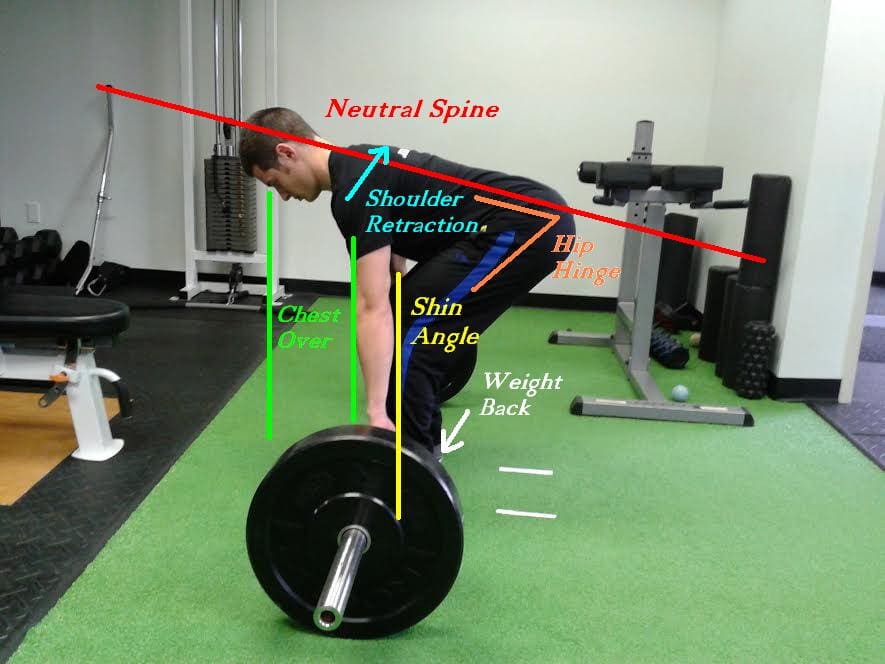
One of the most common causes for injury while deadlifting is rounding the back. Your lower back must stay neutral during the whole movement. Rounding your lower back during heavy deadlifts puts uneven pressure on your spine. Always lift with a neutral lower back, allowing for the natural inward curve of your lower spine.

romanian-deadlift-vs-deadlift 2

Original Image from Stack.com

Don�t try and rush to lift heavier weights. the quickest way to improve your deadlift is through correct form. By pulling more efficiently you can use more muscles and deadlift heavier. So start out practicing correct form and build your way up.

The best way to approach the exercise is to think as if you were leg pressing the floor as opposed to�using your upper body to lift something. This will help you mentally focus on using your legs rather than your back (which can cause rounding) for the exercise.

The �dead� in deadlift stands for dead weight so each rep must start on the floor, from a dead stop. �Deadlifts are different to other exercises like the bench press or squat where the weight starts at the top. The deadlift movement�starts from the bottom and and you pull the weight up then return it to the floor�for one rep.

Here are�Stronglifts�5 steps to proper deadlift form:

  1. Walk to the bar.�Stand with your mid-foot under the bar. Your shins shouldn�t touch it yet. Put your heels hip-width apart, narrower than on Squats. Point�your toes�out 15�.
  2. Grab the bar.�Bend over without bending your legs. Grip the bar narrow, about shoulder-width apart like on the Overhead Press. Your arms must be vertical when looking from the front.
  3. Bend your knees.�Drop into position by bending your knees until your shins touch the bar. Do NOT let the bar move away from your mid-foot. If it moves,�start from scratch with step one.
  4. Lift your chest.�Straighten your back by raising you chest. Do not change your position � keep the bar over your mid-foot, your shins against the bar, and your hips where they are.
  5. Pull.�Take a big breath, hold it and�stand up with the weight. Keep the bar in contact with your legs while you pull. Don�t shrug or lean back at the top.

Lower the bar by moving your hips back while keeping your legs almost straight. Once the bar is past your knees, bend your legs more. The bar will land over your mid-foot, ready for your next rep.

Rest a second between reps while staying in the setup position. Take a deep breath, get tight and pull again. Every rep must start from a dead stop on the floor. Don�t bounce the weight off the floor or you can end up lifting�with�bad form.

read more button

Excessive Weight Gain, Obesity, And Cancer

Excessive Weight Gain, Obesity, And Cancer

Opportunities For Clinical Intervention

Even though the effects of overweight and obesity on diabetes, cardiovascular disease, all-cause mortality, and other health outcomes are widely known, there is less awareness that overweight, obesity, and weight gain are associated with an increased risk of certain cancers. A recent review of more than 1000 studies concluded that sufficient evidence existed to link weight gain, overweight, and obesity with 13 cancers, including adenocarcinoma of the esophagus; cancers of the gastric cardia, colon and rectum, liver, gallbladder, pancreas, corpus uteri, ovary, kidney, and thyroid; postmenopausal female breast cancer; meningioma; and multiple myeloma.1�An 18-year follow-up of almost 93?000 women in the Nurses� Health Study revealed a dose-response association of weight gain and obesity with several cancers.2

Obesity Increase

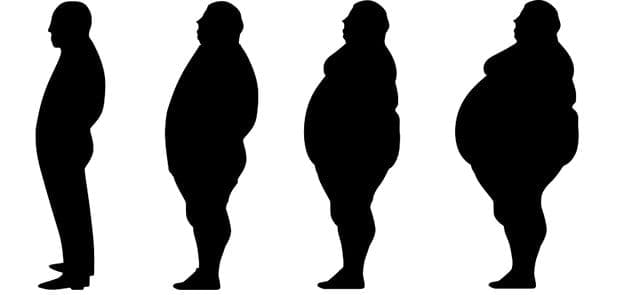
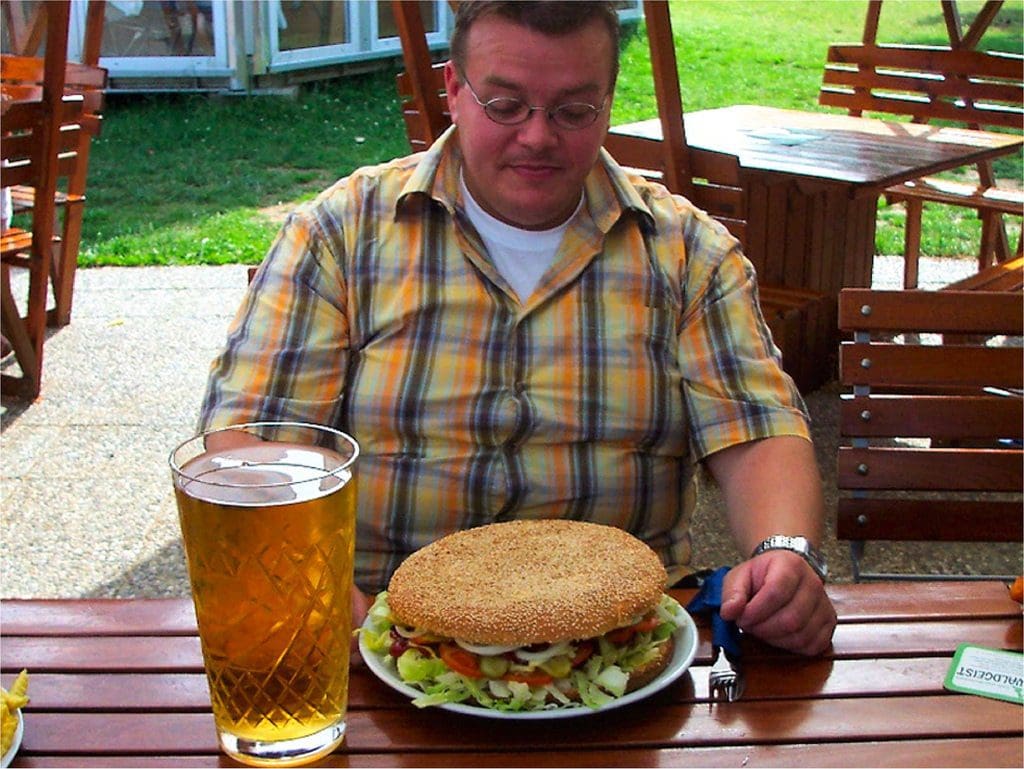
obesity man eating oversized burger outside el paso txThe prevalence of obesity in the United States has been increasing for almost 50 years. Currently, more than two-thirds of adults and almost one-third of children and adolescents are overweight or obese. Youths who are obese are more likely to be obese as adults, compounding their risk for health consequences such as cardiovascular disease, diabetes, and cancer. Trends in many of the health consequences of overweight and obesity (such as type 2 diabetes and coronary heart disease) also are increasing, coinciding with prior trends in rates of obesity. Furthermore, the sequelae of these diseases are related to the severity of obesity in a dose-response fashion.2�It is therefore not surprising that obesity accounts for a significant portion of health care costs.

Cancers

obesity cancer-cells microsope el paso tx

A report released on October 3, 2017, by the US Centers for Disease Control and Prevention assessed the incidence of the 13 cancers associated with overweight and obesity in 2014 and the trends in these cancers over the 10-year period from 2005 to 2014.3�In 2014, more than 630?000 people were diagnosed as having a cancer associated with overweight and obesity, comprising more than 55% of all cancers diagnosed among women and 24% of cancers among men. Most notable was the finding that cancers related to overweight and obesity were increasingly diagnosed among younger people.

obesity man sits at beach el paso txFrom 2005 to 2014, there was a 1.4% annual increase in cancers related to overweight and obesity among individuals aged 20 to 49 years and a 0.4% increase in these cancers among individuals aged 50 to 64 years. For example, if cancer rates had stayed the same in 2014 as they were in 2005, there would have been 43?000 fewer cases of colorectal cancer but 33?000 more cases of other cancers related to overweight and obesity. Nearly half of all cancers in people younger than 65 years were associated with overweight and obesity. Overweight and obesity among younger people may exact a toll on individuals� health earlier in their lifetimes.2�Given the time lag between exposure to cancer risk factors and cancer diagnosis, the high prevalence of overweight and obesity among adults, children, and adolescents may forecast additional increases in the incidence of cancers related to overweight and obesity.

Clinical Intervention

obesity doctor in surgery room el paso tx

Since the release of the landmark 1964 surgeon general�s report on the health consequences of smoking, clinicians have counseled their patients to avoid tobacco and on methods to quit and provided referrals to effective programs to reduce their risk of chronic diseases including cancer. These efforts, coupled with comprehensive public health and policy approaches to reduce tobacco use, have been effective�cigarette smoking is at an all-time low. Similar efforts are warranted to prevent excessive weight gain and treat children, adolescents, and adults who are overweight or obese. Clinician referral to intense, multicomponent behavioral intervention programs to help patients with obesity lose weight can be an important starting point in improving a patient�s health and preventing diseases associatedwith obesity. The benefits of maintaining a healthy weight throughout life include improvements in a wide variety of health outcomes, including cancer. There is emerging but very preliminary data that some of these cancer benefits may be achieved following weight loss among people with overweight or obesity.4

The US Preventive Services Task Force (USPSTF)

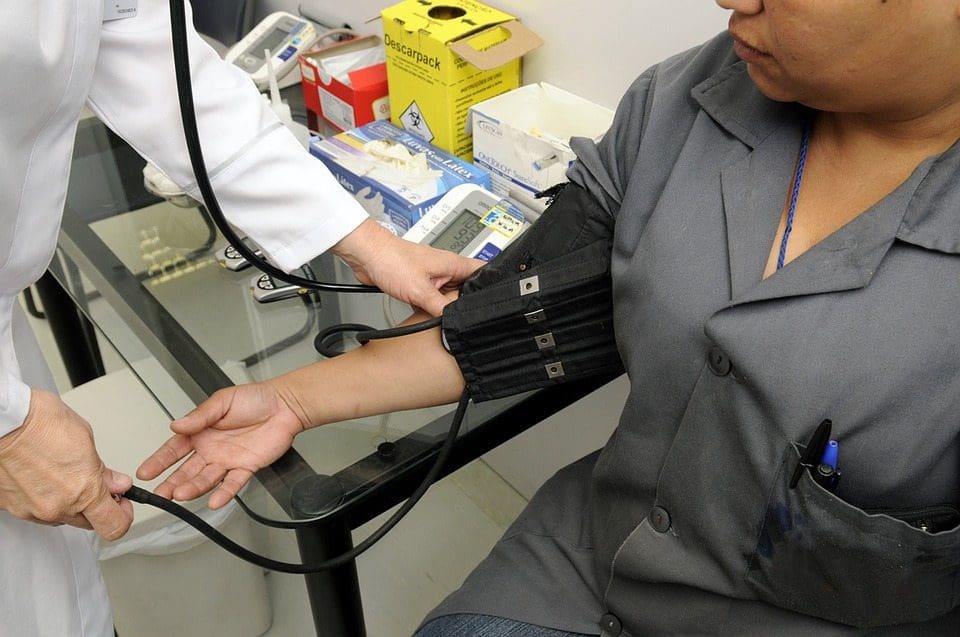
obesity woman doctors office blood pressure taken el paso txThe US Preventive Services Task Force (USPSTF) recommends screening for obesity and intensive behavioral interventions delivered over 12 to 16 visits for adults and 26 or more visits for children and adolescents with obesity.5,6�Measuring patients� weight, height, and body mass index (BMI), consistent with USPSTF recommendations, and counseling patients about maintaining a healthy weight can establish a foundation for preventive care in clinical care settings. Scientific data continue to emerge about the negative health effects of weight gain, including an increased risk of cancer.1�Tracking patients� weight over time can identify those who could benefit from counseling and referral early and help them avoid additional weight gain. Yet less than half of primary care physicians regularly assess the BMI of their adult, child, and adolescent patients. Encouraging discussions about weight management in multiple health care settings, including physicians� offices, clinics, emergency departments, and hospitals, can provide multiple opportunities for patients and reinforce messages across contexts and care environments.

Weight Loss Programs

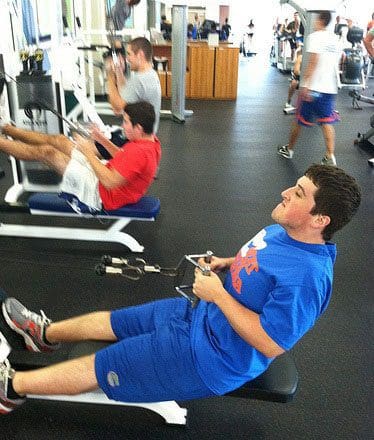
obesity young men working out in gym el paso txImplementation of clinical interventions, including screening, counseling, and referral, has major challenges. Since 2011, Medicare has covered behavioral counseling sessions for weight loss in primary care settings. However, the benefit has not been widely utilized.7�Whether the lack of utilization is a consequence of lack of clinician or patient knowledge or for other reasons remains uncertain. Few medical schools and residency programs provide adequate training in prevention and management of obesity or in understanding how to make referrals to such services. Obesity is a highly stigmatized condition; many clinicians find it difficult to initiate a conversation about obesity with patients, and some may inadvertently use alienating language when they do. Studies indicate that patients with obesity prefer the use of terms such as�unhealthy weight�or�increased BMI�rather than�overweight�or�obesity�and�improved nutrition and physical activity�rather than�diet and exercise.8�However, it is unknown if switching to these terms will lead to more effective behavioral counseling. Effective clinical decision support tools to measure BMI and guide physicians through referral and counseling interventions can provide clinicians needed support within the patient-clinician encounter. Inclusion of recently developed competencies for prevention and management of obesity into the curricula of health care professionals may improve their ability to deliver effective care. Because few primary care clinicians are trained in behavior change strategies like cognitive behavioral therapy or motivational interviewing, other trained health care professionals, such as nurses, pharmacists, psychologists, and dietitians could assist by providing counseling and appropriate referrals and help people manage their own health.

woman being tempted devil angel shoulder cake fruit obesity el paso txAchieving sustainable weight loss requires comprehensive strategies that support patients� efforts to make significant lifestyle changes. The availability of clinical and community programs and services to which to refer patients is critically important. Although such programs are available in some communities, there are gaps in availability. Furthermore, even when these programs are available, enhancing linkages between clinical and community care could improve patients� access. Linking community obesity prevention, weight management, and physical activity programs with clinical services can connect people to valuable prevention and intervention resources in the communities where they live, work, and play. Such linkages can give individuals the encouragement they need for the lifestyle changes that maintain or improve their health.

two men stomach cut out healthy obesity unhealthy el paso txThe high prevalence of overweight and obesity in the United States will continue to contribute to increases in health consequences related to obesity, including cancer. Nonetheless, cancer is not inevitable; it is possible that many cancers related to overweight and obesity could be prevented, and physicians have an important responsibility in educating patients and supporting patients� efforts to lead healthy lifestyles. It is important for all health care professionals to emphasize that along with quitting or avoiding tobacco, achieving and maintaining a healthy weight are also important for reducing the risk of cancer.


Targeting Obesity

Article Information

Greta M.�Massetti,�PhD1;�William H.�Dietz,�MD, PhD2;�Lisa C.�Richardson,�MD, MPH1

Author Affiliations

Corresponding Author:�Greta M. Massetti, PhD, Centers for Disease Control and Prevention, 4770 Buford Hwy NE, Atlanta, GA 30341 ([email protected]).

Conflict of Interest Disclosures:�All authors have completed and submitted the ICMJE Form for Disclosure of Potential Conflict of Interest. Dr Dietz reports receipt of scientific advisory board fees from Weight Watchers and consulting fees from RTI. No other disclosures were reported.

Disclaimer:�The findings and conclusions in this report are those of the authors and not necessarily the official position of the Centers for Disease Control and Prevention.

References

1. Lauby-Secretan B, Scoccianti C, Loomis D, Grosse Y, Bianchini F, Straif K; International Agency for Research on Cancer Handbook Working Group. Body fatness and cancer�viewpoint of the IARC Working Group. N Engl J Med. 2016;375(8):794-798. PubMed Article

2. Zheng Y, Manson JE, Yuan C, et al. Associations of weight gain from early to middle adulthood with major health outcomes later in life. JAMA. 2017;318(3):255-269. PubMed Article

3. Steele CB, Thomas CC, Henley SJ, et al. Vital Signs: Trends in Incidence of Cancers Related to Overweight and Obesity�United States, 2005-2014. October 3, 2017. https://www.cdc.gov/mmwr/volumes/66/wr/mm6639e1.htm?s_cid=mm6639e1_w.

4. Byers T, Sedjo RL. Does intentional weight loss reduce cancer risk? Diabetes Obes Metab. 2011;13(12):1063-1072. PubMed Article

5. Grossman DC, Bibbins-Domingo K, Curry SJ, et al; US Preventive Services Task Force. Screening for obesity in children and adolescents: US Preventive Services Task Force recommendation statement. JAMA. 2017;317(23):2417-2426. PubMed Article

6. US Preventive Services Task Force. Final Recommendation Statement: Obesity in Adults: Screening and Management. December 2016. https://www.uspreventiveservicestaskforce.org/Page/Document/RecommendationStatementFinal/obesity-in-adults-screening-and-management. Accessed September 21, 2017.

7. Batsis JA, Bynum JPW. Uptake of the centers for Medicare and Medicaid obesity benefit: 2012-2013. Obesity (Silver Spring). 2016;24(9):1983-1988. PubMed Article

8. Puhl R, Peterson JL, Luedicke J. Motivating or stigmatizing? public perceptions of weight-related language used by health providers. Int J Obes (Lond). 2013;37(4):612-619. PubMed Article

Andres Martinez | PUSH-as-Rx � | Testimonial_Part II

Andres Martinez | PUSH-as-Rx � | Testimonial_Part II

Andres Martinez continues his testimonial in part II.

PUSH-as-Rx � is leading the field with laser focus supporting our youth sport programs.� The�PUSH-as-Rx � System is a sport specific athletic program designed by a strength-agility coach and physiology doctor with a combined 40 years of experience working with extreme athletes. At its core, the program is the multidisciplinary study of reactive agility, body mechanics and extreme motion dynamics. Through continuous and detailed assessments of the athletes in motion and while under direct supervised stress loads, a clear quantitative picture of body dynamics emerges. Exposure to the biomechanical vulnerabilities are presented to our team. �Immediately,�we adjust our methods for our athletes in order to optimize performance.� This highly adaptive system with continual�dynamic adjustments has helped many of our athletes come back faster, stronger, and ready post injury while safely minimizing recovery times. Results demonstrate clear improved agility, speed, decreased reaction time with greatly improved postural-torque mechanics.��PUSH-as-Rx � offers specialized extreme performance enhancements to our athletes no matter the age.

Please Recommend Us: If you have enjoyed this video and/or we have helped you in any way please feel free to recommend us. Thank You.

Recommend: PUSH-as-Rx ��915-203-8122
Facebook: https://www.facebook.com/crossfitelpa…
PUSH-as-Rx: http://www.push4fitness.com/team/

Information:�Dr. Alex Jimenez � Chiropractor: 915-850-0900
Linked In: https://www.linkedin.com/in/dralexjim…
Pinterest: https://www.pinterest.com/dralexjimenez/

Andres Martinez | Client | Intro | PUSH-as-Rx �

Andres Martinez | Client | Intro | PUSH-as-Rx �

Andres Martinez came to Push-as-Rx � after experiencing debilitating back and knee complications as a result of a previous weightlifting injury. Determined to improve his condition, Andres pursued to regain his health at Push as Rx. With the help of the whole Push as Rx family, Andres Martinez pushed himself through and above his limits in order to improve his physical strength and become a better, healthier person.

PUSH-as-Rx � is leading the field with laser focus supporting our youth sport programs.� The�PUSH-as-Rx � System is a sport specific athletic program designed by a strength-agility coach and physiology doctor with a combined 40 years of experience working with extreme athletes. At its core, the program is the multidisciplinary study of reactive agility, body mechanics and extreme motion dynamics. Through continuous and detailed assessments of the athletes in motion and while under direct supervised stress loads, a clear quantitative picture of body dynamics emerges. Exposure to the biomechanical vulnerabilities are presented to our team. �Immediately,�we adjust our methods for our athletes in order to optimize performance.� This highly adaptive system with continual�dynamic adjustments has helped many of our athletes come back faster, stronger, and ready post injury while safely minimizing recovery times. Results demonstrate clear improved agility, speed, decreased reaction time with greatly improved postural-torque mechanics.��PUSH-as-Rx � offers specialized extreme performance enhancements to our athletes no matter the age.

Please Recommend Us: If you have enjoyed this video and/or we have helped you in any way please feel free to recommend us. Thank You.
Recommend: PUSH-as-Rx ��915-203-8122
Facebook: https://www.facebook.com/crossfitelpa…
PUSH-as-Rx: http://www.push4fitness.com/team/

Information:�Dr. Alex Jimenez � Chiropractor: 915-850-0900
Linked In: https://www.linkedin.com/in/dralexjim…
Pinterest: https://www.pinterest.com/dralexjimenez/

Mastodon