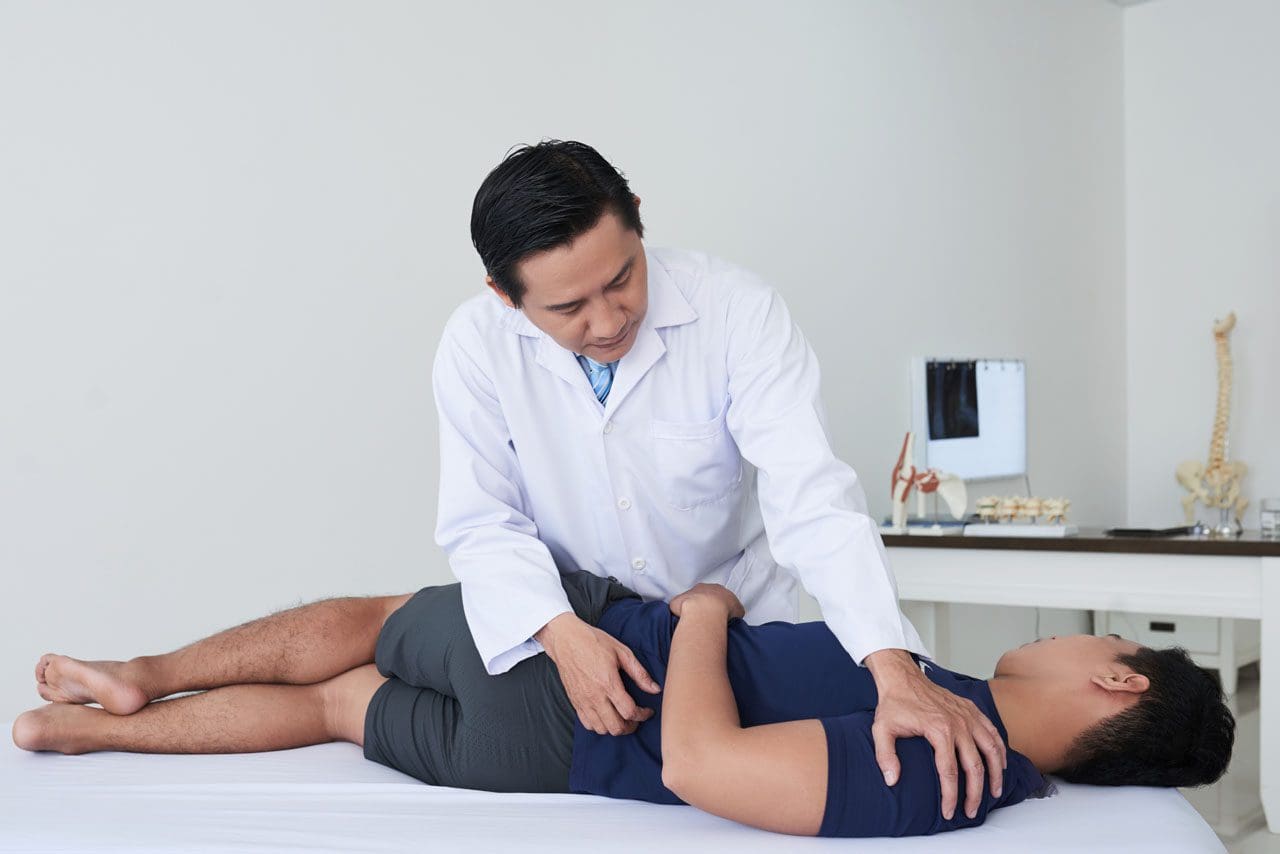
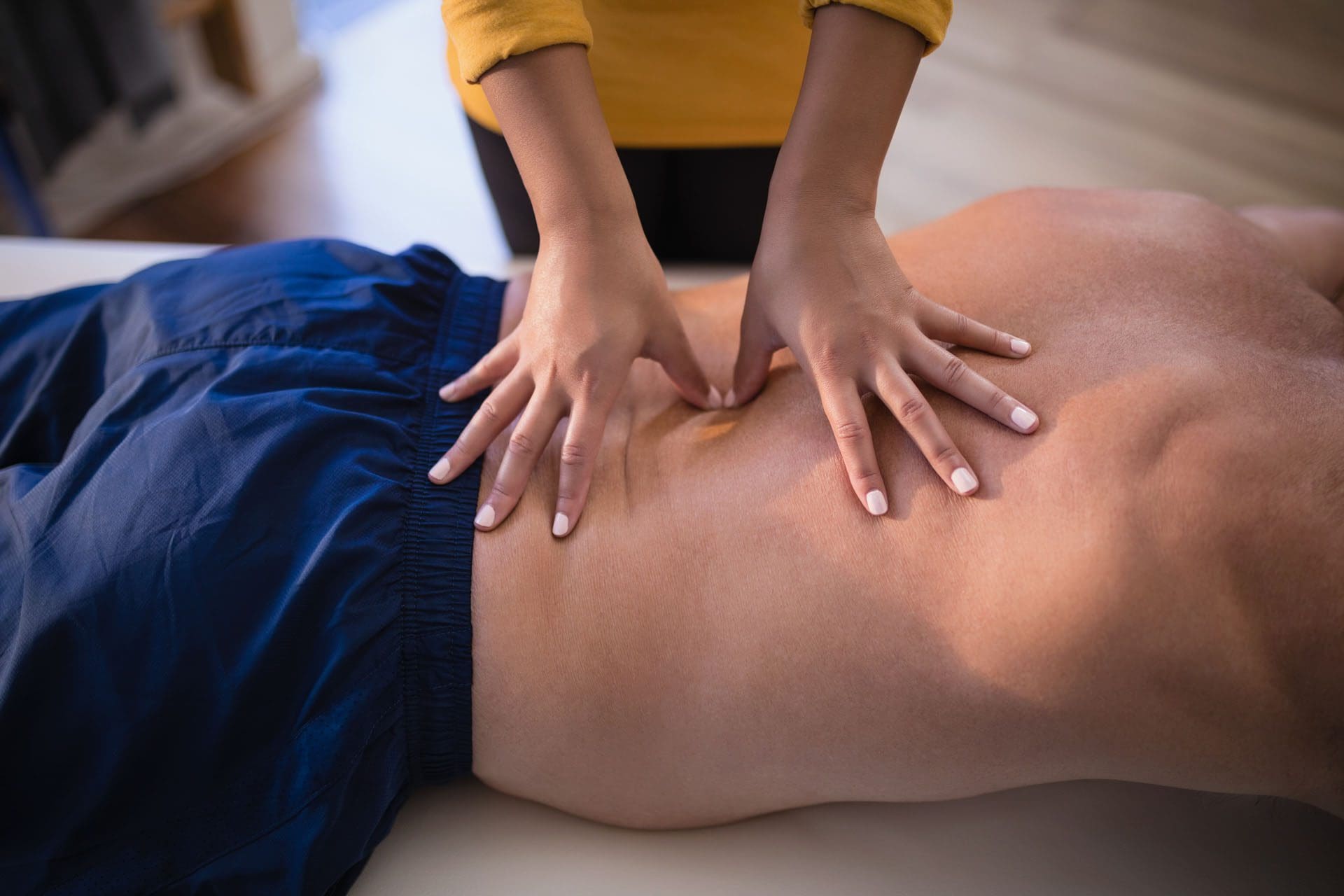
More and more individuals are looking to add or try out complementary, alternative or integrative treatments for their back and neck pain. To help understand the differences as well as the similarities between the terms, try to remember:
If an alternative clinic which means not mainstream is combined with a conventional clinic this is mainstream medicine, then it is known as complementary or integrative health care.
If it is used instead of or replaces conventional medical care, it is known as alternative health care.
These terms complementary, alternative and integrative tend to get used interchangeably.
The acronym C.A.M is sometimes used, which means Complementary Alternative Medicine.
Choosing the right practitioner for your spine problem whether osteoarthritis, chronic back pain, or whiplash is just as important as choosing a medical physician or chiropractor.
You want to find an alternative or complementary/ integrative professional who is
Highly trained
Licensed
Experienced in treating your particular condition
Makes you feel comfortable
Takes time to answer all your questions
Finding a Complementary Alternative Specialist
A good place to start is to ask your primary care physician, chiropractor for a referral. Others include:
Credentialing, licensing and certifying are terms you will find when learning about a particular complementary alternative medicine clinic or practitioner. Credentials can include the practitioner�s education, where and what they are allowed to practice. Certification in a particular field of practice like acupuncture, for example, is typically needed before the state issues a license and allows the professional to begin treating patients.
You can check your state�s mandatory licensure process for the type of complementary, alternative or integrative practitioner or clinic you are looking into. Most states require the practitioner to register their education, graduation, training, and continuing education credits. Your state agency can provide this information explaining what services the practitioner is allowed to provide such as the ability to provide dietary supplements.
Review the education and qualifications of all potential practitioners
Questions to think about when doing your research.
Did they graduate from a certified program/school?
Did they complete advanced training?
Are they a member of professional societies or organizations?
Do they regularly continue their training with up to date and advanced education?
How long have they been practicing?
Are the treatments covered by insurance?
Are they ready to work with your insurance provider?
What’s the cost of treatment if not covered by insurance?
Your Appointment Plan
Treatment or therapy that the complementary, alternative or integrative practitioner/clinic provides is considered non-medical.
These practitioners need your medical history, that includes over-the-counter and prescription medications, allergies, prior treatment like surgery/spinal injections along with vitamins/supplements you take. Additional information that could be needed is the contact information of your primary care physician or the doctor who referred you. Keep your primary physician/chiropractor informed about all treatments or therapies you will be receiving.
El Paso, TX Neck Pain Chiropractic Treatment
NCBI Resources
The spine is the primary support for the body. When it breaks down, the body suffers.�Regular chiropractic treatment ensures that the spinal column remains in proper alignment which, in turn, keeps the body in proper alignment. It helps with joint health as well as the health of the related muscles and ligaments.
Back/spine injuries now rank either second or third overall for workplace injury/s. According to the Bureau of Labor Statistics, every year there are over 900,000 cases of back injuries that account for 1 in 4 non-fatal job-related injuries that involve work days missed.�
Backcare & Standing Work
Back injuries can be painful, debilitating, and life-changing. 8 out of 10 people will experience a back/spine injury that can lead to chronic pain and health conditions. We all need to know, especially those of us that work standing up is firsthand knowledge of how important it is learning how to improve spine health and take steps to prevent back injury.
In order to prevent low back disorders means that there needs to be an understanding�of the spine when working along with knowledge of back injury risk factors.
Back/Spine Basics
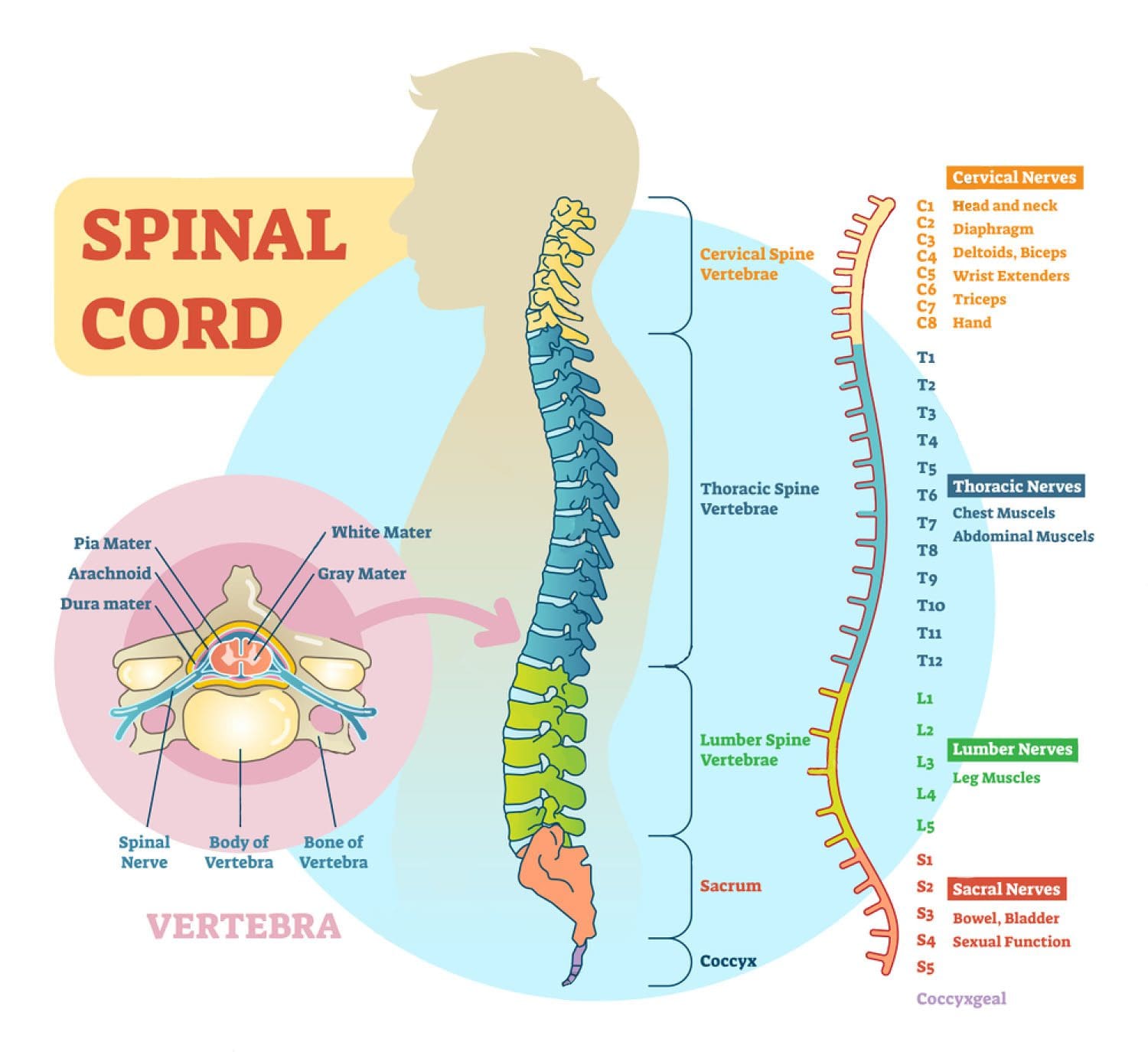
The spine is a flexible structure that consists of 24 bones that move, shift, and contort, called vertebrae. There are:
7 in the neck
12 in the chest
5 in the low back
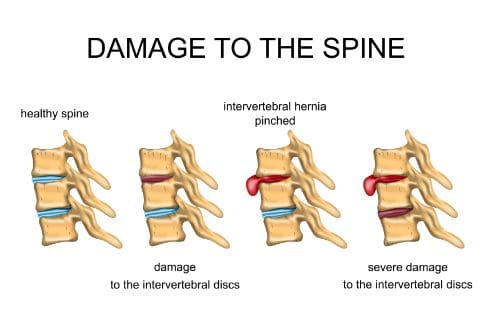
These are connected by ligaments and separated by pads of cartilage, called intervertebral discs. These are the shock absorbers that allow the flexible movement of the spine, specifically at the neck and the low back.
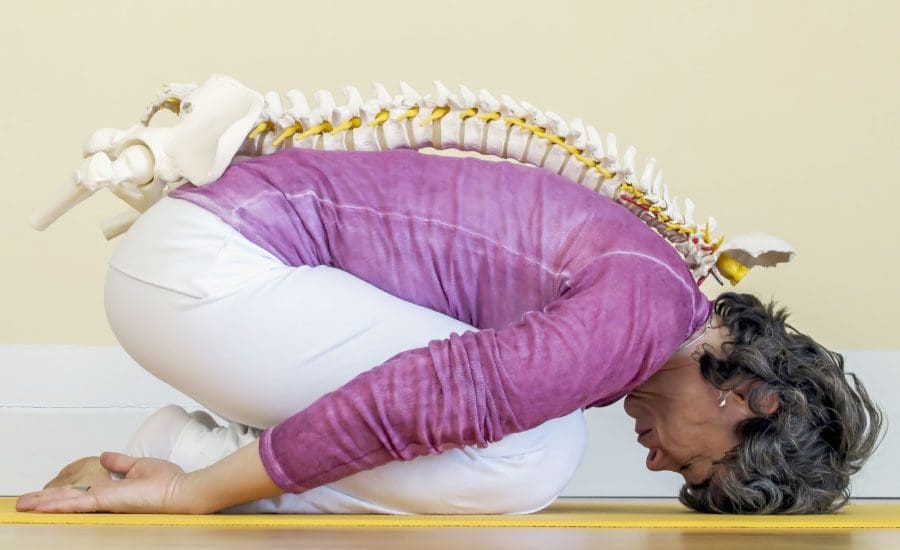
When we stand, the spine naturally curves inwards and outwards. The inward curve is called lordosis, and curves towards the front of the body at the lower back and neck area. The outward curve is called kyphosis, and curves towards the back of the body around the chest area. When we bend over the vertebrae of the lower back change position and shift from being in lordosis to kyphosis when completely bent over and then back again when upright. With this information, it is easy to see how much we move around, bend, stretch and reach during a regular day. The lower back gets used the most, which is why low back pain and injury/s and disorders are the most common.
The National Institute of Occupational Safety and Health concluded: �muscle strain is the most common type of work or nonwork back pain� (Bernard, 1997). This is good news for chiropractors and ergonomists because it means that we can find ways to reduce/change the way we work and the effort involved to minimize injury risks.
Keeping the intervertebral discs healthy plays an extremely significant role in preventing back/spine injuries. If these discs get damaged and start to degenerate,�flexibility begins to fade away, stiffness and soreness sets in and the ability to absorb the daily pressure/forces that comes with standing, moving and working.
There is not a normal blood supply to the intervertebral discs. Instead, as the discs change shape when we move around, the nutrients that they need are absorbed into the discs as the waste products are pumped out. This is why moving the body and staying active is very important. Because as you move you are literally feeding your spine and expelling the bad stuff. Intermittently changing postures and positions helps change the force and weight on the discs so that not all one area is taking the brunt of the force. Remember to move around and keep your spine as healthy as possible.
Risk factors
Major risk factors for back injuries include:
Awkward postures
Bending
Twisting�
Heavy physical tasks
Lifting
Forceful movements
Whole-body vibration aka W.B.V.
Static or unmoving work postures
These risks can happen separately or could be a combination of them all, and if these risks are taking place at any one time the higher probability of an injury/s.
Standing Work
When we stand, the pressure on the�lower back discs is relatively low. Not that there is pressure but it is much lower than when seated with an unsupported backrest like bleachers for example. Standing up uses 20% more energy than sitting does. When we need to bend down to pick up objects or reach to get overhead objects there is an increase in the forces and pressure on the lower back, and this is when an injury is likely to happen.
Tips to Minimize Injury
Here are some tips to help minimize your risks of back/spine injury when you are doing standing work:
Moving around is important to keep the spine healthy. Moving will help improve circulation and reduce muscle fatigue.
Taking consistent short breaks will help reduce fatigue, discomfort and work other muscles.
Gentle stretching during some of these breaks helps to ease muscle tension and gets circulation pumping.
Pay attention to your posture and the way you stand as you work.
Lean on a solid support to help reduce fatigue when you are standing with a support that you can put your back up against, lean against sideways, lean forwards against and to hold on to will increase safety.
Keep your back strong and try to do exercises that will strengthen the back muscles. Activities, like Yoga, Crossfit, HITT or workouts focused on the spine for flexibility are the way to go.
Maintain a stable posture with your feet on a firm surface.
Avoid twisting the lower back around to reach for things.
Move your feet so that your whole body changes position.
Minimize bending, but when you have to, bend for objects in front of you and bend at the knees instead of the back. When bending for objects that are to the side of you change your stance so you are facing the object, and then bend down at the knees.
Don’t overreach but if you have to reach up to a high area to get something use a step-ladder.
Don’t reach over objects and move the obstruction or change your position before reaching for whatever it is.
Low Back Pain? Fix it with *FOOT ORTHOTICS* | El Paso, Tx
NCBI Resources
The one size fits all method just doesn�t cut it. A more focused approach for every individual leads to better results. Patients find that placing their bodies in certain positions and certain physical activities can:
Activate
Aggravate
Deactivate�their back pain.
Patients also find the pain being either better or worse. Understanding why sitting, standing, and walking can change the severity of low back pain can be helpful in diagnosis. These are important cues that help to diagnose and treat low back pain. People sit, stand, and walk all day. This is why so much research has been conducted on how these specific positions and activities contribute to low back pain.
Sitting is wonderful, however, sitting for too long is considered worse than smoking. Sitting for too long could be considered a disease. Today’s society is about technology. However, this technology involves a great deal of inactivity and sitting for a long time. This behavior has been linked to chronic disease and on a variety of health issues not to mention the havoc, it inflicts on your spine.
Unfortunately, many work environments encourage their employees to sit for hours and hours without any kind of movement except for using the bathroom. Something has to change because as someone said, “if you don’t take the time to focus on yourself and your health, you will be forced to take the time to focus on your illness.”
The Sedentary Work Lifestyle
Being in front of a computer all day may be part of the job, however, the goal is to bring in more activity into the day. This can be accomplished by maintaining proper posture through exercise, stretching and if need be to invest in a sit-stand desk.
Understanding why you should avoid long bouts of time sitting, means you need to know the research about what the medical community is dubbing the sitting disease.
Health Hazards of Sitting Too Long
Up to 80% of people sit for six or more hours every day, according to a study from the National Health and Nutrition Examination Surveys. Whether at work, plopped down in front of the TV,� or the daily commute doesn’t matter, the point is that people are spending long hours sitting down and the impact of inactivity is not good.
Individuals that sit for prolonged periods have a greater risk of dying from all causes. This is because a sedentary lifestyle has been shown to increase the risk for:
Cardiovascular disease
Cancers (breast, colon, colorectal, endometrial, and epithelial ovarian)
Type 2 diabetes in adults
These results came from 47 studies that focused on the health effects of being sedentary. These included the types of activity people engage in, from leisure activities to strong physical activity. Those who did not exercise had the greatest risk of health problems with being sedentary. Adding only two minutes of light exercise for every hour spent sitting lowers the risk of presenting health issues/conditions by one-third, according to the Clinical Journal of the American Society of Nephrology study.
The Way Sitting Hurts the Back and Neck
Spending the majority of the day every day in a seated position will eventually take its toll leaving your spine sore, stiff, and in pain. Too much sitting puts stress on the muscles and discs of the back and neck.
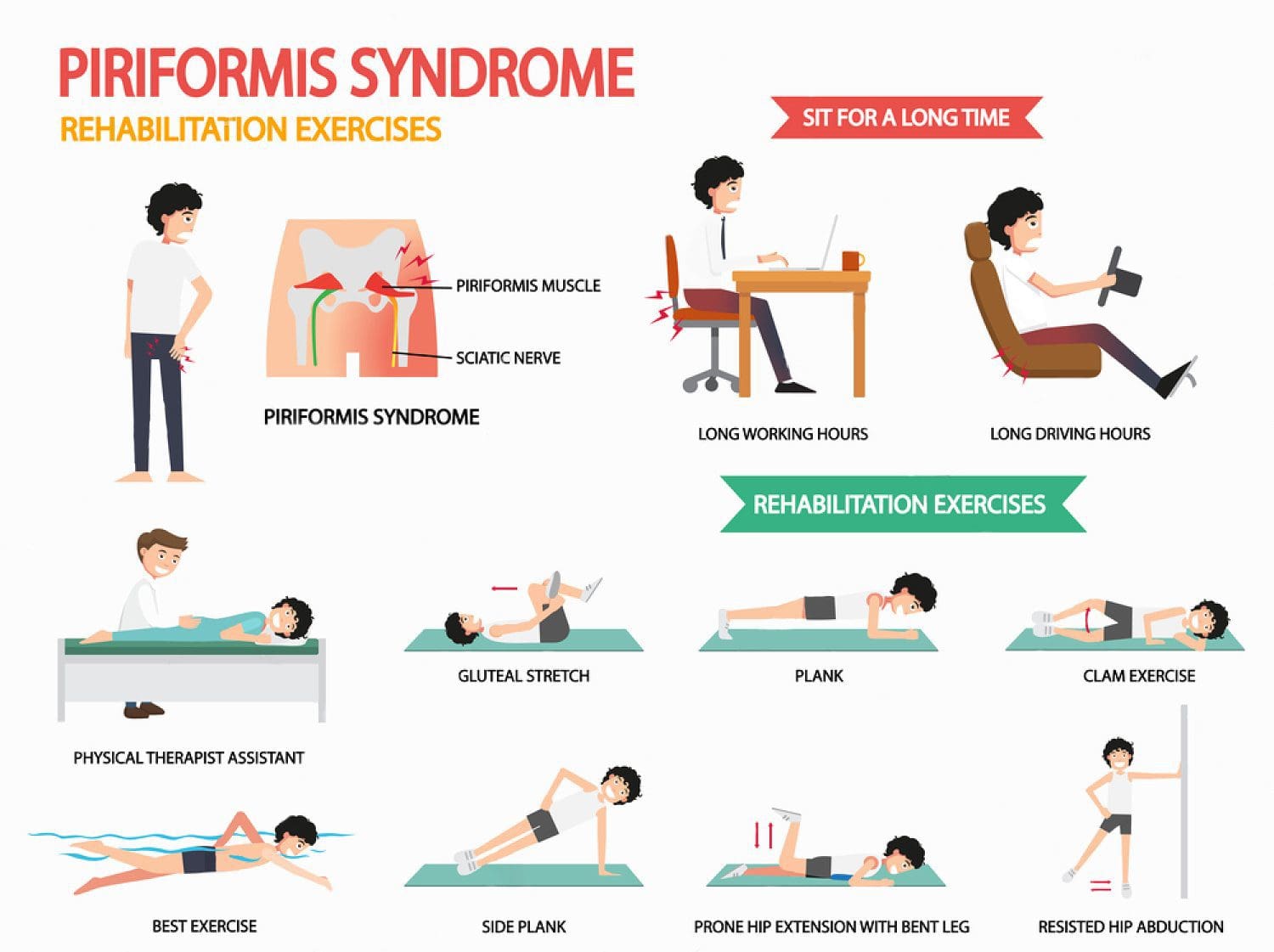
What happens from all the sitting is tightness in the hip flexors like the iliopsoas muscle forms, along with pressure and restricted blood flow in the muscles of the gluteus maximus. This muscle supports a good amount of the weight placed on the spine.
The longer individuals continue to repeat unhealthy sitting behavior, the higher the risk their posture begins to fall into slouching, into incorrect posture and possibly into spinal conditions and diseases. Slouching over time causes the ligaments to stretch beyond their healthy limit, combined with poor posture strains the spinal discs that can lead to herniation, bulging and complete loss of the intervertebral discs.
This results in added strain to the outer annulus of the disc and increases disc bulging and disc pressure.
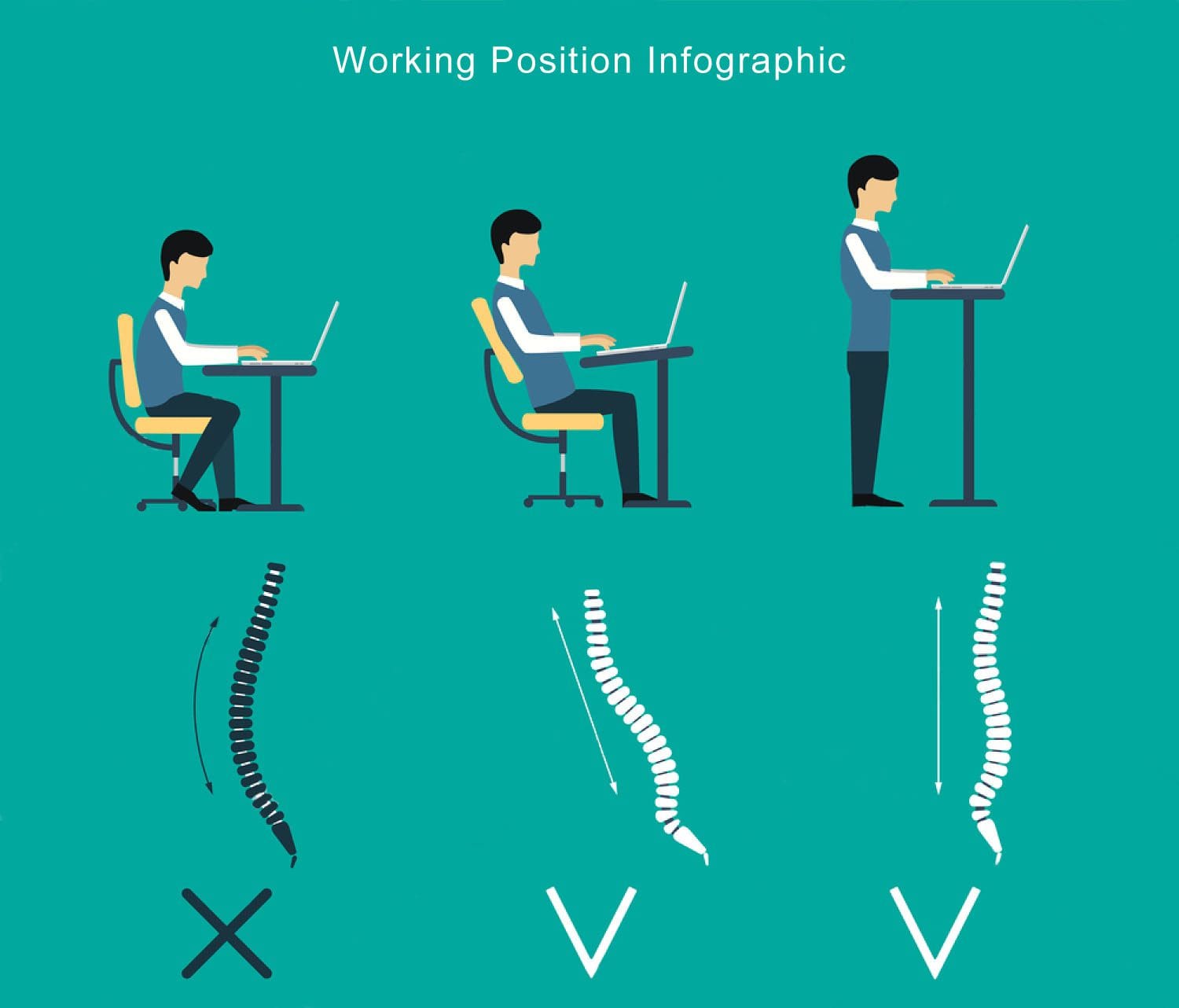
When sitting, it’s usually at a computer/working on tasks at a desk that results in the head being in a constant forward position, with rounded shoulders that results in what is known as poor posture syndrome. Staying in the office chair or any chair too long leads to an isolated episode of back or neck pain/soreness. What’s happening is that the normal wear and tear of the spinal discs is sped up from the unhealthy weight and pressure being placed on the spine. This results in back pain that becomes a regular daily thing instead of an occasional problem.
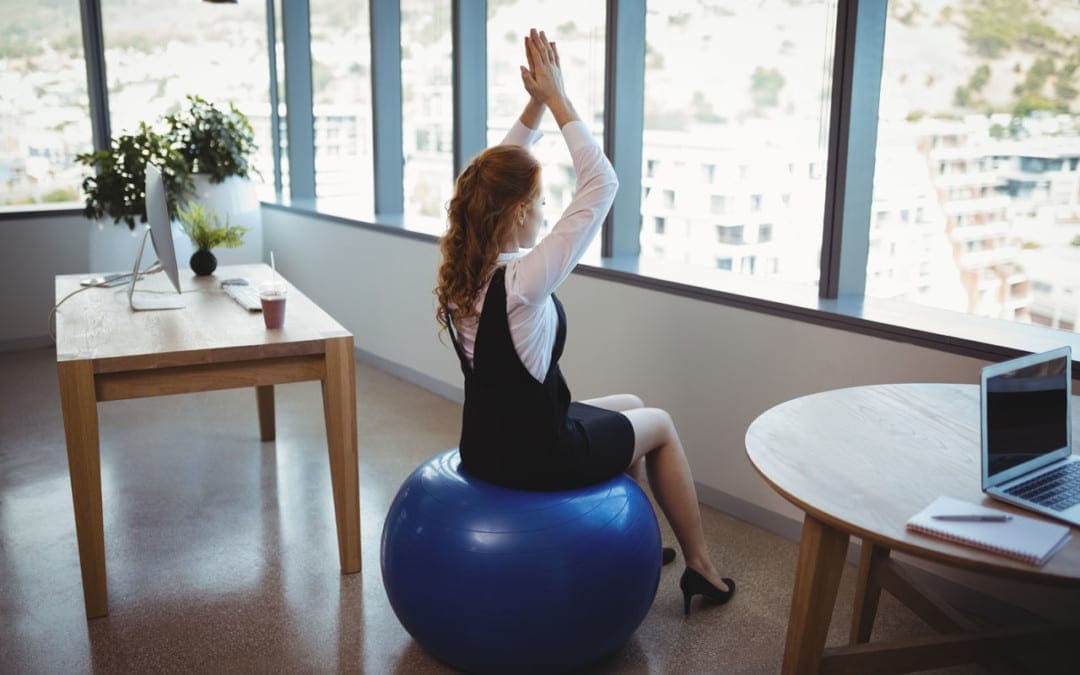
Ergonomic chairs, sit-stand desks, fitness/stability balls and utilizing proper posture/exercises are tools to help mitigate the damage of sitting all day.
This includes stretching the muscles like the:
Pectorals
Scalene muscles in the neck
Hip flexors
Strengthening the muscles that are not used is very important. Muscles like the abdominals, glutes, back extensors and scapular muscles will bring back the spine�s normal balance, improving posture and getting relief from pain. Varying posture is another great way to exercise different muscles and ligaments by occasionally standing and moving around for a few minutes every half-hour. This keeps joints, muscles, tendons, and ligaments loose and pain-free.
Work Health
We�ve all been there working, typing feeling the positive flow and then you see two hours have passed and you haven�t gotten up from your chair at all.
Experts recommend activity every 20-30 minutes, with 20 minutes of standing per hour. Desk technology has arrived and wants to keep employees healthy. Sit-stand desks are proving to be highly beneficial to companies throughout the country. These desks allow you to transition from sitting to standing while your desk stays the same.
Standing at work has shown to boost productivity all the while allowing you to readjust posture, lose weight by burning 30% more calories and keeps your spine healthy.
Stand Up
Even without a sit-stand desk, there are still ways of combating sitting disease and protecting your spine. Consider:
Doing some work standing up at a high table or counter.
Walk laps during discussions so you and your co-workers get some movement.
Take stand-and-stretch breaks every 30 minutes, set a timer if you have to.
Walk to a coworkers office to tell them in person instead of emailing/texting.
Park your car a little bit further from the office to work your steps.
After lunch walk around or do some stand-up work as this will help with digestion.
This will reduce your sitting throughout the day. Remember that changing posture is good for your back and neck, but don�t take it to the other extreme and stop sitting. It’s all about mixing it up. Sitting, standing, and moving around throughout the day is the best way to keep your spine/body-safe, and in optimal health at work and home.
Low Back Pain Relief! | El Paso, Tx
NCBI Resources
This may sound melodramatic, but it�s true. As we talked about above, sitting for prolonged periods of time puts you at greater risk of diseases that may end up killing you.�A study�published in the Archives of Internal Medicine, �found people who sat for over 11 hours a day had a 40% greater risk of dying within three years from any cause than people who sat less than 4 hours a day.�
Take frequent breaks to avoid overuse of muscles with little rest breaks of whatever muscles/ligaments you are using.
Regular exercise along with stretching and relaxation helps build strength, increase mobility, range of motion and prevent future injury.
Look at your posture to make sure it is correct for the task at hand. This helps the elbows, wrists, hands, and spine maintain alignment during repetitive motions.
Don’t stay in a single position for too long. Change your posture frequently during any type of activity to relax one set of muscles and use another set, then switch and so on and so forth.
Practicing correct form and technique will go a long way in preventing a repetitive injury.
Avoid over-reaching, stretching and twisting.
Use protective equipment and gear.
Have a properly designed workstation with office or work equipment at the proper height, distance and allows you to work safely and comfortably.
Staying Healthy
Staying healthy and avoiding RMD’s is first priority if you work at a job or regularly participate in activities where repetitive motion/s and movement/s are used.
Give yourself time to rest, exercise, and implement proper techniques. See a doctor or injury chiropractor if you are experiencing any of the symptoms listed. Ergonomically evaluating the causes is an important part of the diagnostic evaluation for patients with these conditions.
Therefore, mapping out a customized treatment plan for changing the way you work/perform these motions is the ultimate goal.
We focus on what works for you. We also strive to create fitness and better the body through researched methods and total wellness programs. These programs are natural and use the body�s own ability to achieve goals of improvement, rather than introducing harmful chemicals, controversial hormone replacement, surgery, or addictive drugs.
We want you to live a life that is fulfilled with more energy, a positive attitude, better sleep, less pain, proper body weight and educated on how to maintain this way of life. I have made a life of taking care of every one of my patients.
The “LIFE CHANGING” Foot Orthotics | El Paso, Tx (2020)
NCBI Resources
Barring traumatic injury due to an accident, working in a factory environment can cause problems with mobility, pain, and flexibility. The�nature of the job�places specific demands on the human body that can lead to certain types of injuries and health conditions, which include:
Repetitive motion injury � When a worker performs the same task that involves the same movements over and over, it can lead to certain types of injuries. Carpal tunnel is a common repetitive motion injury.
Overexertion � Lifting, pulling, even standing can take a toll on the body, especially when it is done without adequate breaks. The person can get muscle fatigue, pulled muscles, and pulled tendons.
Body movement injuries � When the worker is continuously reaching, twisting, crawling, and bending, it can cause problems with the muscles and joints.
Head and neck injuries related to phone use are on the rise. Since the first iPhone was released, according to a study in JAMA Otolaryngology-Head & Neck Surgery.
Doctors are warning cell phone users to be especially careful when:
Walking around and texting
It is a distraction and one of the leading causes of head and neck injuries.
2,501 reported cases of phone-related head and neck injuries that lead to emergency room visits between January 1998 and December 2017 found in a nationwide database. Injuries in teens and young adults aged 13 to 29 years old were about 40%, in women (55%) and men (45%).
Common Phone Injuries
Common injuries include:
Cuts
Bruises
Abrasions
Internal injuries usually happen around the eyes and nose
Possible trauma to the brain
Over 41% of these injuries happened at home and were minor with little or no treatment needed. Around 50% of injuries were a result of distracted driving and 30% from distracted walking.
Any type of phone distraction in and out of the home puts you and others at risk for:
Falls
Slips
Trips
All of which can lead to injuries and other possible consequences (e.g. a busted phone).
More individuals are getting injured because of phone use while moving around and not paying attention to what’s around them.
Children
Children under the age of 13 were at higher risk to suffer a mechanical injury like parents accidentally dropping the phone on their child or children hitting themselves in the face. For example, ninety cases of injuries occurred while playing Pokemon Go.
Spending as little as two to four hours a day hunched over a smartphone is enough to make a serious impact on the body over time. And though two to four hours may not seem like a long time, it isn�t hard to arrive at two hours by adding several 15-minute or half-hour segments together.
For teenagers, specifically, two to four hours on a smartphone has changed as of now teenagers spend around seven to eight hours on their phones. Spending twice as much time on afternoons or the space between classes or lunch. Think about the impact of 1500 plus hours of bad posture throughout the year. There is no surprise that teenagers are at risk.
The lasting impact of text neck and distracted phone use on today�s young people will be costly. Therefore, the public needs to be educated about the risks of distracted phone use and reducing this distracted behavior.
*Neck* Pain Chiropractic Care El Paso, Texas
NCBI Resources
If you begin noticing pain, spasms, or irritation around the neck, shoulders, or back make an appointment with a professional chiropractor. Explain when the pain occurred, the severity, and the activity that started it. A simple adjustment may be all that is needed to get re-aligned and gain relief from pain caused by overuse. A chiropractor can also help decrease the chances of the injury worsening over time.
Q: Can back pain be hereditary and run in the family? I’m 24 and have chronic low back pain. But I found out that my mother, grandmother, and brother also have back pain. None of us were diagnosed with any type of spine condition. So I’m wondering if there is a hereditary/gene link or if it’s just a coincidence? El Paso, TX.
A: Back pain is a very common problem, and it is not uncommon that you and family members have back pain. Every year, 13 million people visit a chiropractor for chronic back pain. I can’t say without further study and research of your family whether the chronic low back pain is directly associated with your genes. But there are studies that support the connection between back pain and genetics.
Research in the past was difficult to rule out environmental factors like stress, smoking, and diet as the only cause of back pain. But today, there is evidence that shows genetics do have a role in back pain.
Doctors are finding that chronic back pain does show a significant genetic hereditary link. Specifically the development of low spine degenerative disc disease, which is a disc-related condition associated with normal wear and tear.
In fact, several twin sibling studies and genetic marker studies have researched this connection. Below are a couple of studies that stand out in the correlation between back pain and genetics.
Back Pain & Hereditary Genes Studies
A spinal study, which began in 1991, was a multidisciplinary, multinational research project on the cause of disc degeneration. The most significant findings were that there was a substantial influence of genetic/hereditary influence in lumbar disc degeneration.
It identified the specific genes that are associated with disc degeneration. However, environmental factors, work, sports, injuries, etc are also part of the condition, what the study found is that there is a connection of disc degeneration through genetic influences.
A study on genetics and lumbar disc disease found evidence that back pain could run in families. Specifically, lumbar disc disease could be inherited. The severity of the disease could not be determined or a patients’ response to various treatments. But it does suggest that genetics do play a role. Other findings include:
People that have lumbar disc disease were more likely to have family members with the disease.
The risk of inheriting the disease increased in both close and distant relatives.
Research is still ongoing to identify the exact genes that influence disc degeneration and back pain.
And as you said that you or your family have not been diagnosed with a spine condition,� this could be something to talk to your doctor or chiropractor about, along with creating a back pain treatment plan. For now, you can do physical therapy, chiropractic massage, CrossFit rehabilitation, etc to reduce and prevent back pain. Hopefully, it is a coincidence, but if it is genetics, not to worry as there is a treatment plan for that as well. But do not wait to make an appointment and let the pain get any worse.
Our team has taken great pride in bringing our families and injured patients only clinically proved treatment protocols. �By teaching complete holistic wellness as a lifestyle, we also change not only our patient�s lives but their families as well.� We do this so that we may reach as many El Pasoans who need us, no matter the affordability issues.
How to eliminate Back Pain naturally | (2020) Foot Levelers |El Paso, Tx
NCBI Resources
Lumbar spine disc herniation is a well-known type of injury that often causes impairing low back pain, however, it can also compress the nerve roots in the area and generate radicular pain and other symptoms along the lower extremities, such as altered sensations and muscle weakness.
For most individuals experiencing symptoms,� health care providers will run a few tests. For the most part, these tests come back normal or inconclusive. The patient is usually relieved, but not satisfied as they are still experiencing symptoms. The truth of the matter is, most tests practitioners run on patients are basic.
What Does That Mean?
It means that they are checking your levels and ruling out issues based on standard testing, but they are not diving deep into the cause of the symptom itself. Most individuals have a family history of one or more autoimmune diseases. An autoimmune disease is when the body misidentifies its own cells as a foreign body leading them to attack. These diseases can be triggered at any point in one’s life.
So What Do I Do Now?
Due to family history,� an ANA test can be run. Most of the time for patients still experiencing symptoms after the standard tests came back negative, the ANA comes back positive. However, a positive test does not always mean answers. This test can provide useful information but does not include a definitive answer as to what kind of autoimmunity a patient may have.
Using A Functional Approach
In modern/traditional medicine, most practitioners will suggest the patient is fine and that there is nothing to treat until they have been diagnosed. However, by using a more naturopathic and holistic approach, integrative practitioners can take these symptoms and use them to the patient’s advantage to help avoid a full-blown diagnosis.� The main reason this is effective is due to the fact that individuals do not just wake up one day with a new disease, but rather there are steps progressing in the background that eventually build up to a diagnosis if not treated.
Uncovering the underlying issue and using this stage in someone’s life as an opportunity to improve their quality of living is what functional medicine revolves around. By combining symptoms, previous lab results, and the patients declining quality of life, testing that relates to triggers of autoimmunity can be conducted. These tests will provide insightful information allowing the practitioner to not only treat the symptom but more importantly, to treat the cause.
Testing
There are multiple factors, including environmental that cause an autoimmune response to start to express. There are certain markers in the body that will shift before the onset of the autoimmune disease in which the environmental triggers will be shown.
Many labs are equipt to test for these markers and use top of the line technology. Some tests that evaluate these triggers that contribute to the progression of autoimmunity are:
The Gut Zoomerfrom Vibrant Wellness:The Gut Zoomer provides information and patient potential risks for intestinal permeability, IBS & IBD, SIBO, celiac, MS, obesity, diabetes, nutrition, viruses, fungal or yeast species, worm species, bile acids, SCFAs and more
The Food Sensitivity Panel from Vibrant Wellness:This test from Vibrant Wellness recognizes the specific antibody-to-antigen responses in commonly ingested foods. This panel tests for IgG and IgA sensitivity to the food antigens. This test is beneficial so patients do not have to an elimination diet, but rather have the test remove the guesswork and let results tell them what foods cause their body inflammation.
Dietary Antigen Test Plus from Dunwoody Labs:��This specific test from Dunwoody Labs allows the health care provider to see if there is an increased antibody response to food. Often times, the antibodies this screens for attack the body’s tissue leading to more autoimmune symptoms. This test looks at 4 separate antibody types IgE, IgG4, Total IgG, IgA, and complement.
Oxidative Stress Test from Dunwoody Labs:If the body is under large amounts of stress, this will cause an increase in the activity of T-Cells, thus keeping the body out of balance.
GI Microbial Assay Plus (GI-MAP� ) from Diagnostic Solutions: This is a stool test that not only analyzes but also evaluates the DNA of the actual organisms that are living in the gut. This allows the health care providers to see what is impacting health such as, mucus metabolism, methane production, T-Cells, and inflammatory LPS.�
Why Would I Want / Need This?
Preventative medicine provides the ability to keep up with, if not improve a patient’s quality of life while decreasing or avoiding the hard prescription medicine! By treating the underlying cause and not just masking the symptom, it allows individuals to truly feel better.
The number of individuals diagnosed with a disease that could have been prevented should earlier steps have been taken, is on the rise while their quality of life is declining. Feeling good should not be a delicacy, but rather a normal standard. With the use of integrative medicine, many grandparents will be able to play hide and seek and tag with their grandchildren, parents will be able to get through the day without as much fatigue and headaches, and children will be able to play, focus, and learn with fewer belly aches no matter the hour of the day. Integrative medicine not only utilizes tests to guide patients in the right direction but also gives patients tools and further educates them on exercise and nutrition components that will help prevent inflammation and stimulate good bacteria in their bodies to grow. – Kenna Vaughn, Senior Health Coach
*The scope of our information is limited to chiropractic, musculoskeletal, and nervous health issues or functional medicine articles, topics, and discussions. We use functional health protocols to treat injuries or disorders of the musculoskeletal system. Our office has made a reasonable attempt to provide supportive citations and has identified the relevant research study or studies supporting our posts. We also make copies of supporting research studies available to the board and or the public upon request. To further discuss the subject matter above, please feel free to ask Dr. Alex Jimenez or contact us at 915-850-0900.
Resources:
�Basic Oxidative Stress.� Dunwoody Labs, 20 July 2018, www.dunwoodylabs.com/index.php/ox-stress/.
Burdette, Cheryl. �Is There Such Thing as Being Pre-Autoimmune.� 3 Dec. 2019.
�588 Dietary Antigen A, G, E, and C.� Dunwoody Labs, 17 Jan. 2019, www.dunwoodylabs.com/index.php/dietary-antigen-and-environmental-allergen-exposure-profiles/.
IFM's Find A Practitioner tool is the largest referral network in Functional Medicine, created to help patients locate Functional Medicine practitioners anywhere in the world. IFM Certified Practitioners are listed first in the search results, given their extensive education in Functional Medicine