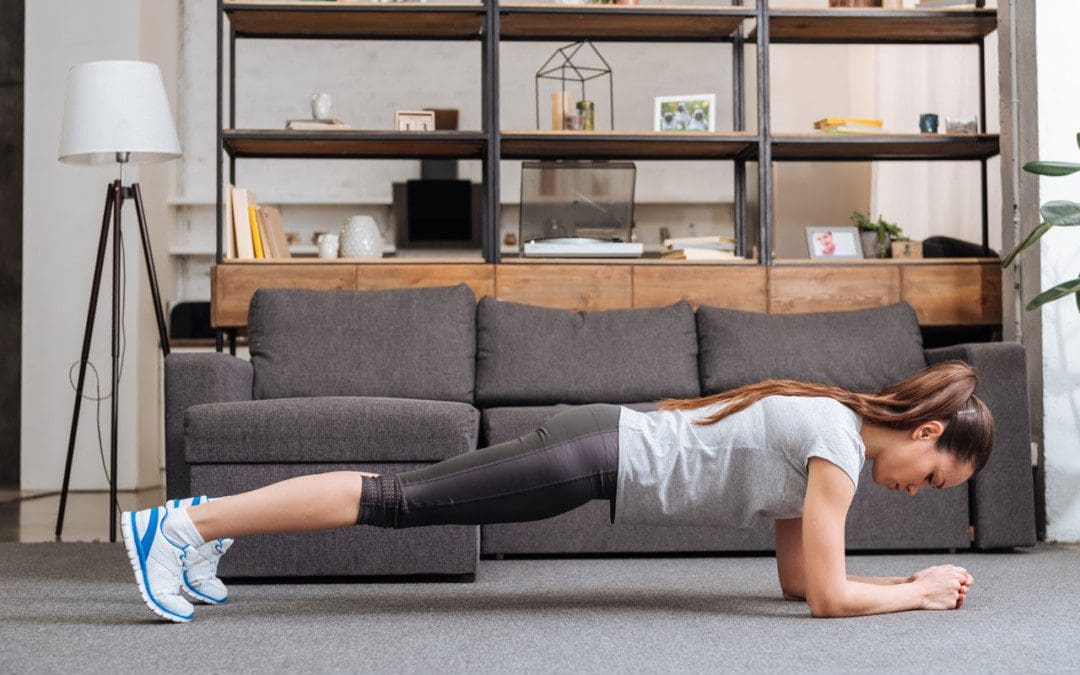
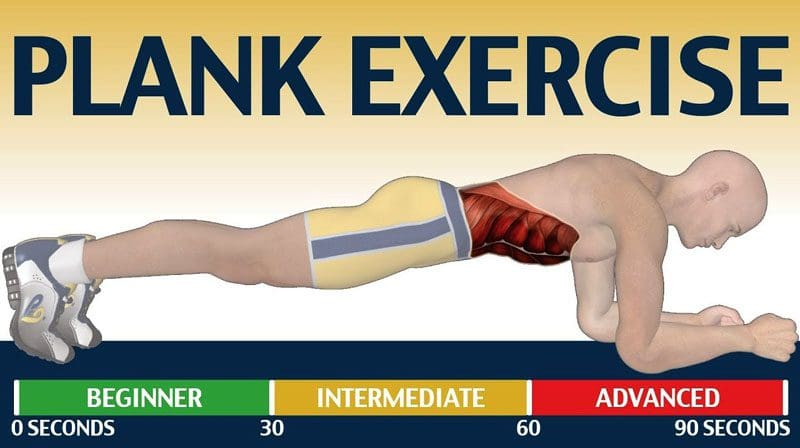
Regularly doing planks can support/strengthen the spine and prevent back pain no matter the fitness level. It’s estimated that 70% of adults will experience back problems and pain. One of the best ways to keep the spine healthy is by strengthening the core muscles. The more these muscles are built up, the healthier the body will become. The plank position activates the entire core taking the pressure off of the spine.
Core Anatomy
The core is the center of the body. It contains all the muscles surrounding the torso. These muscles work together to:
Stabilize the body during movement.
Prevent injury when engaged in physical activity/exercise.
Provide spinal support.
The core is split into two groups of muscles: The inner core and the outer core.
The deep abdominal muscle in the lower back sits on either side of the lumbar region of the spine.
Transversus Abdominis
Located between the lower ribs and the top of the pelvis.
Pelvic Floor
This base group of muscles stretches from the tailbone to the pubic bone.
Diaphragm
A dome-shaped muscle that rests below the lungs.
Outer Core
Rectus Abdominis
These are more commonly known as the abs.
External Obliques
These muscles are located on either side of the rectus abdominis.
Internal Obliques
These muscles are located below the external obliques, inside the hip bones.
Erector Spinae
These muscles surround the spine and extend up both sides of the vertebral column.
Planks and Back Pain Prevention
When the core is not strong enough, the spine and back muscles overcompensate to keep the body standing correctly. Studies have shown how planks effectively activate the muscles responsible for spinal stabilization. The exercise targets the entirety of the core and strengthens the shoulders and glutes. Strengthening these muscles improves posture, helping to alleviate back problems and pain. However, it’s recommended to talk to a doctor before beginning a plank regimen if back pain is present. If done incorrectly, they could aggravate the back muscles.
Proper Form
Choose an area clear of furniture where the whole body can stretch out. Follow these steps:
Begin with hands and knees on the floor.
Extend the legs back while keeping the elbows directly below the shoulders and the wrists below the elbows.
Keep the head down, looking at the space just above the hands.
Engage the abs and keep the body rigid.
Imagine a perfectly straight line from the neck to the toes.
Hold the position for 10 to 60 seconds, depending on fitness level.
Lower the body gently to the floor.
Make sure not to curve the back as curving means that the abdominal muscles are being engaged, and tilting the head up can strain the neck.
Both can lead to injury, which is why maintaining proper form is essential.
Plank Variations
There are variations of this exercise for different levels of physical fitness. Once the modified and full plank has been mastered, various planks can target other areas of the body. These include:
Side Plank
These involve shifting the weight to one forearm while extending the other arm into the air.
One-arm Plank
These involve lifting one hand off the ground, then alternating.
Anybody can work up to a plank at any age at any fitness level; it just takes time. Once achieved, it is a great way to keep the body’s core strong, healthy and helps prevent back problems.
Body Composition
Band Lateral Raise
The lateral band raise is an excellent workout for the shoulders. It works out the lateral deltoid, anterior deltoid, and serratus anterior.
Grasp one band in one hand.
Step on the free end with the opposite foot.
Right hand and left foot and vice versa.
Slowly extend and raise the arm until they are parallel to the floor.
Lower the arms in the same manner.
If the shoulders are healthy and strong enough, try adding dumbbells or kettlebells to increase the resistance.
References
Calatayud, Joaquín et al. “Tolerability and Muscle Activity of Core Muscle Exercises in Chronic Low-back Pain.” International journal of environmental research and public health vol. 16,19 3509. 20 Sep. 2019, doi:10.3390/ijerph16193509
World Health Organization. (2013) “Low back pain.” https://www.who.int/medicines/areas/priority_medicines/Ch6_24LBP.pdf
Youdas, James W et al. “Magnitudes of muscle activation of spine stabilizers in healthy adults during prone on elbow planking exercises with and without a fitness ball.” Physiotherapy Theory and practice vol. 34,3 (2018): 212-222. doi:10.1080/09593985.2017.1377792
Leg spasms and cramps are common conditions where the muscles in the leg suddenly become tight and painful. They present with no warning and can cause excruciating and debilitating pain. They usually occur in the calf muscles but can affect any area of the leg, including the feet and thighs. After the cramping has passed, pain and tenderness can remain in the leg for several hours. Although many leg spasm episodes go away by themselves, they can disrupt normal activities, exercise regimens, and sleep if they continue and are left untreated.
Leg Spasms and Symptoms
A leg spasm is a sudden, sharp contraction or tightening of a muscle in the leg. This can last a few seconds to a few minutes. Muscle cramps anywhere in the body cause sudden contraction of the muscle. This is an involuntary function and can include the following symptoms:
Soreness and discomfort can be mild to extreme.
Muscle tightening.
Hardening of the muscle.
Twitching of the muscle.
Pain.
Leg spasms are typically brief and go away on their own, but individuals are recommended to seek treatment if they are frequently experienced or last for extended periods.
Causes
Dehydration
Dehydration is a common cause of leg spasms and pain.
Lack of fluids can cause the nerve endings to become sensitized, triggering muscle contractions.
When the body sweats, it loses water and electrolytes.
When the body is low on electrolytes
Imbalances in:
Sodium
Calcium
Magnesium
Potassium
It can affect nerve transduction and lead to muscle spasms.
Hypothyroidism
If the body does not produce sufficient thyroid hormone, this is known as hypothyroidism.
Over time, this deficiency can damage the nerves that send signals from the brain and spine to the legs.
Tingling, numbness, and frequent cramping can result.
Spinal Misalignment
Spinal misalignment can compress nerve roots that run down the leg.
This can cause radiating leg pain and spasms, specifically in the back of the thigh.
Muscle and Connective Tissue Injuries
Injuries like tears, strains, and sprains can lead to leg spasms and frequent cramping.
Pregnancy
In the second and third trimesters of pregnancy, calcium and magnesium deficiency are common and can lead to leg spasms and cramps.
Treatment
The proper course of treatment for leg spasms depends on the severity and underlying cause/s. A chiropractor can identify the cause and develop a personalized treatment plan to relieve and eliminate leg cramps.
Chiropractic
Misalignments can compress the nerve roots radiating from the spine to the legs.
This can lead to radiating leg pain and/or leg spasms.
Realignment through chiropractic can relieve the pressure on compressed nerve roots, alleviating leg discomfort and pain.
A chiropractor will also recommend exercises and stretches to strengthen the legs and core muscles.
Physical Therapeutic Massage
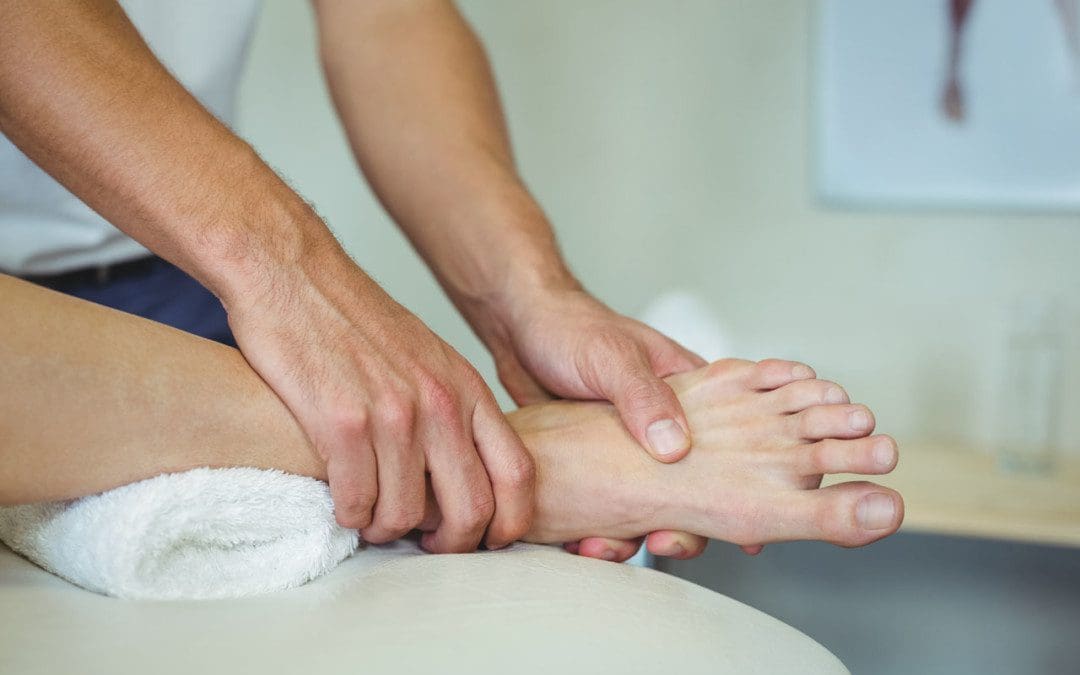
A physical therapist will use various massage techniques to relax the leg muscles to prevent and reduce the severity of spasms.
Massage therapy will relieve any inflammation that accompanies leg spasms, decreasing pain and swelling in the area.
As a part of the treatment plan, a health coach will evaluate the individual’s diet and suggest changes that will help address any nutritional deficiencies contributing to leg spasms and cramps.
Body Composition
Track Inflammation and Fluid Imbalances From Injury or Surgery
Inflammation can occur with little to no visible symptoms following surgery or injury. Precision measurement of body water can detect water retention and inflammation to aid rehabilitation treatment. InBody effectively distinguishes water in the following compartments that comprise total body water.
Intracellular-ICW-within the tissues.
Extracellular-ECW-within the blood and interstitial fluids.
The Edema Index can be used to detect fluid imbalances resulting from inflammation from injury or recovery after surgery.
Assessing fluid balance in the body and specific segments can help identify inflammation and guide treatment to reduce the risk of re-injury or post-surgery complications. These measurements are provided for the whole body and can determine where fluid imbalances may be occurring for more precise analysis.
References
Araújo, Carla Adriane Leal de et al. “Oral magnesium supplementation for leg cramps in pregnancy. An observational controlled trial.” PloS one vol. 15,1 e0227497. 10 Jan. 2020, doi:10.1371/journal.pone.0227497
Garrison, Scott R et al. “Magnesium for skeletal muscle cramps.” The Cochrane database of systematic reviews vol. 2012,9 CD009402. 12 Sep. 2012, doi:10.1002/14651858.CD009402.pub2
Kang, Seok Hui et al. “Clinical Significance of the Edema Index in Incident Peritoneal Dialysis Patients.” PloS one vol. 11,1 e0147070. 19 Jan. 2016, doi:10.1371/journal.pone.0147070
Luo, Li et al. “Interventions for leg cramps in pregnancy.” The Cochrane database of systematic reviews vol. 12,12 CD010655. 4 Dec. 2020, doi:10.1002/14651858.CD010655.pub3
Mekhail, Nagy et al. “Long-term safety and efficacy of closed-loop spinal cord stimulation to treat chronic back and leg pain (Evoke): a double-blind, randomized, controlled trial.” The Lancet. Neurology vol. 19,2 (2020): 123-134. doi:10.1016/S1474-4422(19)30414-4
Getting ready for holiday celebrations takes a great deal of work. Visiting family and friends, traveling, spending hours shopping, wrapping gifts, setting up lights, trees, planning meals can make the body feel achy, tight, tired, and sore. Stress is multiplied by ten, adding to the muscle tension, which can cause illness and other health problems. Chiropractic treatment alleviates symptoms bringing stress relief to enjoy the holidays. This includes body adjustments, therapeutic massage, health coaching, nutrition guidance, strengthening exercises, stretch training, and everything to maintain full-body health, prevent illness and injury so individuals can feel and function at their best.
Aches and Pains
Shopping at stores, malls can cause the body to experience adverse physical effects. Spending hours walking and standing can trigger neck, shoulder, back, leg, and foot pain. Spending hours hunched over a computer, laptop, tablet, or phone while online shopping can also cause neck, back, and shoulder pain. Soreness and pain can result from the spine and the rest of the body becoming misaligned.
Muscle tightening is a common sign of stress. When the mind and body become overwhelmed or anxious, the neck, shoulders, or upper back muscles can tense up. Muscle tension can limit the body’s range of motion and trigger headaches. Therapeutic massage, mobilization, soft tissue therapy, ultrasound, and other chiropractic treatments can generate stress relief. Massaging the body also triggers the release of endorphins that help the body calm down and relax. The adjustments and massage also increase/improve blood flow that supports healing and reduces anxiety when stress begins to build.
Stomach Issues
Following the usual diet during the holiday season is a challenge. Work parties, restaurant parties, and family meals offer an array of holiday foods and treats. The body is not used to eating a lot of rich, fatty, sugary, or fried foods, and can experience bloating, constipation, gas, and other uncomfortable symptoms. These issues can be traced to the nerves that control the organs. Chiropractic can balance the nerves to help avoid uncomfortable digestive problems and help the body handle the rich diet better.
Maintaining Health and Stress Relief
Aches and pains are not the only effects of stress, body misalignment, and tight joints and/or muscles. If these structures press against the nerves and/or organs, it can affect immune system function. Chiropractic ensures that the organs communicate correctly through the nerves, balance the body, reduce inflammation, and improve lymph fluid drainage. The fluid removes toxins and wastes from the body, making fighting colds and other illnesses easier.
Body Composition
White Coat Syndrome
White Coat Syndrome is the term used for any changes in blood pressure that individuals experience in response to being in a medical office or clinic. Three distinct diagnoses are based on how an individual’s blood pressure responds to being in the presence of a healthcare professional:
White Coat hypertension
This is when an individual is not taking medication for blood pressure but presents with high blood pressure in a medical office and returns to normal once they leave the medical facility.
White Coat effect
This is when an individual is taking medication for high blood pressure and shows a high blood pressure reading in a medical office that indicates their medication is not working.
Masked Hypertension
This is when an individual has normal blood pressure in a medical office but high blood pressure elsewhere.
References
Ahmad, Asma Hayati, and Rahimah Zakaria. “Pain in Times of Stress.” The Malaysian journal of medical sciences: MJMS vol. 22,Spec Issue (2015): 52-61.
PBS NewsHour. (December 2018) “Poll: How stressed are Americans this holiday season?” https://www.pbs.org/newshour/nation/poll-how-stressed-are-americans-this-holiday-season
Pioli, Mariana R et al. “White coat syndrome and its variations: differences and clinical impact.” Integrated blood pressure control vol. 11 73-79. 8 Nov. 2018, doi:10.2147/IBPC.S152761
The United States Consumer Product Safety Commission (CPSC). (2019) “Holiday Safety Information Center” https://www.cpsc.gov/Safety-Education/Safety-Education-Centers/holiday-safety
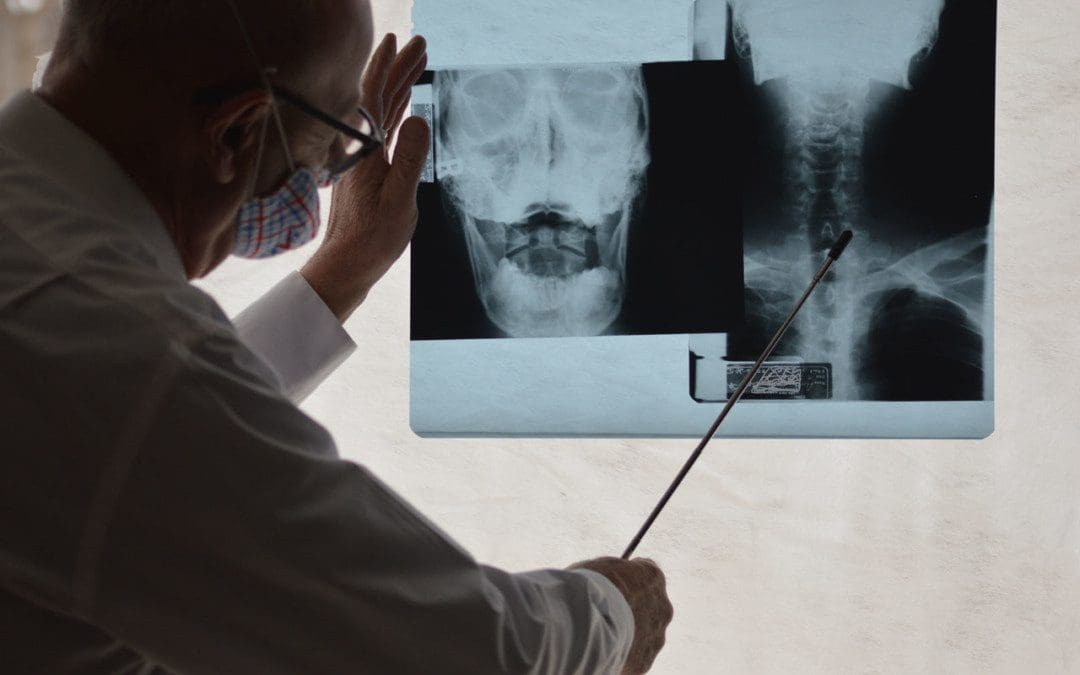
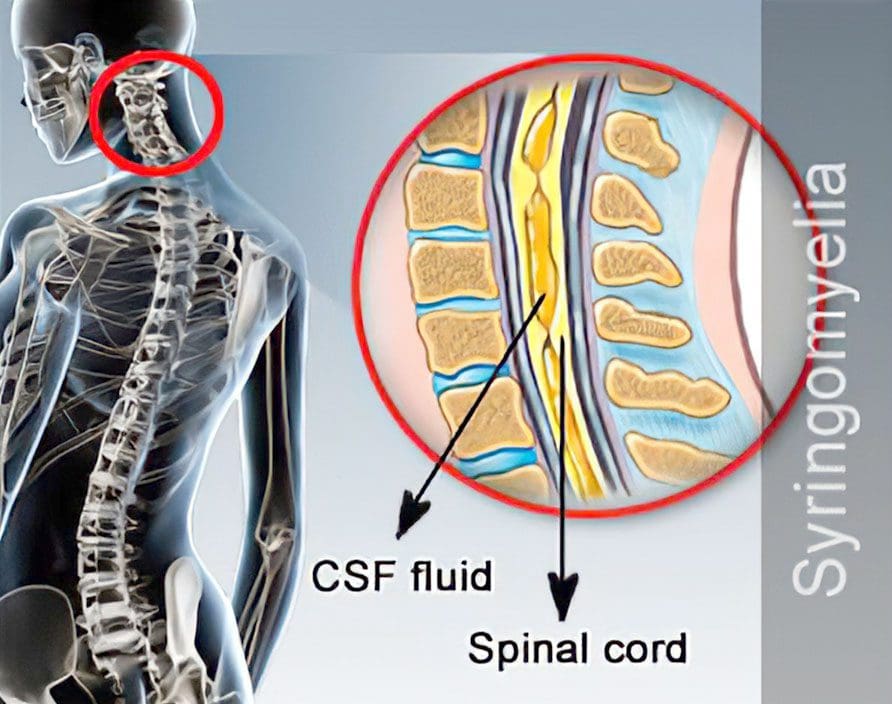
Syringomyelia is a disorder in which afluid-filled cyst/syrinx forms within the spinal cord. It is progressive, meaning that the cyst grows with time causing compression and damage to the spinal cord. The cyst usually begins in the neck/cervical spine but can develop in any area along the spinal cord. There are several possible causes; however, most are associated with a condition known as Chiari malformation. This is where the skull and neck come together, and either the skull is too small or shaped in a way that causes brain tissue to come out and settle in the spinal canal.
Syringomyelia Causes
Syringomyelia can be caused by or from complications of:
Chiari type I malformation develops during the fetal developmental stage and causes the lower part of the brain or cerebellum to stick out from its standard location.
Hemorrhage/bleeding
Inflammation of the spinal cord from virus or bacterial infection like meningitis
Spinal cord injury
Spinal cord tumor
Symptoms
A damaged spinal cord disrupts communication between the brain and the body. Symptoms differ for every individual, but common syringomyelia symptoms include:
Pain, stiffness, or weakness in the neck, arms, back, and/or legs
Symptoms usually develop slowly, but exercise, coughing, or some form of strain can cause sudden onset.
Diagnosis
Physical and neurological exams are performed to determine loss of feeling or inability to move around normally, like walking. Diagnostic tests of the spine will include a CT scan with contrast dye and/or an MRI. Early detection can help before it progresses, causing further damage, and delaying treatment can cause irreversible spinal cord injury. It is recommended at the first sign of symptoms to contact a doctor.
Treatment
Some individuals who have syringomyelia may have no symptoms. These individuals can go about their everyday lives but are recommended to be cautious with neck and back strain. For individuals experiencing symptoms, the primary treatment objectives are to:
Stop or control damage to the spinal cord
Preserve function
Prevent disability
Treatment options include:
Draining the cyst
Surgical removal of the cyst
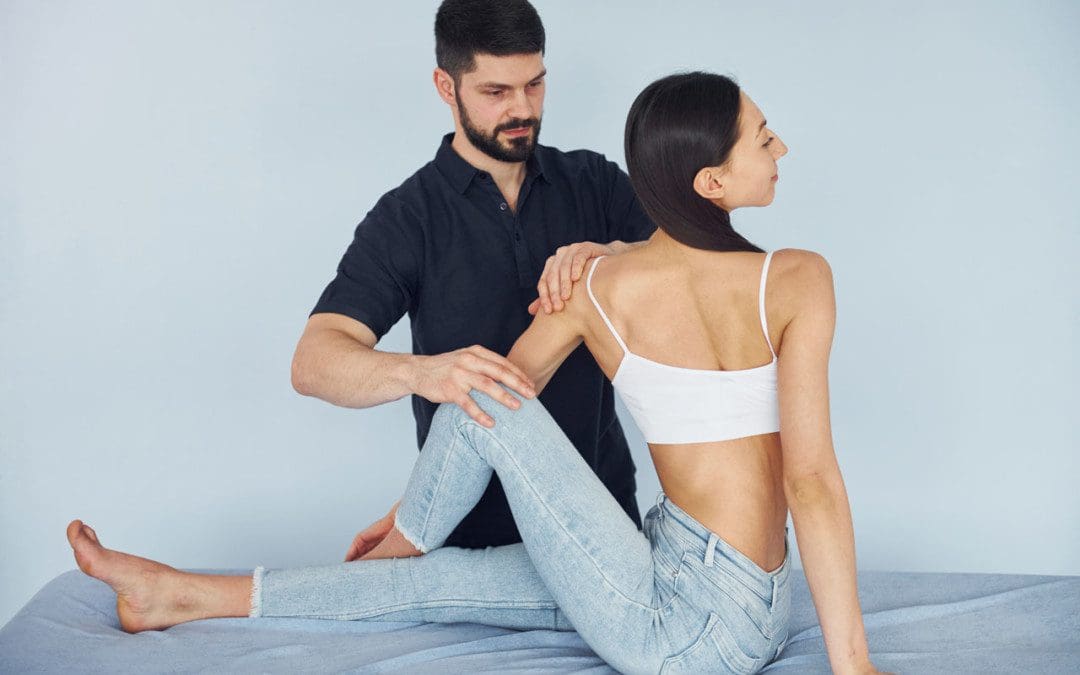
Chiropractic and physical therapy could be included in the treatment plan to help the individual rebuild lost muscle strength and regain flexibility.
All too often, individuals with this disorder experience treatment delay/s because symptoms can be nonspecific or vague. Education is the key, and individuals can be diagnosed sooner by paying attention to the body’s warning signs.
Body Composition
Does too much protein hurt the kidneys?
While protein restriction can be appropriate for treating existing kidney disease, research shows that high protein intake in healthy individuals does not disrupt or cause damage to the kidneys or kidney function. The amino acids in protein are more likely to be excreted through urine when not being used. However, there are certain risks associated with consuming too much protein, and it is recommended to keep track of protein intake. Eating more protein:
Makes the body feel full longer
Can help curb overeating
Is essential for recovery and growth
When achieving daily caloric goals, maintaining a balance of nutrients like carbohydrates and healthy fats is essential for overall health.
References
Batzdorf, Ulrich. “Primary spinal syringomyelia. Invited submission from the joint section meeting on disorders of the spine and peripheral nerves, March 2005.” Journal of neurosurgery. Spine vol. 3,6 (2005): 429-35. doi:10.3171/spi.2005.3.6.0429
Di Lorenzo, N, and F Cacciola. “Adult syringomyelia. Classification, pathogenesis and therapeutic approaches.” Journal of neurosurgical sciences vol. 49,3 (2005): 65-72.
Fernández, Alfredo Avellaneda et al. “Malformations of the craniocervical junction (Chiari type I and syringomyelia: classification, diagnosis, and treatment).” BMC musculoskeletal disorders vol. 10 Suppl 1, Suppl 1 S1. 17 Dec. 2009, doi:10.1186/1471-2474-10-S1-S1
Naftel, Robert P et al. “Worsening or development of syringomyelia following Chiari I decompression: case report.” Journal of neurosurgery. Pediatrics vol. 12,4 (2013): 351-6. doi:10.3171/2013.7.PEDS12522
Roy, Anil K et al. “Idiopathic syringomyelia: retrospective case series, comprehensive review, and update on management.” Neurosurgical focus vol. 31,6 (2011): E15. doi:10.3171/2011.9.FOCUS11198
Inflammation is the body’s response to infection, injury, or irritation. It causes swelling, redness, pain and sometimes causes the affected area to be unable to function. Acute inflammation happens after spraining the ankle or getting a mosquito bite and is the body’s method of preserving itself. This type of inflammation helps remove harmful irritants and pathogens, so healing ensues, along with healthy beneficial swelling that disappears with time. Chronic inflammation is when the body generates a stronger-than-necessary inflammatory response from an imbalanced immune system or a condition that causes the immune system to attack healthy tissue. Certain foods, lack of sleep, and constant stress increase the risk of developing chronic inflammation. Chiropractors are known for their expertise in stretching the muscles, ligaments, tendons, and adjusting/realigning joints and bones. Chiropractic treatment can also affect inflammation positively.
Inflammation Affects Health
When inflammation presents, there is significant potential that disease is also present in the body. Inflammation is a natural response to restore the body to homeostasis or balance. White blood cells and other immune cells are sent to the area to ward off invading bacteria, viruses, debris, etc., and reduce or defeat the infection. For some individuals, inflammation occurs within their body regularly and reappears repeatedly. This can be caused by injuries that never completely healed, frequent strains, and injuries from a weakened musculoskeletal system. Inflammation can also come from infection, irritation, the production of diseased cells, or allergies. Organs and tissues can be inflamed for a long time and can cause damage to the cells that comprise those regions of the body. This can lead to:
Thinning and weakening of organ walls and tissues.
Decreased organ function.
The overall deterioration of the body’s systems and wellness.
Causes
Some common diseases and conditions that create chronic inflammation are:
Asthma
Chronic peptic ulcers
Tuberculosis
Rheumatoid arthritis
Periodontitis
Ulcerative colitis
Crohn’s disease
Sinusitis
Active hepatitis
Risk Factors
Certain risk factors that can increase the likelihood of inflammation are:
Stress is one of the leading causes of illness and disease in the body and contributes significantly to inflammation. Organs and tissues can also become inflamed under pressure. When stress kicks in, chemical reactions occur, causing the release of the hormone cortisol. Cortisol is initially an anti-inflammatory hormone, but a prolonged release can eventually create a dysfunctional cycle of widespread inflammation. Chronic stress can cause inflammation throughout the body. Usually, the body’s weakest or most strained region will suffer the most effects of overall inflammation. Even after the stress reduces or is resolved, the inflammation effects can continue to linger. Inflammation can:
Decrease organ function
Strain tissues
Strain ligaments
Force bones and joints out of alignment and subluxation.
Cause decreased efficiency and performance of the body’s systems and organs.
Chiropractic Affects On Inflammation
When the body is out of alignment, it can compress tissues, muscles, and ligaments. Chiropractic works primarily on the skeletal structure and the nervous system. The nervous system plays an essential role in regulating immune response, which creates or decreases inflammation in the body. When the bones and joints are out of alignment, they cause strain on the nervous system and the immune system, often triggering an immune response. Chiropractic adjustments of the bones and joints reset and rejuvenate nervous system function. Realignment of the spine, including neck, shoulders, arms, pelvis, hips, knees, and feet, enhances nerve circulation and alleviates abnormal immune system function. To begin relieving inflammation from injury, misalignment, stress, and strain on the body, consult and see how chiropractic affects inflammation.
Body Composition
Dietary Fats
There are four main types of dietary fats listed on food labels:
These are not to be confused with adipose tissue/stored fat in the body. These four fats have different physiological effects once they are digested. Some are beneficial, and some can negatively impact health and are recommended to be taken in moderation.
Saturated vs. Unsaturated fats
Fats are made up of chains of carbon atoms with a carboxyl group COOH at one end and methyl groups CH3 at the other end. Carbons are attached to each other and to hydrogen atoms. The way the carbons are chained differentiates saturated and unsaturated fats and impacts how the body processes them. Unsaturated fats have one or more double bonds between the carbon atoms, and foods rich in unsaturated fats are usually liquid at room temperature, like olive oil. Saturated fats contain no double bonds and are generally solid at room temperatures, like butter and cheese.
References
Arulselvan, Palanisamy et al. “Role of Antioxidants and Natural Products in Inflammation.” Oxidative medicine and cellular longevity vol. 2016 (2016): 5276130. doi:10.1155/2016/5276130
Hannibal, Kara E, and Mark D Bishop. “Chronic stress, cortisol dysfunction, and pain: a psychoneuroendocrine rationale for stress management in pain rehabilitation.” Physical therapy vol. 94,12 (2014): 1816-25. doi:10.2522/ptj.20130597
Pahwa R, Goyal A, Bansal P, et al. Chronic Inflammation. [Updated 2021 Sep 28]. In: StatPearls [Internet]. Treasure Island (FL): StatPearls Publishing; 2021 Jan-. Available from: https://www.ncbi.nlm.nih.gov/books/NBK493173/
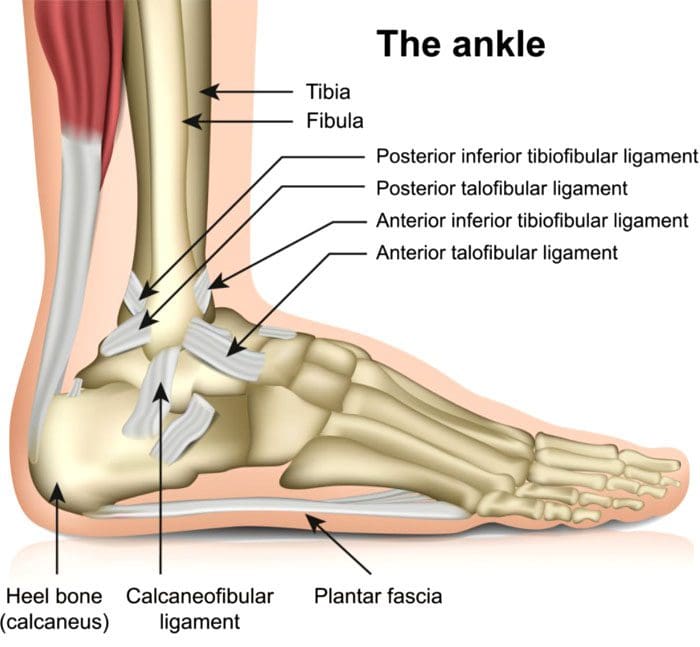
The ankles provide an essential role in total body function. They work as a complex system within the feet to carry the body’s weight and support movement. Any imbalance can cause ankle instability that can cause other areas of the body to go out of balance. This is most often caused by an injury, like an ankle sprain. If not properly addressed, it can lead to chronic instability and long-term health issues throughout the musculoskeletal system. Chiropractic treatment can rehabilitate ankle injuries, strengthen the muscles to prevent instability.
Ankle Instability
The entire body is an extensive, complicated, and interconnected system. Every part influences the next as individuals go about their everyday routines. Imbalances can occur in the spine, hips, legs, and knees, leading to limping, ankle pain, or injury. The most common causes of ankle instability include:
Poor foot or ankle mechanics
Knee or hip imbalances
Ankle sprains
Muscle strain
Tendonitis
Arthritis
Fractures
Chronic inflammation from illness or injury.
Finding The Imbalances
Understanding where the imbalances are and systematically addressing them is the recommended course of action. If an ankle injury is present, local symptoms and dysfunction need to be addressed. However, it is important to assess other body areas to ensure any other dysfunctions are also addressed. This prevents unnecessary re-injury, aggravation, and other problems.
Chiropractic
One or more treatment options will be utilized for proper recovery when dealing with ankle instability.
Joint adjustments of the lower body and spine to support nerve and blood circulation.
Chiropractic is recommended for determining any body imbalances that need to be addressed with high-quality research-based care and can expedite the recovery process.
Body Composition
Compression Garments and Socks
These were only used to treat individuals with circulatory problems but are now available to the public. Recovery is about giving the body a chance to relax, recuperate, and recover from swelling, with the objective to resume physical activity. Compression garments come in shirts, pants, sleeves, and socks. The garments and socks are used for quicker recovery time, improved circulation and oxygen delivery to the muscles, and to reduce lactic acid build-up.
References
Anguish, Ben, and Michelle A Sandrey. “Two 4-Week Balance-Training Programs for Chronic Ankle Instability.” Journal of athletic training vol. 53,7 (2018): 662-671. doi:10.4085/1062-6050-555-16
Czajka, Cory M et al. “Ankle sprains and instability.” The Medical clinics of North America vol. 98,2 (2014): 313-29. doi:10.1016/j.mcna.2013.11.003
Gribble, Phillip A. “Evaluating and Differentiating Ankle Instability.” Journal of athletic training vol. 54,6 (2019): 617-627. doi:10.4085/1062-6050-484-17
Lubbe, Danella et al. “Manipulative therapy and rehabilitation for recurrent ankle sprain with functional instability: a short-term, assessor-blind, parallel-group randomized trial.” Journal of manipulative and physiological therapeutics vol. 38,1 (2015): 22-34. doi:10.1016/j.jmpt.2014.10.001
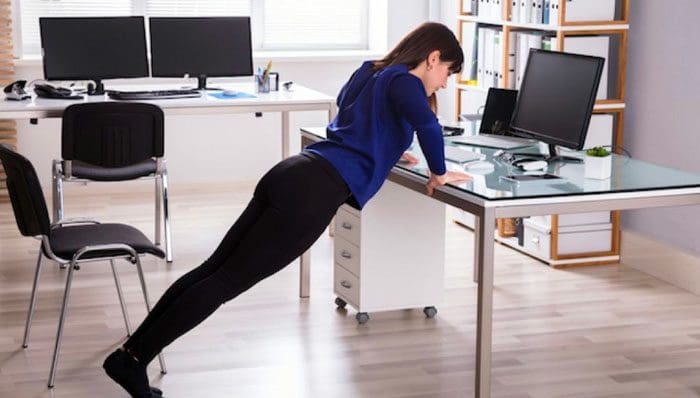
Changing positions and posture. Individuals who have to sit at a desk, workstation, or cubicle for most of the day increase their risk of back pain, contributing to other health issues. GetAmericaStanding.org reports the average adult sits for ten hours or more a day. Prolonged sitting at home and work without movement, physical activity, exercise can lead to issues like:
Pain
Irritability
Cardiovascular problems
Obesity
Diabetes
Long periods of inactivity are associated with increased mortality as sedentariness causes the same damage related to smoking and obesity. It can be challenging to find ways to remain active while sitting at work; this is where changing positions and posture, also known as dynamic sitting throughout the day, can help.
Changing Positions and Posture Throughout the Day
Constantly sitting in a chair means the body remains static, causing blood and energy circulation to slow down, stressing the body’s muscles. Changing the body’s positions regularly along with short periods of activity like standing up, walking around while on the phone, and stretching helps to work out the muscles and keep circulation at optimal levels.
The Importance of Changing Positions and Posture
The body was meant to move and requires movement to stay healthy.
Staying in one position for too long can lead to loss of core strength from the abdominal musculature becoming deconditioned. Muscle deconditioning leads to weakness and tightness. The imbalance affects the spinal support system leading to back, hip, and leg pain. Moving around and doing quick mini-workouts can help strengthen the body, increase core strength, improve posture, burn calories and prevent pain and injury.
The Basics
According to a 2018 study, researchers found improvements in cardiometabolic health among individuals that would stand up, sit less, and move more. Ways to adjust the work or home office to make changing positions and posture easier include.
Sit-stand desks can be raised and lowered throughout the day to change position regularly.
Treadmill desks are actual treadmills that are fitted with a desk so individuals can work and walk simultaneously.
These small changes and adjustments can make a big difference when experiencing body pain from too much sedentariness. However, it is crucial to know if other issues are causing the health problem/s. If back or any pain is associated with any of the following, consult a medical professional.
Trauma from an accident or injury.
Balance issues.
Weakness in the legs.
Infection.
Fever.
Unexplained weight loss.
Overflow urinary incontinence is when the bladder fills up and empties without feeling the need to urinate.
Severe constipation.
Body Composition
How to Read Blood Pressure Measurements
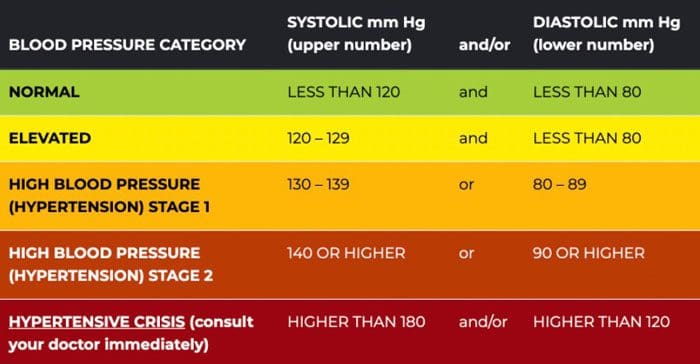
An individual’s blood pressure includes:
Systolic Blood Pressure
This is the first or top number listed on a blood pressure reading and is the measurement of the pressure that the blood exerts against the walls of the arteries.
A normal systolic reading should be less than 120 mm Hg.
Diastolic Blood Pressure
This is the second number that measures the force of the blood against the artery walls when the heart is resting between beats.
A normal diastolic reading is less than 80 mm Hg.
Pulse
The pulse is the number of beats per minute the heart is beating.
A normal adult pulse is between 60 to 100 beats per minute.
When checking blood pressure, a doctor will read out a vital sign in the normal range of 120/80 mmHg or below. Anything above that could be an indication of an underlying health condition.
References
“Ergonomics for Prolonged Sitting.” The University of California at Los Angeles, Los Angeles, CA. https://www.uclahealth.org/spinecenter/ergonomics-prolonged-sitting
“Workplace sitting is associated with self-reported general health and back/neck pain: a cross-sectional analysis in 44,978 employees.” BMC Public Health, London, UK. May 2021. https://pubmed.ncbi.nlm.nih.gov/33957889/
“Active Sitting Guide: 6 Reasons To Really Consider It.” The Ergonomics Health Association. (n.d.) https://ergonomicshealth.com/active-sitting-guide/
“Cardiometabolic Impact of Changing Sitting, Standing, and Stepping in the Workplace.” Medicine & Science in Sports & Exercise, Indianapolis, IN. March 2018. https://oce.ovid.com/article/00005768-201803000-00015/HTML
“Reducing occupational sitting time and improving worker health: the Take-a-Stand Project, 2011.” Preventing Chronic Disease, Atlanta, GA. 2012.
“Office exercise: Add more activity to your day.” The Mayo Clinic, Rochester, MN. October 2019. https://www.mayoclinic.org/healthy-lifestyle/adult-health/in-depth/office-exercise/art-20047394
“The Tools: Put an End to Your Sedentary Lifestyle.” Ergotron, St. Paul, MN. (n.d.). https://www.juststand.org/the-tools/
IFM's Find A Practitioner tool is the largest referral network in Functional Medicine, created to help patients locate Functional Medicine practitioners anywhere in the world. IFM Certified Practitioners are listed first in the search results, given their extensive education in Functional Medicine