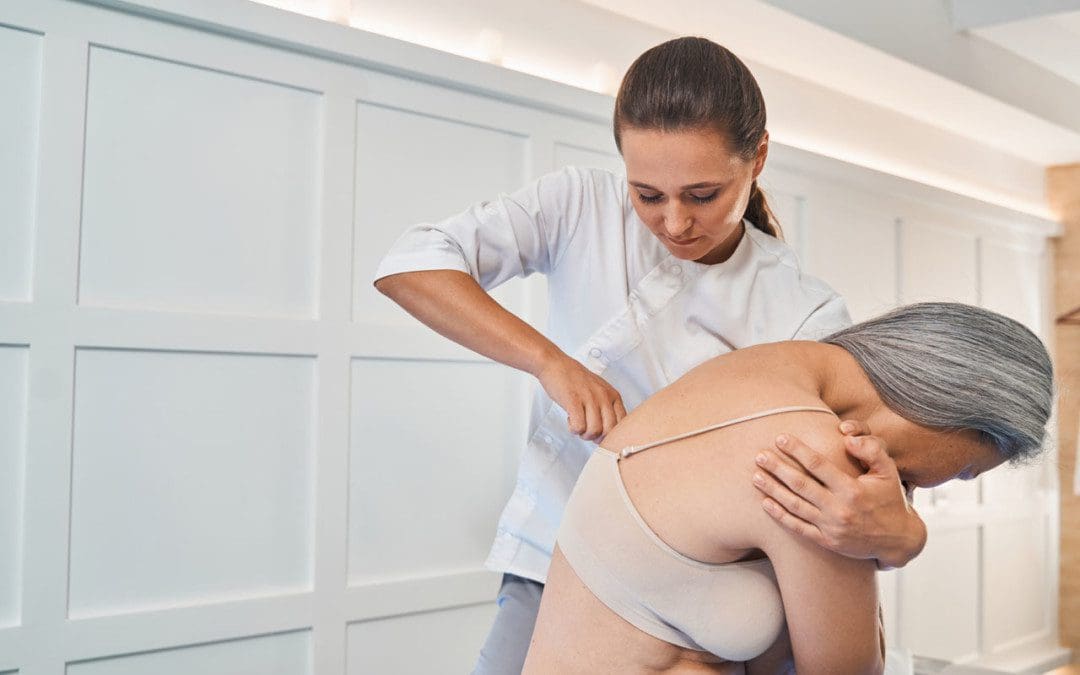
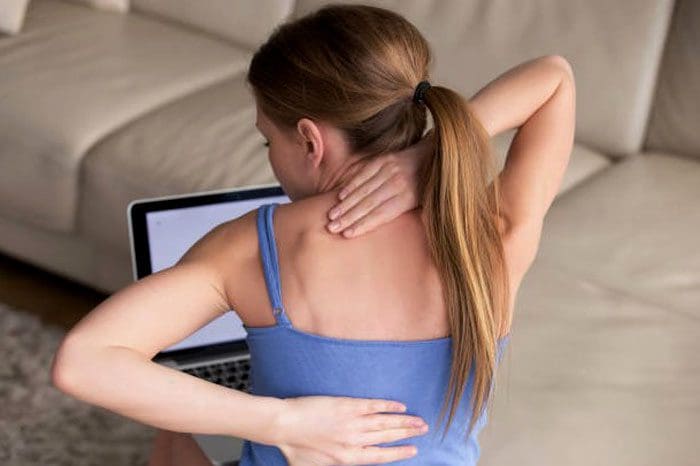
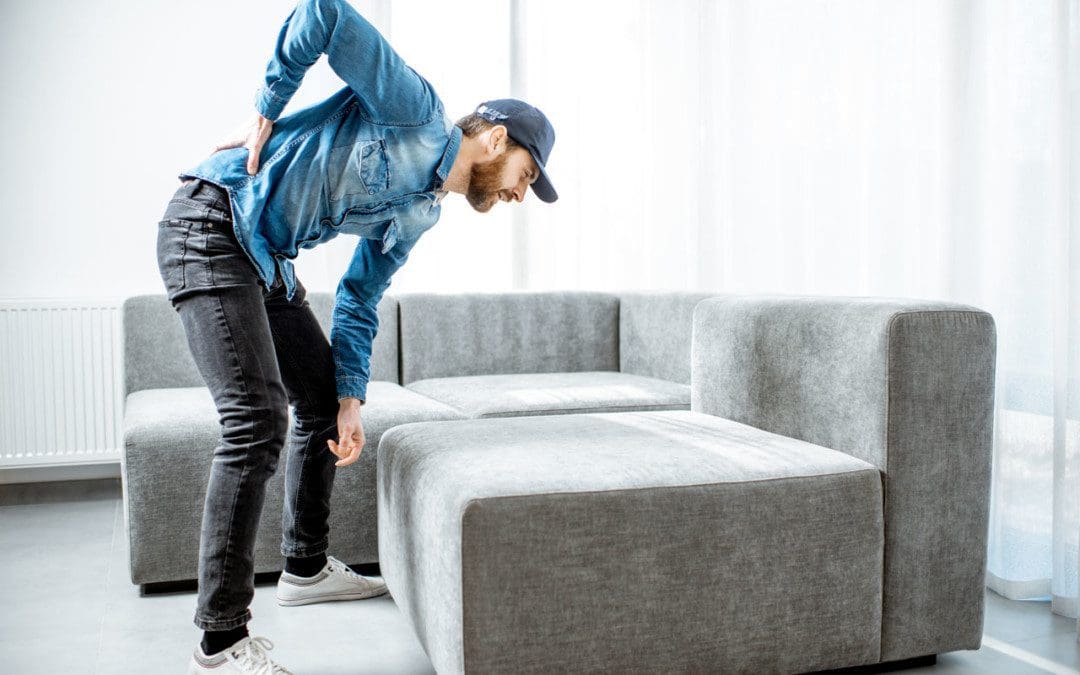
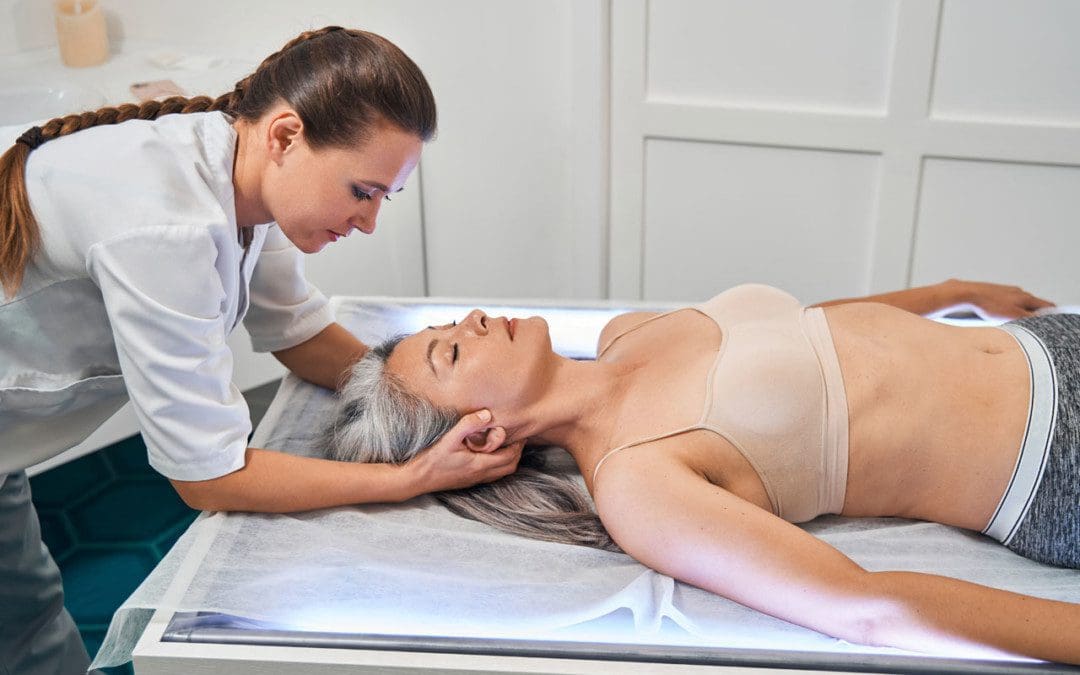
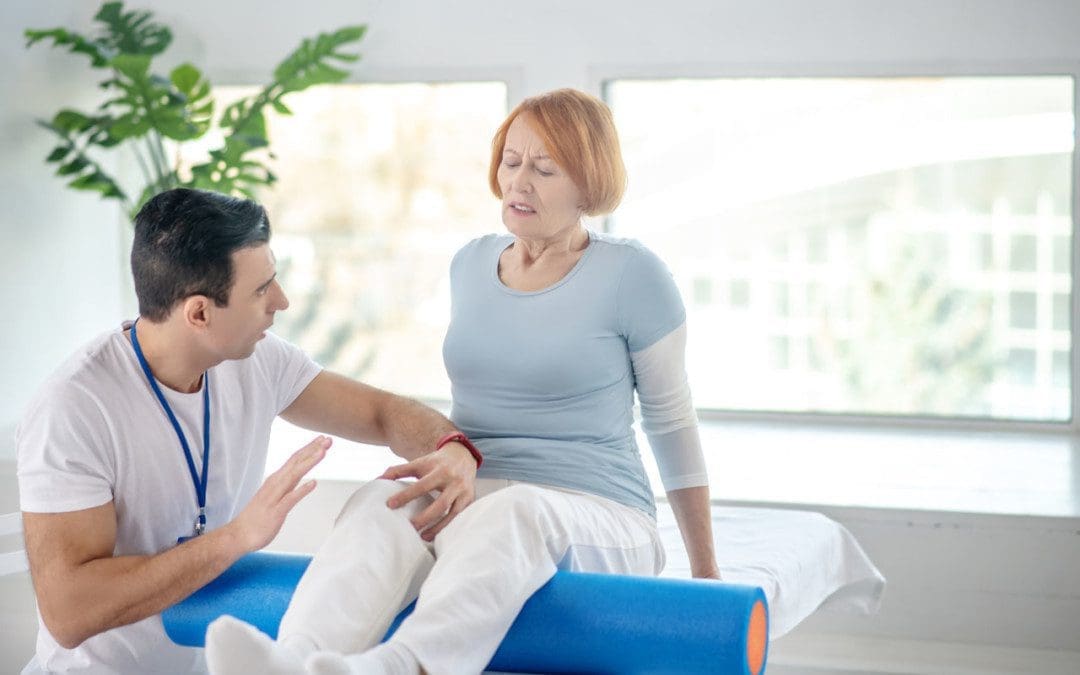
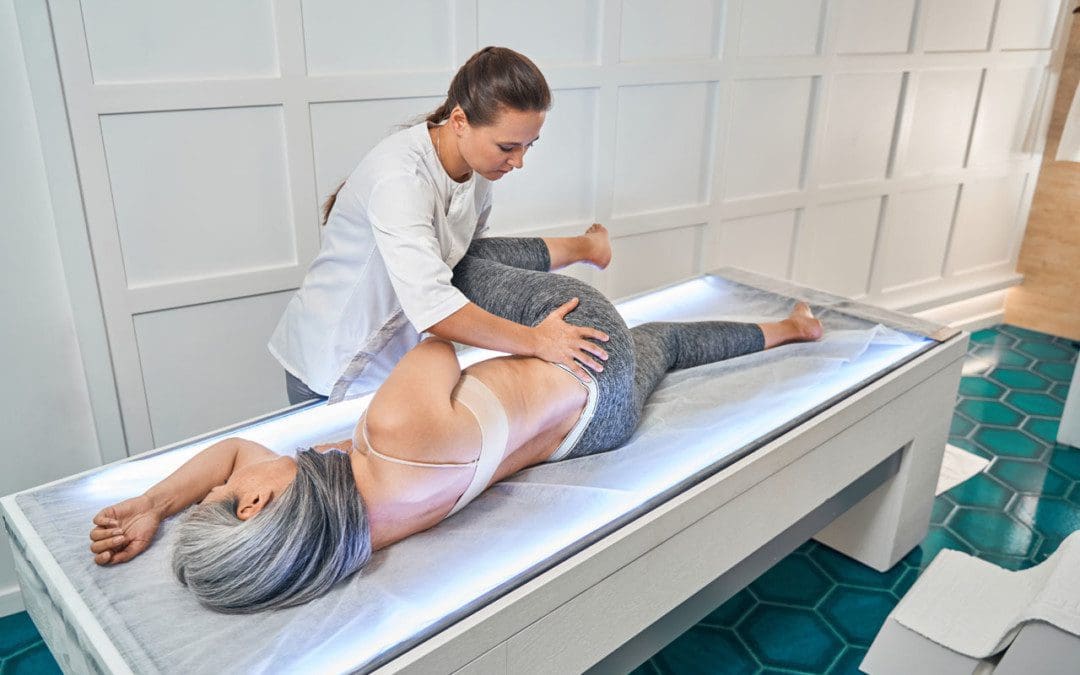
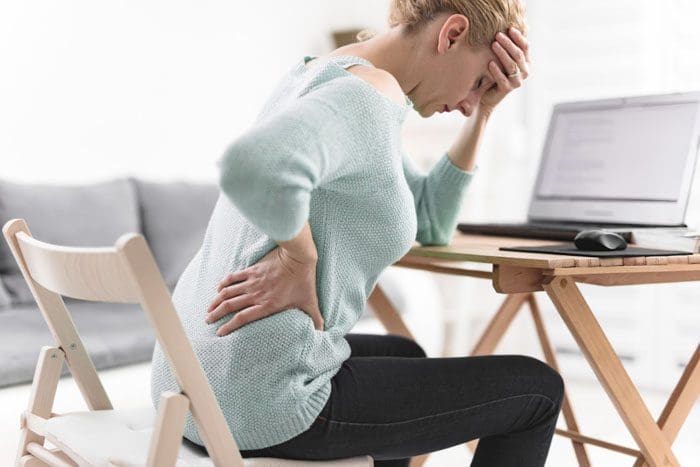
The thoracic upper back or middle back is designed for stability to anchor the rib cage and protect the organs within the chest. Compared to the neck and lower back, the upper back is highly resistant to injury and pain. When thoracic upper back pain does present, it is usually brought on from long-term poor posture or an injury that overwhelms the sturdiness. It is less common than lower back and neck pain, but it does affect around 20% of the population and primarily women. It can occur for a variety of reasons, and chiropractic treatment can bring long-term relief.
The delicate balance and function can create potential issues and imbalances, causing soreness, strain, and pain. Underlying causes for thoracic upper back pain include:
Direct impact on the area.
Injury from a fall, sports, or automobile accident.
Unhealthy posturing/positions that place added strain on the spine, causing misalignment.
Repetitive motions and overuse like pulling, pushing, reaching, and twisting.
Repetitive/Improper shoulder mechanics can lead to muscle imbalance and poor movement.
Chiropractic can realign the spine and body if experiencing any of the following:
Symptoms that keep returning even with the use of medication.
Home remedies do not bring adequate relief.
Unable to prevent symptoms from presenting.
Chronic pain.
Injury Medical Chiropractic and Functional Medicine Clinic will develop a personalized/customized treatment plan specific to the individual’s needs. Treatment will include:
Spinal adjustments to improve alignment and nerve integrity.
Therapeutic massage.
Posture training to increase spinal alignment.
Exercise training to restore muscular balance.
Health coaching.
Anti-Inflammatory Diet.
Body Composition
Sitting For Prolonged Periods
Weakened Muscles
Metabolism is linked with body composition, meaning that increased muscle increases metabolism helping to burn more calories.
When sitting, the gluteal muscles, abdominal muscles, and legs become inactive.
Sitting for extended periods day after day can cause these muscles to degenerate.
Consistent muscle loss from the lower body can hurt the body’s functional strength and, with age, increase the risk of injury.
Any muscle loss, especially from the lower body, and is the largest muscle group, can lead to consistent fat gain.
Circulation Slows Down
Sitting for too long also slows down blood flow to the brain and the legs, causing them to become sluggish.
Sitting without standing can increase the risk of developing blood clots.
Blood clots can break off and cause blockages throughout the body.
One study showed a significant reduction in the vascular flow after sitting for just three hours.
But individuals who took breaks and got up to walk around for two minutes every hour showed improved circulation.
References
Beddhu, Srinivasan et al. “Light-intensity physical activities and mortality in the United States general population and CKD subpopulation.” Clinical journal of the American Society of Nephrology: CJASN vol. 10,7 (2015): 1145-53. doi:10.2215/CJN.08410814
Briggs AM, Smith AJ, Straker LM, Bragge P. Thoracic spine pain in the general population: Prevalence, incidence and associated factors in children, adolescents and adults. A systematic review. BMC Musculoskelet Disord. 2009;10:77.
Fouquet N, Bodin J, Descatha A, et al. Prevalence of thoracic spine pain in a surveillance network. Occup Med (Lond). 2015;65(2):122-5.
McManus, Ali M et al. “Impact of prolonged sitting on vascular function in young girls.” Experimental physiology vol. 100,11 (2015): 1379-87. doi:10.1113/EP085355
Any job-related back injury can significantly complicate an individual’s life. Dealing with the pain, trying to figure out how to get things done while in recovery, and workers’ compensation to protect individuals who are injured on the job, getting them healthy without the stress of worrying about losing money from missing work.
Job-Related Injury
According to the Occupational Safety and Health Administration or O.S.H.A., a job-related injury is one that either contributed to or is caused by something in the work environment that injures an individual or exacerbates/worsens a previous injury. This is a general overview of the definition, and there are some exceptions. For example, being at the place of work as a general public citizen and not working when an injury happens will not be covered. If not sure whether a back injury is job-related, it’s better to be cautious and report the incident as soon as it happens.
Common Back Injuries
Back injuries are the most common job-related injuries. Back injuries are the number one reason individuals cannot work, whether they hurt their back at home or on the job. The Bureau of Labor Statistics found that nearly 40% of all musculoskeletal injuries that resulted in lost workdays were because of back injuries. The most common back injuries include:
Every state’s workers’ compensation program is different; however, the basic components are the same throughout. This means that if a workers’ compensation claim is approved and an individual cannot work because of their injury, they can expect to receive a regular base salary during treatment, rehabilitation, and recovery. Individuals also continue to receive medical coverage through the company, while the workers’ compensation fund should pay for treatment and diagnostics related to the injury.
When A Back Injury Occurs at Work
When a back happens at work, inform the employer as soon as possible. Do not be embarrassed or feel as if it is not a big deal to seek workers’ compensation. It is an insurance program for both the individual and the employer. An employer pays into the state’s workers’ compensation program for limited liability when employees get injured. Individuals don’t pay for the program, but it protects the individual in case something happens.
Letting an injury go untreated might not be anything at first, but months and years later, it can come back and be worse than when it first happened, causing greater damage, added medical costs, and procedures that the individual has to pay for out of pocket.
Once an individual knows they have a back injury, it is recommended to seek treatment as soon as possible to prevent worsening the injury or create new ones and develop a treatment, rehabilitation, and strengthening program. If an individual needs emergency care, tell the doctors about the work injury and precisely what happened. Emergency medical care should be sought out when:
There is a loss of function in any of the limbs.
There is a persistent numbness with the back pain.
There is nausea, dizziness, or vomiting after the injury.
There is a fever with back pain.
Loss of consciousness.
Loss of bowel or bladder control.
If the injury is not immediate and progresses gradually, but suspect that it is from work, it should be reported and examined by a medical professional.
Treatment
Proper treatment for a back injury depends on the severity of the injury. Those who prefer non-invasive, medication-free treatment are able to recover with chiropractic or physical therapy. Chiropractic doctors are experts in the spine and the musculoskeletal system. Chiropractic treatment is safe, and proven, and can help relieve pain, restore function, to get back to work safely.
Body Composition
Resistance Exercise
Resistance workouts are made to stress the muscles resulting in muscle gain. Resistance exercise makes the body adapt by growing the muscles to make them more capable of handling intense forces without strain. The stress of resistance exercise causes the muscle fibers to tear at the cellular level. Then, special muscle cells, known as satellite cells, jump into action to repair, rebuild, and grow the muscle. These types of exercises include high-intensity workouts or compound exercises that increase muscle growth. However, there needs to be a healthy balance between workouts and rest to support healthy hormone levels and maximize muscle gain.
Hormones
There are three primary hormones that stimulate muscle hypertrophy. They are:
Insulin-like growth factor 1 IGF-1
Growth hormone GH
Testosterone
Muscle protein synthesis is a critical process in muscle hypertrophy and happens after weight training. The hormones signal to the muscle to repair and rebuild after workout sessions. GH is released in high quantities during sleep, which is why proper sleep is needed to help reach body composition goals. When nutrition, workouts, and hormonal effects are combined, muscle-building happens. Figuring out the right balance is essential for reaching health goals.
References
Burton, A K, and E Erg. “Back injury and work loss. Biomechanical and psychosocial influences.” Spine vol. 22,21 (1997): 2575-80. doi:10.1097/00007632-199711010-00021
Marjorie L Baldwin, Pierre Côté, John W Frank, William G Johnson, Cost-effectiveness studies of medical and chiropractic care for occupational low back pain: a critical review of the literature, The Spine Journal, Volume 1, Issue 2, 2001, Pages 138-147, ISSN 1529-9430, https://doi.org/10.1016/S1529-9430(01)00016-X.(https://www.sciencedirect.com/science/article/pii/S152994300100016X)
Randall, Sara. “1. Avoiding back injury.” The practicing midwife vol. 17,11 (2014): 10, 12-4.
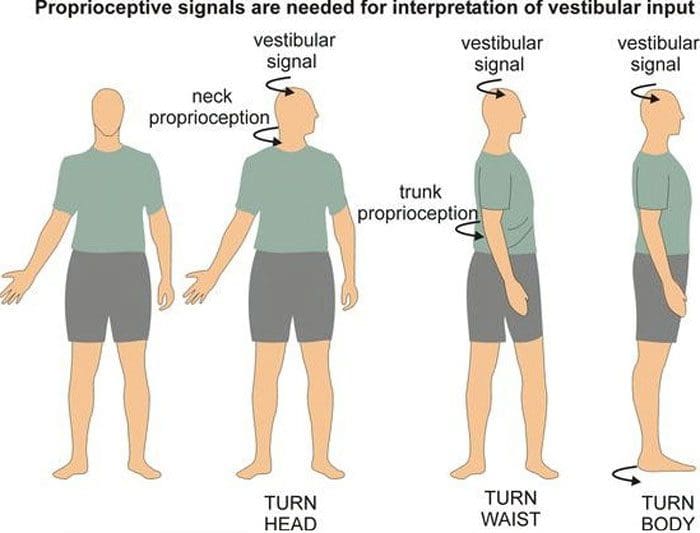
Kinesthesia is the body’s ability to sense movement, position, action, and location, also known as proprioception. An example is when moving the arm, the brain and body are aware that the arm has moved. When dealing with chronic back pain, individuals are unable to function normally with regular everyday movements causing discomfort.
Chronic back pain can make an individual feel like a stranger in their body, altering their perception. Tension develops throughout the body due to the pain, causing tightness and positional adaptations that are unfamiliar, awkward, and unhealthy for the musculoskeletal system. These body positioning changes continue while the individual is unaware of what they are doing, causing further strain and injury.
Kinesthesia
Kinesthesia is essential for overall coordination, balance, and posture as long as the movements are done correctly with proper form. Chronic back pain can affect kinesthesia differently. Individuals can misjudge and estimate that their bodies’ ability to lift, carry, or open something is more complicated or easier than it is. This can exceed the body’s tolerances, causing:
Strains
Sprains
Severe injuries
Once the back starts to hurt, this causes the individual’s sense of kinesthesia to compensate for the pain. As a result, individuals may knowingly or unknowingly attempt to carry out uncoordinated, awkward movements and positions, making things worse.
Motor Control
Motor control is the ability to control movement. When experiencing back pain, individuals adjust their motor control to avoid specific movements that cause back pain. Motor control adaptations and kinesthesia involve body positioning and heightened responsiveness to stimuli, like muscle spasms. Even moderate back pain can cause awkward and dangerous responses causing individuals to overcompensate or become too cautious, worsening or creating new injuries in the process. The body is performing movements that do not follow proper form, even though an individual thinks they are protecting themselves.
Building Healthy Proprioception
A recommended strategy for building kinesthesia to benefit the back and the rest of the body is yoga. Yoga helps build bodily sensory awareness. It trains the body when sending significant signals from the muscles, joints, and tendons back to the proprioceptive centers in the brain. This happens immediately and increases over time.
Yoga Poses
Creating positive awareness of the body’s movements will help relieve back pain as the body learns to feel, understand, and control the muscles. Here are a few poses to help, along with video links.
Body awareness is critical, but if an individual moves in a way that’s not natural to the body, it can cause injury. Kinesthesia and healthy posture can help avoid back pain and other health issues. A professional chiropractor can alleviate back pain, educate on proper form and recommend specific stretches and exercises to strengthen the body to prevent injury.
Body Composition
Magnesium
Magnesium supports a healthy immune system. It helps maintain:
Healthy bone structure
Muscle function
Insulin levels
Magnesium assists the body with ATP energy metabolism and acts as a calcium blocker. This reduces cramping and aids in muscle relaxation after physical activity/exercise. Magnesium is essential in biochemical reactions in the body. A slight deficiency can lead to an increased risk of cardiovascular disease and a higher risk of insulin resistance. Many magnesium-rich foods are high in fiber, like:
Studies have shown that consuming a diet rich in Magnesium also provides a higher intake of dietary fiber. Dietary fiber aids in:
Digestion
Helps control weight
Reduces cholesterol
Stabilizes blood sugar
The best sources of Magnesium include:
Spinach, swiss chard, and turnip greens
Almonds and cashews
Flax, pumpkin, and chia seeds
Cocoa
References
Meier, Michael Lukas et al. “Low Back Pain: The Potential Contribution of Supraspinal Motor Control and Proprioception.” The Neuroscientist: a review journal bringing neurobiology, neurology and psychiatry vol. 25,6 (2019): 583-596. doi:10.1177/1073858418809074
Tong, Matthew Hoyan et al. “Is There a Relationship Between Lumbar Proprioception and Low Back Pain? A Systematic Review With Meta-Analysis.” Archives of physical medicine and rehabilitation vol. 98,1 (2017): 120-136.e2. doi:10.1016/j.apmr.2016.05.016
Wang, Jinsong, et al. “Dietary magnesium intake improves insulin resistance among non-diabetic individuals with metabolic syndrome participating in a dietary trial.” Nutrients vol. 5,10 3910-9. 27 Sep. 2013, doi:10.3390/nu5103910
Self-care for secondary type headaches. Different types of headaches range from mild to excruciating, and the frequency of occurrence also varies from person to person. Headaches are classified into three types that are primary, secondary, and nerve pain headaches. Primary are tension, migraine, and cluster headaches. Nerve pain headaches are also called cranial neuralgia headaches. This is when one or more cranial nerves that run down the neck from the brain become inflamed, causing pain and discomfort. Secondary headaches are a symptom of a bodily reaction or an injury. These types of headaches can be caused by:
Sinus problems
Allergies
Physical exertion
Dehydration
Caffeine
Hormones
Medications
Alcohol consumption
Concussion
Trauma
Sinus Headaches
These can be caused by a sinus infection. If pain presents in the upper teeth, a fever, and yellow or green nasal discharge, this could mean an infection. A doctor can help with some antibiotics. For individuals that regularly get sinus headaches from changes in air pressure or other causes, here are a few self-care techniques:
Hot Shower
Steam can help drain the sinuses. Take a hot shower or hold your head over a pot of steaming water.
Nasal Irrigation and Neti Pots
This ancient remedy comes from India. The concept is simple; the teapot has a long spout that goes inside one nostril. The water/saline solution will go through the sinuses and come out the other nostril draining the nose and relieving the pressure.
Hot and Cold Compresses
Individuals can find relief by alternating between hot and cold compresses placed on the forehead. This reduces swelling and allows the sinuses to drain.
Eucalyptus Oil
This powerful oil from Eucalyptus leaves helps clear up sinuses. It can be done by smelling a few drops placed on a cloth for 10 minutes or placing a drop or two in hot water and breathe in the steam.
Allergy Headaches
Allergies are a common cause of headaches. Self-care can include:
Nitrates and Nitrites Avoidance
These are common food preservatives in processed types of meat like bacon, hot dogs, and sausages. It is a preservative, but many individuals can have an allergic reaction that causes headaches instead of hives.
Avoid Powerful Smells and Odors
This can be difficult with all the smells wafting around but try to pay attention to the surrounding smells as any could cause an allergic reaction. Strong odors can include:
Cleaning products
Nail polish
Perfume
Hair spray
Paint
Cigarette smoke
Elimination Diet
Food allergies often result in digestive problems, hives, and swollen airways but can also cause headaches. Even individuals that are not allergic to the food itself could be sensitive to other items like artificial colors or preservatives. The most common food items that cause headaches include:
Cheese
Chocolate
Citrus fruit
Coffee
Alcohol
Consulting with a health coach and/or nutritionist can help to create a customized meal plan.
Exertion Headaches
Exertion headaches can be produced by physical activity/exercise or strain. They usually begin with throbbing pain on both sides of the head and cause a red face or complexion. They can be caused by:
Prolonged physical activities, exercise.
Strenuous activity at work lifting objects or weights.
Self-care for stopping an exertion headache includes:
Cooling Down
An exertion headache is the body’s way of saying that it has overextended its ability.
Drinking some cool water
Take a break for 20-30 minutes.
Avoid Headache Triggers
Try to stay aware when these headaches present and pay attention to see if there is a trigger.
This can be caused by dehydration
Not enough sleep.
Chiropractic and Physical Therapy
These types of headaches can also be caused by incorrect posture when working or exercising.
Lifting heavy weights or running with the head too far forward or back limits blood flow, causing muscle tension.
A chiropractor adjusts the spine and whole-body
Educate on core strengthening exercises and proper form.
Caffeine Headache
Caffeine narrows the blood vessels that surround the brain. When an individual stops consumption, the blood vessels enlarge. This causes an increase in blood flow and pressures on the brain’s surrounding nerves. This can trigger a caffeine withdrawal headache. Self-care includes:
Peppermint or Lavender Oil
Massaging a drop of oil into the temples can open up the blood vessels and relieve the pressure.
Ice Packs
Applying an ice pack to the back of the neck can stop a caffeine headache.
Taking a Nap
Lying down and taking a nap for 30-60 minutes can help bring relief.
Alternate decaf coffee with regular coffee.
Hormone Headache
Estrogen levels can affect various areas of a woman’s body, including headaches. Headaches experienced just before or in the first days of a menstrual cycle are known as menstrual migraines. Headaches that start when ovulating are called hormone headaches. Self-care can include:
Yoga
Practicing yoga can help prevent headaches from occurring.
Sleep
7-9 hours of sleep are recommended every night to allow the body to flush out old hormones and create new ones.
This can help prevent a hormone overload.
Massage
Stress leads to headaches.
Massage therapy is highly recommended to reduce stress and keep the body loose and relaxed.
Changing Birth Control Pills
Certain types of birth control pills can have more side effects than others, including headaches.
Ask a doctor about switching to another type to see if it helps.
Body Composition
Master Cleanse Diet
The Master Cleanse Diet is a prescriptive program that focuses on a specific food or drink regimen. This diet is intended to last around two weeks and relies on:
Bryans, Roland et al. “Evidence-based guidelines for the chiropractic treatment of adults with headache.” Journal of manipulative and physiological therapeutics vol. 34,5 (2011): 274-89. doi:10.1016/j.jmpt.2011.04.008
Chaibi, Aleksander, and Michael Bjørn Russell. “Manual therapies for primary chronic headaches: a systematic review of randomized controlled trials.” The journal of headache and pain vol. 15,1 67. 2 Oct. 2014, doi:10.1186/1129-2377-15-67
Green, Mark W. “Secondary headaches.” Continuum (Minneapolis, Minn.) vol. 18,4 (2012): 783-95. doi:10.1212/01.CON.0000418642.53146.17
A common symptom of sciatica is radiating/spreading pain running down the leg. However, the leg pain could be something to do with the blood vessels. If the pain travels from the low back to the hip, through the buttocks, down the leg, and into the foot, then more than likely it is sciatica. However, sciatica is just one condition that causes leg pain; other causes of leg pain include:
Bone spurs
Herniated disc
Arthritis
All can irritate the sciatic nerve causing sciatica.
The vascular system, also called the circulatory system, comprises the vessels that circulate blood and lymph throughout the body. Problems with the vascular system are a less common cause of leg pain but can be severe. Therefore, it is vital to learn to tell the difference.
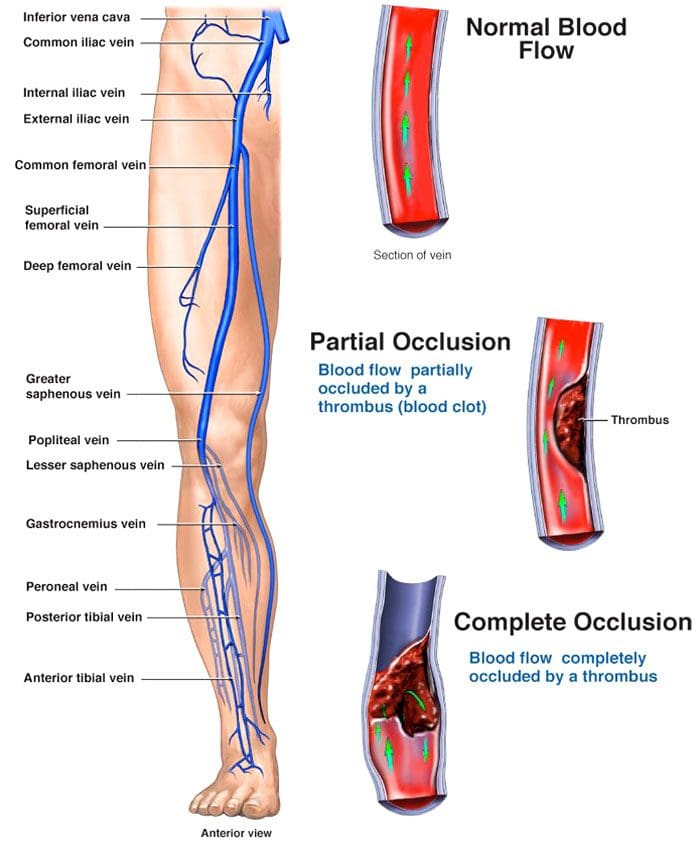
Deep Vein Thrombosis
Deep vein thrombosis – DVT happens when a blood clot forms in a deep vein in the body and not the superficial veins just under the skin. The legs’ deep veins are susceptible to clotting. The formation of a clot can happen:
After surgery
From an accident
When recovering, bed resting and not moving.
When the body is in the same position for a long time with little to no movement, like a long plane ride.
On long plane rides, try to get up and walk around every hour. If unable to walk, do three sets of 20 reps of heel-to-toe exercises every hour.
Deep vein thrombosis can cause leg pain or swelling but can also present without causing any symptoms. Other risk factors include:
Blunt or penetrating injury to the blood vessel and/or its walls.
Pain running down the leg from a blood clot feels like:
Tightness
Cramping soreness
Throbbing
Possible warmth
Swelling.
Blood clots and sciatica are reported to feel relatively different. The pain from a blood clot does not spread out and does not extend from or to the back. Sciatica does not cause swelling, redness, and warmth. If a doctor suspects a blood clot is causing the pain, they will order an ultrasound to confirm the diagnosis. If it is deep vein thrombosis, blood thinners could be recommended for three to six months.
A doctor may recommend aspirin, which can help in the prevention of blood clots.
In some cases, the clot may have to be surgically removed.
Vascular Conditions and Pain Running Down The Leg
Other blood vessel conditions that can cause individuals to believe they have sciatica include:
Peripheral artery disease – PAD
This often presents in individuals with diabetes or who smoke. It causes pain in the calf area but does not radiate throughout the leg. The pain usually presents with physical effort movement. If the pain occurs when at rest, this could be a serious medical emergency. Peripheral artery disease is a chronic condition that can worsen if lifestyle changes are not made to reduce risk factors.
Acute limb ischemia
This condition can cause leg pain, but not the same as sciatica. What happens is the leg is not receiving blood, causing:
Intense pain in the extremity
Change in the color of the skin
Numbness
Weakness
Loss of a pulse
This vascular condition is a medical emergency and requires immediate treatment.
Acute compartment syndrome
This can happen after some kind of trauma to the leg.
The pain is acute, with the leg swelling up and a building up of tight pressure.
It usually affects the lower part of the leg.
This condition can also cause:
Numbness
Tingling
Visible swelling
Bruising
It is considered a medical emergency and needs to be treated quickly to avoid complications.
Varicose veins
Varicose veins can cause some pain running down the leg and/or aching, but the discomfort is not as intense. Treatment has come a long way, is less invasive, and includes:
Compression stockings, including prescription socks/stockings
Laser treatments
Minimally invasive procedures
Not staying on the feet too much
Elevating the legs
Maintaining an ideal weight can help
Vascular Disorder Prevention
Healthy lifestyle habits are recommended to keep the vascular system operating correctly. This includes:
If it is sciatica, fortunately, most cases go away on their own, but if treatment is needed, it is recommended to start with conservative treatments such as:
Chiropractic
Physical therapy
Anti-inflammatory medication
Muscle relaxants
Corticosteroid injections
In severe cases, surgery like a microdiscectomy or laminectomy will be performed to relieve pressure on the sciatic nerve.
Body Composition
Why might blood pressure be different when measuring on each arm?
The heart sits just to the left of the midline in the chest cavity. The aorta is the largest blood vessel in the body. It leaves through the left side of the heart and transports blood to a network of blood vessels that branch out, supplying the body with oxygen and nutrients. The arteries that branch off the aorta and go to the left and right sides of the body are different.
On the right, the brachiocephalic trunk comes off the aorta and splits into the right common carotid artery and right subclavian artery. The left common carotid and left subclavian arteries branch directly off the aorta. The differences mean that the risk for arterial thrombosis is not the same for the right and left subclavian arteries. Arterial thrombosis causes the blood vessels to become stiff, causing obstruction over time and is more likely to happen in the left subclavian than in the right. The difference in arterial branching affects blood pressure measurements on the left and right arms. The blood vessels are surrounded by:
Muscle
Fat
Connective tissue
When muscles place pressure on the blood vessels around the heart, it can cause short-term turbulence changes that can affect blood pressure.
References
American Heart Association. Atherosclerosis and cholesterol. https://www.heart.org/en/health-topics/cholesterol/about-cholesterol/atherosclerosis
American Heart Association. What is excessive blood clotting (Hypercoagulation?) https://www.heart.org/en/health-topics/venous-thromboembolism/what-is-excessive-blood-clotting-hypercoagulation
Centers for Disease Control and Prevention. What is venous thromboembolism? https://www.cdc.gov/ncbddd/dvt/facts.html
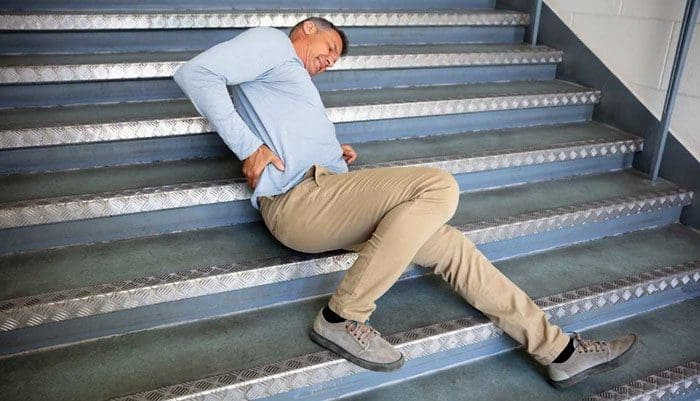
Individuals involved in slip and fall accidents lead to around 9 million emergency room visits a year. Recovering from a severe injury suffered in a slip and fall accident requires extensive medical care and physical rehabilitation. Older adults are susceptible to slip and fall injuries. According to the CDC, falls are the leading cause of nonfatal injuries of older adults and are a common hazard in nursing homes, where between half of the residents fall each year. The most common injuries sustained include:
Cuts and Abrasions
Cuts and abrasions can be minor to severe. Leg and arm abrasions are the most common, followed by wounds to the head and hips. These injuries require superficial treatment and possibly stitches. However, if the impact of the fall is severe, cuts and abrasions can overlap more severe injuries like concussions and broken bones.
Soft Tissue Injuries
Soft tissue injuries often do not get noticed, so individuals don’t realize they have a mild tissue injury until days or weeks after the fall.Soft tissue injuries can range from minor ankle and/or wrist sprains to severe tears in tendons and ligaments.Left untreated, these injuries can lead to chronic pain conditions making the body more vulnerable to further injuries.Even when individuals feel fine after a slip and fall accident, they are recommended to seek medical care or consult an injury specialist as soft tissue injuries don’t often produce immediate symptoms.
Sprains and Strains
A slip and fall accidents often happen as a result of taking an uneven or awkward step. Individuals also often react with their hands in front to try to cushion the fall. Both the awkward step and pushing the hands out can cause the wrist or ankle to tear, causing a sprain or a strain. The ligaments do not circulate a lot of blood, meaning that healing and recovery can take a significant amount of time.
Broken Bones
A fall can result in stressful forces on the bones of the body. In slip and fall accidents, hip, wrist, and ankle fractures are the most common bones that get broken. The older an individual is, the more likely they will break a bone from a slip and fall accident.
Hip Fractures
More than 95% of broken hips are caused by falls, according to the CDC.Hip fractures often require surgery that can include implantation of an artificial hip and hospitalization for about a week, followed by extensive physical therapy and rehabilitation.
Knee Injuries
Knee injuries can result from a slip and fall, especially if the knee gets rotated the wrong way or twisted. Knees are made up of bone and ligaments, meaning it could take a long to heal and recover. Dislocation of the patella is also a possibility that could require knee reconstruction.
Neck and Shoulder Injuries
Shoulder and neck injuries can be the result of landing on the shoulder or neck. They can also occur from overexertion when trying to right oneself during a fall. Neck injuries can range from:
Muscle sprains
Spinal injuries
Paralysis
Shoulder injuries can result in:
Shoulder dislocation
Torn nerves
Collarbone breaks
Even the most minor neck and shoulder injuries can require surgery and rehabilitation.
Back and Spinal Cord Injuries
Severe impact on the body in a slip and fall accident can cause slipped or herniated discs and fractured vertebrae, causing significant pain and limiting mobility. An injury to the spinal cord can lead to temporary paralysis, permanent paralysis, neurologic and sensory impairments. According to the Mayo Clinic, falls cause more than a quarter of spinal cord injuries and the majority of spinal injuries among adults 65 and older.
Traumatic Brain Injuries
Traumatic brain injuries occur when an individual hits their head on a hard surface during a fall. Traumatic brain injuries can range from:
A chiropractor will review imaging scans, medical history, and current symptoms to determine the best form of treatment. Inflammation is common and is the body’s defense to protect the injured area by slowing down the blood flow in that area to allow the body’s internal defenses to repair the injury. Sometimes the body overreacts to the problem and produces far more inflammation than is needed. Depending on the severity of the injury, various massage, manipulation techniques, and tools will be utilized to help the body heal itself.
Body Composition
Recovery and Swelling
Recovery is an essential part of individuals involved in physical training programs and after injury. A significant sign that the body has undergone intense physical exertion and requires recovery is swelling. Swelling occurs for several reasons and is the body’s response to tiny, microscopic muscle tears that arise from intense use. It is possible to see this swelling in body composition results. Recovery is about giving the body a chance to:
Relax
Recuperate
Recover from the swelling to resume normal physical activities.
References
Courtney, T K et al. “Occupational slip, trip, and fall-related injuries–can the contribution of slipperiness be isolated?.” Ergonomics vol. 44,13 (2001): 1118-37. doi:10.1080/00140130110085538
Kannus, Pekka et al. “Prevention of falls and consequent injuries in elderly people.” Lancet (London, England) vol. 366,9500 (2005): 1885-93. doi:10.1016/S0140-6736(05)67604-0
Reuben, David B et al. “The Strategies to Reduce Injuries and Develop Confidence in Elders Intervention: Falls Risk Factor Assessment and Management, Patient Engagement, and Nurse Co-management.” Journal of the American Geriatrics Society vol. 65,12 (2017): 2733-2739. doi:10.1111/jgs.15121
Rosen, Tony et al. “Slipping and tripping: fall injuries in adults associated with rugs and carpets.” Journal of injury & violence research vol. 5,1 (2013): 61-9. doi:10.5249/jivr.v5i1.177
Back pain usually comes from lifting an object the wrong way or awkwardly moving the body, injuring the spinal structures or muscles. However, sometimes it could be signs/symptoms of a more serious medical condition. The back pain could be caused by:
How to know when the root cause of back pain is from something else in the body? There are two types of pain that pain specialists look at. These are visceral pain and somatic pain. Visceral pain comes from damage or injury to the organs or organ tissues. This internal pain can radiate to the spine from conditions like:
Pancreatitis
Ulcerative colitis
Crohn’s disease
Gall stones
Cancers
Kidney pain
Urinary tract infections
Somatic pain is injury or damage to the muscles, skin, and soft tissues. It can be caused by:
Regular wear and tear
Aging
Injury
Sedentary lifestyle
However, visceral pain can cause somatic/bodily pain to flare up. The stress the body is going through because of the medical condition can cause inflammation.
Kidney Infections and Stones
The kidneys are located in the rear of the body toward the middle of the back. The kidneys:
Filter waste products from the body
Regulate bodily fluids
Perform other vital functions.
Kidney infections and kidney stones can easily mimic a sprain or strain in the back. Infections or stones can also present with other symptoms like:
Side and groin pain could accompany the back pain.
The pain does not go away after shifting positions or lying down.
Urinary Tract Infection UTI
Upper urinary tract infections in the kidneys or ureters can cause back pain. Upper UTIs happen when a lower UTI in the bladder or urethra goes unnoticed or does not respond to antibiotic treatment. Infections can occur at any age, with women and older men being more susceptible. The pain usually presents in the lower back and groin area. Other possible symptoms include:
Pain in the back, sides of the lower abdomen between the lower ribs and hips.
Fever
Vomiting
Frequent urination in small amounts
Burning during urination
Strong urge to urinate
Foul-smelling urine
Cloudy urine
Fatigue.
The pain can feel like:
Cramping pain
Pressure
Soreness
Pancreatitis
Pancreatitis is inflammation of the pancreas, the long flat organ located in the upper abdomen behind the stomach. It assists digestion and sugar management. The American Pancreatic Associationreports acute pancreatitis can make individuals feel sick with moderate to severe abdominal pain that can radiate to the back and often worsens after eating. The pain is felt in the upper to middle back. Other possible symptoms include:
Abdominal pain that radiates to the back
Abdominal pain after eating
Fever
Nausea
Vomiting
Tenderness in the abdomen
The pain can feel like a pulled muscle or joint pain that increases and decreases at first and then strengthens after eating or lying down.
Inflammatory Bowel Diseases IBD
Ulcerative colitis and Crohn’s disease are inflammatory bowel diseases not to be confused with irritable bowel syndrome.
Ulcerative colitis affects the colon.
Inflamed intestinal areas characterize Crohn’s disease.
Both can cause spreading back pain.
A study found 25% of individuals with IBD have chronic back pain. Other possible symptoms include:
The pain can feel mild or severe, like a cramp in the lower abdomen around the low back. It can present in cycles as a flare-up, then goes away. It’s essential to read the body’s warning signs and not push through the pain or ignore it. If any back pain goes on for more than a week, consult a doctor or chiropractor for a thorough examination. A pain specialist could be recommended if there is chronic back pain from a severe medical condition. A primary doctor or specialist helps keep the medical condition in check, while a pain specialist and/or chiropractor can alleviate chronic musculoskeletal pain from inflammation, irritation, and overstimulated nerves.
Body Composition
Personalized Lifestyle Medicine
Personalized lifestyle medicine develops customized treatment/health plans to fit the individual. It includes:
Research on how the body works as an integrated system.
Combines new technology approaches in medicine.
The relationship between nutrients and gene expression.
Life and behavioral sciences.
Nutrigenomics testing helps individuals understand the influence of dietary components on their genes, which can help prevent the development of certain chronic diseases.
References
American Pancreatic Association (Pancreapedia). (2015). Pathogenesis and Treatment of Pain in Chronic Pancreatitis. https://pancreapedia.org/reviews/pathogenesis-and-treatment-of-pain-in-chronic-pancreatitis
American College of Rheumatology. (2019). The U.S. Prevalence of Inflammatory Bowel Disease and Associated Axial Pain: Data from the National Health & Nutrition Examination Survey (NHANES). https://acrabstracts.org/abstract/the-us-prevalence-of-inflammatory-bowel-disease-and-associated-axial-pain-data-from-the-national-health-nutrition-examination-survey-nhanes/
IFM's Find A Practitioner tool is the largest referral network in Functional Medicine, created to help patients locate Functional Medicine practitioners anywhere in the world. IFM Certified Practitioners are listed first in the search results, given their extensive education in Functional Medicine