Here, you can find expert advice on coping with spine and back pain, the aftermath of a car accident, and improving your quality of life.
Introduction
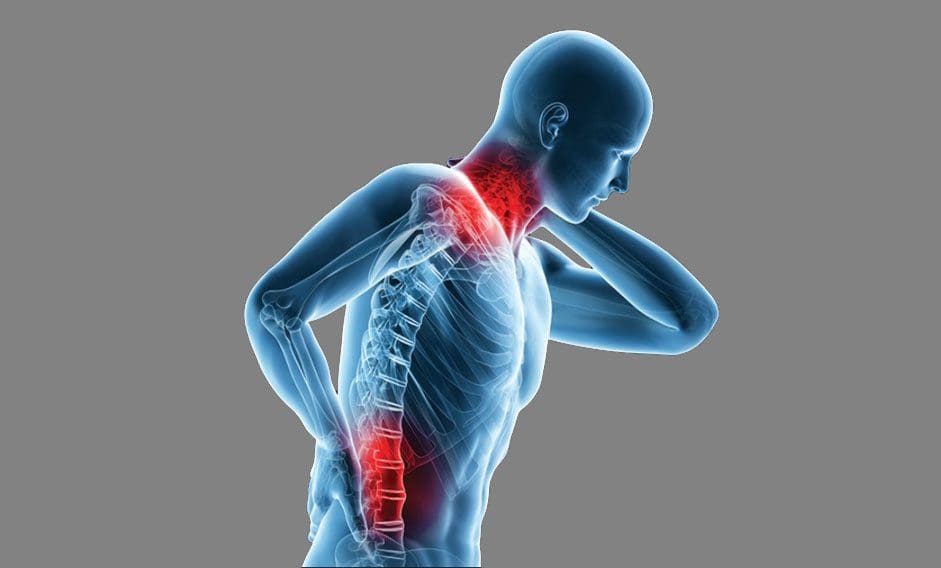
People who have been in an automobile accident, even a little one, may have physical injuries to their back, spine, and upper and lower limbs. Acute or persistent pain may be the consequence of injuries brought on by the abrupt forces involved in a collision. Does stiffness affect your shoulders, back, and neck? Do you have back discomfort that radiates down? Or have you been unable to do your everyday chores due to persistent headaches? Today, we’ll examine and comprehend the reasons behind back and spine discomfort, identify its symptoms, and investigate how people may heal and reclaim their quality of life with the aid of efficient therapies like chiropractic adjustments.
Spine & Back Pain Causes After a Car Accident
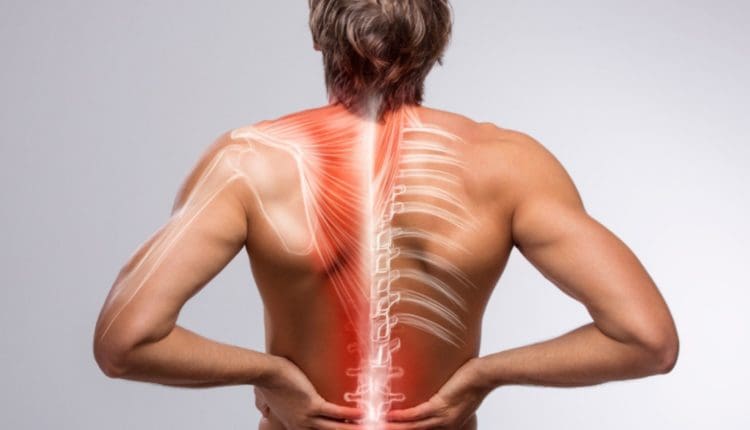
The spine and back are vulnerable during a car accident due to the rapid acceleration, deceleration, and twisting motions that occur. Common causes of pain include:
Whiplash and Soft Tissue Injuries: A person in a rear-end collision will experience a common injury known as whiplash. This musculoskeletal injury occurs when the head and neck are forcefully jerked forward and backward. (Stroke, 2023) This can strain or tear muscle tissue structures in the neck and upper back, leading to the development of pain and stiffness throughout the body.
Herniated Discs: The impact of a car collision can cause the spinal segments to compress or displace the intervertebral discs, causing them to bulge or rupture. This may irritate nearby nerves, compressing them, resulting in back pain-associated numbness or weakness within the upper and lower extremities. (Ge et al., 2019)
Spinal Misalignment: The sudden jolts and movements the body experiences after a car collision can misalign the spinal vertebrae, disrupting the spine’s natural curvature. This can lead to numerous pain-like symptoms, such as muscle spasms, restricted movement, and pain.
Fractures or Dislocations: In severe accidents, the spinal vertebrae may fracture or dislocate, causing intense pain and potential nerve damage. These injuries can negatively influence an individual’s social and financial situation when being treated. (Fakharian et al., 2017)
Facet Joint Injuries: The facet joints, which connect the vertebrae, can become sprained or damaged during a collision, leading to pain.
Symptoms of Spine & Back Pain
Depending on the collision’s severity, the spine and back can develop symptoms depending on the type of injury the person is experiencing. Common signs include:
Localized or Radiating Pain
Stiffness
Muscle Spasms
Numbness or Tingling
Headaches
Fatigue or Weakness
Delayed onset of symptoms is common, with pain or discomfort appearing hours or days after the accident. Seeking prompt medical evaluation is critical to prevent complications.
From Injury to Recovery with Chiropractic Care- Video
The Role Of Chiropractic Care in Treatment
Chiropractic care is a non-surgical treatment option focusing on restoring spinal alignment, improving mobility, and reducing pain within the musculoskeletal system. It is particularly effective for managing spine and back pain caused by car accidents. Key benefits of chiropractic care include:
Spinal Adjustments: Chiropractors use controlled, manual techniques to realign the spine, relieve pressure on the compressed nerves, and restore joint function. This can reduce pain, improve mobility, and restore the normal range of spinal movement. (Choi et al., 2015)
Soft Tissue Therapy: Chiropractors can incorporate massage or myofascial release techniques to help relax the tight muscles, reduce spasms, and promote healing in strained ligaments and tendons.
Pain Management: Since chiropractic care can alleviate pain without reliance on medications, which may have side effects. Chiropractic adjustments and therapies target the root cause of discomfort.
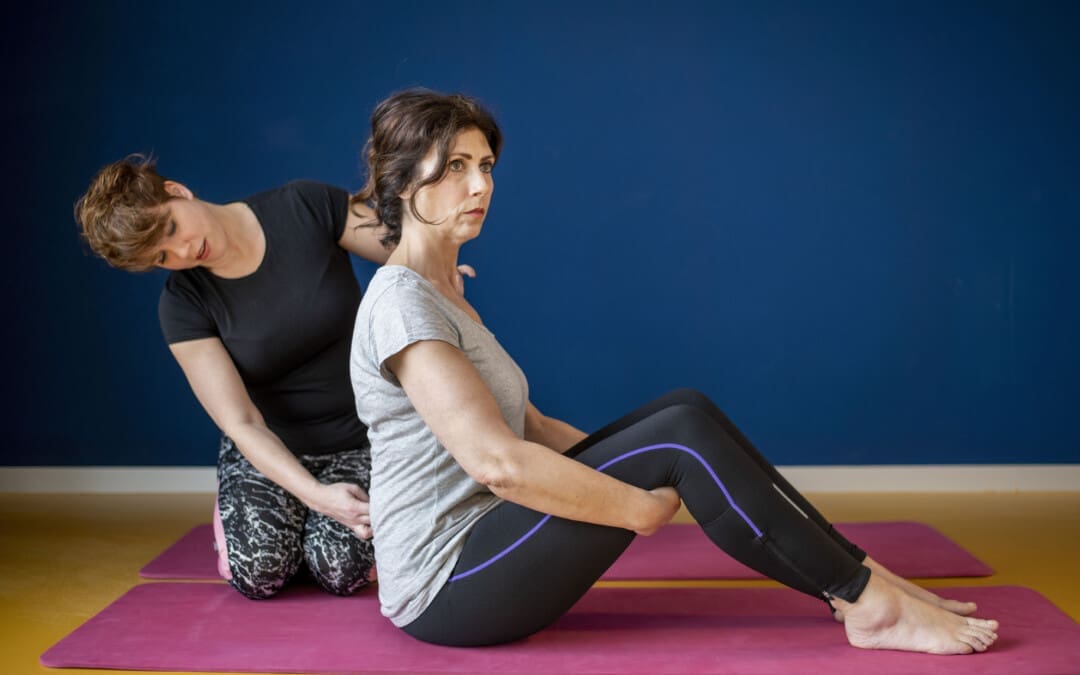
Rehabilitation Support: Chiropractors often provide exercises and stretches as part of the individual’s customized treatment plan to strengthen muscles and prevent future injuries.
Holistic Approach: Chiropractic care emphasizes overall wellness, addressing physical symptoms and lifestyle factors that impact the person’s recovery process.
Chiropractic care is effective for conditions like whiplash, which is associated with neck and lower back pain. Compared to standard medical care, it reduces pain and improves function. (Bryans et al., 2014)
Other Treatment Options
While chiropractic care is highly effective, a comprehensive treatment plan may include:
Physical Therapy: To restore strength and flexibility back to the body while reducing low back and neck pain. (Alrwaily et al., 2019)
Pain Management: Over-the-counter or prescription medications for short-term relief.
Medical Imaging: X-rays, MRIs, or CT scans to diagnose fractures or herniated discs.
Surgery: In rare cases, for severe injuries like spinal fractures or significant disc herniations.
When to Seek Care
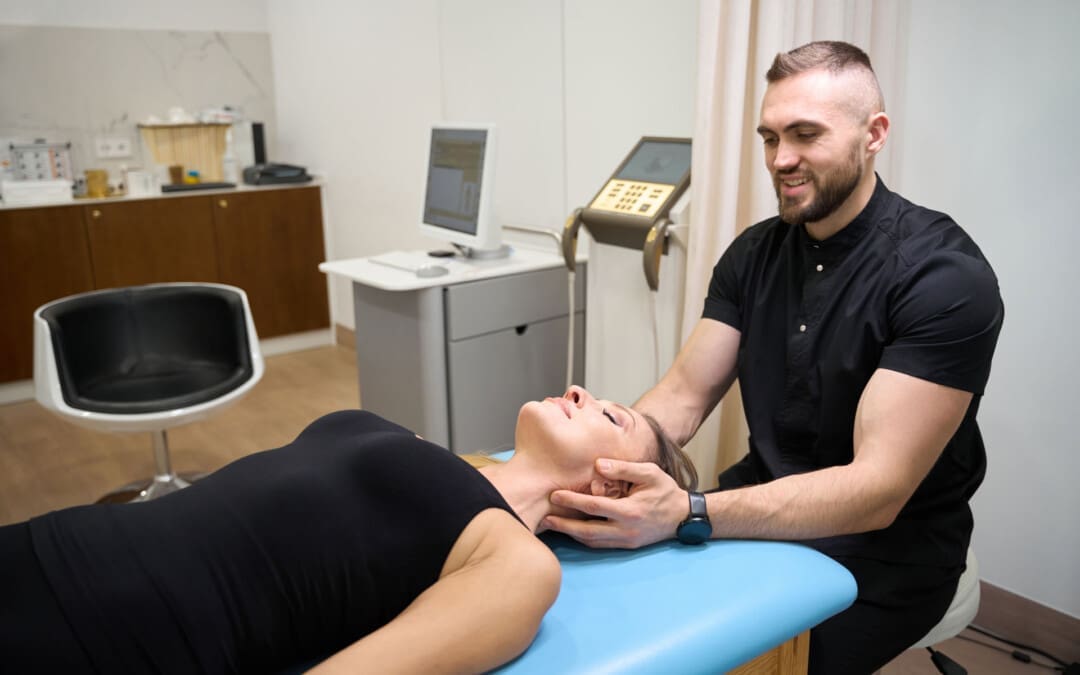
Individuals involved in a car accident must have a prompt evaluation by a healthcare provider, such as a chiropractor or physician. Even if symptoms are mild, this is essential because if the injuries are untreated, they can cause overlapping risk profiles or long-term complications to the body. A chiropractor can assess spinal alignment, recommend a personalized treatment plan, and coordinate with other providers.
Conclusion
Following a vehicle accident, those who have back and spine pain may find that their everyday lives are significantly impacted, but recovery may be aided by prompt action and the right treatment. A safe and efficient method for controlling pain, regaining function, and averting chronic problems is chiropractic therapy. A chiropractor may help people recover from accidents by determining the root causes of pain-like symptoms and promoting general wellbeing.
Injury Medical Chiropractic & Personal Injury Clinic
We associate certified medical providers who understand the importance of assessing individuals with pain-like symptoms affecting their spines and backs. When asking important questions to our associated medical providers, we advise patients to incorporate customized treatment plans for their pain correlated with musculoskeletal issues. Dr. Alex Jimenez, D.C., uses this information as an academic service. Disclaimer
References
Alrwaily, M., Schneider, M., Sowa, G., Timko, M., Whitney, S. L., & Delitto, A. (2019). Stabilization exercises combined with neuromuscular electrical stimulation for patients with chronic low back pain: a randomized controlled trial. Braz J Phys Ther, 23(6), 506-515. https://doi.org/10.1016/j.bjpt.2018.10.003
Bryans, R., Decina, P., Descarreaux, M., Duranleau, M., Marcoux, H., Potter, B., Ruegg, R. P., Shaw, L., Watkin, R., & White, E. (2014). Evidence-based guidelines for the chiropractic treatment of adults with neck pain. J Manipulative Physiol Ther, 37(1), 42-63. https://doi.org/10.1016/j.jmpt.2013.08.010
Choi, J., Lee, S., & Jeon, C. (2015). Effects of flexion-distraction manipulation therapy on pain and disability in patients with lumbar spinal stenosis. J Phys Ther Sci, 27(6), 1937-1939. https://doi.org/10.1589/jpts.27.1937
Fakharian, E., Mohammadzadeh, M., Saberi, H. R., Fazel, M. R., Rejali, M., Akbari, H., Mirzadeh, A. S., & Mohammadzadeh, J. (2017). Spinal injury resulting from car accident: Focus to prevention. Asian J Neurosurg, 12(2), 180-184. https://doi.org/10.4103/1793-5482.152110
Ge, C. Y., Hao, D. J., Yan, L., Shan, L. Q., Zhao, Q. P., He, B. R., & Hui, H. (2019). Intradural Lumbar Disc Herniation: A Case Report and Literature Review. Clin Interv Aging, 14, 2295-2299. https://doi.org/10.2147/CIA.S228717
Find essential information on whiplash, including signs, prevention tips, and recovery strategies for optimal health.
Introduction
An abrupt impact, whether from a vehicle accident, sports injury, or fall, may cause symptoms that start off as a small shock and progress to crippling pain and functional impairment. Whiplash is one such ailment that often lacks recognition due to its intricacy. Although it is often linked to rear-end crashes, whiplash is a complex injury that, if ignored, may have long-term consequences for the musculoskeletal system and cervical spine. Have you had shoulder and neck stiffness before? Do you have persistent, chronic headaches? Or does it seem like your neck’s range of motion is limited? We’ll talk about whiplash’s frequent origins, symptoms, effects on the cervical spine and musculoskeletal system, and evidence-based therapy options to lessen the pain-like symptoms in today’s post.
What Is Whiplash?
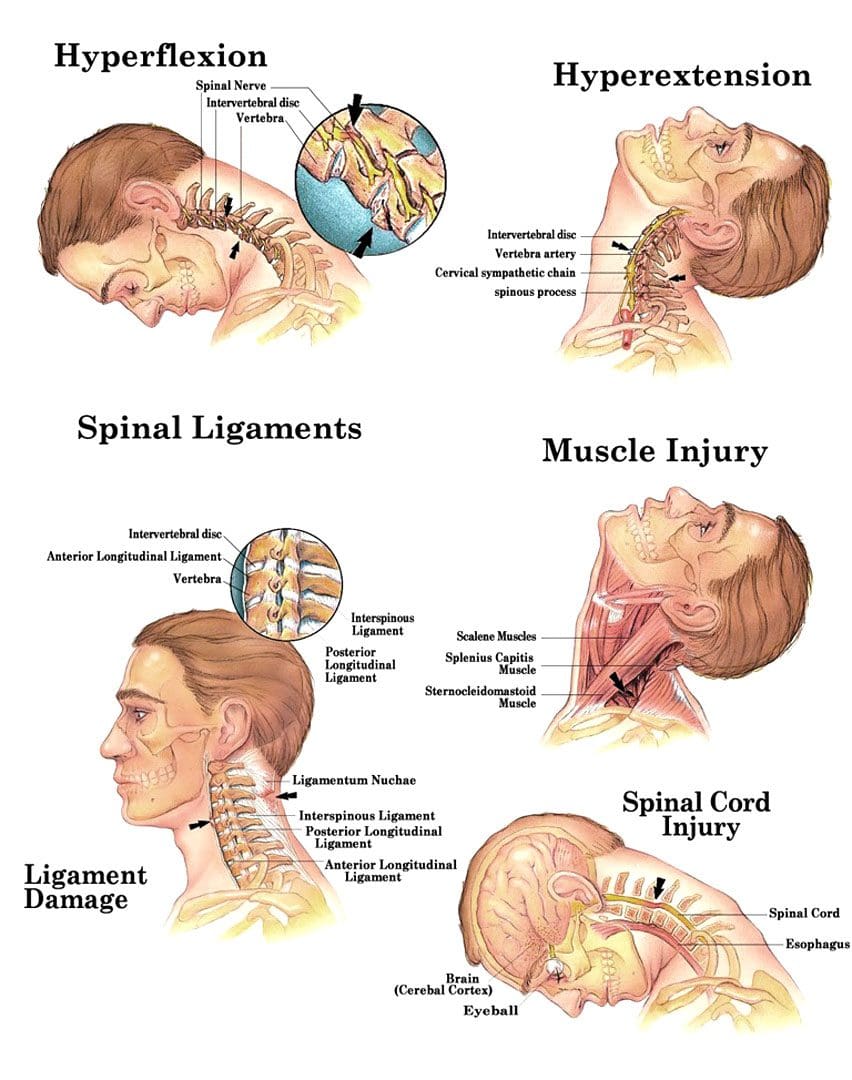
Whiplash is a type of neck injury associated with a rapid back-and-forth head-and-neck motion, mimicking the crack of a whip, hence the name. This causes persistent physical complaints and disability, and complaints when left untreated. (Mayou & Radanov, 1996) Medically, it is categorized under cervical acceleration-deceleration (CAD) injuries. This abrupt motion can damage muscles, ligaments, intervertebral discs, and even the neural structures of the cervical spine.
Common Causes Of Whiplash
While motor vehicle accidents are the most recognized cause, many mechanisms can precipitate a whiplash injury:
Even minor collisions at speeds as low as 5–10 mph can produce enough force to cause whiplash symptoms in vulnerable individuals.
Symptoms of Whiplash
When individuals are experiencing whiplash, the symptoms can appear immediately or may be delayed for 24–72 hours post-injury. Additionally, whiplash injuries are considered soft tissue injuries to the neck with various clinical symptoms that vary in severity and may include: (Chen et al., 2009)
Neck pain and stiffness
Reduced range of motion
Shoulder and upper back pain
Headaches, especially originating at the base of the skull
Jaw pain or temporomandibular joint (TMJ) dysfunction
Dizziness or visual disturbances
Tingling or numbness sensations in the arms (cervical radiculopathy)
Fatigue and cognitive issues (“whiplash-associated disorders” or WAD)
How Whiplash Affects the Cervical Spine and Musculoskeletal System
Whiplash is more than just a soft tissue injury, as it impacts several interconnected systems:
1. Cervical Spine
The rapid motion during a whiplash injury can lead to:
Cervical facet joint irritation
Intervertebral disc compression or herniation
Muscle strain or ligamentous sprain
Altered cervical lordosis, leading to chronic postural imbalances
This causes pain, stiffness, and tenderness in the neck area due to injuries within the bony, muscular, and ligamentous regions. (Alektoroff & Papanagiotou, 2021)
2. Musculoskeletal Dysfunction
Whiplash often initiates a cascade of biomechanical issues:
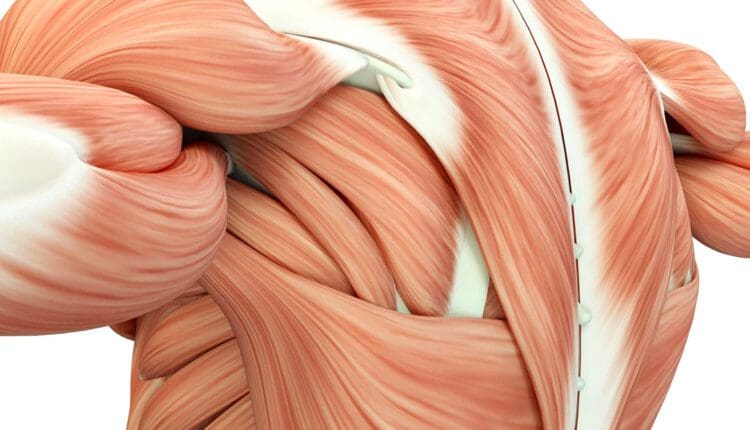
Myofascial pain syndromes, especially in the trapezius, levator scapulae, and sternocleidomastoid muscles
Compensatory thoracic or lumbar strain
Poor proprioception and neuromuscular control
Chronic trigger points and fibrotic tissue development
The longer these musculoskeletal imbalances persist, the more likely they will evolve into chronic pain syndromes and central sensitization.
Why Choose Chiropractic?-Video
Diagnosing Whiplash
Diagnosis is largely clinical, supported by a thorough history and physical exam. Imaging may be required to rule out more severe pathology:
X-rays: To rule out fractures or malalignment
MRI: For soft tissue or disc pathology
CT scans: If fracture or serious trauma is suspected
Functional assessments: Range of motion, palpation, neurologic evaluation
Evidence-Based Treatments for Whiplash
Treatment for whiplash should be multimodal and individualized, focusing on restoring function, reducing inflammation, and promoting healing. (Bussieres et al., 2016)
1. Chiropractic Care
Chiropractic adjustments can offer significant benefits in managing whiplash-associated disorders:
Myofascial release and soft tissue mobilization: Target muscle tension, trigger points, and fascial restrictions.
Postural retraining and ergonomic correction: Essential for long-term resolution.
Additionally, chiropractic patients experienced significant improvements in neck pain and function.
2. Physical Therapy
Individuals dealing with neck pain associated with whiplash can benefit from physical therapy to improve neck pain and disability. (Chrcanovic et al., 2022) Rehabilitative exercises are fundamental:
Neck range-of-motion drills
Isometric strengthening
Scapular stabilization and postural correction
Proprioceptive neuromuscular facilitation (PNF)
3. Functional Medicine Approach
From a functional medicine standpoint, addressing systemic inflammation, nutritional deficiencies, and stress response can enhance recovery:
Magnesium and B-complex supplementation for nerve healing
Sleep optimization and cortisol balance
4. Other Complementary Treatments
Acupuncture: Improves blood flow and pain modulation while alleviating pain and promoting relaxation. (Moon et al., 2014)
Gua Sha or cupping therapy: Relieves muscular tension
Dry needling: Effective for persistent trigger points
Manual lymphatic drainage: For patients experiencing edema or prolonged inflammation
Recovery and Prognosis
With consistent and proper treatment, many individuals recover within a few weeks. However, approximately 30–50% of individuals may develop chronic symptoms if not properly managed early on. Factors predicting prolonged recovery include:
High initial pain intensity
Poor coping mechanisms
History of prior neck injury
Psychosocial stressors
Early intervention using a holistic, integrative care model offers the best outcomes in preventing chronic whiplash-associated disorders.
Final Thoughts
Beyond the common “neck strain” classification, whiplash is a complicated neuromusculoskeletal injury that requires careful consideration by both patients and medical experts. Accurate diagnosis and successful treatment depend on an understanding of the complex effects on the cervical spine, neurology, and musculoskeletal function. Reducing symptoms and improving quality of life may be achieved by combining non-surgical treatments as part of a personalized treatment strategy.
Injury Medical & Personal Injury Clinic
We associate certified medical providers who understand the importance of assessing individuals with whiplash associated with their necks. When asking important questions to our associated medical providers, we advise patients to incorporate customized treatment plans for their pain associated with whiplash. Dr. Alex Jimenez, D.C., uses this information as an academic service. Disclaimer
References
Alektoroff, K., & Papanagiotou, P. (2021). [Whiplash injury of the cervical spine]. Radiologe, 61(8), 710-713. https://doi.org/10.1007/s00117-021-00877-5 (Schleudertrauma der Halswirbelsaule.)
Bussieres, A. E., Stewart, G., Al-Zoubi, F., Decina, P., Descarreaux, M., Hayden, J., Hendrickson, B., Hincapie, C., Page, I., Passmore, S., Srbely, J., Stupar, M., Weisberg, J., & Ornelas, J. (2016). The Treatment of Neck Pain-Associated Disorders and Whiplash-Associated Disorders: A Clinical Practice Guideline. J Manipulative Physiol Ther, 39(8), 523-564 e527. https://doi.org/10.1016/j.jmpt.2016.08.007
Chrcanovic, B., Larsson, J., Malmstrom, E. M., Westergren, H., & Haggman-Henrikson, B. (2022). Exercise therapy for whiplash-associated disorders: a systematic review and meta-analysis. Scand J Pain, 22(2), 232-261. https://doi.org/10.1515/sjpain-2021-0064
Moon, T. W., Posadzki, P., Choi, T. Y., Park, T. Y., Kim, H. J., Lee, M. S., & Ernst, E. (2014). Acupuncture for treating whiplash associated disorder: a systematic review of randomised clinical trials. Evid Based Complement Alternat Med, 2014, 870271. https://doi.org/10.1155/2014/870271
Why do the muscles retighten days or weeks later for individuals who have received massage or chiropractic adjustments?
Muscles Retighten
Muscles can retighten again days or weeks after chiropractic treatment and/or a massage. A few factors may cause this.
Muscle memory: The body’s natural tendency to return to its previous state of tension.
This includes all the unhealthy postures/positioning
Delayed inflammatory response.
The body’s natural healing process
How muscles respond to manipulation
The need for ongoing maintenance of muscle health
After a massage, muscles can experience a temporary increase in soreness or tightness as the body heals from any minor damage or inflammation caused by the massage. Additionally, if the underlying issue causing muscle tightness is not addressed, the muscles may revert to their original state over time. (Cleveland Clinic, 2024)
Causes
Causes for muscles to retighten.
Underlying Issues
If the root cause of the muscle tightness is not addressed, such as unhealthy posture, injuries, repetitive motions, or muscle imbalances, it can lead to further complications.
In that case, the muscles may return to their original state after a few days or weeks.
Delayed Onset Muscle Soreness (DOMS)
For example, muscles feel sore after intense exercise, and individuals can also experience DOMS after a massage, especially if they are particularly tight or if it’s been a while since their last massage. (Healthline, 2020)
Delayed Inflammatory Response
Massage can sometimes cause microscopic tears or inflammation in muscle tissue, which triggers the body’s natural healing process.
This response can cause soreness and temporary tightness, as the body repairs the damaged tissue even after the initial massage. (Essential Chiropractic, 2025)
Muscle Memory
The body tends to revert to habitual patterns of muscle tension, especially if the underlying cause of the tightness isn’t addressed.
Muscles can retain how they were manipulated during the massage and may revert to their original tightness if they haven’t been consistently relaxed.
Muscle Guarding
The individual and body can subconsciously tense muscles to avoid pain or soreness, even after the massage.
This muscle guarding can counteract the benefits of the massage and lead to a renewed cycle of tension. (Bhimani R. H., & Soomar D. 2019)
Muscle Health Maintenance
Regular Maintenance
Muscles need consistent care to maintain their optimal state of health and function.
Regular massages and other lifestyle changes, such as stretching and strengthening exercises, can help maintain muscle flexibility and reduce the likelihood of muscle tightness returning.
Individual Variation
Factors like the type of massage received, the frequency of massages, and individual body responses can all influence how long a massage’s benefits last. (Cleveland Clinic, 2024)
Massage Treatment
Muscles can retighten after a massage due to the body’s response to the pressure and manipulation during the treatment. This can include individual sensitivity to massage, the type of massage, and hydration levels, which can also play a role.
Type of Massage
Deep tissue massage, which focuses on specific muscle groups and applies deeper pressure, may cause more soreness than other types of massage.
Some individuals may be more sensitive to massage and experience soreness, even with a gentle massage. (Cleveland Clinic, 2024)
Muscle Fiber Manipulation
Deep tissue massage can break down spasms or microtears in muscle fibers, leading to soreness.
This is similar to the microscopic tears that occur during exercise, which are necessary for muscle repair and growth.
Dehydration
Individuals who are not adequately hydrated may experience increased soreness after a massage. (Cleveland Clinic, 2024)
Lactic Acid Buildup
During an intense massage, particularly deep tissue, lactic acid can build up in the muscles, leading to soreness and tightness.
If the muscles were particularly tense or knotted before the massage, the manipulation could lead to soreness as the knots get worked out.
Injury Medical Chiropractic and Functional Medicine Clinic
As a Family Practice Nurse Practitioner, Dr. Jimenez combines advanced medical expertise with chiropractic care to address various conditions. Our clinic integrates Functional Medicine, Acupuncture, Electro-Acupuncture, and Sports Medicine to create customized care plans that promote natural healing, mobility, and long-term wellness. By focusing on flexibility, agility, and strength, we empower patients to thrive, regardless of age or health challenges. At El Paso’s Chiropractic Rehabilitation Clinic & Integrated Medicine Center, we passionately focus on treating patients after injuries and chronic pain syndromes. We focus on improving your ability through flexibility, mobility, and agility programs tailored for all age groups and disabilities. We use in-person and virtual health coaching and comprehensive care plans to ensure every patient’s personalized care and wellness outcomes.
Secrets of Optimal Wellness
References
Cleveland Clinic. (2024). How to Relieve Muscle Soreness After a Massage. https://health.clevelandclinic.org/why-does-my-body-feel-worse-after-a-massage
Healthline. (2020). How to Relieve Sore Muscles After a Massage. https://www.healthline.com/health/sore-after-massage#causes-of-soreness
Essential Chiropractic and Physiotherapy. (2025). Muscle Ache After Massage: Common Causes and Relief. https://essentialchiropractic.co.uk/muscle-ache-after-massage-common-causes-and-relief/#:~:text=Post%2Dmassage%20soreness%20is%20a,hours%20as%20the%20muscles%20recover.
Bhimani, R. H., & Soomar, D. (2019). Understanding Symptoms of Muscle Tightness, Weakness, and Rigidity From a Nursing Perspective. Rehabilitation Nursing: The Official Journal of the Association of Rehabilitation Nurses, 44(5), 271–281. https://doi.org/10.1097/rnj.0000000000000151
For individuals dealing with or experiencing muscle pain and stiffness, how long does it take to loosen tight muscles?
Length Of Time to Loosen Tight Muscles
Tight muscles are often caused by overuse or strain, combined with muscle soreness, a common symptom of tight muscles. The soreness peaks around the third day and begins to subside, typically resolving within a few days. But if tightness persists or is accompanied by other symptoms like numbness, inability to move, or swelling, it’s important to consult a medical provider. (Spine Medicine and Surgery of Long Island, 2024) However, it can take much longer for individuals who have never stretched and have had tight muscles for years, depending on the severity, injury history, and underlying causes.
Factors Influencing Timeline
Consistent stretching can take anywhere from a few weeks to a few months to noticeably loosen tight muscles and improve flexibility. The specific time frame depends on factors like the severity of the tightness, underlying causes, and individual consistency with stretching. (Peterson Physical Therapy, 2024)
Severity of Tightness
Muscle knots and significant limitations in range of motion may take longer to resolve than minor stiffness.
Underlying Causes
If tightness is due to a specific injury or condition, addressing that cause is important for lasting and maintaining improvements. (Healthline, 2023)
Individual Factors
Genetics, age, and overall health can influence how quickly muscles adapt to stretching.
Consistency
Regular stretching, ideally daily or several times a week, is essential for feeling progress. (Mayo Clinic, 2023)
Stretching Routine
The length of time can vary based on the starting flexibility level and the specific stretching routine. (Mayo Clinic, 2023) It typically takes several weeks of consistent stretching, at least 3-4 times a week, to notice flexibility improvements. Longer-term changes, beyond the initial feeling of being looser, usually take 8 to 12 weeks.
Longer holds (1-2 minutes) can provide deeper benefits.
Long-term Gains
For substantial and sustained improvements, stretching consistently for several months is recommended. (Mayo Clinic, 2023)
Initial Changes
Individuals may notice small improvements in the first few weeks, especially starting from a more inflexible position.
Influencing Factors and Results
Individual genetics, current flexibility level, and the specific exercises can affect how quickly improvements are seen and felt. (Peterson Physical Therapy, 2024)
What To Expect
Improvements
Within a few weeks, individuals might notice a decrease in the sensation of tightness or increased ease in reaching a stretch. (Peterson Physical Therapy, 2024)
Longer-Term Changes
Significant muscle length and flexibility improvements may take several weeks to months of consistent effort.
Consider professional guidance for specific concerns or limitations. Consult a physical therapist or healthcare provider for personalized recommendations.
The length of time to see results means consistency and patience are important.
Injury Medical Chiropractic and Functional Medicine Clinic
As a Family Practice Nurse Practitioner, Dr. Jimenez combines advanced medical expertise with chiropractic care to address various conditions. Our clinic integrates Functional Medicine, Acupuncture, Electro-Acupuncture, and Sports Medicine to create customized care plans that promote natural healing, mobility, and long-term wellness. By focusing on flexibility, agility, and strength, we empower patients to thrive, regardless of age or health challenges. At El Paso’s Chiropractic Rehabilitation Clinic & Integrated Medicine Center, we passionately focus on treating patients after injuries and chronic pain syndromes. We focus on improving your ability through flexibility, mobility, and agility programs tailored for all age groups and disabilities. We use in-person and virtual health coaching and comprehensive care plans to ensure every patient’s personalized care and wellness outcomes.
Understanding Long-Lasting Injuries
References
Spine Medicine and Surgery of Long Island. (2024). How Long Do Muscle Knots Last? Spine Medicine and Surgery of Long Island. https://www.spinemedli.com/how-long-do-muscle-knots-last/#:~:text=The%20duration%20of%20a%20muscle,chronic%20pain%20if%20left%20untreated.
Peterson Physical Therapy. (2024). How Long Does It Take to Improve Flexibility? https://petersenpt.com/how-long-does-it-take-to-improve-flexibility#:~:text=Over%20the%20years%2C%20I’ve,takes%20to%20become%20more%20flexible.
Healthline. (2023). Everything You Need to Know About Muscle Stiffness. https://www.healthline.com/health/muscle-stiffness
Mayo Clinic. (2023). Stretching: Focus On Flexibility. https://www.mayoclinic.org/healthy-lifestyle/fitness/in-depth/stretching/art-20047931#:~:text=Stretch%20in%20a%20smooth%20movement,hold%20for%20around%2060%20seconds.
Harvard Health Publishing. (2022). Everyday Stretching. https://www.health.harvard.edu/everyday-stretching#:~:text=A%20daily%20regimen%20will%20deliver,or%20three%20times%20a%20week.
Learn about the relationship between migraines associated with neck pain and how to alleviate discomfort through various techniques.
Introduction
Having a busy day with routine may lead to a number of problems, including headaches, stress, and physical exhaustion in the many parts of the body, including the skeletal system, muscles, and organs. The combination of pain and discomfort may result in overlapping risk profiles linked to long-term problems. Do you, for instance, get headaches that throb in different parts of your brain all the time, making it hard to focus on your task? Does moving your shoulders or neck provide momentary relief from stiffness? Or do you need a dark, quiet environment to feel better because you have sensitive light or sound issues? Many people who have neck discomfort and headaches may also be suffering from migraines that affect their lifestyles. In this post, we’ll examine the relationship between migraines and neck pain, the relationship between migraines and fibromyalgia, and holistic approaches to migraine symptom management.
The Migraine & Neck Connection
When it comes to headaches and migraines, many people will begin to feel tension in their heads from various areas and notice that their neck is stiff. This unilateral pain usually starts in the neck and then is accompanied by a reduced range of motion called a cervicogenic headache that can be confused with a migraine. (Al Khalili et al., 2025) Migraines are often a full-body experience with numerous symptoms that can make anybody’s daily life feel unmanageable. This is because the extra-cranial autonomic nervous system activates the trigeminal autonomic reflex, which is a physiological response that follows harmful stimuli that cause migraines to develop. (Vicente et al., 2023) Additionally, migraines can cause the individual to develop increased pain sensitivity and cervical musculoskeletal impairments like neck pain correlating with environmental factors that lead to its development. (Di Antonio et al., 2023) Many environmental factors can trigger migraines associated with neck pain, including:
Poor posture
Cervical spine misalignment
Muscle tension from stress or overuse
TMJ dysfunction
Inadequate sleep
How Fibromyalgia Connects With Migraines
Now, how would fibromyalgia be correlated with migraines for individuals? Since this link is a bit complex, both fibromyalgia and migraines are due to mitochondrial dysfunction that causes the body not to function properly. Fibromyalgia is a condition that causes the central nervous system to be affected chronically and is frequently present with other chronic pain syndromes like migraines. (Janssen et al., 2021) Fibromyalgia is often characterized by widespread pain and heightened pain sensitivity from central sensitization, causing the central nervous system to become hyperresponsive. Migraines are familial, episodic, and complex sensory processing disturbances associated with various symptoms mimicking fibromyalgia. (Aguilar-Shea et al., 2022) However, many individuals with fibromyalgia can experience the following symptoms:
Intense and frequent migraines
Musculoskeletal tenderness in the neck and upper back
Amplified severity and frequency of migraine attacks
When this happens, many people who are dealing with migraines associated with fibromyalgia will seek essential integrative treatments to manage the symptoms and find relief.
Tension Headaches Explained- Video
Holistic & Functional To Reduce Migraine Symptoms
When it comes to looking for treatments that can help reduce migraine symptoms, a holistic functional treatment approach is often the best approach. By incorporating this approach, many healthcare professionals can look beyond and understand the root causes of migraines. Many migraine treatments are cost-effective and non-surgical and can help reduce the pain-like symptoms associated with migraines and help restore neck functionality.
Chiropractic Care & Manual Therapies
When the body is dealing with misalignment from the cervical area of the spine, neck pain and migraines can develop. Many individuals take chiropractic care to help with cervical mobilization and suboccipital release, which reduces tension in the muscles while increasing the range of motion in the neck. Chiropractors utilize manual and mechanical manipulation to help realign the spine and help stretch and strengthen weak muscles. Chiropractors also incorporate myofascial release and MET maneuvers to help release tension and reduce inflammation affecting the body’s soft tissue, especially within the muscles and fasciae, by allowing contraction and relaxation methods to improve somatic dysfunction within the cervical spinal area. (Jara Silva et al., 2022) Additionally, cervical spinal manipulation can be effective by reducing the pain intensity of migraines and improving the symptomatic days when individuals are experiencing migraine associated with neck pain. (Mayo & Keating, 2023)
Postural & Ergonomic Interventions
Many individuals don’t realize that some of the sources that cause their neck pain could be due to everyday motions that can lead to poor posture. Being hunched from looking down at their phones or leaning forward to look at the computer can strain the neck muscles, thus compressing the cervical nerves, leading to migraines and headaches. Incorporating craniocervical exercises can provide beneficial results for individuals with migraines correlated with neck pain, therefore reducing the frequency and improving disability that is affecting the body. (de Almeida Tolentino et al., 2021) When people start doing postural retraining and neck mobility exercises as part of their daily routine, they reduce the chances of migraines returning.
Anti-Inflammatory & Nutritional Support
Migraines can be triggered or worsened by inflammation and blood sugar instability through improper dieting. When it comes to dieting, many individuals can often see that certain foods can trigger different reactions in the body. Certain foods can trigger migraines to develop; however, by figuring out which food causes the triggers that lead to the migraine to establish, many individuals can make various changes in what they eat. Many people are encouraged to try the elimination diet to identify the food trigger causing the migraines and avoid it. (Gazerani, 2020) Hence why, incorporating foods rich in omega-3s can help not only reduce migraine headaches but also reduce chronic inflammation that is affecting the body.
Additionally, many individuals can incorporate magnesium supplements, which can help decrease migraine attacks by altering the neurotransmitter secretion in the central nervous system (Shin et al., 2020). This can help many individuals feel better over time.
Final Thoughts
There is a common route between migraines and neck pain when determining the relationship between the two conditions. Many people might have a personalized treatment strategy to control migraine symptoms and regain neck mobility by comprehending this overlapping link. The objective is to provide patients with resources that will lessen the frequency and intensity of migraines, increase energy, and enhance their quality of life, whether this is accomplished by physical treatments, dietary assistance, or lifestyle modifications.
Injury Medical & Functional Medicine Clinic
We associate with certified medical providers who understand the importance of assessing individuals dealing with neck pain associated with migraines. When asking important questions to our associated medical providers, we advise patients to incorporate numerous techniques to reduce migraines from reappearing and causing neck pain. Dr. Alex Jimenez, D.C., uses this information as an academic service. Disclaimer.
References
Aguilar-Shea, A. L., Membrilla Md, J. A., & Diaz-de-Teran, J. (2022). Migraine review for general practice. Aten Primaria, 54(2), 102208. https://doi.org/10.1016/j.aprim.2021.102208
de Almeida Tolentino, G., Lima Florencio, L., Ferreira Pinheiro, C., Dach, F., Fernandez-de-Las-Penas, C., & Bevilaqua-Grossi, D. (2021). Effects of combining manual therapy, neck muscle exercises, and therapeutic pain neuroscience education in patients with migraine: a study protocol for a randomized clinical trial. BMC Neurol, 21(1), 249. https://doi.org/10.1186/s12883-021-02290-w
Di Antonio, S., Arendt-Nielsen, L., & Castaldo, M. (2023). Cervical musculoskeletal impairments and pain sensitivity in migraine patients. Musculoskelet Sci Pract, 66, 102817. https://doi.org/10.1016/j.msksp.2023.102817
Janssen, L. P., Medeiros, L. F., Souza, A., & Silva, J. D. (2021). Fibromyalgia: A Review of Related Polymorphisms and Clinical Relevance. An Acad Bras Cienc, 93(suppl 4), e20210618. https://doi.org/10.1590/0001-3765202120210618
Jara Silva, C. E., Joseph, A. M., Khatib, M., Knafo, J., Karas, M., Krupa, K., Rivera, B., Macia, A., Madhu, B., McMillan, M., Burtch, J., Quinonez, J., Albert, T., & Khanna, D. (2022). Osteopathic Manipulative Treatment and the Management of Headaches: A Scoping Review. Cureus, 14(8), e27830. https://doi.org/10.7759/cureus.27830
Mayo, Z., & Keating, C. (2023). Manual Therapy and Exercise for the Management of Chronic Neck Pain With Multiple Neurovascular Comorbidities: A Case Report. Cureus, 15(3), e36961. https://doi.org/10.7759/cureus.36961
Vicente, B. N., Oliveira, R., Martins, I. P., & Gil-Gouveia, R. (2023). Cranial Autonomic Symptoms and Neck Pain in Differential Diagnosis of Migraine. Diagnostics (Basel), 13(4). https://doi.org/10.3390/diagnostics13040590
Experience the powerful properties of moringa. Understand its health benefits and how it can support a healthier lifestyle.
Introduction
How often do you experience joint pain after doing daily tasks? Do you find that the upper and lower body extremities are hot and sensitive to the touch? Or do you wake up with widespread joint and muscle discomfort that goes away over the day? Inflammatory effects might result from overlapping pain feelings that are caused by inflammation in certain bodily joints. When this occurs, a lot of folks start searching for strategies to lessen joint inflammation. To lessen joint inflammation, many patients choose holistic therapies that include vitamins, herbal supplements, and nutraceuticals. Moringa is one of the supplements we will examine.
Moringa: The Nutritional Powerhouse
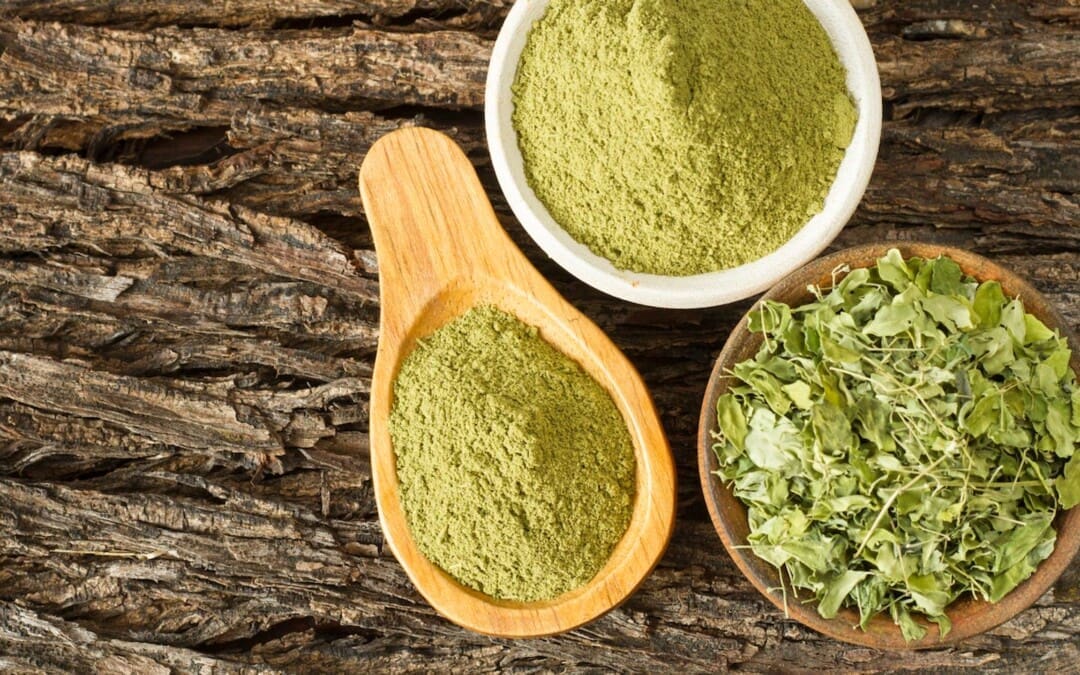
The “Miracle Tree,” or moringa, is a plant that is indigenous to many regions of Africa and Asia and has strong nutritional and therapeutic qualities. This nutrient-dense superfood is a multifunctional plant with a wide range of nutritional and medicinal benefits. (Arora and Arora, 2021) Numerous vital vitamins, minerals, antioxidants, and bioactive substances found in moringa plants support general health. To demonstrate the nutritional value of moringa oleifera, one gram of dried moringa leaves contains:
9 grams of protein.
Vitamin C: 51.7 milligrams
378 mcg of Vitamin
185 mg of calcium; 337 mg of potassium; 4 mg of iron; and 147 mg of magnesium
Two grams of fiber
Additionally, moringa’s inherent capacity to reduce inflammation and ease joint pain brought on by arthritis and other joint disorders is among its most advantageous qualities for a large number of people.
A Natural Remedy For Inflammation
The body’s normal reaction to diseases, traumas, and long-term joint disorders like arthritis is inflammation. Depending on how severe the damaged region is, a person may have either acute or chronic inflammation. In contrast to chronic inflammation, which may result in overlapping risk profiles and cause tissue damage and long-term discomfort, acute inflammation causes redness and heat to radiate from the afflicted location. When this occurs, moringa’s anti-inflammatory properties may aid in the natural reduction of joint inflammation.
How Moringa Helps Fight Inflammation
Moringa has numerous beneficial properties to reduce the impact of inflammation; it includes:
Antioxidant Riched
Strong antioxidants found in moringa neutralize dangerous oxidants brought on by inflammation and oxidative stress while also inhibiting the pro-inflammatory enzymes quercetin and kaempferol. (Chis and others, 2023) By neutralizing free radicals, moringa’s antioxidant properties help reduce the harm they cause. (Jimenez-Vergara et al., 2017)
Contains Natural Anti-Inflammatory Compounds
Moringa has strong antioxidants that neutralize dangerous oxidants brought on by inflammation and oxidative stress while blocking the pro-inflammatory enzymes quercetin and kaempferol. (Chis and others, 2023) Moringa’s antioxidant properties may neutralize free radicals and reduce their harmful effects. In 2017, Vergara-Jimenez et al.
Supports Immune Function
Many individuals are unaware that immune system failure is often associated with chronic inflammation, and that moringa may enhance immunological function. By causing a mild inflammatory phase to aid in healing, moringa consumption may reduce chemical and physical irritants as well as immunological problems. (Xiao and others, 2020) Moringa also contains significant levels of beta-carotene, vitamin A, and vitamin C, which enhance the immune system and support and control a healthy inflammatory response.
Unlocking The Secrets Of Inflammation-Video
Moringa for Joint Pain & Arthritis
Moringa may be a natural remedy for joint pain, whether from rheumatoid arthritis or osteoarthritis, without the typical negative effects of prescription drugs. This is because as the body ages, the joints may get smaller, resulting in inflammation-related pain that eventually leads to malalignment. (Gessl and others, 2021)
Reduces Joint Swelling
The anti-inflammatory properties that moringa has can help decrease joint swelling and reduce stiffness and pain. At the same time, the anti-inflammatory properties of moringa can help improve skeletal muscle dysfunction associated with joint swelling by reducing the pro-inflammatory cytokines. (Sailaja et al., 2022)
Prevents Cartilage Breakdown
The antioxidants in moringa help protect against cartilage degradation, which is a major cause of joint pain.
Improves Joint Mobility & Flexibility
Many people found that incorporating and regularly consuming moringa can help reduce joint pain and stiffness while improving mobility and flexibility in the upper and lower extremities.
Incorporating Moringa Into Your Diet
Many people who are thinking about their health and wellness can make small changes to their daily routine, especially regarding their eating habits. Since food and nutrition are crucial to developing and maintaining a healthy lifestyle, adding moringa into a person’s daily routine can do that. (Bibi et al., 2024) There are several ways to enjoy moringa’s benefits:
1. Moringa Powder
– Adding 1-2 teaspoons of moringa powder to smoothies, soups, or teas can provide an extra nutritional boost to the body.
2. Moringa Capsules
– For individuals with a busy, hectic lifestyle, consuming moringa capsules daily can help many people incorporate taking supplements as a daily habit.
3. Moringa Tea
– For those individuals who enjoy a warm cup of tea, seeping moringa leaves for three to five minutes in hot water can create a soothing anti-inflammatory tea.
4. Moringa Oil (Ben Oil)
– Individuals dealing with joint pain can apply moringa oil to their joints for additional pain relief.
Final Thoughts
Moringa is a powerful superfood with anti-inflammatory and joint pain-relieving properties that can be incorporated into a healthy diet. Due to its essential nutrients, antioxidants, and bioactive compounds can be a natural alternative for individuals seeking relief from arthritis and chronic inflammation. Incorporating moringa as part of a healthy dietary habit can improve individuals’ health and joint mobility.
Injury Medical & Functional Medicine Clinic
We associate with certified medical providers who understand the importance of the various effects of incorporating moringa to reduce the inflammatory effects that are causing joint pain. When asking important questions to our associated medical providers, we advise patients to implement small changes to their daily routine, like incorporating anti-inflammatory foods into their diets to reduce the effects of joint inflammation and restore mobility. Dr. Alex Jimenez, D.C., utilizes this information as an academic service. Disclaimer.
References
Arora, S., & Arora, S. (2021). Nutritional significance and therapeutic potential of Moringa oleifera: The wonder plant. J Food Biochem, 45(10), e13933. https://doi.org/10.1111/jfbc.13933
Bibi, N., Rahman, N., Ali, M. Q., Ahmad, N., & Sarwar, F. (2024). Nutritional value and therapeutic potential of Moringa oleifera: a short overview of current research. Nat Prod Res, 38(23), 4261-4279. https://doi.org/10.1080/14786419.2023.2284862
Chis, A., Noubissi, P. A., Pop, O. L., Muresan, C. I., Fokam Tagne, M. A., Kamgang, R., Fodor, A., Sitar-Taut, A. V., Cozma, A., Orasan, O. H., Heghes, S. C., Vulturar, R., & Suharoschi, R. (2023). Bioactive Compounds in Moringa oleifera: Mechanisms of Action, Focus on Their Anti-Inflammatory Properties. Plants (Basel), 13(1). https://doi.org/10.3390/plants13010020
Cuellar-Nunez, M. L., Gonzalez de Mejia, E., & Loarca-Pina, G. (2021). Moringa oleifera leaves alleviated inflammation through downregulation of IL-2, IL-6, and TNF-alpha in a colitis-associated colorectal cancer model. Food Res Int, 144, 110318. https://doi.org/10.1016/j.foodres.2021.110318
Gessl, I., Popescu, M., Schimpl, V., Supp, G., Deimel, T., Durechova, M., Hucke, M., Loiskandl, M., Studenic, P., Zauner, M., Smolen, J. S., Aletaha, D., & Mandl, P. (2021). Role of joint damage, malalignment and inflammation in articular tenderness in rheumatoid arthritis, psoriatic arthritis and osteoarthritis. Ann Rheum Dis, 80(7), 884-890. https://doi.org/10.1136/annrheumdis-2020-218744
Sailaja, B. S., Hassan, S., Cohen, E., Tmenova, I., Farias-Pereira, R., Verzi, M. P., & Raskin, I. (2022). Moringa isothiocyanate-1 inhibits LPS-induced inflammation in mouse myoblasts and skeletal muscle. PLOS ONE, 17(12), e0279370. https://doi.org/10.1371/journal.pone.0279370
Vergara-Jimenez, M., Almatrafi, M. M., & Fernandez, M. L. (2017). Bioactive Components in Moringa Oleifera Leaves Protect against Chronic Disease. Antioxidants (Basel), 6(4). https://doi.org/10.3390/antiox6040091
Xiao, X., Wang, J., Meng, C., Liang, W., Wang, T., Zhou, B., Wang, Y., Luo, X., Gao, L., & Zhang, L. (2020). Moringa oleifera Lam and its Therapeutic Effects in Immune Disorders. Front Pharmacol, 11, 566783. https://doi.org/10.3389/fphar.2020.566783
Looking for GI disorder treatment? Learn about the latest strategies and methods to manage your condition effectively.
What Are GI Disorders?
How often does a huge lunch leave you feeling bloated? Have you ever had gastrointestinal inflammation or constipation? Or do you have muscles and joints that are stiff? Environmental variables may disrupt the gastrointestinal system and produce several overlapping risk profiles in the body by extending their effect onto the musculoskeletal system. This can result in pain-like sensations that often resemble musculoskeletal illnesses, although many individuals are unaware of this. Depending on their severity, gastrointestinal (GI) problems are often frequent and may be difficult to treat, with major medical and social repercussions. In 2018, Malone et al. Gastric reflux disease (GERD), small intestinal bacterial overgrowth (SIBO), and irritable bowel syndrome (IBS) are a few prevalent GI disorders. In the musculoskeletal system, GI issues may be a contributing factor to persistent discomfort, inflexible joints, and muscular dysfunction. Understanding the relationship between the stomach and the musculoskeletal system helps many people find practical, non-surgical solutions that may alleviate pain and enhance their quality of life.
How GI Disorders Affect The Gut & Musculoskeletal System
Many individuals question how environmental variables might impact their muscles and intestines, and they play a significant role in the development of GI illnesses. One environmental component that might have an impact on the muscles and intestines is stress. A person’s physical and mental health may be impacted by stress, which can alter how the gut bacteria react and result in gastrointestinal diseases. In 2011, Konturek et al.
Inflammation & Systemic Effects
When GI illnesses begin to impact the body, they lead to inflammation and adhere to the afflicted region, resulting in problems with the stomach. When the gut system is affected by inflammation, it may cause low-grade inflammation, compromise the integrity of the gut barrier, and interfere with normal food and nutrient digestion. In 2024, Cassini et al. This may result in inflammatory chronic gastrointestinal disorders such as ulcerative colitis or Crohn’s disease. This may then cause cytokines and inflammatory mediators to be released into the bloodstream, which can lead to systemic inflammation in the musculoskeletal system, resulting in symptoms including tiredness, joint stiffness, and muscle soreness.
Nutrient Malabsorption & Deficiencies
Chronic diarrhea, IBD, and celiac disease may all affect how nutrients are absorbed, resulting in vitamin and mineral deficiencies that can cause joint pain, weakness, and cramping in the muscles that are often confused with fibromyalgia or arthritis.
Gut Dysbiosis & The Nervous System
The neurological system and the digestive system, often referred to as the “second brain,” have a special interaction. Dysbiosis, or an imbalance in gut bacteria, may lead to the development of a leaky gut since the gut contains trillions of bacteria and aids in the transportation of nutrients from meals to other bodies. Toxins may enter the circulation and set off the immune system as a result. This results in systemic inflammation and musculoskeletal pain, which impacts the quality of life and pain of the musculoskeletal system from the stomach. (Casini and others, 2024) In addition, the gut-brain axis regulates muscular contraction and pain perception.
Visceral-Somatic Reflexes & Referred Pain
Referred pain patterns, in which the musculoskeletal system experiences visceral discomfort, may be caused by GI problems. Visceral pain hypersensitivity manifests as persistent stomach pain or discomfort (Farmer & Aziz, 2009). For instance, IBS might result in lower back and pelvic pain because of visceral-somatic responses, but GERD can produce chest and upper back pain.
Fighting Inflammation Naturally: Video
Functional & Nonsurgical Approaches To Reduce GI Pain
The following non-surgical, evidence-based methods may be used to treat musculoskeletal and intestinal discomfort:
Dietary Modifications
A nutritious diet is a good place to start when making little adjustments to enhance gut health. A balanced diet may help the body develop, mend, and produce energy. It can also influence and control a number of vital bodily processes, including hormones in the gastrointestinal tract. El-Salhy, 2019. By avoiding trigger meals that result in overlapping pain sensations, including foods high in omega-3s and polyphenols may help lessen the inflammatory effects from the stomach. GI issues may be treated using the following diets:
Elimination and Anti-Inflammatory Diet
Diet of FODMAP.
Pro-& Prebiotics
Probiotics and prebiotics may aid in the restoration and balancing of the gut flora in terms of gut health. Prebiotics use foods high in fiber to nourish the good bacteria in the stomach and promote gut health, while probiotics include good bacteria that help balance the gut microbiota and lower inflammation. By combining these two, intestinal inflammation may be avoided by reestablishing the dynamic equilibrium between the host defense systems and microbiota in the intestinal mucosa. (Dhaneshwar & Roy, 2023)
Stress Management
Reducing environmental stresses that lead to gastrointestinal illnesses and musculoskeletal discomfort also helps the body relax and ease tight muscles. Among the methods individuals may use are:
Meditation and Mindfulness: Progressive muscular relaxation, yoga, and deep breathing may all help people feel less discomfort and less sensitive to their stomachs.
Cognitive behavioral therapy, or CBT, may help enhance pain tolerance and manage GI symptoms brought on by stress.
Manual Therapies
GI conditions linked to musculoskeletal discomfort may be reduced using manual therapy. In order to assist strengthen and stretch weak muscle groups and lessen the body’s inflammatory effects, massage therapists, physical therapists, and chiropractors may use a variety of treatments. Among these treatments are:
Osteopathic Manipulative Therapy (OMT): Enhances gastrointestinal motility and relieves referred pain.
Visceral manipulation is a manual treatment that eases musculoskeletal tension and improves digestion by releasing abdominal limitations.
Massage therapy may ease back and abdominal muscular tension and lessen gastrointestinal symptoms associated with stress.
Acupuncture
By activating the autonomic nervous system, acupuncture has been shown to enhance stomach motility and lessen discomfort associated with IBS. To alleviate a patient, acupuncturists insert tiny, thin needles into different bodily acupoints. Neuromodulation, intestinal barrier restoration, and gut microbiota adjustment are all part of acupuncture. (Li and others, 2023)
Conclusion
The musculoskeletal system and gastrointestinal illnesses interact in a unique way because their risk profiles overlap and correlate. Treatments to lessen GI issues may be more successful when this relationship is understood. Functional, non-surgical methods including movement-based treatments, manual therapies, stress management, gut microbiota maintenance, and dietary modifications may provide comprehensive relief from GI-related musculoskeletal pain. These little adjustments to a person’s daily schedule, such as regular exercise or a balanced diet, may help address the underlying cause of dysfunction and provide long-lasting relief and enhanced wellbeing.
Injury Medical & Functional Medicine Clinic
We associate with certified medical providers who understand the importance of the effects of GI disorders on not only the gut system but also the musculoskeletal system. While asking important questions to our associated medical providers, we advise patients to implement small changes like physical activities and small dietary changes to their diet to reduce the chances of GI disorders from returning. Dr. Alex Jimenez, D.C., envisions this information as an academic service. Disclaimer.
References
Casini, I., Massai, L., Solomita, E., Ortenzi, K., Pieretti, S., & Aloisi, A. M. (2024). Gastrointestinal Conditions Affect Chronic Pain and Quality of Life in Women. Int J Environ Res Public Health, 21(11). https://doi.org/10.3390/ijerph21111435
El-Salhy, M. (2019). Nutritional Management of Gastrointestinal Diseases and Disorders. Nutrients, 11(12). https://doi.org/10.3390/nu11123013
Farmer, A. D., & Aziz, Q. (2009). Visceral pain hypersensitivity in functional gastrointestinal disorders. Br Med Bull, 91, 123-136. https://doi.org/10.1093/bmb/ldp026
Konturek, P. C., Brzozowski, T., & Konturek, S. J. (2011). Stress and the gut: pathophysiology, clinical consequences, diagnostic approach and treatment options. J Physiol Pharmacol, 62(6), 591-599. https://www.ncbi.nlm.nih.gov/pubmed/22314561
Li, X., Liu, S., Liu, H., & Zhu, J. J. (2023). Acupuncture for gastrointestinal diseases. Anat Rec (Hoboken), 306(12), 2997-3005. https://doi.org/10.1002/ar.24871
Malone, M., Waheed, A., & Samiullah, S. (2018). Functional Gastrointestinal Disorders: Functional Lower Gastrointestinal Disorders in Adults. FP Essent, 466, 21-28. https://www.ncbi.nlm.nih.gov/pubmed/29528206
Roy, S., & Dhaneshwar, S. (2023). Role of prebiotics, probiotics, and synbiotics in management of inflammatory bowel disease: Current perspectives. World J Gastroenterol, 29(14), 2078-2100. https://doi.org/10.3748/wjg.v29.i14.2078
IFM's Find A Practitioner tool is the largest referral network in Functional Medicine, created to help patients locate Functional Medicine practitioners anywhere in the world. IFM Certified Practitioners are listed first in the search results, given their extensive education in Functional Medicine



 Common Causes Of Whiplash