Manage whiplash effectively at work with the right approaches. Gain knowledge on recovery techniques and symptom management.
Whiplash Recovery and Returning to Work After Motor Vehicle Accidents
Introduction to Motor Vehicle Accidents and Whiplash
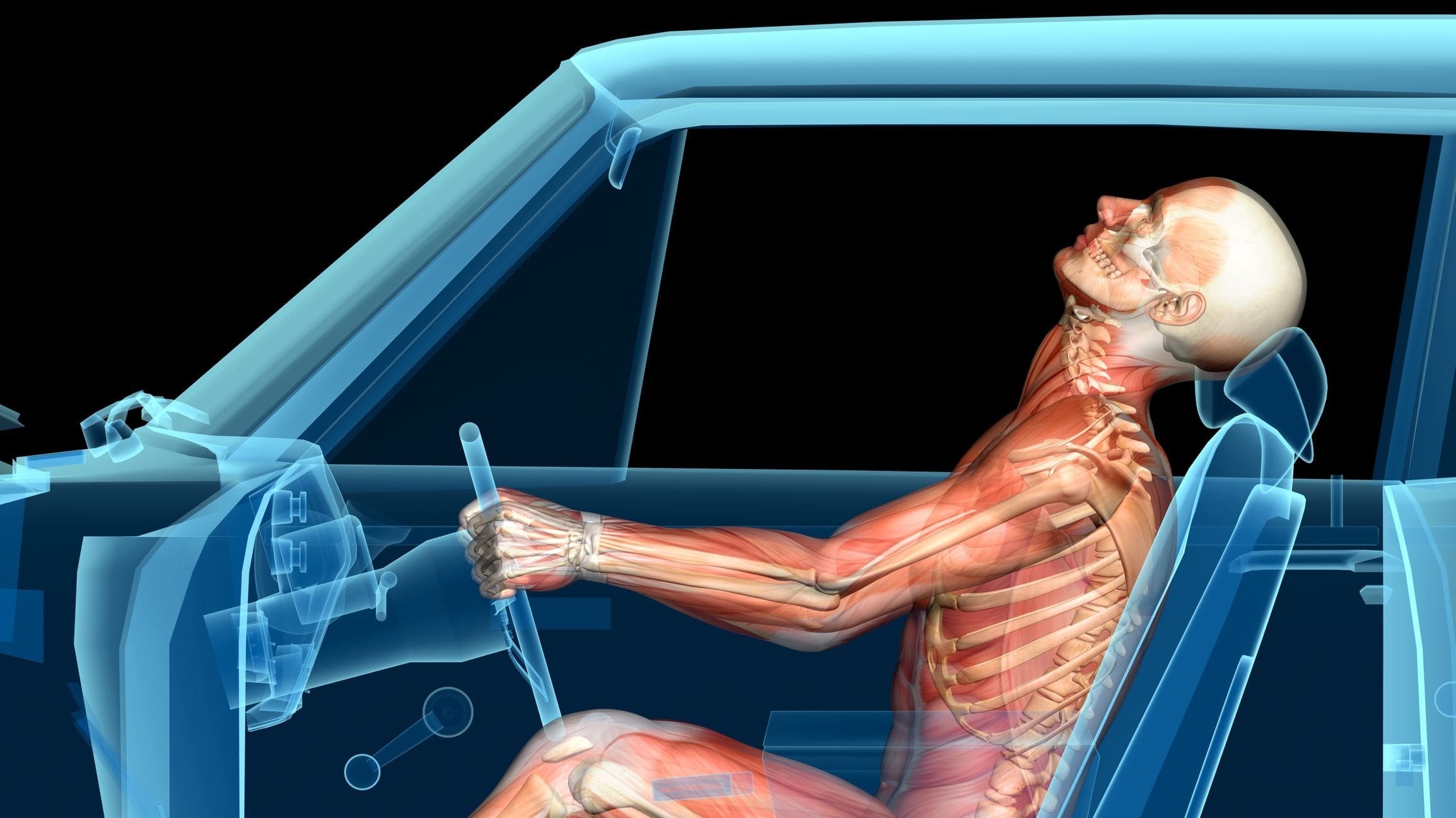
Motor vehicle accidents (MVAs) are a leading cause of injury, with millions occurring annually in the United States alone. The National Highway Traffic Safety Administration reported over 6 million police-reported crashes in 2019, resulting in approximately 2.7 million injuries (NHTSA, 2020). Among these, whiplash is one of the most common, often resulting from rear-end collisions where the head is suddenly jerked forward and backward. This rapid motion can strain neck muscles, ligaments, and even the spine, leading to a condition known as whiplash-associated disorder (WAD).
Imagine you’re driving, singing along to your favorite song, when—wham!—you’re rear-ended. Your head does a wild bobblehead impression, and suddenly, your neck feels like it’s auditioning for a role in a horror movie. That’s whiplash, and while we can chuckle at the mental image, the reality is far less amusing. Whiplash can cause significant pain and disrupt your ability to work, socialize, or even enjoy a good Netflix binge.
This blog post explores the clinical rationale for returning to work after MVAs, focusing on whiplash injuries, their symptoms, nonsurgical treatments, and the pivotal role of Dr. Alexander Jimenez, a distinguished chiropractor and nurse practitioner in El Paso. We’ll also highlight the importance of personal injury cases in El Paso and how Dr. Jimenez bridges medical and legal needs. With a touch of humor to keep things light, we’ll ensure the information is accessible for a high school reading level, but rest assured, the conclusion will be serious, complete with a disclaimer.
References
National Highway Traffic Safety Administration. (2020). Traffic Safety Facts: 2019 Data. Retrieved from NHTSA Traffic Safety
Understanding Whiplash: Causes, Symptoms, and Impact on Work
Whiplash occurs when the head is forcibly moved beyond its normal range, typically during a rear-end collision, though side-impact crashes or sports injuries can also be culprits. The sudden acceleration-deceleration forces stretch or tear the neck’s soft tissues—muscles, ligaments, and tendons—causing a range of symptoms. A study supports the ligament-injury hypothesis, showing decreased neck ligament strength post-whiplash (failure force: 149.4 N vs. control 186.0 N, P = 0.036) (Sterner & Gerdle, 2004).
Symptoms may appear immediately or develop over days, including:
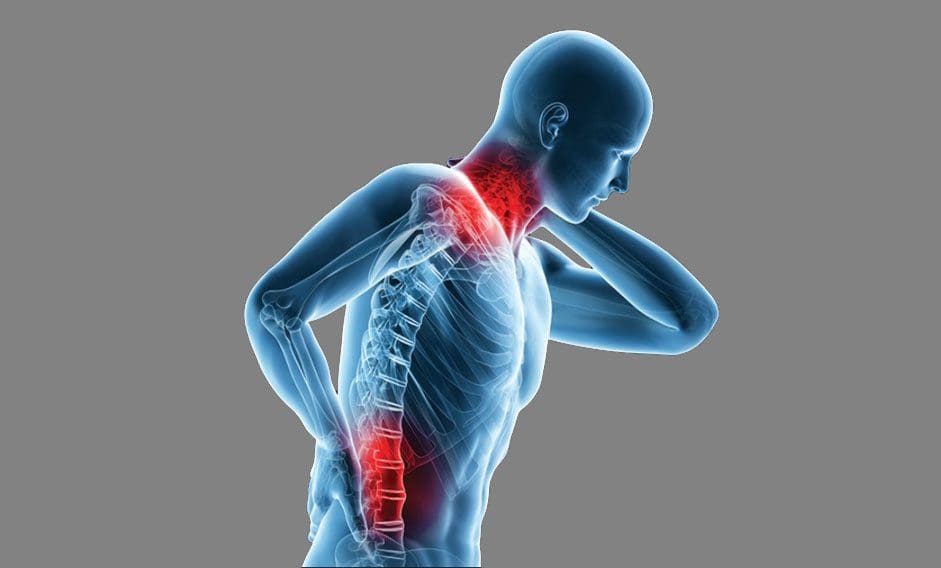
Neck pain and stiffness: The hallmark of whiplash, ranging from mild to severe.
Headaches: Often at the skull’s base, sometimes radiating.
Dizziness or vertigo: Common in the acute phase.
Shoulder and arm pain: Due to nerve irritation.
Fatigue: Unusual tiredness, even with minimal activity.
Cognitive issues: Memory problems or difficulty concentrating, known as “brain fog.”
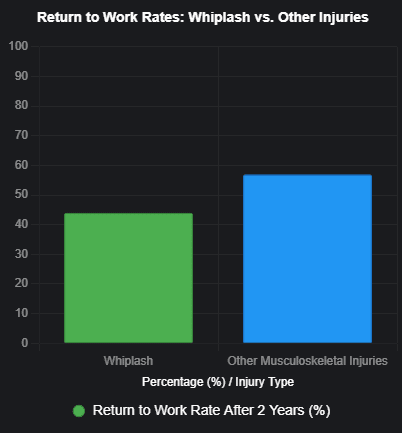
The impact on work can be significant. A Danish study found that 56% of whiplash patients were still on sick leave after two years, compared to 43% with other musculoskeletal injuries (Kasch et al., 2001). Another study reported that 12% of whiplash patients hadn’t returned to normal activities or had modified job functions after one year. Additionally, 5-8% develop chronic symptoms severe enough to diminish work capacity, with societal costs reaching up to $29 billion annually (Sterner & Gerdle, 2004).
Symptom
Description
Impact on Work
Neck Pain
Stiffness and discomfort
Limits head movement, affects desk or physical tasks
Headaches
Pain at skull base or radiating
Reduces focus, increases fatigue
Dizziness
Feeling unsteady
Poses safety risks in active jobs
Cognitive Issues
Memory or concentration problems
Hinders tasks requiring mental clarity
Why do some return to work while others struggle? Let’s explore the clinical rationale.
References
Kasch, H., Bach, F. W., & Jensen, T. S. (2001). Handicap after acute whiplash injury: a 1-year prospective study of risk factors. Neurology, 56(12), 1637-1643. Retrieved from Neurology Study
Sterner, Y., & Gerdle, B. (2004). Acute and chronic whiplash disorders—a review. Journal of Rehabilitation Medicine, 36(5), 193-209. Retrieved from JRM Review
Clinical Rationale for Returning to Work After MVAs
Returning to work after an MVA involves a complex interplay of clinical, personal, and external factors. Healthcare providers assess several key elements to determine readiness:
Injury Severity: Whiplash is graded from 1 (minor symptoms) to 3 (neurological signs). Mild cases often allow quicker returns, while severe cases require extended recovery.
Type of Work: Sedentary jobs (e.g., office work) are easier to resume than physically demanding roles (e.g., construction). Gradual return-to-work programs with modified duties are common.
Recovery Progress: Physical exams, imaging (e.g., MRI), and functional assessments track improvement. Reduced pain and improved mobility signal readiness.
Psychological Benefits: Work can restore normalcy and reduce anxiety, but mental readiness is crucial.
External Pressures: Financial needs or legal requirements (e.g., workers’ compensation) may influence decisions.
A BMC Public Health study found that 44% of whiplash patients returned to work after two years, compared to 57% with other musculoskeletal injuries, as shown in the chart above (El Paso Chiropractor Blog, 2016). This gap highlights whiplash’s unique challenges, with up to 50% failing to return within a year due to persistent symptoms.
Dr. Alexander Jimenez, a dual-licensed practitioner, emphasizes personalized recovery plans. “We don’t just aim for a quick return; we ensure it’s safe and sustainable,” he notes (El Paso Back Clinic). His approach includes monitoring recovery milestones and tailoring work re-entry plans.
References
El Paso Chiropractor Blog. (2016, June 16). Return to Work Rates After Whiplash [Blog post]. Retrieved from Whiplash Blog
El Paso Back Clinic. (n.d.). El Paso’s Chiropractic Rehabilitation Clinic & Integrated Medicine Center. Retrieved from El Paso Back Clinic
The Power of Chiropractic Chiropractic Care In Injury Rehabilitation- Video
Nonsurgical Treatments for Whiplash and Related Injuries
Most whiplash cases are managed conservatively, avoiding surgery. Effective nonsurgical treatments include:
Physical Therapy: Exercises to strengthen neck muscles and improve flexibility, plus modalities like heat, ice, or electrical stimulation.
Chiropractic Care: Spinal adjustments to realign the spine and reduce nerve pressure. Dr. Jimenez is renowned for his expertise here.
Medications: Over-the-counter pain relievers (e.g., ibuprofen) or prescription drugs for severe cases.
Injections: Corticosteroid injections to reduce inflammation in persistent cases.
Acupuncture: Stimulates healing and pain relief through needle insertion.
Massage Therapy: Relaxes tight muscles and improves circulation.
Dr. Jimenez integrates these with functional medicine, addressing nutritional deficiencies or hormonal imbalances that may delay recovery. His clinic uses evidence-based protocols, drawing from research like that at ChiroMed (El Paso Back Clinic).
Treatment
Purpose
Benefits
Physical Therapy
Strengthen neck, improve mobility
Restores function, reduces pain
Chiropractic Care
Realign spine, relieve nerve pressure
Enhances mobility, alleviates discomfort
Medications
Manage pain and inflammation
Provides short-term relief
Acupuncture
Stimulate healing
Reduces pain, promotes relaxation
Humor aside, imagine your neck as a grumpy old car—chiropractic care is like a tune-up, getting everything back in alignment so you can cruise through life again!
References
El Paso Back Clinic. (n.d.). El Paso’s Chiropractic Rehabilitation Clinic & Integrated Medicine Center. Retrieved from El Paso Back Clinic
The Role of Dr. Alexander Jimenez in Personal Injury Cases
Dr. Alexander Jimenez, DC, APRN, FNP-BC, is El Paso’s top injury specialist, with dual licensure as a chiropractor and nurse practitioner. His clinic, El Paso’s Chiropractic Rehabilitation Clinic & Integrated Medicine Center, is a hub for treating MVA-related injuries, including whiplash, soft tissue damage, and chronic pain conditions like fibromyalgia.
His clinical insights are rooted in evidence-based practice, integrating:
Sports Medicine: Tailors rehabilitation for active individuals.
Advanced Diagnostics: Uses genetic testing and imaging for precise diagnoses.
Non-Invasive Techniques: Includes spinal decompression, manual adjustments, and acupuncture.
In personal injury cases, Dr. Jimenez:
Provides accurate diagnoses using MRI, CT scans, and X-rays.
Develops personalized treatment plans, collaborating with orthopedic surgeons and physical therapists.
Offers detailed medical reports for legal proceedings, acting as an expert witness when needed.
His webinars and podcasts cover topics like stress hormones, gut health, and musculoskeletal rehabilitation, showcasing his commitment to holistic care (Dr. Jimenez LinkedIn).
References
El Paso Back Clinic. (n.d.). El Paso’s Chiropractic Rehabilitation Clinic & Integrated Medicine Center. Retrieved from El Paso Back Clinic
El Paso, a border city with heavy traffic, sees numerous MVAs, making personal injury cases critical. These cases help victims cover medical expenses, lost wages, and pain and suffering while holding negligent parties accountable. Dr. Jimenez’s expertise strengthens these claims by linking injuries to advanced diagnostics, ensuring fair compensation.
His role is particularly vital in El Paso, where access to specialized care may be limited. His clinic’s multidisciplinary approach ensures comprehensive treatment, from acute injury care to long-term rehabilitation.
References
El Paso Back Clinic. (n.d.). El Paso’s Chiropractic Rehabilitation Clinic & Integrated Medicine Center. Retrieved from El Paso Back Clinic
Advanced Imaging and Diagnostics in Personal Injury
Accurate diagnosis is paramount in personal injury cases. Advanced imaging techniques like MRI, CT scans, and X-rays reveal soft tissue damage, fractures, or spinal injuries not visible through physical exams. For example, MRI can detect ligament sprains or disc herniations, while CT scans identify bony injuries.
Dr. Jimenez uses these tools to:
Develop precise treatment plans.
Provide compelling evidence for legal claims, documenting injury severity.
This diagnostic precision is crucial for both recovery and securing compensation.
References
El Paso Back Clinic. (n.d.). El Paso’s Chiropractic Rehabilitation Clinic & Integrated Medicine Center. Retrieved from El Paso Back Clinic
Dr. Jimenez as a Liaison Between Legal and Medical Services
Dr. Jimenez’s dual expertise makes him an invaluable liaison between medical and legal realms. He provides detailed medical reports outlining diagnoses, treatments, and prognoses, essential for personal injury claims. These reports link injuries to the MVA, supporting compensation requests.
He can also testify as an expert witness, explaining medical complexities to legal teams and courts. His ability to communicate effectively across disciplines streamlines the process, allowing patients to focus on recovery.
References
El Paso Back Clinic. (n.d.). El Paso’s Chiropractic Rehabilitation Clinic & Integrated Medicine Center. Retrieved from El Paso Back Clinic
Returning to work after an MVA, particularly with whiplash, is a multifaceted journey requiring clinical expertise, effective treatment, and often legal support. Dr. Alexander Jimenez plays a pivotal role in El Paso, offering personalized care and bridging medical and legal needs for personal injury victims.
If you’ve been in an accident, don’t ignore your symptoms—seek professional help. With the right care, you can reclaim your life and return to work stronger than ever.
Disclaimer: This blog post is for informational purposes only and should not be taken as medical advice. Always consult a qualified healthcare professional for diagnosis and treatment of any medical condition.
References
Kasch, H., Bach, F. W., & Jensen, T. S. (2001). Handicap after acute whiplash injury: a 1-year prospective study of risk factors. Neurology, 56(12), 1637-1643. Retrieved from Neurology Study
Sterner, Y., & Gerdle, B. (2004). Acute and chronic whiplash disorders—a review. Journal of Rehabilitation Medicine, 36(5), 193-209. Retrieved from JRM Review
Spitzer, W. O., Skovron, M. L., Salmi, L. R., Cassidy, J. D., Duranceau, J., Suissa, S., & Zeiss, E. (1995). Scientific monograph of the Quebec Task Force on Whiplash-Associated Disorders: redefining “whiplash” and its management. Spine, 20(8 Suppl), 1S-73S.
National Highway Traffic Safety Administration. (2020). Traffic Safety Facts: 2019 Data. Retrieved from NHTSA Traffic Safety
El Paso Chiropractor Blog. (2016, June 16). Return to Work Rates After Whiplash [Blog post]. Retrieved from Whiplash Blog
El Paso Back Clinic. (n.d.). El Paso’s Chiropractic Rehabilitation Clinic & Integrated Medicine Center. Retrieved from El Paso Back Clinic
Uncover the connection between TMJ disorders and auto injuries, and explore ways to manage this common issue effectively.
Introduction
Imagine cruising down the road, enjoying a sunny day in El Paso, when—bam!—a car accident throws your world into a spin. Beyond the fender bender, you might start feeling pain in your jaw or neck that wasn’t there before. These could be signs of a Temporomandibular Joint (TMJ) disorder, a condition often linked to neck injuries from motor vehicle accidents (MVAs). In this comprehensive guide, we’ll explore why TMJ disorders and neck pain often go hand-in-hand after MVAs, the symptoms to watch for, nonsurgical treatment options, and the pivotal role of Dr. Alexander Jimenez, a distinguished chiropractor and nurse practitioner in El Paso, Texas. With a touch of humor to keep things light, we’ll also ensure you understand the serious nature of seeking professional care for these conditions.
Section 1: The Clinical Rationale for TMJ Disorders and Neck Pain from MVAs
Why Do TMJ Disorders Occur After MVAs?
The temporomandibular joint connects your lower jaw to your skull, enabling essential functions like chewing and speaking. When you’re involved in a motor vehicle accident, the sudden jolt—especially in rear-end collisions—can cause whiplash, a neck injury that strains muscles, ligaments, and the cervical spine. This trauma can ripple to the TMJ, even if your jaw wasn’t directly hit.
Research suggests that the connection between TMJ disorders and neck pain lies in the body’s neurological wiring. Pain signals from the neck travel to the brainstem, where they can overlap with signals from the jaw. This phenomenon, known as referred pain, means a neck injury can manifest as jaw pain or TMJ dysfunction. A 1998 study in Clinical Oral Investigations highlighted that patients with cervical spine issues often experience TMJ symptoms, reinforcing this link (Caring Medical, 2025).
The Role of Whiplash
Whiplash is a hallmark injury of MVAs, occurring when the head is forcefully thrown forward and back. This motion can damage the cervical spine and surrounding tissues, leading to chronic neck pain. According to a study in PMC (2008), individuals with MVA-related neck pain report higher levels of continuous pain compared to other causes, which can exacerbate TMJ issues. The chronic inflammation and muscle tension from whiplash can overstimulate nerves, causing jaw muscle tightness and pain, further contributing to TMJ disorders.
Neurological and Muscular Connections
The brainstem acts like a busy switchboard, where nerves from the neck and jaw converge before sending pain signals to the brain. This convergence can lead to “crossed signals,” similar to how arm pain can signal a heart attack. As a result, neck injuries from MVAs can trigger or worsen TMJ symptoms. Additionally, chronic neck pain can lead to compensatory behaviors, like jaw clenching, which further stress the TMJ.
Section 2: Symptoms of TMJ Disorders Related to Auto Injuries
Recognizing TMJ Symptoms
TMJ disorders can manifest in various ways, often overlapping with neck pain symptoms. Common signs include:
Jaw Pain and Tenderness: Pain around the jaw or ear, especially when chewing or speaking.
Difficulty Chewing: Discomfort or pain while eating, sometimes making it hard to open the mouth fully.
Jaw Locking or Restricted Movement: The jaw may feel stuck or limited in its range of motion.
Clicking or Popping Sounds: Noises when opening or closing the mouth, which may or may not be painful.
Neck and Shoulder Pain: Stiffness or ascending order or pain radiating from the neck.
Headaches: Often, tension-type headaches are linked to muscle tension.
Dizziness or Tinnitus: Less common but possible symptoms include dizziness or ringing in the ears.
A 2022 study cited in Medical News Today found that nearly 60% of individuals with TMJ disorders also experience neck pain, highlighting the prevalence of this dual issue (Medical News Today, 2023).
Delayed Onset of Symptoms
One tricky aspect of TMJ disorders post-MVA is that symptoms may not appear immediately. According to the El Paso Chiropractor Blog (2016), these issues can develop weeks or even months after the accident, making it critical to monitor for symptoms over time. This delay can complicate diagnosis, as patients may not initially connect their jaw pain to the earlier accident.
Chiropractic Care After Accidents & Injuries- Video
Section 3: Nonsurgical Treatments for TMJ Disorders and Neck Pain
Conservative Approaches to Relief
Most TMJ disorders and associated neck pain from MVAs can be managed without surgery, focusing on reducing pain and restoring function. Here are the primary nonsurgical treatments:
Physical Therapy: Specialized exercises and stretches improve jaw mobility and reduce muscle tension. Soft tissue massages targeting muscles like the pterygoids can relieve trigger points, as noted in Dr. Jimenez’s work on TMJ and anxiety (Dr. Alex Jimenez, 2016).
Chiropractic Care: Spinal adjustments and manual manipulation correct misalignments in the neck and jaw, reducing pain and improving function. Chiropractic care is particularly effective for whiplash-related injuries (El Paso Chiropractor Blog, 2016).
Medications: Over-the-counter pain relievers (e.g., ibuprofen), muscle relaxants, or anti-inflammatory drugs help manage pain and inflammation. In some cases, anxiety medications or antidepressants may address related stress or jaw clenching (Medical News Today, 2023).
Oral Appliances: Custom-fitted mouthguards or splints reposition the jaw to reduce clenching or grinding, which can worsen TMJ symptoms.
Lifestyle Modifications: Avoiding hard foods, practicing stress-reduction techniques (such as meditation), and maintaining good posture can all support recovery.
Acupuncture: This alternative therapy can reduce pain and muscle tension, offering relief for some patients.
Personalized Treatment Plans
Each patient’s condition is unique, so treatments should be tailored to their specific symptoms and severity. Consulting a healthcare professional, like Dr. Jimenez, ensures a comprehensive plan that addresses both TMJ and neck pain effectively.
Section 4: Dr. Alexander Jimenez’s Expertise in El Paso
A Leader in Personal Injury Care
Dr. Alexander Jimenez, DC, APRN, FNP-BC, is a cornerstone of personal injury care in El Paso, Texas, with over 25 years of experience as a chiropractor and nurse practitioner. His dual licensure allows him to bridge chiropractic and medical approaches, offering holistic care for MVA-related injuries, including TMJ disorders and neck pain.
Advanced Diagnostics and Dual-Scope Procedures
Dr. Jimenez stands out for his use of advanced imaging techniques, such as MRI and CT scans, to precisely pinpoint the extent of injuries. His diagnostic evaluations are thorough, identifying both primary injuries (e.g., whiplash) and secondary conditions (e.g., TMJ disorders). His dual-scope procedures combine chiropractic adjustments with medical treatments, addressing biomechanical and physiological aspects of recovery. This integrative approach promotes long-term healing and metabolic resilience (Injury Medical & Chiropractic Clinic, n.d.).
Liaison Between Medical and Legal Services
In personal injury cases, Dr. Jimenez plays a vital role by providing detailed medical reports and expert testimonies. These documents help legal professionals understand the full impact of injuries, ensuring victims receive fair compensation. His clinic, Injury Medical & Chiropractic Clinic, specializes in MVA-related conditions like cervical spine issues, whiplash, and chronic inflammation, making him a trusted resource in El Paso (El Paso Back Clinic, n.d.).
Service
Description
Benefit
Advanced Imaging (MRI/CT)
Accurate diagnosis of MVA-related injuries
Precise treatment planning
Dual-Scope Procedures
Combining chiropractic and medical treatments
Holistic recovery
Legal Documentation
Detailed reports and testimonies for personal injury cases
Supports fair compensation
Specialized MVA Care
Focus on whiplash, cervical spine issues, and related conditions
Let’s take a moment to chuckle with Herman Munster from The Munsters: “Folks, your jaw’s like the creaky hinge on my old coffin—when it starts acting up after a car crash, it’s no laughing matter! That neck of yours gets a shake, and suddenly your jaw’s throwing a tantrum. Don’t stay stiff like me on a bad day; head to Dr. Jimenez in El Paso, and he’ll have you moving smoother than Grandpa Munster dodging a garlic clove!”
Section 6: The Importance of Personal Injury Care in El Paso
Why Seek Care After an MVA?
Motor vehicle accidents can leave lasting effects, from neck pain to TMJ disorders, that impact daily life. In El Paso, where personal injury cases are common due to the high volume of traffic, seeking expert care is crucial. Dr. Jimenez’s clinic is a beacon for victims, offering not only medical treatment but also support for legal claims. His comprehensive approach ensures that injuries are thoroughly documented, aiding in fair settlements while promoting recovery.
Community Impact
Dr. Jimenez’s work extends beyond individual patients, contributing to the El Paso community by raising awareness about motor vehicle accident (MVA)- related injuries. His clinic’s resources, including blog posts and patient testimonials, educate residents on recognizing and treating conditions such as TMJ disorders, thereby fostering a healthier community (Dr. Alexander Jimenez, LinkedIn).
Conclusion
TMJ disorders and neck pain from motor vehicle accidents are interconnected conditions that can significantly affect quality of life. The clinical link stems from shared neurological pathways and the impact of whiplash, with symptoms ranging from jaw pain to headaches and neck stiffness. Nonsurgical treatments, including physical therapy, chiropractic care, and oral appliances, provide effective relief for most patients. In El Paso, Dr. Alexander Jimenez stands out as a leader in personal injury care, using advanced diagnostics and dual-scope procedures to treat these conditions while supporting legal claims with detailed documentation. If you’ve been in an MVA and are experiencing jaw or neck pain, don’t delay—seek professional care to prevent long-term complications and restore your well-being.
Disclaimer: This blog post is for informational purposes only and should not be taken as medical advice. Always consult a qualified healthcare professional for diagnosis and treatment of any medical condition. The information provided is based on general knowledge and should not be used as a substitute for personalized medical care.
Discover the connection between the nervous system, auto injuries, and long-term health consequences in this informative article.
Introduction: The Sneaky Nature of Whiplash
Picture this: you’re cruising along, maybe singing to your favorite tune, when—BAM!—another car rear-ends you. Your head snaps back and forth like a bobblehead on a bumpy road. That’s whiplash, and it’s not just a pain in the neck (pun intended). Whiplash is a common injury from motor vehicle accidents (MVAs), particularly rear-end collisions, and it can wreak havoc on your nervous system and even cause low back pain. It’s like that one guest at a party who spills punch on your carpet and then rearranges your furniture—disruptive and far-reaching.
In this comprehensive guide, we’ll explore how whiplash affects your nervous system, why it might lead to low back pain, and what symptoms to watch for. We’ll also delve into nonsurgical treatments, with a focus on chiropractic care, and highlight the expertise of Dr. Alexander Jimenez, a leading practitioner in El Paso, Texas, who specializes in helping accident victims recover. With a touch of humor to keep things light (think Uncle Fester from The Addams Family chuckling through the pain), we’ll make this journey informative and engaging. Let’s get started!
Understanding Whiplash: What’s Happening to Your Body?
Whiplash occurs when your neck undergoes a rapid back-and-forth motion, typically resulting from a car accident. This sudden force can stretch or tear muscles, ligaments, and tendons in your neck, like overstretching a rubber band. According to the National Safety Council, over 3 million car accidents happen annually in the U.S., with rear-end collisions being a leading cause of whiplash. The injury doesn’t always scream “I’m here!” right away—symptoms can sneak up days or even weeks later, making it a tricky condition to pin down.
Whiplash isn’t just about sore muscles. It can affect your spine, discs, and nerves, leading to a condition called whiplash-associated disorders (WADs). These disorders can range from mild discomfort to chronic pain, impacting your quality of life. The economic toll is also significant, with whiplash-related costs in the U.S. estimated at $10 billion annually, encompassing medical bills, lost work, and legal fees (Whaangaard et al., 2017).
Whiplash and the Nervous System: A Wiring Mishap
Your nervous system is like the internet of your body, with your brain as the central server and nerves as the cables that transmit signals. Whiplash can cause a “power surge” in this system, leading to issues like central hypersensitivity. This is when your brain and spinal cord become overly sensitive to pain, amplifying even minor sensations. It’s like your body’s alarm system going off for a leaf falling on your lawn instead of an actual intruder.
A meta-analysis of 27 trials found strong evidence of central hyperexcitability in chronic whiplash patients, making them more sensitive to pain throughout their body (El Paso Chiropractor Blog, 2016). This hypersensitivity can cause symptoms such as numbness, tingling, or weakness in your arms or hands, as nerves in your neck become irritated or damaged. Research also indicates that whiplash can lead to structural damage in nerves, including nerve root damage or injury to the cervical sympathetic chain, which regulates involuntary functions such as heart rate (ScienceDirect, n.d.).
In rare cases, whiplash can even affect specific nerves, such as the long thoracic or spinal accessory nerves, leading to unique symptoms, including shoulder weakness or pain (PMC, n.d.). These nervous system effects explain why whiplash can feel like more than just a neck injury—it’s a full-body communication breakdown.
The Connection to Low Back Pain: Why Your Back Hurts Too
You might be wondering, “If whiplash is a neck injury, why does my lower back hurt?” It’s a fair question, and the answer lies in the interconnected nature of your spine and nervous system. Here are the main reasons:
Referred Pain: Pain from your neck can “travel” to your lower back through shared nerve pathways. It’s like getting a headache from loud music—you’re not sure how it started, but it’s there. The cervical spine (neck) and lumbar spine (lower back) are linked by nerves, so irritation in one area can be felt in another.
Spinal Hypersensitivity: Whiplash can cause your spinal cord to become overly sensitive, amplifying pain signals throughout your body. This means even if your lower back wasn’t directly injured, it might still hurt because your nervous system is on high alert (Johnson & Davis, 2018).
Whole-Spine Impact: The force of a car accident doesn’t just affect your neck. The jolt can strain muscles and ligaments in your lower back, causing direct injury. Studies show that low back pain is reported in about 35% of whiplash patients, and interscapular (between the shoulder blades) pain is common in 20% (ScienceDirect, n.d.).
This connection highlights why whiplash is often misdiagnosed or undertreated—doctors might focus on the neck and miss the root cause of the back pain.
The Science of Motion- Video
Symptoms of Whiplash: A Symphony of Discomfort
Whiplash can produce a wide range of symptoms, like a band playing out of tune. Here’s a breakdown of the most common ones, affecting both the nervous and musculoskeletal systems:
Symptom
Description
Neck Pain and Stiffness
The hallmark of whiplash ranges from mild aches to severe pain, which can limit movement.
Headaches
Often starting at the skull’s base, linked to muscle tension or nerve irritation.
Dizziness
A spinning sensation, possibly from vestibular or cervical nerve issues.
Shoulder Pain
Pain is spreading from the neck due to shared muscles and nerves.
Low Back Pain
Reported in 35% of cases, either referred from the neck or from direct injury.
Numbness/Tingling
In arms or hands, caused by nerve irritation or compression.
Fatigue
Persistent tiredness, possibly from chronic pain or nervous system stress.
Cognitive Difficulties
Trouble concentrating or experiencing memory issues, sometimes referred to as “brain fog.”
These symptoms can vary in intensity and may not appear immediately, making it crucial to seek medical evaluation after an accident, even if you feel fine initially.
Nonsurgical Treatments: Getting Back to Normal Without a Scalpel
The good news? Most whiplash cases can be treated without surgery, and there are several effective options to help you recover. Here’s a look at the main approaches:
Chiropractic Care
Chiropractors are like the body’s mechanics, tweaking your spine to get everything back in alignment. By performing gentle spinal adjustments, they can reduce nerve pressure and ease pain. A study published in The Spine Journal found that chiropractic care significantly reduced pain and improved function in patients with whiplash (Osmotherly et al., 2012). It’s particularly effective for addressing central hypersensitivity, calming those overactive nerves (El Paso Chiropractor Blog, 2016).
Physical Therapy
Physical therapists design exercise programs to strengthen neck and back muscles, improve flexibility, and restore range of motion. Techniques such as massage, ultrasound, or electrical stimulation can also help reduce pain and inflammation.
Medications
Over-the-counter pain relievers, such as ibuprofen or acetaminophen, can help manage pain and reduce inflammation. In severe cases, doctors may prescribe muscle relaxants or stronger anti-inflammatory drugs.
Electro-acupuncture
This involves placing small needles in specific points and applying a low-level electrical current. It’s thought to reduce nerve compression and improve function, especially for nerve-related pain (El Paso Back Clinic, n.d.).
Functional Medicine
This holistic approach examines underlying factors, such as inflammation or hormonal imbalances, that may exacerbate pain. Practitioners may recommend dietary changes, supplements, or stress management to support recovery (El Paso Back Clinic, n.d.).
These treatments work best when started early, as delaying care can lead to chronic pain or disability.
Personal Injury Cases in El Paso: Dr. Alexander Jimenez’s Expertise
In El Paso, Texas, personal injury cases from MVAs are a significant concern, and Dr. Alexander Jimenez is a standout figure in helping victims recover. As a Doctor of Chiropractic, Advanced Practice Registered Nurse, and Board-Certified Family Nurse Practitioner, Dr. Jimenez brings a unique blend of skills to the table. His clinic, El Paso Back Clinic, offers comprehensive care for whiplash and other accident-related injuries.
Dr. Jimenez excels at using advanced imaging techniques, such as MRI and CT scans, and diagnostic evaluations to pinpoint the extent of injuries. This is crucial not only for treatment but also for legal documentation in personal injury cases. He acts as a liaison between medical care and legal proceedings, ensuring that injuries are accurately documented for insurance claims or lawsuits. His multidisciplinary team, including therapists, integrative doctors, nutritionists, and exercise specialists, provides holistic care that addresses both physical and systemic issues.
For example, a patient named Jane (name changed for privacy) shared: “After my car accident, I couldn’t turn my head without pain, and my lower back was killing me. Dr. Jimenez’s team used imaging to find the problem and created a plan that got me moving again. They also helped with my insurance claim, which took so much stress off my plate.” Stories like Jane’s highlight why Dr. Jimenez is a trusted name in El Paso.
The Importance of Early Intervention
Time is critical when it comes to whiplash. The sooner you seek treatment, the better your chances of avoiding chronic pain. Left untreated, whiplash can lead to long-term issues like persistent neck or back pain, headaches, or even psychological effects like anxiety. In places like Florida, you have only 14 days after an accident to seek care to qualify for certain insurance coverage, so acting fast is key (Alexander Orthopaedics, n.d.).
Dr. Jimenez emphasizes the importance of early evaluation, utilizing tools such as the Living Matrix to assess systemic factors that may contribute to pain. This proactive approach can make all the difference in your recovery.
The Bigger Picture: Whiplash’s Impact on Society
Whiplash isn’t just a personal issue—it’s a public health concern. With millions of car accidents annually, the prevalence of whiplash is staggering. Proper headrest adjustment can reduce the risk of neck pain by 24%, yet many drivers fail to use this simple precaution (PubMed, n.d.). The economic burden, including medical costs and lost productivity, underscores the need for effective treatment and prevention strategies.
Conclusion: Taking Whiplash Seriously
Whiplash from motor vehicle accidents can disrupt your nervous system, leading to symptoms like neck pain, headaches, and even low back pain. While it might seem like a minor injury, its effects can be far-reaching, especially if left untreated. Nonsurgical treatments, such as chiropractic care, physical therapy, and functional medicine, offer hope for recovery, and early intervention is crucial in preventing chronic issues.
In El Paso, Dr. Alexander Jimenez stands out as a leader in personal injury care. His expertise in advanced diagnostics and his role as a bridge between medical and legal needs make him an invaluable resource for accident victims. If you’ve been in a car accident, don’t wait—seek professional help to get back to your best self.
Disclaimer: This article is for informational purposes only and does not constitute medical advice. Always consult a qualified healthcare professional for diagnosis and treatment.
Get insights into chronic inflammation following an auto accident and its implications for your overall well-being.
Introduction: A Pain in the Neck, Literally!
Picture this: you’re cruising along, maybe humming a tune like Gomez Addams, when—bam!—a fender bender sends your neck into a wild tango. Motor vehicle accidents (MVAs) are a leading cause of cervical spinal pain, and the aftermath can feel like wrestling with Cousin Itt. These injuries affect thousands annually, ranging from mild aches to life-altering trauma. Understanding why this happens, what injuries occur, and how to treat them is key to getting back to your cha-cha-cha.
In this guide, we’ll dive into the science behind cervical spinal pain from MVAs, explore the musculoskeletal injuries involved, and highlight non-surgical treatments, including anti-inflammatory diets. We’ll also spotlight Dr. Alexander Jimenez, a renowned chiropractor in El Paso, Texas, who assists victims in navigating recovery and personal injury cases with his exceptional diagnostic skills. So, buckle up (safely, of course), and let’s unravel this neck-twisting topic!
Section 1: Why Does Your Neck Hurt After a Car Crash?
The Science of Whiplash and Beyond
When a car crash happens, your body experiences forces that make your neck move faster than a snap of Gomez’s fingers. This rapid acceleration-deceleration, often seen in rear-end collisions, causes hyperextension (bending the neck backward) and hyperflexion (bending the neck forward). These motions can stretch or tear soft tissues, such as ligaments, muscles, and tendons, leading to what is commonly referred to as whiplash.
But it’s not just soft tissues at risk. Higher-impact crashes can fracture cervical vertebrae or damage the spinal cord, causing severe pain or neurological issues. Research shows that about 15% of MVA victims needing hospital care have soft tissue cervical injuries, while an estimated 869,000 cervical spine injuries occur annually in U.S. hospitals (Soft Tissue Injuries; Cervical Spine Injuries).
Biomechanics: The Physics of Pain
The cervical spine, comprising seven vertebrae (C1–C7), is flexible yet vulnerable. During an MVA, kinetic energy transfers from the vehicle to your body, forcing your head and neck beyond their normal range. This can:
Stretch or tear ligaments, causing sprains.
Strain muscles, leading to soreness.
Compress or distract vertebrae, risking fractures or disc damage.
Factors such as crash speed, seatbelt use, headrest position, and impact angle have a significant influence on injury severity. For instance, studies suggest that higher crash speeds increase the risk of fracture, while proper headrests can reduce the severity of whiplash (Spinal Injury Rates; Mechanisms of Injury).
Higher speeds increase the risk of fractures and severe soft tissue damage.
Seatbelt Use
Reduces overall injury risk but may not prevent whiplash.
Headrest Position
Properly adjusted headrests lower the risk of whiplash; misaligned ones worsen it.
Impact Angle
Rear-end collisions often cause whiplash; side impacts may lead to rotational injuries.
References:
Kent, R., Forman, J., & Bostrom, O. (2023). Spinal injury rates and specific causation in motor vehicle collisions. Accident Analysis & Prevention.
McLean, S. A., et al. (2014). Incidence and predictors of neck and widespread pain after motor vehicle collision. Pain.
Section 2: Musculoskeletal Injuries from MVAs
Types of Injuries: From Whiplash to Fractures
MVAs can wreak havoc on the cervical spine’s structures, leading to a range of injuries. Here’s a breakdown:
Whiplash-Associated Disorders (WAD): The poster child of MVA injuries, WAD involves soft tissue damage from rapid neck motion. Symptoms include neck pain, stiffness, headaches, dizziness, and occasionally cognitive issues such as memory problems. WAD is graded from 0 (no symptoms) to 4 (fracture or dislocation).
Cervical Sprains and Strains: Sprains affect ligaments, while strains affect muscles or tendons. Both cause pain, swelling, and limited motion, making your neck feel like it’s stuck in a gothic candelabra.
Herniated Discs: Spinal discs are the shock absorbers between vertebrae. MVA forces can push the disc’s inner gel out, pressing on nerves and causing arm pain, numbness, or weakness.
Cervical Fractures: Severe crashes can break vertebrae, especially C3–C7, in drivers and passengers. Fractures may destabilize the spine, risking spinal cord injury and paralysis (Traumatic Spinal Cord Injury).
Prevalence and Long-Term Impact
Cervical spine injuries are common, with 869,000 cases reported yearly in U.S. hospitals. A University of Alberta study found that 38% of MVA victims have pain three months post-crash, 22% at six months, and 18% at one year. Alarmingly, up to 5% face permanent disability, and over 5% endure pain for a decade or more (Chronic Neck Pain).
Table: Common Cervical Spine Injuries from MVAs
Injury Type
Symptoms
Potential Long-Term Effects
Whiplash (WAD)
Pain, stiffness, headaches, dizziness
Chronic pain, cognitive issues
Sprains/Strains
Pain, swelling, and limited motion
Persistent stiffness, recurrent pain
Herniated Discs
Arm numbness, weakness, and radiating pain
Nerve damage, chronic radiculopathy
Cervical Fractures
Severe pain, instability, neurological deficits
Paralysis, permanent disability
References:
El Paso Back Clinic. (n.d.). Auto injuries: Cervical spine symptoms to watch for. El Paso Back Clinic.
McLean, S. A., et al. (2014). Incidence and predictors of neck and widespread pain after motor vehicle collision. Pain.
Section 3: Symptoms of Inflammation: The Body’s Fiery Response
What Inflammation Looks Like
After an MVA, your body triggers a fiery response called inflammation to initiate the healing process. But like an overzealous Addams Family gathering, it can overstay its welcome. Common symptoms include:
Pain and Tenderness: Your neck feels sore, especially when you touch it.
Stiffness: Turning your head feels like moving a rusty gate.
Swelling: Less visible in the neck but contributes to discomfort.
Headaches often start at the base of the neck, radiating upward.
Dizziness/Vertigo: This may be caused by disrupted nerve signals in the neck or impaired blood flow.
Neurological Signs: Numbness, tingling, or weakness in the arms or hands suggests nerve issues.
In severe cases, symptoms like bowel or bladder dysfunction signal spinal cord injury, a medical emergency.
Why Inflammation Matters
Inflammation is your body’s attempt to repair damaged tissues, but chronic inflammation can prolong pain and stiffness. Managing it early is like dousing a fire before it spreads, preventing long-term issues.
References:
El Paso Back Clinic. (n.d.). Delayed symptoms: Understanding the impact of an auto accident. El Paso Back Clinic.
The Healing Diet: Combat Inflammation, Embrace Wellness- Video
Section 4: Non-Surgical Treatments: Healing Without the Scalpel
A Holistic Approach to Recovery
Most cervical spinal pain from MVAs can be managed without surgery, using treatments that restore function and douse inflammation. Here’s how:
Chiropractic Care: Just as Gomez perfects his fencing stance, chiropractors realign the spine to ease pain and improve mobility. Adjustments reduce muscle spasms and restore joint function, often faster than medication alone (Chiropractic Benefits).
Physical Therapy: Therapists create exercise plans to strengthen neck muscles, improve posture, and boost flexibility. Modalities such as heat, ice, or ultrasound can provide additional relief.
Pain Management: Over-the-counter medications, such as ibuprofen, can help reduce pain and inflammation. Prescription muscle relaxants may help, but long-term opioid use is discouraged due to dependency risks.
Anti-Inflammatory Foods and Supplements: Your Diet Can Be a Secret Weapon. Foods like salmon, walnuts, berries, turmeric, and ginger fight inflammation. Natural supplements such as omega-3 fatty acids, curcumin, and bromelain may support recovery; however, research on their efficacy is mixed (Chronic Inflammation).
Rehabilitation: Structured programs prevent chronic pain by rebuilding strength and coordination, much like training for an intense physical challenge.
When Surgery Is Needed
While non-surgical options work for most, severe injuries like unstable fractures or spinal cord compression may require surgery, such as anterior cervical discectomy and fusion. These are case-by-case decisions based on symptoms such as motor weakness or issues with bowel and bladder function.
Table: Non-Surgical Treatment Options
Treatment
How It Helps
Considerations
Chiropractic Care
Realigns spine, reduces pain
Requires a skilled practitioner
Physical Therapy
Strengthens muscles, improves mobility
Needs consistent effort
Pain Medication
Eases pain, reduces inflammation
Risk of side effects with long-term use
Anti-Inflammatory Diet
Lowers systemic inflammation
Takes time to see effects
Rehabilitation
Prevents chronic pain, restores function
Requires commitment to the program
References:
Prater, C., Tepe, M., & Battaglia, P. (2020). The role of chiropractic care in the management of chronic pain. Journal of Chiropractic Medicine.
El Paso Back Clinic. (n.d.). Chronic inflammation and chiropractic care. El Paso Back Clinic.
Section 5: Dr. Alexander Jimenez: El Paso’s Injury Expert
A Chiropractic Maestro
Dr. Alexander Jimenez, DC, APRN, FNP-BC, is El Paso’s expert in managing MVA-related cervical pain. With over 30 years of experience, he’s like Gomez Addams with a chiropractic twist—passionate, precise, and dedicated. His clinic, El Paso Back Clinic, specializes in treating neck pain, whiplash, and other auto injuries using a holistic approach.
Advanced Diagnostics and Treatment
Dr. Jimenez stands out for his use of:
Advanced Imaging: X-rays, MRIs, and CT scans reveal hidden injuries.
Diagnostic Evaluations: Thorough exams assess function and pain sources.
Dual-Scope Procedures: Specialized techniques visualize and treat complex injuries.
These tools help him create personalized plans focusing on mobility, nutrition, and wellness, ensuring patients recover like a well-choreographed dance.
A Bridge Between Medicine and Law
In personal injury cases, Dr. Jimenez is a lifeline. He meticulously documents injuries, linking them to motor vehicle accident (MVA) events for insurance claims or legal battles. His collaboration with nurse practitioners and legal professionals ensures that victims receive fair compensation while also receiving top-notch care (Chiropractic Benefits).
Why El Paso Trusts Him
With awards like Top Rated El Paso Chiropractor (2015–2024), Dr. Jimenez is a community pillar. His website, DrAlexJimenez.com, offers resources, testimonials, and booking options, making recovery accessible (LinkedIn Profile).
Cervical spinal pain from MVAs is more than a fleeting ache—it can disrupt lives if untreated. By understanding biomechanics, recognizing injuries, and embracing treatments such as chiropractic care and anti-inflammatory diets, recovery is within reach. Dr. Alexander Jimenez’s expertise in El Paso underscores the importance of specialized care, combining medical precision with legal support for personal injury victims.
If you’re dealing with neck pain post-MVA, don’t wait. Seek professional help to prevent chronic issues and reclaim your life. Disclaimer: This guide is for academic purposes and is not a substitute for medical advice. Consult with qualified healthcare providers for personalized diagnosis and treatment.
Get insights into back problems, fender bender symptoms, and effective ways to address your discomfort and promote healing.
Introduction
Even though a fender accident may not seem like much, the upper, middle, and lower parts of the back can be severely damaged by the unexpected shock. Injuries from even minor incidents may result in chronic pain and suffering. Do you experience back discomfort when twisting and turning due to stiffness? Do you find that moving your extremities helps to reduce tingling or numbness sensations? Or do you get recurring headaches that force you to lie down in bed? Following a fender-bender collision, these situations are often associated with a range of pain-like sensations. With a particular emphasis on the role that chiropractic care plays in many people’s recovery, today’s post will examine the five main back issues that may develop after a vehicle accident, along with their symptoms and effective non-surgical solutions.
Whiplash-Associated Disorders
Whiplash, in which the neck and upper back are violently wrenched back and forth quickly like a whip, is one of the most frequent injuries sustained in rear-end or front-end crashes. (Stroke, 2023) People experience pain and suffering as a consequence of the tension on their muscles, ligaments, and soft tissues.
Symptoms
Pain or stiffness in the upper back and neck
Decreased range of motion
A headache
Arm tingling or discomfort in the shoulders
Weariness or lightheadedness
Non-Surgical Treatments
Chiropractic Care: To alleviate stress and increase mobility, chiropractors use mild spinal adjustments to realign the cervical and thoracic spine. Chiropractors employ a range of techniques, including soft tissue treatment and spinal manipulation, to help alleviate pain and promote back recovery.
Physical therapy: To assist regain flexibility and avoid stiffness, people may do a variety of stretching and strengthening activities.
Ice and Heat Therapy: While heat helps loosen tense muscles, cold packs first minimize inflammation.
Pain management: Ibuprofen and other over-the-counter anti-inflammatory medications may be used to help control pain.
Because it corrects misalignments that may be causing discomfort and limited mobility, chiropractic therapy is particularly beneficial for whiplash, offering a drug-free approach to recovery.
Lumbar Sprains & Strains
The lower back (lumbar spine) is vulnerable to sprains (ligament injuries) and strains (muscle or tendon injuries) during a collision. The sudden impact can overstretch or tear these tissues, leading to acute pain.
Symptoms
Lower back pain that worsens with movement
Muscle spasms or cramping
Stiffness or difficulty standing upright
Pain radiating to the buttocks or thighs
Non-Surgical Treatments
Chiropractic Care: Chiropractors perform lumbar adjustments to correct spinal misalignments and relieve pressure on affected tissues. They may also employ techniques such as myofascial release to reduce muscle tension.
Rest and Activity Modification: Short-term rest followed by gradual reintroduction of movement prevents stiffness.
Therapeutic Exercises: Core-strengthening exercises, guided by a professional, stabilize the lower back. (Quentin et al., 2021)
Massage Therapy: This complements chiropractic care by relaxing tight muscles and improving circulation.
Chiropractic adjustments help restore proper spinal function, reducing pain and preventing chronic issues from developing in the lumbar region.
Herniated Discs
Herniated discs can happen when the soft inner portion of the spinal disc bulges through its outer portion within the spine. (Jin et al., 2023) Individuals involved in an auto collision may experience herniated discs due to the compressive forces, which can cause irritation to nearby nerves and lead to significant discomfort.
Symptoms
Sharp or burning pain in the back
Numbing or tingling sensations in the upper and lower extremities
Weakness in the affected area
Pain that worsens with sitting, bending, or coughing
Non-Surgical Treatments
Chiropractic Care: Chiropractors use non-invasive techniques, such as spinal decompression and gentle adjustments, to reduce pressure on the affected disc and nerves. These methods aim to reposition the disc and improve spinal alignment.
Epidural Steroid Injections: These can reduce inflammation around the nerve roots.
Physical Therapy: Exercises improve spinal stability and reduce strain on the disc.
Lifestyle Modifications: Avoiding activities that aggravate the injury, such as heavy lifting, supports healing.
Chiropractic care is a cornerstone of herniated disc treatment, as it focuses on restoring spinal mechanics without surgery, often providing significant relief from symptoms.
Facet Joint Injuries
Facet joints, which connect the vertebrae, can become irritated or injured during a fender bender, especially in side-impact crashes. (Du et al., 2022) This can lead to localized pain and restricted movement.
Symptoms
Localized back pain, often on one side
Pain that worsens with twisting or bending
Tenderness when pressing on the affected area
Stiffness in the spine
Non-Surgical Treatments
Chiropractic Care: Chiropractic adjustments target the facet joints to restore proper motion and reduce inflammation. Mobilization techniques can also alleviate stiffness.
Anti-inflammatory medications help manage pain and swelling.
Chiropractors excel at treating facet joint injuries by realigning the spine back to its neutral position and improving joint function, which can significantly reduce pain and restore mobility.
Thoracic Spine Injuries
The mid-back (thoracic spine) is less commonly injured due to its stability. However, a fender bender can still cause sprains, strains, or misalignments in this region, especially if the torso twists during impact.
Symptoms
Mid-back pain or aching
Stiffness when rotating the torso
Radiating chest pain in the ribs
Difficulty taking deep breaths
Non-Surgical Treatments
Chiropractic Care: Adjustments to the thoracic spine correct misalignments and improve joint mobility. Chiropractors can also incorporate soft tissue techniques, such as MET (muscle energy technique therapy), to address muscle tension.
Breathing Exercises: These help maintain rib cage mobility and reduce discomfort.
Postural Exercises: Strengthening the upper back prevents further strain. (Dareh-Deh et al., 2022)
TENS Therapy: Electrical stimulation therapy can reduce pain by interrupting nerve signals. (Teoli et al., 2025)
Chiropractic care is highly effective for thoracic injuries, as chiropractors can assess the root cause of pain and spinal misalignments while promoting natural healing and recovery.
Why Choose Chiropractic?- Video
The Power of Chiropractic Care
Chiropractic care stands out as a safe, non-invasive, and effective treatment for back problems after a fender bender. By focusing on spinal alignment, joint function, and soft tissue health, chiropractors address the underlying causes of pain rather than just masking symptoms. (Stephen Dies, 1992) Regular chiropractic visits can:
Reduce pain and inflammation
Restore range of motion
Prevent chronic pain by addressing injuries early
Support overall spinal health
Unlike surgical options, chiropractic care requires no downtime and avoids the overlapping risk profiles associated with invasive procedures. It’s also customizable, with chiropractors tailoring treatments to each patient’s specific injuries and needs.
When to Seek Care
If you experience back pain, stiffness, or other symptoms after a fender bender, don’t wait to seek treatment. Early intervention from auto collisions can help prevent minor injuries from developing into chronic conditions. Consult a chiropractor or healthcare provider for a thorough evaluation, which may include various imaging tests (such as X-rays or MRIs) to assess the extent of the injury that the body has sustained.
Conclusion
From whiplash to herniated discs, a fender accident may cause a variety of back issues. However, there is a way to heal with non-surgical therapies, especially chiropractic therapy. People can restore their mobility and enhance their quality of life by using spinal adjustments, therapeutic exercises, and complementary treatments to alleviate symptoms such as pain, stiffness, and numbness. If you have been in an automobile accident, it is crucial that you put your spinal health first and consider chiropractic adjustments as a vital component of your recovery.
Injury Medical Chiropractic & Personal Injury Clinic
We associate certified medical providers who understand the importance of assessing individuals with back pain associated with a fender bender collision. When asking important questions to our associated medical providers, we advise patients to incorporate customized treatment plans for their back pain correlated with being involved in an auto accident to promote speedy recovery. Dr. Alex Jimenez, D.C., utilizes this information as a professional academic service. Disclaimer
References
Dareh-Deh, H. R., Hadadnezhad, M., Letafatkar, A., & Peolsson, A. (2022). Therapeutic routine with respiratory exercises improves posture, muscle activity, and respiratory pattern of patients with neck pain: a randomized controlled trial. Sci Rep, 12(1), 4149. https://doi.org/10.1038/s41598-022-08128-w
Du, R., Xu, G., Bai, X., & Li, Z. (2022). Facet Joint Syndrome: Pathophysiology, Diagnosis, and Treatment. J Pain Res, 15, 3689-3710. https://doi.org/10.2147/JPR.S389602
Jin, Y. Z., Zhao, B., Zhao, X. F., Lu, X. D., Fan, Z. F., Wang, C. J., Qi, D. T., Wang, X. N., Zhou, R. T., & Zhao, Y. B. (2023). Lumbar Intradural Disc Herniation Caused by Injury: A Case Report and Literature Review. Orthop Surg, 15(6), 1694-1701. https://doi.org/10.1111/os.13723
Quentin, C., Bagheri, R., Ugbolue, U. C., Coudeyre, E., Pelissier, C., Descatha, A., Menini, T., Bouillon-Minois, J. B., & Dutheil, F. (2021). Effect of Home Exercise Training in Patients with Nonspecific Low-Back Pain: A Systematic Review and Meta-Analysis. Int J Environ Res Public Health, 18(16). https://doi.org/10.3390/ijerph18168430
Stephen Dies, J. W. S. (1992). Chiropractic treatment of patients in motor vehicle accidents: a statistical analysis †. J Can Chiropr Assoc., 36(3), 139-145. https://pmc.ncbi.nlm.nih.gov/articles/PMC2484939/
Torres-Pareja, M., Sanchez-Lastra, M. A., Iglesias, L., Suarez-Iglesias, D., Mendoza, N., & Ayan, C. (2019). Exercise Interventions for Improving Flexibility in People with Multiple Sclerosis: A Systematic Review and Meta-Analysis. Medicina (Kaunas, Lithuania), 55(11). https://doi.org/10.3390/medicina55110726
Identify the signs of delayed symptoms that an auto accident may bring. Knowledge can aid in a better recovery process.
Introduction
Even little car accidents may have a significant effect on a person’s physical and mental health. Some injuries could show up right away, while others might take days, weeks, or months to manifest. Recovery and quality of life may be much enhanced by identifying these delayed symptoms, comprehending their effects, and learning how to react. The seven typical delayed symptoms are examined, along with the implications on the body and day-to-day activities, effective treatments, such as chiropractic therapy, and what to do during the symptom-free time.
Seven Common Delayed Symptoms
Delayed symptoms often arise due to the body’s initial adrenaline surge, which can mask pain, or because soft tissue injuries take time to manifest. Here are seven symptoms to watch for:
Neck Pain or Stiffness: Whiplash, a common injury resulting from rear-end collisions, can cause neck pain, stiffness, or a reduced range of motion. Symptoms can emerge days or weeks after the accident. This common injury causes sudden biphasic movements, thus leading to injuries to the bony, muscular, and ligamentous structures of the body. (Alektoroff & Papanagiotou, 2021)
Headaches: Post-traumatic headaches, often linked to whiplash or mild traumatic brain injury, may start days later and range from tension-type to migraines. These cause the individual to have increased pain sensitivity and cervical musculoskeletal impairments. (Di Antonio et al., 2023)
Back Pain: Strains, sprains, or herniated discs in the lower or upper back may not cause immediate discomfort but can develop as inflammation builds. Additionally, back pain is associated with impaired movement coordination, which can affect the body’s sensory function. (Delitto et al., 2012)
Numbness or Tingling: Nerve damage or compression, such as from a pinched nerve or herniated disc; these musculoskeletal issues can lead to tingling or numbness in the arms, legs, or hands.
Fatigue or Sleep Issues: Physical trauma or stress from the accident can disrupt sleep patterns, leading to chronic fatigue or insomnia over time.
Cognitive or Emotional Changes: Symptoms like difficulty concentrating, memory problems, anxiety, or irritability may indicate a concussion or post-traumatic stress.
Joint Pain or Swelling: Joint injuries, such as those to the shoulders or knees, may cause delayed swelling, stiffness, or pain due to inflammation or damage to the cartilage.
What to Do During the Delay Period
The period before symptoms appear is critical for protecting your health and legal rights. Here are key steps to take:
Seek Medical Evaluation: Even if a person feels fine, visiting a healthcare provider within 24–72 hours is crucial. They can perform a thorough exam, order imaging (e.g., X-rays or MRIs), and document latent injuries.
Monitor Your Health: Keep a daily journal of physical and mental changes, no matter how minor. Note pain, discomfort, or mood shifts to help identify patterns.
Avoid Strenuous Activity: Individuals should refrain from heavy lifting, intense exercise, or activities that could exacerbate underlying injuries, such as running or participating in contact sports.
Document the Accident: Individuals should take photos of everything, including the accident scene, vehicle damage, and any visible injuries that may have occurred during the accident. They should also collect witness statements and file reports with the police for insurance and legal purposes within the time frame of the accident.
Consult a Specialist: If symptoms emerge or your primary provider recommends it, schedule appointments with specialists, such as chiropractors, neurologists, or orthopedic doctors.
Follow Up Regularly: Schedule follow-up visits to track your condition, as some symptoms may take several weeks to appear.
Notify Your Insurance: Make sure to report the accident to the insurance company promptly, but avoid giving detailed statements about your health until you have been fully evaluated.
Car Accident Injury Rehabilitation- Video
Impact on Quality of Life & the Body
Delayed symptoms can significantly affect both physical health and daily life. Physically, untreated injuries may worsen, leading to chronic conditions. For example:
Musculoskeletal Damage: Whiplash or back injuries can lead to muscle spasms, reduced mobility, or chronic pain if left untreated.
Neurological Effects: Concussions or nerve compression may impair cognitive function, balance, or sensation, complicating daily tasks.
Inflammation and Scarring: Soft tissue injuries can lead to prolonged inflammation or the formation of scar tissue, which can limit flexibility and cause discomfort. Additionally, chronic inflammation, when left untreated, can lead to joint damage and tenderness if there are pre-existing conditions like rheumatoid arthritis. (Gessl et al., 2021)
Quality of life often suffers as a result. Chronic pain or fatigue can hinder work performance, leading to lost income or job stress. Sleep disturbances and emotional changes, like anxiety or depression, may strain relationships or reduce social engagement. Simple activities, such as driving, exercising, or sitting for extended periods, may become painful or difficult, which can lower overall well-being.
Treatment Options: Chiropractic Care & More
Treating delayed symptoms requires a comprehensive approach tailored to the injury. Below are effective treatments with a focus on chiropractic care:
Chiropractic Care: Chiropractors specialize in diagnosing, assessing, and treating musculoskeletal injuries, especially those involving the spine. They use spinal adjustments, manipulations, and soft tissue therapies to:
Restore joint mobility and alignment to reduce pain from whiplash or back injuries. (Stephen Dies, 1992)
Relieve nerve compression to address numbness or tingling.
Chiropractic care promotes natural healing by improving blood flow and reducing inflammation.
Regular chiropractic sessions can prevent chronic pain and improve recovery outcomes.
Physical Therapy: Targeted exercises and stretches strengthen muscles, improve flexibility, and restore range of motion. Therapists may use heat, ice, or ultrasound to relieve pain. To that point, physical therapy can improve the individual’s body function and reduce disability. (Hon et al., 2021)
Pain Management: Over-the-counter medications (e.g., ibuprofen) or prescription drugs can reduce inflammation and pain. In severe cases for pain management, corticosteroid injections may be recommended.
Massage Therapy: This complements chiropractic care by relaxing tight muscles, reducing spasms, and improving circulation, especially for neck or back pain.
Cognitive or Psychological Therapy: For concussion-related symptoms or emotional distress, cognitive behavioral therapy (CBT) or counseling can address anxiety, memory issues, or PTSD.
Lifestyle Adjustments: Incorporating rest, a balanced diet, and stress management techniques (e.g., meditation or yoga) supports recovery and reduces fatigue.
Medical Interventions: In rare cases, surgery may be needed for severe injuries like herniated discs or fractures. Consult an orthopedic specialist for evaluation.
Conclusion
After a car accident, delayed symptoms might be unexpected, but they can be lessened with prompt action and appropriate care. By identifying symptoms like headaches, neck discomfort, or cognitive problems, getting medical attention right once, and implementing therapies like chiropractic adjustments, you can always safeguard your health and well-being. To restore strength and wellbeing, be proactive by keeping an eye on your symptoms, heeding your doctor’s recommendations, and making your recovery a top priority. For individualized medical advice on your health and well-being, generally speaking, you should always speak with a healthcare expert.
Injury Medical Chiropractic & Functional Medicine Clinic
We associate certified medical providers who understand the importance of assessing individuals with pain-like delayed symptoms affecting their musculoskeletal system when involved in an auto accident. When asking important questions to our associated medical providers, we advise patients to incorporate customized treatment plans for their pain correlated with musculoskeletal issues after being involved in an auto accident to promote recovery. Dr. Alex Jimenez, D.C., utilizes this information as a professional academic service. Disclaimer
References
Alektoroff, K., & Papanagiotou, P. (2021). [Whiplash injury of the cervical spine]. Radiologe, 61(8), 710-713. https://doi.org/10.1007/s00117-021-00877-5 (Schleudertrauma der Halswirbelsaule.)
Delitto, A., George, S. Z., Van Dillen, L., Whitman, J. M., Sowa, G., Shekelle, P., Denninger, T. R., & Godges, J. J. (2012). Low Back Pain. Journal of Orthopaedic & Sports Physical Therapy, 42(4), A1-A57. https://doi.org/10.2519/jospt.2012.42.4.a1
Di Antonio, S., Arendt-Nielsen, L., & Castaldo, M. (2023). Cervical musculoskeletal impairments and pain sensitivity in migraine patients. Musculoskelet Sci Pract, 66, 102817. https://doi.org/10.1016/j.msksp.2023.102817
Gessl, I., Popescu, M., Schimpl, V., Supp, G., Deimel, T., Durechova, M., Hucke, M., Loiskandl, M., Studenic, P., Zauner, M., Smolen, J. S., Aletaha, D., & Mandl, P. (2021). Role of joint damage, malalignment and inflammation in articular tenderness in rheumatoid arthritis, psoriatic arthritis and osteoarthritis. Ann Rheum Dis, 80(7), 884-890. https://doi.org/10.1136/annrheumdis-2020-218744
Hon, S., Ritter, R., & Allen, D. D. (2021). Cost-Effectiveness and Outcomes of Direct Access to Physical Therapy for Musculoskeletal Disorders Compared to Physician-First Access in the United States: Systematic Review and Meta-Analysis. Phys Ther, 101(1). https://doi.org/10.1093/ptj/pzaa201
Stephen Dies, J. W. S. (1992). Chiropractic treatment of patients in motor vehicle accidents: a statistical analysis †. J Can Chiropr Assoc., 36(3), 139-145. https://pmc.ncbi.nlm.nih.gov/articles/PMC2484939/
Explore effective pain management strategies after a car accident. Learn how to recover and manage your discomfort.
Introduction
Numerous bodily injuries are often the outcome of auto accidents. Among the most frequent, soft tissue injuries sustained in vehicle accidents may cause severe pain and suffering in many different parts of the body, making everyday living difficult and necessitating a methodical approach to pain treatment. Do you have any headaches that make you want to be in a dark, quiet place? Do you think your shoulders have a limited range of motion? Or if you have lower back and shoulder ache that radiates? With an emphasis on soft tissue injuries, their symptoms, and both surgical and non-surgical treatment options, this article provides suggestions for managing pain after an accident..
Understanding Soft Tissue Injuries
Soft tissue injuries damage muscles, tendons, ligaments, and fascia. Common examples include whiplash, sprains, strains, and contusions. These injuries frequently occur during automobile accidents due to sudden forces exerted on the body, such as rapid deceleration or impact. The mechanisms of soft tissue injuries can become an issue as they can affect a person’s functionality, especially if the area has overlapping risk profiles. (Arosarena & Eid, 2021)
Symptoms of Soft Tissue Injuries
Various symptoms of soft tissue injuries depend on where the injury is located and how severe it is, but often include:
Pain and Tenderness: Localized or diffuse pain that worsens with movement or pressure.
Swelling: Inflammation due to fluid buildup in the affected area.
Stiffness: Reduced range of motion in joints or muscles.
Bruising: Discoloration from damaged blood vessels beneath the skin.
Weakness: Reduced strength in the injured area, often noticeable in sprains or strains.
Neck or Back Pain: Common musculoskeletal pain associated with whiplash, where pain may radiate to the shoulders or arms due to a cracking sound within the cervical spine, causing pain to appear either hours or days. (Bannister et al., 2009)
Beyond the Surface: Understanding the Effects of Personal Injury- Video
Guidelines for Pain Management
Effective pain management after an automobile accident requires a comprehensive approach tailored to the individual’s injury severity, medical history, and response to treatment. The following guidelines provide a framework for managing pain associated with soft tissue injuries.
1. Initial Assessment & Diagnosis
Medical Evaluation: Individuals should seek immediate medical attention to assess the extent of injuries. A healthcare provider may use physical exams, imaging (e.g., X-rays, MRIs), or diagnostic tests to identify soft tissue damage.
Pain Assessment: Document pain levels using tools like the Visual Analog Scale (VAS) to guide treatment planning.
Monitor Symptoms: Track symptoms over time, as some injuries, like whiplash, may have delayed onset.
2. Non-Surgical Treatment Options
Non-surgical treatments are typically the first line of management for soft tissue injuries, aiming to reduce pain and inflammation and promote healing.
RICE
Rest: Limit activities that exacerbate pain to allow tissues to heal.
Ice: Apply cold packs every fifteen to twenty minutes every hour to reduce swelling and numbness in the affected area. (Hubbard & Denegar, 2004)
Compression: Use elastic bandages to minimize swelling, ensuring not to wrap too tightly.
Elevation: Elevating the injured area above the heart level can help reduce fluid buildup.
Evidence: RICE is widely recommended for acute soft tissue injuries to manage initial symptoms affecting the musculoskeletal system.
Medications
Over-the-Counter Pain Relievers: Nonsteroidal anti-inflammatory drugs (NSAIDs) like ibuprofen or acetaminophen can temporarily help relieve pain and inflammation in soft tissues.
Muscle Relaxants: Prescribed for muscle spasms, particularly in whiplash cases.
Topical Analgesics: Creams or patches for localized pain relief.
Considerations: Long-term NSAID use should be monitored to avoid gastrointestinal or cardiovascular side effects.
Physical Therapy
Stretching and Strengthening: Guided exercises to restore mobility and strength.
Manual Therapy: Massage or myofascial release incorporates various techniques to reduce tension.
Modalities: Ultrasound, electrical stimulation, or heat therapy to enhance healing. (Papadopoulos & Mani, 2020)
Evidence: Physical therapy is effective for chronic whiplash and other soft tissue injuries, improving function and reducing pain.
Alternative Therapies
Acupuncture: May reduce pain by stimulating specific points in the body.
Chiropractic Care: Spinal adjustments to alleviate pain, particularly for neck and back injuries.
Massage Therapy: Helps promote relaxation and reduces muscle tension where the affected area needs attention.
Acupuncture and chiropractic care show promise for pain relief in soft tissue injuries through various results. Chiropractic care can incorporate soft tissue mobilization to increase internal rotation and improve range of motion by reducing musculoskeletal pain. (Jusdado-García & Cuesta-Barriuso, 2021)
Psychological Support
Cognitive Behavioral Therapy (CBT): Helps manage chronic pain by addressing emotional and psychological factors.
Mindfulness and Relaxation Techniques: Reduces stress-related pain amplification.
3. Surgical Treatment Options
Surgery is rarely required for soft tissue injuries; however, they are considered during severe cases or when conservative treatments fail.
Arthroscopic Surgery
They are used to repair or remove damaged tissue from torn ligaments or tendons (e.g., rotator cuff tears). They are minimally invasive, utilizing smaller incisions to reduce persistent pain or instability, creating a faster recovery.
Tendon or Ligament Repair
Open surgery to reattach or reconstruct severely torn tendons or ligaments is often followed by extensive rehabilitation to restore function.
Rarely used for severe contusions causing compartment syndrome, where pressure buildup threatens tissue viability.
Involves cutting the fascia to relieve pressure.
Risks: Infection, scarring, and prolonged recovery.
4. Rehabilitation & Long-Term Management
Gradual Return to Activity: Follow a structured rehabilitation plan to prevent re-injury.
Pain Monitoring: Regularly assess pain levels to adjust treatments as needed.
Lifestyle Modifications: Maintain a healthy weight, practice good posture, and avoid activities that strain the injured area.
Structured rehabilitation programs improve outcomes for soft tissue injuries by providing multimodal treatments that are customized for the individual. (Bussières et al., 2016)
Considerations & Precautions
Individualized Care: Treatment plans should account for age, overall health, and injury severity.
Avoid Overtreatment: Overuse of medications or unnecessary surgeries can lead to complications.
Follow-Up: Regular check-ups to monitor recovery and address persistent pain.
Legal and Insurance Aspects: Documents of injuries and treatments for insurance claims or legal proceedings should be related to the accident.
Conclusion
Following a car accident, pain treatment calls for a multimodal approach, especially for soft tissue injuries such sprains, strains, and whiplash. The combination of early medical examination, non-surgical therapies such as RICE, medication, physical therapy, and, in rare instances, surgical intervention may help people achieve successful pain relief and rehabilitation. The best results are ensured by seeking advice from medical experts and following evidence-based recommendations.
Injury Medical Chiropractic & Functional Medicine Clinic
We associate certified medical providers who understand the importance of assessing individuals with pain-like symptoms affecting their musculoskeletal system. When asking important questions to our associated medical providers, we advise patients to incorporate customized treatment plans for their pain correlated with musculoskeletal issues after being involved in an auto accident. Dr. Alex Jimenez, D.C., uses this information as an academic service. Disclaimer
Bannister, G., Amirfeyz, R., Kelley, S., & Gargan, M. (2009). Whiplash injury. The Journal of Bone and Joint Surgery. British volume, 91-B(7), 845-850. https://doi.org/10.1302/0301-620x.91b7.22639
Bussières, A. E., Stewart, G., Al-Zoubi, F., Decina, P., Descarreaux, M., Hayden, J., Hendrickson, B., Hincapié, C., Pagé, I., Passmore, S., Srbely, J., Stupar, M., Weisberg, J., & Ornelas, J. (2016). The Treatment of Neck Pain–Associated Disorders and Whiplash-Associated Disorders: A Clinical Practice Guideline. Journal of Manipulative and Physiological Therapeutics, 39(8), 523-564.e527. https://doi.org/10.1016/j.jmpt.2016.08.007
Jusdado-García, M., & Cuesta-Barriuso, R. (2021). Soft Tissue Mobilization and Stretching for Shoulder in CrossFitters: A Randomized Pilot Study. International Journal of Environmental Research and Public Health, 18(2), 575. https://doi.org/10.3390/ijerph18020575
Papadopoulos, E. S., & Mani, R. (2020). The Role of Ultrasound Therapy in the Management of Musculoskeletal Soft Tissue Pain. Int J Low Extrem Wounds, 19(4), 350-358. https://doi.org/10.1177/1534734620948343
IFM's Find A Practitioner tool is the largest referral network in Functional Medicine, created to help patients locate Functional Medicine practitioners anywhere in the world. IFM Certified Practitioners are listed first in the search results, given their extensive education in Functional Medicine