Long-distance running, also known as endurance running, is a great way to improve fitness and relieve stress. Health experts say long-distance runners’ benefits include strong cardiovascular health, low cholesterol, healthy blood pressure levels, and improved metabolism. However, it is not easy and requires specific training, but it is not impossible even for beginners. Here is a beginner long-distance running training guide that goes over the fundamental areas needed to develop.
Long Distance Running Training
Running is a great form of cardio that offers several health benefits that, includes:
Weight loss
Stronger muscles
Stronger bones
Improved cardiovascular functionality
One of the main prerequisites is building up the body’s ability to handle the exercise. To reach the full potential as a distance runner, key areas that need developing include:
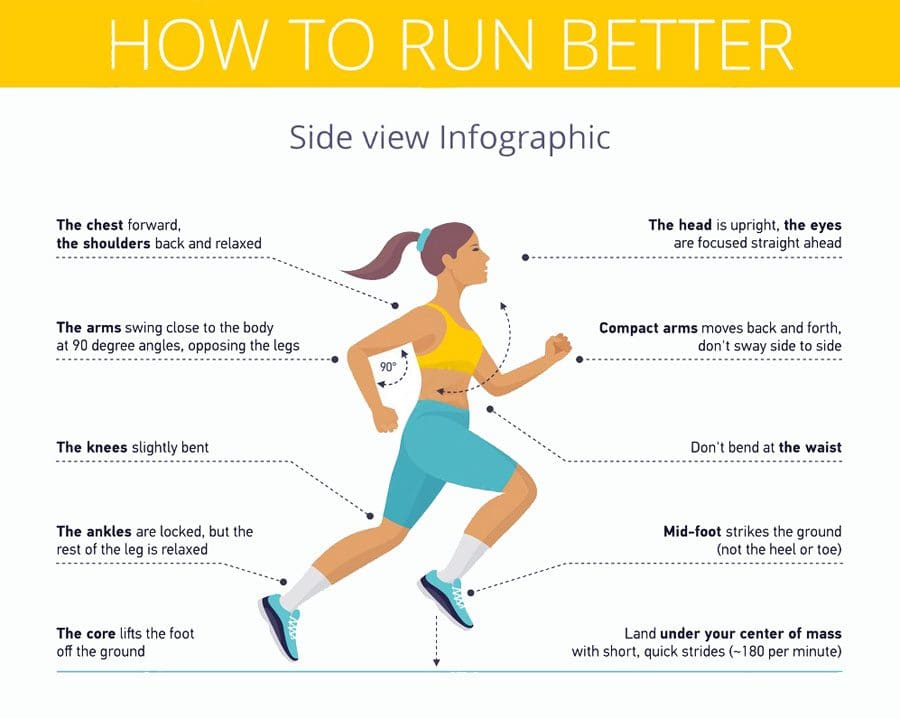
Running technique is essential for gaining the most speed and endurance. Using the correct form, the body is not expending unnecessary energy. The proper running form includes:
Maintaining an upright spine with the head, shoulders, and hips aligned.
Focus on maintaining a steady breathing rhythm.
Follow through on strides.
Do not cut the movements short.
Find your natural stride, which could be leading with the heel or running toe to heel.
Consult an experienced running coach or exercise physiologist for assistance in finding your running form.
Long-Term Goal
The body adapts to the stress of training slowly and over time.
Physiological adaptations cannot be rushed; however, the training program can be optimized to individual needs.
The minimum time before seeing an improvement from training is around six weeks.
Gradual Increase
Training load is a combination of distance, intensity, and the number of runs each week.
The body can only develop with moderate increases over a short time.
Increasing the load too much and too fast leads to injury, illness, and exhaustion.
Limiting distance, intensity, or frequency changes is recommended no more than once a week.
Recovery
Training provides the stimulus to improved fitness, but the body needs recovery time to grow and adapt.
Often beginners want to train hard every day, trying to cover all the elements at once.
This common mistake slows progress and can cause various injuries, fatigue, and loss of motivation.
Rest days are essential to allow the body to recover, develop, adapt, and continue to progress healthily.
The classic training program alternates a hard training day with an easy day or a rest day.
Two consecutive hard training days can be done as long as they are followed by two full recovery days.
Beginner Tips
References
Berryman, Nicolas, et al. “Strength Training for Middle- and Long-Distance Performance: A Meta-Analysis.” International journal of sports physiology and performance vol. 13,1 (2018): 57-63. doi:10.1123/ijspp.2017-0032
Blagrove, Richard C et al. “Effects of Strength Training on the Physiological Determinants of Middle- and Long-Distance Running Performance: A Systematic Review.” Sports medicine (Auckland, N.Z.) vol. 48,5 (2018): 1117-1149. doi:10.1007/s40279-017-0835-7
Kenneally, Mark, et al. “The Effect of Periodization and Training Intensity Distribution on Middle- and Long-Distance Running Performance: A Systematic Review.” International journal of sports physiology and performance vol. 13,9 (2018): 1114-1121. doi:10.1123/ijspp.2017-0327
Tschopp, M, and F Brunner. “Erkrankungen und Überlastungsschäden an der unteren Extremität bei Langstreckenläufern” [Diseases and overuse injuries of the lower extremities in long distance runners]. Zeitschrift fur Rheumatologie vol. 76,5 (2017): 443-450. doi:10.1007/s00393-017-0276-6
van Poppel, Dennis, et al. “Risk factors for overuse injuries in short- and long-distance running: A systematic review.” Journal of sport and health science vol. 10,1 (2021): 14-28. doi:10.1016/j.jshs.2020.06.006
Look how young children position their backs. There is a natural S curve, and their movements are effortless. As the body ages, too much sitting, slouching, and inactivity can cause muscle fatigue and tension leading to posture issues. Rounded shoulders describe a resting position that has shifted the shoulders out of the body’s natural alignment, which can worsen if left untreated. Chiropractic care can realign the shoulders, as well as the spine, and restore musculoskeletal health to optimum levels.
Rounded Shoulders
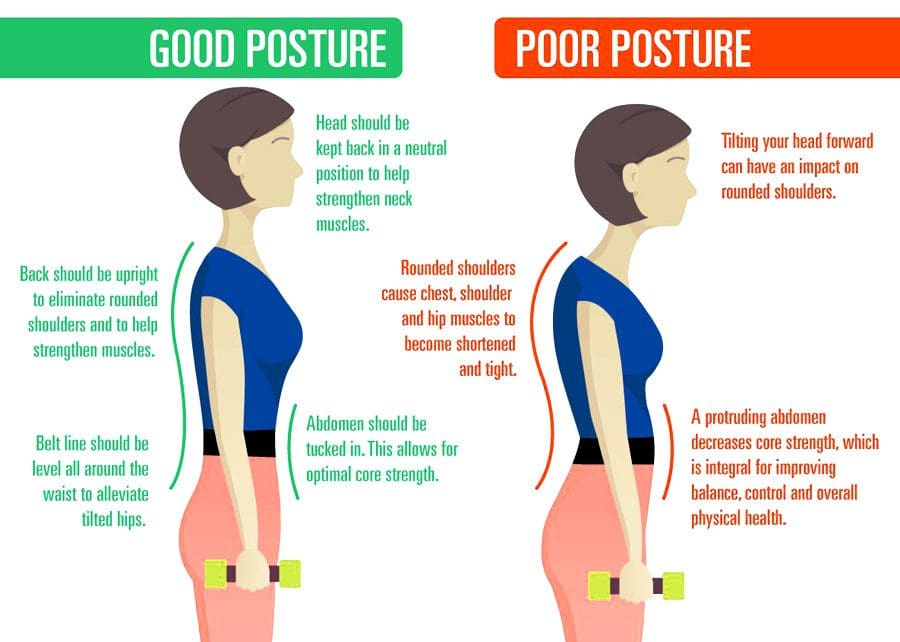
Rounded shoulders are an excessive thoracic kyphosis referring to an uneven forward rounding or curvature of the middle and upper back. Rounded shoulders shift out of proper alignment with the spine, causing posture-related problems like shoulder/neck/back discomfort, tightness, stiffness, and pain. Overall unhealthy posture contributes to the following:
The head constantly being in a forward or backward position
Headaches
Body aches and pains
Muscle fatigue
Chronic back soreness
Bent knees when standing or walking
Body movement dysfunction
Joint problems
Potbelly
Rounded shoulders
Body responses to rounded shoulders include:
Chronic musculoskeletal aches and pains
Breathing problems
Limited body function
Impaired mobility performance
Increased mental and musculoskeletal stress
Causes
Rounded shoulders are typically caused by unhealthy posture, but can also be caused by muscle imbalances from, for example, overfocusing on building chest strength but neglecting the core and upper back. Other causes include:
Standing and sitting for long periods
Stress
Lack of physical activity
Environmental factors
Too much exercise, sports, and physical activities
Musculoskeletal Imbalance
Postural imbalances anywhere in the body can cause rounded shoulders.
For example, when an individual tilts their head forward to look at their phone, the upper back has to round forward to hold the head. Constantly tilting can begin to generate an unhealthy muscle memory causing the neck and shoulder muscles to remain in a semi-flexed position that starts to become the norm.
Another example is when the arms are held out and in front for prolonged periods, like driving, typing, and cooking, the chest muscles get shortened. As time goes on, this causes the shoulder blades to move forward on the ribcage, making the upper back and shoulder area hunch awkwardly and unhealthily.
Stress
When the brain perceives a threat, the body physically prepares to take action through the fight or flight response. Common reactions include:
Jaw tensing
Tightening the abdominal muscles
Holding one’s breath
Rounding the shoulders
Stressors can include:
Job worries
Money issues
Relationship problems
Family responsibilities
All can cause changes in the body that result in rounded shoulders.
Environmental Factors
Respiratory conditions like asthma, COPD, and allergies can affect the body’s breathing and the ability of the diaphragm to contract and relax correctly.
Ribcage restrictions caused by chronic breathing problems can result in the thoracic/middle back tightening up, causing excessive shoulder rounding.
Exercise and Physical Activities
Exercise and physical activities can contribute to rounded shoulders because of the long periods of spinal flexion. These can include:
Bike riding, martial arts, and swimming.
Knitting requires the arms to be out in front.
Gardening requires kneeling and being hunched over.
Chiropractic Treatment
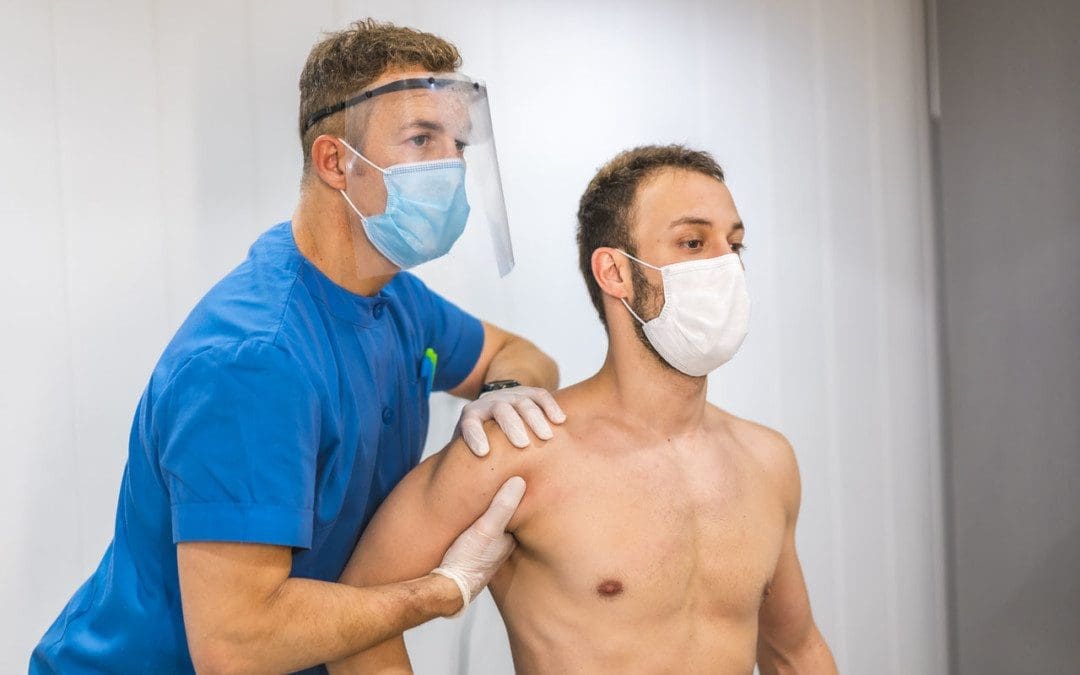
Chiropractic adjustments, therapeutic massage, and decompression therapy can unlock tight shoulder and chest muscles. A chiropractor uses gentle targeted adjustments to relieve pain, restore function, and retrain the muscles.
The doctor will look at the individual’s resting position while standing.
An individual with slumped shoulders can slouch, even when standing up straight.
Their hands will likely face behind them, with their thumbs pointed at each other.
Once the adjustments are made, a correct standing posture will make the hands face the body with the thumbs facing ahead.
Exercises will be recommended to strengthen the core and stretches to maintain the adjustments.
Posture Chiropractic
References
Fathollahnejad, Kiana, et al. “The effect of manual therapy and stabilizing exercises on forward head and rounded shoulder postures: a six-week intervention with a one-month follow-up study.” BMC musculoskeletal disorders vol. 20,1 86. 18 Feb. 2019, doi:10.1186/s12891-019-2438-y
Go, Seong-Uk, and Byoung-Hee Lee. “Effects of scapular stability exercise on shoulder stability and rehabilitative ultrasound images in office workers.” Journal of physical therapy science vol. 28,11 (2016): 2999-3002. doi:10.1589/jpts.28.2999
Kwon, Jung Won, et al. “Changes in upper-extremity muscle activities due to head position in subjects with a forward head posture and rounded shoulders.” Journal of physical therapy science vol. 27,6 (2015): 1739-42. doi:10.1589/jpts.27.1739
Lee, Do Youn, et al. “Changes in rounded shoulder and forward head posture according to exercise methods.” Journal of physical therapy science vol. 29,10 (2017): 1824-1827. doi:10.1589/jpts.29.1824
Park, Sang-In, et al. “Effects of shoulder stabilization exercise on pain and functional recovery of shoulder impingement syndrome patients.” Journal of physical therapy science vol. 25,11 (2013): 1359-62. doi:10.1589/jpts.25.1359
Training means engaging in activity for fitness purposes or improving performance skills. Sports training is a process of preparation aimed at strengthening and maintaining high performance in sports activities. It is used by scientists and experts in sports science, biomechanics, exercise physiology, sports psychology, and fields like yoga and kinesiology. Regardless of fitness level, physical training, or exercise program, general sports training principles include:
Progression
Periodization/Regularity
Overload
Variety
Recovery
Balance
Specificity
Designed to improve fitness and performance, it includes strength training, conditioning, cardiovascular training, corrective and restorative exercises, mental and psychological training, and nutritional/health coaching.
Sports Training Principles
Progression
To improve fitness levels, an individual needs to increase the intensity and duration of their training routine gradually. Gradual and systematic increases in training stress maintain tissue overload and continue the body’s training adaptation. Training variables must be increased to induce further transformation. These include:
The rate of progression is important as progressing too fast can result in injury, while going too slow can delay improvement goals.
Periodization and Regularity
Maintaining a consistent exercise regimen is important, with training occurring at regular intervals.
Training three-five times each week is recommended.
Ensure adequate sleep to train at optimal levels.
A proper nutrition plan to operate at high capacity during training.
Varying training variables like activity, rest, frequency, intensity, and duration help maintain optimal stimulus and address goal adjustments to avoid overtraining, injury, and burnout.
Overload
Overloading occurs when the training exercise is more than an individual’s body can take. Challenging an individual’s current fitness and performance levels generates improvements. For example, soccer players alternate between sprinting, jogging, and backpedaling during games. They do 40-50-minute jogging sessions daily to maintain stamina and endurance.
This means pushing the body, so the heart works at a high percentage of its maximum capacity.
Determining the proper intensity level depends on various factors, including age, weight, and overall fitness level.
Excessive overload and/or inadequate rest can result in overtraining, injury, and decreased performance levels.
Variety
Becoming bored with physical training can happen very easily when performing the same routine.
Mixing things up by breaking up the routine and doing other activities is important.
This prevents boredom and can increase motivation to help achieve maximum results.
Recovery
Rest periods between physical training are essential for repairing muscle damage and removing metabolic waste.
The recommended recovery time is between 24 and 48 hours after training.
Alternating more difficult training exercises with easier exercises or alternating muscle groups so as not to work out the same muscles can also achieve recovery.
Not allowing the body to recover properly can lead to muscle fatigue, increasing the risk of injuries.
Balance
When developing a physical training program, it’s important to ensure the whole body is being worked out equally to achieve a balanced fitness level.
Balance routines for the upper and lower body.
Components of a balanced exercise plan include Strength, Cardio, and Flexibility training.
For example:
One day of aerobic exercises for cardio.
One day of rest.
One day of resistance training for strength.
Stretching at the beginning and the end of workouts to relax muscles and maintain flexibility.
Specificity
The principle of specificity recommends that individuals gear their training toward specific goals.
Specific training consists of exercises to develop specific strength, specific muscle groups, and specific motor abilities required for a sport.
Incorporating specific motions and sports tasks generates neuromuscular and metabolic adaptations and muscle memory.
Chiropractic Therapy
Sports chiropractors work closely with massage therapists, performance coaches, athletic trainers, and medical doctors with a diverse treatment approach that is applied based on the needs of the individual. Chiropractic will:
Improve performance.
Reduce the risk of injury.
Alleviate muscle stress.
Expedite injury healing.
Maintain body alignment.
Sports Chiropractor Rehabilitation
References
Kasper, Korey. “Sports Training Principles.” Current sports medicine reports vol. 18,4 (2019): 95-96. doi:10.1249/JSR.0000000000000576
Maestroni, Luca, et al. “Strength and Power Training in Rehabilitation: Underpinning Principles and Practical Strategies to Return Athletes to High Performance.” Sports medicine (Auckland, N.Z.) vol. 50,2 (2020): 239-252. doi:10.1007/s40279-019-01195-6
Ralston, Grant W et al. “Weekly Training Frequency Effects on Strength Gain: A Meta-Analysis.” Sports medicine – open vol. 4,1 36. 3 Aug. 2018, doi:10.1186/s40798-018-0149-9
Schleip, Robert, and Divo Gitta Müller. “Training principles for fascial connective tissues: scientific foundation and suggested practical applications.” Journal of bodywork and movement therapies vol. 17,1 (2013): 103-15. doi:10.1016/j.jbmt.2012.06.007
Van Proeyen, Karen, et al. “Beneficial metabolic adaptations due to endurance exercise training in the fasted state.” Journal of applied physiology (Bethesda, Md.: 1985) vol. 110,1 (2011): 236-45. doi:10.1152/japplphysiol.00907.2010
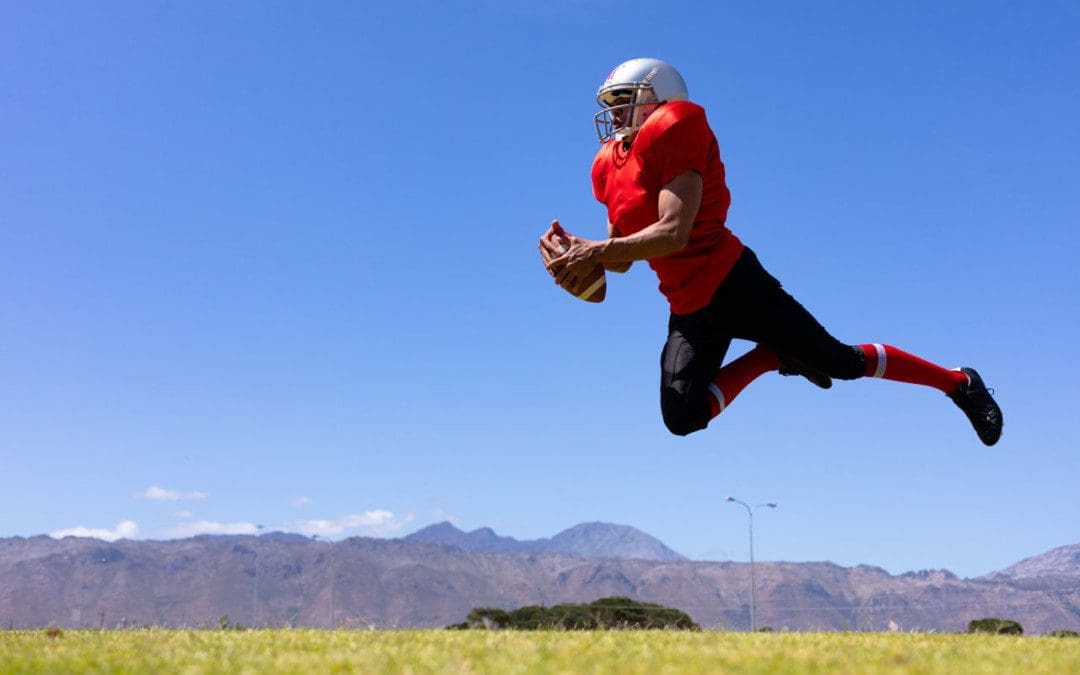
Football season is here, and the sport demands healthy, strong bodies. It is explosive, with high-intensity plays lasting between 2-15 seconds. Strength and power are put out in a few moments then the player rests up and does it again. A football training chiropractor can take players to another level with therapeutic massage, body strengthening, and rehabilitation so that players can enjoy a healthy injury-free season.
Football Training
Stretching and Warm-Up
Stretching and a dynamic warm-up are essential to strengthening the body and preventing injury. Stretching is necessary to increase the range of motion in the muscles, especially when the body is in an awkward position; it can adapt. A dynamic warm-up increases the core temperature of the muscles and prepares the muscles, joints, and nervous system for the physical event. The critical muscles are the hip flexors, hamstrings, and calves. The warm-up consists of a series of progressive movement drills that include:
Proper stretching, followed by a dynamic warm-up, will maximize performance.
Cardio, Aerobic, and Anaerobic Fitness
Cardio training increases oxygen and blood circulation to play for a long time without getting tired.
Aerobic fitness increases oxygen and provides endurance to break through or enhance tackles, sustained effort, and strength.
Anaerobic fitness utilizes high-intensity exercises to challenge the body without using a lot of oxygen like cardio and aerobics do.
All are important, especially for players playing the whole or most of the game.
Core Strength
The core is where power and strength come from. It refers to the muscles around the trunk and pelvis, including the diaphragm, abdominal wall, low back, and hips. Reinforcing the core will enhance balance, stability, and efficiency and reduce the risk of injury. The core muscles under the washboard abs link upper-body power with lower-body torque. In-season strength training provides a progressive buildup to optimal fitness and performance. The focus is on the following:
Speed maintenance.
Aerobic and anaerobic fitness.
Strength and power.
Emphasis on injury prevention training stabilizer muscles for balance and agility.
It is recommended to allow at least two days between training sessions and games. Avoid strength training on the same day as working out on the field.
Rest entirely from strength training for one week in five.
Light workouts are fine.
Hydration
Football players have unique hydration needs due to the exposure to extreme heat or cold while wearing heavy equipment. Top-rated athletic trainers monitor weather conditions, length and time of day at practice and games, and the hydration levels of each player. Hydration recommendations include:
Hydrate before, during, and after practices and games.
Two to three hours before the game, drink 17 to 20 fluid ounces of water or a sports drink.
Ten to 20 minutes before the game, drink seven to 10 fluid ounces of water or a sports drink.
During practices, drink seven to 10 fluid ounces of water or sports drink every 10 to 20 minutes with the helmet off.
Post-practice/game, correct any fluid loss, ideally within two hours.
The hydration should contain water to restore hydration, carbohydrates to replenish glycogen stores, and electrolytes to speed the recovery process.
Football Training Chiropractic
Chiropractic care has become integral to NFL players’ health and training programs. All 32 teams have a chiropractor, and according to the Professional Football Chiropractic Society, the average NFL team chiropractor gives 30-50 treatments a week. Chiropractic treats conditions like neuromusculoskeletal strain injuries, neck pain, back pain, strains to the hamstring and quadriceps, and injuries caused by whiplash-like movements. Benefits include:
Iaia, F Marcello, et al. “High-intensity training in football.” International journal of sports physiology and performance vol. 4,3 (2009): 291-306. doi:10.1123/ijspp.4.3.291
Lorenz, Daniel, and Scot Morrison. “CURRENT CONCEPTS IN PERIODIZATION OF STRENGTH AND CONDITIONING FOR THE SPORTS PHYSICAL THERAPIST.” International journal of sports physical therapy vol. 10,6 (2015): 734-47.
Robbins, Daniel W. The Normalization of Explosive Functional Movements in a Diverse Population of Elite American Football Players. Journal of Strength and Conditioning Research: April 2012 – Volume 26 – Issue 4 – p 995-1000
doi: 10.1519/JSC.0b013e31822d53b7
Stump, John L, and Daniel Redwood. “The use and role of sports chiropractors in the national football league: a short report.” Journal of manipulative and physiological therapeutics vol. 25,3 (2002): E2. doi:10.1067/mmt.2002.122326
Zein MI, Saryono S, Laily I, Garcia-Jimenez JV. The effect of high-intensity circuit training-modified FIFA 11+ program on physical fitness among young football players. J Sports Med Phys Fitness 2020;60:11-6. DOI: 10.23736/S0022-4707.19.09813-X
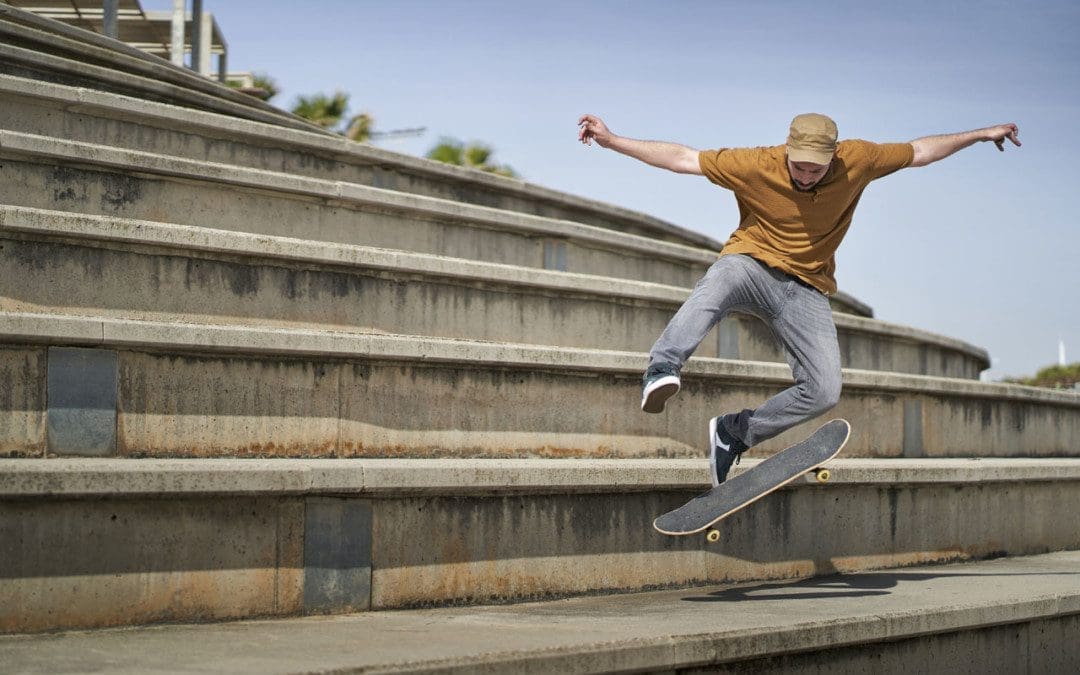
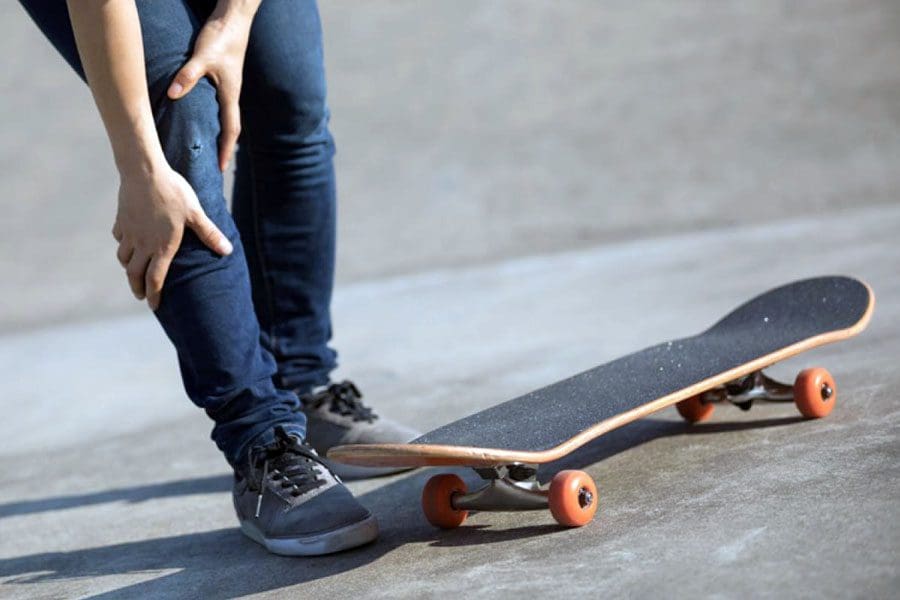
Skateboarding is a popular activity among children, teenagers, and young adults. It is recreational, competitive, fun, and exciting but, like any sport, carries a risk of injury. There are around 70,000 skateboarding injuries requiring a visit to the emergency room every year. The most common injuries involve the shins, ankles, forearms, wrists, elbows, face, and skull, with many left untreated that worsen as they heal improperly, leading to further damages and complications. Chiropractic can treat the injuries, rehabilitate the muscles and joints, and strengthen the body to get the skater back on their board.
Skateboarding Injuries
Skateboarding injuries can range from scrapes, cuts, and bruises to sprains, strains, broken bones, and concussions.
Shin injuries often happen during flip/twist tricks where the board or axle hits the shin causing bruising and swelling.
Shoulder, wrist, and hand injuries are common when skaters lose their balance and fall with outstretched arms.
Ankle injuries include rolls/sprains, as well as dislocations and fractures.
Dislocations usually happen to the shoulders, wrists, and fingers.
Facial injuries include teeth knocked out, broken nose, or jaw are typically caused by fast forward hard falls.
Severe injuries include concussions and head injuries.
Injury causes
Skateboarding injuries typically occur from:
Skating on irregular surfaces locks up wheels and affects balance, causing falls.
Losing balance or losing control of the board and falling hard/slamming into the pavement.
Inexperience, slow reaction times, and less coordination lead to falls and slams.
Skating into another skater, a person walking or cycling, a car, or a road hazard.
Trying an advanced trick/maneuver too soon and beyond their skill level.
Help prevent further injuries and long-term effects.
Chiropractic Skateboarding Injury Treatment
References
Forsman, L, and A Eriksson. “Skateboarding injuries of today.” British journal of sports medicine vol. 35,5 (2001): 325-8. doi:10.1136/bjsm.35.5.325
Hunter, Jamie. “The epidemiology of injury in skateboarding.” Medicine and sport science vol. 58 (2012): 142-57. doi:10.1159/000338722
Partiali, Benjamin, et al. “Injuries to the Head and Face From Skateboarding: A 10-Year Analysis From National Electronic Injury Surveillance System Hospitals.” Journal of oral and maxillofacial surgery: official journal of the American Association of Oral and Maxillofacial Surgeons vol. 78,9 (2020): 1590-1594. doi:10.1016/j.joms.2020.04.039
Shuman, Kristin M, and Michael C Meyers. “Skateboarding injuries: An updated review.” The Physician and sportsmedicine vol. 43,3 (2015): 317-23. doi:10.1080/00913847.2015.1050953
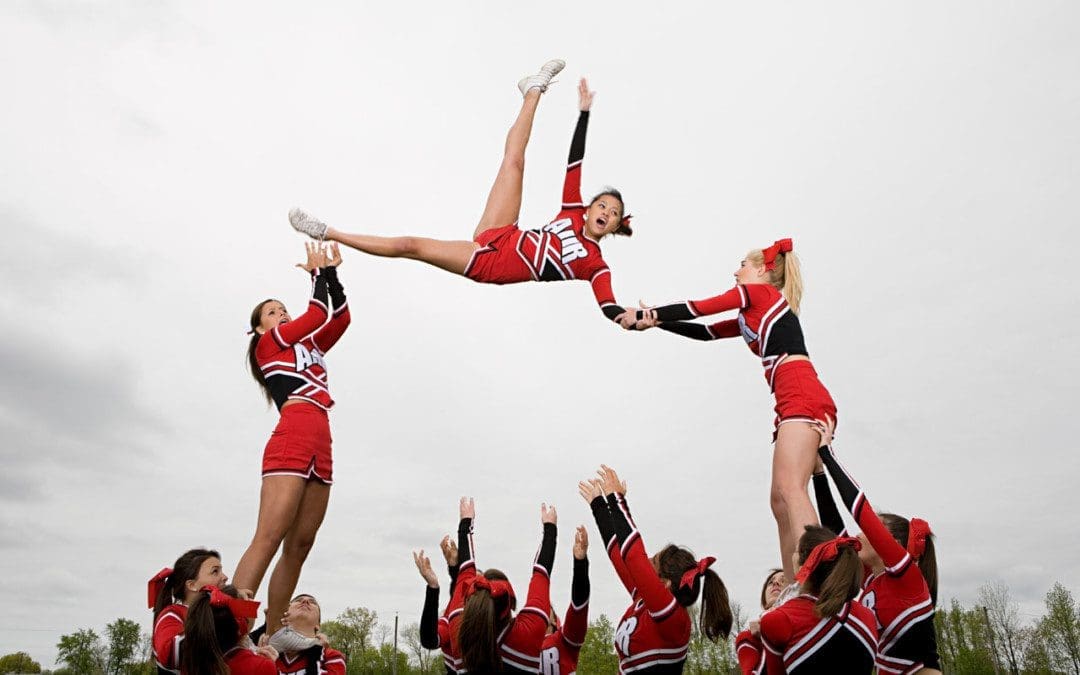
Cheerleading and the physically intensive gymnastics and acrobatics put participants’ body’s/musculoskeletal systems at an increased risk of injury. A wrong move or falling at the wrong angle can cause permanent damage. Cheerleaders must follow a balanced diet and maintain physical fitness, strength, endurance, and flexibility to be successful cheerleaders. Cheerleading conditioning builds the musculature and spinal strength to decrease the risk and prevent injury.
Cheerleading Conditioning
Cheerleaders must have a solid musculoskeletal system to ensure their safety and the safety of their squads. Workouts include cardio, strength training, and flexibility exercises.
Warming Up
Before any workout, the muscles need to be warmed up.
Spend five minutes jumping rope, running in place, jogging on a treadmill, or doing any mild activity to raise the heart rate.
Try tree pose by standing on the right foot, and the left leg bent on the right knee.
The left thigh should be parallel to the ground.
Raise arms overhead and make a V motion keeping the abdominal muscles pulled in tight.
Balance for up to one minute.
Switch to the other foot.
Once balance is mastered on the ground, try balancing on a cushion to add instability.
Repeat three to five times on each foot.
Common Injuries
Common injuries include:
Hand and finger injuries.
Ligament sprains in the knees and ankles.
Muscle strains in the hip, low back, and legs.
Overuse injuries
Cheerleading is becoming a year-round sport.
Starting with tryouts during spring.
Teams may hold or go to organized summer cheerleading camps to learn new skills, improve skill sets, and create routines for competition.
Continuous training and competitions increase the chance of overuse injuries.
The wrists, elbows, knees, and ankles can be injured by repetitive stress.
More severe injuries are:
The repetitive tumbling places significant pressure on the spine and can cause stress fractures.
Dislocation of the shoulder or elbow.
Injury Causes
Lack of arm and shoulder, foot, and ankle strength.
Little to no core and abdominal strength.
Flexibility problems.
Improper conditioning.
Unhealthy diet.
Performing skills that are advanced for the cheerleader’s current level.
Chiropractic Enhancement
Chiropractic care can treat injuries and strengthen the body’s musculoskeletal system to prevent injuries. Chiropractic’s goal is optimal body performance by redistributing blood circulation, nerve energy flow, correct muscle positioning, and skeletal alignment. Many cheerleading teams are incorporating chiropractic. Injury Medical Chiropractic and Functional Medicine Clinic also specializes in sports medicine rehabilitation, strength training, nutrition, and health coaching.
Cheerleading Strength Training Workout
References
Boden, Barry P, and Christopher G Jarvis. “Spinal injuries in sports.” Neurologic clinics vol. 26,1 (2008): 63-78; viii. doi:10.1016/j.ncl.2007.12.005
Miners, Andrew L. “Chiropractic treatment and the enhancement of sport performance: a narrative literature review.” The Journal of the Canadian Chiropractic Association vol. 54,4 (2010): 210-21.
Mueller, Frederick O. “Cheerleading injuries and safety.” Journal of athletic training vol. 44,6 (2009): 565-6. doi:10.4085/1062-6050-44.6.565
Pang, Yanbin, et al. “Premature exhaustion of mesenchymal stromal cells from myelodysplastic syndrome patients.” American journal of translational research vol. 9,7 3462-3468. 15 Jul. 2017
Wan, Jing-Jing, et al. “Muscle fatigue: general understanding and treatment.” Experimental & molecular medicine vol. 49,10 e384. 6 Oct. 2017, doi:10.1038/emm.2017.194
Whenever stepping out onto a playing field or gym, there is a risk of suffering sports back injuries. Back pulls, strain and sprain injuries are the most common. Low back pain is one of the most prevalent complaints at all levels of competition. 90% of these acute back injuries will heal on their own, usually in about three months. However, sometimes these injuries can be more severe and require professional medical care. Treatment options for different groups of athletes include nonsurgical motorized spinal decompression.
Sports Back Injuries
Injury mechanisms vary from sport to sport, but there are recommendations regarding spinal decompression treatment for these injuries and return to play. Chiropractic healthcare specialists understand the sport-specific injury patterns and treatment guidelines for athletes following a back injury. Spinal decompression treatments are beneficial and result in higher rates of return to play depending on the specific sport of the injured athlete. A chiropractor will create a personalized spinal decompression treatment plan for the sport-specific context to meet the athlete’s short and long-term needs.
An estimated 10–15% of athletes will experience low back pain.
All types of sports place increased stress on the lumbar spine through physically demanding and repetitive movements/motions.
The repetitive shifting, bending, twisting, jumping, flexion, extension, and spinal axial loadingmotions contribute to low back pain even though the athletes are in top shape with increased strength and flexibility.
Injury patterns demonstrate the increased stresses that athletes place on the lumbar spine.
Common Spine Sports Injuries
Cervical Neck Injuries
Stingers are a type of neck injury.
A stinger is also known as a burner is an injury that happens when the head or neck gets hit to one side, causing the shoulder to be pulled in the opposite direction.
These injuries manifest as numbness or tingling in the shoulder from stretching or compressing the cervical nerve roots.
Lumbar Lower Back Sprains and Strains
When trying to lift too much weight or using an improper lifting technique when working out with weights.
Fast running, quick stopping, and shifting can cause the low back and hip muscles to get overly pulled/stretched.
Staying low to the ground and springing/jumping up can cause abnormal stretching or tearing of the muscle fibers.
Fractures and Injuries to the Supporting Spinal Structures
In sports that involve repetitive extension movements, spinal stress fractures are relatively common.
Excessive and repeated strain to the spinal column area leads to low back pain and injury.
Nonsurgical Spinal Decompression
Nonsurgical spinal decompression is motorized traction that is used to relieve compression pressure, restore spinal disc height, and relieve back pain.
Spinal decompression works to gently stretch the spine changing the force and position of the spine.
The gel-like cushions between the vertebrae are pulled to open up the spacing taking pressure off nerves and other structures.
This allows bulging or herniated discs to return to their normal position and promotes optimal circulation of blood, water, oxygen, and nutrient-rich fluids into the discs to heal, as well as, injured or diseased spinal nerve roots.
DRX 9000 Decompression
References
Ball, Jacob R et al. “Lumbar Spine Injuries in Sports: Review of the Literature and Current Treatment Recommendations.” Sports medicine – open vol. 5,1 26. 24 Jun. 2019, doi:10.1186/s40798-019-0199-7
Jonasson, Pall et al. “Prevalence of joint-related pain in the extremities and spine in five groups of top athletes.” Knee surgery, sports traumatology, arthroscopy: official journal of the ESSKA vol. 19,9 (2011): 1540-6. doi:10.1007/s00167-011-1539-4
Lawrence, James P et al. “Back pain in athletes.” The Journal of the American Academy of Orthopaedic Surgeons vol. 14,13 (2006): 726-35. doi:10.5435/00124635-200612000-00004
Petering, Ryan C, and Charles Webb. “Treatment options for low back pain in athletes.” Sports health vol. 3,6 (2011): 550-5. doi:10.1177/1941738111416446
Sanchez, Anthony R 2nd et al. “Field-side and prehospital management of the spine-injured athlete.” Current sports medicine reports vol. 4,1 (2005): 50-5. doi:10.1097/01.csmr.0000306072.44520.22
IFM's Find A Practitioner tool is the largest referral network in Functional Medicine, created to help patients locate Functional Medicine practitioners anywhere in the world. IFM Certified Practitioners are listed first in the search results, given their extensive education in Functional Medicine