Ankylosing spondylitis is an inflammatory arthritis that causes changes in posture that occur over time. Can exercise and maintaining spinal alignment help improve posture problems?
Ankylosing Spondylitis Posture Improvement
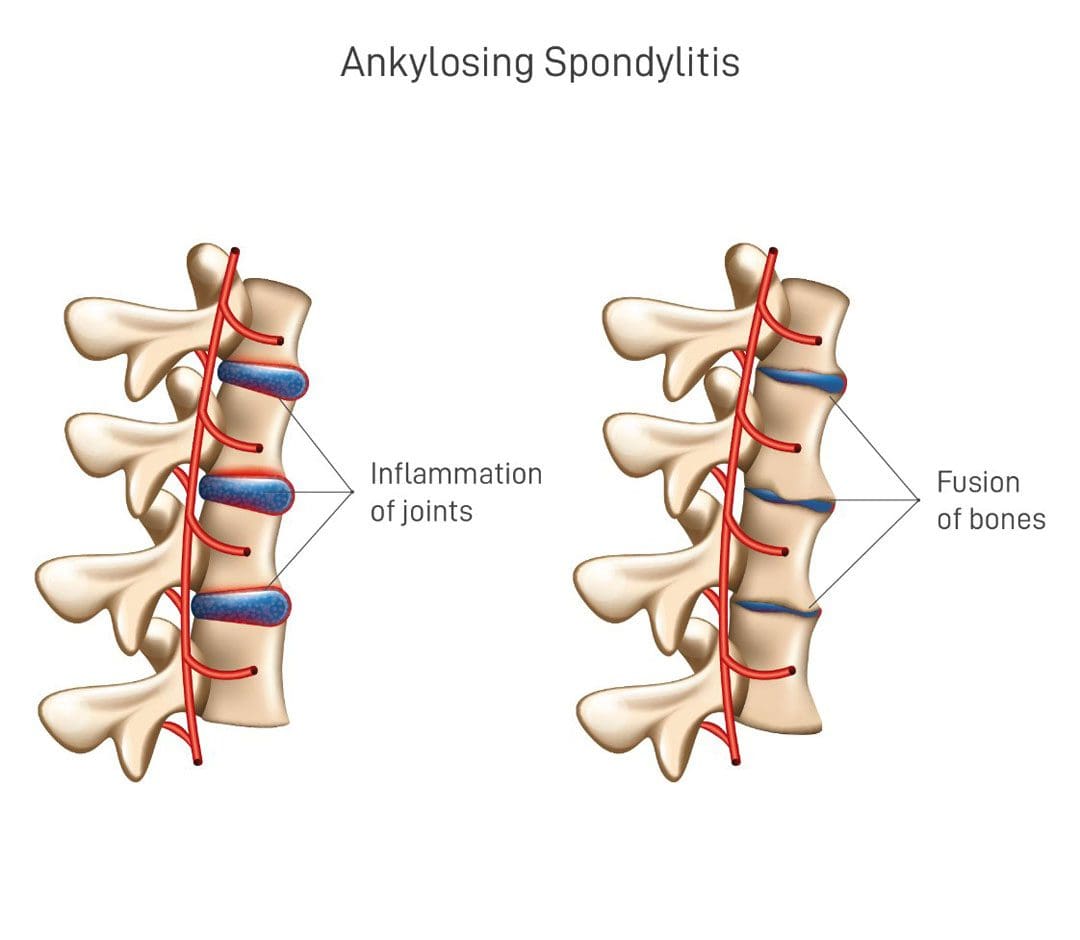
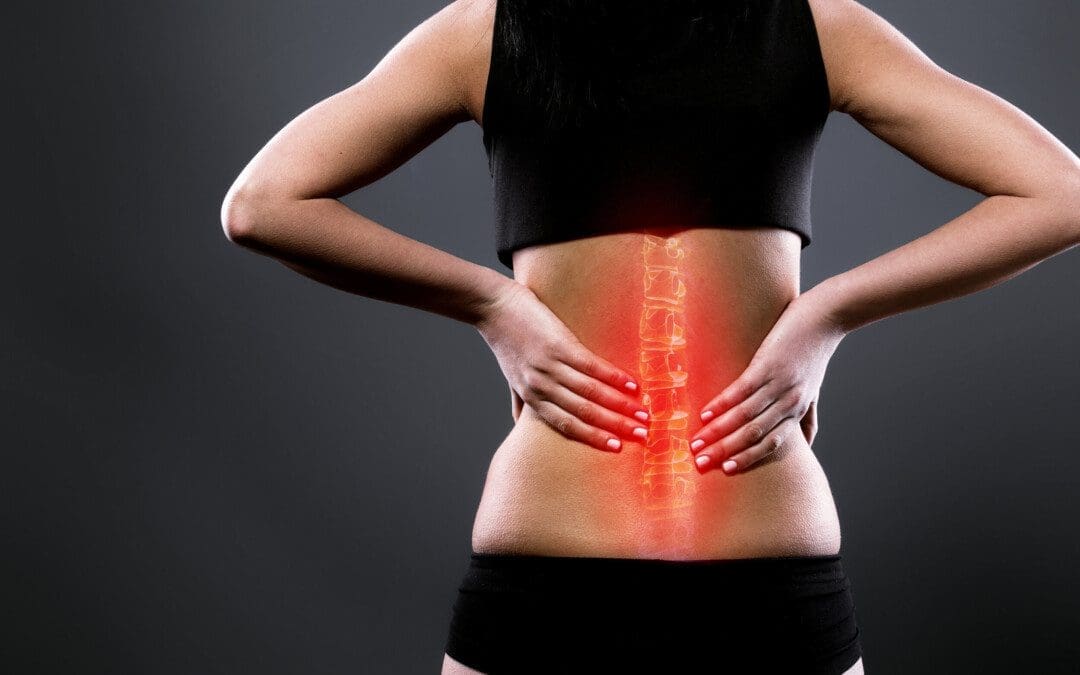
Ankylosing spondylitis/AS is an autoimmune arthritis that primarily affects the spine. It can also spread to other joints of the body and affect the internal organs. Back pain problems are a common side effect of the condition and depending on the severity of damage to the spine, it can have a serious impact on posture.
Affects Posture
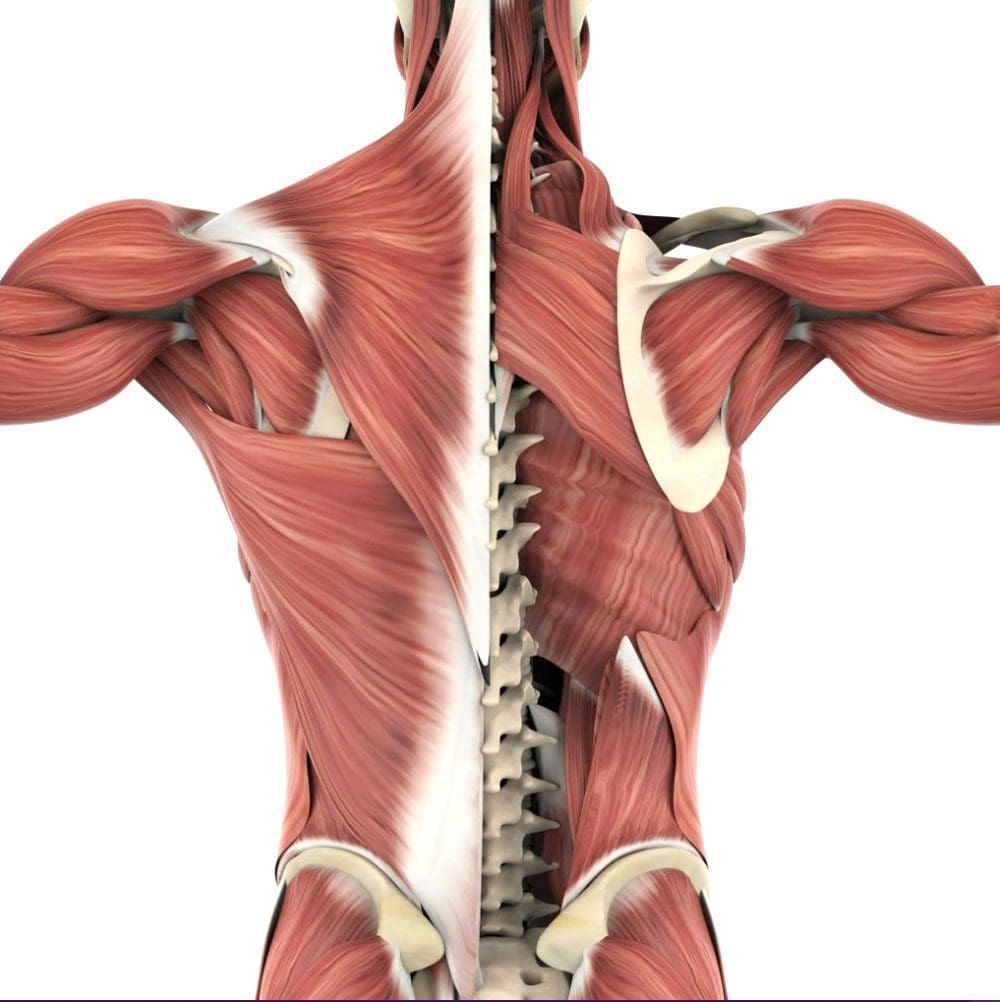
The condition usually first affects the sacroiliac joints at the bottom of the spine where they attach to the pelvis. As the condition progresses it works its way to the upper spine. The spine consists of 26 vertebrae/bones stacked on top of each other.
Line up the ears, shoulders, hips, knees, and ankles in a straight line.
Squeeze the shoulder blades together and down toward the back pockets.
Relax the arms at the sides.
Look straight ahead.
Tuck the chin back slightly.
Sitting
The natural curves of the spine need support for proper posture when sitting. Try these tips when at a desk or at a table:
Position the height of the chair so the hips and knees are bent at 90-degree angles.
Place the feet flat on the floor or use a footstool based on chair height.
Place a lumbar support pillow or rolled-up towel behind the lower back.
Position the screen monitor at eye level to keep the upper back straight.
Keep the keyboard and mouse close to the body to prevent overreaching which can increase the rounding of the shoulders and upper back.
Lying Down
Ankylosing spondylitis can make lying down uncomfortable. To support the spine while lying down try to:
Sleep on a semi-firm mattress or type like memory foam to conform to the body.
Place a pillow between the knees to maintain a straight spine when lying on the side.
Use a specialized pillow to prevent placing the upper back in a rounded position.
Posture Exercises
For individuals with ankylosing spondylitis stretching and strengthening exercises can help improve body posture. Individuals are recommended to talk to their healthcare provider before beginning an exercise program.
Chin Tucks
Sit up straight.
Squeeze the shoulder blades together.
Rest the arms at your sides.
Look straight ahead, pull the chin back and in until the stretch is felt along the muscles of the neck.
Hold for three to five seconds and relax.
Repeat 10 times.
Corner Stretch
Stand facing a corner.
Raise the arms to shoulder height.
Place one forearm flat against each wall.
Stagger the feet.
Slowly shift weight over the front leg and lean in toward the corner.
Stop once the stretch is felt across the chest.
Hold for 10 to 20 seconds and relax.
Repeat three times.
Scapular Squeezes
Sit up straight with arms resting at the sides.
Squeeze the shoulder blades together like they are holding an object between them.
Hold for three seconds and relax.
Repeat 10 times.
Maintaining spinal alignment will help decrease back pain that occurs with AS.
Targeted exercises can help stretch tight muscles and strengthen the muscles responsible for maintaining spinal alignment.
Maintaining healthy posture when sitting, standing, and sleeping can help prevent deformities in the spine.
Regular physical activity can help combat stiffness and help maintain overall strength.
For an individualized exercise program, see a physical therapist or chiropractor on incorporating posture exercises to help prevent complications from developing.
Arthritis
References
National Institute of Arthritis and Musculoskeletal and Skin Diseases. Ankylosing spondylitis.
De Nunzio, A. M., Iervolino, S., Zincarelli, C., Di Gioia, L., Rengo, G., Multari, V., Peluso, R., Di Minno, M. N., & Pappone, N. (2015). Ankylosing spondylitis and posture control: the role of visual input. BioMed research international, 2015, 948674. https://doi.org/10.1155/2015/948674
Hamstring muscle injuries are common, especially in athletes and individuals with physically demanding jobs. Is there a better chance of full recovery with surgical repair and post-op rehabilitation?
Hamstring Muscle Tear
Most often, hamstring muscle injuries are partial tears of the muscle. These types of injuries are muscle strains that occur when the muscle fibers are stretched beyond their normal limits. Complete tears of the hamstring muscle are unusual, but they do occur in both athletes and non-athletes. Determining the optimal treatment plan depends on:
The severity of the tendon tear
The expectations of the injured individual.
Incomplete tears are when the hamstring muscle is stretched too far, but not completely detached.
Complete tears usually occur at the top of the muscle where the tendon tears away from the pelvis.
A complete tear usually occurs when there is a sudden flexion of the hip and extension of the knee joint – when the muscle contracts in this position, it gets stretched beyond its limits.
Basic hamstring strains can be treated with simple steps – rest, ice, anti-inflammatory medications, and conservative therapies.
Symptoms
Symptoms of a hamstring muscle strain can include pain, bruising, swelling, and movement difficulty. (American Academy of Orthopaedic Surgeons. 2021) Individuals who sustain this injury typically experience sudden sharp pain. Signs of a tear can include:
Sharp pain where the buttock and thigh meet.
Difficulty walking.
Sitting can be difficult as the edge of a chair can place pressure directly on the injury.
Spasms and cramping sensations in the back of the thigh.
Weakness in the leg, specifically when bending the knee or lifting the leg behind the body.
Numbness or burning sensations as a result of sciatic nerve irritation.
Swelling and bruising in the back of the thigh – over time it can travel down to the back of the knee and calf and possibly into the foot.
With a complete hamstring tear, there is usually significant swelling and bruising that develops in the back of the thigh.
Diagnosis
The symptoms can be difficult to spot in the early stages which is why X-rays of the hip or thigh are usually obtained.
In some situations, a fragment of bone can get pulled off the pelvis along with the hamstring muscle attachment. MRI testing can be performed to evaluate the attachment and can define critical features of a complete hamstring muscle tear, including: (American Academy of Orthopaedic Surgeons. 2021)
The number of tendons involved.
Complete versus incomplete tearing.
The amount of retraction – the amount the tendons have pulled back.
This will guide the development of treatment.
Treatment
The treatment of a complete tear will depend on different factors. The other variable is the patient and their expectations.
Treatment is more aggressive in younger individuals like high-level athletes.
Treatment is less aggressive in middle-aged individuals.
Often a single tendon tear can be treated non-surgically.
When one tendon is involved, it is typically not pulled very far from its normal attachment and will develop scar tissue in a positive position.
Conversely, when three tendons have been torn, they usually pull more than a few centimeters away from the bone. These cases have better results with surgical repair. (UW Health. 2017)
Surgeons will use patient characteristics – high-level athletes or less physically active individuals – to guide treatment recommendations.
Rehabilitation
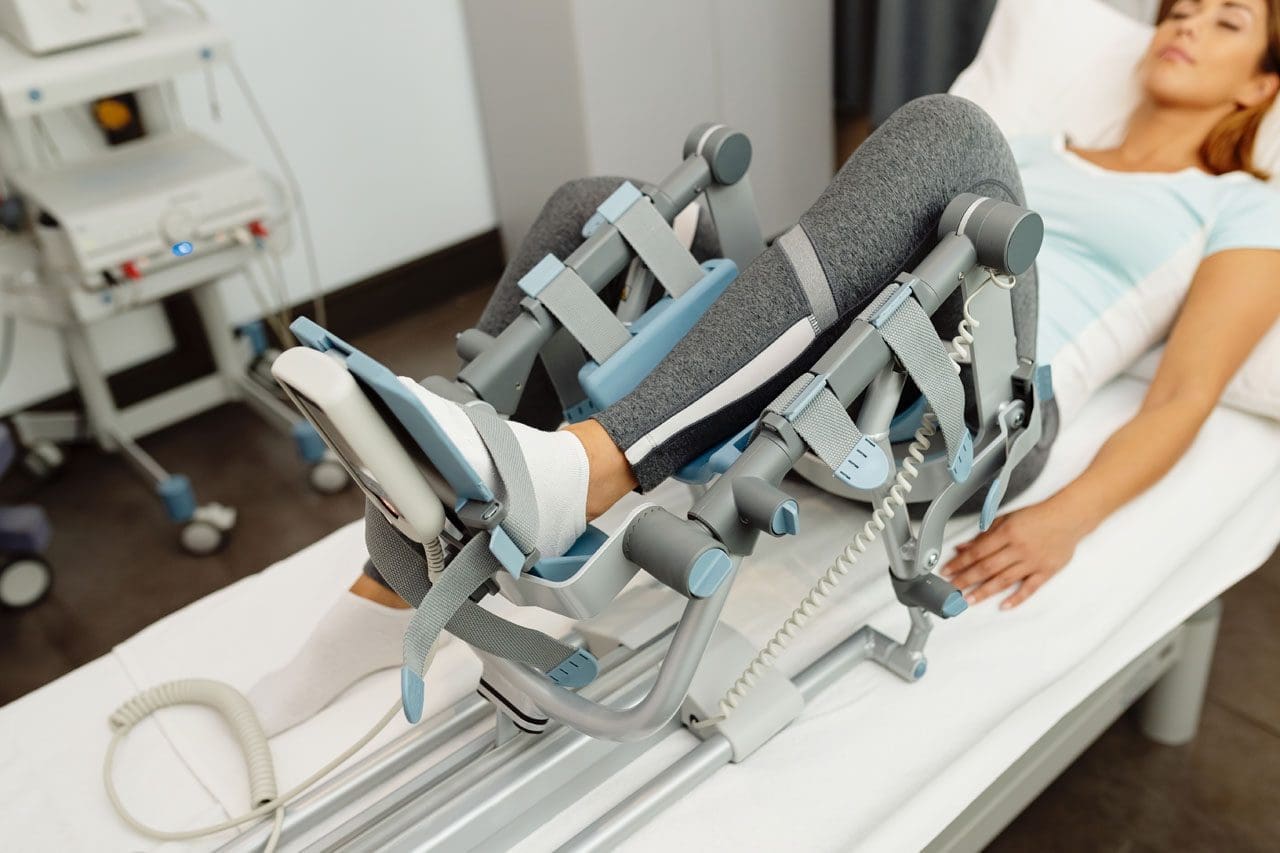
Rehabilitation following surgery can take 3-6 months or longer.
The first six weeks limit weight-bearing with the use of crutches.
Patients may be recommended to wear a brace to reduce tension on the repaired hamstring tendons.
Strengthening does not begin until three months post-op, and even light activities are usually delayed. (UW Health. 2017)
Because this injury can have a long recovery time, some individuals may choose nonsurgical treatment.
Sometimes these individuals experience symptoms of discomfort from sitting and may exhibit long-term weakness of the hamstring muscle.
Full recovery from a complete hamstring muscle injury takes time. Studies have shown high-level athletes are able to resume competitive sports after the repair and rehabilitation of an acute hamstring muscle injury. (Samuel K. Chu, Monica E. Rho. 2016)
Delaying surgical treatment may not always lead to optimal results.
When the tendon is torn away from its normal attachment, it begins to scar around the surrounding soft tissues.
When there is a delay of more than a few weeks following the initial injury, regaining the full length of the tendon and muscle can be challenging.
This could delay the rehabilitation process and may limit the potential for full recovery. (Ho Yoon Kwak, et al., 2011)
With severe injuries, there is a better chance of full recovery with surgical repair but could involve a long recovery and commitment to a post-op rehabilitation plan.
Chu, S. K., & Rho, M. E. (2016). Hamstring Injuries in the Athlete: Diagnosis, Treatment, and Return to Play. Current sports medicine reports, 15(3), 184–190. https://doi.org/10.1249/JSR.0000000000000264
Kwak, H. Y., Bae, S. W., Choi, Y. S., & Jang, M. S. (2011). Early surgical repair of acute complete rupture of the proximal hamstring tendons. Clinics in orthopedic surgery, 3(3), 249–253. https://doi.org/10.4055/cios.2011.3.3.249
Can healthcare professionals provide the best non-surgical therapeutic options for individuals with chronic low back pain?
Introduction
Chronic low back pain can happen to numerous individuals, affecting their daily routine and making them miss out on important life events. With the ever-changing world, many individuals, especially working individuals, will experience chronic low back pain at some point due to unbearable stress that seems to affect the surrounding muscles that protect the lumbar spine. This causes many individuals to overstretch or shorten the muscles that are contributing to lower back pain, which can be the causing factor in the development of lower back pain. At the same time, when individuals suffer from low back pain, it can be imposed as a grave economic cost to society. (Pai & Sundaram, 2004) This, in turn, causes many individuals to miss out on work and be financially burdened as the cost of chronic low back pain treatment is high. However, numerous therapeutic options are cost-effective, safe, and effective in reducing chronic low back pain. Today’s post looks at the effects of chronic low back pain and how many individuals can look at various non-surgical options that many individuals can utilize to reduce chronic low back pain. Coincidentally, we communicate with certified medical providers who incorporate our patients’ information to provide various treatment plans to reduce chronic low back pain. We also inform them that there are non-surgical options to reduce the pain-like symptoms associated with the factors that cause chronic lower back pain. We encourage our patients to ask amazing educational questions to our associated medical providers about their symptoms correlating with body pain in a safe and positive environment. Dr. Alex Jimenez, D.C., incorporates this information as an academic service. Disclaimer
The Effects Of Chronic Low Back Pain
Have you been dealing with chronic pain that flares up in your lower back after a hard workday? Do you feel muscle aches or pains that don’t relieve itself after a day of rest? Or do you and your loved ones take any medication to temporarily relieve your back pain, only to have it come back after a few hours? Many people with chronic low back pain will feel symptoms of stiffness, muscle aches, and radiating pain traveling to their lower extremities. When chronic low back pain is associated with musculoskeletal conditions, it can impact their daily routine. To that point, musculoskeletal disorders correlating with chronic low back pain can encompass a spectrum of conditions and increase naturally over time. (Woolf & Pfleger, 2003) When many individuals are dealing with chronic low back pain, it can become a socio-economic burden that leads to disability. (Andersson, 1999) However, there are numerous options for individuals with chronic lower back pain who can find the relief they need to reduce its effects and will be able to get back to their daily routine.
Understanding Long-Lasting Injuries- Video
Chronic low back pain is when back pain that lasts longer than a few weeks and is one of the most common problems many people experience. When finding relief for chronic low back pain, many individuals will try home remedies to alleviate the pain. However, it can temporarily relieve the issue and mask the symptoms. When individuals see their primary doctor for chronic low back pain, many will seek a personalized plan to reduce chronic low back pain and its associated symptoms. When relieving chronic low back pain, comprehensive pain management treatments often rely on physical therapy, multidisciplinary approaches, and non-surgical options to reduce chronic low back pain. (Grabois, 2005) When understanding how the individual has chronic low back pain, it is important to identify the causes and how it can cause lifelong injuries that can develop into disability. When primary doctors start to utilize non-surgical treatments in their practices, many individuals can find the benefits of non-surgical treatments as they are cost-effective, safe, and gentle on the spine and lumbar region and can be personalized with associated medical providers to reduce pain-like symptoms correlating with chronic low back pain. Check out the video above to learn more about how non-surgical treatments can help reduce chronic low back pain and help revitalize a person’s body through a personalized treatment plan.
Non-Surgical Options For Chronic Low Back Pain
When treating chronic low back pain, non-surgical treatments effectively relieve pain and restore mobility to the back. Non-surgical treatments can be customized to the individual’s pain severity while being cost-effective. When individuals are evaluated for chronic low back pain, they are provided with many healthcare providers to reduce the pain-like symptoms caused by chronic low back pain. (Atlas & Deyo, 2001) Many individuals will incorporate various treatment options like:
Exercises
Spinal Decompression
Chiropractic care
Massage Therapy
Acupuncture
Many of these treatments are non-surgical and incorporate various mechanical and manual manipulation techniques to stretch and strengthen the weak back muscles, elongate the spine through realignment, and help restore movement while reducing symptoms in the lower extremities. When individuals incorporate non-surgical treatments consecutively, they will have a positive experience and feel better in the long run. (Koes et al., 1996)
Koes, B. W., Assendelft, W. J., van der Heijden, G. J., & Bouter, L. M. (1996). Spinal manipulation for low back pain. An updated systematic review of randomized clinical trials. Spine (Phila Pa 1976), 21(24), 2860-2871; discussion 2872-2863. https://doi.org/10.1097/00007632-199612150-00013
Nowadays, individuals trying to avoid surgery have more therapy options. Can regenerative medicine help treat neuromusculoskeletal injuries?
Regenerative Medicine
Regenerative medicine utilizes the body’s raw cells and is used in cancer treatment and to reduce the risk of infections. (American Cancer Society. 2020) Researchers are looking for other ways to use these cells in medical therapies.
What are These Cells
Stem cells are unspecialized cells that can develop into any cell and in certain cases renew themselves an unlimited number of times. (National Institutes of Health. 2016)
Regenerative cell therapy uses these cells as a treatment for a disease or condition.
Regenerative cells are given to individuals to replace cells that have been destroyed or have died.
In the case of cancer, they may be used to help the body regain the ability to produce regenerative cells after treatment. (American Cancer Society. 2020)
For individuals with multiple myeloma and certain types of leukemia, regenerative cell therapy is used to eliminate cancer cells.
The therapy is called graft-versus-tumor effect/GvT, where a donor’s white blood cells/WBCs are used to eliminate the cancerous tumor. (American Cancer Society. 2020)
What They Can Treat
This is a new treatment that is still going through research. The Food and Drug Administration has only approved it for certain cancers and conditions that affect the blood and immune system. (Centers for Disease Control and Prevention. 2019) Regenerative cell therapy is FDA-approved to treat: (National Cancer Institute. 2015)
Leukemia
Lymphoma
Multiple myeloma
Neuroblastoma
It is also used to decrease the risk of infection after regenerative cell transplantation in individuals with blood cancers. (U.S. Food & Drug Administration. 2023)
Researchers are studying how these cells can treat other conditions. Clinical trials are analyzing how to use the therapy for neurodegenerative diseases like:
During regenerative cell therapy, the cells are given through an intravenous line. The three places where blood-forming cells can be obtained are bone marrow, the umbilical cord, and blood. Transplants can include: (American Cancer Society. 2020)
Autologous
The cells are taken from the individual who will be receiving the therapy.
Allogeneic
The cells are donated by another individual.
Syngeneic
The cells come from an identical twin, if there is one.
Safety
The therapy has shown to provide benefits but there are risks.
One risk is known as graft-versus-host disease – GVHD.
It occurs in one-third to half of allogeneic recipients.
This is where the body does not recognize the donor’s white blood cells and attacks them causing problems and symptoms throughout the body.
To treat GVHD medications are given to suppress the immune system to stop attacking the donor cells. (American Cancer Society. 2020)
The future of regenerative cell therapy is promising. Research is ongoing to find out how these cells can treat conditions and find new ways to treat and cure diseases.
Regenerative medicine has been researched for over twenty years for conditions like macular degeneration, glaucoma, stroke, and Alzheimer’s disease. (National Institutes of Health. 2022) This therapy is a new medical treatment that could be used in future therapies as part of a multidisciplinary approach to neuromusculoskeletal injuries and conditions.
In many inviduals with low back pain, how does spinal decompression and inversion therapy reduce nerve entrapment?
Introduction
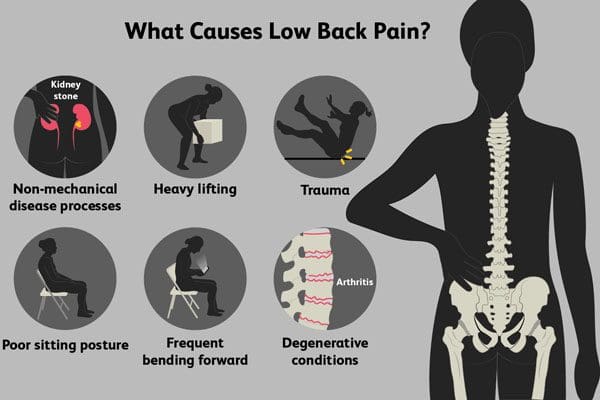
Low back pain is a common problem worldwide that can cause individuals to miss out on important aspects of their lives, including work. The severity of the pain can be specific or non-specific, and it can be localized in one area or spread throughout the body, causing referred pain. Many normal and traumatic factors can contribute to low back pain, such as improper lifting, excessive weight gain, stress, excessive sitting, or repetitive motions. These factors can compress the spinal discs and cause the surrounding muscles to become over-stretched and tight, leading to nerve entrapment. However, various treatments are available to reduce low back pain and restore functionality to the body. This article focuses on two therapies, inversion therapy, and spinal decompression, and how they can be used together to reduce the likelihood of low back pain returning. By working with certified medical providers who use our patients’ information to treat individuals suffering from low back pain while combining inversion therapy and spinal decompression as part of their routine. We inform them about non-surgical treatments to regain spinal mobility and restore muscle strength to the back muscles while preventing the effects of low back pain from reoccurring. We encourage our patients to ask essential questions while seeking education from our associated medical providers about their situation. Dr. Alex Jimenez, D.C., provides this information as an educational service. Disclaimer
How Does Inversion Therapy Reduce Back Pain
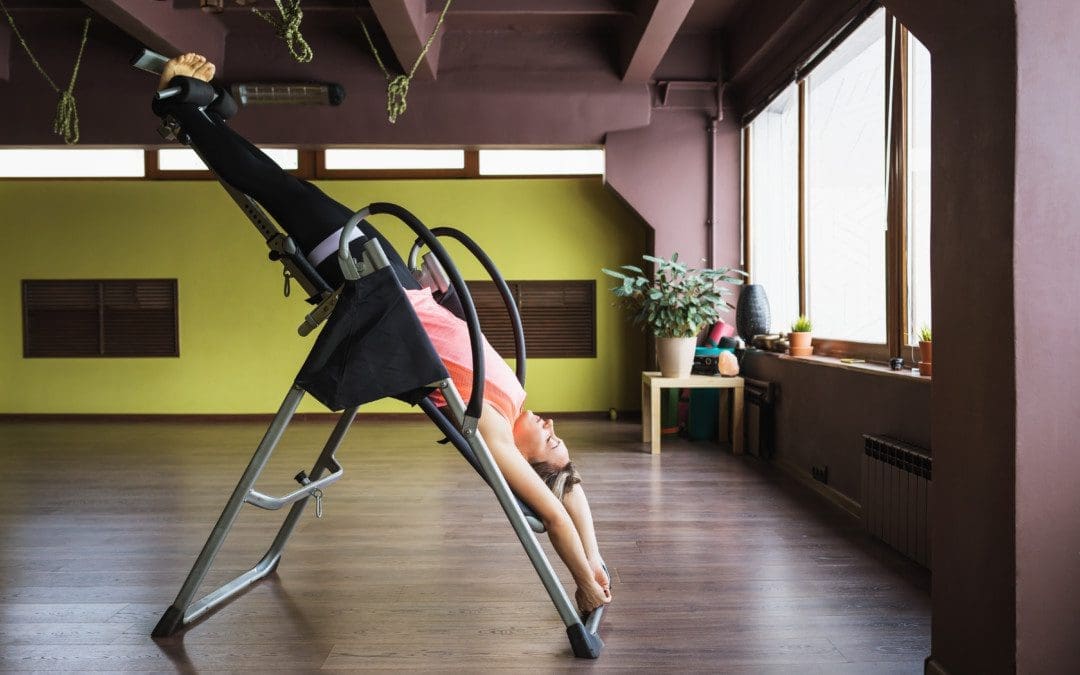
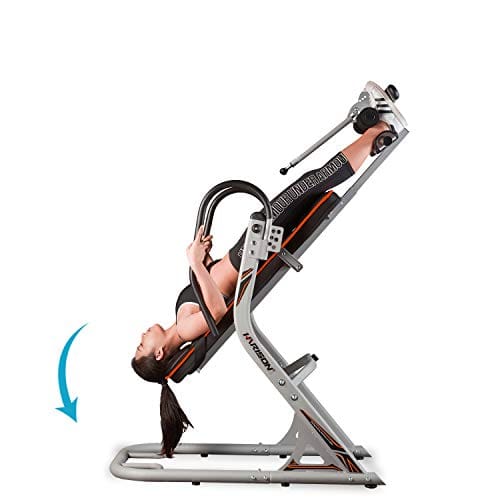
Do you suffer from muscle aches and strains in your lower back due to sitting for extended periods? Do you experience pain after carrying heavy objects or from being physically inactive? If these symptoms are associated with low back pain, seeking treatment is common. Many take over-the-counter medicines, hot/cold packs, or home remedies for temporary relief. Inversion therapy is another treatment option. In “The Ultimate Spinal Decompression” by Dr. Eric Kaplan, D.C., FIAMA, and Dr. Perry Bard, D.C., inversion therapy is mentioned as a method where the individual is suspended upside down in an inversion table for a few minutes to relieve pain-like symptoms. Inversion therapy can reverse the effects of gravity on the back, which can compress the spine and spinal disc over time, leading to back pain. Inversion therapy can relieve acute back pain by decompressing the back.
Using inversion therapy can help alleviate the symptoms of low back pain and reduce the need for surgery among many individuals. This practice, which has been used for thousands of years, involves utilizing gravity to provide traction for those experiencing lumbar disc herniation related to low back pain. By opting for non-surgical treatments, such as inversion therapy, individuals suffering from low back pain caused by various factors, including nerve entrapment, can experience relief. (Mendelow et al., 2021)
Back Pain & Nerve Entrapment Reduced
It is possible to experience low back pain with or without additional symptoms caused by factors affecting the back. This type of pain can result in mobility issues in the spinal region, pain that radiates into the lower extremities, and general discomfort associated with musculoskeletal conditions. (Delitto et al., 2012) Nerve entrapment can be a factor related to low back pain, and it can impact the peripheral pathway because signals from the peripheral system can cause irregular transmissions to the brain. This can lead to inflammatory cytokines releasing in the affected muscle and radiating shooting pain to the legs. As a result, the body can mimic leg pain correlated with low back pain, leading to a misdiagnosis of the issue. (Saal et al., 1988) Fortunately, various non-surgical treatments, such as inversion therapy and spinal decompression, can help reduce low back pain and its associated symptoms.
Enhance Your Lifestyle-Video
If you’re suffering from low back pain, non-surgical treatments can be a cost-effective, gentle, and safe solution. Innovative techniques are used to target the root cause of the pain and alleviate it from the musculoskeletal system. Inversion therapy, spinal decompression, and chiropractic care are some non-surgical treatments that can help relieve low back pain and prevent it from recurring. These therapies involve physical and mechanical manipulation of the spine to correct any subluxations. Misalignment of the body can cause low back pain and negatively impact one’s quality of life. Incorporating non-surgical treatments into your routine can help your body heal naturally and promote a healthy lifestyle. For more information on the benefits of these treatments, check out the video above.
How Spinal Decompression & Inversion Therapy Reduce Back Pain
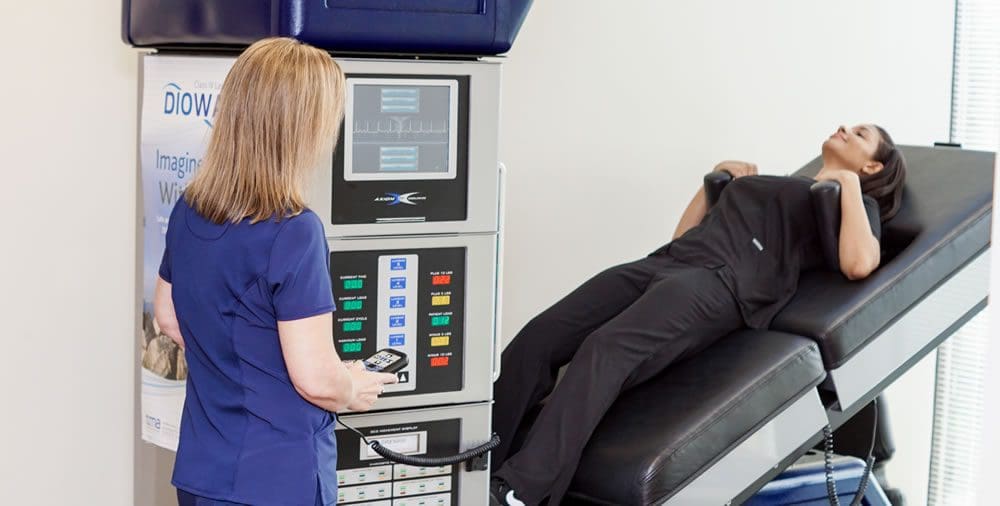
As one of the forms of non-surgical treatment, spinal decompression is safer and more cost effective than traditional surgical treatments. Non-surgical treatments can be combined with other therapies to help improve and control the movement in the lumbar spine. (Zaina et al., 2016) So when spinal decompression is combined with inversion therapy, it can help decompress the spine, allowing the spinal discs to slip back into their original position and reduce the pressure off the aggravated and irritated nerve root from causing low back pain to occur again. Since inversion therapy is used for acute low back pain, spinal decompression therapy is used for individuals with chronic issues. After a few sessions of these treatments, the body will function normally and allow the back to be mobile again. When people start to think about their health and wellness for back pain issues, they can incorporate non-surgical treatments as part of their routine.
References
Delitto, A., George, S. Z., Van Dillen, L., Whitman, J. M., Sowa, G., Shekelle, P., Denninger, T. R., Godges, J. J., & Orthopaedic Section of the American Physical Therapy, A. (2012). Low back pain. J Orthop Sports Phys Ther, 42(4), A1-57. https://doi.org/10.2519/jospt.2012.42.4.A1
Kaplan, E., & Bard, P. (2023). The Ultimate Spinal Decompression. JETLAUNCH.
Mendelow, A. D., Gregson, B. A., Mitchell, P., Schofield, I., Prasad, M., Wynne-Jones, G., Kamat, A., Patterson, M., Rowell, L., & Hargreaves, G. (2021). Lumbar disc disease: the effect of inversion on clinical symptoms and a comparison of the rate of surgery after inversion therapy with the rate of surgery in neurosurgery controls. Journal of Physical Therapy Science, 33(11), 801-808. https://doi.org/10.1589/jpts.33.801
Saal, J. A., Dillingham, M. F., Gamburd, R. S., & Fanton, G. S. (1988). The pseudoradicular syndrome. Lower extremity peripheral nerve entrapment masquerading as lumbar radiculopathy. Spine (Phila Pa 1976), 13(8), 926-930. https://www.ncbi.nlm.nih.gov/pubmed/2847334
Zaina, F., Tomkins-Lane, C., Carragee, E., & Negrini, S. (2016). Surgical versus non-surgical treatment for lumbar spinal stenosis. Cochrane Database Syst Rev, 2016(1), CD010264. https://doi.org/10.1002/14651858.CD010264.pub2
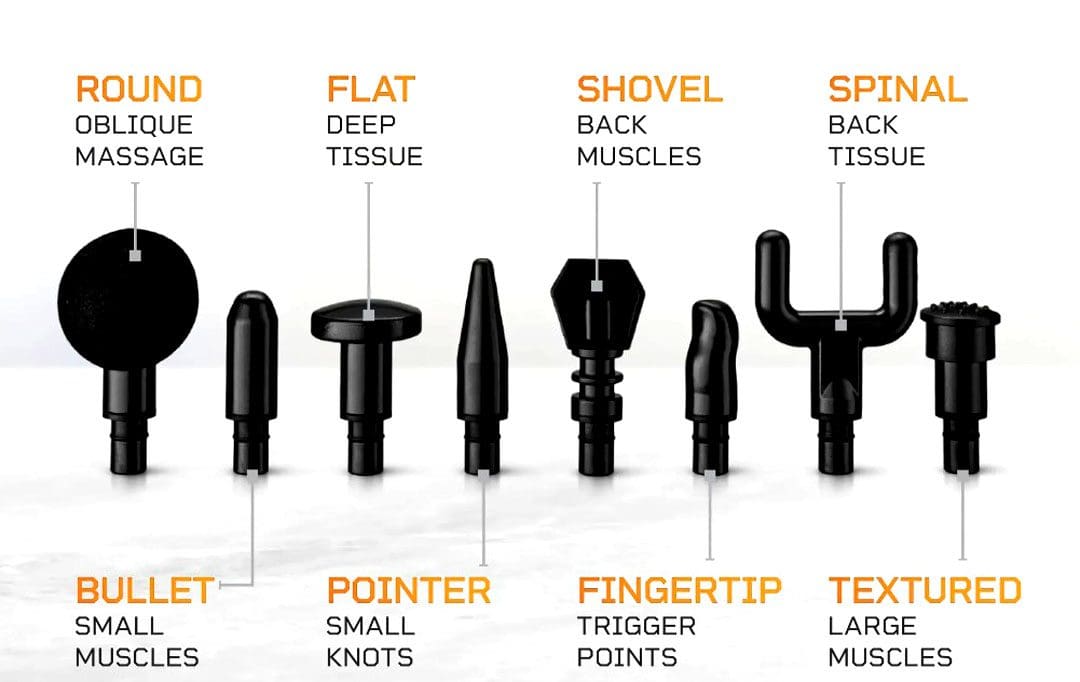
Massage guns can help relieve aching muscles and prevent soreness when used before and after physical activity, work, school, and exercise. They provide massage therapy benefits by targeting muscles with rapid burst pulses. Massage guns can be percussive or vibration-based. Percussive therapy helps increase blood flow to a targeted area, which reduces inflammation and muscle tension, and breaks up knots/trigger points that may have formed in the tissues from added stress or intense physical activity. One of the benefits is that they come with interchangeable massage gun head attachments that target different muscle groups and provide different types of massage. There are many types of interchangeable massage heads, we go over the most common to give a general idea of how they work. If experiencing joint pain, injury, acute muscle pain, or other musculoskeletal disorders, make sure to get clearance from a doctor before using a massage gun.
Massage Gun Head Attachments
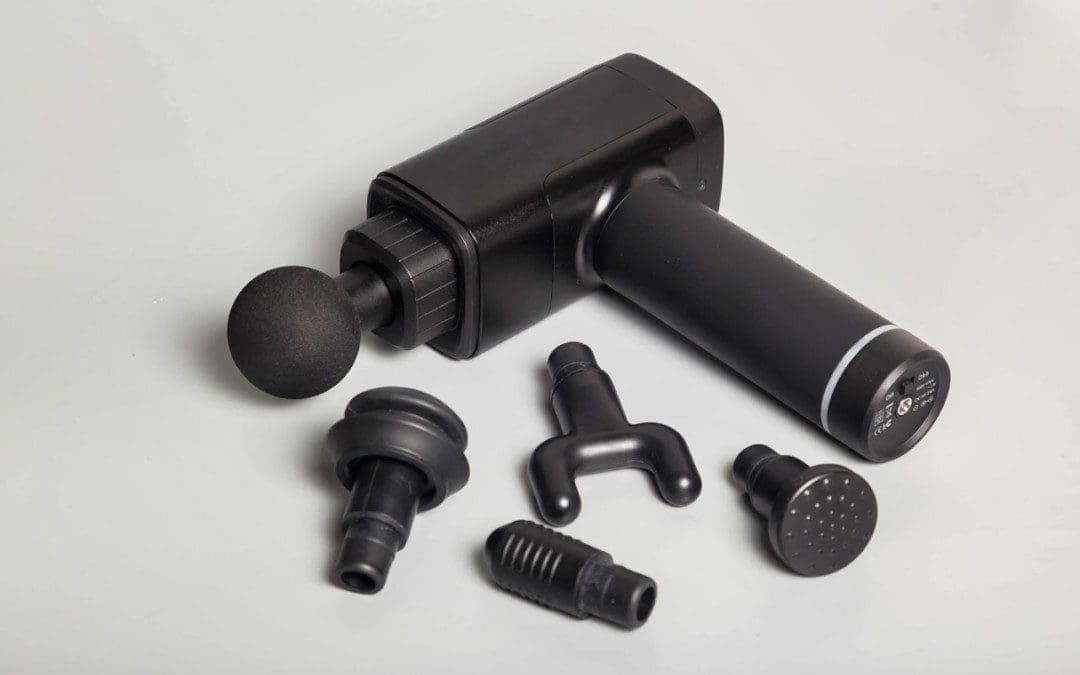
The variations of attachments/heads are designed and shaped differently to effectively apply the right amount of pressure to rejuvenate the body’s pressure points, soothe tissues, and release tight and sore muscles. The different heads are designed with a distinctive purpose based on the muscle groups targeted. This maximizes effectiveness and ensures maximum comfort and safety.
Ball Head
The ball attachment is for overall muscle recovery.
It provides a broad surface area and mimics the hands of a skilled massage therapist, delivering a soothing kneading sensation.
Made of durable material, the ball massage head can reach deep into the muscles.
Its round shape makes it more flexible to use anywhere, especially the large muscle groups like the quads and glutes.
U/Fork Shaped Head
A plastic, dual-pronged head also known as a fork head.
The attachment provides relief to areas like the shoulders, spine, neck, calves, and Achilles tendon.
Bullet Head
The plastic head is named as such because of its pointed shape.
This is recommended for tightness and discomfort in the joints, deep tissues, trigger points, and/or small muscle areas like the feet and wrist.
Flat Head
The multipurpose flat head is for full-body general massage.
It helps relieve stiffness and pain for total body muscle relaxation, including muscle groups closer to bone joints.
Shovel-Shaped Head
The shovel-shaped head is for the abdominal muscles and lower back.
The attachment provides stimulation to release stiff muscles.
Using The Right Head
Which head to use depends on the individual’s specific needs and preferences. Consider the following factors when selecting a massage gun head:
Targeted Areas
Identify the body areas requiring the most attention.
If muscle tightness or soreness is occurring in larger muscle groups, like the back or legs, the ball attachment is recommended.
For more precise areas like trigger points, the bullet head is recommended.
Heads can be used in conjunction – for example, a large surface area head is used to relax and loosen and relax a general area, then a more precise head is used to focus the massage on the actual tight spot or trigger point.
Massage Intensity
Massage intensity levels can be varied from a light massage to full force.
For a softer touch on sensitive muscles, flat head or forkhead attachments are recommended.
For deep muscle penetration and consistent pressure, the bullet head or shovel head attachments are recommended.
Specific Conditions
Consider any specific conditions or injuries previous and current.
For individuals recovering from an injury or with sensitive areas, it’s important to choose a massage gun head that provides the necessary relief without causing discomfort or worsening an injury.
Try Out Different Heads and Settings
Experiment with different massage head attachments and speeds to find the one that works best for the intended purpose.
Explore each to discover personal preferences.
Start with the lowest setting and gradually increase, based on comfort level.
Always consult with a qualified healthcare provider regarding any medical concerns before using a massage gun.
Choosing The Right Massage Head Attachment
References
Bergh, Anna, et al. “A Systematic Review of Complementary and Alternative Veterinary Medicine in Sport and Companion Animals: Soft Tissue Mobilization.” Animals: an open access journal from MDPI vol. 12,11 1440. 2 Jun. 2022, doi:10.3390/ani12111440
Imtiyaz, Shagufta, et al. “To Compare the Effect of Vibration Therapy and Massage in Prevention of Delayed Onset Muscle Soreness (DOMS).” Journal of Clinical and diagnostic research: JCDR vol. 8,1 (2014): 133-6. doi:10.7860/JCDR/2014/7294.3971
Konrad, Andreas, et al. “The Acute Effects of a Percussive Massage Treatment with a Hypervolt Device on Plantar Flexor Muscles’ Range of Motion and Performance.” Journal of sports science & medicine vol. 19,4 690-694. 19 Nov. 2020
Leabeater, Alana et al. “Under the Gun: The effect of percussive massage therapy on physical and perceptual recovery in active adults.” Journal of athletic training, 10.4085/1062-6050-0041.23. 26 May. 2023, doi:10.4085/1062-6050-0041.23
Lupowitz, Lewis. “Vibration Therapy – A Clinical Commentary.” International journal of sports physical therapy vol. 17,6 984-987. 1 Aug. 2022, doi:10.26603/001c.36964
Yin, Yikun, et al. “The effect of vibration training on delayed muscle soreness: A meta-analysis.” Medicine vol. 101,42 (2022): e31259. doi:10.1097/MD.0000000000031259
The musculoskeletal system comprises muscles, ligaments, and tissues surrounding the skeletal structure and vital organs. These components have various functions, including transporting blood and nutrients throughout the body and facilitating movement. However, chronic conditions or aging can cause pain-like symptoms, disrupting daily life and leading to disability. There are many available treatments, both surgical and non-surgical, that can help alleviate chronic pain. This article will explore how chronic pain affects individuals and how treatments like Muscle Energy Technique (MET) therapy can help address it. We work with certified medical providers who use our patients’ valuable information to treat individuals suffering from muscle pain while informing them about non-surgical treatments like MET therapy that can help reduce the effects of chronic pain associated with the musculoskeletal system. We encourage patients to ask essential questions and seek education from our associated medical providers about their condition. Dr. Jimenez, D.C., provides this information as an educational service. Disclaimer
How Does Chronic Pain Affect The Individual?
Have you been dealing with shooting pain in your joints or muscles? When you wake up in the morning, do you feel constant stiffness in your joints? Or do you experience muscle pain slowly throughout the entire day? When it comes to chronic pain in the musculoskeletal system, it can be hard to pinpoint where the pain is located in the body. Research studies reveal that chronic musculoskeletal pain is a challenge for the individual and their doctors and a main contributor to disability worldwide. Chronic musculoskeletal pain can be non-specific and specific depending on the severity and factors contributing to its development. For many individuals experiencing chronic pain associated with the musculoskeletal system, the homeostatic and adaptive function in their muscle fibers has been stretched past their limits.
Additional research studies stated that factors like mechanical forces, ischemia, and even inflammation are all primary stimuli for chronic muscle pain. Factors like lifting/carrying heavy objects, persistent sitting, physical inactivities, and dietary habits all correlate to chronic muscle and joint pain, as repetitive motions or prolonged inactivity can either shorten or overstretch the muscle fibers. At the same time, chronic musculoskeletal diseases like fibromyalgia and myofascial pain syndrome can cause the affected muscles to stiffen, contract, and tender to the touch, which then causes the other surrounding muscles to take over and compensate for the pain. To that point, chronic musculoskeletal pain can cause many individuals to decrease their productivity, call off work constantly, and lead a life of disability.
From Consultation To Transformation- Video
Have you been dealing with constant muscle and joint pain throughout your life? Has the pain been unbearable that it is affecting your routine? Or do you feel aches or stiffness in your sides or different body areas? Throughout the entire world, many individuals suffer from chronic musculoskeletal pain at one point in their lives, and it has become a social/economic burden. Research studies reveal that chronic pain associated with musculoskeletal disorders can affect many other aspects of a person’s life. When chronic pain starts to affect a person’s ability to function, it can have a negative effect on the person’s mental health. When chronic pain is associated with musculoskeletal disorders, it also correlates with work, as many individuals with chronic pain have reduced work productivity, lost wages, and lost hours that can take a toll on their income. However, there is hope, as many affordable treatments can reduce the effects of chronic musculoskeletal pain and its associated symptoms. Non-surgical treatments like chiropractic care and MET therapy can help many individuals with chronic musculoskeletal pain find the relief they deserve. The video above explains how non-surgical treatments approach chronic musculoskeletal pain, from assessing patients through consultation to transforming their health and wellness. By taking back their health, many individuals can find relief from their pain and get back to their routines.
MET Therapy’s Approach To Chronic Pain
Non-surgical treatments like MET (muscle energy technique) therapy has a unique approach to reducing chronic pain in the musculoskeletal system. In the book, “Clinical Applications of Neuromuscular Techniques,” Dr. Leon Chaitow, N.D., D.O., and Dr. Judith Walker DeLany, L.M.T., mentioned that the fascia and the characteristics of the connective tissues are relevant for MET by commencing stretching the affected muscles that are in chronic pain and use biomechanical forces to initiate a low intense force to lengthen the tissues and increase their flexibility. MET therapy helps many individuals with chronic pain associated with musculoskeletal disorders, as research studies reveal that MET therapy can help increase the strength of weakened muscles and help increase the spinal ROM. MET therapy is non-surgical, cost-effective, and safe to reduce chronic pain associated with musculoskeletal disorders.
Identifying The Patterns
Many pain specialists who incorporate MET will begin by assessing the individual with chronic pain associated with musculoskeletal disorders. They will get examined by testing their range of motion, spinal and joint mobility, and any additional factors to develop a personalized plan that caters to the individual. Once the pain issue is found, the individual will work with other medical professionals to help strengthen their muscles and help reduce the pain-like symptoms that are causing them. To that point, MET therapy combined with other treatments is beneficial for those with chronic illnesses and needs relief from pain.
Conclusion
Many individuals suffering from chronic musculoskeletal pain often experience limited mobility, shortened muscles, and referred pain in different areas of their bodies. Chronic musculoskeletal pain is a social/economic problem that has affected many individuals and left them missing out on important life events. Treatments like MET (muscle energy technique) therapy can help reduce pain by stretching the muscle fibers to alleviate pain and restore joint mobility to the body. When many individuals start to utilize MET therapy, it can reduce chronic pain and allow them to get back their health and wellness.
IFM's Find A Practitioner tool is the largest referral network in Functional Medicine, created to help patients locate Functional Medicine practitioners anywhere in the world. IFM Certified Practitioners are listed first in the search results, given their extensive education in Functional Medicine