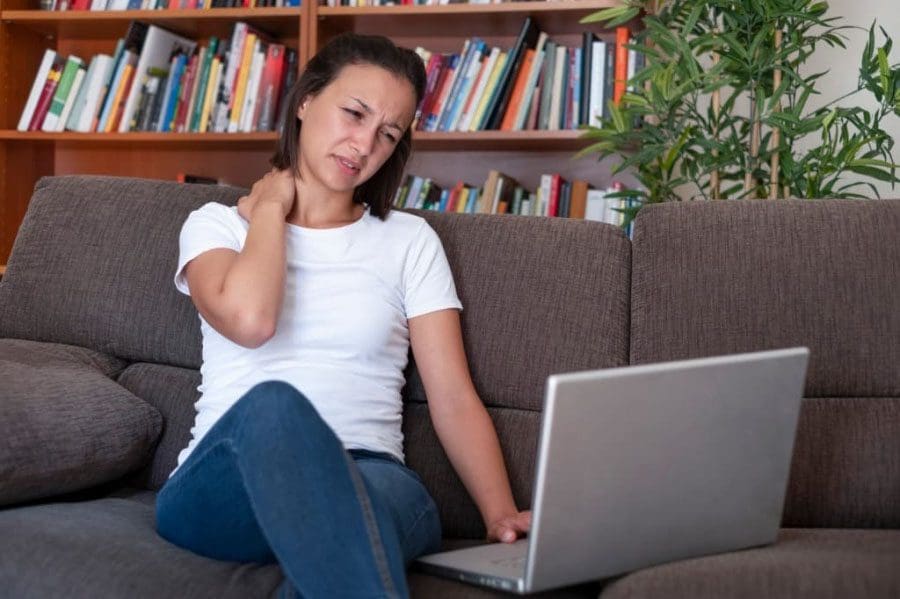
Scar tissue if left untreated/unmanaged could lead to mobility and chronic pain issues. Individuals that are recovering from a traumatic injury often have issues brought on from scar tissue. Scar tissue build-up is part of the healing process but in some cases, the tissue build-up can create another set of health issues. Restricted mobility and range of motion and lack of flexibility can worsen over time.
Chiropractors are taught to consider the presence of scar tissue when performing adjustments. This is especially true for patients recovering from a traumatic injury. If left untreated it could affect:
Recovery progress
Treatment approaches
The capability of the individual to handle the treatment
The planning and execution for a chiropractic recovery strategy
Scar Tissue Breakdown
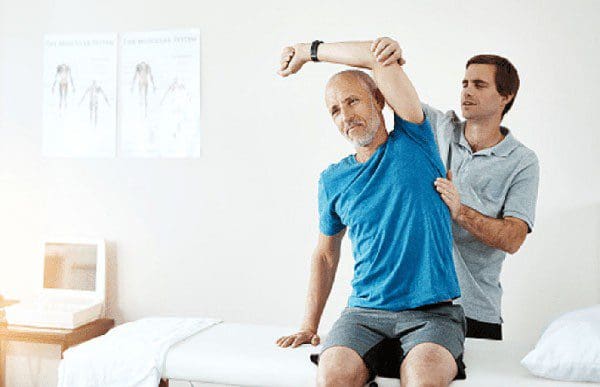
Scar tissue can be broken up, managed, and kept loose/relaxed through various chiropractic/physical therapy techniques, stretches, exercises, and diet adjustments. Breaking up scar tissue and keeping it relaxed is necessary to restore full movement and range of motion. A certain degree of scar tissue will remain to mark the wound, but the pliability and softness of these tissues can be treated. Chiropractors can implement several techniques to break down scar tissue.
Graston Technique
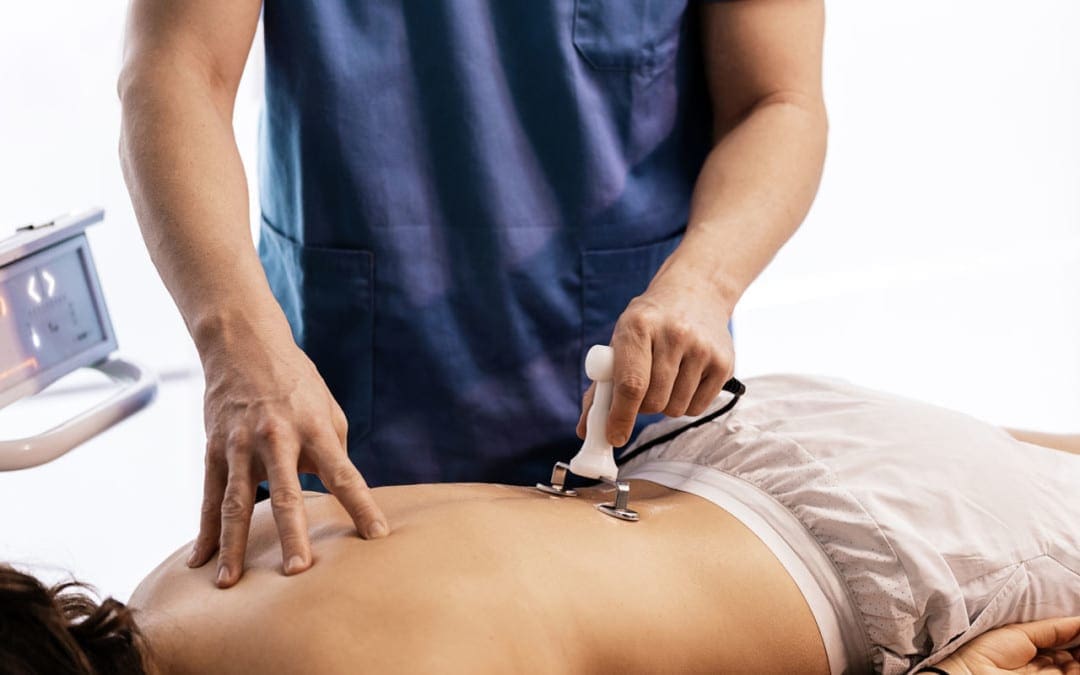
The Graston technique uses instrumentation for addressing scarring in soft-tissue areas like the legs, neck, and lower back. A chiropractor targets the thicker scar tissue areas gently breaking them down.
Instrument Adjustment
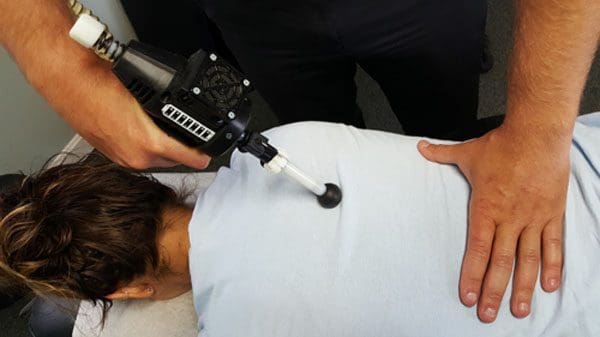
Using a pulsating instrument, chiropractors can target specific areas of scar tissue buildup. The instrument massages the areas to improve flexibility and reduce stress in the tissue.
Assisted Manipulation
The assisted manipulation technique soothes the area before performing manual adjustments. A chiropractor could use light oil for heat, transcutaneous electrical nerve stimulation to loosen tension, or numbing gel/cream to soften any sensitivity.
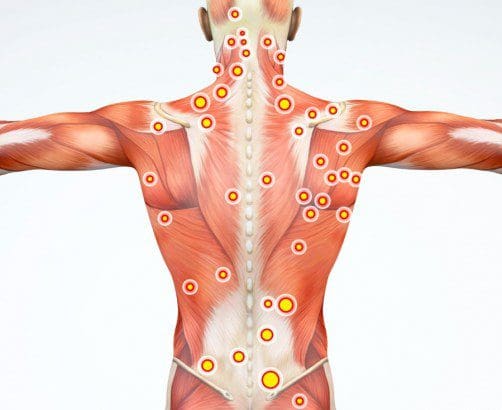
Trigger point therapy
This therapy focuses on heavily scarred tissue areas, where there is substantial buildup. A chiropractor breaks down the scar tissue while continually testing the motion.
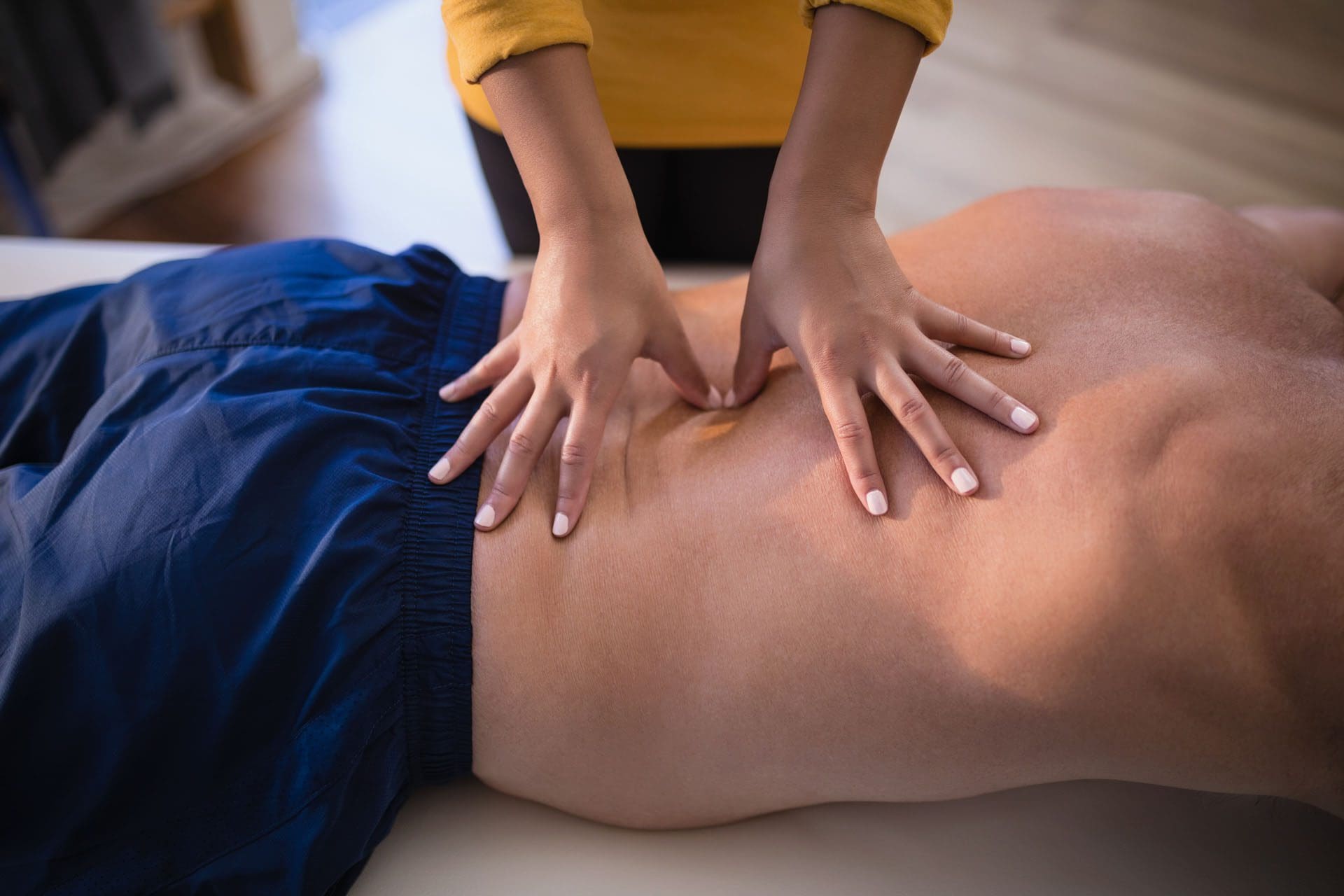
Therapeutic massage
Therapeutic massage is necessary with widespread scar tissue. It improves blood flow and gently stimulates scar tissue to improve movement and alleviate pain. These techniques and how they are applied depending on the individual and the amount of tissue build-up. For example, certain techniques work better for different situations like:
The Graston technique could help after surgery
Trigger point therapy can help when muscle spasms, and knots present
Therapeutic massage could be best suited for soft tissue scarrings, like whiplash or muscle strains
Adjustment Attention
Recent injuries that produce scar tissue can usually be felt while a chiropractor palpates the area, while radiological imaging shows scar tissue from past injuries. A chiropractor will take note of these areas when developing a treatment plan. Severe scar tissue will need special focus, which could mean a longer recovery. This is because the body could take longer to adjust to the adjustments being made. A thorough consultation and investigation will be performed/examined before any adjustments begin.
Chiropractic Massage Rehabilitation
References
Shin, Thuzar M, and Jeremy S Bordeaux. The role of massage in scar management: a literature review. Dermatologic surgery: official publication for American Society for Dermatologic Surgery [et al.] vol. 38,3 (2012): 414-23. doi:10.1111/j.1524-4725.2011.02201.x
Dealing with chronic back pain along with the COVID-19 pandemic can make it difficult to find relief on a regular basis. When regular massage sessions are not available these self-massage techniques can relieve pain and loosen tense muscles. Massage therapy has been shown to reduce low back pain, specifically for short-term purposes.
There are massage therapist/s that are open with precautions in place. But there�s a good chance the massage therapist will not be able to see an individual right away when the pain presents. Back pain will not wait so here are a few tips on self-massage that individuals can do at the house.
Safety First
Consult your spine pain specialist, chiropractor, or doctor to determine the cause of the pain and if massage will be beneficial. Before starting a self-massage regimen, be sure pain levels are not severe and you are able to perform the massage techniques. Any muscle region, spine included, can benefit from massage both professionally and self. If at any time during the massaging different pain presents other than the massage soreness, stop and evaluate what could be happening.
These self-massage tips are aimed at reasonably healthy individuals. Be mindful of herniated discs, any type of impingement, or spinal compression. If an individual has this type of injury acquire medical instruction on how to perform self-massage techniques specifically for these conditions from a physician, chiropractor, or physical therapist.
Self-massage
Massage therapy helps in relieving back and neck pain in different ways.
Relaxes muscles
Improves range of motion
Reduces injury
Maximizes healing
Better sleep
If working from home and too much sitting has your back tight, in knots, with muscle tension, and stress, self-massage is an answer that works. It is a great alternative until the massage therapy appointment.
Applied Pressure
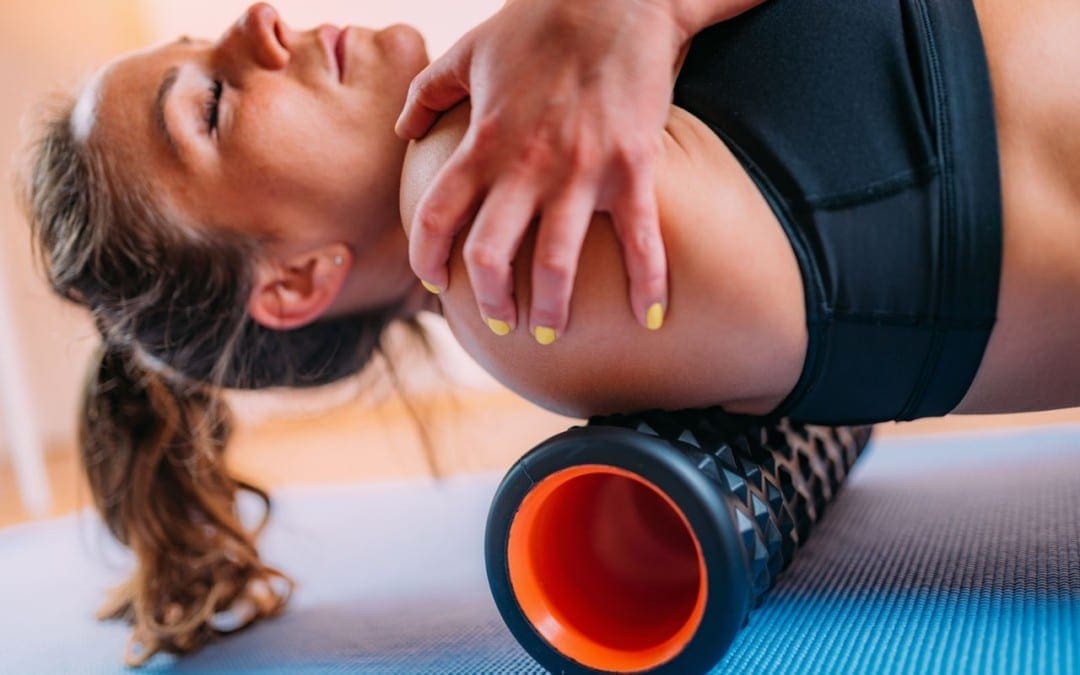
One way to give yourself a massage is to locate the painful area/s and gently apply pressure with the thumb/s, moving the muscle/s statically by just rotating the arm/hand together with the thumb pressing on the area. If possible get into a comfortable stretching position and massage the area while the muscle, joint, ligament is stretched out and find the painful area and work it if not with the thumb technique then use a foam roller, massage tool, tennis ball, massage ball, etc, also done in slow circular motions.
When applying pressure, don�t push it to the limit like working out. That is not the goal. The objective is to work out the pain/soreness and loosen up the area. Therefore it�s best to start gently and gradually build up to stronger pressure as long as it feels correct and the pain does reduce. Gradually increase the intensity of the pressure, heat, sessions, etc. But do not overdo it, as that could worsen or cause further injury.
Stretch
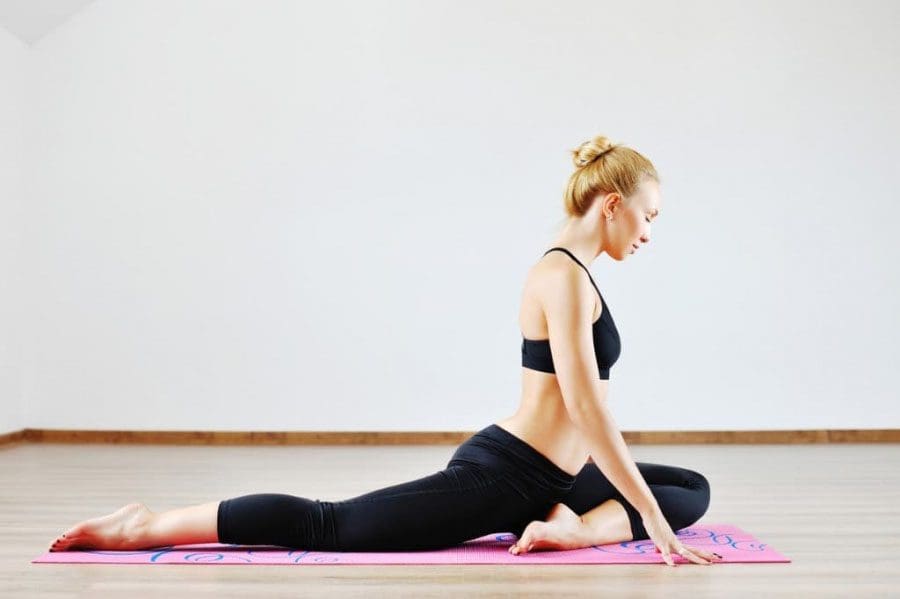
Although not directly massaging an area, stretching is a form of self-care that keeps the body loose and limber. Stretching out is recommended at the beginning of the day and before exercising. An example is runner�s lunge pose and a yoga pose called pigeon. These are excellent stretches for releasing the psoas muscle, located in the lower lumbar region.
Yoga can help by stretching and releasing the hips, glutes, and back muscles. As with massage don�t overdo the moves, overstretch, or hold the poses for too long. Consult with a doctor for any medical concerns where yoga could be dangerous and impair health.
Additionally, a family member, spouse, partner, or friend can be very helpful when stretching. Assisted stretches help and reduce the effort required to stretch oneself. Some assisted stretches include the supine twist and hamstring stretches. If you are the one assisting and want to guide the pain-relieving stretches, start gently, slowly, and pay attention to verbal and non-verbal cues, like a wincing face, and short breathing.
Utilize Massage Tools/Devices
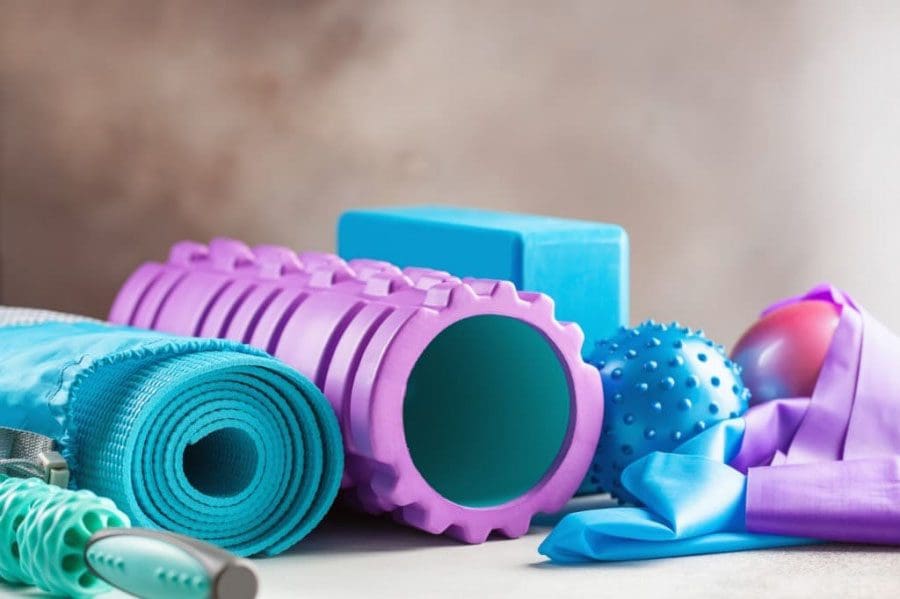
Utilize self-massage tools and devices that can help deliver pain relief. Foam rollers and tennis balls can help with trigger points, areas of muscle pain and can help with the hard to reach areas.
Massage balls can also help to apply balanced pressure and even circular massage motion. These tools are typically sandwiched between the wall or floor and the individual who rolls drags or creates friction to effectively work the muscle/s tightness, and knot/s out. Motorized massagers can help with muscle tension in the lower side of the back, hips, and glutes.
Partner
Sometimes however there are areas difficult to reach and even if reachable massaging the area isn’t the same because of the awkward position. When this happens if possible use a spouse, family, friend, or partner to massage out those points. This could be the middle back and hamstrings to get a thorough massage.
Just like a professional massage therapist having someone else can be a great help in applying heat or ice to areas that can be troublesome. But if not then make do with what you’re able. Self-massage can be very helpful and beneficial until you are able to see your massage therapist, chiropractor, or physical therapist.
Whiplash Massage Therapy
Dr. Alex Jimenez�s Blog Post Disclaimer
The scope of our information is limited to chiropractic, musculoskeletal, physical medicines, wellness, and sensitive health issues and/or functional medicine articles, topics, and discussions. We use functional health & wellness protocols to treat and support care for injuries or disorders of the musculoskeletal system. Our posts, topics, subjects, and insights cover clinical matters, issues, and topics that relate and support directly or indirectly our clinical scope of practice.*
Our office has made a reasonable attempt to provide supportive citations and has identified the relevant research study or studies supporting our posts. We also make copies of supporting research studies available to the board and or the public upon request. We understand that we cover matters that require an additional explanation as to how it may assist in a particular care plan or treatment protocol; therefore, to further discuss the subject matter above, please feel free to ask Dr. Alex Jimenez or contact us at 915-850-0900. The provider(s) Licensed in Texas& New Mexico*
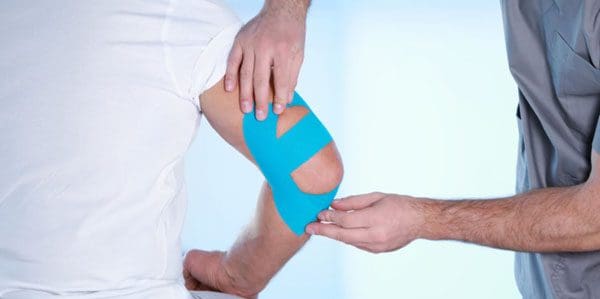
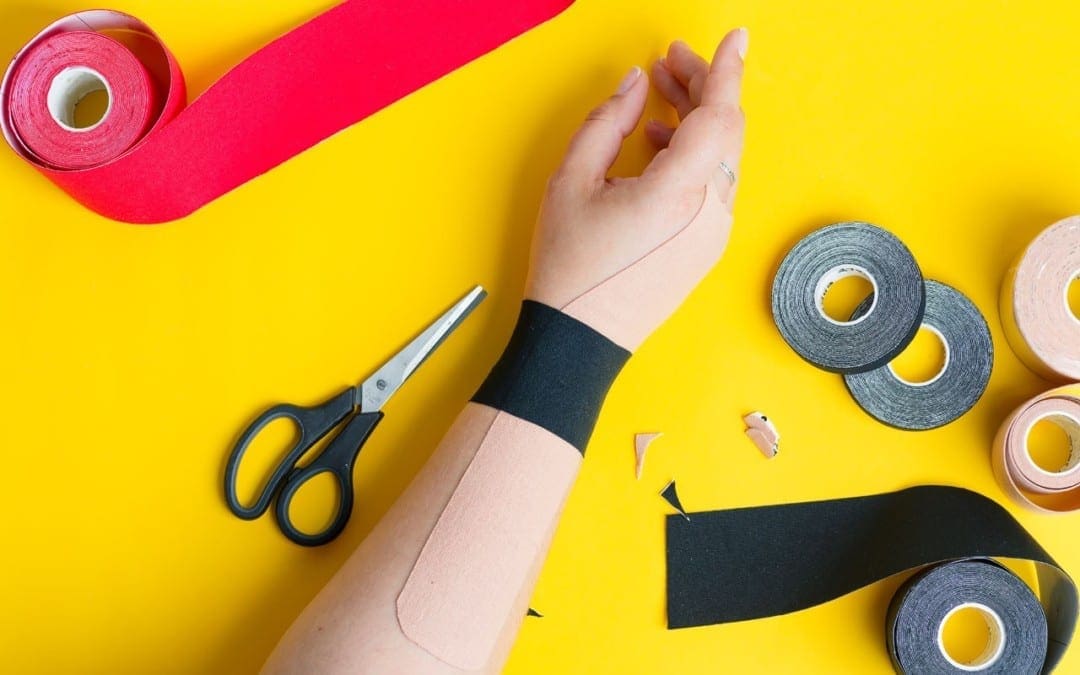
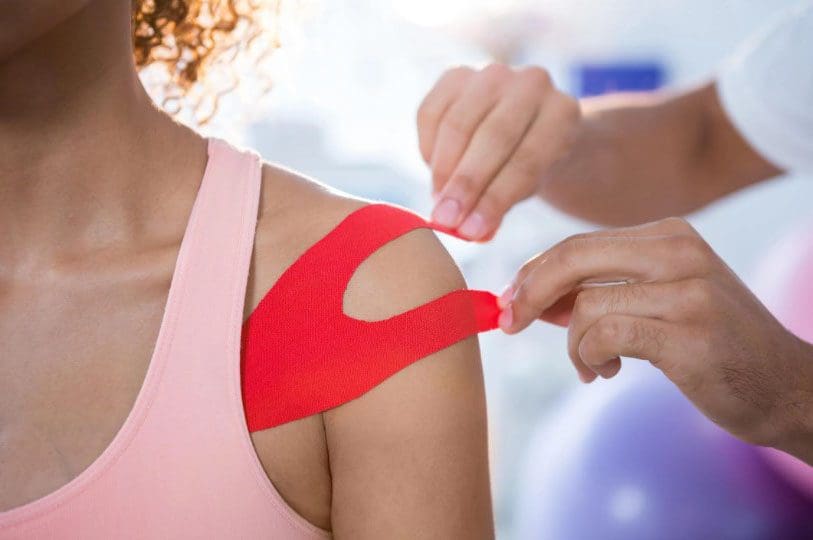
Kinesio taping is common for injuries, but can also be effective for non-sports related injuries/ailments. Kinesio taping is a rehabilitative therapeutic taping method that facilitates the body�s ability to heal naturally. The tape provides support, and stability for muscles, and joints without restricting motion. Plus there is added soft tissue support prolonging the tape’s effectiveness. The technique can have added benefits when combined with chiropractic. This technique is the norm among athletes nowadays but can benefit everybody. As a chiropractic physician, I use the technique for:
Sports injuries
Sprains
Strains
Injury Prevention
Pregnancy
The taping involves applying the tape over and around muscles stimulating them to send neuromuscular signals that optimize performance and helps injuries heal naturally. This is a versatile treatment that can benefit everyone.
Pain Relief
We all get strained, overused muscles that can cause tension and soreness. Millions suffer from neck, upper, mid, and low back pain from poor posture or sitting all day. It reduces pain by relieving the pressure on the strained or injured area. According to a study, stroke patients with shoulder pain experienced relief and reduction in shoulder pain after three weeks of Kinesio Taping intervention. Another study published in the Journal of Back and Musculoskeletal Rehabilitation had similar results for reduced pain in patients with tennis elbow. Kinesio tape therapy can improve pain symptoms while continuing to heal the specific muscle/s.
Reduce Inflammation
It also reduces pressure on the lymphatic system, which removes fluid from the tissues. Reduced pressure allows the body to drain fluids like lactic acid that can build up in an injured area. This benefit goes beyond just healing injuries. It helps reduce inflammation and swelling after surgery and with inflammatory conditions like lymphedema. Kinesio could be beneficial for individuals with chronic inflammatory conditions.
Overused Muscle Recovery
Taping improves blood flow, the delivery of oxygen, and nutrients to the affected area, which helps overused muscles heal quickly. This added benefit is one of the reasons taping is now used in everyday practice to treat:
Taping helps improve overall function. This is a key factor for optimal healing. A study found elderly patients with degenerative knee arthritis tried the therapy and experienced reduced pain, stiffness, improved knee joint function, and increased overall motion. For improved function Kinesio is commonly used on the:
Ankles
Back
Feet
Knees
Shoulders
Overall Benefits
One of the most important benefits, it comes without side effects from prescription meds.
It provides support without restricting the muscle�s range of motion
Individuals can continue to be active and not worry about overstretching the injured muscle/s, as the tape will let them know.
The tape can be worn 24-hours a day for several days per application.
This Kinesio taping technique is currently used by thousands of:
Physical therapists
Occupational therapists
Chiropractors
Medical doctors
Certified athletic trainers
Massage therapists
Correct Bad Posture with Functional Foot Orthotics
Dr. Alex Jimenez�s Blog Post Disclaimer
The scope of our information is limited to chiropractic, musculoskeletal, physical medicines, wellness, and sensitive health issues and/or functional medicine articles, topics, and discussions. We use functional health & wellness protocols to treat and support care for injuries or disorders of the musculoskeletal system. Our posts, topics, subjects, and insights cover clinical matters, issues, and topics that relate and support directly or indirectly our clinical scope of practice.*
Our office has made a reasonable attempt to provide supportive citations and has identified the relevant research study or studies supporting our posts. We also make copies of supporting research studies available to the board and or the public upon request. We understand that we cover matters that require an additional explanation as to how it may assist in a particular care plan or treatment protocol; therefore, to further discuss the subject matter above, please feel free to ask Dr. Alex Jimenez or contact us at 915-850-0900. The provider(s) Licensed in Texas& New Mexico*
Massage therapeutics is not about the candles, aromatherapy, and the spa. Although those items can be beneficial for relaxation etc, the massage part of the therapy is just that. An intense manual manipulation of the body’s tissues. Made to work out/relax tight, knotted, spasmed, and inflamed muscles, ligaments, and tendons back to a normal and relaxed function. This can be caused by injury, stress, awkward motion/s, etc. Research done by the American Massage Therapy Association shows that 50% of individuals asked for a therapeutic massage for musculoskeletal/stress issues. �
�
�
More physicians, specialists, and surgeons are recognizing the health benefits that massage therapeutics can bring and are sending their patients to certified/licensed massage therapists for treatment. There is now a high demand for massage therapists with the career possibilities being one of the strongest in the health care industry. Massage therapy is the manual manipulation of muscles and soft tissues including:
Connective tissues
Ligaments
Tendons
This is all done with the focus of improving an individual’s health and overall well-being. Licensed certified massage therapists are highly-trained and highly-versed in anatomy and physiology. Many often work with chiropractors preparing patients for the chiropractic adjustment/s by loosening up the muscles/tissues, thenafter with a light massage to ease the soreness of the adjustment and if necessary with continued visits with a mild to intense massage session to keep the areas loose and mobile.
Massage therapeutics effectively treats several medical conditions, sports injuries, automobile accident injuries, personal injuries, and helps prevent health problems connected with stress. Research shows that these medical conditions can be significantly improved or even healed with massage therapeutics. �
�
Fitness
Top professional and weekend warrior athletes can benefit from massage therapeutics. Massage has been shown to help:
Reduce muscle tension
Improve exercise performance
Prevent injuries
�
Low Back Pain
The guidelines for treating chronic back pain. Now the suggested guidelines state that alternative treatments/therapies like massage, chiropractic, physical therapy, and acupuncture should be utilized before prescription medication, which is now the last resort, is implemented. �
�
Headaches
Head and neck massage reduces chronic tension headaches, along with the stress that often comes with headaches. �
�
Compromised Immune System Function
Myofascial massage has been shown to improve the nervous system, which is crucial to a healthy immune system. Through massage which increases blood circulation helps to increase the activity of T cells, which recognize and destroy cells that are infected with viruses. Stress reduction has been found to be a universally recognized benefit of massage therapeutics, and can also strengthen the immune system. �
�
Blood Pressure
Improved blood flow with massage therapeutics can also bring blood pressure down and elevates heart health. �
�
Fibromyalgia
Currently, there is no cure for fibromyalgia, but studies are showing a definite connection for those that receive myofascial massage therapeutics and improved quality of life. Reduced pain and anxiety, and quality sleep were has been experienced by individuals getting regular massage therapy. �
�
Cancer Pain
A common symptom for individuals battling cancer is pain, which can be mild to severe. Used in conjunction with other pain management techniques recommended by doctors, massage therapeutics have been shown to reduce pain along with anxiety symptoms.
�
PTSD
Those with post-traumatic stress disorder can benefit from massage therapy. Massage can help reduce:
Anxiety
Stress
Depression
Pain associated with trauma/images/memories
Massage is often recommended as a companion for PTSD psychotherapy. Therapists are well established at many medical clinics and hospitals. With the opioid epidemic, the need for safe, natural, and effective pain therapy, then massage therapists can definitely help out. �
�
Chiropractic Care Massage Therapy
Dr. Alex Jimenez�s Blog Post Disclaimer
The scope of our information is limited to chiropractic, musculoskeletal, physical medicines, wellness, and sensitive health issues and/or functional medicine articles, topics, and discussions. We use functional health & wellness protocols to treat and support care for injuries or disorders of the musculoskeletal system. Our posts, topics, subjects, and insights cover clinical matters, issues, and topics that relate and support directly or indirectly our clinical scope of practice.*
Our office has made a reasonable attempt to provide supportive citations and has identified the relevant research study or studies supporting our posts. We also make copies of supporting research studies available to the board and or the public upon request. We understand that we cover matters that require an additional explanation as to how it may assist in a particular care plan or treatment protocol; therefore, to further discuss the subject matter above, please feel free to ask Dr. Alex Jimenez or contact us at 915-850-0900. The provider(s) Licensed in Texas& New Mexico*
Spinal injections are exactly what the name says. They are administered direct injections of medicine/s in a specific location of the spine. These are used to treat various conditions affecting the spine when non-invasive treatment/s are not working.
This could be an area along the upper cervical/neck spine all the way down to the sacrum. Injections are also utilized in helping to diagnose neck or back pain that radiates or spreads into an individual�s arms and legs. These are known as:
Cervical radiculopathy
Lumbar radiculopathy
Spinal injection/s for diagnostic or treatment purposes could be a part of an overall treatment plan along with chiropractic/physical therapy and possible medication.
�
�
The medicine in the injection
The medicine could be comprised of a local anesthetic on its own, steroid on its own, or a combination of the two. Steroids are short for corticosteroid, which is a strong anti-inflammatory medication. A contrast dye like an x-ray dye could be added to the injection mix. This dye acts as a guide for precise placement of the needle using image guidance.
�
Spinal disorders that could benefit
Proceeding with an injection treatment plan is based on an individual’s unique factors that apply to their condition/state. This decision will be made after consultation, and diagnosis with your doctor, spine specialist, or chiropractor.
Healthcare providers recommend conservative treatment first. A treatment plan typically runs around 4-6 weeks. If there is no change or improvement in the individual’s condition from the conservative therapy then injection treatment/s could be recommended. Conditions, where injection/s are used, include:
Disc herniation
Facet joint pain
Failed back syndrome
Sacroiliac joint pain
Sciatica
Spinal stenosis
�
Spinal injection and nerve block difference
Spinal injections are a general term that could mean any type of injection involving the spine. Nerve blocks are a precise type of injection that targets a specific nerve. As the medicine is injected into the target nerve/s, it blocks or creates a blockade of the pain signals being sent from the area (ex. neck, low back, etc.) that is generating the pain.
�
Injection types
Epidural
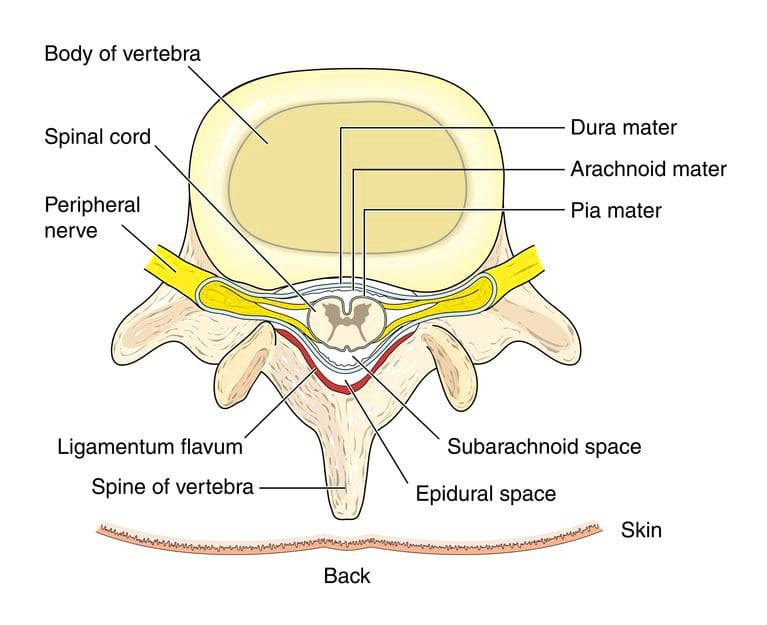
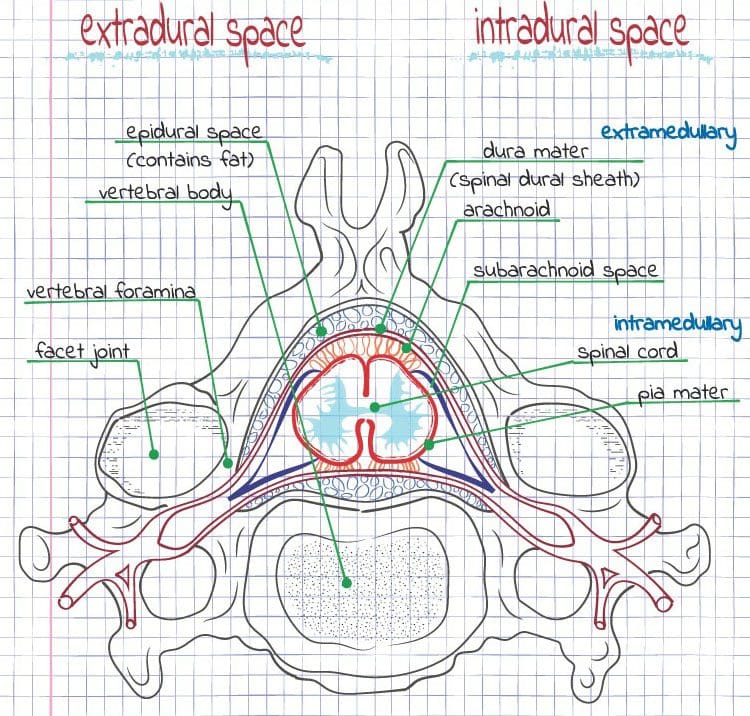
An epidural means an injection on the dura. The dura is the outermost layer that encloses the spinal cord. �
�
3 types of epidurals. They are named according to the direction and angle the needle takes to get to the dura.
Caudal epidural:
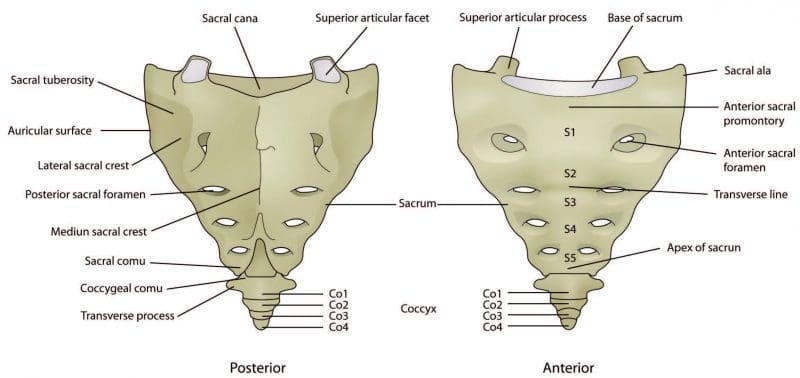
The spinal canal ends at an opening at the end of the sacrum called the spinal hiatus. The medicine is injected into the epidural space through the sacral hiatus. This is the method that is used to provide anesthesia to pregnant women when they’re in labor. �
�
Transforaminal epidural:
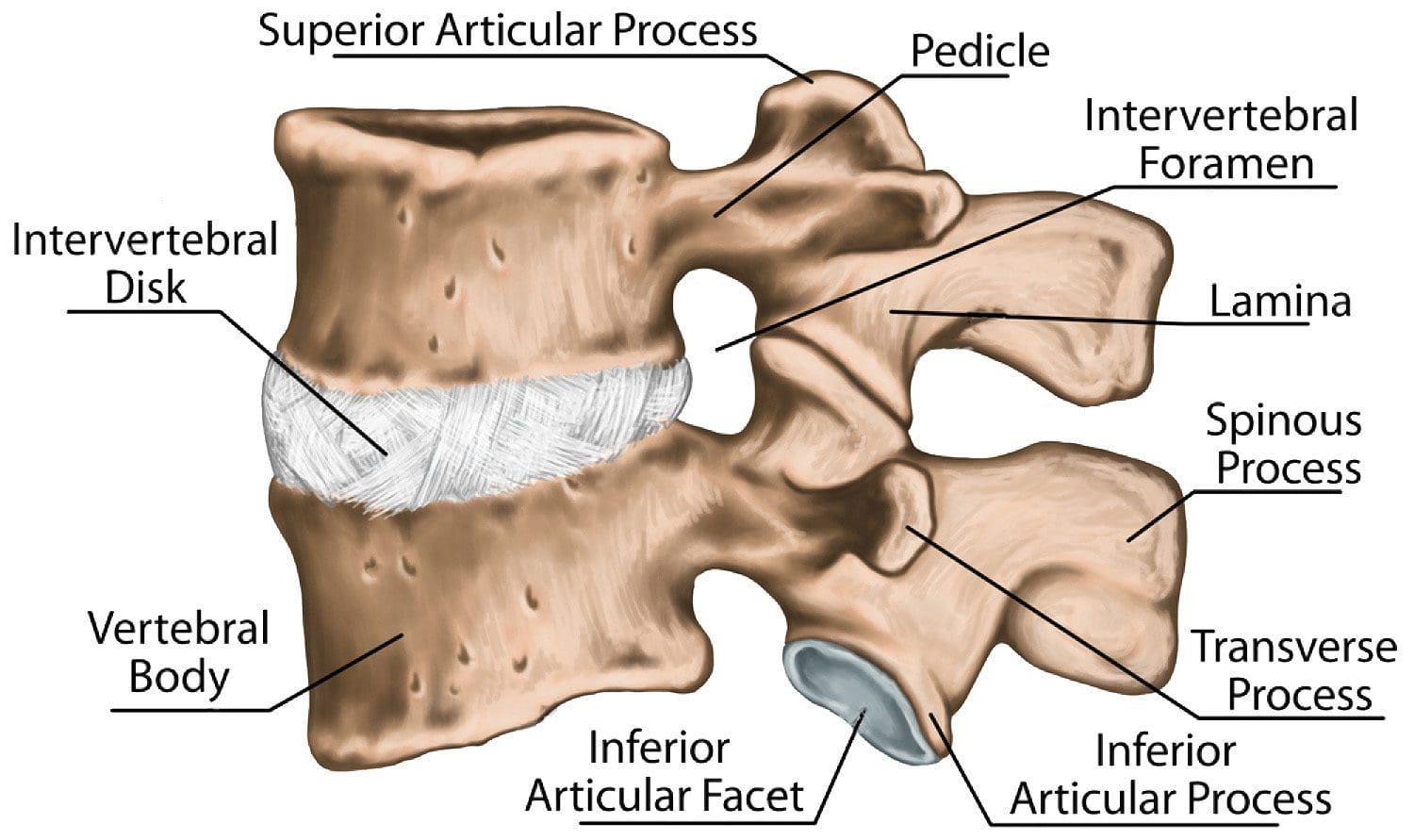
There are nerve roots that come out of the spinal canal at each level through a bony opening called the intervertebral foramen or neuroforamen. The medicine is injected into the epidural space in these areas.
Interlaminar epidural:
The lamina is a section that forms the arch of each level and forms the spinal canal. The lamina at each level lays on top of the lamina right below. The needle is inserted between the lamina for delivery of the medicine into the epidural space. �
�
Selective Nerve Root Block – SNRB
These involve the injection of a local anesthetic onto a targeted nerve. They are typically used for diagnostic purposes. For individuals with multi-spinal compression/s, these combined with:
Medical history
Physical exam
MRI
These can help identify the pain generator such as spinal stenosis.
�
Medial Branch Block – MBB
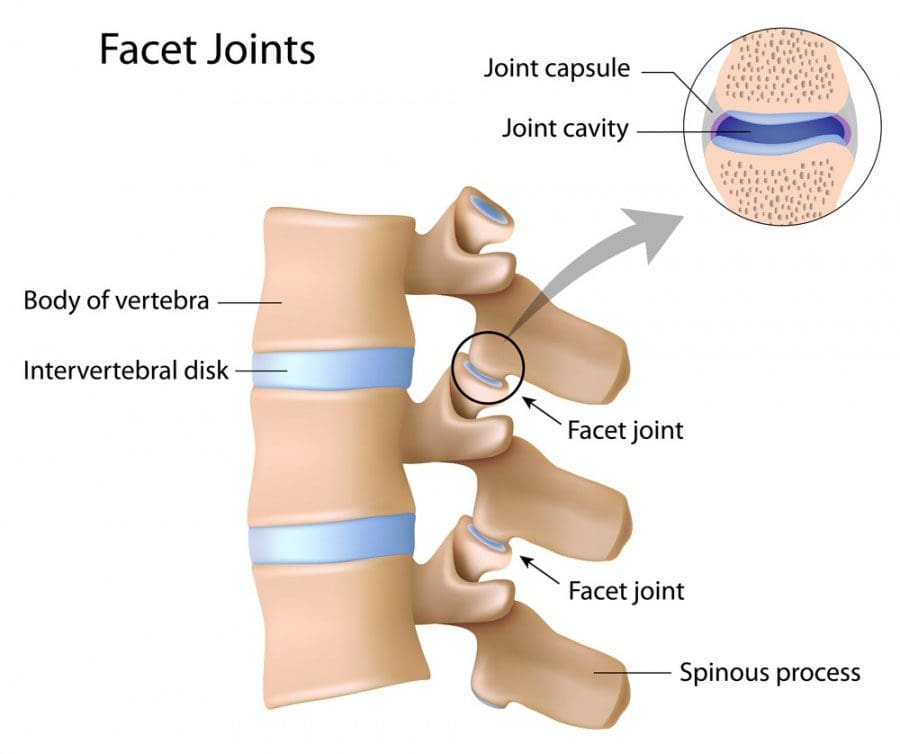
The facet joints are bony projections that connect a vertebral level to the levels above and below. These can become arthritic and is responsible for different forms of back pain.
This type of spinal injection is local anesthetic injected on the medial branch nerves. These are the nerves that send pain signals from the facet joint/s. They are useful in determining if the facet joint is the pain generator. �
�
Facet Joint
These are injections directly into the facet joint itself. Much like injecting anti-inflammatory and pain meds into a knee with arthritis.
�
Sacroiliac Joint
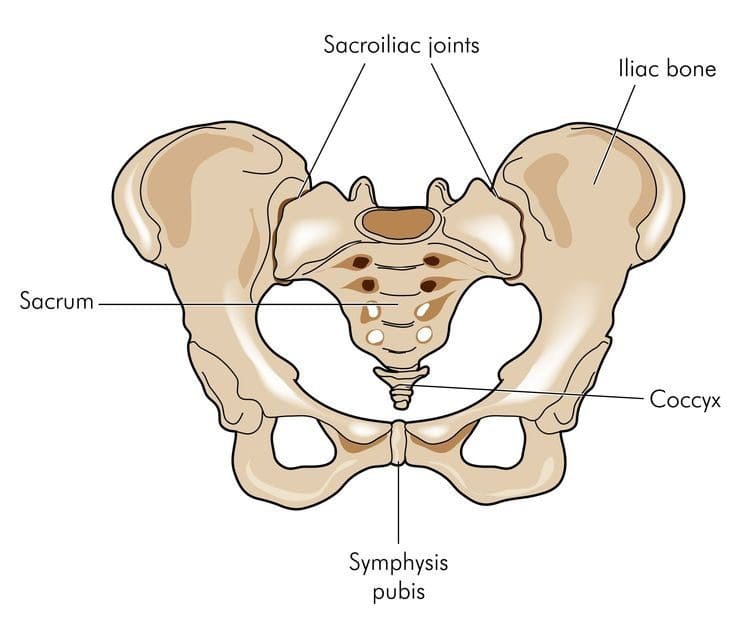
The two sacroiliac joints help connect either side of the sacrum to the hip joint. Like other joints, these can get inflamed and cause painful symptoms. This is an injection directly into one or both of the sacroiliac joints.
�
Administration of the spinal injection or nerve block
Injections are only to be performed by doctors trained specifically in spinal injections. Injections are usually performed by an:
Anesthesiologist
Neurologist
Neurosurgeon
Orthopedic surgeon
Physiatrist
Radiologist
�
Role of these procedures
Reasons why an injection could be used:
Help as a diagnostic to identify the pain generator
Therapeutically to provide pain relief
As a prognostic pain predictor of the relief, an individual could expect from a more invasive procedure like nerve ablation.
�
How often
A maximum of 6 injections for one year is the recommended treatment protocol. Each injection should be based on the effect/s of the previous injection.
�
Potential benefits
The main benefit is to bring pain relief and the ability to function.
Major complications happen in less than one percent of those undergoing the treatment. Individuals with diabetes could see a temporary elevation of their blood sugar.
�
Lasting effects
How long the medicine lasts is different for everyone and comes with variables like:
Type of injection
Type of pathology
Diagnosis
Cause
How long the symptoms last
Most can expect to have one and a half to three months of relief. However, with some, they may only provide minimal relief, while others may see improvements for up to a year.
�
Treating Severe & Complex Sciatica Syndromes
�
Dr. Alex Jimenez�s Blog Post Disclaimer
The scope of our information is limited to chiropractic, musculoskeletal, physical medicines, wellness, and sensitive health issues and/or functional medicine articles, topics, and discussions. We use functional health & wellness protocols to treat and support care for injuries or disorders of the musculoskeletal system. Our posts, topics, subjects, and insights cover clinical matters, issues, and topics that relate and support directly or indirectly our clinical scope of practice.*
Our office has made a reasonable attempt to provide supportive citations and has identified the relevant research study or studies supporting our posts. We also make copies of supporting research studies available to the board and or the public upon request. We understand that we cover matters that require an additional explanation as to how it may assist in a particular care plan or treatment protocol; therefore, to further discuss the subject matter above, please feel free to ask Dr. Alex Jimenez or contact us at�915-850-0900. The provider(s) Licensed in Texas& New Mexico*
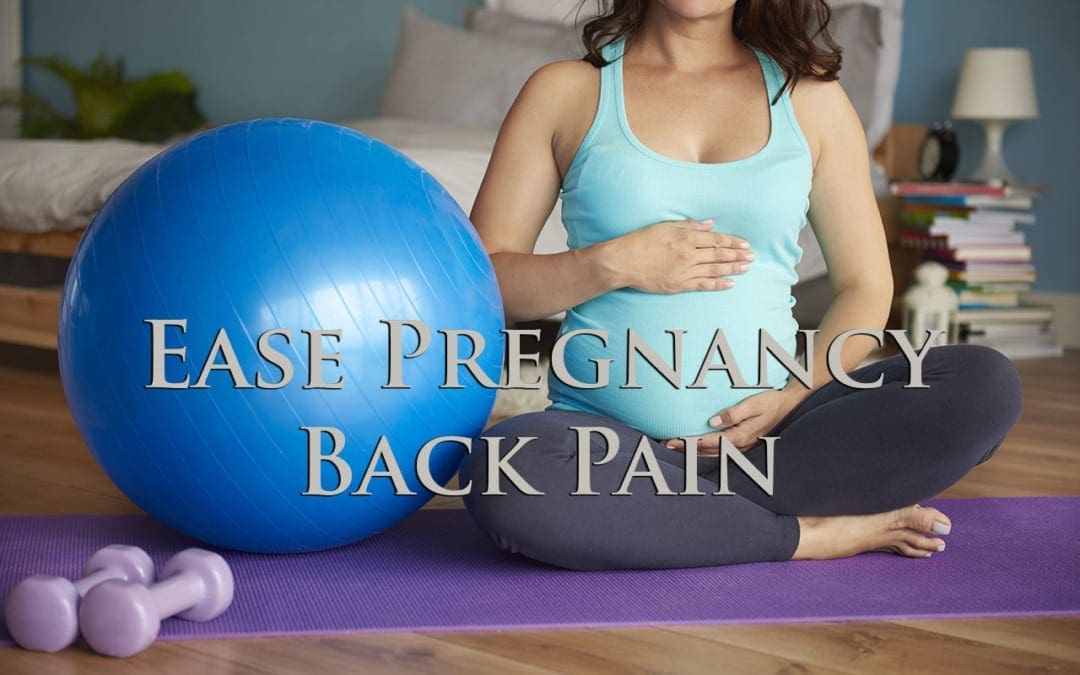
Pregnancy back pain is very common. At least 50 percent of pregnant women and up to 80 percent will experience back pain at some point during their pregnancy. This is completely natural from the added weight of the baby. However, combined with all the other issues that arise during pregnancy ranging from:
Mood swings
Morning sickness
Fatigue
Urinary issues
Lower back pain
This can cause uncomfortable symptoms and take a serious toll on the body. Severe back pain during pregnancy is rare. We’ll look at why you could develop pregnancy back pain, along with steps and proven ways to feel better.
Back Pain Causes
Pain can occur at any trimester, but it usually arises in the later months as the baby and belly grow. Pain can be mild to severe and usually happens in the lower back. There does not have to be pre-existing back problems.
Pregnancy itself changes the body in ways that can lead to back pain.Example: As the uterus gets heavier, there is the added strain placed on the back muscles. This can alter proper posture and cause discomfort/pain. Pregnancy changes the center of gravity and accentuates the spine’s curve in the lower back. When the abdominal muscles and core are weak and not strong enough, the changes of the curvature worsen since it is these muscles that stabilize the back.
When pregnant, the body releases a hormone called relaxin that loosens ligaments, which is the tissue that connects the bones to each other inside the pelvis. The ligament loosening can affect back support and be a cause for pain. Other reasons women experience pregnancy back pain include:
Stress
Poor posture
Standing for too long
Injury
Trauma
Tips for Relief
There are ways to ease pregnancy back pain without medical intervention. Here’s how:
Pay Attention to Posture
When standing up, make sure to stand straight with the shoulders held back. If you must remain standing for a long time, elevate one foot on a box, chair, or stool to relieve the pressure on the spine. Try to avoid standing for long periods. Remember to take regular breaks and get off your feet. Maintain proper posture when sitting, as well.
Utilize an Ergonomic Chair
Both at home and at work that offers plenty of support for the back. Also, a small cushion or pillow placed behind the lower back, along with a stool or footrest for elevating the feet can be highly beneficial.
Proper Lifting
Of course, do not lift heavy objects, and avoid bending at the waist to pick up items off the floor. Instead squat, bend the knees, and lift with the legs, not with the back.
Exercise
The best time to start an exercise regiment is before conception. Regular physical activity/exercise can help prevent and ease back pain, along with all of the other benefits.
Doing simple exercises before getting pregnant can improve core strength, which can go a long way. Try to get as close as possible to a healthy weight before getting pregnant. This has the added benefit of reducing pregnancy risks and cesarean delivery.
Once pregnant, mild or moderate exercise can help get a handle on back pain and prep the body for childbirth. Gentle workouts are the way to go. These will strengthen the back, core, and leg muscles. Recommended for pregnant women are:
Walking
Swimming
Prenatal yoga
Stretches
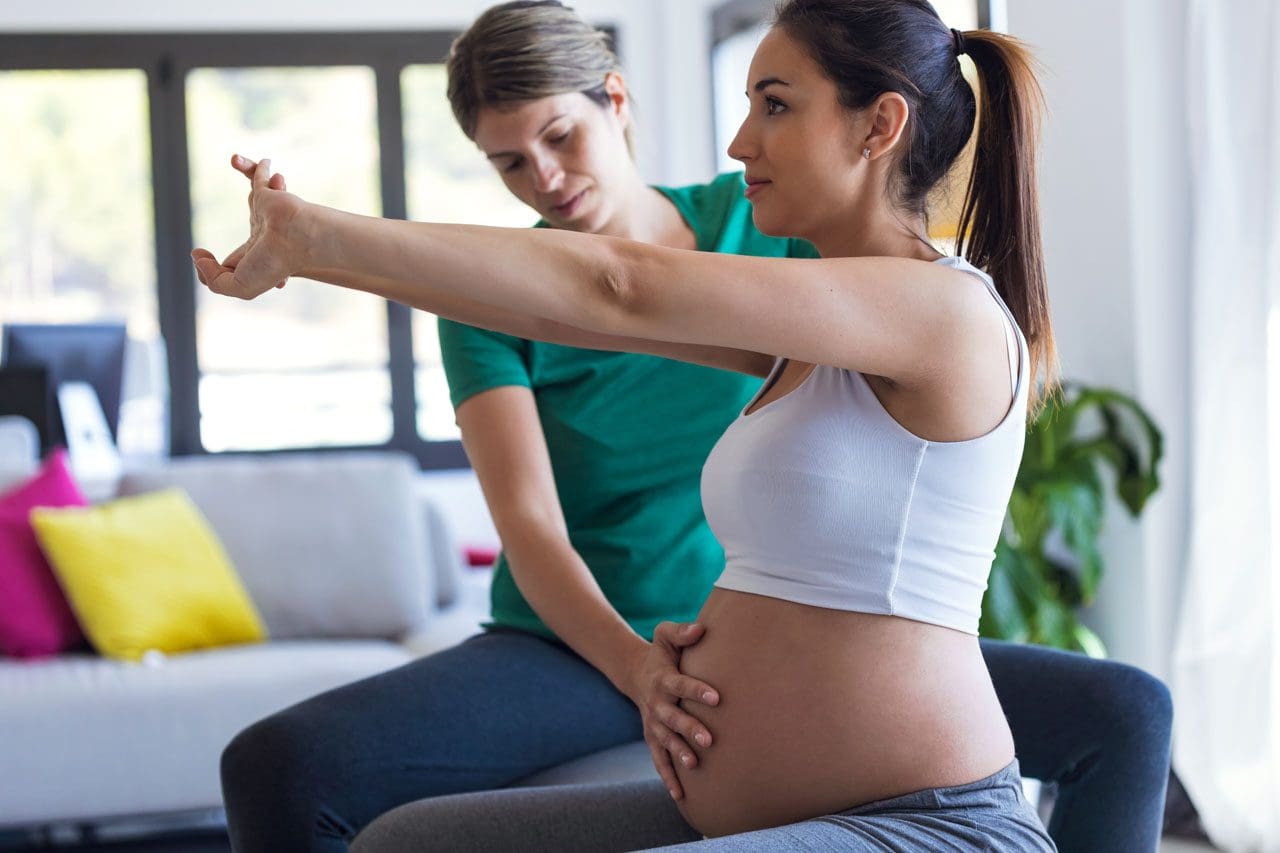
Ask your provider which exercises, stretches are best for you. Remember movement is far better than resting too much. Also, working with a physical therapist or chiropractor in back strength will help immensely.
Exercise Clothes
Wear comfortable, spine supportive shoes. High heels should be removed altogether and take caution with flats, as these can and do often lack arch support. Shoe inserts/orthotics can help.
Maternity support belts for back pain relief can also be an added tool. Currently, there is not a great deal of scientific proof that they work. But many women swear by them when they were pregnant.
Sleep Adjustments
Try sleeping on one side with the knees bent, along with a pillow between the knees or under the abdomen. Another possibility is using a firmer mattress. This can support the back better than a soft sinking mattress. If a firm mattress is not possible, consider placing a stiff board under the mattress for added firmness.
Take naps, making sure to get the proper sleep that the body needs. This is especially true as the later weeks of pregnancy approach. This is easier said than done, but a warm bath can help the body relax before bed.
Complementary practices
Some women have found alternative medical approaches like acupuncture and prenatal massage to be quite helpful in easing pregnancy back pain. Before trying it out talk to your OB/GYN. Once discussed, you can decide if it’s a healthy choice. Make sure the masseuse or alternative practitioner has experience working with pregnant women.
Pain Meds
Pregnancy back pain is a leading cause of opioid prescriptions. When it comes to medication, a critical issue is a potential for opioid abuse. There are some over-the-counter meds that can help ease back pain.
However, Non-steroidal anti-inflammatory drugs or NSAIDs have been linked to pregnancy complications, and most doctors recommend not using them. Instead, try acetaminophen, which is just as effective and safe during pregnancy. Using hot and cold compresses and pain relief creams/ointments can also help. Pregnant women should always speak with a healthcare provider before starting any medication.
Medical Help for Pregnancy Back Pain
During pregnancy, some back pain is normal. When there is severe pain, sudden pain, or pain that lasts longer than two weeks this could be a sign of a more serious condition. It could be an indication of preterm labor, a urinary tract infection, or kidney stones.
Call a doctor if you experience any of the following:
Accompanied back pain with vaginal bleeding, fever, urinary burning or changein vaginal discharge
Suddenly unable to walk due to pain or weakness
Lose feeling in the back, legs, buttocks, and pelvis
Numbness could be the sign of a compressed nerve
Conclusion
Pregnancy back pain usually fades away once the baby is born, these steps can be taken in the meantime to ease any discomfort. Don’t forget to ask your OB/GYN for recommendations.
Music therapy, combined with standard medical treatment�has been found to reduce the perception of pain in individuals recovering from spinal surgeries, according to a study published in the American Journal of Orthopedics. Spine surgery recovery can take a long time and take a tremendous toll on the individual and family. Research has found that music therapy can help reduce pain post-surgery.
The study has shown solid findings that this therapy, when combined with standard treatment, positively impacts pain. Individuals report an increase in comfort during the recovery time. Utilizing music in a therapeutic setting can benefit a patient’s treatment plan, as it addresses the whole individual, including mind, body, and spirit. This is the same approach that chiropractic uses.
Combining Standard Treatment with Music Therapy
The study took place at the Spine Institute of New York with the music therapy set-up through the hospital�s Louis Armstrong Center for Music and Medicine. There were 60 patients thirty-five females and twenty-five males ranging in age from 40 to 55. They underwent anterior, posterior, or anterior-posterior spinal fusion surgery. The groups were equally split up. The experimental group had music therapy included with their standard medical care, and the control group only received standard medical treatment.
The experimental group would undergo a 30-minute music therapy session over an 8-hour period within 72 hours after the procedure. The music options included:
Patient-preferred music
Singing
Rhythmic drumming that encourages relaxation
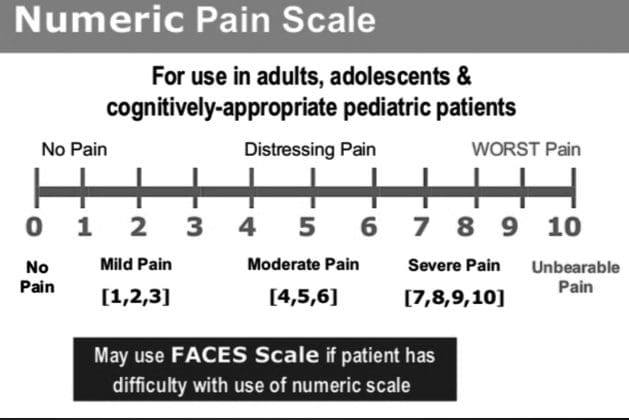
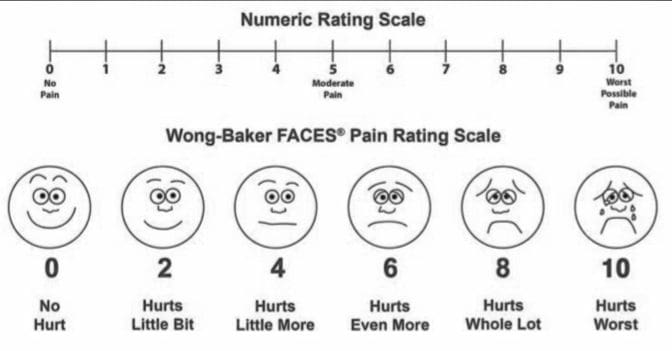
The sessions focused on personal treatment, where the individuals were encouraged to express emotions. A pain scale was used before and after the interventions to measure the results. What was found, was that pain levels would go up slightly in the control group, and in the experimental group, the pain dropped.
Spine Surgery Recovery
With standard care medications are typically the first-line treatment post-spine surgery pain. With all of the negative side effects that come with pain meds/opioids, music therapy is worth considering when looking for non-drug therapies. If anything music is an excellent distraction tool. So long as the music is enjoyable to the individual.
For the most part, many individuals that underwent spine surgery already listen to their music pre and post-operation. It helped them to relax before the surgery and allowed them to focus on something else after. Much like athletes that have their headphones/earbuds when they get to the venue to focus and block out everything going on around them. This therapy works the same way. But now we want to encourage anyone undergoing some spinal procedure to go ahead and jam out.
IFM's Find A Practitioner tool is the largest referral network in Functional Medicine, created to help patients locate Functional Medicine practitioners anywhere in the world. IFM Certified Practitioners are listed first in the search results, given their extensive education in Functional Medicine