Any job-related back injury can significantly complicate an individual’s life. Dealing with the pain, trying to figure out how to get things done while in recovery, and workers’ compensation to protect individuals who are injured on the job, getting them healthy without the stress of worrying about losing money from missing work.
Job-Related Injury
According to the Occupational Safety and Health Administration or O.S.H.A., a job-related injury is one that either contributed to or is caused by something in the work environment that injures an individual or exacerbates/worsens a previous injury. This is a general overview of the definition, and there are some exceptions. For example, being at the place of work as a general public citizen and not working when an injury happens will not be covered. If not sure whether a back injury is job-related, it’s better to be cautious and report the incident as soon as it happens.
Common Back Injuries
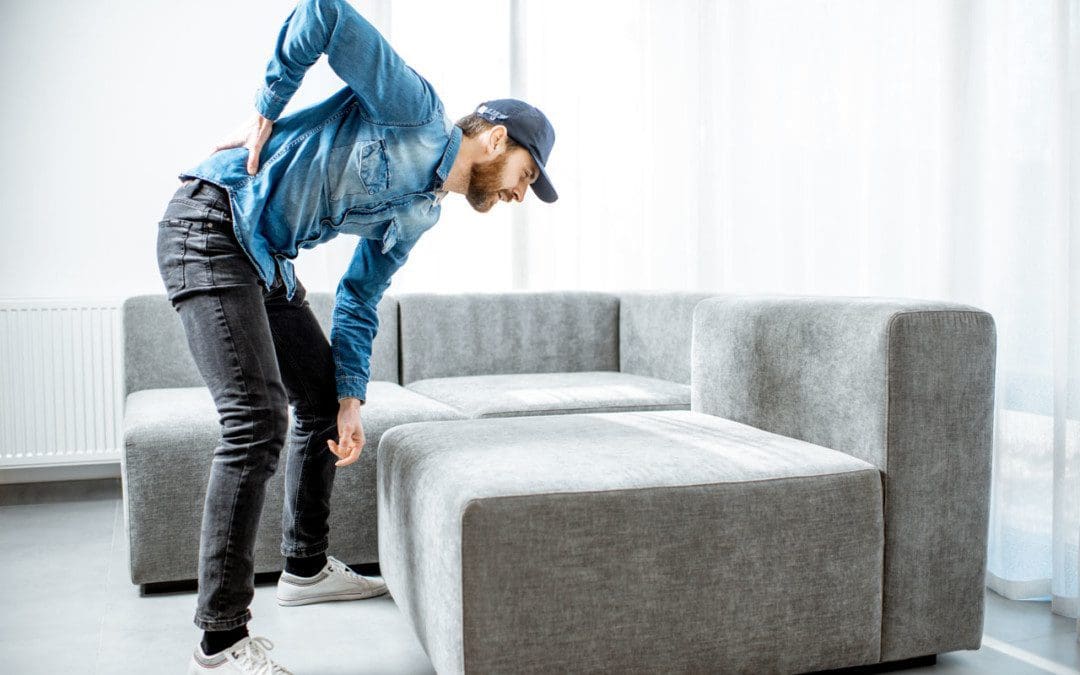
Back injuries are the most common job-related injuries. Back injuries are the number one reason individuals cannot work, whether they hurt their back at home or on the job. The Bureau of Labor Statistics found that nearly 40% of all musculoskeletal injuries that resulted in lost workdays were because of back injuries. The most common back injuries include:
Every state’s workers’ compensation program is different; however, the basic components are the same throughout. This means that if a workers’ compensation claim is approved and an individual cannot work because of their injury, they can expect to receive a regular base salary during treatment, rehabilitation, and recovery. Individuals also continue to receive medical coverage through the company, while the workers’ compensation fund should pay for treatment and diagnostics related to the injury.
When A Back Injury Occurs at Work
When a back happens at work, inform the employer as soon as possible. Do not be embarrassed or feel as if it is not a big deal to seek workers’ compensation. It is an insurance program for both the individual and the employer. An employer pays into the state’s workers’ compensation program for limited liability when employees get injured. Individuals don’t pay for the program, but it protects the individual in case something happens.
Letting an injury go untreated might not be anything at first, but months and years later, it can come back and be worse than when it first happened, causing greater damage, added medical costs, and procedures that the individual has to pay for out of pocket.
Once an individual knows they have a back injury, it is recommended to seek treatment as soon as possible to prevent worsening the injury or create new ones and develop a treatment, rehabilitation, and strengthening program. If an individual needs emergency care, tell the doctors about the work injury and precisely what happened. Emergency medical care should be sought out when:
There is a loss of function in any of the limbs.
There is a persistent numbness with the back pain.
There is nausea, dizziness, or vomiting after the injury.
There is a fever with back pain.
Loss of consciousness.
Loss of bowel or bladder control.
If the injury is not immediate and progresses gradually, but suspect that it is from work, it should be reported and examined by a medical professional.
Treatment
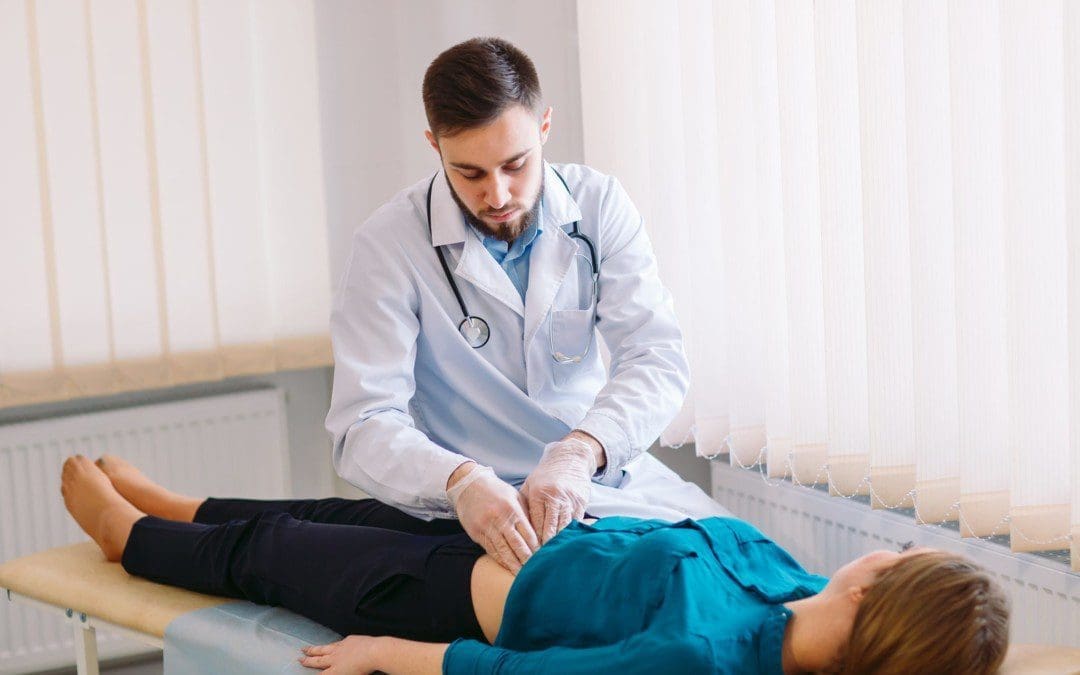
Proper treatment for a back injury depends on the severity of the injury. Those who prefer non-invasive, medication-free treatment are able to recover with chiropractic or physical therapy. Chiropractic doctors are experts in the spine and the musculoskeletal system. Chiropractic treatment is safe, and proven, and can help relieve pain, restore function, to get back to work safely.
Body Composition
Resistance Exercise
Resistance workouts are made to stress the muscles resulting in muscle gain. Resistance exercise makes the body adapt by growing the muscles to make them more capable of handling intense forces without strain. The stress of resistance exercise causes the muscle fibers to tear at the cellular level. Then, special muscle cells, known as satellite cells, jump into action to repair, rebuild, and grow the muscle. These types of exercises include high-intensity workouts or compound exercises that increase muscle growth. However, there needs to be a healthy balance between workouts and rest to support healthy hormone levels and maximize muscle gain.
Hormones
There are three primary hormones that stimulate muscle hypertrophy. They are:
Insulin-like growth factor 1 IGF-1
Growth hormone GH
Testosterone
Muscle protein synthesis is a critical process in muscle hypertrophy and happens after weight training. The hormones signal to the muscle to repair and rebuild after workout sessions. GH is released in high quantities during sleep, which is why proper sleep is needed to help reach body composition goals. When nutrition, workouts, and hormonal effects are combined, muscle-building happens. Figuring out the right balance is essential for reaching health goals.
References
Burton, A K, and E Erg. “Back injury and work loss. Biomechanical and psychosocial influences.” Spine vol. 22,21 (1997): 2575-80. doi:10.1097/00007632-199711010-00021
Marjorie L Baldwin, Pierre Côté, John W Frank, William G Johnson, Cost-effectiveness studies of medical and chiropractic care for occupational low back pain: a critical review of the literature, The Spine Journal, Volume 1, Issue 2, 2001, Pages 138-147, ISSN 1529-9430, https://doi.org/10.1016/S1529-9430(01)00016-X.(https://www.sciencedirect.com/science/article/pii/S152994300100016X)
Randall, Sara. “1. Avoiding back injury.” The practicing midwife vol. 17,11 (2014): 10, 12-4.
Taking it slow after spinal surgery is recommended to optimize a full recovery. What usually happens is that an individual starts feeling normal/better, so they begin to engage in a few daily activities. Then pain presents, letting the individual know that they have done too much too soon. The pain does not necessarily signal re-injuring the area, but recovery should be treated seriously. More than 50% of patients have successful spine surgery, but repeat surgeries do not tend to be quite as effective. Doing too much too early during recovery can result in severe re-injury or creating new injuries. So when can an individual get back to everyday life?
Surgery Recovery
Recovery after back surgery is different for everyone. Low back lumbar fusion surgeries usually require more recovery time than lumbar non-fusion surgeries, like:
Laminectomy – when the lamina portion of a vertebra is removed.
Microdiscectomy – the removal of abnormal disc material
Cervical spine surgeries.
Individuals who have undergone a procedure where two or more vertebrae have been surgically fused should expect a longer recovery. A typical timeline for lumbar fusion usually involves around three months. What happens is individuals want to get up and move, doing household activities almost immediately because they feel so good, but this is because of the pain medications. Strong pain medication use ends by four to six weeks. It is not until after 12 weeks or three months with post-operative chiropractic rehabilitation and physical therapy that individuals are encouraged to engage in specific physical activities that will optimize the healing process.
Taking It Slow With Certain Activities
Specific activities should not be engaged in after lumbar fusion surgery, as it requires a higher level of caution during recovery.
No Bending, Lifting, and Twisting
Bending, lifting, and twisting all require the direct use of the back muscles. Performing these movements can cause serious damage and hinder proper healing. Therefore it is recommended not to bend, lift, or twist for six weeks.
No Taking Baths or Swimming
Taking showers can be done right away with protective plastic or a sponge bath for a few days after surgery, but it is advised not to take baths or go swimming for three weeks.
No Cardiovascular Exercise
While the back may be feeling better after the spine surgery, cardiovascular exercise is not recommended for at least six to 12 weeks as it is too strenuous on the back. Light walking is fine, but the doctor and a chiropractor and physical therapist will develop a controlled, progressive exercise program for the individual. The program usually starts between 6 weeks and three months after surgery. This can include working out on an elliptical machine, a stationary bike, or easy treadmill walking.
Listening to The Body
The doctor will be clear about what can and can’t be done immediately following back surgery. Therefore it is crucial to follow the instructions to avoid any complications and listen to the body. Don’t push through activity or try taking on too much. Give the body and spine time to heal, taking it slow. There is time to get back to normal activities, but if re-injury or new injuries occur, rehabilitation/recovery could become the regular activity.
Body Composition
Malnutrition
Malnutrition is defined as deficiencies, excesses, or imbalances in an individual’s energy intake and/or nutrients. Protein-energy deficiency is one of the most common forms of malnutrition, and this health condition has an immediate and negative impact on body composition. The deficit wreaks havoc on skeletal muscle mass as the body progressively goes into starvation mode, breaking down the protein stored in the muscle for fuel.
Micronutrient deficiency is a lack of minerals and vitamins that support vital bodily processes like cell regeneration, immune system health, and eyesight. Common examples include iron or calcium deficiencies. Micronutrient deficiency has the most significant impact on normal physiological functions, processes and can happen in conjunction with a lack of protein-energy. This is because most micronutrients are obtained from food. Nutritional deficiencies of specific micronutrients can affect processes like building and repairing muscle; protein deficiency has a more pronounced effect on body composition because lowered protein intake can lead to muscle mass loss. Malnutrition and nutritional deficiencies in adults include:
Physical function, including handgrip strength and physical performance, diminishes.
Serious medical conditions can result from fluid accumulation like edema.
References
Daniell, James R, and Orso L Osti. “Failed Back Surgery Syndrome: A Review Article.” Asian spine journal vol. 12,2 (2018): 372-379. doi:10.4184/asj.2018.12.2.372
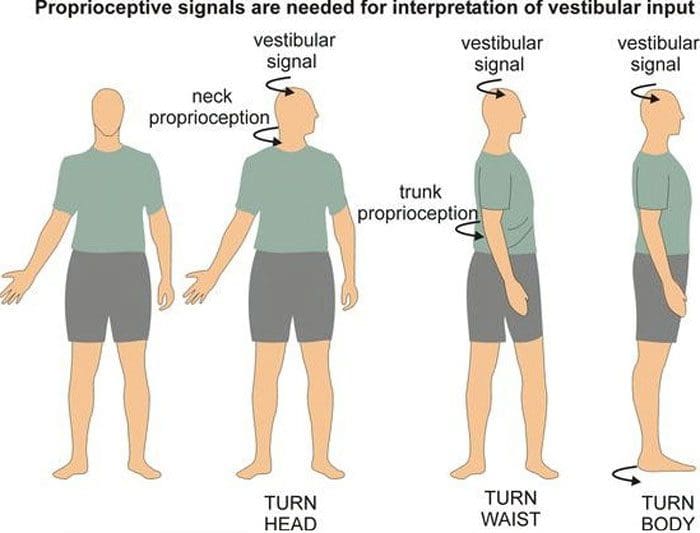
Kinesthesia is the body’s ability to sense movement, position, action, and location, also known as proprioception. An example is when moving the arm, the brain and body are aware that the arm has moved. When dealing with chronic back pain, individuals are unable to function normally with regular everyday movements causing discomfort.
Chronic back pain can make an individual feel like a stranger in their body, altering their perception. Tension develops throughout the body due to the pain, causing tightness and positional adaptations that are unfamiliar, awkward, and unhealthy for the musculoskeletal system. These body positioning changes continue while the individual is unaware of what they are doing, causing further strain and injury.
Kinesthesia
Kinesthesia is essential for overall coordination, balance, and posture as long as the movements are done correctly with proper form. Chronic back pain can affect kinesthesia differently. Individuals can misjudge and estimate that their bodies’ ability to lift, carry, or open something is more complicated or easier than it is. This can exceed the body’s tolerances, causing:
Strains
Sprains
Severe injuries
Once the back starts to hurt, this causes the individual’s sense of kinesthesia to compensate for the pain. As a result, individuals may knowingly or unknowingly attempt to carry out uncoordinated, awkward movements and positions, making things worse.
Motor Control
Motor control is the ability to control movement. When experiencing back pain, individuals adjust their motor control to avoid specific movements that cause back pain. Motor control adaptations and kinesthesia involve body positioning and heightened responsiveness to stimuli, like muscle spasms. Even moderate back pain can cause awkward and dangerous responses causing individuals to overcompensate or become too cautious, worsening or creating new injuries in the process. The body is performing movements that do not follow proper form, even though an individual thinks they are protecting themselves.
Building Healthy Proprioception
A recommended strategy for building kinesthesia to benefit the back and the rest of the body is yoga. Yoga helps build bodily sensory awareness. It trains the body when sending significant signals from the muscles, joints, and tendons back to the proprioceptive centers in the brain. This happens immediately and increases over time.
Yoga Poses
Creating positive awareness of the body’s movements will help relieve back pain as the body learns to feel, understand, and control the muscles. Here are a few poses to help, along with video links.
Body awareness is critical, but if an individual moves in a way that’s not natural to the body, it can cause injury. Kinesthesia and healthy posture can help avoid back pain and other health issues. A professional chiropractor can alleviate back pain, educate on proper form and recommend specific stretches and exercises to strengthen the body to prevent injury.
Body Composition
Magnesium
Magnesium supports a healthy immune system. It helps maintain:
Healthy bone structure
Muscle function
Insulin levels
Magnesium assists the body with ATP energy metabolism and acts as a calcium blocker. This reduces cramping and aids in muscle relaxation after physical activity/exercise. Magnesium is essential in biochemical reactions in the body. A slight deficiency can lead to an increased risk of cardiovascular disease and a higher risk of insulin resistance. Many magnesium-rich foods are high in fiber, like:
Studies have shown that consuming a diet rich in Magnesium also provides a higher intake of dietary fiber. Dietary fiber aids in:
Digestion
Helps control weight
Reduces cholesterol
Stabilizes blood sugar
The best sources of Magnesium include:
Spinach, swiss chard, and turnip greens
Almonds and cashews
Flax, pumpkin, and chia seeds
Cocoa
References
Meier, Michael Lukas et al. “Low Back Pain: The Potential Contribution of Supraspinal Motor Control and Proprioception.” The Neuroscientist: a review journal bringing neurobiology, neurology and psychiatry vol. 25,6 (2019): 583-596. doi:10.1177/1073858418809074
Tong, Matthew Hoyan et al. “Is There a Relationship Between Lumbar Proprioception and Low Back Pain? A Systematic Review With Meta-Analysis.” Archives of physical medicine and rehabilitation vol. 98,1 (2017): 120-136.e2. doi:10.1016/j.apmr.2016.05.016
Wang, Jinsong, et al. “Dietary magnesium intake improves insulin resistance among non-diabetic individuals with metabolic syndrome participating in a dietary trial.” Nutrients vol. 5,10 3910-9. 27 Sep. 2013, doi:10.3390/nu5103910
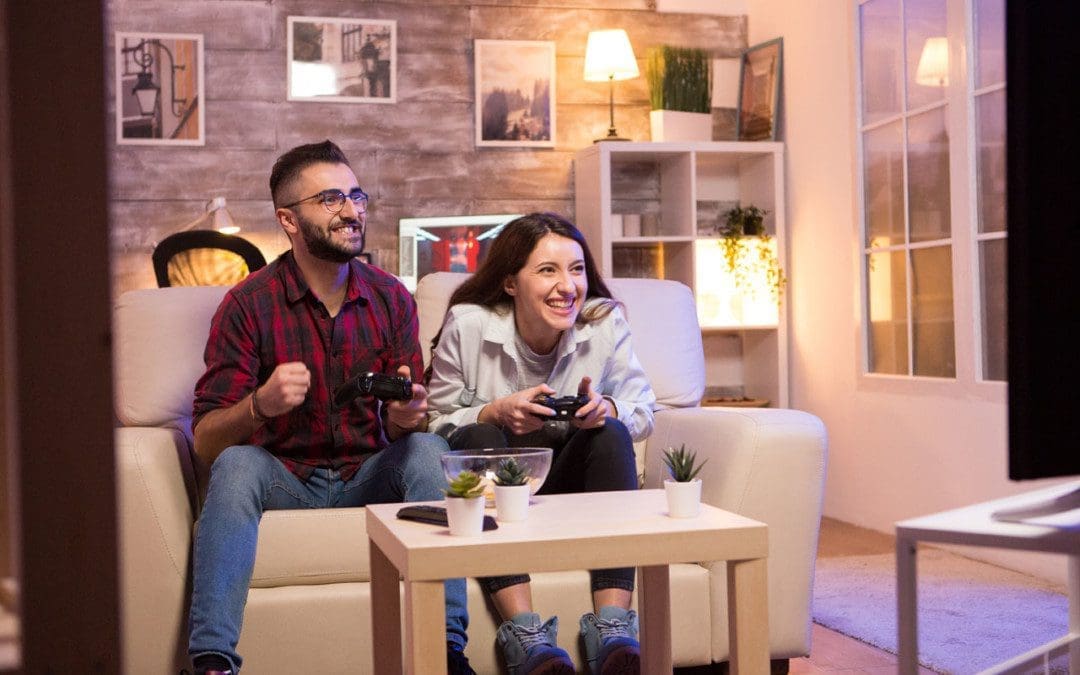
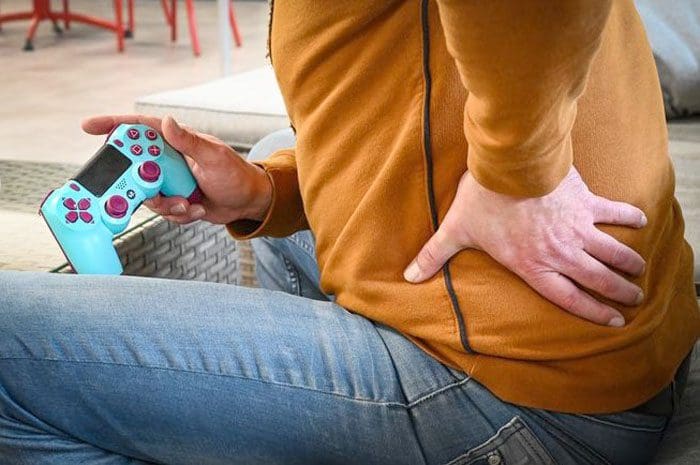
Video gaming has grown to over 150 million individuals in the United States playing. Around 60% of Americans play video games every day, with the average gamer being 34 years old. Playing video games for an extended amount of time takes a toll on the body. Individuals are experiencing the same kind of pains and aches from sitting and standing all day at work or school. Sitting positions, holding the controllers, and the different accessories can impact the nerves, muscles, and Posture. E-sports professionals understand the physical toll their bodies take with constant practice, tournaments, clinics, etc. They do cardiovascular conditioning, strength train, and stretch to improve their gaming abilities and also take into account:
Taking steps can prevent strain, injuries and minimize the risk of long-term damage. If strain and injuries are present, professional chiropractic treatment can help alleviate the pain, rehabilitate/strengthen the muscles, ligaments, tendons, and recommend exercises and stretches.
Video Gaming Posture
Proper Posture is vital to maintaining spinal as well as overall health. Poor Posture is the most common cause of back and neck pain.
Video Gaming Positions
Common gaming positions include the couch slouch where the gamer is slumped back into the couch with their feet up. This can lead to low back pain and sciatica. The full-on position is where the individual leans forward, elbows on their knees, head tilted forward, and staring up at the screen. Hours in these positions cause the neck, back, and other body areas to stiffen, generating soreness from the restricted movement. Many gamers use ergonomic gaming chairs. They have found that using the gaming chair improves Posture, eliminating the forward head and rounded shoulders. Gaming chairs can provide the health benefit of sitting correctly, reducing and eliminating neck and back tension or strain.
Injuries and Health Issues
Common musculoskeletal issues caused by excessive gaming and lack of movement include:
Eyestrain
Headaches
Neck pain
Elbow, arm, wrist pain
Thumb pain
General hand pain
Carpal tunnel syndrome
Postural stress
Back pain
Chiropractic Treatment
Shoulder Massage
The intensity of gaming can cause the shoulders to tense up and stiffen. When using the controller, the shoulders can slightly lift, building up lactic acid, interrupting blood circulation, causing an accumulation of unwanted toxins inflaming trigger points. A chiropractic massage will release tightened muscles, provide relaxation, and increase the blood flow.
Hand and Wrist Treatment
The most used body parts for video games include the hands and wrist. Individuals grip the controllers or constantly use the keyboard and mouse. No matter what form of input is used, prolonged use can cause hand and wrist injuries. Injuries include:
Inflammation
Hand muscle aches
Chiropractic focuses on specific areas to help treat the body through a hand and wrist massage. Advanced techniques include electrical muscle stimulation to help stimulate and loosen the muscles. A chiropractor will recommend stretches and exercises, and hand/wrist supports, guards, or special gloves to alleviate muscle pains while still playing.
Neck and Back Adjustments
Poor posture can result in a misaligned spine or back muscle spasms. During extended game sessions, pain and fatigue can begin to present. A chiropractic adjustment can realign the muscles and set them back in place. The tissue surrounding the neck may thicken and focus on a specific area. Leaning too far forward or using a heavy gaming headset can result in a forward head posture placing a constant strain on the neck. Chiropractic adjustments will loosen the tissue and release any tension. Stretches and exercises will be recommended as well.
Body composition refers to how various substances in the body are proportioned. A few examples of the components that make up the body include:
Water
Protein
Fat
Minerals
All of these components generate balance in the body. When individuals exercise, they begin to notice changes in their body composition. For individuals that exercise regularly, it is vital to track weight gain, weight loss, and changes in body composition. This is to ensure that they aren’t losing muscle mass. As individuals exercise, muscle fibers are torn. During the recovery process, muscles are rebuilt. Overtraining can lead to muscle mass reduction because the body cannot catch up and rebuild the number of muscle fibers, eventually leading to lost muscle.
References
Emara, Ahmed K et al. “Gamer’s Health Guide: Optimizing Performance, Recognizing Hazards, and Promoting Wellness in Esports.” Current sports medicine reports vol. 19,12 (2020): 537-545. doi:10.1249/JSR.0000000000000787
Geoghegan, Luke, and Justin C R Wormald. “Sport-related hand injury: a new perspective of e-sports.” The Journal of hand surgery, European volume vol. 44,2 (2019): 219-220. doi:10.1177/1753193418799607
McGee, Caitlin, et al. “More Than a Game: Musculoskeletal Injuries and a Key Role for the Physical Therapist in Esports.” The Journal of orthopedic and sports physical therapy vol. 51,9 (2021): 415-417. doi:10.2519/jospt.2021.0109
McGee, Caitlin, and Kevin Ho. “Tendinopathies in Video Gaming and Esports.” Frontiers in sports and active living vol. 3 689371. 28 May. 2021, doi:10.3389/fspor.2021.689371
Zwibel, Hallie et al. “An Osteopathic Physician’s Approach to the Esports Athlete.” The Journal of the American Osteopathic Association vol. 119,11 (2019): 756-762. doi:10.7556/jaoa.2019.125
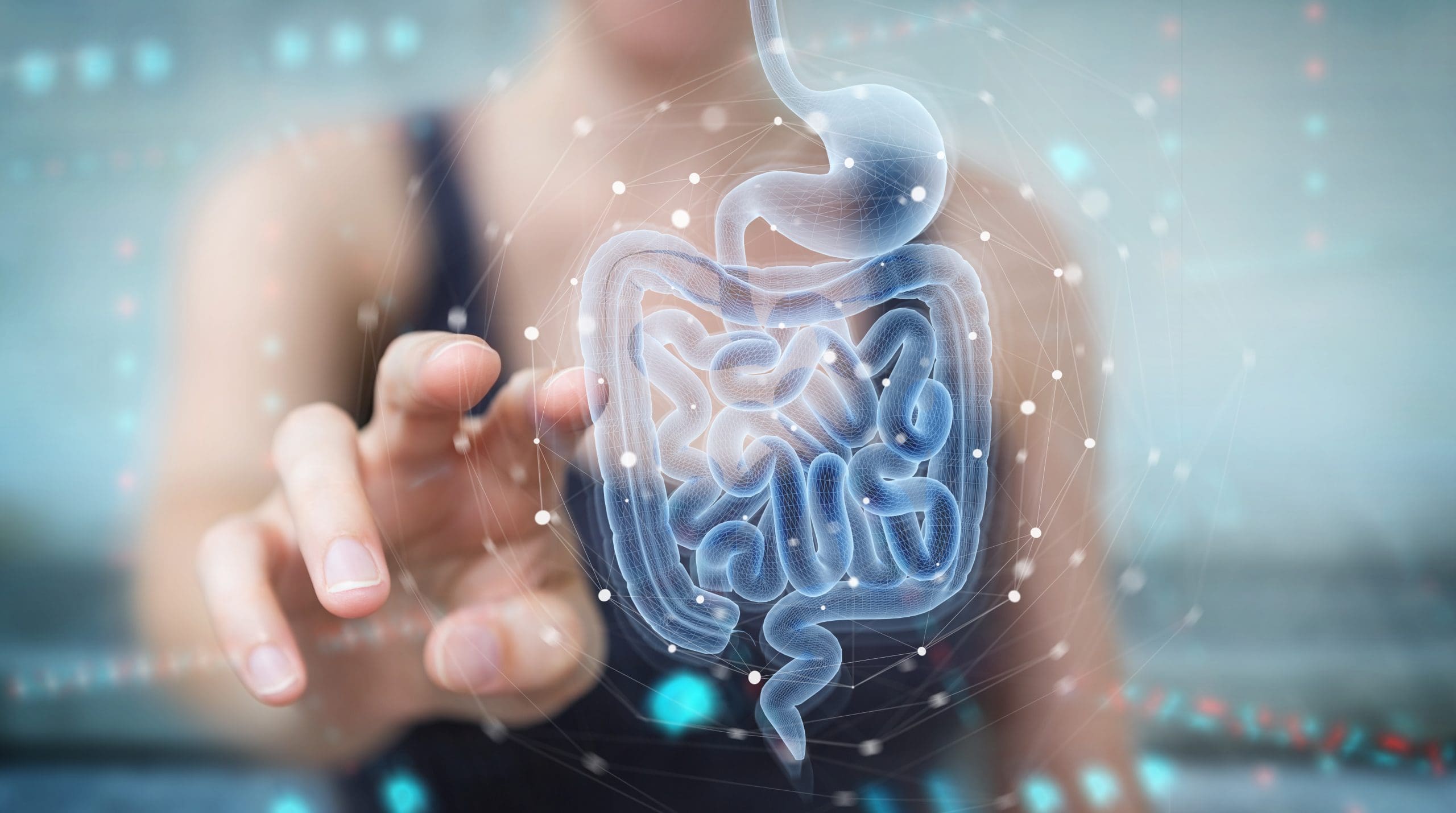
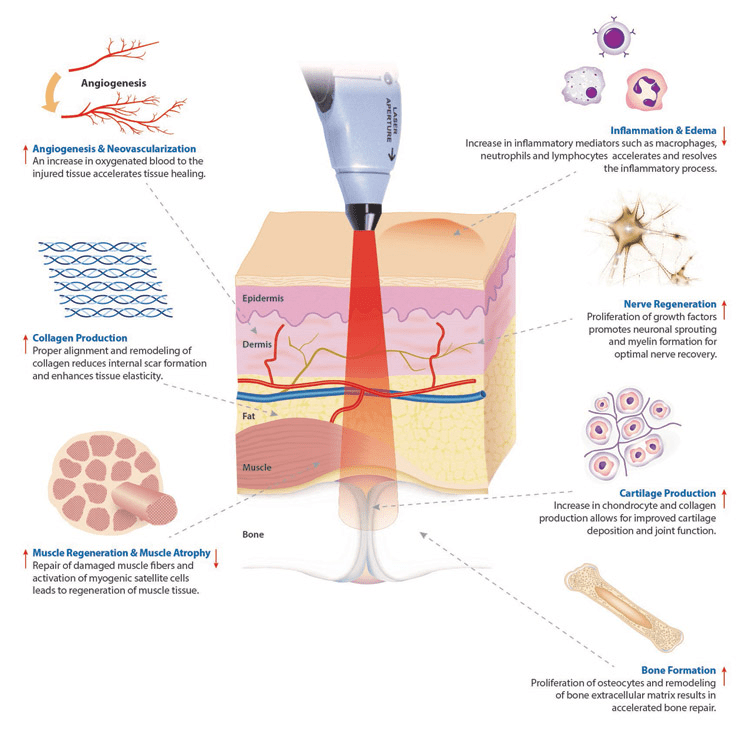
The body has a variety of functions that work simultaneously to make sure that it’s working correctly. From the musculoskeletal system all the way to the endocrine system, the body has good bacteria that cause each system to work as it should be. However, sometimes an injury or autoimmune factor comes to play when it affects the body, causing a person to feel pain or not function properly. Many remedies and treatments can help the body by dampening the harmful effects that trigger various problems like inflammation, IBS, leaky gut, and much more. One of the treatments that physicians have used to help patients is photobiomodulation or low laser therapy.
Photobiomodulation Explained
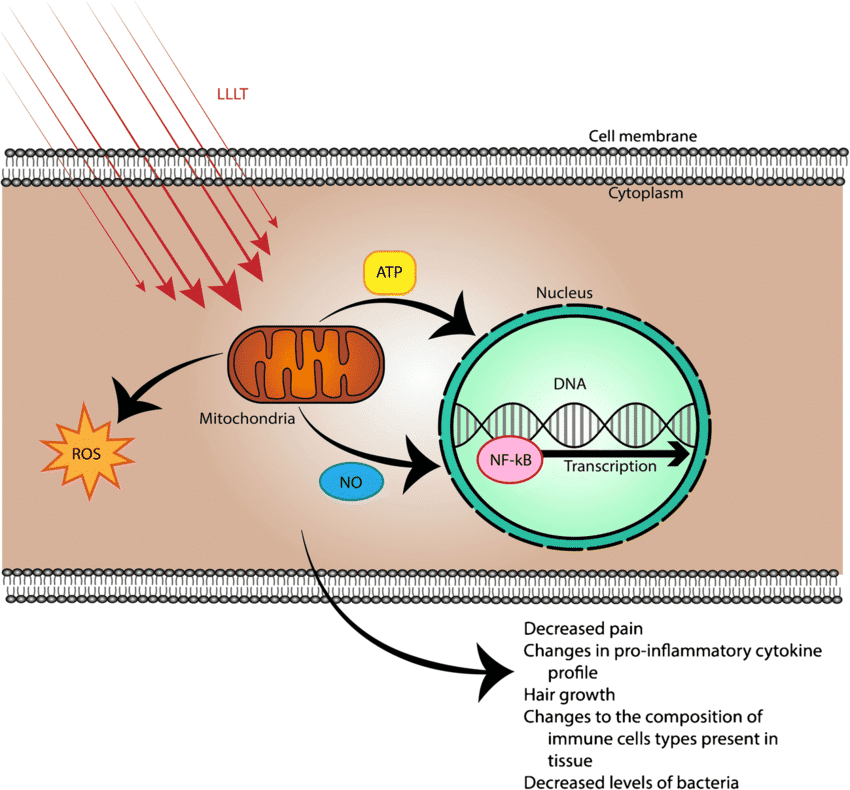
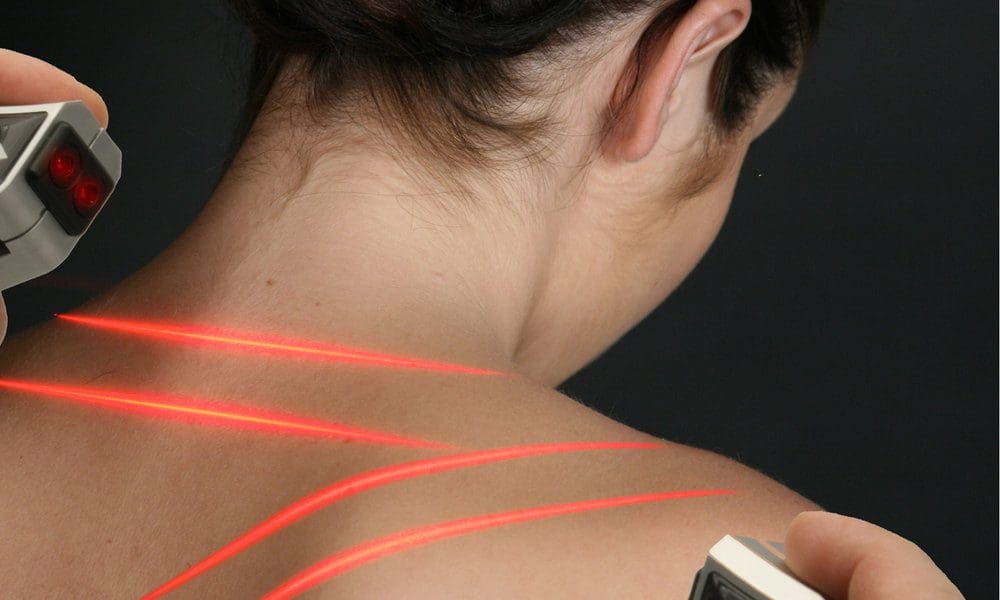
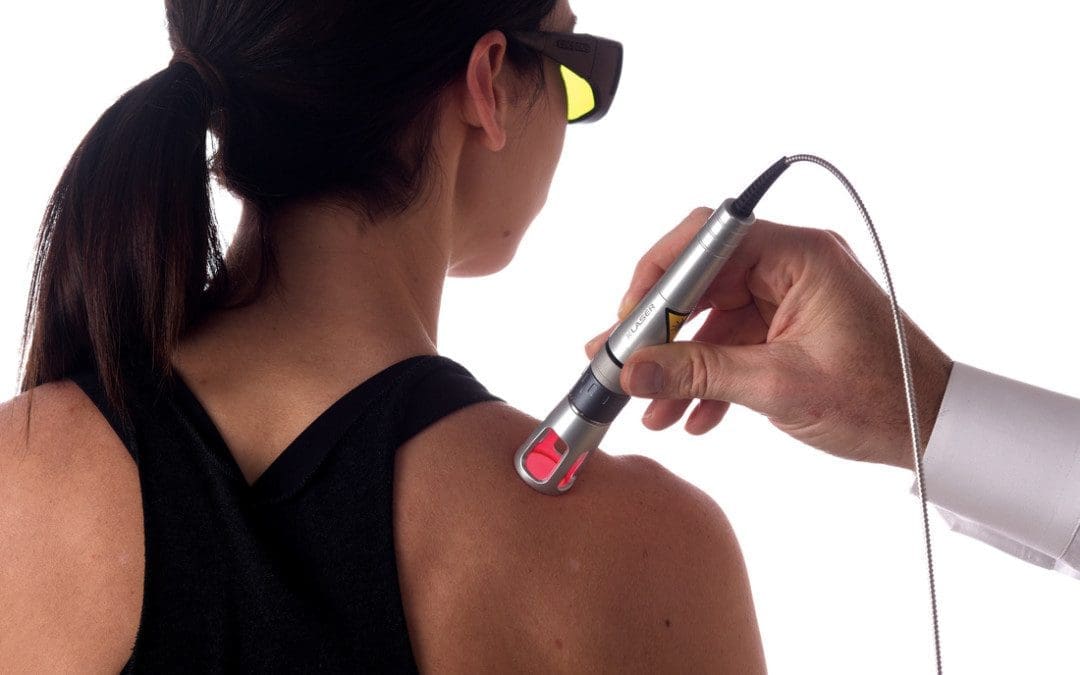
Low laser therapy or photobiomodulation is when the body is exposed to a cold laser in the affected area. The laser wavelength targets the area through the skin to the mitochondrial. Studies have shown that photobiomodulation mechanics can help the body at the molecular, cellular, and tissue-based level causing therapeutic relief. When exposed through treatment, the laser wavelength can help give the injured area of the body relief that can last for hours to months with regular treatment.
Photobiomodulation Benefits
Another study found that photobiomodulation can heal and stimulate body tissue, thus relieving pain and inflammation, causing the microbiome to alter in the body. The study also mentions that photobiomics can indirectly affect the microbiome and cause harmful bacteria or inflammation to halt, causing the body to boot its immune system. One study has even found that even though photobiomodulation has been widely accepted to treat low-back pain, it can be highly effective when modulating the gut microbiome. This means that when photobiomodulation and nutritional therapy are combined, they can help treat gut issues, low vagal tone, and autoimmunity in the body.
The Gut System
The gut microbiome is one of the important biomes in the body that plays a huge role. The gut microbiota can help the body internally by regulating its metabolism and protecting itself from harmful pathogens; thus, a healthy gut flora is mainly responsible for an individual’s overall health. Studies have shown that the gut microbiota comprises two significant phyla, which are Bacteroidetes and Firmicutes. The study also mentions that a normal gut microbiome can help maintain the structural integrity of the gut mucosal barrier, immunomodulation, and metabolize xenobiotics.
The Microbiome of the Gut
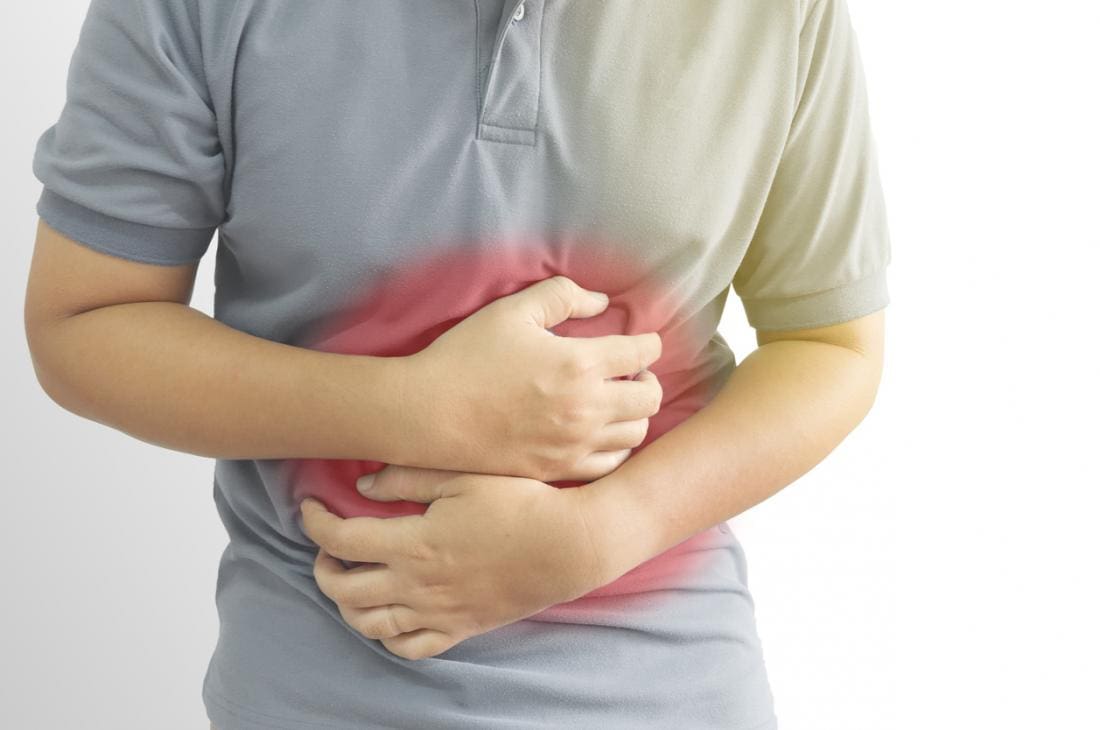
Since the gut microbiome makes sure that the body is healthy, sometimes unwanted pathogens can affect the gut, disrupting the body. Studies show that the gut microbiota can ensure homeostasis while recognizing bacterial epitopes in intestinal epithelial and the mucosal immune cells. But when harmful bacterias invade the gut, either by food sensitivity or autoimmune factors, the gut takes a heavy toll, causing the body to feel unwell. These factors can cause body inflammation, leaky gut, or IBS, thus making the individual feel pain if it’s not treated, causing more problems.
Conclusion
Overall, doctors using photobiomodulation on the gut is beneficial in the overall wellness of the body. The photobiomics have proven extraordinary therapeutic effects by targeting the inflamed area and improving the area by raising the antibodies to combat the inflammation and reducing gastrointestinal wall damage. By utilizing photobiomodulation and natural food therapy together, the body can recover quickly and achieve overall wellness.
References:
Hamblin, Michael R. “Photobiomodulation or Low-Level Laser Therapy.” Journal of Biophotonics, U.S. National Library of Medicine, Dec. 2016, https://www.ncbi.nlm.nih.gov/pmc/articles/PMC5215795/.
Jandhyala, Sai Manasa, et al. “Role of the Normal Gut Microbiota.” World Journal of Gastroenterology, U.S. National Library of Medicine, 7 Aug. 2015, https://pubmed.ncbi.nlm.nih.gov/26269668/.
Liebert, Ann, et al. “‘Photobiomics’: Can Light, Including Photobiomodulation, Alter the Microbiome?” Photobiomodulation, Photomedicine, and Laser Surgery, Mary Ann Liebert, Inc., Publishers, Nov. 2019, https://www.ncbi.nlm.nih.gov/pmc/articles/PMC6859693/.
Sekirov, Inna, et al. “Gut Microbiota in Health and Disease.” Physiological Reviews, U.S. National Library of Medicine, 9 July 2010, https://pubmed.ncbi.nlm.nih.gov/20664075/.
Silverman, Robert G. “Photobiomics: A Look to the Future of Combined Laser and Nutrition Therapy.” Chiropractic Economics, 5 Oct. 2021, https://www.chiroeco.com/photobiomics/.
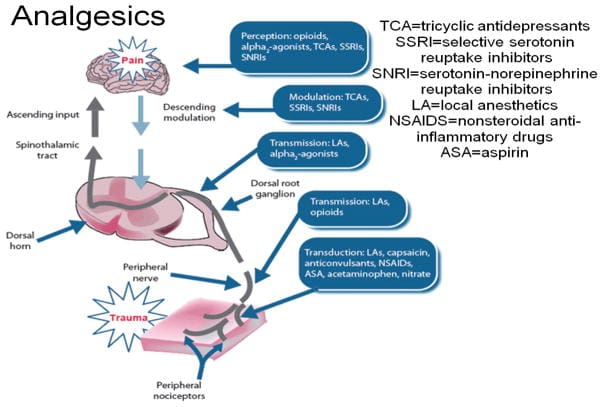
Around the world, pain, especially chronic pain, is widespread to an individual. When the body goes through a tremendous amount of activity, the muscle tissues will rip and tear to strengthen the body for the next activity it overcomes. But when the muscle tissues tear and cause pain to the body, it can take a week or even months for the tissue to recover. Many recovery treatments can help alleviate the pain that a person is in, and one of the recovery treatments that most physicians use is low laser therapy.
Low Laser Therapy & Musculoskeletal Pain
Doctors have used low laser therapy to help patients alleviate pain and repair muscle tissue in the affected area of the body. Studies have found that the effects of low laser therapy had a positive impact on the treated area. The study showed that the low laser treatment has helped with relieving pain and has promoted tissue repair. The effects of the low laser wavelength have enhanced the healing process by promoting cell proliferation, causing pain relief. One of the efficient ways that low laser therapy is beneficial to the body is to alleviate musculoskeletal pain.
Musculoskeletal pain is a variety of issues in the body. From muscle pain to fibromyalgia, it can render a person miss out on everyday activities, causing them to miss work or school. Studies have shown that when a patient is going in for low laser therapy, the effects from the laser wavelength can reduce inflammation and edema in the affected area. The studies even show that the laser light effects are photochemical and not thermal. The laser light will trigger a biochemical change in the body, causing the photons from the affected area to be absorbed, thus triggering a chemical change in the area.
Efficient Uses of Low Laser Therapy
Other studies even show that the low laser wavelength triggers chemical alterations and potential biochemical benefits to the human body. This means that if a person is suffering from chronic pain when going for low laser treatment, the laser can relieve chronic pain symptoms and even osteoarthritic conditions. Another efficient use of low laser therapy is that it can suppress the MMP or mitochondrial membrane potential in the DRG neutron while reducing adenosine triphosphate or ATP production in the body. In other words, the effects of low laser therapy can suppress and reduce inflammation receptors in the body, thus causing long-term results that last for years, improving tissue healing.
Another efficient way low laser therapy is beneficial is that it can be combined with light exercises as a staple of rehabilitation. Studies have found that the combination of low laser therapy and exercise has merit. When an individual combines stretches and low laser therapy as part of their rehabilitation, the data shows a reduction in pain symptoms and fatigue in the body.
Conclusion
All in all, the efficient effects of low laser therapy are beneficial by reducing inflammation and damping the pain receptors in the body. Since chronic pain is worldwide and can cause harmful effects to the body, using low laser therapy can dampen the pain receptors. Having low laser therapy treatments as part of their daily regime and light exercises for anyone with chronic pain can get their body moving pain-free. Since the body goes through so much, having low laser therapy is one of the many recovery treatments that can provide long-lasting results and promote overall wellness.
References:
Cotler, Howard B., et al. “The Use of Low Level Laser Therapy (LLLT) for Musculoskeletal Pain.” MOJ Orthopedics & Rheumatology, U.S. National Library of Medicine, 9 June 2015, https://www.ncbi.nlm.nih.gov/pmc/articles/PMC4743666/.
Dima, Robert, et al. “Review of Literature on Low-Level Laser Therapy Benefits for Nonpharmacological Pain Control in Chronic Pain and Osteoarthritis.” Alternative Therapies in Health and Medicine, U.S. National Library of Medicine, 24 Sept. 2018, https://pubmed.ncbi.nlm.nih.gov/28987080/.
Enwemeka, Chukuka S., et al. “The Efficacy of Low-Power Lasers in Tissue … – Medical Laser.” Medical Summus Laser, 2004, http://medical.summuslaser.com/data/files/77/1585165534_SpHfd8kFyVara63.pdf.
Kingsley, J. Derek, et al. “Low-Level Laser Therapy as a Treatment for Chronic Pain.” Frontiers, Frontiers, 19 Aug. 2014, https://www.frontiersin.org/articles/10.3389/fphys.2014.00306/full.
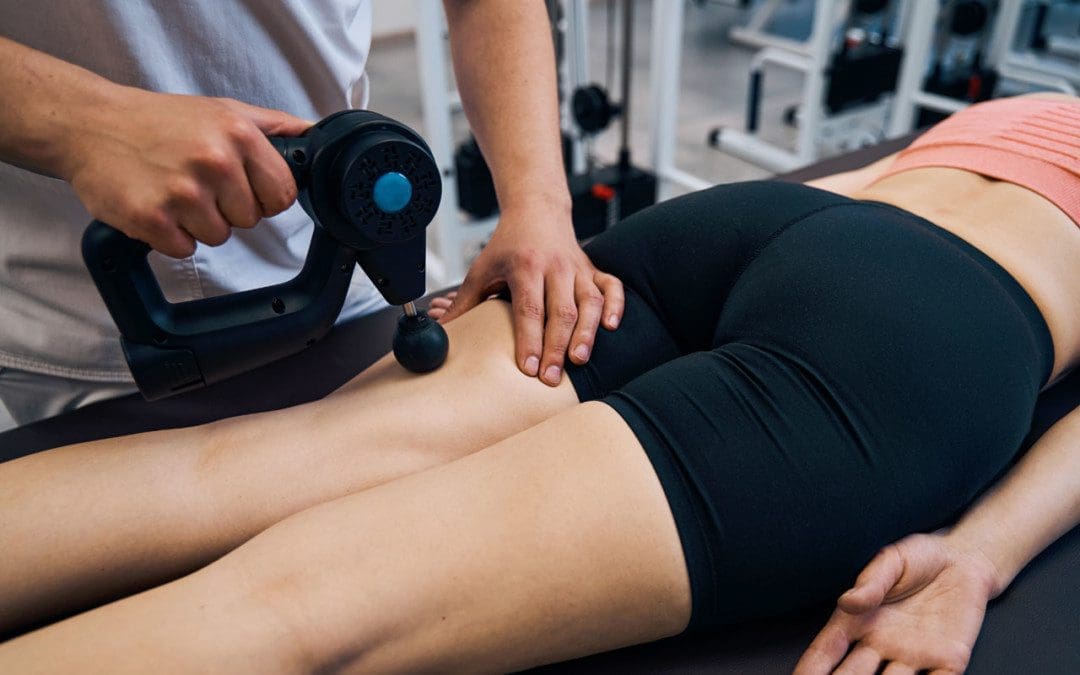
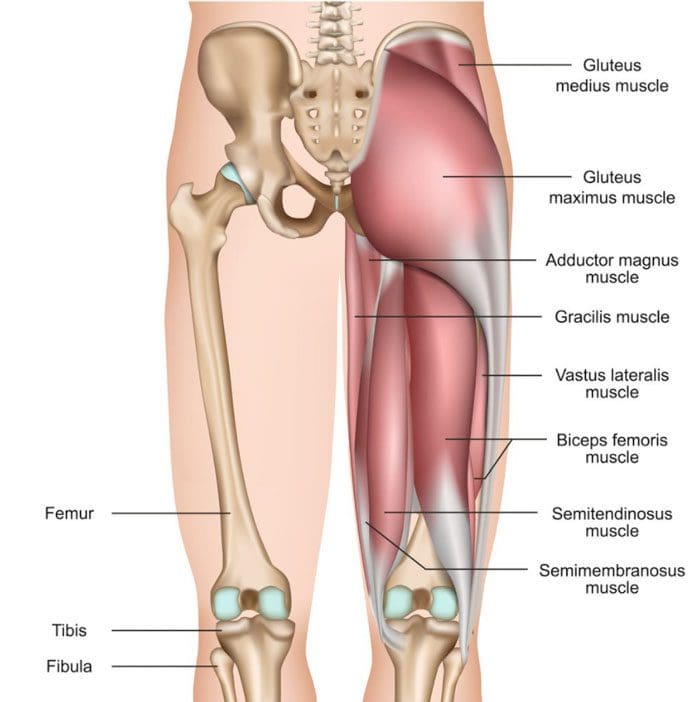
The body is a connected whole and more than just separate parts and regions. When back pain presents, it might not be the back muscles or spine but could be tense, tight hips, and hamstrings causing low back pain. How it happens, how to stretch and loosen up, and target these areas could help alleviate the pain.
The Hips and Hamstrings
When the hip flexors and hamstrings become tense, the tightness can alter the pelvic alignment. This affects spinal alignment leading to discomfort and low back pain. The hip flexors are a group of muscles around the front of the hips, and they activate when moving the leg and knee upward. The hamstrings are the muscles in the back of the thighs that allow for flexion of the knees and hip extension. Muscle tightness in the hips and/or hip joint stiffness can also contribute to low back pain. Not being able to rotate, flex, or extend the hip forward or backward can affect:
Walking
Running
Swinging
Twisting movements
This increases mechanical strain on the lower back.
Losing the ability to function through the entire length of motion can also indicate muscle weakness and a lack of joint movement where the joint around the muscle becomes stiff. This can be caused by:
A lack of movement
Arthritis
Age-related changes
Stretching and Treatment
Stretching exercises can be the first line of treatment. It is recommended to start with gentle stretches targeting these areas. What works best for the individual is the stretch they are comfortable repeating enough to make a difference. Warming up the muscles first will generate the best results. An easy place to begin is a gentle forward fold stretch.
Stand up straight, or sit with the legs extended out in front.
Then, reach with the fingers toward the toes. Don’t worry if you can’t reach them.
If the stretching does not bring relief, it is recommended to progress to a personalized treatment and stretching program with a chiropractor or physical therapist. Chiropractic and physical therapy can relieve the problems without medication, injections, or surgery and provide lifelong techniques for maintaining optimal flexibility, mobility, and strength. The hands-on treatment loosens and relieves the tense tightness, reinforcing the flexibility and range of motion. Treatment includes:
Joint mobilization to the hips and spine.
Soft tissue mobilization.
A personalized strengthening program with stretches and exercises that target the specific muscles.
Health coaching.
Anti-inflammatory diet recommendations.
Body Composition
Monounsaturated Fats
Monounsaturated fat is considered healthy fat. This type of fat makes up a significant component of the Mediterranean diet. Studies have shown monounsaturated fats like extra-virgin olive oil can help prevent adverse events related to cardiovascular disease. A meta-analysis evaluating diets high in monounsaturated fats indicated a significant reduction in:
Triglycerides
Bodyweight
Systolic blood pressure in individuals with type II diabetes.
A significant increase in HDL or good cholesterol.
Another study showed the protective effects of monounsaturated fatty acids reduced the risk factors associated with metabolic syndrome and cardiovascular disease. Monounsaturated fats can have a positive impact on overall health. Monounsaturated fat sources include:
Olive, peanut, and canola oil
Avocados
Almonds
Pecans
Hazelnuts
Sesame and pumpkin seeds
References
Estruch, Ramón et al. “Retraction and Republication: Primary Prevention of Cardiovascular Disease with a Mediterranean Diet. N Engl J Med 2013;368:1279-90.” The New England journal of medicine vol. 378,25 (2018): 2441-2442. doi:10.1056/NEJMc1806491
Gillingham, Leah G et al. “Dietary monounsaturated fatty acids are protective against metabolic syndrome and cardiovascular disease risk factors.” Lipids vol. 46,3 (2011): 209-28. doi:10.1007/s11745-010-3524-y
American College of Physicians. (February 2017) “American College of Physicians issues guideline for treating non-radicular low back pain” https://www.acponline.org/acp-newsroom/american-college-of-physicians-issues-guideline-for-treating-nonradicular-low-back-pain
MedlinePlus. (2019) Hip flexor strain – aftercare https://medlineplus.gov/ency/patientinstructions/000682.htm
IFM's Find A Practitioner tool is the largest referral network in Functional Medicine, created to help patients locate Functional Medicine practitioners anywhere in the world. IFM Certified Practitioners are listed first in the search results, given their extensive education in Functional Medicine