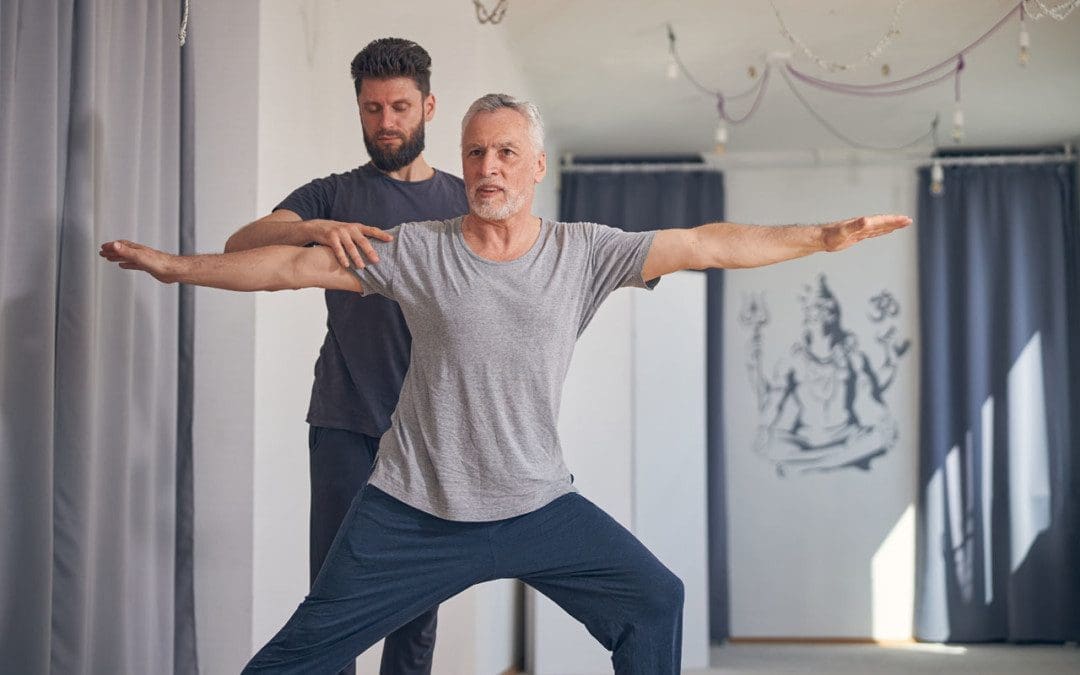
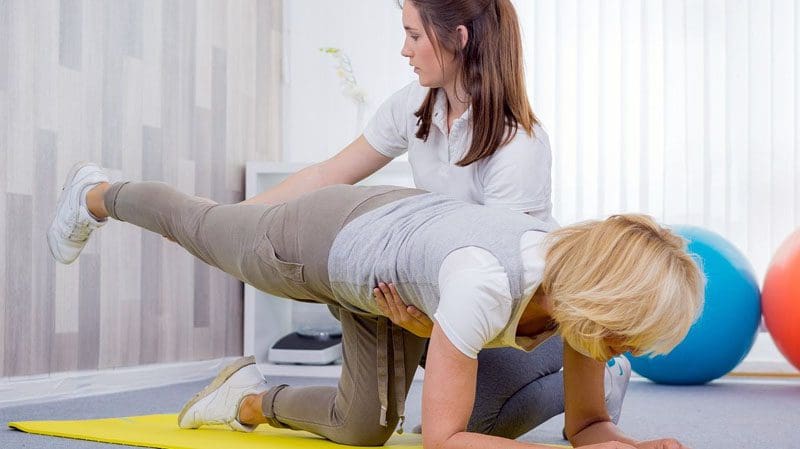
Recovery and rehabilitation after spinal fusion surgery take time. Gentle yoga poses can help expedite recovery from spinal fusion surgery and are recommended in a rehabilitation program. The spine is the body’s central support structure that allows the body to stand upright, bend, and stay balanced. However, an individual may need to have vertebrae fused to repair painful back problems. Spinal fusion is a surgical procedure that permanently connects/fuses two or more vertebrae into a single bone. The procedure is done to help:
Correct a deformity
Improve stability
Reduce pain
At the beginning of the recovery process, the doctor may recommend light physical activity like walking. As the spine continues to heal, moderate exercise is essential for optimal recovery. Doctors are recommending gentle yoga to increase mobility, flexibility and regain strength.
Gentle Yoga and Spine Surgery Recovery
Yoga has become a way to stretch the body, exercise, promote physical and mental well-being. There are different styles of yoga, ranging from gentle stretching to advanced poses. Yoga focuses on stretching, coordination, and balance. When stretching the body, the range of motion is improved. Yoga also helps improve balance and increases strength to reduce the risk of falls and injuries. Gentle yoga after spinal fusion benefits include:
Pain relief
Stress reduction
Improved mental health
Increased flexibility and strength
Improved balance
Increase in energy levels
Gentle yoga after surgery focuses on an improved range of motion/coordination of the arms and legs with the torso. This allows the spine to safely flex, not become stiff, and avoid strain, leading to fuller activity.
When To Begin Yoga After Spinal Fusion?
A reduced range of motion and loss of muscle mass is expected in the weeks and months following surgery. The healthcare/rehabilitation team will address this through exercise and physical therapy once the doctor clears the individual to begin rehabilitation training. The doctor will use some form of diagnostic imaging to determine if the vertebrae have fully fused before giving the ok for exercise. Most individuals can begin light physical activity four to six weeks after the procedure. If the fusion surgery was fused in only one place, individuals could start gentle yoga poses within two to three months. For a multi-level fusion surgery, individuals may need to wait four to six months after the procedure before they can safely begin.
Yoga Recovery Program
It’s essential to take it slow and steady when first beginning yoga after spinal fusion. As the body continues to heal, gradually add more challenging poses and stretches to the routine. This is a graduated recovery program separated into stages to help the individual build back strength and flexibility. In the first stages of recovery, gentle poses that have minimal effects on the spine are recommended. These include:
It’s crucial to listen to the body as a guide when moving through the poses, no matter what stage of recovery. The fusion needs time to heal and stabilize, so any poses that involve twisting movements and flexing should be avoided. Seek advice if there is confusion about how or whether or not to proceed. It is recommended to work with an experienced yoga teacher after spinal fusion. A knowledgeable instructor can guide with the poses, inform which poses to avoid and make modifications to get the most out of the gentle poses.
Body Composition
How Heat Affects Basal Metabolic Rate
Gender, height, and age influence Basal Metabolic Rate. These are factors individuals cannot control or change. However, individuals can increase the calories the body burns by regulating body temperature. Both the internal and external temperatures influence metabolic rate. The chemical reactions that contribute to metabolism happen more quickly if the temperature is higher, as the body works harder to restore normal temperature balance. For example, when a fever is present, the Basal Metabolic Rate will jump up to a much higher rate than usual to increase the speed of cellular metabolic reactions to combat the fever and get the body back to a healthy state. When it comes to external temperature, it’s only prolonged exposure to heat that raises the Basal Metabolic Rate.
References
American Academy of Orthopedic Surgeons. (June 2018). “Spinal Fusion.” https://orthoinfo.aaos.org/en/treatment/spinal-fusion/
Gillooly, James F, and Andrew P Allen. “Changes in body temperature influence the scaling of VO2max and aerobic scope in mammals.” Biology letters vol. 3,1 (2007): 99-102. doi:10.1098/rsbl.2006.0576
National Center for Complementary and Integrative Health. (February 2020) “Yoga for Health: What the Science Says.” https://www.nccih.nih.gov/health/providers/digest/yoga-for-health-science
National Center for Complementary and Integrative Health. (April 2021) “Yoga: What You Need to Know.” https://www.nccih.nih.gov/health/yoga-what-you-need-to-know
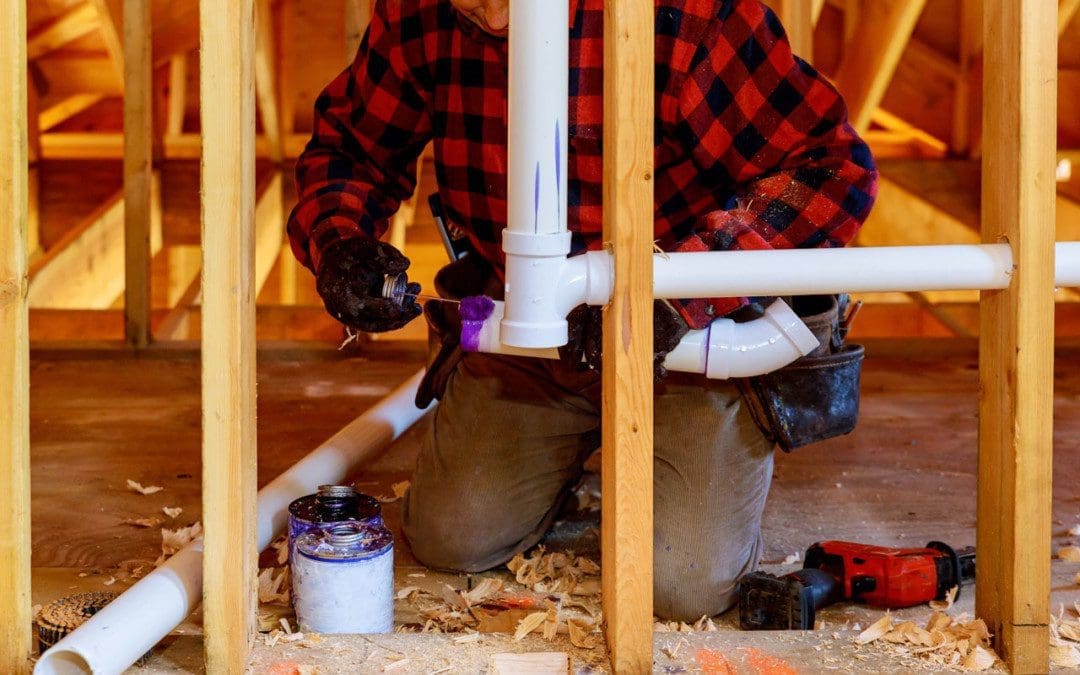
As the weather gets colder, individuals may feel like their muscles and joints are frequently stiff and experience more aches and pains. This is even more evident for individuals that work outside in the winter or with specific ailments/conditions. Colder weather can increase the risk of suffering musculoskeletal injuries and intensify the condition.
How Colder Weather Impacts The Muscles
Individuals with arthritic conditions might find that symptoms become exacerbated. This can keep individuals away from regular activities. Conditions like rheumatoid arthritis and osteoarthritis tend not to react well to weather sudden atmospheric changes, worsening symptoms. However, individuals are well aware of how their body feels and moves when colder weather is present with or without existing conditions. Movement slows down, and when trying to move, the muscles can contract involuntarily, causing tension and stiffness. This usually results in soreness and pain. Feeling warm, safe, and comfortable is essential for the body’s overall health. Overuse and overexertion can increase the risk of injury in colder temperatures.
Barometric Pressure
When the weather gets colder, barometric pressure drops. The Body’s tissues like the muscles, tendons, and ligaments expand. This places pressure on nerves near the joints, causing discomfort and pain.
In cold weather, the fluid density in the joints lessens, causing the bones to rub against each other harder because the fluid is not thick enough to allow for proper lubrication.
The cold makes the muscles shiver, contract, and tighten. This can compress the nerves in the joints and increase pain symptoms.
Prevent Stiffness and Musculoskeletal-Related Injuries
Maintain an active lifestyle
It is recommended to engage in physical activity to exercise the muscles and joints.
A chiropractor can also help manage musculoskeletal condition-related pain during the winter months and help prevent musculoskeletal conditions for individuals that work outdoors.
This can be split into 30 minutes a day on at least five days a week or in shorter sessions of 10 minutes several times a day throughout the week.
Aerobic exercise can include:
Running
Cycling
Hiking
Dancing
Walking
Resistance Training
Research has shown that resistance training with bands or weights can supplement aerobic exercise to reduce blood pressure.
It is recommended to complete 2 to 4 sets of 8 to 12 repetitions for each major muscle group during workout sessions.
Resistance training sessions should be spaced out throughout the week to limit muscle soreness and injury.
Resistance training can include:
Resistance bands with freehand movements, squats, push-ups, bicep curls
Free weights dumbbells, barbells
Gym weight machines like the chest press and shoulder press
References
https://www.cdc.gov/niosh/topics/coldstress/
Heil, Kieran et al. “Freezing and non-freezing cold-weather injuries: a systematic review.” British medical bulletin vol. 117,1 (2016): 79-93. doi:10.1093/bmb/ldw001
Kowtoniuk, Robert A et al. “Cutaneous Cold Weather Injuries in the US Military.” Cutis vol. 108,4 (2021): 181-184. doi:10.12788/cutis.0363
Long, William B 3rd et al. “Cold injuries.” Journal of long-term effects of medical implants vol. 15,1 (2005): 67-78. doi:10.1615/jlongtermeffmedimplants.v15.i1.80
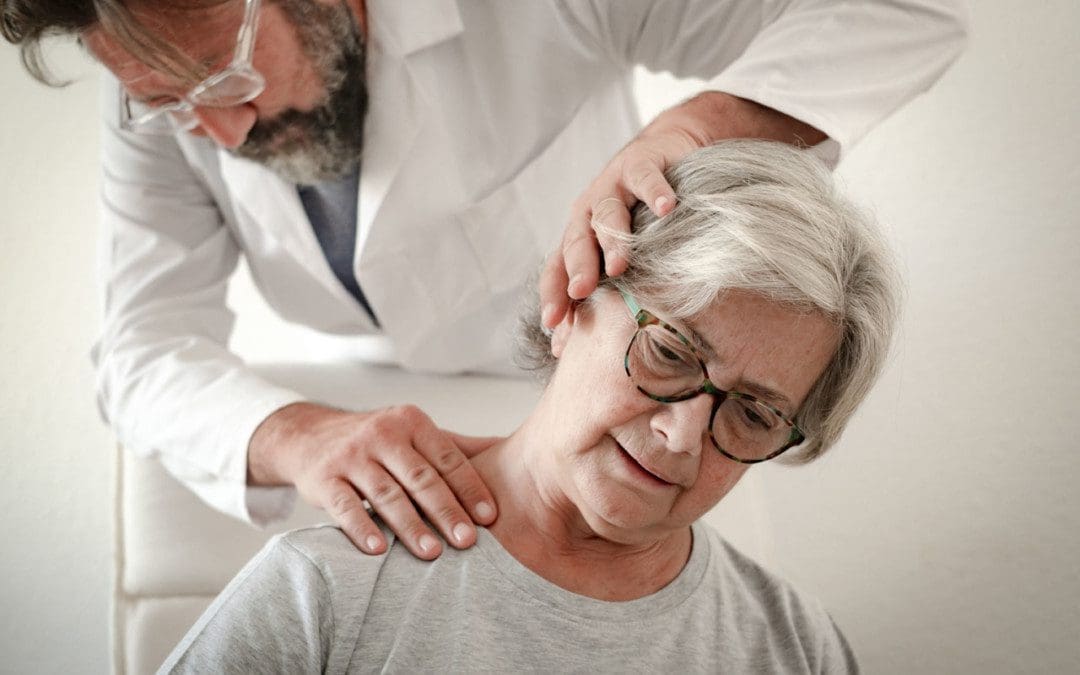
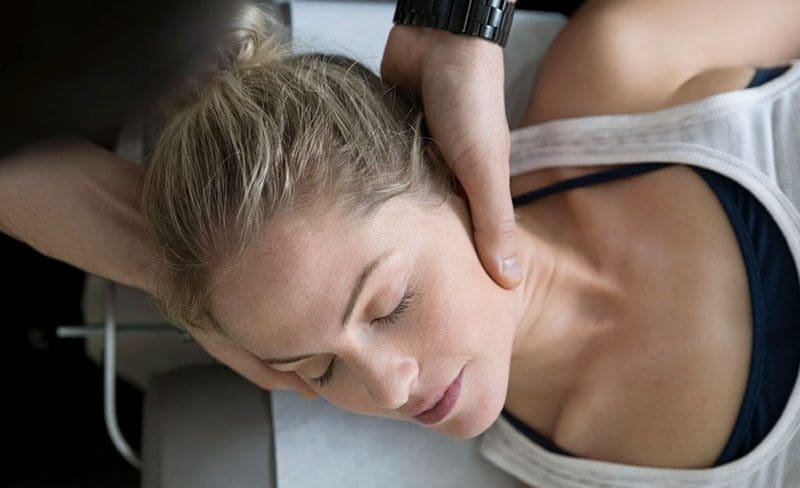
Individuals turn to chiropractic care neck adjustments to help ease neck problems and alleviate pain. Some of the different types of neck-cervical conditions that chiropractic treats include:
Cervical intervertebral disc injuries
Cervical sprain injuries
Degenerative joint syndrome of the neck
Facet joint sprain
Whiplash
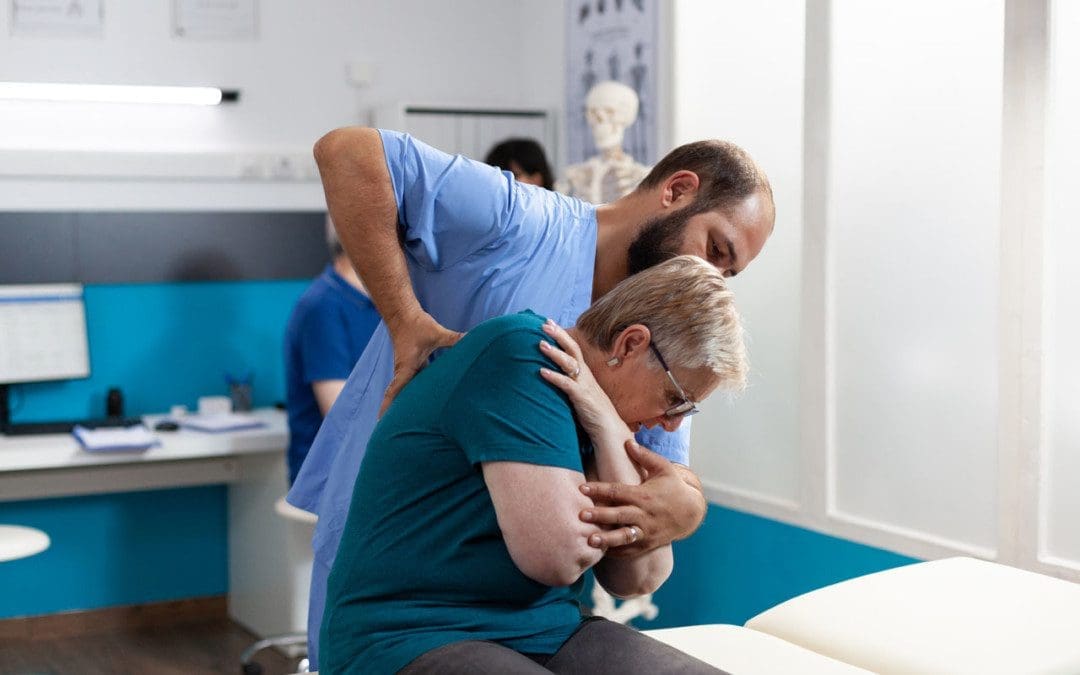
A chiropractor will evaluate the whole spine because other regions may be affected and/or contribute to the problems. They will determine areas of restricted movement and will look at walking gait, overall posture, and spinal alignment. Before deciding which approach to use, the chiropractor will thoroughly examine the specific cause of the problems. Neck adjustments consist of various techniques and methods.
Neck Adjustments
Cervical Mobilization
Cervical mobilization focuses on using gentle motions around the neck.
This adjustment is best for reducing pain and increasing the neck’s range of motion.
Cervical Drop
The cervical drop technique requires the individual to lie on their stomach or side as the chiropractor adjusts the neck, and to prevent any added pressure around the neck, the headrest drops.
After the chiropractor prepares the neck for the adjustment, they will work on specific points, release the headrest, and quickly twist the neck.
This technique improves spinal flexibility by placing the vertebrae in their correct position.
Manual Traction
The patient sits in a chair for this neck adjustment.
Manual traction allows the chiropractor to move the neck at different angles and helps them determine the right amount of force during the adjustment.
A chiropractor will cradle the head in the palms of their hands and quickly move it from side to side.
Soft Tissue Massage
This technique is often used after a complete adjustment.
A chiropractor will gently massage the neck and apply pressure to any inflamed areas.
This increases blood circulation and prevents muscles from tensing and contracting.
Chiropractic Benefits
The benefits that come with using chiropractic neck adjustments include.
Improves Flexibility
One benefit of chiropractic neck adjustments is that they improve your flexibility.
Tight muscles or joints out of place make it harder for the neck to move, limiting its range of motion.
Chiropractic works to reduce poor flexibility by ensuring the bones and muscles are in their proper position.
Prevents Tension
Individuals that deal with severe tension often notice their neck and upper back feeling sore.
Tension tightens the muscles and can cause them to press on nerves.
If too much pressure is on them, the nerves can send out painful pulses.
A chiropractor will feel around the neck and shoulders to identify areas of concern. After the examination, they will make the proper adjustments to reduce pressure on the nerves and calm inflamed muscles.
Prevents Arthritis
Arthritis causes inflammation throughout the body. If not treated, this inflammation can increase the wearing down of bones.
Worn-down bones reduce strength and can irritate nerves.
Chronic neck pain could indicate that the joints in the neck are misplaced.
If these joints are not correctly realigned, the constant friction can begin to break down the bones leading to arthritis.
Chiropractic neck adjustments prevent this by ensuring the joints are in place and maintaining joint health by flushing toxins in and around them.
Anti-Inflammatory Food
Most neck pain is the result of inflammation. Individuals can take synthetic medications to reduce inflammation, but they have side effects. It is recommended to add natural anti-inflammatory foods to one’s diet. These won’t only reduce inflammation but can increase energy levels and help the body heal quicker. A few recommended foods include:
Heart disease is the leading cause of death of adults in the United States. Many factors can contribute to heart disease, and research has pointed to inflammation caused by obesity as one of the most significant factors contributing to the development. The main culprits are cytokines produced by excess fat in the body. These cytokines cause inflammation of the walls of the arteries, causing damage and increasing blood pressure. Blood pressure is the force of blood pushing against the walls of the blood vessels. When high blood pressure is present, the heart does not pump blood effectively, causing the heart to enlarge. An enlarged heart is a significant risk factor for heart failure if steps are not taken to remedy it.
References
Bradley S. Polkinghorn, Christopher J. Colloca, Chiropractic treatment of postsurgical neck syndrome with mechanical force manually assisted short-lever spinal adjustments, Journal of Manipulative and Physiological Therapeutics, Volume 24, Issue 9,
2001, Pages 589-595, ISSN 0161-4754, https://doi.org/10.1067/mmt.2001.118985. (https://www.sciencedirect.com/science/article/pii/S0161475401836915)
Haldeman S. Principles and Practice of Chiropractic. York, PA: McGraw-Hill; 2005.
Hawk, Cheryl et al. “Best Practices for Chiropractic Management of Patients with Chronic Musculoskeletal Pain: A Clinical Practice Guideline.” Journal of alternative and complementary medicine (New York, N.Y.) vol. 26,10 (2020): 884-901. doi:10.1089/acm.2020.0181
Eric L. Hurwitz, Hal Morgenstern, Philip Harber, Gerald F. Kominski, Fei Yu, and Alan H. Adams, 2002: A Randomized Trial of Chiropractic Manipulation and Mobilization for Patients With Neck Pain: Clinical Outcomes From the UCLA Neck-Pain Study American Journal of Public Health 92, 1634_1641, https://doi.org/10.2105/AJPH.92.10.1634
Wang, Zhaoxia, and Tomohiro Nakayama. “Inflammation, a link between obesity and cardiovascular disease.” Mediators of inflammation vol. 2010 (2010): 535918. doi:10.1155/2010/535918
Tractor-trailer semi-trucks are a vital part of our transportation/supply system. However, weather, drivers that are not careful and/or well-trained can cause dangerous and sometimes fatal accidents. One type of accident resulting from truck driver negligence is the jackknife accident. Jackknife accidents are extremely catastrophic because they can involve numerous vehicles. Almost all of them involve life-altering or fatal injuries. Here’s what to know about these violent truck crashes.
Jackknife Collision
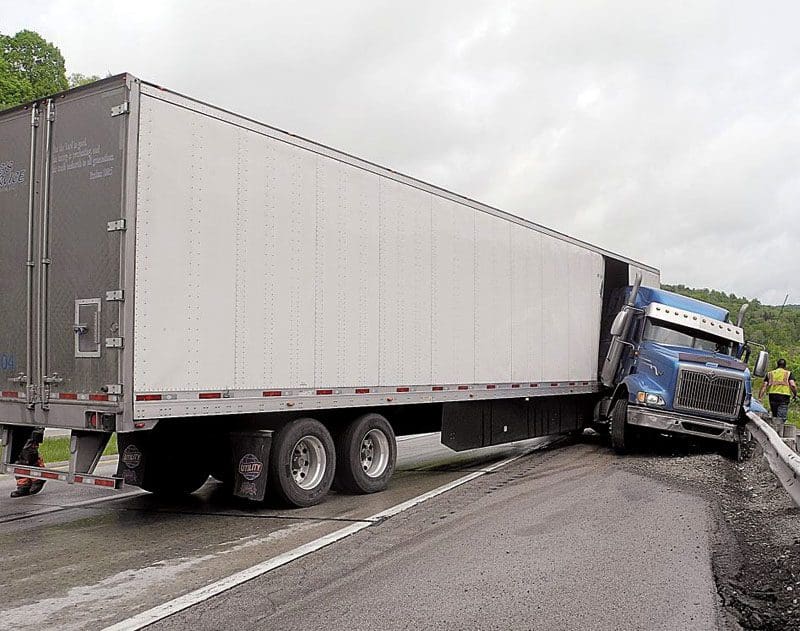
A jackknife occurs when the trailer of semi-truck swings to one side at a 90-degree angle and uncontrollably overtakes other lanes of traffic.The term comes from the look of the tractor-trailer after the crash resembling a jackknife or the letter L. When a jackknife wreck happens, the trailer and cab can hit and crush other vehicles in its path. It can also block numerous lanes leading to additional collisions. Jackknife crashes can also be considered rollover crashes when the truck slides and rolls over onto its side, although not all rollovers end in a jackknife.
Causes
Jackknife collisions are often either the cause of driver negligence or inclement weather, other distracted drivers, truck maintenance, or a combination. These include the following:
Excessive Speed
If a truck driver is speeding, the trailer can slide sideways and jackknife when forced to stop too quickly.
The average tractor-trailer weighs about 80,000 pounds.
The average length of a trailer is between 70 – 80 feet.
Tractor-trailer trucks need 40% more time to brake.
Weather Conditions
If drivers do not take it slow enough, bad weather or road conditions can also cause a jackknife.
Ice, snow, rain, loose gravel, or loose asphalt can cause trailers to bounce and slide.
Hazardous road conditions, as accumulated oil can cause slipperiness.
Improper Following Distance
Truck drivers that do not provide an adequate following distance to allow for a safe stopping distance can cause the trailer to slide sideways and jackknife when having to slam on the brakes.
Drivers who do not exercise caution as they enter and properly maneuver down hills or curves can end up shifting out of position and possibly topple over.
Driver Operator Fatigue
Many tractor-trailer accidents/crashes happen when drivers have logged too many hours without proper rest.
When the body is tired, response time suffers.
If a driver is groggy, they lack the cognizance to maneuver out of a dangerous situation.
Inexperienced or Untrained Operators
Driving a truck is a demanding job that requires several skill sets and experience.
Truck companies try to lower costs by using inexperienced drivers that don’t have the training or experience for long hauls or driving on busy/dangerous highways and interstates.
Load Balance
Safe truck driving ensures the trailer’s cargo is loaded correctly and the weight is equally distributed.
When the load is unbalanced, it can shift, causing the trailer to tilt or tip.
Unbalanced loads are a common factor in rollover crashes.
Lack of Maintenance
Drivers or companies that ignore:
Routine maintenance
Alignment checks
Brake pad replacement
All can lead to accidents and crashes.
Research shows that jackknife crashes can cause widespread damage, as they usually spread across multiple lanes of traffic. Because of this, there is the danger of secondary crashes or vehicles not initially involved in the crash, running into the tractor, trailer, or scattered wreckage and debris.
18 Wheeler Accident Chiropractic Treatment
Analysis An Effective Tool In Physical Therapy Rehabilitation
Body composition is essential for understanding an individual’s physiological makeup and guiding a personalized treatment plan to target specific areas. InBody is non-invasive and convenient, making it ideal for rehabilitation practices. The InBody test provides comprehensive results that can educate and engage individuals in tracking their progress throughout their physical therapy. In less than 60 seconds, the InBody Test provides easy-to-understand, accurate, and objective measurements. Chiropractors and physical therapists use the InBody for:
Monitoring changes to determine the efficacy of exercise programs.
Guiding recommendations to ensure long-term success.
References
Girotto, Edmarlon et al. “Working conditions, and sleepiness while driving among truck drivers.” Traffic injury prevention vol. 20,5 (2019): 504-509. doi:10.1080/15389588.2019.1609670
Gray, Garry. “A bird’s eye view of driving safety culture: Truck drivers’ perceptions of unsafe driving behaviors near their trucks.” Work (Reading, Mass.) vol. 64,2 (2019): 187-194. doi:10.3233/WOR-192985
Smith, Joyce A et al. “Spine and spinal cord injury in motor vehicle crashes a function of change in velocity and energy dissipation on impact with respect to the direction of the crash.” The Journal of trauma vol. 59,1 (2005): 117-31. doi:10.1097/01.ta.0000171534.75347.52
Stavrinos, Despina et al. “Commercial Truck Driver Health and Safety: Exploring Distracted Driving Performance and Self-Reported Driving Skill.” Workplace health & safety vol. 64,8 (2016): 369-76. doi:10.1177/2165079915620202
Stein, H S, and I S Jones. “Crash involvement of large trucks by configuration: a case-control study.” American Journal of public health vol. 78,5 (1988): 491-8. doi:10.2105/ajph.78.5.491
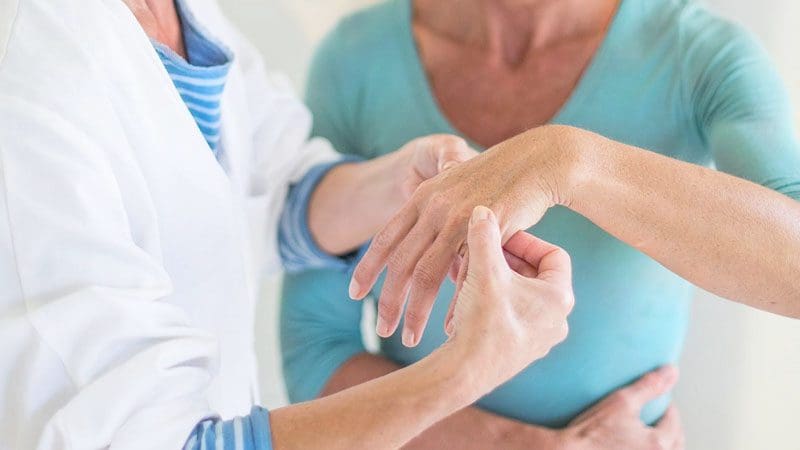
Arthritis can be a debilitating disease that interferes with everyday life. There are over 20% of adults aged 65 and older that have arthritis along with all the symptoms like pain, stiffness, swelling, and decreased range of motion. The most commonly affected joints include the shoulders, hands, spine, hips, and knees. Arthritis results from damage to joint cartilage from various factors such as age, wear and tear, injury, being overweight, and disease. While medication and surgery are the most common treatment options, an arthritis chiropractor can offer a conservative, natural, non-invasive option to manage symptoms.
Arthritis Chiropractor Helps By
While arthritis, either caused by wear and tear – Osteoarthritis or disease – Rheumatoid Arthritis cannot be cured. An arthritis chiropractor can help manage symptoms and prevent progression. Chiropractors are trained to use various techniques to help alleviate pain and tension, including arthritis. Chiropractic treatment aims to alleviate pain by adjusting, massaging, and realigning the musculoskeletal system to relieve stress, stretch the muscles, ligaments, tendons, and restore balance within the body. They open the body to allow proper/optimal nerve energy and blood circulation. This is beneficial for arthritic joints to reduce unnecessary strain, translating to reduced wear on the joints and keeping the body active.
Benefits
There are significant benefits that regular chiropractic treatment can offer. These include:
Restored range of motion
Joint pain relief
Inflammation alleviation
Improved nerve function for optimal tissue healing
Regular adjustments will keep the body optimally aligned and functioning smoothly.
Arthritis chiropractors can recognize the most subtle changes.
Lifestyle Adjustments
Healthy lifestyle adjustments help manage arthritis.
Guidance on healthy habits that include:
Anti-inflammatory foods
Weight loss
Proper sleep habits
Exercise training
Stress management
The sooner chiropractic care is sought out, the better to prevent symptoms from worsening. Chiropractic can generate great results with less need for medication/s or surgery.
Body Composition
Identifying The Risk of Sarcopenia and Decreased Mobility
As the body ages, it begins to lose muscle mass, and as more sedentary behavior is adopted, the rate of loss increases along with age-related injury. Identifying these age-related changes in muscle and how they relate to frailty risk can be challenging to identify and track. By accurately measuring fat-free mass in each region of the body, Skeletal Muscle Index – SMI quickly specifies muscle mass and frailty risk. Sarcopenia and frailty specifically affect the elderly population, affecting mortality, cognitive function, and quality of life. Loss of muscle in the arms and legs is associated with:
Reductions in mobility
Increased risk of falls
Frailty
Extended hospital stays
Falls and fractures frequently result in a cycle of muscle deterioration. Analysis tools can help track body composition changes to minimize muscle wasting and the risk of impaired mobility. Assessing skeletal muscle mass in outpatient and hospital settings can decrease debilitating outcomes before they happen. The InBody analysis is quick and easy, providing a calculation for skeletal muscle index and the sum of the lean mass in the arms and legs. The ease of performing the InBody test provides physicians more time to work with and educate individuals on adopting lifestyle changes to help prevent sarcopenia.
References
Aletaha, Daniel. “Precision medicine and management of rheumatoid arthritis.” Journal of autoimmunity vol. 110 (2020): 102405. doi:10.1016/j.jaut.2020.102405
Beasley, Jeanine. “Osteoarthritis and rheumatoid arthritis: conservative therapeutic management.” Journal of hand therapy: official journal of the American Society of Hand Therapists vol. 25,2 (2012): 163-71; quiz 172. doi:10.1016/j.jht.2011.11.001
Demoruelle, M Kristen, and Kevin D Deane. “Treatment strategies in early rheumatoid arthritis and prevention of rheumatoid arthritis.” Current rheumatology reports vol. 14,5 (2012): 472-80. doi:10.1007/s11926-012-0275-1
Kavuncu, Vural, and Deniz Evcik. “Physiotherapy in rheumatoid arthritis.” MedGenMed: Medscape general medicine vol. 6,2 3. 17 May. 2004
Moon, Jeong Jae et al. “New Skeletal Muscle Mass Index in Diagnosis of Sarcopenia.” Journal of bone metabolism vol. 25,1 (2018): 15-21. doi:10.11005/jbm.2018.25.1.15
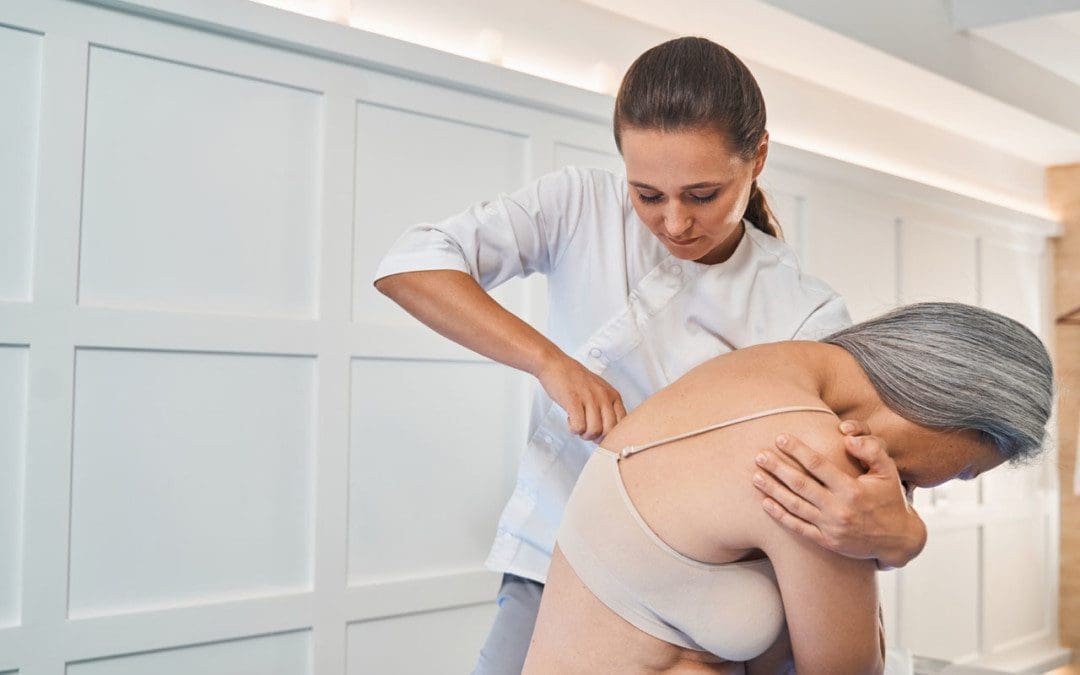
The thoracic upper back or middle back is designed for stability to anchor the rib cage and protect the organs within the chest. Compared to the neck and lower back, the upper back is highly resistant to injury and pain. When thoracic upper back pain does present, it is usually brought on from long-term poor posture or an injury that overwhelms the sturdiness. It is less common than lower back and neck pain, but it does affect around 20% of the population and primarily women. It can occur for a variety of reasons, and chiropractic treatment can bring long-term relief.
The delicate balance and function can create potential issues and imbalances, causing soreness, strain, and pain. Underlying causes for thoracic upper back pain include:
Direct impact on the area.
Injury from a fall, sports, or automobile accident.
Unhealthy posturing/positions that place added strain on the spine, causing misalignment.
Repetitive motions and overuse like pulling, pushing, reaching, and twisting.
Repetitive/Improper shoulder mechanics can lead to muscle imbalance and poor movement.
Chiropractic can realign the spine and body if experiencing any of the following:
Symptoms that keep returning even with the use of medication.
Home remedies do not bring adequate relief.
Unable to prevent symptoms from presenting.
Chronic pain.
Injury Medical Chiropractic and Functional Medicine Clinic will develop a personalized/customized treatment plan specific to the individual’s needs. Treatment will include:
Spinal adjustments to improve alignment and nerve integrity.
Therapeutic massage.
Posture training to increase spinal alignment.
Exercise training to restore muscular balance.
Health coaching.
Anti-Inflammatory Diet.
Body Composition
Sitting For Prolonged Periods
Weakened Muscles
Metabolism is linked with body composition, meaning that increased muscle increases metabolism helping to burn more calories.
When sitting, the gluteal muscles, abdominal muscles, and legs become inactive.
Sitting for extended periods day after day can cause these muscles to degenerate.
Consistent muscle loss from the lower body can hurt the body’s functional strength and, with age, increase the risk of injury.
Any muscle loss, especially from the lower body, and is the largest muscle group, can lead to consistent fat gain.
Circulation Slows Down
Sitting for too long also slows down blood flow to the brain and the legs, causing them to become sluggish.
Sitting without standing can increase the risk of developing blood clots.
Blood clots can break off and cause blockages throughout the body.
One study showed a significant reduction in the vascular flow after sitting for just three hours.
But individuals who took breaks and got up to walk around for two minutes every hour showed improved circulation.
References
Beddhu, Srinivasan et al. “Light-intensity physical activities and mortality in the United States general population and CKD subpopulation.” Clinical journal of the American Society of Nephrology: CJASN vol. 10,7 (2015): 1145-53. doi:10.2215/CJN.08410814
Briggs AM, Smith AJ, Straker LM, Bragge P. Thoracic spine pain in the general population: Prevalence, incidence and associated factors in children, adolescents and adults. A systematic review. BMC Musculoskelet Disord. 2009;10:77.
Fouquet N, Bodin J, Descatha A, et al. Prevalence of thoracic spine pain in a surveillance network. Occup Med (Lond). 2015;65(2):122-5.
McManus, Ali M et al. “Impact of prolonged sitting on vascular function in young girls.” Experimental physiology vol. 100,11 (2015): 1379-87. doi:10.1113/EP085355
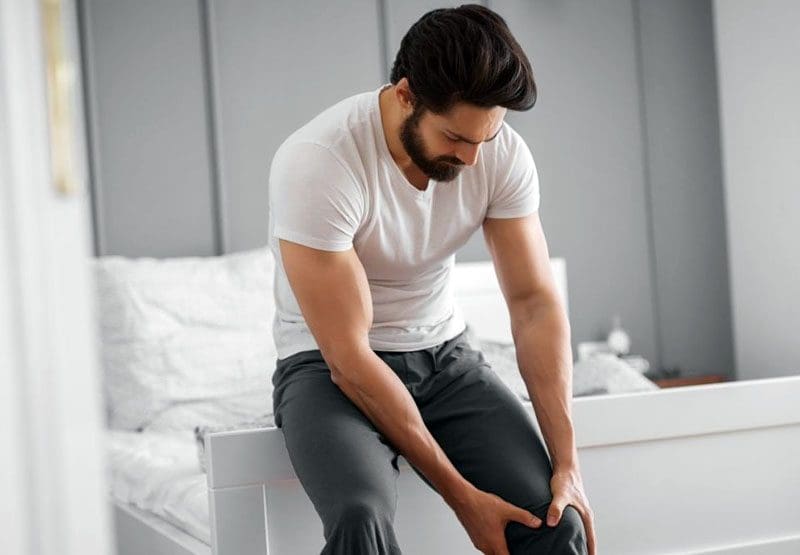
Muscle spasms also referred to as muscle cramps, are painful contractions and tightening of the muscles. They are common, involuntary, and unpredictable. Temperature drops and cold weather can cause the muscles and joints to contract and tighten, leading to spasms and pain. Chiropractic, physical therapy massage, exercises, stretching, and an anti-inflammatory diet can bring relief and help strengthen the muscles to prevent future episodes.
Muscle Spasms
Spasms are common and can affect any of the muscles. They can involve part of a muscle, all of a muscle, or several muscles in a group. Spasms occur when the muscle/s involuntary and forcibly contract uncontrollably and are unable to relax. The most common sites for muscle spasms include:
As the weather gets colder, this causes the muscles in the body to lose heat, causing them to contract. As a result, the muscles and joints become tighter, stiffer, and decrease mobility and range of motion. This forces the muscles to work harder than usual to compensate. This can increase the fatigue of the muscles, leading to more prolonged bouts of pain and discomfort after physical activity, movement, exercise, etc.
Symptoms and Causes
A cramp can last a few seconds or last up to 15 minutes. During a muscle spasm, the following may be experienced:
Twitching in the muscle.
Pain in the muscle.
Throbbing.
Hardness and/or stiffness.
The muscles appear physically distorted.
Because the muscles have to work harder, the cold weather can increase muscle spasms. One of the most common causes of muscle spasms is overuse and fatigue. However, exact causes vary from person to person. Some experts believe that one or more of the following contribute to the spasms/cramps, and they include:
Dehydration.
Stress.
Not stretching the body regularly.
Muscle fatigue.
Restricted blood circulation.
Involuntary nerve discharge/s.
Over-exercising.
Exercising in the heat.
Exhaustion of salts and minerals:
Potassium
Magnesium
Calcium
Possible causes for leg cramps at night or nocturnal leg cramps specifically include:
Sitting for too long without moving around to keep circulation healthy.
Sitting with unhealthy posture.
Overusing the muscles.
Standing or working on hard floors.
Dealing With The Cold
One way to deal with the cold is to warm up before any physical activity. Taking a few minutes to get the heart rate up can increase the blood flow and flexibility of the muscles. This will ensure the muscles are functioning correctly and avoid the need to work harder to stop spasms. When a cramp strikes, there are a few steps to try to alleviate the spasm:
Stretching the affected area.
Massaging the affected area manually with a massage roller, percussive massager.
Stand up.
Move around.
Apply heat or ice.
A warm bath, shower with massage setting if possible.
American Academy of Orthopaedic Surgeons. Muscle Cramp. (http://orthoinfo.aaos.org/topic.cfm?topic=A00200) Accessed 3/1/2021.
American Association of Osteopathy. Muscle Cramp—A Common Pain. (http://www.osteopathic.org/osteopathic-health/about-your-health/health-conditions-library/general-health/Pages/muscle-cramp.aspx) Accessed 3/1/2021.
Herzberg J. Stevermer J. Treatments for Nocturnal Leg Cramps. (https://www.aafp.org/afp/2017/1001/od3.pdf) Am Fam Physician 2017;96(7):468-469. Accessed 3/1/2021.
Young G. Leg Cramps. (https://www.ncbi.nlm.nih.gov/pmc/articles/PMC4429847/) BMJ Clin Evid 2015; May 13;1113. Accessed 3/1/2021.
IFM's Find A Practitioner tool is the largest referral network in Functional Medicine, created to help patients locate Functional Medicine practitioners anywhere in the world. IFM Certified Practitioners are listed first in the search results, given their extensive education in Functional Medicine